
The Culture Journalist
The Culture Journalist
0
A podcast about the future of culture, hosted by Emilie Friedlander and Andrea Domanick. The show explores cultural trends and their impact on society. It is produced in the United States and distributed via Substack.
Epizodes
-
 AI and the Left 18.09.2026 56minCUJO is a podcast about culture in the age of platforms. Episodes drop every other week, but if you want the full experience, we recommend signing up for a paid subscription. Paid subscribers also get access to our CUJOPLEX Discord and The Weather Report, a monthly episode series where we take stock of where the cultural winds are blowing and tell you what’s rained into our brains.When it comes to AI, Neo Ludditism has been the default response of the American Left for some time now. But if we accept that boycotting can only go so far, and that AI is probably here to stay in some form, what might a progressive platform regulating today’s frontier technologies actually look like? During a month marked by a fever pitch hysteria around AI, with AI employees resigning and warning of extinction-level risks, CEOs calling for a slowdown, and politicians proposing jail time for developing “superintelligence,” we jumped on the horn with writer, researcher, and technologist Joshua Dávila to make sense of this inflection point in the AI culture war—and what it might look like for the Left to play an active role in shaping the technology’s future.We discuss how the niche ideology of Rationalism has shaped Silicon Valley’s language of doomsday inevitability, and whether we should actually be alarmed; what we can learn about the American AI industry from contrasting it with the landscape in China and the EU, and what the “Medicare for All” of AI policy might look like, or whether that’s just… well, Medicare for All. Plus, Josh tells us about his new project All Models Are Wrong, a show and blog about AI, robotics, biotech, crypto, and “the political choices hidden inside every technological future.”Follow Josh’s work at All Models are WrongPieces discussed in the episode:“The Long Doomsday of AI” by Joshua Rothman (The New Yorker)“How Scared Should We Be of AI Right Now?” by Cal Newport (The New York Times) This is a public episode. If you'd like to discuss this with other subscribers or get access to bonus episodes, visit theculturejournalist.substack.com/subscribe
 -
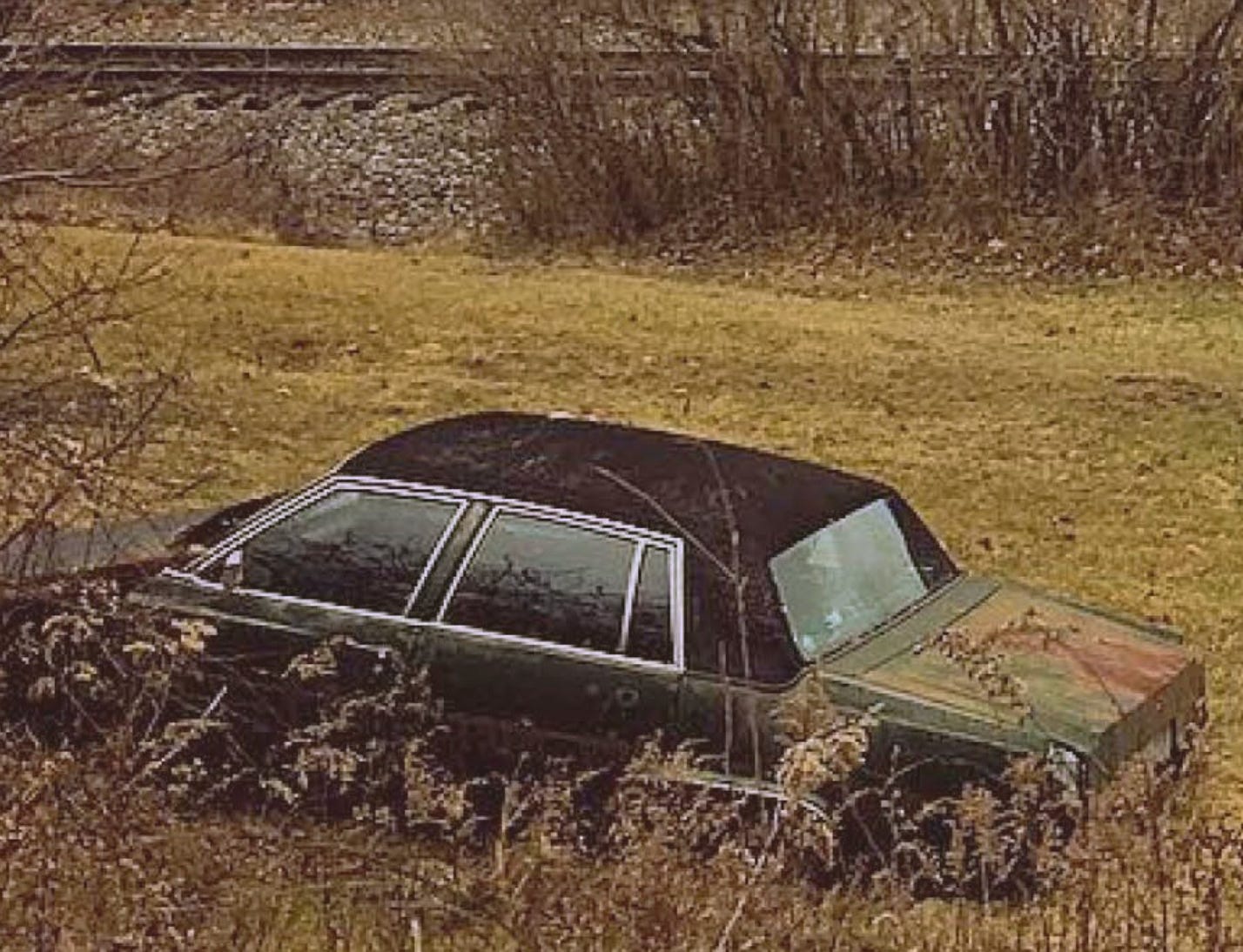 Midwestern Death Trip: Dropping out with Meaghan Garvey 04.09.2026 1h 10minCUJO is a podcast about culture in the age of platforms. Episodes drop every other week, but if you want the full experience, we recommend signing up for a paid subscription. Paid subscribers also get access to our CUJOPLEX Discord and The Weather Report, a monthly episode series where we take stock of where the cultural winds are blowing and tell you what’s rained into our brains. Hey pals. This week, we savor the final moments of summer with the author of our favorite non-fiction book this year. Her name is Meaghan Garvey — you probably know her as one of the best music journalists in the game — and the book is Midwestern Death Trip, which chronicles a period where she purchased a used red Cadillac and spent her days driving to far-flung corners of rural Wisconsin, Michigan, and Illinois, drinking in taxidermy-adorned supper clubs and dive bars and trying to “re-enchant” her life. It’s part memoir, part outsider history of a place, and part on-the-ground reckoning with a part of America often flattened into political abstraction. Though, if you really wanna boil it down, it is — as Meaghan puts it — a manifesto.We discuss Meaghan’s contention that American culture is actually way more interesting, psychedelic, and varied than it’s cracked up to be; what her weeklong benders taught her about both her relationship with herself and Americans’ relationships with one another; and what it’s like to occupy the lonely position of a female writer compared to Hunter S. Thompson (and why she’s actually more of a Lucia Berlin).Purchase Midwestern Death Trip at Country Highway and at local booksellers (second edition forthcoming)Subscribe to Meaghan’s excellent Substack SCARY COOL SAD GOODBYE This is a public episode. If you'd like to discuss this with other subscribers or get access to bonus episodes, visit theculturejournalist.substack.com/subscribe
 -
 CUJO presents: California Gothic 21.08.2026 57minCUJO is a podcast about culture in the age of platforms. Episodes drop every other week, but if you want the full experience, we recommend signing up for a paid subscription. Paid subscribers also get access to our CUJOPLEX Discord and The Weather Report, a monthly episode series where we take stock of where the cultural winds are blowing and tell you what’s rained into our brains. Catch last month’s episode, where we dig into the rise of “waiting-in-line culture” in cities across America, the Spotify vs. Kalshi saga, Lebron James’ post-factual free agency, and more.Hi pals. While we’re off on vacation this week, we decided to do something a little different for this week’s show.If you checked out last month’s Weather Report, you probably heard that Andrea recently had the opportunity to participate in a multimedia installation at LA’s National Museum of the Aftermath called “California Gothic” that dives into the question of what Los Angeles, and the lives of those who live there, will look like after collapse.The project is the brainchild of Gina Delvac and James Kim, two of the most creative minds working in audio storytelling today. For “California Gothic,” they commissioned audio creators, journalists, writers, and artists (Andrea included) to imagine a future where their favorite place in Los Angeles no longer exists, and then to create a speculative audio story about it — short prose, an intimate fiction scene, an ambient piece, or something surreal that doesn’t fall into any of those. They ask: What memories reverberate from this place? What memories can still be heard? What have we lost?While “California Gothic” was (at the time anyway) a one-off event, we were so moved by the vision and creativity of these experimental pieces – which range from sound collages, to surrealist scifi, to letters from future selves – that we thought it would make for a sweet summer treat to feature them here on CUJO.Today’s episode features six of those pieces, each imagining a different place in Los Angeles as remembered in a post-apocalyptic future. But first, Gina joins us for a quick chat about the meaning of “California Gothic,” why spoken audio should be recognized as an art form as much as a commercial output, and what’s in store for the project beyond “California Gothic.” If you have ideas or want to get involved with future iterations of the project, reach out to Gina at [email protected] California GothicCuratorsGina Delvac is a native Angelena and podcast showrunner, audio creator, and curator. Her work includes projects like Call Your Girlfriend, Bandsplain, and Lost Notes: Groupies.James Kim is the EP of original programming at Lemonada, and he previously made the fiction podcast Moonface, the Apple TV documentary series Magnificent Jerk, and was the showrunner for the HBO/TCM show Talking Pictures.ContributorsJennifer Swann: Shatto 39 Lanes bowling alley, Koreatown (18:45)Jenn Swann is a journalist, radio producer, and the writer and host of the podcast series My Friend Daisy. She’s on Substack and Instagram.Angel Carreras: The Thai Boxing Institute, Venice (24:21)Angel Carreras is a journalist and audio producer. Say hi to him on Instagram and pls listen to whatever econ thing he helped make at NPR. Henry Johnson: Frogtown (27:40)Henry is an artist and native Angeleno based in Los Feliz. He works in television. Molly Lambert: The Southwest Museum tunnel, Mt. Washington (31:07)Molly Lambert is a podcaster, journalist, and writer in Los Angeles. She hosts the podcast Mollyworld. Sophie Bridges: Barndall Park darkroom, East Hollywood (36:30)Sophie Bridges is a writer and audio producer. She's the producer and story editor of the podcast Shell Game, and she lives in the last city on earth (Los Angeles).Kristen Torres: Echo Park Lake (44:37)Kristen Torres is a freelance podcast and video producer based in Los Angeles. She recently became a great-aunt and feels like her weird aunt powers grow stronger by the day.Andrea Domanick: The Sunset Strip, West Hollywood (51:42)Andrea Domanick grew up watching the Strip change on Holloway Drive, where the (real) Sunset Strip sinkhole ruptured this summer. This is a public episode. If you'd like to discuss this with other subscribers or get access to bonus episodes, visit theculturejournalist.substack.com/subscribe
 -
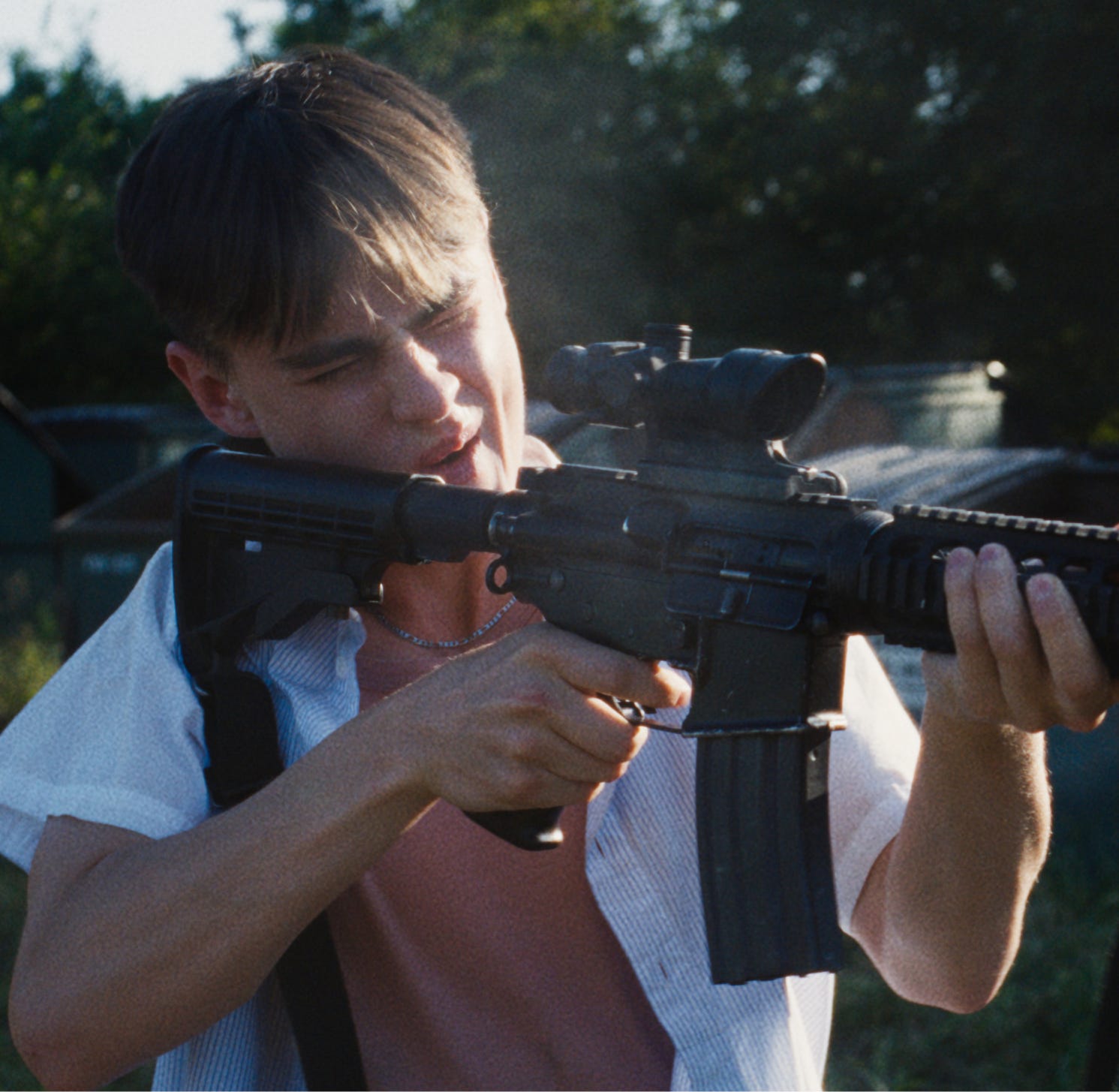 ‘Our Hero, Balthazar’ and the cinema of growing up online 07.08.2026 1h 11minCUJO is a podcast about culture in the age of platforms. Episodes drop every other week, but if you want the full experience, we recommend signing up for a paid subscription. Paid subscribers also get access to our CUJOPLEX Discord and The Weather Report, a monthly episode series where we take stock of where the cultural winds are blowing and tell you what’s rained into our brains. Catch last month’s episode, where we dig into the rise of “waiting-in-line culture” in cities across America, the Spotify vs. Kalshi saga, Lebron James’ post-factual free agency, and more. Here at CUJO, we love ourselves a good topical film. And as far as hot-button topics are concerned, Our Hero, Balthazar, a new movie from Oscar Boyson and Ricky Camilleri, has it all: coastal elite vs. red state class antagonism, the performance of self on the internet, gun violence, toxic masculinity, MLMs, designer drugs, and more. Written during the internet-addled lockdown days of the pandemic, it follows Balthazar (Jaeden Martell), a wealthy private school teen and online “cryfluencer” from New York City who becomes a obsessed with Solomon (Asa Butterfield), a working-class internet troll he suspects is planning a school shooting, and travels to Texas to stop him.It’s a crazy premise for a film, but what transpires ends up being a deeply believable exploration of what happens when you bring social media and the attention economy into one of the most challenging phases of life: adolescence. And while the subject matter isn’t funny at all, the film, surprisingly, very much is. Balthazar hits streaming on Apple TV on August 11, so we’re thrilled to have Oscar, who directed the film, and Ricky, who co-wrote and produced it alongside Oscar, on today’s episode. You might know Oscar from his work as a producer on 2010s indie classics like Frances Ha, Good Time, Uncut Gems, along with the show Chillin Island, and Ricky from his work as a film commentator and video talk show host for media companies like HuffPost, but the pair have known each other since meeting at film nerd camp in their teens. We talk about how they came back together later in life to write Balthazar; why they chose to frame the movie, somewhat controversially, around the specter of a school shooting; and its unsparing examination of what it is like to come of age in a world where attention is currency.Plus: We get into the challenges they faced making a dark topical indie satire during a period of extreme risk-aversion in the film industry, the story behind the film’s amazing Iceage needledrop, and how they drew inspiration from idiosyncratic coming-of-age films from the turn of the millennium like Larry Clark’s Bully. This is a public episode. If you'd like to discuss this with other subscribers or get access to bonus episodes, visit theculturejournalist.substack.com/subscribe
 -
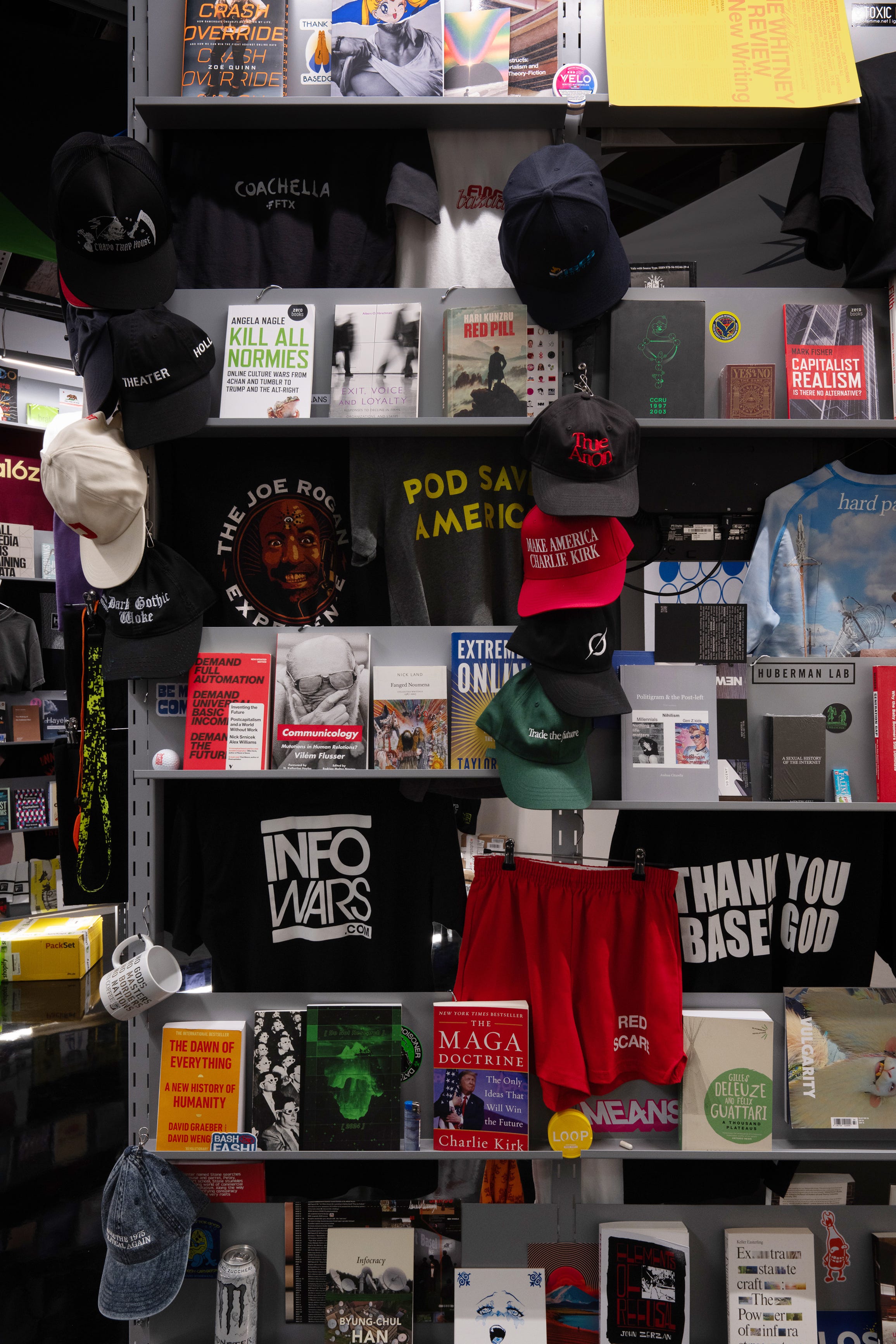 Mapping "The Online Marketplace of Ideas" 24.07.2026 1h 24minCUJO is a podcast about culture in the age of platforms. Episodes drop every other week, but if you want the full experience, we recommend signing up for a paid subscription. Paid subscribers also get access to our CUJOPLEX Discord and The Weather Report, a monthly episode series where we take stock of where the cultural winds are blowing and tell you what’s rained into our brains. Catch last month’s episode with Callahan & Witscher’s Jack Callahan, where we dig into the Fenix Flexin saga and the future of AI-assisted music, the recent hipster discourse, and more.You’ve probably heard the phrase “the marketplace of ideas”: the classical liberal belief that when ideas compete freely in the public square, the best ones will always rise to the top. But what does that “marketplace” look like in the media landscape of the 2020s, where ideas are distributed via personalized algorithmic feeds and the public sphere has fragmented into clusters of charismatic content creators with cult followings? That’s the question that Doomscroll’s Joshua Citarella and New Models’ Carly Busta and Lil Internet tackle in “The Online Marketplace of Ideas,” an installation they put together for Strange Rules, a group show currently on display at the Palazzo Diedo at Berggruen Arts & Culture in Venice, curated by Mat Dryhurst, Holly Herdon, and Hans Ulrich Obrist, with Adriana Rispoli. Hint: It’s a room packed with over 400 t-shirts, hats, books, and other “dropship basics” from the personalities that have dominated the discourse in the 2020s, ranging from Joe Rogan and Call Your Daddy to Chapo Trap House, “Abundists” Ezra Klein and Derek Thompson, Andreas Malm, Curvis Yarvin, Balaji Srinivasan, and Byung-Chul Han.We brought on Josh and Carly to walk us through the exhibition, what bringing together all these objects reveals about the larger economic and geopolitical shifts this apparent ideological diversity obscures, the increasingly blurred line between being a content creator and being a politician, and our transition from the age of linear media into a neo-oral one. Plus: a cameo appearance from New Models co-founder Lil Internet, discussing his theory that this wild profusion of internet ideologies has become America’s primary cultural export.Strange Rules is on display at the Palazzo Diedo in Venice until November 22, 2026Subscribe to New Models on Substack or PatreonSubscribe to Doomscroll on Substack and YouTube This is a public episode. If you'd like to discuss this with other subscribers or get access to bonus episodes, visit theculturejournalist.substack.com/subscribe
 -
 Welcome to the tasteslop era 10.07.2026 1h 13minFor our cultural predictions roundup back in January, the musician and technologist Trevor McFedries predicted that 2026 was going to be a really good year—professionally speaking—for people with good taste. The jury’s still out, but it’s definitely turning into a big year for talking about taste. And for the first time in history, the tech world seems to be leading the charge, from engineers penning essays about how “personal taste” is the new moat, to startups promising us more aesthetically discerning AI, to the Palantir chore coat and tech billionaires sitting front row at Fashion Week.To make sense of why taste has become such a Silicon Valley buzzword—and what that tells us about the changing meaning and role of taste more broadly–we brought on Drew Austin, a writer and urban planner who runs the excellent Substack, Kneeling Bus, where he recently penned a piece called “Tastecore and the Enclosure of the Commons.” We discuss Drew’s research on the tech world’s changing relationship to fashion in the post-pandemic era, the growing epidemic of “tasteslop,” and how the current discourse frames taste as something less about personal distinction and more about gaining a competitive edge. Plus, we tap Pierre Bourdieu to try to parse the evolving function of taste in society over time—and what the tech industry’s taste obsession can tell us about the shifting landscape of class and class antagonism.Follow Drew at Kneeling Bus on Substack.Read Drew on taste:“Tastecore and the enclosure of the commons”“Worn out: Tech elites’ supposed indifference to fashion is a contempt for the commons” (Real Life)“Here comes a regular: Taste is obsolete & gatekeeping is code for what the internet took from us”“Bots in the beerlight: Sometimes embodiment is all you’ve really got”“Lo-fi beats for studying: How to push more through the human attention bottleneck”Additional references:“Taste is Eating Silicon Valley” by Anu Atluru (Working Theories)“Personal Taste is the Moat” by Wang Cong“Tasteslop: Notes on technological anxiety” by Emily Segal (Nemesis) This is a public episode. If you'd like to discuss this with other subscribers or get access to bonus episodes, visit theculturejournalist.substack.com/subscribe
 -
 Your music taste is being manipulated: A history 19.06.2026 36minCUJO is a podcast about culture in the age of platforms, from Emilie Friedlander and Andrea Domanick. You can learn more about it here.For fans of independent music, the Geese psyop allegations earlier this year raised an anxiety-provoking question: How much of our taste is our own, and how much of it is just a function of the music industry using a range of tactics (from the mundane, to the shadowy, to the straight-up fraudulent) to manufacture consent? We held back from commenting on the story at the time because we were cooking up a longer response that we finally unveiled this week: a deeply researched, centuries-spanning history of the art and science of musical taste manipulation, spanning Tin Pan Alley sheet music scams, chart manipulation, streaming farms, the modern clipping economy, viral “trend simulation,” and more. Our hope was that shedding light on these historical persuasion tactics — and the psychological mechanisms that underpin them, from the mere-exposure effect to René Girard’s mimetic theory of desire — would help our listeners make sense of a present where it can feel like everything on the internet is fake.The episode, titled “Free Clout for Sale,” is part of an exciting collaborative podcast project called Tranche that came out this week on Metalabel. Tranche is the brainchild of friend of the pod and Nothing But Respect cohost Harry Krinsky, who you may remember from our episode on the psychology of the modern Knick fan a few weeks back. As Harry describes it, it’s basically a literary magazine, but instead of articles, you get podcast episodes. Listen to today’s episode for an interview with Harry about the project and an excerpt from our contribution to it — and please consider supporting our work by purchasing Tranche 001, which gets you five episodes for just $5. Other entries include a history of the word “based” (from Naomi Zeichner and Eamon Whalen), a meditation on Eddington and the fate of the Western in the 2020s (with Nate Fisher and Eddie Averill), an aesthetic analysis of Praxis and the Palantir chore coat (featuring past CUJO guest Sam Venis), and a cross-generational analysis of major life milestones with CUJO regular Ben Dietz and friends. All proceeds will be split among contributors. Something we loved this week: This fascinating episode by the excellent podcast No Such Thing on the history of different corporate management styles and the problem of micromanaging at work, featuring The Drift editor and Harvard historian Erik Baker, author of the book Make Your Own Job: How the Entrepreneurial Work Ethic Exhausted America. This is a public episode. If you'd like to discuss this with other subscribers or get access to bonus episodes, visit theculturejournalist.substack.com/subscribe
 -
 Chronicling NYC subculture, with Matthew Gasda 05.06.2026 54minCUJO is a podcast about culture in the age of platforms. Episodes drop every other week, but if you want the full experience, we recommend signing up for a paid subscription. Paid subscribers also get access to our CUJOPLEX Discord and The Weather Report, a monthly episode series where we take stock of where the cultural winds are blowing and tell you what’s rained into our brains.What does it take to chronicle contemporary culture through the ancient medium of theater, and what new insights can it unlock about the present? On this episode, we talk with playwright, author, and critic Matthew Gasda about his recent staging of The Last Days of Downtown, the third and final installment of his “Dimes Square” trilogy, which chronicles the aspirations, anxieties, attentional antics, and creative rivalries of New York’s post-pandemic downtown scene. Matthew joins us to discuss his role leading a resurgence of DIY theater in NYC — including as the founder of an institution called Brooklyn Center for Theater Research — and how he’s used the medium to capture subcultures in real time, before they’ve even had a chance to register their place in history. We talk about the downtown’s scene’s polarizing legacy and where it fits within previous eras of NYC counterculture, what happens when you and your work become part of the story you’re trying to tell, and how the world of the trilogy acted as a harbinger of culture in the decade to come.Visit the Brooklyn Center for Theater Research for upcoming plays from MatthewFollow Matthew on SubstackRead Matthew’s novels and plays This is a public episode. If you'd like to discuss this with other subscribers or get access to bonus episodes, visit theculturejournalist.substack.com/subscribe
 -
 The story of vaporwave 21.05.2026 1h 32minCUJO is a podcast about culture in the age of platforms. Episodes drop every other week, but if you want the full experience, we recommend signing up for a paid subscription. Paid subscribers also get access to our CUJOPLEX Discord and The Weather Report, a monthly episode series where we take stock of where the cultural winds are blowing and tell you what’s rained into our brains.If you were on the music internet at all during the 2010s, you’re probably familiar with vaporwave. You know, that archival-obsessed musical microgenre based on synthy, hypnotic samples paired with aesthetics like classical sculptures, retro corporate imagery, and Japanese kanji.It’s almost a meme at this point, but vaporwave was one the first internet-born genres and art movements created entirely using digital tools, plundered from online archives. And beneath the placid, detached surface of vaporwave—somehow both nostalgic and ironic—there was a passionate community of musicians and fans creating something that in retrospect was actually quite political and subversive—if not in subject matter, then in form.A new documentary called Nobody Here: The Story of Vaporwave captures the evolution and cultural impact of vaporwave, told from the perspective of more than 50 artists, producers, and other key figures from across the scene, including Daniel Lopatin, 猫 シ Corp. (Cat System Corp.), Luxury Elite, George Clanton, Saint Pepsi. In keeping with the spirit of the movement, you can watch it for free on YouTube.Director Christian Britten and producer and artist Enzo Van Baelen, who’s also co-founder of the label My Pet Flamingo, join us to talk about the genre’s origins, including as an outgrowth of noise music, the role of anonymity in the scene, and how its use of meme-able visual iconography foreshadowed visual communication on the internet today. Plus, we discuss what we can learn from the story of a musical movement that was by definition unmonetizable (unless you’re creating your own samples, that is).Watch Nobody Here: The Story of Vaporwave for free on YouTube.Download the film here.Check out the Nobody Here companion sampler over at Bandcamp. This is a public episode. If you'd like to discuss this with other subscribers or get access to bonus episodes, visit theculturejournalist.substack.com/subscribe
 -
 The slow cancellation of the future: A Mark Fisher primer 08.05.2026 1h 35minCUJO is a podcast about culture in the age of platforms. Episodes drop every other week, but if you want the full experience, we recommend signing up for a paid subscription. Paid subscribers also get access to our CUJOPLEX Discord and The Weather Report, a monthly episode series where we take stock of where the cultural winds are blowing and tell you what’s rained into our brains.We are making a film about Mark Fisher. Or at least, that’s what artists Sophie Mellor and Simon Poulter say we are doing by interviewing them about We Are Making a Film About Mark Fisher, an experimental documentary about the late British intellectual Mark Fisher that is currently making its way in decentralized fashion through cities across the globe. (You can set up a screening in your town if you want). They made the film with the help of over 70 pro bono collaborators and produced it entirely via Instagram, with no budget, studio, or institutional support. We’ve never seen anything quite like it.Fisher was a political and cultural theorist, music critic, and philosopher who first gained notoriety blogging under the alias K-punk in the early 2000s, before becoming known for penning some of this century’s most clear-eyed and affecting analyses of capitalism, popular culture, and our collective political future (or lack thereof). That includes his wildly influential 2009 book Capitalist Realism: Is There No Alternative?, which explores the idea that capitalism has become so dominant we struggle to even imagine alternatives. Fisher has been a big influence on us, so we decided to invited Sophie and Simon on the show to tell us about the film and offer us a little primer on his ideas. We dig in to concepts that were central to Fisher’s work, including hauntology, hyperstition, and capitalist realism; why his work seems to be having a moment right now, especially among Gen Z; and how it reflected both the utopian promise of the internet and its eventual descent into today’s commoditized, culture-war nightmare. We also discuss how Fisher’s working-class background and refusal to accept hierarchies between fields like critical theory and music blogging shaped his unique perspective on the world—and how this “decapitalized film,” and the larger art project of which it is part, doubles as an invitation to gather offline and imagine new artistic and political futures together.Follow the project on Instagram, or attend a screening near youCheck out more of Sophie and Simon’s work at Close and RemoteListen to our Hauntology retrospective with Simon Reynolds, Fisher’s friend and contemporary This is a public episode. If you'd like to discuss this with other subscribers or get access to bonus episodes, visit theculturejournalist.substack.com/subscribe
 -
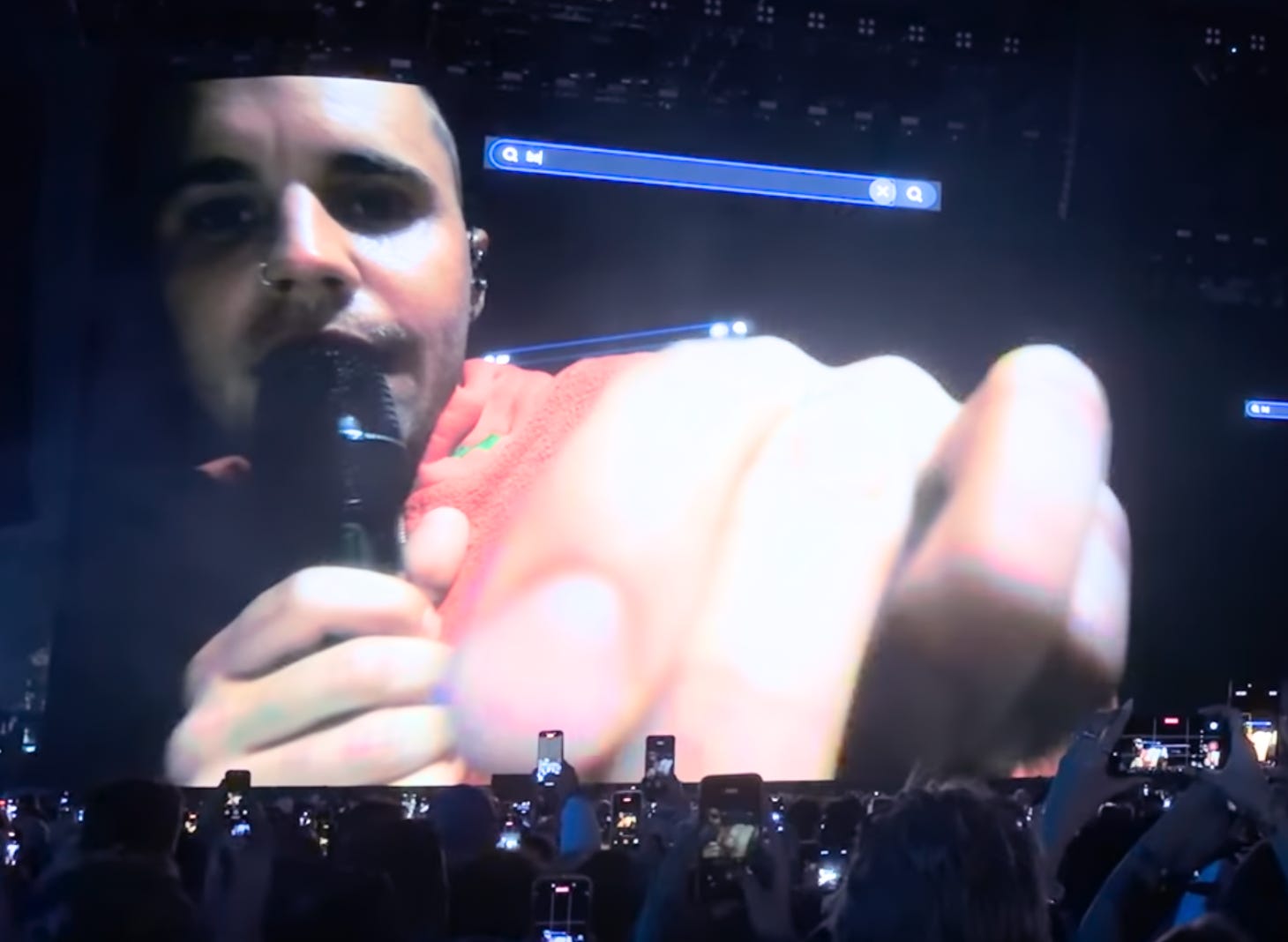 Coachella trend report 2026: Let's watch YouTube together 24.04.2026 1h 16minCUJO is a podcast about culture in the age of platforms. Episodes drop every other week, but if you want the full experience, we recommend signing up for a paid subscription. Paid subscribers also get access to our CUJOPLEX Discord and The Weather Report, a monthly episode series where we take stock of where the cultural winds are blowing and tell you what’s rained into our brains.Andrea just got back from Coachella, so it’s time for our annual report where we use the festival as a crystal ball for talking about where contemporary culture is going. And this year was particularly interesting — not just because of Justin Bieber and his laptop, but also because of Coachella’s marked transformation into a mass televisual couch spectator event.Joining us for the debrief is Billboard editor Andrew Unterberger, who was in the trenches with Andrea for Weekend 1 and hosts the Greatest Pop Stars podcast. (He also moonlights as a basketball guy) We talk about how Coachella is actually three festivals now — Weekend 1, Weekend 2, and the livestream — and how the latter is transforming everything from the festival’s booking strategy, the performances, to what the experience feels like on the ground. We also get into an overall aesthetic shift from influencer polish to rawness and imperfection, how the Bieber’s set functioned as a metacommentary on how YouTube is TV now, and how the Strokes’ performance visuals on Weekend 2 — which featured imagery of the wars in Gaza and Iran — touched a third rail in what was otherwise a surprisingly apolitical scene. Listen to the end for Andrea’s dispatch on this year’s style highs and lows, including the fate of the infamous boho circle belt.Follow Andrew on Bluesky Listen to his Coachella episode of Greatest Pop StarsRead Andrea’s L.A. Times column “Inside Coachella’s fractured world: Weekend 1, Weekend 2 and the livestream that changed everything”Read Andrea’s L.A. Times story about how people are affording Coachella Check out Andrea’s full style report over at Biz Sherbert’s American Style This is a public episode. If you'd like to discuss this with other subscribers or get access to bonus episodes, visit theculturejournalist.substack.com/subscribe
 -
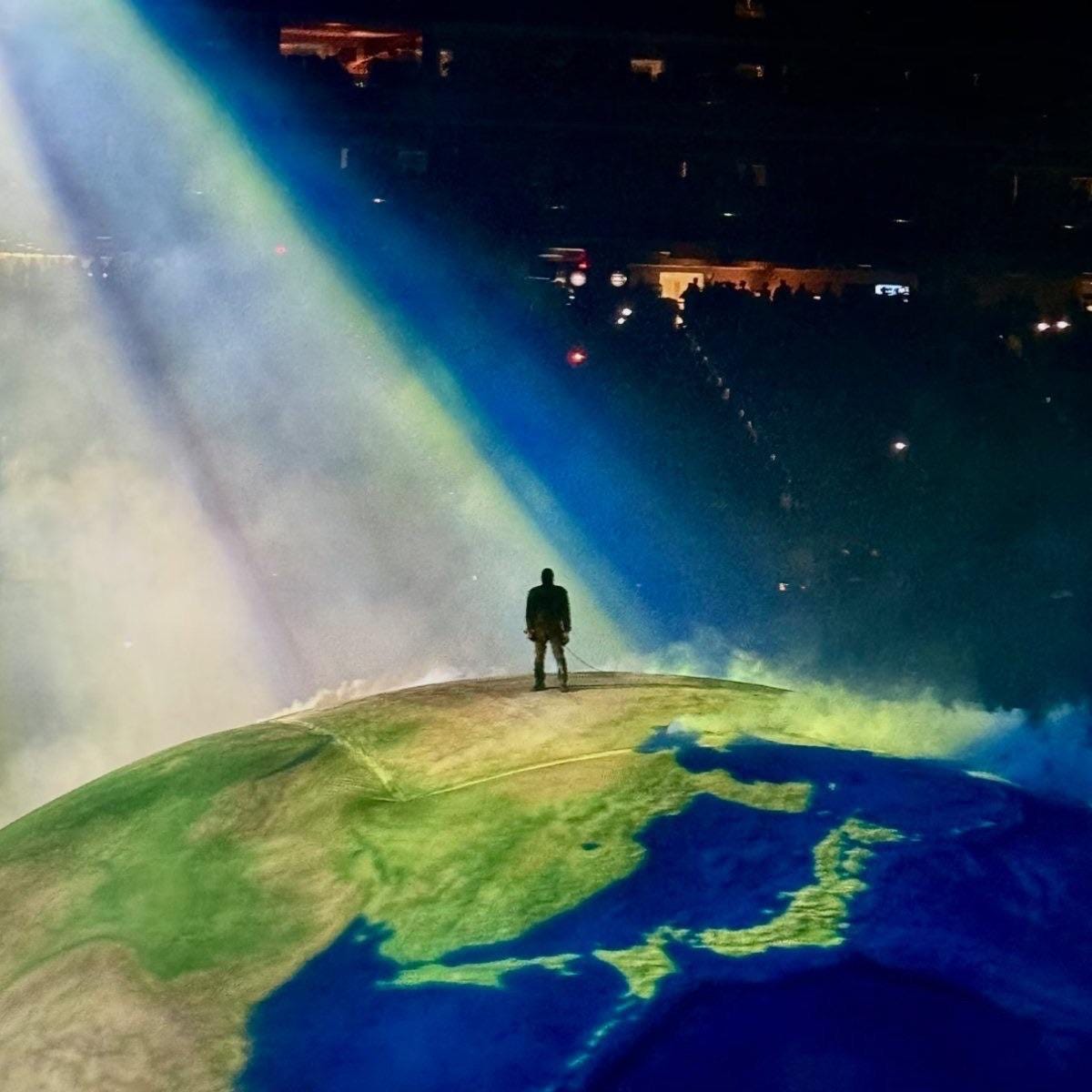 The experience economy arms race and the end of the recording artist 10.04.2026 1h 24minCUJO is a podcast about culture in the age of platforms. Episodes drop every other week, but if you want the full experience, we recommend signing up for a paid subscription. Paid subscribers also get access to our CUJOPLEX Discord and The Weather Report, a monthly episode series where we take stock of where the cultural winds are blowing and tell you what’s rained into our brains.It sounds strange to say it, but the notion of the recording artist seems to be becoming increasingly a thing of the past. Artists are still releasing albums, sure, but our experience as music fans and the industry as a whole seems to be increasingly centered around live music — at least in terms of where people are actually spending their money. Today’s guest, writer and musician Jaime Brooks (you may remember her from our episode on the geopolitics of pop culture), joins us to discuss what that means for artists and the future of music itself. We dig into Jaime’s recent viral essay, “Why do so many big artists hate touring?,” which draws on her own touring experiences as part of the electronic duo Elite Gymnastics to explore how the music business seems to be in the midst of an experience economy arms race. Artists are risking serious money on ever-bigger spectacles, ticket prices keep climbing, and all roads — even for indie artists — seem to lead to Live Nation and AEG. Meanwhile, the psychological tolls of life on the road, combined with the near-constant surveillance of being a celebrity in 2026, has led to a growing wave of cancellations and burnout. All leading Jaime to ask: Is it time to let go of the idea of pop stars (or at least human ones) entirely?We dig into why touring seems to become more stressful for artists as they become more successful, what happens when scarcity pivots from music recordings to tickets, and how even early and mid-career artists are feeling the pressure to manufacture the illusion of endless growth. Jaime also raises a spicy possibility: If the music industry continues down this path, the future of pop stardom might belong more to animated or AI-generated performers in the mold of K-Pop Demon Hunters than real people. Read “Why Do So Many Big Artists Hate Touring?” Subscribe to Jaime’s Substack, The Seat of Loss This is a public episode. If you'd like to discuss this with other subscribers or get access to bonus episodes, visit theculturejournalist.substack.com/subscribe
 -
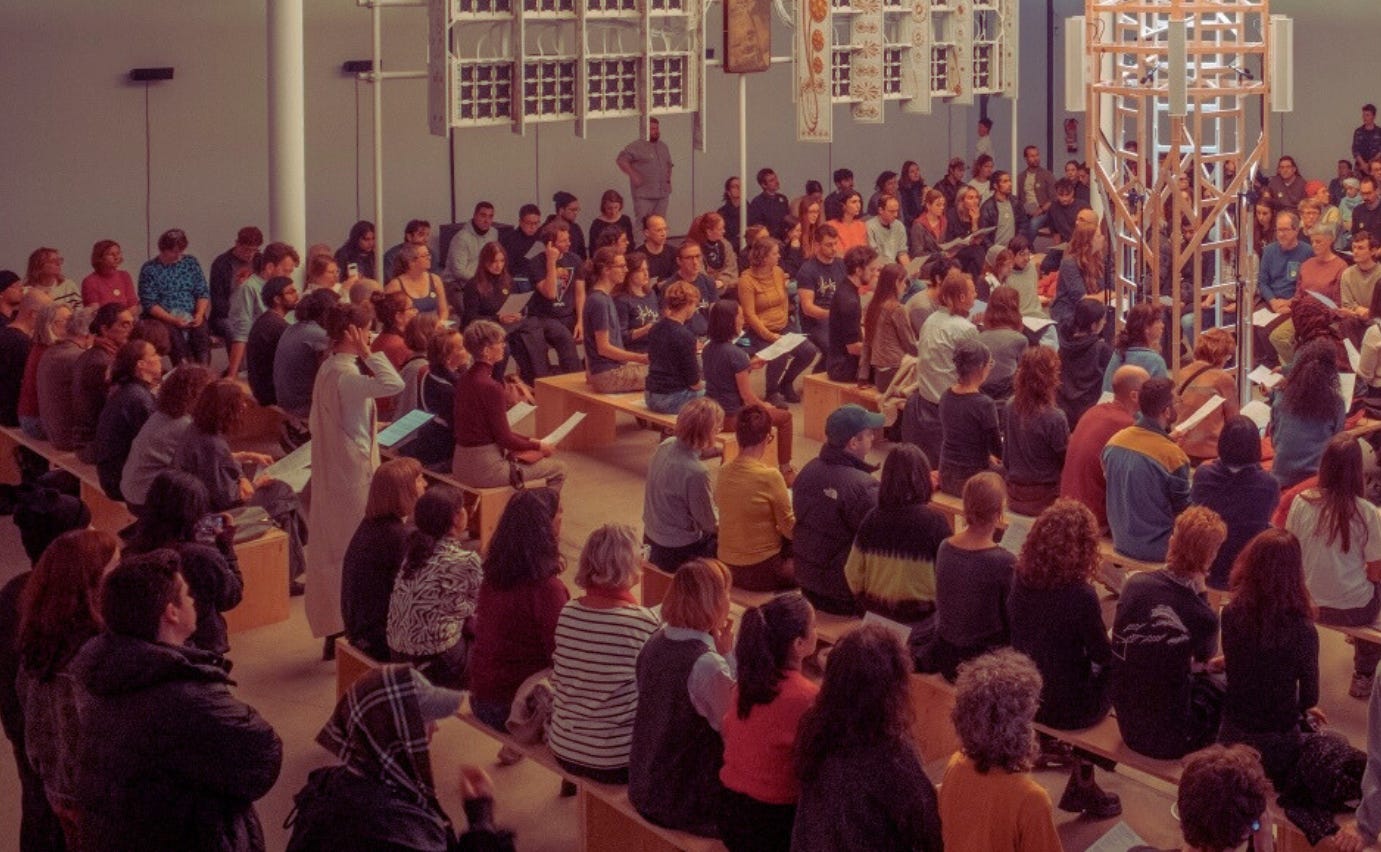 Opinionated software: AI and the arts, revisited 20.03.2026 1h 37minCUJO is a podcast about culture in the age of platforms. Episodes drop every other week, but if you want the full experience, we recommend signing up for a paid subscription. Paid subscribers also get access to our CUJOPLEX Discord and The Weather Report, a monthly episode series where we take stock of where the cultural winds are blowing and tell you what’s rained into our brains.Hi pals. In 2022, we did an episode with artist, technologist, and friend-of-the-pod Mat Dryhurst to discuss a question that now feels almost quaint: Is AI good or bad for art? This was back in the days (pre-ChatGPT) when everybody was freaking out about text-to-image generators like Dall-E and Midjourney, and we discussed what they might mean for working artists. Obviously, a lot has happened since then, so it felt like time to check back in with Mat.Mat is the rare artist and leftist we know who’s also an outspoken proponent of AI tools, if not the broader economic structures shaping their creation and deployment. While we don’t agree on everything, we share a core perspective: This tech isn’t going away, and artists and creative people need to understand it if they want to have a say in what the future will look like.Having worked with AI in his practice for over a decade alongside his partner Holly Herndon — they’ve even co-authored a book about AI and cultural production — Mat brings a deeply informed perspective to the ethical implications and creative possibilities of these tools. Given that conversations about AI tend to fall into polarized culture war-style faceoffs, we wanted to dig into the fine print of what’s actually going on, where the AI industry is heading, and where creative workers should be focusing their attention.Mat talks with us about what running a start-up focused on giving artists more power over their training data taught him about the limits of current copyright debates, and whether slop is as big as a problem for culture as people are making it out to be. We also get into why blanket bans of AI-generated art and music are not only impractical, but bad for artists. Plus, we discuss why Mat thinks open models are critical to creative control in a landscape that is increasingly consolidated around a handful of powerful companies.Follow Mat on Instagram and XSubscribe to Mat’s Substack, Token dumpCheck out works and events by Mat and Holly on their studio website This is a public episode. If you'd like to discuss this with other subscribers or get access to bonus episodes, visit theculturejournalist.substack.com/subscribe
 -
 Brooklyn's lost indie decade 06.03.2026 1h 18minHello! Emilie here. For most of my adult life, Lizzy Goodman’s Meet Me In the Bathroom has been the only definitive book about the New York music scene of my youth. The trouble is that a lot of important stuff happened alongside and after that, particularly across the river in Brooklyn. So, thank God for Ronen Givony. The founder of longtime concert series Wordless Music and former Le Poisson Rouge booker braved the wilds of the publishing industry to bring us the first comprehensive history of the Brooklyn music scene: Us vs. Them: The Age of Indie Music and a Decade in New York (out now via Abrams).Us vs. Them traces the years 2004 to 2014 and a wide cast of artists and other characters, some familiar, many not. But part of the point is to look past the usual suspects to talk about the lesser-known artists and promoters who built the scene, often with their very own hands. The book traces how Bush-era political dissatisfaction, cheap rents, and digital technology gave rise to one of those uniquely fertile cultural moments in music history that only come around every so often—you know, where great gigs felt endless, scenes felt possible, and you and your friends were the ones making it happen.Ronen joins us to discuss what it was like to chronicle a scene that, unlike the Manhattan scene of the Strokes, the Yeah Yeah Yeahs, and Interpol, was geographically far-flung and features a lot of characters who never became household names or whose careers have been lost to time. We also get into what conditions made it possible for north Brooklyn to become home to a creative ecosystem that, in Ronen’s words, “existed for a reason other than profit” and its complicated relationship to commerce, the media, and selling out. And we talk about what this history teaches us about how we might go about fostering culture in New York—and cities like it—today.Ronen was also kind enough to make us a playlist featuring artists from the book. Cue it up for a great companion listen to the episode.Buy Us vs. ThemFollow Us vs. Them on Substack and Instagram This is a public episode. If you'd like to discuss this with other subscribers or get access to bonus episodes, visit theculturejournalist.substack.com/subscribe
 -
 Welcome to the reality exchange 13.02.2026 1h 36minCUJO is a podcast about culture in the age of platforms. Episodes drop every other week, but if you want the full experience, we recommend signing up for a paid subscription. Paid subscribers also get access to our CUJOPLEX Discord and The Weather Report, a monthly episode series where we take stock of where the cultural winds are blowing and tell you what’s rained into our brains.Besides the Bad Bunny vs. Kid Rock faceoff, arguably the biggest headline to come out of Superbowl LX was the sheer volume of money being traded on prediction markets, online exchanges where anyone 18 and older can bet on event outcomes. Fans exchanged a whopping $1.5 billion on the winning team alone through prediction platforms like Kalshi and PolyMarket. But these markets aren’t just limited to sports: During the game itself, more than $100 million changed hands every three minutes over which song Bad Bunny would drop first in the halftime show.John Herrman, New York Magazine tech columnist and our guest on last year’s episode about the future of the internet, has been all over how prediction markets are creeping into just about every area of life. And in our 2026 culture predictions episode (with zero dollars on the line), he forecast that politics is next — bringing all the sponsorship, gamification, and corruption risks we’ve already seen with the rise sports betting. John joins us to discuss how, in his words, prediction markets serve as “a new way to narrativize the world.” We explore what prediction markets have in store for politics and the historical conditions that have converged to make prediction markets so popular, from young people’s flatlining economic prospects to having a former casino owner as our president; why prediction market true believers see markets as the most effective way of adjudicating reality, and how the prediction market “sharp” — or whale — became an aspirational career path for young people in the 2020s, not unlike Wall Street traders in the '1980s or the influencer in the 2010s.Follow John on BlueskyRead “Screen Time” at New York Magazine’s IntelligencerMore by John:“Gambling Ate Sports Media. Is Politics Next?”“What Good Are Prediction Markets If Nobody Can Agree on What Happened?” This is a public episode. If you'd like to discuss this with other subscribers or get access to bonus episodes, visit theculturejournalist.substack.com/subscribe
 -
 The network state moment 29.01.2026 1h 26minCUJO is a podcast about culture in the age of platforms. Episodes drop every other week, but if you want the full experience, we recommend signing up for a paid subscription. Paid subscribers also get access to our CUJOPLEX Discord and The Weather Report, a monthly episode series where we take stock of where the cultural winds are blowing and tell you what’s rained into our brains. Hey guys. Following our 2026 predictions episode (thanks to everyone for all the love), we’re back to our regularly scheduled programming. And speaking of things we think everybody should be paying attention to this year, today we’re talking about network states.Popularized by Twitter-famous VC philosopher and former Coinbase CTO Balaji Srinivasan, the network state is basically what happens when a bunch of crypto bros and entrepreneurs pool their money, buy land, negotiate regulatory exceptions, and attempt to start a new nation-state around an ideology or practice, like life-extension research or the keto diet. Until recently, network states felt like a fringe libertarian concern—a kind of 2020s remix of seasteading, super-charged by crypto and AI tooling. But especially since finding a receptive ear in the second Trump administration, the movement and its guiding ideas have quietly mutated into an influential ideological force in American politics, both domestically and abroad. To help us get a grip on the whole thing, we brought on fellow culture journo Sam Venis, who’s been reporting on it for places like The Guardian, Playboy, The Guardian, The Point, and Mars Review of Books. He takes us inside his travels documenting network-state experiments across the globe, from the medical research enclave of Próspera in Honduras, to a hacker house full of urbit engineers hanging in Bukele’s inner circle in El Salvador, to Trump’s vision of deregulated “Freedom Cities” on “unused” federal land in the US.We discuss why someone would want to found or join a network state in the first place — i.e., how much of it is ideological, and how much of it is tax evasion — what life is actually like at places like Próspera on the ground, and how the network state movement represents both a mechanism of American imperialism under Trump and a possible blueprint for the US economy’s next phase.Sign up for Sam’s Substack, Technical PersonaeRead Sam: “Could new countries be started – on the internet?” (The Guardian)“The island of eternal Life” (The Mars Review of Books)“Turbo America” (The Point)“Waiting for the End of the World In El Salvador” (Playboy) This is a public episode. If you'd like to discuss this with other subscribers or get access to bonus episodes, visit theculturejournalist.substack.com/subscribe
 -
 36 predictions about culture in 2026 16.01.2026 1h 4minCUJO is a podcast about culture in the age of platforms. Episodes drop every other week, but if you want the full experience, we recommend signing up for a paid subscription.Paid subscribers also get access to our CUJOPLEX Discord and The Weather Report, a monthly episode series where we take stock of where the cultural winds are blowing and tell you what’s rained into our brains. As special treat, you can now listen to our 2025 retrospective with Ruby Justice Thelot for free.Hey pals. Welcome to our first annual cultural predictions episode. To kick off 2026, we asked some of our favorite culture critics, media theorists, filmmakers, technologists, journalists, fashion bloggers and more to send us a voice note with their best guess about where the zeitgeist will take us this year. To our surprise and delight, 34 people got back to us with their predictions. Plus, Andrea predicts the return of club culture (think: film clubs and salons, not dance parties) in response to attention economy fatigue, and Emilie goes long on “elite midcult” in music and movies as a culture-industry counter-reaction to poptimism.Topics range from writer and podcaster Steven Phillips-Horst talking the end of bright white lighting and a return to warmer, yellower hues, to New York Mag tech columnist John Herrman talking about how prediction markets are coming for politics and political media, to New Models co-host Carly Busta talking about the rise of a neo-oral culture. You’ll find the full list of contributors (with time stamps) below. Sound design and music by Andrea.Arts & culture (10:30)Drew Millard on the return of the buzzbandSam Valenti on no longer complaining that nobody is making good music and listening to music instead Biz Sherbert on the rise of the beautiful white boy rapperTony Lashley on the West London rapper SlewMano Sundaresan on the inevitability of somebody releasing an AI-generated or assisted song that gets critical acclaimPhilip Sherburne on the coming mass streaming exodusW. David Marx on a return to organic and analog aestheticsJaime Brooks on the rise of “techno nihilism” as an aesthetic movementRuby Justice Thelot on Timothée Chalamet winning an Oscar — and ushering in the era of “theater kid energy”Javier Cabral on how 2026 will be the year of heirloom corn tortillas — in all the colors of the rainbowTechnology (21:20)Taylor Lorenz on the coming mass cultural revolt against technologyLil Internet on how the escalating theological conflict between luddites and AI true believers could spin out into something resembling the 30 Years WarYuri Rybak on the vertical integration of everything and prediction market traders becoming religious oraclesRachel Meade Smith on how 2026 will be the year where writers find out if the robots are really coming for their jobsJacob Hurwitz-Goodman on a shift in AI discourse toward military and surveillance applicationsMike Pepi on a renewed societal yearning for trad media institutionsTrevor McFedries on how AI advances may actually lead to more opportunities for people with good tasteCarly Busta on the rise of a neo-oral cultureMedia (33:15)Ock Sportello on the death of Twitter as a cultural forceAnthony Di Mieri on the end of the era of shortform vertical videoMatt Pearce on a shift from individualism to collectivism among independent content creatorsHarry Krinsky on 2026 as the year of the (antimemetic) stuntBen Dietz on the return of low-cost ephemera (zines, stickers, promo CDs) in marketingT.M. Brown on journalists fleeing SubstackJoshua Rivera on the rise of hyper-niche media and courting “security through obscurity”John Herrman on how prediction marks will transform political media—and eventually politicsSociety (49:27)Steven Phillips-Horst on the end of bright white lightingCarolina Miranda on “the trollification of governance”Devon Hansen on a coming vogue for esoteric spirituality, the paranormal, and the occultKieran Press-Reynolds on the inevitable confrontation between Nick Fuentes and Donald TrumpKevin Munger on the Left finally grappling with the political consequences of declining birth ratesDouglas Rushkoff on how things are going to get weird — in a good wayGideon Jacobs on how 2026 will be our rock-bottom moment as a speciesLuke O’Neil on one single good day This is a public episode. If you'd like to discuss this with other subscribers or get access to bonus episodes, visit theculturejournalist.substack.com/subscribe
 -
 The agony and the ecstasy of the modern job hunt 23.12.2025 1h 11minCUJO is a podcast about culture in the age of platforms. Episodes drop every other week, but if you want the full experience, we recommend signing up for a paid subscription.Paid subscribers also get access to our CUJOPLEX Discord and The Weather Report, a monthly episode series where we take stock of where the cultural winds are blowing and tell you what’s rained into our brains. Stay tuned for our 2025 retrospective in late December with Ruby Justice Thelot. You’ll also get an invite to our second reading group meet-up: a discussion of Richard Barbrook and Andy Cameron’s seminal 1995 essay, “The Californian Ideology,” and Fred Turner’s recent article for The Baffler, “The Texan Ideology.” That’s going down on Sunday, January 11.Between the looming menace of automation and job search platforms that feel even less effective than dating apps, you’ve probably heard that trying to find work right now is brutal. And while there’s no shortage of speculation about why the labor market is so broken (see our recent episode with economist Richard D. Wolff), there’s far less (public) chatter about what the experience of searching for gainful employment in late 2025 actually looks and feels like.Rachel Meade Smith, creator of the wildly popular weekly job search newsletter Words of Mouth, wants to change that. Her forthcoming book Search Work: A Collective Inquiry into the Job Hunt (out April 7, 2026 via OR Books!) draws on contributions from 30 voices sourced from the WoM community to explore how job searching is actually one of the most existentially significant experiences we can have. And while the book zooms in on the more difficult emotions that can come up when we perform “search work” — her term for the unique labor associated with finding a job — it also captures how the process can be a vector for desire, inspiration, and even joy.We discuss how the newsletter grew out of her own experiences with search work, including the strange emotional contortions that go into trying on different possible futures and having most of them vanish into the ether. We also discuss what sets this era apart from past eras of search work, the difficulties of squaring our identities and aspirations with the opportunities that are actually available to us, and how navigating the contemporary labor market means accepting that our careers may look less like ladders and more like waves. Pre-order Search Work now exclusively through OR Books and get 15% off.Explore and subscribe to Words of MouthCheck out more of Rachel’s work here This is a public episode. If you'd like to discuss this with other subscribers or get access to bonus episodes, visit theculturejournalist.substack.com/subscribe
 -
 Revisiting Hauntology, or the sound of lost futures 04.12.2025 1h 17minCUJO is a podcast about culture in the age of platforms. Episodes drop every other week, but if you want the full experience, we recommend signing up for a paid subscription.Paid subscribers also get access to our CUJOPLEX Discord and The Weather Report, a monthly episode series where we take stock of where the cultural winds are blowing and tell you what’s rained into our brains. On our latest installment, filmmaker and Zohran Video Guy Anthony DiMieri joins us to talk to tell us about the wild twists and turns of his career as an indie filmmaker turned key contributor to the Zohran & SubwayTakes cinematic universes, dark woke, and why everyone is obsessed with Geese. We’re removing the paywall for the next week so you can give it a listen.You’ll also get an invite to our second reading group meet-up: a discussion of Richard Barbrook and Andy Cameron’s seminal 1995 year essay, “The Californian Ideology,” and Fred Turner’s recent article for The Baffler, “The Texan Ideology.” That’s going down on Sunday, January 11.In 2005, the music and culture critics Simon Reynolds and Mark Fisher (RIP) began using the term hauntology — a riff on “ontology” — to describe an emergent genre in UK music, built from archival recordings from post-war England, vinyl crackle, and haunted, elegiac atmospherics. (Think: Burial, The Caretaker, and the eerie catalog of the label Ghost Box.) They borrowed the term from Jacques Derrida, who used it to describe a present haunted by futures that had never arrived; Reynolds and Fisher heard that idea vibrating through a generation of musicians excavating Britain’s cultural memory.Fisher explored hauntology’s political dimension, rooting the movement in a longing for Britain’s pre-Thatcherite social democratic past and an affection for cultural touchstones like the BBC Radiophonic Workshop, Brutalist architecture, and films like The Wickerman. Reynolds, meanwhile, mapped its musical lineage—back to ’90s hauntology predecessors like Boards of Canada and Broadcast, and across the pond to J Dilla-era hip-hop and underground movements like freak folk, hypnagogic pop, and chillwave.A recent CUJO reading group on the topic inspired us to invite Simon—the author of books like Rip It Up and Start Again, Retromania, and Futuromania (listen to our ep about it!)—to help us mark the 20th anniversary of hauntology and explore what it has to teach us about mobilizing the culture of the past in a way that feels meaningful and even forward-lookingSimon joins us to dig into the cultural factors that gave rise to hauntology, the 21st-century fetish for obsolete media, and the differences between hauntology and simple nostalgia or “retro.” We also talk about the pasts that continue to haunt us—from rave culture to Marxism—and he gives us a sneak peek at his forthcoming book, Still in a Dream: Shoegaze, Slackers and the Reinvention of Rock, 1984–1994, arriving in 2026.Listen to our HAUNTOLOGY PLAYLIST on Apple Music and YouTubeRead more of Simon on hauntology in Retromania: Pop Culture’s Addiction to Its Own Past and over at ReynoldsRetroKeep up with Simon and his writing on blissblogFollow Simon on XAdditional reading:Jacques Derrida, Specters of Marx, The State of the Debt, the Work of Mourning and the New International, 1993.Mark Fisher, “October 6, 1979: Capitalism and Bipolar Disorder,” 2005.Simon Reynolds, “Haunted Audio, a/k/a Society of the Spectral: Ghost Box, Mordant Music, and Hauntology,” director’s cut of an article in the November 2006 issue of The Wire.Mark Fisher, Ghosts of My Life: Writings on Depression, Hauntology, and Lost Futures, chapter 2, 2014. This is a public episode. If you'd like to discuss this with other subscribers or get access to bonus episodes, visit theculturejournalist.substack.com/subscribe
 -
 Mayor Mamdani and the new image politics 14.11.2025 1h 15minCUJO is a podcast about culture in the age of platforms. Episodes drop every other week, but if you want the full experience — including access to our CUJOPLEX Discord and reading group meetings — we recommend signing up for a paid subscription.Paid subscribers also get access to The Weather Report, a monthly episode series where we take stock of where the cultural winds are blowing and tell you what’s rained into our brains. On our latest installment, we chat with Billboard editor Katie Bain, author of a new history of Coachella, about what the festival’s 2026 line-up tells us about where culture is headed, the rise of anti-sellout discourse, and the AI industry’s nostalgic, artisanal rebrand. Since our last episode, something historic happened: Zohran Kwame Mamdani was elected mayor of New York City, marking the American left’s most significant electoral victory since the Bernie movement took off in the 2010s. While his team will credit his win to bold, populist economic policies, there’s no denying another factor at play: Zohran’s extraordinary command of images. He grew up in a film-director household, rapped as Young Cardamom before pivoting to politics, and hired a crew of indie filmmakers to create a video campaign that unfolded like a documentary love letter to the NYC of halal carts, bodega cats, and ordinary working people. Zohran’s media fluency is also why people are calling him the Left’s answer to Trump. Which all raises some big questions: Is politics in the information economy becoming indistinguishable from theatrical world-building? And what does that mean for our offline lives?This week’s guest, writer and artist Gideon Jacobs, has thought about these questions for years. A former creative director at Magnum Photos, child actor, and native New Yorker, Gideon has explored our cultural relationship to images in outlets like The New Yorker, The New York Times, Artforum, and Los Angeles Review of Books, for whom he penned an excellent piece earlier this year called “Player One and Main Character,” which contends that political reality, post-Trump and post-Musk, is beginning to bend to the rules of fiction. We talk about the aesthetic politics of the Zohran campaign and what it tells us about what successful counter-programming to MAGA’s vision of America might look like. We also discuss what Gideon’s study of the role of images in ancient cultures and religions can tell us about navigating the image world of the present, how the rise of populism (on both the left and the right) is inextricable from our current technological moment, and whether Zohran’s victory marks the start of a political future more grounded in material conditions—or the next phase of the image arms race.Follow Gideon on InstagramRead Gideon:“Player One and Main Character” (Los Angeles Review of Books)“Trump l’Oeil” (Los Angeles Review of Books)“Thou shalt not make images—but what if AI does?” (Document Journal)“Aliens” (The Drift)Additional reading:“Selling Zohran” by Corey Atad (Defector) This is a public episode. If you'd like to discuss this with other subscribers or get access to bonus episodes, visit theculturejournalist.substack.com/subscribe
Līdzīgi podkasti


Populārs valstī
Šis podkasts parādās arī šo valstu podkastu topos.
