
GIA Podcast
Grantmakers in the Arts
0
This podcast is produced by Grantmakers in the Arts, a national organization that supports and advocates for arts philanthropy. It shares conversations and insights on issues relevant to arts funders and grantmakers. Topics likely include trends in arts funding, community investment, and equitable practices in grantmaking. The show serves as a resource for those working in the field of arts and culture philanthropy.
Epizodes
-
 Stepping Aside Without Stepping Away: Lessons from an Eight-Year Experiment Designing with Artists 09.03.2026 46minAcross the nonprofit arts sector, national regranting programs are ending and institutional infrastructures are shrinking as philanthropy resets how it supports the field. In this moment of contraction and uncertainty, institutions can no longer afford to remain unprepared to work with artists on structural design. The Dance/USA Fellowships to Artists program (DFA) became one attempt to learn how. In this episode, Haowen Wang of Dance/USA joins artists Laurel Lawson and Peter Rockford Espiritu (Tau), and curator Michèle Steinwald to reflect on eight years of responsive design through DFA. Together, they examine moments of rupture, redesign, and learning, and share lessons about what it takes for institutions to reposition themselves so artists can lead. This episode was recorded on March 9, 2026.
 -
 Podcast #60: Disability Culture Lab on AI, Policy, and Creative Power 04.03.2026 49minAI is often framed as either a miracle tool or a looming threat, but what does it actually mean for disabled artists navigating grants, fellowships, and creative partnerships? In this episode, Meier Galblum Haigh [Hague] and Kenrya Rankin from Disability Culture Lab take over the GIA podcast to unpack the realities of AI, from access tools to authorship, labor, and institutional policy. Listen for an examination on how justice-minded organizations can channel conversations about AI that center on disabled artists’ autonomy, creativity, and care.
 -
 Put Your Money Where Your Values Are: Re-envisioning Retirement 23.02.2026 39minIn philanthropy, when we think about all of the ways we are invested in our communities, we often don’t think about our retirement savings. Yet, around $20 trillion is invested in retirement savings across the United States. However, who gets to participate in our retirement systems, how decisions are made about our retirement money, and how that money is used before we retire are often complex and, frankly, hard to navigate in ways that align with our values. In this podcast episode, Rachel Fagiano (Philanthropic Consultant and Former Senior Fellow with Funders for Justice) interviews Erin Axelrod (LIFT Economy), Courtney Wicks (Racial Justice Investing Coalition) about ways foundation staff can start thinking about a spectrum of interventions and community care when we think about retirement – at the tactical, organizational, and worker levels – and how that can impact you and your community. The Center for Cultural Innovation commissioned Rachel Fagiano to author a toolkit called Envisioning Retirement that explores these themes. Listeners interested in next steps should be encouraged to follow an upcoming working group from Racial Justice Investing, co-sponsored by LIFT Economy and Just Futures.
 -
 How Cultural Funders Can Collaborate To Let Go 20.01.2026 52minSunsetting a foundation isn’t just a financial decision; it’s relational and strategic. In this GIA podcast episode, Cate Fox (Center for Cultural Innovation) and Farhad Ebrahimi (Solidaire Network) share candid insights from their (completed and/or currently active) spend down journeys, unpacking how funders can collaborate to avoid funding cliffs, align resources, and strengthen the cultural ecosystem. This conversation tackles the tension between strategic clarity and trust, what it takes to foster vulnerability with grantees, practical steps funders can take to begin a spend down journey, and the importance of civic positionality. This podcast was recorded on January 21, 2026.
 -
 Phase 3: Speculating Desired Futures | Visioning the Otherwise 09.10.2025 3minWe asked a simple, generative question: Which systems have we replaced, and with what alternatives? A clear chorus answers: we’ve lost too much to speed and spectacle, and we’re committed to building slower, more human infrastructures of care. Across voices, we hear a shift from optimization to stewardship, from extraction to relation, from technology to meaning. “We’ve emphasized education and the arts and rethought our political infrastructure for something more humane.” —Radha M. This is a practical imagination. It doesn’t trade in slogans; it drafts replacements—communication that protects dignity, mobility that privileges access, governance that codes care, and practices that rehearse the futures we want. Which system will you replace—and what will you grow there instead? Learn more about Deem at www.deemjournal.com
 -
 Phase 2: Unearthing Values & Desires | Enough, Reimagioned: From Clocks to Capacity 09.10.2025 2minWe asked a body-level question: What does “enough” look and feel like—of time, resources, rest? What emerged isn’t a finish line but a practice. Voices move from accumulation to sufficiency (“needs—with a handful of wants”), from schedules to presence (“time, not clocks”), from lone resilience to shared accountability. “Enough” shows up as a calmer nervous system and a commons that redistributes care—room to breathe, margin for the unknown, and infrastructures that make slowness livable. “Enough isn’t a destination—it’s a practice.” —Sophia F. The invitation is practical and collective: how do we design for capacity, not just velocity, so everyone has time to belong? This week, what single ritual could you add—or what metric could you retire—to build your capacity to rest and respond? Learn more about Deem at www.deemjournal.com
 -
 Phase 1: Grounding the Present | Freedom as a Verb 09.10.2025 2minAcross these voices, freedom isn’t a destination; it’s a practice. It appears as chosen absence—leaving the phone behind and meeting the world unmediated. It shows up as chosen presence—tending a youth garden with a child, anchored to land and purpose. And it arrives as chosen attention—making space for curiosity even while money, health, and deadlines hum in the background. Two tensions thread the tape. First, freedom versus feeling free: several voices name the gap between the performance of ease and the structural conditions that make ease possible—or impossible. Second, solitude versus community: for some, freedom is sensory quiet and softened obligations; for others, it’s the company of people whose unguarded expression rubs off, reminding us freedom can be contagious. “So feeling free doesn’t always mean freedom or equate to having freedom. Feeling free is just a feeling.” —Robert S. Freedom is evolving and improvised, found in small choices that let us reclaim scale and self amid obligation. If freedom is a practice, what will you subtract—or what will you stand closer to—this week to make room for it? Learn more about Deem at www.deemjournal.com
 -
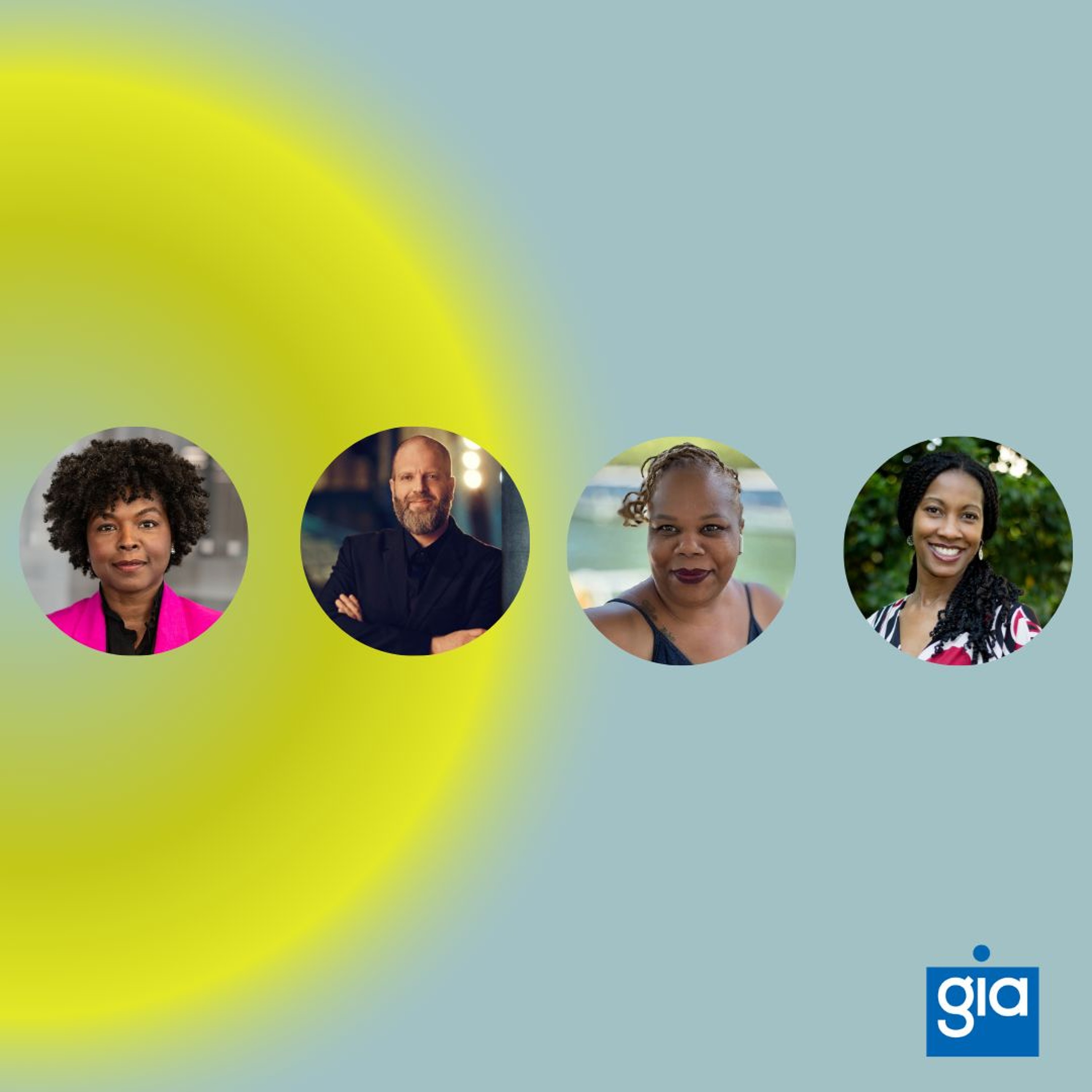 Podcast #59: Power in the Middle: Strategies for Effective Regranting 03.09.2025 44minCommunity-oriented arts organizations are the lifeblood of their communities, and support for their work is more vital than ever. Yet, they are often the hardest for large funders to reach. The Wallace Foundation believes that intermediary regranting organizations, often overlooked, can play a pivotal role in bridging this gap to get support where it is needed most. As part of its Advancing Well-being in the Arts initiative, a five-year initiative supporting arts organizations rooted in communities of color, Wallace partnered with the six Regional Arts Organizations (RAOs) on regranting efforts that sought to better understand and alleviate the constraints intermediaries may face when undertaking equitable regranting efforts. In this GIA podcast episode, we will hear from Juan Souki (Mid-Atlantic Arts), Anika Tené (Creative West), and Joy Young (formerly South Arts) in conversation with Bahia Ramos (Wallace Foundation). This podcast was recorded on September 5, 2025
 -
 Podcast #58: The Myths of Philanthropy: Exploring Narratives that Define What is Possible 23.07.2025 38minWhat assumptions have we inherited that limit the transformative potential of philanthropy? And how can funders release ourselves from the constraints of these limiting beliefs? In this episode, GIA is joined by Mandy Van Deven (Elemental), Zaineb Mohammed (Kataly Foundation), and Erin Williams (Constellations Culture Change Fund and Initiative) to explore some of the narratives that underpin common practices in philanthropy and provide examples of funders that have adopted ways of thinking and being that accelerate progress toward a more just and joyful world. Building from The Myths of Philanthropy series that was published by the Center for Effective Philanthropy, the Association of Charitable Foundations, and VITA, this conversation challenges cultural funders to imagine what becomes possible when we shift the narrative: from scarcity to abundance, from rigid structure to iterative practice, and from donor darlings to a flourishing ecosystem. Listeners will walk away with bold insights on how narrative strategy isn’t about magic words, messaging, and single stories, and a better understanding of the role funders can play through the application of resource redistribution and other acts of solidarity that enable our collective liberation.
 -
 Podcast #57: Living an Artful Life: A Reflection on Dr. Maria Rosario Jackson’s Leadership 26.01.2025 32minIn this podcast episode, GIA President & CEO Eddie Torres sat down with Dr. Maria Rosario Jackson, former Chair of the National Endowment for the Arts, to reflect on her transformative tenure. Recognized as one of the most impactful leaders in NEA history, Dr. Jackson discusses her visionary efforts to embed arts and culture into broader civic and governmental initiatives, from supporting Indian Country and Puerto Rico to advancing interagency collaborations on arts, health, and civic infrastructure. Join us as Dr. Jackson shares profound insights from her extensive career, celebrates the power of creativity to drive social change, and envisions a future where the arts continue to inspire, connect, and empower communities nationwide.
 -
 EP 06 | Organizing for Narrative Power | For the Love of Radical Giving Miniseries 03.12.2024 33minIn this last and final episode, we’re bringing this series full circle by confronting what’s at stake as we choose either to sustain the systems that uphold inequity or to dismantle and reimagine them. Together, we’ll reflect on how narratives shape our beliefs, influence civic discourse, and define our paths to collective action. This is the call, the challenge, and the opportunity. Episode transcription, speaker information, and resources can be found at https://www.loveradicalgiving.org/ep06
 -
 EP 05 | Appalachian Futurism | For the Love of Radical Giving Miniseries 18.11.2024 42minIn this episode, we’ll see how radical, collective giving can do what traditional philanthropy has not—restore, empower, and finally give back to the communities long asked and forced to sacrifice. This is Appalachian Futurism, a tribute to the past and a blueprint for a new way forward. Featuring the song “Marching to the Freedom Land” by Will Boyd feat. Kelle Jolly Episode transcription, speaker information, and resources can be found at https://www.loveradicalgiving.org/ep05
 -
 Podcast #39: The Racial Equity Coding Project: The Path Ahead 10.06.2022 22minGrantmakers in the Arts is participating in the Racial Equity Coding Project, which was kicked off with a culmination of research led by Doris Duke Charitable Foundation (DDCF) with Callahan Consulting for the Arts (CCA). The project has given funders an opportunity to examine and refine their own coding practices and to consider new data collection measures for the future. In this third episode, we are glad to be joined by Eddie Torres, president and CEO, Grantmakers in the Arts. He closes our series with his reflections as the leader of a philanthropy-serving organization, and his hopes for the next steps of the project. He also offers a unique opportunity for you to get involved! Email Eddie at [email protected] for more information.
 -
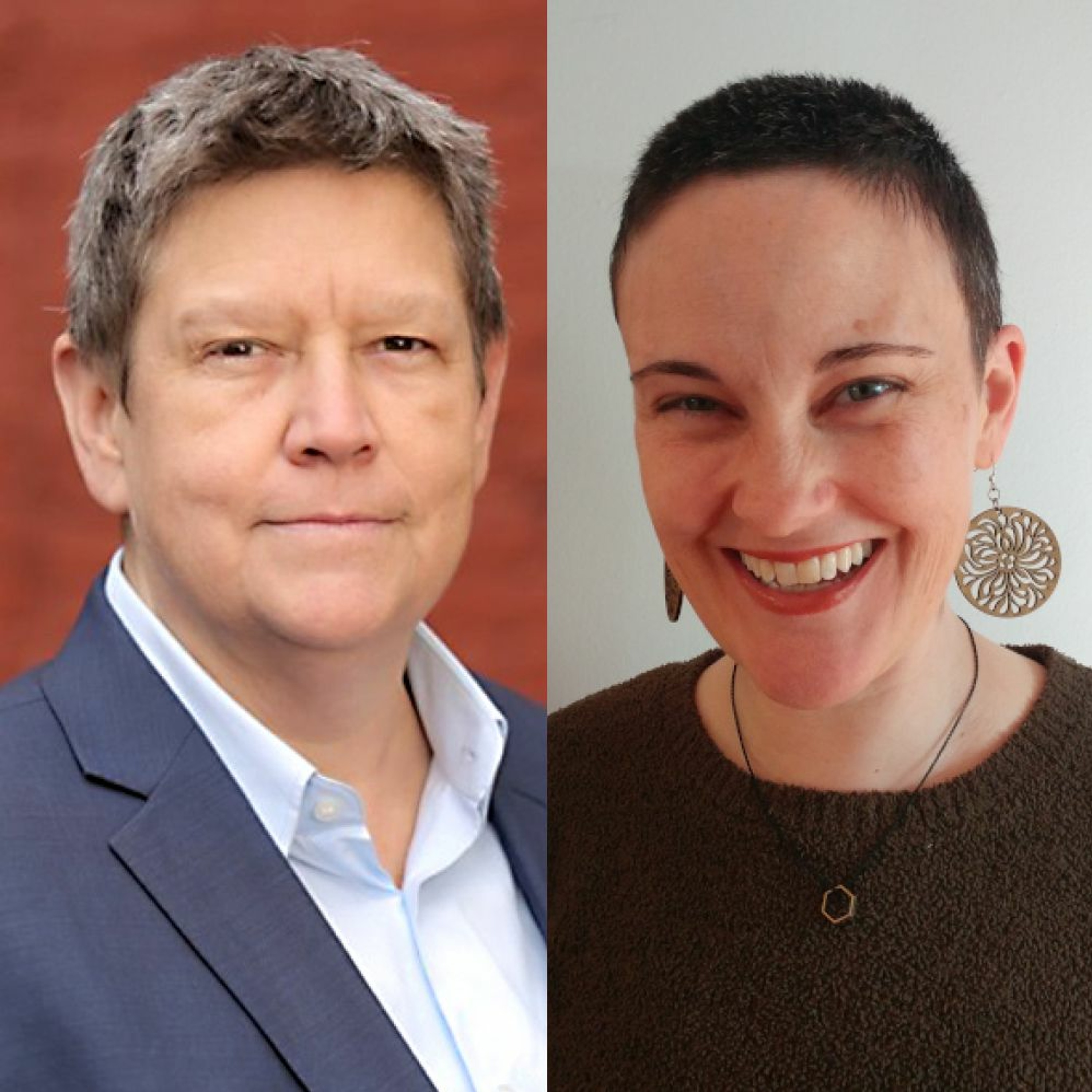 Podcast #38: The Racial Equity Coding Project: The Necessity of Nuance 12.05.2022 30minGrantmakers in the Arts is participating in the Racial Equity Coding Project, which was kicked off with a culmination of research led by Doris Duke Charitable Foundation (DDCF) with Callahan Consulting for the Arts (CCA). The project has given funders an opportunity to examine and refine their own coding practices and to consider new data collection measures for the future. In the second episode of this three-part series, we are glad to be joined by Eleanor Savage, program director, Jerome Foundation and Tiffany Wilhelm, program officer/operations, Opportunity Fund. They discuss their experience with the Racial Equity Coding Project’s “By, For, and About” Framework, and the importance of including nuance in the process. Stay tuned for an opportunity to get involved!
 -
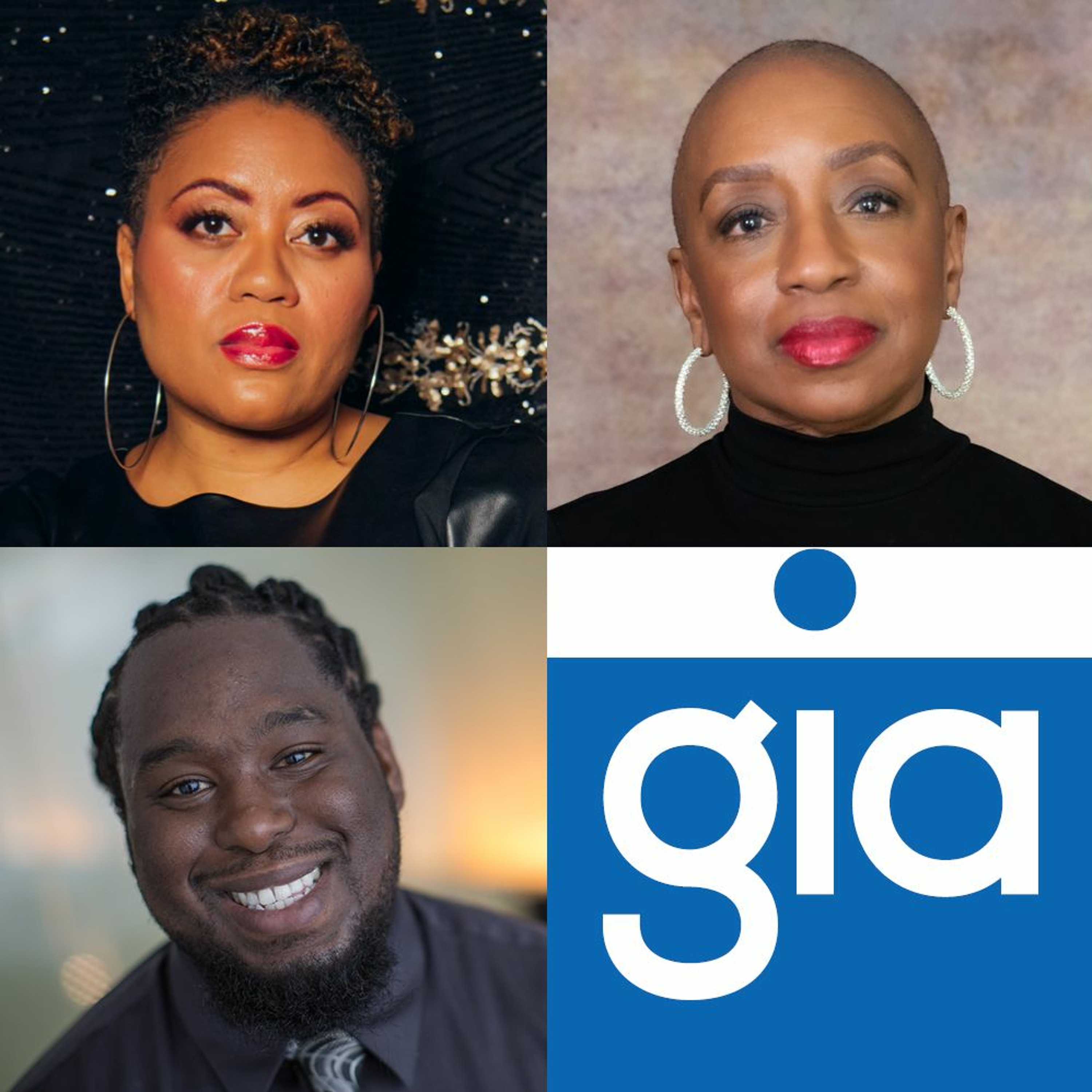 Podcast #37: The GIA Support for Individual Artist Committee: What’s New for 2022? 09.05.2022 30minIn this podcast, the GIA Support for Individual Artist Committee co-chairs Ce Scott-Fitts, artist development director, South Carolina Arts Commission and Celeste Smith, senior program officer, Arts and Culture, The Pittsburgh Foundation will give you a snapshot of what the committee has been working on, and what you can look forward to for this year. You will also receive a sneak peak into the committee’s theme for 2022, mental health and health care for artists. We will also hear from special guest, Dr. David Fakunle, CEO, DiscoverMe/RecoverME; adjunct assistant professor, University of Florida. He will share his insights on the topic of health care for artists, and he will reinforce a much-needed perspective around how we value and support artists.
 -
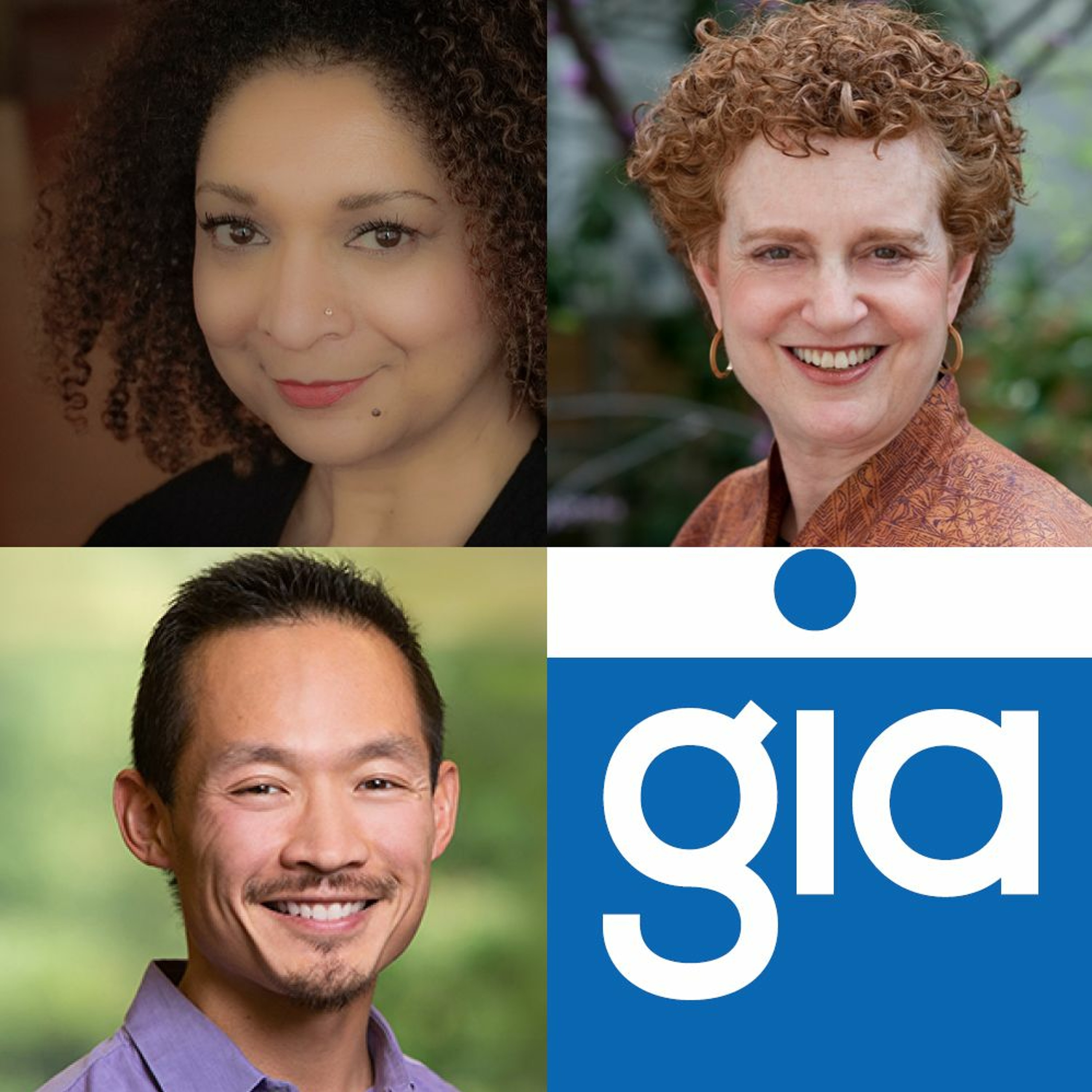 Podcast #36: The Racial Equity Coding Project: Unpacking The “Why” 25.03.2022 35minGrantmakers continue to reckon with the difficulty of gathering accurate data around racial equity funding. To address this, Grantmakers in the Arts is participating in the Racial Equity Coding Project. In the first episode of this three-part podcast series, learn about the project from Susan Feder, program officer, Arts and Culture, Andrew W. Mellon Foundation; Adam Fong, program officer, Performing Arts, William and Flora Hewlett Foundation; and Maurine Knighton, program director, Arts, Doris Duke Charitable Foundation. They discuss why the project started, their experience with the earliest iterations of the coding measures, and how their reflections will inform steps forward. Stay tuned for an opportunity to get involved!
 -
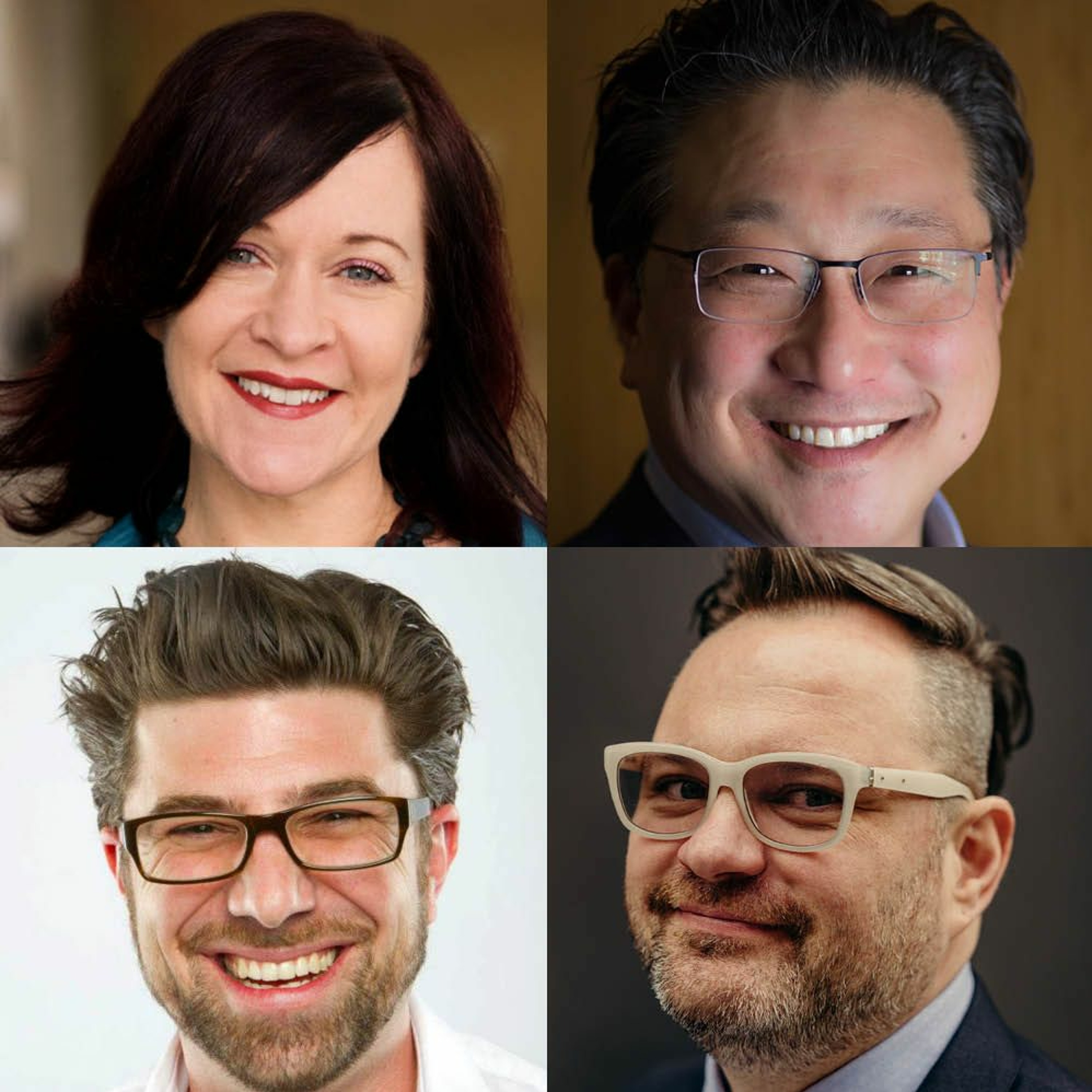 Podcast #35: The American Rescue Plan Act: All policy is cultural policy 27.09.2021 41minWe’re circling back on the American Rescue Plan, and we are talking about progressive creative worker policies. Learn how these inspirational leaders are supporting arts organizations and individual artists. We are joined by Gonzalo Casals, commissioner, New York City Department of Cultural Affairs; Deborah Cullinan, CEO, Yerba Buena Center for the Arts (YBCA); Randy Engstrom, collaborative arts leader and board member of Grantmakers in the Arts; and Emil Kang, program director for Arts and Culture, The Andrew W. Mellon Foundation.
 -
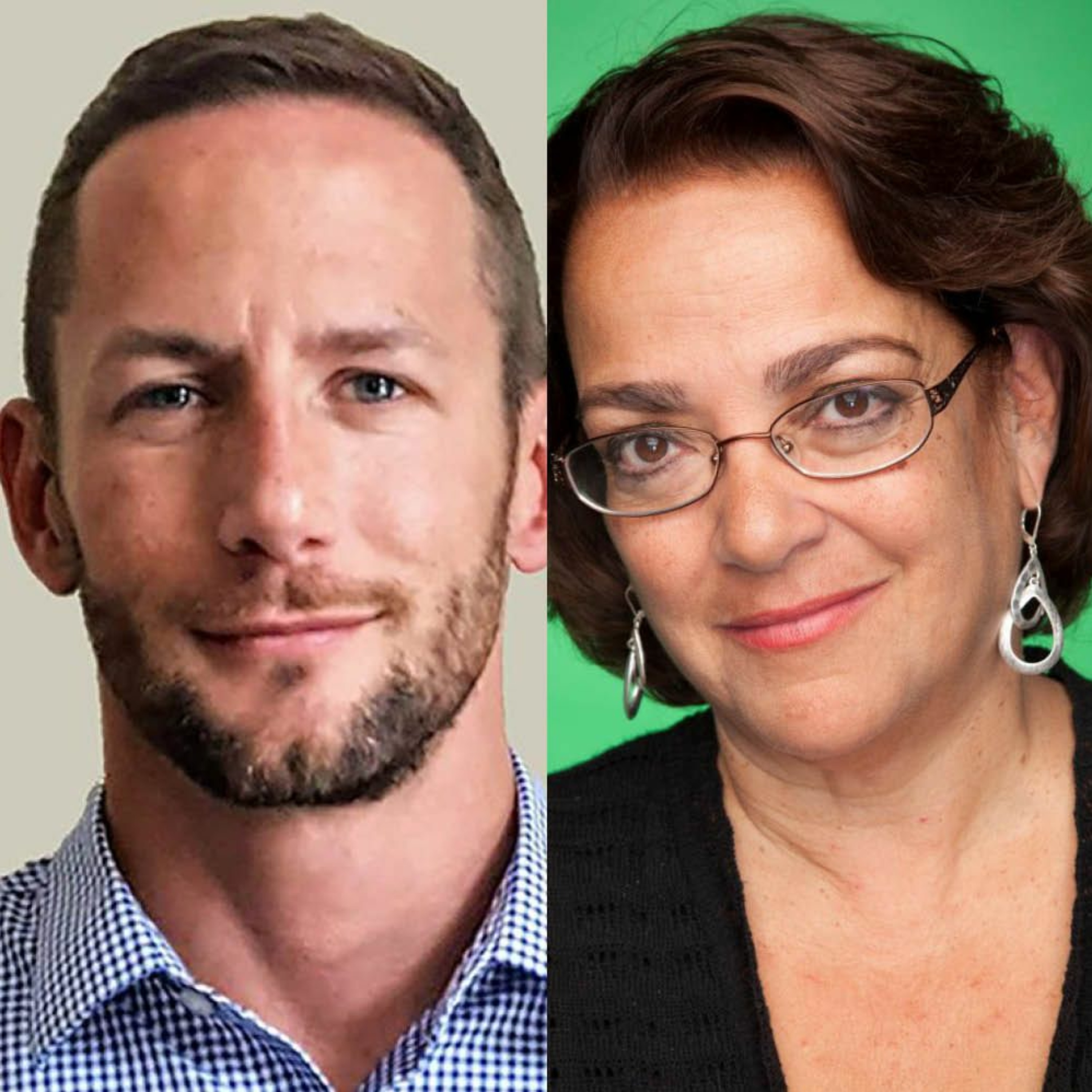 Podcast #34: Coronavirus Response: Where are they now? 26.07.2021 37minAs GIA reflects over the past year, we cannot help but look back at the work and recommendations that so many funders offered when we launched our coronavirus response programming in 2020. The conversation and insight that was shared with the GIA community ignited and energized funders to begin and continue their support for individual artists and arts organizations. But what has happened since then? We are glad to welcome back Laura Aden Packer, executive director, Howard Gillman Foundation, and James Hafferman, deputy director, CERF+, to the GIA podcast. They will share how things have been going since began our coronavirus response programming in Spring 2020.
 -
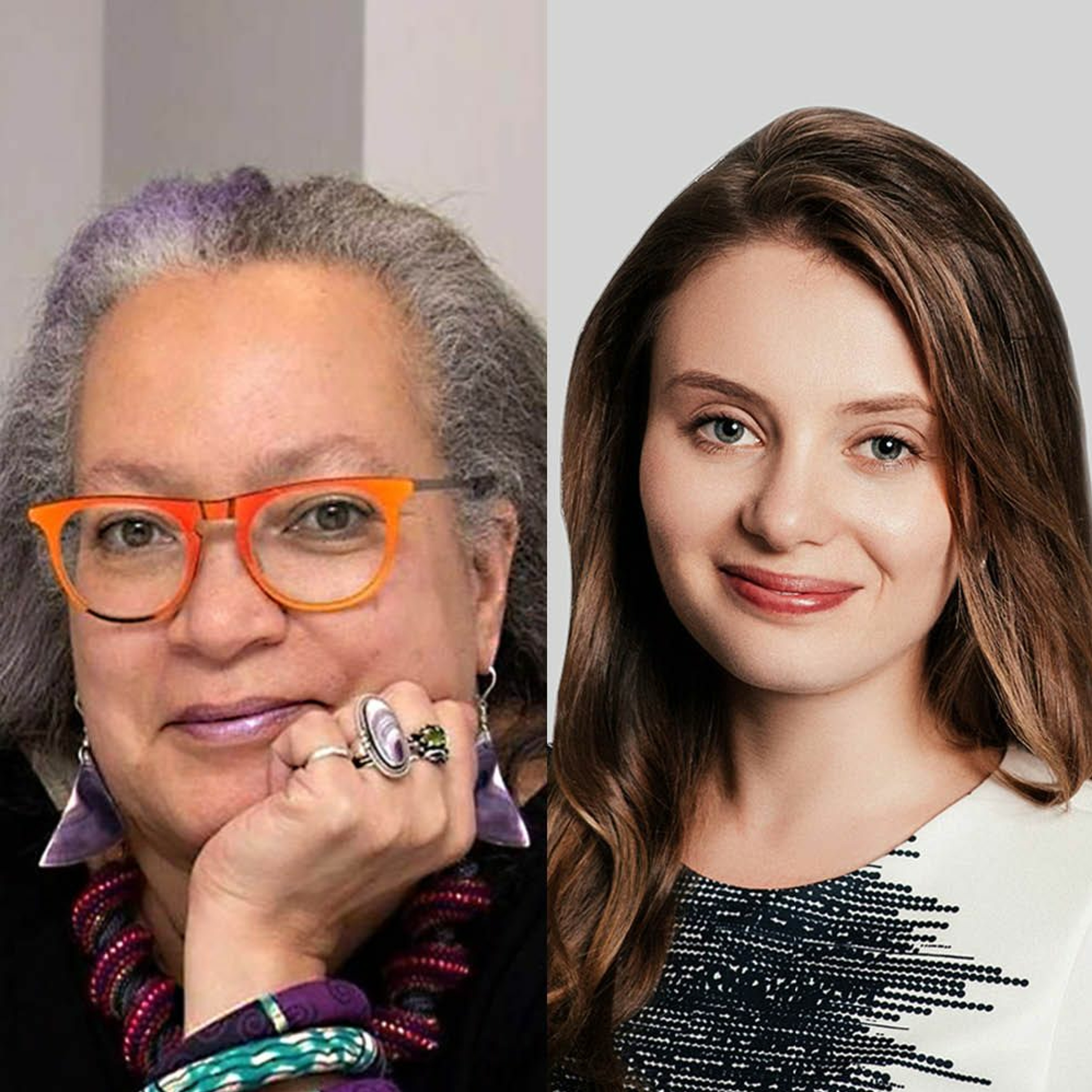 Podcast #33: A Just Transition for Investing in Arts and Culture 23.06.2021 37minIn our recently released report, Solidary not Charity: Arts & Culture Grantmaking in the Solidarity Economy(https://www.giarts.org/solidarity-not-charity), we point out the importance of commitment to long-term work with multiyear grants, loans, and equity investments for solidarity economy institutions and networks. But how is this done with a racial equity and justice lens? Learn more from Anna Raginskaya, investment advisor, Morgan Stanley, and Quita Sullivan, senior program director for Theater, New England Foundation for the Arts and GIA board member.
 -
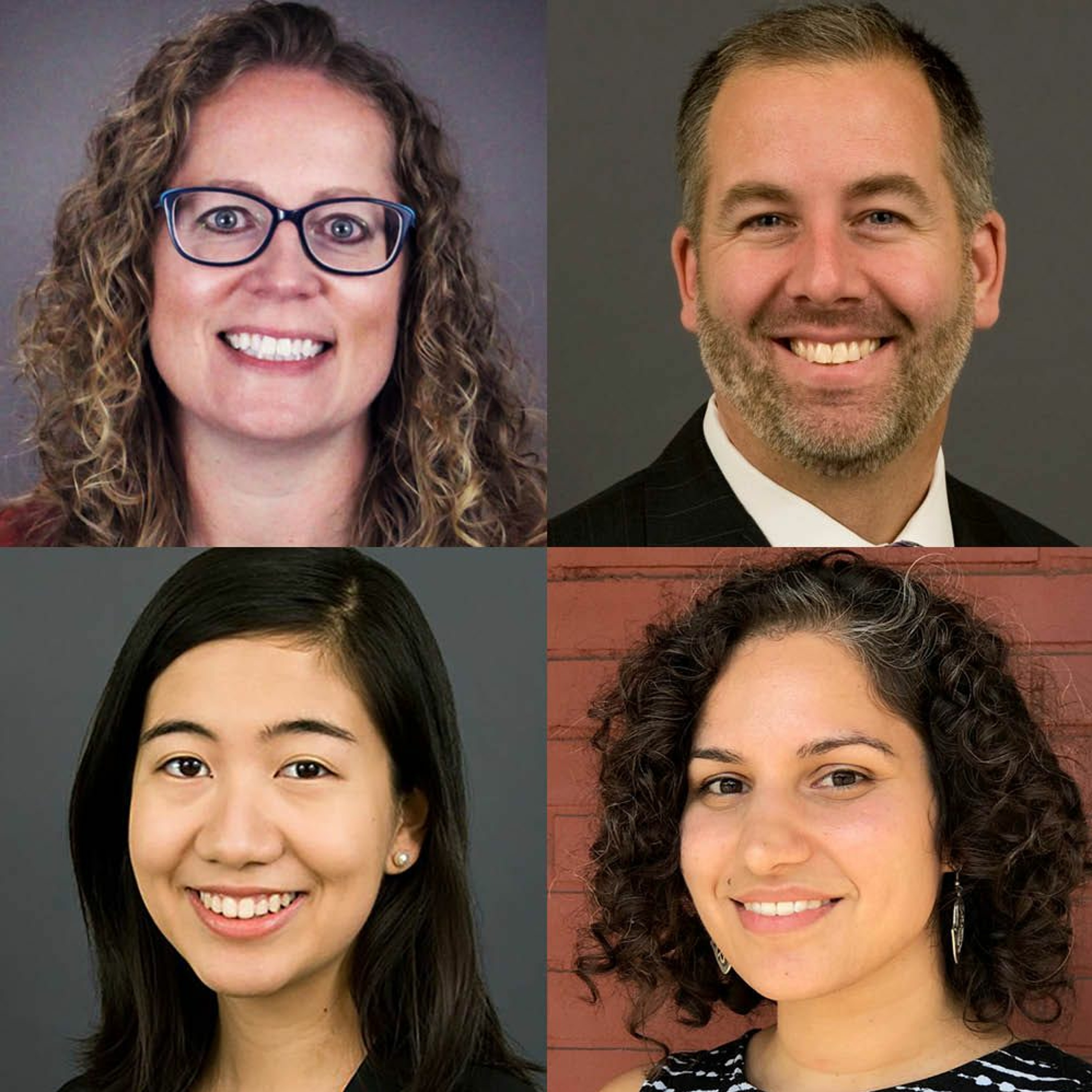 Podcast #32: The American Rescue Plan Act: A timely opportunity for arts education 22.05.2021 28minThe Biden administration signed the American Rescue Plan Act or ARP, which is a $1.9 trillion package in response to the COVID-19 crisis. How can funders and grantees use this opportunity to reimagine arts education? In this podcast we are joined by Jamie Kasper, director, Arts Education Partnership; Alex Nock, principal, Penn Hill Group; Aileen Ma, director, Penn Hill Group; and Nadia Elokdah, Grantmakers in the Arts vice president and director of Programs, to discuss the opportunity provided by the American Rescue Plan (ARP) Act of 2021. Click here to listen! Referenced resource: tinyurl.com/ESSERtables
Līdzīgi podkasti


Populārs valstī
Šis podkasts parādās arī šo valstu podkastu topos.
