
Child Protection Files: Real Cases, Real System Failures
Jay Gill
0
Child Protection Files examines real child protection cases that have already been through courts, inquests, and public inquiries. Each episode explores the full timeline, the trial, the judge's words, and the public inquiry that followed, while focusing on the professionals involved—caseworkers, police, and doctors—and the systemic failures behind individual decisions. The podcast looks at what, if anything, changed in child protection practice as a result, rather than aiming for true crime shock value. Episodes include detailed descriptions of child abuse and neglect, and listener discretion is strongly advised.
Epizodes
-
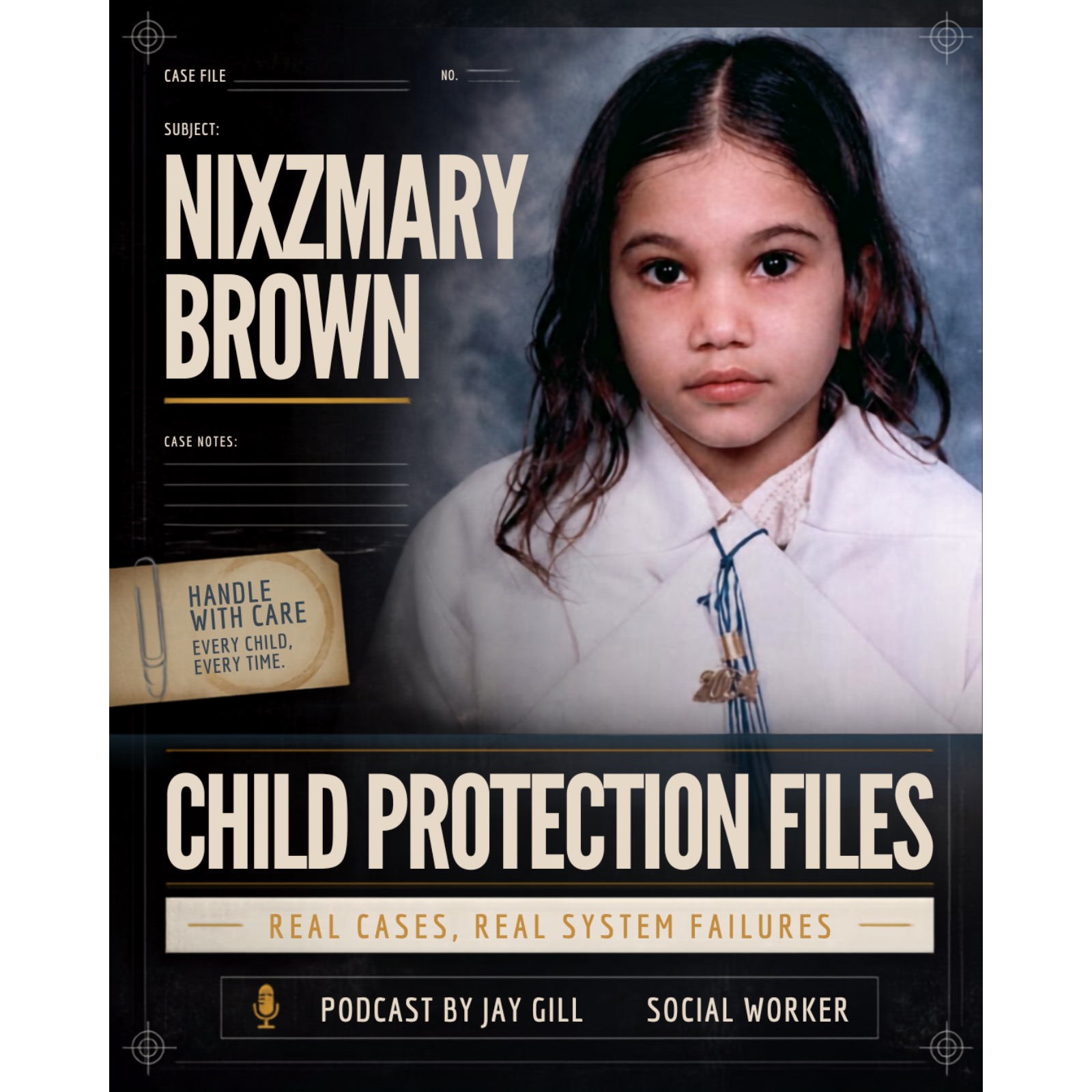 Nixzmary Brown: The Full Case File 15.09.2026 1h 14minHey! I'd love to hear your thoughts, send me a voice note.Between October 2004 and December 2005, New York City's child welfare hotline received at least eight separate reports about one Brooklyn family. On January 11, 2006, seven-year-old Nixzmary Brown died weighing just 36 pounds, having been beaten, starved, and confined to a room in her family's apartment. This episode traces the full case file: the fourteen months of missed warning signs, the trial and conviction of her mother Nixzaliz Santiago and stepfather Cesar Rodriguez, the sweeping reforms that followed inside New York City's child protection agency, and the sobering five-years-later coda of Marchella Brett-Pierce, a second child who died on the same agency's watch. Along the way, the episode draws research comparisons to Baby P, Zymere Perkins, Adrian Jones, Star Hobson, and Arthur Labinjo-Hughes, and closes with hard questions for anyone currently working in the field.Runtime: 74 minutesContent warning: This episode contains detailed descriptions of child abuse, starvation, and death. Listener discretion advised.Sources referenced: NBC News; Wikipedia; New York City Department of Investigation case review; Youth Law Center / New York Times reporting on ACS reforms; Schnitzer & Ewigman, Pediatrics (2005) study on child fatality risk factors; Child Welfare League of America caseload standards; NYC Independent Budget Office review of post-2006 ACS reforms.
 -
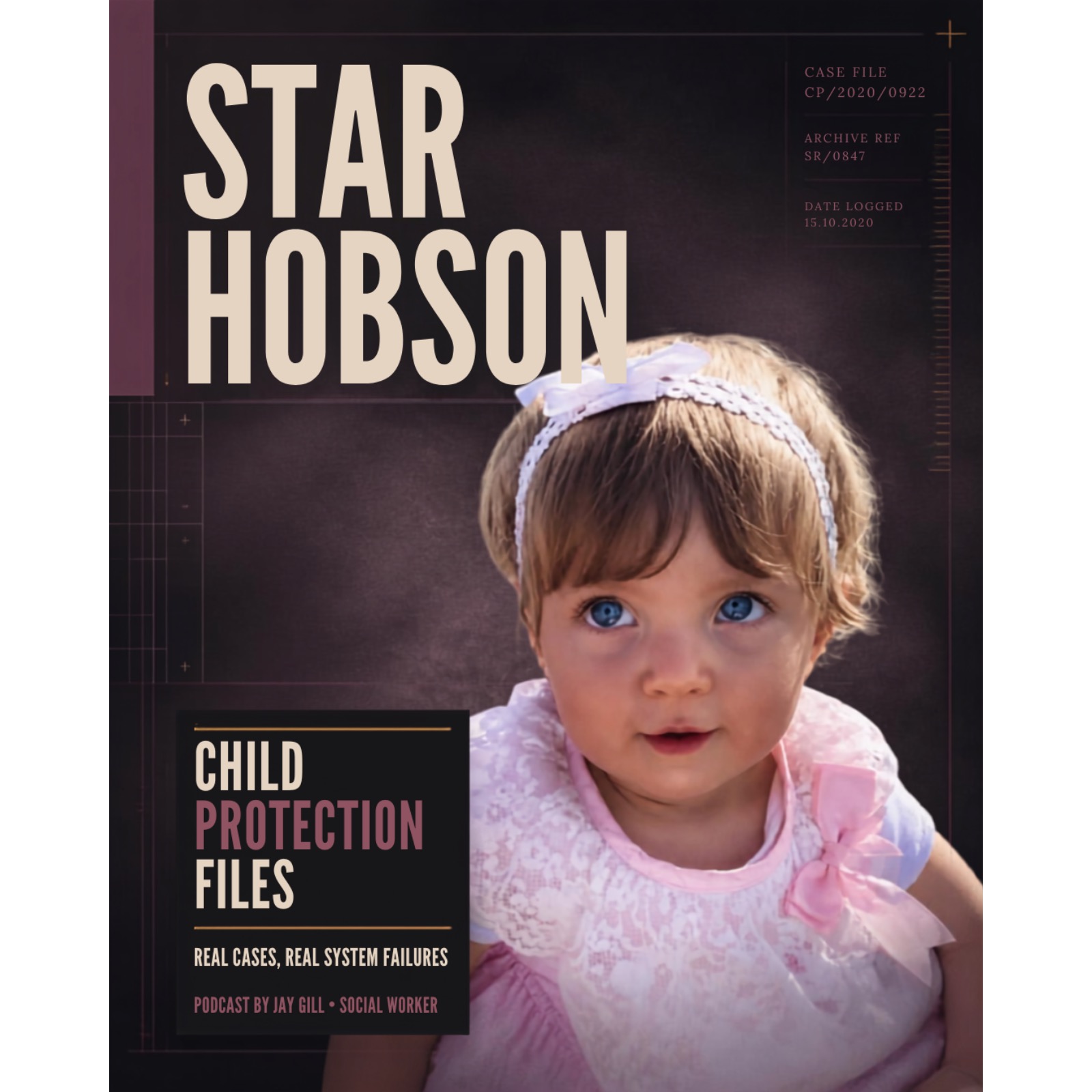 Full case file: Star Hobson: When "Malicious Gossip" Costs a Child Her Life 11.09.2026 47minHey! I'd love to hear your thoughts, send me a voice note.Child Protection FilesEpisode DescriptionIn the eight months before sixteen-month-old Star Hobson died in Bradford, West Yorkshire, at least five different people who loved her (a family friend, her grandmother, her great-grandfather, her father, her grandfather) independently contacted social services or the police to say she was in danger. Every referral was investigated. Every case was closed.On the 22nd of September, 2020, Star died in hospital from an abdominal injury a judge would later compare, in terms of force, to a road traffic accident. Her mother's partner, Savannah Brockhill, was convicted of murder. Her mother, Frankie Smith, was convicted of causing or allowing her death.This episode reconstructs Star's case in full: who Savannah Brockhill and Frankie Smith were, the pattern of referrals and closures between January and September 2020, the CCTV and social media evidence presented at Bradford Crown Court, the sentencing remarks of Mrs Justice Lambert.Content warning: this episode contains detailed discussion of the sustained abuse and death of a child. Listener discretion is advised.Case Outcome (as of this recording)Savannah Brockhill remains in prison serving her life sentence (twenty-five-year minimum before parole eligibility). Frankie Smith is serving her twelve-year sentence and, per multiple news reports, was expected to become eligible for release on licence around September 2026.Sources and Research ReferencedJoint National Review into the deaths of Star Hobson and Arthur Labinjo Hughes, Child Safeguarding Practice Review Panel (May 2022)Independent Office for Police Conduct investigation into West Yorkshire Police (concluded November 2022)Sentencing remarks of Mrs Justice Lambert, Bradford Crown Court (December 2021)Schnitzer, P. G. and Ewigman, B. (2005), Household Composition and Fatal Child Maltreatment, Pediatrics: on elevated risk associated with an unrelated adult in the householdEileen Munro's research on confirmation bias and fixed thinking in child protection decision-making, and her 2011 review of the English child protection systemScoping review on child protection workforce turnover, British Journal of Social WorkDiscussion QuestionsWhat happens in your own system when the same family generates a fifth referral, a sixth, a seventh, from different reporters over a period of months? Is there a mechanism that surfaces the full pattern, or does each new contact start from zero?When a possible motive is offered for dismissing a concern (a family feud, a grudge, disapproval of a parent's relationship or identity), what is the process for testing that explanation against the facts, rather than letting its mere possibility settle the question?If your own team or service is genuinely in crisis, understaffed, high turnover, overloaded, what is being done about that as a safeguarding issue in its own right, not just a staffing problem to be managed around?This episode is a forensic case analysis presented by a social worker with 14+ years of industry experience. All case details are drawn from public court reporting, sentencing remarks, and official review findings. Prisoner locations and release dates are subject to change and are current only as of the recording date.Let me know if you would like me to cover any cases by emailing [email protected]
 -
 Full case file: Held Like a Hostage: The Mason Jet Lee Case 06.09.2026 1h 5minHey! I'd love to hear your thoughts, send me a voice note.Episode Notes: Mason Jet Lee: The Full Case FileMason Jet Lee was twenty-one months old when he died in Caboolture, Queensland, in June 2016, from peritonitis caused by an untreated ruptured intestine, inflicted by his mother's partner, William O'Sullivan, days earlier. The day before his death, a neighbour called Queensland's Child Safety Department and said Mason was being held "like a hostage." The staff member who took the call did nothing and went home. A 2020 coronial inquest found the department's handling of his case "a failure in nearly every possible way," and found Mason should have been removed from the home.Background: Mason's mother, Anne-Maree Lee, was herself known to protective services from around age fourteen, after a "succession of brutally violent partners"; she was homeless in the year before Mason's death. O'Sullivan, also known to protective services in his own right, had presented at hospital with police involvement in April 2015 reporting suicidal and homicidal ideation. Mason was in O'Sullivan's primary, largely unsupervised care in his final weeks — a dynamic the court suggested was a form of coercive control over Lee.Research discussed: the "Cinderella effect" (Daly & Wilson) on elevated risk from non-biological caregivers; intergenerational transmission of abuse (Kaufman & Zigler, ~30% transmission rate); coercive control theory (Evan Stark); alarm fatigue/normalization of deviance in high-volume frontline decision-making; pre-verbal child abuse detection risk in children under two.Legal outcome: O'Sullivan pleaded guilty to manslaughter and child cruelty (9 years, 2018), later increased to 12 years on Attorney-General appeal with a serious violent offender declaration (80% of sentence before parole eligibility). Anne-Maree Lee was sentenced to 9 years for manslaughter and child cruelty (2019), granted parole in 2021.Themes: how documented risk histories sit in disconnected records systems; the four-year gap between death and public coronial findings; Queensland's repeated cycle of child safety inquiries (four in under three decades); a personal reflection on the frontline worker who "went home."Sources: Findings of the coronial inquest into the death of Mason Jet Lee (Deputy State Coroner Jane Bentley, June 2020), ABC News Australia, and reporting on the criminal proceedings against Anne-Maree Lee and William O'Sullivan.
 -
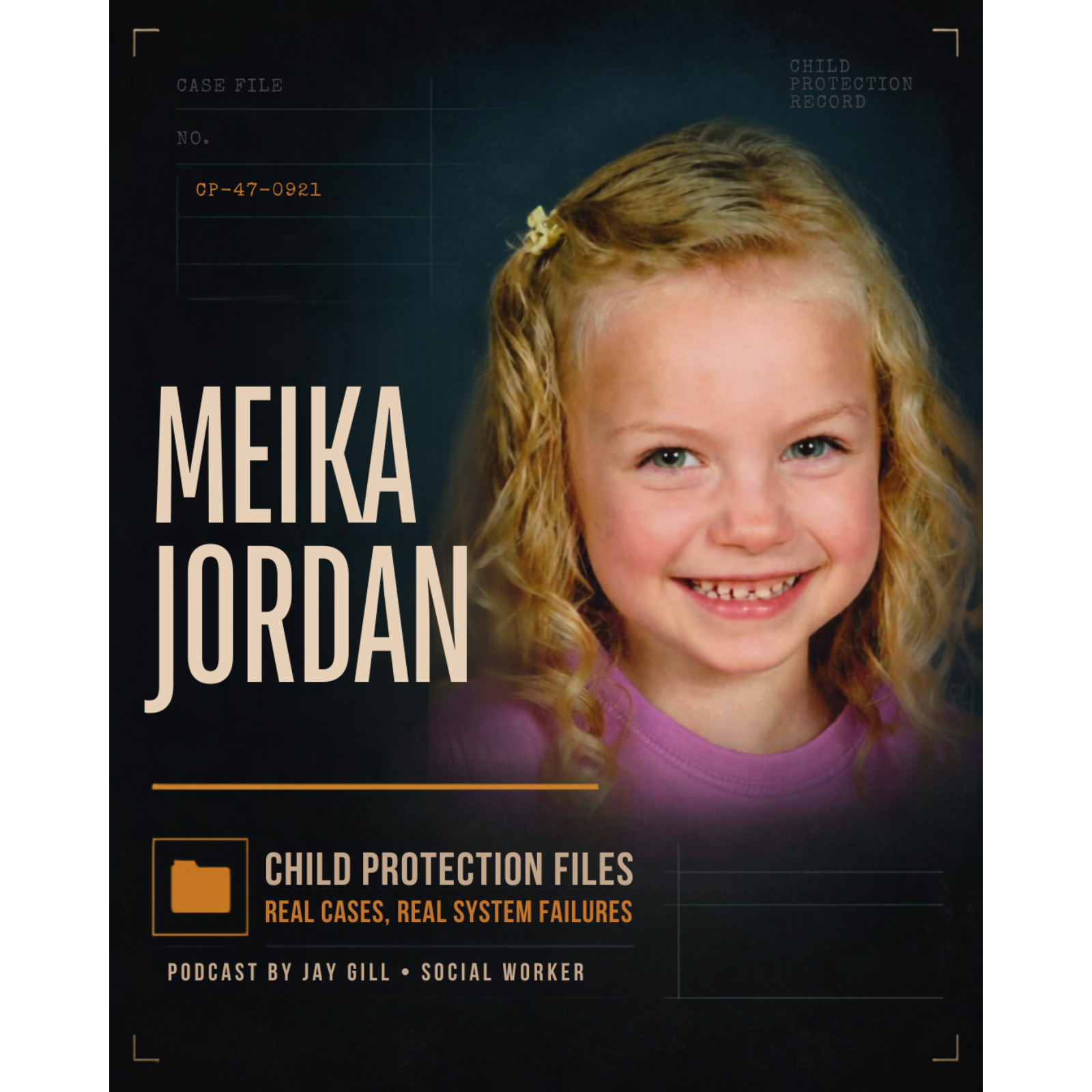 Sent Back to Danger: The Meika Jordan Case 06.09.2026 38minHey! I'd love to hear your thoughts, send me a voice note.Episode Notes — Meika Jordan: The Full Case FileMeika Jordan was six years old when she was tortured to death over several days in November 2011 by her father, Spencer Jordan, and his partner, Marie Magoon, in Calgary, Alberta. Her death came roughly ten weeks after a judge reversed an earlier custody order and returned her to their care, despite the couple having disappeared with Meika and her brother for three weeks that August, surfacing in a homeless shelter, an incident police were directly involved in resolving. As far as the public record shows, Alberta's child protection agency never independently assessed her safety at any point.Background: Meika's parents separated before 2010; her mother, Kyla Woodhouse, retained primary care until a bitter, year-long custody dispute began after Spencer Jordan started a relationship with Marie Magoon. The episode traces how that dispute, and the family court process that governed it, became the system that ultimately decided where Meika lived, rather than a child protection investigation.Themes: the structural gap between family court custody proceedings and independent child protection assessment; how a documented, police-involved incident (the shelter disappearance) still didn't trigger a protective referral; a personal reflection on the discomfort of a case with no caseworker file to examine; the five-year gap between conviction and the Supreme Court's landmark ruling on what counts as unlawfully confining a child.Legal outcome: Convicted of second-degree murder in 2015 (life, no parole for 17 years); upgraded to first-degree murder by the Alberta Court of Appeal in 2016; upheld unanimously by the Supreme Court of Canada in November 2017 (life, no parole for 25 years). The ruling, R. v. Magoon, is now a controlling precedent establishing that coercive control alone, without physical restraint, can constitute unlawful confinement of a child.Sources: CBC News, Global News, and CTV News trial and appellate coverage; the Supreme Court of Canada's published reasons in R. v. Magoon; contemporaneous Alberta press coverage of the custody proceedings.
 -
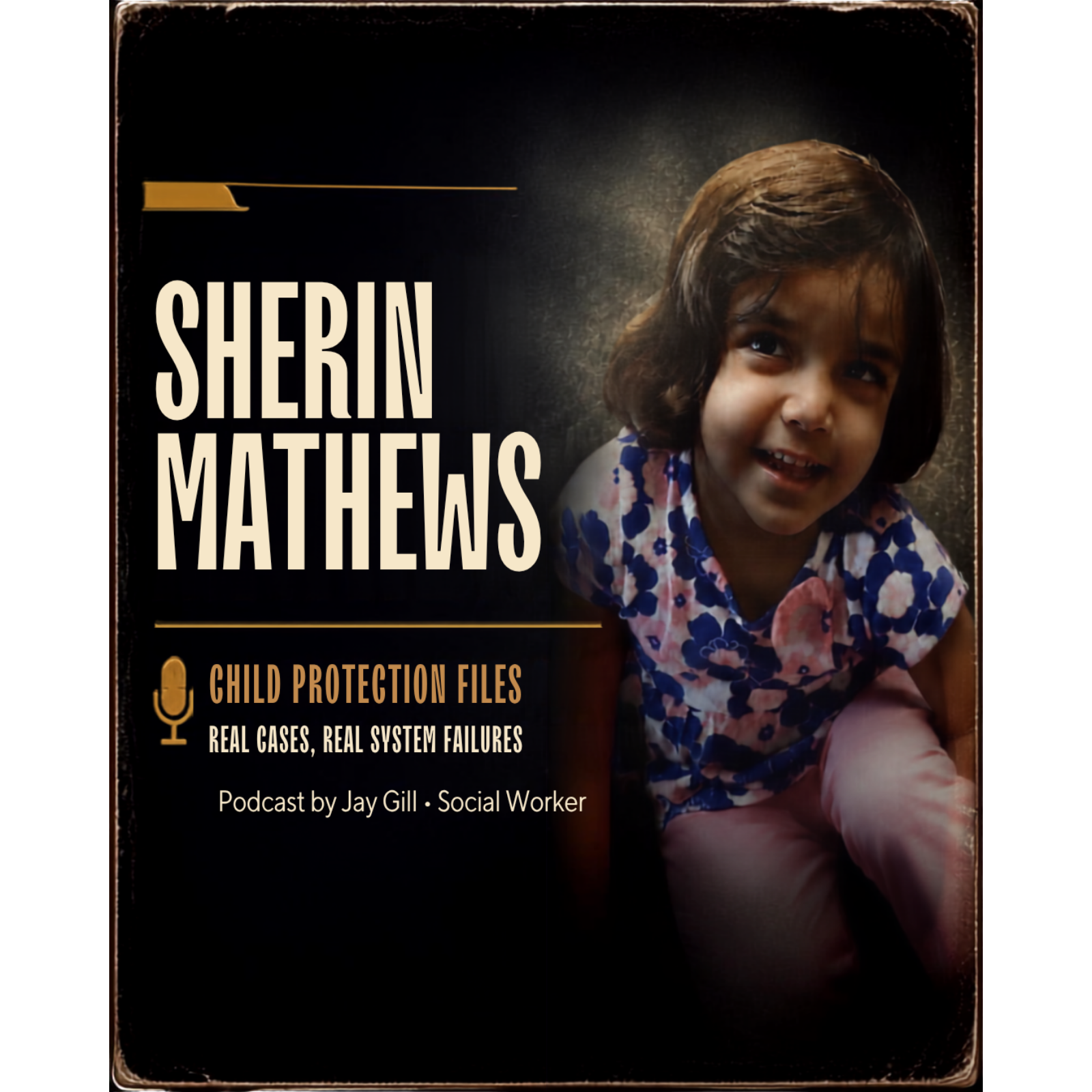 Full case file: Sherin Mathews: They adopted her from overseas and then killed her 06.09.2026 39minHey! I'd love to hear your thoughts, send me a voice note.Sherin Mathews was three years old when she died in Richardson, Texas, in October 2017, months after a forensic child abuse pediatrician told Texas CPS that fractures found on her body were most likely the result of ongoing abuse in her adoptive home. CPS closed the case anyway in April 2017, concluding the abuse "may have happened prior to her adoption." Seven months later, her adoptive father, Wesley Mathews, reported her missing; her body was found in a drainage culvert two weeks later. He later confessed to force-feeding her milk and to disposing of her body after she died.Background: Wesley and Sini Mathews, originally from Kerala, India, adopted Sherin (born Saraswati Kumari) from a Bihar orphanage in 2016 through Holt International, despite not sharing her language. Wesley worked in finance at Citigroup; the family was stable, employed, and active in their local Malayali church community: a profile the episode argues made the case easier to deprioritise despite the medical evidence.Themes: how international adoption oversight actually works and where its gaps sit; how a specialist's clear, credentialed warning can still be overridden by a caseworker's own read of a family; outward stability as a blind spot; a personal reflection segment on the discomfort of suspecting families that look like "success stories."Legal outcome: Wesley Mathews pleaded guilty to causing serious bodily injury to a child, sentenced to life with parole eligibility after 30 years (June 2019). Charges against Sini Mathews were dropped in March 2019 for insufficient evidence. Texas CPS Commissioner Hank Whitman publicly acknowledged the state failed Sherin; the agency changed procedure to act faster on forensic specialist findings. India suspended Holt International's operations and tightened its adoption process.Sources: Texas DFPS case reporting, Dallas Morning News, WFAA, CBS Dallas-Fort Worth, Indian press coverage, and trial reporting on Wesley Mathews's 2019 guilty plea and sentencing.
 -
 The Boy ACS Investigated Five Times: The Zymere Perkins Case 04.09.2026 27minHey! I'd love to hear your thoughts, send me a voice note.Episode Notes — Zymere Perkins: The Full Case FileZymere Perkins was six years old when he died in a Harlem apartment in September 2016, after months of escalating abuse by his mother's boyfriend, Rysheim Smith, with his mother, Geraldine Perkins, also complicit. New York City's ACS had investigated five separate reports involving Zymere in the year before his death, including a school report of a broken jaw and knocked-out tooth, and the state later found the agency's casework "grossly incomplete." The case triggered the resignation of ACS Commissioner Gladys Carrión, the firing of three caseworkers, an independent monitor imposed by the state, and fifteen citywide reforms.Background: Geraldine Perkins was raised by her grandmother and had recently finished high school when Zymere was born; by 2015 she and Zymere were living in a homeless shelter, where she met Rysheim Smith, roughly twice her age, who had a prior drug-related arrest record and no documented employment. Their relationship follows a pattern this show has flagged before: an unrelated adult male partner entering a household and becoming the primary threat to a child.Themes: converging reports across time not read as an escalating pattern; a mandatory reporter's unambiguous signal (broken jaw, missing tooth) not triggering rigorous investigation; new-partner risk; caseload pressure as a structural (not excusing) factor; institutional accountability reaching commissioner and system level, not just individual caseworkers.Sources: NYC Administration for Children's Services' December 2016 internal report, the parallel New York State Office of Children and Family Services review, contemporaneous NY press coverage (CBS New York, Gothamist, NBC New York, DNAinfo), and trial reporting from Rysheim Smith's 2020 murder trial.
 -
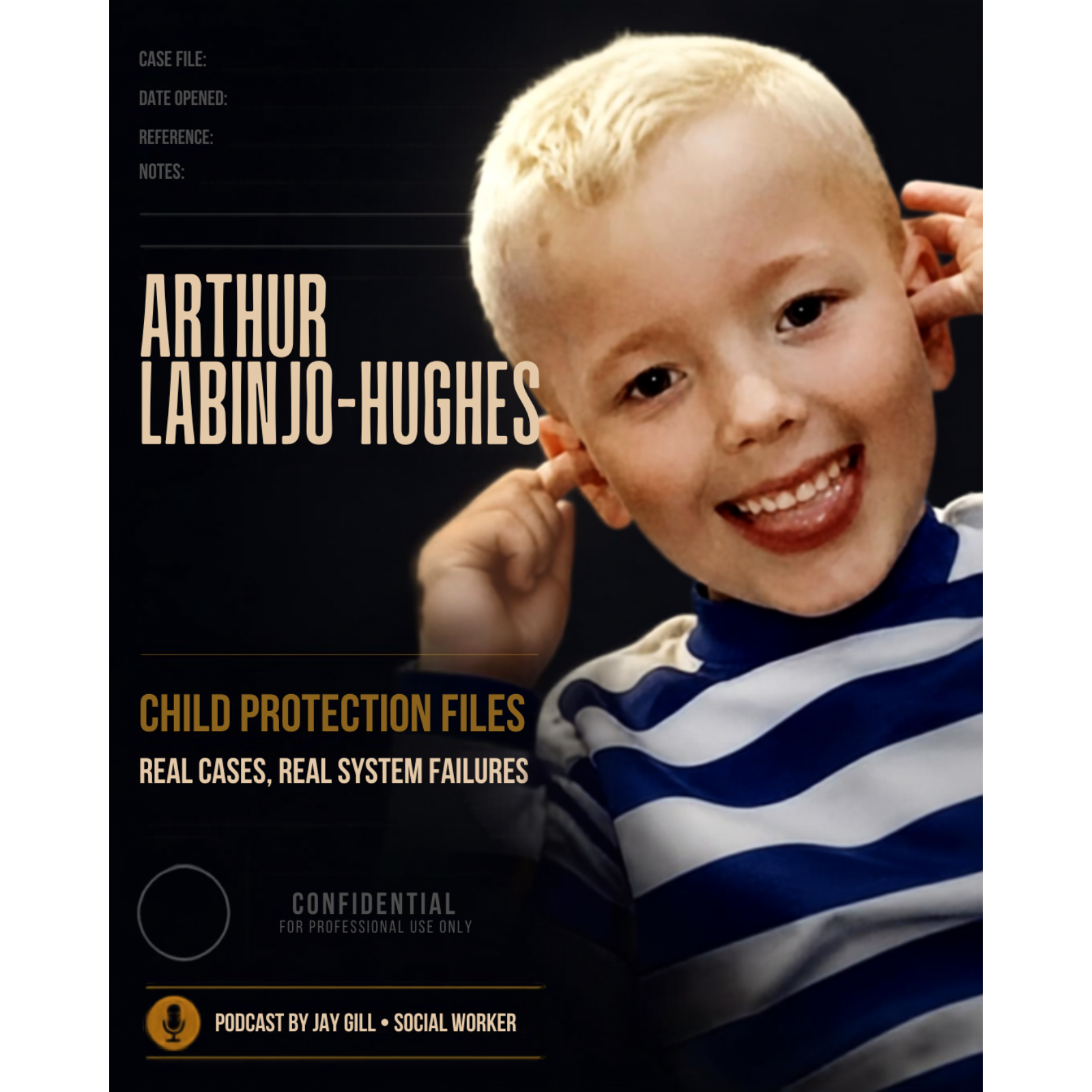 "Arthur Labinjo-Hughes: 130 Injuries and a Lockdown No One Was Watching" 30.08.2026 29minHey! I'd love to hear your thoughts, send me a voice note.Episode Notes — Arthur Labinjo-Hughes: The Full Case FileArthur Labinjo-Hughes was six years old when he died in Solihull, England, in June 2020, after months of sustained abuse at the hands of his father's partner, Emma Tustin, with his father, Thomas Hughes, convicted of manslaughter for failing to protect him. This episode traces the case from Arthur's early childhood through the ten critical days in April 2020 when his grandmother's emergency call, photographic evidence, and a school's follow-up contact all failed to trigger protective action, through the trial, sentencing, and the joint National Review conducted alongside the case of Star Hobson.Timeline: February 2019 — Olivia Labinjo-Halcrow (Arthur's mother) convicted of manslaughter, loses care of Arthur. August 2019 — Thomas Hughes begins relationship with Emma Tustin. March 2020 — Hughes and Arthur move into Tustin's home amid the UK's first COVID-19 lockdown. April 16, 2020 — grandmother Joanne Hughes photographs bruising, makes emergency call. April 17, 2020 — social worker visit finds only a "faint" bruise, assesses no concern. April 20 — school contacts social services, told no concerns. April 24 — photos sent directly to social services. June 16-17, 2020 — Arthur dies from an "unsurvivable" brain injury. December 2021 — Tustin convicted of murder, Hughes of manslaughter. May 2022 — National Review and MacAlister Independent Review published.Themes: mandatory reporting and emergency escalation not translating into urgent assessment; a documented discrepancy between a family member's evidence and a professional's same-week findings; COVID-19 lockdown as a structural risk multiplier that removed routine school-based observation; failure to convene a required Strategy Meeting before a high-risk home visit; the gap between intense public/media reaction and slower, harder-to-see structural reform.Sources: Coventry Crown Court trial coverage and sentencing remarks (Mr Justice Wall), the joint National Child Safeguarding Practice Review Panel report on Arthur Labinjo-Hughes and Star Hobson (May 2022), the MacAlister Independent Review of Children's Social Care (2022), and contemporaneous UK press reporting.Production note included in the episode: this case intersects with the COVID-19 pandemic as a genuine structural factor in the failures described, which is treated factually and not as an excuse for the specific decisions made.
 -
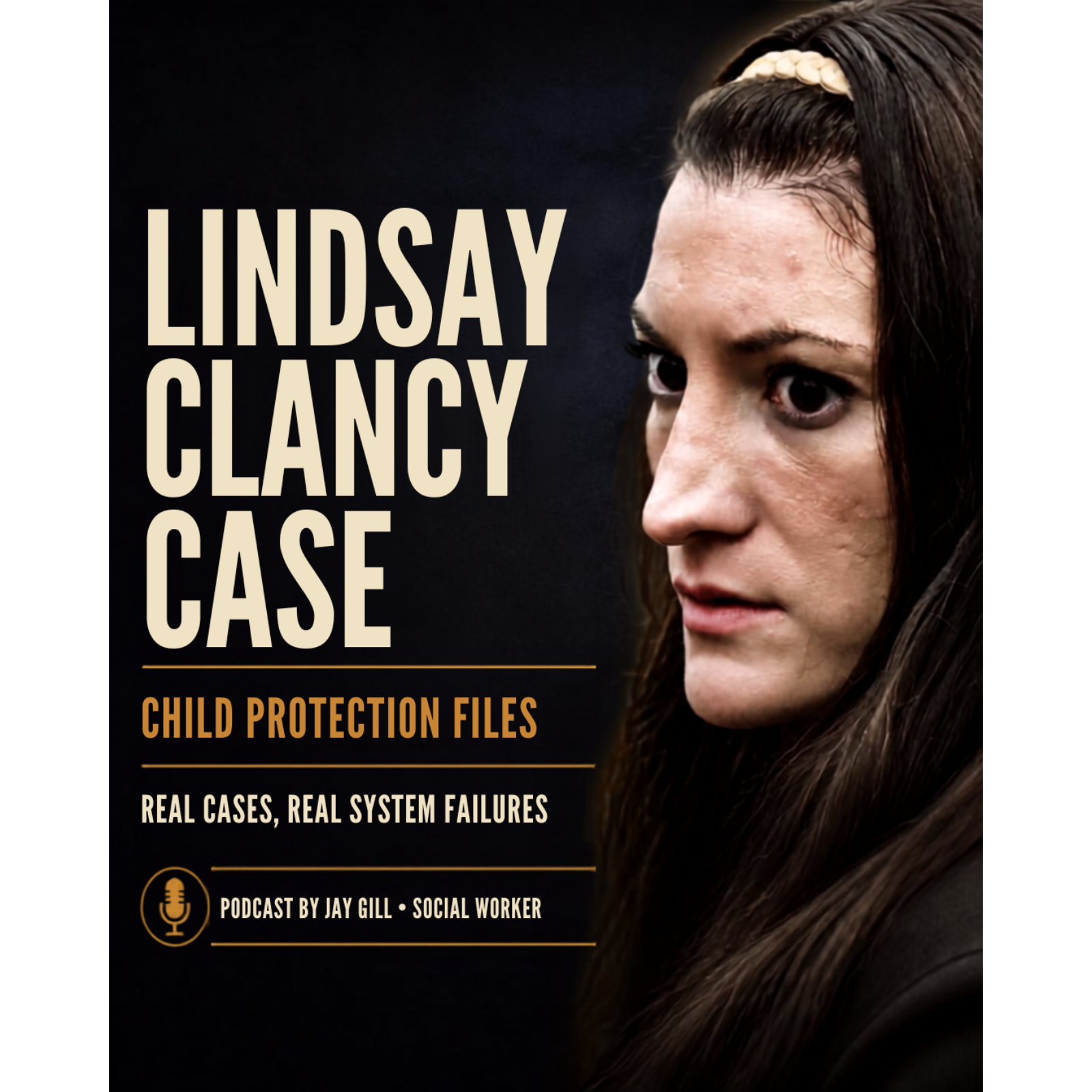 "Thirteen Medications: The Lindsay Clancy Case [Developing : Trial Ongoing]" 24.08.2026 29minHey! I'd love to hear your thoughts, send me a voice note.Episode Notes — Thirteen Medications: The Lindsay Clancy Case [Developing — Trial Ongoing]Case: Lindsay Clancy Location: Duxbury, Massachusetts Status: Ongoing — trial nearing conclusion, no verdict as of publication Period covered: 2022–2026 (production date: August 2026)Key people:Lindsay Clancy — former labor and delivery nurse, pleaded not guilty by reason of insanity to three counts of first-degree murderPatrick Clancy — Lindsay's husband, discovered the children and called 911Cora, Dawson, and Callan Clancy — the three children, ages 5, 3, and 8 months, who died on 24 January 2023Rebecca Jollotta — psychiatric nurse practitioner who managed much of Clancy's outpatient care in the weeks before the killingsTimeline:December 2016 — Lindsay marries Patrick Clancy2017–2022 — Cora, Dawson, and Callan are bornMid-late 2022 — Lindsay's mental health deteriorates following Callan's birthLate December 2022 — inpatient admission to McLean Hospital5 January 2023 — discharged from McLean Hospital24 January 2023 — the three children die; Lindsay attempts suicide, is left paralyzedSeptember 2023 — indicted on three counts of first-degree murderJuly 2026 — trial beginsAugust 2026 — defense rests; closing arguments imminent; no verdict yetThemes covered:Fragmented psychiatric care across multiple providers and institutions with no shared record accessRapid escalation of psychiatric medication (13 drugs in 4 months) across multiple prescribersDischarge decisions from acute psychiatric careWhat postpartum psychosis actually is, clinically, presented factually and separately from the contested question of whether Clancy experienced itExplicit framing as an outlier in this series — no child protection agency involvedA critical note on this episode: Because the trial is unresolved, this episode does not characterize the strength of either side's case or predict the verdict. The central clinical question — whether Clancy experienced postpartum psychosis — is presented as actively contested in court, not settled. This episode will be revisited once a verdict is reached.Sources: Publicly reported court testimony from the ongoing trial, filed legal motions, and contemporaneous coverage (Boston-area outlets including WBUR and Boston Globe, national coverage including CNN, ABC News, NBC News, and Fox News, and specialist health reporting from NPR, PBS, and Psychiatric Times).
 -
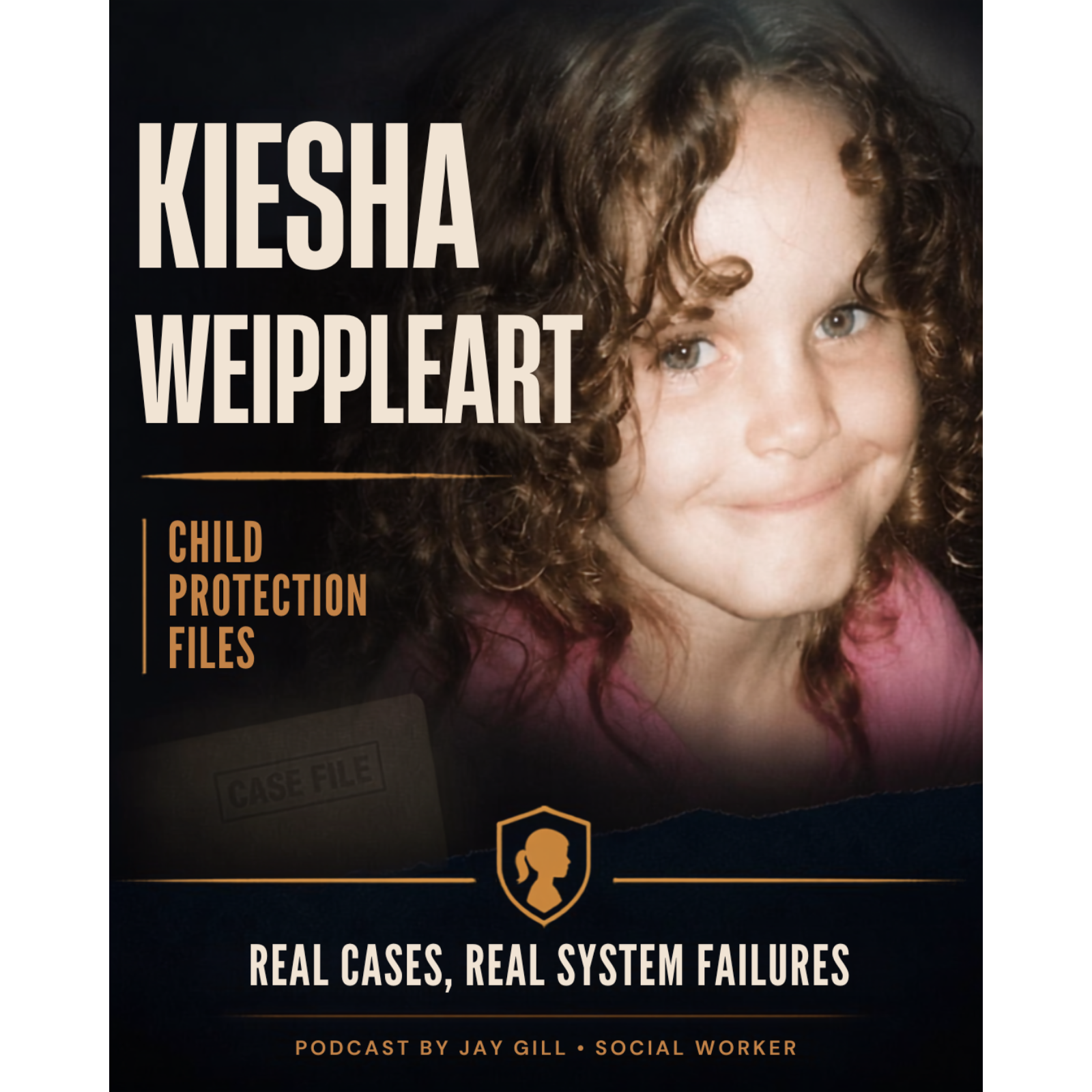 "Mum Did That": The Kiesha Weippeart Case 23.08.2026 32minHey! I'd love to hear your thoughts, send me a voice note.Episode Notes — Four Days of School: The Kiesha Weippeart CaseCase: Kiesha Weippeart Location: Mount Druitt, Sydney, New South Wales, Australia Period covered: 2004–2013Key people:Kiesha Weippeart — the child at the centre of this case, murdered 14 July 2010, age 6Kristi Abrahams — Kiesha's mother, pleaded guilty to murder, sentenced to 22 years 6 months (non-parole 16 years, eligible 2027)Robert Smith — Kiesha's stepfather, pleaded guilty to manslaughter and being an accessory after the fact, sentenced to 16 years (non-parole 12 years), later granted paroleJustice Ian Harrison — presided over sentencing at the NSW Supreme CourtDr Matthew Orde — forensic pathologist who testified to Kiesha's injuries at sentencingTimeline:April 2004 — Kiesha bornJuly 2005 — hospitalised with a bite mark; removed into careDecember 2006 — returned to her mother following anger management counselling~2007 — age 3, discloses a cigarette burn: "Mum did that"; not removed2005–2010 — repeated reports from neighbours, family, and teachers; only 4 days of school attendance in her life14 July 2010 — Kiesha dies after assault; death concealed1 August 2010 — false missing-person report to police3 August 2010 — televised public appealEarly 2011 — remains found in bushland at Shalvey2013 — Abrahams and Smith charged and plead guiltyMay–July 2013 — sentencingThemes covered:Reunification decisions based on program completion rather than demonstrated change in riskA direct child disclosure that didn't trigger removalReports from multiple independent sources never aggregated into one risk pictureExtreme school non-attendance as an unactioned red flagIntergenerational trauma acknowledged by the sentencing judge, without excusing accountabilityDeliberate public deception (false missing-person report) layered on top of earlier system failuresA note on process: No separate coronial inquest was held in this case, as it proceeded through a full criminal prosecution with guilty pleas. The sentencing hearing and Justice Harrison's remarks serve as the primary official record referenced here. No single named legislative reform tied specifically to this case could be confirmed; it fed into broader, ongoing NSW child protection resourcing debates.Sources: Agreed facts and evidence from Supreme Court of New South Wales sentencing proceedings, Justice Ian Harrison's published sentencing remarks, and contemporaneous coverage from ABC News and SBS News.
 -
 The Woman Who Couldn't Speak: The Grace Case 23.08.2026 31minHey! I'd love to hear your thoughts, send me a voice note.Episode Notes — Overturned: The Grace CaseCase: The Grace case (Ireland) Location: South East Ireland (Waterford region) Period covered: 1989–2025Key people:Grace — court-protected pseudonym for a woman with a significant intellectual and physical disability, non-verbal, made a Ward of Court. Her real identity has never been published and is not used in this episode.Mr and Mrs X — the foster carers, referred to only by this designation in official recordsIain Smith — HSE social work manager who wrote a 2007 warning naming Grace as at riskMarjorie Farrelly — chair of the Commission of Investigation into Grace's caseTimeline:1989 — Grace, around age 10, placed full-time in foster care1995 — South Eastern Health Board finds bruising, decides to stop further placements with the family1996 — that decision is overturned2007 — Iain Smith's written warning2009 — whistleblower's protected disclosure leads to Grace's removal after 20 years2016 — HSE settles with Grace for €6.3 million and issues a public apology2017 — Farrelly Commission of Investigation establishedApril 2025 — final report published: finds "fundamental failure," serious neglect, and financial mismanagement; does not establish physical or sexual abuse2025 — second phase of investigation declined; Commission dissolvedDecember 2025 — Ireland's first National Policy Framework for Adult Safeguarding launchedThemes covered:A formal risk decision quietly reversed without a fresh risk assessmentA written professional warning that didn't translate into immediate protective actionThe gap between public narrative and what a state investigation actually substantiatesSafeguarding a person who cannot advocate for herselfThe transition from child protection into adult safeguarding systemsA note on accuracy: This episode deliberately states that the Farrelly Commission's final report did not establish physical or sexual abuse, even though earlier public reporting often assumed it had been confirmed. This is presented honestly rather than defaulting to the more dramatic version of events. Grace's current circumstances have not been independently confirmed beyond what has been publicly reported.Sources: The Farrelly Commission's published final report, HSE and Irish government statements, and contemporaneous Irish news coverage (RTÉ, The Irish Times, Irish Examiner).
 -
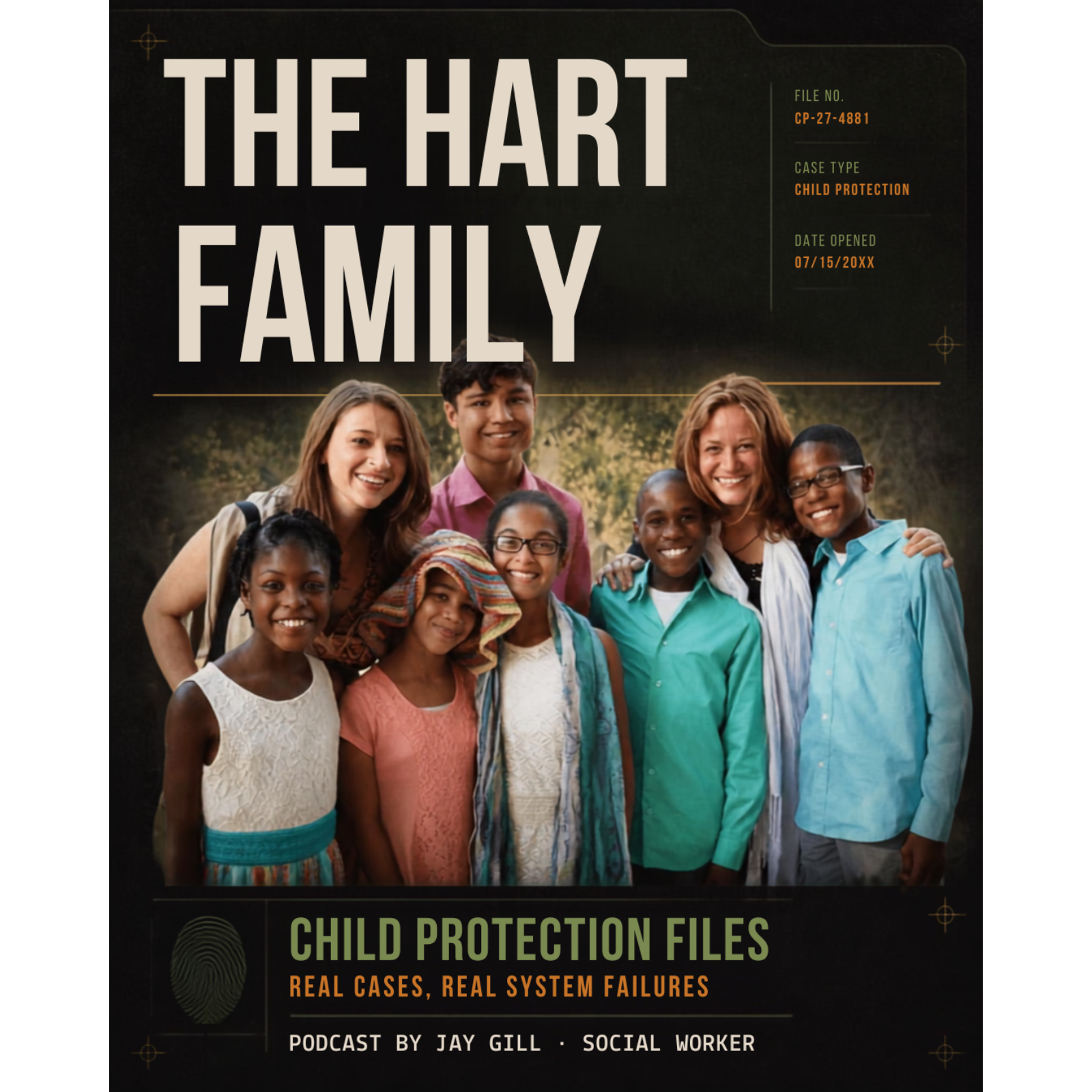 The Warning That Came True: The Hart Family Case 22.08.2026 32minHey! I'd love to hear your thoughts, send me a voice note.Episode Notes — The Warning That Came True: The Hart Family CaseCase: The Hart family Locations: Minnesota, West Linn (Oregon), Woodland (Washington), Mendocino County (California) Period covered: 2006–2019Key people:Jennifer Hart and Sarah Hart — adoptive parents, ruled to have died by suicide after intentionally killing their six childrenMarkis, Hannah, and Abigail Hart — adopted 2006Devonte, Jeremiah, and Ciera Hart — adopted 2009; Devonte was the boy in the widely shared 2014 photograph hugging a police officer at a Portland protestPriscilla Celestine — one of the children's birth mothers, who fought to maintain contact after the original Texas removalTimeline:2006 — Markis, Hannah, and Abigail adopted via a Minnesota agency, placed from Texas2009 — Devonte, Jeremiah, and Ciera adopted through the same agency2010 — a Minnesota teacher notices bruising on Abigail; she discloses being beaten2011 — Sarah Hart charged with domestic assault; a Minnesota caseworker warns in writing that the children risk "falling through the cracks"July 2013 — Oregon investigates a new report with the Minnesota history on file; closes it for "insufficient evidence"November 2014 — Devonte's photo goes viral internationallySummer 2017 — Hannah discloses abuse to a neighborLate 2017 — family relocates to Woodland, Washington; new neighbors report food restriction and hours-long confinement23 March 2018 — Washington opens a CPS investigation; family flees within hours26 March 2018 — second failed contact attempt; SUV found at the bottom of a Mendocino County cliff the same day27 March 2018 — third failed contact attempt, after the deaths had already occurredOctober 2018 — a biological mother identifies herself via DNA match2019 — Mendocino County coroner's inquest jury rules the deaths a murder-suicideThemes covered:A documented, written caseworker prediction that came true almost exactly as describedInterstate adoption oversight gaps under the Interstate Compact on the Placement of ChildrenThe distance between a family's public image and its private realityBirth family erasure within the closed-adoption processA note on unconfirmed facts: No sweeping federal reform of the Interstate Compact on the Placement of Children has been confirmed to have passed as a direct result of this case. This is stated honestly rather than overstated.Sources: Mendocino County coroner's inquest findings, Washington Post investigative reporting, published work by journalist Roxanna Asgarian, and contemporaneous news coverage across Minnesota, Oregon, Washington, and California outlets.
 -
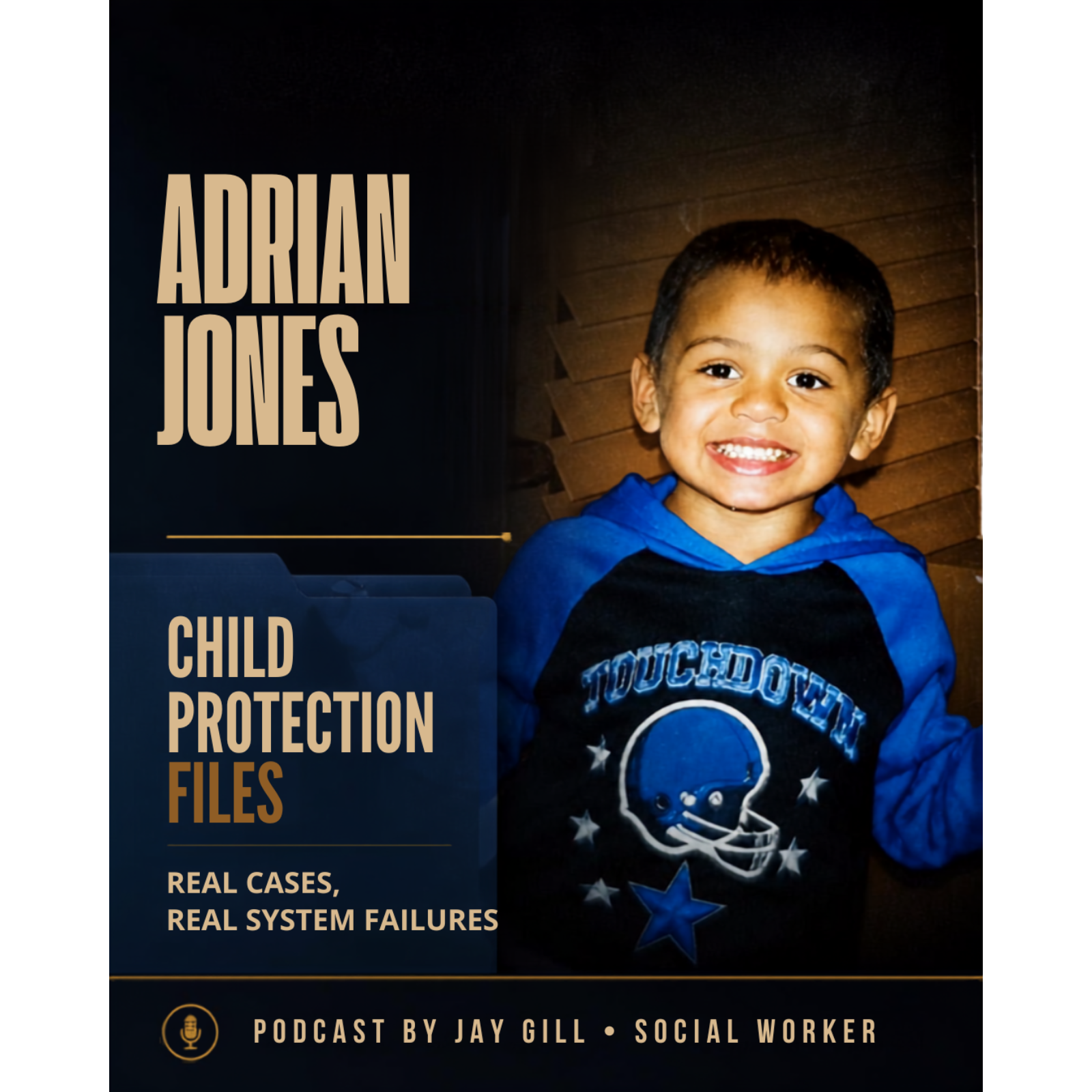 Full case file. The Boy in the Shower Stall: The Adrian Jones Case 08.08.2026 30minHey! I'd love to hear your thoughts, send me a voice note.Episode Notes — Fifteen Reports: The Adrian Jones CaseCase: Adrian Jones Locations: Kansas City, Kansas; Plattsburg, Missouri Period covered: 2011–2024 (case, trial, and subsequent legislative reform)Key people:Adrian Jones — the child at the centre of this case, died September/October 2015, age 7Michael Jones — Adrian's father, pleaded guilty to first-degree murder, sentenced to life with parole eligibility after 25 yearsHeather Jones — Adrian's stepmother, convicted, sentenced to life plus 5 years 8 months, parole eligible 2041Dainna Pearce — Adrian's biological mother, filed the 2017 lawsuit alongside Adrian's grandmother and sisterTimeline:2011 — Adrian removed from his biological mother's care, placed with his father and stepmother in KansasAugust 2011 — first report to Kansas child welfare concerning AdrianFebruary 2012 — Kansas's last documented in-person contact with AdrianLate 2012 — family relocates to Plattsburg, MissouriJuly 2013 — Adrian, age 5, directly discloses physical abuse to a Missouri caseworker and police officer, with corroborating marksOctober 2013 — report that Adrian was observed eating from the trash canBy 2015 — 15 total screened-in reports logged with Kansas since 2011September/October 2015 — Adrian dies after months of abuse and starvation26 November 2015 — remains found in a pigsty during an unrelated domestic violence callMarch 2016 — Michael Jones pleads guilty; sentenced to life2016 — Heather Jones convicted, sentenced to life plus additional term2017 — family files lawsuit against Kansas and Missouri agencies2018 — Missouri introduces legislation to track families moving across state linesMay 2021 — Kansas Governor Laura Kelly signs Adrian's Law2022 — appeals court rules Missouri social workers not personally liableMarch 2024 — Kansas settles with Adrian's family for $1 millionThemes covered:The gap between direct, corroborated child disclosure and protective actionInterstate jurisdictional gaps when a family relocates across state linesHomeschooling as a removed layer of independent observationThe distinction between individual practitioner care and systemic follow-throughAdrian's Law as a specific, traceable legislative responseA note on sourcing: Quotes attributed to Adrian are drawn directly from court and case documents as reported by multiple news outlets, not paraphrased. Full internal agency reasoning behind decisions not to remove Adrian following the July 2013 disclosure could not be independently confirmed beyond what has been publicly reported.Sources: Kansas Department for Children and Families records released through litigation, Kansas legislative records on Adrian's Law, Missouri Children's Division statements, and contemporaneous news coverage (Kansas City media, Kansas Reflector, national outlets).
 -
 Full case file, Warren Jeffs and the FLDS 08.08.2026 36minHey! I'd love to hear your thoughts, send me a voice note.Episode Notes — Warren Jeffs and the FLDSCase: Warren Jeffs and the Fundamentalist Church of Jesus Christ of Latter-Day Saints (FLDS) Locations: Hildale, Utah; Colorado City, Arizona; Yearning For Zion Ranch, Eldorado, Texas Period covered: 1953–2026Key people:Warren Jeffs — FLDS prophet from 2002, convicted in Texas in 2011 of aggravated sexual assault of a child and sexual assault of a childElissa Wall — forced into marriage at age 14; testified publicly under her own name and wrote a memoir about her experienceBrent Jeffs — Warren's nephew; filed a 2004 lawsuit alleging childhood sexual abuse, later wrote publicly about itRozita Swinton — Colorado woman later identified as the source of the 2008 hoax call that triggered the Texas raidRulon Jeffs — Warren's father and predecessor as FLDS prophetTimeline:1953 — Short Creek raid: ~400 people removed from the community by Arizona authorities; public backlash shapes 50 years of state reluctance to intervene2002 — Warren Jeffs becomes FLDS prophet2004 — Brent Jeffs files abuse lawsuit; expelled "Lost Boys" begin speaking publicly2005 — Utah charges Jeffs as accomplice to rape over Elissa Wall's forced marriage2006 — Jeffs added to FBI Ten Most Wanted list; arrested near Las Vegas in AugustSeptember 2007 — convicted in Utah, sentenced to two consecutive 5-to-life terms29 March 2008 — hoax call triggers investigation at the Yearning For Zion RanchApril 2008 — 439 children removed from the ranch, the largest child custody case in US historyMay–June 2008 — Texas appellate courts rule the mass removal improper; most children returnedJuly 2010 — Utah Supreme Court overturns Jeffs's 2007 convictionsAugust 2011 — convicted in Texas; sentenced to life plus 20 years2017–2023 — Hildale/Colorado City under federal civil rights court supervision over discriminatory town governance2026 — towns reported as substantially transformed; Jeffs remains incarcerated, parole-eligible 2038Themes covered:How closed, high-control communities can engineer themselves out of standard child protection referral pathways (no hospitals, no schools, no independent mandatory reporters)The 1953 Short Creek raid as a case study in how an overly broad intervention can suppress appropriate protective action for decades afterwardThe tension between a raid built on a hoax tip and a mass removal later ruled legally excessive, yet one that also produced the evidence that convicted JeffsStructural conflicts of interest when local law enforcement is drawn from the same community as the alleged abuseA note on unconfirmed facts: The current scope of Warren Jeffs's influence over remaining FLDS followers from prison is based on public reporting and could not be independently verified. His parole eligibility date (July 2038) is stated as reported at production time.Sources: Publicly reported US court proceedings (Utah and Texas), Texas appellate and Supreme Court rulings, FBI records, and contemporaneous news coverage.
 -
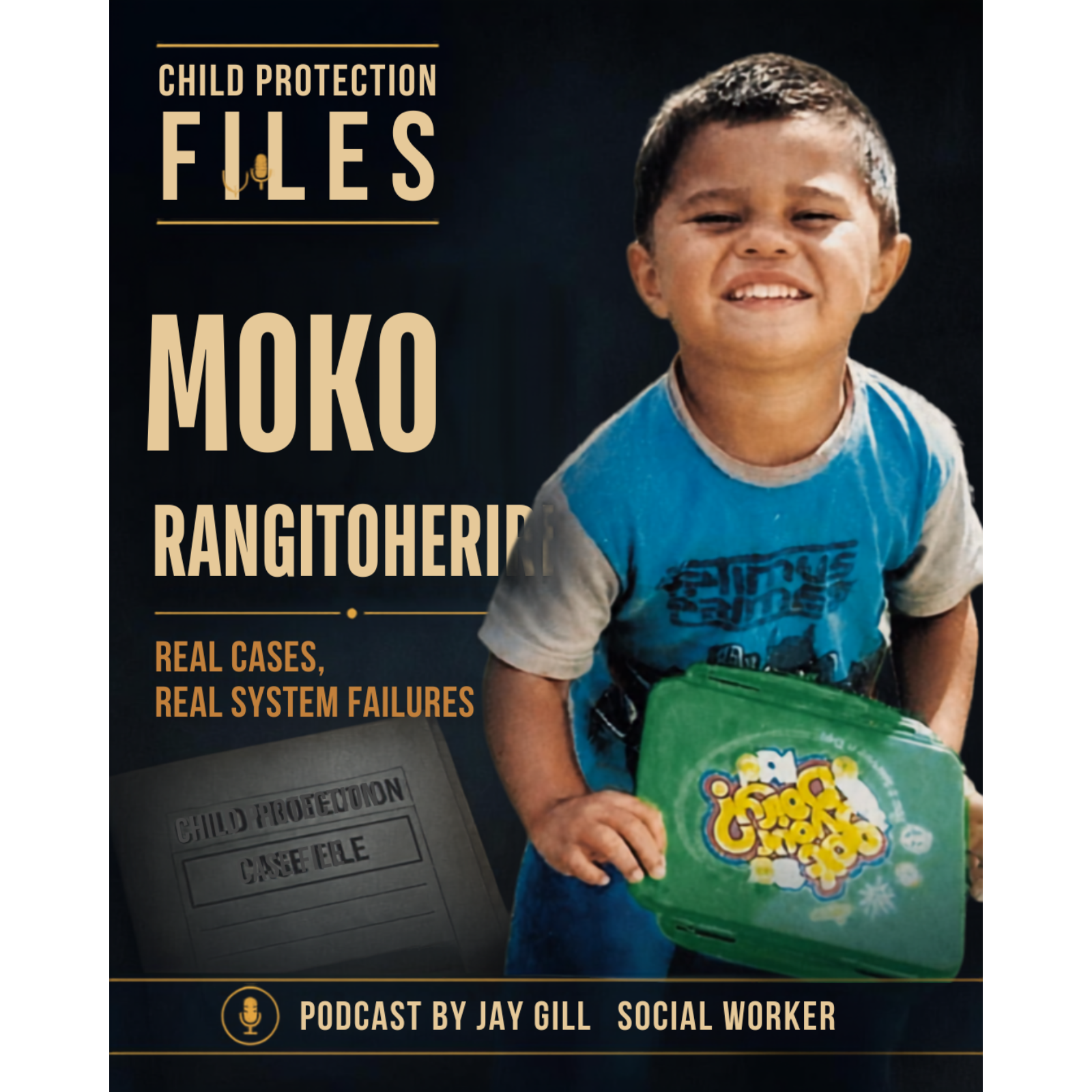 Full case file. The Ten-Day Warning: The Moko Rangitoheriri Case 08.08.2026 28minHey! I'd love to hear your thoughts, send me a voice note.Case: Moko Rangitoheriri, Taupō, New Zealand Age at death: 3 years old Date of death: 10 August 2015Key people:Moko Sayviah Rangitoheriri — the child at the centre of this caseNicola Dally-Paki — Moko's motherTania Shailer — informal caregiver, convicted of manslaughter and ill-treatment of a childDavid Haerewa — Shailer's partner, convicted of manslaughter and ill-treatment of a childJustice Sarah Katz — presided over sentencing, Rotorua High CourtCoroner Wallace Bain — led the coronial inquest, also presided over the earlier Nia Glassie inquestTimeline:February 2015 — first Report of Concern filed with CYF regarding the familyMay 2015 — second Report of Concern filed, after concerns the first wasn't properly investigated12 June 2015 — Moko placed in informal care of Tania Shailer and David Haerewa29–30 July 2015 — urgent report filed at Taupō CYF office; seven-day visit requirement triggered10 August 2015 — Moko dies, ten days after the urgent report was logged, and the required visit never took place27 June 2016 — Shailer and Haerewa sentenced to 17 years each, 9-year non-parole minimumDecember 2017 — Coroner Wallace Bain releases inquest findings, recommends compulsory monitoring of children under five2017 — Child, Youth and Family (CYF) disestablished, replaced by Oranga TamarikiThemes covered:Informal/friend-based care arrangements and the gaps in oversight they createWhat "urgent" classification is supposed to trigger versus what actually happens under caseload pressureDisproportionate representation of Māori children in New Zealand's care system, treated evenhandedlyStructural reform following the case (CYF → Oranga Tamariki)A note on unconfirmed facts: Current parole status of Tania Shailer and David Haerewa could not be confirmed through this research. Readers wanting up-to-date information should check the New Zealand Parole Board's published hearing outcomes directly.Sources: Publicly reported New Zealand court proceedings, Coroner Wallace Bain's 2017 inquest findings, Crown Law/Attorney-General's published explanation of the Crown's charging decision, and contemporaneous New Zealand news coverage.
 -
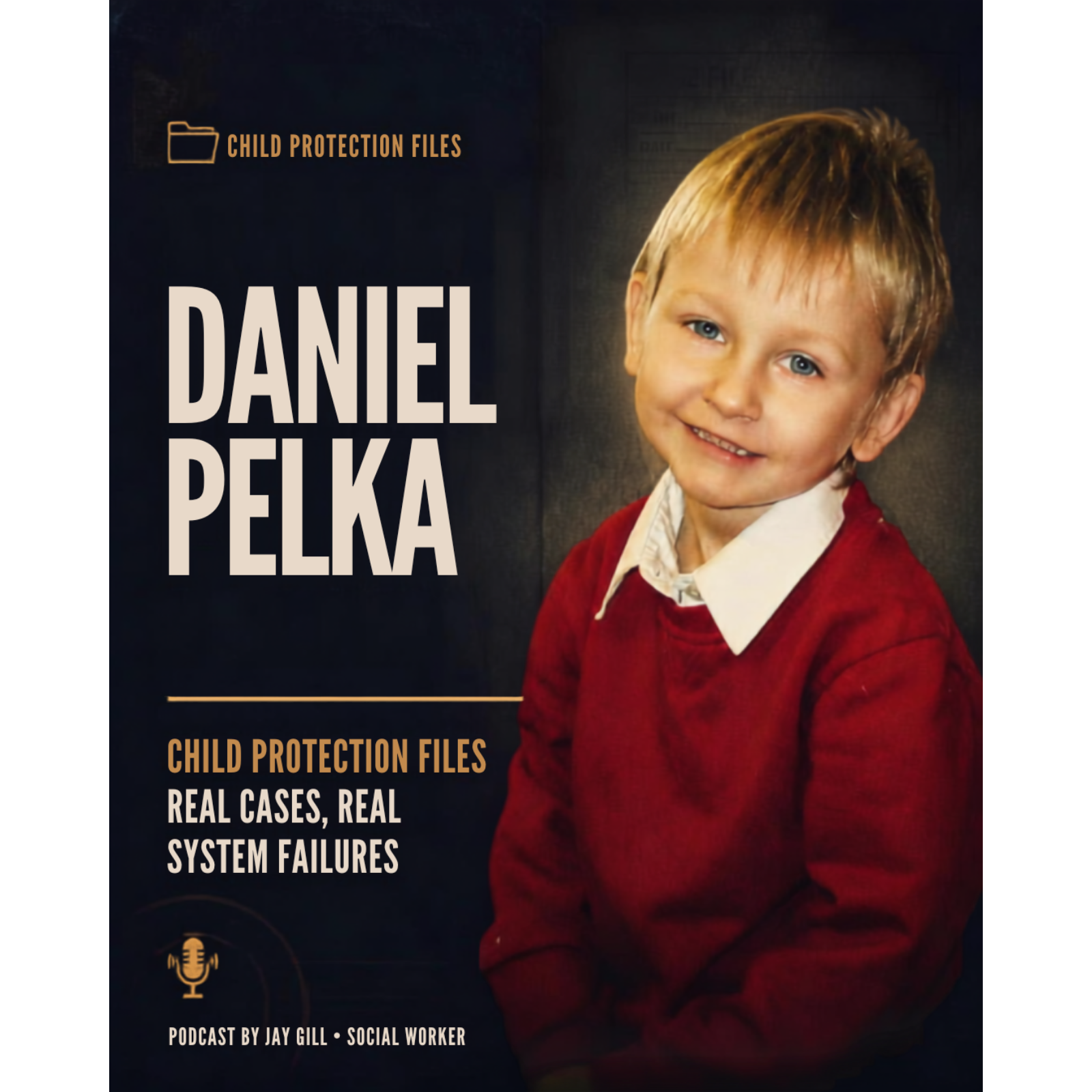 Full case file. Daniel Pelka, They Compared His Body to a Concentration Camp Victim 31.07.2026 33minHey! I'd love to hear your thoughts, send me a voice note.In March 2012, four-year-old Daniel Pelka died in Coventry, England, after months of starvation and abuse by his mother and her partner. Police had been called to his home twenty-six times over six years. A social worker had assessed him as recently as months before his death. His teachers watched him scavenge food from classroom bins. By the time he died, his body was compared by police to that of a concentration camp victim.This episode goes forensically through the case: the domestic violence history that spanned years, the serious allegations made to police that were never properly investigated, four separate social care assessments that all missed the risk to him, and the specific procedural failure, Daniel never once interviewed away from the parents abusing him, that connects this case directly to others we've covered on this show. We also look at what happened after: the serious case review, the public campaign for a "Daniel Pelka law," and why it didn't change legislation.Content warning: this episode discusses child starvation, physical abuse, and the death of a young child.Timestamps 0:00 – Cold open 1:15 – Show intro 2:00 – Who was Daniel Pelka 4:30 – Twenty-six calls: the historical picture 8:00 – The August 2010 incident and the allegations that went nowhere 11:30 – The pattern begins: 2009–2010 15:00 – Escalation and starvation 18:30 – The final months and Daniel's death 21:00 – The trial: text messages and testimony 24:30 – Sentencing and its aftermath 27:00 – The serious case review: "invisible" to the system 31:00 – The eight failure points 35:00 – The public campaign and what changed 38:00 – Reflection questions for practitioners 39:30 – CloseSources referenced:Coventry Safeguarding Children Board — Serious Case Review re Daniel Pelka (2013, Ron Lock)BBC News — trial and sentencing coverageChannel 4 News — trial coverageCoventryLive / Coventry Telegraph — judge's sentencing remarks in full
 -
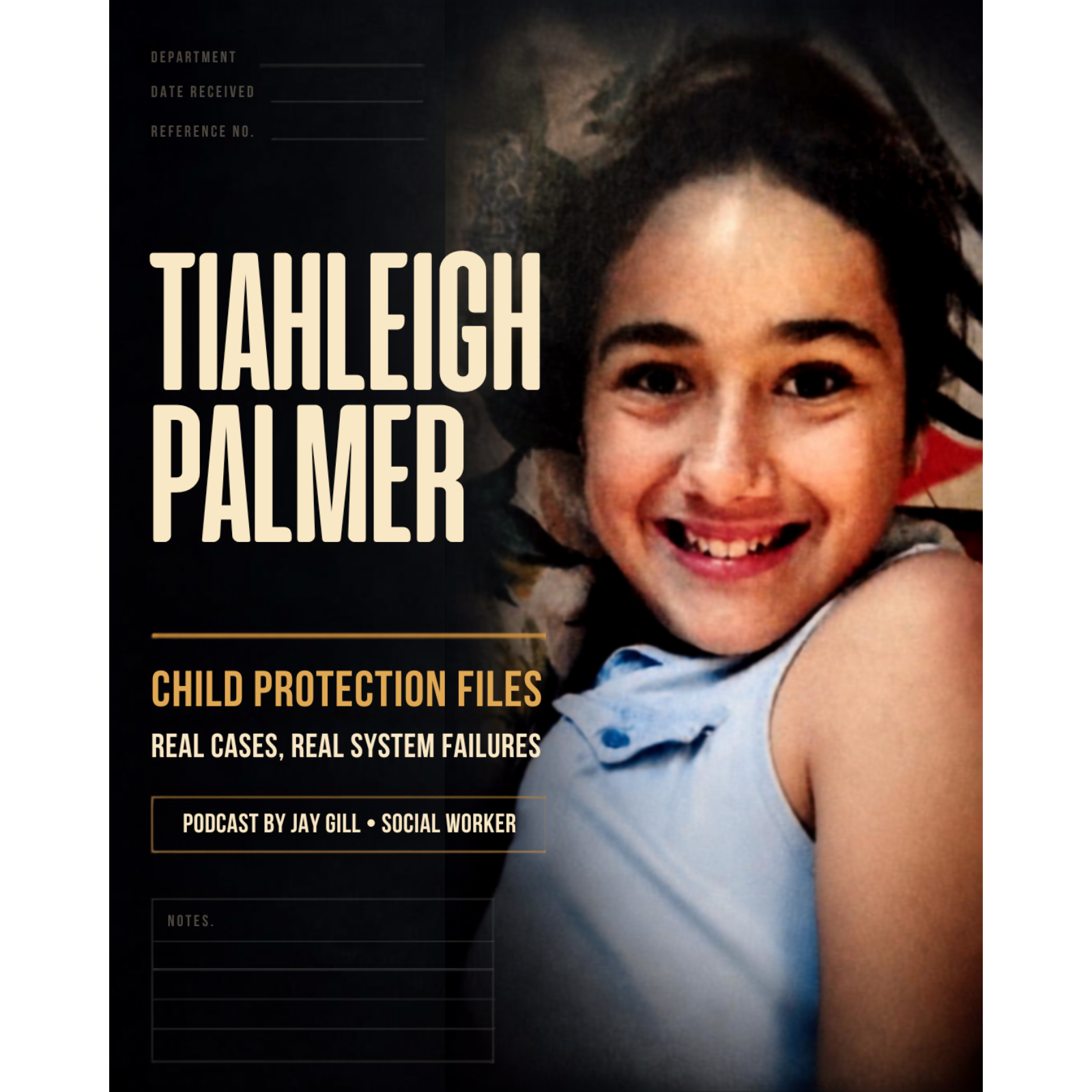 Full case file. Tiahleigh Palmer, He Buried Her, Then Carried Her Coffin 31.07.2026 39minHey! I'd love to hear your thoughts, send me a voice note.In October 2015, twelve-year-old Tiahleigh Palmer was reported missing from her foster home in Logan, Queensland. Six days later, her remains were found in a river. Her foster father stood as a pallbearer at her funeral, nearly a year before anyone knew he had killed her.This episode goes forensically through the case: a five-year history of placement instability, a foster carer approval process that missed a twenty-year criminal record, a household that specifically requested "high needs" children for higher payments, and a family conspiracy that held for almost a year. We break down the exact points where Queensland's child safety system could have changed the outcome, and the reforms that followed her death.Content warning: this episode discusses child sexual abuse and murder.Timestamps these are estimates based on the script) 0:00 – Cold open 1:30 – Show intro 2:15 – Who was Tiahleigh Palmer 5:00 – The Thorburn family and the Blue Card failure 10:30 – The abuse begins 14:00 – The night she died 17:30 – The cover-up and the funeral 20:00 – The investigation, one year later 24:00 – Sentencing: four family members, four outcomes 28:00 – The daycare business nobody flagged 31:00 – The eight failure points 35:00 – What changed in Queensland after her death 38:00 – Reflection questions for practitioners 39:30 – CloseSources referenced:Coroners Court of Queensland — Findings of the inquest into the death of Tiahleigh Alyssa-Rose Palmer (2021)Queensland Family and Child Commission — When a Child is Missing: Remembering TiahleighQueensland Family and Child Commission — Keeping Queensland's Children More Than SafeContemporaneous Australian news coverage (ABC News, SBS News)
 -
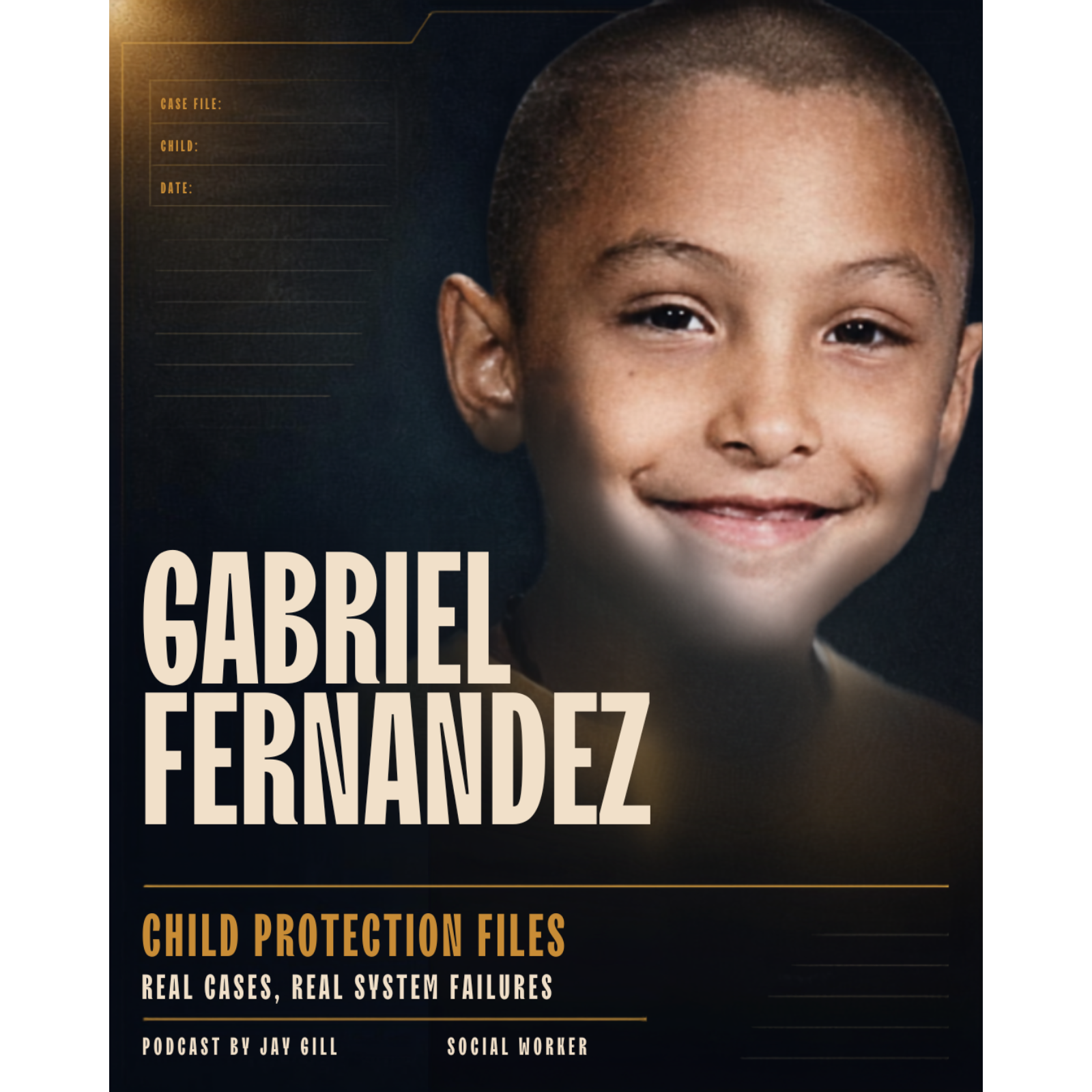 Full case file. Gabriel Fernandez: The Case Where "Very High Risk" Wasn't Enough 23.07.2026 54minHey! I'd love to hear your thoughts, send me a voice note.In this episode (extended, ~60-minute edition): the case of Gabriel Fernandez, an eight-year-old boy tortured to death in Palmdale, California, in May 2013. Before his death, his first-grade teacher called the county's child abuse hotline repeatedly, and a social worker who visited the home three times in four months rated him "very high risk" of abuse — then closed the case anyway.We cover:Gabriel's background and the decade of prior history — over 60 complaints and 8 investigations connected to his mother's household before he ever moved inA detailed, dated chronology of teacher Jennifer Garcia's hotline calls and social worker Stefanie Rodriguez's three home visits, including the missed protocol step and the risk assessment that was never escalatedThe abuse itself, and the other professionals who did, and didn't, raise concernsGabriel's death and the criminal trials of his mother, Pearl Fernandez, and her boyfriend, Isauro AguirreThe unprecedented criminal prosecution of the four DCFS workers involved — the only case in this series where caseworkers faced felony charges — and the 2020 appeals court ruling that dismissed themAn eight-point catalogue of specific, individual failure points, plus a counterfactual on how narrow the margin for a different outcome really wasThe Blue Ribbon Commission on Child Protection and the reforms that followedA fully current "where are they now," including Pearl Fernandez's second bid for resentencing being denied in March 2026What this case means for frontline practice — historical pattern recognition, interview protocol, risk assessment escalation pathways, and the genuinely unresolved debate over criminalizing caseworker judgmentContent warning: this episode contains detailed descriptions of extreme, sustained child abuse and torture. This is one of the more difficult cases covered on this show. Listener discretion strongly advised.
 -
 Full case file. Chloe Valentine: The Case File Australia Couldn't Ignore 19.07.2026 39minHey! I'd love to hear your thoughts, send me a voice note.In this episode: the case of Chloe Valentine, a four-year-old girl killed in South Australia in January 2012 after being repeatedly put on a motorbike she was physically unable to control, then left without medical care for more than eight hours as her injuries turned fatal.Before her death, at least twenty separate notifications about Chloe's welfare had been made to Families SA, South Australia's child protection agency, by family members and others who knew the household.We cover:Chloe's background and the years of documented concern raised on her behalfWhat happened over the three days leading to her deathThe six-week coronial inquest led by Coroner Mark Johns, and his finding that the system was "broken and fundamentally flawed"The criminal case against Ashlee Polkinghorne and Benjamin McPartland, and their sentencing for manslaughter by criminal neglectThe structural reforms that followed, including the creation of South Australia's Department for Child Protection and the 2016 Nyland Royal CommissionWhat this case means for frontline child protection practice today — recognizing patterns across a family's full history, the "rule of optimism," caseload pressure, and what it actually means to make the child the client, not the parentThis episode is a companion to our Phoenix Sinclair episode (Manitoba, Canada) — two different countries, two closed cases, the same underlying failure.Content warning: this episode contains detailed descriptions of the sustained abuse and neglect of a young child. Listener discretion is advised.
 -
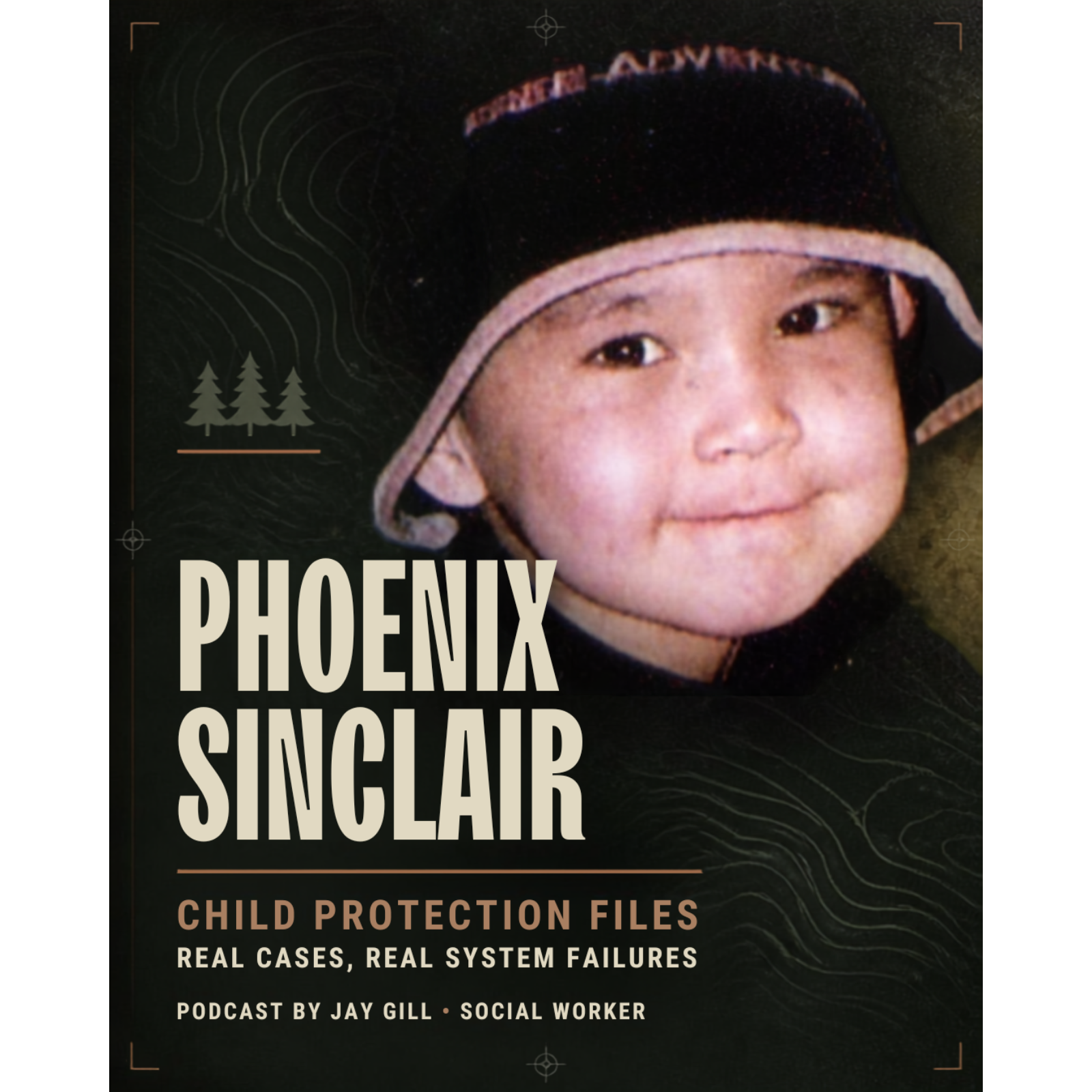 Phoenix Sinclair: The Case File That Took Nine Months to Discover 13.07.2026 26minHey! I'd love to hear your thoughts, send me a voice note.In this episode: the case of Phoenix Sinclair, a five-year-old girl killed in Manitoba, Canada, in June 2005. Her death went unreported for nine months. She had been known to child welfare services since birth, with her file opened and closed six separate times, and the man she was living with in her final year was never identified by name.We cover:Phoenix's early years and the recurring pattern of CFS involvement from birth through 2004The critical failure to record Karl McKay's identity or run a background check once he moved into the homeThe final home visit in March 2005, where Phoenix was never seenHer death, the nine-month concealment, and the discovery of her body in 2006The trial and conviction of Samantha Kematch and Karl McKay for first-degree murderThe Hughes Inquiry , 91 days of hearings, 126 witnesses, $14 million, and 62 recommendations, including a 20-case caseload limitThe context of Indigenous child welfare in Manitoba, and how jurisdictional change intersected with this caseWhat this case means for frontline practice today — identity verification, direct observation of children, caseload as a safety issue, and the risk of files closing on "quiet" rather than resolvedContent warning: this episode contains detailed descriptions of the sustained abuse and neglect of a young child. Listener discretion is advised.
 -
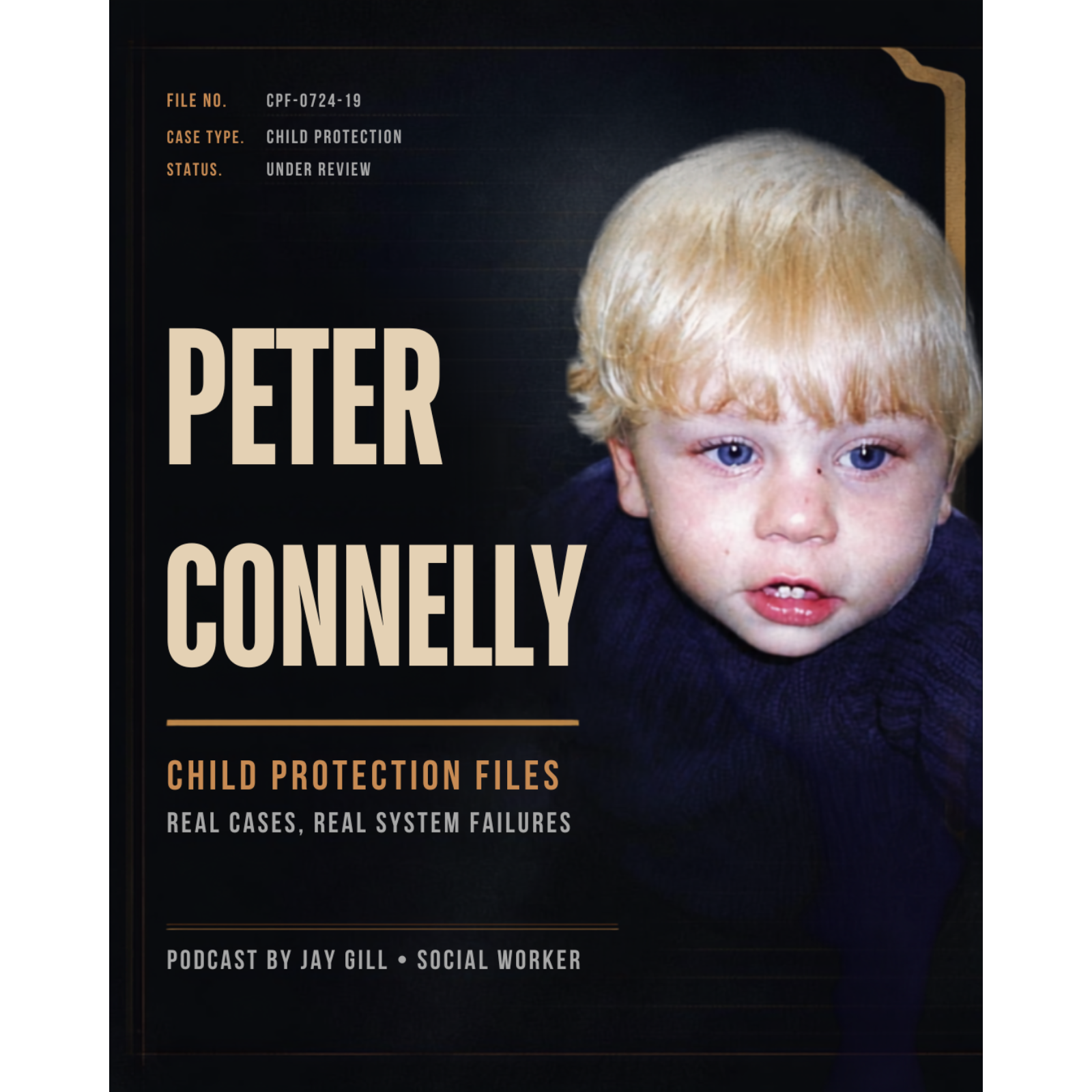 Baby P — The Full Case File 06.07.2026 41minHey! I'd love to hear your thoughts, send me a voice note.Peter Connelly, known publicly as "Baby P," was seen sixty times in eight months by social workers, doctors, and police, in the same London borough that had already been through the Victoria Climbié case seven years earlier. He died in August 2007, aged 17 months, from sustained abuse that was actively concealed from every professional monitoring his case.This episode goes deep on two things: the full Old Bailey trial, why the murder charges were reduced to "causing or allowing," Judge Stephen Kramer's sentencing remarks in full, and the parallel case where Steven Barker was convicted of raping a separate child also on Haringey's child protection register, and the child protection practice side that rarely gets covered properly: the GP excluded from the case conference, Steven Barker's presence in the household going completely unvetted, and the sharp contrast between two social workers with very different outcomes. Maria Ward and her manager Gillie Christou admitted real, documented casework failures. Sylvia Henry, a separate social worker who had actually argued for the safer option and was overruled, was falsely accused of negligence by The Sun newspaper and later won a libel case against them.We also cover the political and media firestorm this case triggered, including a heated Prime Minister's Questions clash between Gordon Brown and David Cameron, the Ofsted and Healthcare Commission reviews, and Lord Laming's second national child protection review, brought back by the same man who led the Climbié inquiry.Content warning: this episode contains detailed descriptions of the sustained physical abuse of a young child. Listener discretion is strongly advised.What's covered: – Peter's background and the household that formed around him – The sixty professional contacts, and what specifically went wrong with each – The case conference gap and the unvetted household member – The Old Bailey trial, the murder-to-manslaughter-equivalent legal mechanism, and the parallel rape conviction – Judge Stephen Kramer's sentencing remarks – The Sun's "Justice for Baby P" campaign and the Cameron/Brown PMQs clash – Maria Ward, Gillie Christou, and Sylvia Henry: two very different kinds of accountability – The Ofsted and Healthcare Commission reviews, and Lord Laming's second national review – Where the three people convicted are nowSources referenced: R v Owen, Barker, and Connelly (Old Bailey, 2008–2009); the second Haringey Serious Case Review; the 2008 Ofsted joint area review; the May 2009 Healthcare Commission report; Lord Laming's 2009 national review; contemporaneous UK press and legal reporting on the Ward/Christou tribunal and Sylvia Henry's libel case against The Sun; GMC records on Dr Al-Zayyat and Dr Ikwueke.If you haven't heard it yet, Episode 1 covers the Victoria Climbié case, the direct predecessor to this one.If any of this content affects you personally, the NSPCC helpline (0808 800 5000) and Childline (0800 1111) are both available in the UK.
Līdzīgi podkasti


Populārs valstī
Šis podkasts parādās arī šo valstu podkastu topos.
