
Advances in Care
NewYork-Presbyterian
0
Advances in Care is a health and medicine podcast hosted by epidemiologist and science communicator Erin Welsh, who talks with physicians from NewYork-Presbyterian hospital about the research and treatments shaping modern care. Episodes dig into breakthroughs such as genome sequencing and the stories behind life-saving cardiac procedures, featuring doctors from Columbia and Weill Cornell Medicine. The show is aimed at health care professionals and listeners who want to stay current with the latest medical innovations. More information is available at nyp.org/Advances.
Epizodes
-
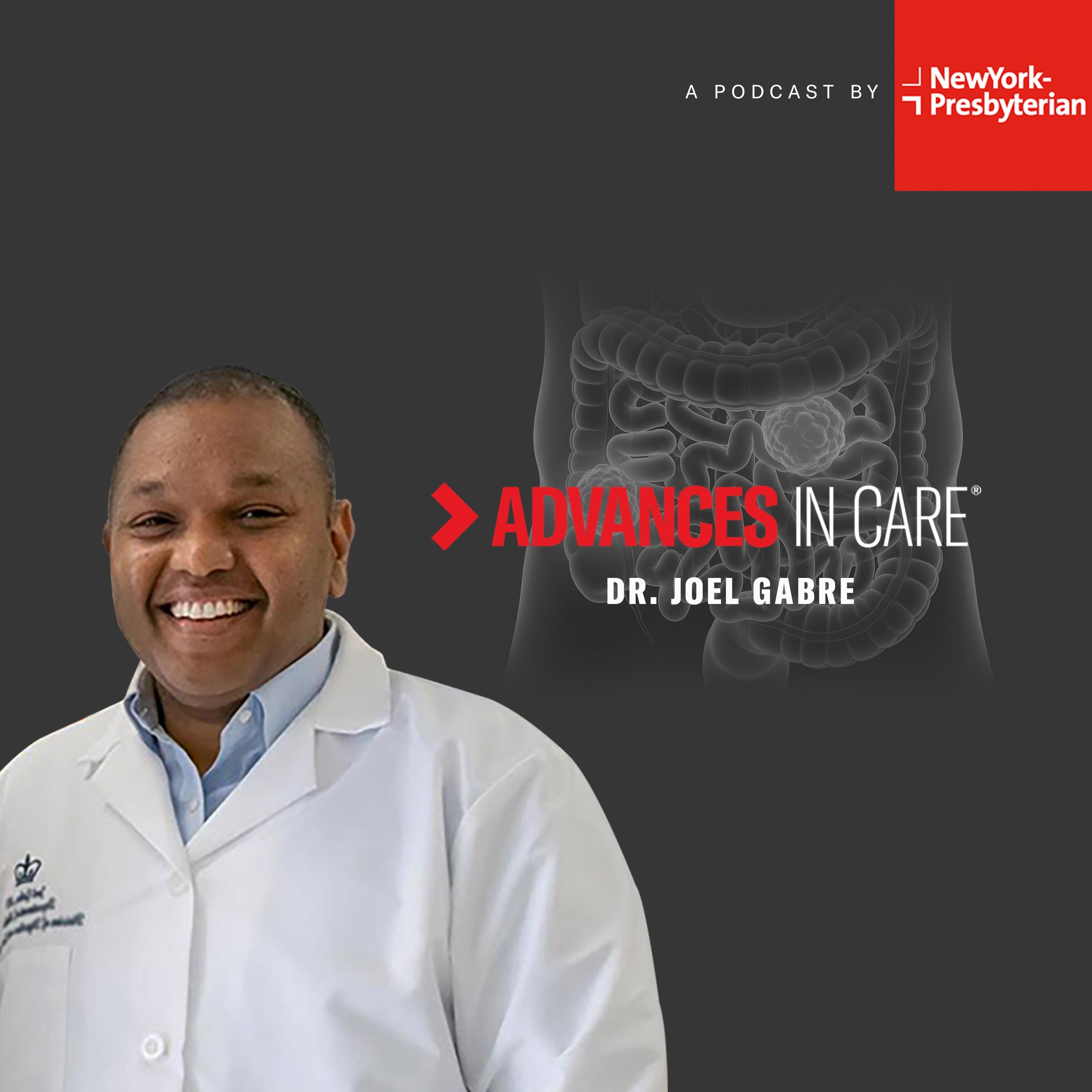 Research Reveals Potential Causes Behind the Rise in Early-Onset Colon Cancer 01.10.2026 17minOn this episode of Advances in Care, Erin Welsh revisits her recent conversation with Dr. Joel Gabre, a gastroenterologist at NewYork-Presbyterian and Columbia, to discuss the ongoing rise in colorectal cancer rates among younger individuals. Dr. Gabre shares an apparent trend in where colorectal cancer is being detected in younger patients, and findings from his research profiling early vs late onset tumors using single-cell RNA sequencing.
 -
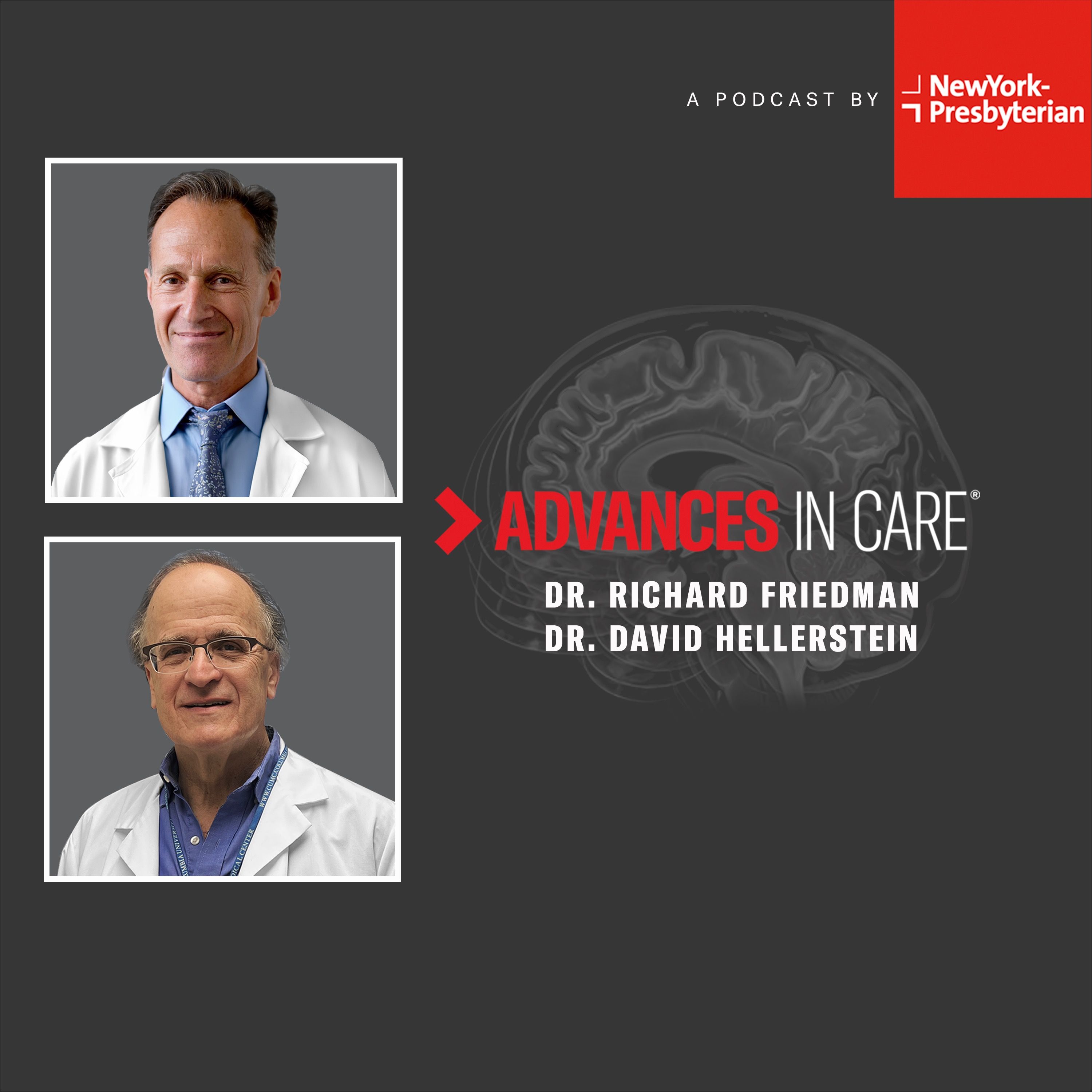 Exploring Psychedelics as the Next Wave of Psychiatric Innovation 03.09.2026 20minOn this episode of Advances in Care, Erin Welsh revisits her conversations with Dr. Richard Friedman, a clinical psychiatrist at NewYork-Presbyterian and director of the Psychopharmacology Clinic at Weill Cornell Medicine, and Dr. David Hellerstein, a research psychiatrist at NewYork-Presbyterian and Columbia, about the challenges of conventional therapeutics like SSNRIs and SSRIs and how psychedelic compounds could provide different treatment mechanisms. They discuss the challenges of testing clinically testing psychedelics, and how different psychedelics could be an avenue of treatment for a range of mental health disorders.
 -
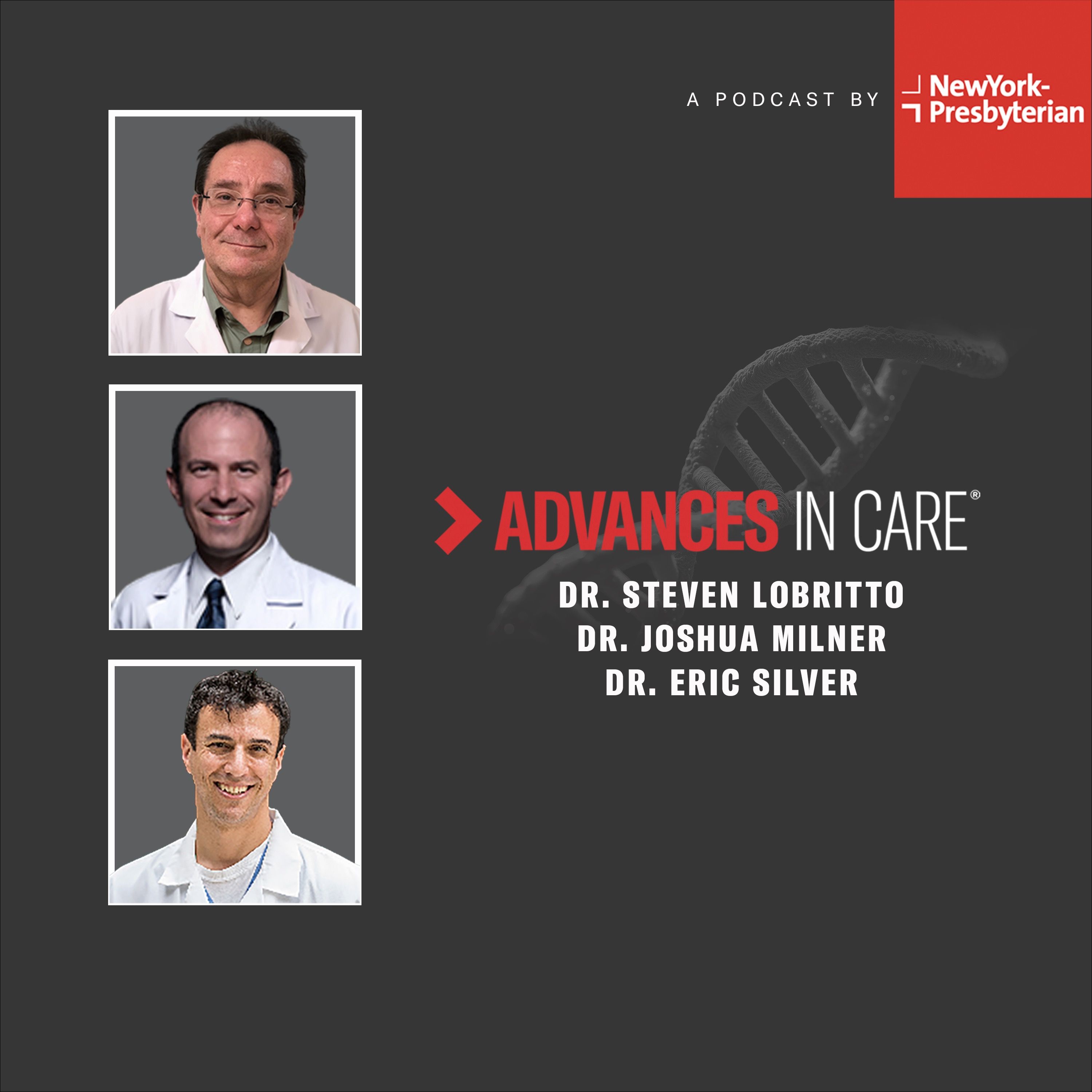 GUARDIAN Screening Panel Expands Early Detection for Rare and Treatable Diseases 06.08.2026 23minOn this episode of Advances in Care, host Erin Welsh revisits the story behind the GUARDIAN study, which screens thousands of newborn babies against rare disease by sequencing their genes, and looking for more conditions than any of the current standard screening panels. She hears from Dr. Jordan Orange on why genetic testing is a promising way of not only catching treatable rare diseases in infants but also expanding health equity and medical resources to marginalized populations, and Dr. Josh Milner on how early detections of severe combined immune deficiency indicated a higher prevalence than previously thought. Erin also speaks with Dr. Steven Lobritto Wilson’s disease and Dr. Eric Silver about Long QT Syndrome, and how identifying these conditions in newborns allows for simple treatment interventions that avoid damaging complications.
 -
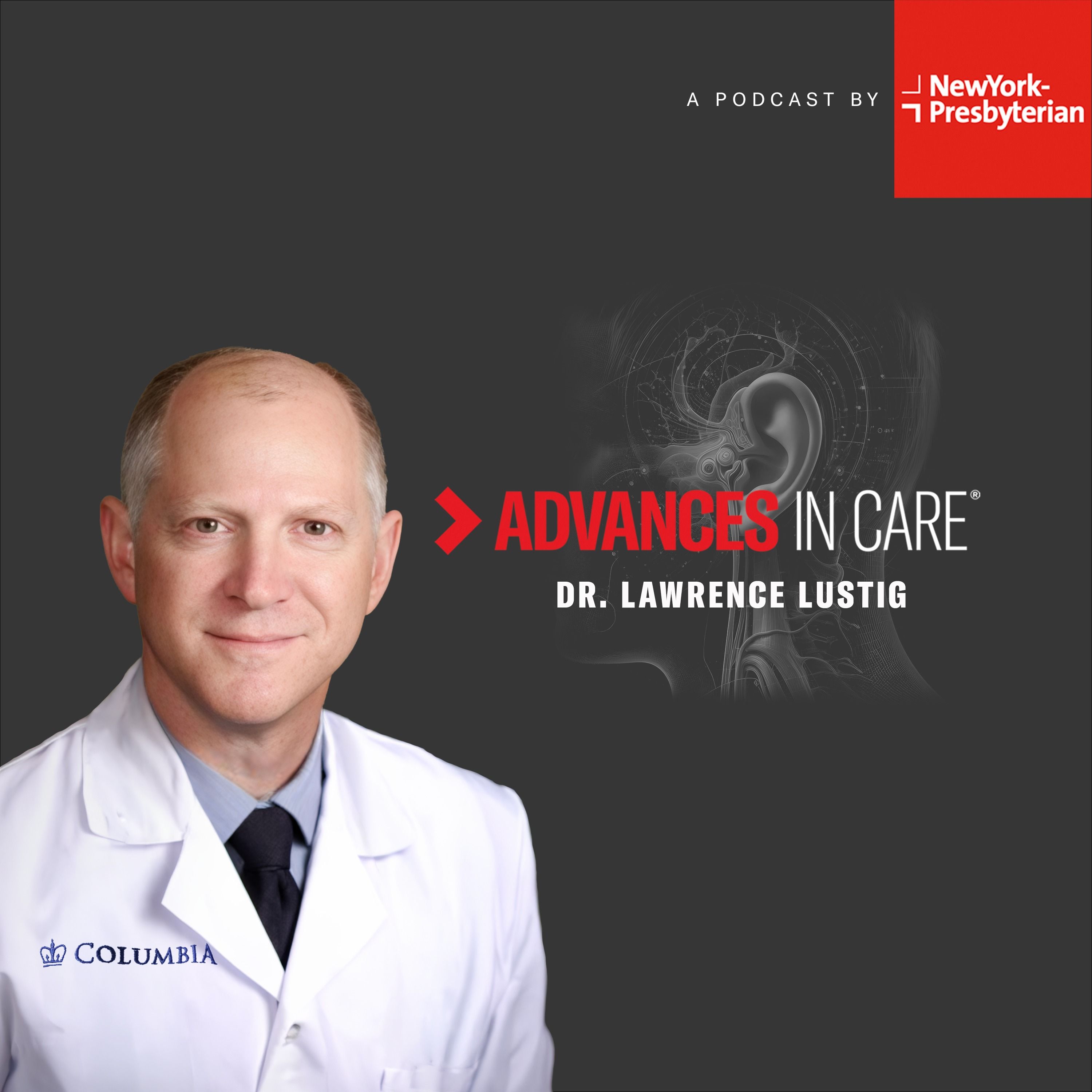 Groundbreaking Gene Therapy Restores Natural Hearing for Genetic Deafness 23.07.2026 18minOn this episode of Advances in Care, Erin Welsh is joined by Dr. Lawrence Lustig, otolaryngologist-in-chief at NewYork-Presbyterian and Columbia. Dr. Lustig has spent decades working to advance various interventions to treat genetic hearing loss and after years of research his team was the first to show that gene therapies could be effective at reversing genetic hearing loss in mouse models and eventually, humans. In April 2026, the FDA approved the first ever gene therapy for a rare form of genetic otoferlin deafness based on the work pushed forward by Dr. Lustig. Dr. Lustig shares how he and his team brought this approach to treating genetic deafness from mouse models, to humans, to FDA approval in record time, and why this new therapy will have a profound effect on treatments for hearing loss in the years to come.
 -
 A Novel Immune-Based Cell Therapy Improves Treatment for Metastatic Melanoma 09.07.2026 18minOn this episode of Advances in Care, Erin Welsh is joined by Dr. Barbara Ma, a medical oncologist at NewYork-Presbyterian who leads Cellular Therapy for Solid Tumors at Weill-Cornell Medicine. Dr. Ma and her team are at the forefront of utilizing a new therapy in the treatment of metastatic melanoma called tumor-infiltrating lymphocyte therapy—or TIL therapy—which received FDA approval in 2024. Patients receiving TIL therapy have seen tumors shrink in as little as one week after their first round of treatment. Dr. Ma discusses how her team is working to optimize TIL therapy by shortening the manufacturing process and reducing treatment-related toxicity to improve the patient experience. NewYork-Presbyterian and Weill Cornell Medicine is one of only a handful of medical centers to provide TIL therapy based on the complexity of this treatment approach, and also lead new research efforts to expand its potential for treating solid tumor cancers.
 -
 The Positive Impact of Electroconvulsive Therapy for Severe Psychiatric Illness 25.06.2026 16minOn this episode of Advances in Care, Dr. Leonardo Lopez, a psychiatrist at NewYork-Presbyterian and vice chair for inpatient services in the Department of Psychiatry at Weill Cornell Medicine, joins Erin Welsh to discuss a transformative but widely inaccessible psychiatric treatment: electroconvulsive therapy (ECT). Dr. Lopez describes the history of the treatment, how it has evolved since its inception to become one of the safest procedures done under general anesthesia, and the dramatic response rates. He also shares the transformative story of a pediatric patient with catatonia whose syndrome resolved after a 6-week ECT treatment plan allowing her to return to normal life activities. Despite the positive responses, ECT has carried a stigma born of its early practices and portrayals in media however, the modern version of this therapy is less than 5 minutes and is administered while patients are under general anesthesia, resulting in some of the fastest-acting psychiatric treatments for certain conditions, with minimal side effects.
 -
 How a Complex Partial Liver Transplant Saved a Two-Month Old Infant 11.06.2026 15minOn this episode of Advances in Care, Dr. Steven Lobritto, pediatric medical director for liver transplant at NewYork-Presbyterian and Columbia, joins host Erin Welsh to tell the story of the high-risk pediatric partial liver transplant to save the life of a two month old baby, after the center where the baby was originally treated deemed her inoperable. Dr. Lobritto explains how he and his team coordinated with the patient’s initial care team across the country to prepare the critically ill, 11-pound baby to fly to New York, and the intricacies of the surgical procedure. He also describes how this case demonstrates the need for universal surgical training in partial liver transplant, to help save the lives of more young patients.
 -
 Cerebral Organoids Provide New Strategy to Personalize Glioblastoma Treatment 28.05.2026 18minOn this episode of Advances in Care, Erin Welsh speaks with Dr. Howard Fine, neuro-oncologist at NewYork-Presbyterian and director of the Brain Tumor Center at Weill Cornell Medicine, about his groundbreaking research in glioblastoma. Dr. Fine’s lab is bioengineering cerebral organoids - called mini brains - from human embryonic stem cells through a platform called GLICO, which creates genetically matched, patient-specific brain models using an individual's immune cells and glioma cells. These miniature replicas allow researchers to map how a tumor may progress, and test new, individualized therapeutic approaches, offering a hope for transforming glioblastoma into a manageable disease and improving overall survivorship.
 -
 Navigating High-Risk Pregnancy with Multidisciplinary Cardio-Obstetrics Care 14.05.2026 17minMany women in the US are having children at a later age than in the past, and with that comes an increased occurrence of common conditions like high blood pressure, diabetes, and high cholesterol that can put them at risk for heart disease while pregnant or afterwards. In fact, cardiovascular disease is now the leading cause of maternal mortality in the US, with pulmonary hypertension and peripartum cardiomyopathy posing significantly high risks. Dr. Jennifer Haythe joins Advances in Care host Erin Welsh to discuss the prevalence of medically complex pregnancies due to heart disease and the pioneering, multi-disciplinary teamwork she is leading through the cardio-obstetrics program at NewYork-Presbyterian and Columbia to successfully care for these patients.
 -
 Redefining Treatment for Chiari Malformation with a Transitional Care Model 30.04.2026 19minChiari malformation is a rare, potentially very serious condition that can easily be misdiagnosed without proper expertise. Untreated, complications like hydrocephalus, CSF leaks, cysts in the spinal cord, and nerve and muscle damage can develop but Dr. Jeffrey Greenfield, a pediatric neurosurgeon at NewYork-Presbyterian, is addressing the unmet need for better management of this disorder through the Chiari CARE program at Weill Cornell Medicine–a multidisciplinary care model involving neurology, pain management, neuropsychology, radiology, and other specialties. This initiative is paving the way towards providing full-spectrum care to patients and furthering research to develop better treatment pathways for the future. Dr. Greenfield joins Erin Welsh on this episode of Advances in Care to discuss the types of Chiari malformation and how NewYork-Presbyterian, an integrated academic hospital, is uniquely positioned to provide transitional care to patients, treating them from childhood through adulthood.
 -
 Single Port Robotic Surgery Transforms Outcomes for Lung Tumor Removal 16.04.2026 17minDr. Jeffrey Port joins Advances in Care host Erin Welsh to discuss advances in thoracic surgery and the unique collaborative care model NewYork-Presbyterian and Weill Cornell Medicine employs to operate on complex chest tumors. In recent years, new robotic approaches to thoracic surgery have revolutionized the field and currently, NewYork-Presbyterian and Weill Cornell Medicine is one of only 10 centers nationwide that is performing advanced lung procedures utilizing single port robotic technology, the newest paradigm in minimally invasive surgery. This combination of cutting edge surgical techniques, high case volume, and a multidisciplinary care, is meaningfully expanding treatment options for patients who cannot be treated elsewhere.
 -
 Improving Preterm Birth Outcomes with Virtual Cervix Technology 02.04.2026 20minAdvances in Care host Erin Welsh is joined by Dr. Mirella Mourad, maternal-fetal medicine specialist at NewYork-Presbyterian and co-director of the Preterm Birth Prevention Center at Columbia, to talk about her groundbreaking work in obstetrics and high-risk pregnancy care. Along with her collaborator Dr. Kristin Meyers from Columbia’s School of Engineering, Dr. Mourad has developed a patient-specific “digital twin” of the cervix: an innovative model designed to improve the assessment, diagnosis, and management of preterm birth. This cutting-edge technology enables clinicians to better identify patients at risk, personalize treatment strategies for successful pregnancy outcomes, and advance research in the field of maternal-fetal medicine.
 -
 How ECMO Leadership is Driving Improved Survival and Post-ICU Recovery 19.03.2026 19minAdvances in Care host Erin Welsh is joined by Dr. Cara Agerstrand, director of the Medical ECMO Program at NewYork-Presbyterian and Columbia, and Dr. Matthew Baldwin, critical care specialist and research lead for Columbia’s Baldwin Lab which focuses on the study of critical illness survivorship. They discuss the strength of NewYork-Presbyterian and Columbia’s critical care teams, including how they have established a world-renowned expertise in managing patients on rescue therapies like extra-corporeal membrane oxygenation (ECMO), the most advanced form of cardiopulmonary life support. Their conversation explores how their program treats the sickest respiratory and cardiac failure patients, why expertise in ECMO remains relatively uncommon nationwide, and how utilization has evolved from early pediatric use to post H1N1 and COVID surges. They also explore how the Baldwin Lab leads the field of critical care medicine for research on understanding the biological factors of why some patients fully recover from ICU stays and others do not, as well as physical, mental, and emotional wellbeing for patients.
 -
 Phase 3 Trial Reduces Risk of Progression in Metastatic Prostate Cancer 05.03.2026 15minAdvances in Care host Erin Welsh is joined by Dr. Scott Tagawa, medical oncologist at NewYork-Presbyterian and director of the Genitourinary Oncology Program at Weill Cornell Medicine, to talk about the latest developments in prostate cancer care. Dr. Tagawa recently led a Phase III randomized trial– called PSMAddition–to assess targeted radioligand therapy in men with hormone-sensitive metastatic prostate cancer, which yielded notable declines in PSA levels and slowed cancer progression by 28%. The use of this therapeutic earlier in treatment as opposed to a last-line defense has the potential to redefine the standard of care and improve outcomes for patients with metastatic prostate cancer.
 -
 Breakthrough Technology Improves Concussion Assessment and Player Safety 19.02.2026 17minAdvances in Care host Erin Welsh sits down with sports medicine physician and concussion specialist Dr. Thomas Bottiglieri to explore the current landscape of concussion care, limitations in assessment, and how a newly discovered biomarker may be the key to more accurate diagnosis and return-to-play decisions. After Dr. Bottiglieri and his team identified a unique biomarker linked to severe concussion, they developed ProScope: an eyetracking software tool that measures head and neck stability and detects the diagnostic biomarker with more than 80% sensitivity. Now, for the first time, clinicians can objectively diagnose and measure the severity of concussion. ProScope even has the potential to be used directly on the sidelines, giving clinicians a faster, and more accurate way to assess athletes for concussion immediately after injury.
 -
 2025 Year in Review: Revisiting the Top Takeaways from Advances in Care 18.12.2025 19minIn this year-end episode, the hosts of NewYork-Presbyterian’s Advances in Care and Health Matters podcasts come together to reflect on the most compelling insights from their 2025 conversations with physicians , researchers, and other health experts. From groundbreaking innovations to impactful patient stories, they share their top takeaways from a year of meaningful dialogue in medicine.
 -
 Revisiting the Network Effect: Analyzing Brain Structures to Treat Depression 04.12.2025 26minThis week on Advances in Care, we’re revisiting an episode about innovative treatments for depression. When Dr. Conor Liston first began mapping the brains of people suffering from major depression he noticed something strange. In depressed brains certain networks were expanded and, as a result, had pushed into other networks. This finding made Dr. Liston think that the expanded network could explain why depression presents differently from patient to patient. In this conversation with former Advances in Care host Catherine Price, Dr. Liston explains how his work mapping the brain could be the key to effectively using Transcranial Magnetic Stimulation (TMS) to help patients with treatment resistant depression.
 -
 Revisiting Deep Learner: Building AI to Improve Cardiovascular Care 13.11.2025 30minThis week we revisit a conversation between former host Catherine Price and Dr. Pierre Elias, cardiologist and Medical Director of Artificial Intelligence for NewYork-Presbyterian, who explains how utilizing artificial intelligence and deep learning in medicine can help doctors more accurately predict cardiovascular disease, and allow them to focus on bringing the human care element back to health care.
 -
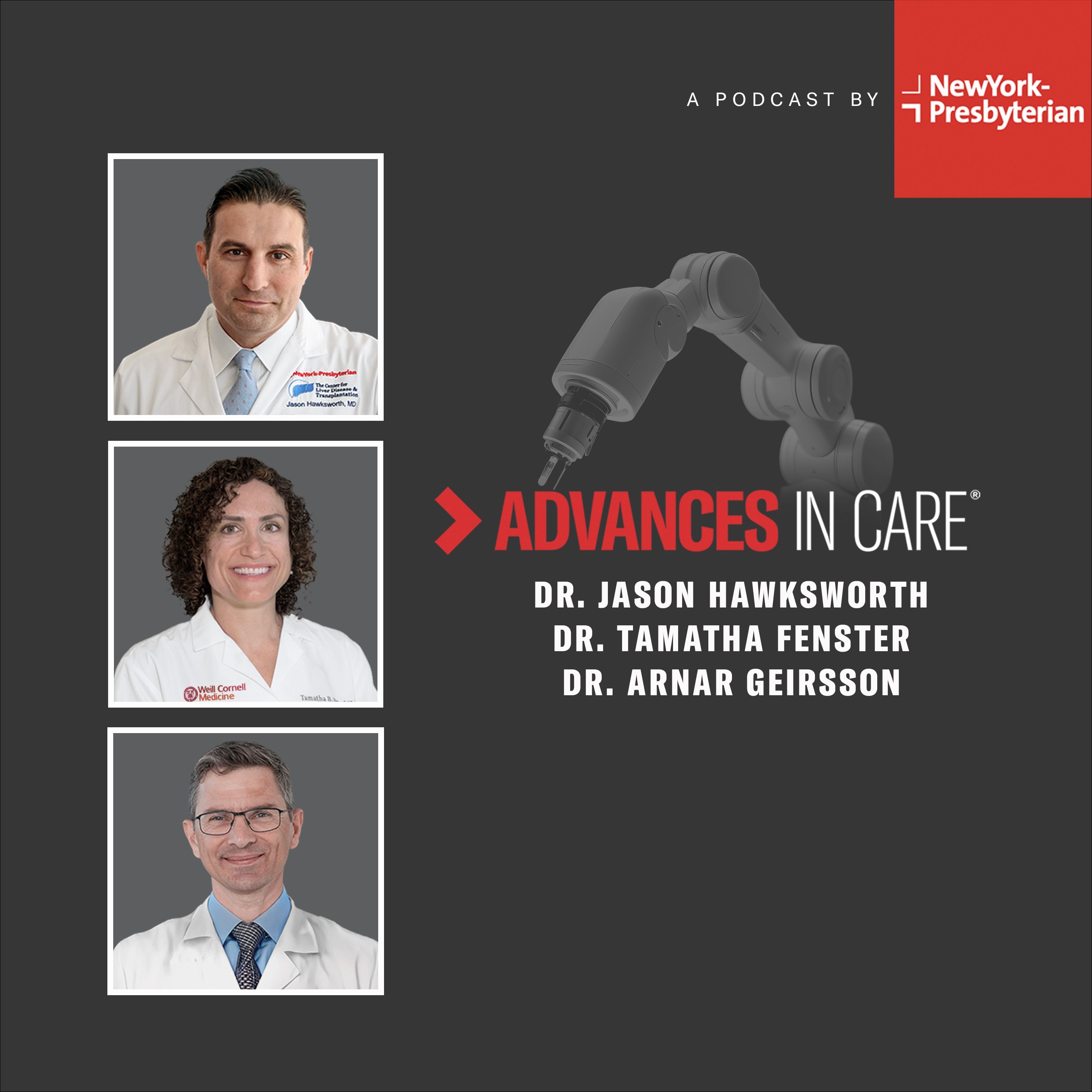 Revisiting Surgical Robot: Advancing Medicine with Robot-Assisted Technology 30.10.2025 34minThis week we revisit the stories of three doctors who come from different specialties, united by one goal: to advance the implementation of surgical robotics. In this episode, Dr. Jason Hawksworth, Dr. Arnar Geirsson, and Dr. Tamatha Fenster discuss how robots are revolutionizing the fields of hepatobiliary, gynecological, and cardiac surgeries–and what’s coming next for the future of medicine.
 -
Revisiting Heartmaker: Revolutionizing Pediatric Heart Surgery 16.10.2025 24minIn the first ever episode from the Advances in Care archives, Dr. Emile Bacha, Chief of the Division of Cardiac, Thoracic, and Vascular Surgery at NewYork-Presbyterian/Columbia, tells the story of how he successfully implanted a total artificial heart into one of the youngest patients in the world to undergo the surgery.
Līdzīgi podkasti


Populārs valstī
Šis podkasts parādās arī šo valstu podkastu topos.
