
The Art Angle
Artnet News
0
A weekly podcast that brings the biggest stories in the art world down to earth. Go inside the newsroom of the art industry's most-read media outlet, Artnet News, for an in-depth view of what matters most in museums, the market, and much more.
Epizodes
-
 Re-Air: Arthur Jafa's Radical Theory of Readymade Art 17.09.2026 47minThis is a re-air of my interview with the artist Arthur Jafa. It came out earlier in the year, but with his much-anticipated career retrospective, Arthur Jafa, I Am Tony, now about to open at the New Museum in New York. It's very much worth another listen. Jafa is probably the most revered artist of the last decade. Born in 1960, in Tupelo, Mississippi, he came up through the world of cinema. But Jafa also found his way into the art world with his difficult video work and strange objects. In art, his reputation went vertical in 2016 with the video, Love Is the Message, the Message Is Death. It is a collage of found footage from social media that included police violence against Black people and also moments of viral celebration and joy. It was both experimental and accessible, and drew huge crowds when it was first shown at Gavin Brown’s Enterprise in New York. A follow-up film, called The White Album, won the Golden Lion for Best Artist as part of the main show of the Venice Biennale back in 2019. And this month, Jafa is back in Venice, this time in a two-person show called “Helter Skelter,” curated by Nancy Spector, pairing him with the famous artist Richard Prince, also known for using found and appropriated imagery to disorienting effect. That show opened alongside the Venice Biennale at the Prada Foundation, and was one of the few things during the opening weekend that everyone could agree was a must-see event. Jafa has also curated a show currently on view at the Museum of Modern Art, called “Less Is Morbid,” a deliberately packed display of his favorite art. He is also one of the winners of this year’s Art Basel Award, to be honored at that fair. In the middle of all this intense activity, Jafa sat down with Ben Davis to discuss his art, his view of art history, and what comes next.
 -
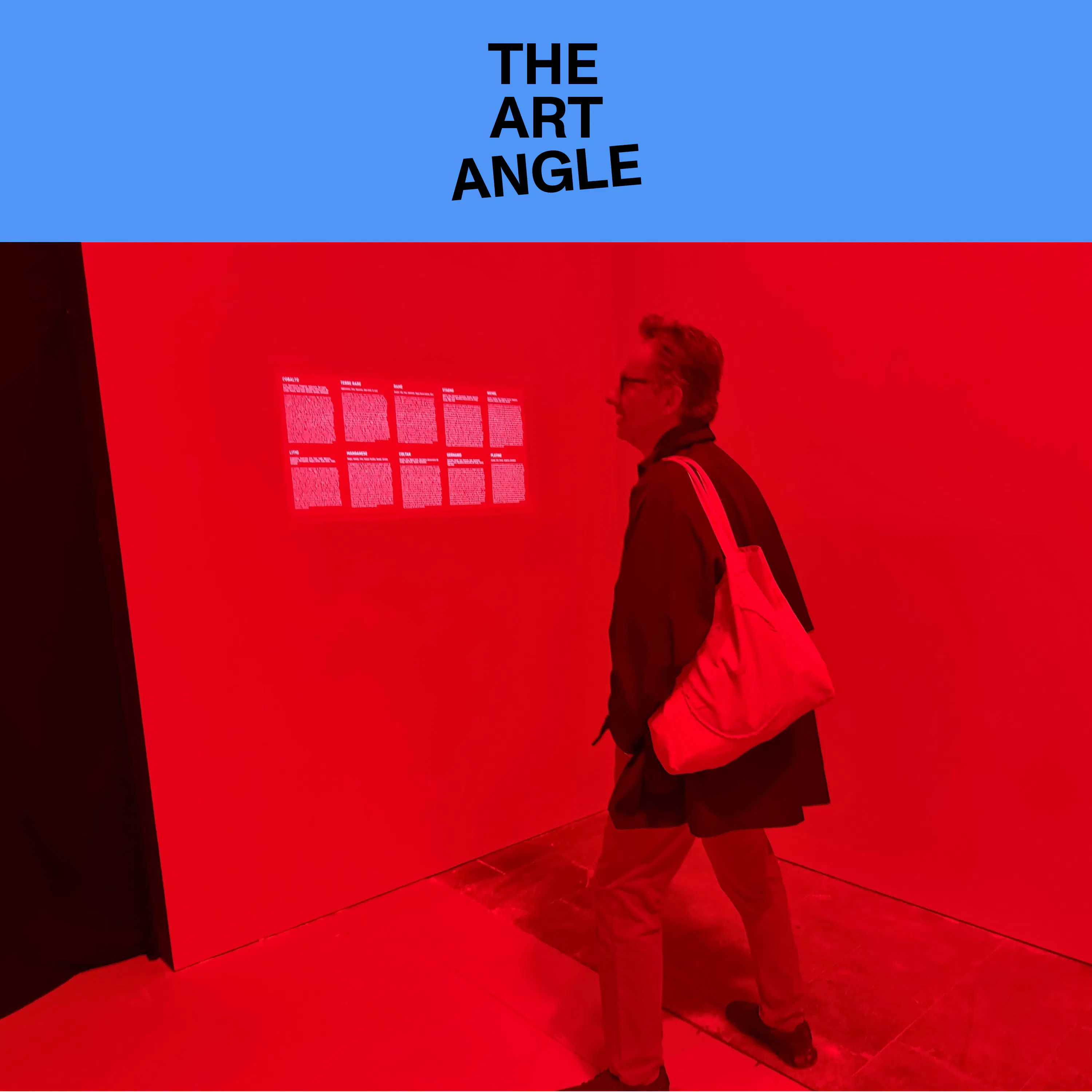 Why Are Museum Wall Texts So Bad? 11.09.2026 42minThe humble wall label at an art exhibition has a funny status. It feels, on the one hand, like a side note or an afterthought. On the other, it is a first point of contact and literal guide for a visitor looking to know more. There is an entire undersung discipline, Visitor Studies, which has put a lot of time into thinking about how museums communicate. And yet, even so, some of the most prestigious exhibitions in the world are crawling with texts that I can barely understand. As a matter of fact, I’ve griped so much about bad text at art biennials and shows that I try not to do it anymore, just to avoid repeating myself. But recently, I decided I would get it out of my system for good and be constructive and write an essay about where I think these texts go wrong and what I think works. Katherine Whitney thinks about museum texts professionally, she has worked with a number of museums and with Beverly Serrell on the 2024 edition of Serrell’s Exhibit Labels: An Interpretive Approach, a standard resource on this subject. So, let’s talk about texts. This is a nerdy topic, maybe, but it’s also an essential topic, one that helps clear your mind about what you want from a museum in the first place. Unlike a lot of problems facing art right now, the problem of bad texts is one that can be fixed.
 -
 The Etruscans Made Astonishing Art. Why Aren't They Better Known? 03.09.2026 35minThe ancient Romans called the Mediterranean mare nostrum, "our sea." But before the Romans rose to power, the Etruscans had extensive trade networks in the area and controlled much of the Italian peninsula, the future heart of the Roman Empire. Between around 900 B.C.E. and the first century B.C.E., the Etruscans lived in city-states, developing beguiling artworks and making technological advances that are the subject of an astonishing show at the Legion of Honor in San Francisco. "The Etruscans: From the Heart of Ancient Italy," which runs through September 20, tells the story of people who were deeply religious, alive to life's great pleasures, and in dialogue with societies in distant lands. There are remarkable loans from more than two dozen institutions, including treasures that have never before been allowed to travel. Renée Dreyfus, the curator in charge of ancient art at the Fine Arts Museums of San Francisco, organized this tour de force and joined Andrew Russeth on The Art Angle to discuss it.
 -
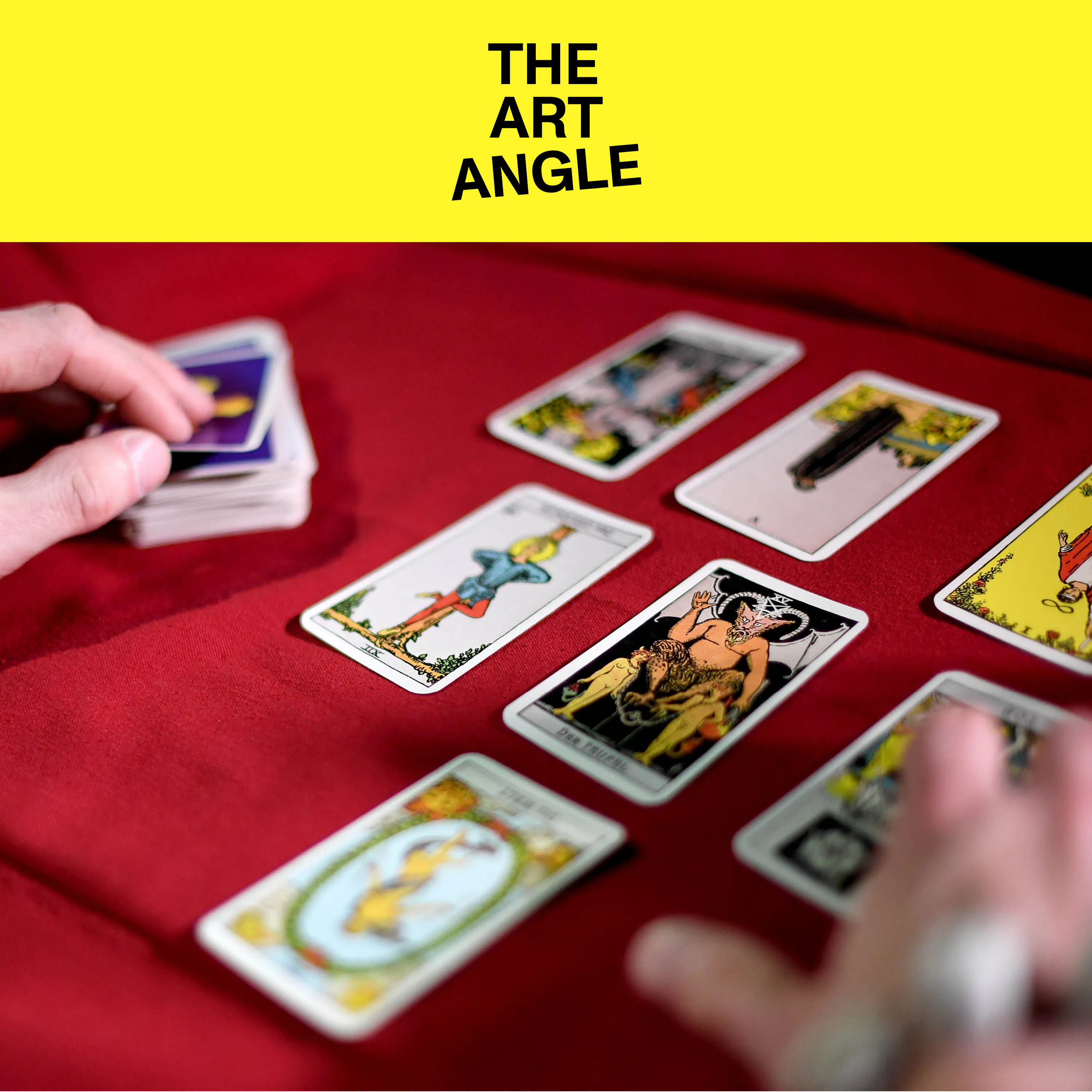 Why Artists Keep Turning to Tarot 27.08.2026 36minArtists and creatives have been fascinated with tarot for over 600 years. Recently, that fascination has resurfaced in a big way, showing up everywhere from museum walls to fashion runways. That's not surprising. As a sweeping universal narrative language small enough to fit in your pocket, tarot's archetypal imagery is built for rediscovery and reinterpretation. Once a medieval royal court game, tarot drifted into the realms of the occult, especially in the 18th and 19th centuries. In the 21st, it's entered the pop culture zeitgeist—accessible, affordable, and able to offer insight into the present, past, and future, but most importantly, yourself. Artists have long mined the cards for spiritual and creative inspiration, contributing to their enduring relevance. Pamela Colman Smith designed the deck that's still the industry standard, back in 1909, though her name was buried for decades under the man who commissioned it. Leonora Carrington painted a hauntingly surreal Major Arcana in 1955. Salvador Dalí spent decades on his own gilded, cinematic deck, finishing it in the 1970s. Now, dozens of artists and designers are dabbling with imagery that fuses art history, numerology, astrology, and psychology with color, gesture, and form. That's the real magic of tarot: The plurality of meaning and the staying power of images. A major show at the Morgan Library and Museum in New York explores the history of and our enduring fascination with the cards. Annikka Olsen, Artnet's Galleries Editor, recently covered the exhibition and she joins Margaret Carrigan, Artnet's News Editor, on this episdoe to talk tarot, in all its many guises.
 -
 Welcome to the World of Julio Torres and Martine Gutierrez 20.08.2026 37minJulio Torres and Martine Gutierrez share a knack for building worlds and characters that operate on their own wonderful, absurdist logic. Throw them together, add some sea water, and you get Marina, their new performance commissioned by the Whitney Biennial. Marina begins with a construction worker tossing a smartphone into the ocean and ends with a sea wench possibly discovering the internet. It’s like the Little Mermaid, but filtered through the flights of imagination that Torres and Gutierrez have become known for. Torres first came to prominence as a writer for Saturday Night Live, but has since carved out one of the most distinctive creative paths around. He created the TV shows Los Espookys and Fantasmas, and made his feature debut with Problemista, starring Tilda Swinton. His comedy specials, My Favorite Shapes and Color Theories, are less stand-up than windows into the idiosyncratic way he sees the world. Gutierrez, meanwhile, has spent her career transforming identity into an expansive artistic practice. In her series like ANTI-ICON and Supremacy, she uses performance, photography, and self-portraiture to inhabit a range of personas—from Aphrodite to Lady Godiva. It is work that challenges conventional ideas of femininity while celebrating reinvention and fluidity. Marina won’t be the first time that Torres and Gutierrez are collaborating. Gutierrez has appeared in both Los Espookys and Fantasmas, where she played the mysterious Vanesja. The pair also share a rapport that is immediate, playful, and unpredictable, as you’ll hear in our conversation. Here they are, talking about Marina, first meetings, fictional personas, and for reasons that will soon become clear, the first half of Speed.
 -
 What's New in New York Art? 13.08.2026 38minWe’re in the hot dog days of August, awaiting the new art season to kick off in September. In the meantime, I thought we might take the temperature of art in New York, looking at two big museum shows that opened earlier ruin the year, and that seek to highlight new voices from the city. So, we will be talking about “Greater New York,” the important show at MoMA PS1 in Queens that once every five years. This time out it has over 53 artists and collectives from the Big Apple, stretched across several floors of the museum, and is certainly worth checking out before it closes its several months run. It’s gotten generally very positive reviews. We’ll see what we think. And the other show we’re going to be talking about is the “Seventh AIM Biennial” at the Bronx Museum of the Arts. It’s called “Forms of Connection” and features art by the last two classes of the museum’s Artist in the Marketplace program. That’s a year-long career accelerator and professional development seminar that takes on 14 artists based in New York each year, so its a good chance to see what styles and themes emerging artists are looking to now to be taken seriously. There’s been quite a lot of angst about art in New York, and this is our chance to see how healthy it looks. And to see if there exciting new figures to watch emerging from the mix. Ben Davis speaks with Danielle Jackson, the critic, writer, researcher, teacher, and returning Art Angle guest, who is working on an article about the AIM Biennial for Artnet News.
 -
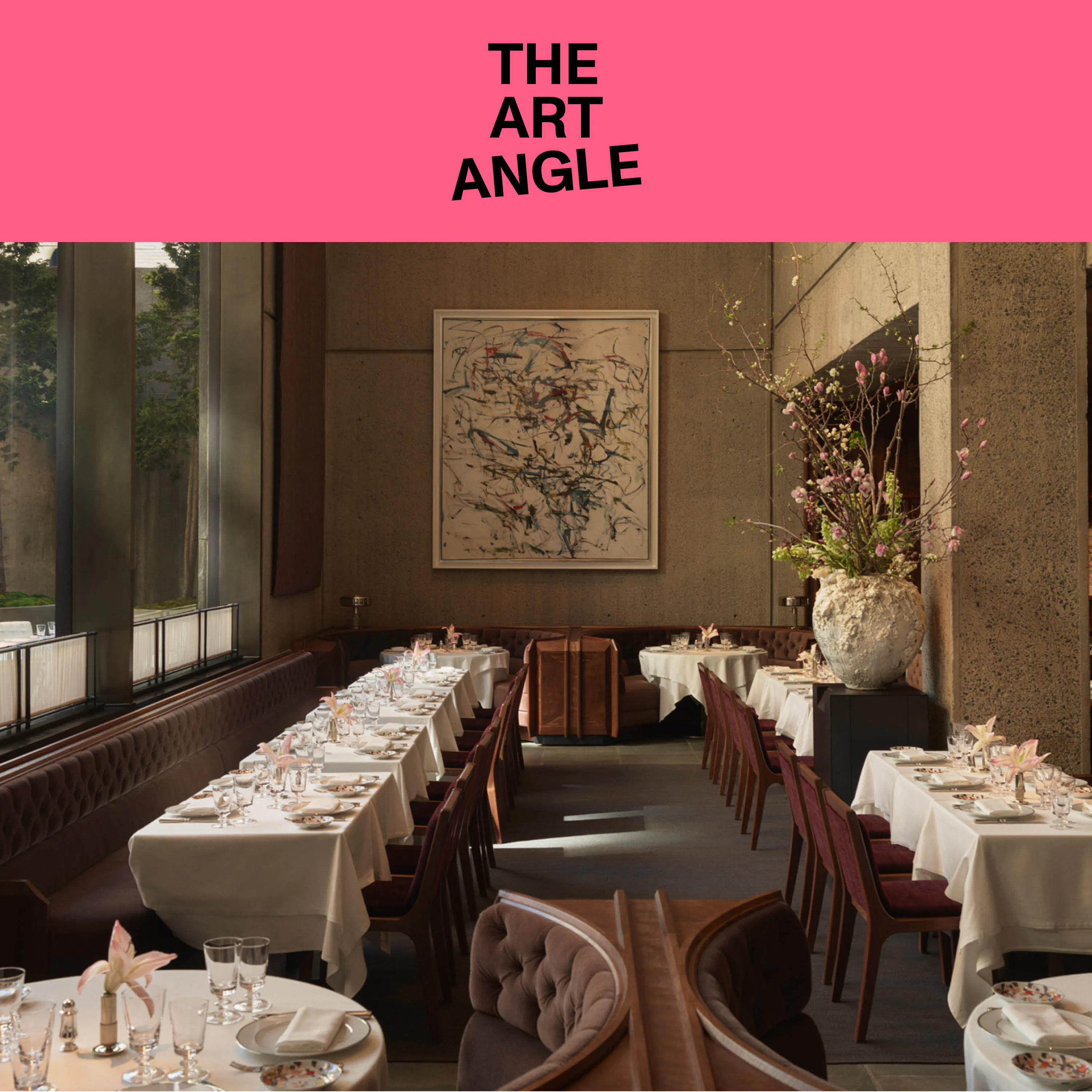 Here's Where the Art World Eats 06.08.2026 43minAt the end of last year, Annie Armstrong stepped down as Artnet's gossip columnist after filing 198 Wet Paint columns over the span of more than four years. Gabi Vidal-Irizarry has picked up the mantle. Annie departed the art world for the food world to write for Caper Media, an enterprising new startup that aims, in its words, "to tell the inside story of the restaurant business in New York." While Annie is on a new beat, she's found that the art and restaurant worlds are closely intertwined in New York, and her must-read weekly column regularly charts the goings-on of promising artists, dealers, and collectors in our city's dining establishments. Especially remarkable art food crossovers have just arrived. Sotheby's, the New Museum, and Amant out in Brooklyn all have high-profile and highly ambitious new restaurants in Marcel, Oberon, and Zoli Restaurant respectively. Annie's been to all three, and so it was a thrill to have her back on the Art Angle to discuss those spots, as well as where art people like to eat, and the places that she recommends gallery goers visit in different neighborhoods.
 -
 An Untold History of the Art Market 30.07.2026 43minThe art market is a famously opaque place, a world of handshake agreements and big-dollar private deals. How does it actually operate, and how has it changed over the centuries? In a richly researched new book titled Trading Beauty: Art Market Histories from the Altar to the Gallery, Valentina Castellani provides surprising answers, drawing on a long and storied career in the industry. She's worked at Sotheby's and Gagosian, where she helped organize landmark exhibitions devoted to Pablo Picasso and Piero Manzoni. Now, she's an adjunct professor at New York University's Steinhardt School, where she teaches a class about the art market. Castellani's book, which is published by Gagosian, reveals how popes, aristocrats, plucky entrepreneurs, and brave true believers developed new ways of commissioning, funding, and selling art, from medieval frescoes to avant-garde conceptual pieces. It's a wild ride, and it spans some 1,500 years. She joined Andrew Russeth on The Art Angle to delve into her findings. During our conversation, she uncorked stories about maverick dealers and patrons, the undersung role of women in this narrative, and the ways that artists have cannily enticed the market across time. Perhaps most importantly, she makes the case that the art market's relevance extends far beyond money.
 -
 Re-Air: The Magic of ‘The Artist’s Way’ 23.07.2026 29minIn this re-air of an episode from last year. Ben Davis speaks with Julia Cameron, the author of The Artist's Way. It is a somewhat unusual subject for us, but it's also been an episode that's been very meaningful to a lot of listeners. And in case you're wondering, Ben started doing morning pages to prepare for the interview, and six months later, and he has stuck with it. Millions of people know The Artist’s Way. First published in 1992, the book began as notes for a class that its author, Julia Cameron, taught on creative self-discovery or, as she sometimes prefers to call it, “creative recovery.” It found a huge audience, and today you can find Artist’s Way groups all over the world. Cameron’s original The Artist’s Way offered a 12-week path towards overcoming artistic blocks. The book was subtitled “A Spiritual Path to Higher Creativity,” and it spoke of plugging into a current of what she called “spiritual electricity.” But her techniques were practical and easy to grasp. Rituals from The Artist’s Way such as starting your day by writing out three pages of unedited text, known as “doing your Morning Pages,” have become part of the creative process of many, many artists, musicians, and writers. More than three decades after its publication, The Artist’s Way continues to find new followers, and even got a new bump of popularity during the 2020s. And Julia Cameron herself has returned this year with The Daily Artist’s Way, offering a new way in for fans. Cameron agreed to speak to Davis to revisit the origins of her famous method and how she’s tweaking it now in this new book.
 -
 Welcome to the Society of the Psyop 16.07.2026 47minIt is a time of disorienting, sometimes surreal shifts in the worlds of politics and technology. There aren’t too many artists who you might trust as a guide, but Trevor Paglen is one of them. Paglen has long functioned as an artist-researcher, with a fascination for pushing to the outer limits of what is seen or known. His work has often not just responded to but anticipated major conversations around government surveillance, conspiracy theory, and the politics of Silicon Valley. And he has an important new book just out from Verso, How to See Like a Machine: Images After A.I. It collects his writings on how the world of culture is mutating, exploring the secret networks of power that we can’t see but that govern how we see. Paglen also has a new art piece, “Voyager,” currently on view in a show called “Strange Rules” in Venice. In essence, it is an artwork whose medium is hypnosis. Paglen has invented a device that guides you into a trance state to permit you to have otherwise impossible artistic experiences. Art Critic Ben Davis jacked into “Voyager” and, for a spell, was unleashed from gravity and levitated in the air—in his own mind at least. Paglen joins Davis to talk about how he’s theorizing the forces reshaping culture now, and also how this new type of art he has created works, and how it fits in with that theory.
 -
 The Case for M.C. Escher 09.07.2026 27minThere are only a very few artists from the 20th century who are truly household names, figures like Salvador Dalí, Frida Kahlo, and Andy Warhol. The name M.C. Escher is certainly on that short list. Escher’s impact on the wider culture may be as big, or even bigger that of those other figures, even as he remains somewhat hard to classify as an artist. Born Maurits Cornelis Escher, the Dutch artist was a highly skilled maker of woodcuts, lithographs, and engravings, bringing a sense of exquisite precision and intricate geometry to his compositions. But as an artist, Escher is almost synonymous with the idea of visual paradox. You will know him for works like Drawing Hands (from 1953), depicting two hands holding pencils, each seeming to emerge from a piece of paper, where they are each being drawn by the other, in a magical loop. Or for Ascending and Descending (from 1960), showing a palace with a looping set of stairs on its roof, which seem, due to Escher’s cleverly realized optical illusion, to be leading tiny pilgrims both upwards and downwards—at the same time. So, is Escher one of the greats, or is he more of a novelty act? My colleague, Jo Lawson-Tancred recently went to see a show currently at Somerset House in London that’s called “M.C. Escher: The Exhibition,” which includes 150 of Escher’s original works from all the major phases of his career. Art Critic, Ben Davis leapt at the chance to talk to Jo about the show, the artist, and the cultural phenomenon that is M.C. Escher.
 -
 How Doug Aitken Thinks in Music 02.07.2026 27minDoug Aitken’s new installation Lightscape has just landed at the Shed in New York. It is many things at once: a seven-screen film, an immersive environment, and a stage for live performances. But at its heart is music. The work unfolds across multiple screens, following different characters as they move through desert scenes, freeways, and other landscapes in flux. What binds those worlds and narratives together is sound. Aitken built Lightscape around an original song cycle he wrote. The soundtrack also incorporates compositions by Minimalist pioneers like Philip Glass, Steve Reich, and Meredith Monk, performed by the Los Angeles Philharmonic. Last week, the work opened with a live performance by Los Angeles Master Chorale—but they won’t be the only musicians activating the installation. Upcoming performances will feature William Basinski, Suzanne Ciani, and the Sun Ra Arkestra. In that sense, Lightscape picks up on a thread that has long run through Aitken’s practice. One of his earliest works, Diamond Sea, was set against an ambient soundtrack featuring Aphex Twin and Nine Inch Nails, among other musicians. His 2012 project SONG 1, a moving-image work projected onto the facade of the Hirshhorn Museum, was built around the song “I Only Have Eyes for You.” And in 2013, for Station to Station, he staged a series of art happenings by transporting artists and musicians by train across America. In an art world that often prefers tidy categories and boundaries, Aitken has built a career out of collapsing them. His works have moved between film, sculpture, performance, and sound, asking viewers to not just look, but to listen, move, and gather. So the ambitious Lightscape felt like the perfect opportunity to speak with Aitken. In his conversation with culture editor, Min Chen, he opened up about working across disciplines, the communal power of live performance, and the role music has played in his life and practice. This episode contains musical excerpts for Lightscape
 -
 How to Make a Sculpture With Sound 25.06.2026 35minSome of the most important visual artist working today are sound artists. It seems that sound in general has been growing in importance at the museum recently. Exhibitions come with soundtracks, sculptures make noise, and musical performance of one kind of another is everywhere in and around the art. Ben Davis wanted to dig into this “sonic turn” in art, if that’s what it is—and the artist Tarek Atoui is a great person to talk to. Born in Lebanon and based in Paris, Atoui’s work often takes the form of environments, with sculptures that double as experimental musical instruments, to be activated by the audience or performers. This form of art is both unique and clearly resonates with a bigger trend of using sound to activate the museum as an event space and a space of gathering. At the current Venice Biennale, Atoui is part of the Qatar Pavilion for a project called “Untitled 2026 (A Gathering Of Remarkable People),” working with a super-group of famous figures from the worlds of art, music, and food to make an environment that evolves for the course of the Biennale. And later this year, Atoui will be the next artist to do the giant Turbine Hall commission for the Tate Modern in London, occupying one of the most highly watched pieces of exhibition space in the international art world. Where does this genre of hybrid art come from? Where is it going? What are its challenges?
 -
 What Does It Take to Keep Art Basel on Top? 18.06.2026 49minThis week the art world descends on Basel, a Swiss city on the Rhine River, where the latest edition of the world's most important modern and contemporary art fair is taking place. We're talking about Art Basel, of course. Its 290 exhibitors include all the top galleries of the world. It's a place where you can see and buy museum-quality Picassos and Warhols next to still-wet-paint by emerging artists, though there's not as many of those lately. Major collectors like Don and Mera Rubell are there, and so are celebrities like Kanye West and James Franco. At the center of it all is Noah Horowitz, who has been CEO of Art Basel since 2022. Noah and senior writer, Katya Kazakina, have known each other for years, throughout which he has stood at the helm of various art fairs, starting with the first online art fair called VIP in 2010. In 2011 he became the executive director of the Armory Show in New York and remained in that role for almost four years until 2015. He then advanced to Art Basel, becoming its head of the Americas, which put him in charge of Art Basel Miami Beach, the largest contemporary art fair in the United States. In 2021 Sotheby's hired Noah to lead the gallery and private dealer services worldwide, but he stayed for just a year before returning to Art Basel triumphantly as its chief executive. Noah is also the author of the book Art of the Deal: Contemporary Art in a Global Financial Market, published in 2011. For many years, Art Basel ran three art fairs, the original one in Basel, second one in Miami Beach, and the third one in Hong Kong, but in the last couple of years it added a fourth fair in Paris, and just this year another one in Qatar, raising questions about its expansion model and sustainability. It also introduced a new platform, Zero 10, for digital art, and the Art Basel Awards. Noah and Katya discussed the changing art market, digital art, and the strain art fairs place on mid-tier galleries.
 -
 Roberta Smith Still Has Notes 11.06.2026 40minRoberta Smith is the exemplar of popular art criticism. For almost four decades, Smith was a familiar voice on the arts pages of the New York Times, serving for many of those years as co-lead art critic. Both feared and revered, she is known above all for close looking, precise description, and a style that’s accessible but serious. In 2019, she won the Rabkin Award for Lifetime Achievement. Smith moved to New York in the late 1960s, studying at the Whitney’s Independent Study Program and meeting her first mentor, the sculptor Donald Judd. In the early 1970s, she worked at the Museum of Modern Art and Paula Cooper Gallery, then began writing for various art magazines. In the 1980s, she began writing for larger audiences at the Village Voice, and then for the Times starting in 1986. Smith retired two years ago. This week, she is back because a film, called House of Criticism, about her and her husband, New York magazine art critic Jerry Saltz, is making its debut at the Tribeca Film Festival. Ben Davis took that as his cue to interview someone who has shaped the worlds of art-making and art-writing so deeply. Smith was nice enough to talk to him about her method, what she thinks people get wrong about the art world, and what she’s looking at now.
 -
 Re-Air: How Raphael Made—and Unmade—the Renaissance 04.06.2026 39minThis week we're re-airing a favorite episode featuring Kate Brown interviewing Ben Davis about the “Raphael: Sublime Poetry” blockbuster at the Metropolitan Museum of Art. The show is the first comprehensive international loan exhibition ever dedicated to him in the United States. There are 237 works in total—33 paintings, 142 drawings—and his Sistine Chapel tapestries. There are loans from the Louvre, the Vatican Museums, the Prado, the Uffizi, and the British Museum. Many of these works, according to the Met, have never been shown together, and some have never previously left Europe. Curated by Carmen C. Bambach, it took 17 years to assemble. No one quite captured divine beauty like Raphael did. But what is the story within the story of this artist who left indelible mark on western art? This week, we find out.
 -
 Arthur Jafa's Radical Theory of Readymade Art 28.05.2026 46minArthur Jafa is probably the most revered artist of the last decade. Born in 1960, in Tupelo, Mississippi, he came up through the world of cinema. But Jafa also found his way into the art world with his difficult video work and strange objects. In art, his reputation went viral in 2016 with the video, Love Is the Message, the Message Is Death. It is a collage of found footage from social media that included police violence against Black people and also moments of viral celebration and joy. It was both experimental and accessible, and drew huge crowds when it was first shown at Gavin Brown’s Enterprise in New York. A follow-up film, called The White Album, won the Golden Lion for Best Artist as part of the main show of the Venice Biennale back in 2019. And this month, Jafa is back in Venice, this time in a two-person show called “Helter Skelter,” curated by Nancy Spector, pairing him with the famous artist Richard Prince, also known for using found and appropriated imagery to disorienting effect. That show opened alongside the Venice Biennale at the Prada Foundation, and was one of the few things during the opening weekend that everyone could agree was a must-see event. Jafa has also curated a show currently on view at the Museum of Modern Art, called “Less Is Morbid,” a deliberately packed display of his favorite art. He is also one of the winners of this year’s Art Basel Award, to be honored at that fair. In the middle of all this intense activity, Jafa agreed to talk to Artnet's Ben Davis about his art, his view of art history, and what comes next.
 -
 How Is Arts Patronage Changing? 21.05.2026 37minDuring fair week in New York in mid-May, Andrew Russeth had the high pleasure of moderating a panel about the state of arts philanthropy at TEFAF New York. Joining him on stage at the Park Avenue Armory were two leading figures in American patronage, Sarah Arison and Michi Jigarjian. Arison was named president of the board of the Museum of Modern Art in New York in 2024 at the age of only 39, making her the youngest person to ever hold that position. The president of the Arison Arts Foundation, she also chairs the board of YoungArts and serves on a variety of boards, including those of MoMA PS1 and American Ballet Theatre. Jigarjian is CEO of Work of Art Holdings and a partner at 7G Group. She is the force behind the culturally rich Rockaway Hotel out in Queens, and for 15 years led the Baxter St at CCNY as its president. A first-generation Mexican American, she is on the boards of the Brooklyn Museum and MoMA PS1. During the panel, which was titled “Who Supports Art Now? Patronage in a Shifting Cultural Landscape,” Arison and Jigarjian charted how arts philanthropy has changed in recent decades and described how they and their peers are leading institutions and supporting artists in a period of tremendous uncertainty—and potential.
 -
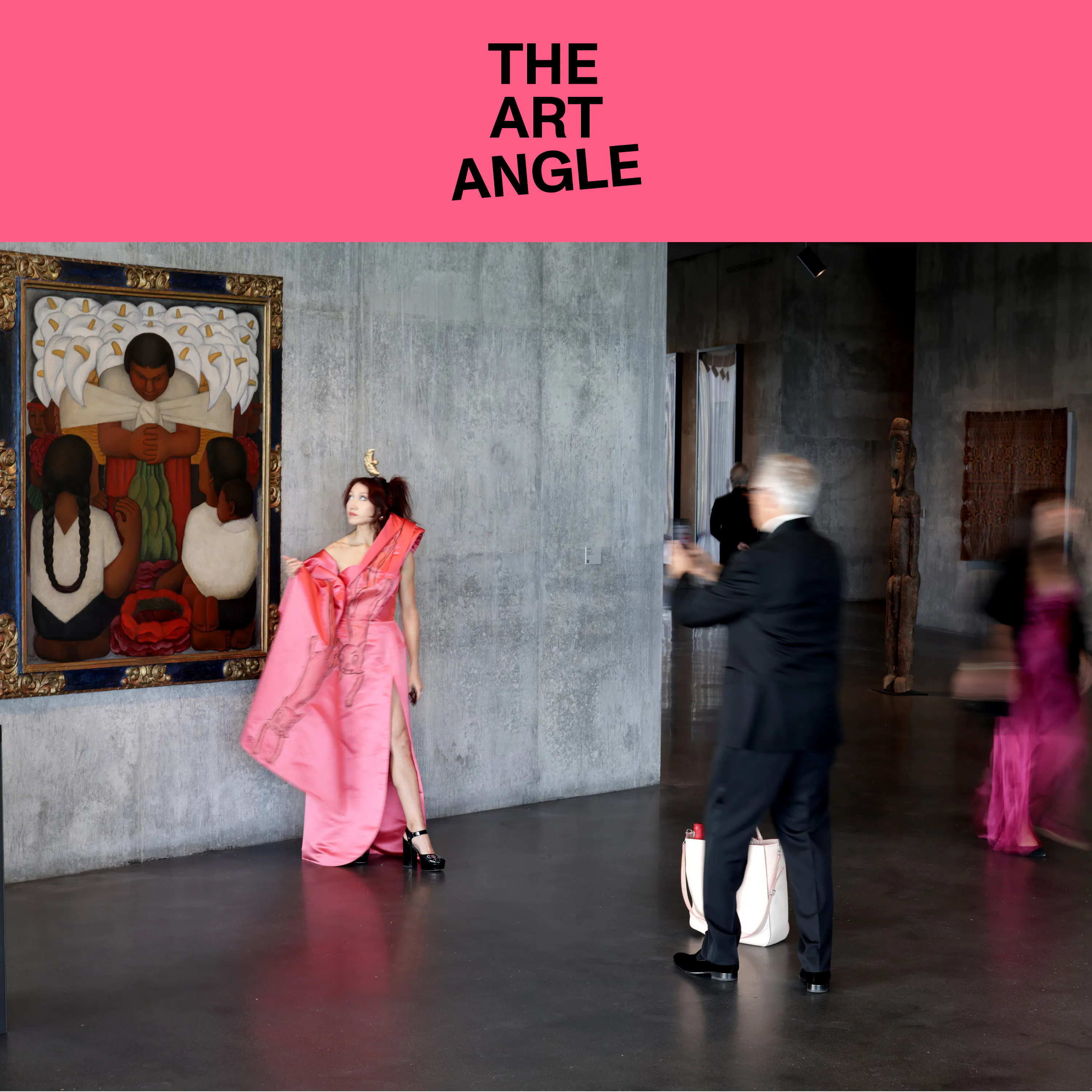 Does L.A's Bold New LACMA Museum Work? 14.05.2026 39minLos Angeles has a new museum. Or a new vision for an old one. One of the most important museums in the country, the Los Angeles County Museum of Art, has just debuted a long-awaited new building. It’s designed by the revered Swiss architect Peter Zumthor. It cost three quarters of a billion dollars to realize. And long before it opened to the public last month, it has been controversial, for a whole host of reasons. It debuts with LACMA’s charismatic director Michael Govan promising not just a new LACMA, but a new vision for how museums show art and relate to the public. Ben Davis went out to Los Angeles to see the new building last month, and spoke to culture critic Carolina Miranda. Miranda has the gift of being both a sharp observer or L.A. art and a gifted translator of sometimes esoteric museum and architecture debate. She has published an analysis of Zumthor and Govan’s vision means for CityLab, called “For Better or Worse, the New LACMA Is an Instant LA Icon,” and she is here with me today to talk about what LACMA means for the city and for museums now.
 -
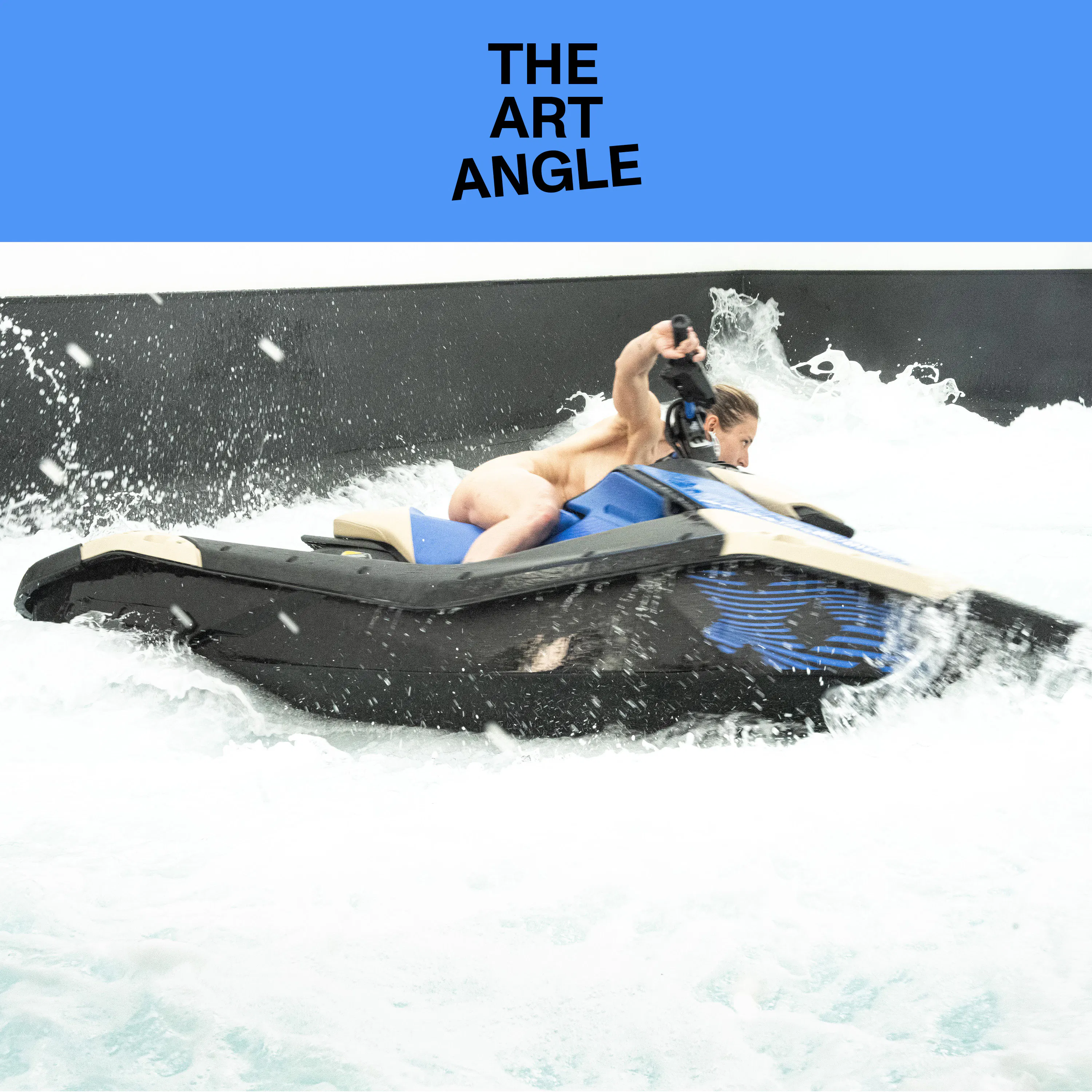 The Most Provocative Performance in Venice 07.05.2026 50minAt the Venice Biennale, every two years, we expect big things from the artists picked to represent their countries. But I'm not sure anyone can quite prepare themselves for the universe of Florentina Holzinger. After years becoming a titan of the theater world, Holzinger is now getting one of the most visible slots in the art world, a national pavilion in the Giardini. She’s representing Austria this year for what is surely going to be one of the most talked about pavilions. Known for feminist performances that push the human body—and, by extension, the viewer—to their absolute limits, she does not shy away from nudity or sexuality. Flesh hooks, stunt artistry, live tattooing, bodily fluids, heavy machinery—all of it is in play, and none of it is trying to be polite. The physicality of her practice is not for the faint of heart, nor for her performers. Her work tends to divide a room, something Holzinger seems entirely unbothered by. Opening May 9th, her exhibition called “Seaworld Venice” fills the Austrian Pavilion with water, turning it into an underwater theme park and a fully functional sewage treatment plant. Audiences can be part of the work: they can urinate in the onsite portable toilets, and their fluids will get cleaned and cycled back into the tanks. The work is about the human body, but it's also about ecology and about Venice itself, a city that is sinking, built on water it cannot drink, overwhelmed by the waste of mass tourism. Kate Brown spoke with Holzinger about what went into building her trailblazing project for Venice, about the move from theater and dance into the art world, and about what it means to make genuinely uncompromising work.
Līdzīgi podkasti


Populārs valstī
Šis podkasts parādās arī šo valstu podkastu topos.


