
ECFR ON AIR
ECFR
0
Short interviews and comments by experts from the European Council on Foreign Relations (ECFR) on breaking news and key topics in European foreign policy. The podcast aims to promote informed debate across Europe on coherent and effective European values-based foreign policy. It also features Mark Leonard's weekly series 'The World in 30 Minutes' exploring major foreign policy issues.
Епизоди
-
 Albania: The Flamingo Revolution explained 02.10.2026 38минWhat began as opposition to a Trump-family-linked luxury coastal development in an environmentally sensitive wetland area has stretched beyond 100 days and grown into something much bigger. Now one of Albania’s largest protest movements since the fall of communism, the Flamingo Revolution has turned the bird into an unlikely symbol of anger over corruption, concentrated political and economic power, media freedom—and ultimately, who gets to shape Albania’s future. In this episode, Jessica Hendrick welcomes Enri Hide, executive director of the Regional Center for Democracy and Security and professor at the European University of Tirana working on the RE-ENGAGE project; and Ditmir Bushati, Albania’s former minister for Europe and foreign affairs, who served in Edi Rama’s government and has become a leading commentator on the revolution. Enri sees the movement less as a single spark or final straw than as the tipping point at which private frustration spilled into collective revolt. Ditmir explains why: Albania has had plenty of strong leaders but too few strong institutions—and a development model that favours “the very few at the expense of the many”. But if that model has been brewing for years, how much responsibility does his own political generation bear for its time in office? Drawing on protests likened to the Arab Spring, META censorship of online coverage and Albania’s case-by-case justice mechanism, Jessica, Enri and Ditmir explore if and how and the country’s speedy race to the EU will be affected. Together, they ask whether big tech and state censorship are beginning to overlap as political mobilisation increasingly depends on Facebook and Instagram; whether the house arrest of Albania’s intelligence chief shows that the country’s anti-corruption body is becoming the “mainland of credibility”; and what the EU’s pre-enlargement policy reviews and 2026 Enlargement Package might reveal about Brussels’ response. What does Prime Minister Edi Rama’s UN General Assembly speech reveal about the battle to define the Flamingo Revolution at home and abroad? What can Serbia’s own leaderless protest movement teach Albania, amid news of the “Butcher’s funeral” and President Vučić’s resignation? And as Ursula von der Leyen visits Tirana this week, what would it mean for the EU to reciprocate the extraordinary levels of trust Albanians continue to place in Europe? Further reading:RE-ENGAGE research on AlbaniaRE-ENGAGE research on the Western BalkansRE-ENGAGE policy recommendations on the Western BalkansThis podcast was recorded on September 29th 2026. Hosted on Acast. See acast.com/privacy for more information.
 -
 Ukraine: The battle beyond war 11.09.2026 37минUkraine is fighting for survival against Russia while its democracy faces a second battle at home. Ukrainians show extraordinary trust in the Armed Forces, family and civic networks—but far less in politicians, government and bureaucrats. Now, high-level corruption scandals, calls for wartime elections, roadblocks to EU accession and possible peace talks with Russia are raising a hard question: can the trust that has helped Ukraine survive the war be turned into a state people believe in?In this episode, Jessica Hendrick welcomes Roman Petrov, president of the Ukrainian European Studies Association, professor of EU law at the National University of Kyiv-Mohyla Academy, and one of Ukraine’s leading experts on EU accession and EU-Ukraine relations working on the RE-ENGAGE project; and Svitlana Zalishchuk, Ukraine’s ambassador to Sweden and former civil-society activist, member of parliament and government adviser, now working at the centre of Ukraine’s wartime defence and European security partnerships. Roman warns that major decisions on peace could be challenged later if Ukraine’s elections remain suspended. Svitlana pushes back on the picture of low public trust, arguing that the war has actually increased trust in the state—just unevenly—and that public trust itself is part of Ukraine’s national defence capability.RE-ENGAGE conducted nearly 600 interviews with Kyiv residents last year, at times even moving them into air-raid shelters as alarms sounded across the city. Drawing on the findings, Jessica, Roman and Svitlana discuss why Ukrainians can deeply distrust the state yet still mobilise to defend democracy; what recent corruption scandals reveal about whether the system actually works; and if fast-tracking EU membership risks turning reform into a superficial “copy-paste” of European laws.How is the far-right AfD’s historic landslide in eastern Germany viewed by those working on EU accession in Kyiv? Why might Ukraine now be better described as a contributor to European defence than a recipient of military aid? And what does Ukraine need to do differently to make its post-war vision last?Further reading:RE-ENGAGE research on UkraineRE-ENGAGE research on Eastern Europe RE-ENGAGE policy recommendations on Eastern EuropeThis podcast was recorded on September 9th 2026. Hosted on Acast. See acast.com/privacy for more information.
 -
 Bonus episode: The EU enlargement game 04.09.2026 38минWhat happens if your economy is suddenly in crisis, Brussels offers help with strings attached—and Turkey, China or Russia can move faster? What if your country delivers every reform the EU asks for, only for a member state to block the next step anyway? And after years of waiting, would voters still choose to join?In this special bonus episode, The Neighbourhood goes live from Lisbon for an EU enlargement game. Jessica Hendrick brings together RE-ENGAGE experts representing six EU candidate countries and throws a series of fictional—but very plausible—political and economic shocks at them inspired by real headlines: Russia’s intensified attacks on Ukrainian infrastructure, Ireland’s EU presidency push on enlargement, Iceland’s referendum, Germany’s regional elections and the upcoming 2026 Enlargement Package. Drawing on three years of surveys, interviews and crisis simulations, each expert has to answer for their country.Playing for each country:Albania: Morten Bøås, research professor at the Norwegian Institute of International Affairs (NUPI), representing RE-ENGAGE’s Albanian partners at the European University of TiranaBosnia and Herzegovina: Damir Kapidžić, director of the Institute for Social Science Research at the University of SarajevoGeorgia: Ketevan Bolkvadze, senior lecturer in the department of political science at Lund University, originally from GeorgiaMoldova: Mathilde T. E. Giske, research fellow at the Norwegian Institute of International Affairs (NUPI), representing RE-ENGAGE’s Moldovan partners at Moldova State UniversitySerbia: Luka Filipović, research associate at the Institute for Contemporary History in SerbiaUkraine: Roman Petrov, president of the Ukrainian European Studies AssociationThe result is part enlargement simulation, part policy conversation and part game night. The experts bargain over a fictional €100 million EU cheque, decide whether the EU can compete with faster offers from other powers, test how easily disinformation could exploit frustration with enlargement, and imagine what would happen if EU membership was finally put to a public vote. Along the way, Serbia proposes keeping its relationship with Brussels “casual”, Bosnia finds a creative use for €100 million, and Ukraine calls for Hungarian “Varangians” when backsliding strikes.When a crisis hits, does speed matter more than values? Can “Europe never wanted you anyway” become a winning political message? And if a country finally joins the EU, what stops democracy from sliding backwards once the prize of membership is secured?Further reading:RE-ENGAGE research overviewRE-ENGAGE research on AlbaniaRE-ENGAGE research on Bosnia and HerzegovinaRE-ENGAGE research on GeorgiaRE-ENGAGE research on MoldovaRE-ENGAGE research on SerbiaRE-ENGAGE research on UkraineThis podcast was recorded live in Lisbon on September 3rd, 2026. Hosted on Acast. See acast.com/privacy for more information.
 -
 Serbia: Inside the Leaderless Movement 24.07.2026 38минSerbia is in the middle of its largest protest movement in decades. What began in 2024 with the deadly collapse of the Novi Sad railway station canopy has grown into a much deeper crisis of trust—one in which citizens are mobilising in huge numbers while confidence in political parties and state institutions continues to collapse. In this episode, Jessica Hendrick welcomes Igor Bandović, director of the Belgrade Centre for Security Policy and head of the Belgrade Security Conference; and Luka Filipović, research associate at the Institute for Contemporary History in Belgrade working on the RE-ENGAGE project. Igor argues that Serbia is now in “authoritarian suspension”: the government still holds the machinery of power but is increasingly losing its ability to convince citizens that institutions work in the public interest. Luka points to an equally striking finding from the research—trust between citizens is strengthening even as trust in formal institutions falls. Drawing on the student-led protests, the debate over snap elections and Serbia’s complicated relationships with Brussels, Moscow, Beijing and Washington, Jessica, Luka and Igor discuss whether a leaderless movement can turn civic mobilisation into political change, why the EU’s approach to Serbia has struggled to build democratic credibility, and how Belgrade’s strategy of “geopolitical shopping” is reshaping the country’s place between East and West. Can Serbia’s protest movement convert public anger into lasting democratic change? Has Europe prioritised stability over democracy for too long? And how long can Belgrade continue balancing between competing powers before that strategy begins to break down? Further reading: RE-ENGAGE research on SerbiaRE-ENGAGE policy recommendations on Western BalkansThis podcast was recorded on July 21st, 2026. Hosted on Acast. See acast.com/privacy for more information.
 -
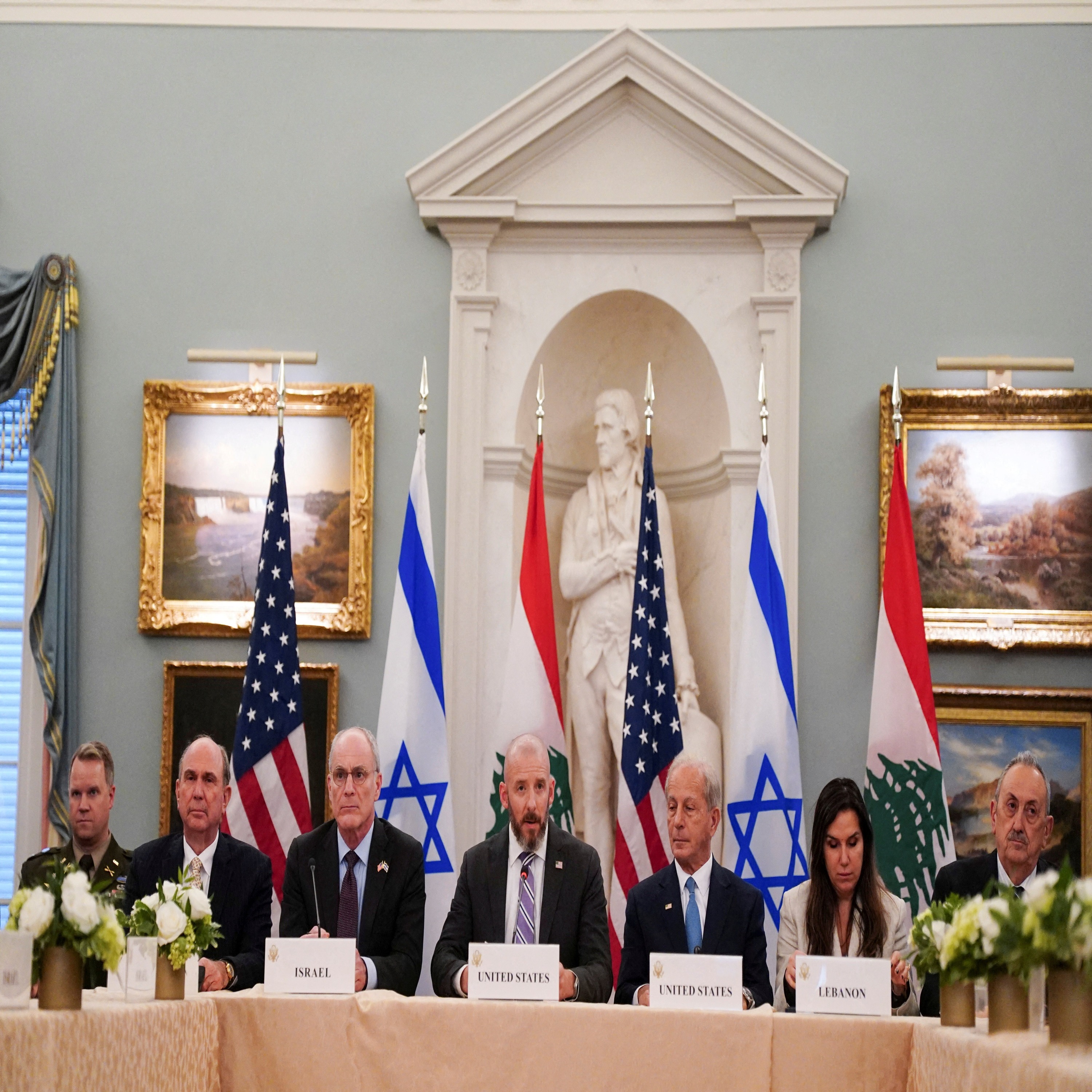 Lebanon: On the brink of war or peace? 17.07.2026 42минIn the latest episode of ECFR’s WOMENP podcast, Ellie Geranmayeh is joined by three leading Lebanese voices— Alia Moubayed, senior economist; Randa Slim, Middle East Programme director at the Stimson Center; and Maha Yahya, director of the Carnegie Middle East Center in Beirut—to unpack the consequences of a trilateral framework deal signed by Israel, the US and Lebanon.Lebanon is among the countries most impacted by America and Israel’s war against Iran. Following the death of Iran’s Supreme Leader, Hezbollah resumed direct attacks against Israel in March, plunging the country back into conflict. Around 4,000 people in Lebanon have since been killed and over a million displaced, with Israeli ground forces now occupying parts of south Lebanon.In June, Israel, the US and Lebanon signed a historic—and controversial—trilateral framework deal, with the parties meeting again in July to discuss the implementation phase, including the withdrawal of Israeli forces from occupied parts of Lebanon. But with a ceasefire between the US and Iran unravelling, the durability of the Lebanon deal is unclear. Together, Ellie, Rania, Alia and Randa discuss whether the deal can bring lasting peace to Lebanon and how international players can support efforts to stabilise the country.Listen to all past episodes of ECFR’s WOMENP series.This podcast was recorded on July 16th, 2026.Bookshelf:The Best Kind of American: A True Story of Murder, War, and America's Undoing in the Middle East by Kim GhattasBeirut Blues by Hanan Al-ShaykhA House of Many Mansions: The History of Lebanon Reconsidered by Kamal Salibi Hosted on Acast. See acast.com/privacy for more information.
 -
 Why Europe’s Support for Ukraine Might Change as the War Drags on? 01.07.2026 18минA seismic shift in Europe's outlook on Ukraine reveals a complex web of diplomacy, resilience, and strategic ambiguity. As the Ukraine conflict enters its fifth year, the question isn't just about battlefield gains—it's about what comes next. Are European leaders ready to explore backchannel talks, or is open negotiation still a distant dream? If you've been wondering how Europe is balancing steadfast support with cautious diplomacy, this episode sheds light on the subtle art of engaging with a most unpredictable adversary—the Kremlin.In this four episode series, Making Defence European Again, four of our ECFR fellows discuss analysis and advice on the future of European security.You’ll discover how Ukraine’s resilience on the battlefield is reshaping European support, why the EU and US are recalibrating their military and diplomatic strategies, and the nuanced debates over talking to Russia—whether at the top-level or through discreet channels. We break down the shifting political landscape, where the stability of Ukraine is increasingly viewed as vital for Europe’s security, yet public appetite for full EU integration remains cautious. Understand why economic sanctions, military aid, and behind-the-scenes negotiations are all part of the evolving chess game.This episode dives into the stakes of continued conflict, the risks of diplomacy now vs. waiting for a weaker Russia, and the broader implications for European security architecture. With expert insights on the internal politics of France, Germany, the UK, and Ukraine, you’ll learn why strategic patience could transform the future of this devastating war—and Europe’s place within it.The war in Ukraine shows that long-term resilience matters more than quick battlefield gains.Informal diplomatic signals can test an adversary’s willingness to de-escalate without making concessions.We discuss:▶︎Refusing all dialogue can strengthen an enemy’s narrative, while quiet diplomacy can preserve unity.▶︎The timing of negotiations matters less than having a clear purpose and strategy.▶︎European unity on Ukraine depends more on political will than on public consensus.Don’t miss the inside story on why the next moves could define the future of European stability—and how understanding the intricate diplomacy behind the scenes might just be your key to predicting what’s coming. Stay informed, stay prepared, and see beyond the headlines.2026 © A production from the European Council on Foreign Relations (ECFR) This work was supported in part by a grant from the Open Society Foundations.☛ Resources & Links:Making defence European again – European Council on Foreign RelationsWhat the Iran war means for Ukraine – European Council on Foreign Relations☛ Speakers:★ Jana Kobzová, Co-director, European Security Programme, Senior Policy Fellow Jana Kobzová – European Council on Foreign Relations★ Paweł Zerka, Senior Policy Fellow Paweł Zerka – European Council on Foreign Relations ★ Marta Prochwicz Jazowska, Deputy Head, Warsaw Office, Policy Fellow Marta Prochwicz Jazowska – European Council on Foreign Relations★ Célia Belin, Head, ECFR Paris, Senior Policy FellowCélia Belin – European Council on Foreign RelationsThis discussion provides a comprehensive overview of the strategic challenges faced by Europe and actionable ideas for enhancing its security sovereignty amidst a complex geopolitical environment. Hosted on Acast. See acast.com/privacy for more information.
 -
 Why Europeans Are More Ready Than You Think to Defend Themselves? 01.07.2026 18минEurope stands at a pivotal moment in its security future — public support is higher than ever for investing in defence, yet deep challenges threaten to undermine that momentum. Are European leaders ready to capitalise on this rare window of opportunity before elections, economic crises, and geopolitical tensions redirect attention elsewhere?In this four episode series, Making Defence European Again, four of our ECFR fellows discuss analysis and advice on the future of European security.In this eye-opening episode, we explore the paradox of European defence: while polls show Europeans desire greater security and support increased military spending, lingering doubts, economic worries, and electoral fears complicate the path forward. Pawel, a polling expert at the European Council on Foreign Relations, reveals how recent shifts in public opinion—from wariness of the US to a cautious optimism about Europe—offer a strategic moment for leaders to push bold defence reforms.You'll discover:▶︎The surprising data showing Europeans simultaneously distrust the US and believe in their own collective security.▶︎Why Europe's perception of threats varies dramatically across countries—and how this influences their willingness to invest more in defense.▶︎How recent geopolitical turmoil — from Trump's threats to Russia's hybrid threats — has shifted public sentiment.Why this summer is critical: a rare alignment of public support, political will, and geopolitical urgency.▶︎The massive reforms needed for Europe to genuinely "make defence European again," including conscription and institutional changes.But missing this opportunity could have lasting consequences. Without decisive action, European nations risk squandering their mandate for stronger security in the face of rising threats and increasing electoral uncertainty. The stakes are high: innovate now, or fall behind in a world where only powerful, cohesive European defence can ensure stability.Perfect for policymakers, security enthusiasts, and anyone invested in Europe's future — this episode offers a strategic roadmap for turning public support into concrete, lasting change before the window closes.Join us to uncover how Europe’s moment for defence reform could be game-changing — if leaders step up.2026 © A production from the European Council on Foreign Relations (ECFR) This work was supported in part by a grant from the Open Society Foundations.☛ Resources & Links:Home alone: Europeans are ready to defend themselves – European Council on Foreign RelationsMaking defence European again – European Council on Foreign Relations☛ Speakers:★ Paweł Zerka, Senior Policy Fellow Paweł Zerka – European Council on Foreign Relations ★ Marta Prochwicz Jazowska, Deputy Head, Warsaw Office, Policy FellowMarta Prochwicz Jazowska – European Council on Foreign Relations★ Jana Kobzová, Co-director, European Security Programme, Senior Policy FellowJana Kobzová – European Council on Foreign Relations★ Célia Belin, Head, ECFR Paris, Senior Policy FellowCélia Belin – European Council on Foreign RelationsThis discussion provides a comprehensive overview of the strategic challenges faced by Europe and actionable ideas for enhancing its security sovereignty amidst a complex geopolitical environment. Hosted on Acast. See acast.com/privacy for more information.
 -
 The Crucial Role of Article 5: Can NATO Hold Without US Leadership? 01.07.2026 21минExploring the current state of European security, NATO's future, and the evolving role of the United States in protecting Europe. Experts from the European Council on Foreign Relations share their perspectives on threats, alliances, and strategic autonomy.In this four episode series, Making Defence European Again, four of our ECFR fellows discuss analysis and advice on the future of European security.Key topics discussed:▶︎The shifting US military presence in Europe and implications for NATO▶︎ The significance of Article 5 and European dependence on American capabilities▶︎ How Poland and other Eastern European countries are strengthening their military posture▶︎ The risks and opportunities of transforming European security architecture▶︎ The impact of American political unpredictability, especially under Donald Trump▶︎ The role of European Union and bilateral treaties in defense cooperation▶︎ Assessing whether Europeans can rely on NATO and how to enhance sovereignty▶︎ Recommendations for Europe to develop its own strategic defense capabilities2026 © A production from the European Council on Foreign Relations (ECFR) This work was supported in part by a grant from the Open Society Foundations.☛ Resources & Links:https://ecfr.eu/publication/making-de...https://ecfr.eu/article/hold-the-line...☛ Speakers:★ Marta Prochwicz Jazowska, Deputy Head, Warsaw Office, Policy Fellow https://ecfr.eu/profile/marta-prochwi...★ Jana Kobzová, Co-director, European Security Programme, Senior Policy Fellow https://ecfr.eu/profile/jana_kobzova/★ Célia Belin, Head, ECFR Paris, Senior Policy Fellowhttps://ecfr.eu/profile/celia-belin/★ Paweł Zerka, Senior Policy Fellow https://ecfr.eu/profile/pawel_zerka/ This discussion provides a comprehensive overview of the strategic challenges faced by Europe and actionable ideas for enhancing its security sovereignty amidst a complex geopolitical environment. Hosted on Acast. See acast.com/privacy for more information.
 -
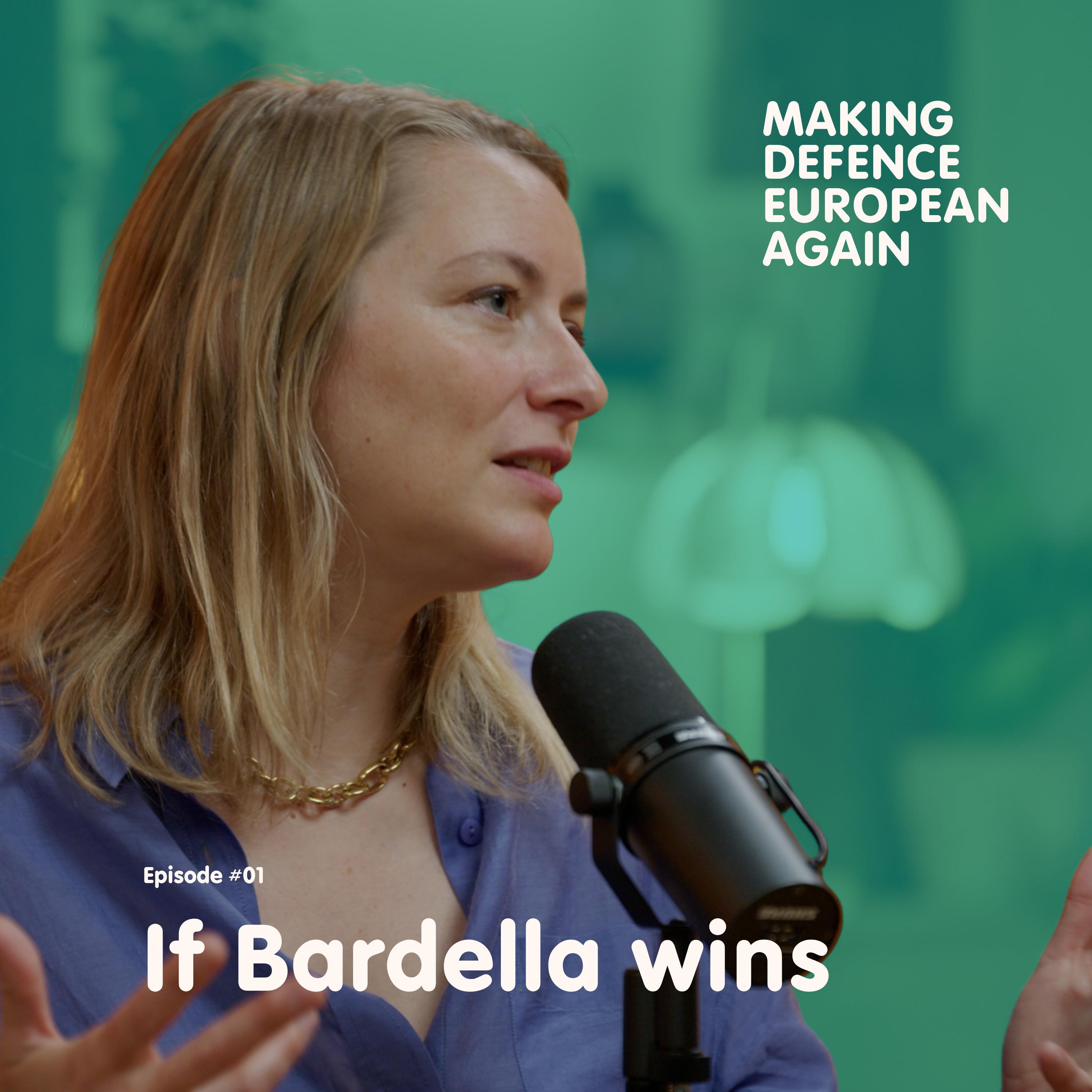 How a Marine Le Pen or Bardella Presidency Could Divide Europe Further 01.07.2026 18минThe future of Europe may be shaping up to look very different—and far more unpredictable. As France stands on the brink of a potentially historic election, experts reveal the high stakes and hidden risks that could reshape European unity, security, and global influence. If a far-right candidate like Jordan Bardella or Marine Le Pen takes power, what does that mean for NATO, European integration, and the continent’s strategic autonomy?In this four episode series, Making Defence European Again, four of our ECFR fellows discuss analysis and advice on the future of European security.In this episode, we dive deep into France's evolving political landscape amid rising nationalism, dissect the long-term implications for EU cohesion, and explore what Europe's neighbors should be preparing for. You'll learn how internal struggles within France could fragment alliances, weaken shared defenses, and upend the delicate balance of trust and cooperation—raising urgent questions for every European nation.We break down:▶︎The shifting sands of France’s presidential race and how elections historically alter European stability▶︎Why a far-right government might pursue a more unilateral foreign policy and “renegotiate” its role in NATO and EU defense▶︎How French electoral mechanics and public sentiment set the stage for a potential radical left-right showdown▶︎The implications of France’s domestic economic strains on its foreign policy priorities▶︎What European allies can do—early engagement, diplomacy, or containment—to mitigate unpredictable outcomesThis episode is essential watching if you’re concerned about the future of European security, the stability of NATO, or whether nationalism will tip the continent into new uncertainties. Whether you're a policy enthusiast, a security analyst, or simply curious about how France’s political shifts could echo across borders—you’ll find critical insights and a sobering look at what’s at stake.With expert insights from fellows tracking European politics, and strategic analysis from insiders who understand France’s complex journey—this conversation illuminates the risks, opportunities, and critical decisions that could shape Europe’s next chapter.Are we heading toward a more divided and isolated Europe? Or can early diplomacy and strategic foresight turn the tide? Tune in to find out—because what happens in France could determine Europe's future for decades to come.2026 © A production from the European Council on Foreign Relations (ECFR) This work was supported in part by a grant from the Open Society Foundations.☛ Resources & Links:https://ecfr.eu/publication/if-bardel...https://ecfr.eu/publication/making-de...☛ Speakers:★ Célia Belin, Head, ECFR Paris, Senior Policy Fellowhttps://ecfr.eu/profile/celia-belin/★ Marta Prochwicz Jazowska, Deputy Head, Warsaw Office, Policy Fellow https://ecfr.eu/profile/marta-prochwi...★ Jana Kobzová, Co-director, European Security Programme, Senior Policy Fellow https://ecfr.eu/profile/jana_kobzova/★ Paweł Zerka, Senior Policy Fellow https://ecfr.eu/profile/pawel_zerka/ This discussion provides a comprehensive overview of the strategic challenges faced by Europe and actionable ideas for enhancing its security sovereignty amidst a complex geopolitical environment. Hosted on Acast. See acast.com/privacy for more information.
 -
 Moldova: The EU frontrunner outrunning Russia 13.05.2026 27минMoldova is often held up as an EU enlargement success story. Beneath the reform headlines lies a country shaped by decades of economic pressure, Russian interference—and politics driven as much by survival as ideology.In this episode, Jessica Hendrick speaks with Dumitru Alaiba, Moldova’s former deputy prime minister and minister of economic development and digitalisation; and Maia Machavariani, director of programmes at the Eastern European Centre for Multiparty Democracy working on the RE-ENGAGE project. Dumitru argues that Moldova is proof that “Russia can lose” after its repeated failed attempts to derail the country’s European trajectory. At the same time, RE-ENGAGE research reveals a gap: Moldovans still trust informal networks more than the state itself.Drawing on this, and Dumitru’s experience governing through war, energy blackmail, inflation and political destabilisation, Jessica, Maia and Dumitru discuss Moldova’s “final divorce from Moscow”, the stakes behind this weekend’s local election and what Moldova’s chairing of the Council of Europe reveals about Europe’s wider battle against disinformation and democratic backsliding.Why did Russia fail to derail Moldova’s recent election? Can the EU make its promise to Moldova feel real? What happens when citizens trust neighbours more than their own government?Further reading:RE-ENGAGE research on MoldovaRE-ENGAGE policy recommendations on Eastern EuropeThis podcast was recorded on May 8th, 2026. Hosted on Acast. See acast.com/privacy for more information.
 -
 Eastern Europe: Where the region will stand in a decade 02.04.2026 42минEastern Europe’s future is up for grabs. Ukraine is fighting for survival—and for a place in the EU. Georgia’s protest movement faces intensifying government crackdowns, and Moldova continues to fend off relentless Russian interference. Meanwhile, energy shocks linked to the Iran conflict and Hungary’s repeated blockades inside the EU are making the region’s future even harder to predict.In this episode, Jessica Hendrick welcomes Sophie Gueudet, research fellow at the Sant’Anna School of Advanced Studies working on the RE-ENGAGE project and associate researcher at PeaceRep Ukraine at the London School of Economics and Political Science; and Ivanna Klympush-Tsintsadze, Ukrainian member of parliament and chair of the Parliamentary Committee on EU Integration. Sophie uses RE-ENGAGE’s four possible futures for 2035 to ask whether Ukraine, Moldova and Georgia are moving closer to the EU—or slipping towards greater isolation and Russian influence. Ivanna argues that Ukraine’s European path remains its only way forward, but warns that war, political paralysis and slowing reform are putting that future under growing pressure.Drawing on global oil price shocks, Hungarian politics, Georgian protest movements and Ukrainian wartime reforms, Jessica, Sophie and Ivanna discuss whether repeated crises are pushing Eastern Europe towards unity or fragmentation, why delayed EU decisions can weaken trust, and what happens when Brussels’ promises begin to lose credibility.Will Ukraine, Moldova and Georgia be closer to the EU—or further inside Russia’s orbit—by 2035? Can citizen movements protect democracy when institutions fail? And how long can Europe delay before uncertainty starts changing the region’s future?Further reading:RE-ENGAGE research on Eastern Europe RE-ENGAGE research on GeorgiaRE-ENGAGE research on MoldovaRE-ENGAGE research on UkraineThis podcast was recorded on March 30th 2026. Hosted on Acast. See acast.com/privacy for more information.
 -
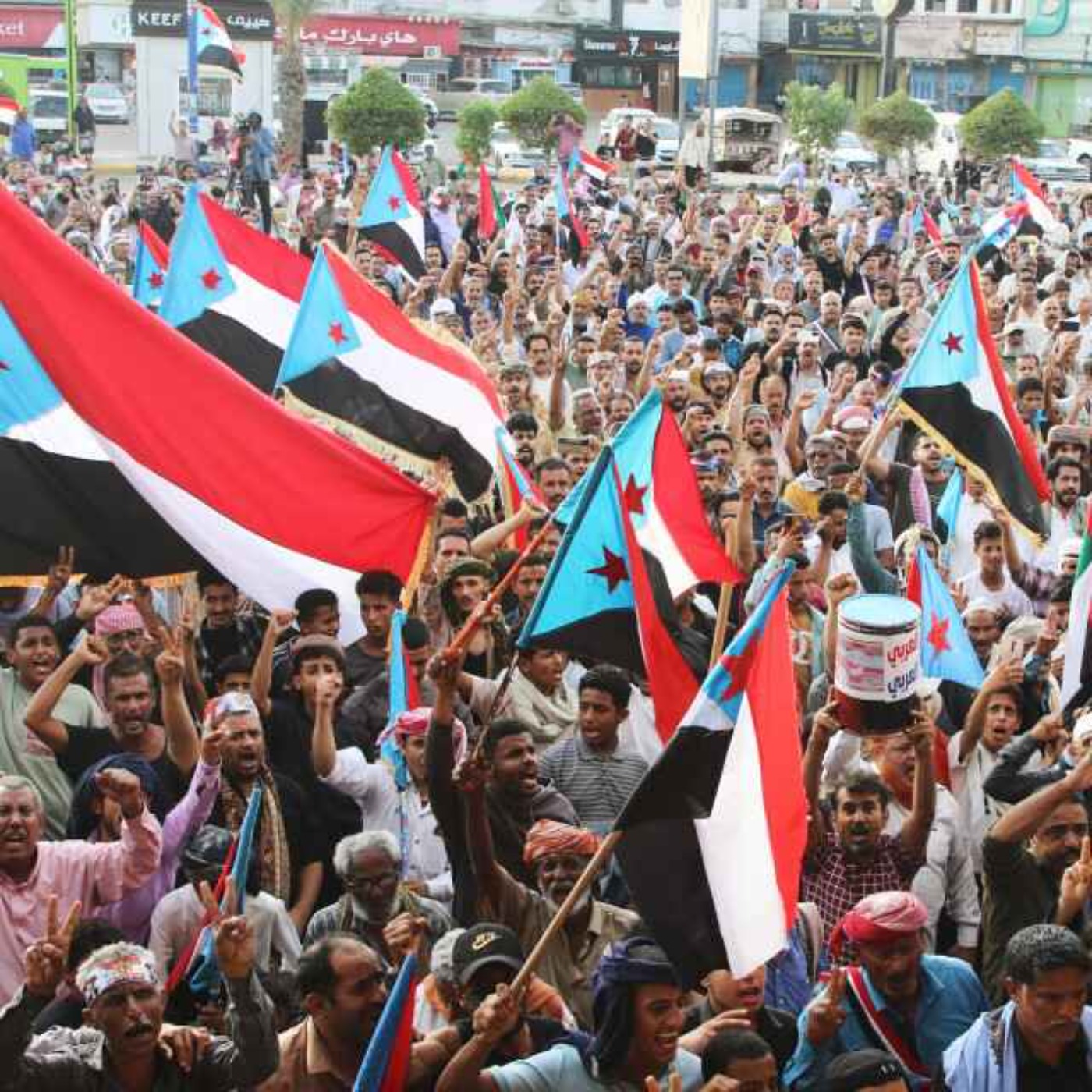 Yemen: Between Gulf tensions and Iran war clouds 26.02.2026 36минYemen is once again in a shifting geopolitical landscape: amid the increasing risk of military conflict between the US and Iran, rising tensions between the UAE and Saudi Arabia, and mounting instability across the Red Sea. In this episode of the WOMENP podcast, ECFR visiting fellow Cinzia Bianco welcomes Yasmeen Al-Eryani, co-executive director, knowledge production at the Sana’a Center for Strategic Studies and Maysaa Shuja al-Deen, senior researcher at the Sana’a Center for Strategic Studies. Together, they unpack what these developments mean for Yemen’s fragile political trajectory and wider regional security, and their key implications for Europe. The discussion explores how mounting instability can be contained and what the international community can do to strengthen legitimate governance structures in Yemen—thereby reviving a credible political process. Listen to all past episodes of the WOMENP series. This podcast was recorded on February 25th 2026. Hosted on Acast. See acast.com/privacy for more information.
 -
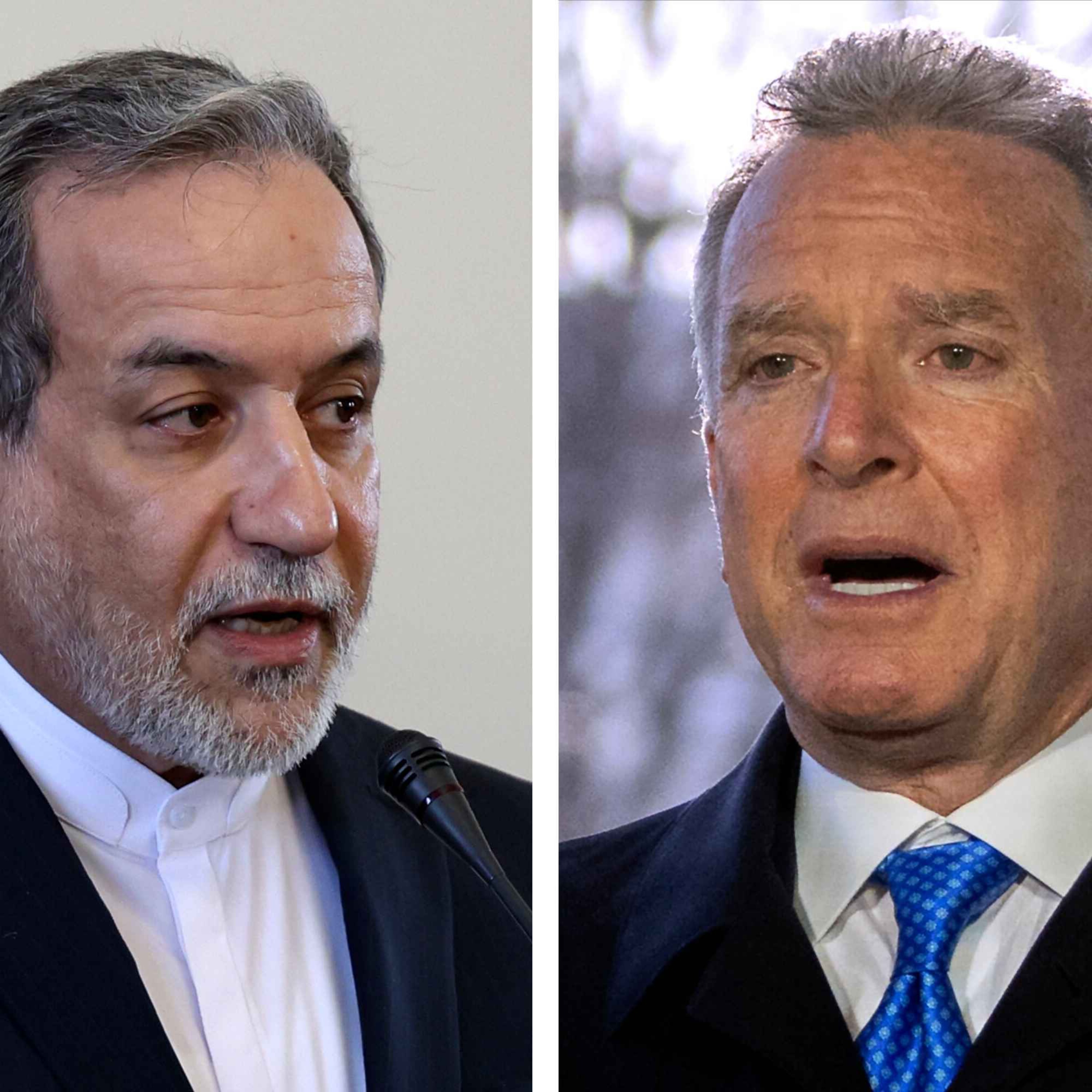 Trump's Iran choice: Regional takes 10.02.2026 47минIn this episode of ECFR’s WOMENP podcast, Ellie Geranmayeh welcomes Aslı Aydıntaşbaş, associate senior policy follow at ECFR, Dina Esfandiary, Middle East geoeconomics lead at Bloomberg Economics and Yasmine Farouk, Gulf and Arabian Peninsula project director at International Crisis Group, to discuss regional perspectives around the current turmoil in Iran, following deadly protests and growing calls for US military intervention. What can be expected from the US military build up in the Middle East and the revival of Iran-US talks in Oman? What is Turkey’s position? And how likely is it that Arab Gulf powers can prevent a new war in the region? Listen to all past episodes of the WOMENP series.This podcast was recorded on February 9th 2026. Must-read and must-see items suggested by experts: “What Iran’s Dead Loved and Fought For” by Arash AziziIran protests coverage (Washington Post) by Nilo Tabrizy, Yeganeh Torbati, Meg Kelly, Imogen Piper, Asal Abasian“The Fall of the House of Assad” by Robert F. WorthThe Loneliness of Sonia and Sunny by Kiran DesaiTaraneh: A Documentary by Directed by Pegah Ahangarani Hosted on Acast. See acast.com/privacy for more information.
 -
 Behind the scenes: How to measure democracy in crisis 19.12.2025 35минHow do you measure democracy when air-raid sirens interrupt fieldwork, protesters are challenging the state and student researchers risk being labelled as foreign agents? Across six EU candidate countries, RE-ENGAGE is asking ordinary citizens who they trust, where they turn in a crisis and whether they still believe political change is possible.In this episode, Jessica Hendrick welcomes Morten Bøås, research professor at the Norwegian Institute of International Affairs and lead of RE-ENGAGE’s comparative fieldwork across Albania, Bosnia and Herzegovina, Georgia, Moldova, Serbia and Ukraine. Morten argues that trust may be society’s strongest defence against disinformation—and that Brussels often spends too much time on reforms citizens cannot see while overlooking the everyday improvements that could stop frustration from turning into rage.Drawing on surveys conducted by locally trained university students, interviews with EU officials and fictional crisis scenarios involving support from the EU, Russia, China and Turkey, Jessica and Morten go inside RE-ENGAGE’s largest research efforts. They uncover a surprising picture: Serbians trust almost no external power, Moldovans proved far harder to destabilise with disinformation than expected, and citizens across the region often place more faith in neighbours than the state.Why do people who regularly consume propaganda know not to trust it in a real crisis? Why can visible anger be healthier than silent resignation? And what must the EU change if it wants to support democracy that citizens can actually see, feel and believe in?The episode was cross-published to NUPI’s World Stage by the Norwegian Institute of International Affairs.Further reading:RE-ENGAGE research overviewThis podcast was recorded on December 12th, 2025. Hosted on Acast. See acast.com/privacy for more information.
 -
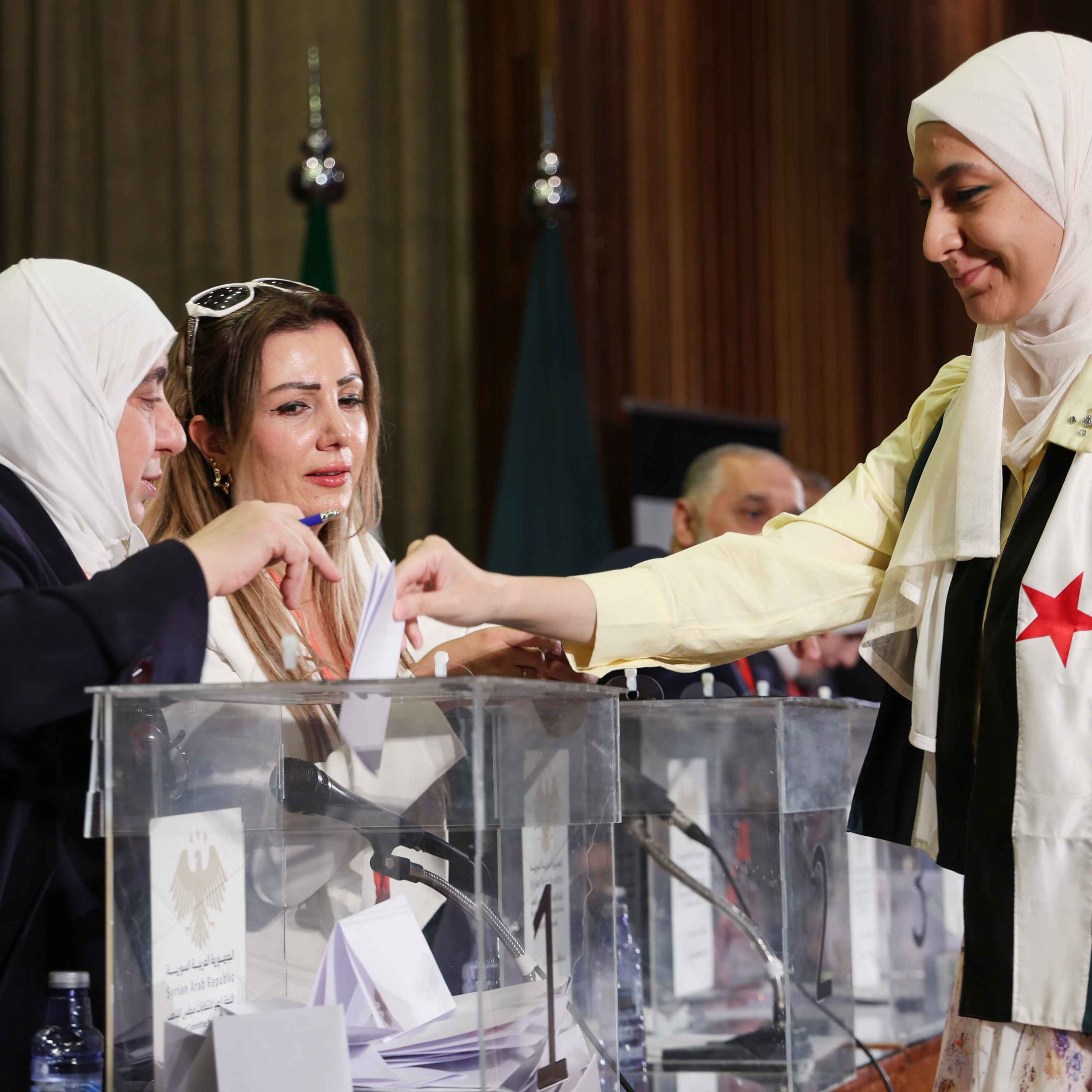 One year after Assad: Syria’s struggle for security, recovery and reform 04.12.2025 15минEllie Geranmayeh speaks with Syrian minister Hind Kabawat about the country’s turbulent first year after Assad, the challenges ahead, and her push to bring more women into leadership during Syria’s reconstruction.In the latest episode of the WOMENP podcast series, Ellie Geranmayeh welcomes Hind Kabawat, Syria’s minister of social affairs and labour. Almost a year after the fall of Bashar al-Assad, the new government faces both transformational opportunities and serious challenges. Syria’s once-notorious political prisons have been shut down, a preliminary national dialogue has begun, elections have been held, and the country has secured unprecedented sanctions relief. Yet major setbacks remain: the economy is under severe strain, and violent clashes have erupted between armed groups and government forces, as well as with Israel.In this episode, we discuss where Syria stands after the turbulent events of the past year. What are the country’s most urgent priorities for achieving meaningful stability? How are regional and global powers shaping Syria’s immediate future, and what does the new government expect from Europe? As the only female minister in the current cabinet, Kabawat also reflects on her drive to bring more women into positions of power as Syria rebuilds.Listen to all past episodes of the WOMENP series here: WOMENP special websiteBookshelf:The Enemy Syrians by Fawaz HaddadMa' Yarweeha (No Water to quench their Thirst), by Najat Abdul Samad Hosted on Acast. See acast.com/privacy for more information.
 -
 The diplomatic minefield: What now for Ukraine? 27.11.2025 43минDonald Trump’s controversial 28-point plan to end the war in Ukraine has rattled Western capitals and could jeopardise Ukraine’s sovereignty. In this episode of Ukraine inside out, Leo Litra and Lesia Ogryzko are joined by Eric Ciaramella, senior fellow in the Russia and Eurasia programme at the Carnegie Endowment for International Peace and Jana Kobzova, co-director of ECFR’s European Security programme, to discuss the development and its implications.What are the potential consequences of the proposed plan, and do Ukraine and Europe still hold any leverage? What are the risks of considering European security as a mere transactional deal? And how might credible security guarantees for Ukraine look like if NATO membership is off the table?Tune in for an insightful conversation that uncovers the intricate balance of power, explores potential avenues to prevent a bad deal, and explains what it all means for the future of Ukraine and Europe. Hosted on Acast. See acast.com/privacy for more information.
 -
 The EU: Enlargement gets a reality check 14.11.2025 36минEurope has made a promise to the countries hoping to join the EU: reform your courts, fight corruption and strengthen democracy, and membership will move closer. But Ukraine can push through reforms during a war, Moldova can resist Russian interference, and North Macedonia can even change its name—yet political vetoes can still stop everything. At what point does a long wait become a broken promise?In this episode, Jessica Hendrick welcomes Tiago Antunes, senior policy fellow with ECFR’s European Power programme and former Portuguese secretary of state for European affairs, with senior government experience across the prime minister’s office and Council of Ministers, as well as the European Parliament; Leo Litra, visiting fellow at ECFR and senior fellow at Kyiv’s New Europe Center; and Engjellushe Morina, senior policy fellow with ECFR’s European Security programme. Tiago takes listeners inside the political bargaining that can override a country’s progress. Leo explains why Ukraine and Moldova may lose faith if the EU fails to reward their reforms. Engjellushe shows what decades of delay have already done to public trust in the Western Balkans.Drawing on Ukraine’s wartime reforms, Moldova’s rapid progress, Georgia’s democratic reversal and North Macedonia’s long wait, Jessica, Tiago, Leo and Engjellushe ask whether enlargement is bringing countries closer to Europe—or trapping them in an endless waiting room. They also examine whether promised benefits such as cheaper bank transfers and roaming are improving ordinary lives, and why the EU keeps demanding changes from candidate countries while postponing reforms of its own.Can one EU government hold an entire country’s future hostage? How long can citizens be asked to reform without seeing results? And is the biggest obstacle to the EU’s next enlargement the EU itself?The episode was cross-published to NUPI’s World Stage by the Norwegian Institute of International Affairs.Director of ECFR Mark Leonard launched the first episode of The Neighbourhood on his podcast World in 30 Minutes.Further reading:RE-ENGAGE research overview2025 Enlargement PackageThis podcast was recorded on November 12th, 2025. Hosted on Acast. See acast.com/privacy for more information.
 -
 Lessons for Europe: Inside Ukraine’s drone war 01.10.2025 37минUkraine’s battlefield has transformed since the Russian full-scale invasion of Ukraine in 2022: from hobby quadcopters to drone and robot units in almost every brigade. In this episode, Lesia Ogryzko and Leo Litra speak with Lyuba Shupovich, CEO and co-founder of Dignitas Fund, and Gustav Gressel, a former ECFR senior policy fellow. Together, they discuss how technology, like drone and electronic warfare, is redefining military tactics—and what Europe can learn, having faced several Russian drone incursions into NATO airspace.What would a multi-layered, cost-effective air defence against drones look like? How quickly can Ukraine train NATO countries? And how can both Europe and Ukraine fix their financing gaps to reduce their dependency on Chinese components?This episode was recorded on September 24th 2025 Hosted on Acast. See acast.com/privacy for more information.
 -
 The European pillar of security 17.07.2025 46минThis week, Leo Litra and Lesia Ogryzko welcome Élie Tenenbaum, director of the Security Studies Center at the French Institute for International Relations, and Oleksandr Sushko, executive director of the International Renaissance Foundation in Kyiv and long-time observer of Ukraine’s Euro-Atlantic integration, to explore if—and what—the recent NATO summit delivered for Ukraine. The gathering in The Hague reignited debates about the alliance’s future—and whether its European pillar is finally stepping into a leadership role. And, with Ukraine’s full NATO membership still out of reach, the country continues to seek strong security guarantees and deeper integration with Western defence structures.Can a “coalition of the willing” can fill the gap? How can Kyiv position itself in a rapidly evolving transatlantic landscape? And what does Europe assuming more responsibility for its own security mean for Ukraine? Hosted on Acast. See acast.com/privacy for more information.
 -
 Ukrainian society in wartime 23.06.2025 45минAmid much speculation surrounding Ukraine’s future—including ceasefires, peace talks and broader geopolitical shifts—ECFR has launched a new podcast mini-series that brings Ukrainian perspectives to the forefront. In this opening episode, hosts and Lesia Ogryzkowelcome Fredrik Wesslau, distinguished policy fellow at the Stockholm Centre for Eastern European Studies, and Volodymyr Yermolenko, editor-in-chief of UkraineWorld and president of PEN Ukraine, to explore the roots and evolution of Ukraine’s remarkable societal resilience. Together, they unpack how Ukrainian society has adapted, how global developments—from the return of Dondald Trump to attempts at peace talks—are perceived on the ground, and what the rest of Europe can learn from Ukraine’s experience. How did Ukraine remain so strong in the face of a full-scale invasion? What enabled Ukraine’s whole-of-society resistance? And what sustains Ukraine, over three years on? This episode was recorded on June 20th 2025 Hosted on Acast. See acast.com/privacy for more information.
Слични подкасти


Популарен во
Овој подкаст се појавува и на подкаст-листите на овие земји.

