
The John Batchelor Show
John Batchelor
0
The John Batchelor Show is a hard news-analysis radio program covering current events, world history, global politics, and natural sciences. Based in New York City for two decades, the show has traveled widely to report from the Middle East, South Caucasus, Arabian Peninsula, and East Asia.
Епизоди
-
 7. BRAZIL - Latin American Security Challenges Unfold - EVAN ELLIS 092426 24.09.2026 37мин1928 BRAZILLatin American Security Challenges UnfoldEvan Ellis analyzes key political, economic, and security developments across Latin America. In Brazil, a presidential contest between incumbent Lula da Silva and challenger Flavio Bolsonaro hinges on opposing economic philosophies, corruption scandals, and foreign policy alignments. Regarding Venezuela, Ellis outlines a dystopian political landscape where US engagement with interim leader Delcy Rodríguez sidelines democratically elected opposition leaders Edmundo González and María Corina Machado. Furthermore, he evaluates delayed US-Mexico trade negotiations under President Claudia Sheinbaum alongside cartel violence, while reviewing US security assistance programs targeting widespread organized crime, pervasive illegal mining, and drug trafficking across Peru, Ecuador, and Colombia. (7)
 -
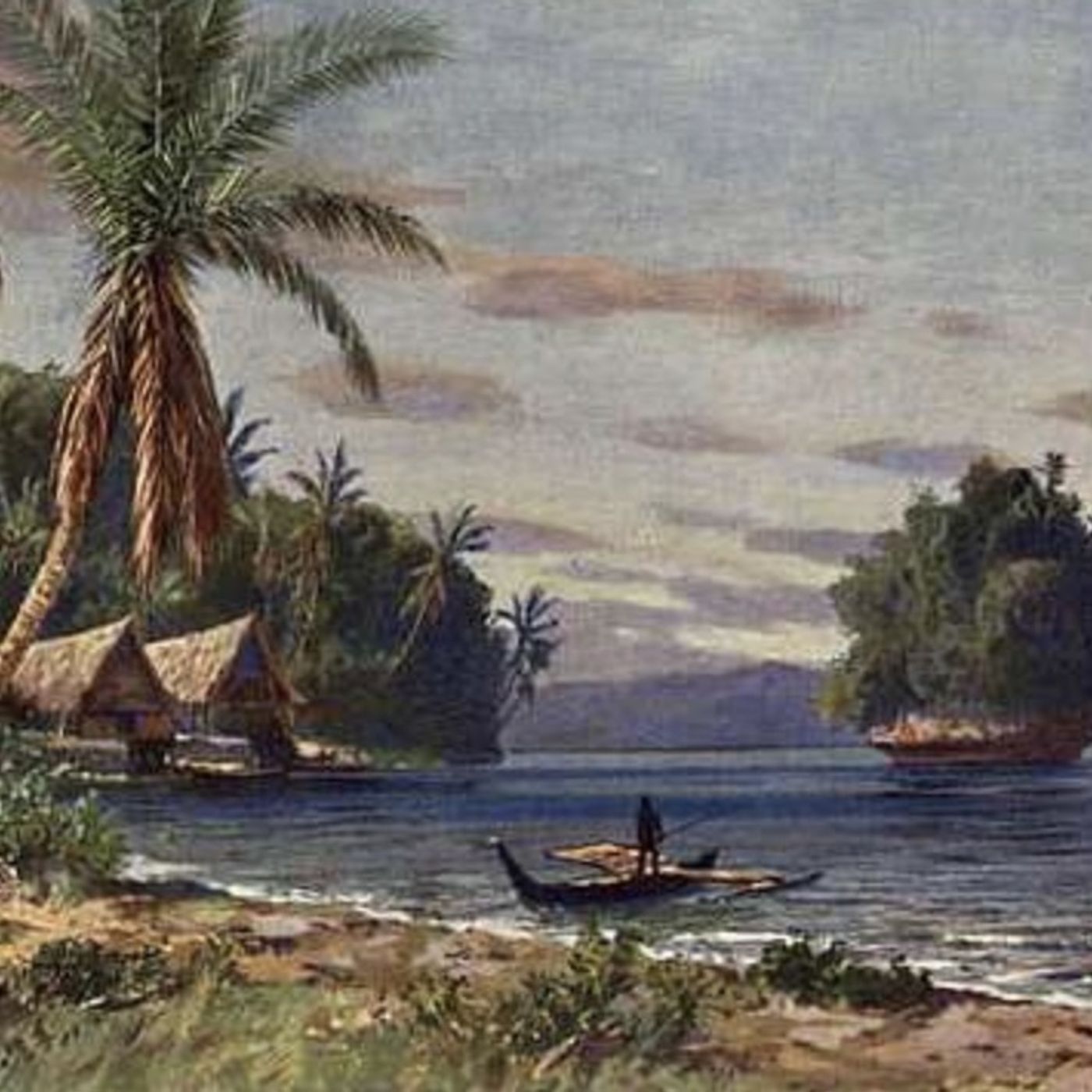 6. PALAU - Historic Whaleship Wreck Inspires Literature - ERIC JAY DOLIN (HOUR ONE) 092426 24.09.2026 37мин1900 PALAUHistoric Whaleship Wreck Inspires LiteratureEric Jay Dolin discusses his historical book recounting the 1832 shipwreck of the New Bedford whaling vessel Mentorin Palau's Caroline Islands. He details how Captain Edward Barnard and his crew navigated perilous Pacific waters, interacted with Palauan islanders, and managed complex local conflicts between rival regional chiefdoms. Dolin explains how mariners' survival accounts and encounters inspired famous nineteenth-century South Seas literature, including Herman Melville's Moby-Dick. The narrative traces the crew's subsequent drift to the isolated island of Tobi, their eventual enslavement, Barnard's controversial escape aboard a passing Spanish merchant ship, and the ongoing debates surrounding his crew's abandonment. (6)
 -
 5. AI - Orbital Data Centers Power AI - JOE PISTRITTO & DAVID LIVINGSTON( HOTEL MARS) 092426 24.09.2026 19мин1949Orbital Data Centers Power AIJoe Pistritto and David Livingston: Pistritto examines the technological feasibility and strategic benefits of placing massive AI data centers into low Earth and sun-synchronous orbits. He explains that orbital platforms offer uninterrupted solar energy, eliminate terrestrial water consumption, and avoid local political resistance. Utilizing heavy-lift rockets like SpaceX's Starship, commercial space companies plan to launch large satellite constellations weighing three tons each by the mid-2030s. While confronting operational engineering hurdles such as space debris avoidance, atmospheric re-entry disposal, and specialized high-temperature microchips, Pistritto envisions future infrastructure expansion eventually extending toward lunar resources and Lagrange points to overcome terrestrial launch constraints. (5)
 -
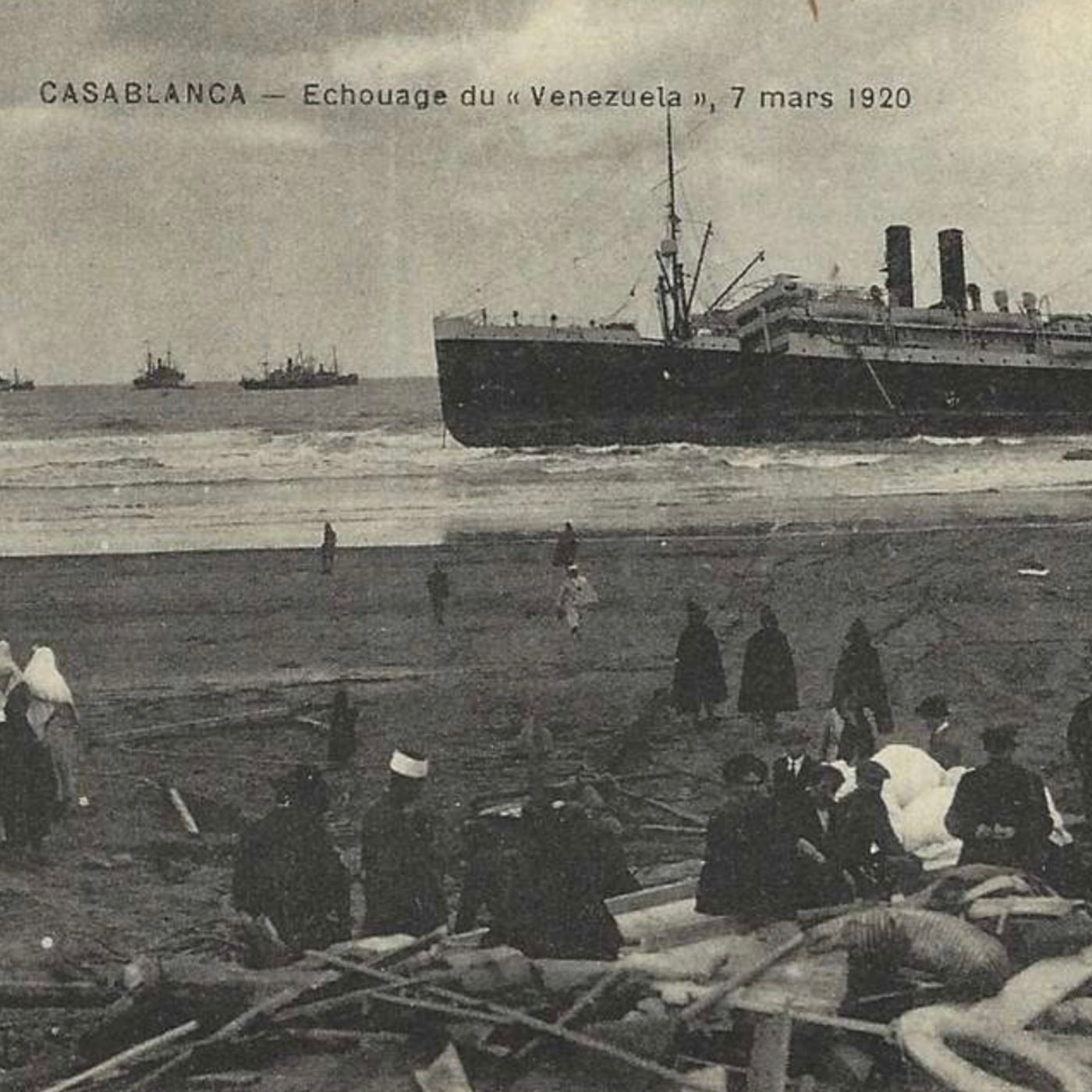 4. VENEZUELA - US Policy Ignores Venezuelan Democracy - MARY ANASTASIA O'GRADY 092426 24.09.2026 9мин1920 LIVER VENEZUELA AGROUNDUS Policy Ignores Venezuelan DemocracyMary Anastasia O'Grady criticizes the US administration's policy toward Venezuela following the arrest of Nicolás Maduro. She argues that Washington prioritizes short-term oil access and economic stability over genuine democratic legitimacy by backing interim leader Delcy Rodríguez while preventing opposition leader María Corina Machado from returning. O'Grady stresses that Rodríguez lacks democratic backing and continues operating a repressive police state complete with political prisoners and paramilitary enforcers. She asserts that granting non-transparent petroleum contracts to foreign firms without restoring constitutional governance undermines Venezuela's long-term institutional recovery, delays required free elections, and compromises democratic principles across the entire Latin American region. (4)
 -
 3. TARIFFS - Inconsistent Trade Policies Cause Confusion - VERONIQUE DERUGY 092426 24.09.2026 8мин1793 TRADESMANInconsistent Trade Policies Cause ConfusionVeronique de Rugy critiques the tariff strategies of Donald Trump's second presidential term, contrasting them with his earlier China-focused policies. She argues that recent tariff measures lack ideological coherence, misuse national security justifications, and penalize traditional democratic allies like Canada and European nations while granting temporary truces to China. De Rugy points out contradictions in revenue promises, explaining that protective tariffs suppress import volume needed to generate pledged public dividend payouts. Furthermore, she questions confusing national security exemptions, such as taxing semiconductor export revenue from China rather than enforcing complete bans, illustrating internal policy ambiguity in current trade strategy. (3)
 -
 2. THE GULF - Middle East Standoff Threatens Security - JONATHAN SCHANZER 092426 24.09.2026 19мин1543 PERSIAMiddle East Standoff Threatens SecurityJonathan Schanzer evaluates the ongoing geopolitical conflict between the United States and Iran. He details how Tehran relies on Islamic Revolutionary Guard Corps asymmetric tactics and proxy groups to choke off vital maritime trade routes, aiming to strain the American economy and influence domestic US politics. Schanzer notes that Russia and China covertly support Iran's campaign to keep American military resources entangled abroad. Additionally, escalating Houthi attacks in Yemen threaten Saudi Arabian energy infrastructure and Red Sea shipping, while upcoming Israelielections will determine the trajectory of military operations in Gaza and regional strategy against hostile Iranian state proxy forces. (2)
 -
 1. EUROPE - Political Shifts Threaten European Stability - ANATOL LIEVEN 092426 24.09.2026 17мин1900 BRUSSELSPolitical Shifts Threaten European StabilityAnatol Lieven analyzes political instability in Germany following regional elections where right-wing Alternative for Germany (AfD) and radical left parties gained significant support. He explains that voter discontent stems from economic stagnation, high energy costs, decaying infrastructure, and migration concerns rather than Russiandisinformation. The rise of anti-establishment parties threatens to make German coalition governance increasingly impossible. Furthermore, energy vulnerability across Britain and continental Europe amplifies domestic instability, while potential American restrictions on diesel exports worsen European energy security. Lieven notes that these mounting domestic pressures may ultimately force European leaders to reconsider long-term financial and military commitments toward Ukraine. (1)
 -
 STREAMING MAKING THE JOHN BATCHELOR SHOW, WITH BURTON, FISHER, NEWSHAM, 9-23. 23.09.2026 58мин1898 YUKON, NWMPSTREAMING MAKING THE JOHN BATCHELOR SHOW, WITH BURTON, FISHER, NEWSHAM, 9-23.This broadcast transcript details several geopolitical challenges and diplomatic ironies involving the United States, China, Canada, and Taiwan. Host John Bachelor and his guests examine the tensions surrounding President Trump’s meeting with Xi Jinping, highlighting China's "red lines" regarding Taiwan’s sovereignty and human rights. The discussion covers internal instability within the Chinese military and the emergence of "hellscape" drone defense strategies to deter a potential invasion. Experts also analyze the strained trade relations between the U.S. and Canada, noting Prime Minister Carney’s pivot toward European and Asian markets. Finally, the text addresses strategic security in the Arctic, specifically focusing on a new agreement to bolster U.S. military presence in Greenland to counter Russian and Chinese influence.
 -
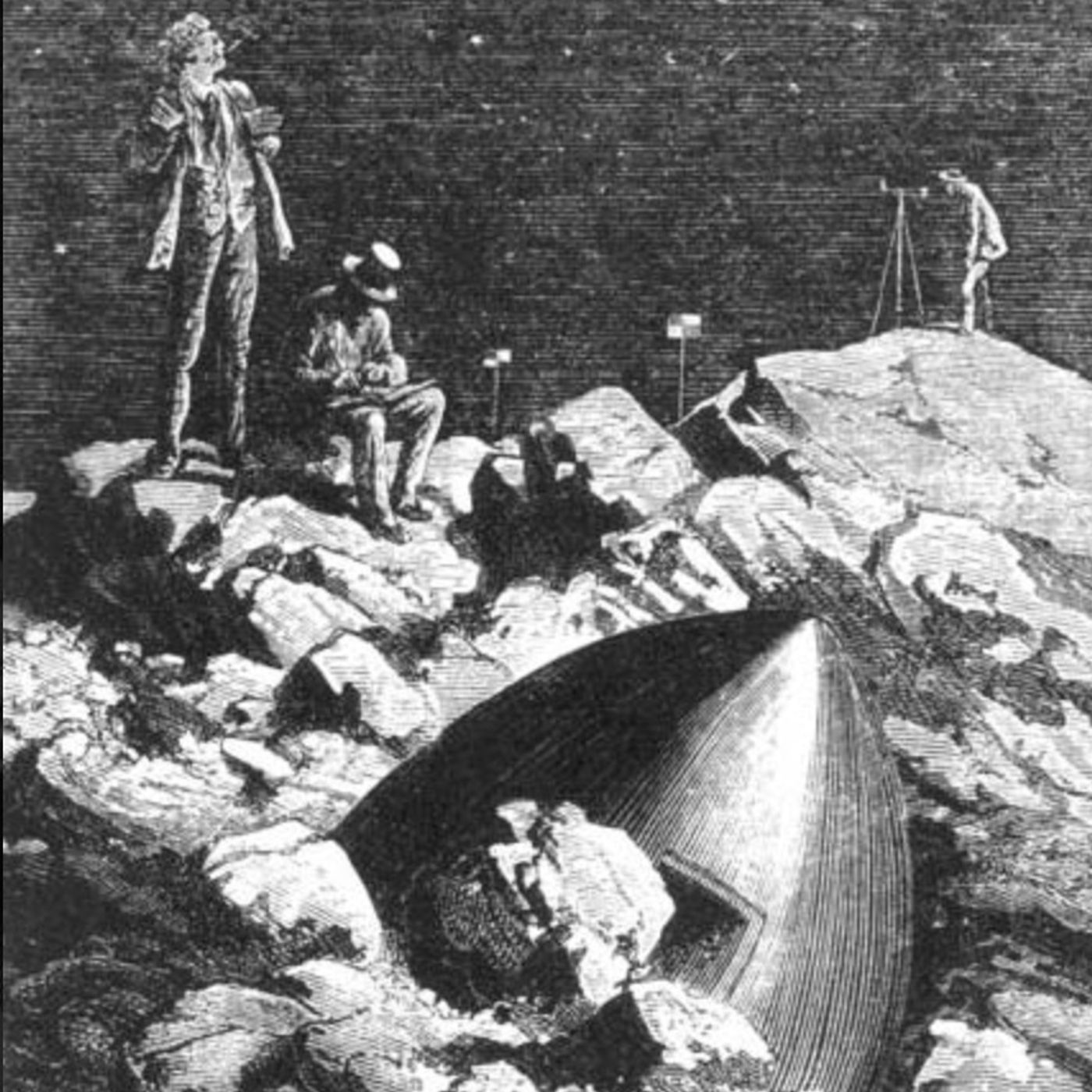 11. EARTH-MOON - Commercial Space Exploration Expanding Rapidly - BOB ZIMMERMAN 092326 23.09.2026 19мин1872 JULES VERNE "AROUND THE MOON"Commercial Space Exploration Expanding RapidlyBob Zimmerman highlights major developments in commercial aerospace and global space exploration. He details SpaceX's upcoming Starship orbital flight and NASA's contract awards for Dragon crew missions, emphasizing the federal government's broader transition toward purchasing private commercial space services. Zimmerman also reviews private space station projects like Voyager's Starlab, European rocket launch updates, NOAA's purchase of commercial radar satellite data, and Albania officially becoming the 73rd sovereign nation to sign the international US-led Artemis Accords. (11)
 -
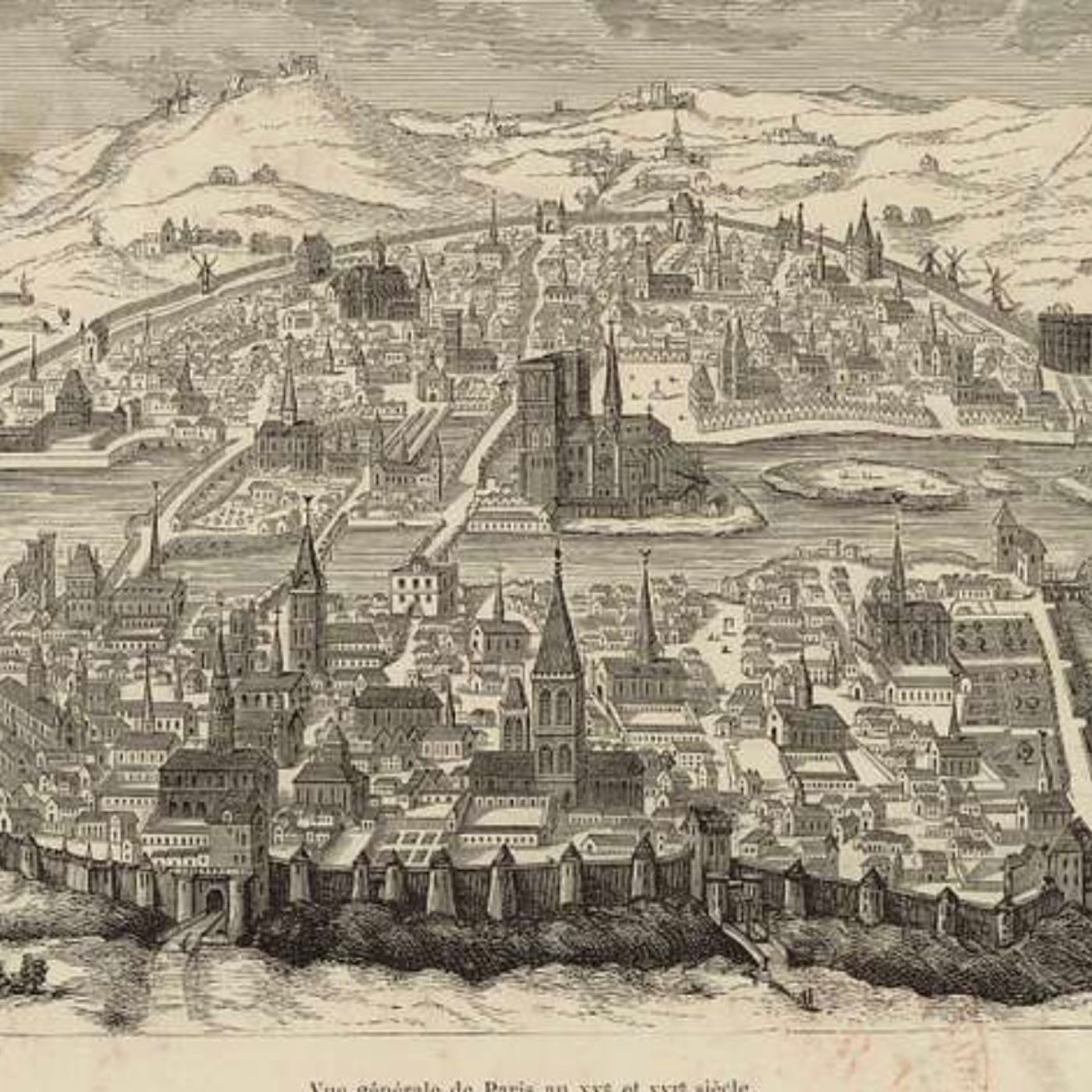 10. FRANCE - European Energy Crunch And Defense - SIMON CONSTABLE 092326 23.09.2026 17мин1515 PARISEuropean Energy Crunch And DefenseSimon Constable reports from southern France on global commodity trends, noting surging energy prices including Brent crude at $100 per barrel and European diesel reaching $9.64 per gallon. He criticizes government fuel subsidies as ineffective short-term measures that fail to increase real energy production. Turning to broader European security, Constable laments the sharp decline of the British military, pointing out that the British Army has contracted to roughly 65,000 to 70,000 active personnel. (10)
 -
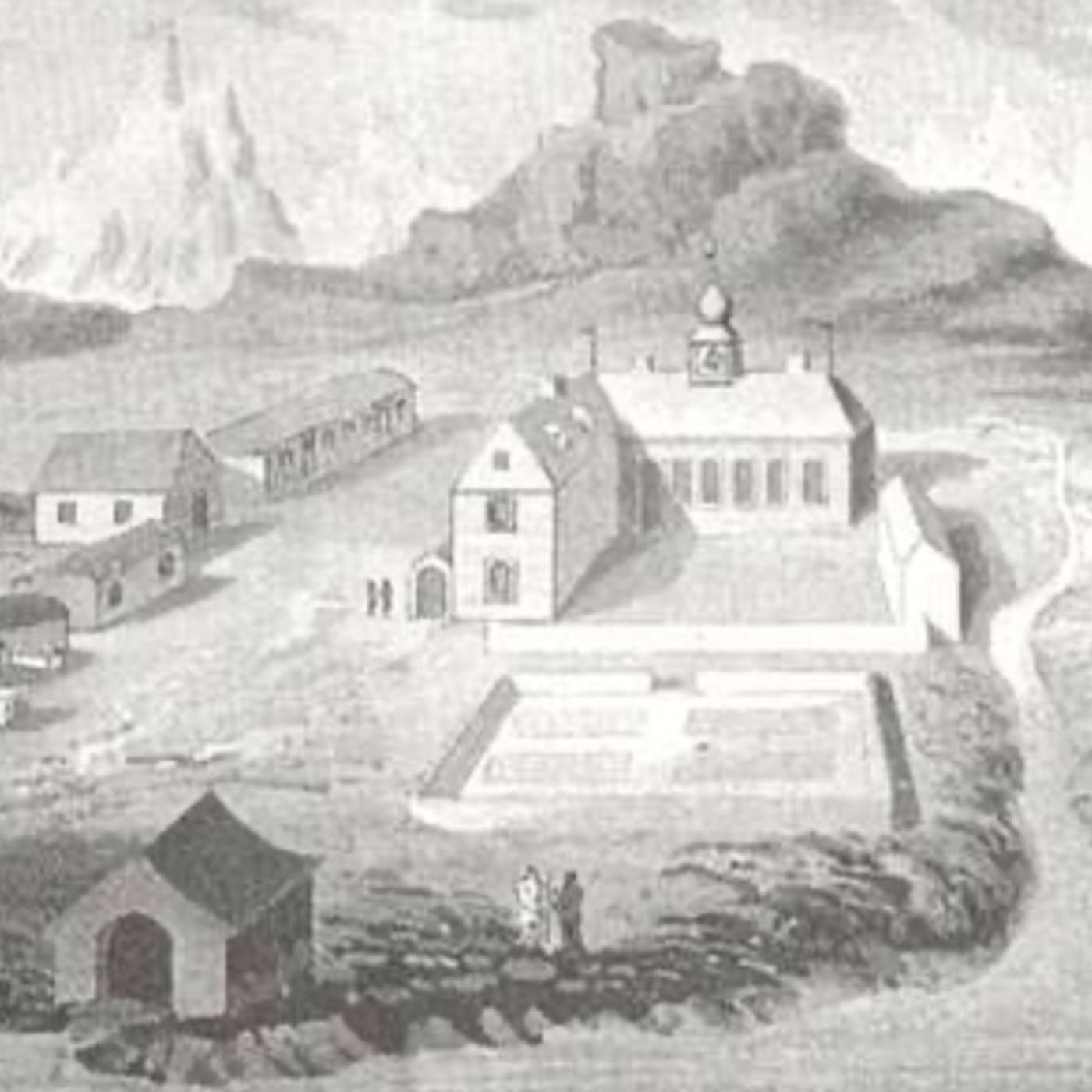 9. GREENLAND - Strategic Greenland Basing Agreement Signed - GRANT NEWSHAM 092326 23.09.2026 8мин1898 GREENLANDStrategic Greenland Basing Agreement SignedGrant Newsham compares the historic US agreement regarding Greenland to the 1867 Alaska Purchase, highlighting its pivotal role in defending North America's northeastern approaches. The perpetual agreement guarantees expanded US military basing rights, supports the Golden Dome missile defense architecture, and gives Washington veto authority over Chinese and Russian investments in critical minerals and infrastructure. Newsham warns that Russia and China are actively expanding icebreaker fleets and commercial footprints across the strategic Arctic region. (9)
 -
 8. TAIWAN - Taiwan Defense and Hellscape Strategy - RICK FISHER 092326 23.09.2026 10минTaiwan Defense and Hellscape StrategyRick Fisher stresses that Taiwan's vibrant democracy represents a direct existential threat to the Chinese Communist Party's authoritarian dictatorship. Addressing military preparations, Fisher describes the implementation of the "hellscape" strategy, a defense framework using thousands of autonomous drones, uncrewed vessels, and long-range cruise missiles like the Barracuda 500 to destroy invading fleets in the Taiwan Strait. He notes that ongoing purges of PLA leadership replace seasoned officers with younger commanders driven primarily by fear. (8)
 -
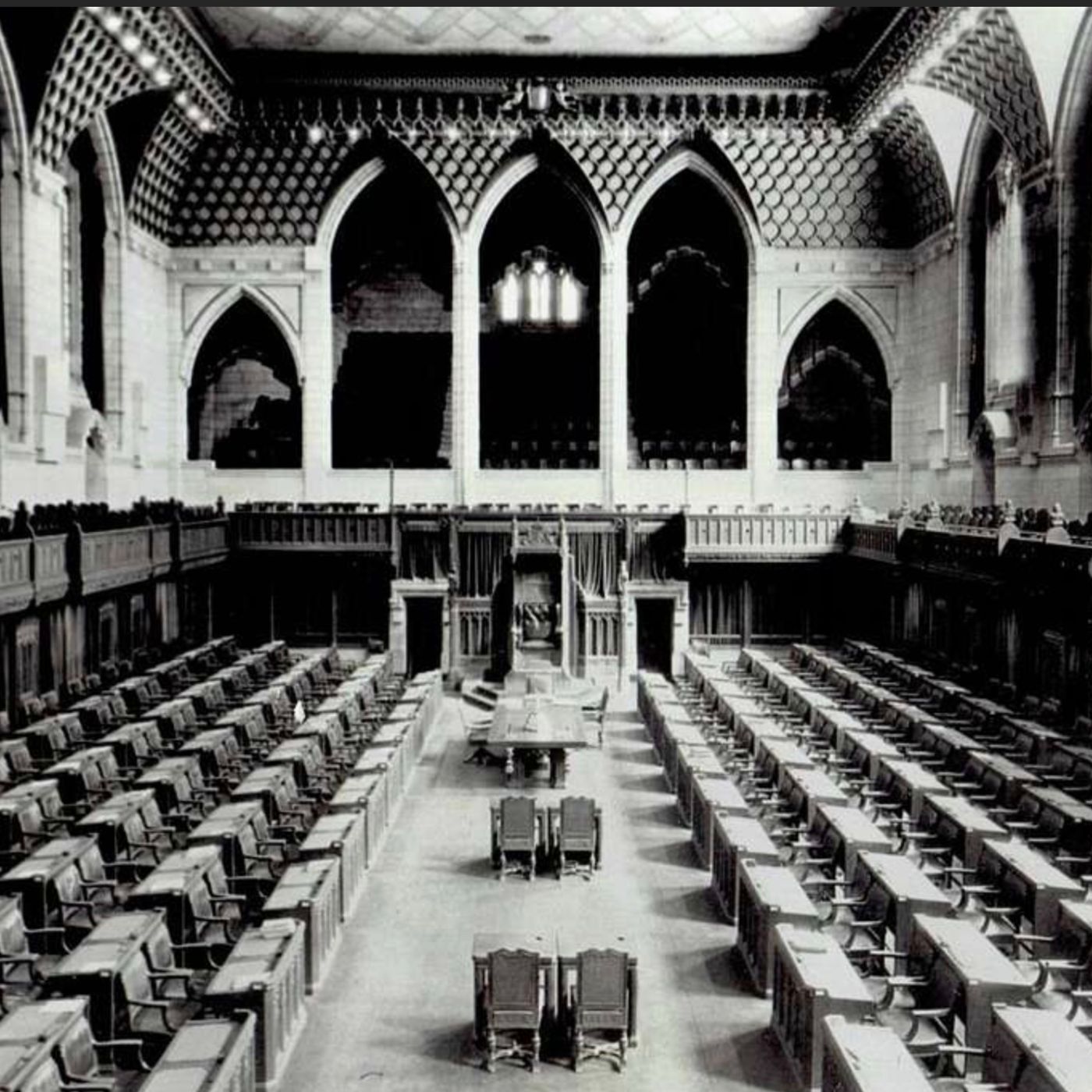 7. CANADA - Beijing Strategy and Canadian Realignment - CHARLES BURTON 092326 23.09.2026 17мин1932 COMMONS, PARLIAMENT HILL, OTTAWABeijing Strategy and Canadian RealignmentCharles Burton discusses Chinese President Xi Jinping's strategic goals during his US visit, noting Beijing's push to end American arms sales to Taiwan while ignoring international human rights norms. Burton highlights Xi's internal vulnerabilities, including economic stagnation and high-level military purges. Turning to Canada, Burton describes public resistance against Trump administration trade threats, leading Prime Minister Mark Carney to seek infrastructure expansion and new commercial partnerships with Europe, India, and non-market partner China. (7)
 -
6. AUSTRALIA - Super El Niño Climate Volatility - JEREMY ZAKIS 092326 23.09.2026 9минSuper El Niño Climate VolatilityJeremy Zakis discusses the unprecedented volatility surrounding the Super El Niño in the Pacific Ocean. Australia's Bureau of Meteorology faces forecasting challenges as unseasonably mild spring weather replaces expected heatwaves, caused by thermal energy shifting eastward to fuel Category 5 Hurricane Polo near Mexico. Zakis details Australia's severe bushfire threat cycle: sudden wet periods fuel heavy undergrowth, which rapidly dries out during subsequent heat spells, creating vast amounts of tinder vulnerable to destructive lightning-ignited fires. (6)
-
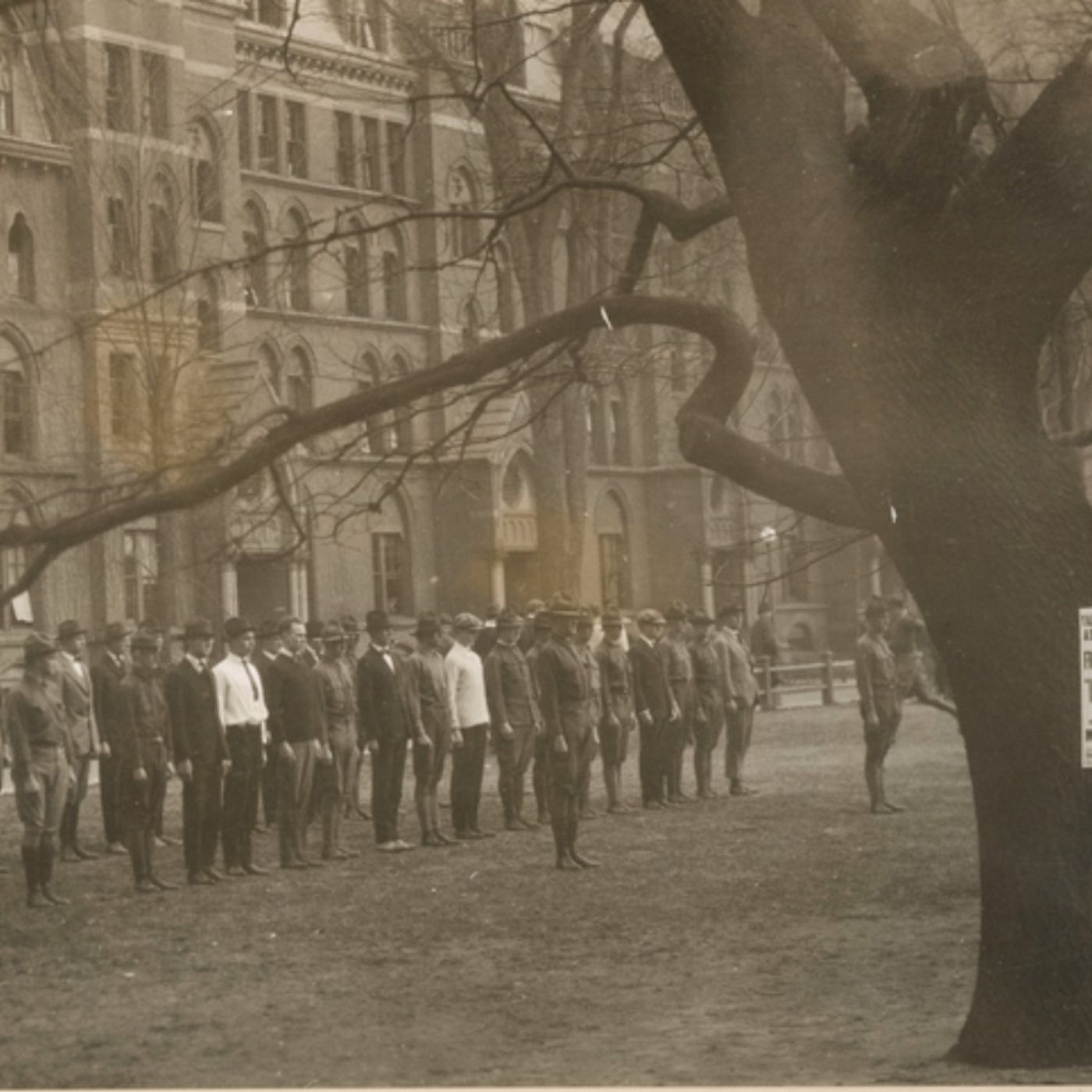 5 AMERICA - Restoring Public Trust In Universities - . PETER BERKOWITZ 092326 23.09.2026 10мин1917 YALE ATHLETES MILITARY TRAININGRestoring Public Trust In UniversitiesPeter Berkowitz examines major university studies investigating why public confidence in American higher education has declined. He highlights political imbalances among humanities and social science faculties—such as Yale's 36-to-1 ratio of Democrats to Republicans—and criticizes professors who substitute political activism for liberal education. Berkowitz points to rising costs, admissions inequities, and a compromised intellectual environment as key drivers of public distrust, advocating for a mandatory core curriculum focused on American political institutions and Western civilization. (5)
 -
4. VENEZUELA - Venezuelan Exile Demands Democratic Transition - GERMANIA RODRIGUEZ 092326 23.09.2026 17минVenezuelan Exile Demands Democratic TransitionGermania Rodríguez, a Venezuelan journalist in exile, conveys deep public frustration over President Trump meeting with Delcy Rodríguez, interim president and former vice president under Nicolás Maduro. While Maduro remains jailed in Brooklyn, Rodríguez criticizes Washington for legitimizing Maduro's regime figures and securing oil deals while blocking democratic opposition leader María Corina Machado from returning home. She stresses that starving Venezuelans urgently need democratic institutional reform rather than economic concessions to socialist dictators. (4)
-
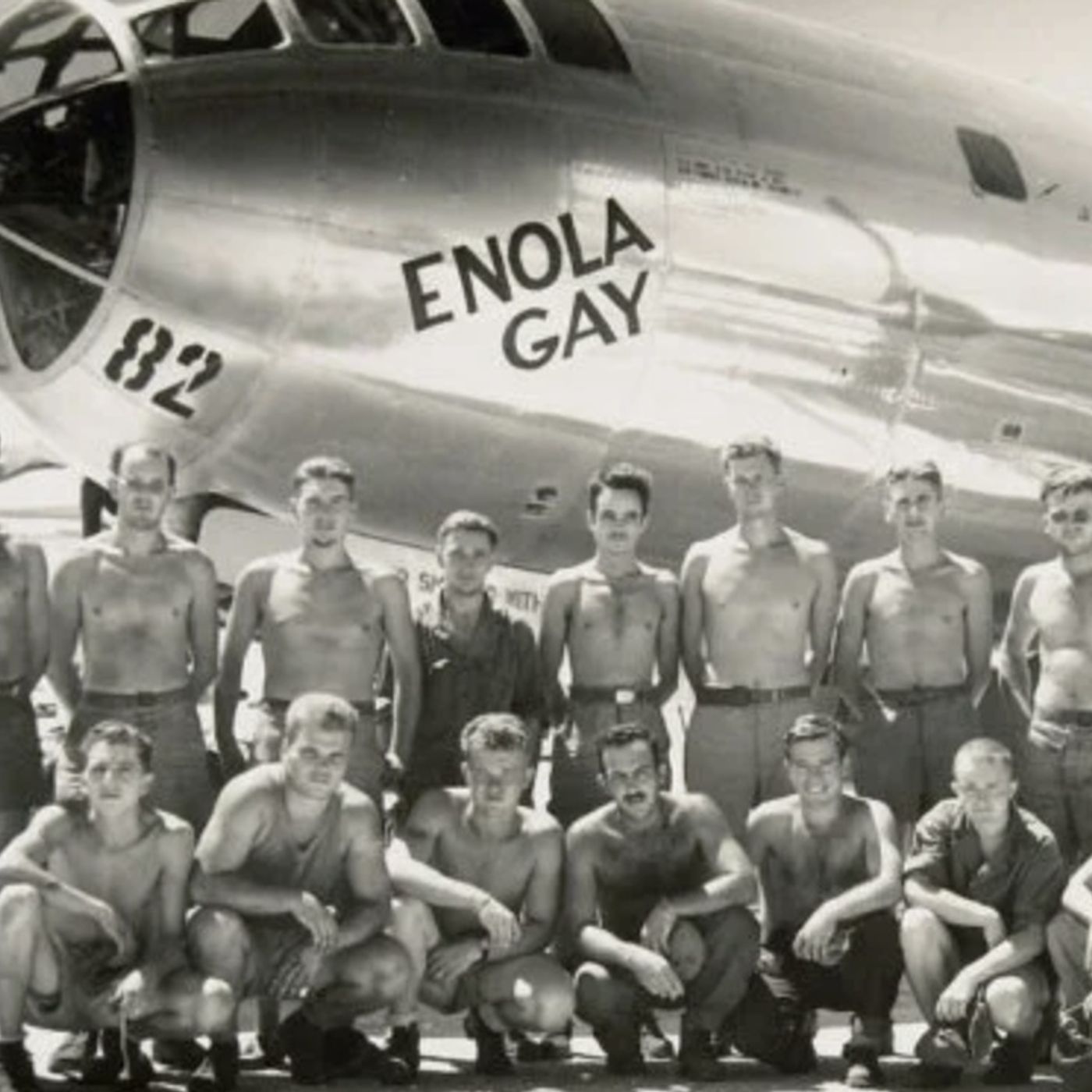 3. AMERICA - Nuclear Deterrence and Modernization Challenges - PETER HUESSY 092326 23.09.2026 19мин1945 THE HIROSHIMA ATOMIC BOMBNuclear Deterrence and Modernization ChallengesPeter Huessy reflects on Cold War nuclear civil defense drills and examines modern nuclear strategy. He outlines the history of arms control, explaining that the US exited the 1972 ABM Treaty in 2002 to deploy ballistic missile defenses against emerging threats like North Korea. Huessy emphasizes the urgent necessity of modernizing America's aging nuclear triad—comprising 55-year-old Minuteman III missiles, 40-year-old submarines, and 70-year-old B-52 bombers—to maintain effective deterrence against Russia's vast tactical nuclear arsenal. (3)
 -
 2. CHINA - Managing Superpower Tension and Trade - JAKE WERNER 092326 23.09.2026 8мин1930 SHANGHAIManaging Superpower Tension and TradeJake Werner analyzes the three-day summit between Chinese President Xi Jinping and President Trump, emphasizing the need to maintain their fragile trade truce. Key topics include setting safety guardrails for artificial intelligence and managing ongoing tensions regarding Taiwan. Werner notes that mutual economic leverage—US restrictions on advanced Nvidia microchips versus China's control over rare earth processing—has created a delicate balance of economic terror. Furthermore, neither power desires military conflict over Taiwan or in the Persian Gulf. (2)
 -
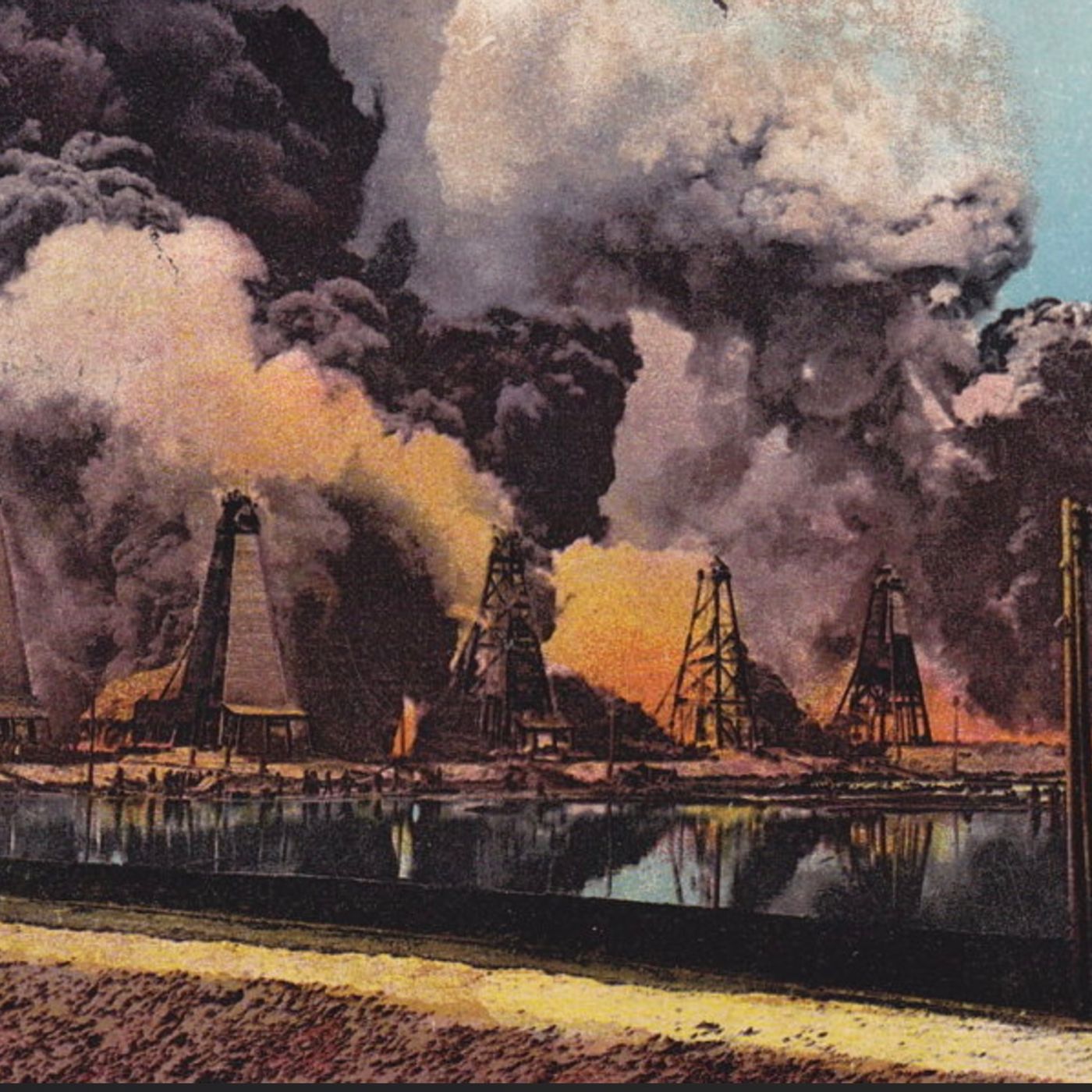 1. RUSSIA - Global Diesel Shortage Threatens Markets - MICHAEL BERNSTAM 092326 23.09.2026 8мин1900 BAKU PRODUCTION FIREGlobal Diesel Shortage Threatens MarketsMichael Bernstam explains that proposed US diesel export bans are economically counterproductive. The US produces 5 million barrels per day and exports 1.6 million, but regional bottlenecks mean an export ban would back up Gulf Coaststorage, force refineries to reduce overall production, and raise domestic gasoline prices. Meanwhile, Europe suffers severe diesel shortages due to heavy reliance on transportation and agriculture. Globally, a fifty-year gap in building new refineries leaves supply vulnerable to Middle Eastern disruptions and Ukrainian strikes on Russian facilities. (1)
 -
 CONTENTS JOHN BATCHELOR SHOW, 9-22-26 23.09.2026 8мин1906 SPINDLETOP OIL FIELD, BEAUMONT TEXASCONTENTS JOHN BATCHELOR SHOW, 9-22-26Diesel Shortages Drive Inflation And VolatilityLiz Peek highlights rising diesel prices, up over 80%, as a critical driver of global inflation affecting transportation, manufacturing, and agriculture. Ukrainian missile strikes on Russian refineries further strain refining capacity, while USrefinery limits exacerbate supply bottlenecks. Meanwhile, tech stocks rebounded due to enthusiasm over artificial intelligence innovations like Meta's Muse personal agent. The Federal Reserve unanimously implemented a quarter-point interest rate increase to address 3.7% PCE inflation. Furthermore, public dissatisfaction with high energy prices linked to the conflict with Iran is influencing political races, leading candidates to adjust campaign positions. (1)German Political Center Erodes In ElectionsJudy Dempsey, co-host Thaddeus McCotter: Dempsey and McCotter discuss significant political shifts following German state elections. In Berlin, the far-left party Die Linke gained strong support among young voters focused on housing costs. Simultaneously, the far-right Alternative for Germany (AfD) capitalized on anti-immigration and anti-establishment sentiment, weakening Chancellor Friedrich Merz's centrist coalition. Dempsey notes that traditional parties struggle to attract younger constituents amid growing political polarization. Additionally, Russia actively targets Germany with hybrid warfare, cyberattacks, and propaganda aimed at deepening political divisions, as the Kremlinwelcomes dialogue with populist parties like the AfD. (2)Navigating Complex Relations With Global StrongmenMary Kissel assesses diplomatic strategies regarding China, Russia, and the Middle East. Ahead of potential talks between US leadership and Xi Jinping, Kissel highlights that Beijing views negotiations as opportunities for propaganda rather than genuine cooperation. She advocates for decoupling key American industries from China and protecting Taiwan's security. Regarding Russia, Kissel emphasizes that Vladimir Putin faces no domestic opposition and continues testing Western resolve through hybrid attacks and provocation. In the Middle East, she recommends decisive military actions against Iran-backed Houthi forces while maintaining strategic partnerships with regional actors like Oman and Saudi Arabia. (3)Entitlement Reform And Artificial Intelligence ChallengesJoseph Sternberg analyzes the upcoming 2032 Social Security solvency deadline and artificial intelligence governance. He cautions that proposals to eliminate the payroll tax cap create substantial tax burdens without fixing the long-term deficit. Sternberg warns against adopting European welfare policies that suppress economic growth, advocating instead for structural adjustments such as retirement age modifications. Regarding artificial intelligence, he critiques UN calls for heavy regulatory intervention. He argues that technological anxiety is overstated and that AI offers significant productivity benefits and security capabilities that help mitigate its own associated operational risks. (4)Global Military Shifts And Power DynamicsGregory Copley reviews defense challenges, Chinese internal politics, and the strategic conflict with Iran. He notes that Britain's Royal Air Force is supporting Saudi Arabia against Houthis primarily to preserve critical defense transactions. In China, President Xi Jinping faces domestic military purges and economic troubles, leaving both Beijingand Washington seeking temporary stability. On the US-Iran war, Copley argues Washington miscalculated by relying on leadership decapitation; the Iranian Revolutionary Guard Corps survived by decentralizing command into autonomous regional structures. Finally, Copley dismisses Earl Spencer's public attacks against King Charles III as personal opportunism....
Слични подкасти


Популарен во
Овој подкаст се појавува и на подкаст-листите на овие земји.


