
Psychology of Black Womanhood: Where Research Meets the Real World
Psychology of Black Womanhood | Social Issues and Psychology
0
This bi-weekly podcast explores mental health, psychology, and social issues affecting Black women. Hosted by Dr. Dionne Stephens, it connects academic research with real-world experiences, featuring conversations with scholars and community experts. Topics include black feminist theory and the lived experiences of African American women. The show bridges academic insights with everyday life, inspired by 'The Psychology of Black Womanhood Book.'
Епизоди
-
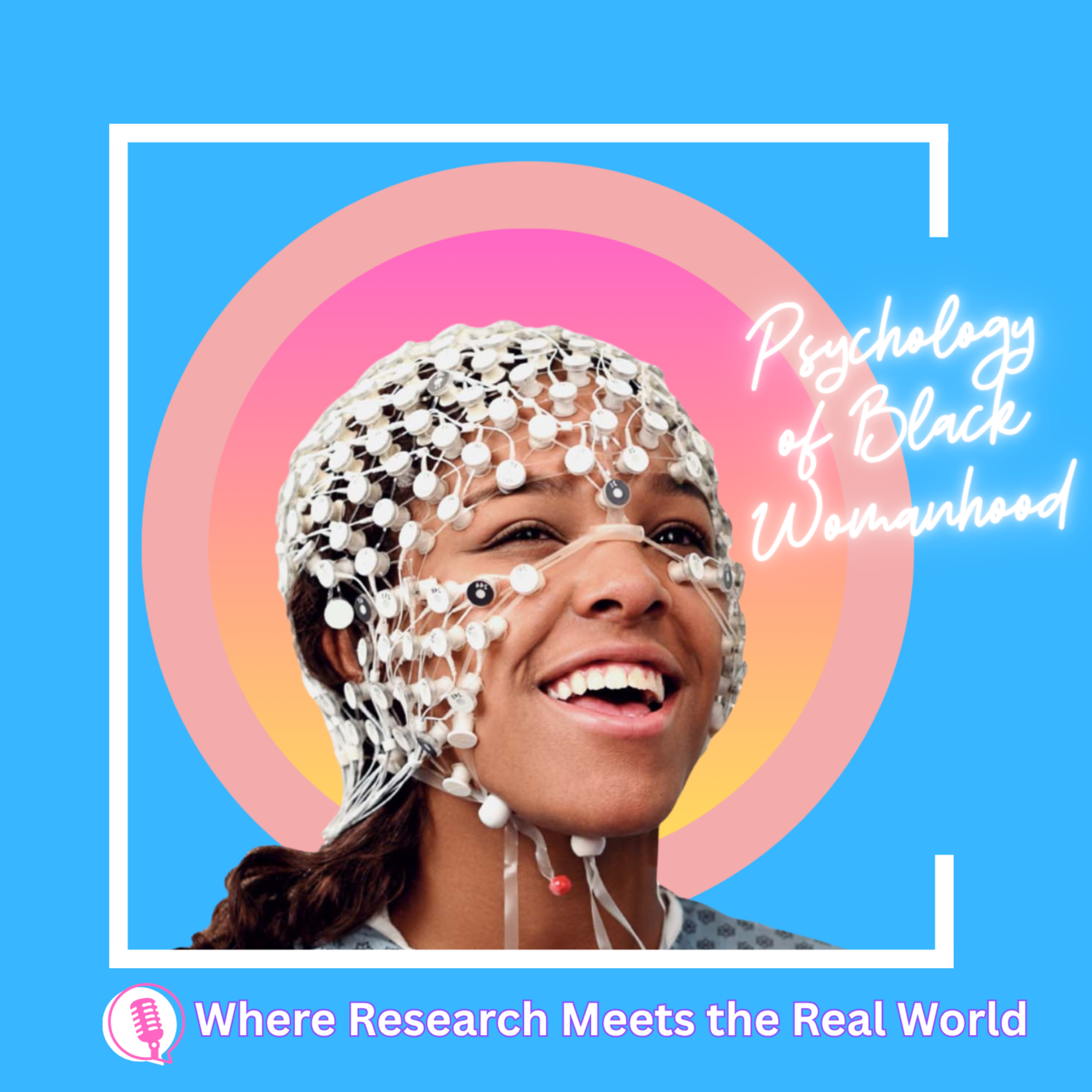 Untangling Hair Bias in Brain Science: What our hair has to do with Brain Science 14.09.2026 27минFrom EEGs to hair cortisol sampling, some of the most common methods in neuroscience and psychophysiological research can become surprisingly complicated when researchers encounter our tightly coiled hair, thick hair, or protective styles.And that’s not just an inconvenience. When the technology doesn’t work for us, we can be left out of the research entirely. That means fewer Black women represented in the science shaping how we understand mental health, brain health, aging, and disease.So, what should we be doing about this?Today, I’m joined by Dr. Courtney Louis, a Harvard University clinical and research postdoctoral fellow at Massachusetts General Hospital’s Ammon-Pinizzotto Center for Women’s Mental Health. Dr. Louis is an emerging scholar whose research explores the connections between anxiety, ovarian hormones, cognition, and physiological processes—with a particular interest in advancing more equitable research for Black communities.Click here for more information about this episode.
 -
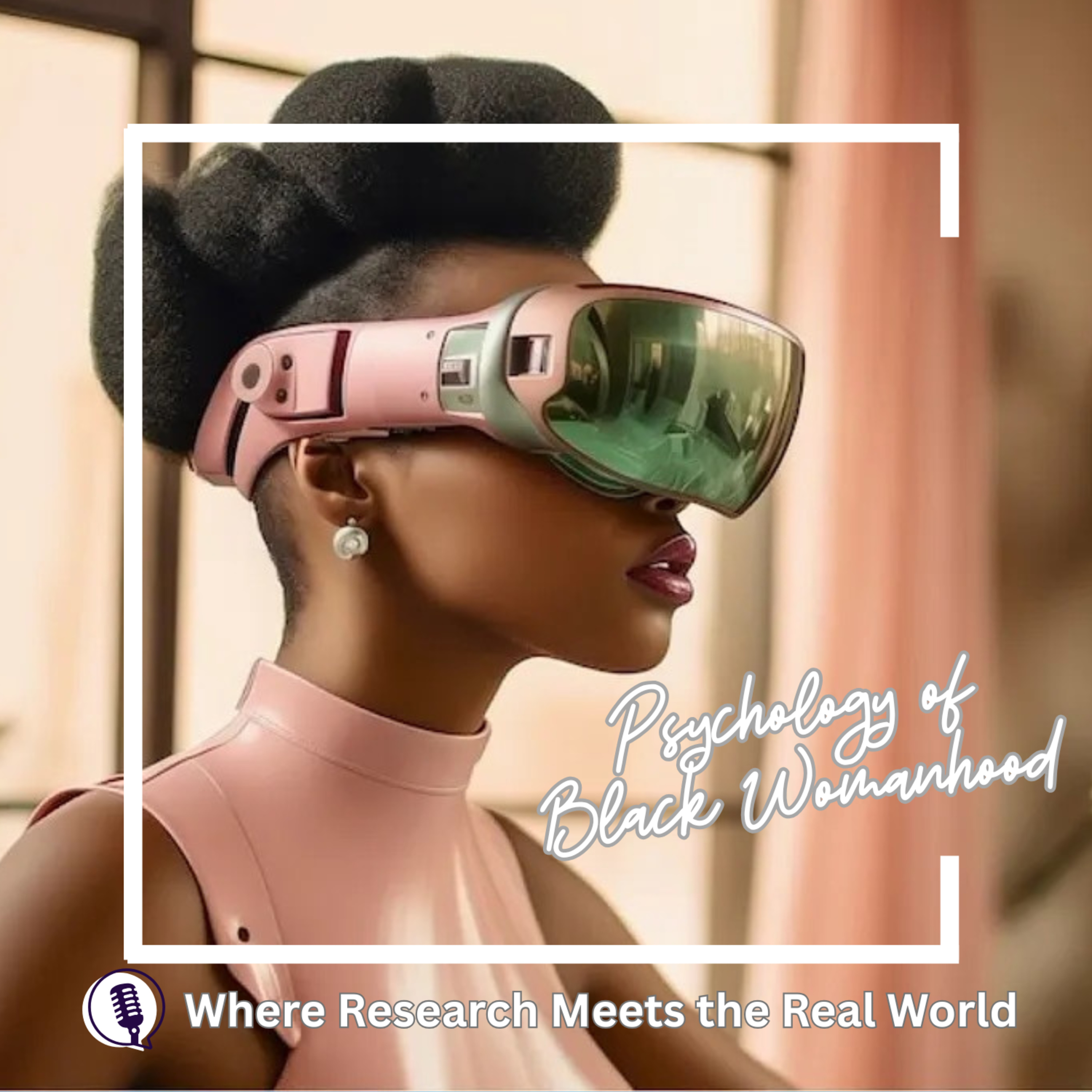 Coded for Care: Reimagining Virtual Reality for Black Women's Mental Health 07.09.2026 20минToday, we’re talking about something that affects so many Black women, but is still far too often overlooked: stress, mental health, and innovative approaches to wellbeing.Black women report higher levels of psychological distress than their White counterparts, and nearly 60% of Black women experience chronic stress. And increasingly, mental health researchers are exploring virtual reality and other digital health technologies as innovative tools for addressing stress and promoting wellbeing. But there’s a problem: these technologies are not yet being used widely or equitably to respond to the health concerns of Black women and other communities that have historically been underserved by mental health research and innovation.Today we speak with Dr. Judite Blanc- a multi award winning Associate Professor of Psychiatry at the University of Miami-about what happens when we bring psychology, technology, and culturally responsive research together—and, importantly, what it could mean for the health and wellbeing of Black women.Click here for more episode information.
 -
 Beyond Surviving... Black Women Thriving at Work 26.06.2026 38минBlack women are one of the most educated and fastest-growing segments of the U.S. workforce—yet they continue to face some of the most persistent challenges on the job. Across industries, Black women report higher levels of workplace dissatisfaction driven by pay inequity, limited advancement opportunities, racial and gender bias, and a lack of psychological safety. They are more likely to be underpaid compared to peers, overlooked for leadership roles, and expected to shoulder invisible labor such as diversity work without recognition or compensation. Many describe workplaces where they are present but not supported, visible but not valued.In this thought-provoking episode, we sit down with Dr. NiCole T. Buchanan to unpack the complex realities Black women face in today’s workplace. Dr. Buchanan is a Professor of Psychology at Michigan State University. A Fellow of the Association for Psychological Science and four divisions of the American Psychological Association, she researches the interplay of race, gender and victimization and how they impact the nature of sexual and racial harassment, their impact, and organizational best practices. To learn more about this episode, click here.
 -
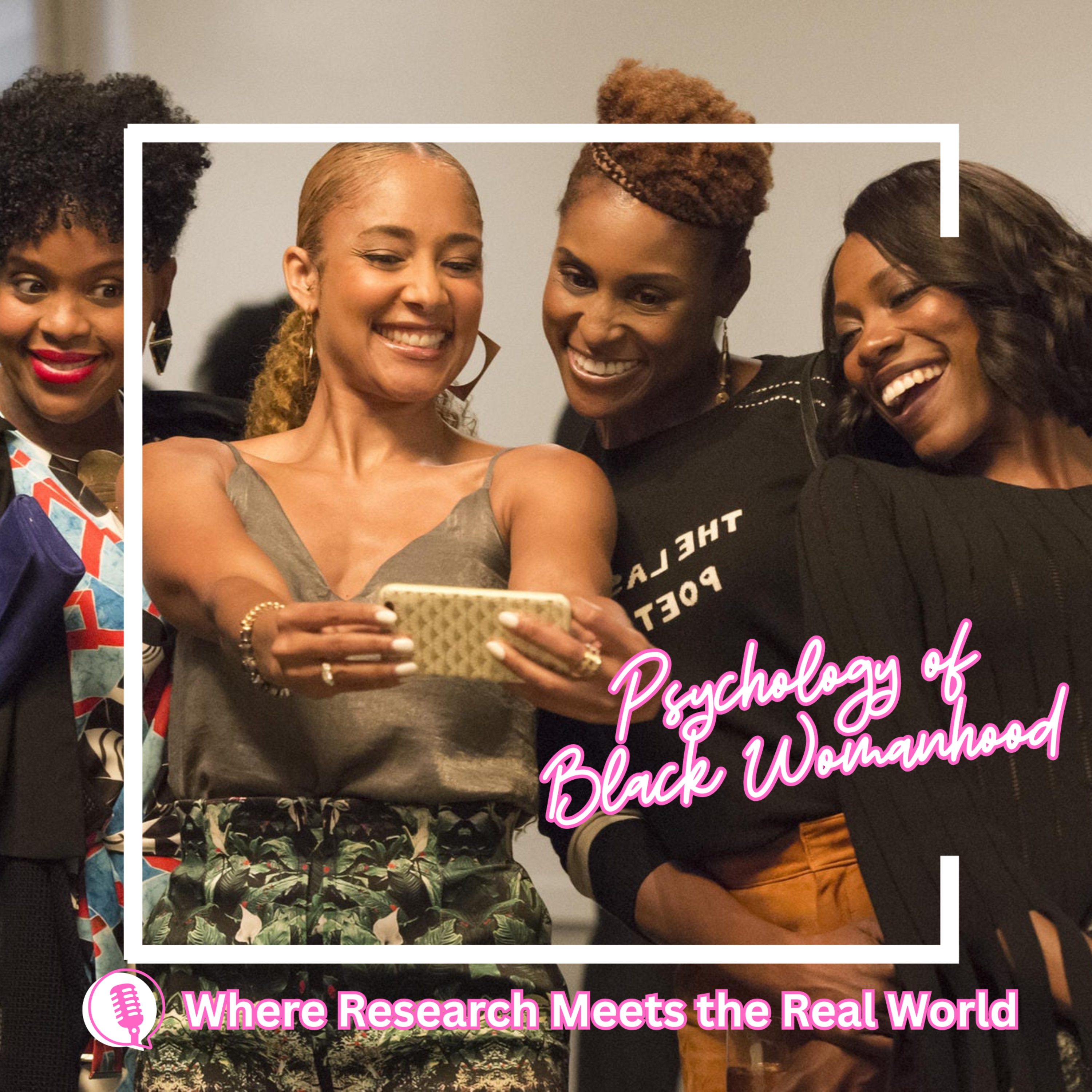 Sisterhood on our Screens: Images of Black Women's Friendships in the Media 15.06.2026 24минMany of the most culturally resonant television shows and films centering the lives of Black women place our friendships at the heart of the story—think Survival of the Thickest, Girlfriends, Waiting to Exhale, Hidden Figures, Living Single, and Insecure. These narratives remind us that sisterhood is not a side plot but a central force: a space where Black women find joy, affirmation, conflict, healing, and growth. These Black-centered portrayals are especially powerful when juxtaposed against how Black women so often appear in mainstream media, where we are frequently overlooked, flattened into stereotypes, or pushed to the margins of other people’s stories. In those spaces, our inner lives and our relationships with one another are rarely given depth or care. What’s missing is the fullness—the intimacy, vulnerability, and everyday tenderness that define real Black women’s friendships.In this episode, we explore why seeing Black women’s friendships on screen and in storytelling truly matters with Dr. Imani M. Cheers. An award-winning digital storyteller, director, producer, and filmmaker, Dr. Cheers is an Associate Professor of Media and Public Affairs at the George Washington University. A cultural curator, director, producer, activist and academic based in Washington, DC. she is the author of Sacred Sisterhoods: A Celebration of Black Women's Friendships on Television and in Film.Click here for more information about this episode.
 -
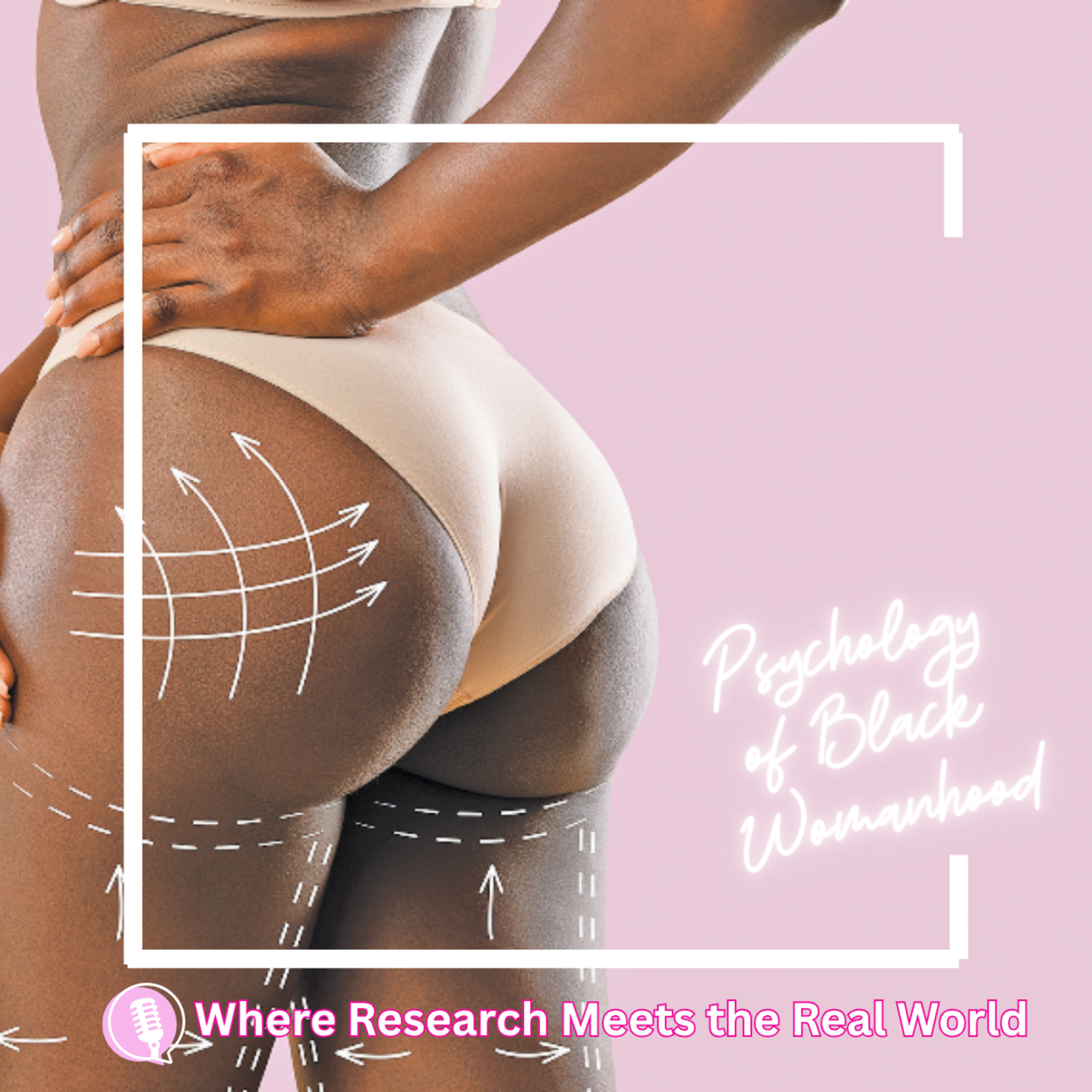 Black Women, Brazilian Butt lifts (BBL), and Social Media 01.06.2026 24минThe Brazilian butt lift, or BBL, is described by the American Board of Cosmetic Surgery, as a type of fat transfer designed to shape and enhance the buttocks. Basically during this cosmetic surgery fat is taken from one part of your body and moved to your butt to make it fuller and more lifted — no implants involved. While people of all backgrounds get cosmetic work done, BBLs have become especially popular among Black women. Unlike the Eurocentric beauty ideal that’s all about being super thin, a lot of Black women are drawn to what’s often called the “thick ideal” — that balance between slim and curvy. And with so many Black celebrities and influencers either getting BBLs, talking about them, or showing off those results on social media, it’s no surprise the trend has blown up and become part of the larger body image conversation. Since these platforms often shape beauty standards, spread information (and misinformation), and amplify cultural trends, it’s important to understand how they contribute to the way Black women share experiences, opinions, and perceptions of procedures like BBLs within their communities. In this episode, we sit down with Lauryn Grubbs, a doctoral student in the Human Centered Design Apparel Design program at Cornell University. Click here for more information about this episode.
 -
 Black Femicide: The Ultimate Health Disparity 04.05.2026 33минIn the wake of the of the murders of dentist and former First Lady of Virginia Cerina Fairfax, Coral Spring Vice Mayor Nancy Metayer Bowen, activist Shyyell Diamond Sanchez-McCray and Pastor Tammy McCollum—along with countless others— a devastating truth remains largely unexamined: Black women in the United States are being killed at alarmingly disproportionate rates. These are not isolated tragedies. They reflect a profound and ongoing public health crisis with life-and-death consequences. Black women are killed at rates 2 to 3 times higher than women of other races. And these deaths are rarely the result of random violence. More than half of Black women who were murdered were killed by a current or former intimate partner, and in nearly 90% of cases, the victim knew the person who took her life.In this episode, we talk withDr. Tameka Gillum, Associate Professor in The University of New Mexico College of Population Health (COPH). Dr. Gillum has over 25 years of research experience in exploring and addressing intimate partner violence/dating violence. She is also the author of the recent manuscript The murder of Black women in the United States: A Public Health Crisis.For more information about this episode visit https://www.psychologyofblackwomanhood.com/post/black-femicide
 -
 Lady in the Streets & Freak in the Sheets: Navigating Good Girl/ Bad Girl Sexual Scripts 20.04.2026 34минThe “good girl/bad girl” sexual scripts Black women are expected to navigate create impossible double binds. From respectability politics and purity myths to hypersexual stereotypes and desirability, these scripts shape how Black women are seen, judged, and treated in intimate relationships and public life. Public figures like Megan Thee Stallion and Cardi B make this tension especially visible—their images are often flattened into “hot girl” or “explicit” personas that don’t necessarily reflect the full reality of their lives or identities.Research shows that awareness of stigmatizing race-based sexual scripts influence sexual decision-making, sometimes reducing feelings of empowerment around safer sex practices and intimate relationship choices.This episode features Dr. Nikki Coleman, an award-winning licensed psychologist, sexologist, and founder of Dr. Nikki Knows, PLLC. A former tenured professor turned entrepreneur, her work blends cultural expertise and psychological depth.Click here for more information about this episode.
 -
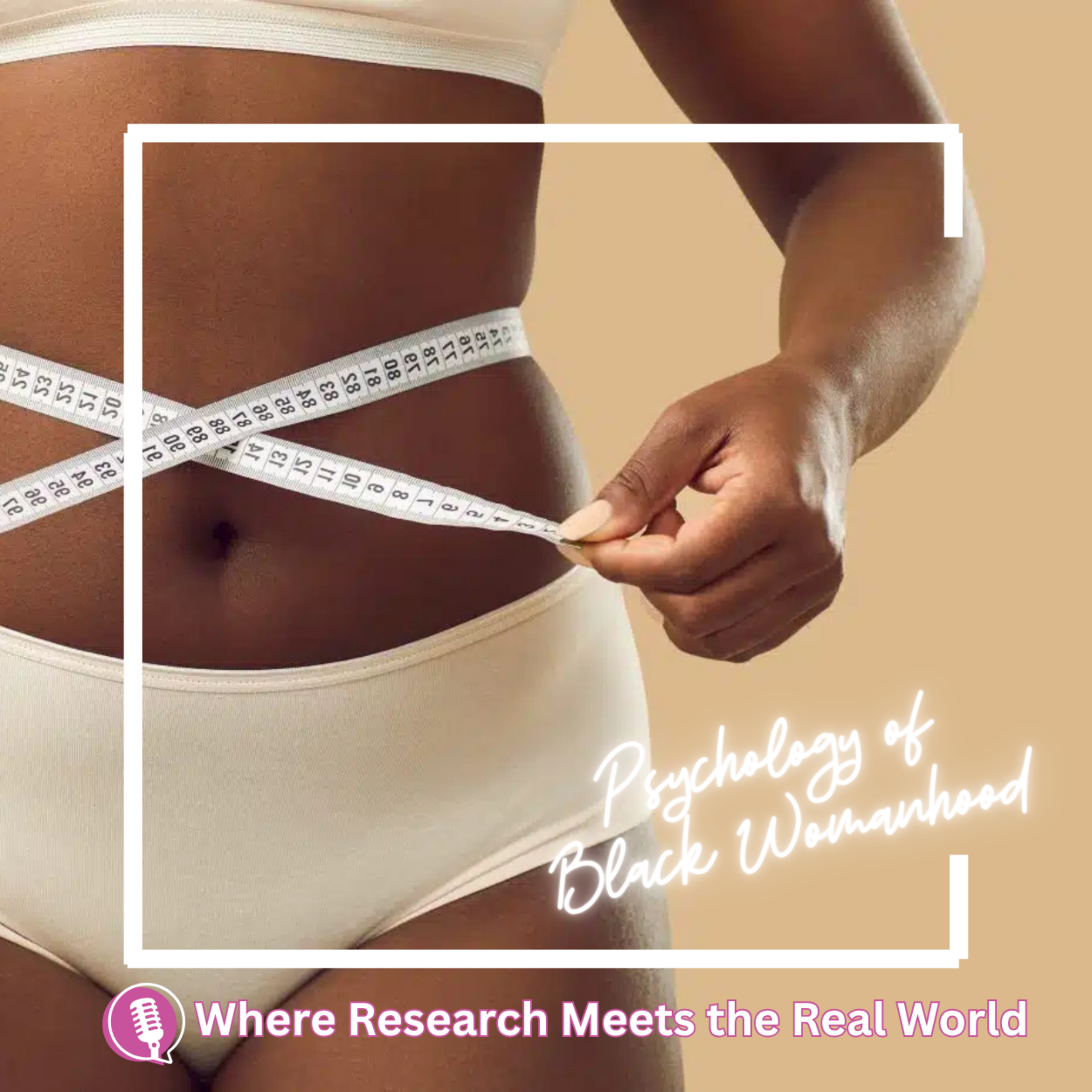 Hungry for Healing: Black Women & Eating Disorders 06.04.2026 37минEating disorders have long been portrayed as issues affecting mostly young, White women, but research shows that Black women are also impacted—often in different ways and with less recognition. Studies reveal that while anorexia and bulimia are less common, binge eating disorder (BED) is a significant concern. For example, one national survey found BED to be the most common eating disorder among Black adults and adolescents, while anorexia was much rarer. Despite these realities, Black women are less likely to receive treatment or even a diagnosis. In community samples, Black women report binge eating and other weight-control behaviors at rates comparable to or higher than White women, yet they face cultural stereotypes, stigma, and limited access to culturally competent care. This episode will explore the prevalence of eating disorders among Black women, the cultural and structural factors that shape their experiences, and the urgent need for more inclusive approaches to treatment and recovery. We are talking with Dr. Rachel W. Goode, the Wallace Kuralt Distinguished Early Career Scholar Associate Professor at the School of Social Work and an Adjunct Assistant Professor in the Center for Eating Disorder Excellence, Department of Psychiatry, University of North Carolina at Chapel Hill.Read more about this episode & related links here.
 -
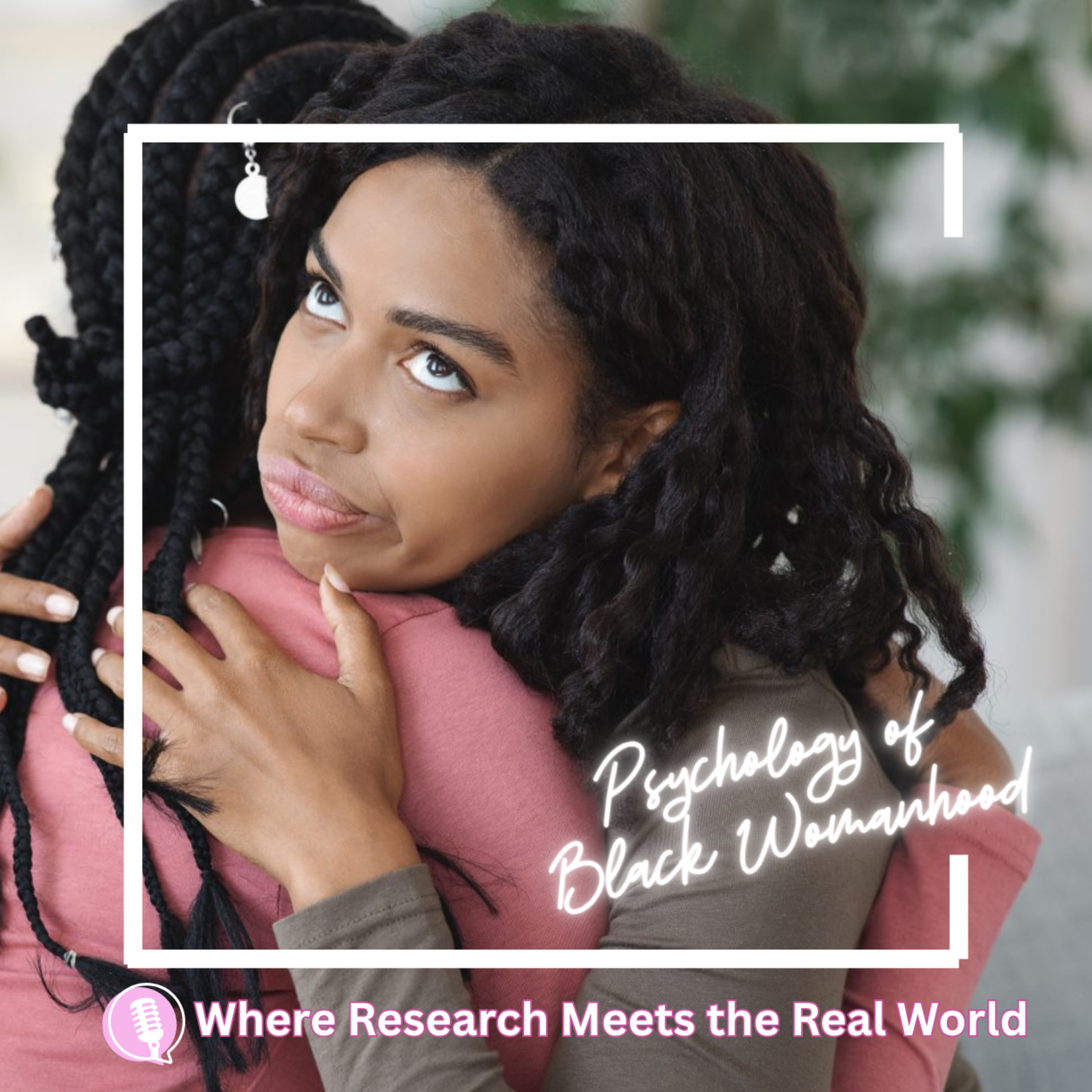 Smiles & Side-Eyes: Navigating Frenemies at Work 16.02.2026 37минWe’ve all had one at work. That person.The one who hypes you up in meetings… but “forgets” to cc you on the important email. The one who congratulates you on your promotion — with just a little too much emphasis on “Wow, that’s surprising.” The one who says, “I’m just being honest,” right before they absolutely are not.Your workplace frenemy.In this episode, we sit down with Dr. Wendi Williams, co-author of Frenemies in the Academy: Relational Aggression among African American Women Academicians, to unpack what happens when friendship and rivalry collide at work. The current President of the American Psychological Association, Dr. Williams bridges the worlds of psychology, education, and leadership with clarity, compassion, and transformative insight. With more than two decades of experience spanning higher education and the nonprofit sector, she has dedicated her career to advancing the well-being, leadership, and liberation of Black women and girls—and, by extension, all who seek to lead with purpose in uncertain times.For more information about this episode, click here.
 -
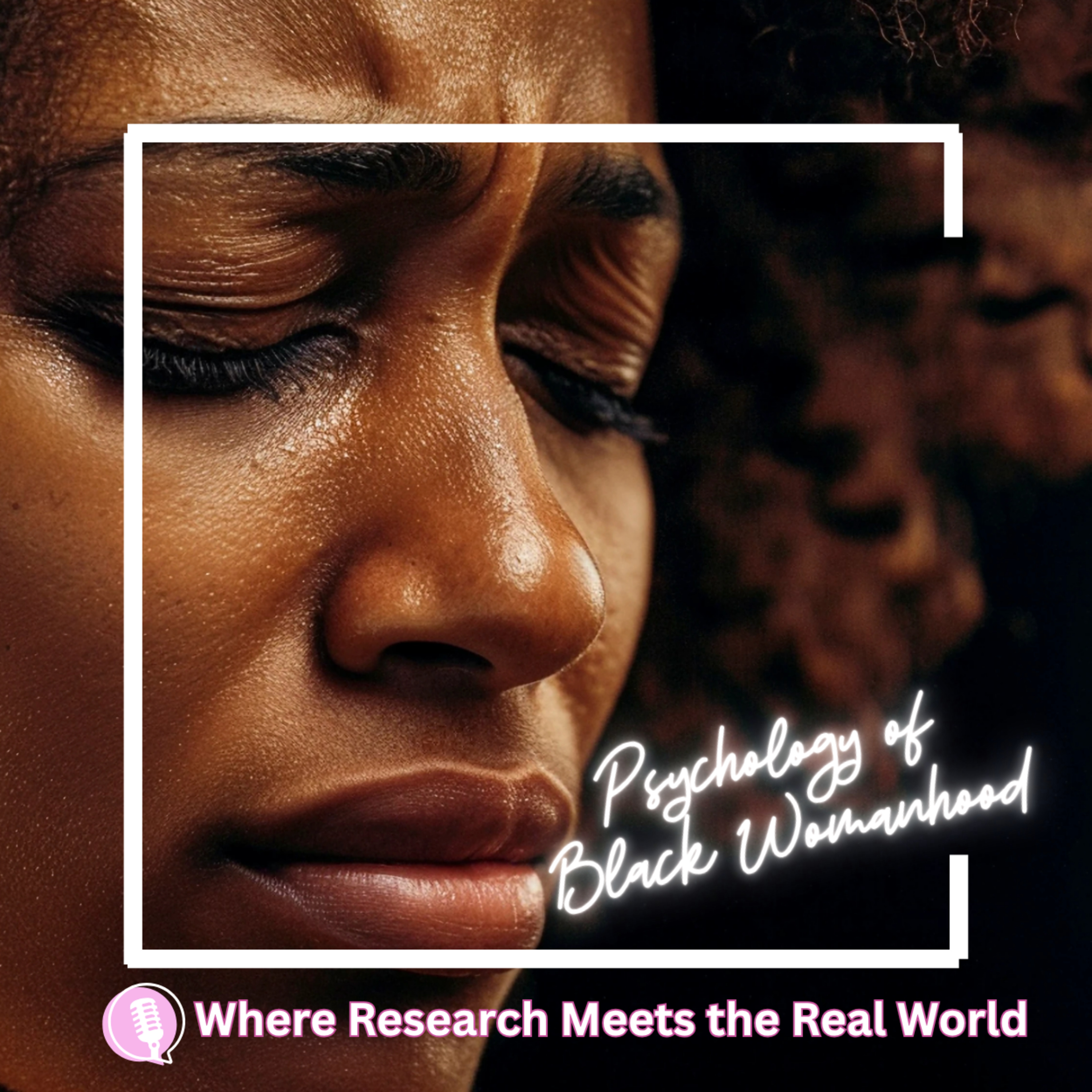 When Strong isn't Enough: Suicide & Black Womanhood 02.02.2026 38минFor too long, suicide and mental health struggles have been shrouded in silence within our communities. Yet the statistics tell a sobering truth: suicide rates among Black women have more than risen—they have accelerated, doubling among young Black females aged 15 to 24 over the last two decades, and continuing to climb during the pandemic years. To explore this public health concern we are talking with Dr. Kamesha Spates, the William S. Dietrich II Chair and Associate Professor in the Department of Africana Studies at the University of Pittsburgh. A first-generation college graduate, she bridges Africana studies, psychiatry, and sociology to advance racial and health equity. Her work—recognized with national awards—examines anti-Black racism, suicidality, and the mental health of Black communitiesClick here for more episode information.
 -
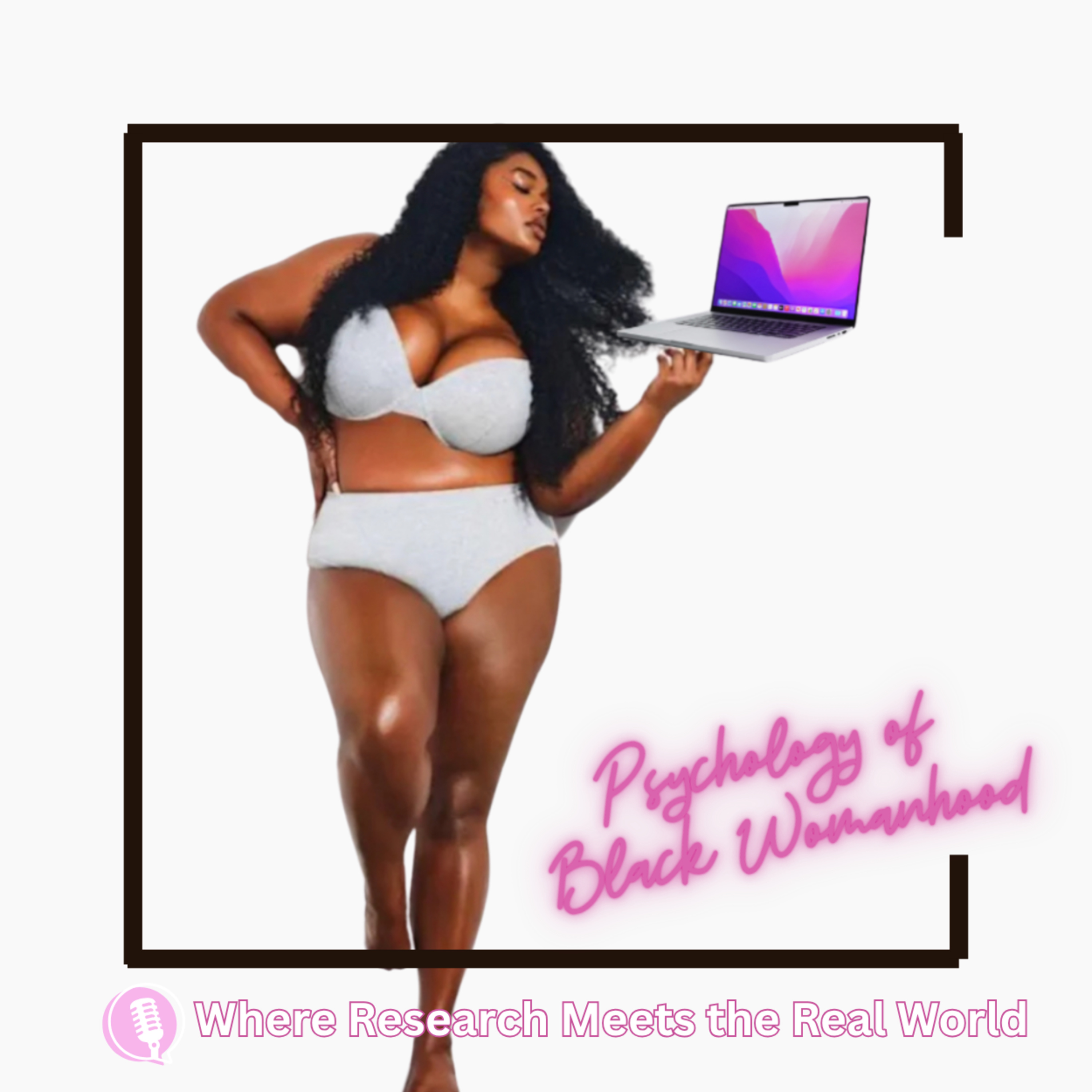 Influence with Intention: Plus Sized Instagram Models and the Politics of Visibility 20.01.2026 21минThe digital sphere, notably Instagram, has birthed a vibrant movement: plus‑size Black women are emerging not just as fashion influencers but as powerful agents of representation, rewriting beauty norms with courage and creativity. Before hashtags defined the era, trailblazers like Mia Amber Davis, Gabi Fresh, and Chastity Garner Valentine were already forging the path—bringing plus‑size beauty into view, creating authentic communities, and igniting style revolutions on Instagram feeds. Now influencers such as Kelly Augustine, Musemo Handahu, Lauren‑Nicole, Alissa Wilson, Simi, and Ireanna are seen as more than content creators—they’re culture makers. Their daring fashion, relentless empowerment, and visible self-love redefine societal perceptions of beauty.Today we talk with Dr. Regina Duthely whose research looks at how Black plus-size fashion influencers—from bloggers to Instagram trailblazers—shake the very foundations of mainstream beauty ideals. Dr. Duthely is an Associate Professor of English at the University of Puget Sound in Tacoma, Washington. She specializes in Black feminist rhetorics, African American rhetorics, and multimodal composition and rhetoric. Her research examines the ways that marginalized people, particularly Black women, engage in subversive rhetorics of protest and resistance.For more information about this episode click here .
 -
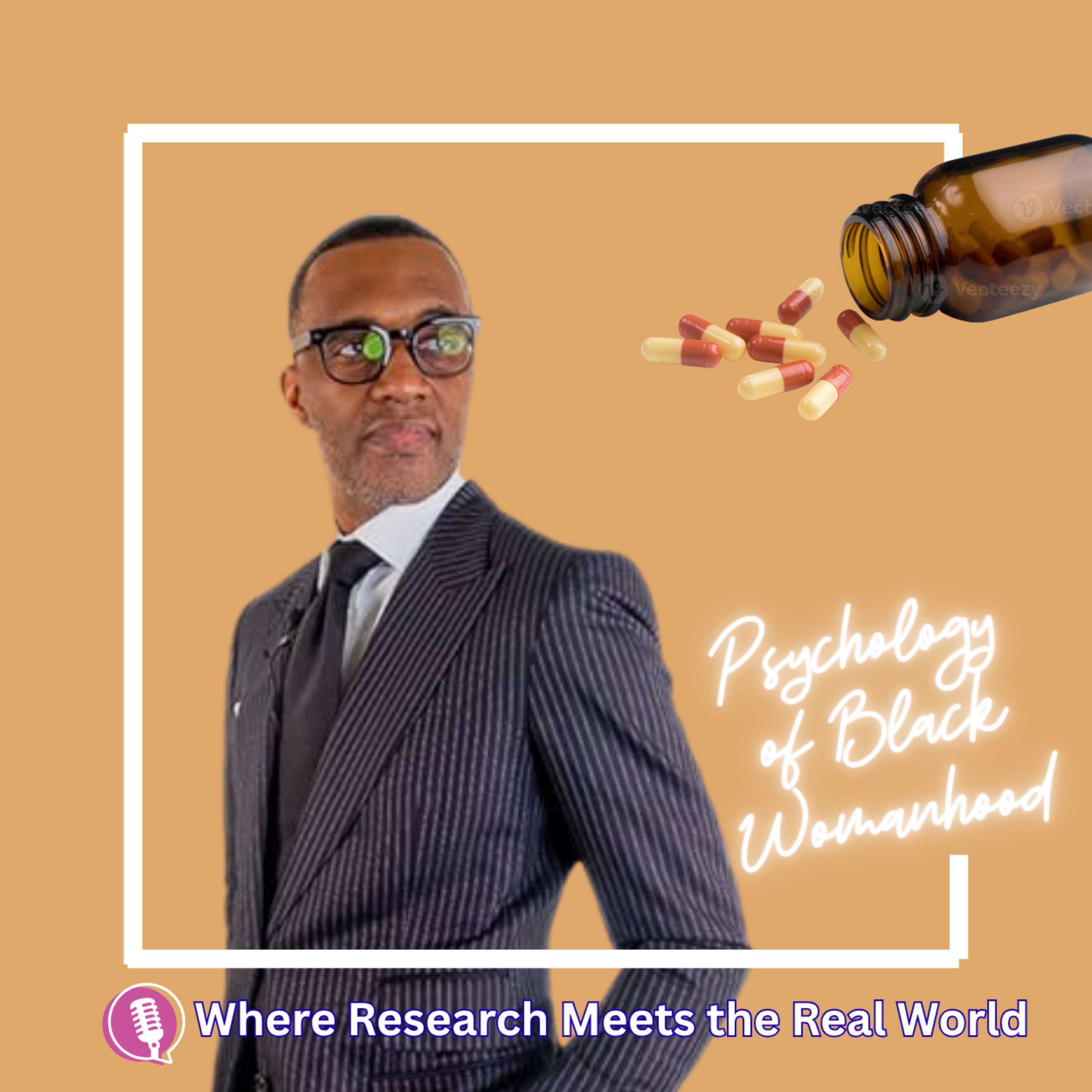 Prescribed Masculinity: Who's swallowing the Black Manosphere's Brown Pill 05.01.2026 19минFrom the legacy of Kevin Samuels, to the rise of the Passport Bros Movement, to the viral dominance of platforms like the Fresh and Fit podcast, the Brown Pill represents a unique blend of cultural commentary, relationship dynamics, and reactionary politics known as the manosphere. While most of us are familiar with the "Red Pill" — often associated with traditional gender roles, hyper-masculinity, and critiques of feminism — and the "Black Pill," which leans toward nihilism and defeatism in dating, the Brown Pill is something a little different. Rooted in the realities of racial identity, structural inequality, and the perceived disempowerment of men of color, this ideology is gaining traction online and influencing how Black masculinity — and by extension, Black womanhood — is being discussed. And yet — much of the conversation happens without critically engaging how these ideas affect or reflect Black women.Kellen Sharp (he/him), a Doctoral student in the Department of Communication at the University of Maryland, College Park guides today's discussion. Sharp’s research examines toxic technocultures, disinformation, and digital platforms, with a focus on how race, gender, and health are shaped by algorithmic systems and online communities.Click here for more information about this episode.
 -
 Science of Beauty: Spelman's Cosmetic Science Program 22.12.2025 31минThe beauty industry loves to profit from Black women—but too often ignores our unique skincare, haircare, and wellness needs. Spelman College is changing that through its Cosmetic Science programs, creating space for Black women to lead in beauty, science, and innovation—not just consume it.Students study cosmetic chemistry, skincare science, and product formulation while unpacking how beauty standards impact Black communities. From the lab to corporate leadership, Spelman is building the next generation of Black women shaping the future of beauty from the inside out.This episode features the Director of Spelman College's Cosmetic Science Program, Dr. Leyte Winfield, Ph.D. She is a distinguished Professor of Chemistry and Biochemistry at Spelman College.Click here for more information about this episode.
 -
 Camming, Camscores & Color Lines: Black women's negotiations of Camming cultures 08.12.2025 45минAs camming continues to grow in mainstream culture, more Black women are entering the industry—not only as performers, but as digital entrepreneurs taking ownership of their image, income, and visibility in spaces that have historically profited from Black women’s labor without protecting them. Camming offers flexibility, financial opportunity, and a sense of control that many traditional workplaces fail to provide. For some, it becomes a pathway to empowerment, self-expression, community, and economic freedom in a digital age.But for Black women, that freedom often comes with a complicated emotional and psychological price. While research shows that camming can create moments of pleasure, affirmation, and connection, it also exposes performers to intense emotional labor, online harassment, exploitation, and the pressure of navigating racialized beauty standards and fetishization in real time. Black women in the industry frequently face lower visibility and earnings due to platform algorithms and audience bias. Studies have found that Black cam models consistently receive lower camscores—a ranking metric tied directly to exposure and income—than their white counterparts, reflecting deeper patterns of racial inequality embedded within digital labor economies.This raises important questions about wellness, survival, and visibility for Black women online: What does it mean to monetize intimacy in a world that already commodifies Black femininity? How do Black women protect their mental health while navigating platforms built on constant performance and audience validation? And when does empowerment begin to blur into exhaustion, hypervisibility, or emotional burnout?In this episode, we sit down with sociologist and cultural critic Dr. Angela Jones to unpack the multiple dimensions of camming culture Black women must negotiate. Dr. Jones is Professor of Women, Gender, and Sexuality Studies at Stony Brook University, State University of New York. To learn more about this episode, click here.
 -
 Minding Mama: Protecting Mental Health Before Birth & Beyond 24.11.2025 22минPregnancy and the postpartum year are deeply transformative experiences that can impact every aspect of a woman’s emotional, physical, and psychological wellbeing. For Black women, maternal mental health is shaped not only by the demands of motherhood, but also by systemic inequities, medical racism, cultural stigma, and the pressure to remain strong despite overwhelming challenges. Too often, Black women are less likely to receive accurate diagnoses, compassionate care, or adequate mental health support during pregnancy and postpartum recovery.This episode centers Black maternal mental health through conversations about healing, self-care, emotional wellness, advocacy, and community support. We explore topics including postpartum depression, anxiety, burnout, identity shifts, and navigating healthcare systems that frequently overlook Black women’s needs. Rooted in empowerment, authenticity, and holistic wellness, this conversation creates space for Black mothers to feel seen, supported, and affirmed throughout their motherhood journey.This episode features Dr. Lyneia Richardson, a mama, healer, psychologist, educator, author, and maternal health advocate. Her work is rooted in decolonizing therapy and education through a Mothering Praxis that centers care and aims to uplift the voices of those who have historically been marginalized and silenced. She is currently a Professor of Counseling at McDaniel College and the owner of Melanated Women's Therapy, LLC, where she provides therapy and support to Black women and mothers, addressing issues at the intersection of race, gender, and mothering. For more information about this episode click here.
 -
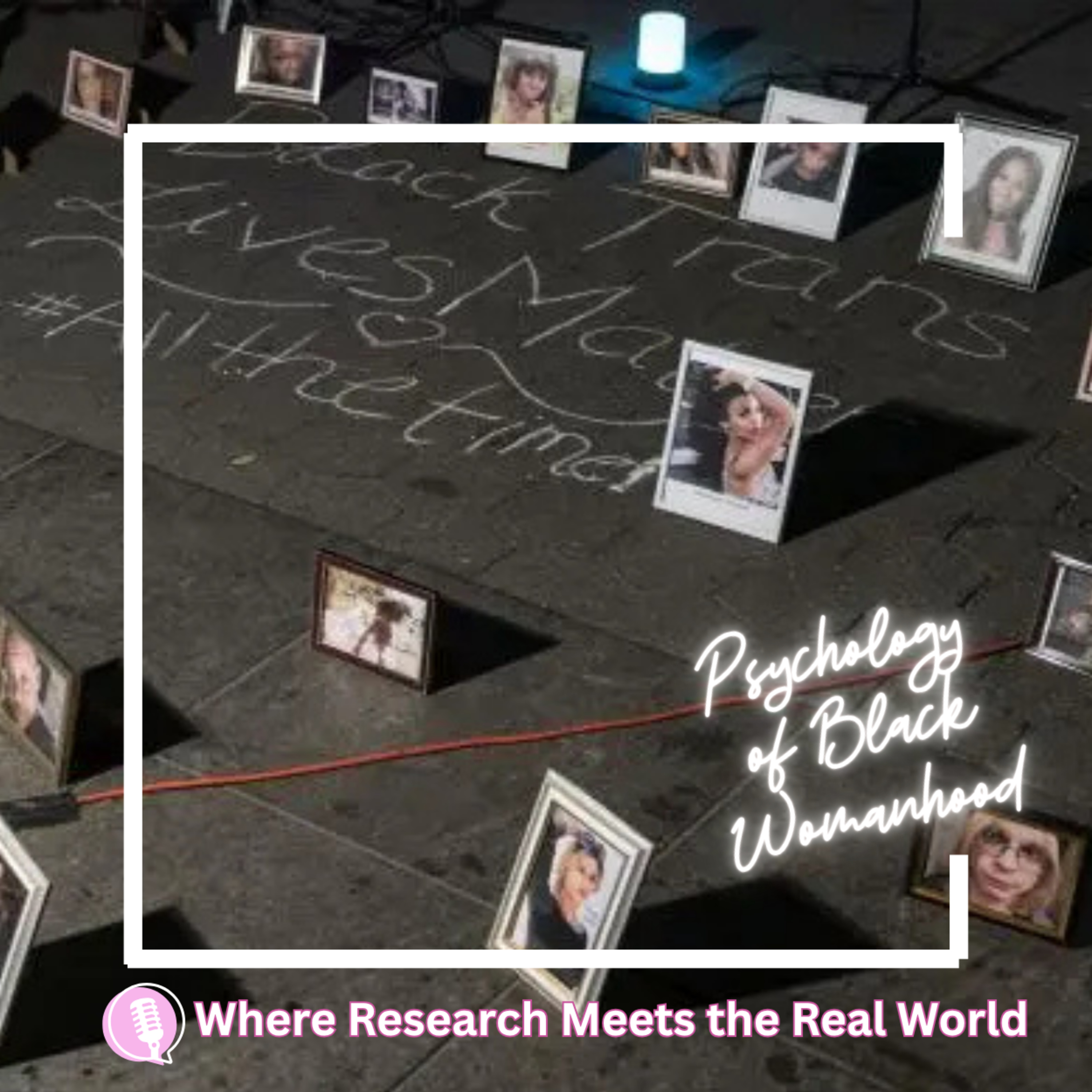 Lives on the Line: Addressing Violence Against Black Transgender Women 10.11.2025 32минIn conversations about Black women's femicide some of the most urgent and devastating issues remain under-discussed—among them, the epidemic of violence against Black transgender women. The statistics are harrowing: 56% of Black transgender women experienced intimate partner violence in their lifetime, 65% of transgender gun homicide victims were Black trans women, and nearly 75% of identified perpetrators in fatal attacks against Black trans women were Black cisgender men- with whom the victims often had a relationship with. Understanding the roots of this violence involves delving into a complex web of societal factors, including entrenched racism, transphobia, and misogyny, which often manifest in harmful stereotypes and prejudices. This episode features Pamuela Halliwell (she/her), a Licensed Marriage and Family Therapist who specializes in working with transgender, non-binary and gender non-confirming individuals. She earned her master’s degree in counseling psychology from Argosy University and is the author of "Characterizing the Prevalence and Perpetrators of Documented Fatal Violence Against Black Transgender Women in the United States (2013–2021)"For more information about this episode click here.
 -
 Swimming's New Wave: How Black women are reclaiming space in the water 27.10.2025 29минFor decades, Black women have faced barriers to swimming shaped by segregation, limited access to swim instruction, cultural fears surrounding water, and beauty standards tied to hair care and maintenance. From concerns about chlorine damage to the lack of inclusive swim gear, many Black women have been made to feel unwelcome in aquatic spaces. These disparities have serious consequences, contributing to higher drowning rates and limited access to recreational wellness opportunities.This episode explores Black women’s relationships with swimming through conversations about wellness, self-care, body confidence, mental health, and empowerment. We discuss how Black women are reclaiming joy, healing, fitness, and freedom in the water while challenging generational fears, cultural stigma, and systemic barriers. Centering authenticity, community, and holistic wellbeing, this conversation highlights why access to swimming is also a matter of health equity and liberation.But the tide is turning. To discuss the ways in which Black women are reclaiming their spaces in the water, we are in conversation with Dr. Dawn Norwood. She is an Associate Professor and Interim Department Chair at Queens University of Charlotte in the Department of Health and Human Performance.For more information about this episode, click here.
 -
 Blackfullness: Where Mindfulness Meets Cultural Connection 13.10.2025 27минMindfulness has long been praised for reducing stress, supporting emotional balance, and improving mental health—but traditional wellness practices often fail to reflect the lived experiences and cultural realities of Black women and Black communities. This episode explores Blackfullness, a culturally responsive mindfulness platform created to center healing, rest, self-care, and holistic wellness through a Black-centered lens. We discuss how Black women can reclaim stillness, softness, and self-awareness in ways that feel authentic, empowering, and affirming while navigating stress, burnout, racial trauma, and everyday pressures. Centering mental health, emotional wellbeing, and community healing, this conversation highlights the importance of creating wellness spaces where Black women feel seen, valued, and supported in showing up as their full authentic selves.This episode features the founder of Blackfullness- Dr. Natalie Watson-Singleton. A licensed clinical psychologist, she is an Associate Professor of Psychology at Spelman College; and the Diversity and Inclusion Education Director with the Nia Project at Emory University Department of Psychiatry and Behavioral Sciences. For more information click here.
 -
 Fathers fighting Black Maternal Mortality 29.09.2025 28минBlack women are three to four times more likely to die from pregnancy-related complications, a crisis shaped by medical racism, implicit bias, and systemic healthcare inequities. But an often-overlooked part of the maternal health conversation is the role of fathers and partners in supporting Black women throughout pregnancy, birth, and postpartum care.This episode explores Black maternal health through the lenses of advocacy, mental health, emotional wellbeing, partnership, and community care. We discuss how fathers can support Black women by advocating for quality healthcare, recognizing bias, and helping navigate a healthcare system that too often fails them. Centering empowerment, healthy relationships, and holistic wellness, we also unpack why these conversations matter for protecting Black mothers, families, and future generations.In today’s episode, we’ll be exploring how fathers can be key advocates for maternal health with Dr. Valerie Newsome Garcia, Director of Programs and Grants for 4Kira4Moms. Prior to taking this position, she was a Research Fellow at Harvard University, and an Assistant Professor at Morehouse School of Medicine and NYU School of Medicine. For more information about this episode click here.
 -
 Unpacking Swirl: Black Women, White Men, & Modern Love 15.09.2025 29минWe’ve all seen the viral “Black Wife Effect” trend across social media—before-and-after photos celebrating the perceived glow-up of white men partnered with Black women. While often framed as humor and relationship entertainment, the trend also reflects broader conversations about interracial dating, desirability, love, and the evolving relationship experiences of Black women. As more Black women enter interracial relationships, many still navigate complex social dynamics shaped by race, identity, stereotypes, and public scrutiny. This episode explores Black women’s experiences with interracial dating through conversations about mental health, emotional wellbeing, authenticity, intimacy, and empowerment. We unpack topics like dating preferences, cultural expectations, fetishization, relationship dynamics, and self-worth, while centering Black women’s voices, boundaries, and experiences in modern love and partnership.We are talking with University of Georgia Assistant Professor of Sociology Dr. Vanessa Gonlin, a widely published expert on this topic. Her areas of expertise includes racial identity(ies), colorism, and interracial relationships- with a particular focus on Black peoples and bi/multiracials.To learn more about this episode click here.
Слични подкасти


Популарен во
Овој подкаст се појавува и на подкаст-листите на овие земји.
