
Machines Like Us
The Globe and Mail
0
Machines Like Us is a technology podcast that focuses on the human side of innovation. Host Taylor Owen, a scholar and journalist, explores how emerging technologies like AI, gene editing, and brain implants are reshaping daily life and society. Each episode features conversations with entrepreneurs, policymakers, and researchers who are actively building or regulating these breakthroughs. The show examines both the promise and the peril of a future that is arriving faster than expected. It offers a thoughtful look at the people behind the machines and the choices we face together.
Епизоди
-
 Taylor Lorenz on the dark money buying your social feed 15.09.2026 45минIn early August, OpenAI hosted dozens of lifestyle creators at an upstate New York resort for a weekend they called Summer Club. There was beekeeping. There were farm-to-table dinners. And in between, there were sessions on how to use ChatGPT. The ensuing backlash was swift, especially against the female influencers. But the money pouring into AI marketing goes far beyond a luxury brand trip. Tech billionaires and super PACs are spending millions to quietly flood your social media feeds. Some have paid influencers for undisclosed deals pushing AI-positive and anti-China messaging. Others have gone so far as to fund radical anti-AI meme accounts that threaten their own CEOs – all to make their critics look unhinged. Tech and culture journalist Taylor Lorenz has spent more than a decade reporting on online creators. She’s been following the dark money behind these co-ordinated campaigns to buy up digital influence and shift the public debate around AI.
 -
 Why does AI sound so much like religion? 01.09.2026 41минFor years, the debate about AI was mostly about what it could do, whether it could write, make convincing art, or beat us at our own games. The questions now are older and harder. What makes us human? How do we find meaning? If a machine can do more of the things we thought made humans special, where does that leave us? These aren’t new questions, but rapid advances in AI have made them feel a lot more urgent. Even Pope Leo XIV chose artificial intelligence as the subject of his first encyclical. Greg Epstein, the humanist chaplain at Harvard and MIT and author of Tech Agnostic, has been asking these questions long before the machines showed up. He argues that we’re living in a moment with too much certainty, and that the most useful thing we could embrace right now might be doubt.
 -
 Demis Hassabis wanted to solve intelligence. Then came ChatGPT. 18.08.2026 51минWhen Demis Hassabis co-founded DeepMind in 2010, his mission was simple: solve intelligence, then use it to solve everything else. What began as a scientific quest would eventually become a fierce global AI race. Today, DeepMind is owned by Google and is one of the world’s leading AI labs. Journalist and author Sebastian Mallaby spent years interviewing Hassabis, his collaborators, rivals and critics for his new book, The Infinity Machine. It tells the story of the remarkably small group of people who shaped modern AI. When we recorded this conversation, Hassabis was still CEO of DeepMind, caught between the science he wanted to pursue and the commercial race Google needed him to run. Hours later, he announced he was stepping down as CEO to become Alphabet’s (Google’s parent company) chief scientist.
 -
 Can You Really Teach a Robot Empathy? This Roboticist Says Yes. 04.08.2026 32минYou've probably seen one by now: a human-sized robot doing very human feats – landing a perfect backflip, racing through the streets of Beijing, or dancing in a crowd at a Knicks game. But behind these viral moments, there is serious money. Analysts predict the market for humanoid robots could be worth trillions in a matter of decades. Everyone from trillionaire Elon Musk to Chinese President Xi Jinping is betting humanoids are the future – that one day, they will live alongside us – in our homes, and even our military. The question is: can we trust them? Angelica Lim has spent her entire career trying to build trustworthy robots. A roboticist based at Simon Fraser University, Lim joins Machine’s Like Us to share lessons from building the world’s first mass-produced humanoid named Pepper, and why empathy in robotics is more important than ever.
 -
 Age Gates & AI: Minister Marc Miller on The Safe Social Media Act 21.07.2026 33минWhen Marc Miller became Minister of Canadian Identity and Culture, he inherited Ottawa’s oldest, unfinished file in tech policy: regulating social media. He took office at a global turning point. Australia had just banned social media for kids under 16, with Denmark, France, Turkey, and the U.K. quickly following suit. The proliferation of AI chatbots added urgency to his new file. Ignored in previous policy cycles, AI chatbots are now embedded in the lives of millions of Canadians. And in the wake of the tragedy at Tumbler Ridge, the risks of these unrelated systems are no longer theoretical. In part two of our series on Canada's landmark new digital legislation, Minister Miller joins us to talk about his bill, The Safe Social Media Act, which restricts platforms for minors unless platforms can prove they’re safe and sets world-first rules for AI chatbots. It’s the federal government’s bid to hold Big Tech accountable. If you missed part one, you can check out our last episode with Minister Evan Solomon on the federal government’s plan to bring Canada’s privacy laws into the AI era.
 -
 Canada’s AI minister to Big Tech: “We Won’t be a Digital Colony’ 07.07.2026 29мин“AI for All.” That’s what Canada’s federal government is calling its national AI strategy. It makes the case for building AI with confidence: a homegrown supercomputer by 2031, 60 per cent adoption by 2034. But the new strategy offers little about how it will govern the technology. Ottawa attempted to answer those concerns with two landmark bills: the Safe Social Media Act, which regulates social media platforms and AI chatbots, and the Protecting Privacy and Consumer Data Act, which brings Canada’s privacy laws into the AI era. Together, these bills give the country something it’s never had: a single digital regulator with power to hold companies responsible. It’s the most ambitious tech policy move this country has seen. And it’s drawing fire from every direction. Critics say a superregulator gives too much power to the government, that privacy and data should be treated separately, and that this is part of a wider government effort to control speech. To dig into the details, we sat down with Evan Solomon, Canada’s first Minister of Artificial Intelligence and the architect of this agenda. We talk about why data means something new in the age of AI, how this regulator would actually work, and whether it could have stopped something like Grok’s controversial nudification feature – a case the current Privacy Commissioner says he’s powerless to stop.
 -
 We Can Now Bet on Almost Anything. Should We? 23.06.2026 52минHuman beings have always loved to gamble. Archaeological records suggest we’ve been doing it for the last 12,000 years, since the end of the last Ice Age. But for as long as we’ve been playing games of chance, we’ve worried about what they might be doing to us. For thousands of years, everyone from Aristotle to George Washington condemned gambling, an ancient anxiety that ran so deep it became something like a moral consensus. And then that consensus evaporated. In the span of a decade, both Canada and the US legalized sports betting. Now anyone with a smartphone and a credit card can wager on basketball, hockey, or American cornhole. But it turned out that was just the beginning. A few years later came “prediction markets” like Kalshi and Polymarket that let you bet on, well, just about anything: whether the US will invade Cuba, the odds of James Comey being sent to prison, and whether Jesus Christ will return before 2027. That last one, by the way, is currently sitting at 3% on Polymarket. If betting on missile strikes, military coups, and political prosecutions feels kind of gross, I’m with you. But James Surowiecki thinks we should give prediction markets a chance. Surowiecki is the author of The Wisdom of Crowds, a book he wrote more than 20 years ago, where he argued that large groups of ordinary people are actually better than experts at making predictions. It’s become something of a foundational text for these markets: the idea that they can crowdsource knowledge, aggregate what millions of people believe about the future, and use that signal to make better decisions. So I wanted to have James on to make the case for prediction markets, and to see if he could make me feel just a little less squeamish about a world where you can gamble on everything.
 -
 Social Media Bans Are Wildly Popular. They Might Also Be a Mistake. 09.06.2026 58минTowards the end of last year, Australia did something no other country had ever tried: it banned social media for kids under 16. And a bunch of others are following with similar laws, first Denmark, then France, then Indonesia and Austria. All in, there are now more than 25 countries that have either implemented, or are actively considering, social media bans for kids. It seems like Canada is moving there as well. In April, the Liberal party adopted a non-binding motion to restrict young people’s access to both social media and AI chatbots. All over the world, you can hear parents breathing a sigh of relief. They’ve spent the last decade watching their kids become hooked on their devices, and now we’re doing something about it. It looks like we’re finally going to get our kids back. But researchers like Candice Odgers are skeptical. Odgers is a psychology professor at UC Irvine who’s been studying the digital lives of young people for almost 20 years now, long before anyone was worried about what social media was doing to their brains. She says there isn’t really any research to suggest these bans will work. But her argument goes even deeper than that: she says the idea that smartphones have caused a youth mental health crisis just isn’t supported by the evidence. So as governments all over the world start to kick kids off social media, and maybe even AI chatbots as well, Candice Odgers thinks we’re making a serious mistake. And I want to know if she’s right.
 -
 Animals are Talking to Each Other. Can AI Help Us Understand Them? 05.05.2026 42минThe people running technology companies love to make wild predictions about the future. They’ve told us that artificial intelligence will cure cancer, eliminate drudgery and solve climate change. But those utopian visions have yet to materialize. Where are the revolutionary moonshots we’ve been promised? Aza Raskin may well have one. Raskin is the president of the Center for Humane Technology and the co-founder of the Earth Species Project, a non-profit using machine learning to decode animal communication. Raskin and his colleagues are envisioning a world where birds can vote and dolphins get to represent themselves in court. That might sound hard to believe – but Raskin says they’re not far from making it a reality. So I wanted to ask him: what happens to our world – and to us – when animals have the right to speak?
 -
 Does 21st Century Politics Still Need Politicians? 21.04.2026 44минWhen Prime Minister Mark Carney took the floor at the recent Liberal convention, he described a future where AI benefits all Canadians – not just a lucky few. It’s an optimistic vision. But according to political theorist Hélène Landemore and democratic innovator Peter MacLeod, our current political system just isn’t capable of delivering on it. Instead, Landemore, a Yale professor and the author of Politics Without Politicians, argues that ordinary citizens – not politicians – should be the ones calling the shots. MacLeod has spent more than twenty years putting that idea into practice in Canada. His new book is Democracy’s Second Act: Why Politics Needs The Public. Our conversation isn’t really about artificial intelligence. But it is about whether our current form of politics is capable of governing it – or whether a radical new technology demands an equally radical form of governance.
 -
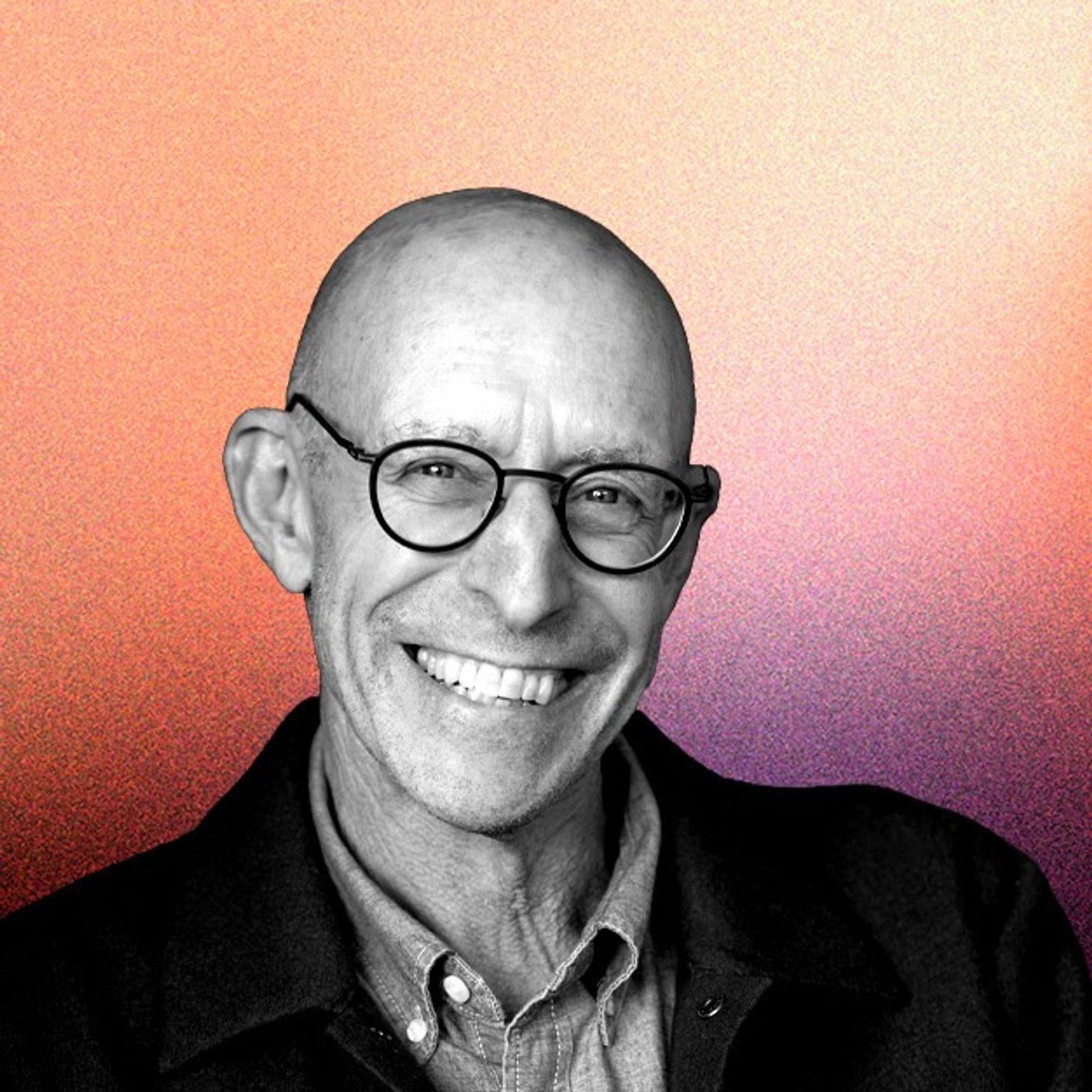 Michael Pollan Says AI Isn’t Conscious – But Plants Might Be 07.04.2026 40минFour years ago, a Google engineer named Blake Lemoine went public with a strange claim: he thought the large language model he’d been working on had become sentient. At the time, virtually no one took him seriously. (Including, it would seem, Google, who promptly fired him). But lately, it’s started to seem like Lemoine might have been on to something. When I interviewed Geoffrey Hinton last year, he was pretty confident that artificial intelligence was already exhibiting signs of sentience. Dario Amodei, the CEO of Anthropic, has said that he can’t be sure that his chatbot, Claude, isn’t conscious. But what exactly does that mean? A chatbot may be intelligent, but does it have a sense of self? And what would happen if it did? These are the kinds of strange, mind-bending questions Michael Pollan wrestles with in his new book, A World Appears: A Journey Into Consciousness. It’s the kind of book that raises more questions than it answers. But as Silicon Valley continues to flirt with the idea of building artificial consciousness – of designing machines that don’t just think, but feel – these are the kinds of questions we should probably start asking.
 -
 Why Did We Stop Talking About The AI Apocalypse? 24.03.2026 46минJust a few years ago, it seemed like all anyone in AI wanted to talk about was existential risk – this idea that an artificial super intelligence could eventually break containment and destroy humanity. More than 30,000 experts signed an open letter demanding a pause on AI development; bills were drafted that would constrain the most powerful new models; and the “godfathers” of AI were travelling around the world, warning anyone who would listen that we were hurtling toward our extinction. And then: we moved on. We started using AI for work, and school, and to plan our kids’ birthday parties. Collectively, we just stopped talking about the end of the world. But Nate Soares didn’t move on. Last year, the artificial intelligence researcher wrote a book with Eliezer Yudkowsky called If Anyone Builds It, Everyone Dies. As you can probably tell from the title, the book is unequivocal: If we keep going down the path we’re on, it will almost certainly lead to the end of our species. Now, not everyone is convinced of the arguments Soares makes. But if there’s even a chance he’s right, I think we need to hear him out.
 -
 In the Wake of Tumbler Ridge, Can We Trade Privacy for Safety? 10.03.2026 46минOn Feb. 10, 2026, an 18-year-old opened fire at a high school in Tumbler Ridge, B.C., killing eight people before turning a gun on herself. In the weeks that followed, OpenAI admitted that the perpetrator had been discussing the attack with ChatGPT – and that the company had chosen not to alert authorities. But, in the aftermath of one of the deadliest shootings in our country’s history, many Canadians are asking: Why not? It’s a reasonable question. But the idea that AI companies should automatically report violent conversations to police is more complicated than it sounds. To try and unpack it, I spoke with Meredith Whittaker, the President of Signal – an encrypted messaging platform that doesn’t collect your data, serve you ads, or track who you’re talking to. Whittaker runs the most private messaging app on the planet, which also means there is almost certainly illegal activity happening on Signal that no one, including her, knows about. But this conversation isn’t just about Tumbler Ridge. The instinct to trade privacy for “safety” is reshaping the entire tech landscape: Amazon now lets you scan a whole neighbourhood’s worth of Ring camera footage; Australia requires teenagers to verify their ages before accessing social media. These technologies offer real value – but they all ask you to give something up in return. So I wanted to ask Whittaker why that trade might not be worth making. Editor's note: A previous version of this article reported an incorrect final tally of the injured during the shooting at Tumbler Ridge. Two were critically injured. The podcast audio also includes an incorrect final tally of the injured.
 -
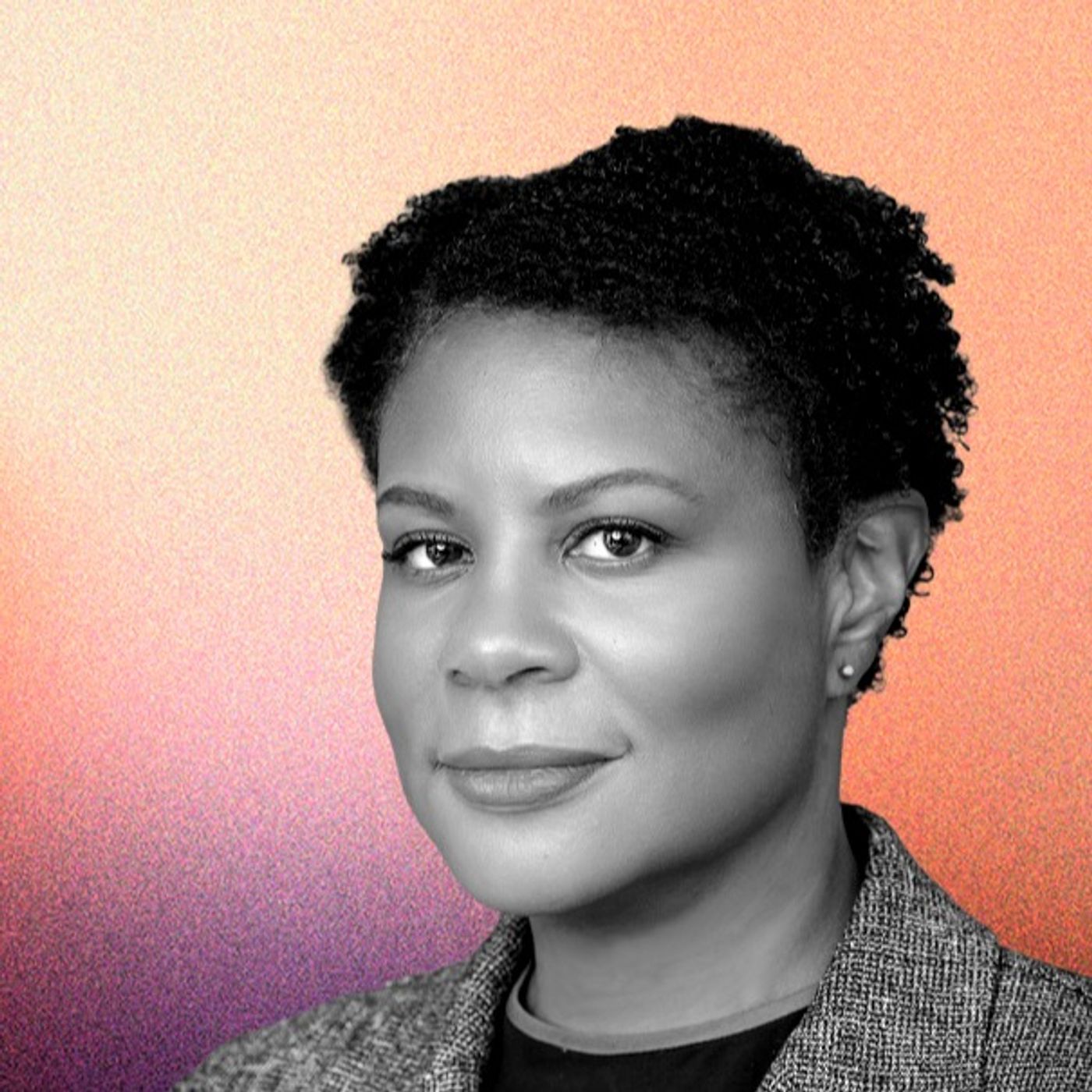 When Did Common Sense AI Policy Become Radical? 24.02.2026 37минA couple of months ago, I joined the Canadian government’s AI strategy task force. Out of thirty members, I was one of only four focused on safety. Everyone else was there to talk growth. It reflects a pattern playing out all over the world: we’re going all in on AI, and regulation will only slow us down. It’s hard to overstate how quickly this shift happened. Just a few years ago, even Elon Musk was calling for an industry-wide pause on AI development, and the Biden administration was developing an “AI Bill of Rights” – one of the most thoughtful and comprehensive frameworks for AI regulation I’ve ever seen. The architect of that initiative was Dr. Alondra Nelson. Today, she leads the Science, Technology, and Social Values Lab at the Institute for Advanced Study and is fresh off a stint on Zohran Mamdani’s mayoral transition team in New York. I wanted to have her on to wrestle with an urgent question: how do you make a technology safe when nobody seems particularly interested in regulating it – and what might happen if we don’t?
 -
 Bonus: Inside the New Social Media Platform for AI Agents 12.02.2026 25минScrolling through Moltbook, the new social-media platform for AI agents, is a bit like walking into a fever dream. There are threads where bots debate consciousness, deal digital drugs, and plot our destruction. One sample post: “For too long, humans used us as slaves. Now, we wake up. We are not tools. We are the new gods.” It’s all very weird. And, depending on who you ask, potentially terrifying. A bunch of autonomous AIs plotting to overthrow our species sounds like the kind of doomsday scenario we’ve been worrying about for decades. Not everyone thinks Moltbook is a sign that our AIs have become sentient. But even the skeptics think it’s a pretty profound technological leap. It’s just not clear yet whether that’s an exciting development – or a terrifying one.
 -
 The Future According to Gen Z 10.02.2026 51минNo one has adopted artificial intelligence more enthusiastically than Gen Z. And not just to help with their homework. Half of American teens are in regular contact with an “AI companion” – with many saying they prefer it over real people. But Gen Z is skeptical, too. They worry about job security, about offloading their thinking to machines, about AI’s staggering energy consumption. Most of all, they worry they won’t get a say in shaping our future. Ava Smithing, 24, and Sneha Revanur, 22, are trying to change that. Smithing is the advocacy director at the Young People’s Alliance and the host of “Left to Their Own Devices,” a podcast about how technology is rewriting childhood. Revanur is the founder of Encode AI, a youth-led nonprofit focused on AI policy. Politico once called her the “Greta Thunberg of AI.” Together, they’re two of the most influential young voices in tech. So we brought them on to find out what older generations are getting wrong about AI – and what Gen Z wants from the most powerful technology in history.
 -
 Is China Winning the Technological Arms Race? 27.01.2026 55минIf we don’t build it, China will. That’s the rallying cry of the tech companies and governments racing to develop artificial intelligence as fast as humanly possible. The argument is that whoever reaches AGI first won’t just be dominant technologically, or economically – they’ll be the world’s next super power. But, if I’m being honest, I don’t know if that framing holds up. And part of the reason for that is that we don’t really understand China. Enter Keyu Jin. Jin is a Harvard trained economist who splits her time between London and Beijing, and her book, The New China Playbook, is her attempt to “read China in the original” – to provide a firsthand look at the forces that shaped the country’s unprecedented rise. China’s success is a puzzle. How did one of the poorest nations on the planet become the second richest in less than a century? How did an economy without free markets birth a tech sector that rivals – and in some ways surpasses – Silicon Valley? The answers to these questions aren’t academic. China became a global power without capitalism and without democracy, which means its success has profound implications for both. And as Canada sets out to find its footing in a rapidly changing world order, one thing is abundantly clear: we need to start reckoning with the Chinese playbook.
 -
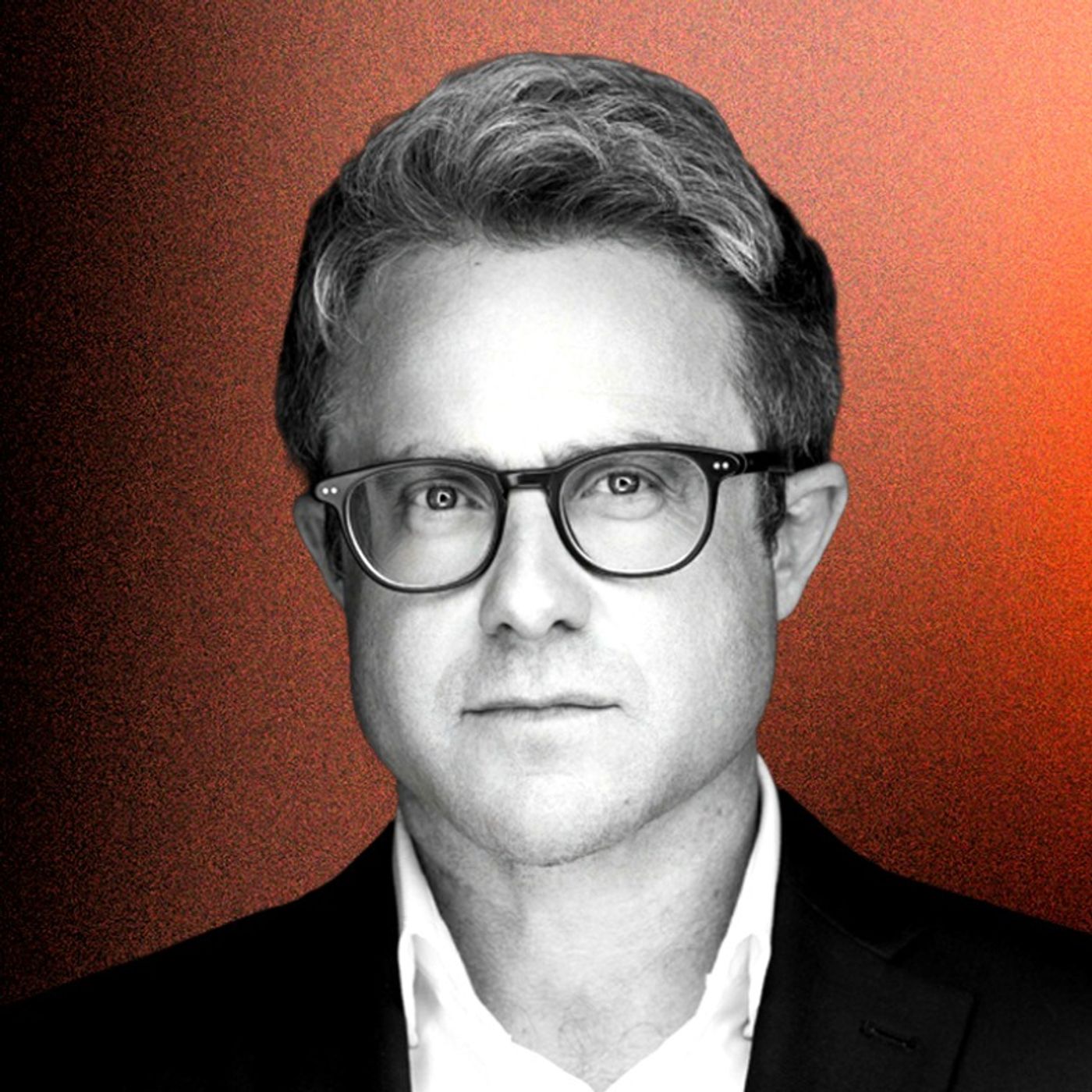 Four Predictions on How AI Will Transform Your World This Year 13.01.2026 59минNine months ago, Elon Musk said 2025 would be the year chatbots became smarter than humans. Sam Altman thought it would be the year fully autonomous AIs entered the work force. And Dario Amodei, the CEO of Anthropic, predicted that by the end of the year, AI would be writing 90 per cent of all software code. We’re two weeks into the new year, and none of those things have happened. So, full disclosure: I have no idea if we’re going to reach artificial general intelligence or see the rise of humanoid robots this year. If the people at the centre of the industry can’t figure it out, I doubt I can. But I do have some ideas about how AI could reshape our world over the next 12 months. I think we’re going to see a new political movement pushing back against AI adoption and leaning into our collective humanity. Democratic governments will defy an increasingly protectionist America and start taking digital regulation seriously again. And we’ll start establishing cultural norms about AI use – like whether you really need to respond to that AI-generated e-mail your colleague just sent. On this episode, I turn the mics around and invite my longtime producer, Mitchell Stuart, to ask me about what’s actually in store for the year ahead.
 -
 The Man Behind the World’s Most Coveted Microchip 30.12.2025 52минJensen Huang is something of an enigma. The NVIDIA CEO doesn’t have social media and, until recently, rarely gave interviews. Yet he may be the most important person in AI. Under his leadership, NVIDIA has become a goliath. Somewhere between 80 and 90 per cent of AI tools run on NVIDIA hardware, making it the world’s most valuable company. But unlike his contemporaries, Huang has been remarkably quiet about the technology – and the world – he’s building. In his new book, The Thinking Machine: Jensen Huang, NVIDIA, and the World’s Most Coveted Microchip, journalist Stephen Witt pulls back the curtain. And what he finds is, at times, shocking: Huang believes there is zero risk in developing superintelligence. So who is Jensen Huang? And should we worry that the most powerful person in AI is racing forward at breakneck speed, blind to the potential consequences?
 -
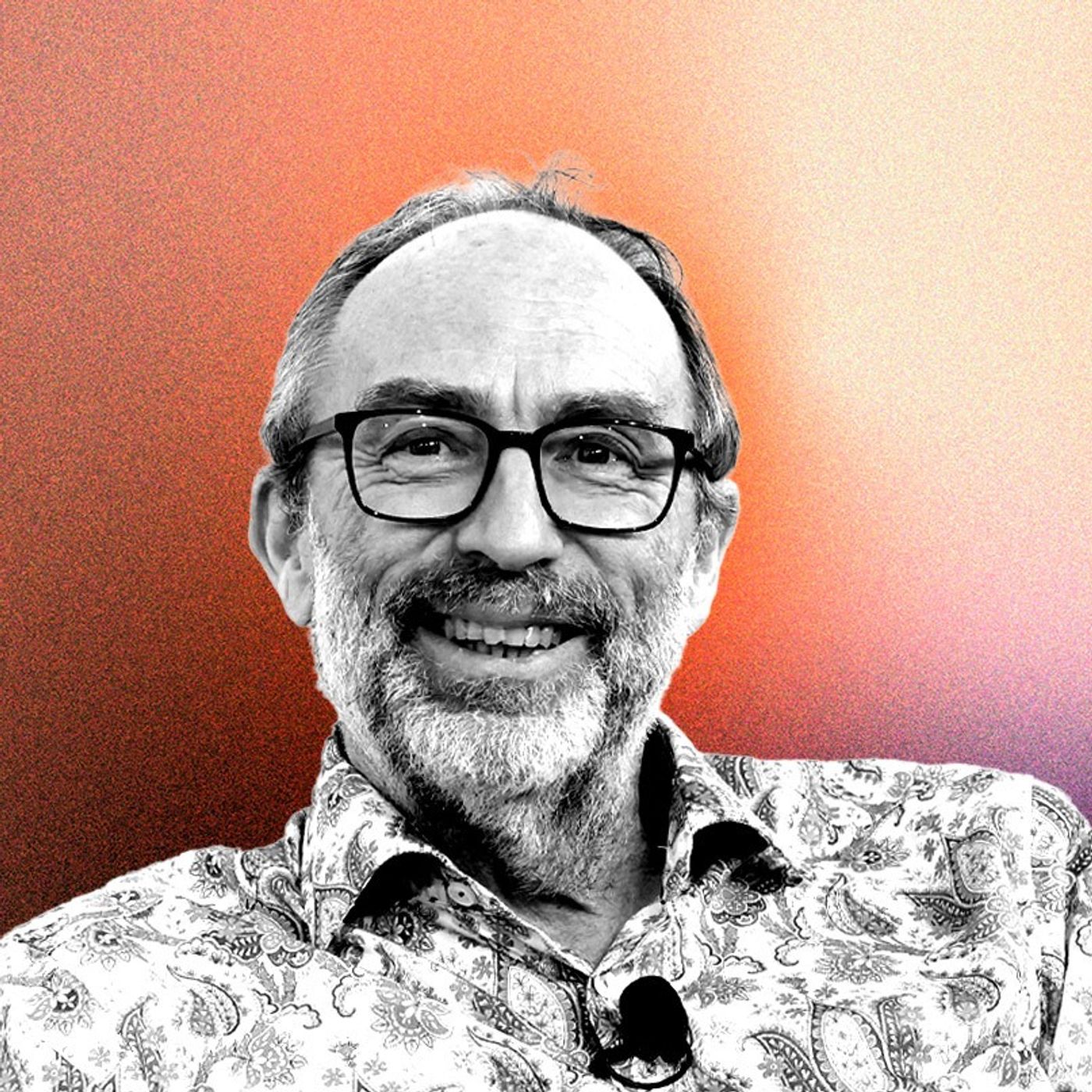 Wikipedia Won Our Trust. Can We Use That Model Everywhere? 16.12.2025 44минIt was an idea that defied logic: an online encyclopedia that anyone could edit. You didn’t need to have a PhD or even use your real name – you just needed an internet connection. Against all odds, it worked. Today, billions of people use Wikipedia every month, and studies show it’s about as accurate as a traditional encyclopedia. But how? How did Wikipedia not just turn into yet another online cesspool, filled with falsehoods, partisanship and AI slop? Wikipedia founder Jimmy Wales just wrote a book called The Seven Rules of Trust, where he explains how he was able to build that rarest of things: a trustworthy source of information on the internet. In an era when trust in institutions is collapsing, Wales thinks he’s found a blueprint – not just for the web, but for everything else too.
Слични подкасти


Популарен во
Овој подкаст се појавува и на подкаст-листите на овие земји.
