
Molecules Matter With Dr. Dan
Dr. Dan Gubler
0
Molecules Matter with Dr. Dan is a science-based podcast that investigates how specific molecules found in plants, fungi, and foods influence human health. Each episode focuses on a single molecule or class of molecules, covering its natural origins, why organisms produce it, and its effects on human biology. Grounded in peer-reviewed research, the show aims to separate scientific mechanism from marketing hype, replacing wellness noise with a molecular understanding of health. It is hosted by Dr. Dan Gubler and available via Substack.
Епизоди
-
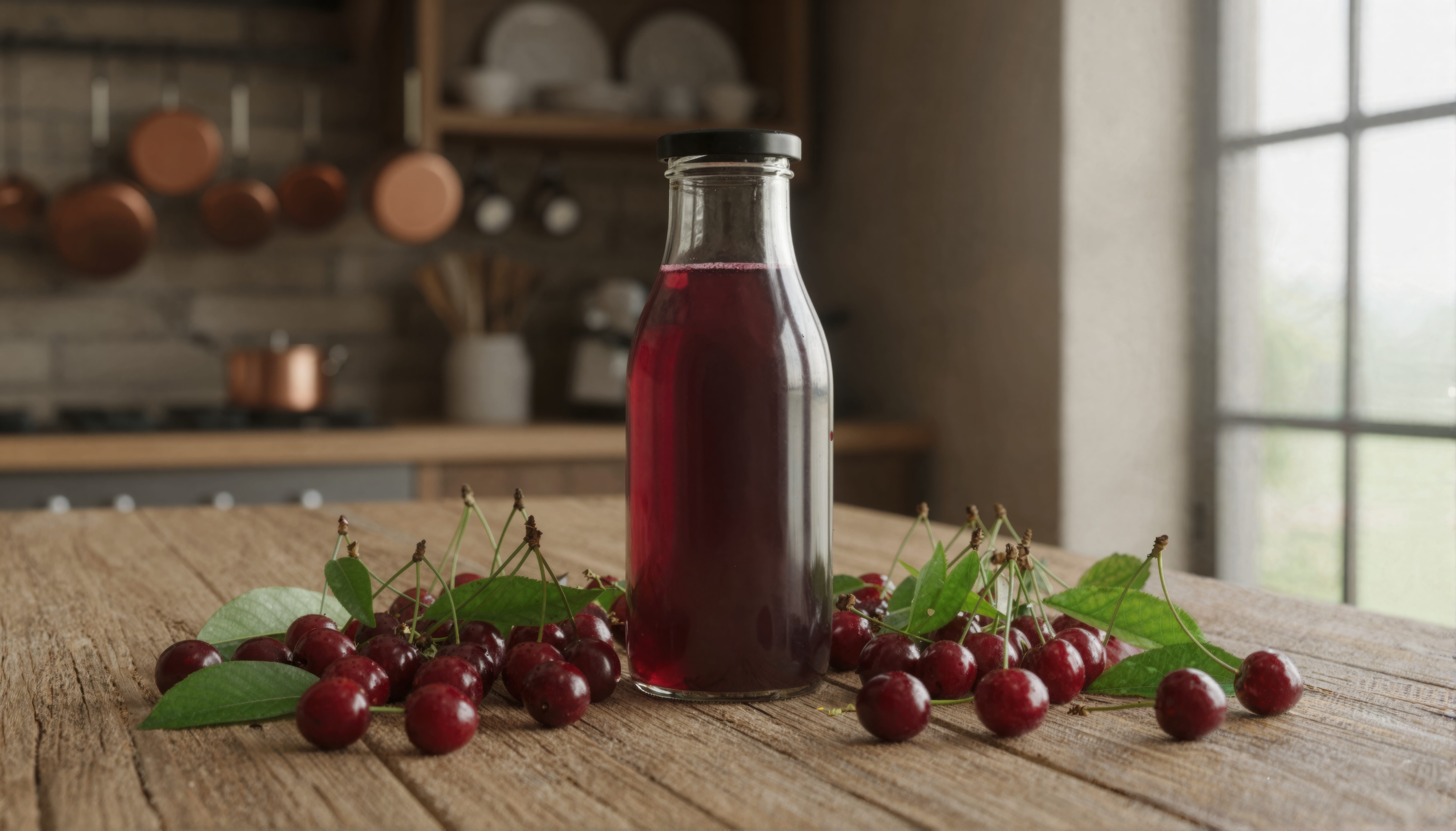 Episode 29: Tart Cherry Juice 15.09.2026 18мин🍒 Can a sour little fruit help you sleep and recover?In Episode 29 of Molecules Matter with Dr. Dan, we explore tart cherry juice—and the science behind its reputation.Two groups of compounds drive the story:🌙 Melatonin, which helps regulate your sleep-wake cycle.🔴 Polyphenols, including the anthocyanin pigments that give tart cherries their deep red color and show anti-inflammatory activity in lab studies.But what does the human research suggest?💤 SLEEP: Small trials suggest tart cherry juice may improve sleep time and efficiency with consistent use. Think possible support over several days—not an instant sleeping pill.🏃 RECOVERY: Studies in runners and other athletes suggest less muscle soreness and faster strength recovery around demanding exercise.🦶 GOUT: The evidence is mixed. An observational study linked cherry intake with fewer flares, but a controlled trial found no significant improvement in uric acid levels or flare frequency. It isn’t a replacement for gout medication.❤️ BLOOD PRESSURE: One small trial found a temporary reduction after tart cherry concentrate. That doesn’t establish lasting benefits or make it a substitute for treatment.The bottle matters, too. Most research discussed in this episode used Montmorency tart cherries. Check the ingredients for 100% tart cherry juice rather than relying on a “cherry” label.And remember: juice loses much of the whole fruit’s fiber. An 8-ounce serving can contain around 25 grams of naturally occurring sugar, while its sorbitol may cause digestive discomfort.The takeaway? Promising evidence for sleep and exercise recovery, with important limits. Lab findings don’t make juice equivalent to a painkiller—and bigger servings aren’t necessarily better.🎧 Listen to Episode 29 for the full story.The molecules matter… because you matter.Show Notes: Key Sources Referenced● Howatson, G. et al. “Effect of tart cherry juice (Prunus cerasus) on melatonin levels and enhanced sleep quality.” European Journal of Nutrition, 2012 (PubMed 22038497).● Pilot study: Montmorency tart cherry juice and sleep time in adults 50+ with insomnia. PR Newswire summary of pilot data presented at a sleep research meeting.● “Effects of Short-Term Intake of Montmorency Tart Cherry Juice on Sleep Quality after Intermittent Exercise in Elite Female Field Hockey Players: A Randomized Controlled Trial.” International Journal of Environmental Research and Public Health, 2022.● “The Effect of Tart Cherry on Sleep Quality and Sleep Disorders: A Systematic Review.” Food Science & Nutrition, 2025.● Kuehl, K.S. et al. “Efficacy of tart cherry juice in reducing muscle pain during running: a randomized controlled trial.” Journal of the International Society of Sports Nutrition, 2010.● “Influence of tart cherry juice on indices of recovery following marathon running.” Scandinavian Journal of Medicine & Science in Sports / European Journal of Applied Physiology, 2010 (PubMed 19883392).● “Effects of Tart Cherry Juice Supplementation on Recovery from Exercise-Induced Muscle Damage in Athletes: A Systematic Review and Meta-Analysis.” Sports Medicine – Open, 2026.● Zhang, Y. et al. “Cherry Consumption and the Risk of Recurrent Gout Attacks.” Arthritis & Rheumatism, 2012 (PMC3510330).● Stamp, L.K. et al. “Lack of effect of tart cherry concentrate dose on serum urate in people with gout.” Rheumatology, 2020.● Keane, K.M. et al. “Effects of Montmorency tart cherry (Prunus cerasus L.) consumption on vascular function in men with early hypertension.” American Journal of Clinical Nutrition, 2016 (PubMed 27146650).● “Dose-dependent effect of tart cherry on blood pressure and selected inflammation biomarkers: A GRADE-assessed systematic review and meta-analysis of randomized controlled trials.” Heliyon, 2023. This is a public episode. If you'd like to discuss this with other subscribers or get access to bonus episodes, visit dangublerphd.substack.com/subscribe
 -
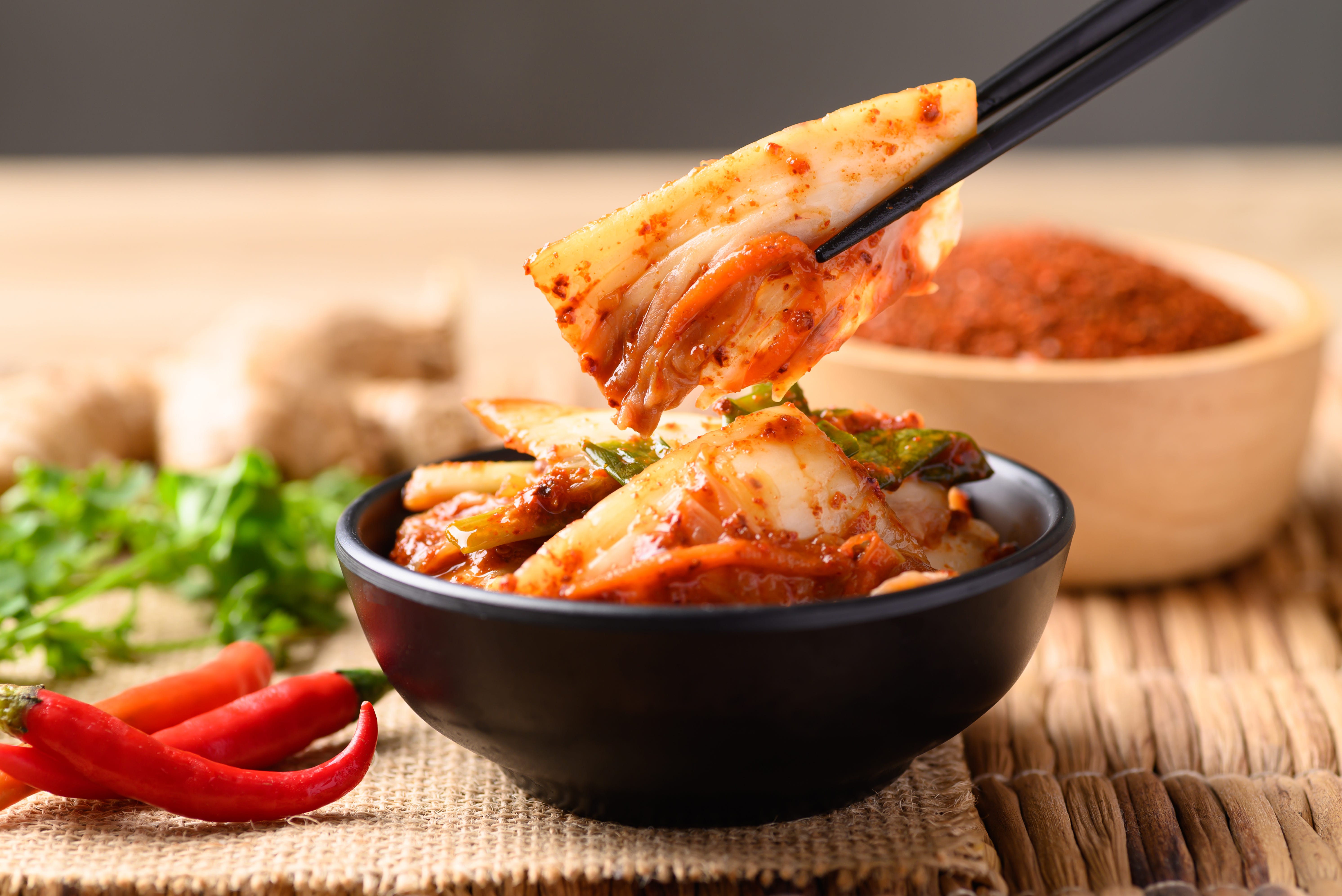 Episode 29: Kimchi — The Living Ferment Behind Korea's Signature Dish 08.09.2026 17минThat jar of kimchi in your fridge? It’s a tiny fermentation factory. 🥬🌶️In Episode 29 of Molecules Matter with Dr. Dan, we explore the living chemistry behind Korea’s signature dish—and why fermentation changes more than flavor.Dr. Dan is a reader-supported publication. To receive new posts and support my work, consider becoming a free or paid subscriber.Here’s what’s happening inside:🦠 LIVE BACTERIANaturally occurring lactic acid bacteria ferment the vegetables’ sugars, transforming salted cabbage into a tangy, complex food.🧪 ORGANIC ACIDSFermentation produces lactic acid and other compounds that give kimchi its signature sourness and help preserve it. As kimchi ages, its chemistry—and flavor—keeps changing.🌿 PLANT COMPOUNDSCabbage, garlic, ginger, and chili contribute vitamin C, sulfur compounds, gingerols, carotenoids, and capsaicin. Different ingredients bring different molecules to the table.What does the research suggest? Early human trials point to potential benefits for gut health, cholesterol, blood sugar, and body composition. Encouraging findings—but larger, longer studies are still needed. Kimchi isn’t a miracle food.Want the live cultures? Look for unpasteurized kimchi labeled with live cultures, keep it refrigerated, and enjoy it unheated. Cooking reduces live bacteria, but cooked kimchi still has nutritional value.One thing to watch: sodium. Check the label and keep portions reasonable, especially if you’re limiting salt.🎧 Listen to Episode 29 for the science behind every tangy bite. Save this post for your next grocery trip, share it with a fermented-food fan, and tell me: do you prefer your kimchi fresh and mild or aged and sour? 👇The molecules matter… because you matter.Dr. Dan is a reader-supported publication. To receive new posts and support my work, consider becoming a free or paid subscriber. This is a public episode. If you'd like to discuss this with other subscribers or get access to bonus episodes, visit dangublerphd.substack.com/subscribe
 -
 Episode 28: Punicalagins — The Pomegranate Molecule Your Gut Bacteria Have to Finish Making 01.09.2026 30минPomegranate’s deep red color and famously stubborn stains come from more than visual drama—they reflect the fruit’s unusual chemistry. Its signature compound is punicalagin, a large polyphenol concentrated mainly in the peel, pith, and membranes. Yet punicalagin itself is barely absorbed by the body. More than 90 percent travels to the colon, where certain gut bacteria transform it into smaller, absorbable compounds called urolithins. Urolithin A is the metabolite attracting the most scientific interest, particularly for its potential effects on mitochondrial and muscle health.Dr. Dan is a reader-supported publication. To receive new posts and support my work, consider becoming a free or paid subscriber.That microbial handoff creates an important catch: people respond differently to the same serving of pomegranate. Some efficiently produce urolithin A, others generate different urolithins, and roughly a third to 40 percent of people may produce almost none. Processing matters, too. Because most punicalagin resides outside the juicy arils, whole-pressed pomegranate juice generally delivers much more than aril-only juice or the fresh seeds themselves. This helps explain why studies using different products and populations can produce inconsistent results.The clinical evidence is promising in places, but modest overall. Trials suggest pomegranate may slightly reduce blood pressure and support recovery after strenuous exercise, including less soreness and faster restoration of strength. Purified urolithin A has also improved muscle endurance in older adults in a randomized trial, although the 1,000-milligram daily dose studied cannot reliably be obtained from pomegranate—especially for people whose gut bacteria do not perform the necessary conversion.Two of pomegranate’s most famous health claims have not held up well under closer examination. An early uncontrolled study reported that pomegranate juice dramatically slowed rising PSA levels after prostate cancer treatment, but a later randomized, placebo-controlled trial found no significant benefit. Likewise, a small pilot study suggesting improved verbal memory was not replicated in a much larger, year-long trial. These reversals offer a useful lesson: exciting early findings, especially those without a proper control group, should not be mistaken for proof.Thanks for reading Dr. Dan! This post is public so feel free to share it.Pomegranate remains a nutritious fruit with fascinating chemistry—just not a miracle treatment. For the punicalagin doses closest to those used in research, look for whole-pressed juice or a standardized extract, while keeping expectations realistic: possible modest support for blood pressure and exercise recovery, not proven cancer treatment or a guaranteed memory boost. Chew the seeds thoroughly, separate pomegranate from iron supplements if iron absorption is a concern, and check with a pharmacist before drinking the juice regularly if you take medications that may interact with it. The real story of punicalagin is compelling enough without exaggeration: it is a plant molecule whose ultimate effects depend on the microscopic community living inside you. This is a public episode. If you'd like to discuss this with other subscribers or get access to bonus episodes, visit dangublerphd.substack.com/subscribe
 -
 Episode 27: Brazil Nuts — The Rainforest Seed Delivering Nature's Most Concentrated Dose of Organoselenium 25.08.2026 38минBrazil nuts are among the Amazon rainforest’s most remarkable foods. Botanically, they are seeds packed inside heavy, coconut-like pods that fall from trees towering more than 130 feet above the forest floor. Nearly all commercial Brazil nuts are still gathered from the wild because the trees depend on an intricate ecological partnership among specialized orchid bees, rainforest orchids, and seed-dispersing agoutis. This makes their harvest a rare “standing forest” economy—one in which healthy, intact rainforest remains more valuable than cleared land.Nutritionally, Brazil nuts are best known as the richest whole-food source of selenium. Most of their selenium occurs in organic forms such as selenomethionine, which the body can use to produce selenoproteins involved in antioxidant defense, cellular repair, and thyroid-hormone activation. Brazil nuts also provide healthy fats, magnesium, copper, zinc, fiber, and protein, but their extraordinary selenium concentration is what sets them apart: a single nut may provide an entire day’s requirement, although the amount varies dramatically depending on the soil and tree from which it came.Human studies consistently show that eating Brazil nuts raises blood selenium levels and the activity of selenium-dependent antioxidant enzymes. Early research has also suggested possible benefits for certain measures of cognition, cholesterol, inflammation, and intestinal health, but much of this evidence comes from small or specialized studies. Meanwhile, large clinical trials of selenium supplements found no reduction in prostate cancer or dementia risk. The evidence therefore supports Brazil nuts as an effective food source of selenium—not as a proven treatment or prevention strategy for cancer, Alzheimer’s disease, or other chronic conditions.Dr. Dan is a reader-supported publication. To receive new posts and support my work, consider becoming a free or paid subscriber.Their potency also demands restraint. Selenium has a relatively narrow margin between an adequate and excessive intake, and regularly eating Brazil nuts by the handful can lead to selenosis, with symptoms such as brittle hair and nails, metallic taste, digestive upset, fatigue, and—in severe cases—nerve damage. Brazil nuts also contain more naturally occurring radium than other common foods, but the radiation exposure from modest consumption remains tiny compared with normal background radiation. Extra care may be appropriate for children, pregnant or nursing people, and anyone taking selenium supplements or managing a thyroid condition.The practical lesson is simple: treat Brazil nuts as a concentrated micronutrient source rather than an ordinary snack. A small, measured amount—such as several nuts spread across the week—is enough for most people, particularly when other selenium-rich foods or supplements are already part of the diet. Store shelled nuts in the refrigerator or freezer to protect their fat from turning rancid, and look for responsibly sourced products that support rainforest communities. Brazil nuts are a vivid reminder that more is not always better: their remarkable chemistry is most beneficial when paired with moderation.Scientific Referenceshttps://pubmed.ncbi.nlm.nih.gov/40107122/ Takeda, Larissa Naomi et al. “Brazil nut (Bertholletia excelsa Bonpl.) in health and disease: A narrative review.” Food chemistry vol. 477 (2025): 143425. doi:10.1016/j.foodchem.2025.143425https://pubmed.ncbi.nlm.nih.gov/38481025/ de Araújo, Beatriz Alem Nascimento et al. “Brazil nut (Bertholletia excelsa H.B.K.) and Brazil nut oil: effects on oxidative stress and potential therapeutic health benefits from human, animal, and cell culture models.” Nutrition reviews vol. 83,2 (2025): e471-e485. doi:10.1093/nutrit/nuae016https://pubmed.ncbi.nlm.nih.gov/36141050/ da Silva, Alessandra et al. “Effects of Regular Brazil Nut (Bertholletia excelsa H.B.K.) Consumption on Health: A Systematic Review of Clinical Trials.” Foods (Basel, Switzerland) vol. 11,18 2925. 19 Sep. 2022, doi:10.3390/foods11182925https://pubmed.ncbi.nlm.nih.gov/26545554/ Barcza Stockler-Pinto, Milena et al. “Effect of selenium supplementation via Brazil nut (Bertholletia Excels, HBK) on thyroid hormones levels in hemodialysis patients: A pilot study.” Nutricion hospitalaria vol. 32,4 1808-12. 1 Oct. 2015, doi:10.3305/nh.2015.32.4.9384https://pubmed.ncbi.nlm.nih.gov/26992136/ Cardozo, Ludmila F M F et al. “Brazil nut consumption modulates Nrf2 expression in hemodialysis patients: A pilot study.” Molecular nutrition & food research vol. 60,7 (2016): 1719-24. doi:10.1002/mnfr.201500658https://pubmed.ncbi.nlm.nih.gov/24504745/ Stockler-Pinto, Milena Barcza et al. “Brazil nut (Bertholletia excelsa, H.B.K.) improves oxidative stress and inflammation biomarkers in hemodialysis patients.” Biological trace element research vol. 158,1 (2014): 105-12. doi:10.1007/s12011-014-9904-zhttps://pubmed.ncbi.nlm.nih.gov/40243762/ Silva, Alessandra DA et al. “Brazil nut consumption within an energy-restricted diet improved cardiometabolic risk markers in women: a quasi-experimental, controlled study (Brazilian Nuts Study).” Anais da Academia Brasileira de Ciencias vol. 97,2 e20240631. 14 Apr. 2025, doi:10.1590/0001-3765202520240631https://pubmed.ncbi.nlm.nih.gov/38246355/ Kelly Souza Silveira, Brenda et al. “Daily Cashew and Brazil Nut Consumption Modifies Intestinal Health in Overweight Women on Energy-Restricted Intervention: A Randomized Controlled Trial (Brazilian Nuts Study).” The Journal of nutrition vol. 154,3 (2024): 962-977. doi:10.1016/j.tjnut.2023.12.022https://pubmed.ncbi.nlm.nih.gov/38575248/ Macan, Tamires Pavei et al. “Brazil nut consumption reduces DNA damage in overweight type 2 diabetes mellitus patients.” Mutation research. Genetic toxicology and environmental mutagenesis vol. 895 (2024): 503739. doi:10.1016/j.mrgentox.2024.503739https://pubmed.ncbi.nlm.nih.gov/38345286/ Apolinário, Lilian Fioravanso et al. “Supplementation of the maternal diet with Brazil nut (Bertholletia excelsa H.B.K.) prevents cognitive impairment in the offspring of obese mothers.” Journal of developmental origins of health and disease vol. 14,6 (2023): 795-804. doi:10.1017/S2040174424000023https://pubmed.ncbi.nlm.nih.gov/20018488/ Stockler-Pinto, M B et al. “Effect of Brazil nut supplementation on the blood levels of selenium and glutathione peroxidase in hemodialysis patients.” Nutrition (Burbank, Los Angeles County, Calif.) vol. 26,11-12 (2010): 1065-9. doi:10.1016/j.nut.2009.08.006https://pubmed.ncbi.nlm.nih.gov/25567069/ Rita Cardoso, Bárbara et al. “Effects of Brazil nut consumption on selenium status and cognitive performance in older adults with mild cognitive impairment: a randomized controlled pilot trial.” European journal of nutrition vol. 55,1 (2016): 107-16. doi:10.1007/s00394-014-0829-2https://pubmed.ncbi.nlm.nih.gov/26022214/ Huguenin, Grazielle V B et al. “Improvement of antioxidant status after Brazil nut intake in hypertensive and dyslipidemic subjects.” Nutrition journal vol. 14 54. 29 May. 2015, doi:10.1186/s12937-015-0043-yhttps://pubmed.ncbi.nlm.nih.gov/9208050/ Bartolomé, B et al. “Allergens from Brazil nut: immunochemical characterization.” Allergologia et immunopathologia vol. 25,3 (1997): 135-44.https://pubmed.ncbi.nlm.nih.gov/31150916/ Reis, Bruna Zavarize et al. “Brazil nut intake increases circulating miR-454-3p and miR-584-5p in obese women.” Nutrition research (New York, N.Y.) vol. 67 (2019): 40-52. doi:10.1016/j.nutres.2019.05.004 This is a public episode. If you'd like to discuss this with other subscribers or get access to bonus episodes, visit dangublerphd.substack.com/subscribe
 -
 Episode 26: Shilajit — The Mountain’s Ancient Exudate, and the Fulvic and Humic Acids Inside It 18.08.2026 31минEvery summer, high in the Himalayas, a dark resin oozes out of sun-baked cliff faces. Locals call it "rock sweat." For over a thousand years it's been used in Ayurvedic medicine — and lately it's exploded across social media as a testosterone-boosting, energy-giving "ancient superfood." This week, Dr. Dan puts shilajit under the microscope.We break down what shilajit actually is at the molecular level: a geological exudate formed over centuries as plant matter decomposes between rock layers, packed with fulvic acid, humic acid, and a unique family of mitochondria-targeted antioxidants called dibenzo-alpha-pyrones.Then we go straight to the human evidence — not the marketing copy. A 90-day randomized trial showing a real (but modest) 20% rise in testosterone. A separate trial on exercise recovery and muscular strength. And a close look at where the science runs out — cognition, altitude, immune function — where the claims you hear online are riding on cell and animal studies, not human trials.We also spend real time on the part most shilajit content skips: quality control. Because it forms embedded in rock, unpurified shilajit can carry heavy metals and contaminants, and independent testing has found wild inconsistency in fulvic acid content across brands. We cover exactly what to look for on a label before you buy anything.In this episode:- What shilajit is, geologically and biochemically- Fulvic acid vs. humic acid — how they work differently in the body- The testosterone RCT, explained honestly (effect size, limitations, and all)- The exercise-recovery and muscular-strength research- Why "shilajit fights Alzheimer's" is an overstatement of a cell-culture finding- The real risk: heavy metals, iron overload, and unregulated sourcing- How much to take, and how to choose a product that's actually been tested- How shilajit stacks up against ashwagandha (Episode 5)As always, the goal isn't hype — it's giving you the evidence so you can make an informed decision. The molecules matter, because you matter.🎧 Subscribe for a new deep dive every week, and leave a review if this episode helped you cut through the noise.Disclaimer: This podcast is for educational purposes only and is not medical advice. Talk to your doctor before starting any new supplement, especially if you're pregnant, breastfeeding, or managing a health condition. This is a public episode. If you'd like to discuss this with other subscribers or get access to bonus episodes, visit dangublerphd.substack.com/subscribe
 -
 Episode 25: Spinach — The Cartoon Vegetable With a Real Molecular Case 11.08.2026 36минSpinach traces back to ancient Persia roughly 2,000 years ago and spread east to China by 647 CE and west into Europe by the 1200s. This episode covers spinach's dietary nitrate and its effect on blood pressure and exercise performance, lutein/zeaxanthin and eye/brain health, the oxalic acid that undercuts its calcium and iron reputation, the real story behind the Popeye "decimal point" myth, kidney stone and warfarin cautions, and how spinach stacks up against kale.Key topicsOrigins in Persia; global production concentrated in China (~90%+ of world output)Cool-season crop; 45–50 days to maturity (25–30 for baby spinach)Dietary nitrate → nitric oxide pathway and blood vessel functionLutein/zeaxanthin: AREDS2 trial and macular degeneration; Rush Memory and Aging Project on cognitive declineOxalic acid: kidney stone risk and blocked calcium/iron absorptionPopeye/iron "decimal point" myth: debunkedWarfarin/vitamin K interaction; goitrogens and thyroid2006 E. coli outbreak and food safety practices2025–2026 EWG Dirty Dozen ranking (spinach #1)Spinach vs. kale comparison; sustainability footprintReferences (PubMed)Bondonno CP, et al. Flavonoid-rich apples and nitrate-rich spinach augment nitric oxide status and improve endothelial function. Am J Clin Nutr. 2012. PMID: 22019438Kapil V, et al. Dietary nitrate lowers blood pressure: epidemiological, pre-clinical, and clinical trial evidence. PMC: 4729801Improved effect of spinach extract on physical performance: a systematic review of RCTs. PMC: 11845096Age-Related Eye Disease Study 2 Research Group. Lutein + zeaxanthin and omega-3 fatty acids for AMD: the AREDS2 randomized clinical trial. JAMA. 2013. PMID: 23644932Morris MC, Wang Y, Barnes LL, et al. Nutrients and bioactives in green leafy vegetables and cognitive decline. Neurology. 2018. PMID: 29263222Taylor EN, Curhan GC. Oxalate intake and the risk for nephrolithiasis. J Am Soc Nephrol. 2007. PMID: 17538185Heaney RP, Weaver CM. Calcium absorbability from spinach. Am J Clin Nutr. 1988. PMID: 3354496Bergman EA, et al. Oxalic acid decreases calcium absorption in rats. J Nutr. 1987. PMID: 3681480Montelius C, et al. Consumption of thylakoid-rich spinach extract reduces hunger, increases satiety, and reduces cravings. Appetite. 2015. PMID: 26029978Ferruzzi MG, et al. Cellular transport of lutein is greater from uncooked rather than cooked spinach, irrespective of whether it is fresh, frozen, or canned. Nutr Res. 2009. PMID: 19083456Domestication genetics of Spinacia turkestanica/cultivated spinach. Hortic Res. 2021. PMC: 8692865 This is a public episode. If you'd like to discuss this with other subscribers or get access to bonus episodes, visit dangublerphd.substack.com/subscribe
 -
 Episode 24: The Apple — An Ancient Fruit's Modern Molecular Case 04.08.2026 38минEvery apple you've ever eaten traces back to one wild forest in Kazakhstan. In this episode, Dr. Dan takes the humble apple apart at the molecular level — where it really comes from, what's hiding in the peel, and what the clinical research actually shows (and doesn't).We cover:The apple's 8,000-year journey from wild Central Asian forests to your grocery storeWhy the peel carries most of the fruit's quercetin, catechins, chlorogenic acid, and phloridzinHuman clinical trial data on apples, cholesterol, and inflammation — and where the cancer-risk evidence is weaker (observational, not causal)Why baking a skin-on apple may beat peeling and boiling for nutrient retentionApple pectin and gut bacteria: what the fermentation studies showReal talk on apple seeds and cyanide, oral allergy syndrome, FODMAPs, and a little-known interaction between apple juice and the allergy drug fexofenadineThe Dirty Dozen pesticide list, variety-by-variety antioxidant differences, and apple vs. pearApple orchard sustainability and carbon footprintThe one simple change to make this weekReferences & SourcesKumar, R. et al. Malus sieversii: historical, genetic, and conservational perspective. Horticulture Research, 2024. academic.oup.com/hr/article/12/1/uhae244/7746101Two apples a day lower serum cholesterol and improve cardiometabolic biomarkers: RCT. American Journal of Clinical Nutrition, 2022. ajcn.nutrition.org/article/S0002-9165(22)01006-1/fulltextApple or apple polyphenol consumption improves cardiovascular disease risk factors: systematic review and meta-analysis. Reviews in Cardiovascular Medicine, 2021. pubmed.ncbi.nlm.nih.gov/34565081A Healthy Balance of Plasma Cholesterol by Annurca Apple-Based Nutraceutical: RCT. PMC, pmc.ncbi.nlm.nih.gov/articles/PMC5361772An apple a day to prevent cancer formation: reducing cancer risk with flavonoids. ScienceDirect. sciencedirect.com/science/article/pii/S1021949816301788An apple a day may hold colorectal cancer at bay: case-control study. pubmed.ncbi.nlm.nih.gov/19476292Prebiotic potential of apple pomace and pectins. ScienceDirect. sciencedirect.com/science/article/pii/S0268005X22004787China dominates world apple production. USDA Economic Research Service. ers.usda.gov/data-products/charts-of-note/chart-detail?chartId=78865EWG's Shopper's Guide to Pesticides in Produce: Apples, 2025. ewg.org/foodnews/apples.phpFruit juices inhibit OATP-mediated drug uptake, decreasing oral availability of fexofenadine. pubmed.ncbi.nlm.nih.gov/11823753The ultimate apple FODMAP content guide. The IBS Dietitian. theibsdietitian.com/blog/the-ultimate-apple-fodmap-content-guide-recipes-includedAssessing antioxidant properties and phenolic compound profiles in apple cultivars. PMC. ncbi.nlm.nih.gov/pmc/articles/PMC11276096Effect of sustainable production systems on carbon and water footprint in fruit tree orchards. ISHS. ishs.org/ishs-article/1130_3Apple seeds do contain cyanide-producing amygdalin, but poisoning is extremely unlikely. Africa Check. africacheck.org/fact-checks/meta-programme-fact-checks/apple-seeds-do-contain-cyanide-producing-amygdalin-appleEffect of cooking on the bioavailability of quercetin from apple skin. ejmoams.com/ejmoams-articles/effect-of-cooking-on-the-bioavailability-of-quercetin-from-apple-skin-102133Do apples or pears have more fiber? Dietitian comparison. TODAY.com. today.com/health/diet-fitness/apples-vs-pears-rcna217538Molecules Matter with Dr. Dan is for educational purposes and isn't a substitute for medical advice. Talk to your doctor about any medication interactions or health conditions mentioned in this episode. This is a public episode. If you'd like to discuss this with other subscribers or get access to bonus episodes, visit dangublerphd.substack.com/subscribe
 -
 Episode 23 — Chrysin: The Molecule Bees Steal From Trees 29.07.2026 20минHoney isn't just sugar in a jar — it's a chemically active substance made by bees from plant resin, nectar, and their own enzymes. In this episode, Dr. Dan traces one specific compound, chrysin, from its origin in poplar tree resin to its effects inside human cells, then zooms out to the full picture of honey's health benefits.What we cover:How bees actually make honey, and why chrysin ends up in it via propolis ("bee glue")Chrysin's core biological activities: antioxidant, anti-inflammatory, antibacterial, and anti-tumorThe NF-κB mechanism behind chrysin's anti-inflammatory effectsChrysin and cancer cell research (melanoma, lung, breast, prostate, liver) — and why this is lab data, not a treatment claimThe chrysin-and-testosterone myth: what the aromatase-inhibition research actually shows, and why a human trial found no real hormonal effectWhy bioavailability (not the mechanism itself) is chrysin's biggest limitationEmerging research on chrysin and anxiety via GABA-A receptor activityHoney's antimicrobial properties: hydrogen peroxide, low water activity, acidity, and methylglyoxal in Manuka honeyThe real evidence behind honey for wound healing and cough reliefManuka honey UMF/MGO ratings, explainedWhy the "local honey cures your allergies" claim doesn't hold up well under scrutinyHoney's sugar content, blood sugar considerations, and the infant botulism risk for children under 12 monthsKey takeaway: Chrysin is a genuinely fascinating molecule with real laboratory-demonstrated effects, but the amount in a spoonful of honey — combined with its poor bioavailability — means it isn't delivering a therapeutic dose on its own. Meanwhile, honey as a whole food has well-documented benefits for wound care, cough relief, and antimicrobial action that don't depend on chrysin at all. Not every benefit of a food traces back to its most famous molecule.This episode is for educational purposes and is not medical advice. Talk to your doctor before using honey, propolis, or chrysin supplements for any specific health condition.Follow the podcast, share this episode with someone who reaches for honey when they're sick, and leave a review to help others find the show.More episodes and resources: www.drdangubler.comMolecules matter. This is a public episode. If you'd like to discuss this with other subscribers or get access to bonus episodes, visit dangublerphd.substack.com/subscribe
 -
 Episode 22: Lion's Mane — The Mushroom Talking to Your Nerves 22.07.2026 15минEpisode 22: Lion's Mane — The Mushroom Talking to Your NervesLion's Mane (Hericium erinaceus) is one of the most popular "brain health" mushrooms on the market. This week Dr. Dan breaks down the real chemistry behind the hype: two unique molecule families, hericenones and erinacines, and what they actually do in the body.In this episode:What hericenones (found in the fruiting body) and erinacines (found in the mycelium) actually are, chemicallyWhy their small, fat-soluble structure may let them cross the blood-brain barrierHow both molecule families stimulate nerve growth factor (NGF), the protein that supports neuron growth and repairOther proposed mechanisms: reducing amyloid-beta buildup, supporting nerve regeneration, and lowering neuroinflammation in animal modelsWhat human clinical trials actually show for mild cognitive impairment, Alzheimer's disease, healthy adults, mood, and sleepWhy some studies show benefit only during active supplementationSafety, side effects, and what to look for on a supplement labelDr. Dan's honest take: compelling lab science, still-early human evidenceKey takeaway: The molecular biology behind Lion's Mane is genuinely elegant and well-documented in cell and animal studies. Human clinical results are promising but mixed, small in scale, and short in duration. This isn't a substitute for treating diagnosed cognitive or mental health conditions.Disclaimer: This episode is for educational purposes only and is not medical advice. Talk to your healthcare provider before starting any new supplement, especially if you take blood thinners or have a mushroom allergy.Subscribe, leave a review, and share this episode with someone curious about the science behind mushrooms and brain health.Remember: molecules matter. This is a public episode. If you'd like to discuss this with other subscribers or get access to bonus episodes, visit dangublerphd.substack.com/subscribe
 -
 Episode 21: Vibration Plates — Do They Actually Shake Your Biology, or Just Your Living Room? 14.07.2026 17минEveryone's seen the vibration plate at the gym — or on their For You page, promising to melt fat, "detox" your lymphatic system, and blast cellulite in ten minutes a day. But what's actually happening in your cells when that plate starts humming?In this episode, Dr. Dan breaks down whole-body vibration therapy from the molecule up. We trace it back to Soviet space medicine, then dig into the real mechanism: mechanotransduction through Piezo1 and Piezo2 ion channels — the same mechanosensors that earned a Nobel Prize in 2021. You'll learn how mechanical force gets converted into calcium signaling, how it activates osteocytes and the Wnt/beta-catenin bone-remodeling pathway, and how the "tonic vibration reflex" forces your muscles to contract dozens of times per second, releasing myokines like irisin, IL-6, and IGF-1 into your bloodstream.Then we go straight to the peer-reviewed evidence — not the marketing — to answer the questions people actually care about:- Does it really improve bone density? (Yes, modestly — especially in postmenopausal women, per a 2024 meta-analysis)- Does it prevent falls in older adults? (Balance improves; actual fall reduction is far less clear)- Does it burn fat or fix cellulite? (No — and we explain why the physiology doesn't support the claim)- Is it the same as lymphatic drainage massage? (Not even close)- What frequency and amplitude settings actually matter, and which ones are used in the studies that show benefit?- Who should avoid vibration plates entirely — pacemakers, recent fractures, pregnancy, and moreDr. Dan closes with his honest take on whether a vibration plate is worth buying, and what it reveals about a bigger idea: your body is constantly listening for mechanical signals, and movement itself is a molecular language.This episode is for anyone who owns a vibration plate, is thinking about buying one, or just wants to separate the real science of mechanotransduction from the social media hype.As always, this podcast is for educational purposes only and is not a substitute for personalized medical advice from your own physician.Molecules matter — and so does the science behind the trends.Subscribe, leave a review, and share this episode with someone who thinks a vibrating plate is going to magically melt their cellulite. This is a public episode. If you'd like to discuss this with other subscribers or get access to bonus episodes, visit dangublerphd.substack.com/subscribe
 -
 Episode 20: BPC-157 — Miracle Healing Peptide or Too Good to Be True? 07.07.2026 15минBPC-157, short for Body Protection Compound-157, has become one of the most talked-about peptides in health and fitness. Social media is full of claims that it can heal injuries, reduce pain, protect the gut, and speed recovery—but what does the scientific evidence actually show?In this episode of Molecules Matter with Dr. Dan, we explore where BPC-157 comes from, how it was originally discovered as a fragment of a naturally occurring protective protein found in human gastric juice, and what decades of peer-reviewed research have revealed.Topics include:What BPC-157 is and how it worksPotential benefits for gastrointestinal protectionKnee pain, tendon, ligament, and ankle injury researchBlood vessel health and tissue repairInflammation and collagen productionInterstitial cystitis (painful bladder syndrome)Why most of the evidence comes from animal studiesWhy BPC-157 is not FDA-approvedConcerns about peptide purity, contamination, sterility, and inconsistent manufacturingDr. Dan’s perspective on why he would not currently use BPC-157 despite its intriguing early researchWhile the preclinical science surrounding BPC-157 is promising, high-quality human clinical trials are still lacking. Until better evidence and stricter manufacturing standards become available, caution is warranted.References:Sikiric P, et al. Stable gastric pentadecapeptide BPC-157: Review of preclinical evidence. Current Pharmaceutical Design. 2018.Sikiric P, et al. BPC-157 and the healing of musculoskeletal, gastrointestinal, vascular, and nervous system injuries. Journal of Physiology Paris. 2010.Chang CH, et al. BPC-157 accelerates tendon fibroblast growth and healing. Biomedicine & Pharmacotherapy. 2011.Hsieh MJ, et al. Effects of BPC-157 on tendon healing and angiogenesis. Journal of Applied Physiology. 2017.U.S. Food and Drug Administration (FDA). Human drug compounding and unapproved peptide products. https://www.fda.govU.S. Anti-Doping Agency (USADA). BPC-157: What athletes should know. https://www.usada.orgThis podcast is for educational purposes only and is not intended to diagnose, treat, cure, or prevent any disease. Always consult your healthcare provider before starting any new therapy or supplement. This is a public episode. If you'd like to discuss this with other subscribers or get access to bonus episodes, visit dangublerphd.substack.com/subscribe
 -
 Episode 19: The Sulfur Secret of Durian - The World’s Smelliest Fruit May Be One of Its Healthiest 30.06.2026 16минDurian is famous for its unmistakable smell—but behind its spiky shell lies a fascinating collection of bioactive molecules that may offer impressive health benefits. In this episode of Molecules Matter with Dr. Dan, we explore the unique sulfur-containing compounds that make durian unlike almost any other fruit and discuss what the peer-reviewed scientific literature says about its potential effects on human health.You’ll learn how durian’s sulfur molecules may help support your body’s production of glutathione—the body’s master antioxidant—and why researchers are investigating these compounds for their antioxidant, anti-inflammatory, and potential anticancer properties. We’ll also examine laboratory studies showing that durian extracts can induce programmed cell death in leukemia cells, while discussing why these findings should not be interpreted as evidence that durian treats cancer in humans.We also dive into research suggesting that durian may:Support the body’s antioxidant defensesHelp maintain healthy glutathione levelsImprove fertility by protecting sperm from oxidative stressIncrease breast milk production in lactating mothersProvide long-lasting natural energySupport heart and metabolic healthPromote a healthy gut microbiomeSupply important vitamins, minerals, fiber, and phytonutrientsIn addition, you’ll discover why durian is more calorie-dense than most fruits, its complete macronutrient profile, and how its combination of carbohydrates, fiber, and healthy fats provides sustained energy.Whether you’re already a durian fan or have avoided it because of its legendary aroma, this episode will give you a new appreciation for one of nature’s most unique functional foods.In This Episode:• Why durian smells so strong—and why that’s actually a good thing• The sulfur molecules that make durian unique• Durian and glutathione: supporting your body’s master antioxidant• Laboratory research on leukemia cells• Fertility and reproductive health research• Breastfeeding and milk production studies• Antioxidant and anti-inflammatory properties• Heart health, blood sugar, and gut microbiome benefits• Macronutrient composition and nutritional value• How much durian to eatRemember, no single food is a miracle. Long-term health comes from consistently eating a wide variety of whole foods rich in beneficial bioactive molecules.The molecules matter… because you matter. This is a public episode. If you'd like to discuss this with other subscribers or get access to bonus episodes, visit dangublerphd.substack.com/subscribe
 -
 Episode 18: EPA and DHA — The Omega-3 Molecules That Help Build a Better Brain, Heart, and Body 23.06.2026 13минEPA & DHA Omega-3s: The Molecules That Support Your Brain, Heart, and Healthy AgingIn this episode of Molecules Matter with Dr. Dan, we explore EPA (eicosapentaenoic acid) and DHA (docosahexaenoic acid)—two of the most extensively studied omega-3 fatty acids in nutritional science.EPA and DHA are more than just dietary fats. They serve as structural components of cell membranes and help support communication between cells throughout the body. These remarkable molecules are concentrated in the brain, eyes, heart, and immune system, making them essential for overall health and wellness.You’ll learn:• What EPA and DHA are and how they differ from other fats• Why these omega-3s are critical for brain structure and cognitive function• How EPA helps support healthy inflammatory responses• The role of omega-3s in cardiovascular health and triglyceride management• Why DHA is highly concentrated in the retina and supports vision health• The connection between omega-3s, mood, and emotional well-being• Why plant-based omega-3s convert poorly into EPA and DHA• The best food sources of marine omega-3s• What to look for when choosing an omega-3 supplementKey Takeaways✔ DHA is one of the most abundant fats in the brain and supports healthy neuronal communication.✔ EPA serves as a precursor to signaling molecules involved in maintaining balanced inflammatory responses.✔ Omega-3 fatty acids have been shown to support healthy triglyceride levels, blood vessel function, and overall cardiovascular wellness.✔ The retina contains exceptionally high levels of DHA, highlighting its importance for visual function.✔ The body’s conversion of plant-derived ALA into EPA and DHA is limited, making direct dietary sources valuable.✔ Fatty fish such as salmon, sardines, herring, anchovies, trout, and mackerel are among the richest natural sources of EPA and DHA.Practical RecommendationAim to consume fatty fish at least twice per week. For individuals who do not regularly eat fish, a high-quality omega-3 supplement providing approximately 500–1,000 mg of combined EPA and DHA daily may help support general wellness. Consult your healthcare provider before using higher doses.ReferencesCalder PC. Omega-3 fatty acids and inflammatory processes. Nutrients. 2010.Swanson D, Block R, Mousa SA. Omega-3 fatty acids EPA and DHA: Health benefits throughout life. Advances in Nutrition. 2012.Mozaffarian D, Wu JHY. Omega-3 fatty acids and cardiovascular disease. Journal of the American College of Cardiology. 2011.Yurko-Mauro K, et al. Beneficial effects of DHA on cognition. Alzheimer’s & Dementia. 2010.National Institutes of Health Office of Dietary Supplements. Omega-3 Fatty Acids Fact Sheet.For more science-based health education, visit drdangubler.com and follow Dr. Dan on social media @drdangubler This is a public episode. If you'd like to discuss this with other subscribers or get access to bonus episodes, visit dangublerphd.substack.com/subscribe
 -
 Episode 17: Curcuminoids — The Golden Molecules Hidden in Turmeric 19.05.2026 17минIn this episode of Molecules Matter with Dr. Dan, Dr. Dan explores the fascinating world of curcuminoids — the powerful medicinal molecules found in turmeric (Curcuma longa). These golden polyphenols, especially curcumin, have been extensively studied for their ability to support inflammation balance, brain health, heart health, metabolic function, gut health, and healthy aging.You’ll learn:What curcuminoids areWhy turmeric produces these moleculesHow curcumin works in the bodyThe connection between turmeric and inflammationThe effects of curcuminoids on the brain, joints, heart, and microbiomeWhy black pepper improves curcumin absorptionThe recommended amount of turmeric to consume dailyDr. Dan also explains how curcuminoids influence major biological pathways including NF-kB, AMPK, oxidative stress, mitochondrial function, and cellular signaling.Recommended intake:Approximately 1/2 teaspoon of turmeric per day consumed consistently in foods like soups, smoothies, curries, teas, eggs, rice dishes, or golden milk.If you enjoyed this episode, follow the podcast, leave a review, and share it with someone who loves learning about the science of natural health.Scientific ReferencesHewlings SJ, Kalman DS. Curcumin: A Review of Its Effects on Human Health. Foods. 2017;6(10):92.Gupta SC, Patchva S, Aggarwal BB. Therapeutic Roles of Curcumin: Lessons Learned from Clinical Trials. AAPS Journal. 2013;15(1):195–218.Aggarwal BB, Harikumar KB. Potential Therapeutic Effects of Curcumin, the Anti-Inflammatory Agent, Against Neurodegenerative, Cardiovascular, Pulmonary, Metabolic, Autoimmune and Neoplastic Diseases. International Journal of Biochemistry & Cell Biology. 2009;41(1):40–59.Kunnumakkara AB, Bordoloi D, Padmavathi G, et al. Curcumin, the Golden Nutraceutical: Multitargeting for Multiple Chronic Diseases. British Journal of Pharmacology. 2017;174(11):1325–1348.Lopresti AL. The Problem of Curcumin and Its Bioavailability: Could Its Gastrointestinal Influence Contribute to Its Overall Health-Enhancing Effects? Advances in Nutrition. 2018;9(1):41–50.Daily JW, Yang M, Park S. Efficacy of Turmeric Extracts and Curcumin for Alleviating the Symptoms of Joint Arthritis: A Systematic Review and Meta-Analysis. Journal of Medicinal Food. 2016;19(8):717–729.DiSilvestro RA, Joseph E, Zhao S, Bomser J. Diverse Effects of a Low Dose Supplement of Lipidated Curcumin in Healthy Middle-Aged People. Nutrition Journal. 2012;11:79.Panahi Y, Alishiri GH, Parvin S, Sahebkar A. Mitigation of Systemic Oxidative Stress by Curcuminoids in Osteoarthritis: Results of a Randomized Controlled Trial. Journal of Dietary Supplements. 2016;13(2):209–220.Pluta R, Ułamek-Kozioł M, Januszewski S, Czuczwar SJ. Curcumin and Alzheimer’s Disease. Nutrients. 2020;12(3):850.Menon VP, Sudheer AR. Antioxidant and Anti-Inflammatory Properties of Curcumin. Advances in Experimental Medicine and Biology. 2007;595:105–125. This is a public episode. If you'd like to discuss this with other subscribers or get access to bonus episodes, visit dangublerphd.substack.com/subscribe
 -
 Episode 16: The Calming Chemistry of Lavender: How the Linalool Molecule Rewires Stress, Sleep, and Brain Health 12.05.2026 16минLavender has been used for thousands of years to promote calmness and relaxation—but what if the real magic comes down to a single molecule called linalool?In this episode of Molecules Matter with Dr. Dan, Dr. Dan Gubler explores the fascinating science behind linalool, one of the primary molecules found in lavender essential oil. Learn how this powerful plant molecule interacts with the brain, nervous system, inflammation pathways, and stress hormones to support better sleep, lower anxiety, improved mood, and overall brain health.You’ll discover:• What linalool is and why lavender plants make it• How scent molecules rapidly influence the brain and emotions• The connection between linalool, GABA, and nervous system calmness• Research on anxiety, stress reduction, and sleep quality• How linalool may help reduce inflammation and oxidative stress• The emerging science on lavender and neuroprotection• Practical ways to use lavender safely and effectivelyModern humans are living in a constant state of overstimulation and stress. This episode reveals how nature’s molecules may help bring the nervous system back into balance.New molecules create new signals. New signals create new cellular outcomes. And those new cellular outcomes can help create a healthier you.Follow Dr. Dan on social media: @drdangublerListen to more episodes at: Dr. Dan GublerReferences:Koulivand PH, Ghadiri MK, Gorji A. Lavender and the nervous system. Evid Based Complement Alternat Med. 2013;2013:681304.Cavanagh HM, Wilkinson JM. Biological activities of lavender essential oil. Phytother Res. 2002;16(4):301-308.Linck VM, et al. Inhaled linalool-induced sedation in mice. Phytomedicine. 2009;16(4):303-307.Lis-Balchin M, Hart S. Studies on the mode of action of the essential oil of lavender. Phytother Res. 1999;13(6):540-542.Perry R, Terry R, Watson LK, Ernst E. Is lavender an anxiolytic drug? A systematic review of randomized clinical trials. Phytomedicine. 2012;19(8-9):825-835.Hwang E, Shin S. The effects of aromatherapy on sleep improvement: systematic literature review and meta-analysis. J Altern Complement Med. 2015;21(2):61-68.Peana AT, et al. Anti-inflammatory activity of linalool and linalyl acetate constituents of essential oils. Phytomedicine. 2002;9(8):721-726. This is a public episode. If you'd like to discuss this with other subscribers or get access to bonus episodes, visit dangublerphd.substack.com/subscribe
 -
 Episode 15: Spirulina—A Deep Dive 28.04.2026 10минSpirulina may look simple, but at the molecular level it’s one of the most biologically active foods on the planet. In this episode, Dr. Dan breaks down how spirulina’s unique compounds—especially phycocyanin—interact with your cells to reduce inflammation, support cardiovascular health, improve metabolic function, and enhance immune resilience.You’ll learn how spirulina works at the gene and pathway level, influencing key systems tied to weight management, blood sugar control, cholesterol levels, and even cellular aging. We also explore emerging research on spirulina’s antiviral activity and its effects on abnormal cell growth in lab models.Dr. Dan connects the dots between multiple systematic reviews and meta-analyses to show how spirulina consistently improves markers like:C-reactive protein (inflammation)Blood pressureLDL and HDL cholesterolTriglyceridesBlood glucose controlThe episode also covers spirulina’s protective effects on the liver, its role in supporting immune function, and how its antioxidant capacity may slow aspects of aging—especially in the skin.If you’ve ever wondered whether spirulina is worth adding to your routine, this episode gives you a science-backed answer grounded in molecular mechanisms.Practical takeaway:A simple, effective approach is about 1 rounded teaspoon, 3–4 times per week to support many of these pathways.Listen to the full episode at www.drdangubler.com or wherever you get your podcasts.Follow, share, and remember: Molecules matter.📚 References (PubMed)Hariri M, et al. Spirulina Supplementation Can Reduce Serum Levels of C-Reactive Protein: A Systematic Review and Meta-Analysis on Randomized Clinical Trials. Int J Vitam Nutr Res. 2026. PMID: 41873104Delfan M, et al. Combined HIIT and spirulina improve inflammatory and lipid biomarkers in men with obesity. Nutr Res. 2026. PMID: 41850008Donati C, et al. Skin Anti-Aging Potential of Spirulina platensis Extract. Int J Mol Sci. 2025. PMID: 41373531Abo El-Ela FI, et al. Anti-proliferative effects of Spirulina on lung cancer cells. Sci Rep. 2025. PMID: 41203700Shiri H, et al. Spirulina’s impacts on cardiovascular health: meta-analysis of RCTs. Complement Ther Med. 2025. PMID: 40953712Shouk AA, et al. Hepatoprotective effects of spirulina-enriched foods. Food Funct. 2025. PMID: 40454555Shiri H, et al. Effects of spirulina on blood pressure: systematic review and meta-analysis. Phytother Res. 2025. PMID: 39529406McKinley L, et al. Antiviral potential of spirulina in HIV and hepatitis C. Clin Nutr ESPEN. 2024. PMID: 39003731Moradi S, et al. Effects of spirulina on obesity: systematic review and meta-analysis. Complement Ther Med. 2019. PMID: 31780031Hamedifard Z, et al. Spirulina effects on glycemic control and lipoproteins. Phytother Res. 2019. PMID: 31359513 This is a public episode. If you'd like to discuss this with other subscribers or get access to bonus episodes, visit dangublerphd.substack.com/subscribe
 -
 Episode 14: Resveratrol - The Longevity Molecule Hidden in Your Food 31.03.2026 17минThanks for listening! Please leave a rating and review for this show wherever you listen to your podcasts and let me know what else I should cover.Resveratrol is one of the most researched plant-derived molecules in modern health science, known for its potential effects on longevity, metabolism, inflammation, and cardiovascular health. In this episode of Molecules Matter with Dr. Dan, we break down what resveratrol is, where it comes from, and how it communicates with your body at the molecular level.Resveratrol is a natural polyphenol (stilbene) produced by plants like black grapes and peanuts as a stress-response molecule. When consumed, it acts as a signaling compound in the human body—interacting with pathways involved in energy metabolism, inflammation, and cellular repair.We explore how resveratrol activates key longevity-related pathways such as SIRT1 and AMPK, which are associated with improved mitochondrial function, insulin sensitivity, and metabolic efficiency. We also discuss its role in reducing inflammation through NF-κB inhibition and its potential benefits for cardiovascular health, including improved blood vessel function and reduced oxidative stress.Additionally, this episode covers resveratrol’s ability to cross the blood-brain barrier and its emerging role in supporting brain health through mechanisms like increased BDNF and reduced neuroinflammation.You’ll also learn about the concept of hormesis—how small amounts of stress-inducing molecules like resveratrol can activate your body’s internal defense systems.Finally, we make it practical: • Get resveratrol naturally from foods like black grapes and peanuts • Or consider supplementation around 200 mg for targeted benefitsAs always, the key takeaway is this: the molecules you consume are sending signals that shape your biology.New molecules → new signals → new cellular outcomes → a new you.⸻References (PubMed Indexed)Baur JA, Sinclair DA. Therapeutic potential of resveratrol: the in vivo evidence. Nat Rev Drug Discov. 2006;5(6):493–506. doi:10.1038/nrd2060Lagouge M, Argmann C, Gerhart-Hines Z, et al. Resveratrol improves mitochondrial function and protects against metabolic disease. Cell. 2006;127(6):1109–1122. doi:10.1016/j.cell.2006.11.013Das S, Das DK. Anti-inflammatory responses of resveratrol. Inflamm Allergy Drug Targets. 2007;6(3):168–173. doi:10.2174/187152807781696464Smoliga JM, Baur JA, Hausenblas HA. Resveratrol and health: a comprehensive review of human clinical trials. Mol Nutr Food Res. 2011;55(8):1129–1141. doi:10.1002/mnfr.201100143Witte AV, Kerti L, Margulies DS, Flöel A. Effects of resveratrol on memory performance, hippocampal functional connectivity, and glucose metabolism in healthy older adults. J Neurosci. 2014;34(23):7862–7870. doi:10.1523/JNEUROSCI.0385-14.2014Szkudelska K, Szkudelski T. Resveratrol and diabetes: from animal to human studies. Biochim Biophys Acta. 2015;1852(6):1145–1154. doi:10.1016/j.bbadis.2014.10.013Berman AY, Motechin RA, Wiesenfeld MY, Holz MK. The therapeutic potential of resveratrol: a review of clinical trials. NPJ Precis Oncol. 2017;1:35. doi:10.1038/s41698-017-0038-6Salehi B, Mishra AP, Nigam M, et al. Resveratrol: a double-edged sword in health benefits. Biomedicines. 2018;6(3):91. doi:10.3390/biomedicines6030091 This is a public episode. If you'd like to discuss this with other subscribers or get access to bonus episodes, visit dangublerphd.substack.com/subscribe
 -
 Episode 13: N-Acetylcysteine —Rebuilding your body’s antioxidant defense system 24.03.2026 10минIn this episode of Molecules Matter with Dr. Dan, we break down N-acetylcysteine (NAC)—a powerful molecule that helps your body produce glutathione, often called the “master antioxidant.”Unlike typical supplements that act directly, NAC works upstream by giving your body the building blocks it needs to protect itself from oxidative stress, inflammation, and cellular damage.We explore how NAC functions at the molecular level, including its role in redox balance, neurotransmitter regulation, and mitochondrial protection. We also dive into the scientific literature behind its effects on brain health, addiction pathways, fertility, kidney protection, and more.You’ll learn:• What NAC is and how it’s made• Why glutathione is critical for health• How NAC supports brain function and recovery• Its role in addiction, fertility, and metabolic health• Where the research is strong—and where it’s limited• Evidence-based dosing and safety considerationsNAC has been studied in conditions like traumatic brain injury, Parkinson’s disease, schizophrenia, PCOS, male infertility, and acute kidney injury. It is also used clinically to prevent liver damage in cases of toxicity.Typical dose: 600 mg twice dailyAs always, consult your healthcare provider before starting any new supplement, especially if you have a medical condition or take medications.If you enjoyed this episode, follow the podcast, share it with someone who would benefit, and explore more at www.drdangubler.comBecause at the end of the day—molecules matter.⸻References (PubMed):Monti DA et al. (2025). J Head Trauma Rehabil. doi:10.1097/HTR.0000000000000976Logge WB et al. (2025). Psychopharmacology. doi:10.1007/s00213-024-06656-zHeidari B et al. (2023). Rev Recent Clin Trials. doi:10.2174/0115748871250545230919055109Shahreki E et al. (2022). Pharmacology. doi:10.1159/000525094Javaherforooshzadeh F et al. (2021). J Cardiothorac Surg. doi:10.1186/s13019-021-01550-7Mullier E et al. (2019). Int J Neuropsychopharmacol. doi:10.1093/ijnp/pyz022Monti DA et al. (2019). Clin Pharmacol Ther. doi:10.1002/cpt.1548Christensen PM, Bangsbo J. (2019). Eur J Appl Physiol. doi:10.1007/s00421-019-04132-7Jannatifar R et al. (2019). Reprod Biol Endocrinol. doi:10.1186/s12958-019-0468-9Hashemi G et al. (2019). Curr Rheumatol Rev. doi:10.2174/1573403X14666180926100811Sepehrmanesh Z et al. (2018). Prog Neuropsychopharmacol Biol Psychiatry. doi:10.1016/j.pnpbp.2017.11.001Dean OM et al. (2017). Aust N Z J Psychiatry. doi:10.1177/0004867416652735Javanmanesh F et al. (2016). Gynecol Endocrinol. doi:10.3109/09513590.2015.1115974Doosti A et al. (2014). Noise Health. doi:10.4103/1463-1741.137057Ozaydin M et al. (2014). Clin Cardiol. doi:10.1002/clc.22227Hoffer ME et al. (2013). PLoS One. doi:10.1371/journal.pone.0054163Berk M et al. (2012). BMC Med. doi:10.1186/1741-7015-10-91Grant JE et al. (2007). Biol Psychiatry. doi:10.1016/j.biopsych.2006.11.021 This is a public episode. If you'd like to discuss this with other subscribers or get access to bonus episodes, visit dangublerphd.substack.com/subscribe
 -
 Episode 12: Rosavins — The Stress-Resilience Molecules from Rhodiola 17.03.2026 13минWhat if your body could handle stress better—not by eliminating it, but by responding to it more intelligently?In this episode, we break down rosavins, a group of powerful plant molecules found in Rhodiola rosea—an adaptogenic herb used for centuries in some of the harshest environments on Earth.These molecules help the plant survive extreme cold, altitude, and environmental stress… and when we consume them, they may help us do the same.We explore how rosavins interact with key biological systems, including:• The HPA axis (your stress-response system)• Neurotransmitters like serotonin, dopamine, and norepinephrine• Mitochondrial energy production (ATP)• Cellular defense systems like antioxidant pathwaysBacked by human clinical studies, Rhodiola extracts standardized for rosavins have been shown to support:• Stress resilience and reduced burnout• Mental clarity and cognitive performance• Physical endurance and fatigue resistance• Mood support in mild to moderate depressionYou’ll also learn:• What makes rosavins unique to Rhodiola• How these molecules work at the cellular level• Evidence-based dosing used in clinical studies• Why adaptogens don’t force change—but help restore balanceIn a world of chronic stress, these molecules represent something powerful:Biochemical tools from nature that help the body adapt, recover, and perform.Because at the end of the day…New molecules = new signals = new you.ReferencesPanossian A., Wikman G.Effects of adaptogens on the central nervous system and the molecular mechanisms associated with their stress-protective activity.Pharmaceuticals. 2010.Darbinyan V. et al.Rhodiola rosea in stress-induced fatigue: A double-blind cross-over study of a standardized extract SHR-5.Phytomedicine. 2000.Olsson E. et al.A randomized, double-blind, placebo-controlled study of Rhodiola rosea extract in patients with mild to moderate depression.Nordic Journal of Psychiatry. 2009.Panossian A., Wikman G.Pharmacology of Rhodiola rosea.Phytomedicine. 2010.Spasov A. et al.A double-blind placebo-controlled pilot study of Rhodiola rosea in students during an examination period.Phytomedicine. 2000. This is a public episode. If you'd like to discuss this with other subscribers or get access to bonus episodes, visit dangublerphd.substack.com/subscribe
 -
 Episode 11: Collagen Peptides—The Structural Molecules That Rebuild Skin, Joints, and Bone 10.03.2026 17минCollagen is the most abundant protein in the human body, making up roughly 30% of total protein mass and forming the structural framework of skin, joints, bones, tendons, ligaments, and connective tissues.But beginning in our mid-20s, collagen production declines by about 1% every year. Over time this contributes to wrinkles, joint stiffness, cartilage breakdown, slower injury recovery, and decreased bone strength.In this episode of Molecules Matter, Dr. Dan explores the molecular science of collagen peptides — the bioactive peptide fragments derived from collagen that influence tissue repair and cellular signaling.Unlike intact collagen fibers, these small peptides can be absorbed into the bloodstream and act as biological messengers, stimulating fibroblasts and other connective-tissue cells to produce collagen, elastin, and extracellular matrix proteins.Scientific research has shown collagen peptides may support:• Skin health – improved elasticity, hydration, and wrinkle reduction• Joint health – cartilage support and reduced joint discomfort• Bone density – stimulation of bone formation markers and improved mineral density• Muscle composition – increased fat-free mass when combined with resistance training• Gut barrier function – amino acids that support intestinal lining integrity• Hair and nail strength – improved structural protein productionTwo collagen-derived peptides — Proline-Hydroxyproline (Pro-Hyp) and Hydroxyproline-Glycine (Hyp-Gly) — appear to play a key role by activating signaling pathways that regulate extracellular matrix production.Clinical trials typically use 2.5–15 grams of collagen peptides per day, with improvements in skin, joints, and connective tissue markers observed after 8–12 weeks.Collagen peptides represent a powerful example of how food-derived molecules interact with human biology at the cellular level.Because ultimately, health is determined by molecular signals.New molecules → new signals → new cellular outcomes → a new you.ReferencesZague V. (2008). A new view concerning the effects of collagen hydrolysate intake on skin properties. Arch Dermatol Res.Proksch E, Segger D, Degwert J, et al. (2014). Oral supplementation of specific collagen peptides has beneficial effects on human skin physiology. Skin Pharmacol Physiol.Proksch E, Schunck M, Zague V, Segger D, Degwert J, Oesser S. (2014). Oral intake of specific bioactive collagen peptides reduces skin wrinkles. Skin Pharmacol Physiol.Clark KL et al. (2008). 24-week study on the use of collagen hydrolysate as a dietary supplement in athletes with activity-related joint pain. Curr Med Res Opin.Bello AE, Oesser S. (2006). Collagen hydrolysate for treatment of osteoarthritis and other joint disorders. Curr Med Res Opin.König D et al. (2018). Specific collagen peptides improve bone mineral density and bone markers in postmenopausal women. Nutrients.Zdzieblik D et al. (2015). Collagen peptide supplementation in combination with resistance training improves body composition. Br J Nutr.Ohara H et al. (2007). Collagen-derived dipeptide Pro-Hyp appears in blood after ingestion of gelatin hydrolysate. J Agric Food Chem.Iwai K et al. (2005). Identification of food-derived collagen peptides in human blood after oral ingestion of gelatin hydrolysates. J Agric Food Chem. This is a public episode. If you'd like to discuss this with other subscribers or get access to bonus episodes, visit dangublerphd.substack.com/subscribe
Слични подкасти


Популарен во
Овој подкаст се појавува и на подкаст-листите на овие земји.
