
1 minute Japanese with Super Simple Japanese
Super Simple Japanese
0
A Japanese teacher shares one-minute lessons about Japanese life, culture, and vocabulary. Each episode is designed to help listeners practice their listening skills while expanding their knowledge of Japan. The short format makes it easy to fit into a busy day. The host also offers additional resources through Instagram.
Епизоди
-
 #392 Teen slang I didn’t know 16.09.2026#392Teen slang I didn’t know夏休みに実家に帰ったとき、中学1年生の甥っ子に、「友達とラインするの?」と聞いたら、「うん、するよ。スタレン合戦とかしてる。」と言っていました。「スタレン合戦…?」と、私の頭の中は?だらけだったのですが、スタンプを送りまくることを、スタレン合戦というそうです。これがジェネギャというやつか、と思わずにはいられませんでした😂なつやすみに じっかに かえったとき、ちゅうがく いちねんせいの おいっこに、「ともだちと らいんするの?」と きいたら、「うん、するよ。すたれんがっせんとか してる。」と いっていました。「すたれんがっせん…?」と、わたしの あたまの なかは はてなだらけだったのですが、すたんぷを おくりまくることを、すたれんがっせんというそうです。これが じぇねぎゃという やつか、と おもわずには いられませんでした。When I went back to my parents’ house during summer break, I asked my nephew, who is in his first year of junior high school, “Do you use LINE with your friends?” He said, “Yeah. We do things like ‘sutaren gassen.’” “Sutaren gassen…?” My head was full of question marks, but apparently, it means sending tons of LINE stickers back and forth. I couldn’t help thinking, “So this is what they call a generation gap.” 【Today’s words】甥っ子、甥(おいっこ、おい)/ nephewXだらけ/ full of X, covered with XXを送りまくる(Xを おくりまくる)/ to send a ton of X, to keep sending XXというやつ/ what they call X,that thing called X思わずにはいられない(おもわずには いられない)/ can’t help but think★This post is also available on the broadcast channel (Japanese daily tips) of my Instagram. 【https://www.instagram.com/channel/AbbOi9lyhNtGwo6A/?igsh=enhqNGRyajhobnZ5】
 -
#391 Do cicadas sound noisy to you? 15.09.2026#391Do cicadas sound noisy to you?「蝉時雨」というきれいな言葉があるくらい、蝉の声は日本の夏の風物詩の一つです。(もちろん人によりますが)日本では蝉の声はうるさいものではなく、夏らしさを感じるものですが、蝉がいない国の方は、蝉がミンミン鳴くのを聞いて、どう思うのかなとふと思いました。かなり大きい声なので、騒音だと思うのかもしれません。皆さんは、蝉の声をどう思いますか?「せみしぐれ」という きれいな ことばが あるくらい、せみの こえは にほんの なつの ふうぶつしの ひとつです。(もちろん ひとに よりますが)にほんでは せみの こえは うるさい ものではなく、なつらしさを かんじる ものですが、せみが いない くにの かたは、せみが みんみん なくのを きいて、どう おもうのかなと ふと おもいました。かなり おおきい こえなので、そうおんだと おもうのかもしれません。みなさんは、せみの こえを どう おもいますか?There’s even a beautiful Japanese word, “semishigure,” for the sound of many cicadas singing at once, and the sound of cicadas is one of the things that symbolizes summer in Japan. (Of course, it depends on the person), but in Japan, rather than simply thinking of cicadas as noisy, many people associate their sound with summer. It suddenly occurred to me that people from countries without cicadas might hear their loud buzzing and feel completely differently. They’re pretty loud, so maybe it just sounds like noise! What do you think of the sound of cicadas?【Today’s words】蝉(せみ)/ cicada蝉時雨(せみしぐれ)/ the chorus of cicadas風物詩(ふうぶつし)/ something associated with a particular season夏らしさ(なつらしさ)/ the feeling of summer, summer-like quality騒音(そうおん)/ noise, noise pollution★This post is also available on the broadcast channel (Japanese daily tips) of my Instagram. 【https://www.instagram.com/channel/AbbOi9lyhNtGwo6A/?igsh=enhqNGRyajhobnZ5】
-
#390 3-line diary challenge (Week #16) : What can’t you live without ? 14.09.2026#3903-line diary challenge (Week #16) :What can’t you live without?月曜日は、3行日記にチャレンジしてみましょう!今日のテーマは、「これがないと生きていけない、と思う物は何ですか?」です。私は、あまり言いたくないですが、携帯です。誰かと連絡をとったり、何かを調べたり、映画を見たり、お金を払ったり、仕事をしたり、何をするにも携帯を使うからです。皆さんの必需品は何ですか?げつようびは、さんぎょう にっきに ちゃれんじしてみましょう!きょうの てーまは、「これが ないと いきていけない、と おもう ものは なんですか?」です。わたしは、あまり いいたくないですが、けいたいです。だれかと れんらくを とったり、なにかを しらべたり、えいがを みたり、おかねを はらったり、しごとを したり、なにを するにも けいたいを つかうからです。みなさんの ひつじゅひんは なんですか?On Mondays, let’s try writing a three-line diary!Today’s theme is: “What can’t you live without?”I don’t really want to admit it, but for me, it’s my phone. I use it for everything—keeping in touch with people, looking things up, watching movies, paying for things, and working.What’s something you can’t live without?【Useful patterns】これがないと生きていけないと思う物は、( )です。(これが ないと いきていけないと おもうものは、( )です。)/ The thing I think I can’t live without is ( ).毎日、( )を使います。(まいにち、( )を つかいます。)/ I use ( ) every day.( )たり、( )たりするのに使います。( )たり、( )たり するのに つかいます。)/ I use it to do things like ( ) and ( ).【Useful words】パソコン/ computerイヤホン/ earphones本(ほん)/ booksコーヒー/ coffee音楽(おんがく)/ musicゲーム/ video game※ This time, let’s leave out real necessities like food and money. Think of something that people can technically live without, but YOU can’t!I’m looking forward to reading your writing!😊★This post is also available on the broadcast channel (Japanese daily tips) of my Instagram. 【https://www.instagram.com/channel/AbbOi9lyhNtGwo6A/?igsh=enhqNGRyajhobnZ5】
-
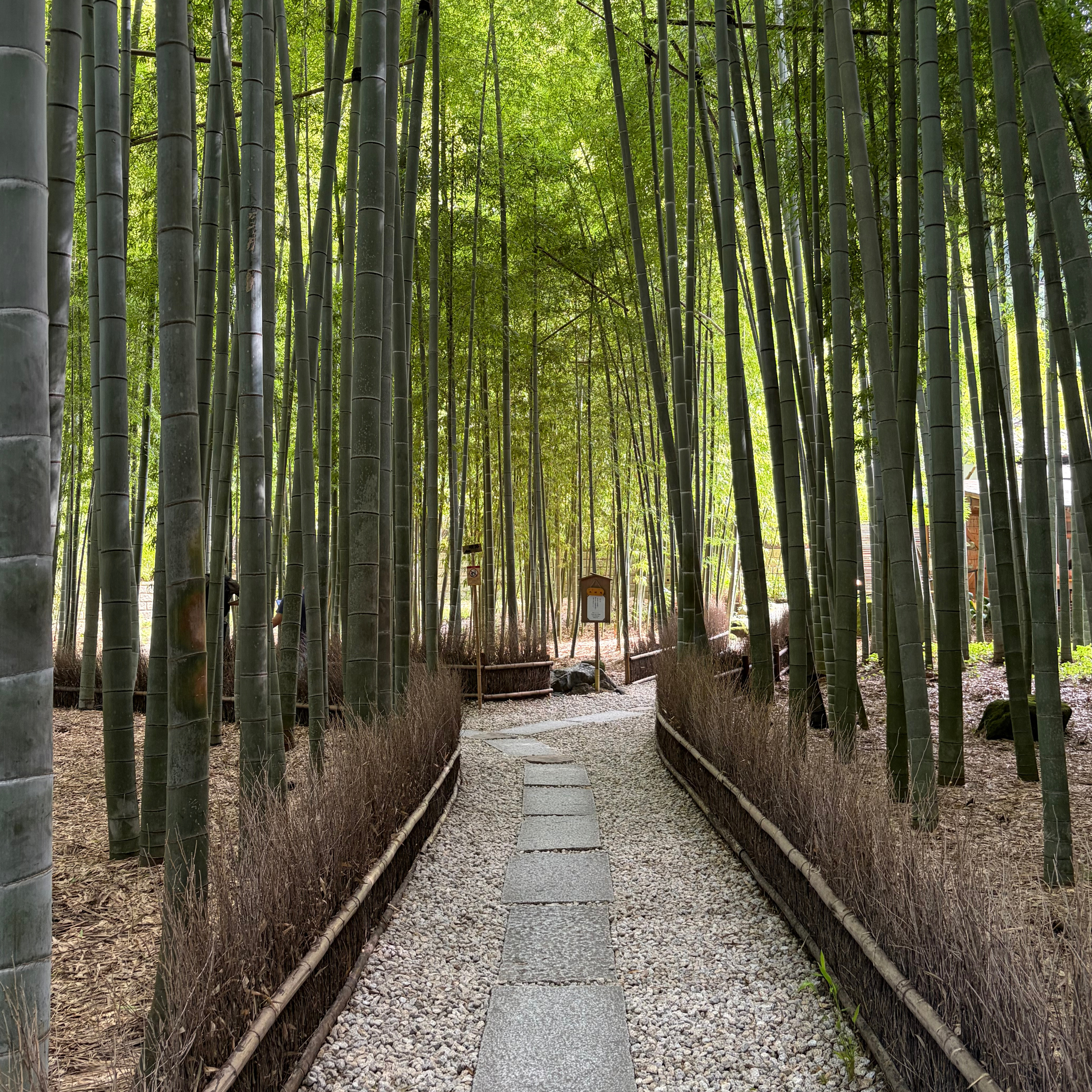 #389 More than just a bamboo garden 11.09.2026#389More than just a bamboo garden 鎌倉では、報国寺という竹林が有名なお寺にも行きました。このお寺では、「休耕庵」という場所で、竹の庭を見ながら抹茶と干菓子を楽しめます。鎌倉は山に囲まれていて平たい土地が少ないので、昔は岩を削って「やぐら」というお墓を作ったのですが、報国寺ではそのやぐらを見ることができます。竹だけではなく、苔の緑もとてもきれいな場所です。かまくらでは、ほうこくじという ちくりんが ゆうめいな おてらにも いきました。この おてらでは、「きゅうこうあん」という ばしょで、たけの にわを みながら まっちゃと ひがしを たのしめます。かまくらは やまに かこまれていて ひらたい とちが すくないので、むかしは いわを けずって「やぐら」という おはかを たてたのですが、ほうこくじでは その やぐらを みることが できます。たけだけではなく、こけの みどりも とても きれいな ばしょです。In Kamakura, I also visited Hokokuji Temple, which is famous for its bamboo grove. At a tea house called Kyukoan, you can enjoy matcha and traditional dry sweets while looking out at the bamboo garden. Kamakura is surrounded by mountains and has little flat land, so in the past, people carved tombs called “yagura” into the rock. You can see some of these yagura at Hokokuji. It’s a beautiful place not only for the bamboo, but also for the vibrant green moss.【Today’s words】竹林(ちくりん)/ bamboo grove干菓子(ひがし)/ traditional dry Japanese sweets平たい(ひらたい)/ flat岩を削る(いわを けずる)/ to carve into rock苔(こけ)/ moss★This post is also available on the broadcast channel (Japanese daily tips) of my Instagram. 【https://www.instagram.com/channel/AbbOi9lyhNtGwo6A/?igsh=enhqNGRyajhobnZ5】
 -
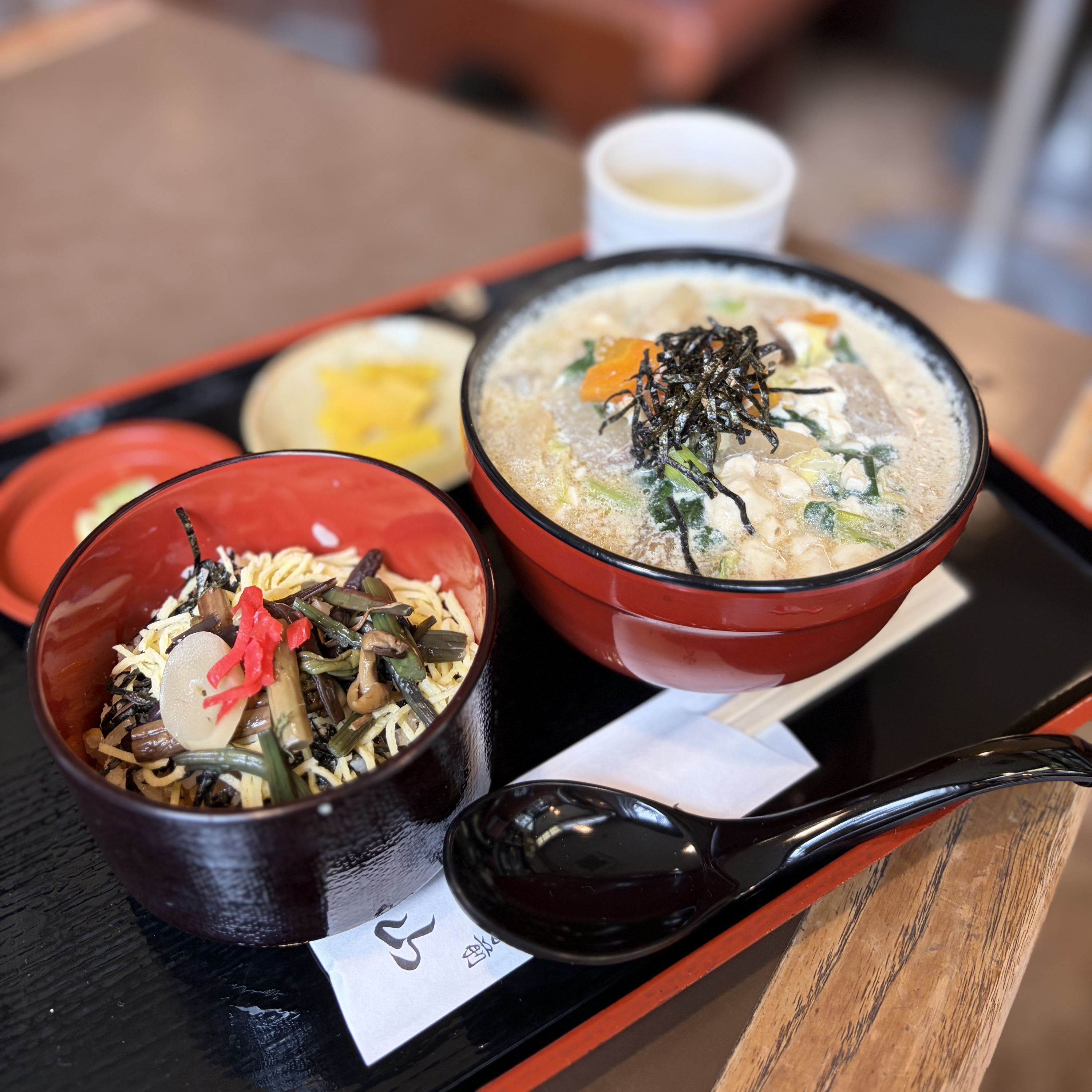 #388 The birthplace of kenchin soup 10.09.2026#388The birthplace of kenchin soup野菜と豆腐をごま油で炒めて、だしで煮た、けんちん汁という料理があります。建長寺はけんちん汁の発祥の地で、「建長汁」が訛って「けんちん汁」になったそうです。私も建長寺の近くの「五山」という店で、けんちんうどんを食べました。けんちん汁は日本の家庭料理です。ぜひ一度食べてみてくださいね!やさいと とうふを ごまあぶらで いためて、だしで にた、けんちんじるという りょうりが あります。けんちょうじは けんちんじるの はっしょうの ちで、「けんちょうじる」が なまって「けんちんじる」に なったそうです。わたしも けんちょうじの ちかくの「ござん」という みせで、けんちんうどんを たべました。けんちんじるは にほんの かていりょうりです。ぜひ いちど たべてみてくださいね!There is a Japanese dish called kenchin-jiru, made by stir-frying vegetables and tofu in sesame oil and then simmering them in dashi broth. Kenchoji Temple (I talked about it yesterday) is said to be the birthplace of kenchin-jiru, and according to one theory, the name “kenchin” came from “Kencho-jiru” as its pronunciation gradually changed. I also tried kenchin udon at a restaurant called Gozan near Kenchoji. Kenchin-jiru is a traditional Japanese home-style dish, so please give it a try if you get the chance!【Today’s words】炒める(いためる)/ to stir-fry煮る(にる)/ to simmer, to cook in liquid発祥の地(はっしょうの ち)/ birthplace, place of origin訛る(なまる)/ to change in pronunciation, to be pronounced with an accent家庭料理(かていりょうり)/ home cooking, home-style dish★This post is also available on the broadcast channel (Japanese daily tips) of my Instagram. 【https://www.instagram.com/channel/AbbOi9lyhNtGwo6A/?igsh=enhqNGRyajhobnZ5】
 -
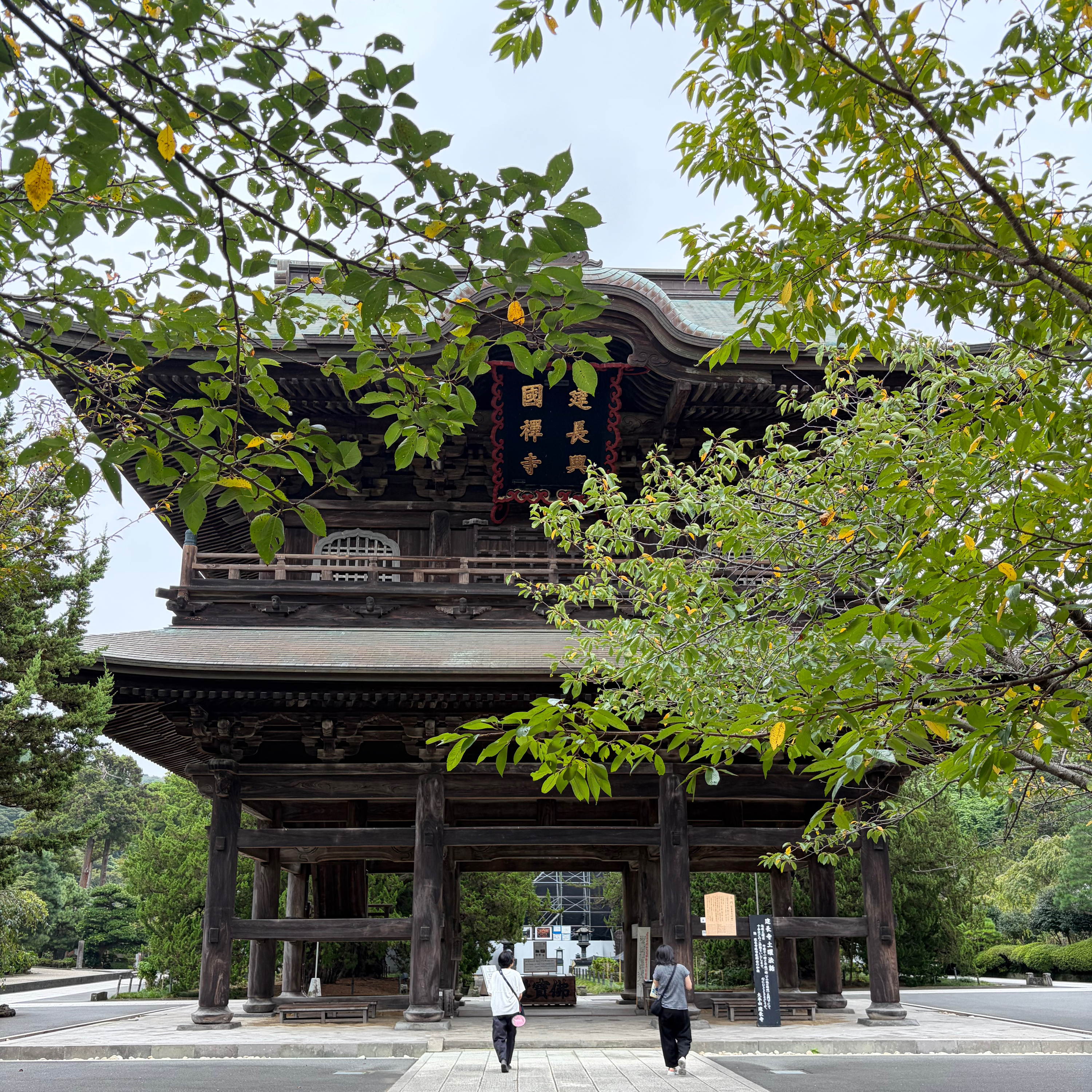
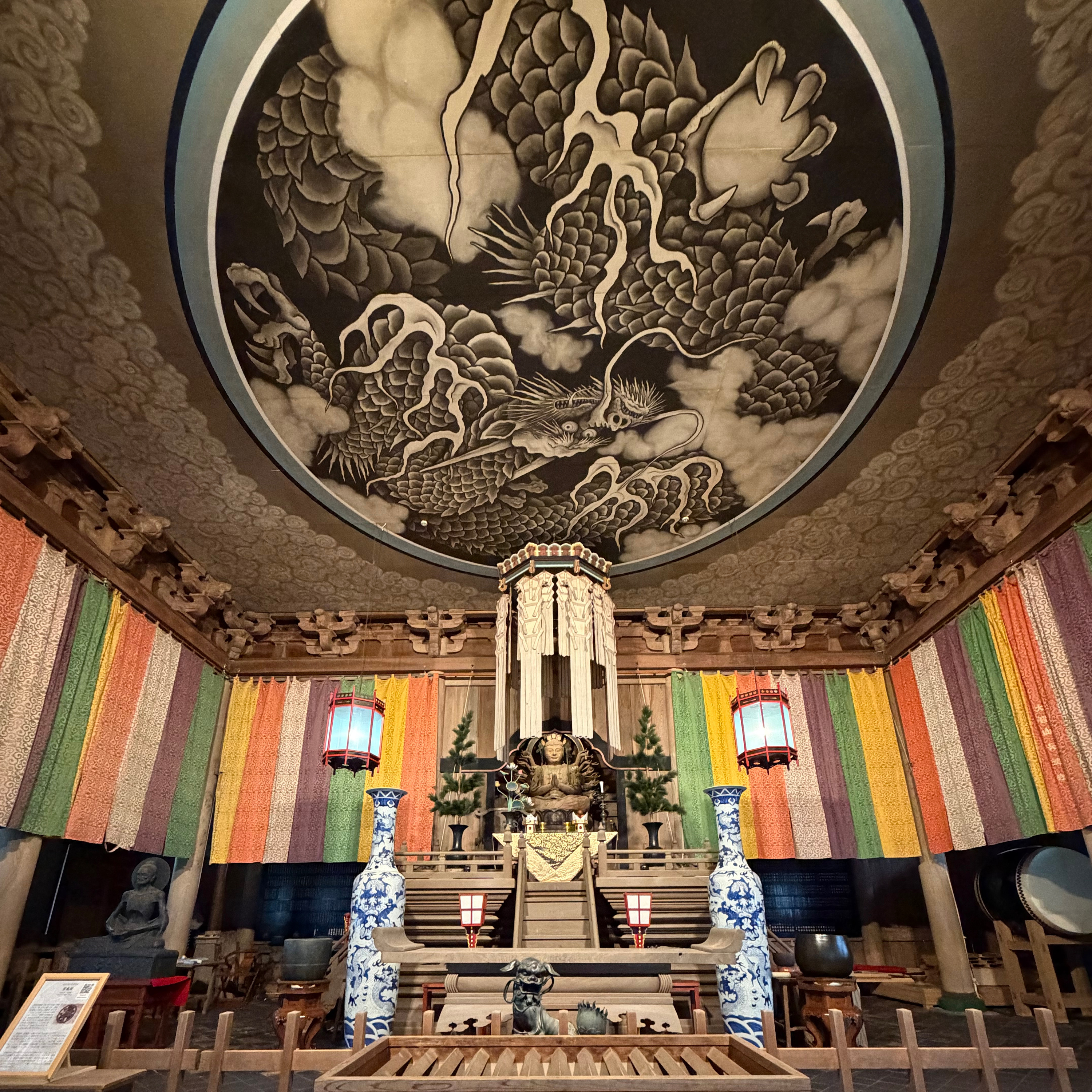 #387 The No.1 Zen temple in Kamakura 09.09.2026 1мин#387The No.1 Zen temple in Kamakura京都五山について少し前にお話ししましたが(#383)、鎌倉にも五山があり、その第一位が建長寺です。建長寺は10万8000平方メートルの広大なお寺です。巨大な三門、法堂にある龍の絵など、きれいなものがたくさんあります。半僧坊と呼ばれる、山の上の神社のような場所もあり、約250段の急な階段を登ると、たくさんの天狗の像が迎えてくれます。ハイキングコースでもあるので、散歩が好きな方はぜひ行ってみてください。きょうとござんについて すこしまえに おはなししましたが(#383)、かまくらにも ござんが あり、その だいいちいが けんちょうじです。けんちょうじは じゅうまんはっせんへいほうめーとるの こうだいな おてらです。きょだいな さんもん、はっとうに ある りゅうの えなど、きれいな ものが たくさん あります。はんそうぼうと よばれる、やまの うえの じんじゃのような ばしょも あり、やく にひゃくごじゅうだんの きゅうな かいだんを のぼると、たくさんの てんぐの ぞうが むかえてくれます。はいきんぐこーすでも あるので、さんぽが すきな かたは ぜひ いってみてください。I talked about Kyoto Gozan a little while ago (#383), and Kamakura has its own Gozan too. Kenchoji Temple ranks first among them. Kenchoji is a vast temple complex covering 108,000 square meters. There are many beautiful things to see, including its enormous Sanmon gate and a painting of a dragon in the Hatto hall. There is also a shrine-like place up in the mountains called Hansobo. After climbing about 250 steep steps, you’ll be greeted by lots of tengu statues. It’s also part of a hiking trail, so if you enjoy walking, I definitely recommend visiting!【Today’s words】広大な(こうだいな)/ vast, extensive巨大な(きょだいな)/ enormous, huge急な(きゅうな)/ steep像(ぞう)/ statue迎える(むかえる)/ to welcome, to greet★This post is also available on the broadcast channel (Japanese daily tips) of my Instagram. 【https://www.instagram.com/channel/AbbOi9lyhNtGwo6A/?igsh=enhqNGRyajhobnZ5】
 -
 #386 Discovering Kita-Kamakura 08.09.2026 1мин#386Discovering Kita-Kamakura8月の締めくくりに、北鎌倉に初めて行きました。もし皆さんが、神社やお寺、自然が好きだったら、鎌倉ではなく、北鎌倉にぜひ行ってほしいです!鎌倉は観光地という感じで、レストランや可愛い雑貨屋さんがたくさんあって、それも楽しいのですが、北鎌倉は山と緑とお寺の中に街がある、というイメージです。明日は北鎌倉にある、建長寺についてご紹介します。はちがつの しめくくりに、きたかまくらに はじめて いきました。もし みなさんが、じんじゃや おてら、しぜんが すきだったら、かまくらではなく、きたかまくらに ぜひ いってほしいです!かまくらは かんこうちという かんじで、れすとらんや かわいい ざっかやさんが たくさん あって、それも たのしいのですが、きたかまくらは やまと みどりと おてらの なかに まちが ある、という いめーじです。あしたは きたかまくらに ある けんちょうじについて ごしょうかいします。To wrap up August, I visited Kita-Kamakura for the first time. If you like shrines, temples, and nature, I definitely recommend visiting Kita-Kamakura rather than central Kamakura! Kamakura feels more like a tourist destination, with lots of restaurants and cute little shops, which is fun too. Kita-Kamakura, on the other hand, feels like a town nestled among mountains, greenery, and temples. Tomorrow, I’ll introduce Kenchoji Temple in Kita-Kamakura.【Today’s words】締めくくり(しめくくり)/ ending, conclusion観光地(かんこうち)/ tourist destination, sightseeing spot 雑貨屋(ざっかや)/ variety store, gift shop緑(みどり)/ greeneryXというイメージ/ it feels like X, I have an impression that X★This post is also available on the broadcast channel (Japanese daily tips) of my Instagram. 【https://www.instagram.com/channel/AbbOi9lyhNtGwo6A/?igsh=enhqNGRyajhobnZ5】
 -
#385 3-line diary challenge (Week #15) : What do you do to stay healthy? 07.09.2026#3853-line diary challenge (Week #15) :What do you do to stay healthy?月曜日は、3行日記にチャレンジしてみましょう!今日のテーマは、「健康のために何かしていますか?」です。私は、なるべくたくさん歩くようにしています。走るのはしんどくて苦手なのですが、散歩はいつまでもできそうなくらい好きです。1日8000歩以上、歩くようにしています。げつようびは、さんぎょう にっきに ちゃれんじしてみましょう!きょうの てーまは、「けんこうの ために なにか していますか?」です。わたしは、なるべく たくさん あるくように しています。はしるのは しんどくて にがてなのですが、さんぽは いつまでも できそうなくらい すきです。いちにち はっせんぽ いじょう、あるくように しています。On Mondays, let’s try writing a three-line diary! Today’s topic is: “Do you do anything to stay healthy?” I try to walk as much as possible. I find running exhausting and don’t really enjoy it, but I love walking so much that I feel like I could do it forever. I try to walk at least 8,000 steps a day.【Useful patterns】健康のために、( )ようにしています。(けんこうの ために、( )ように しています。)/ For my health, I try to ( ).毎日、( )ようにしています。(まいにち、( )ように しています。)/ I try to ( ) every day.歩く(あるく)/ to walk運動する(うんどうする)/ to exerciseストレッチする(すとれっちする)/ to stretch野菜を食べる(やさいを たべる)/ to eat vegetables水をたくさん飲む(みずを たくさん のむ)/ to drink plenty of water早く寝る(はやく ねる)/ to go to bed earlyよく寝る(よく ねる)/ to get plenty of sleepI’m looking forward to reading your writing via Instagram DM!😊★This post is also available on the broadcast channel (Japanese daily tips) of my Instagram. 【https://www.instagram.com/channel/AbbOi9lyhNtGwo6A/?igsh=enhqNGRyajhobnZ5】
-
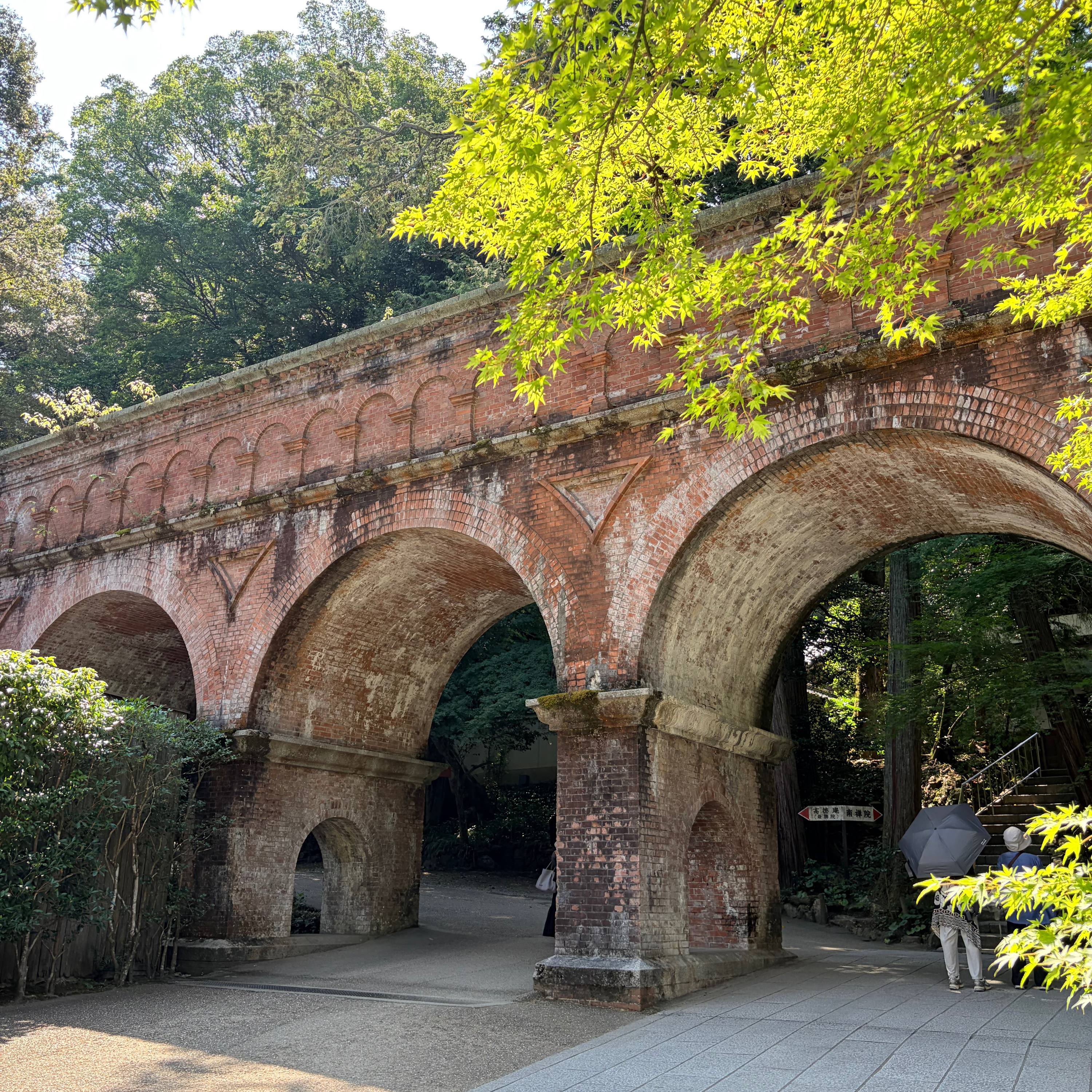 #384 A Roman-style bridge in Kyoto 04.09.2026#384A Roman-style bridge in Kyoto※This is a continuation from yesterday.南禅寺の中には、有名な水路閣という橋があります。都が京都から東京に移ったとき(1869〜)、力を失いたくなかった京都は、琵琶湖の水を使って電気を作り、街をもう一度強くしようとしました。そのとき作られたのが水路閣です。南禅寺の中に、突然ローマ風の水道橋が現れますが、不思議と和風のお寺にマッチしていて、圧倒的な美しさを感じました。なんぜんじの なかには、ゆうめいな すいろかくという はしが あります。みやこが きょうとから とうきょうに うつったとき(せんはっぴゃくろくじゅうきゅうねん〜)、ちからを うしないたくなかった きょうとは、びわこの みずを つかって でんきを つくり、まちを もういちど つよくしようと しました。そのとき つくられたのが すいろかくです。なんぜんじの なかに、とつぜん ろーまふうの すいどうきょうが あらわれますが、ふしぎと わふうの おてらに まっちしていて、あっとうてきな うつくしさを かんじました。Inside Nanzenji Temple, there is a famous aqueduct called Suirokaku. When Japan’s capital moved from Kyoto to Tokyo in 1869, Kyoto wanted to regain its strength. The city used water from Lake Biwa to generate electricity and revitalize itself. Suirokaku was built as part of this project. Suddenly, in the middle of Nanzenji, a Roman-style aqueduct appears. Somehow, it blends beautifully with the traditional Japanese temple, and I was overwhelmed by its beauty.【Today’s words】都(みやこ)/ capital力を失う(ちからを うしなう)/ to lose power, to lose influence電気(でんき)/ electricity水道橋(すいどうきょう)/ aqueduct和風(わふう)/ Japanese-style★This post is also available on the broadcast channel (Japanese daily tips) of my Instagram. 【https://www.instagram.com/channel/AbbOi9lyhNtGwo6A/?igsh=enhqNGRyajhobnZ5】
 -
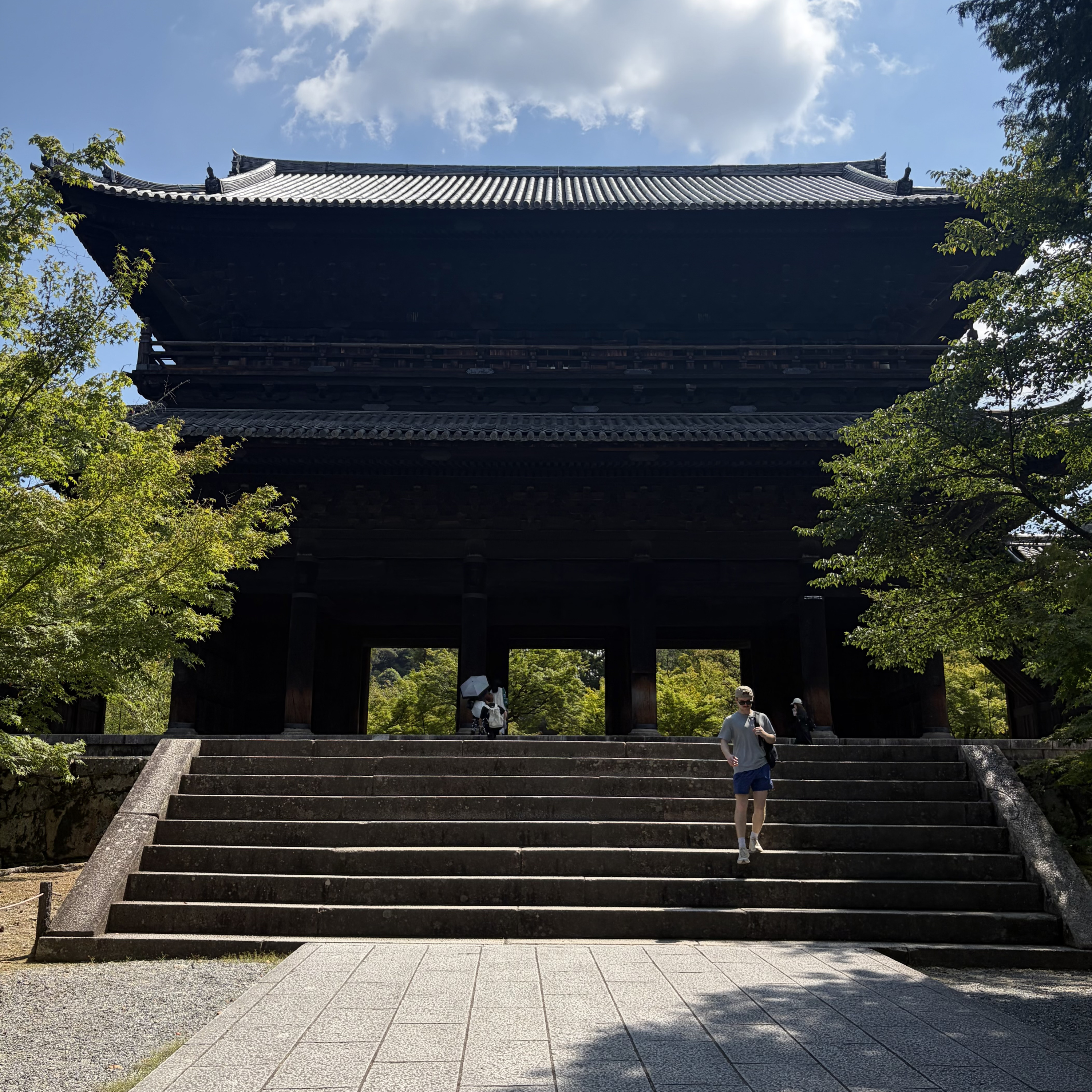 #383 The Zen temple on another level 03.09.2026#383The Zen temple on another level京都にある禅宗のお寺には、京都五山というランキングがあります。一位のお寺のさらに上、別格の「五山之上」と呼ばれているお寺があるのですが、それが南禅寺です。巨大な三門は日本三大三門の一つと言われていて、その美しさにまず圧倒されます。階段はとても急ですが、ぜひ上に登って、「絶景かな、絶景かな」とつぶやいてみてください😂きょうとに ある ぜんしゅうの おてらには、きょうとござんという らんきんぐが あります。いちいの おてらの さらに うえ、べっかくの「ござんのじょう」と よばれている おてらが あるのですが、それが なんぜんじです。きょだいな さんもんは にほんさんだいさんもんの ひとつと いわれていて、その うつくしさに まず あっとうされます。かいだんは とても きゅうですが、ぜひ うえに のぼって、「ぜっけいかな、ぜっけいかな」と つぶやいてみてください。Zen temples in Kyoto have a ranking system called the Kyoto Gozan, or “Five Mountains of Kyoto.” But there is one temple that stands even above the number-one-ranked temple. It has a special status known as “Gozan no Jo,” or “above the Five Mountains,” and that temple is Nanzenji. Its enormous Sanmon gate is known as one of Japan’s three great Sanmon gates, and its beauty is overwhelming. The stairs are very steep, but if you visit, make sure to climb to the top and whisper, “What a magnificent view, what a magnificent view.” 【Today’s words】別格(べっかく)/ to be on another level, special status 三門(さんもん)/ Sanmon gate, main gate of a Zen temple絶景かな、絶景かな。(ぜっけいかな、ぜっけいかな。)/ What a magnificent view!A famous line from Kabuki, traditionally said by Ishikawa Goemon while admiring the view from Nanzenji’s Sanmon gate.This かな is an old-fashioned way of saying だなあ.★This post is also available on the broadcast channel (Japanese daily tips) of my Instagram. 【https://www.instagram.com/channel/AbbOi9lyhNtGwo6A/?igsh=enhqNGRyajhobnZ5】
 -
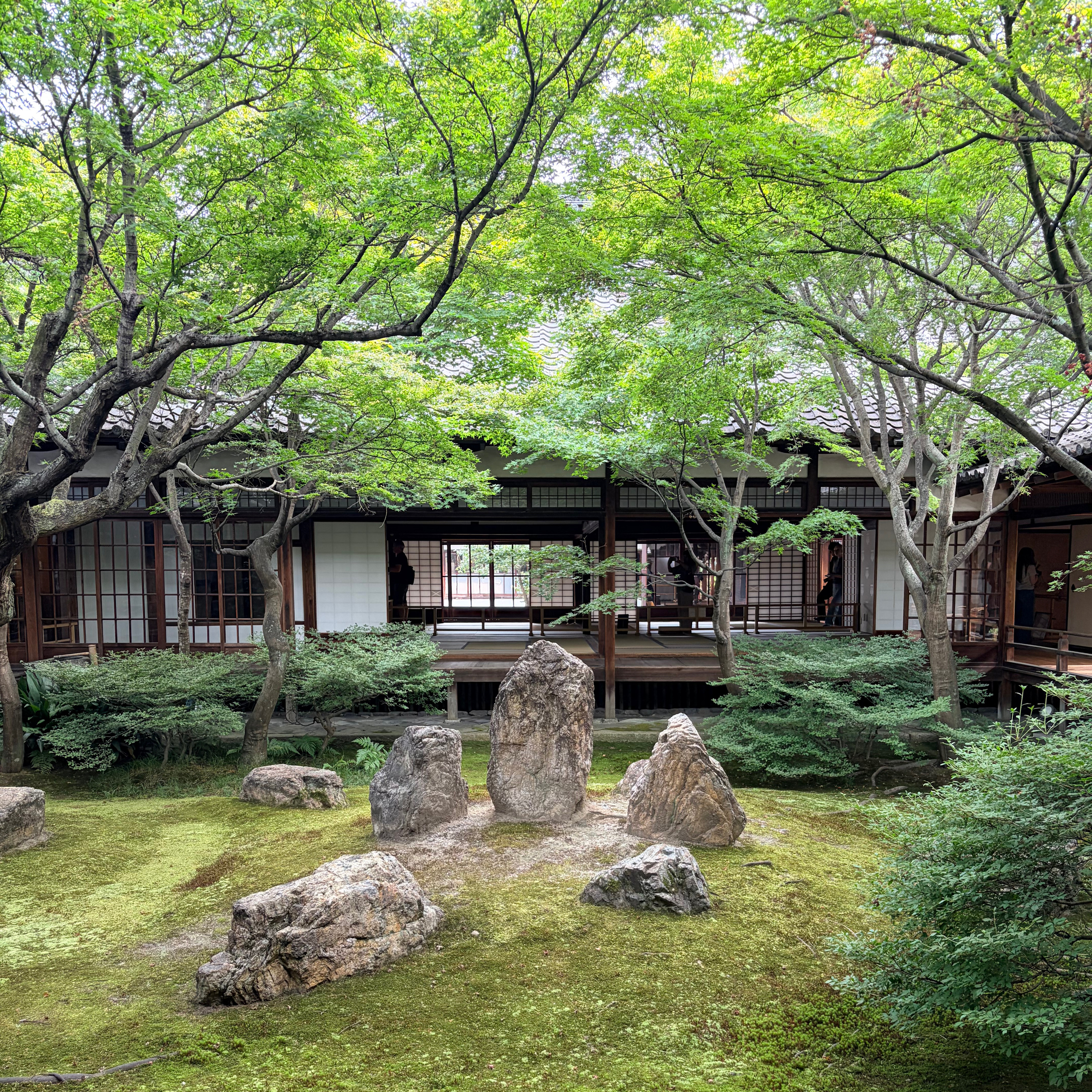 #382 The beauty of Zen 02.09.2026#382The beauty of Zenこの前の京都の旅で、心に残った場所の一つが、建仁寺の潮音庭です。Zenという言葉をよく聞くと思いますが、建仁寺は京都で一番古い禅宗のお寺です。私は潮音庭のきれいさに圧倒されました。四方向から見られるのですが、どこから見てもきれいなように作られています。石が置かれているバランス、こけや植物の緑の美しさは、息を飲むほどでした。このまえの きょうとの たびで、こころに のこった ばしょの ひとつが、けんにんじの ちょうおんていです。ぜんという ことばを よく きくと おもいますが、けんにんじは きょうとで いちばん ふるい ぜんしゅうの おてらです。わたしは ちょうおんていの きれいさに あっとうされました。よんほうこうから みられるのですが、どこから みても きれいなように つくられています。いしが おかれている ばらんす、こけや しょくぶつの みどりの うつくしさは、いきを のむほどでした。One of the places that stayed with me the most from my trip to Kyoto the other day was Choontei Garden at Kenninji Temple. You’ve probably heard the word “Zen” before, and Kenninji is the oldest Zen temple in Kyoto. I was overwhelmed by the beauty of Choontei garden.The garden can be viewed from four sides, and it was designed to look beautiful from every angle. The balance of the stones and the beautiful green moss and plants were absolutely breathtaking.【Today’s words】心に残る(こころに のこる)/ to stay with you, to leave an impression禅宗(ぜんしゅう)/ Zen Buddhism圧倒される(あっとうされる)/ to be overwhelmed四方向(よんほうこう)/ four directions, four sides息を飲む(いきを のむ)/ to be breathtaking, to take one’s breath away★This post is also available on the broadcast channel (Japanese daily tips) of my Instagram. 【https://www.instagram.com/channel/AbbOi9lyhNtGwo6A/?igsh=enhqNGRyajhobnZ5】
 -
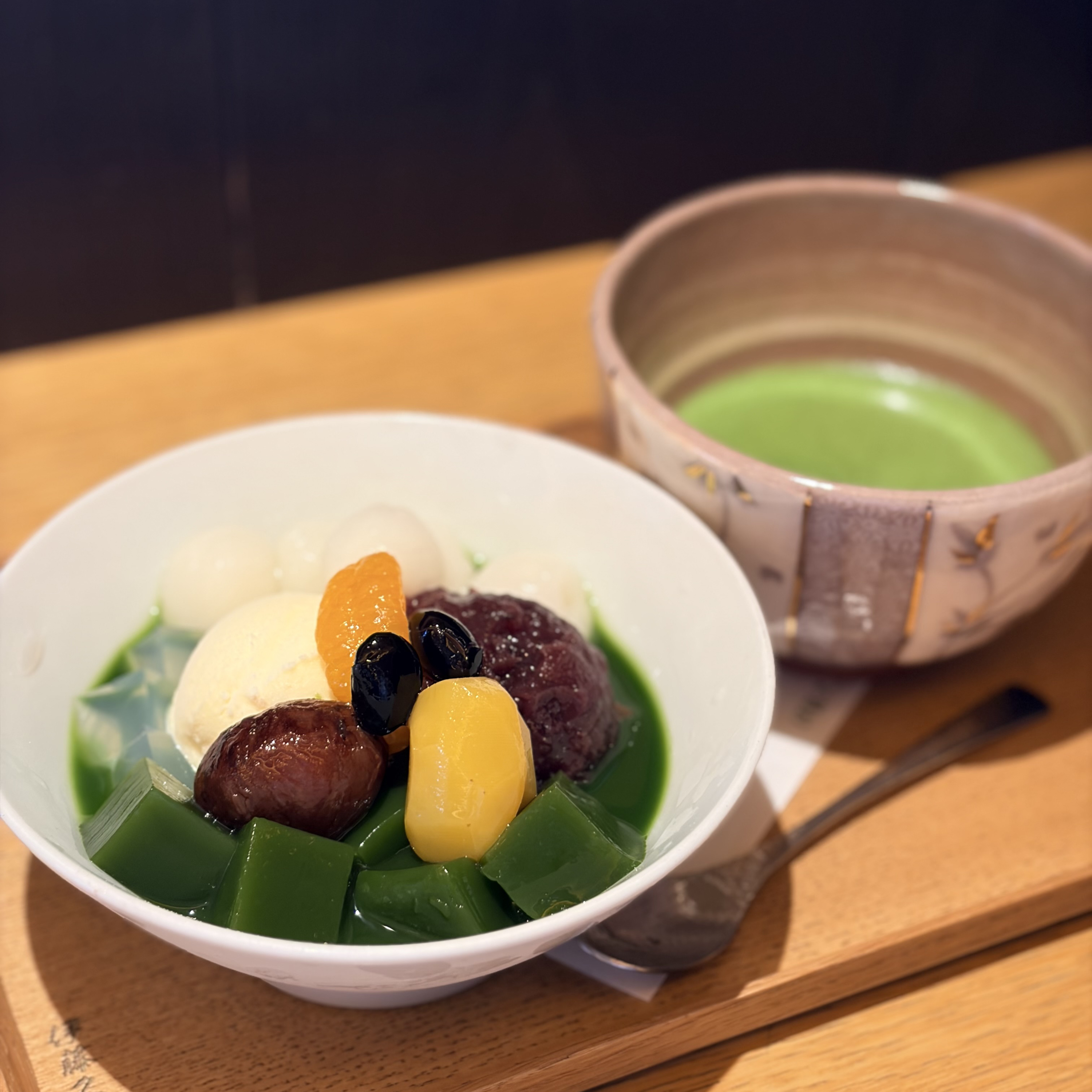 #381 The perfect summer desset 01.09.2026#381The perfect summer dessetこの前、京都で新しく発見したことは、あんみつの美味しさです。京都が暑すぎて、抹茶屋さんで試しにあんみつを頼んでみました。もちもちの団子、つるつるの寒天、ほくほくの栗やあんこなど、いろんな食感が一気に楽しめて、とても美味しかったです!あんみつは東京のデザートなので、東京でも、あんみつの有名なお店に行ってみようと思いました。このまえ きょうとで あたらしく はっけんしたことは、あんみつの おいしさです。きょうとが あつすぎて、まっちゃやさんで ためしに あんみつを たのんでみました。もちもちの だんご、つるつるの かんてん、ほくほくの くりや あんこなど、いろんな しょっかんが いっきに たのしめて、とても おいしかったです!あんみつは とうきょうの でざーとなので、とうきょうでも、あんみつの ゆうめいな おみせに いってみようと おもいました。The other day, one new thing I discovered in Kyoto was how delicious anmitsu is. Kyoto was so hot that I decided to try ordering anmitsu at a matcha shop. It had chewy dango, smooth kanten jelly, soft chestnuts and sweet red bean paste, and more, so I could enjoy lots of different textures all at once. It was delicious! Anmitsu originally comes from Tokyo, so now I want to visit some famous anmitsu shops in Tokyo too.【Today’s words】試しにXする(ためしに Xする)/ to try doing X to see what it is like もちもち/ chewy, springy(eg, mochi, gnocchi)つるつる/ smooth, slippery(eg, jelly, glass noodles)ほくほく/ soft and flakey (eg, boiled potatoes)食感(しょっかん)/ texture★This post is also available on the broadcast channel (Japanese daily tips) of my Instagram. 【https://www.instagram.com/channel/AbbOi9lyhNtGwo6A/?igsh=enhqNGRyajhobnZ5】
 -
#380 3-line diary challenge (Week #14) : Do you add sugar to your coffee or tea? 31.08.2026#3803-line diary challenge (Week #14) :Do you add sugar to your coffee or tea?月曜日は、3行日記にチャレンジしてみましょう!今日のテーマは、「コーヒーや紅茶を飲むとき、砂糖を入れますか?」です。私はコーヒーをよく飲みますが、いつもブラックで飲みます。甘いコーヒーも好きなのですが、甘いものが好きなので、合わせるコーヒーは砂糖がない方がいいです。あと、砂糖を摂りすぎないように、せめてコーヒーはブラックで、と決めています😂げつようびは、さんぎょう にっきに ちゃれんじしてみましょう!きょうの てーまは、「こーひーや こうちゃを のむとき、さとうを いれますか?」です。わたしは こーひーを よく のみますが、いつも ぶらっくで のみます。あまい こーひーも すきなのですが、あまいものが すきなので、あわせる こーひーは さとうが ない ほうが いいです。あと、さとうを とりすぎないように、せめて こーひーは ぶらっくで、と きめています。On Mondays, let’s try writing a three-line diary! Today’s theme is: “Do you add sugar to your coffee or tea?” I drink coffee often, and I always drink it black. I like sweet coffee too, but since I have a sweet tooth, I prefer my coffee without sugar when I’m having it with something sweet. Also, I try not to have too much sugar, so I’ve decided that at least my coffee should be black.※ Useful patterns私は、(コーヒー・紅茶)をよく飲みます。(わたしは、(こーひー・こうちゃ)を よく のみます。)/ I often drink (coffee / tea).いつも(砂糖を入れます・砂糖を入れません)。(いつも(さとうを いれます・さとうを いれません)。)/ I always (add sugar / drink it without sugar).( )が好きなので、( )方が好きです。( )が すきなので、( )ほうが すきです。)/ Because I like ( ), I prefer ( ).BにAを入れる(Bに Aをいれる)/ to add A to B砂糖(さとう)/ sugarミルク/ milkはちみつ/ honeyブラック(ぶらっく)/ black, without milk or sugarI’m looking forward to reading your writing! 😊☕️★This post is also available on the broadcast channel (Japanese daily tips) of my Instagram. 【https://www.instagram.com/channel/AbbOi9lyhNtGwo6A/?igsh=enhqNGRyajhobnZ5】
-
#379 The atmosphere of Gion 28.08.2026#379The atmosphere of Gion先週、義実家の奈良から東京に帰るとき、初めて京都の祇園に行きました。いかにも京都、というきれいな街並みに感動したのですが、祇園といえば、一見さんお断りの花街です。何か暗黙のルールがあるのではと感じて、歩いているだけで少し緊張しました😳京都の方々の、文化への誇りをとても感じました。せんしゅう、ぎじっかの ならから とうきょうに かえるとき、はじめて きょうとの ぎおんに いきました。いかにも きょうと、という きれいな まちなみに かんどうしたのですが、ぎおんと いえば、いちげんさん おことわりの はなまちです。なにか あんもくの るーるが あるのではと かんじて、あるいているだけで すこし きんちょうしました。 きょうとの かたがたの、ぶんかへの ほこりを とても かんじました。Last week, on my way back to Tokyo from my husband’s family home in Nara, I visited Gion in Kyoto for the first time. I was impressed by the beautiful streets that looked exactly like what you imagine when you think of Kyoto. Gion is famous for its traditional geisha district, where some establishments have an “existing customers only” policy. I felt like there might be some unspoken rules, so I was a little nervous even just walking around. I could really feel how proud the people of Kyoto are of their culture.【Today’s words】いかにもX/ typical X, it’s so X街並み(まちなみ)/ streetscape, townscape一見さんお断り(いちげんさん おことわり)/ regulars only花街(はなまち)/ geisha district暗黙のルール(あんもくの るーる)/ unspoken rule★This post is also available on the broadcast channel (Japanese daily tips) of my Instagram. 【https://www.instagram.com/channel/AbbOi9lyhNtGwo6A/?igsh=enhqNGRyajhobnZ5】
-
#378 Belgium someday 27.08.2026#378 Belgium someday私の両親は、あまり仲が良くないです😂母はチョコや甘い物が大好きなので、母が行きたい国はベルギーだとは、昔から知っていました。帰省したとき、ふと父に「行きたい国ある?」と聞いたら、古い建物が見たいから、ベルギーに行きたいと即答しました。これにはびっくりしたのですが、いつか両親をベルギーに連れて行ってあげたいなと思っています。わたしの りょうしんは、あまり なかが よくないです。ははは ちょこや あまいものが だいすきなので、ははが いきたい くには べるぎーだとは むかしから しっていました。きせいしたとき、ふと ちちに「いきたい くに ある?」と きいたら、ふるい たてものが みたいから、べるぎーに いきたいと そくとうしました。これには びっくりしたのですが、いつか りょうしんを べるぎーに つれていってあげたいなと おもっています。My parents don’t get along very well. My mother loves chocolate and sweets, so I’ve known for a long time that Belgium is the country she wants to visit. When I was back home, I suddenly asked my father, “Is there any country you’d like to visit?” He immediately answered, “Belgium,” because he wants to see old buildings. I was really surprised (that they both chose the same country)! Someday, I’d love to take my parents to Belgium.【Today’s words】仲が良い(なかが いい)/ to get along wellふと/ suddenly, on a whim即答する(そくとうする)/ to answer immediately連れて行く(つれていく)/ to take someone somewhere★This post is also available on the broadcast channel (Japanese daily tips) of my Instagram. 【https://www.instagram.com/channel/AbbOi9lyhNtGwo6A/?igsh=enhqNGRyajhobnZ5】
-
#377 No matter how old I get 26.08.2026#377No matter how old I get8月の初旬は、鳥取に帰省していました。家族の存在はありがたいなと、いつも思います。私はもう40歳ですが、いくつになっても、両親は私が食べたい物を聞いて、ご飯を作ってくれますし、兄は家族と車でどこかに行くとき、いつも息子と私も乗せてくれます。これを当たり前だと思わず、感謝したいなと思いました。はちがつの しょじゅんは、とっとりに きせいしていました。かぞくの そんざいは ありがたいなと、いつも おもいます。わたしは もう よんじゅっさいですが、いくつに なっても りょうしんは わたしが たべたい ものを きいて、ごはんを つくってくれますし、あには かぞくと くるまで どこかに いくとき、いつも むすこと わたしも のせてくれます。これを あたりまえだと おもわず、かんしゃしたいなと おもいました。At the beginning of August, I went back to Tottori to visit my family. I’m always grateful to have my family in my life. I’m almost 40, but no matter how old I get, my parents still ask me what I want to eat and cook for me. And whenever my brother goes somewhere by car with his family, he always takes my son and me along too.It made me think that I don’t want to take these things for granted, and that I want to always be grateful for them.【Today’s words】初旬(しょじゅん)/ the beginning of a month存在(そんざい)/ presence, existenceいくつになっても/ no matter how old you get当たり前(あたりまえ)/ something taken for granted, something considered normal感謝する(かんしゃする)/ to be grateful, to appreciate★This post is also available on the broadcast channel (Japanese daily tips) of my Instagram. 【https://www.instagram.com/channel/AbbOi9lyhNtGwo6A/?igsh=enhqNGRyajhobnZ5】
-
#376 My summer break 25.08.2026#376 My summer break ストーリーでも投稿しましたが、インスタを休んでいる間、色んな所に行きました。鳥取に帰省して、義実家のある奈良に行って、京都に寄ってから東京に帰って、河口湖に行きました。皆さんも、楽しい夏休みを過ごされたことと思います。シェアしたいことがたくさんあるので、また明日からの投稿を楽しみにしていてください!すとーりーでも とうこうしましたが、いんすたを やすんでいる あいだ、いろんな ところに いきました。とっとりに きせいして、ぎじっかの ある ならに いって、きょうとに よってから とうきょうに かえって、かわぐちこに いきました。みなさんも、たのしい なつやすみを すごされたことと おもいます。しぇあしたいことが たくさん あるので、また あしたからの とうこうを たのしみに していてください!As I shared in my Stories, I went to lots of different places while I was taking a break from Instagram.I went back to Tottori to visit my family, then went to Nara, where my husband’s family lives. I stopped by Kyoto on my way back to Tokyo, and I also went to Lake Kawaguchi.I hope you all had a wonderful summer break too.I have so many things I want to share with you, so please look forward to my posts starting again tomorrow!【Today’s words】帰省する(きせいする)/ to go back to one’s hometown義実家(ぎじっか)/ one’s spouse’s family home寄る(よる)/ to stop by過ごす(すごす)/ to spend time★This post is also available on the broadcast channel (Japanese daily tips) of my Instagram. 【https://www.instagram.com/channel/AbbOi9lyhNtGwo6A/?igsh=enhqNGRyajhobnZ5】
-
#375 3-line diary challenge (Week #13) : Do you like drinking alcohol? 23.08.2026#375 3-line diary challenge (Week #13) :Do you like drinking alcohol?みなさん、お久しぶりです。お元気でしたか?早速ですが、今日は月曜日なので、3行日記にチャレンジしてみましょう!今日のテーマは、「お酒を飲むのは好きですか?」です。私は、お酒を飲むのが好きですが、年々弱くなっています。ビールとハイボールをよく飲みますが、二杯が限界です。1週間に1回くらい飲みます。みなさん、おひさしぶりです。おげんきでしたか?さっそくですが、きょうは げつようびなので、さんぎょう にっきに ちゃれんじしてみましょう!きょうの てーまは、「おさけを のむのは すきですか?」です。わたしは、おさけを のむのが すきですが、ねんねん よわく なっています。びーると はいぼーるを よく のみますが、にはいが げんかいです。いっしゅうかんに いっかいくらい のみます。Hi everyone, it’s been a while! How have you been? Let’s get right into it! Since it’s Monday, let’s try writing a three-line diary! Today’s theme is: “Do you like drinking alcohol?” I like drinking, but I can’t drink as much as I used to.I often drink beer or highballs, but two drinks is my limit. I drink about once a week.※ Useful patterns私は、お酒を(飲みます・飲みません)。(わたしは、おさけを(のみます・のみません)。)/ I (drink / don’t drink) alcohol.1週間にX回くらい飲みます。(いっしゅうかんに Xかいくらい のみます。)/ I drink about X times a week.お酒に強いです/ 弱いです。(おさけに つよいです/ よわいです。)/ I can drink a lot. / I can’t drink much. お酒が飲めません/ 下戸です。(おさけが のめません/ げこです。)/ I can’t drink.I’m looking forward to reading your writing via Instagram DM! 😊🍶★This post is also available on the broadcast channel (Japanese daily tips) of my Instagram. 【https://www.instagram.com/channel/AbbOi9lyhNtGwo6A/?igsh=enhqNGRyajhobnZ5】
-
#374 The spirit of high school baseball 12.08.2026 1мин#374The spirit of high school baseball日本では、どの学校でも、野球部はルールが厳しいことが多いです。私の中学校では、学校の廊下で、野球部の生徒が先生とすれちがうとき、「こんにちは!」と大きな声で挨拶をする、というルールがありました。今日本では、「甲子園」という、日本全国の高校生が戦う野球の試合をしています。とても暑いので、厳しい練習を乗り越えてきた学生達の努力が実るといいなと思います。にほんでは、どの がっこうでも、やきゅうぶは るーるが きびしいことが おおいです。わたしの ちゅうがっこうでは、がっこうの ろうかで やきゅうぶの せいとが せんせいと すれちがう とき、「こんにちは!」と おおきな こえで あいさつを する、という るーるが ありました。いま にほんでは、「こうしえん」という、にほん ぜんこくの こうこうせいが たたかう やきゅうの しあいを しています。とても あついので、きびしい れんしゅうを のりこえてきた がくせいたちの どりょくが みのると いいなと おもいます。In Japan, baseball clubs often have very strict rules.At my junior high school, baseball club members had to greet their coach with a loud “Hello!” whenever they passed them in the school hallway.Right now in Japan, the Koshien high school baseball tournament is taking place, where teams from all over the country compete against each other.The weather is extremely hot, so I hope all the hard work of the students who have made it through such tough training will pay off.【Today’s words】野球部(やきゅうぶ)/ baseball club廊下(ろうか)/ hallwayすれ違う(すれちがう)/ to pass by someone挨拶する(あいさつする)/ to greet甲子園(こうしえん)/ Koshien (Japan’s national high school baseball tournament)努力が実る(どりょくが みのる)/ hard work pays off★This post is also available on the broadcast channel (Japanese daily tips) of my Instagram. 【https://www.instagram.com/channel/AbbOi9lyhNtGwo6A/?igsh=enhqNGRyajhobnZ5】★ I’ll be taking a break for the Obon holiday.My next post will be on August 24th.Have a wonderful summer, and see you soon! 🌻
-
#373 Four hours to pass, five hours to fail 10.08.2026#373Four hours to pass, five hours to fail四当五落という言葉を聞いたことがありますか?受験生への言葉で、4時間しか寝なければ受かる、5時間寝たら落ちる、という意味です。絶対にもっと寝た方がいいと今は思いますが、高校のときは本当に信じていました。夏休みは、日本の受験生にとってたくさん勉強できる大事な時期です。夏はいつも、がんばれ受験生!という気持ちになります。しとうごらくという ことばを きいたことが ありますか?じゅけんせいへの ことばで、よじかんしか ねなければ うかる、ごじかん ねたら おちる、という いみです。ぜったいに もっと ねた ほうが いいと いまは おもいますが、こうこうの ときは ほんとうに しんじていました。なつやすみは、にほんの じゅけんせいに とって たくさん べんきょうできる だいじな じきです。なつは いつも、がんばれ じゅけんせい!という きもちに なります。Have you ever heard the expression “Four hours to pass, five hours to fail”?It’s a saying for students preparing for entrance exams. It means that if you sleep only four hours, you’ll pass, but if you sleep five hours, you’ll fail.Now, I definitely think it’s much better to get more sleep, but when I was in high school, I truly believed it.Summer vacation is an important time for Japanese students because they can spend more time studying for their entrance exams.Every summer, I find myself thinking, “Good luck, everyone who’s studying for exams!”【Today’s words】四当五落(しとうごらく)/ “Four hours to pass, five hours to fail” (an old saying for exam students)受験生(じゅけんせい)/ student preparing for entrance exams受かる(うかる)/ to pass (an exam)落ちる(おちる)/ to fail (an exam)時期(じき)/ period, a certain timeWe often use “period” to talk about a certain time in life or during the year.★This post is also available on the broadcast channel (Japanese daily tips) of my Instagram. 【https://www.instagram.com/channel/AbbOi9lyhNtGwo6A/?igsh=enhqNGRyajhobnZ5】
Слични подкасти


Популарен во
Овој подкаст се појавува и на подкаст-листите на овие земји.
