
Dor LeDor: The Jewish Story
Studio Dor Amsterdam
0
Dor LeDor, meaning “from generation to generation,” explores the continuous history of Jewish survival across centuries and continents. It follows the major figures, sacred traditions, and radical ideas that shaped Jewish civilization and carried its heritage through time. The show takes its title from Tehillim, Psalms 145:4, which says that generation to generation shall praise Your works. In Dor LeDor, the past is not merely remembered but treated as a living presence.
Епизоди
-
 Lior Raz: The Man Behind Fauda 15.09.2026 27минLior Raz is an Israeli actor, writer, and creator whose own experiences became the foundation for the internationally acclaimed television series Fauda. Raised in Jerusalem in an environment where Arabic was spoken at home, Raz later served in Duvdevan, an elite IDF undercover unit whose operatives infiltrate Palestinian communities while disguised as Arabs.After his military service, Raz moved to Los Angeles, where he worked as Arnold Schwarzenegger’s bodyguard before returning to Israel to pursue acting. He studied classical theater, worked in advertising, and gradually established himself as an actor. His career took a decisive turn when he reconnected with journalist Avi Issacharoff.Together, Raz and Issacharoff created Fauda—Arabic for “chaos”—drawing on their firsthand knowledge of the Israeli-Palestinian conflict and the world of undercover operations. The series explores the psychological burden of living under a false identity while portraying both Israeli and Palestinian characters as complex human beings. Palestinian characters, in particular, are given lives beyond the conflict, including families, relationships, ambitions, and personal struggles.Fauda initially faced rejection from major Israeli networks. Raz also had to audition for the role of Doron Kavillio, the protagonist he had helped create. The series ultimately became a major Israeli television success, winning numerous Israeli Television Academy Awards before gaining an international audience through Netflix. It became particularly popular across the Arab world, reaching the top of Netflix's rankings in several Arab countries.The success of Fauda transformed Raz into an internationally recognized actor and opened the door to Hollywood productions. He subsequently appeared in films and television projects including Michael Bay’s 6 Underground and Ridley Scott’s Gladiator II.Raz’s career is therefore unusual: the experiences that once defined his military life became the raw material for a fictional world that carried an intensely local Israeli story onto the global stage.Disclaimer: Dor LeDor podcast is for educational and entertainment purposes only. Content is AI-assisted and fact-checked for historical accuracy. Views expressed are our own; listeners should conduct independent research. We accept no liability for errors or omissions.
 -
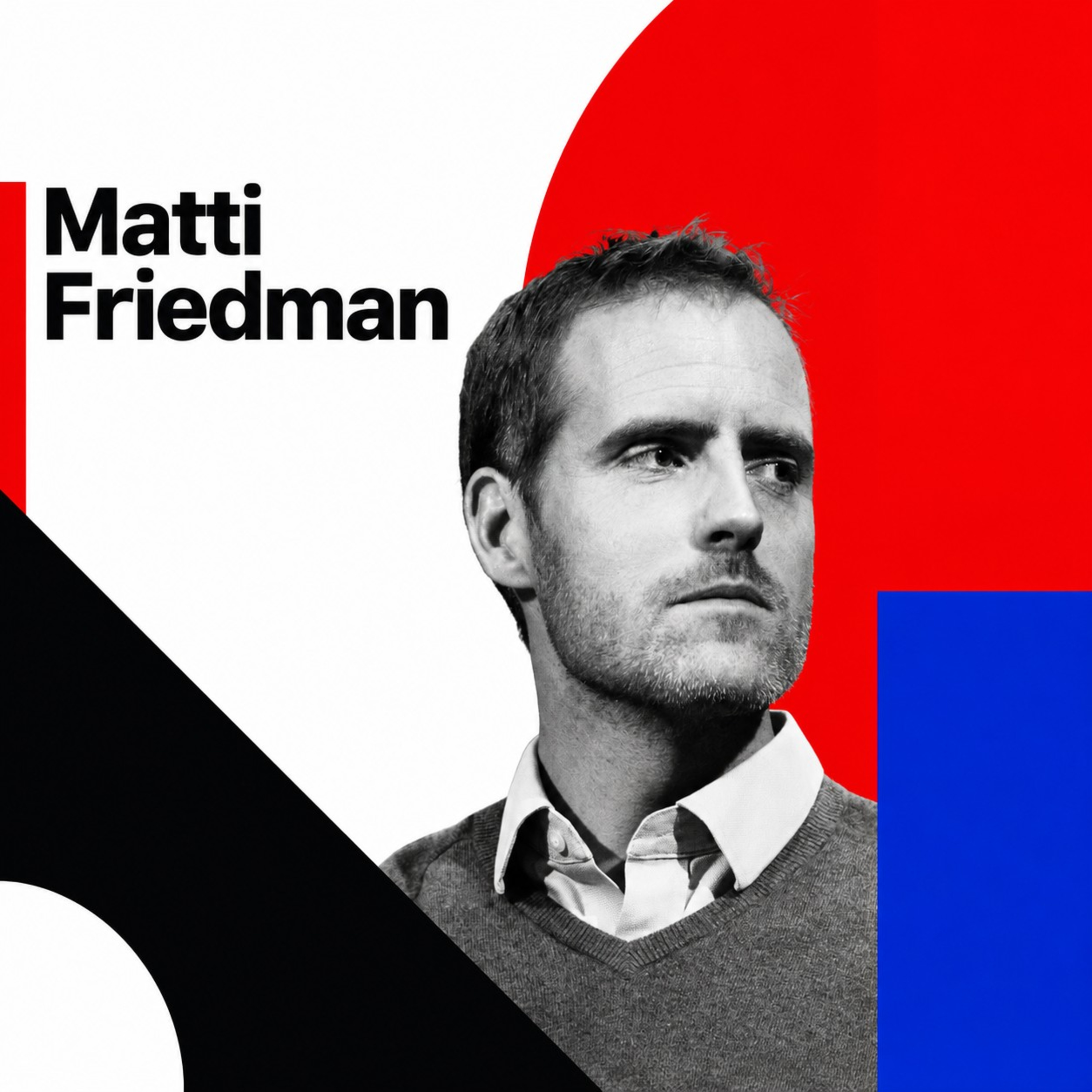 Matti Friedman: The IDF Soldier Who Returned to Lebanon 13.09.2026 35минMatti Friedman is a Toronto-born Israeli journalist who served in the Israel Defense Forces (IDF) from 1998 to 2000. During his service, he was deployed to Outpost Pumpkin, a fortified hilltop position in Israel’s southern Lebanon Security Zone. When Israel withdrew from Lebanon in May 2000, the outpost was demolished to prevent its fortifications from falling into enemy hands, leaving behind little more than shattered concrete and debris.Friedman’s Canadian citizenship later gave him an unusual freedom. After studying Middle Eastern history and Arabic at the Hebrew University of Jerusalem, he used his Canadian passport to enter Lebanon legally as a civilian tourist in autumn 2002—something that would have been far more difficult for an Israeli citizen. Traveling through Beirut, Tripoli, and Baalbek, he eventually made his way back to the ruins of Outpost Pumpkin, approaching the former military position from the civilian north rather than the militarized southern frontier.Unarmed and dressed in sneakers and a T-shirt, Friedman climbed the hill and encountered the remains of the position he had once defended: overgrown concrete fortifications and spent brass shell casings scattered among the ruins.His journey also brought him into contact with Lebanese civilians who, despite their hostility toward Israel, often treated him with unexpected warmth and hospitality. These encounters complicated his understanding of the people he had once regarded primarily as enemies.Friedman later transformed these experiences into his acclaimed 2016 memoir, Pumpkinflowers. The book uses his memories of Outpost Pumpkin and the wider Lebanon conflict to examine the psychological legacy of a forgotten low-intensity war—and how the Israeli experience in Lebanon became an early laboratory for the asymmetric warfare that would increasingly define modern conflicts.Disclaimer: Dor LeDor podcast is for educational and entertainment purposes only. Content is AI-assisted and fact-checked for historical accuracy. Views expressed are our own; listeners should conduct independent research. We accept no liability for errors or omissions.
 -
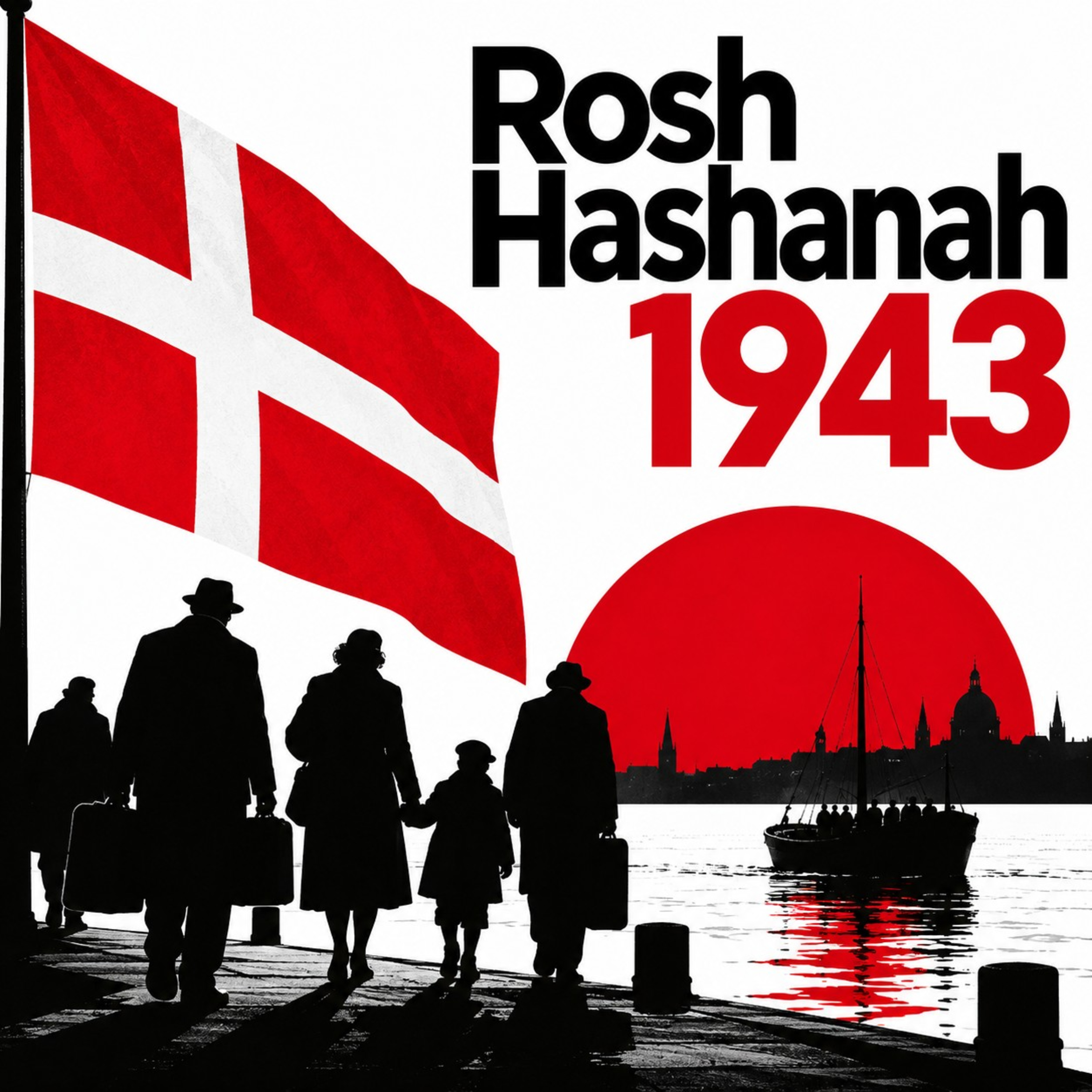 Rosh Hashanah Escape: The Rescue of Denmark’s Jews in 1943 10.09.2026 1ч 1минIn September 1943, as Denmark’s status as a relatively autonomous “model protectorate” under Nazi occupation collapsed, German authorities prepared to deport the country’s approximately 7,800 Jews. The planned roundup was scheduled for Rosh Hashanah, the Jewish New Year. But Georg Ferdinand Duckwitz, a German diplomat who had become increasingly opposed to Nazi policies, secretly informed Danish political leaders of the impending deportation.On the eve of the holiday, Rabbi Marcus Melchior alerted his congregation at Copenhagen’s Great Synagogue. Religious services were suspended, and families were urged to leave their homes immediately and seek refuge with friends, neighbors, and sympathetic Danes.What followed was an extraordinary grassroots rescue effort. Hospitals admitted Jewish refugees under false names. Danish police officers refused to assist with the raids. Families opened their homes, hiding Jewish neighbors in apartments, churches, hospitals, and other places of refuge.Over the following weeks, Danish fishermen and boat captains transported approximately 7,200 Jews, along with around 700 non-Jewish spouses, across the narrow Øresund Strait to neutral Sweden, which had offered asylum. Only 472 Jews were captured and deported to the Theresienstadt ghetto. Sustained pressure from Danish authorities, combined with food and humanitarian packages sent to the prisoners, contributed to the survival of the great majority.When the survivors returned to Denmark in May 1945, many discovered that their homes and belongings had been carefully protected by their neighbors. In some cases, keys had been preserved, possessions left untouched, and even pets cared for during their absence.The rescue of Denmark’s Jews stands as one of the most remarkable episodes of collective resistance during the Holocaust—not because it was organized by a single heroic institution, but because thousands of ordinary people chose to protect their neighbors at extraordinary personal risk. Disclaimer: Dor LeDor podcast is for educational and entertainment purposes only. Content is AI-assisted and fact-checked for historical accuracy. Views expressed are our own; listeners should conduct independent research. We accept no liability for errors or omissions.
 -
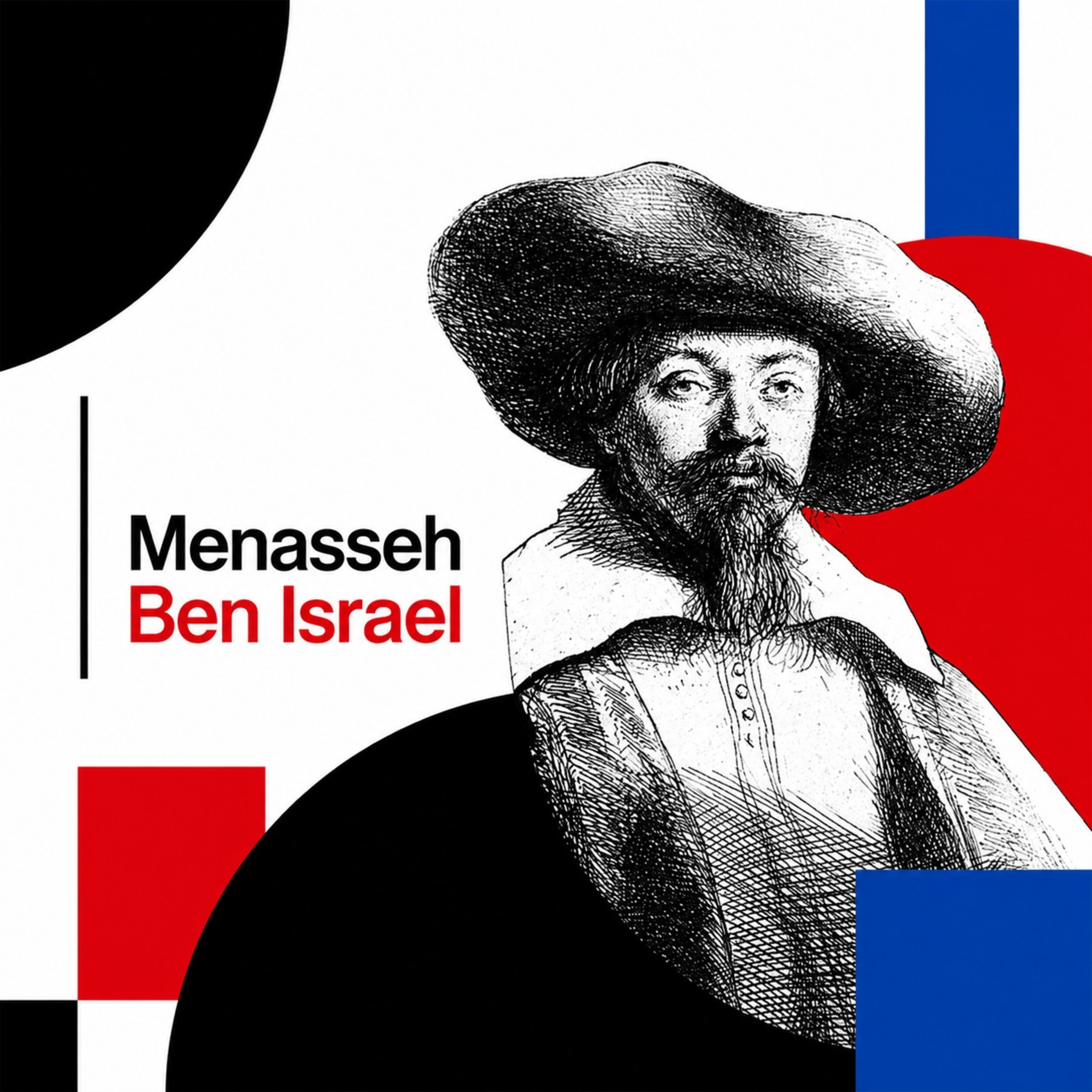 Menasseh ben Israel: The Amsterdam Rabbi Who Reopened England to the Jews 09.09.2026 29минMenasseh ben Israel (1604–1657), born Manoel Dias Suero, was a Portuguese-born Sephardic rabbi, scholar, publisher, and diplomat who became one of Amsterdam’s most influential Jewish intellectuals. In 1626, he established Northern Europe’s first Hebrew printing press, producing finely crafted Hebrew books with distinctive typefaces that influenced Jewish publishing for generations. A remarkable intermediary between rabbinic Judaism and Christian Hebraism, he corresponded with leading European intellectuals such as Hugo Grotius, advised Queen Christina of Sweden, and maintained a close artistic association with Rembrandt.Menasseh’s intellectual life was deeply shaped by messianic expectation. In his 1650 treatise, The Hope of Israel, he argued that the worldwide dispersion of the Jewish people was connected to the fulfillment of biblical prophecy and the approach of the Messianic Age. He paid particular attention to reports of Jews living among distant peoples and argued that the dispersion had to reach the “ends of the earth” before redemption could occur. England therefore acquired a special significance in his thinking, both as a distant land and as a potential final destination of Jewish dispersion.In 1655, Menasseh traveled to England and petitioned Oliver Cromwell to permit Jews to return after centuries of exclusion. Although Parliament never enacted a formal law of readmission, the ensuing legal debate established that no statute explicitly prohibited Jews from settling in England. Cromwell subsequently permitted a practical, de facto toleration: Jews were able to settle, trade, worship privately, and establish a cemetery in London. Menasseh’s mission thus helped lay the foundations of the modern Anglo-Jewish community and became one of the most consequential episodes in the history of seventeenth-century Jewish diplomacy.Disclaimer: Dor LeDor podcast is for educational and entertainment purposes only. Content is AI-assisted and fact-checked for historical accuracy. Views expressed are our own; listeners should conduct independent research. We accept no liability for errors or omissions.
 -
 Music Bonus: Mokum Alef - אהבה שנשארה 07.09.2026 1минMusic Bonus Promo for: Dor LeDor - The Jewish Story PodcastTrack Title: אהבה שנשארה (Ahavah SheNish'arah)Artist: Mokum Alef2026 אהבה שנשארה · Mokum Alef · F. Lazarescu℗ Studio TrekboerOriginal Release: 23 AUG 2026
 -
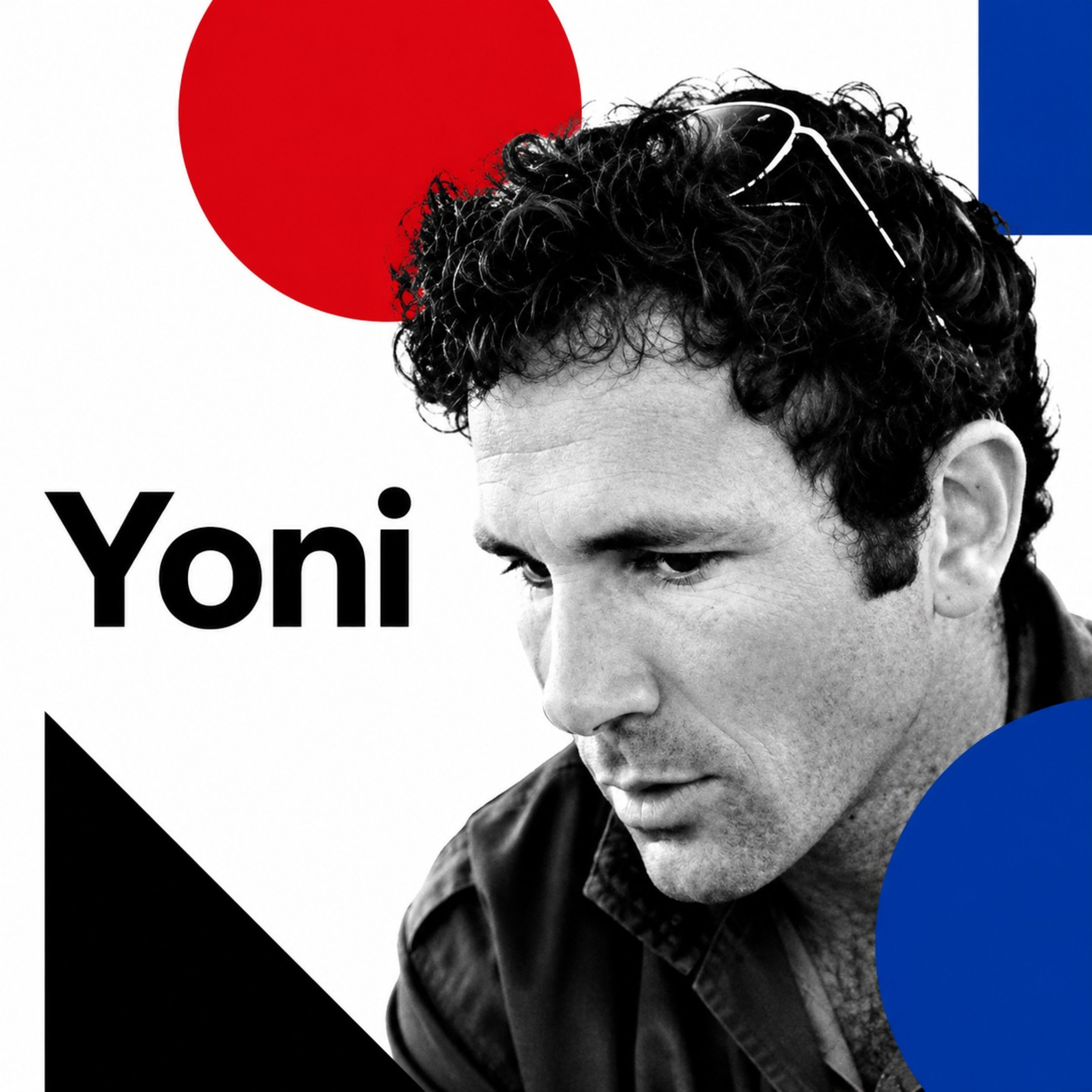 Yonatan “Yoni” Netanyahu: The Warrior-Philosopher 07.09.2026 30минBorn in New York City in 1946 to Tzila Segal and historian Benzion Netanyahu, Yonatan “Yoni” Netanyahu was the eldest of three brothers. He spent his childhood between Jerusalem and Cheltenham, Pennsylvania, where he attended high school alongside future baseball star Reggie Jackson. Initially torn between academia and military service, he briefly studied philosophy and mathematics at Harvard University and the Hebrew University of Jerusalem before choosing a lifelong career in the Israel Defense Forces.Yoni enlisted in the IDF Paratroopers Brigade in 1964 and fought in the Six-Day War of 1967, where he was seriously wounded in the elbow. He later joined the elite Sayeret Matkal commando unit, taking part in a series of covert operations. During the Yom Kippur War in 1973, he commanded a reconnaissance battalion and distinguished himself under fire by rescuing a wounded tank commander. For his actions, he received the Medal of Distinguished Service, Israel’s third-highest military decoration.In 1975, Yoni was appointed commander of Sayeret Matkal. A year later, he led the ground assault element of Operation Entebbe, the extraordinary Israeli mission to rescue more than 100 hostages held at Entebbe Airport in Uganda. On July 4, 1976, as his unit stormed the terminal, Yoni was fatally shot while leading his men. He was the only Israeli soldier killed during the assault.His death transformed him into a national symbol of courage and sacrifice. His letters and personal writings were later published as The Letters of Jonathan Netanyahu, revealing a more introspective figure behind the commander: a man deeply concerned with morality, responsibility, leadership, and the meaning of sacrifice. His legacy endures not only as that of an elite soldier, but as the archetype of the Israeli “warrior-philosopher.”Disclaimer: Dor LeDor podcast is for educational and entertainment purposes only. Content is AI-assisted and fact-checked for historical accuracy. Views expressed are our own; listeners should conduct independent research. We accept no liability for errors or omissions.
 -
 Dor LeDor Podcast Trailer (Dutch) 06.09.2026Wat als de geschiedenis van één volk wordt verteld door de mensen die haar zelf hebben gevormd? Welkom bij Dor LeDor — van generatie op generatie. Ontdek de levens, ideeën en conflicten van bijzondere Joodse persoonlijkheden. Van Bijbelse tradities en rabbijnse geleerden tot filosofen, schrijvers, Zionistische denkers en moderne leiders. Wie waren zij? Waar geloofden ze in? En hoe hebben hun keuzes de Joodse geschiedenis veranderd? Dor LeDor. Van verleden naar heden — de stemmen, ideeën en verhalen die generaties met elkaar verbinden.
 -
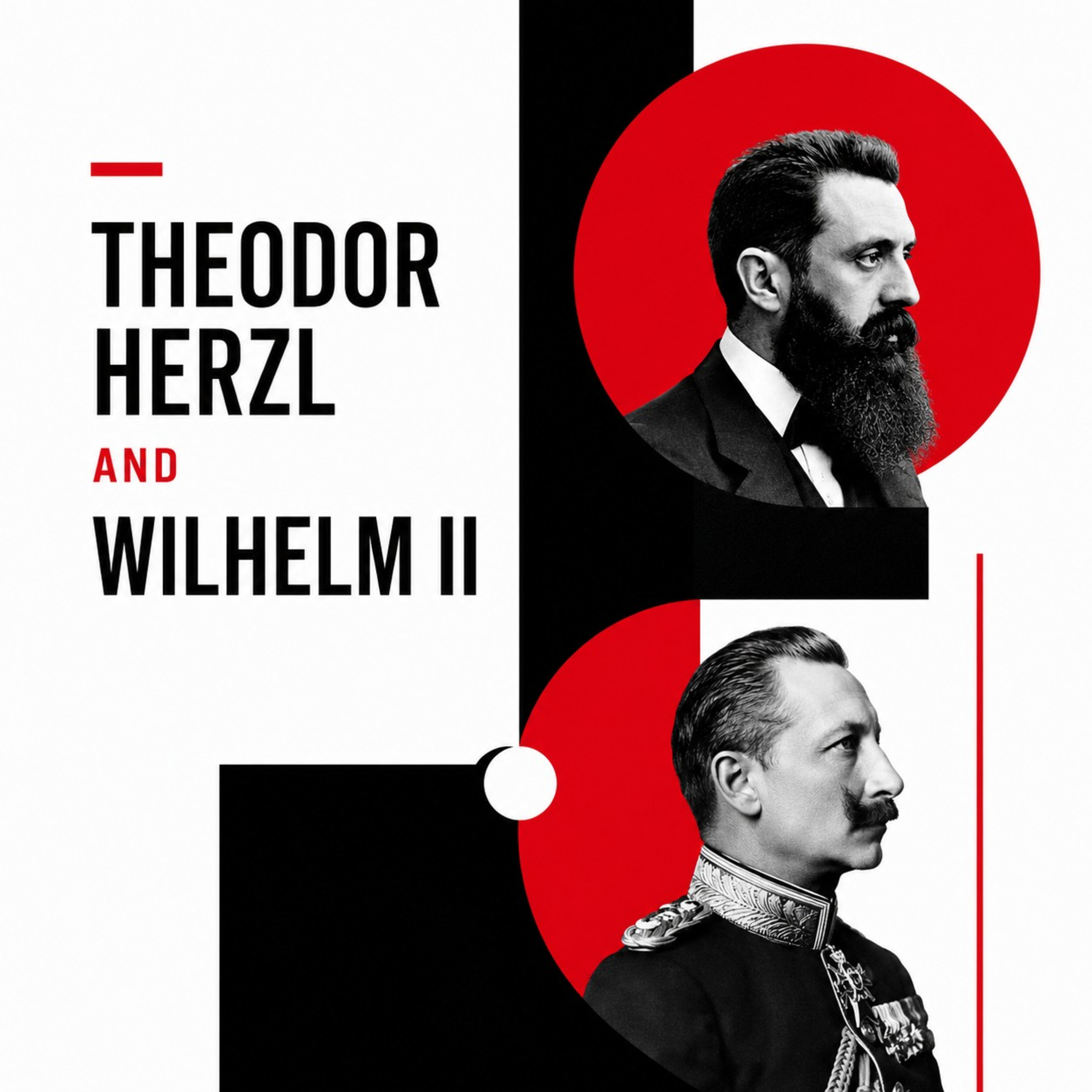 Theodor Herzl meets Wilhelm II in Jerusalem (1898) 05.09.2026 39минIn the autumn of 1898, Zionist leader Theodor Herzl pursued one of his most ambitious diplomatic initiatives: securing an imperial German protectorate for a proposed chartered Jewish settlement company in Palestine. Herzl hoped to use the close relationship between Kaiser Wilhelm II and Ottoman Sultan Abdul Hamid II to obtain international legitimacy, political security, and financial guarantees for the Zionist project. He gained access to the German court through Grand Duke Friedrich I of Baden, while Wilhelm initially saw potential advantages in the proposal. A German-backed Jewish settlement could fit into his broader Weltpolitik and potentially strengthen German influence in the Ottoman Empire and the Levant.Herzl and Wilhelm encountered each other on three important occasions during the Kaiser’s 1898 visit to the Ottoman Empire and Palestine. Their first significant meeting took place in Constantinople, where Wilhelm appeared receptive to Herzl’s proposal and indicated that he would discuss the possibility of German protection directly with Sultan Abdul Hamid II. Herzl regarded this as an important diplomatic breakthrough: German imperial sponsorship could give the Zionist project a degree of legitimacy that Herzl had been unable to obtain from other European powers.Their second encounter occurred at Mikveh Israel, the Jewish agricultural settlement near Jaffa. The meeting was brief and public, but cordial. Wilhelm showed interest in the agricultural development taking place there, providing Herzl with another indication that the Kaiser viewed Jewish settlement in Palestine as potentially compatible with German interests.By the time Herzl met Wilhelm again in Jerusalem, however, the political atmosphere had changed. The Kaiser avoided making any firm commitment to the proposed protectorate and spoke instead in general terms about agriculture, water, and the practical development of Palestine. The crucial political question of German protection was effectively left unanswered. For Herzl, the contrast with Wilhelm’s earlier enthusiasm was a serious disappointment.The German initiative ultimately failed because the Ottoman government was unwilling to surrender the degree of sovereignty Herzl's proposal required. German officials also feared that openly supporting the Zionist project could damage Berlin’s increasingly important relationship with Sultan Abdul Hamid II and create complications with Russia and Britain. Chancellor Bernhard von Bülow was particularly cautious about allowing Herzl’s ambitions to interfere with Germany’s broader diplomatic and commercial interests in the Ottoman Empire.Wilhelm II consequently chose to protect Germany’s strategic relationship with Constantinople rather than commit himself to Herzl’s territorial project. The failure was an important lesson for Herzl: personal access to an emperor did not necessarily translate into political power over the Ottoman government. After the German initiative collapsed, Herzl increasingly redirected his diplomatic efforts toward Great Britain, hoping that British strategic interests in the eastern Mediterranean might provide a more promising foundation for a Jewish national settlement.Disclaimer: Dor LeDor podcast is for educational and entertainment purposes only. Content is AI-assisted and fact-checked for historical accuracy. Views expressed are our own; listeners should conduct independent research. We accept no liability for errors or omissions.
 -
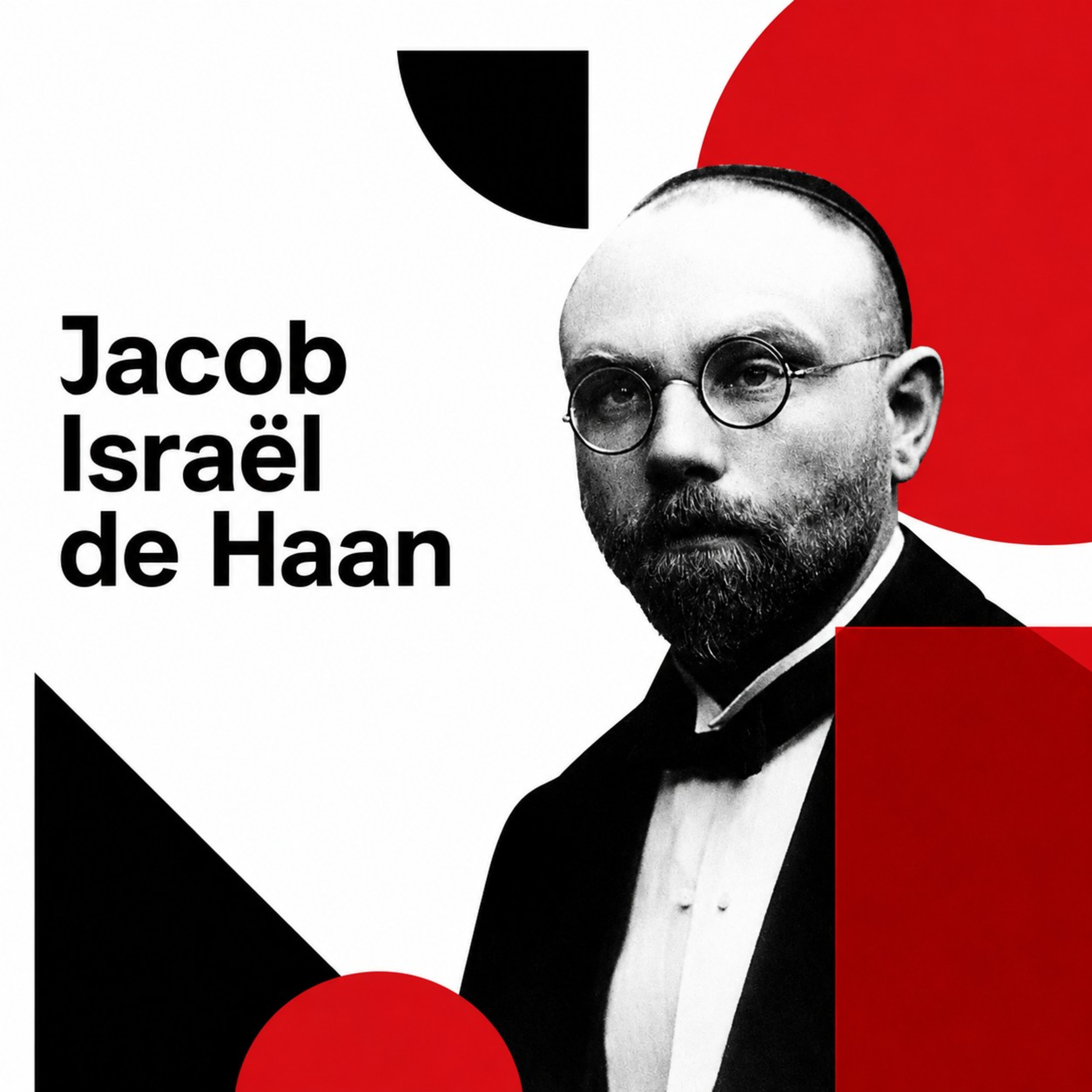 Jacob Israël de Haan: Dutch Queer Literature and Jewish Politics 03.09.2026 39минJacob Israël de Haan (1881–1924) was a Dutch-Jewish poet, novelist, legal scholar, and political activist whose remarkable life connected European literature, queer history, Jewish religious politics, and the turbulent emergence of the modern Middle East.In 1904, De Haan published Pijpelijntjes, one of the earliest Dutch novels to portray homosexual relationships openly. The book provoked a major scandal and severely damaged his literary and teaching career. He later reinvented himself as a legal scholar, earning a doctorate in law in 1916 and developing an early interest in the relationship between language and law.After emigrating to Mandatory Palestine in 1919, De Haan underwent a profound political transformation. Initially sympathetic to Zionism, he became a leading spokesman for the anti-Zionist ultra-Orthodox Edah HaChareidis community. Rather than accepting the Zionist project of establishing a Jewish state, he advocated Jewish communal autonomy within a broader political framework in the Middle East.De Haan pursued direct diplomacy with Arab leaders, including King Hussein of the Hejaz and Emir Abdullah of Transjordan. His efforts to build an alternative Jewish-Arab political arrangement alarmed Zionist leaders, particularly because he was preparing for an important diplomatic mission to London.On June 30, 1924, De Haan was assassinated in Jerusalem by members of the Haganah. His killing became one of the defining political assassinations of the Yishuv and remains deeply controversial.Today, De Haan occupies an unusual place in history: a pioneering queer writer, a religious anti-Zionist, a political dissident, and a martyr whose legacy is claimed by communities with radically different visions of Jewish identity and the Middle East.Disclaimer: Dor LeDor podcast is for educational and entertainment purposes only. Content is AI-assisted and fact-checked for historical accuracy. Views expressed are our own; listeners should conduct independent research. We accept no liability for errors or omissions.
 -
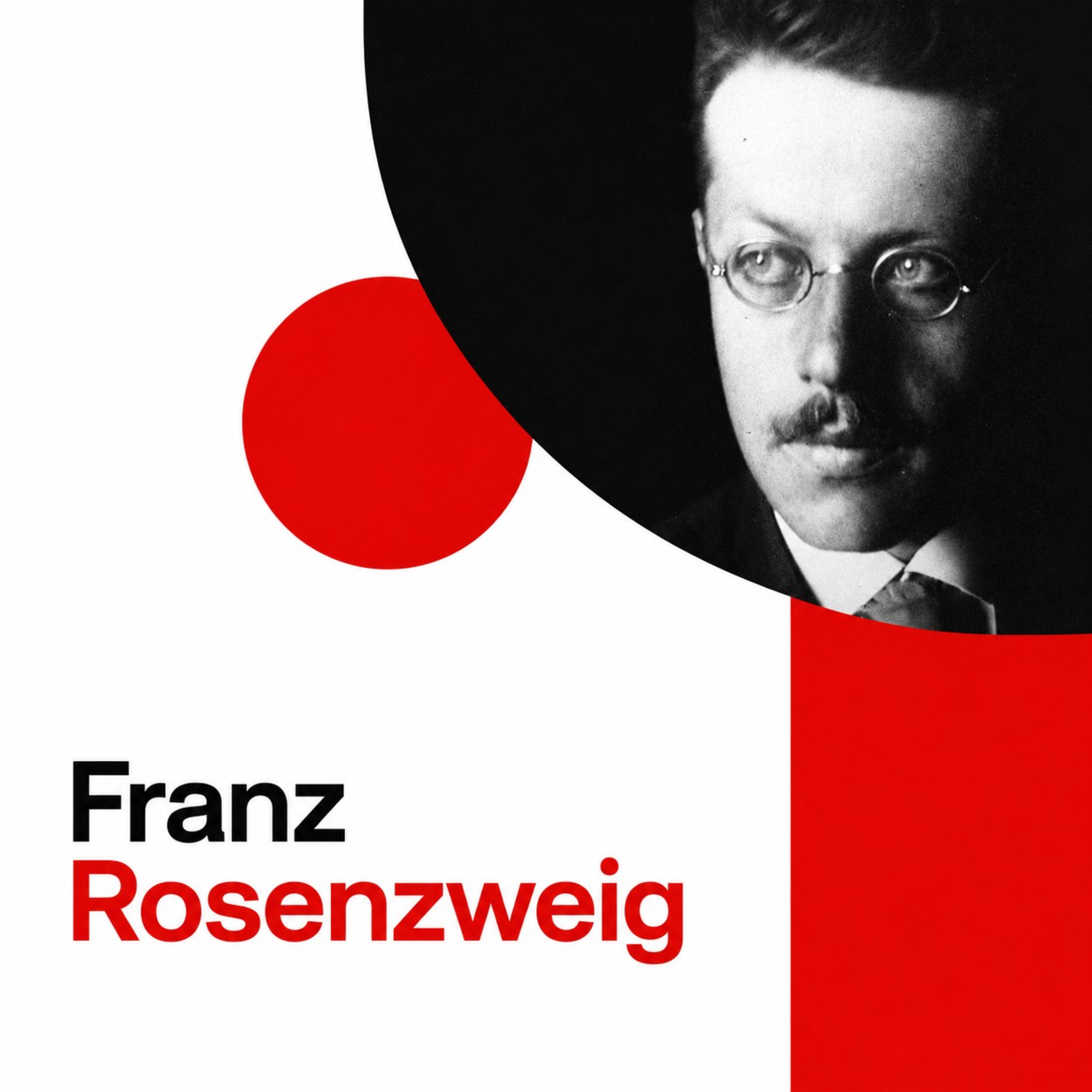 Franz Rosenzweig: From Yom Kippur to the Star of Redemption 01.09.2026 43минFranz Rosenzweig (1886–1929) was a major German-Jewish philosopher, theologian, and educator whose work helped shape modern Jewish thought and religious existentialism. In 1913, during a profound spiritual crisis, Rosenzweig seriously considered converting to Christianity. After attending a Yom Kippur service in Berlin, however, he experienced a decisive religious turning point and chose to remain within Judaism. This experience profoundly influenced his later understanding of Judaism and Christianity as distinct yet related paths within the divine plan.During World War I, Rosenzweig composed his philosophical masterpiece, The Star of Redemption, largely on military postcards. Published in 1921, the work proposed what he called “New Thinking,” a dialogical philosophy centered on the dynamic relationships among God, the human being, and the world. These three elements are connected through the fundamental processes of Creation, Revelation, and Redemption, transforming abstract philosophy into a vision grounded in existence, language, relationship, and time.In 1920, Rosenzweig founded the Freies Jüdisches Lehrhaus in Frankfurt, creating an innovative model of Jewish adult education that emphasized dialogue, questioning, and participation rather than traditional academic instruction. The institution became an important center of Jewish intellectual life in Weimar-era Germany.In 1922, Rosenzweig was diagnosed with amyotrophic lateral sclerosis (ALS), a progressive neurological disease that eventually left him almost completely paralyzed. Despite his deteriorating condition, he continued to write, teach, correspond, and work with Martin Buber on their influential German translation of the Hebrew Bible. He communicated through an eye-blink system developed with the assistance of his wife, Edith.Rosenzweig died in 1929 at the age of forty-three. His legacy extends far beyond Jewish philosophy, influencing existentialism, ethics, interfaith thought, biblical translation, dialogical philosophy, and modern approaches to adult education.Disclaimer: Dor LeDor podcast is for educational and entertainment purposes only. Content is AI-assisted and fact-checked for historical accuracy. Views expressed are our own; listeners should conduct independent research. We accept no liability for errors or omissions.
 -
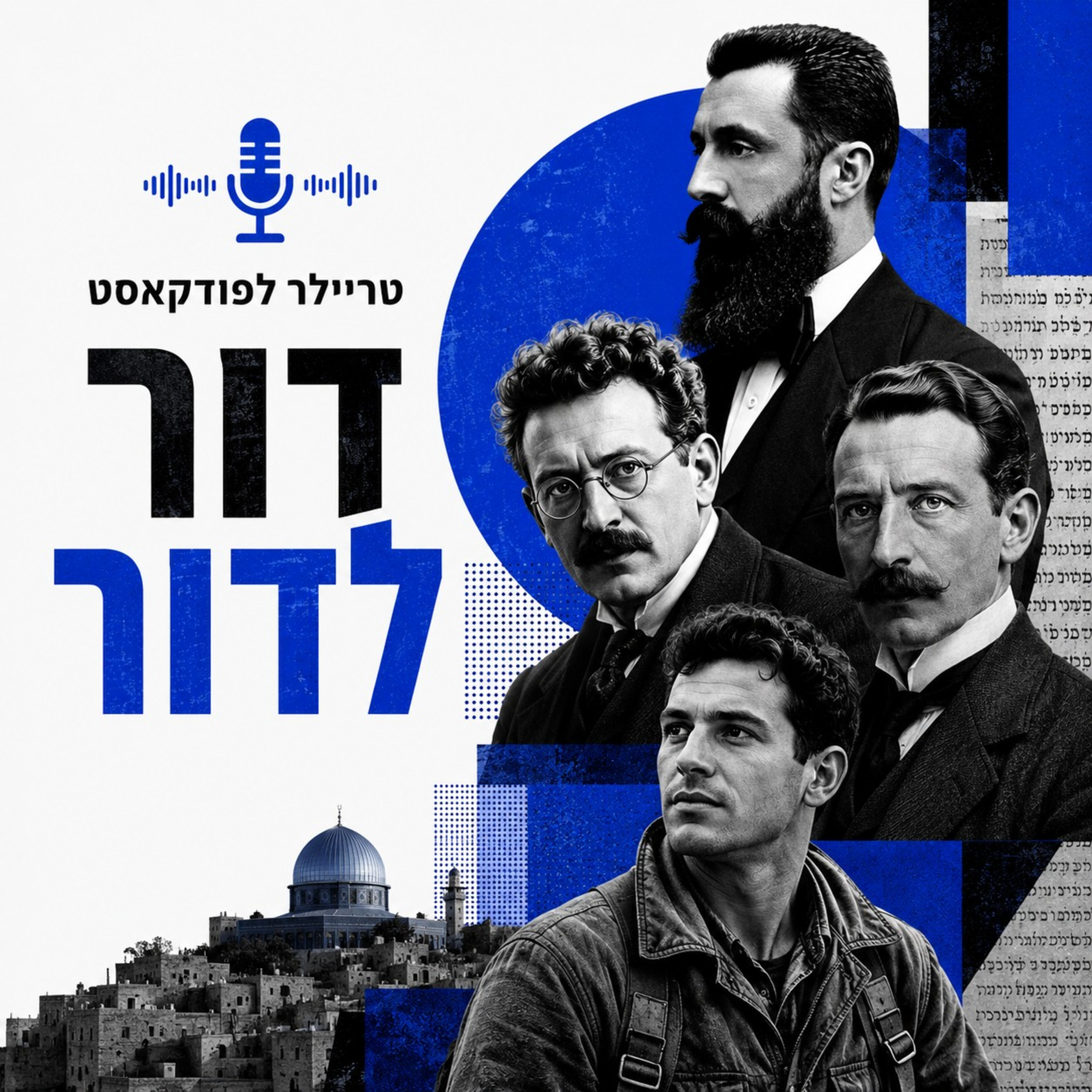 Dor LeDor Podcast Trailer (Hebrew) 25.08.2026 2минWhat happens when the history of an entire people is told by the people who shaped it?Welcome to “Dor LeDor” — a journey into the lives, ideas, and struggles of the people who shaped Jewish history.Theodor Herzl, who dreamed of a Jewish state. Eliezer Ben-Yehuda, who brought Hebrew back into everyday life. Walter Benjamin, who sought to understand humanity, history, and the modern world. Yonatan “Yoni” Netanyahu, who became a symbol of courage, responsibility, and sacrifice.Each had a different vision. Each faced opponents, doubts, and a price to pay. And their choices continue to resonate today.Through their personal stories, we explore the ideas, conflicts, and events that shaped the Jewish people — and the questions that still confront us.Who are we? Where did we come from? And what do we choose to pass on to the next generation?This is “Dor LeDor.”People. Ideas. Struggles. Jewish history.From generation to generation.
 -
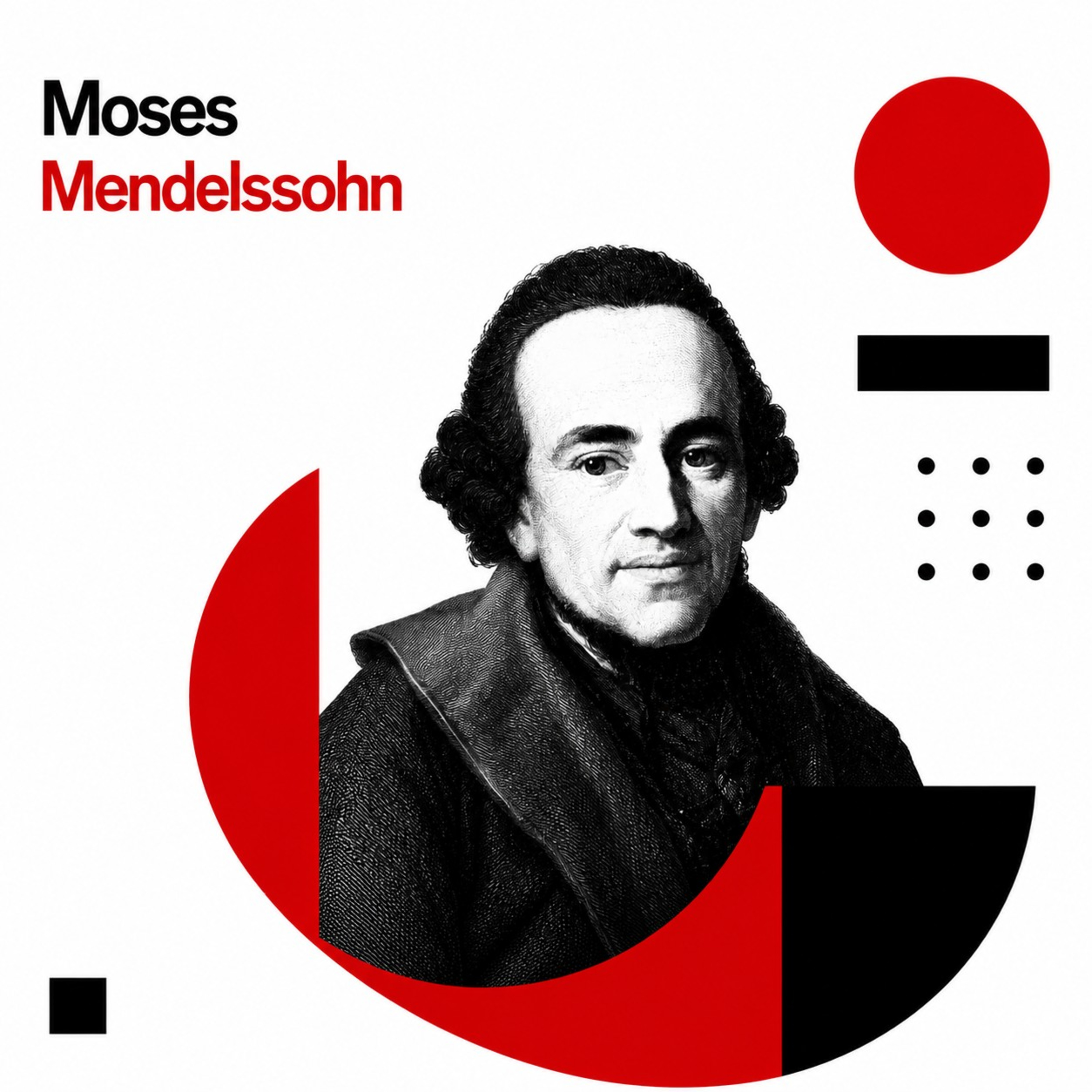 Moses Mendelssohn: The Father of the Jewish Enlightenment 24.08.2026 48минMoses Mendelssohn (1729–1786) was one of the leading Jewish philosophers of the European Enlightenment and a crucial figure in the encounter between traditional Judaism and modern rationalist thought.Born in Dessau to a poor Torah scribe, Mendelssohn arrived in Berlin on foot in 1743, determined to pursue Jewish learning. He eventually supported himself through work in a silk manufactory while developing a reputation as a gifted philosopher and writer.Although Jews faced significant legal restrictions and were largely excluded from academic careers, Mendelssohn became one of Europe’s most celebrated intellectuals. In 1754, he began his influential friendship with the playwright Gotthold Ephraim Lessing, who later drew heavily on Mendelssohn when creating the character of Nathan in Nathan the Wise. In 1763, Mendelssohn won the Prussian Royal Academy’s prestigious philosophical prize, placing him among Europe’s foremost thinkers. Four years later, his Phaedon, a philosophical dialogue on the immortality of the soul, brought him international fame and earned him the nickname “the German Socrates.”In his later years, Mendelssohn increasingly confronted questions of Jewish identity, religious authority, civil equality, and the relationship between faith and the modern state. He became a central figure of the Haskalah, the Jewish Enlightenment, and helped open new possibilities for Jewish engagement with European intellectual and civic life. His German translation of the Torah, accompanied by the Hebrew commentary known as the Bi'ur, sought to give Jews access to the language and culture of their surrounding society without abandoning their Jewish heritage.His 1783 work Jerusalem became his most important statement on religion and political society. Mendelssohn argued that religious conviction should not be enforced through political coercion and defended freedom of conscience and the distinction between religious and civil authority. Rather than advocating a simple abandonment of tradition, he envisioned a society in which Jews could remain faithful to Judaism while participating fully in civic life.Mendelssohn died in Berlin in 1786, only a few months after the death of his friend Lessing. His legacy extended far beyond philosophy: he became a symbol of Jewish intellectual emancipation and one of the central figures in the transformation of European Jewish life in the modern era.Disclaimer: Dor LeDor podcast is for educational and entertainment purposes only. Content is AI-assisted and fact-checked for historical accuracy. Views expressed are our own; listeners should conduct independent research. We accept no liability for errors or omissions.
 -
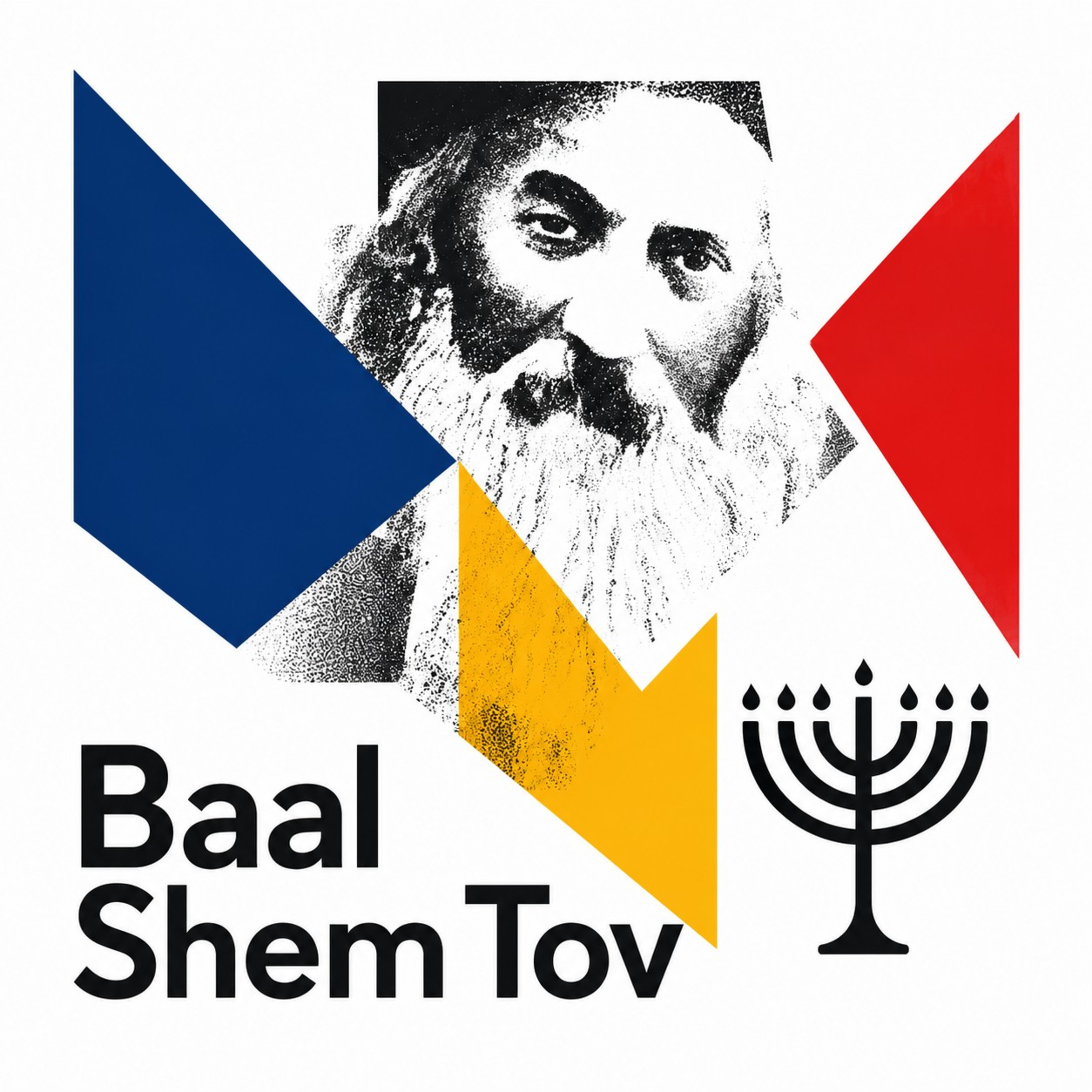 Baal Shem Tov: The Forgotten Moldavian Roots of Hasidism 19.08.2026 37минThe Baal Shem Tov (Israel ben Eliezer) (literally "Master of the Good Name"), founder of Hasidism, is associated with deep ancestral and spiritual connections to the Moldavian frontier. During his 18th-century years of spiritual retreat and concealment in the Carpathian Mountains, he developed a revolutionary religious vision that emphasized intimate communion with God, emotional prayer, joy, and the sanctity of the natural world rather than exclusive reliance on elite Talmudic scholarship. In this respect, the Hasidic revival bore striking parallels to the Eastern Orthodox tradition of Hesychasm, which was flourishing in neighboring Moldavian monasteries and likewise emphasized interior prayer, spiritual concentration, and direct experience of the divine.Later local tradition connected the Besht with the Ceahlău Massif, where he was said to have lived in isolation before descending to Piatra Neamț for the Sabbath. According to folklore, a distinctive semi-subterranean wooden synagogue was eventually constructed there, its floor sunk approximately 1.5 meters below ground in order to comply with restrictions on the height of Jewish buildings. The synagogue became associated with the memory of the Besht and the region's Hasidic heritage.Following the 1812 Russian annexation of Bessarabia, Hasidism became an important force in the religious and social life of Moldova's Jewish communities. Its emphasis on accessible worship, spiritual joy, and the holiness of ordinary life helped democratize religious experience among rural and working-class Jews, strengthening traditional identity during a period increasingly marked by secularization and political upheaval.In the 20th century, Moldavian Hasidic dynasties such as Skulen and Ribnitz assumed an even more consequential role. Under fascist and later Soviet repression, their courts and networks became centers of clandestine religious resistance. The Ribnitzer Rebbe continued to perform prohibited Jewish lifecycle ceremonies despite surveillance and state persecution, while the Skulener Rebbe rescued hundreds of Jewish children orphaned during the Holocaust and helped sustain underground religious education.In this sense, Moldavian Hasidism was more than a devotional movement: it became a mechanism of communal resilience. From the mystical landscapes associated with the Besht to the clandestine synagogues and religious networks of the Soviet era, Hasidic communities on the Moldavian frontier repeatedly transformed spiritual practice into a means of preserving Jewish identity under conditions of political, cultural, and physical threat.Disclaimer: Dor LeDor podcast is for educational and entertainment purposes only. Content is AI-assisted and fact-checked for historical accuracy. Views expressed are our own; listeners should conduct independent research. We accept no liability for errors or omissions.
 -
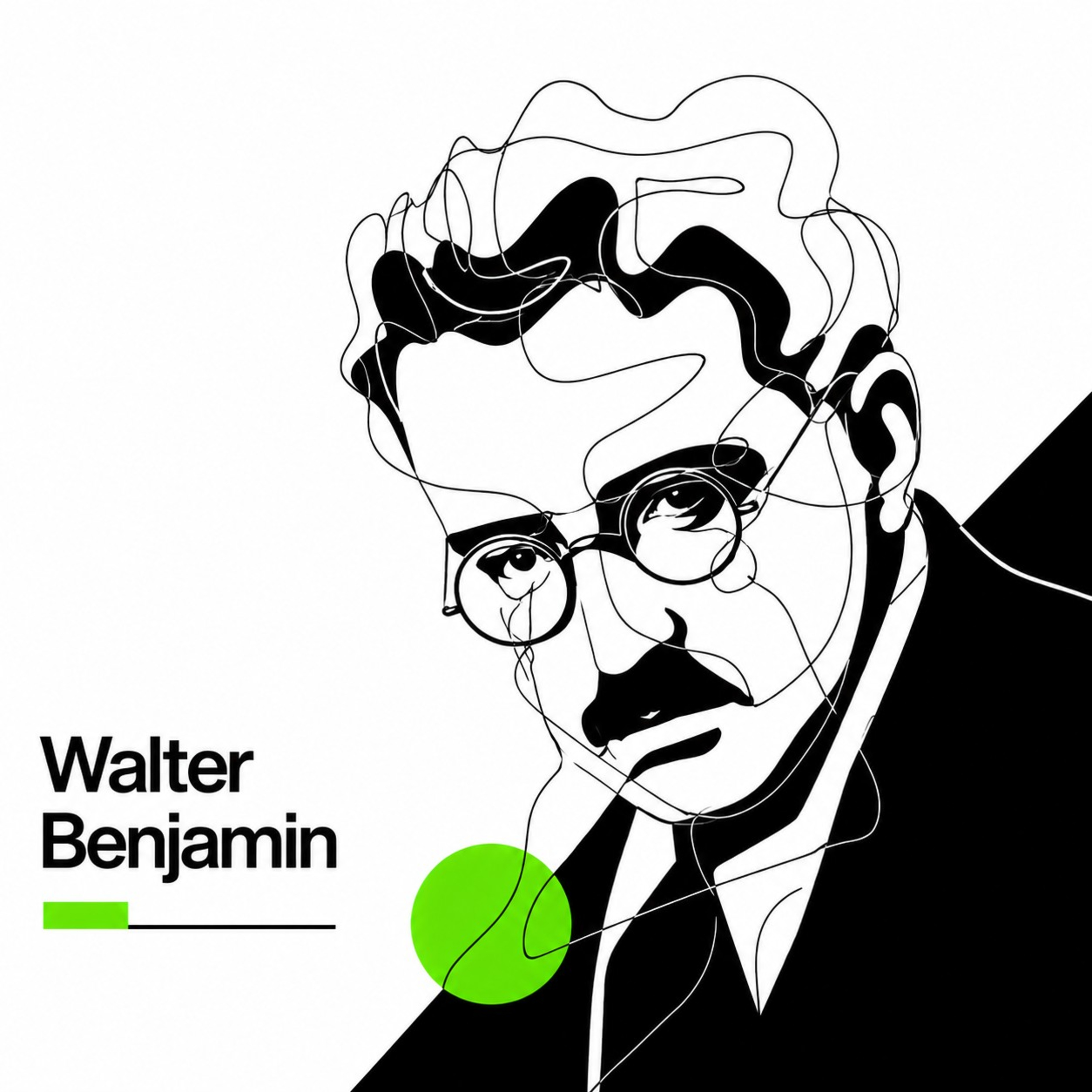 Walter Benjamin: The Angel of History 17.08.2026 51минWalter Benjamin (1892–1940) was a German-Jewish philosopher, cultural critic, and literary theorist whose work brought together German Romanticism, Jewish messianism, and historical materialism. His writings examined how modernity, mass media, consumer capitalism, and urban life transformed culture and human experience.Initially interested in German Romantic philosophy, Benjamin developed into an influential independent intellectual after his academic career was hindered by the rejection of his postdoctoral thesis in 1925. He later produced groundbreaking ideas about modern culture, including the concept of the “aura,” referring to the unique presence and authenticity of an artwork that is diminished through mechanical reproduction. His writings also explored the flâneur, the modern urban observer, and the changing architecture and psychology of consumer society.Benjamin’s final years were shaped by exile and persecution. After fleeing Nazi Germany in 1933, he lived primarily in Paris and worked on his unfinished masterpiece, The Arcades Project, an ambitious study of nineteenth-century Paris and the emergence of modern capitalism.In September 1940, while attempting to escape France through the Pyrenees, Benjamin was detained in Portbou, Spain. Believing he would be handed over to the Nazis, he died by suicide. His death marked a tragic end to a remarkable intellectual life. His ideas, particularly the Angel of History and the critique of mass reproduction, continue to influence media theory, cultural studies, urban sociology, political philosophy, and historical thought.Disclaimer: Dor LeDor podcast is for educational and entertainment purposes only. Content is AI-assisted and fact-checked for historical accuracy. Views expressed are our own; listeners should conduct independent research. We accept no liability for errors or omissions.
 -
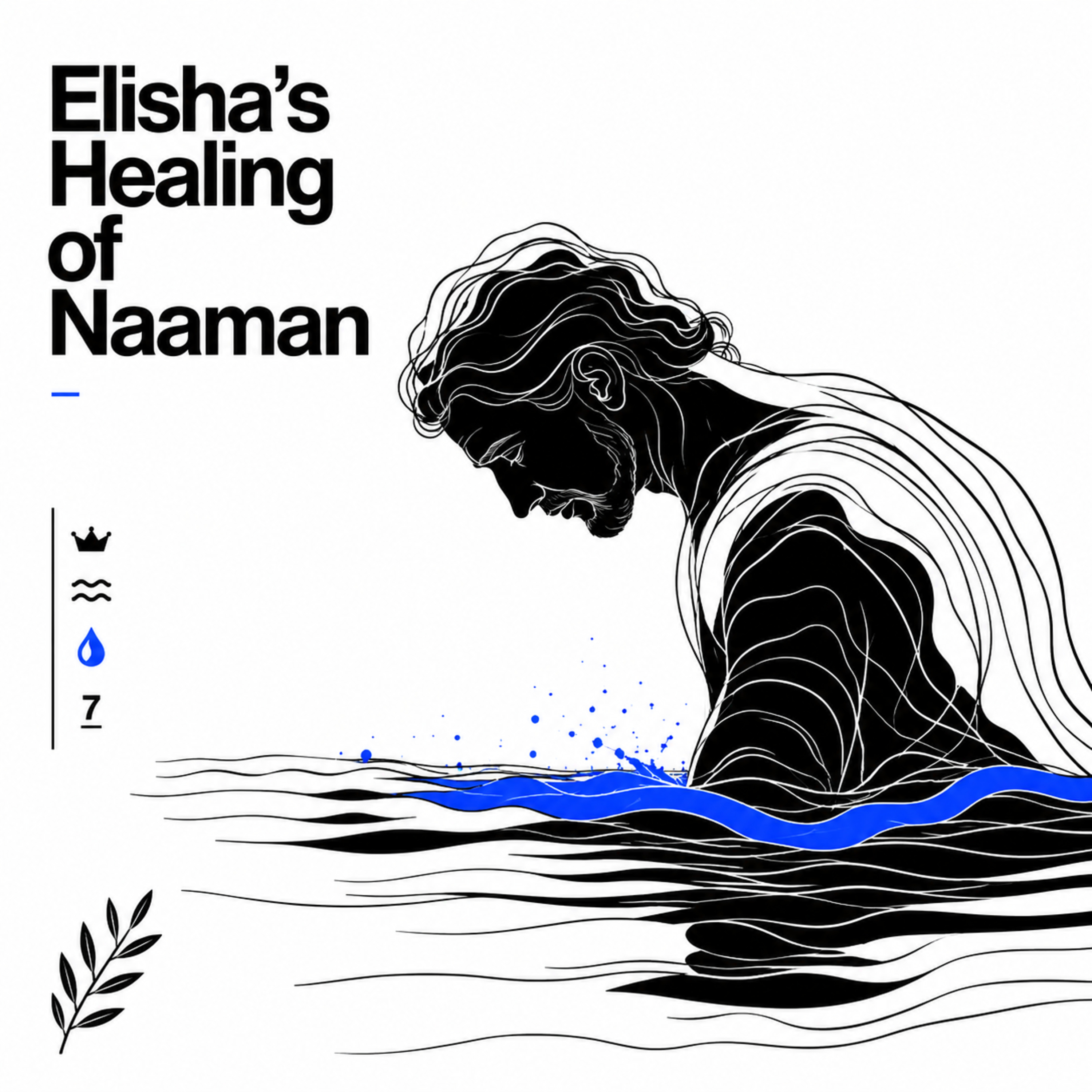 Sacred Geography of Territorial Gods: Prophet Elisha's Healing of Syrian Commander Naaman 04.08.2026 55минIn the mid-9th century BC, the prophet Elisha's healing of Syrian commander Naaman highlighted the ancient Near Eastern belief in territorial deities. People viewed gods as "cosmic landlords" whose power and presence were physically bound to specific political borders, cities, or micro-topography. Crossing a border meant entering another god's domain, making foreign worship functionally impossible.To navigate these spiritual boundaries, worshipers created portable sacred spaces by carrying holy dirt, as Naaman did with Israelite soil to worship Yahweh in Syria. This narrative marks a key theological transition toward monolatry.Disclaimer: Dor LeDor podcast is for educational and entertainment purposes only. Content is AI-assisted and fact-checked for historical accuracy. Views expressed are our own; listeners should conduct independent research. We accept no liability for errors or omissions.
 -
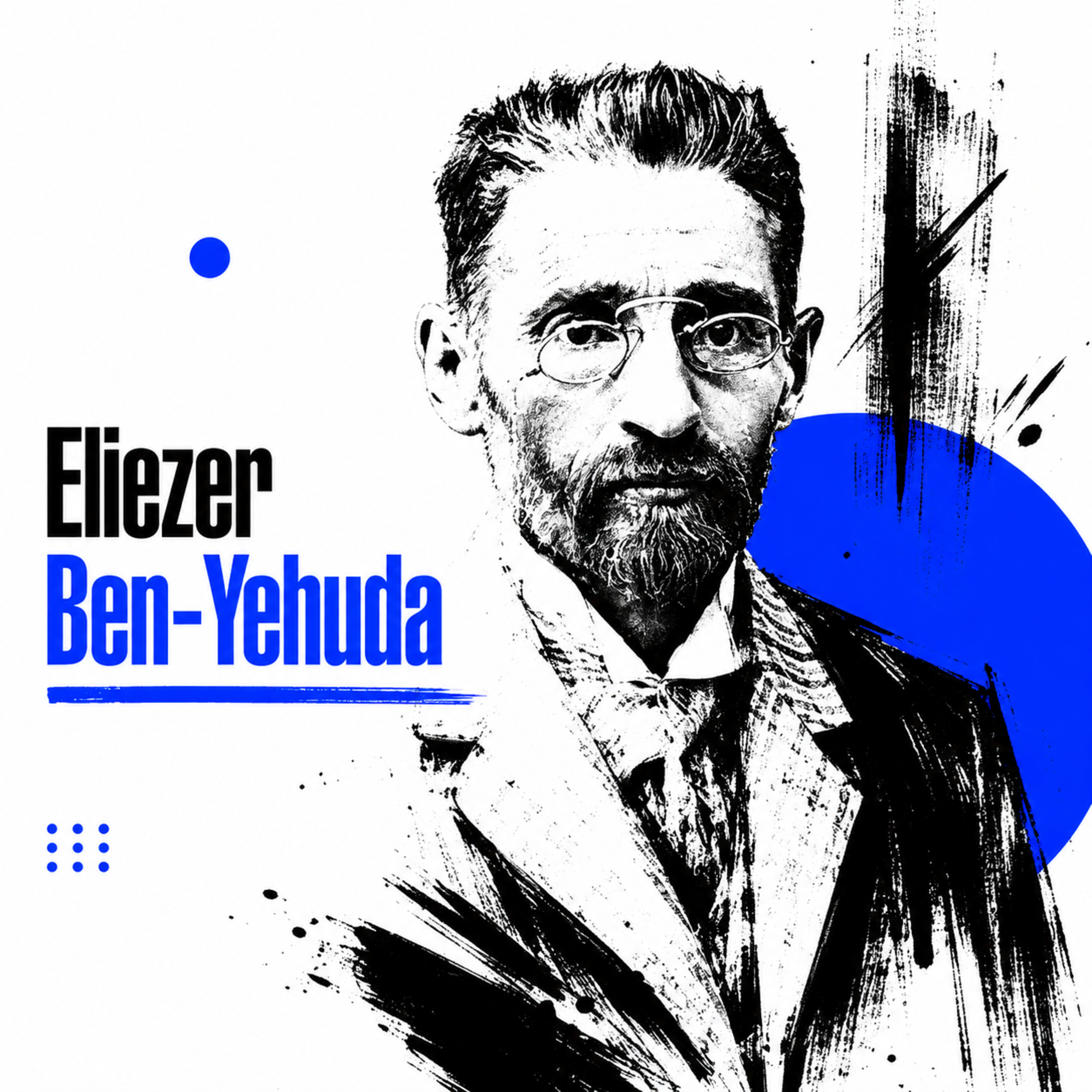 Eliezer Ben-Yehuda: The Man Who Revived Hebrew 01.08.2026 41минEliezer Ben-Yehuda, born in 1858 in the Russian Empire, was the driving visionary behind the extraordinary revival of Hebrew as a modern spoken language. Raised in a traditional Jewish family, his exposure to the Haskalah, the Jewish Enlightenment, and secular literature helped inspire a radical conviction: the Jewish people could not achieve national renewal without reclaiming a common spoken language.In 1881, Ben-Yehuda immigrated to Ottoman Palestine with his wife, Devora. Determined to demonstrate that Hebrew could once again function as a mother tongue, the couple raised their son Ben-Zion—later known as Itamar Ben-Avi—in an intensely Hebrew-speaking environment. He became the first widely recognized native speaker of Modern Hebrew in the emerging revival movement.The challenge was immense. Hebrew had remained continuously alive in prayer, religious scholarship, literature, correspondence, and other contexts, but it was not the everyday vernacular of a Hebrew-speaking society. Modern life demanded vocabulary that earlier forms of Hebrew did not always possess. Ben-Yehuda therefore devoted enormous energy to expanding the language, researching ancient sources, promoting new terminology, and popularizing words through his journalism and lexicographical work. He helped establish the Hebrew Language Committee, the institutional predecessor of today's Academy of the Hebrew Language, and began the monumental dictionary that eventually appeared in 17 volumes.His campaign encountered fierce opposition. Some members of Jerusalem's ultra-Orthodox communities regarded the secular, everyday use of lashon hakodesh—the “holy tongue”—as an inappropriate profanation of a sacred language. His newspapers faced opposition and suppression, and in 1893 Ben-Yehuda was briefly imprisoned after opponents accused him of publishing material that encouraged rebellion against Ottoman authorities. Even within the emerging Zionist movement, his confidence that Hebrew could become the common language of a modern Jewish society initially seemed unrealistic to many.His personal life was marked by severe hardship. Ben-Yehuda suffered from tuberculosis for much of his life, and his family endured the deaths of his first wife and several of their children. Yet he continued his linguistic campaign with remarkable persistence.By the time of his death in Jerusalem in December 1922, the transformation he had championed was already becoming irreversible. Earlier that year, Hebrew had been formally recognized as one of the official languages of British Mandatory Palestine.Ben-Yehuda did not single-handedly resurrect Hebrew—the revival depended on teachers, writers, immigrants, schools, institutions, and thousands of ordinary speakers—but he became its most influential symbol and one of its most determined architects. Hebrew had never disappeared as a written, literary, and sacred language; what changed was its social function. A language that for centuries had rarely served as anyone's everyday mother tongue became the living vernacular of homes, schools, streets, newspapers, and ultimately a modern nation.Disclaimer: Dor LeDor podcast is for educational and entertainment purposes only. Content is AI-assisted and fact-checked for historical accuracy. Views expressed are our own; listeners should conduct independent research. We accept no liability for errors or omissions.
 -
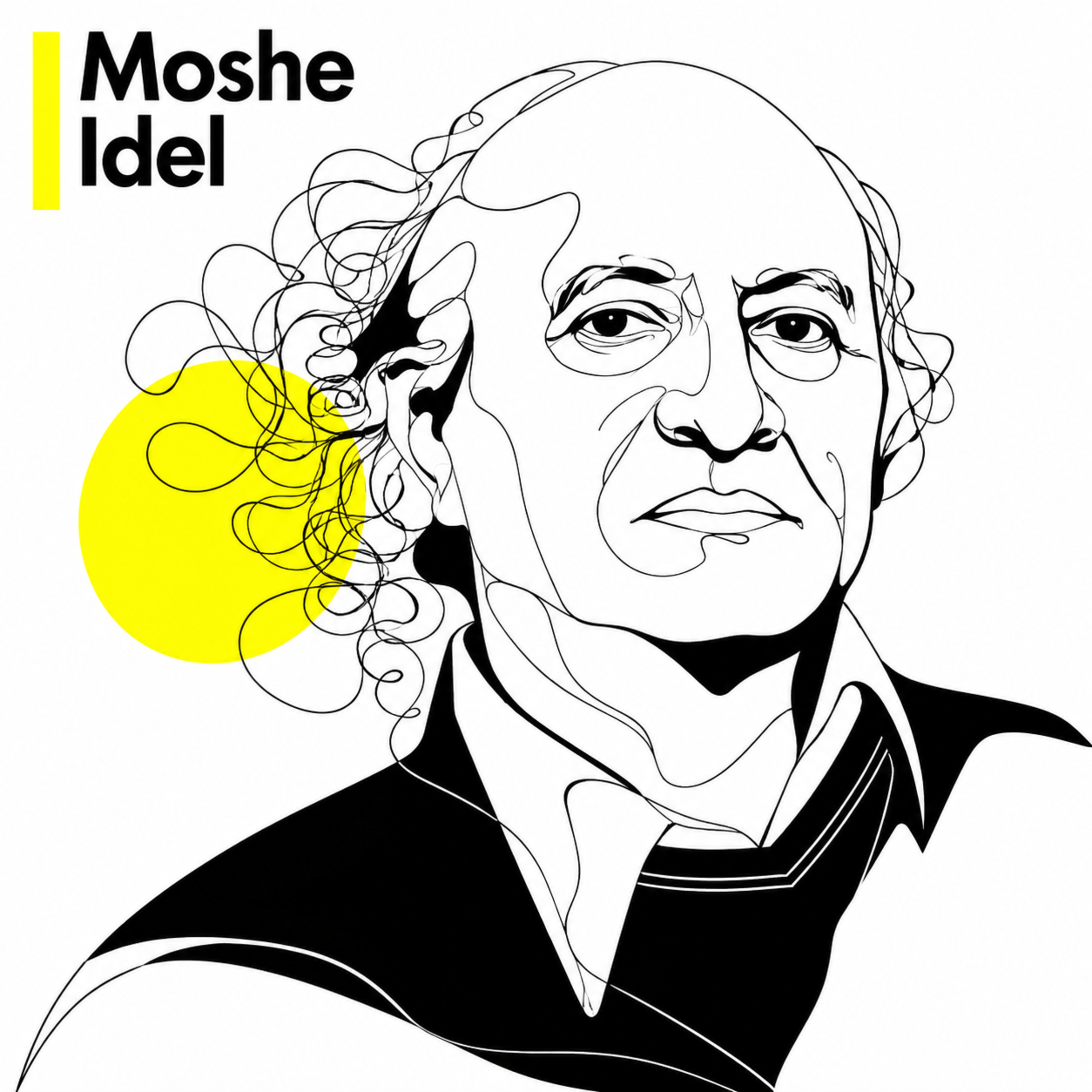 Moshe Idel and Rethinking of the Kabbalah: Mysticism, Ecstasy, and Magic 27.07.2026 48минMoshe Idel is a pioneering scholar whose work transformed the modern study of Jewish mysticism. Born in Romania in 1947, he developed a deep passion for reading while growing up under the Communist regime. As a teenager, he even sang at local weddings to earn money to buy books. After immigrating to Israel in 1963, Idel encountered a far more open intellectual environment, which encouraged his growing interest in religion, philosophy, and comparative mysticism. He eventually studied at the Hebrew University of Jerusalem, where his doctoral research focused on Rabbi Abraham Abulafia, the unconventional 13th-century Jewish mystic known for his techniques of letter permutation, meditation, and the pursuit of ecstatic spiritual experience.Idel later became one of the leading figures in the academic study of Jewish mysticism. His scholarship challenged important aspects of the influential approach associated with Gershom Scholem. Whereas Scholem often emphasized the historical development and theological structures of Kabbalah, particularly its teachings about the Sefirot, Idel drew greater attention to mystical techniques, religious experience, ritual practice, and the diversity of Kabbalistic traditions.For Idel, Kabbalah was never simply a closed system of abstract theology. It was also something practiced and experienced. To describe this diversity, he identified several major models within Jewish mysticism. The theosophical-theurgic model focuses on the structure of the divine realm and the human ability to influence it through religious action. The ecstatic model seeks an intense encounter or union with the divine through techniques such as meditation and letter combinations. The magical-practical model is concerned with drawing spiritual forces into the material world for specific purposes.This approach also shaped Idel’s methodology. Rather than explaining Jewish mysticism through a single historical theory, he advocated methodological eclecticism, drawing on anthropology, psychology, comparative religion, textual analysis, and the history of religions. He emphasized careful examination of individual texts and traditions before fitting them into broader theories about the development of Kabbalah.Among his most influential books are Kabbalah: New Perspectives, published in 1988, and Golem: Jewish Magical and Mystical Traditions, published in 1990. His extensive scholarship earned him numerous honors, including the Israel Prize in Jewish Thought.At the heart of Idel’s work is a different way of understanding Kabbalah itself. Rather than treating Jewish mysticism as a single, fixed doctrine, he presents it as a diverse and evolving religious tradition—a living stream of texts, practices, experiences, and interpretations that has continually changed as it passed from one generation to the next.Disclaimer: Dor LeDor podcast is for educational and entertainment purposes only. Content is AI-assisted and fact-checked for historical accuracy. Views expressed are our own; listeners should conduct independent research. We accept no liability for errors or omissions.
 -
 Finding Light in the Darkest Places: The Radical Spiritual Path of Rabbi Nachman 26.07.2026 43минRabbi Nachman of Breslov (1772–1810) was one of the most original and psychologically penetrating spiritual masters of the Hasidic movement.Born in Medzhybizh, in present-day Ukraine, into a distinguished Hasidic family—he was a great-grandson of the Baal Shem Tov, the founder of Hasidism—Nachman nevertheless refused to rely on inherited prestige. From an early age, he pursued an intensely personal spiritual path marked by fasting, immersion, solitude, and private prayer.Nachman’s spirituality was shaped by an acute awareness of doubt, inner conflict, melancholy, and despair. Rather than treating spiritual darkness simply as evidence of failure, he taught that periods of concealment and descent could themselves become stages on the path toward God. Against despair, he placed an extraordinary emphasis on joy. Happiness, in his teaching, was not merely an emotion but a spiritual discipline—something that often had to be actively fought for.Central to his approach was hitbodedut: speaking to God privately, spontaneously, and in one’s own words, ideally in solitude. Nachman encouraged his followers to pour out their thoughts, fears, frustrations, gratitude, and longing before God with radical honesty.In 1798, he undertook a dangerous journey to the Land of Israel, an experience that profoundly influenced his spiritual development. After returning, he eventually settled in the Ukrainian town of Breslov, from which his movement took its name. His unconventional teachings and uncompromising personality also brought him into bitter conflict with other Hasidic leaders.Nachman’s short life was marked by profound personal loss. His wife died, several of his children died young, and he himself contracted tuberculosis. During his final years, his teachings increasingly took the form of mysterious stories and allegories. These tales—filled with lost princesses, beggars, kings, forests, journeys, and hidden identities—were intended to communicate spiritual truths that ordinary philosophical language could not fully express.Knowing that his death was approaching, Nachman moved to Uman, where he died in 1810 at only thirty-eight years old. He was buried there, and his grave eventually became one of the most important pilgrimage destinations in the Hasidic world.After his death, his closest disciple, Rabbi Nathan of Nemirov—Reb Noson—preserved, organized, and published his teachings. Breslov Hasidim never appointed another rebbe, believing that Rabbi Nachman remained the movement’s enduring spiritual master. Opponents consequently mocked them as the “Dead Hasidim,” yet the movement survived without a dynastic successor.More than two centuries later, Breslov Hasidism remains remarkably influential. Rabbi Nachman’s teachings on joy, despair, simplicity, prayer, faith, and beginning again continue to reach audiences far beyond the Hasidic world, while his grave in Uman remains the destination of a major annual Rosh Hashanah pilgrimage.Disclaimer: Dor LeDor podcast is for educational and entertainment purposes only. Content is AI-assisted and fact-checked for historical accuracy. Views expressed are our own; listeners should conduct independent research. We accept no liability for errors or omissions.
 -
 King Solomon, Hiram, and the Building of the First Temple 25.07.2026 26минThe construction of the First Temple in Jerusalem, traditionally dated to the mid-10th century BCE, stands as one of the most significant collaborations described in the biblical account of Solomon’s reign. The project brought together Israelite royal and religious ambitions with the maritime networks, natural resources, craftsmanship, and technical expertise of Phoenician Tyre.According to the biblical narrative, King Solomon entered into an agreement with King Hiram I of Tyre. Solomon supplied agricultural products, particularly wheat and olive oil, while Hiram provided cedar and cypress timber from Lebanon, skilled craftsmen, and logistical support. Their partnership extended beyond the Temple itself into maritime commerce, with Israelite and Phoenician sailors participating in joint trading expeditions.Phoenician expertise was especially important to the Temple’s construction. Workers associated with Hiram felled the celebrated cedars of Lebanon and transported the timber by sea toward the Israelite coast. Skilled stoneworkers prepared large blocks of dressed stone for the building. The biblical account emphasizes that the stones were finished at the quarry so that the sound of hammer, axe, or other iron tools was not heard at the Temple site during construction. Architecturally, Solomon’s Temple also belonged to a broader Near Eastern tradition, displaying important similarities to tripartite temple designs known from Syria and the Levant.For the Temple’s elaborate bronze furnishings, Solomon employed a master craftsman named Hiram, also associated in Chronicles with the name Huram-abi. Described as the son of a Tyrian father and an Israelite mother, he embodied the cultural intersection underlying the project. His works included the monumental bronze pillars Jachin and Boaz, elaborate basins and stands, and the enormous bronze reservoir known as the “Molten Sea.”Centuries later, this biblical craftsman acquired an entirely different significance in Western esoteric and Masonic tradition. There he became Hiram Abif, the legendary master architect associated with Solomon’s Temple. In the Masonic narrative, Hiram is murdered by three workers after refusing to reveal the secrets entrusted to him. Although this episode does not appear in the biblical account, it became one of Freemasonry’s central allegories.The transformation of Hiram from a biblical bronze worker into the symbolic master builder of Masonic tradition gave Solomon’s Temple a second cultural life. Beyond its historical and religious significance, the Temple became an allegorical structure representing wisdom, craftsmanship, cooperation, fidelity, and moral integrity. In this later tradition, building the Temple ultimately becomes a metaphor for building the human character itself.Disclaimer: Dor LeDor podcast is for educational and entertainment purposes only. Content is AI-assisted and fact-checked for historical accuracy. Views expressed are our own; listeners should conduct independent research. We accept no liability for errors or omissions.
 -
 Rabbi Akiva: Rebuilding Judaism After the Temple (c. 50–135 CE) 25.07.2026 49минRabbi Akiva (c. 50–135 CE) transformed from an illiterate shepherd into the foundational architect of Rabbinic Judaism. Following the destruction of the Second Temple in 70 CE, he helped decouple Jewish practice from a physical sanctuary, replacing animal sacrifice with localized prayer and text study.As the Father of the Mishnah, Akiva systematically categorized disorganized oral traditions, providing the structure that ensured Jewish law survived in exile.He pioneered a micro-interpretative hermeneutical method and eventually met a martyr's death after supporting the Bar Kokhba Revolt against Rome.Disclaimer: Dor LeDor podcast is for educational and entertainment purposes only. Content is AI-assisted and fact-checked for historical accuracy. Views expressed are our own; listeners should conduct independent research. We accept no liability for errors or omissions.
Слични подкасти


Популарен во
Овој подкаст се појавува и на подкаст-листите на овие земји.
