
IMF Podcasts
IMF Podcasts
0
Listen to the world's top economists discuss their research and deconstruct global economic trends.
Episod
-
 Mehran Gul on the Innovation Blindspot 16.09.2026 26minWhile much of the big technological innovations of the past decade have emerged from the United States and China, innovation happens everywhere. The Swiss train system, for instance, has run entirely on renewable energy since the early 1960s. Why do so many prominent tech leaders now choose to live in Canada? Mehran Gul is the author of The New Geography of Innovation. In this podcast, he says the obsessive focus on Silicon Valley has obscured significant innovative models being developed in other countries. Read the article in the IMF's Finance & Development magazine: IMF.org/fandd
 -
 Dani Rodrik on Rethinking Development 10.09.2026 24minManufacturing and industrialization have long been the development strategy for many countries in Asia. But while the approach has spurred growth and lifted millions out of poverty, most jobs remain in the untraded services sector. In this podcast, Dani Rodrik says that making employment in traditional, domestic services like food, hospitality, and gig work more productive will lead to a more inclusive growth model. Rodrik is Professor of International Political Economy at Harvard Kennedy School and co-directs its Reimagining the Economy program. Read the article in the IMF's Finance & Development magazine: IMF.org/fandd
 -
 Ha-Joon Chang on Infant Industry Protection 01.09.2026 38minToday's South Korean economy is a far cry from what Ha-Joon Chang was born into. But growing up, he witnessed the remarkable transformation of a largely agrarian society into an industrial powerhouse, albeit under a military dictatorship. In this podcast, the economist and best-selling author describes living through South Korea's "economic miracle" like riding a time machine. Transcript: https://bit.ly/4gEDPfl Read the article in Finance & Development: IMF.org/FANDD
 -
 Krishna Srinivasan on Asia's Next Chapter 01.09.2026 17minAsia has been the poster child for moving farm workers into urban manufacturing jobs to increase productivity, but is that model still the growth path? In this podcast, IMF Asia and Pacific Department head Krishna Srinivasan discusses his Finance & Development article, "Asia's New Growth Model," based on a forthcoming book.
 -
 Pierre-Olivier Gourinchas on the Story Behind the Number 30.06.2026 30minInflation pressures were already brewing when Pierre-Olivier Gourinchas stepped in as IMF Chief Economist in January 2022, but rising geopolitical tensions soon added fuel to the fire, and inflation remained a challenge throughout his tenure. In this podcast, outgoing Chief Gourinchas reflects on four + years marked by trade tensions, geopolitical shocks, and rapid technological change. And how the value of forecasting lies less in precise point estimates and more in articulating the underlying forces and policy implications. Transcript: https://bit.ly/4oUrjvy
 -
 Pierre-Olivier Gourinchas on the Story Behind the Number 29.06.2026 31minInflation pressures were already brewing when Pierre-Olivier Gourinchas stepped in as IMF Chief Economist in January 2022, but rising geopolitical tensions soon added fuel to the fire, and inflation remained a challenge throughout his tenure. In this podcast, outgoing Chief Gourinchas reflects on four + years marked by trade tensions, geopolitical shocks, and rapid technological change. And how the value of forecasting lies less in precise point estimates and more in articulating the underlying forces and policy implications. Transcript: https://bit.ly/4oUrjvy
 -
 Jeffry Frieden: The Cost of Geoeconomic Coercion 23.06.2026 19minAs geopolitical tensions rise, countries like to flex their economic muscle. But as appealing as they might be, sanctions, tariffs, and export bans come at a price. Jeffry Frieden is a professor of international and public affairs and political science at Columbia University. In this podcast, he says when economic and geopolitical relations become tightly connected, bad things can happen. Transcript: https://bit.ly/4vxZmfU Read the article in Finance & Development: IMF.org/FANDD
 -
 Trade among Geopolitical Rivals: Michele Ruta 11.06.2026 21minIncreased trade integration between economic superpowers shaped our globalized world, but that world we've known for the past three decades is becoming increasingly fragmented. What happens to those trade relationships when countries disengage? Michele Ruta is the IMF expert on trade and global imbalances. In this podcast, he says even strategic rivals can benefit from trade cooperation. Transcript: https://bit.ly/4ebXDW0 Read the article in Finance & Development magazine. IMF.org/FANDD
 -
 Nationalizations Get Another Look: Nicholas Mulder 04.06.2026 17minState-owned enterprises have long been viewed by economists as a bad idea due to proven inefficiencies and mismanagement. But is handing over key resources and industries to the private sector really the answer? Economic historian Nicholas Mulder says, with all the geopolitical risks in the world of late, governments are looking for ways to keep essential resources under their control. Mulder is a professor of history at Cornell University. His article The New Wave of Nationalization was published in the June issue of Finance & Development magazine. In this podcast, Rhoda Metcalfe and Nicholas Mulder discuss the potential and risks of rising government ownership. Transcript: https://bit.ly/4wYy0R0 Read the article in Finance & Development magazine: IMF.org/fandd
 -
 Gracelin Baskaran on the Race for Minerals 29.05.2026 21minThe recent scramble for the minerals that go into our electric vehicles, solar panels, and defense systems has exposed vulnerabilities in the supply chains. Mineral markets are complex, spanning dozens of materials found around the world, but the real challenge is processing. More than 90 percent of rare earth minerals are currently processed in China. Gracelin Baskaran is the founding director of the Critical Minerals Security Program at the Center for Strategic and International Studies. In this podcast, she says mineral security is not just a national security imperative, it's an economic security imperative. Transcript: https://bit.ly/4uBN1qu Read the article in Finance & Development magazine
 -
 Geoeconomics Revisited: Josh Lipsky and Matteo Maggiori 28.05.2026 33minAs global powers face rising geopolitical tensions, sanctions, export controls, and tariffs are once again tools of leverage, marking the resurgence of geoeconomics, where economic policy and national security converge. This approach to business was largely abandoned by the West after the Cold War, though for most other countries, geopolitics and economics have always been closely linked. Josh Lipsky is the founding director of the GeoEconomics Center at the Atlantic Council, and Matteo Maggiori is a professor of finance at the Stanford Graduate School of Business. In this podcast, they discuss the new face of geoeconomics and its seemingly vengeful comeback. Transcript: https://bit.ly/4fe0G2a Read the articles in Finance & Development magazine: IMF.org/fandd
 -
 Barry Eichengreen and Chima Simpson-Bell on Currencies that Shine 22.05.2026 27minWhen global volatility increases, so does the demand for the dollar. When countries face sanctions, they rush for gold. But while the two have been the most common reserve currencies for decades, surprising alternatives are emerging. UC Berkeley professor and author Barry Eichengreen, along with IMF economists Chima Simpson-Bell and Serkan Arslanalp, track the dynamics of reserve currencies in their recent NBER paper. In this podcast, Eichengreen and Simpson-Bell discuss the changing landscape of reserve currencies. Transcript: https://bit.ly/43ovB4o
 -
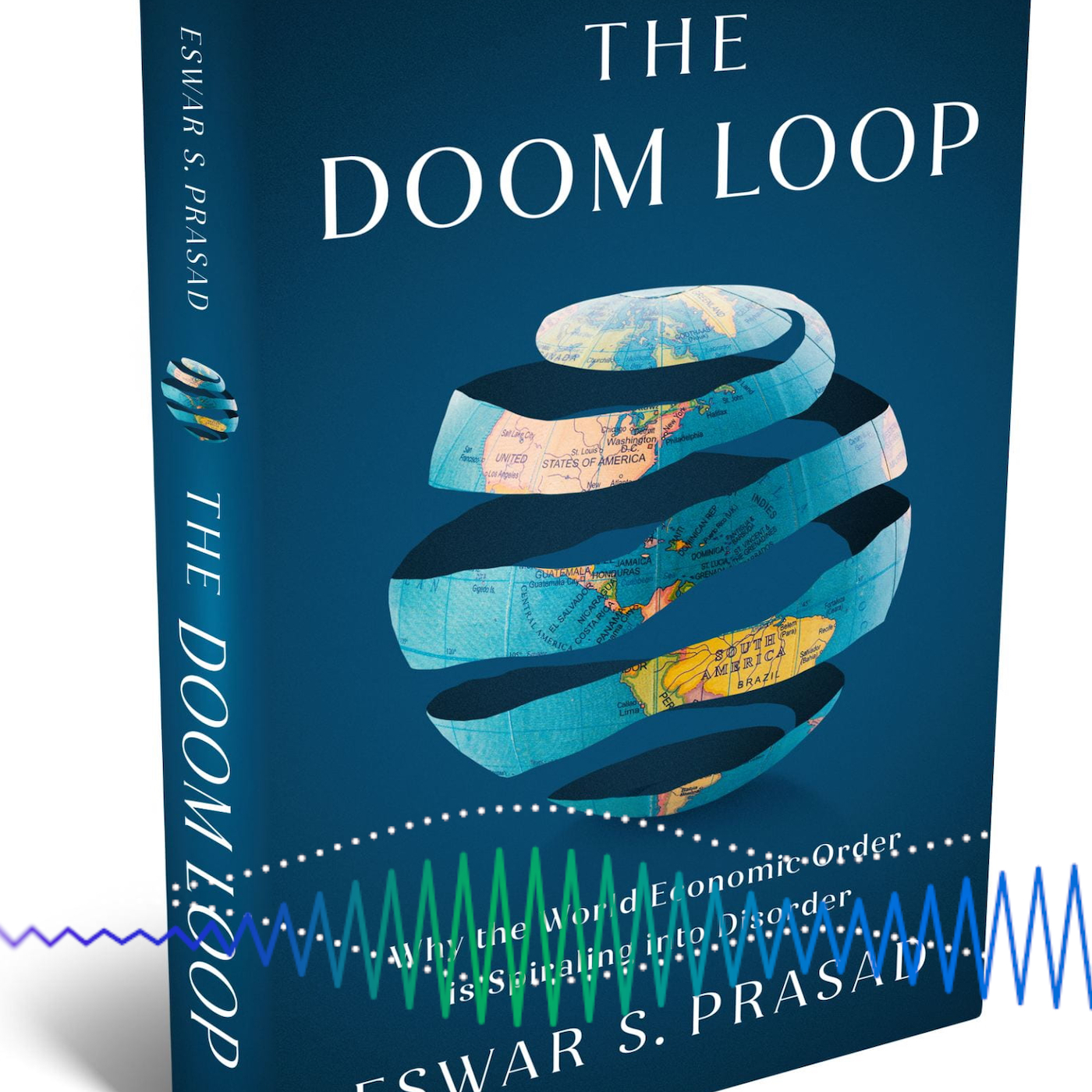 Eswar Prasad on Escaping the Doom Loop 05.05.2026 28minWhen esteemed economist and author Eswar Prasad set out to write his latest book, it was to be about the promise of some recent trends within the world's economic and power structures, but he found something darker. The Doom Loop is about what happens when the positive forces that normally bring stability begin to work against each other. In this podcast, Prasad says that the dynamics of this negative feedback loop have led to the erosion of institutions across the globe. Transcript: https://bit.ly/4d5i8Df
 -
 Taxing Bad Habits: Christoph Rosenberg 22.04.2026 19minWhile it is true that death and taxes are unavoidable, good tax policies can help delay the inevitable. So-called sin taxes on alcohol, tobacco, sugar, and other harmful products can raise revenues and reduce public healthcare spending. In this podcast, economist Christoph Rosenberg says sin taxes are relatively easy to collect and, done right, can nudge people towards healthier lifestyles. Transcript: https://bit.ly/4ttwKmI Read the article Finance & Development magazine. IMF.org/fandd
 -
 Amadou Sy on Why Africa is Keeping its Debt Closer to Home 12.03.2026 17minAfrican economies began tapping into overseas markets for funding in the early 2000s, after debt burdens had been alleviated by the Highly Indebted Poor Countries (HIPC) Initiative. However, surging interest rates on dollar- and euro-denominated loans in recent years have prompted countries to turn to domestic markets for their borrowing needs. Amadou Sy heads the IMF Regional Studies division. In this podcast, he says there are benefits to issuing debt in local markets and in local currency. Transcript: https://traffic.libsyn.com/imfpodcast/Amadou_Sy-transcript-IMF_Podcast.pdf Read the article at IMF.org/FandD
 -
 The Debt Reckoning: Rodrigo Valdés and Era Dabla-Norris 02.03.2026 25minUnprecedented debt levels are pressing governments to make tough choices. While aging populations demand more public spending, resources are stretched thin, and the days of cheap borrowing that allowed the debt burden to be kicked down the road are behind us. Rodrigo Valdés and Era Dabla-Norris head the IMF Fiscal Affairs department and write about high debt and hard choices in the March edition of Finance & Development magazine. In this podcast, they say the erosion of public trust is a factor in reconciling competing fiscal priorities. Transcript: https://traffic.libsyn.com/imfpodcast/Valdes-Dabla-Norris-AUDIO-transcript-IMF_Podcast.pdf Read the article at IMF.org/fadd
 -
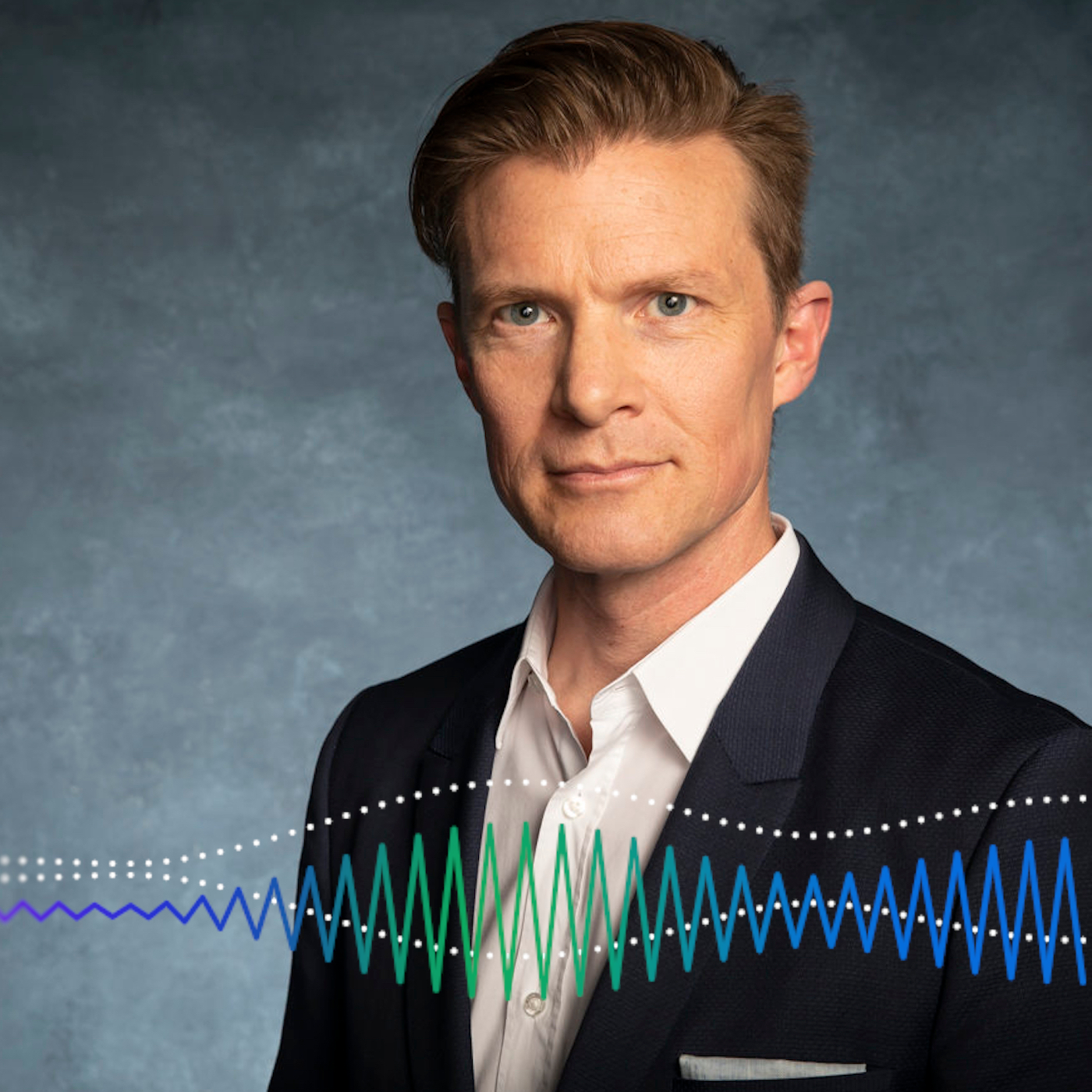 Johan Norberg on What Makes and Breaks Golden Eras 05.02.2026 21minThe most prosperous of civilizations were the most open. The Romans, for example, expanded their empire by integrating the populations they conquered, creating a melting pot of new ideas. Johan Norberg's latest book, Peak Human, examines the rise and fall of seven golden age civilizations. In this podcast, he says that if openness to learning and trade are what great societies make, building walls to protect their dominance often sparks their demise. Norberg is a historian and senior fellow at the Cato Institute. Transcript: https://traffic.libsyn.com/imfpodcast/Johan_Norberg-transcript-IMF_Podcast.pdf Read the article Finance & Development: IMF.org/fandd
 -
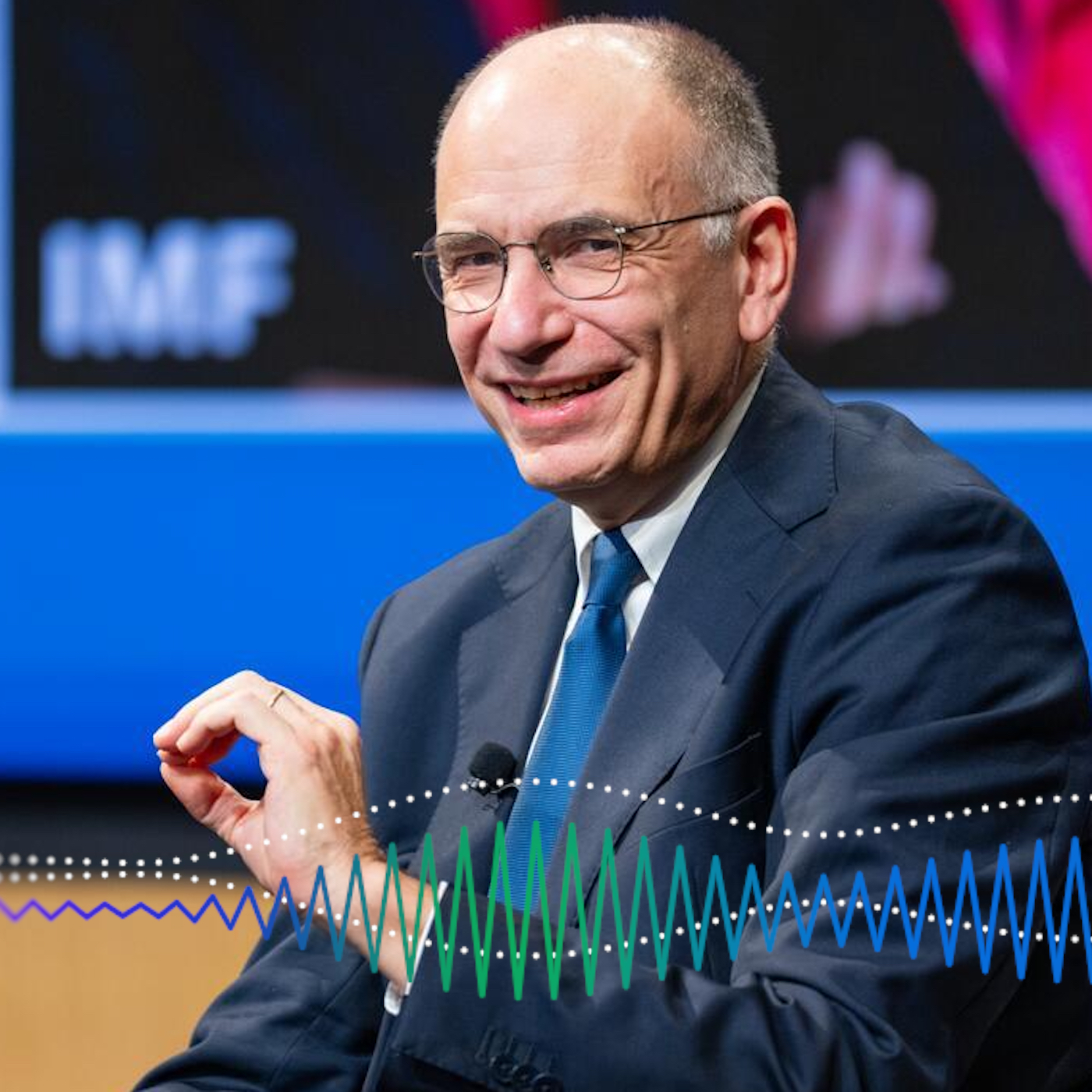 Enrico Letta: Harnessing Europe's Single Market 28.01.2026 22minThere is strength in numbers, and the idea of European integration through a single market was to capitalize on the EU as a whole. However, the single market is a product of the early 90s, and EU member states now appear reticent to pool sovereignty to the degree required to counter the geopolitical challenges of today's world. Enrico Letta is President of the Jacques Delors Institute and a champion of Delors' vision of creating a fully integrated European economic space. Letta's 2024 report, Much More than a Market, argues that adaptation of the single market should include all sectors rather than a select few and that fragmentation is holding Europe back. Transcript: https://traffic.libsyn.com/imfpodcast/Enrico_Letta-transcript-IMF_Podcast.pdf
 -
 Claudia Sahm on how Private Data can Augment Official Statistics 18.12.2025 21minWhile official statistics compiled by government agencies are still considered the most reliable, policymakers are increasingly using private data to get around their limitations. Claudia Sahm is a former principal economist at the Federal Reserve Board of Governors and has studied the growing role of alternative data in monetary policy. In this podcast, Sahm says the immediacy and granularity of private company data should serve as a complement to traditional data, not as a substitute. Transcript: https://bit.ly/3MH31X6 Read the article at IMF.org/fandd
 -
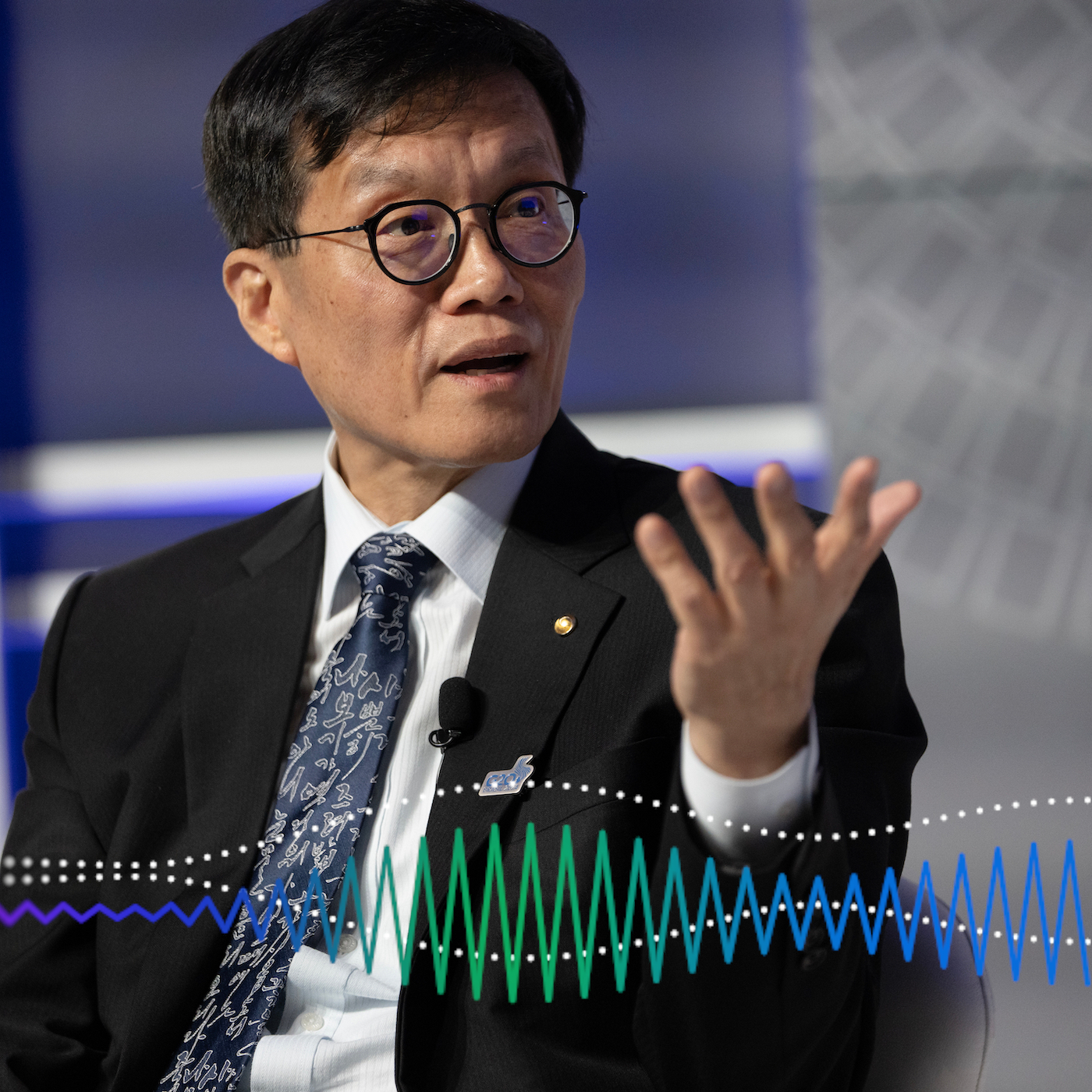 Governor Chang Yong Rhee on Bank of Korea's Innovative Approach 10.12.2025 20minPrice stability is the main goal for central banks, and monetary policy is how they achieve it. However, societies are always in flux, and central bankers who pay close attention to emerging trends are more likely to make better policy decisions. Bank of Korea Governor Chang Yong Rhee has expanded the scope of research to include structural issues like population aging to better understand the changing dynamics of Korea's economy. Before becoming Governor in 2022, Mr. Rhee held several senior roles in global financial institutions, including the IMF, where he led the Asia and Pacific Department.
Podcast serupa


Popular di
Podcast ini turut muncul dalam senarai podcast negara-negara ini.


