
Social Currency with Sammi Cohen
Social Currency
0
On Social Currency, Sammi Cohen unpacks the stories that are shaping business, culture and the intersection of the two. From boardrooms to Instagram trends, Sammi speaks with business leaders to connect the dots between brand, consumer and influence, so you don’t just keep up—you get ahead. New episodes drop every Tuesday and Friday.
Episod
-
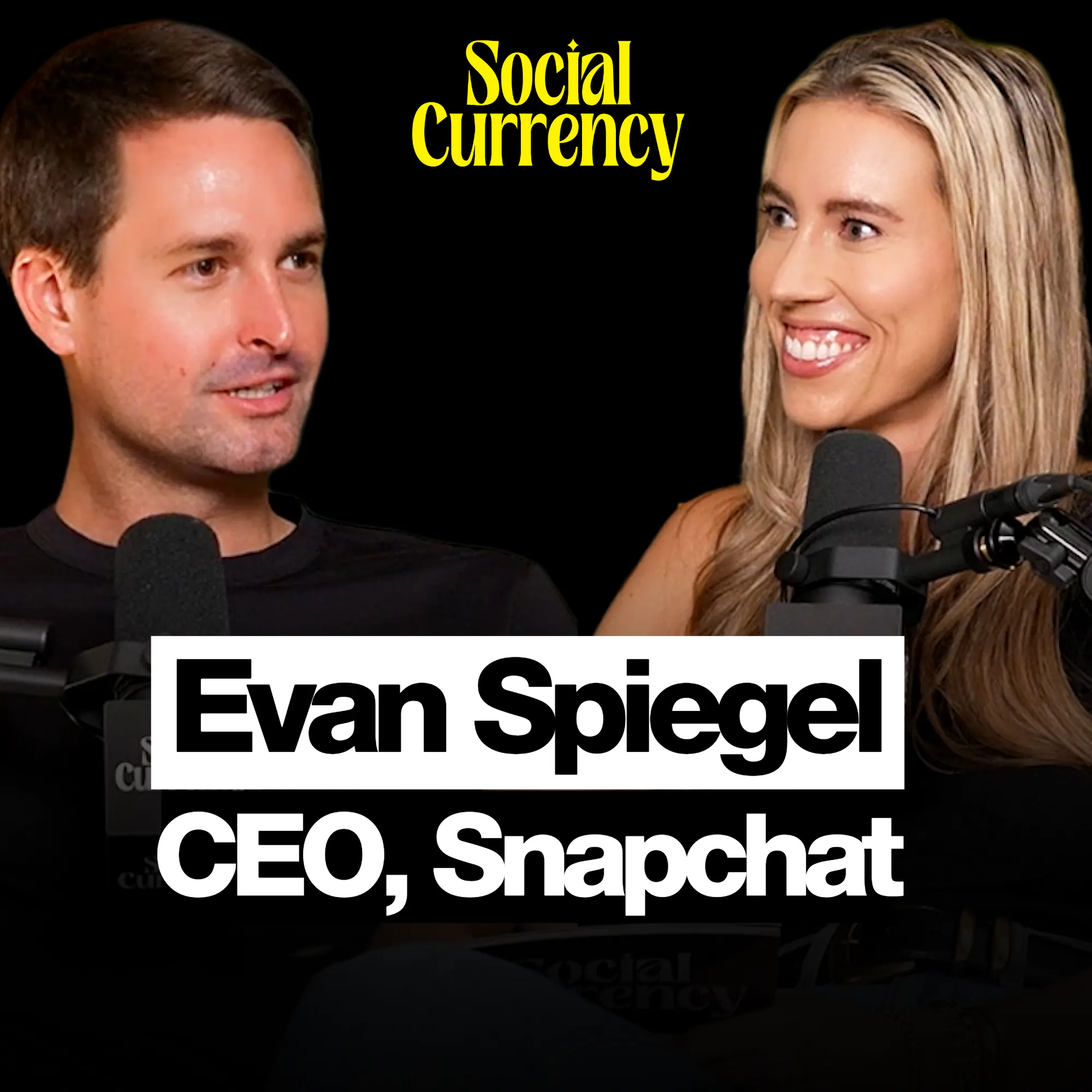 Evan Spiegel (Snap) on AR Glasses, Getting Copied by Big Tech and the Social Media Age-Gating Debate 22.09.2026 52minNearly a billion people open Snapchat every month, and almost half a billion use it every single day. Fifteen years after Evan Spiegel and his co-founders launched the app, formerly known as Peekaboo, out of a Stanford dorm room, Snap is betting its next decade on something you wear on your face. This week, Sammi sits down with Snap co-founder and CEO Evan Spiegel to talk through the evolution of the company, how he thinks about being one of the most copied products in social media, and Specs, the $2,195 AR glasses more than a decade in the making. He explains why he sees the copying as a compliment to great design, why hardware is a much harder bet for competitors to follow than software, and what convinced him a decade ago that computing needed to move off screens and into the world. Evan also breaks down the viral meme that introduced Specs to a mainstream audience, how the company thinks about privacy on a device built to record, and why Spotlight, Snap's video feed, has become one of its fastest growing products by rewarding authenticity over AI generated content. He shares his prediction for what Snap looks like in 2036 and his take on the ongoing debate over minimum ages for kids on social media. Toward the end, Evan gets personal, talking about parenting four kids in a world full of screens, what his wife Miranda Kerr has taught him about skincare, and the story behind his family's donation to an organization that relieves medical debt. Follow Sammi Cohen on Instagram Subscribe to the Social Currency newsletter Here's What Sammi Covers with Evan: 00:00 Evan Spiegel's Social Currency 03:42 How Snapchat Started as "Peekaboo" 05:57 The Insight That Turned It Into a Messaging App 08:47 Being Social Media's Most Copied Product 11:06 What Evan Still Signs Off On at Snap 12:32 The Decade-Long Bet on AR Glasses 16:05 The Timeline for Mass Adoption of Specs 17:05 Evan's Live Reaction to Sammi Trying Specs 20:47 Why Specs Are Priced Like a Computer 22:29 The Viral Meme That Introduced Specs to the World 23:58 How Specs Are Designed Around Privacy 27:35 Why Spotlight Is One of Snap's Fastest-Growing Products 33:00 Evan's Prediction for Snap in 2036 37:42 Evan's Take on the Social Media Age-Gating Debate 41:22 Parenting Four Kids in a World Full of Screens 41:29 What Miranda Kerr Taught Him About Skincare 43:31 The Story Behind the Undo Medical Debt Donation 46:03 Lightning Round 49:37 Listener Question: Staying Motivated Building Hardware Learn more about your ad choices. Visit megaphone.fm/adchoices
 -
 Jim McKelvey (Square) on Beating Amazon, The Innovation Stack and Fixing FDA Drug Trials 15.09.2026 1j 7minHow does a scrappy startup beat Amazon when Amazon copies your product, undercuts your price and slaps its own name on it? According to Square co-founder Jim McKelvey, you don't. Except, once in a while, someone does. This week Sammi revisits one of her favorite conversations ever recorded for Social Currency: her sit-down with Jim McKelvey, the artist-turned-entrepreneur who co-founded Square (now Block) with Jack Dorsey. Jim opens with the story of how he once stripped down in a trade association's office just to get a meeting, and explains why getting someone's attention is always the real first step in any pitch. He breaks down why he intentionally designed Square's original card reader to work poorly, and how that "flaw" turned millions of small business owners into free advertisers for the brand. Then, Jim tells the almost unbelievable story of how Square survived Amazon's attempt to copy and kill its business with Amazon Register, why he studied history to understand how rare that survival really was, and how a conversation with Southwest's Herb Kelleher led him to write his book, The Innovation Stack. Jim also opens up about his years as an independent director of the Federal Reserve Bank of St. Louis, what he learned living through zero interest rates, the pandemic and the Silicon Valley Bank collapse, and how the role reshaped his politics. Plus, he explains why his media venture Invisibly failed to save journalism despite cracking the monetization problem, and details his newest venture, Fast Trials, an attempt to slash the cost of FDA drug trials so more life-saving drugs can make it to market. Follow Sammi Cohen on Instagram Subscribe to the Social Currency newsletter Read Jim McKelvey's blog and check out his book, The Innovation Stack Here's What Sammi Covers with Jim: 00:00 Jim McKelvey's Social Currency 02:03 Why Sammi Is Revisiting This Episode 05:09 The Striptease That Landed a Six-Figure Deal 08:00 Why Getting Attention Comes Before Any Pitch 11:01 Why the Square Reader Was Designed to Not Work Well 14:23 Respecting Your Audience's Attention 17:56 Why Jim Doesn't Use Social Media 19:00 The Power of the Pause 20:22 The Real Origin Story of Square 24:32 How Square Survived Amazon's Attempt to Kill It 28:04 The Commandment From Herb Kelleher That Became a Book 32:11 Why the Rules of Innovation Are Different 36:27 The Hardest Part of Doing Something New 37:28 Serving as an Independent Director of the Federal Reserve 40:22 What the Fed Taught Jim About Political Neutrality 42:19 The Allergic Response to Ideas That Don't Fit 43:22 Why Invisibly Failed to Save Journalism 47:04 The Monetization Model That Actually Worked 49:26 Jim's New Venture: Fast Trials 54:31 Advice for Building in Regulated Industries 58:08 Jim's Don't-Do List 59:48 Social Currency Corner: Tipping Culture 01:02:20 A Listener Question on the Future of Fintech Learn more about your ad choices. Visit megaphone.fm/adchoices
 -
 Van Leeuwen vs. Rebel: The $24 Million Ice Cream Copycat Lawsuit 09.09.2026 14minA federal judge just ordered an ice cream company to hand over nearly $24 million because their pint looked a little too much like someone else's. Today, Sammi breaks down the case of Van Leeuwen versus Rebel Creamery, a lawsuit that is about way more than ice cream. She explains how Van Leeuwen's pastel packaging, designed by the firm Pentagram in 2016, became one of the most valuable assets in the company's business and helped drive a nearly 50% jump in sales velocity. Then she unpacks how keto ice cream brand Rebel launched with strikingly similar packaging, despite a buyer warning them beforehand that it looked like a ripoff. Sammi digs into the legal concept of trade dress, which protects the overall look and feel of a product rather than any single design element, and explains why the court sided with Van Leeuwen. She also covers the idea of "reverse confusion," why Rebel's missing design paperwork sank their case, and how the judge's finding of bad faith unlocked a massive damages award under the Lanham Act. Finally, Sammi shares why this case matters for every founder and brand builder today: in an age where AI can replicate any aesthetic instantly, the real competitive advantage isn't the look itself, it's being able to prove you own it. Follow Sammi Cohen on Instagram Subscribe to the Social Currency newsletter Here's what Sammi covers today: 00:00 The $24 Million Ice Cream Lawsuit 00:59 Partner Message: Mercury 02:16 Van Leeuwen's Origin Story 02:44 The Pentagram Packaging Redesign 03:34 How the Design Became the Brand 03:50 Enter Rebel Creamery 04:17 The Wegmans Warning 05:00 Van Leeuwen Files Suit 05:25 What Is Trade Dress? 06:06 Proving Consumer Confusion 06:46 The Concept of Reverse Confusion 07:10 The Paper Trail That Won the Case 07:46 Rebel's Missing Evidence 08:25 The Judge's Bad Faith Ruling 08:34 The Good Faith Remote User Defense 09:10 How Rebel's Profits Became the Damages 09:50 The $23.8 Million Verdict and Redesign Order 10:16 Partner Message: Mercury 11:26 Why Provable Ownership Matters in the AI Era 11:47 The Founder's Takeaway 12:30 How to Show Social Currency Some Love Learn more about your ad choices. Visit megaphone.fm/adchoices
 -
 Dan Clancy (Twitch) on Live Streaming Community, Creator Monetization and the Future of AI 09.09.2026 1j 9minDan Clancy's resume includes NASA, Google and Nextdoor, an unlikely path to becoming CEO of one of the biggest live streaming platforms in the world. This week, Sammi sits down with Dan to unpack what actually makes Twitch different from every other social platform: a community that survives even when the algorithm doesn't. Dan explains why he still streams himself as "DJ Clancy" (despite never once DJing), what that experience taught him about belonging that he couldn't have learned any other way, and why Twitch's average watch time of 73 minutes says more about human connection than any growth metric. He breaks down how creator monetization actually works, why gift subscriptions often outperform tipping, and the advice he gives anyone intimidated by starting their first stream. Then, Dan gets into why platforms like YouTube have tried and failed to poach Twitch's top streamers, what's still defensible about Twitch a decade after everyone copied the format, and how he thinks about AI as a creative tool rather than a threat to authentic connection. Plus, he opens up about the songwriting career he only discovered in his fifties, the identity boxes we build for ourselves, and the life advice he shared with Sammi that she says she'll be thinking about for a long time. Follow Sammi Cohen on Instagram Subscribe to the Social Currency newsletter Follow Twitch: twitch.tv Check out TwitchCon: twitchcon.com Here's What Sammi Covers with Dan: 00:00 Dan Clancy's Social Currency 02:29 From Theater Major to Tech Executive 04:35 What Theater Taught Dan About Leadership 08:30 Streaming as "DJ Clancy" 10:10 What Live Streaming Taught Dan About Community 12:05 The Pitch to a First-Time Twitch Viewer 15:00 Comparing Twitch to Bingeable TV and "Cheers" 15:40 The Power of Horizontal Connections 18:04 Twitch's Core Demographics 19:30 How Twitch Differs From TikTok and YouTube 23:10 How Creator Monetization Actually Works 26:10 Advice for Streamers Just Starting Out 28:00 Short-Form vs. Long-Form Content Strategy 28:51 Why Collaboration Drives Growth on Twitch 29:46 Why Gaming Is a Co-Creation Activity 30:50 Balancing Online Community With Real-World Connection 33:10 What Still Makes Twitch Defensible 36:00 Could Twitch and Amazon Build Social Commerce? 38:25 How AI Fits Into Live Streaming 42:50 Why Every Tech Revolution Comes Back to Connection 46:00 Dan's Songwriting Journey and Breaking Out of Old Boxes 49:08 Dan's System for Embracing Failure 52:26 Cori Marchisotto, e.l.f. and Brands on Twitch 56:44 Listener Question: Supporting Twitch's Volunteer Moderators Learn more about your ad choices. Visit megaphone.fm/adchoices
 -
 Chili's Comeback, Decoded 25.08.2026 16minChili's now goes through 65 million pounds of mozzarella a year, up from just 12 million four years ago. The reason traces back to a single TikTok video of a cheese pull that quietly turned a decade-old menu item into one of the biggest comeback stories in restaurant history. Today, Sammi breaks down exactly how Chili's pulled off what one analyst called the best turnaround in restaurant history. She digs into the operational fixes nobody saw coming, from a shrimp-counting ritual that wasted hours of labor every day to a salt shaker redesign that cut seasoning time by more than 80 percent. She also traces how CEO Kevin Hochman, who came from Procter & Gamble and Yum Brands, rebuilt the kitchen experience from the inside out while his marketing team leaned into the viral moment instead of manufacturing one. Then, Sammi unpacks the marketing engine behind the comeback, including the Triple Dipper's rise from a forgotten combo platter to 16 percent of total sales, the launch of Nashville Hot Mozzarella, and nostalgia plays like the Boyz II Men jingle and the Margarita of the Month program. Finally, she reveals the number buried in Chili's most recent earnings report that complicates the celebratory headlines, and what it means for the road ahead, including the struggles at sister brand Maggiano's Little Italy. Go check out the incredible Fast Company article on Chili's comeback: https://www.fastcompany.com/91549042/chilis-comeback-restaurant-retro-redesign Follow Sammi Cohen on Instagram Subscribe to the Social Currency newsletter Here's What Sammi Covers Today: 00:00 Chili's Mozzarella Explosion 01:30 Sammi's Intro to the Story 01:40 How Far Chili's Had Fallen 02:20 Kevin Hochman Takes Over 02:50 "Marketing Brings Them In, Ops Brings Them Back" 03:13 The Listening Tour That Started It All 03:29 The Shrimp-Counting Fix 03:54 The Ordering Glitch Costing 15 Plates a Night 04:15 The iPad and Wi-Fi Overhaul 04:33 The Salt Shaker Fix 04:53 Cutting the Menu and Adding Staff 05:13 Reformulating the Food 05:41 The Viral Cheese Pull Video 06:17 The Triple Dipper's Sales Surge 06:57 The Launch of Nashville Hot Mozzarella 07:30 Nostalgia Marketing: Boyz II Men and Margarita of the Month 08:05 The Three for Me Deal and "Value Theater" 08:24 The Numbers Behind the Comeback 09:11 Rolling Out the Retro Redesign 09:19 The Number That Complicates the Story 09:36 Why Traffic Is Actually Down 10:00 Maggiano's Little Italy Struggles 10:24 What's Next for Chili's 11:27 How to Show Social Currency Some Love Learn more about your ad choices. Visit megaphone.fm/adchoices
 -
 Ankur Jain (Bilt) on the AI Commerce Race, Celebrity Rent Day Collabs and Neighborhood Concierge 18.08.2026 55minLast year, $100 billion in housing payments flowed through Bilt's platform, and one in four apartment buildings in the US now runs on its system. So how did a rewards card for rent turn into one of the biggest players in AI-powered commerce? This week, Sammi welcomes back Bilt founder and CEO Ankur Jain to unpack how the company has evolved from a direct-to-consumer card product into a full ecosystem connecting apartment buildings, local merchants and now AI agents. Ankur explains why the card now represents a small fraction of the business, how Bilt responded when a portion of customers started gaming the rewards system, and why listening to customer feedback in real time reshaped the recent Card 2.0 rollout. Then, Ankur breaks down Bilt's viral Rent Day celebrity collaborations with stars like Madonna and A$AP Rocky, the strategy behind its unbranded scripted series "Roomies," and why the company is investing in original entertainment instead of traditional advertising. Later, he makes the case for why Bilt, Google and Anthropic are the only companies positioned to power agentic commerce in the physical world, and how its new Neighborhood Concierge tool can plan your night out, book your workout classes and even pay your restaurant bill automatically. Plus, Ankur shares how Bilt builds trust with landlords and merchants by making them co-owners in the business, what he thinks is next for AI hardware in the home, and the productivity system that's changed how he works. Follow Sammi Cohen on Instagram Subscribe to the Social Currency newsletter Follow Ankur Jain Here's What Sammi Covers with Ankur: 00:00 Ankur Jain's Social Currency 03:38 A Full-Circle Moment at Bilt's New NYC Headquarters 04:19 Where Bilt Started and the Affordability Problem 06:17 How the Bilt Card Became Just 11% of the Business 07:29 Building Housing's First Unified Platform 08:54 The Hotel Experience Analogy 11:36 Card 2.0 and the Trade-Offs of Cutting Off Bad Actors 13:46 Listening to Customer Feedback in Real Time 17:00 Inside the Rent Day Celebrity Collabs 19:41 Stories From Madonna and A$AP Rocky 22:07 The Martha Stewart vs. Ryan Reynolds Moment 22:25 Why "Roomies" Was Launched Without Bilt's Branding 25:16 Building Community Through Bilt's Comedy Series 25:56 Neighborhood Concierge and the Agentic AI Future 27:23 Why Even the Big AI Models Aren't Integrated Locally 29:23 How Consumer AI Behavior Is Shifting 31:31 Why Bilt Belongs in the Same Sentence as Google and Anthropic 34:03 Building the Pipes for Both Sides of the Ecosystem 35:15 What Wins Over Landlords and Local Merchants 37:00 The Seamless Checkout Experience at The Corner Store 40:26 The Disney and Amazon Comparison 42:37 How Small Businesses Compete Like the Big Guys 44:26 Lightning Round 45:30 Ankur's AI-Powered Productivity System 46:44 Social Currency Corner: Could Bilt Enter AI Hardware? 48:50 Listener Question: Building Credibility as an Outsider Learn more about your ad choices. Visit megaphone.fm/adchoices
 -
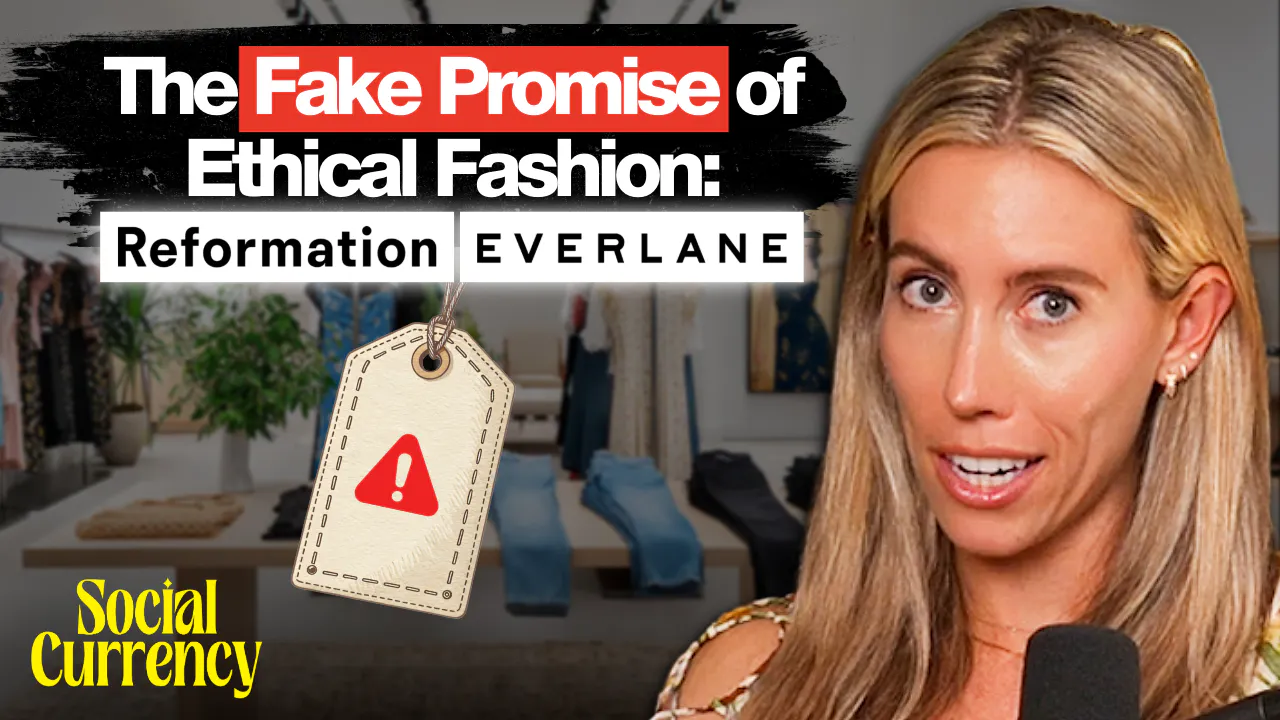 Everlane, Reformation and the Cracks in "Ethical Fashion" 11.08.2026 15minThey launched a year apart with nearly identical pitches: shop online without the guilt. Everlane sold radical transparency about factory costs and markups. Reformation sold sustainable, vintage-inspired style with a wink. Both became the "ethical option" for a generation of shoppers, both took private equity money within months of each other in 2019 and 2020, and both saw their founders step back from day-to-day operations around the same time. Then their paths split. Today, Sammi breaks down how a public reckoning over workplace culture nearly sank Reformation in 2020, and why it recovered anyway. Meanwhile, Everlane's unraveling was quieter: leadership turnover, stagnant product, mounting debt and a liquidation loan that eventually led to Shein acquiring a majority stake in a deal that wiped out shareholders. Sammi also digs into Reformation's July 2026 IPO on the NYSE, including a $92 million loan taken out just before filing that funded a dividend to existing investors, and what that means for the public investors buying in now. Plus, why the brand whose entire pitch was "know your factory" ended up owned by one of the biggest names in fast fashion, and what Everlane founder Michael Preysman is doing next. Follow Sammi Cohen on Instagram Subscribe to the Social Currency newsletter Here's What Sammi Covers Today: 00:00 Two Brands, One Ethical Fashion Pitch 02:26 Partner Message: Bilt 02:28 Everlane's Radical Transparency Origin Story 03:59 Reformation's Vintage, Style-First Beginnings 04:38 Style First vs. Story First 04:15 The Private Equity Fork in the Road 05:20 Reformation's 2020 Cultural Reckoning 06:41 The Founder's Exit and the Aftermath 07:56 Everlane's Quiet Decline 08:29 Layoffs, Debt and Fading Relevance 08:44 Partner Message: Shopify 09:05 Shein Acquires Everlane 09:48 Reformation's Path to an IPO 10:16 The $92 Million Dividend Before Going Public 11:52 Reformation Debuts on the NYSE 12:16 What Really Keeps a Mission-Driven Brand Alive 12:38 Michael Preysman's New Brand, "Still Radical" Thanks to Our Sponsors! Bilt: joinbilt.com/socialcurrency Shopify: shopify.com/socialcurrency Learn more about your ad choices. Visit megaphone.fm/adchoices
 -
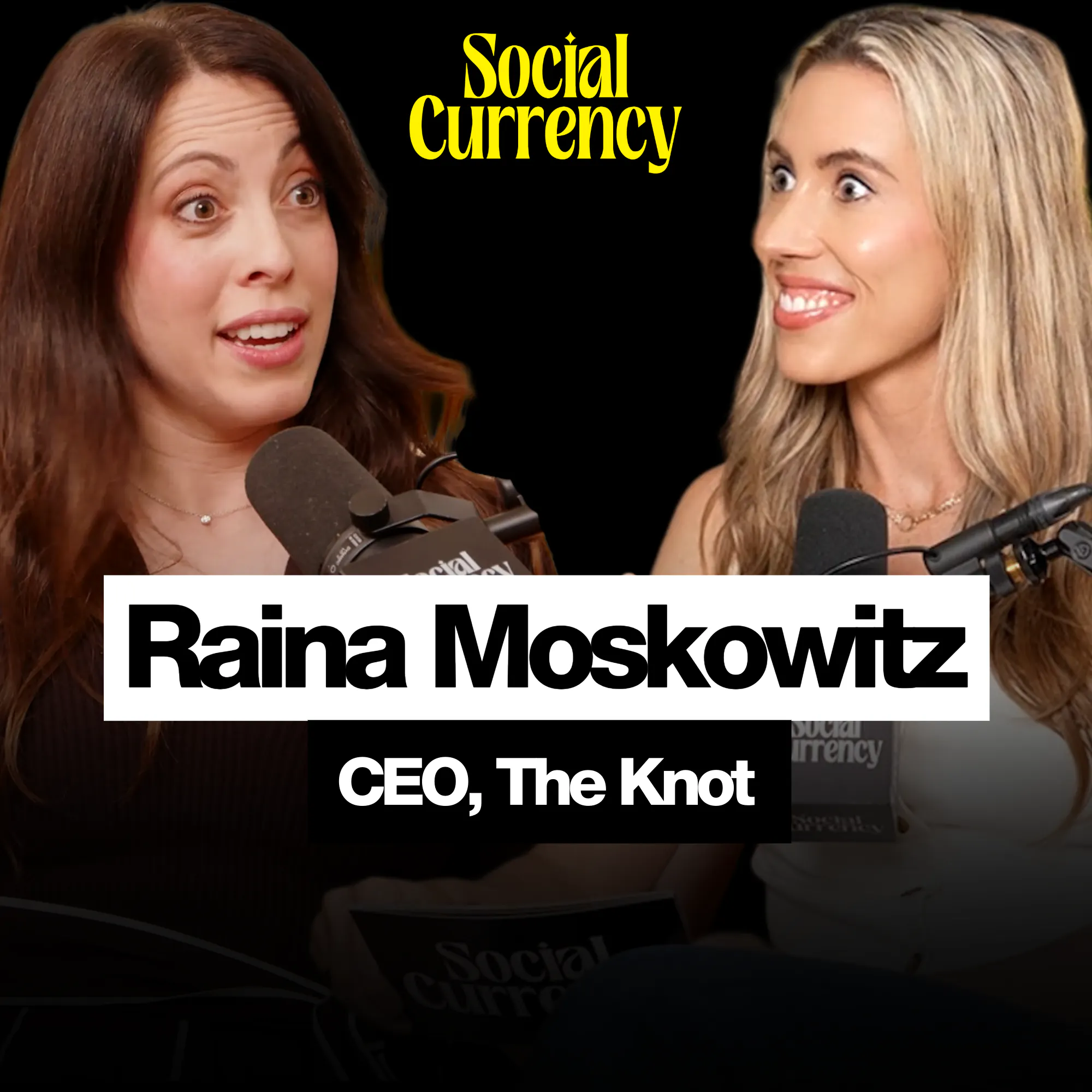 Raina Moskowitz (The Knot) on the Wedding Economy, the Taylor Swift Effect and AI Planning 04.08.2026 59minAbout two million couples get married in the U.S. every year… and despite economic pressure, they continue to spend an average of $34,000 on the big day. So, why has the wedding industry remained so resilient? This week, Sammi sits down with The Knot CEO Raina Moskowitz to unpack the business of saying “I do.” Raina shares what it was like leaving Etsy to replace The Knot’s longtime founder, how weddings have changed in the last decade, and how Gen Z is reshaping the industry. Then, Raina breaks down the economics of the modern wedding, from the growing divide between elaborate celebrations and intimate ceremonies to why guest count remains the biggest driver of cost. Later, Raina addresses the New Yorker story that questioned The Knot’s business practices and explains how customer criticism influenced the company’s product roadmap, including its new “Close the Loop” feature designed to reduce ghosting between couples and wedding professionals. Plus, she shares how The Knot is integrating with ChatGPT, what AI could take off couples’ plates during the planning process and why trusted data may become even more important as wedding searches increasingly begin inside AI platforms. Finally, Raina weighs in on wedding trends, the influence of celebrity weddings and how she knew she was ready to stop being the strong number two and take the CEO seat. Follow Sammi Cohen on Instagram Follow Raina’s work Here’s What Sammi Covers with Raina: 00:00 Raina Moskowitz’s Social Currency 02:03 Partner Message: Shopify 02:58 Raina’s Career Story 05:37 Scaling Etsy During the Pandemic 07:08 Leaving Etsy to Become CEO of The Knot 10:03 Is There a “Right Time” To Take the Leap? 11:47 Replacing a Longtime Founder 13:45 How Weddings Have Changed 16:08 Traditions Couples Are Ditching and Keeping 18:10 Partner Message: Bilt 21:36 Wedding Planning 25:39 How the K-Shaped Economy is Reshaping Weddings 32:30 The Push for Greater Vendor Pricing Transparency 35:55 The Social Media Effect37:55 The “Fake Brides” Story 40:04 The “Close the Loop” Feature and Reducing Vendor Ghosting 45:13 How WeddingPro Helps Small Businesses Grow 48:08 The Knot’s ChatGPT Integration and the Future of AI Planning 51:47 Lightning Round 53:06 Social Currency Corner Thanks to Our Sponsors! Bilt: joinbilt.com/socialcurrency Shopify: shopify.com/socialcurrency Learn more about your ad choices. Visit megaphone.fm/adchoices
 -
 Kory Marchisotto (e.l.f. Beauty) on Acquiring Rhode, Building a Billion-Dollar Brand and Responding When Campaigns Don’t Land 28.07.2026 1j 5minWhen Kory Marchisotto joined e.l.f. Beauty, the company had less than 10% brand awareness and roughly $200 million in revenue. Today, e.l.f.’s brands generate approximately $1.8 billion in global consumption—and have become some of the most culturally relevant names in beauty. In this episode, Kory joins Sammi from the Cannes Lions Festival to explain how she brought the rigor of luxury brand-building to an affordable beauty company designed for the “happy many” rather than the “happy few.” She shares why every major decision at e.l.f. begins with its community, how the company turns comments and cultural signals into campaigns, and the story behind the e.l.f. language that helped create the brand’s cult following. Kory also takes Sammi inside e.l.f.’s billion-dollar acquisition of Hailey Bieber’s Rhode, including the business metrics and shared values that made the partnership stand out. She explains why e.l.f. publicly addressed its first global price increase, how the company maintains premium quality and strict safety standards at accessible prices, and why it continues to enter unexpected spaces like Twitch, Roblox, gaming, sports, and the Super Bowl. Plus, Kory reveals how her team created a Jennifer Coolidge Super Bowl campaign in less than three weeks, the framework she uses when a marketing campaign doesn’t land, and why e.l.f. has granted $250 million in stock to employees outside the C-suite. Toward the end, she opens up about the deeply personal ambition inspired by her father and shares the simple three-step system e.l.f. uses to move from an idea to execution. Follow Sammi Cohen on Instagram Read more about e.l.f. x Rhode, e.l.f. x Twitch, the Super Bowl ad, and So Many Dicks Here’s What Sammi Covers with Kory: 00:00 Kory Marchisotto’s Social Currency 02:27 What Cannes Taught Kory About Great Creative Work 04:44 How e.l.f. Grew From $200 Million to $1.8 Billion 06:36 Bringing Luxury Brand-Building to Affordable Beauty 09:48 Serving the “Happy Many,” Not the “Happy Few” 10:56 Why Every e.l.f. Idea Starts With the Community 12:53 Finding the Answers Between the Comments 16:44 What Kory Initially Thought of the Name e.l.f. 17:30 How e.l.f. Created Its Own Language 20:18 The F-Bomb That Inspired an e.l.f. Bomb 22:22 Does Hair Still Fit Into Eyes, Lips, Face? 24:29 Inside e.l.f.’s Billion-Dollar Acquisition of Rhode 25:47 Why Rhode’s Growth Was So Rare 27:00 The Dinner That Sealed the Partnership 28:31 Why e.l.f. Publicly Announced Its Price Increase 31:00 How e.l.f. Delivers Prestige Quality Under $10 31:43 What “Clean Beauty” Actually Means at e.l.f. 32:48 Why e.l.f. Entered Twitch and Roblox 33:30 The Brand Ethos Behind Every Marketing Decision 35:36 Creating a Safe Space for Women in Gaming 38:03 Making a Super Bowl Ad in Three Weeks 40:11 Building the Muscle to Move at e.l.f. Speed 41:40 The Cultural Insight Behind an 11-Day Campaign 43:17 What to Do When a Marketing Campaign Misses 44:24 Kory’s Three-Part Crisis Framework 47:25 Why Every e.l.f. Employee Receives Stock 48:00 Operating Like a Startup at a $2 Billion Company 50:48 The Personal Story Behind Kory’s Ambition 53:46 The Accomplishments She Wishes Her Father Could See 54:30 Lightning Round 54:54 The Beauty Trend Kory Would Retire Tomorrow 55:23 Kory’s Favorite e.l.f. Collaboration 57:00 Vision, Alignment, Execution58:19 How Young Is Too Young for Beauty Products? Learn more about your ad choices. Visit megaphone.fm/adchoices
 -
 Jennifer Wong (Aritzia) on Rising from Sales Associate to CEO, the Styling Suite Experience, and Building a Generational Brand 21.07.2026 52minJennifer Wong started as a Sales Associate at Aritzia… 39-years later, she’s running the company as CEO. Today, Jennifer joins Sammi to share how she almost left Aritzia for a career in banking, why founder Brian Hill convinced her to stay, and what it was like succeeding him after nearly four decades working alongside him. She explains the philosophy behind Aritzia's "everyday luxury," why the company has continued investing in physical retail while others have pulled back, and the thinking behind some of its most distinctive experiences (think mirrorless fitting rooms and complimentary personal styling appointments). Jennifer also breaks down how Aritzia navigated tariffs and supply chain disruptions, why timeless design is central to the brand's sustainability strategy, and what she thinks so many direct-to-consumer brands got wrong. Plus, she shares the leadership principles that have helped Aritzia retain employees for decades and why she still visits boutiques every few months. Follow Sammi Cohen on Instagram Subscribe to the Social Currency newsletter Follow Jennifer Wong and Aritzia Here's What Sammi Covers with Jennifer: 00:00 Jennifer Wong's Social Currency 02:14 How Jennifer Went From Sales Associate to CEO 04:03 The Banking Job She Almost Took 06:08 The Conversation That Changed Her Career 07:22 Saying Yes to Every Opportunity08:41 Aritzia's "40-Year Overnight Success" 10:28 Succeeding Founder Brian Hill as CEO 14:12 Why Aritzia Is Still Betting on Physical Retail 15:35 The Strategy Behind Mirrorless Fitting Rooms 18:17 Inside Aritzia's Styling Experience 20:47 Defining "Everyday Luxury" 21:09 How Aritzia Built a Multi-Generational Brand 23:33 Designing Clothes That Feel Timeless 25:27 Why Aritzia Creates Its Own Brands 27:14 Jennifer's Take on Sustainable Fashion 29:25 How Aritzia Prepared for the Tariffs 31:00 The Supply Chain Pivot That Happened in One Month 33:28 Why Aritzia Keeps Menswear Separate 35:01 The Secret to 39 Years of Employee Retention 37:04 What Jennifer Looks for When Hiring 39:25 The Future of Fred Segal 42:44 Jennifer's Leadership System 43:40 Why She Visits Every Boutique 44:44 What Aritzia Thinks Other Retailers Get Wrong 45:41 Why Brand Has Always Come First 47:48 Never Losing Sight of the Customer 49:08 What's Missing From Most In-Store Shopping Experiences Learn more about your ad choices. Visit megaphone.fm/adchoices
 -
 Laney Crowell (Saie Beauty) on Raising Her First $1 Million, Building a Top Sephora Brand, and Magazine Culture 14.07.2026 1jWhat started as Laney Crowell's passion for magazines, beauty, and storytelling became Saie Beauty, one of the fastest-growing clean beauty brands in the world and a standout success story at Sephora. In this episode, Laney joins Sammi to share how she went from working in editorial and at Estée Lauder to raising her first million dollars with no fundraising experience, launching Saie just months before the pandemic, and turning an early rejection from Sephora into a nationwide launch. She explains why she wanted Saie to be a top 10 Sephora brand from day one and the tactical fundraising lessons she wishes every founder knew. Plus, she opens up about the realities of leading a fast-growing company, the trade-offs of building her dream business while raising two children, and what still keeps her up at night as CEO. Follow Sammi Cohen on Instagram Subscribe to the Social Currency newsletter Follow what Laney is working on with Saie Here's What Sammi Covers with Laney: 00:00 Laney Crowell's Social Currency 02:00 Feeling Like She Was Meant to Be a Founder 06:34 Why Resilience Is a Founder's Greatest Skill 08:00 Storytelling as a Competitive Advantage 12:51 Fundraising Without Any Experience 14:21 The Power of "Expanders" 16:21 Raising Her First $1 Million 17:23 Why Every "No" Gets You Closer to a "Yes" 18:30 Perfecting the Pitch One Meeting at a Time 19:47 Building Saie to Be a Top Sephora Brand 21:03 Why Investors Bet on Founders, Not Ideas 23:52 Sephora's First Rejection 26:22 The Call That Changed Everything 28:18 Launching Through COVID 29:24 Building a Beauty Brand During a Downturn 31:21 The Three Most Important Early Hires 34:37 How Laney Hires Great People 36:13 Why Sustainability Has to Be Built Into the Business 41:16 What Actually Brings Customers to Saie 42:07 Staying Focused in a Crowded Industry 43:39 What Keeps Laney Up at Night 45:46 Why Community Is Beauty's Most Misused Buzzword 47:33 Creating Value Beyond the Product 48:28 Why Founder-Led Content Matters More Than Ever 49:45 The Trade-Offs of Building a Dream Company 51:05 Laney's Biggest Pinch-Me Moment Learn more about your ad choices. Visit megaphone.fm/adchoices
 -
Haley Sacks (Mrs. Dow Jones) on Money Psychology, Wealth Hacks, and How to Say No to an Expensive Bachelorette 07.07.2026 1j 6minFrom the FIRE movement, to the rent versus buy debate and financial fibs, today Sammi is tackling the biggest money questions of the moment with Haley Sacks. Haley Sacks (Mrs. Dow Jones) has become one of the most influential voices in financial education, building a media empire around the idea that the secrets to wealth should be available to everyone. Haley joins Sammi to discuss the psychology behind our earliest money beliefs, why she publicly pushed back on "girl math," and the money moves future rich people are making now. They also dive into creator entrepreneurship, including how Haley turned comedy into a seven-figure business, why newsletters are her most valuable asset, and the revenue strategy behind building a sustainable creator business. Follow Sammi Cohen on Instagram Subscribe to the Social Currency newsletter Check out Haley’s book Future Rich Person Here’s What Sammi Covers with Haley: 00:00 Haley Sacks’ Social Currency 02:06 When Do You Become a "Future Rich Person"? 04:05 Growing Up Around Wealth Without Financial Literacy 06:02 Why Your Relationship With Money Is Formed by Age Seven 08:17 The Money Advice Women Actually Need 09:34 Building a Career Before the Creator Economy Existed 12:44 The Comedy Rule Behind Haley’s Content 16:00 Audience vs. Community 18:20 Why IRL Is More Important Than Ever 19:28 Why Haley Thinks "Girl Math" Is Harmful 22:27 Money Is a Relationship, Not Just a Number 24:31 Haley’s Take on the Trad Wife Movement 29:47 Friends Should Share Salaries 35:03 How Haley Built a Seven-Figure Creator Business 36:00 Why Newsletters Beat Social Media 37:49 Creator vs. Creator-Entrepreneur 40:47 Financial Advice vs. Financial Education 43:13 Does Personal Responsibility Ignore Systemic Problems? 47:34 The Hardest Chapter of Future Rich Person 50:12 Why Every Creator Should Start a Podcast 54:03 Is the FIRE Movement a Cult? 55:27 Renting Forever: Smart or Financial Failure? 57:05 Should You Ever Lie to Your Partner About Money? 58:18 The Worst Money Advice on TikTok 59:34 Haley’s Most Defensible Splurge 01:00:42 Therapy or a Financial Advisor First? 01:02:05 Haley’s Productivity System 01:03:52 Navigating Rising Prices Without Giving Up 01:07:12 How to Say "No" to an Expensive Bachelorette Party Learn more about your ad choices. Visit megaphone.fm/adchoices
-
Jamie Siminoff (Ring) on Near Bankruptcy, Amazon, and Shark Tank 30.06.2026 1j 7minWhat does building a billion-dollar company actually feel like? According to Ring founder Jamie Siminoff, it's far less glamorous than most founder stories make it seem. Jamie joins Sammi to unpack the journey from almost running out of money to building Ring into one of the biggest consumer tech acquisitions in history. He explains why entrepreneurship can be deeply traumatic, how close Ring came to bankruptcy before appearing on Shark Tank, and why the rejection that made headlines wasn't nearly as important as what happened afterward. They also discuss why Jamie spent nearly all of Ring's remaining cash buying Ring.com, the lawsuit that nearly destroyed Amazon's acquisition, why he eventually walked away from running Ring despite loving the company, and what brought him back years later. Follow Sammi Cohen on Instagram Subscribe to the Social Currency newsletter Check out Jamie’s book Ding Dong 00:00 Jamie Siminoff’s Social Currency 02:03 Partner Message: Mercury for Business Banking 03:22 Why Entrepreneurship Is More Traumatic Than People Admit 05:20 Why Jamie Came Back to Ring 07:30 Life After Selling Ring to Amazon 08:50 Knowing When It's Time to Walk Away 09:30 Why Retirement Didn't Last 11:10 The Story Jamie Almost Didn't Tell 13:15 Why You Shouldn't Start a Company for Money 14:30 The Mission Behind Ring 16:00 Can You Actually Measure Safer Neighborhoods? 18:00 Partner Message: Rula 19:14 Partner Message: Mercury for Personal Banking 20:28 The Customer Stories That Make It All Worth It 22:00 How Ring Became a Household Name 24:15 How Close Ring Came to Bankruptcy 26:05 The Shark Tank Effect 27:13 Why Rejection Wasn't Ring's Biggest Break 29:07 The Survivorship Bias of Entrepreneurship 30:19 Why AI Will Reward Builders 31:46 The $1 Million Bet on Ring.com 35:30 Why "DoorBot" Had to Die 36:44 Rebuilding Ring From Scratch 37:07 Partner Message: Bilt 38:08 The Lawsuit That Almost Killed the Amazon Deal 40:40 From the Highest High to the Lowest Low 42:30 The Settlement That Saved Ring 43:24 Building a Hypergrowth Company While Running Out of Money 44:27 Calling Amazon Back 46:53 Being a Solo Founder 50:39 Superbowl Ad 01:00:00 Social Currency Corner Thanks to Our Sponsors! Mercury: mercury.com Rula: rula.com/socialcurrency Bilt: joinbilt.com/socialcurrency Shopify: shopify.com/socialcurrency Learn more about your ad choices. Visit megaphone.fm/adchoices
-
Peter Semple (Depop) on Scaling Beyond Gen Z, the CMO to CEO Pipeline, and the eBay Deal 23.06.2026 1j 10minPeter Semple is CEO of Depop, the fashion resale marketplace that became one of Gen Z's most influential shopping platforms and completely changed how a new generation thinks about secondhand fashion. Peter joins Sammi to break down how Depop built a community-first brand, why the company made the surprising decision to eliminate seller fees, and what it takes to scale beyond Gen Z without losing cultural relevance. They also discuss why Peter wants Depop to become the "Nike of resale," the future of AI-powered shopping, and what the recently announced $1.2 billion acquisition by eBay means for the next chapter of the business. Plus: why Depop keeps showing up cultural moments (from rap lyrics to SNL), and what happens when superfans become employees. Follow Sammi Cohen on Instagram Subscribe to the Social Currency newsletter Follow Peter and Depop Here’s What Sammi Covers with Peter: 00:00 Peter Semple’s Social Currency 02:14 Partner Message: Mercury for Personal03:36 From Copywriter to CEO05:49 What Google Creative Lab Taught Him About Brands08:04 Leaving Google for a Startup10:13 How Sneakers Led Him to Depop11:58 Why Depop Hires Its Own Users 14:34 Partner Message: Rula 15:49 Partner Message: Mercury for Business17:08 The Mindset Shift From CMO to CEO20:07 How Depop Scales Without Losing Gen Z24:25 Building the “Nike of Resale”26:01 Why Depop Eliminated Seller Fees29:13 The Power of Circular Fashion 30:06 Partner Message: Bilt 31:07 Partner Message: Shopify32:22 Why Brands Should Earn, Not Chase, Cultural Relevance35:10 From SNL to Rap Lyrics: Becoming Part of Culture38:06 What the $1.2 Billion eBay Acquisition Means42:13 Can Sustainability Beat Fast Fashion?45:20 Why Shopping Should Feel Like a Treasure Hunt46:56 How AI Is Changing Fashion Resale50:03 Will AI Change How We Discover Products?52:38 Depop’s Competitive Advantage55:00 The Secret Behind the Name “Depop” Thanks to Our Sponsors! Mercury: mercury.com Rula: rula.com/socialcurrency Bilt: joinbilt.com/socialcurrency Shopify: shopify.com/socialcurrency Learn more about your ad choices. Visit megaphone.fm/adchoices
-
Gary Vaynerchuk (VaynerX) on the Next Digital Gold Rush, AI, and Intellectual Property 16.06.2026 57minTwenty years after uploading his first YouTube video, Gary Vaynerchuk is still obsessed with where attention is going next. Today, he joins Sammi to talk about his predictions and why it’s not too late to get started on social media. Gary explains why he believes social media has become “interest media,” how AI and authenticity are not mutually exclusive, and why quantity remains one of the biggest competitive advantages in content. They also discuss the rise of live shopping, why Gary is betting big on IRL experiences, and the long-term vision behind VeeFriends—his modern intellectual property empire centered around optimism, accountability, and character development. Along the way, Gary shares his approach to mental health, whether he wants his kids to take over his business, and the one thing he still hasn’t done yet. Plus, they revisit one of Sammi’s favorite pieces of Gary’s content… and it’s a real tearjerker. Follow Sammi Cohen on Instagram Subscribe to the Social Currency newsletter Follow Gary Vaynerchuk and VeeFriends Here’s What Sammi Covers with Gary: 00:00 Gary Vaynerchuk’s Social Currency 02:14 Partner Message: Mercury for Business 03:37 Uploading His First YouTube Video 20 Years Ago 05:34 Why Gary Only Talks About What He Knows 07:22 Why Social Media Became “Interest Media” 09:35 The Platform Predictions That Made Gary Famous 12:13 Why Content Merit Matters More Than Followers 14:20 Partner Message: Rula 15:36 Partner Message: Bilt 16:36 AI, Authenticity, and the Creator Dilemma 17:57 Why Quantity Is a Competitive Advantage 19:00 The Power of “And” Instead of “Or” 20:25 Why Gary Is Betting Big on IRL Experiences 21:14 The Rise of Analog in a Digital World 22:24 What Gary Will Never Outsource to AI 24:20 Why Great Businesses Ignore Personal Preference 25:12 Will Humans Eventually Marry AI? 26:23 The Upside of AI That People Ignore 27:33 The Video That Best Captures Gary’s Philosophy 28:53 Why Gary Cares So Much About Underdogs 30:10 The Difference Between Positivity and Delusion32:20 Gary’s Approach to Mental Health 33:23 Partner Message: Mercury for Personal 34:37 Partner Message: Shopify 35:57 What Gary Wants for His Kids 37:50 Why VeeFriends Is His Most Important Project 39:34 Building an IP Empire Through Character-Based Storytelling 42:13 Why Live Shopping Is Finally Taking Off 44:10 Gary’s Advice for Sammi’s New Live Show 46:06 Why Creators Need More Content on More Platforms 46:29 Gary’s First Viral Video 47:33 Who Gets the Good News—and Who Gets the Bad News 48:08 Whether Gary Will Ever Take a Real Break 49:28 The 15/85 System That Runs His Career Thanks to Our Sponsors! Mercury: mercury.com Rula: rula.com/socialcurrency Bilt: joinbilt.com/socialcurrency Shopify: shopify.com/socialcurrency Learn more about your ad choices. Visit megaphone.fm/adchoices
-
Matilda Djerf (Djerf Avenue) on Creator-Led Brands, Secrets Behind 300% Growth and Tough Lessons in Entrepreneurship 09.06.2026 1j 6minMatilda Djerf transformed a growing social media audience into Djerf Avenue: a global lifestyle brand and an aesthetic that has genuinely shaped internet culture from fashion to beauty to the now-iconic Matilda Djerf hair. In this episode, Matilda joins Sammi to share the full story behind Djerf Avenue— from packing orders with friends and family in an empty warehouse to scaling through the pandemic when nobody knew whether consumers would buy blazers during lockdowns. She explains why she never raised venture capital, how she used DMs as market research, and realities of growing a creator-led company at rocketing speed. Sammi and Matilda also talk about creator burnout, the pressure of tying your personal identity to your company, and the difficult public scrutiny she faced after allegations from former employees. Matilda opens up about leadership, accountability, and what it actually feels like to grow up publicly while running a scaling business. Plus, Matilda shares about getting into community building, influencer culture, and how creators today should think about what parts of their lives belong online and what should stay private. Follow Sammi Cohen on Instagram Subscribe to the Social Currency newsletter Follow Matilda Djerf and Djerf Avenue Here’s What Sammi Covers with Matilda: 00:00 Matilda Djerf’s Social Currency 02:03 Partner Message: Mercury for Personal 03:33 Growing Up in a Small Town and Building a Global Audience 04:44 What’s Changed for Creators Since the 2010s 05:32 Why Passion Still Matters More Than Growth Hacks 06:56 Where Matilda Finds Creative Inspiration 08:08 Protecting Your Image in the Age of Social Media 11:30 AI, Copyright, and the Future of Creator Rights 12:00 When Matilda’s Hair Became a Cultural Phenomenon 13:25 Launching Djerf Avenue From an Empty Warehouse 16:29 Why She Never Raised Outside Capital 18:48 Building a Brand Around Community, Not White Space 19:35 Partner Message: Mercury for Business 21:09 Turning Followers Into Customers 22:06 Trusting Her Gut Over a Business Plan 23:49 Launching a Fashion Brand Into a Pandemic 27:13 Why Authentic Community Can’t Be Faked 29:36 How Djerf Avenue Invests in Its Customers 30:46 The Challenges of Scaling 300% Growth 32:20 The Hidden Cost of Returns 34:04 Why Customer Service Remains Human 35:18 Partner Message: Bilt 36:19 Managing a Personal Brand and a Business Brand 38:04 Navigating Public Scrutiny and Leadership Challenges 39:09 The Leadership Lessons She Learned the Hard Way 41:11 Why She Never Considered Walking Away 42:11 The New Social Contract Between Founders and Employees 44:02 Expanding Djerf Avenue Into Beauty 46:27 Selling Beauty Products Without Retail Stores 47:46 What’s Next for Djerf Avenue 49:00 A Week in the Life of Djerf Avenue’s Chief Creative Officer 51:46 Brick and Mortar Dreams 57:10 On Gathered 58:24 Social Currency Corner Thanks to Our Sponsors! Mercury: mercury.com Bilt: joinbilt.com/socialcurrency Learn more about your ad choices. Visit megaphone.fm/adchoices
-
Eugene Remm (CATCH) on the Business of Vibe, Restaurant Economics and Critics Who Gatekeep 02.06.2026 51minEugene Remm didn't set out to build a hospitality empire. He started as a bartender, worked in nightlife, and chased success through New York's club scene… until a major failure forced him to rethink everything. Today, Eugene is the co-founder of CATCH Hospitality Group, the company behind some of the most sought-after restaurants in America, including CATCH, The Corner Store, Or’esh, and The Eighty Six. He breaks down the restaurant formula that most operators get wrong, why "vibe" is actually the last thing you should focus on, and how he thinks about building unforgettable guest experiences. He explains the psychology behind New York's line culture, why restaurant critics have lost their gatekeeping power, and how social media has completely reshaped hospitality. They also dive into the business side of restaurants: scaling without losing quality, managing celebrity demand, hiring people who genuinely care, and the lessons Eugene learned from failed nightclub ventures and unsuccessful expansion deals. Plus, Eugene shares what happened after Taylor Swift started visiting The Corner Store, why he believes no celebrity has a bigger impact on consumer behavior, and how AI is poised to transform hospitality without replacing the human touch. Follow Sammi Cohen on Instagram Subscribe to the Social Currency newsletter Follow Eugene’s Work: Catch Restaurants, @catch The Corner Store, @thecornerstore The Eighty Six, @the86.nyc Or'esh, @or.esh Here’s What Sammi Covers with Eugene 00:00 Eugene Remm’s Social Currency 02:10 Partner Message: Mercury for Business 03:31 From Bartender to Hospitality Entrepreneur 06:13 How Failure in Nightlife Led to CATCH 08:10 Reinventing a 15-Year-Old Restaurant Brand 10:58 Why Big Restaurants Stopped Working 13:53 The Three Pillars: Food, Service, and Vibe 14:05 Why Guest Experience Is the Hardest Thing to Scale 15:37 Partner Message: Mercury for Personal 16:50 Partner Message: Bilt 17:56 How Eugene Hires People Who Actually Care 20:30 Why Great Teams Beat Great Individuals 21:18 Why Most Restaurants Get Vibe Wrong 22:22 The Art of Curating a Dining Room 23:03 Building a Celebrity-Filled Restaurant Without Chasing Celebrities 25:14 The Million-Dollar Reservation Strategy 26:32 Why Restaurant Critics No Longer Matter 27:27 Michelin Stars vs. Customer Demand 29:14 How Social Media Replaced Traditional Gatekeepers 31:02 Why Eugene Chooses 10 A-Minus Businesses Over One A-Plus 32:45 What’s Next for CATCH Hospitality Group 35:03 Building an LVMH of Restaurant Brands 36:11 The Corner Store’s Viral Rise36:28 The Taylor Swift Effect 38:00 Why Fast Casual Is the Next Frontier 39:54 The Psychology of the “New York Hour” 41:28 Lessons From a Failed Dubai Expansion 43:02 How Tilman Fertitta Changed the Business 44:32 Eugene’s “Constant Gentle Pressure” System 45:28 How AI Will Transform Hospitality 47:53 When You’re Ready to Open Restaurant Number Two 49:31 Why Restaurants Might Be the Hardest Business in the World Thanks to Our Sponsors! Mercury: mercury.com Bilt: joinbilt.com/socialcurrency Learn more about your ad choices. Visit megaphone.fm/adchoices
-
Rick Caruso (Caruso) on Disney-Inspired Retail, Political Leadership, and Why California Is Losing Entrepreneurs 26.05.2026 1j 2minRick Caruso has spent decades reshaping Los Angeles through projects like The Grove, Americana at Brand, and Palisades Village. In this conversation with Sammi, Rick talks through his entrepreneurial strategy with real estate and beyond. Rick explains how he built a billion-dollar real estate empire by studying people instead of the industry, why he intentionally ignored traditional mall design rules, and the Walt Disney philosophies that shaped his approach to hospitality. He shares why he believes founders need to be comfortable being over their skis, how criticism actually signals progress, and the surprising rituals he still personally does for guests at his properties. Then the conversation turns to Los Angeles. Rick gives an unfiltered breakdown of the Pacific Palisades fires, explaining exactly how Palisades Village survived while much of the surrounding area burned. He walks through the fire prevention systems his team built years in advance, the operational decisions that protected the property, and the broader lessons for government competency and crisis management. Sammi and Rick also discuss why small businesses are increasingly struggling in California, why entrepreneurs are leaving cities like LA and New York, and the political climate that ultimately led Rick to decide not to run for governor. Follow Sammi Cohen on Instagram Subscribe to the Social Currency newsletter Follow Rick Caruso’s work Here’s What Sammi Covers with Rick: 00:00 Rick Caruso’s Social Currency 02:50 Why “Follow Your Passion” Is Bad Advice 05:16 Why Not Knowing the Rules Helped Him Win 08:05 Why Founders Need to Be “Over Their Skis” 09:23 The “Celebrate vs. Isolate” Framework 10:00 Building The Grove Around the Farmers Market 12:08 Why Criticism Means You’re Doing Something Important 14:00 The Hospitality Details Guests Never Notice 18:12 Walt Disney’s Biggest Lesson for Entrepreneurs 22:12 Why People Propose at the Americana Fountain 25:00 Expensive Mistakes 28:32 Why Retail Must Constantly Reinvent Itself 29:14 How Palisades Village Reinvented Retail Layouts 30:00 Why Rick Writes a Fictional Story for Every Project 31:17 What Saved Palisades Village During the Fires 35:05 Why Rick Thinks LA Leadership Failed 37:13 Why Rick Decided Not to Run for Governor 41:00 Why California Needs Business-Minded Leadership 44:18 Solutions to Homelessness in LA 49:29 Why Small Businesses Are Struggling in California 51:45 Rick’s Personal System for Life and Leadership 54:13 Why Entrepreneurs Are Leaving California 56:02 Innovation vs. Naivety for Founders Learn more about your ad choices. Visit megaphone.fm/adchoices
-
Harley Finkelstein (Shopify) on AI Shopping Agents, Merit-Based Commerce, and the “Give a Sh*t Factor” That Makes Founder-Led Companies Win 19.05.2026 1j 8minHarley Finkelstein believes we’re entering the most important shift in commerce since the invention of online shopping itself. As President of Shopify, Harley has helped build the infrastructure powering millions of businesses across more than 175 countries. Now, he says AI is about to fundamentally change not only how consumers discover and buy products online— but how “machine customers” might do our shopping for us. Harley explains why agentic commerce could replace traditional search, his take on the idea that every brand is becoming a media company (featuring a Favorite Daughter case study), and why this new era may reward product quality more than ad spend. Harley also shares the story of joining Shopify in its earliest days, why founder-led companies consistently outperform, and why he believes modern entrepreneurs can now go from a kitchen-table idea to a multi-billion-dollar company faster than ever before. Plus: the brands he thinks are getting retail right—and the critical “give a sh*t factor” he believes only founders truly have. Follow Sammi Cohen on Instagram Subscribe to the Social Currency newsletter Follow Harley’s work and updates at Shopify Here’s What Sammi Covers with Harley: 00:00 Harley Finkelstein’s Social Currency 01:57 Partner Message: Mercury 02:30 Growing Up Around Immigrant Entrepreneurs 05:40 Why Harley Went to Law School 08:00 Meeting Shopify Founder Tobi Lütke 12:00 Why Shopify Felt Like a “Superpower” 15:00 Partner Message: Mercury 16:19 Partner Message: Mosh 18:00 The Moment Shopify Became a Generational Company 21:00 From E-Commerce Platform to Commerce Operating System 22:30 Every 26 Seconds a New Entrepreneur Gets Their First Sale 24:00 Why Some Brands Become Media Companies 25:00 Favorite Daughter and the Founder-Led Brand Flywheel 27:00 Why Most Brands Feel Inauthentic 28:30 What Great Retail Brands Understand About Emotion 30:00 Shopify’s OpenAI and ChatGPT Announcement 31:00 What “Agentic Commerce” Actually Means 32:00 AI Personal Shoppers and Curated Buying 35:00 Why AI Could Help Small Brands Win 37:00 The End of Traditional Search? 39:00 How Brands Maintain Identity Inside AI Platforms 41:00 Why Storytelling Matters More in an AI World 42:00 The Rise of Machine Customers 44:00 Why Harley Is a Techno-Optimist 47:30 Why Founder-Led Companies Win 50:00 The Founder “Give a Shit Factor” 51:00 Harley’s Framework for Finding Your Life’s Work Thanks to Our Sponsors!Mercury: mercury.com Mosh Bars: moshlife.com/socialcurrency Learn more about your ad choices. Visit megaphone.fm/adchoices
-
Todd Kahn (Coach) on Winning Gen Z, Shrinking to Grow, and the Brand Turnaround That Changed Everything 12.05.2026 58minTodd Kahn took over the commercial responsibility for Coach in March of 2020. Two weeks later, he closed all North America stores. Today, Coach CEO Todd Kahn sits down with Sammi to break down the strategy behind one of fashion’s biggest brand turnarounds, and why Coach had to do the exact opposite of conventional growth advice to pull it off. He explains why trying to be “for everyone” almost destroyed the brand, how flash sales quietly trained customers to wait for discounts, and why the company stopped greeting shoppers with coupons entirely during the pandemic. Todd also shares how Coach rebuilt itself for Gen Z through “expressive luxury,” viral bags like the Tabby and Brooklyn, immersive retail experiences, and unexpected ideas like coffee shops, book charms, and co-creation stations inside stores. Plus: the real reason Gen Z shops in person more than people think, why virality can’t be engineered, and the internal operating system Todd uses to run a nearly $7 billion business. Follow Sammi Cohen on Instagram Subscribe to the Social Currency newsletter Follow the Coach branding masterclass Here’s What Sammi Covers with Todd: 00:00 Todd Kahn’s Social Currency 02:30 From Corporate Lawyer to Coach CEO 07:52 Joining Coach During the Financial Crisis 10:00 What Actually Went Wrong at Coach 14:00 Flash Sales, Discounting, and Brand Dilution 15:00 Hiring Stuart Vevers and Resetting Creativity 19:00 Rediscovering Coach’s Brand Codes 20:44 Why Coach Focused on Gen Z 23:00 Closing 250 Stores to Save the Brand 24:00 Why “Stores Are Commercial Activities” 26:00 Cutting 40% of the Assortment 27:10 The “Timeless Gen Z” Strategy 28:40 Taking Over Coach Right Before COVID 29:50 Why Coach Stopped Leading with Discounts 30:20 Building a Billion-Dollar Digital Business 31:00 Why People Bought Handbags During Lockdown 32:00 From Performance Marketing to Brand Building 33:00 Bringing 2.9 Million New Customers Into Coach 34:00 Why Coach Wants to Be Your First Luxury Bag 35:30 The Real Story Behind Bag Charm Mania 38:00 What Actually Creates Virality 39:45 Why Coach Only Does Two Big Campaigns a Year 40:00 What “Expressive Luxury” Really Means 42:00 Why Gen Z Loves Shopping In Person 43:00 Coach Play Stores and Experiential Retail 44:00 The Business Strategy Behind Coach Coffee Shops 47:30 Todd’s Operating System for Leadership 50:22 The Story Behind Coach’s Viral Book Charms 52:00 Why Gen Z Is Returning to Books and Community Thanks to Mercury for sponsoring this episode! mercury.com Learn more about your ad choices. Visit megaphone.fm/adchoices
Podcast serupa


Popular di
Podcast ini turut muncul dalam senarai podcast negara-negara ini.


