
Big Picture Science
Big Picture Science
0
Big Picture Science explores the surprising connections in science and technology. Hosted by astronomer Seth Shostak and science journalist Molly Bentley, each episode features interviews with leading researchers, techies, and journalists. The show provides a smart and humorous take on science, including regular "Skeptic Check" episodes that critically examine pseudoscience.
Episod
-
 Skeptic Check: Sunny Daze 05.10.2026 54minA growing online movement of sunscreen skeptics believes that sunblock is toxic, even suggesting that it might cause skin cancer. Medical experts, concerned by rising skin cancer rates, are rushing to push back against these claims. Meanwhile, new research suggests that too little sunlight could be detrimental to health and links it to some cardiovascular disease and cancer. How do we navigate through the darkness of these seemingly conflicting messages about sunlight? We enter the slippery world of skin care to break down the science of sunlight and sunscreen and uncover some surprising effects that UV rays have on our bodies. Guests: Brian Underwood – journalist and Beauty and Grooming Director of Men’s Health and Women’s Health, and author of the article, The Anti-Sunscreen Movement is Coming for You Rowan Jacobsen – science writer and the author of “In Defense of Sunlight” Dr. Michelle Henry – cosmetic dermatologist and dermatologic surgeon, Clinical Instructor of Dermatology at Weill Cornell Medical College You can get early access to ad-free versions of every episode by joining us on Patreon. Thanks for your support! Big Picture Science is part of the Airwave Media podcast network. Please contact [email protected] to inquire about advertising on Big Picture Science. Learn more about your ad choices. Visit megaphone.fm/adchoices
 -
 The Rights of Rivers 28.09.2026 54minHealthy rivers and riparian ecosystems are teaming with life, but should rivers themselves be considered alive? The question is central to the growing rights-of-nature movement that claims that ecosystems and entities, like rivers, have legal rights. After Ecuador enshrined the rights of nature in its constitution, lawyers employed the new personhood status to stop mining companies from clearing a section of the Los Cedros River and its surrounding biodiverse cloud forest. Granting rivers moral standing comes as over-damming, pollution, and climate change have put them in crisis globally. Writer Robert Macfarlane explores how seeing rivers as living beings rather than just resources – a change he calls “a great act of moral imagination” – could help save our watersheds and rivers, upon which all life depends. Guest: Robert Macfarlane – Writer and Professor of Literature and Environmental Humanities at the University of Cambridge, and author of “Is a River Alive?” Originally posted June 23, 2025 Featuring music by Dewey Dellay and Jun Miyake You can get early access to ad-free versions of every episode by joining us on Patreon. Thanks for your support! Big Picture Science is part of the Airwave Media podcast network. Please contact [email protected] to inquire about advertising on Big Picture Science. Learn more about your ad choices. Visit megaphone.fm/adchoices
 -
 How Hot is Too Hot? 21.09.2026 56minExtreme heat is taking its toll on the natural world. We use words like “heat domes” and “freakish” to describe our everyday existence. These high temperatures aren’t only uncomfortable - they are lethal to humans, animals, and crops. In search of an answer to our episode’s question, we discuss the dilemma of an ever-hotter world with an author who has covered climate change for more than twenty years. Guest: Jeff Goodell – author of “The Heat Will Kill You First: Life and Death on a Scorched Planet.” Featuring music by Dewey Dellay and Jun Miyake Originally aired October 2, 2023 Big Picture Science is part of the Airwave Media podcast network. Please contact [email protected] to inquire about advertising on Big Picture Science. You can get early access to ad-free versions of every episode by joining us on Patreon. Thanks for your support! Learn more about your ad choices. Visit megaphone.fm/adchoices
 -
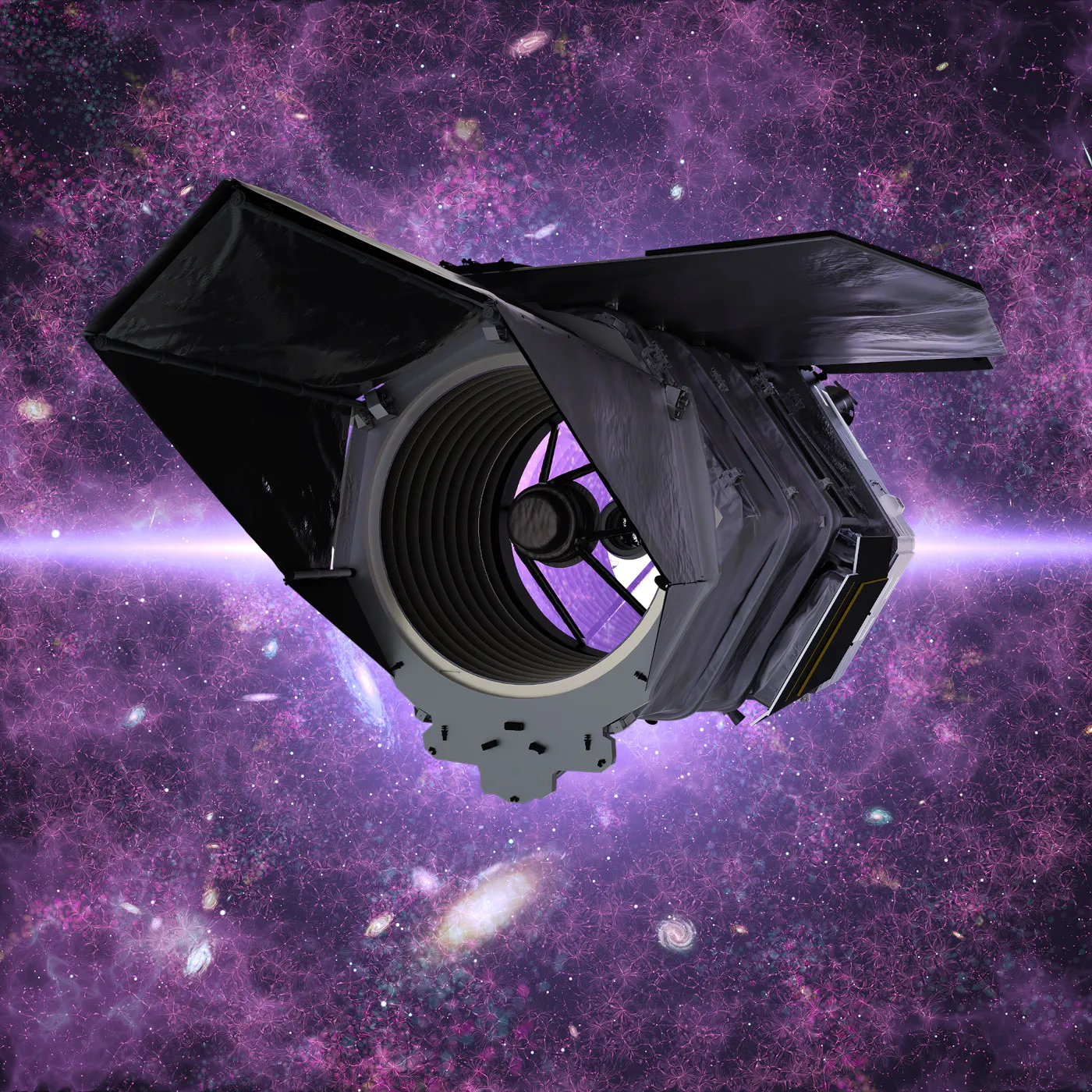 A Coup De Grace in Space 14.09.2026 56minA new space telescope will soon give us an expanded field of view of some of the strangest phenomena in the cosmos. The launch of NASA’s Nancy Grace Roman Space Telescope will initiate this instrument’s contributions to the understanding of black holes, dark matter, and dark energy. It will also further the search for exoplanets. The project’s principal and deputy investigators join us to describe the telescope’s science goals, and astrophysicist Neil DeGrasse Tyson provides his big picture view of the most exciting recent discoveries in astronomy and cosmology. Guests: Julie McEnery – Astrophysicist at the Goddard Space Flight Center and senior project scientist for the Nancy Grace Roman Space Telescope. Jason Rhodes – JPL project scientist for the Nancy Grace Roman Space Telescope, focusing on dark energy, dark matter, and cosmic evolution. Neil deGrasse Tyson – Astrophysicist and director of New York City’s Hayden Planetarium at the American Museum of Natural History, and author of "Lost in Space: 5,000 Facts for Navigating the Universe". Anna de Graaff – Astronomer at the Max Planck Institute for Astronomy You can get early access to ad-free versions of every episode by joining us on Patreon. Thanks for your support! Big Picture Science is part of the Airwave Media podcast network. Please contact [email protected] to inquire about advertising on Big Picture Science. Learn more about your ad choices. Visit megaphone.fm/adchoices
 -
 Malawi: A Path Forward 07.09.2026 54minThe abrupt defunding of USAID in 2025 caused global shockwaves. The cuts thrust recipient countries who were dependent on foreign aid for medical care into health crises. One area that has been particularly hard hit is Malawi, a country in southeastern Africa where doctors and community organizers are struggling to fill the gaps in essential services left in the wake of the USAID cuts. The loss of local outreach clinics and lack of fuel for ambulances has caused severe delays—and sometimes tragic outcomes—in providing care to mothers and children. A year out from the cuts, we look at how Malawi is rethinking its relationship to foreign aid as it considers how to continue providing vital health services. In the first of a series supported by the nonprofit Pulitzer Center and in collaboration with Science Magazine, we provide an on-the-ground look at the impact of USAID defunding on health services in key spots across the globe. Guests: Catherine Offord – journalist, Science Magazine. Her article, “An Uncertain Path,” appeared in the July 16 issue of the magazine Voices heard in the show: Fanizo Simenti – community health worker at Katenje Health Post, Kasungu district Emily Mvula – former recipient of services provided by USAID MOMENTUM Issah Omar Nicks – nursing officer overseeing the maternity ward at the Makiyoni Health Center, Salima District Aran Nkhata – medical clinician in charge of Makiyoni Health Center, Salima District Flywell Elenesto – cold chain technician for Salima District, Malawi Sungeni Thole – nurse midwife technician at Makiyoni Health Center, Salima District Anthony Masamba – MP and chair of The Parliamentary Committee on Health Show theme by Jun Miyake. Episode image by Thoko Chikondi. You can get early access to ad-free versions of every episode by joining us on Patreon. Thanks for your support! Big Picture Science is part of the Airwave Media podcast network. Please contact [email protected] to inquire about advertising on Big Picture Science. Learn more about your ad choices. Visit megaphone.fm/adchoices
 -
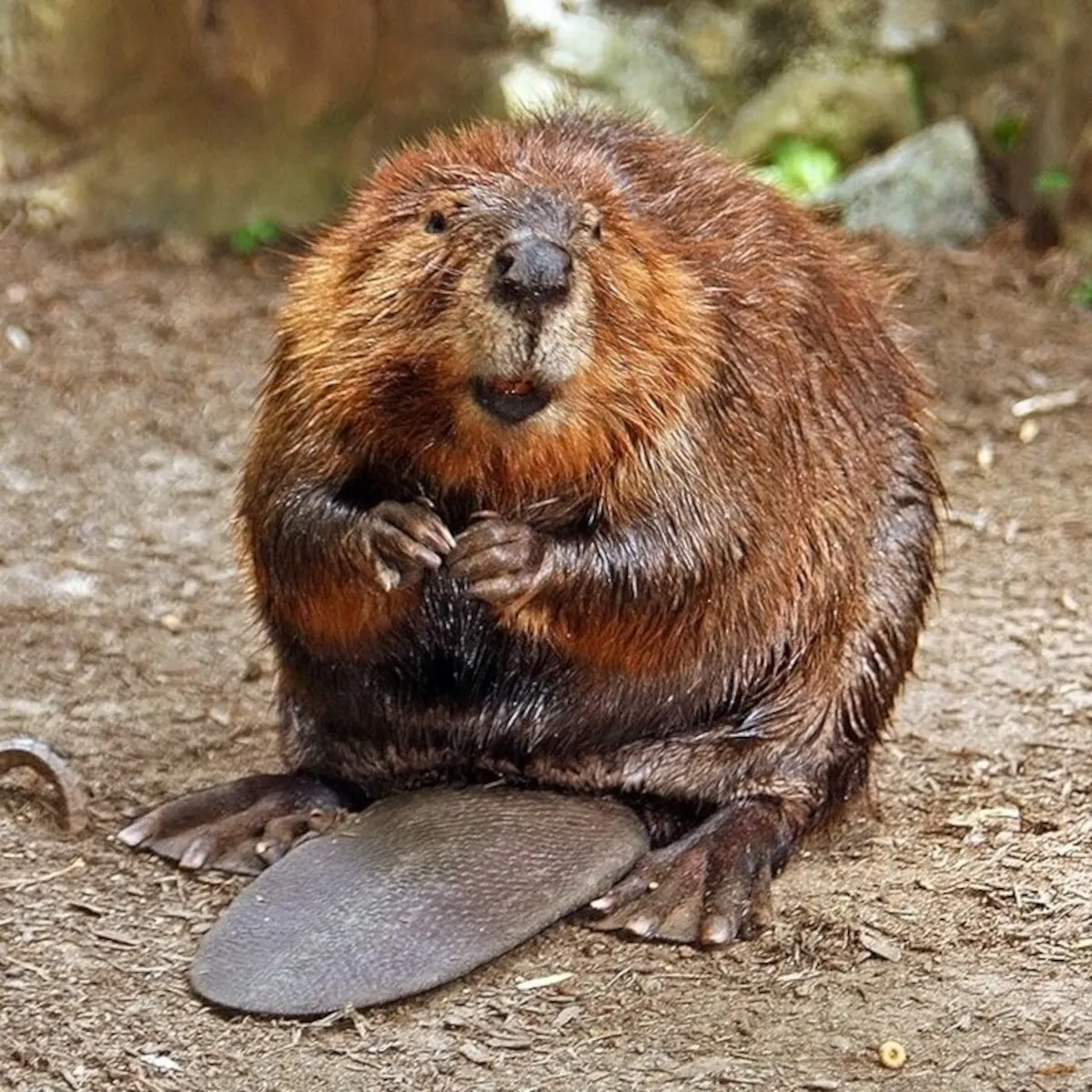 Leave it to Beavers 31.08.2026 58minThey are known for holding branches in their paws and gnawing on them like corn cobs. They build lodges and dams which occasionally flood roads. Cute, comical, and considered pests, beavers were nearly hunted to extinction for their pelts before conservation efforts allowed their populations to rebound. Now environmentalists and engineers are reintroducing North America’s largest rodent to drought-prone habitats across the country. As the paddle-tailed animals’ dam-building has revealed itself to be a potent bulwark against climate change-induced water scarcity, the beaver is being hailed as an ecological hero. Join us as we stomp through soggy meadows getting to know the OG geoengineers. From their water pressure-sensing tails to their intricate branch-weaving, find out why, as our nation’s wetlands disappear, and new federal policies strip protection for many of those that remain, many think that partnership with a wild species could help build ecological resiliency. Guests: Leila Philip – Journalist and author of “Beaverland: How One Weird Rodent Made America” Denise Burchsted – research scientist, and engineer, Keene State College Clay Frazer – restoration ecologist with Native Range Ecological Michael Waasegiizhig Price – traditional ecological knowledge specialist at the Great Lakes Indian Fish and Wildlife Commission. He is Anishinaabe and a longtime tribal college educator serving at Leech Lake Tribal College and White Earth Tribal and Community College. Originally aired July 28, 2025 You can get early access to ad-free versions of every episode by joining us on Patreon. Thanks for your support! Big Picture Science is part of the Airwave Media podcast network. Please contact [email protected] to inquire about advertising on Big Picture Science. Learn more about your ad choices. Visit megaphone.fm/adchoices
 -
 Measure for Measure 24.08.2026 54minWhether in miles or pounds, meters or kilograms, we take daily measure out our lives. But how did these units ever come to be, and why do we want to change them? From light-years to leap seconds, we look at the history of efforts to quantify our lives and why there’s always room for greater precision. Plus, we debate the virtues of staying imperial measurements vs. going metric. Guest: James Vincent - Author of Beyond Measure, the Hidden History of Measurement Featuring music by Dewey Dellay and Jun Miyake Originally aired March 24, 2023 Big Picture Science is part of the Airwave Media podcast network. Please contact [email protected] to inquire about advertising on Big Picture Science. You can get early access to ad-free versions of every episode by joining us on Patreon. Thanks for your support! Learn more about your ad choices. Visit megaphone.fm/adchoices
 -
 Calling All Aliens 17.08.2026 54minAre we alone in the universe? Is there other intelligence out there? COSMIC, the most ambitious SETI search yet, hopes to answer that. We hear updates on this novel signal detection project being conducted on the Very Large Array in the desert of New Mexico. Also, we chat with award-winning science fiction writer Ted Chiang about how he envisions making contact with aliens in his stories, including the one that was the basis for the movie Arrival. And find out why some scientists don’t want only to listen for signals, they want to deliberately transmit messages to aliens. Is that wise and, if we did it, what would we say? Guests: Chenoa Tremblay – Postdoc researcher in radio astronomy for the SETI Institute and member of COSMIC science team Ted Chiang – Nebula and Hugo award-winning science fiction writer, best known for his collections, Stories of Your Life and Others and Exhalation Douglas Vakoch – Founder and president of METI International, a nonprofit research and educational organization devoted to transmitting intentional signals to extraterrestrial civilizations Featuring music by Dewey Dellay and Jun Miyake Originally aired April 3, 2023 Big Picture Science is part of the Airwave Media podcast network. Please contact [email protected] to inquire about advertising on Big Picture Science. You can get early access to ad-free versions of every episode by joining us on Patreon. Thanks for your support! Learn more about your ad choices. Visit megaphone.fm/adchoices
 -
 What Moves Us 10.08.2026 55minWhat physical activity gives you joy? Whether it’s walking, running, dancing or swimming, your body evolved to do it. We are made for movement. But there’s a cost, as anyone with a sore neck or aching back knows. From the tiny muscles in our skin, which raise the hair on our arms, to the intricate mix of bone, blood vessels, and nerves in our neck, natural selection has struck a delicate and sometimes wacky balance between utility and form. In this episode, we explore how parts of the body - our muscles, neck and feet - came to be, and what forces prompted the evolution of efficient yet imperfect bodies. Guests: Kent Dunlap - Professor of biology at Trinity College in Hartford, Connecticut and author of “The Neck: A Natural and Cultural History” Bonnie Tsui - Journalist and author of “On Muscle: The Stuff That Moves Us and Why It Matters” Jeremy DeSilva - Anthropologist at Dartmouth College and author of “First Steps, How Upright Walking Made Us Human” Featuring music by Dewey Dellay and Jun Miyake Originally aired June 30, 2025 You can get early access to ad-free versions of every episode by joining us on Patreon. Thanks for your support! Big Picture Science is part of the Airwave Media podcast network. Please contact [email protected] to inquire about advertising on Big Picture Science. Learn more about your ad choices. Visit megaphone.fm/adchoices
 -
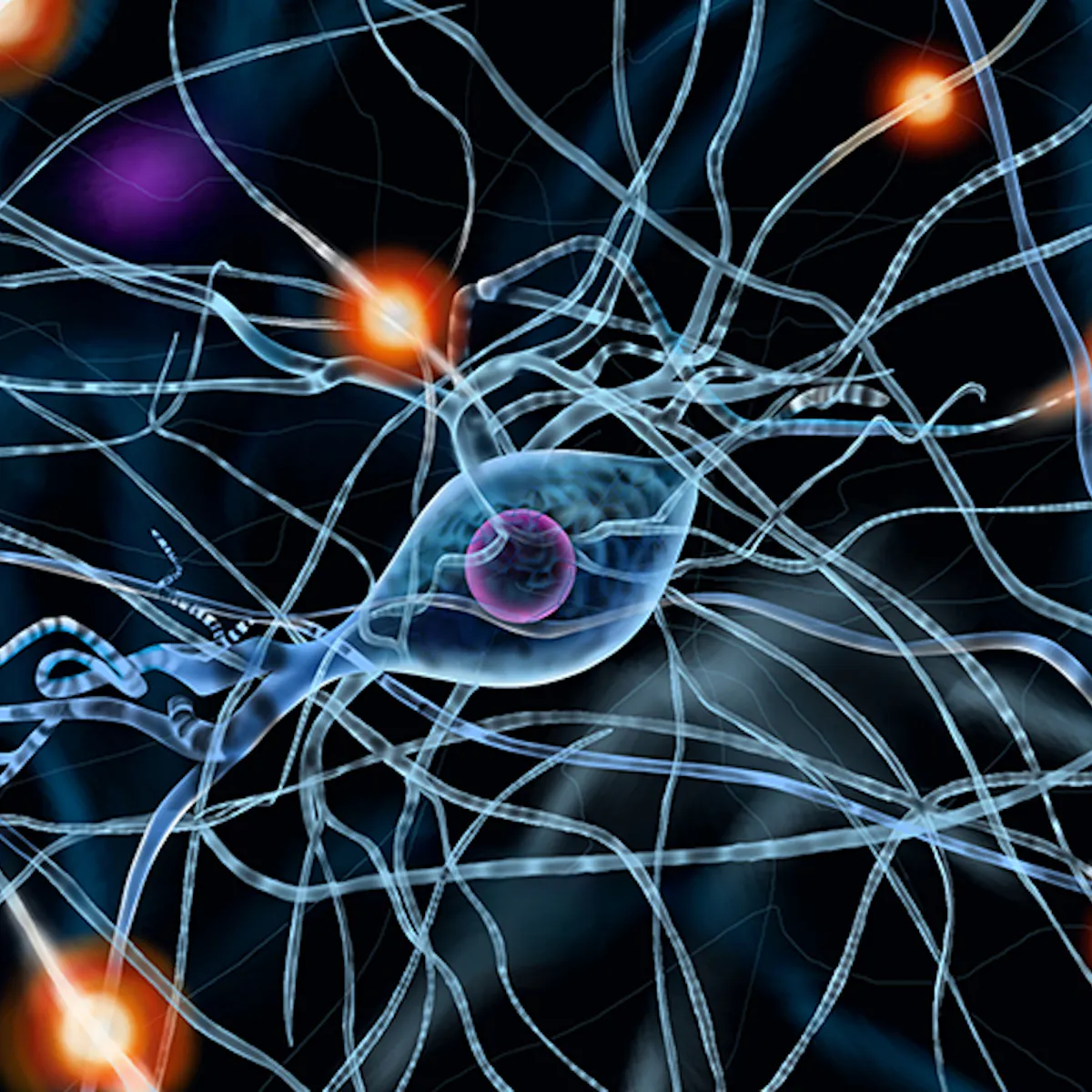 Skeptic Check: The Body Electric 03.08.2026 55minElectricity plays an important role in our everyday lives, including allowing our bodies to communicate internally. But some research claims electricity may be used to diagnose and treat disease? Could electric pulses one day replace medications? We speak with experts about the growing field of bioelectric medicine and the evidence for electricity’s healing abilities. Their comments may shock you. Guests: Sally Adee – Science journalist, author of “We Are Electric: Inside the 200-Year Hunt for Our Body’s Bioelectric Code, and What the Future Holds" Samantha Payne – Assistant Professor of Biomedical Sciences at University of Guelph Kevin Tracey – Neurosurgeon and President of the Feinstein Institutes at Northwell Health Descripción en español originally aired June 5, 2023 Featuring music by Dewey Dellay and Jun Miyake Big Picture Science is part of the Airwave Media podcast network. Please contact [email protected] to inquire about advertising on Big Picture Science. You can get early access to ad-free versions of every episode by joining us on Patreon. Thanks for your support! Learn more about your ad choices. Visit megaphone.fm/adchoices
 -
 Worms of Endearment 27.07.2026 1j 1minEarthworms may be small, limbless, and blind but, as Darwin observed nearly 150 years ago, they play a critical role in soil ecology. Darwin’s 19th century insights about the slimy invertebrates are far-reaching, serving as the backbone of modern ecology as a whole. In recent years, scientists are putting their ears to the ground, listening to worms to monitor soil health. Meanwhile, laboratory studies on another kind of worms—flatworms—are providing insights about how memories are stored, and how stem cells self-renew. We get our hands dirty for this episode about the biology and ecology of worms. Guests: Philip Ball – science reporter, author of “Beautiful Experiments: An Illustrated History of Experimental Science” Jacqueline Stroud – soil scientist, University of Warwick, U.K. Alejandro Sánchez Alvarado – molecular biologist at the Stowers Institute for Medical Research, whose focus is on stem cells and regeneration Big Picture Science is part of the Airwave Media podcast network. Please contact [email protected] to inquire about advertising on Big Picture Science. You can get early access to ad-free versions of every episode by joining us on Patreon. Thanks for your support! Learn more about your ad choices. Visit megaphone.fm/adchoices
 -
 Arctic Dispatch 20.07.2026 55minThe Arctic serves as the world’s refrigerator, keeping the planet cool. But temperatures in the Arctic are rising nearly four times faster than the rest of the world and its sea ice is near a historic low. We put out a call to scientists aboard research vessels currently sailing in the Arctic Ocean, and two answered “aye.” Hear our ship-to-shore conversations with them about how warmer temperatures affect life on land and sea. Plus, a biologist who recently returned from the field describes how he inadvertently stumbled upon surprising data during his decades-long study of polar bears. Guests: Autun Purser – Marine biologist at the Alfred- Wegener Institute and the current Chief Scientist on the Arctic research vessel, the Polarstern Andrew Derocher – Zoologist at the University of Alberta in Canada who is leading a decades-long study on polar bears of the West Hudson Bay region, in the high Canadian North Jonathan Nash – Oceanographer, Oregon State University, and member of the GIANT team sailing near Greenland aboard the RRS Sir David Attenborough Descripción en español Big Picture Science is part of the Airwave Media podcast network. Please contact [email protected] to inquire about advertising on Big Picture Science. You can get early access to ad-free versions of every episode by joining us on Patreon. Thanks for your support! Learn more about your ad choices. Visit megaphone.fm/adchoices
 -
 Cold Comfort 13.07.2026 54minAnother scorching summer has us blasting the AC and grabbing a chilled drink. Air conditioning and refrigeration may beat the heat, but they also present a dilemma. The more we use them, the more greenhouse gases we emit, the hotter the planet becomes, and the more we require artificial cooling. Can we escape this feedback loop? We look at the origins of these chilling technologies, tour the extensive chain of cold that keeps food from perishing, and consider how a desert city like Phoenix could not exist without AC. Guests: Nicola Twilley – co-host of the Gastropod podcast, a contributing writer at The New Yorker, and the author of “Frostbite: How Refrigeration Changed Our Food, Our Planet, and Ourselves” Erik Morrison – Chief cooling engineer at Transaera, Somerville, Massachusetts Stan Cox – Lead scientist at the Land Institute, author of “Losing Our Cool: The Uncomfortable Truths about our Air-Conditioned World” Descripción en español Featuring music by Dewey Dellay and Jun Miyake Big Picture Science is part of the Airwave Media podcast network. Please contact [email protected] to inquire about advertising on Big Picture Science. You can get early access to ad-free versions of every episode by joining us on Patreon. Thanks for your support! Learn more about your ad choices. Visit megaphone.fm/adchoices
 -
 CRISPR Mosquitoes 06.07.2026 54minThe powerful gene editing tool CRISPR is already being tested on animal and plant cells. It has even been used on humans. How might this revolutionary tool change our lives? On the one hand, it could cure inherited diseases and rid the world of malaria-spreading mosquitoes. On the other hand, scientists using it are accelerating evolution and introducing novel genetic combinations that could transform our biological landscape in unforeseen ways. We explore the ramifications of this revolutionary technology. Guests: Nathan Rose – Molecular biologist and head of malaria programs at U.K. based biotech company, Oxitec. Hank Greely – Law professor and director of the Center for Law in the Biosciences at Stanford University and author of “CRISPR People: The Science and Ethics of Editing Humans.” Antonio Regalado – Senior Editor for Biomedicine, MIT Technology Review. originally posted April 17, 2023 Big Picture Science is part of the Airwave Media podcast network. Please contact [email protected] to inquire about advertising on Big Picture Science. You can get early access to ad-free versions of every episode by joining us on Patreon. Thanks for your support! Learn more about your ad choices. Visit megaphone.fm/adchoices
 -
 Skeptic Check: Blue Light Special 29.06.2026 58minMany of us know the feeling: we intend to go to bed but pull out our phones for one last scroll. Setting them aside hours later, we’re wide awake, unable to fall asleep. For years, scientists have singled out blue light emitted from our devices as the key culprit behind our post-scrolling insomnia, but the scientific consensus is shifting. Although blue light signals to brains that its daytime, surprising new research suggests that our glowing screens may play a smaller role than previously thought. We present the fascinating science around biological mechanisms of sleep and wakefulness, why circadian rhythms have more in common with your grandfather’s clock than you might think, and why scientists who question the role of blue light in causing nighttime restlessness, still don’t let our phones off the hook completely. Guests: Michael Gradisar – clinical psychologist and sleep researcher, former professor at Flinders University in Australia. Currently serves a head of Sleep Science at Sleep Cycle, a sleep tracking app company Jay Dunlap – geneticist and molecular geneticist at the Geisel School of Medicine at Dartmouth who works the molecular basis of circadian rhythms Mariana Figueiro – photobiologist, Director of the Light and Health Research Center and Professor of Population Health Science and Policy at the Icahn School of Medicine at Mount Sinai Big Picture Science is part of the Airwave Media podcast network. Please contact [email protected] to inquire about advertising on Big Picture Science. You can get early access to ad-free versions of every episode by joining us on Patreon. Thanks for your support! Learn more about your ad choices. Visit megaphone.fm/adchoices
 -
 Make Space for Animals 22.06.2026 54minLong before Yuri Gagarin became the first human to go into space, Laika, a stray dog, crossed the final frontier. Find out what other surprising species were drafted into the astronaut corps. They may be our best friends, but we still balk at giving other creatures moral standing. And why are humans so reluctant to accept the fact that we too are animals? Guests: Jo Wimpenny - Zoologist and writer. Author of “Aesop’s Animals” Taylor Maggiacomo - Associate Graphic Editor at National Geographic Alexander Stegmaier - Freelance Graphic Editor at National Geographic Melanie Challenger - An author who writes on nature, environment and human history. Her latest book: “How to be Animal: A New History of What it Means to be Human” Descripción en español If you have a subscription to National Geographic, check out Taylor and Alex's feature providing a visual timeline of every animal that has gone into space. Featuring music by Dewey Dellay and Jun Miyake originally aired January 24, 2022 Big Picture Science is part of the Airwave Media podcast network. Please contact [email protected] to inquire about advertising on Big Picture Science. You can get early access to ad-free versions of every episode by joining us on Patreon. Thanks for your support! Learn more about your ad choices. Visit megaphone.fm/adchoices
 -
 Skeptic Check: Disclosure Day 15.06.2026 54minThe latest Hollywood romp through the world of aliens has landed in theaters. Steven Spielberg’s movie Disclosure Day suggests that our government has been hiding a cache of evidence about alien visitation that spans decades. It’s fun fiction but does it mesh with reality? Officials have made a series of public disclosures containing information about the government’s UAP program over the years, releasing massive amounts of declassified documents along with audio and video files. Will the most recent data dump finally provide evidence that aliens are here? We look at the extended history of public desire to believe in extraterrestrial visitation, plus the scientific efforts to detect intelligent or microbial life on other worlds. Guests: Adam Kirsch – Senior editor at The Atlantic, and author of, “We Want to Believe: How Aliens Went Mainstream and Why It Matters” Sarah Rugheimer – Astrophysicist at the University of Edinburgh and author of “Searching for Extraterrestrial Life” Big Picture Science is part of the Airwave Media podcast network. Please contact [email protected] to inquire about advertising on Big Picture Science. You can get early access to ad-free versions of every episode by joining us on Patreon. Thanks for your support! Learn more about your ad choices. Visit megaphone.fm/adchoices
 -
 Vroom! 08.06.2026 54minSelf-driving cars, once a thing of science fiction, have become a reality in a handful of cities across the country. As our vehicles gain autonomy, they may provoke a profound shift not unlike the introduction of the first car in the late1800s and raise the question of whether the human driver will soon be obsolete. For a glimpse into the future of self-driving cars, we take a spin through the history of the automobile, from the Model T to the driverless taxi-cab. Along the way, we explore the rise of American manufacturing and the unmistakable but unexpected way in which we have bonded to our four-wheeled companions. Guests: Witold Rybczynski – Professor emeritus of architecture and design at the University of Pennsylvania and author of the book, The Driving Machine: A Design History of the Car Timothy B Lee – Technology journalist and writer of the newsletter, Understanding AI Descripción en español Originally aired April 7, 2025 Big Picture Science is part of the Airwave Media podcast network. Please contact [email protected] to inquire about advertising on Big Picture Science. You can get early access to ad-free versions of every episode by joining us on Patreon. Thanks for your support! Learn more about your ad choices. Visit megaphone.fm/adchoices
 -
 Outside of Our Minds 01.06.2026 54minSince humans first chiseled marks into stone, we have externalized our thoughts and ideas. Our tools may have evolved—now we clack away at computer keyboards—but written communication remains a bedrock of modern society. Now that the pace of information creation is exponentially increasing with the advent of artificial intelligence, many are asking what the next frontier of human communication may look like. We look at how we got here, where the latest tools are headed—including brain-machine-interface—and how our brains and culture may be altered in the process. Guests: Alex Bentley – professor of anthropology, archeology, and computational social science at University of Tennessee in Knoxville, and co-author of “Collaborators Through Time: How Humans Partnered with Nature, Technology, and Each Other” Michael O’Brien – anthropologist at the Texas A&M University, San Antonio, and co-author of “Collaborators Through Time: How Humans Partnered with Nature, Technology, and Each Other” Tom Mullaney – professor of Chinese history at Stanford University, and author of “The Chinese Computer: A Global History of the Information Age” Betts Peters – Brain computer interface researcher at Oregon Health and Science University, treasurer of the Brain Computer Interface Society Big Picture Science is part of the Airwave Media podcast network. Please contact [email protected] to inquire about advertising on Big Picture Science. You can get early access to ad-free versions of every episode by joining us on Patreon. Thanks for your support! Learn more about your ad choices. Visit megaphone.fm/adchoices
 -
 Skeptic Check: Cryptids 25.05.2026 54minBigfoot could get official status if proposed legislation passes making it the state cryptid of California. If nothing else, the effort shows that fascination with cryptids has an outsized footprint on our culture. We look at why mythical creatures continue to capture imaginations - as well as passions - of die-hard believers, despite no evidence for their existence. An author uncovers the origin of a beloved hoax in the American West and its unexpected ties to a real animal and historical medical breakthrough. But are we looking for creature delights in all the wrong places? A tally of Earth’s species reveals that far more remain unidentified than are currently known. Newly discovered critters such as the Yeti crab and an organism dubbed the Flying Spaghetti Monster are so strange, it challenges us to separate fauna fact from folktale. Guests: Chris Rogers – Assemblymember, California’s 2nd Assembly District Benjamin Radford – Deputy Editor of Skeptical Inquirer Science Magazine, author, and co-host of Squaring the Strange podcast Michael Branch – Writer, humorist, and author of On the Trail of the Jackalope: How a Legend Captured the World’s Imagination and Helped Us Cure Cancer Boris Worm – Marine ecologist, Professor of Biology at Dalhousie University in Halifax, Nova Scotia Originally released April 14, 2025 Big Picture Science is part of the Airwave Media podcast network. Please contact [email protected] to inquire about advertising on Big Picture Science. You can get early access to ad-free versions of every episode by joining us on Patreon. Thanks for your support! Learn more about your ad choices. Visit megaphone.fm/adchoices
Podcast serupa


Popular di
Podcast ini turut muncul dalam senarai podcast negara-negara ini.

