
Human History ASMR
ASMR HISTORIAN
0
Human History ASMR is a podcast that tells historical stories in a calm, ASMR-style presentation. It is produced by ASMR Historian, a three-person team of historians from the United Kingdom, Australia, and Germany. Every script is written by the team, and all narration is done by human voices rather than text-to-speech. The show aims to make history relaxing, immersive, and easy to enjoy.
Episod
-
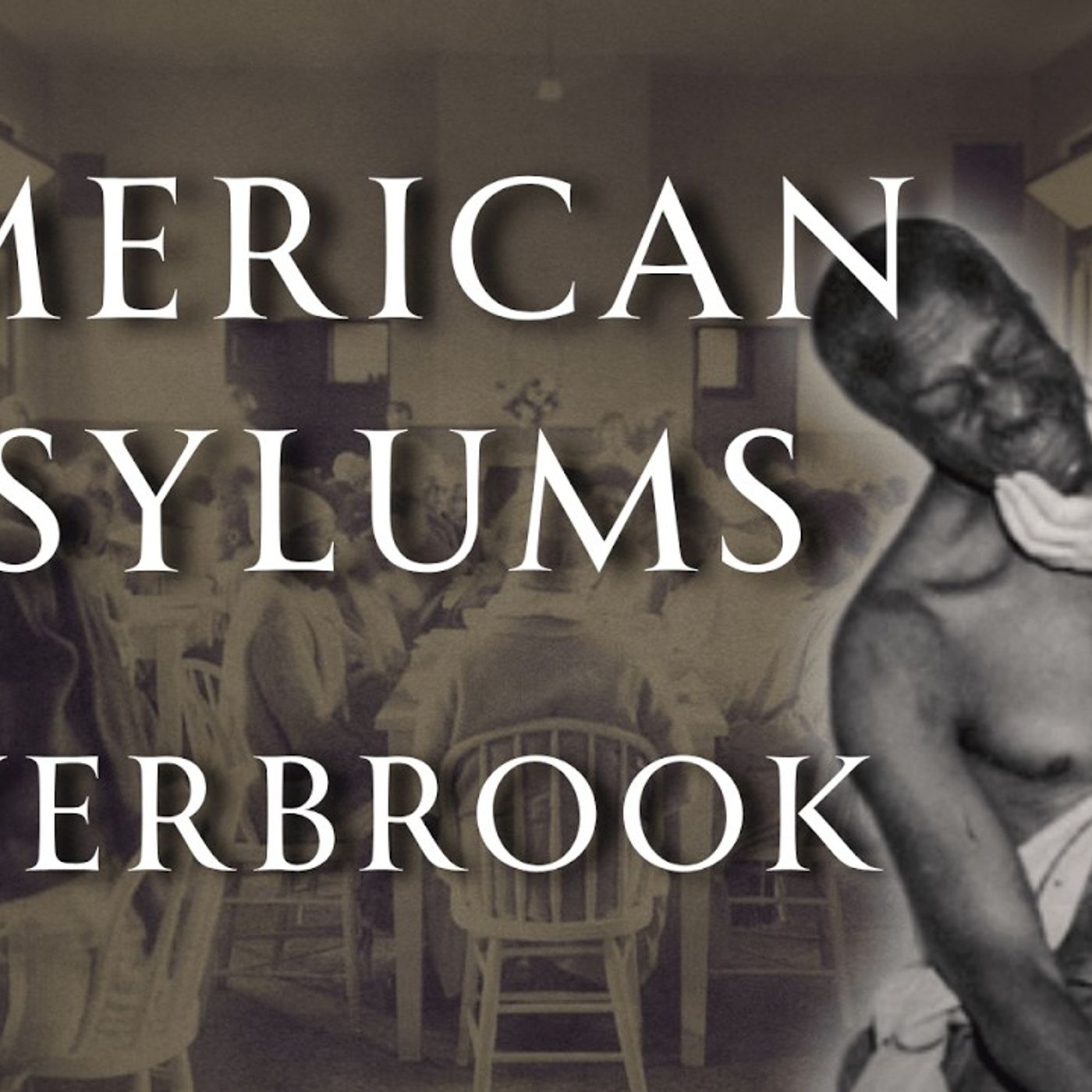 The Horror of Overbrook Insane Asylum American Asylums 27.09.2026 1j 1minStep into the troubled history of Overbrook Insane Asylum in Cedar Grove, New Jersey, and discover the realities behind one of America's historic psychiatric institutions. Established in the nineteenth century, the hospital reflected a period when large state asylums were seen as an important part of the emerging American approach to mental healthcare.Explore the origins of Overbrook and the philosophy that shaped its early development. Discover how the institution was designed around ideas of order, fresh air, structured routines, medical supervision, and therapeutic surroundings. For many reformers of the era, the asylum was intended to provide patients with safety and treatment away from the pressures of ordinary society.As the decades passed, however, institutional care became increasingly difficult. This episode examines overcrowding, limited resources, staffing challenges, changing psychiatric theories, and the practical realities of caring for large numbers of patients. Explore daily routines, work programs, meals, recreation, medical treatment, family visits, and the restrictions that could accompany life inside a long-term psychiatric institution.The episode also places Overbrook within the wider history of American asylums. Discover how psychiatric medicine changed during the nineteenth and twentieth centuries, including the emergence of new treatments and changing ideas about institutionalization. Explore the growing criticism of state hospitals and the eventual movement toward deinstitutionalization and community-based mental healthcare.Like many abandoned or historic psychiatric institutions, Overbrook has become associated with ghost stories, paranormal investigations, and local legends. Rather than presenting these claims as established fact, this episode separates folklore from historical evidence and examines why former asylums became such powerful settings for supernatural stories.Drawing on historical records, government reports, medical publications, newspapers, photographs, institutional documents, and modern scholarship, this immersive journey focuses on the people who lived and worked within Overbrook and the broader history of American psychiatric care.Narrated with a calm, human voice, this episode is perfect for history enthusiasts, American history lovers, medical history listeners, documentary fans, relaxation, or listening before sleep. Enter the history of Overbrook Insane Asylum and uncover the people, practices, challenges, and changing ideas behind one of America's historic psychiatric institutions.
 -
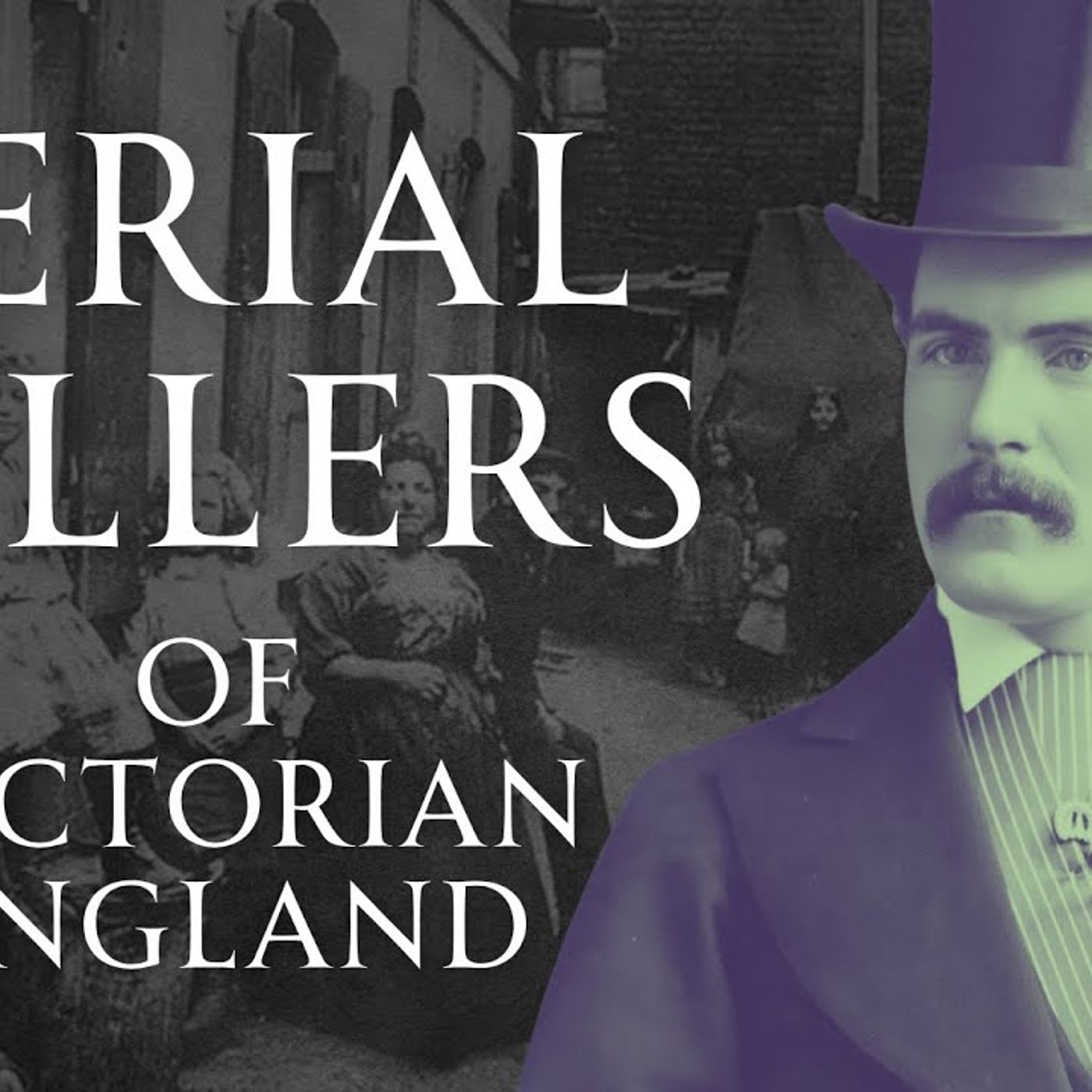 Serial Killers of Victorian England 27.09.2026 1j 4minStep into the darker side of Victorian England and explore the real stories of murderers whose crimes shocked communities and challenged the rapidly developing criminal justice system. This episode examines notorious cases of repeated murder while placing them within the social, economic, and legal world of nineteenth-century Britain.Discover how Victorian investigators attempted to identify and apprehend dangerous offenders without modern forensic science, DNA analysis, or criminal databases. Explore the work of detectives, police officers, coroners, medical examiners, journalists, witnesses, and courts, and learn how investigators pieced together evidence from crime scenes, testimony, physical clues, and patterns of behavior.Beyond the individual cases, this episode examines the society in which these crimes occurred. Explore poverty, overcrowded cities, industrialization, social inequality, prostitution, homelessness, working-class communities, and the rapidly expanding urban environment. Discover how these conditions influenced both criminal activity and the ability of authorities to investigate it.The episode also explores the rise of sensational crime reporting during the Victorian era. Newspapers transformed notorious murder cases into national stories, shaping public fear and influencing perceptions of criminals, victims, policing, and urban life. Examine how some offenders became infamous while others disappeared from public memory, and how later writers sometimes transformed historical cases into legends.Drawing on police records, court proceedings, newspaper reports, medical documents, prison records, photographs, biographies, and modern historical scholarship, this immersive journey separates documented evidence from rumor, exaggeration, and later mythology. Because Victorian sources could be incomplete or sensationalized, the episode examines what historians can actually establish about the crimes and the people involved.Rather than focusing on graphic details, this episode considers the human consequences of violent crime and the changing understanding of criminality, justice, and public safety. Discover how notorious murder cases contributed to debates about policing, forensic investigation, social reform, and the rapidly changing Victorian city.Narrated with a calm, human voice, this episode is perfect for history enthusiasts, Victorian history lovers, true crime listeners, documentary fans, and anyone fascinated by the darker side of the nineteenth century. Explore the evidence, investigations, mysteries, and social history behind some of Victorian England's most notorious murder cases.
 -
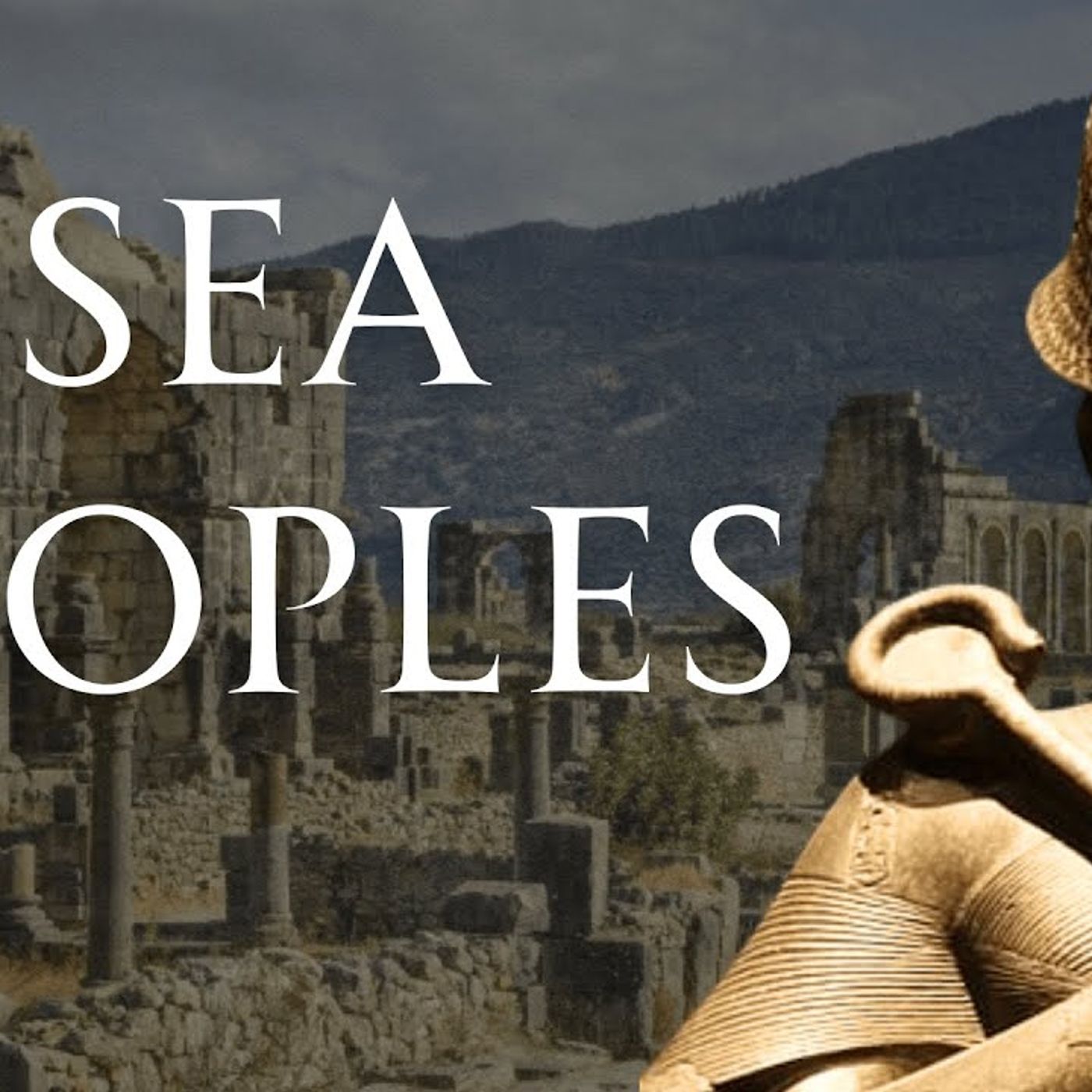 Who Were the Sea Peoples Bronze Age Collapse 26.09.2026 1j 6minJourney into one of the great mysteries of the ancient world and discover who the Sea Peoples may have been. Appearing in Egyptian records during the dramatic upheavals of the late Bronze Age, these mysterious groups have long been associated with the collapse of powerful kingdoms across the eastern Mediterranean.Explore the surviving evidence from Egypt, Anatolia, the Levant, Cyprus, and the Aegean world. Discover what Egyptian inscriptions actually say about groups such as the Peleset, Tjeker, Sherden, Shekelesh, and Denyen, and examine how these peoples appeared in the records of Pharaohs such as Ramesses III.But who were they? Were the Sea Peoples invading armies, migrating populations, displaced communities, mercenaries, pirates, or a combination of different groups? This episode examines the major theories and explores why identifying them remains so difficult. Archaeological evidence, ancient texts, pottery styles, weapons, settlement patterns, and linguistic clues all provide pieces of a puzzle that is still incomplete.The episode also places the Sea Peoples within the wider Bronze Age Collapse. Explore the interconnected crises that affected the Hittite Empire, Mycenaean Greece, the Levant, Cyprus, and other Mediterranean societies around the twelfth century BCE. Warfare, political instability, drought, famine, earthquakes, disrupted trade networks, and population movements may all have contributed to the transformation of the ancient world.Discover how the famous image of the Sea Peoples as a single mysterious invasion force developed and why modern historians increasingly favor more complex explanations. Drawing on Egyptian inscriptions, archaeological discoveries, ancient Near Eastern records, and modern historical scholarship, this journey separates established evidence from speculation and popular theories.Narrated with a calm, human voice, this episode is perfect for history enthusiasts, Bronze Age lovers, archaeology fans, ancient history listeners, documentary audiences, relaxation, or listening before sleep. Enter the final centuries of the Bronze Age and explore the evidence behind one of antiquity's most enduring mysteries: who were the Sea Peoples?
 -
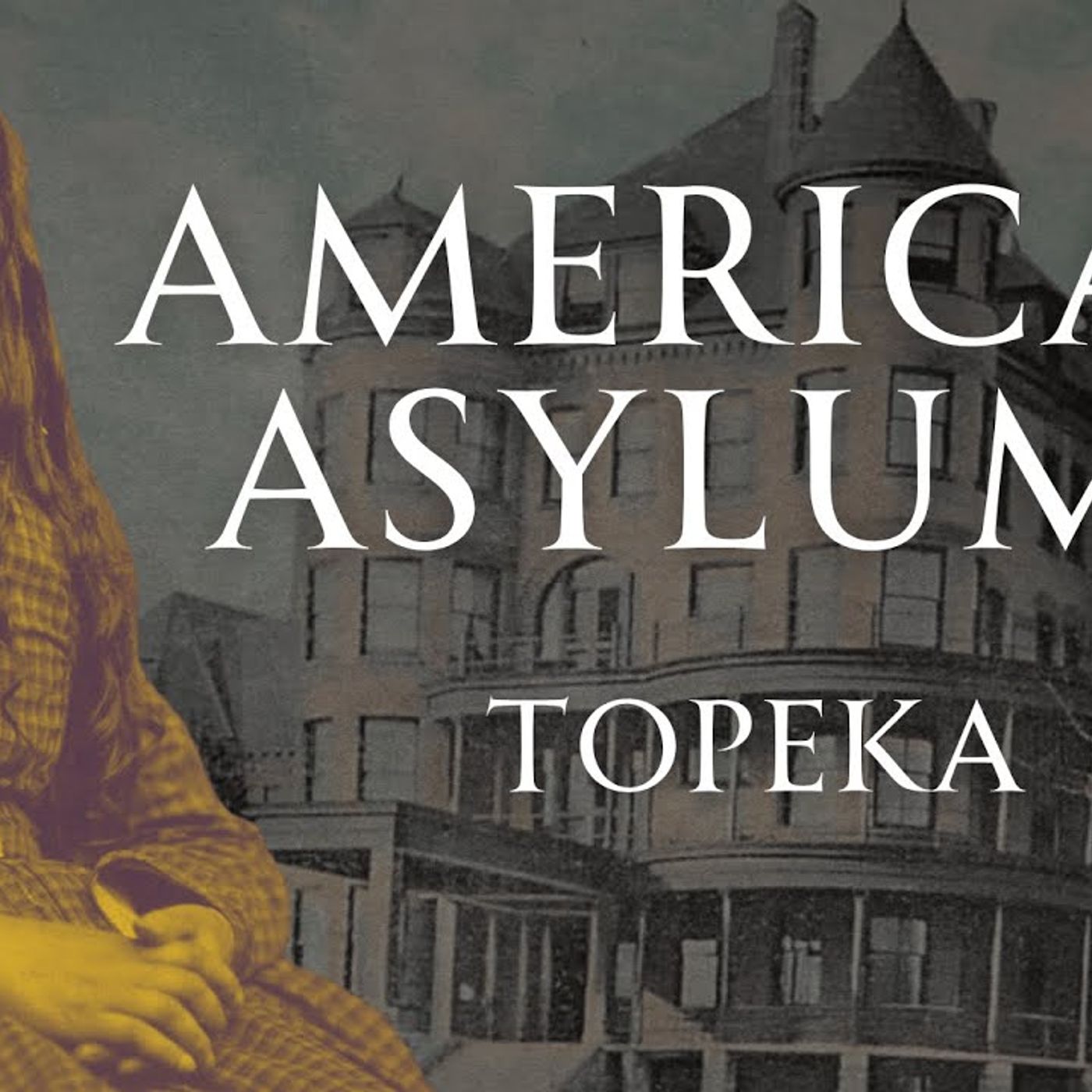 The Horror of Topeka Insane Asylum American Asylums 26.09.2026 1j 2minStep into the troubled history of Topeka Insane Asylum in Kansas and discover what life was really like inside one of the state's earliest major psychiatric institutions. Opened in the nineteenth century, the hospital reflected a period when American society increasingly turned to large state institutions as a way of caring for people with mental illnesses and providing what physicians believed were structured therapeutic environments.Explore the origins of the institution and the ideas that shaped nineteenth-century psychiatric care. Discover how its buildings, grounds, routines, and medical practices were influenced by the belief that patients could benefit from fresh air, organized activity, regular meals, rest, and a carefully controlled environment.As the institution expanded, however, the realities of large-scale institutional care became increasingly difficult. This episode examines overcrowding, limited funding, staffing challenges, changing medical theories, and the enormous responsibility of caring for patients over long periods. Explore daily routines, work programs, meals, medical treatment, recreation, family relationships, and the restrictions that shaped institutional life.The episode also places Topeka within the wider history of American asylums. Examine the changing understanding of mental illness, the development of psychiatric treatments, the rise of state hospitals, and the eventual movement toward community-based care and deinstitutionalization. Discover how public attitudes and medical ideas changed throughout the twentieth century.Like many former psychiatric hospitals, the site later became associated with ghost stories and paranormal legends. Rather than treating these claims as historical fact, this episode separates folklore from documented evidence and examines why abandoned institutions became powerful settings for stories about hauntings and unexplained experiences.Drawing on historical records, government reports, medical writings, newspapers, photographs, institutional documents, and modern scholarship, this immersive journey focuses on the people who lived and worked within the hospital and the complex history of American mental healthcare.Narrated with a calm, human voice, this episode is perfect for history enthusiasts, American history lovers, medical history listeners, documentary fans, relaxation, or listening before sleep. Enter the history of Topeka Insane Asylum and uncover the people, practices, challenges, and changing ideas behind one of Kansas's most significant psychiatric institutions.
 -
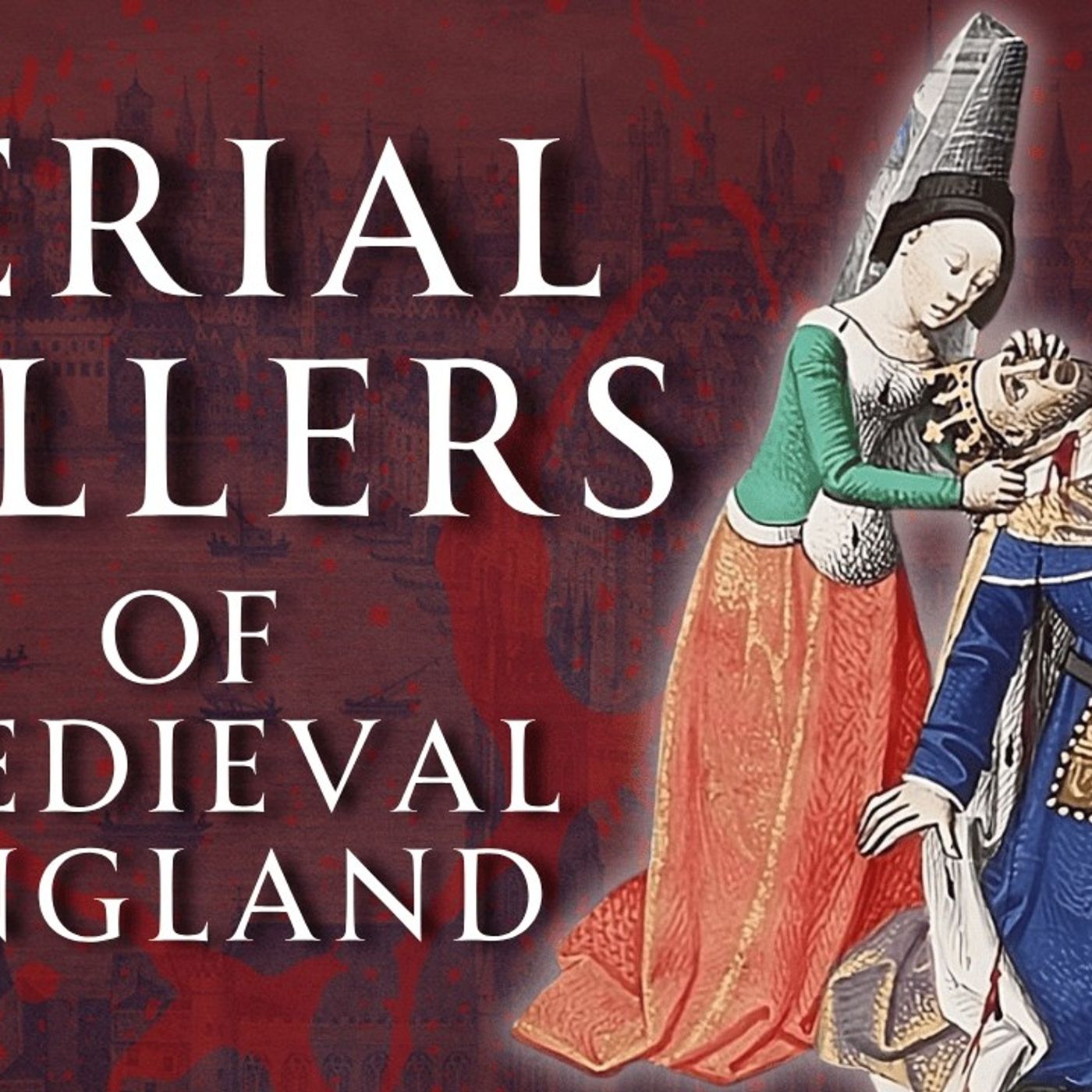 Serial Killers of Medieval England 26.09.2026 1j 7minStep into the darker side of medieval England and explore the disturbing stories of individuals accused of repeated murder, poisoning, and deadly violence. This episode examines the surviving evidence behind notorious medieval crimes while placing these cases within the legal, social, and political world of medieval English society.Discover how repeated murders were investigated in a world without modern forensic science, criminal databases, or contemporary psychology. Explore the roles of local officials, sheriffs, coroners, witnesses, neighbors, physicians, clergy, and courts, and learn how medieval authorities attempted to uncover the truth when evidence was often limited and unreliable.Beyond the individual cases, this episode explores medieval England's approach to crime and punishment. Discover how concepts of justice, reputation, religion, social status, and royal authority influenced criminal investigations. Explore medieval courts, prisons, executions, accusations of poisoning, and the severe penalties imposed on those convicted of serious crimes.The episode also examines the difficulty of identifying genuine serial killers in the medieval record. Some cases survive only through brief chronicles or later retellings, while others are supported by legal documents and contemporary records. Discover how historians distinguish documented crimes from rumors, political accusations, folklore, and stories that became increasingly sensational over time.Drawing on medieval chronicles, court rolls, coroner's records, legal documents, biographies, contemporary accounts, and modern historical scholarship, this immersive journey separates historical evidence from legend and speculation. Rather than simply repeating the most shocking stories, the episode asks what can actually be established about the people accused of repeated murder and the societies in which they lived.Narrated with a calm, human voice, this episode is perfect for history enthusiasts, medieval history lovers, true crime listeners, documentary fans, and anyone fascinated by the darker side of the past. Explore the evidence, investigations, accusations, and unanswered questions surrounding some of medieval England's most notorious murder cases.
 -
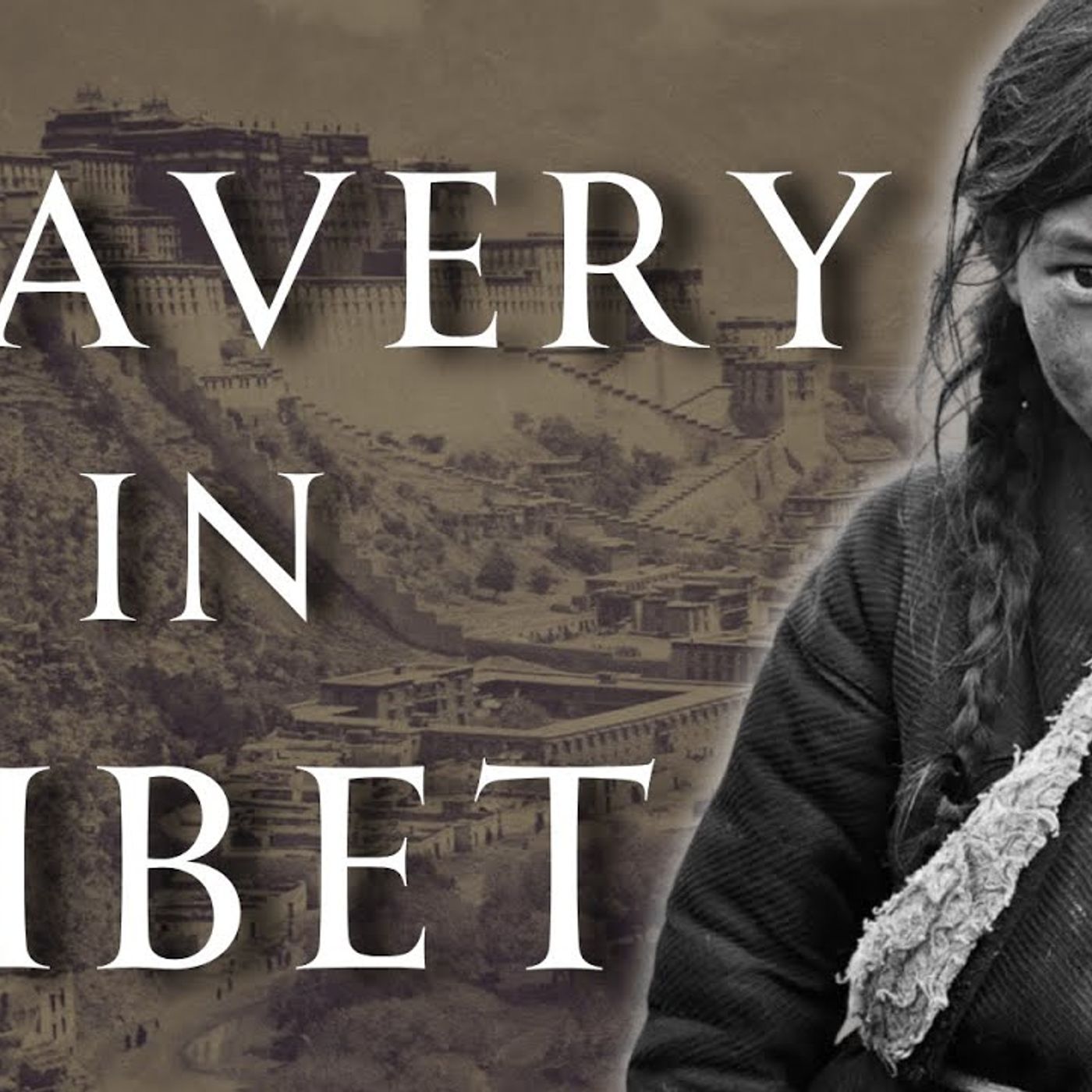 The Horrible History of Tibetan Serfdom 26.09.2026 1j 3minStep into the complex social world of historical Tibet and explore the institution often described as Tibetan serfdom. This episode examines the lives of peasants, laborers, landholders, religious institutions, and government authorities within the traditional Tibetan system, while exploring one of the most politically and historically debated subjects in modern Tibetan history.Discover how land, taxation, labor obligations, and social status shaped everyday life before the major political changes of the twentieth century. Explore the relationships between rural communities and powerful estates, including those controlled by aristocratic families, monasteries, and the Tibetan government. Learn how labor duties, rents, taxes, and household obligations could affect the lives and economic opportunities of ordinary people.Beyond the political labels, this episode examines the realities of daily life. Explore agriculture, pastoralism, seasonal labor, family structures, religious life, debt, local administration, and the responsibilities attached to different social positions. Discover how social status could influence access to land, mobility, marriage, legal rights, and economic security.The episode also examines the forms of coercion and dependency that existed within the system, including labor obligations, debts, punishments, and restrictions on movement. At the same time, it considers the complexity of Tibetan society and the differences between regions, estates, occupations, and individual experiences rather than presenting every person as having lived under identical conditions.The term “serfdom” itself is central to the historical debate. Drawing on Tibetan and Chinese records, diplomatic accounts, photographs, oral histories, administrative documents, and modern scholarship, this episode examines why historians and political authorities have used different terms to describe traditional Tibetan society. It separates documented evidence from political narratives, propaganda, romanticized portrayals, and simplified modern interpretations.The episode also explores the dramatic transformation of Tibetan society after 1950, including the end of the traditional estate system, land redistribution, political upheaval, and the profound changes imposed on religious institutions and rural communities. These events reshaped the lives of both privileged and disadvantaged groups and remain central to debates about Tibet's modern history.Narrated with a calm, human voice, this episode is perfect for history enthusiasts, Tibetan history lovers, documentary listeners, and anyone interested in the realities of premodern social systems. Explore the evidence, controversies, and human experiences behind the complicated history of Tibetan serfdom.
 -
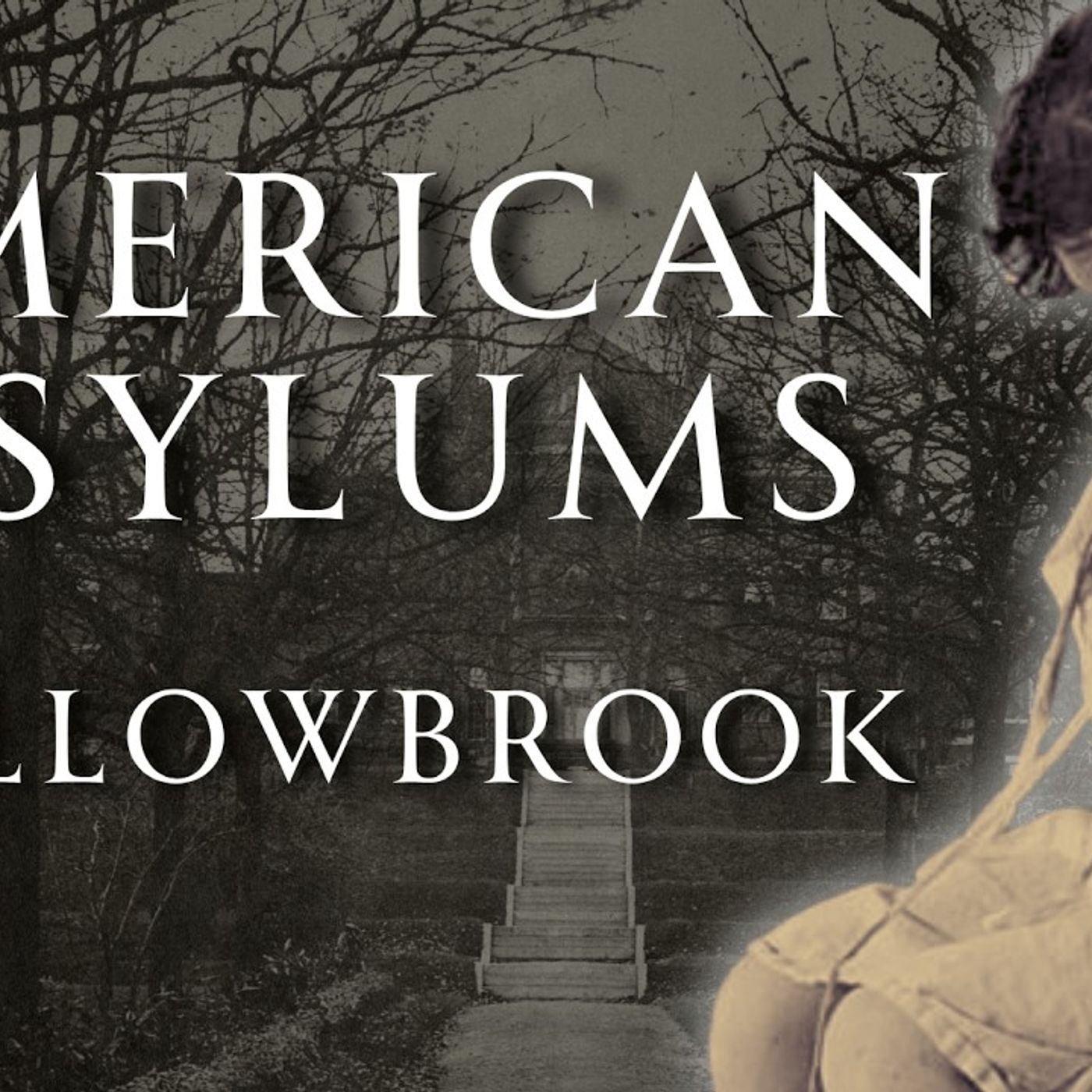 The Horror of Willowbrook State School American Asylums 25.09.2026 1j 9minStep into the disturbing history of Willowbrook State School on Staten Island and discover the realities faced by children and adults with intellectual and developmental disabilities inside one of America's most controversial institutions. Opened in the mid-twentieth century, Willowbrook was originally presented as a place of education, care, and rehabilitation, but its history would eventually become a powerful example of the failures of large-scale institutionalization.Explore why Willowbrook was created and how rapidly growing demand transformed the institution. Discover how overcrowding, inadequate staffing, limited resources, and institutional routines affected the lives of thousands of residents. What began with promises of care became an increasingly difficult environment in which basic needs were often neglected.Beyond the buildings and statistics, this episode examines everyday life at Willowbrook. Explore sleeping arrangements, meals, education, medical treatment, recreation, hygiene, family visits, and the routines that governed residents' lives. Discover how many families struggled with difficult decisions surrounding institutional care and how residents could become separated from their communities for years.The episode also examines the investigations that brought Willowbrook to national attention. Journalists, activists, families, lawyers, and public officials documented troubling conditions, while television reports helped expose the institution to a much wider audience. The resulting public outrage contributed to legal action and became an important part of the broader movement for disability rights and deinstitutionalization.Willowbrook's history is sometimes surrounded by sensational stories and ghost-hunting narratives, but this episode focuses on the documented human history. Drawing on government reports, court records, investigative journalism, photographs, firsthand accounts, institutional documents, and modern scholarship, it separates historical evidence from later myths while examining the people whose experiences transformed the conversation about institutional care in America.The story of Willowbrook ultimately became about more than one institution. It raised fundamental questions about disability, dignity, family responsibility, medical ethics, public policy, and the rights of people living in institutional settings. Its history helped demonstrate why community-based care and greater protections for vulnerable people became increasingly important.Narrated with a calm, human voice, this episode is perfect for history enthusiasts, American history lovers, medical and social history listeners, documentary fans, relaxation, or listening before sleep. Enter the history of Willowbrook State School and uncover the people, policies, investigations, and reforms behind one of America's most consequential institutions.
 -
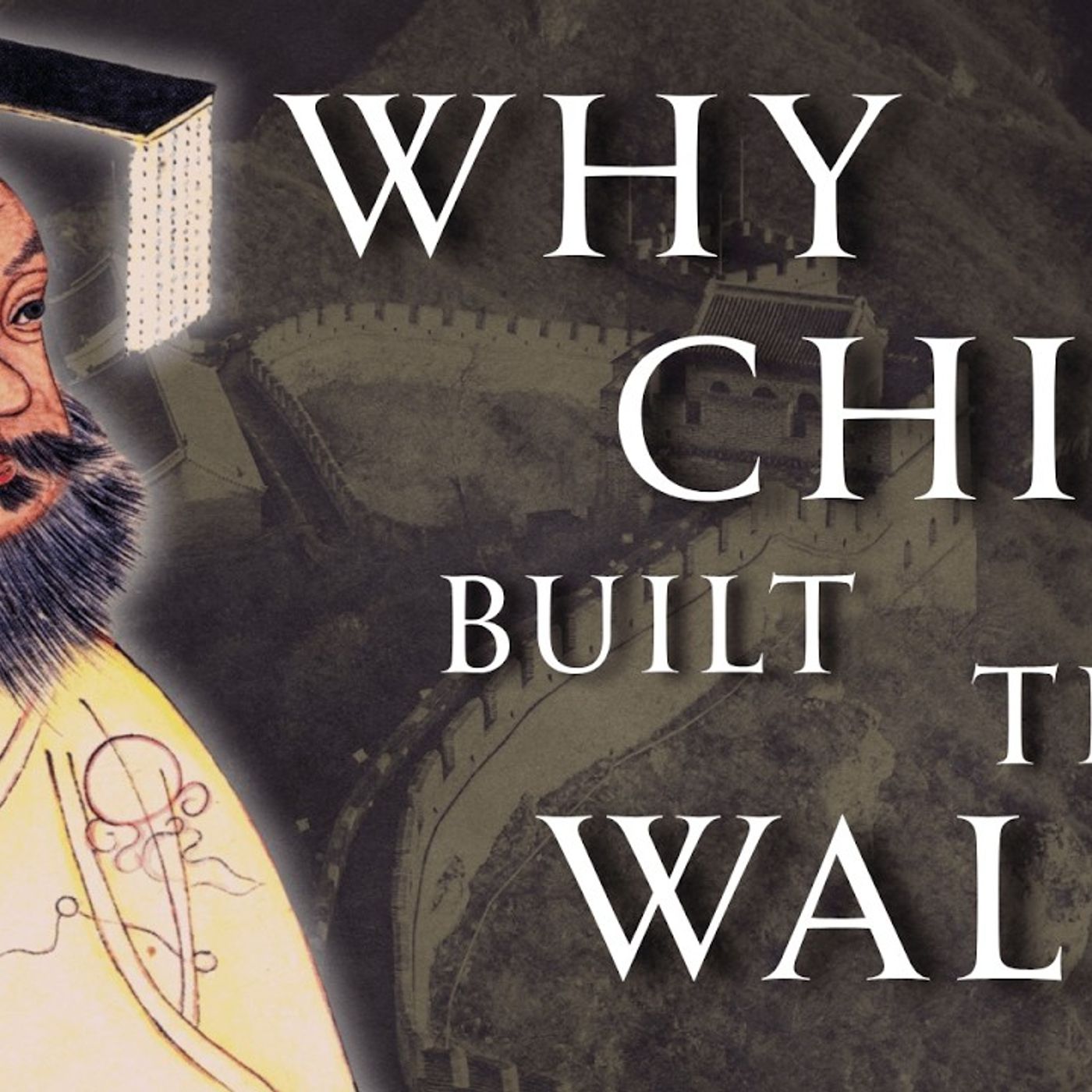 A History of the Great Wall of China 25.09.2026 1j 13minJourney across the centuries and discover the remarkable history of the Great Wall of China, one of the most ambitious defensive projects ever created. Stretching across mountains, deserts, grasslands, and remote frontiers, the Great Wall was not built as a single structure, but developed through generations of construction, destruction, expansion, and rebuilding.Explore the origins of China's frontier walls long before the famous Ming dynasty sections. Discover how states during the Warring States period constructed defensive barriers and how the Qin dynasty later connected and expanded earlier fortifications. Learn how successive Chinese dynasties adapted the walls to confront changing military threats and political circumstances.Travel through the Han, Northern dynasties, Sui, and other periods to discover how frontier defenses evolved alongside China's changing borders. Explore watchtowers, beacon towers, garrisons, gates, roads, supply systems, and the soldiers and laborers who maintained these enormous networks. Discover how signals could travel across the landscape and how the Wall functioned as part of a much larger military system.The episode also examines the Ming dynasty, when some of the most impressive surviving sections were constructed. Explore the military challenges posed by northern powers, the development of brick and stone fortifications, and the lives of soldiers stationed along the frontier. Discover the enormous logistical effort required to transport materials, supply garrisons, and maintain defenses in some of China's most difficult environments.Beyond warfare, the Great Wall was also connected to trade, migration, diplomacy, taxation, and the movement of people across China's frontiers. Drawing on archaeological discoveries, historical chronicles, military records, inscriptions, maps, and modern scholarship, this immersive journey separates historical evidence from popular myths—including the famous claim that the Great Wall can be seen from the Moon.Narrated with a calm, human voice, this episode is perfect for history enthusiasts, Chinese history lovers, archaeology fans, documentary listeners, relaxation, or listening before sleep. Walk along the ancient frontier and discover the people, wars, dynasties, and extraordinary engineering behind the Great Wall of China.
 -
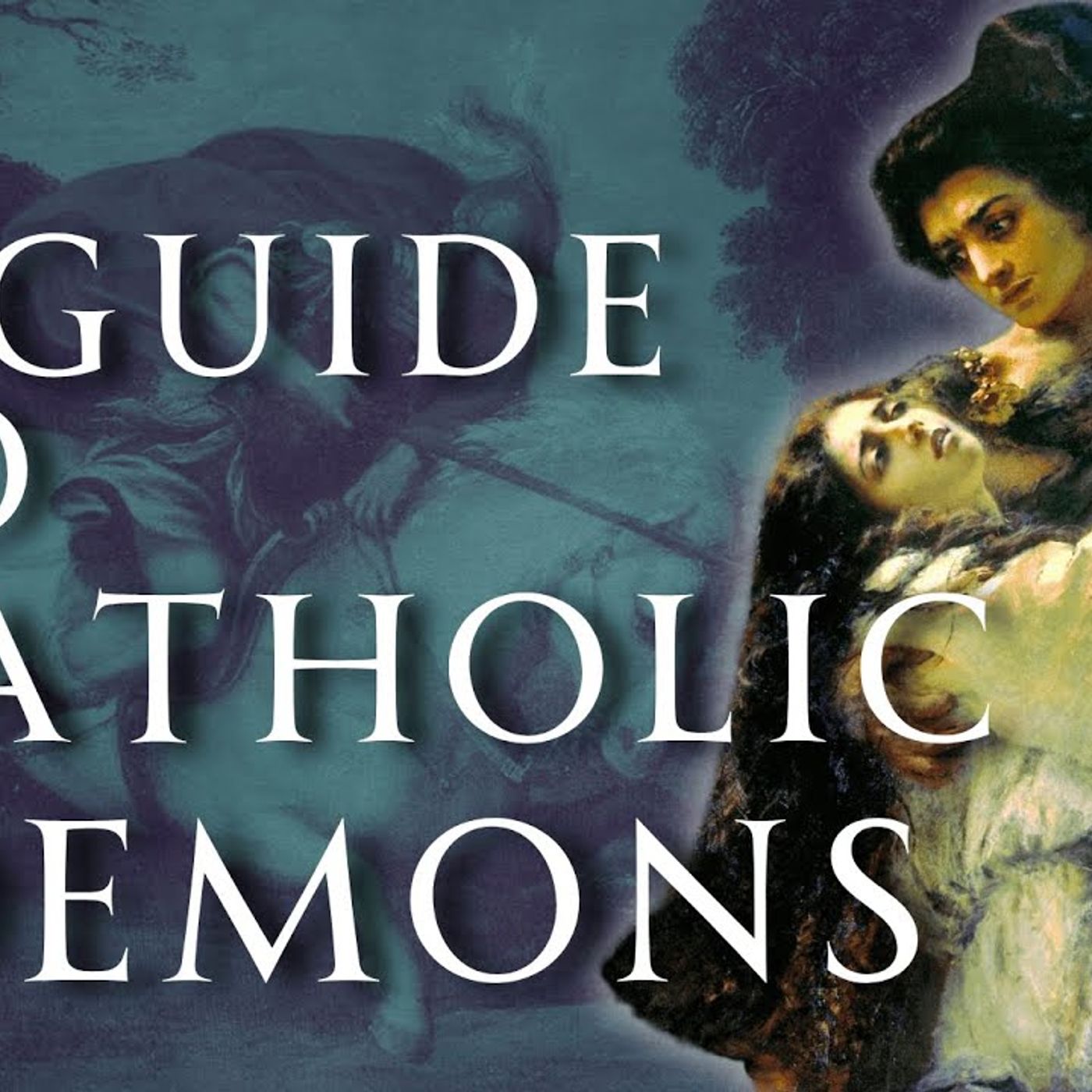 A Guide to Catholic Demonology 25.09.2026 58minJourney into the dark and fascinating history of Catholic demonology and discover how the Christian tradition developed ideas about demons, temptation, possession, exorcism, and spiritual warfare over many centuries. From the writings of early Church thinkers to medieval theologians and early modern demonological texts, this episode explores how Catholic thinkers understood the forces they believed opposed God and humanity.Explore the origins of Christian ideas about demons and how biblical traditions were interpreted by later theologians. Discover the roles attributed to Satan, fallen angels, demons, tempters, and other supernatural beings, and examine how concepts of sin, temptation, possession, heresy, and spiritual danger developed within Catholic thought.Beyond theological writings, this episode examines the historical practice of exorcism and spiritual protection. Explore prayers, blessings, holy water, relics, sacred objects, confession, fasting, and other religious practices associated with confronting perceived supernatural threats. Discover the role of priests, monks, theologians, and ecclesiastical authorities in determining how unusual spiritual experiences should be understood.The episode also explores medieval and early modern Europe, when demonological ideas became increasingly connected with fears surrounding witchcraft, heresy, possession, and religious conflict. Examine influential theological and demonological writings while considering how accusations of demonic activity could affect individuals, families, communities, and legal proceedings.Drawing on biblical texts, writings of Church Fathers, medieval theological works, exorcism manuals, ecclesiastical records, historical accounts, and modern scholarship, this immersive journey separates Catholic doctrine from folklore, later legends, and sensationalized interpretations. Discover how beliefs about demons changed over time and why Catholic demonology became such an influential part of European religious and cultural history.Narrated with a calm, human voice, this episode is perfect for history enthusiasts, religious history lovers, mythology and occult-history fans, documentary listeners, relaxation, or listening before sleep. Enter the shadowy world of Catholic demonology and explore the centuries of theology, ritual, fear, and belief surrounding the Christian understanding of demons.
 -
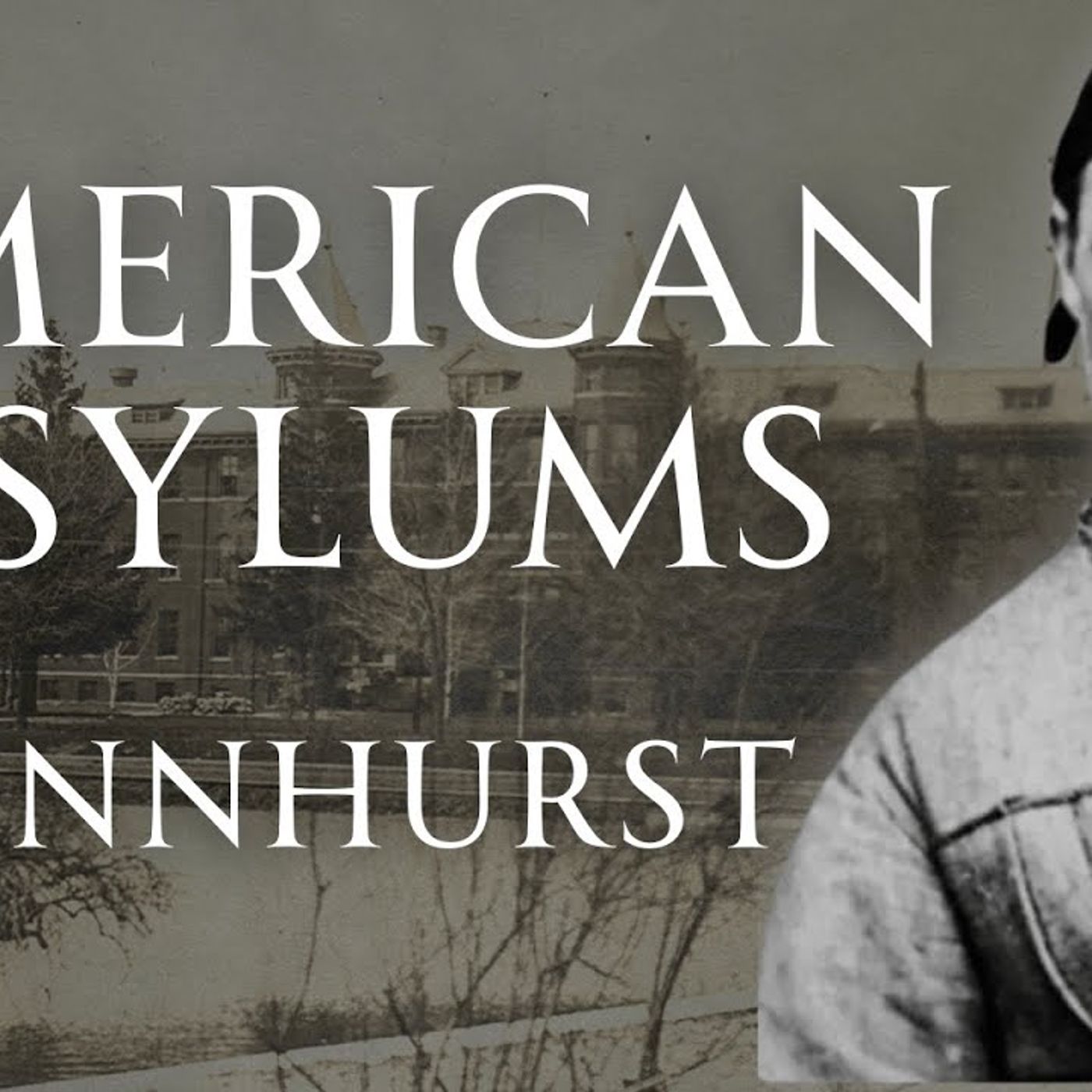 The Horror of Pennhurst State School American Asylums 25.09.2026 59minStep into the troubled history of Pennhurst State School and Hospital in Pennsylvania and discover the realities behind one of America's most controversial institutions for people with intellectual and developmental disabilities. Opened in the early twentieth century, Pennhurst was created during an era when institutionalization was widely promoted as a solution for people considered unable to live independently within society.Explore the origins of Pennhurst and the ideas that shaped its creation. Discover how the institution grew into a large residential complex and how its original promises of care, education, protection, and rehabilitation were increasingly challenged by overcrowding, limited resources, understaffing, and changing attitudes toward disability.Beyond the imposing buildings, this episode examines everyday life for the people who lived at Pennhurst. Explore education, work programs, meals, medical care, recreation, institutional routines, family visits, and the restrictions that shaped life inside the facility. Discover how residents could become separated from their families and communities, sometimes remaining institutionalized for many years.The episode also examines the growing criticism of Pennhurst during the twentieth century. Investigations, lawsuits, journalism, advocacy by families and disability-rights activists, and changing ideas about community-based care helped expose serious problems within the institution. Explore the landmark legal battle that challenged conditions at Pennhurst and became part of the broader movement toward deinstitutionalization in the United States.Pennhurst later became surrounded by ghost stories, paranormal investigations, and horror legends. This episode separates those later stories from the historical record, focusing instead on the documented experiences of residents, staff, families, and advocates. The real history is often more complicated—and more important—than the myths that developed afterward.Drawing on court records, government documents, institutional reports, newspaper investigations, photographs, firsthand accounts, and modern historical research, this immersive journey examines Pennhurst within the wider history of disability, institutionalization, and American social policy.Narrated with a calm, human voice, this episode is perfect for history enthusiasts, American history lovers, medical and social history listeners, documentary fans, relaxation, or listening before sleep. Enter the history of Pennhurst State School and discover the people, policies, failures, and reforms behind one of America's most infamous institutions.
 -
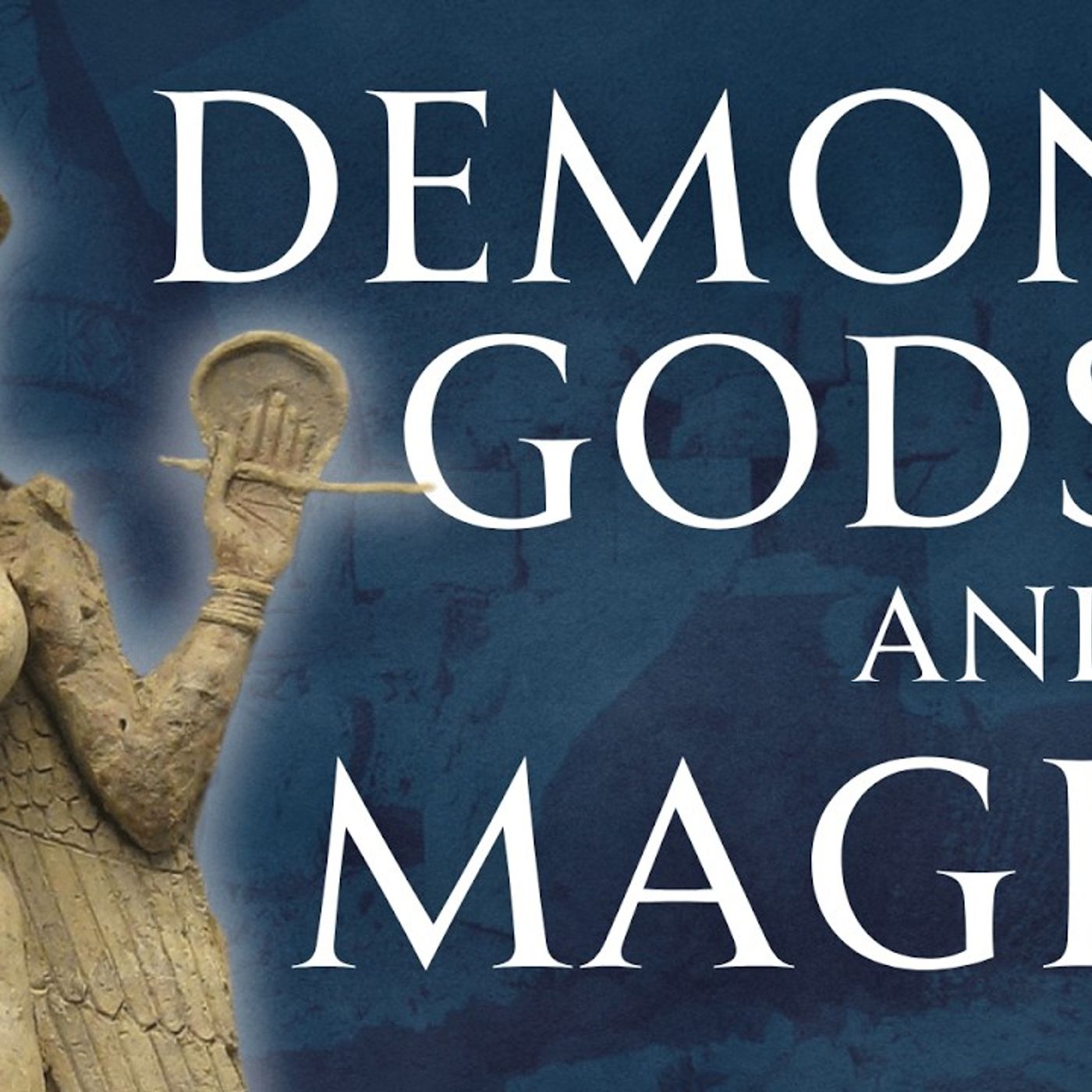 A Guide to the Occult in Ancient Mesopotamia 24.09.2026 1jJourney into the mysterious world of ancient Mesopotamia and discover the rituals, divination practices, protective magic, and supernatural beliefs that shaped everyday life in some of the world's earliest civilizations. From the temples of Sumer and Akkad to the royal courts of Assyria and Babylonia, this episode explores how ancient Mesopotamians understood the unseen forces they believed surrounded them.Explore the many forms of magic and ritual practiced across Mesopotamia. Discover divination through the examination of animal entrails, celestial observations, dreams, omens, incantations, amulets, protective rituals, and written spells. Learn how priests, diviners, exorcists, healers, and other ritual specialists attempted to interpret supernatural signs and protect individuals, households, and rulers from misfortune.Beyond ritual practices, this episode examines the supernatural beings that populated Mesopotamian religious thought. Encounter gods, demons, ghosts, spirits, monsters, and protective entities, and discover how ancient people understood illness, death, curses, nightmares, bad luck, and unexplained events. Explore figures and traditions associated with beings such as Pazuzu, Lamashtu, the restless dead, and other supernatural forces described in cuneiform sources.The episode also explores the relationship between occult practices, religion, medicine, and political power. Discover why kings relied on omens before making important decisions, how celestial phenomena could influence royal policy, and how rituals were used to respond to perceived threats. In Mesopotamia, what we might now separate into “religion,” “magic,” and “medicine” were often closely interconnected.Drawing on cuneiform tablets, ritual texts, omen collections, archaeological discoveries, temple records, and modern Assyriological scholarship, this immersive journey separates historical evidence from modern occult interpretations and sensationalized claims. Discover what ancient Mesopotamian texts actually reveal about magic, divination, spirits, and the supernatural world.Narrated with a calm, human voice, this episode is perfect for history enthusiasts, ancient civilization lovers, mythology and occult history fans, documentary listeners, relaxation, or listening before sleep. Enter the temples, libraries, and royal courts of ancient Mesopotamia and uncover the mysterious practices used to understand and influence the unseen world.
 -
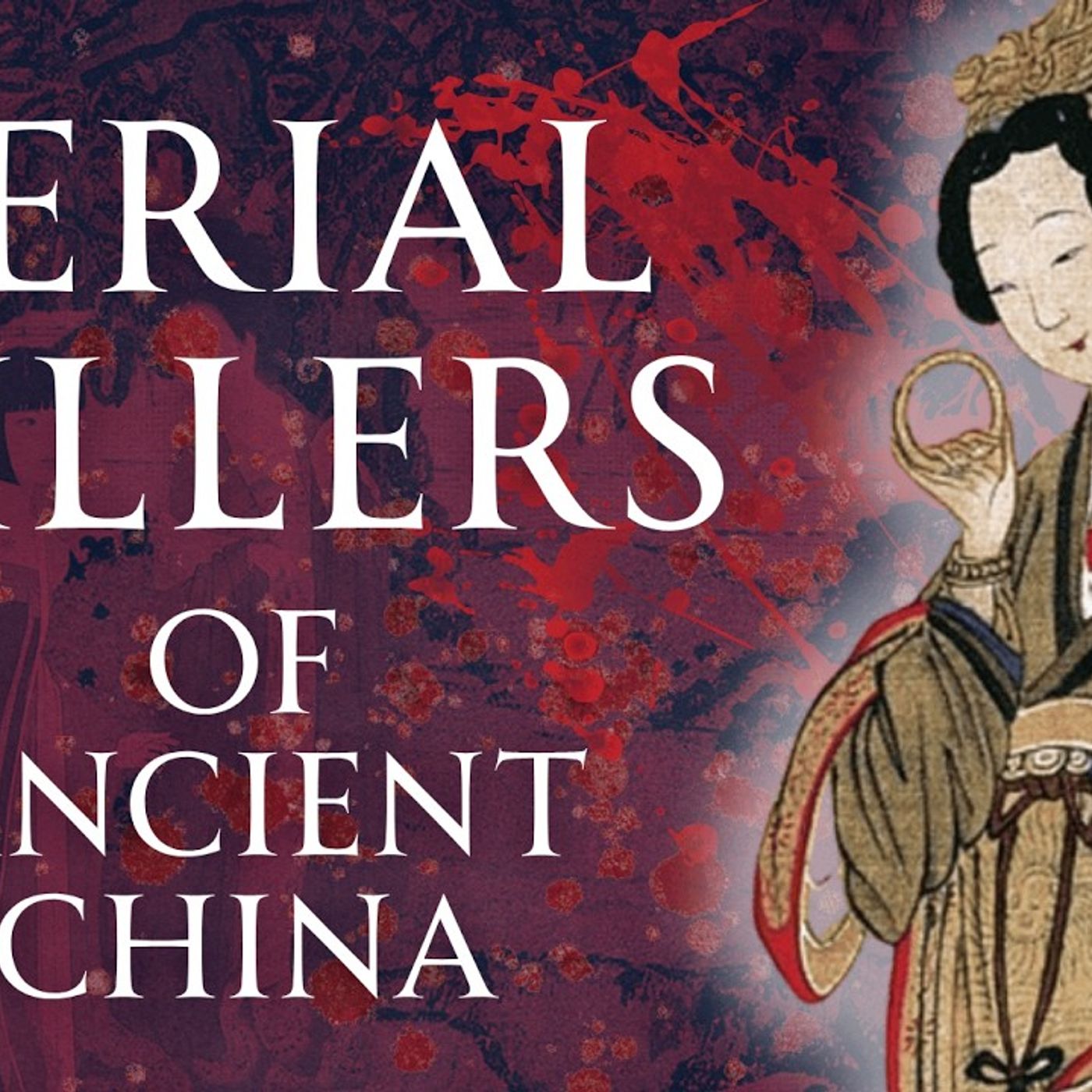 Serial Killers of Ancient China 24.09.2026 1jStep into the darker side of ancient Chinese history and explore the stories of individuals accused of repeated murder, mass violence, poisoning, and other forms of deadly crime. This episode examines notorious cases preserved in Chinese historical records while placing them within the legal, political, and social world of ancient China.Discover how murder and repeated violence were investigated in societies without modern forensic science, criminal databases, or contemporary criminology. Explore the roles of magistrates, witnesses, informants, physicians, family members, and investigators, and learn how ancient officials attempted to establish guilt through testimony, physical evidence, confessions, and careful investigation.Beyond individual cases, this episode explores the broader culture of law and punishment in ancient China. Discover how Confucian values, family relationships, social hierarchy, imperial authority, and concepts of justice influenced the way violent crimes were understood and punished. Examine the severe penalties available to authorities and the importance placed on maintaining social order.The episode also explores some of the most disturbing criminal stories found in historical chronicles, including cases involving poison, political intrigue, family conflict, assassinations, and repeated acts of violence. Because ancient sources could contain moral judgments, political agendas, rumors, and literary embellishment, each case is examined carefully rather than treating every surviving account as unquestionable fact.Drawing on dynastic histories, legal codes, court records, biographies, administrative documents, archaeological evidence, and modern historical scholarship, this immersive journey separates documented criminal cases from legends and later sensationalism. Discover what the surviving evidence can actually tell us about murder, criminal investigation, and justice in ancient China.Narrated with a calm, human voice, this episode is perfect for history enthusiasts, ancient China lovers, true crime listeners, documentary fans, and anyone fascinated by the darker side of the past. Explore the evidence, the investigations, and the unanswered questions behind some of the most notorious murder stories preserved from ancient China.
 -
 A Guide to Buddhist Demonology 24.09.2026 1j 8minJourney into the mysterious world of Buddhist demonology and explore the spirits, demons, monsters, and supernatural beings that appear throughout Buddhist traditions across Asia. From terrifying guardians and tempters to restless spirits and beings trapped in painful realms of existence, this episode examines how Buddhism developed a complex supernatural landscape over more than two thousand years.Discover figures such as Māra, the tempter who represents obstacles to spiritual awakening, as well as hungry ghosts, yakshas, rakshasas, nāgas, preta, and other supernatural beings found in Buddhist literature and religious traditions. Explore their different roles, from dangerous adversaries and embodiments of desire to protectors of sacred places and guardians of Buddhist teachings.Beyond individual beings, this episode examines how Buddhist ideas about evil and supernatural forces differ from the concept of an all-powerful devil found in some other religious traditions. Explore karma, rebirth, desire, ignorance, suffering, temptation, and the various realms of existence, and discover how these ideas shaped Buddhist interpretations of frightening or malevolent beings.Travel across the Buddhist world and explore how these traditions changed in India, Tibet, China, Japan, Southeast Asia, and beyond. Discover how indigenous spirits, local mythology, Hindu traditions, Taoist beliefs, shamanic practices, and regional folklore became incorporated, transformed, or reinterpreted within different Buddhist cultures.The episode also examines Buddhist rituals and practices associated with protection and purification, including prayers, mantras, offerings, protective amulets, visualizations, exorcistic traditions, and ceremonies performed by monks and ritual specialists. Drawing on Buddhist scriptures, religious texts, temple traditions, artwork, archaeological evidence, and modern scholarship, this journey separates historical religious beliefs from later folklore and popular interpretations.Narrated with a calm, human voice, this episode is perfect for history enthusiasts, Buddhist history and religion lovers, mythology fans, documentary listeners, relaxation, or listening before sleep. Enter the shadowy corners of Buddhist cosmology and discover a world of demons, spirits, guardians, temptations, and supernatural beings hidden within the rich traditions of Buddhism.
 -
 The Daily Lives of Medieval Bakers 24.09.2026 58minStep into the warm, smoky, and demanding world of the medieval bakery and discover what daily life was really like for the men and women who produced one of the most important foods in medieval Europe. From preparing grain and grinding flour to kneading dough and managing enormous ovens, this episode explores the routines, skills, and hardships behind the medieval loaf.Discover how medieval bakers began their working day long before most people were awake. Explore the process of preparing flour, mixing dough, shaping loaves, controlling fermentation, and baking bread in wood-fired ovens. Learn how temperature, weather, grain quality, and fuel could all determine whether a batch of bread succeeded or failed.Beyond the bakery itself, this episode examines the important role bread played in medieval society. Explore the differences between the bread eaten by wealthy households and the darker, coarser loaves available to poorer communities. Discover how wheat, rye, barley, and other grains shaped diets, and why the price and availability of bread could become matters of serious political and social concern.The episode also explores the working lives of medieval bakers. Discover guild regulations, apprenticeships, working hours, competition, taxes, market rules, and the punishments that could follow dishonest practices. Learn how bakers were expected to maintain weights and measures, provide consistent quality, and operate within increasingly regulated urban economies.Drawing on medieval guild records, household accounts, archaeological discoveries, legal documents, cookbooks, artwork, and historical scholarship, this immersive journey reveals the practical realities behind one of Europe's oldest trades. Explore what historians can reconstruct about medieval baking while separating documented practices from later assumptions and romanticized images of the medieval marketplace.Narrated with a calm, human voice, this episode is perfect for history enthusiasts, medieval history lovers, food history fans, documentary listeners, relaxation, or listening before sleep. Step into the medieval bakery and discover the heat, labor, skill, and everyday routines behind the bread that fed medieval Europe.
 -
 The Horror of Athens Lunatic Asylum _ American Asylums 23.09.2026 1jStep into the history of Athens Lunatic Asylum in Ohio and discover the realities behind one of America's historic psychiatric institutions. Opened in the nineteenth century, the hospital was created during an era when American society was developing new ideas about mental illness, institutional care, and the possibility of treating patients in purpose-built environments.Explore the origins of Athens Lunatic Asylum and the philosophy that shaped its early years. Discover how the institution's architecture, expansive grounds, farming activities, and carefully organized routines reflected the nineteenth-century belief that a structured environment, fresh air, meaningful work, and compassionate supervision could help patients recover.But as the decades passed, the realities of institutional life became increasingly complicated. This episode examines overcrowding, limited resources, changing medical theories, staff responsibilities, patient routines, and the challenges of caring for large numbers of people over long periods. Explore what patients ate, how they worked, how they spent their days, and how their relationships with families and the outside world were affected by institutionalization.The episode also places Athens within the wider history of American asylums. Examine the rise and decline of the nineteenth-century asylum movement, changing psychiatric treatments, the growing use of institutional medicine, and the reforms that eventually transformed mental healthcare. Discover how attitudes toward mental illness changed and why many large state hospitals ultimately closed or were repurposed.Athens has also accumulated numerous ghost stories and paranormal legends over the years. Rather than presenting these stories as established fact, this episode separates folklore from historical evidence while exploring why abandoned hospitals became such powerful settings for supernatural storytelling.Drawing on historical records, institutional reports, medical writings, photographs, newspapers, and modern scholarship, this immersive journey focuses on the people who lived and worked within the asylum and the complex history of American psychiatric care.Narrated with a calm, human voice, this episode is perfect for history enthusiasts, American history lovers, medical history listeners, documentary fans, relaxation, or listening before sleep. Enter the historic halls of Athens Lunatic Asylum and uncover the real stories behind one of America's most fascinating former psychiatric institutions.
 -
 Unsolved Mysteries of Ancient Egypt 23.09.2026 1j 46minJourney into the ancient world of Egypt and explore the mysteries that continue to challenge historians, archaeologists, and Egyptologists. From unexplained discoveries and missing tombs to mysterious inscriptions, forgotten rulers, and unanswered questions about ancient monuments, this episode examines some of the most intriguing puzzles left behind by one of history's greatest civilizations.Explore the secrets surrounding Egypt's pyramids, temples, tombs, and ancient cities. Discover what scholars still debate about the construction of monumental architecture, the purpose of certain structures, the identity of obscure historical figures, and the fate of people whose lives were recorded only briefly—or not at all—in the surviving evidence.Travel beyond the monuments and investigate mysteries hidden within ancient Egyptian society. Explore unexplained deaths, disputed royal identities, missing archaeological remains, unusual burial practices, mysterious religious traditions, and ancient texts whose meanings remain uncertain. Discover how new archaeological discoveries and scientific techniques continue to change our understanding of the past.The episode also examines famous mysteries such as the disappearance of certain pharaohs, the unfinished monuments of ancient Egypt, the purpose of enigmatic objects, and the secrets surrounding royal tombs. Along the way, it separates genuine historical questions from sensational claims, modern conspiracy theories, and myths that have grown around Egypt's ancient past.Drawing on archaeological discoveries, hieroglyphic inscriptions, papyri, ancient chronicles, scientific analysis, and modern Egyptological research, this immersive journey explores what we know, what remains uncertain, and why some questions may never have definitive answers. In many cases, the mystery is not evidence of the supernatural, but simply the result of incomplete evidence surviving across thousands of years.Narrated with a calm, human voice, this episode is perfect for history enthusiasts, ancient Egypt lovers, archaeology fans, documentary listeners, relaxation, or listening before sleep. Enter the world of pharaohs, pyramids, temples, and forgotten tombs and uncover the unsolved mysteries that still lie beneath the sands of ancient Egypt.
 -
 The Daily Lives of Irish Monks 23.09.2026 1j 4minStep into the quiet world of medieval Ireland and discover what daily life was really like for the monks who lived, worked, prayed, and studied in Ireland's monasteries. Far from the romantic image of isolated holy men, monastic communities were complex settlements that played important roles in religion, education, agriculture, craftsmanship, and the preservation of knowledge.Explore the daily rhythm of an Irish monastery, from early morning prayers and religious services to meals, manual labor, study, and evening devotion. Discover how monks copied manuscripts, prepared food, tended livestock, cultivated crops, maintained buildings, crafted tools, and cared for the needs of their communities.This episode also explores the distinctive landscape of early Irish monasticism. Discover monasteries built beside rivers, on islands, in remote valleys, and along the Atlantic coast, and learn how these communities adapted to Ireland's challenging climate and rugged environment. Explore the cells, churches, workshops, farms, wells, and other spaces that made monastic settlements largely self-sufficient.Beyond prayer and work, examine the intellectual life of Irish monks. Discover how manuscripts were produced, how Latin and Irish were used, how religious texts were studied, and how Irish monastic centers became important places of learning. Explore the movement of Irish missionaries across Britain and continental Europe and the lasting influence of Irish Christianity during the early medieval period.Drawing on archaeology, illuminated manuscripts, annals, saints' lives, monastic rules, inscriptions, and modern historical scholarship, this immersive journey separates the historical evidence from later romanticized ideas about the “Celtic” monk. Discover both the spiritual ideals and the practical realities of life inside these communities.Narrated with a calm, human voice, this episode is perfect for history enthusiasts, medieval history lovers, listeners fascinated by monastic life, relaxation, or listening before sleep. Slow down and enter the peaceful yet demanding world of Ireland's medieval monasteries, where prayer, study, work, and survival shaped everyday life.
 -
 Why the Dark Ages Were Not Actually That Bad 23.09.2026 1j 3minStep beyond the familiar image of the “Dark Ages” and discover why the centuries following the fall of the Western Roman Empire were far more complex than the popular stereotype suggests. This episode examines medieval Europe between the fifth and tenth centuries and explores the societies, technologies, cultures, and ideas that continued to develop long after Rome's political authority disappeared in the West.Discover what life was really like for ordinary people during this often-misunderstood period. Explore farming, villages, trade, family life, food, clothing, housing, religion, and local communities, while examining how much daily life actually changed after the Roman world fragmented. Learn about the survival of Roman traditions alongside the emergence of new kingdoms, languages, customs, and political structures.Far from being a period of complete stagnation, the early Middle Ages witnessed important developments in agriculture, craftsmanship, military organization, architecture, education, and trade. Explore innovations such as improved agricultural techniques, water and wind power, evolving shipbuilding, and the spread of new forms of political and religious organization. Discover how monasteries, towns, merchants, craftsmen, and rulers helped preserve and transform knowledge.The episode also looks at the origins of the term “Dark Ages” and why historians have increasingly questioned it. Explore how Renaissance writers, Enlightenment thinkers, nineteenth-century historians, and modern popular culture contributed to the image of a backward and violent medieval world, and why modern scholarship presents a much more nuanced picture.This does not mean the early Middle Ages were peaceful or prosperous for everyone. Warfare, disease, famine, political instability, slavery, and extreme social inequality were real parts of medieval life. Drawing on archaeology, chronicles, manuscripts, economic evidence, and modern historical research, this episode explores both the hardships and achievements of the period without romanticizing either.Narrated with a calm, human voice, this episode is perfect for history enthusiasts, medieval history lovers, documentary listeners, relaxation, or listening before sleep. Leave behind the myth of a civilization plunged into darkness and discover the surprisingly dynamic world of early medieval Europe.
 -
 The Horror of Trans-Allegheny Insane Asylum _ American Asylums 22.09.2026 1jStep inside the dark and complicated history of Trans-Allegheny Lunatic Asylum and discover what life was really like inside one of America's most notorious psychiatric institutions. Opened in the nineteenth century in Weston, West Virginia, the enormous hospital was designed with ambitious ideas about humane treatment, yet its history would eventually become associated with overcrowding, institutional decline, and deeply troubling conditions.Explore the origins of the asylum and the changing ideas that shaped American psychiatric care. Discover how the hospital's architecture, including its vast wings and carefully planned grounds, reflected nineteenth-century beliefs about fresh air, sunlight, order, and therapeutic environments. Learn how these ideals changed as the institution grew and increasing numbers of patients placed enormous pressure on the system.Beyond the architecture, this episode examines everyday life inside the institution. Explore patient routines, work, meals, medical care, recreation, family connections, staff responsibilities, and the restrictions placed on those living within the hospital. Discover how treatment methods evolved over time, from early approaches to increasingly controversial psychiatric practices of the twentieth century.The episode also examines the broader problems that affected American asylums during the era, including overcrowding, limited resources, understaffing, changing medical theories, and the difficulty of providing long-term care. Explore how public attitudes toward mental illness and institutionalization changed, eventually contributing to reforms and the decline of the large state asylum system.Drawing on institutional records, historical accounts, photographs, government reports, medical writings, and modern scholarship, this immersive journey separates documented history from the ghost stories and paranormal legends that later became associated with Trans-Allegheny. Rather than focusing only on sensational tales, the episode explores the real human experiences behind the walls and the complex history of American psychiatric care.Narrated with a calm, human voice, this episode is perfect for history enthusiasts, American history lovers, medical history listeners, documentary fans, relaxation, or listening before sleep. Enter the imposing halls of Trans-Allegheny and uncover the history, people, treatment, and forgotten stories behind one of America's most famous former asylums.
 -
 A Guide to Thai Folklore 22.09.2026 58minJourney into the fascinating world of Thai folklore and discover the spirits, ghosts, mythical creatures, sacred traditions, and ancient legends that have shaped Thai culture for centuries. From haunted forests and mysterious rivers to temple grounds and rural villages, this episode explores the supernatural stories that have been passed down through generations.Meet some of the best-known figures of Thai folklore, including the phi, krasue, krasue’s male counterpart krahang, nang takian, mae nak, naga, garuda, and other spirits and legendary beings. Explore stories of restless ghosts, protective spirits, shape-shifting creatures, enchanted trees, sacred animals, and supernatural forces believed to inhabit both the natural and human worlds.Beyond the famous legends, this episode examines the cultural beliefs behind Thai folklore. Discover how Theravada Buddhism became intertwined with older animist traditions, Brahmanical influences, ancestor veneration, spirit houses, sacred places, merit-making, karma, and beliefs about the afterlife. Explore how people understood luck, misfortune, illness, protection, curses, blessings, dreams, and encounters with the supernatural.The episode also explores the regional diversity of Thai traditions, from central Thailand to the north, northeast, and south. Discover how local landscapes, temples, forests, rivers, villages, and historical communities influenced different stories and beliefs, and how folklore became part of festivals, rituals, storytelling, literature, television, and modern popular culture.Drawing on historical texts, Buddhist literature, ethnographic research, oral traditions, folklore collections, and modern scholarship, this immersive journey separates traditional beliefs from later adaptations and sensationalized interpretations. Explore how supernatural stories reflected the values, fears, religious ideas, and social traditions of the communities that preserved them.Narrated with a calm, human voice, this episode is perfect for history enthusiasts, mythology and folklore lovers, listeners fascinated by Thailand and Southeast Asian culture, relaxation, or listening before sleep. Enter the mysterious world of Thai folklore and discover the spirits, legends, sacred traditions, and supernatural stories hidden throughout Thailand.
Podcast serupa


Popular di
Podcast ini turut muncul dalam senarai podcast negara-negara ini.

