
The Bottom Line
Al Jazeera
0
A weekly take on US politics and policies and how they affect the world.
Episod
-
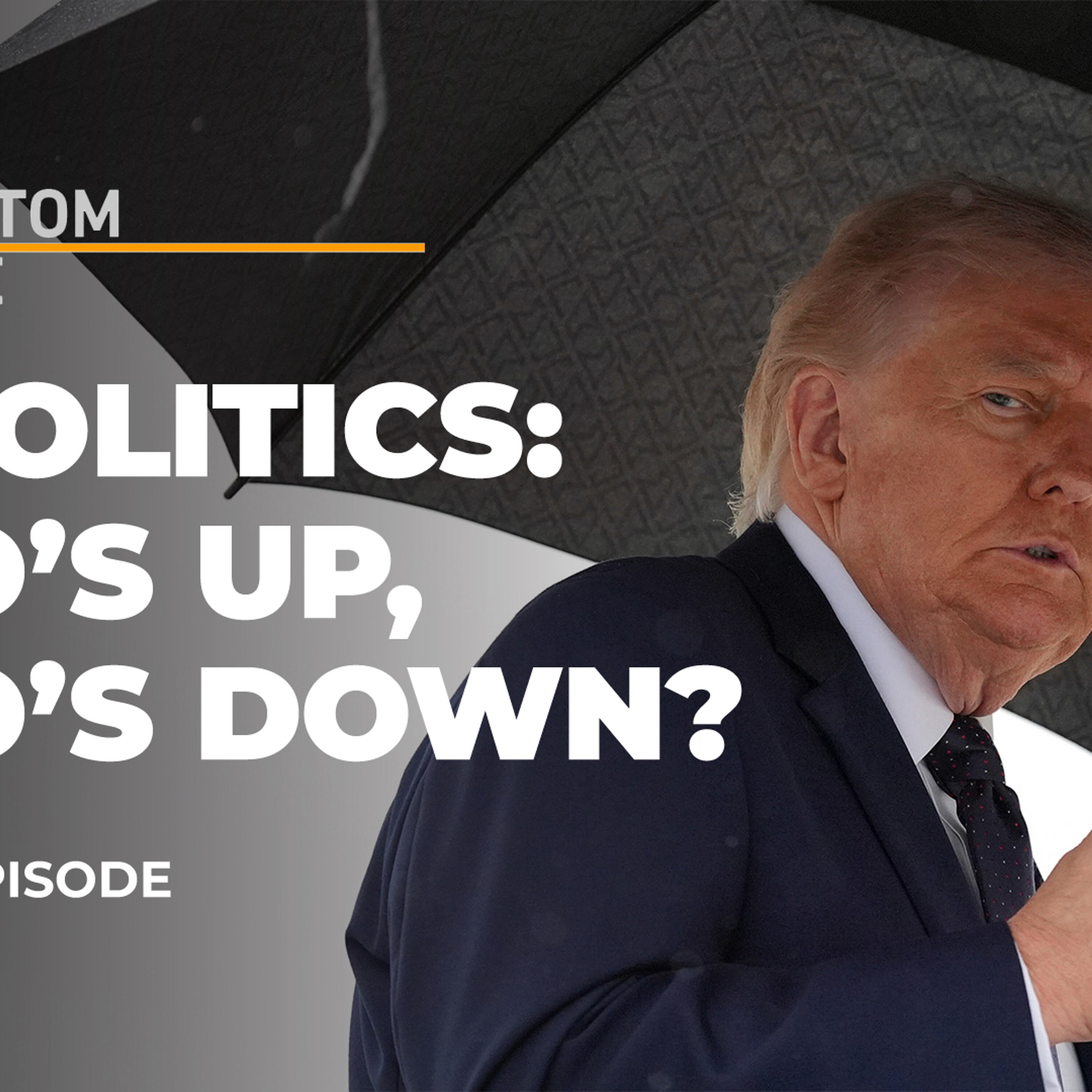 How will Iran war fallout impact upcoming US elections? | The Bottom Line 24.05.2026 25minPresident Donald Trump was able to purge his most vocal critics within the Republican Party, as Americans voted for the congressional candidates who will run in November’s midterm elections. One of the most prominent politicians to be unseated was Representative Thomas Massie, who pushed for the release of the Epstein files. The Democratic Party partially released a report about performance that noted “a persistent inability or unwillingness to listen to all voters”. Host Steve Clemons asks former Trump aide Hogan Gidley, and Matt Duss – former adviser to Senator Bernie Sanders – about the challenges facing both parties.
 -
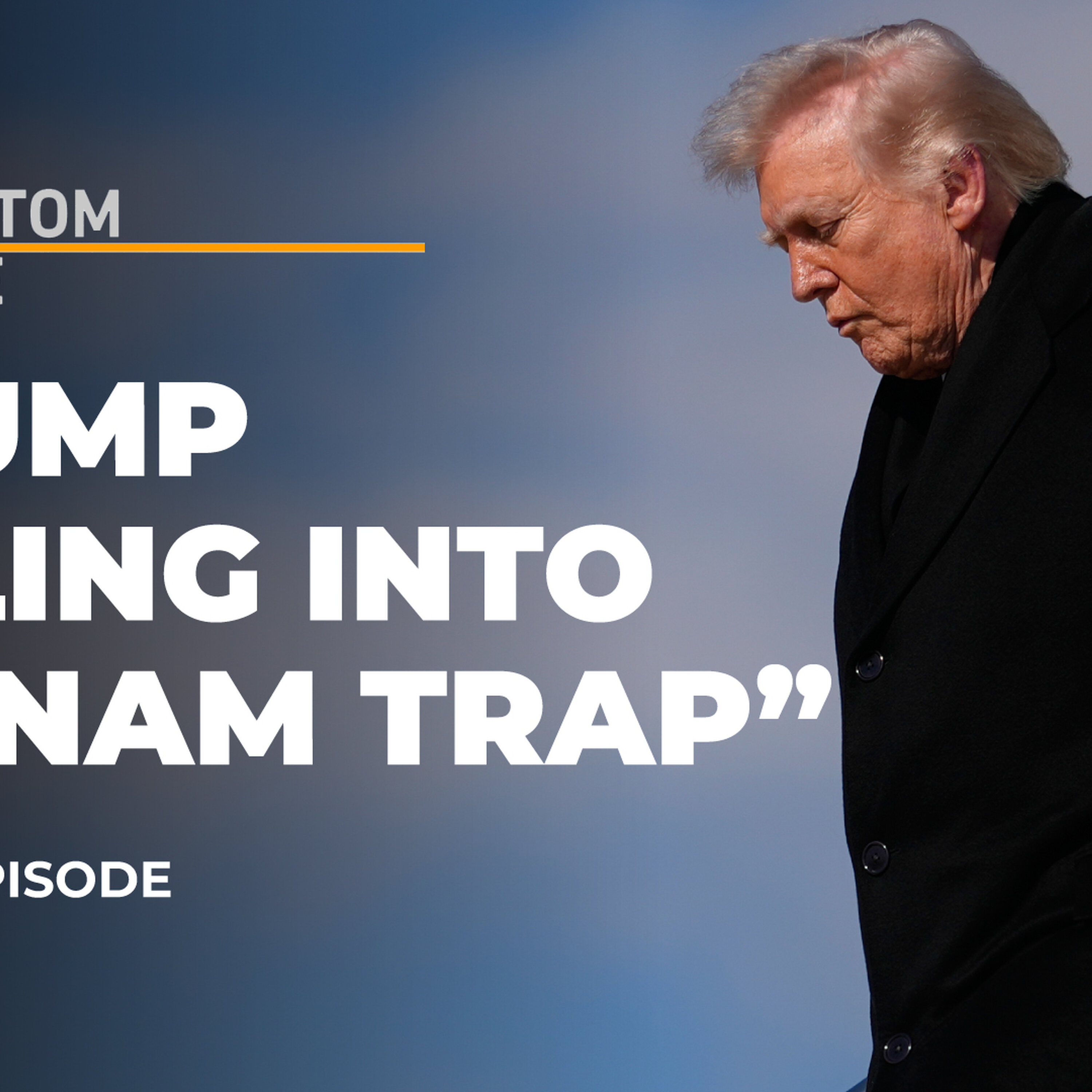 Former US negotiator with Iran: Trump falling into Vietnam trap 17.05.2026 25minWhen United States President Donald Trump measures success by counting how many Iranian leaders the US and Israel have killed or how many Iranian boats or missile launchers have been destroyed, he’s looking at the “wrong metric”, argues a former US special envoy to Iran, Rob Malley. Malley told host Steve Clemons that the only way out of this war is “a settlement that respects our core interests, but also theirs”. To calculate the odds of a deal, Malley said, psychologists may be more useful than experts because “it really depends on the mindset of President Trump.”
 -
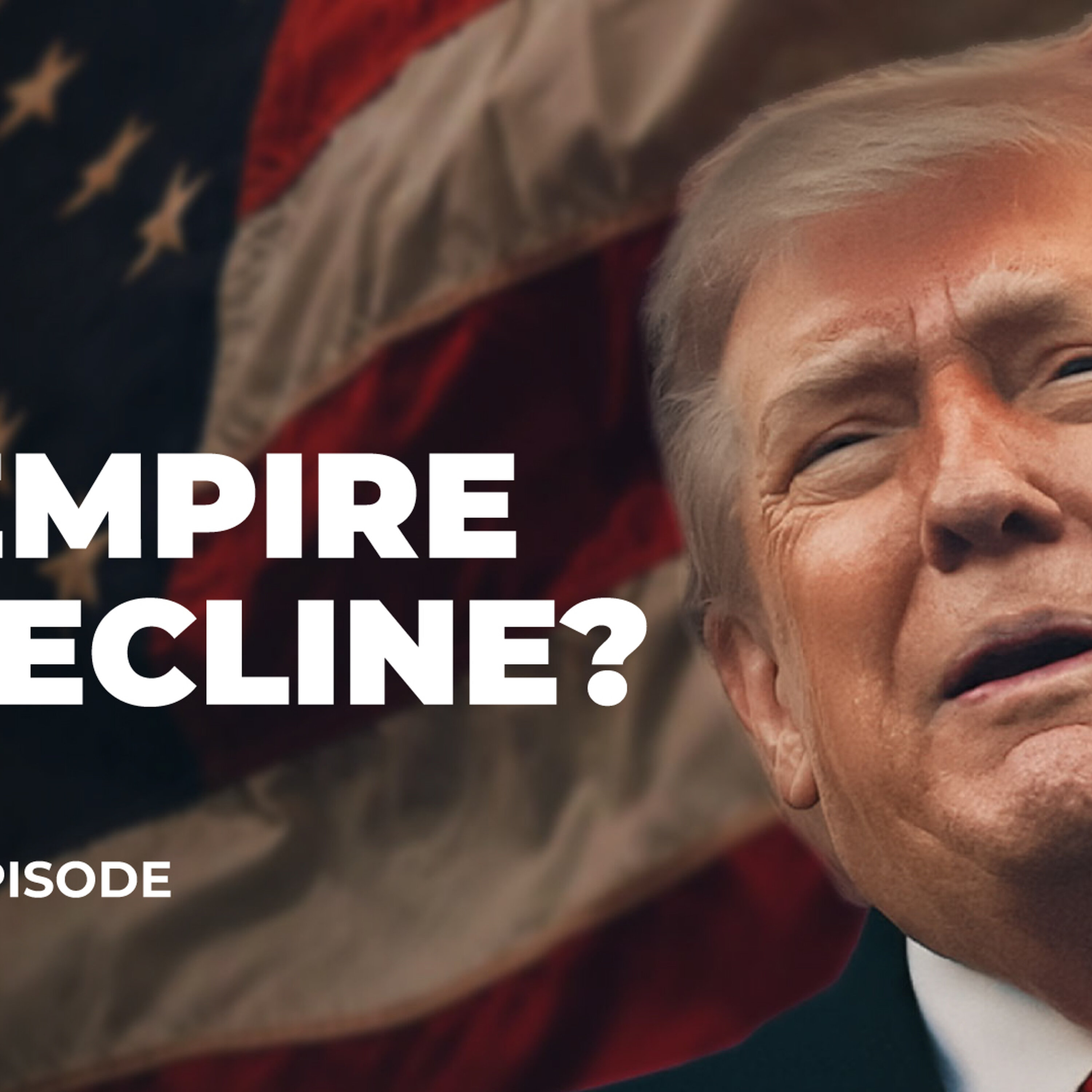 Is the US empire in the middle of a long decline? 11.05.2026 25minWhen the United States threatens to take over countries and destroy civilisations, “these are the wild gesticulations of a sinking enterprise”, argues Richard Wolff, professor emeritus of economics at the University of Massachusetts. Wolff tells host Steve Clemons that US leaders refuse to face the reality that the US empire is in decline. Around the world, he adds, people are “deeply internalising” the lessons from the US's inability to defeat Iran. The people in the US are becoming “bitterly angry” at their situation, where the richest 10 percent of Americans own 80 percent of corporate stocks, making the stock market “utterly irrelevant” to the masses. Subscribe to our channel: http://bit.ly/AJSubscribe Follow us on X : https://twitter.com/AJEnglish Find us on Facebook: https://www.facebook.com/aljazeera Check our website: http://www.aljazeera.com/ Check out our Instagram page: https://www.instagram.com/aljazeeraenglish/ Download AJE Mobile App: https://aje.news/AJEMobile
 -
 Israel’s strategy of ‘permanent war’: A race against time? | The Bottom Line 03.05.2026 25minIsrael is in a race against time to “lock in its domination” across the Middle East, argues former Israeli negotiator Daniel Levy. Levy, president of the US/Middle East Project, tells host Steve Clemons that Israel’s strategy of “permanent war” allows for only two types of countries in the region: either dependent, or “too collapsed, failed and fragile to pose any challenge”. Israel can try to block a US-Iran deal by advocating for “just one more major military operation” against Iran, and “heating things up” with constant attacks on Lebanese and Palestinians despite ceasefires on paper, Levy says.
 -
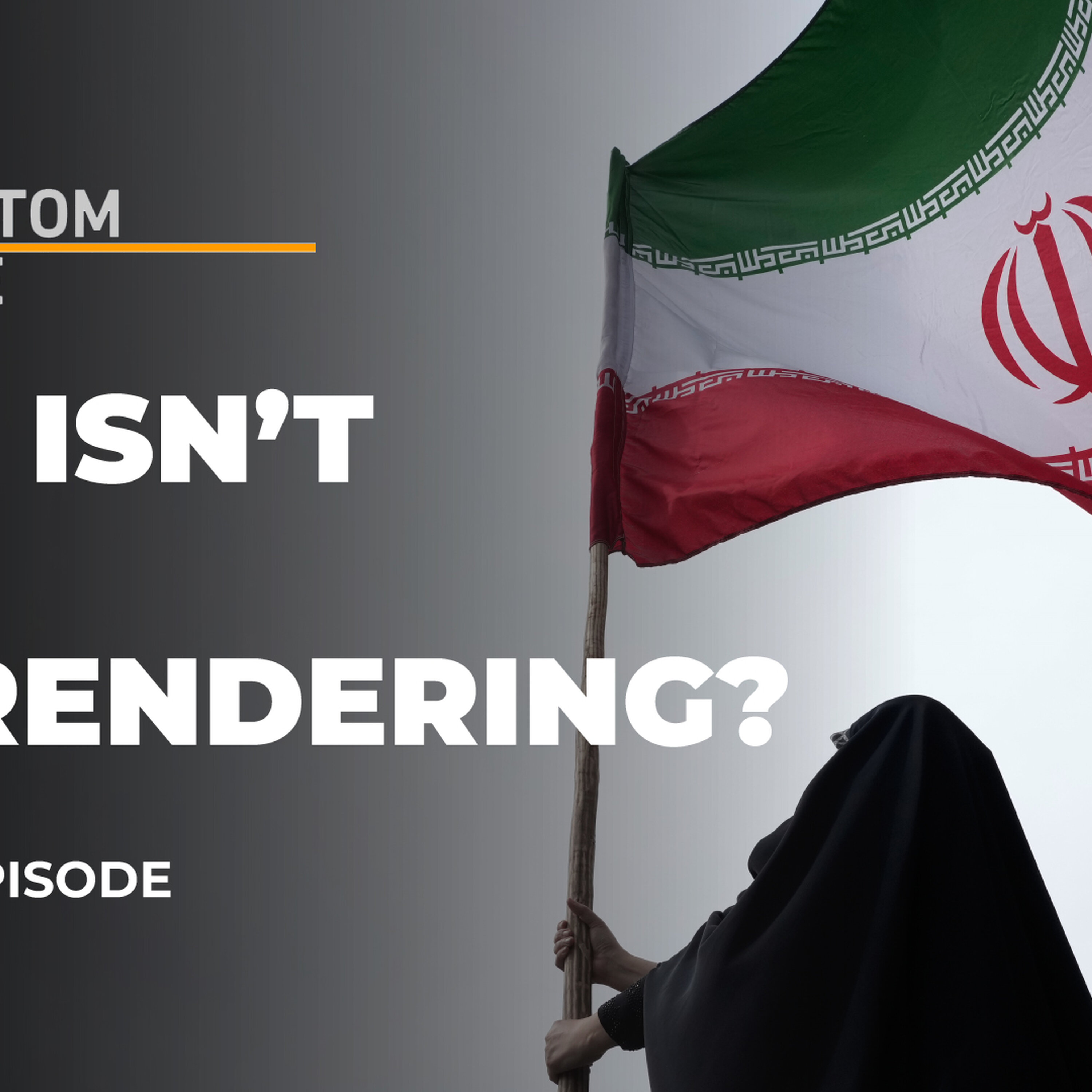 Has Iran exposed the limits of what US can achieve by force? | The Bottom Line 26.04.2026 25minDespite on-again, off-again negotiations, the United States has no other option but to pursue a diplomatic solution with Iran, argues Vali Nasr, professor of international affairs and Middle East studies at Johns Hopkins University. Nasr tells host Steve Clemons that the US-Israel war on Iran has shown the limits of military force. “You don't go to the table to demand surrender. The other side is not going to surrender because they haven't lost. So you have to cut a deal,” Nasr said, adding that Iran’s objective is to make sure the US and Israel understand that “war with Iran isn't easy”.
 -
 What would it take for the Iran-US talks to succeed? | The Bottom Line 19.04.2026 24minIran will not be left alone to live in peace and prosperity “unless and until it normalises its relationship with the US and accepts Israel as a legitimate player in the Middle East”, argues University of South Florida political scientist Mohsen Milani. Milani and former White House official Elisa Ewers tell host Steve Clemons that another major stumbling block in Iran-US talks is uranium enrichment. If that is not resolved, or a vague interim deal is made in lieu of a more rigorous treaty, “in two or three years from now, we might see the outbreak of another war”, says Milani.
 -
 How shaky is the Iran-US ceasefire? | The Bottom Line 12.04.2026 25minIn this episode, experts with divergent world views agreed on one thing: it’s unlikely that the United States will resume the war on Iran. Former US National Security Advisor John Bolton tells host Steve Clemons that he still hopes for “regime collapse” in Iran, but that US President Donald Trump has failed to achieve his goals. In the second half, Georgetown University Associate Professor Nader Hashemi argues that the war had an opposite effect – strengthening Iran – and that the people of the region view the war “through the prism of the genocide in Gaza and what Israel is doing in Lebanon right now”. Subscribe to our channel: http://bit.ly/AJSubscribe Follow us on X : https://twitter.com/AJEnglish Find us on Facebook: https://www.facebook.com/aljazeera Check our website: http://www.aljazeera.com/ Check out our Instagram page: https://www.instagram.com/aljazeeraenglish/ Download AJE Mobile App: https://aje.news/AJEMobile
 -
 Mearsheimer: No signs of quick end to US-Israel war on Iran | The Bottom Line 05.04.2026 25minThe greatest threat to stability in the Middle East is not Iran, but “the US working closely together with Israel”, argues United States political scientist John Mearsheimer. Mearsheimer tells host Steve Clemons that the notion that the US and Israel are making a safer, more stable Middle East is “ludicrous”. And the idea that Iran is “the great destabiliser” in the region is “a myth that the US and Israel purvey”. After US President Donald Trump insisted that “We have all the cards; they have none”, Mearsheimer says the exact opposite is true - “and that's why we are in desperate straits”. Subscribe to our channel: http://bit.ly/AJSubscribe Follow us on X : https://twitter.com/AJEnglish Find us on Facebook: https://www.facebook.com/aljazeera Check our website: http://www.aljazeera.com/ Check out our Instagram page: https://www.instagram.com/aljazeeraenglish/ Download AJE Mobile App: https://aje.news/AJEMobile
 -
 Why does Trump say the US ‘already won’ the Iran war? | The Bottom Line 29.03.2026 25min“The US has won” because Iran has become “incapable of being a significant threat” to the United States for at least three years, argues retired Lieutenant Colonel James Carafano, senior fellow at the Heritage Foundation, a conservative think tank. Carafano tells host Steve Clemons that even if Iran were to rebound, “Trump will just mow the grass… and bomb them back to where they were.” The importance of the Strait of Hormuz and Iran's ability to control access to it are exaggerated, Carafano argued. Israeli ideas of changing the government in Tehran are “irrelevant”, Carafano added, “because they can’t do it without us”.
 -
 Why is Trump asking for Europe’s help in war on Iran? | The Bottom Line 24.03.2026 24min“There is no good outcome” that can be gained from the United States-Israel war on Iran, argues the former ambassador of France to the US, Gerard Araud. Responding to US President Donald Trump’s attempts to get European countries more involved in the war effort, Araud tells host Steve Clemons that “If you wanted us at the landing, you should have thought of us at the takeoff.” Araud says the current moment is similar to the US quagmire in Vietnam in the 1960s, when the White House continued to surge and escalate, creating “an illusion” that the war was nearing a conclusion.
 -
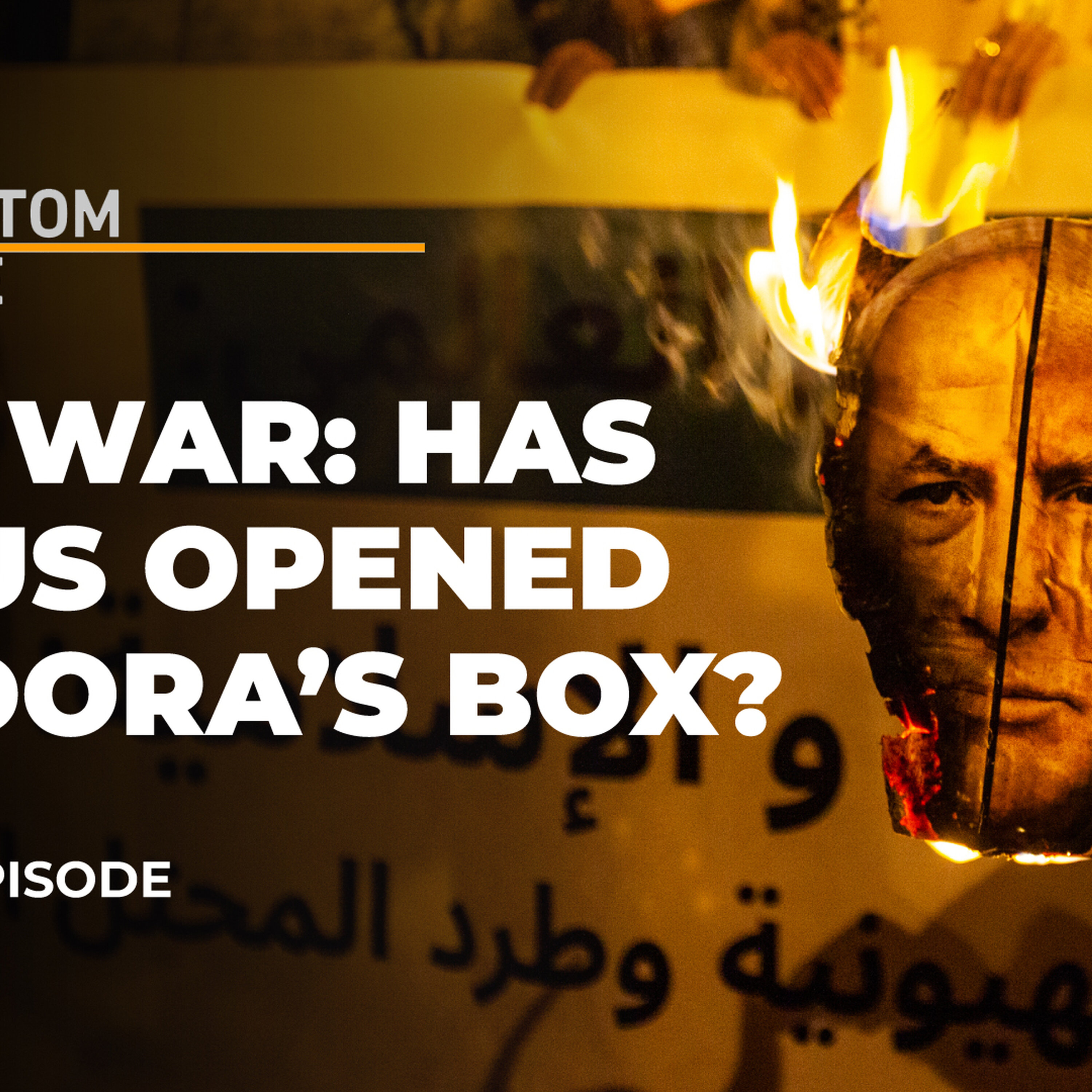 US Senator Van Hollen: Trump ‘has no idea where this war is going’ | The Bottom Line 15.03.2026 27minIsrael’s leaders have finally found a United States president “stupid enough and reckless enough” to join them in a war against Iran, argues US Senator Chris Van Hollen. Van Hollen, a Democrat, tells host Steve Clemons that the US capacity to degrade the Iranian military has never been in question. “The question is to what end, both in lives and treasure,” he says. On the attempts by Israeli and US officials to frame the war as a holy quest, Van Hollen argues that “The last thing the world needs is a religious war.”
 -
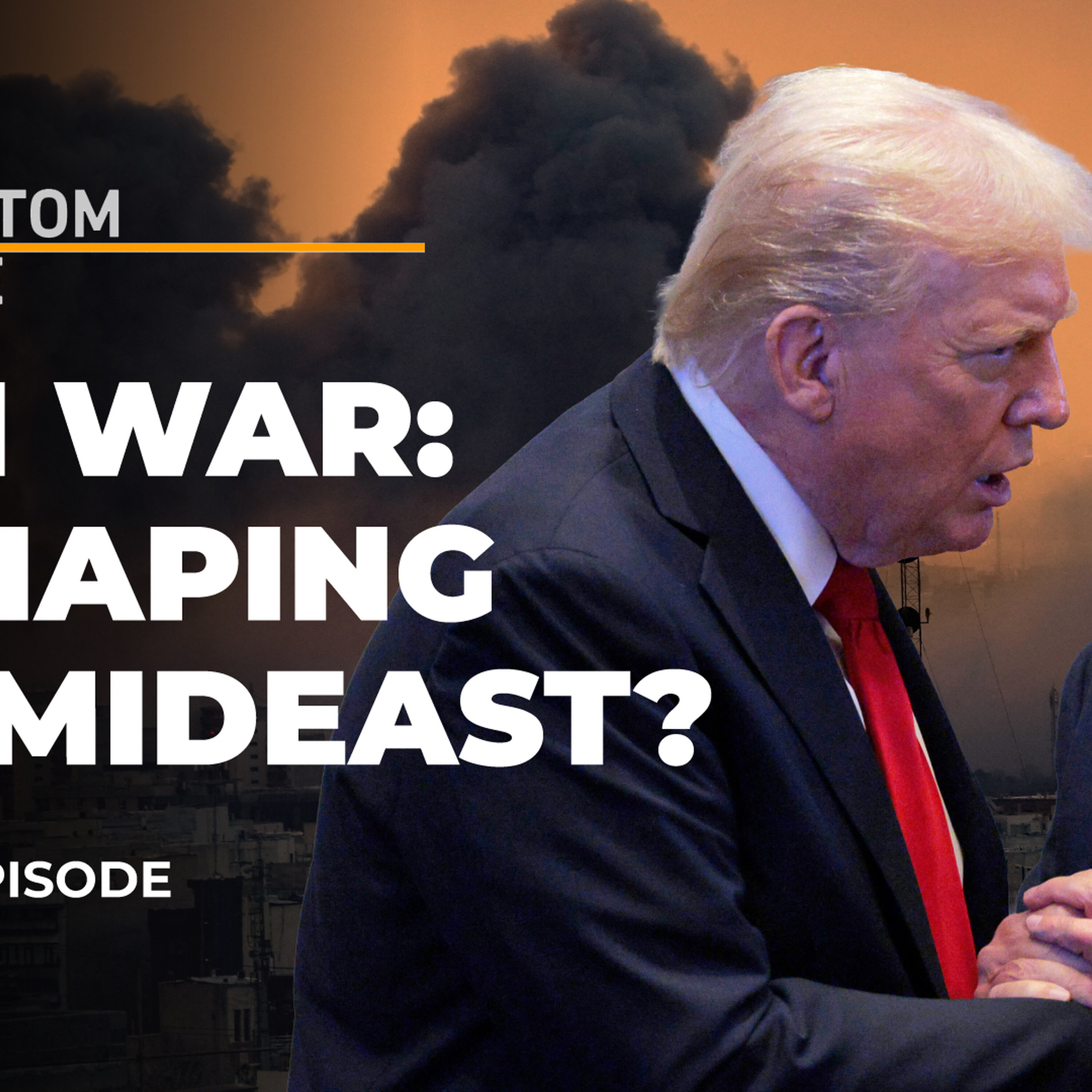 Iran war: Redrawing the map of the Middle East, Israeli style? | The Bottom Line 04.03.2026 25minEven though the joint United States-Israeli war on Iran is in its early days, “we already are in a scenario where the US has lost control of this war,” argues Vali Nasr, professor of international affairs and Middle East studies at Johns Hopkins University. Nasr tells host Steve Clemons that Iran is the weaker party, but it “has the capability to create a much longer mayhem” than envisioned by the US and Israel. US goals for this war may be unclear, but “Israel’s goal is to arrive at a point where it’s the supreme power in the Mideast”, says Nasr.
 -
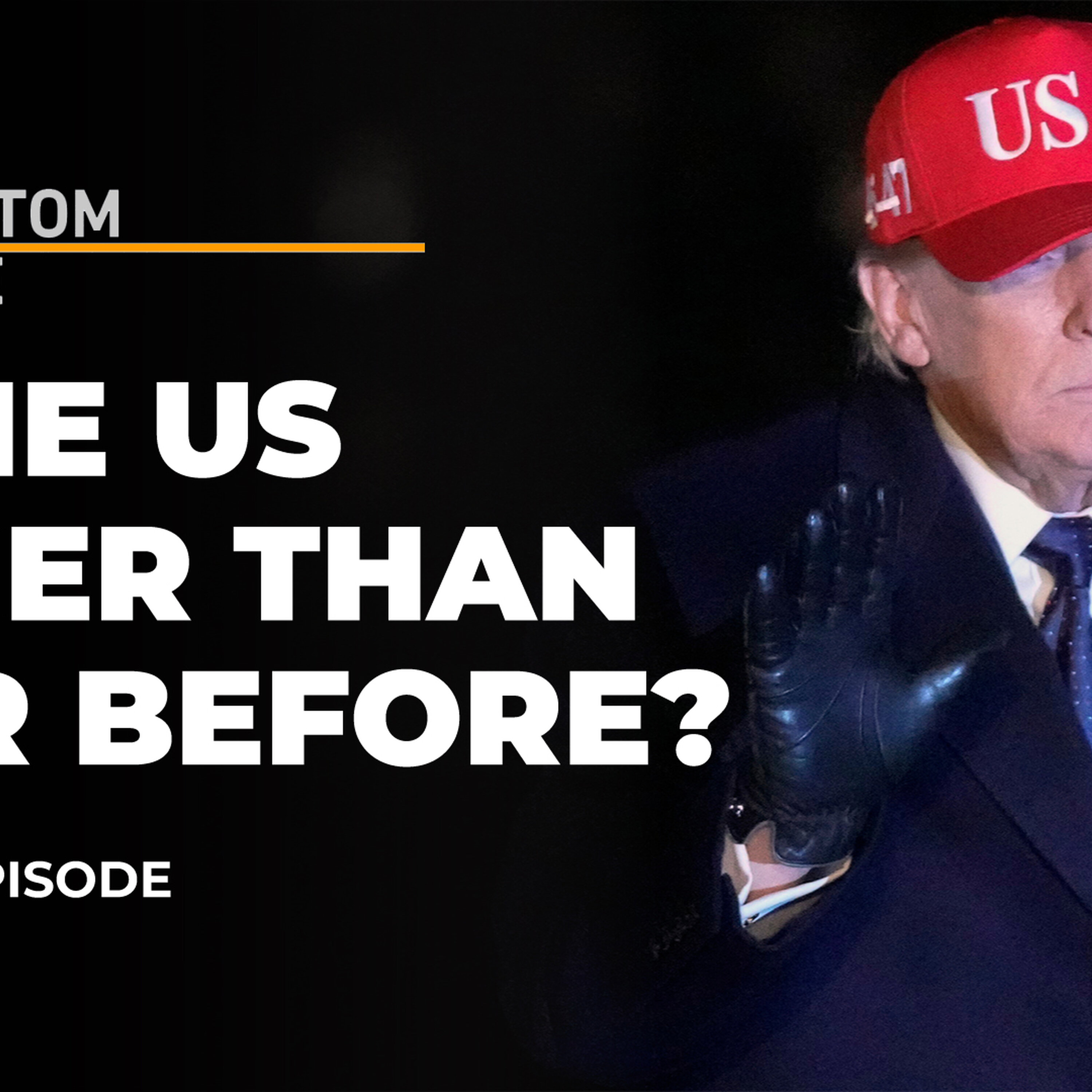 Do Americans agree that Trump has made the US ‘better, richer’? | The Bottom Line 03.03.2026 25minUS President Donald Trump is falling into the same trap as his predecessor, Joe Biden, when he tries to convince Americans that they’re better off financially, argues YouTuber Brian Tyler Cohen. Cohen and Matt Duss, executive vice president at the Center for International Policy, join host Steve Clemons to dissect Trump’s State of the Union address and vision for the United States. One of Trump’s strengths is the weakness of his main opposition, the Democratic Party, argues Cohen, as the party acts “in a way that's completely untethered to how the vast majority of Democrats actually feel”.
 -
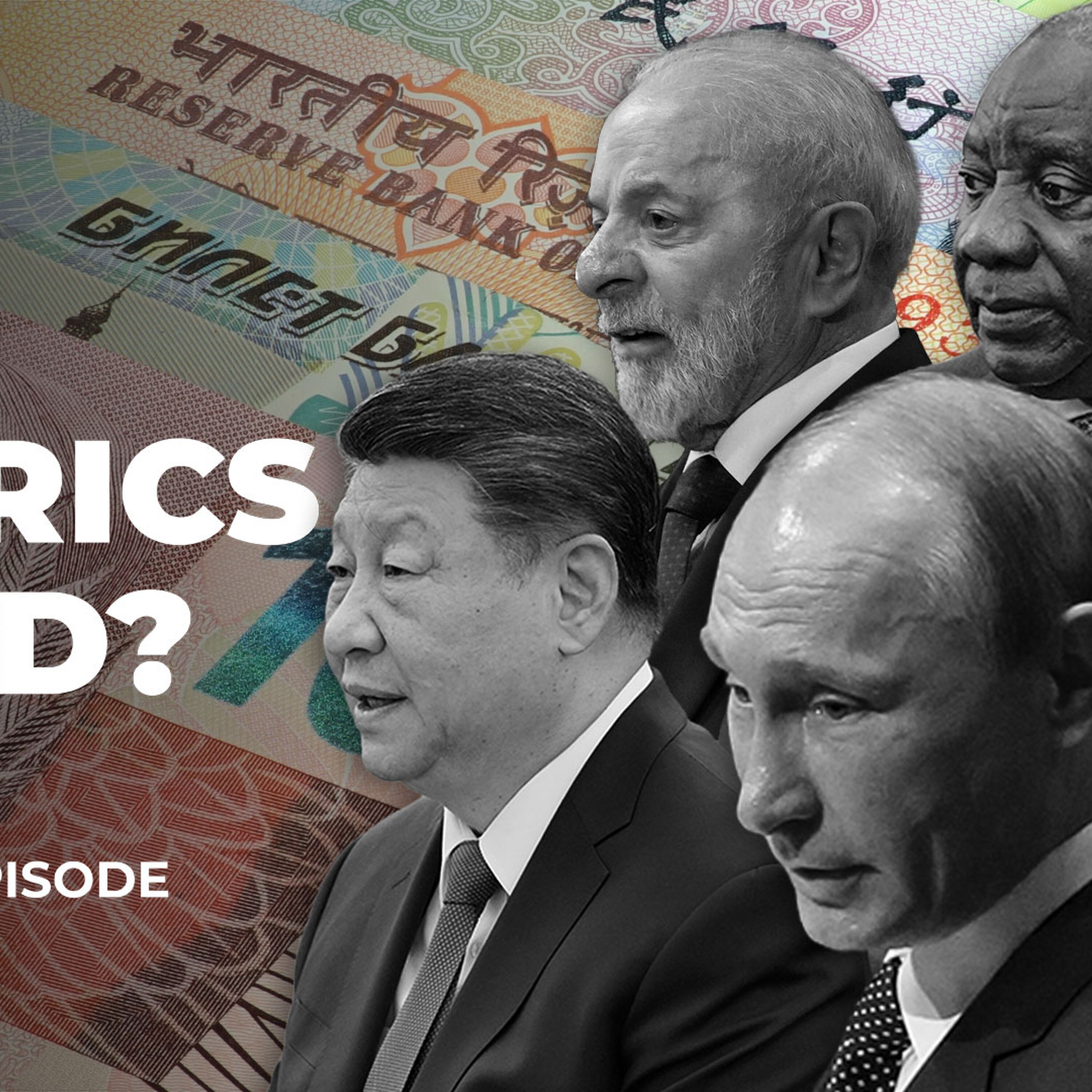 Has BRICS given up on challenging Western economic dominance? | The Bottom Line 22.02.2026 25minAt its peak, the BRICS coalition of economies – Brazil, Russia, India, China and South Africa – was seen as a serious attempt to move away from the United States dollar and the domination of Western economic institutions like the World Bank, Group of Seven (G7), and International Monetary Fund (IMF). But BRICS members have different political agendas, and new forces are at play, argues economist Jim O’Neill, a member of Britain's House of Lords. O’Neill, who coined the term "BRIC" 25 years ago, tells host Steve Clemons that the US's economic policies may be the driver of its own decline, coupled with the economic rise of China and India. Subscribe to our channel: http://bit.ly/AJSubscribe Follow us on X : https://twitter.com/AJEnglish Find us on Facebook: https://www.facebook.com/aljazeera Check our website: http://www.aljazeera.com/ Check out our Instagram page: https://www.instagram.com/aljazeeraenglish/ Download AJE Mobile App: https://aje.news/AJEMobile
 -
 Is Trumpism losing steam? 15.02.2026 24minThe Republican Party currently controls the White House and both houses of Congress in the United States. But will that change in November? Among Republican voters, US President Donald Trump is still wildly popular, despite criticism over uneven economic conditions and brutal anti-immigration tactics. And within the Democratic Party establishment, there is no sign of a desire to shift towards a more progressive, less centrist platform – even as left-leaning Democratic Socialists make gains. Host Steve Clemons asks Republican strategist John Feehery and Amy Dacey, former chair of the Democratic National Committee, about Trumpism and the election prospects of both parties.
 -
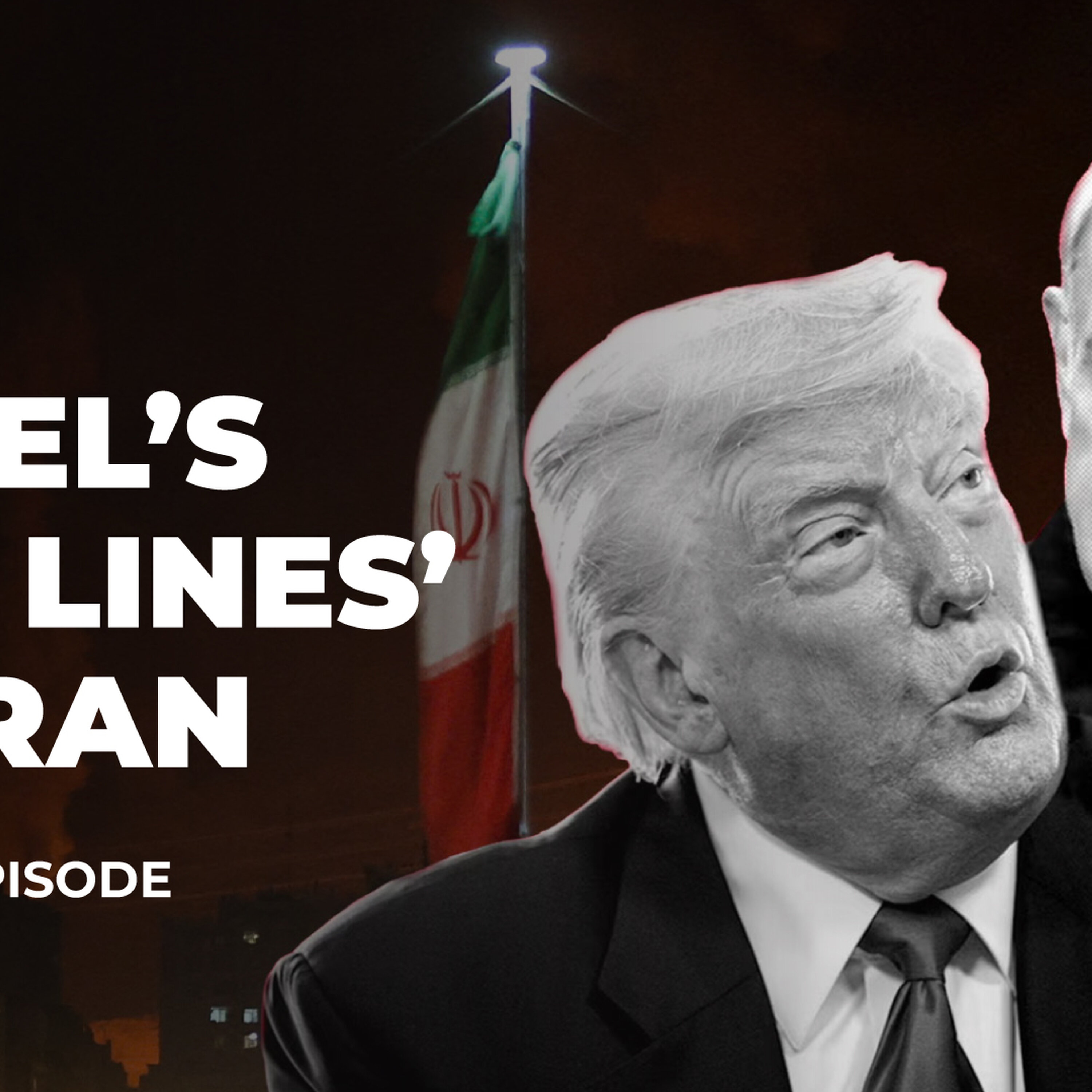 Will Trump adopt Israel’s ‘red lines’ on Iran? | The Bottom Line 09.02.2026 25minIf the Trump administration adopts Israel’s “red lines” in the negotiations with Iran, the talks are doomed, argues Trita Parsi, executive vice president of the Quincy Institute for Responsible Statecraft. Parsi tells host Steve Clemons that Iran is willing to reach a deal on its nuclear programme, as it did in 2015 with then-President Barack Obama. But a lot depends on “whether the US is willing to push back against Israel or not”. Israeli officials were “very upset” that the United States has so far chosen diplomacy over war, and demand that the US add new issues – especially Iran’s ballistic missiles – to the agenda. Subscribe to our channel: http://bit.ly/AJSubscribe Follow us on X : https://twitter.com/AJEnglish Find us on Facebook: https://www.facebook.com/aljazeera Check our website: http://www.aljazeera.com/ Check out our Instagram page: https://www.instagram.com/aljazeeraenglish/ Download AJE Mobile App: https://aje.news/AJEMobile
 -
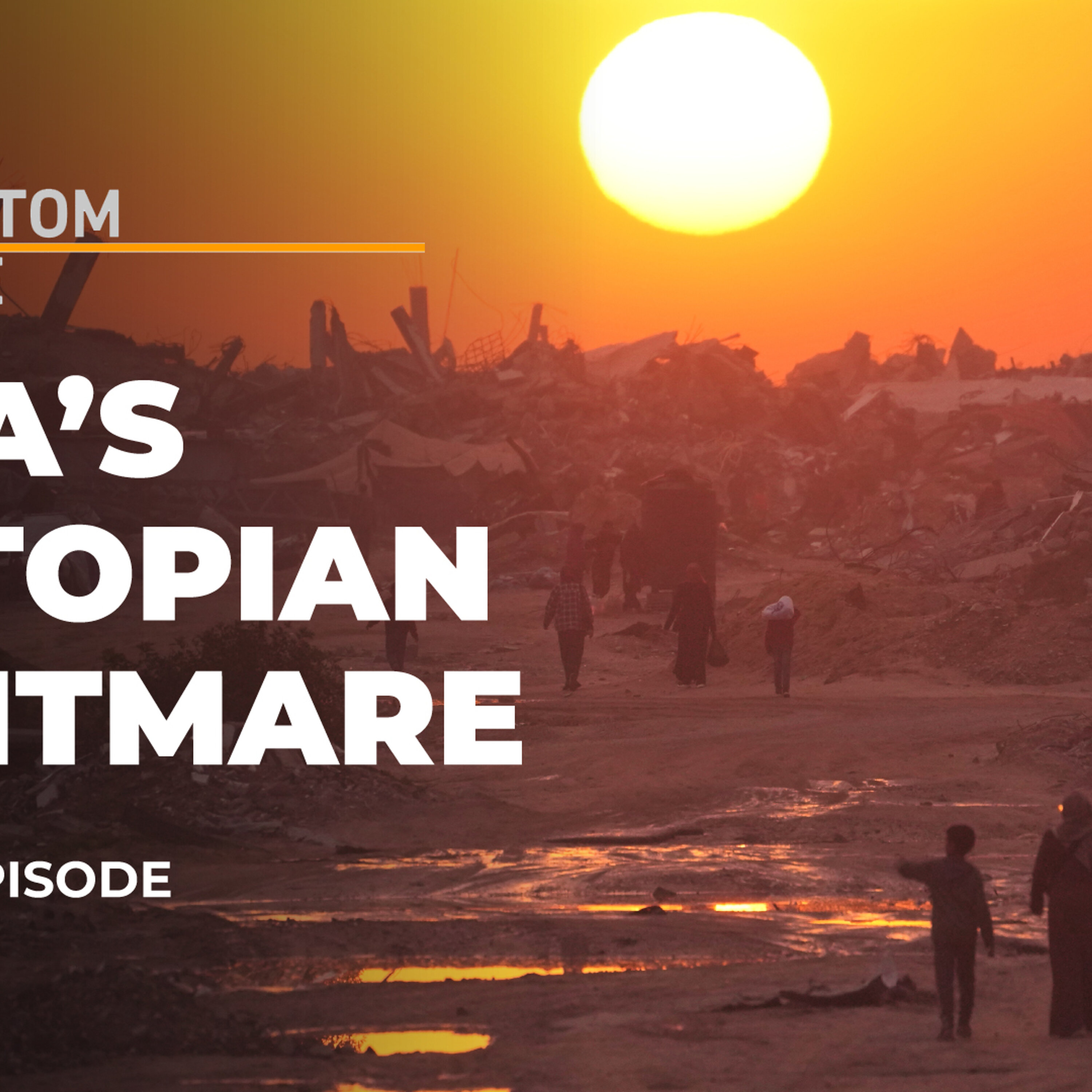 Gaza’s daily nightmare vs US talk of AI-driven smart cities | The Bottom Line 01.02.2026 25minUnited States plans for Gaza amount to a “theme park of dispossession” for Palestinians, argues Drop Site News Middle East Editor Sharif Abdel Kouddous. Abdel Kouddous tells host Steve Clemons the draconian measures planned for the two million shell-shocked Palestinians in Gaza are an Orwellian labyrinth of biometrics, bureaucracy and “a lab for government surveillance” – all meant to drive them out. Noting that Israel hasn’t “gone past phase one” of any ceasefire agreement with an Arab country, Abdel Kouddous warns that Israel is establishing facts on the ground in Gaza – including 50 military bases – “which eventually become permanent”.
 -
 Why is Trump upending 80 years of US foreign policy? | The Bottom Line 25.01.2026 24minUnited States President Donald Trump realises “the rules-based international order” never existed, and he’s “willing to turn his back on that”, former Trump administration official Christian Whiton argues. Whiton tells Steve Clemons that US foreign policy remained fairly consistent over the past 80 years while Trump is happy to upset “the globalists and the establishment unity party in Washington - Republican and Democrat - and all the generals”. In Europe, the US would like to see more populist, anti-immigration governments, Whiton said, adding that Western societies should “cast aside” the idea that they are “inherently racist, a patriarchy [with] … a racist, imperialist history”.
 -
 How much of Trump’s foreign policy is driven by minerals and oil? | The Bottom Line 18.01.2026 25minChina’s domination of minerals - especially the copper needed for electrification, data centres, robots, cellphones and defence technology - is pushing the United States to ramp up its control of oil and minerals worldwide, argues Daniel Yergin, one of the world’s top experts in the economics of oil. In this episode, Yergin explains how Venezuela, Greenland, Iran, Russia and other issues are connected to the business of oil and the competition to control Earth's minerals. And while US President Donald Trump’s motives in Venezuela and Greenland are unclear, Yergin says one thing is certain: The US is desperate to achieve supply chain independence from China.
 -
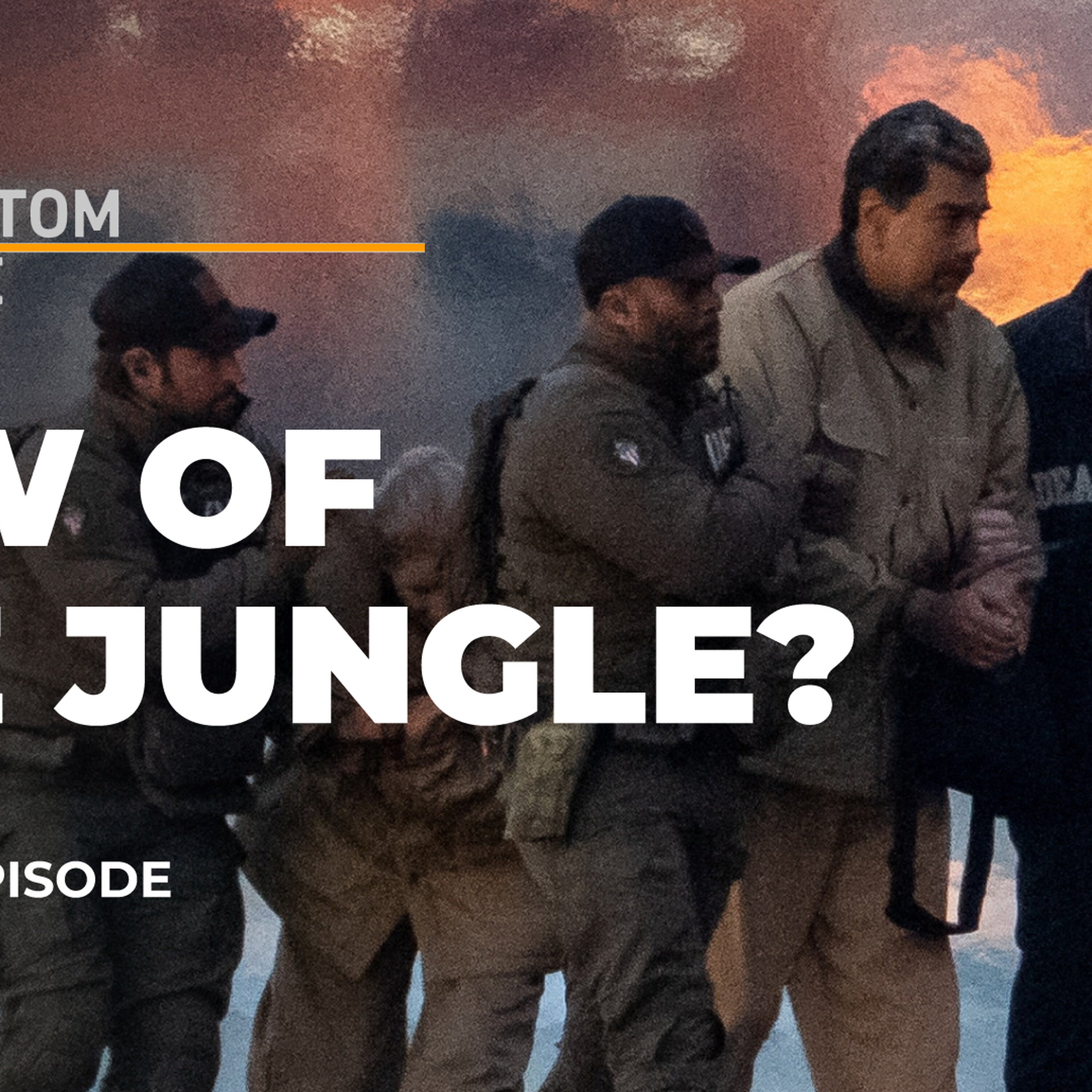 After Maduro: Is the US driving global instability? | The Bottom Line 11.01.2026 25minAmerica First foreign policy means that the United States is becoming a country that opposes the rule of law, free trade and collective security, argues Ian Bremmer, president of the risk analysis firm Eurasia Group. Bremmer tells host Steve Clemons that the international system built by the US over decades “was going to reach a geopolitical bust” regardless of the advent of President Donald Trump. Washington’s decision to project power in Venezuela, coupled with rhetoric threatening Greenland, “makes the US more unreliable for its allies”, according to Bremmer, “and a much bigger driver of geopolitical risk on the global stage”.
Podcast serupa


Popular di
Podcast ini turut muncul dalam senarai podcast negara-negara ini.


