
Hands On Hands Off: Manual Therapy & Orthopedic Physical Therapy (AAOMPT)
AAOMPT
0
A podcast from the American Academy of Orthopaedic Manual Physical Therapists that examines the balance between hands-on treatment and patient-driven, exercise-based rehabilitation. Hosts talk with leaders in manual therapy, orthopedic physical therapy, pain science, and rehabilitation about clinical reasoning and current evidence. Episodes cover manual therapy techniques, patient education, exercise-based care, and the tension between tradition and evidence in physical therapy practice. It is aimed at physical therapists, manual therapists, DPT students, and other rehabilitation professionals who want to challenge assumptions and sharpen their clinical practice.
Episod
-
 Environmental Physiotherapy: A New Lens for Patient Care 17.09.2026 46minIn this episode, Antigone Vesci, PT, DPT, ATC, SCS, FAAOMPT speaks with Filip Maric, PT, PhD and Emma Swardh, PT, PhD, as they introduce the field of environmental physiotherapy and invite clinicians to think beyond the walls of the clinic.Rather than limiting sustainability to recycling, energy use, or clinic operations, environmental physiotherapy asks a deeper question: What do health, environment, society, and physical therapy have to do with each other?The conversation explores how environmental factors influence patient care, including heat waves, air pollution, unsafe walking routes, access to movement spaces, health behavior, physical activity, and adherence. Philip and Emma also discuss the role of physical therapy in sustainable healthcare, including prevention, health promotion, lower-footprint care, and avoiding unnecessary or low-value interventions.For clinicians, the takeaway is practical: start asking better questions about the patient’s environment. Where are they moving? What has changed around them? Is their environment helping or limiting their recovery?This episode offers a timely and thought-provoking look at how physical therapy can contribute to human health, planetary health, and more complete clinical reasoning.Key Takeaways:Environmental physiotherapy is broader than clinic sustainability.The patient’s environment can influence movement, adherence, pain, access, and recovery.Physical therapy may be a lower-footprint healthcare option compared with more resource-intensive pathways.Prevention, health promotion, and avoiding unnecessary care are part of sustainable healthcare.Clinicians can start immediately by asking more curious questions about where and how patients move.Physical activity can support human health and planetary health, but context matters.Links and contacts:Filip Maric (PT, PhD), Associate Professor in Physiotherapy, Healthcare Innovation and Sustainability at UiT The Arctic University of Norway. Founder and Executive Chair of the Environmental Physiotherapy Association. https://en.uit.no/ansatte/person?p_document_id=706687 Emma Swärdh (PT, PhD), Assistant Senior Lecturer at Karolinska Institutet, Stockholm, Sweden and member of the Environmental Physiotherapy Association executive committee. https://ki.se/en/people/emma-swardh#about-me Environmental Physiotherapy Association website: https://environmentalphysio.com/. The one-stop shop for all things environmental physiotherapy. Including all the latest research publications, resources for education and clinical practice, information on past, ongoing and upcoming events, and a regular blog covering the breadth of environmental physiotherapy. The website will also lead you to those of other key organisations in the field like the Planetary Health Alliance, the Sustainable Development Solutions Network, and many more.Publications of note: ConceptualMaric, F., & Nicholls, D. (2019). A call for a new environmental physiotherapy - An editorial. Physiotherapy Theory and Practice, 35(10), 905–907. https://doi.org/10.1080/09593985.2019.1632006 Maric, F., Plaisant, M., & Richter, R. (2025). Advancing the deliberate implementation of the concept of sustainability and its alternatives in physical therapy research, practice, and education. Physiotherapy Theory and Practice, 41(6), 1239–1253. https://doi.org/10.1080/09593985.2024.2395486 Swärdh, E., & Hagströmer, M. (2026). What if physiotherapists reimagined physical activity as relational and planetary health-enhancing? – Editorial. European Journal of Physiotherapy, 28(1), 1–4. https://doi.org/10.1080/21679169.2026.2610151 Clinically orientedMaric, F., Groven, K.S., Banerjee, S. & Dahl-Michelsen, T. (2021). Essentials for sustainable physiotherapy: Introducing environmental reasoning into physiotherapy clinical decision-making. Fysioterapeuten, 88(4), 54 – 58. https://fysioterapeuten.no/fagfellevurdert-sustainable-physiotherapy/essentials-for-sustainable-physiotherapy-introducing-environmental-reasoning-into-physiotherapy-clinical-decision-making/1317Toner, A., Lewis, J. S., Stanhope, J., & Maric, F. (2021). Prescribing active transport as a planetary health intervention – benefits, challenges and recommendations. Physical Therapy Reviews, 26(3), 159–167. https://doi.org/10.1080/10833196.2021.1876598 Swärdh, E., & Maric, F. (2024). From Knowledge to Action: Fostering Advocacy Skills for Planetary Health in Physical Therapy. Physical Therapy, 104(11). https://doi.org/10.1093/ptj/pzae130 Struthers, N. A., Zecevic, A. A., Stanhope, J., Breed, M. F., Gittings, L., Gunz, A., Wagenfeld, A., Birmingham, T., Kothari, A., & Maric, F. (2026). An international and interdisciplinary framework for nature prescribing in healthcare: A modified Delphi study. PLOS Global Public Health, 6(4), e0006361. https://doi.org/10.1371/journal.pgph.0006361 PT educationBarna, S., Maric, F., Simons, J., Kumar, S., & Blankestijn, P. J. (2020). Education for the Anthropocene: Planetary health, sustainable health care, and the health workforce. Medical Teacher, 42(10), 1091–1096. https://doi.org/10.1080/0142159x.2020.1798914 Maric, F., Chance-Larsen, K., Chevan, J., Jameson, S., Nicholls, D., Opsommer, E., Perveen, W., Richter, R., Stanhope, J., Stone, O., Strimpakos, N., Vieira, A., Williams, M., Zuber, S., & Söderlund, A. (2021). A progress report on planetary health, environmental and sustainability education in physiotherapy – Editorial. European Journal of Physiotherapy, 23(4), 201–202. https://doi.org/10.1080/21679169.2021.1932981 Swärdh, E., Brodin, N., Palstam, A., & Pettersson, A. (2024). High consciousness—low application: sustainable development and sustainable healthcare in undergraduate physiotherapy education in Sweden. Frontiers in Public Health, 12. https://doi.org/10.3389/fpubh.2024.1509997 Swärdh, E., Palstam, A., Pettersson, A., & Brodin, N. (2026). Sustainable development in physiotherapy education: why, what, how. Perspectives of educators in Sweden. European Journal of Physiotherapy, 1–17. https://doi.org/10.1080/21679169.2026.2693304
 -
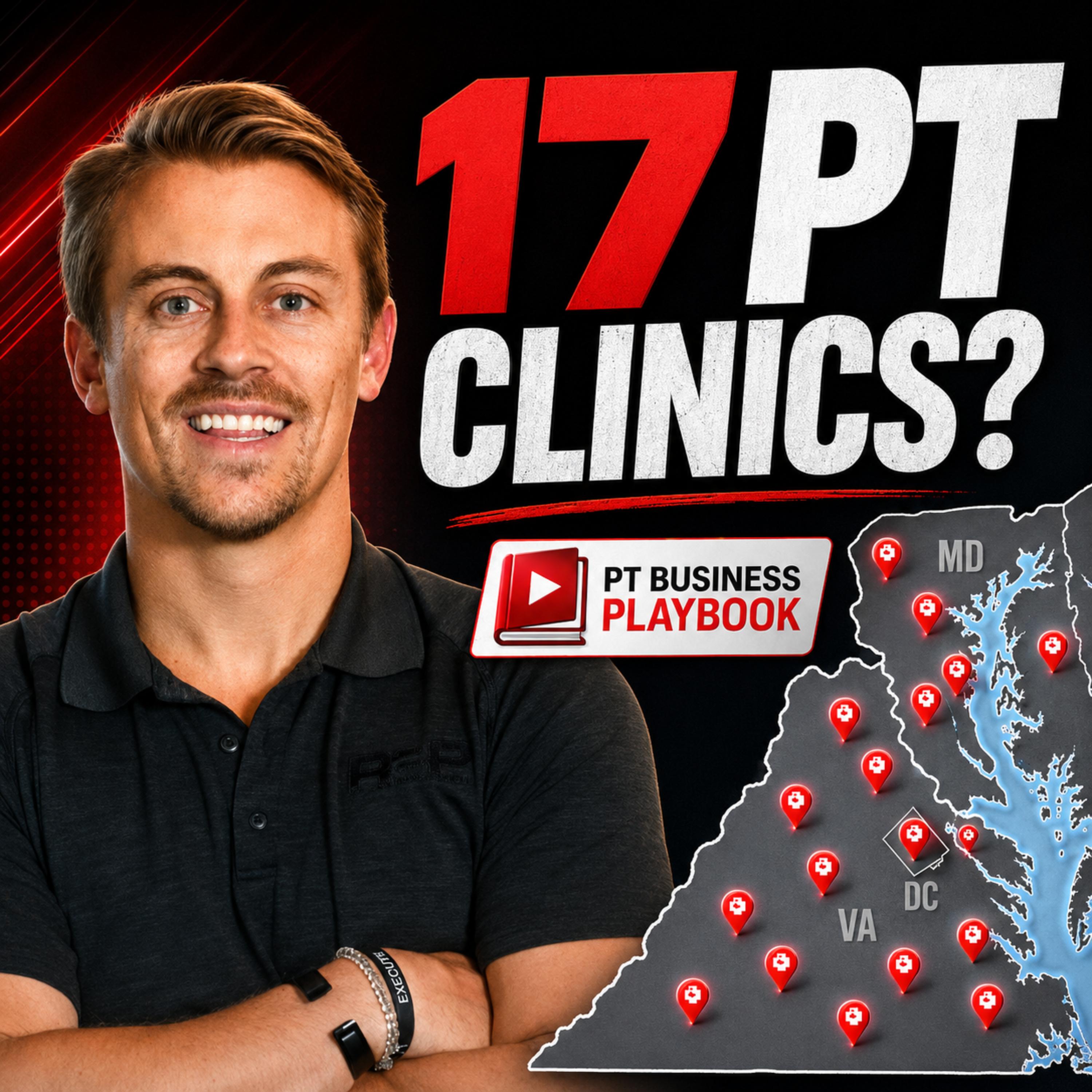 Josh Funk on Scaling Rehab 2 Perform and the Business Future of PT 28.08.2026 41minIn this episode, Seth Peterson talks with Josh Funk, founder of Rehab 2 Perform, about private practice ownership, business growth, staffing, reimbursement, clinical education, and the future of physical therapy.Josh shares how his own rehab experience at Ohio State inspired him to build a more active, performance-oriented community rehab model. He explains how early entrepreneurial experiments, side hustles, personal training, coaching, and customer service roles helped prepare him to launch Rehab 2 Perform just three years after PT school.The conversation covers practical resources for clinicians interested in business, including SBDC, SCORE, local accelerators, and the Goldman Sachs 10,000 Small Businesses program. Josh also discusses what it takes to grow from one clinic to 17, how to understand payer value and internal economy, and why practice owners need to treat staff recruitment with the same strategic attention they give patient acquisition.Josh also describes how residency programs can serve as attraction magnets, career accelerators, and company-wide education engines. The episode closes with a forward-looking conversation about healthspan, diagnostics, wellness screening, and why physical therapists should become more proactive in risk stratification and prevention-oriented care.Key TakeawaysGreat business ideas often come from bad personal experiences.Josh’s own contrast between high-level rehab at Ohio State and community-based care helped spark the Rehab 2 Perform concept.Microdose entrepreneurship before you cut the cord.Josh emphasizes side hustles, coaching, training, and customer service as low-risk ways to build business skills before opening a practice.Free business mentorship exists. Use it.SBDC, SCORE, local accelerators, and Goldman Sachs 10,000 Small Businesses helped Josh build business literacy without draining early-stage cash.Practice owners must understand reimbursement.Josh argues that owners need to understand payer value, administrative burden, MPPR, billing differences, cash services, and the internal economy of the practice.Staff acquisition needs a funnel.Many practices have a patient marketing funnel, but no talent funnel. Josh sees this as a major missed opportunity.Residency can raise the floor across a company.A residency program does not only benefit the resident. It creates a pourover effect that can improve the whole clinical ecosystem.Build a process-dependent company, not a people-dependent company.High achievers may leave. The owner’s job is to operationalize their genius so the organization keeps growing.PT needs to move into healthspan and diagnostics.Josh believes the public is ready for proactive screening, risk stratification, wellness, and physical capability conversations.Find Josh and Rehab 2 Perform:https://rehab2perform.com/https://www.instagram.com/drjoshfunk/
 -
 Dr. Thomas Ibounig on Incidental Rotator Cuff Abnormalities and Shoulder MRI 21.08.2026 31minIn this episode, host Leda McDaniel speaks with Dr. Thomas Ibounig, shoulder and elbow surgeon at Helsinki University Hospital and researcher with the Finnish Centre for Evidence-Based Orthopaedics.Dr. Ibounig discusses his 2026 JAMA study, “Incidental Rotator Cuff Abnormalities on Magnetic Resonance Imaging.” The conversation explores how common rotator cuff abnormalities are on MRI, including in asymptomatic individuals, and what that means for clinicians interpreting imaging findings in patients with shoulder pain.The study used a representative Finnish population sample, bilateral 3 Tesla MRI imaging, shoulder surgeon clinical examination, and extensive questionnaire data to examine the relationship between imaging findings, symptoms, clinical tests, and broader patient factors.Dr. Ibounig explains why MRI findings and isolated clinical tests may not identify the source of pain as reliably as clinicians often assume. He also discusses why terminology matters when explaining imaging to patients, how structural findings can become over-medicalized, and why future research needs to look beyond anatomy toward psychological, occupational, metabolic, and longitudinal contributors to shoulder pain.This episode is especially relevant for orthopedic manual physical therapists, surgeons, sports clinicians, educators, and anyone helping patients make sense of shoulder MRI findings.Link to referenced study: https://jamanetwork.com/journals/jamainternalmedicine/fullarticle/2844659Key TakeawaysMRI abnormalities are extremely common after age 40.Dr. Ibounig reports that nearly every shoulder over 40 in the study showed some abnormality on MRI.Abnormal does not always mean pathological.Findings such as tendinopathy, partial-thickness tears, and even some full-thickness tears may be part of aging rather than the clear source of symptoms.Symptoms and imaging do not map cleanly.Full-thickness rotator cuff tears were more common in symptomatic shoulders, but many findings were also present in asymptomatic shoulders.Clinical tests may not add as much certainty as clinicians hope.Even a thorough clinical exam did not clearly improve the ability to distinguish symptomatic from asymptomatic rotator cuff findings.Language matters.Telling a patient their shoulder is “torn” or “broken” can create fear, even when the finding may be common for their age.Shoulder pain needs a broader explanatory model.Dr. Ibounig emphasizes that future research should explore pain mechanisms beyond structure, including psychological, metabolic, occupational, and longitudinal factors.Clinical humility is essential.One of the episode’s strongest messages is that experience often brings less certainty, not more.
 -
 Tim Fearon on Exercise, Manual Therapy, and Patient Responsibility 14.08.2026 23minIn this episode, Seth speaks with Tim Fearon, a respected leader in orthopedic manual physical therapy, about the role of exercise in manual therapy practice.Tim reflects on retirement, mentorship, and the clinical evolution that led him to place exercise and patient responsibility at the center of care. He shares how early mentorship shaped his manual therapy skills, but how recurring patient problems forced him to ask a harder question: if symptoms improve but the problem returns, did we really fix anything?The conversation explores Tim’s shift toward active participation, PNF principles, the Maitland model, reassessment, and exercise as a reasoned clinical intervention rather than a generic home program. Tim also challenges clinicians to stop treating exercise as the less important part of care, stop overdosing patients with too many exercises, and stop outsourcing the very thing that helps patients take ownership of their recovery.The episode also looks toward the future of physical therapy, including remote therapeutic monitoring, exercise apps, online programs, and why skilled clinicians who can integrate passive care, active care, and patient psychology will continue to matter.Key TakeawaysManual therapy alone may not create lasting change. Tim describes realizing that he could improve symptoms manually, but patients sometimes returned with the same problem because the underlying functional capacity had not changed.Exercise should be reasoned like manual therapy. Tim emphasizes using reassessment after active interventions just as clinicians do after passive techniques.Patient psychology matters. The best exercise is not just biomechanically appropriate. It has to match the person’s behavior, motivation, tolerance, and readiness.Do not overdose the home program. Tim warns that giving too many exercises can reduce adherence and cause patients to abandon even the most important pieces.Exercise should not be treated as lower-value care. Handing exercise off too casually can signal to the patient that it is less important than the manual treatment.The patient must own part of the outcome. Tim repeatedly returns to personal responsibility: patients need to experience that what they do can change their symptoms and function.Generic exercise apps will help some people, but not everyone. Tim sees value for people in the middle of the bell curve, but warns that more complex patients still need skilled clinical reasoning.Skilled PTs integrate passive and active care. Tim is not dismissing manual therapy. He argues that passive care and active management work best when they are both delivered with skill and intention.
 -
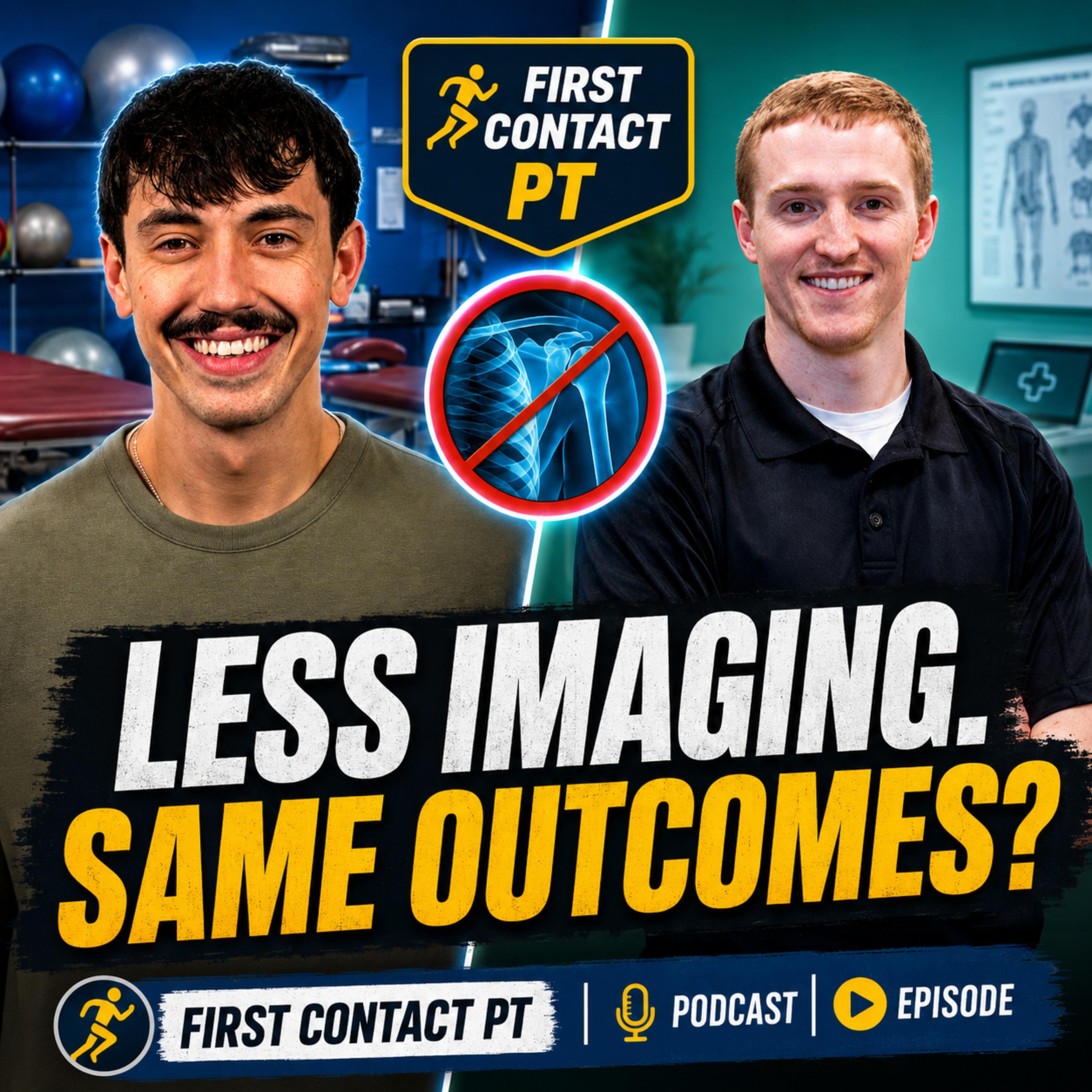 Should PTs Be the First Provider for Musculoskeletal Pain? 07.08.2026 50minIn this episode, host Dr. Nick Rainey is joined by Dr. Bremen Abuhl and Dr. Dallas Ehrmantraut to discuss their 2025 Physical Therapy Journal article, “First Contact Physical Therapy Compared to Usual Primary Care for Musculoskeletal Disorders: A Systematic Review and Meta-Analysis of RCTs.”The conversation explores whether physical therapists should serve as the first point of contact for patients with musculoskeletal disorders and how first contact PT compares with usual primary care.Dr. Abuhl and Dr. Ehrmantraut discuss their findings, including reduced imaging utilization, reduced prescription medication utilization, and similar clinical outcomes for pain, disability, and health-related quality of life. They also unpack the terminology around direct access, first contact PT, and primary care PT, and explain why direct triage models may offer a more efficient pathway for patients.The episode also addresses real-world implementation barriers, including reimbursement models, state scope-of-practice variation, imaging privileges, medication prescribing, stakeholder buy-in, and the need for PTs to step confidently into first contact roles.Key TakeawaysFirst contact PT is not the same as direct access. Direct access means patients can choose PT without referral. First contact PT means the PT is the first provider evaluating the patient for that episode of care.The study found lower healthcare utilization. First contact PT was associated with 45% less imaging and 71% less prescription medication utilization compared with usual primary care.Clinical outcomes were similar. Pain, disability, and health-related quality of life outcomes were statistically similar between first contact PT and usual primary care.Less imaging is not automatically the goal. The more important question is appropriate utilization: avoiding both overuse and underuse.Implementation is a system problem. Scope of practice, reimbursement, stakeholder buy-in, state law, and health system workflows all influence whether first contact PT can work.Direct triage may be the stronger model. Compared with warm handoffs, direct triage allows patients with appropriate MSK presentations to start with PT as the first provider.PTs need to be ready for real-world first contact care. That includes identifying red flags, determining urgency, ordering or recommending imaging when appropriate, and referring to the right provider when needed. Chapters: 00:00 — Welcome and guest introductions 01:17 — Dr. Bremen Abuhl’s path into first contact PT research 03:13 — Dr. Dallas Ehrmantraut’s clinical spark for the topic 06:16 — Overview of the PTJ systematic review and meta-analysis 09:52 — Direct access vs first contact PT vs primary care PT 13:15 — Global evidence and limited U.S.-based RCTs 16:24 — Imaging findings and appropriate utilization 20:37 — Medication utilization findings 23:27 — Clinical outcomes: pain, disability, and quality of life 25:20 — Study limitations and downstream utilization 27:13 — Why longer-term outcomes matter 31:15 — Risk of bias and crossover between groups 33:36 — U.S. system barriers to first contact PT 36:37 — Reimbursement, payer models, and stakeholder concerns 40:45 — Direct triage vs warm handoff models 44:15 — Scope of practice and state-level barriers 46:08 — Real-world safety, red flags, and PT decision-making 48:01 — Call to action for physical therapists 50:06 — Closing thoughts
 -
 Jess Ellis on the Reality of Pro Sports PT, Clinical Honesty, and Pragmatic Practice 06.08.2026 41minIn this episode, Seth sits down with Jess Ellis, fellowship-trained physical therapist, former NBA health and performance leader, founder of Rehab Code, and consultant for professional athletes.Jess shares his career path from early burnout in high-volume physical therapy to mentorship with Tim Fearon, fellowship training, EXOS, the Portland Trail Blazers, the New York Knicks, and his current work in mentorship, consulting, and concierge care.The conversation explores the realities of working in professional sports, including the pressure of return-to-play decisions, reduced clinical autonomy, team politics, athlete relationships, and the lifestyle tradeoffs that come with elite sport. Jess also discusses his PhD work on athlete buy-in with wearable technology and force plate testing, raising important questions about trust, data, ethics, and shared decision-making.This episode also gets into the deeper professional questions many PTs face: Are you actually getting better? Are you pursuing mastery or professional FOMO? Are you being clinically honest with yourself and your patients? And are you relying on theory, or producing meaningful change?A sharp, candid conversation for clinicians interested in OMPT, sports rehab, mentorship, career development, and pragmatic clinical reasoning.Chapters: 00:00 — Welcome and Jess Ellis intro01:34 — Burnout, mentorship, and fellowship training03:00 — EXOS, NBA roles, and Rehab Code06:23 — Career growth and owning your opportunities09:11 — OMPT in pro sports11:01 — Imaging, structure, and pathomechanics12:55 — Why fellowship changed Jess’s reasoning14:54 — The reality of working in pro sports17:01 — Return-to-play pressure18:08 — Leadership, politics, and athlete trust20:10 — Lifers, burnout, and leaving sport23:43 — Athlete data, wearables, and Jess’s PhD27:50 — Clinical bias and shared decision-making30:00 — Pain science communication problems31:43 — Mentorship and PT career paths34:15 — Professional FOMO vs mastery35:54 — Clinical honesty and getting better37:47 — Pragmatism, listening, and results40:11 — Where to find Jess Ellis
 -
 Mapping the OMPT Education Continuum with Dr. Matthew Smith 07.07.2026 24minIn this episode, host Dr. Skip Gill welcomes Dr. Matthew Smith to discuss his Clinical Science in Manual Therapy Grant-funded study, “Mapping the Continuum: Enhancing Orthopedic Manual Physical Therapy Education Through Instruction and Training.”Dr. Smith shares how his own OMPT training shaped his interest in clinical reasoning, mentorship, and the way manual therapy is taught across different stages of professional development. He explains why his study looks at the continuum from entry-level DPT education through residency and fellowship, and how instruction changes depending on both the learner and the mentor.The conversation also explores the value of qualitative research, the complexity of analyzing interview data, early observations from the study, and the importance of near-peer instruction in helping students understand what advanced OMPT training can offer.For educators, mentors, fellows, residents, and clinicians interested in the future of orthopedic manual physical therapy, this episode offers a thoughtful look at how OMPT principles can be taught more clearly, consistently, and meaningfully across the profession.Key TakeawaysOMPT is more than technique execution. Dr. Smith emphasizes that his own training helped place clinical reasoning at the center of practice.The education continuum matters. DPT, residency, and fellowship training should not be conflated. Each level has different expectations, depth, and nuance.Qualitative research captures what surveys often miss. Dr. Smith’s interest is in the “why” and “how” behind clinician behavior, mentorship, and decision-making.Fellowship programs may vary in method but align in goals. Early observations suggest different programs use different teaching routes while aiming toward similar outcomes.Near-peer instruction may be powerful. Exposure to residents and fellows can help DPT students better understand advanced training pathways.Mentorship drives academic and research growth. Dr. Smith reinforces that being a strong clinician does not automatically make someone a strong educator or researcher.
 -
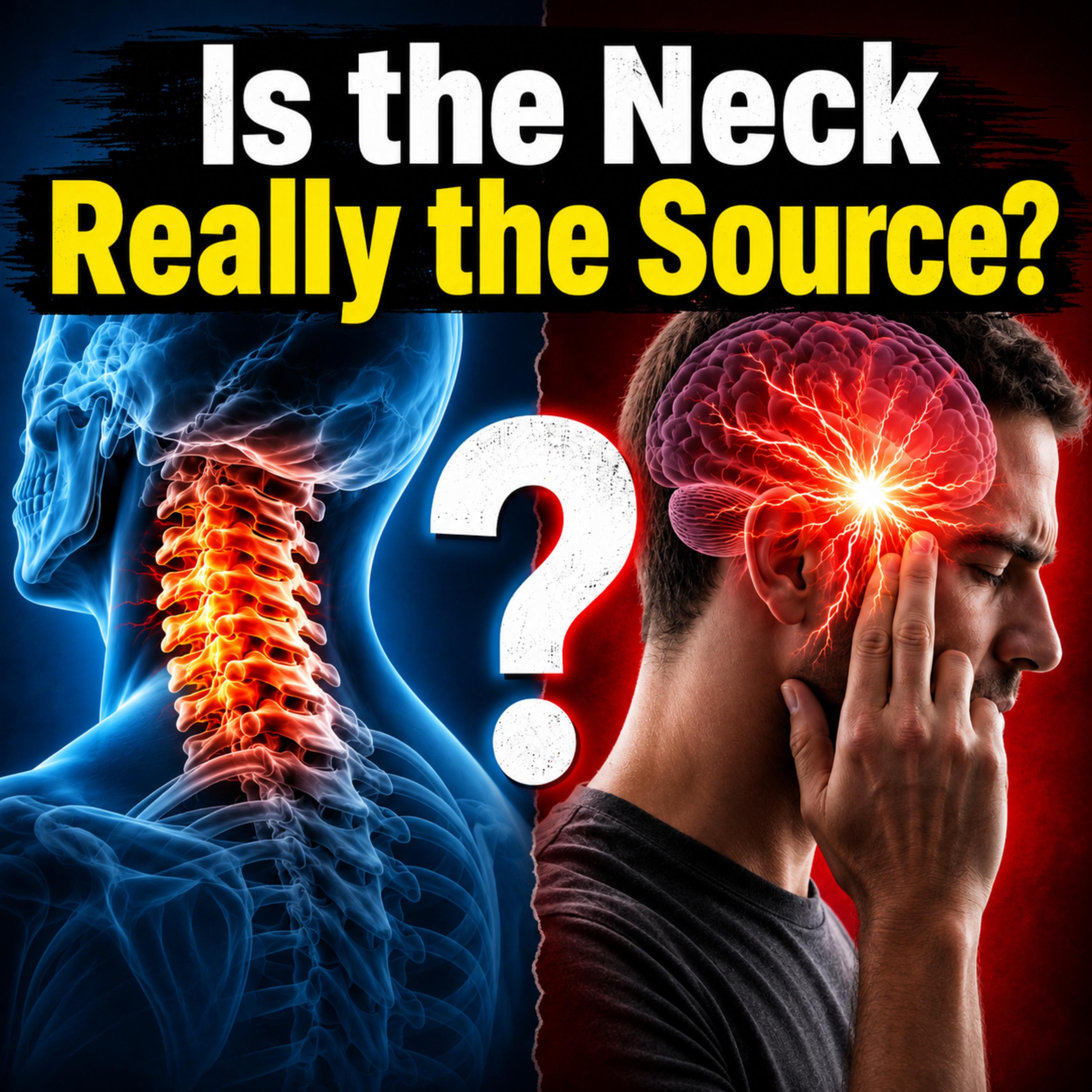 When Headache Starts in the Neck: Gwen Jull & Zhiqi Liang on Migraine, Cervicogenic Headache, and Clinical Reasoning 26.06.2026 44minNeck pain and headache often travel together. But as Gwen Jull and Zhiqi Liang explain in this episode, that does not automatically mean the cervical spine is driving the headache.In this AAOMPT and IFOMPT collaborative episode, hosts Amy McDevitt and Michael Boney explore the evolving science around cervicogenic headache, migraine-associated neck pain, sensitization, and clinical examination.Gwen Jull discusses the development and validation of physical criteria for cervicogenic headache, emphasizing the need for a cluster of comparable musculoskeletal signs involving joint, movement, and muscle impairments.Zhiqi Liang expands the conversation into migraine, reminding clinicians that neck pain can be part of a migraine presentation rather than proof of a cervical source. She challenges clinicians to rethink the meaning of symptom reproduction during upper cervical examination and to consider sensitivity, irritability, and migraine cycles when examining and treating these patients.Together, the guests make a compelling case for more careful clinical reasoning: listen to the patient’s story, examine without over-provoking symptoms, look for comparable signs, and match treatment to the impairments that are actually present.Big takeaway: The neck may matter — but clinicians need to prove it through the whole clinical picture.Timestamped Chapters00:00 — Welcome to Hands On, Hands Off 00:31 — Introducing the AAOMPT and IFOMPT collaboration 01:19 — Meet Gwen Jull and Zhiqi Liang 03:19 — Why headache and neck pain matter to manual physical therapists 03:40 — Major shifts in clinical thinking around cervicogenic headache 04:09 — Validated physical criteria for cervicogenic headache 05:37 — Joint, movement, and muscle signs 07:33 — The physiotherapist’s role in differential diagnosis 08:02 — How headache can refer pain into the neck 08:51 — Are cervicogenic headache and migraine distinct or a spectrum? 09:26 — Migraine as a primary neurological condition 11:33 — Sorting out mixed headache presentations 12:05 — Patient history clues: migraine vs cervicogenic headache 13:27 — Comparable signs and why intensity matters 14:51 — How much does pain location matter? 16:20 — Why no single feature is enough 17:17 — Neck pain in migraine may not be a neck problem 17:53 — Rethinking symptom reproduction during examination 19:22 — How to decide whether the neck is a driver 20:01 — Avoiding confirmation bias 21:27 — Why non-provocative examination matters 23:08 — Scapular dysfunction and other regional contributors 24:37 — Broadening beyond the diagnostic cluster 26:05 — Sensory-motor control, dizziness, and balance 28:41 — Local cervical findings and global systems 29:31 — Listening for migraine evolution over time 30:46 — Central sensitization and comparable physical findings 31:28 — PIVM vs PAVM assessment considerations 32:08 — Avoiding symptom provocation in migraine 33:04 — Migraine cycles and changing sensitivity 34:36 — Trial treatment and rigorous re-evaluation 35:41 — Individualized care beyond guidelines 36:19 — Who may benefit from a cervical-focused approach? 37:07 — Education, exercise, sleep, stress, and lifestyle strategies 39:02 — Let the physical exam guide treatment 39:46 — PTs as rehabilitation experts, not just pain reducers 41:38 — One assumption clinicians should rethink tomorrow 42:12 — Don’t forget the jaw 42:27 — Neck pain may reflect sensitivity, not source 43:16 — Final reflections and closing
 -
 Life After Fellowship: Giving Back to the Profession 14.04.2026 17minToday we’re joined by Liam Globensky, Center Manager at Brooks Rehabilitation and a newly graduated fellow from the Brooks Institute of Higher Learning. Liam’s passion is clear: fellowship is not the finish line—it’s the launch pad for teaching, mentoring, advocating, and elevating the profession.In this episode, Liam discusses:Why post-professional opportunities matter more than everHow early-career fellows can “raise the tide” for PT practiceThe importance of giving back through mentorship, leadership, and serviceHis joint presentation with his wife on orthopedic screening of pelvic floor dysfunctionPractical ways clinicians can integrate pelvic floor awareness into orthopedic examsHow new clinicians can shape the future of the professionKey Takeaways:Fellowship is a platform for service, not a credential to sit onGrowth continues through advocacy, mentorship, and interdisciplinary collaborationOrthopedic clinicians play an important role in screening pelvic floor dysfunctionThe profession rises when clinicians invest in the next generationEarly-career PTs can be leaders today—not just “someday”
 -
 Why Kyle Feldman Never “Works a Day” 07.04.2026 16minIn this episode, we sit down with Kyle Feldman, National Director of Physical Therapy for ReEnvision PT and owner of WE ARE Physiotherapy. Kyle shares how clinical reasoning, therapeutic alliance, and intentional growth have shaped his work as a clinician, educator, and leader.We discuss:Why clinical reasoning is often misunderstoodHow strong therapeutic alliance amplifies patient outcomesSafety, intent, and application of spinal manipulation in elderly patientsUsing fellowship training to step into leadership or ownershipKyle’s career path and the mindset that keeps him energizedThis is a must-listen episode for clinicians looking to level up their reasoning, build meaningful patient relationships, and explore new opportunities in the profession.Key Takeaways:Clinical reasoning is more than pattern recognition — it’s dynamic decision-making.Therapeutic alliance isn’t “being nice”; it’s a critical clinical skill.Older adults are often under-treated due to clinician fear, not evidence.Fellowships can be springboards for business ownership and leadership innovation.Growth in PT requires curiosity, reflection, and courage.Guest Info: ???? Kyle Feldman – [email protected] ???? ReEnvision PT ???? WE ARE Physiotherapy
 -
 How to Teach Clinical Reasoning in OMPT 24.03.2026 12minWhat happens when you mix decades of movement science, deep mentorship, and a passion for solving complex MSK problems? You get Lee Marinko — one of the most beloved educators and mentors in OMPT.Lee has been teaching in the Boston University DPT program for more than 20 years, serves as Chair of the AAOMPT Program Director SIG, and launched the BU OMPT Fellowship in 2014 with one goal: “We can do better than that.”In this conversation, Lee shares her philosophy on mentorship, the joy of Ah ha moments, how to keep clinical problem-solving fun, and what young professionals really need from their teachers and clinical leaders.In this episode, we explore:???? Why movement science is the foundation for great OMPT???? Lee’s favorite teaching moments — and what they reveal???? How to guide learners through complex cases???? Mentorship tips for faculty, fellows, and CI’s???? The origin story of the BU Fellowship???? Why curiosity beats certainty in clinical reasoning???? The mindset that makes clinicians grow faster???? How to “do better” for people with MSK painIf you teach, mentor, or simply want to think better as a clinician — do not miss this one.
 -
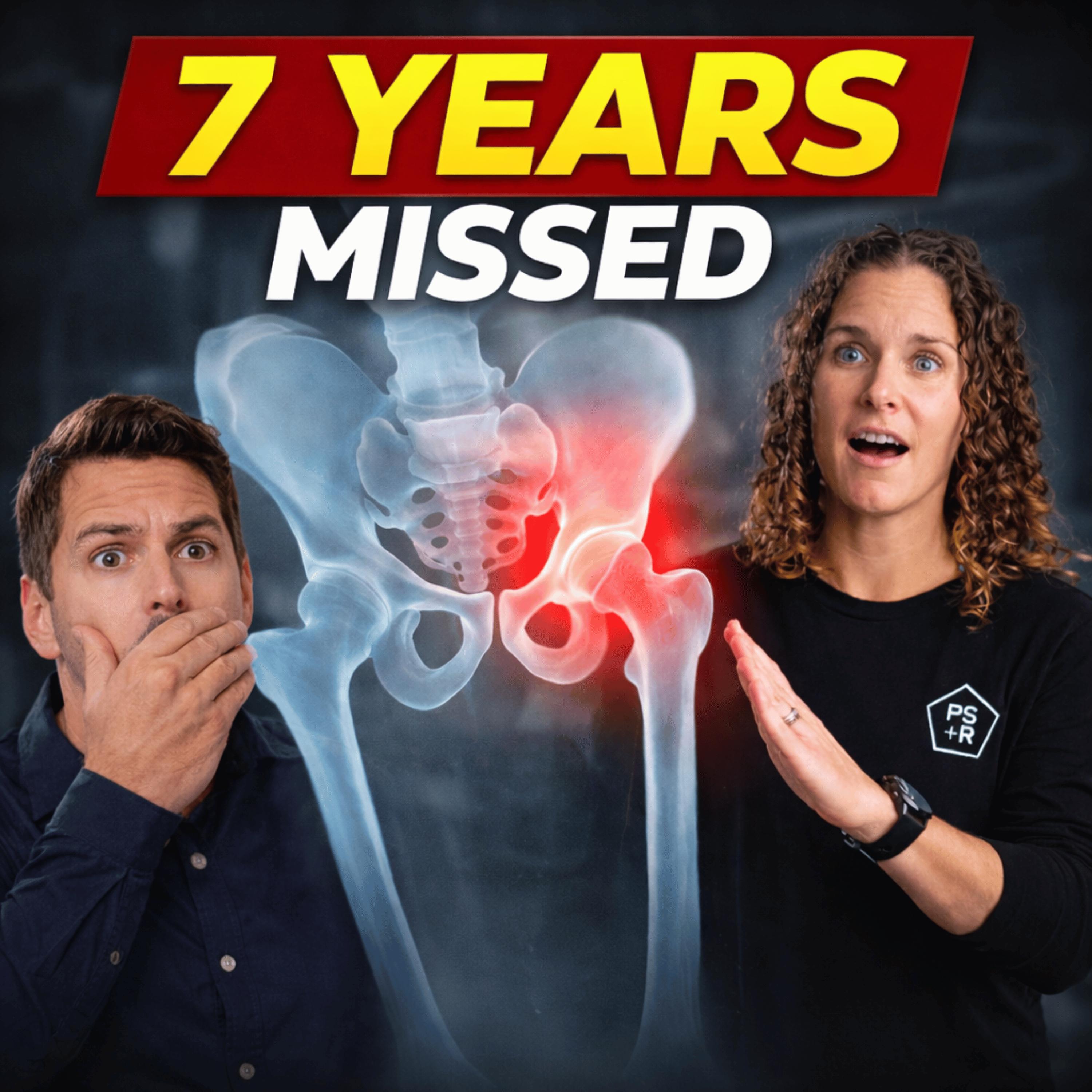 Why Hip Dysplasia Goes Undiagnosed for 7 Years 19.03.2026 15minWhy do patients with hip dysplasia go years without a diagnosis?In this episode, physical therapist and researcher Dr. Libby Bergman explains why hip dysplasia in young adults is frequently overlooked—and what clinicians can do to catch it earlier.Her research explores whether simple clinical tests physical therapists already use—range of motion, strength testing, and hypermobility measures—might help identify hidden hip instability.The findings could help clinicians recognize hip dysplasia sooner and potentially prevent years of unexplained pain and delayed treatment.In this conversation we discuss: • Why hip dysplasia is commonly missed • Early clinical signs physical therapists should watch for • Why athletes like dancers and swimmers may be at higher risk • New research linking range of motion and adductor strength to dysplasia • Why patients often wait 5–7 years for the correct diagnosis
 -
 When a PTA Crosses Scope of Practice: An Ethics Case Every PT Should Hear 18.03.2026 25minWhat should a clinician do when they discover an ethical breach in the clinic?In this episode, members of the AAOMPT Ethics Committee walk through a realistic clinical scenario involving a physical therapy fellow who discovers a physical therapist assistant performing manipulation techniques outside their scope of practice.When the fellow raises the concern with the clinical director, the issue is dismissed—creating tension, professional risk, and uncertainty for a student observing the situation.This conversation explores the ethical principles that guide clinical decision-making and the leadership responsibilities that often come with fellowship training.The panel discusses how clinicians can navigate difficult ethical situations while protecting patients, maintaining professional integrity, and supporting colleagues.In This Episode • Ethical responsibilities of physical therapy fellows • Scope of practice considerations for PTAs • Patient expectations vs professional standards • The role of accountability and integrity in clinical practice • Leadership development through fellowship training • How students and clinicians can report ethical concerns • Why ethical issues in healthcare are often underreported
 -
Screening Social Determinants of Health in Outpatient PT 16.03.2026 14minWhat does it look like when an early-career clinician steps up to solve real barriers patients face — not just their pain?Wisconsin-based PT and Fellow-in-Training Rachel Beilfuss joins us to talk about her mission to integrate social determinants of health (SDoH) into everyday outpatient PT practice. As a Northwestern OMPT fellow with a clinical site at Marquette University, she's building systems to help clinicians screen, identify, and address the life factors that shape recovery and access.Rachel is also this year’s FOMPT scholarship recipient, representing the next generation of OMPT clinicians who are redefining what comprehensive care looks like.In this episode, we dig into:???? Why SDoH screening belongs in musculoskeletal care???? How Rachel is building clinic workflows + resource guides???? Her experience as a Fellow-in-Training at Northwestern/Marquette???? The importance of advocating for patients’ basic needs???? What early-career leadership looks like in AAOMPT???? How lifestyle, access, and equity affect rehab outcomes???? Why clinicians need support beyond biomechanics to serve patients fullyThis one is full of passion, practicality, and vision from one of the profession’s rising voices.
-
The Future of Musculoskeletal Care with Clare Ardern 10.03.2026 19minWhat does the future of musculoskeletal care look like — and how can physical therapists lead it?Dr. Clare Ardern, Assistant Professor at the University of British Columbia and leader of the DigiMSK research team, joins us to break down digital health innovations, access bottlenecks, advanced practice roles, and the tools clinicians need to navigate a rapidly changing MSK landscape.We explore how technology, triage systems, and research literacy can reshape global MSK care — and why PTs are uniquely positioned to lead.Clare also shares practical insights from her work designing and testing new health care technologies and services in partnership with patients, clinicians, and health systems.In this episode, we cover:???? Why MSK health care is ripe for redesign???? Digital health tools: what works, what doesn’t, and what’s coming???? Virtual triage & advanced practice physiotherapy models???? How PTs can improve access to MSK care globally???? Leadership skills every clinician needs today???? Tips for reading and interpreting research (without getting overwhelmed)???? How to get your research published???? The mission and work of DigiMSKA deep dive for clinicians, researchers, and leaders who want to be part of the solution in MSK care.
-
Life After Fellowship: Why Post-Professional Growth Matters 03.03.2026 17minIn this AAOMPT interview, we sit down with Liam Globensky, Center Manager at Brooks Rehabilitation and a brand-new fellow from the Brooks Institute of Higher Learning. Liam shares his passion for post-professional development, advocacy, and the responsibility fellows have to give back to the profession.We dive into:What life after fellowship should look likeHow new fellows can become leaders, mentors, and advocatesWhy post-professional opportunities are essential for the growth of PTThe role of clinicians in “raising the tide” for the entire professionA preview of Liam’s AAOMPT platform presentationsHow orthopedic clinicians can screen for pelvic floor dysfunctionWhether you're a student, a fellow, or a seasoned clinician, this episode offers an inspiring look at how PTs can serve, teach, and elevate the profession long after formal training ends.Chapters:00:00 – Opening00:48 – Meet Liam Globensky03:10 – The Fellow → Clinician transition06:20 – Why post-professional opportunities matter10:55 – “Raising the tide” through advocacy15:40 – How new fellows can give back20:10 – Orthopedic screening of pelvic floor dysfunction26:30 – Working alongside his wife: the joint lecture30:20 – What the future of fellowship-trained PTs looks like35:00 – Advice to new grads & future fellows38:50 – ClosingIf you’re passionate about fellowship training, clinical growth, and elevating our profession, be sure to like, subscribe, and share this interview with a colleague.
-
Why Communication Is the Real Superpower in Manual Therapy 24.02.2026 13minJohn Seivert, PT, a clinician with more than 40 years of experience blending skilled orthopedic manual therapy with the art of Motivational Interviewing.Fresh off his conference breakout sessions — Touch, Talk, and Transform — John breaks down what holistic OMPT looks like today, why communication is the foundation of effective care, and how accurate empathy changes outcomes.We explore:The current state of OMPT and where the field is headingWhy “How good are you at listening?” might be the most important question in therapyHow MI empowers patients to make meaningful changeWhat John has learned from four decades of treating, teaching, and bike racingHis reflections on retirement, mentorship, and legacyIf you’re a clinician, student, educator, or anyone who cares about whole-person care, this is a conversation that will sharpen your skills — and your humanity.0:00 – Intro0:27 – Who Is John Seivert?1:35 – Touch, Talk & Transform: The Masterclass4:22 – The Current State of OMPT7:50 – Why It All Starts With Communication11:10 – How to Actually Listen in a Clinical Encounter14:40 – Motivational Interviewing in Orthopedic Practice18:55 – Role Modeling Listening for Patients & Learners22:30 – What 40 Years of OMPT Has Taught John26:15 – Bike Racing at 65: Lessons for Clinicians30:02 – Preparing for Retirement & Passing the Torch33:10 – Final Thoughts & Advice for New Clinicians???? Guest: John Seivert, PTFaculty at Kaiser Permanente Fellowship Program, EIM Weekend Intensive Faculty, MINT Trainer
-
Why AAOMPT Membership Matters 17.02.2026 14minAAOMPT Fellow and educator Laura Wenger joins us to explore the future of membership, community, and belonging within orthopaedic manual physical therapy.Laura teaches foundational clinical reasoning at the University of Utah’s hybrid DPT pathway, treats patients weekly in a rural outpatient ortho practice, and serves as Co-Chair of AAOMPT’s Inclusive Membership & Engagement Committee (IMEC). Her work sits at the intersection of education, patient care, and organizational leadership.In this episode, Laura shares what IMEC is working on, how AAOMPT can better serve clinicians across training levels, and why belonging and representation matter for the future of the profession.In this episode, we cover:???? Who AAOMPT members actually are — and who we want to reach???? The biggest opportunities for member engagement year-round???? How AAOMPT supports professional + personal growth???? The value of SIGs, committees, and leadership pathways???? Fellowship pathways & mentorship: where they shine???? Why DEI work is essential for OMPT’s long-term health???? How Laura teaches clinical reasoning to a new generation of DPT students???? Practicing in rural settings + hybrid education insightsThis one is essential listening for current AAOMPT members — and anyone curious about joining.
-
The Worst Pain Is Unexplained Pain — Rethinking Diagnosis in Physical Therapy 12.02.2026 34minThe worst pain is unexplained pain. In this episode of the Hands-On, Hands-Off Podcast, physical therapists Amy McDevitt and Paul Mintkin explore why pain without a clear diagnosis is often the most distressing—and how physical therapists can communicate pain more effectively when imaging, MRI findings, and pathoanatomy don’t provide clear answers.This conversation dives deep into pain science, musculoskeletal pain, low back pain, and the limitations of medical imaging in explaining symptoms. We discuss how over-reliance on MRI results can increase fear, catastrophizing, and confusion for patients—and how language, context, and functional diagnosis can dramatically change outcomes.Learn how to reframe pain using the ICF model, why pain does not equal tissue damage, and how PTs can shift from chasing a pain generator to treating the whole person. The episode includes a real-time patient role-play, practical communication strategies, and insights on direct access physical therapy, lifestyle factors (sleep, stress, activity), and the future of PT education.This episode is essential listening for physical therapists, manual therapists, rehab professionals, and students looking to improve patient communication, reduce fear, and deliver truly person-centered care.
-
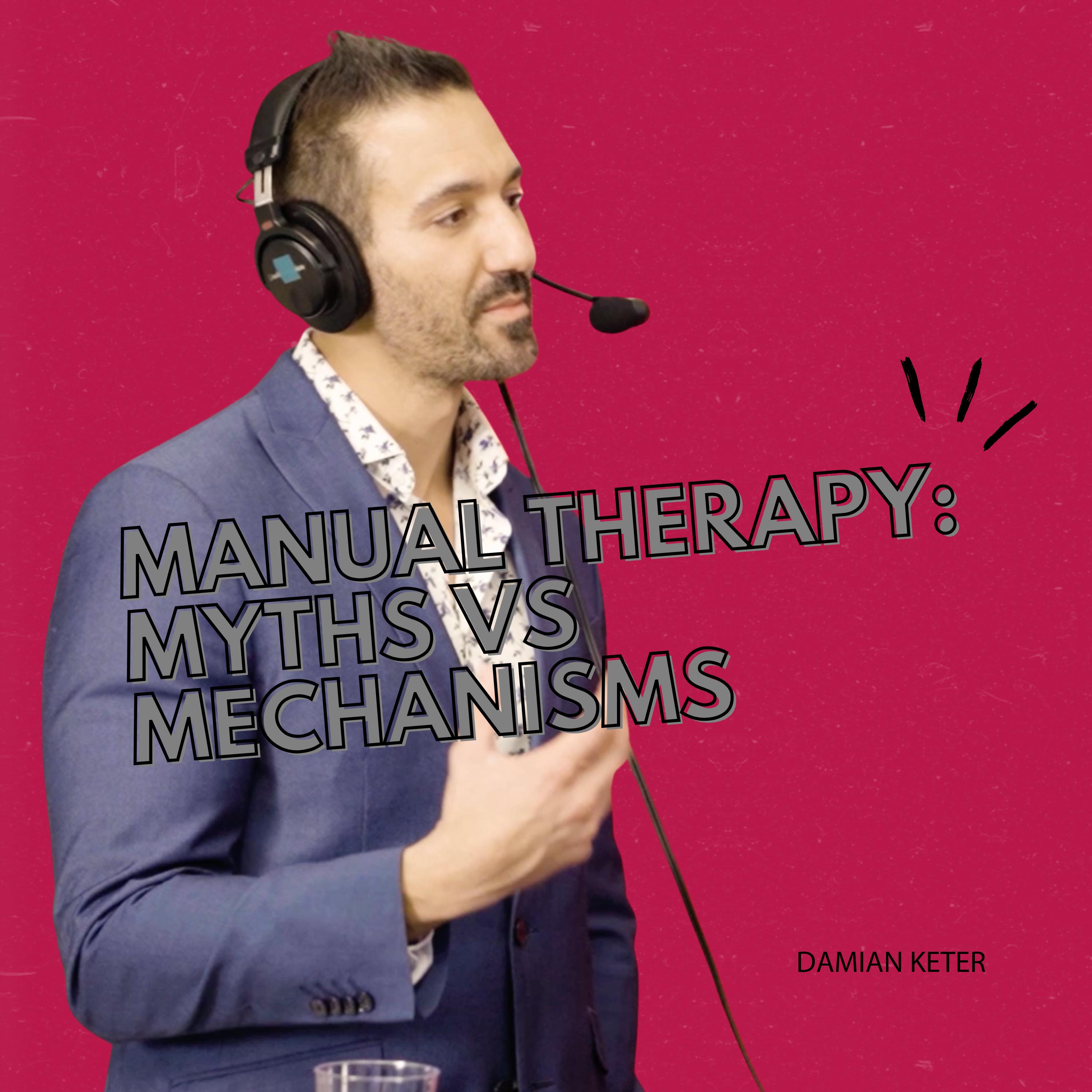 Manual Therapy Mechanisms & the Future of MT Education | Damian Keter 10.02.2026 15minDamian Keter joins the show to unpack manual therapy treatment mechanisms and how our profession needs to evolve its education around MT.Damian is a clinician specializing in complex pain at the VA and a clinical researcher whose work centers on MT mechanisms and manual therapy training paradigms. If you’ve ever wondered what actually happens when we deliver manual therapy — and how to teach it more effectively — this episode delivers clarity.Topics:• Manual therapy mechanism research • Contextual effects and clinical reasoning • How MT education needs to evolve • Helping clinicians move beyond outdated models • The future of manual therapy in PT
Podcast serupa


Popular di
Podcast ini turut muncul dalam senarai podcast negara-negara ini.
