
Bitcoin.com News Interviews
Bitcoin.com
0
Interviews with the most interesting leaders, founders and investors in Bitcoin and cryptoverse.
Afleveringen
-
 Tom Schmidt, Dragonfly GP: Why Good Crypto Ideas Fail Before They Succeed 10.10.2026 26minWhy do so many good crypto ideas fail the first time?Tom Schmidt, General Partner at Dragonfly, joins David Sencil at Korea Blockchain Week 2026 to talk about timing in venture: what made Polymarket click after years of trying, and why Ethena worked where an earlier version of the same idea didn't.He also shares where he sees perp DEXs and prediction markets heading, why Dragonfly's AI investments stay focused on money and markets, and why crypto is becoming invisible inside everyday startups.They discuss:Crypto companies that don't call themselves cryptoBottom-up vs. thesis-driven investingThe Polymarket momentRight idea, wrong time: EthenaPerp DEXs onshore and offshorePrediction markets: feature or product?AI, Venice and token-equity alignmentA Bitcoin.com Live News Desk interview recorded at Korea Blockchain Week 2026.🎧 Be sure to subscribe on your favorite podcast platform to catch more conversations with industry leaders, economists, and builders shaping the future of crypto and finance.Then join our community and follow us for the latest updates ⬇️► OrangeRock: https://orangerock.com/► YouTube: https://www.youtube.com/@BitcoincomNews► X (Bitcoin.com): https://x.com/Bitcoincom► X (Bitcoin.com News): https://x.com/bitcoinnews► Telegram: https://t.me/www_Bitcoin_com► Discord: https://discord.gg/9NGNJEnwmW► LinkedIn (Bitcoin.com): https://www.linkedin.com/company/bitcoin.com/► LinkedIn (Bitcoin.com News): https://www.linkedin.com/company/bitcoin-com-news/
 -
 Can Fomo Turn Trading Into the Next Social Network? 09.10.2026 31minFomo co-founder Se Yong Park joins David Sencil live from Korea Blockchain Week to discuss how fomo grew from a single-chain trading product into a broader platform spanning multiple chains, perps and social features.They cover user growth, first-time traders, crypto’s onboarding problem, education, slippage and cross-chain execution, before moving into fomo’s longer-term vision for tokenized equities, RWAs, verifiable trading reputations and social finance.Park also explains why fomo wants to become a distribution layer for assets moving on-chain, how the team approaches expansion into markets such as Asia, and why the company sees trading activity itself becoming a form of content.A Bitcoin.com Live News Desk interview recorded at Korea Blockchain Week 2026.🎧 Be sure to subscribe on your favorite podcast platform to catch more conversations with industry leaders, economists, and builders shaping the future of crypto and finance.Then join our community and follow us for the latest updates ⬇️► OrangeRock: https://orangerock.com/► YouTube: https://www.youtube.com/@BitcoincomNews► X (Bitcoin.com): https://x.com/Bitcoincom► X (Bitcoin.com News): https://x.com/bitcoinnews► Telegram: https://t.me/www_Bitcoin_com► Discord: https://discord.gg/9NGNJEnwmW► LinkedIn (Bitcoin.com): https://www.linkedin.com/company/bitcoin.com/► LinkedIn (Bitcoin.com News): https://www.linkedin.com/company/bitcoin-com-news/
 -
 Robinhood Chain Hits $1.6B TVL in 3 Months: Stock Tokens, AI Agents & What Came Next 06.10.2026 28minThree months after launching Robinhood Chain's mainnet, what has Robinhood learned?Johann Kerbrat, SVP and GM of Crypto at Robinhood, joins David Sencil at Korea Blockchain Week to look back on the chain's first months, from its growth in TVL to the meme coins paired with tokenized stocks that even Robinhood didn't see coming.He explains how Robinhood's stock tokens are backed one-to-one by shares, why he sees the recent public debate over them as more of a marketing stunt, and why he thinks tokenization can give billions of people outside the U.S. access to American stocks.The conversation closes with Robinhood's new agentic trading accounts, announced at the HOOD Summit, and whether everyday investors will trust AI agents to trade for them.They discuss:Robinhood Chain's first three months on mainnetMeme coins paired with stock tokensHow stock tokens are backed and regulatedBase vs. Solana vs. Robinhood ChainTokenizing assets beyond U.S. stocksAgentic accounts and trading loopsA Bitcoin.com Live News Desk interview recorded at Korea Blockchain Week 2026.🎧 Be sure to subscribe on your favorite podcast platform to catch more conversations with industry leaders, economists, and builders shaping the future of crypto and finance.Then join our community and follow us for the latest updates ⬇️► OrangeRock: https://orangerock.com/► YouTube: https://www.youtube.com/@BitcoincomNews► X (Bitcoin.com): https://x.com/Bitcoincom► X (Bitcoin.com News): https://x.com/bitcoinnews► Telegram: https://t.me/www_Bitcoin_com► Discord: https://discord.gg/9NGNJEnwmW► LinkedIn (Bitcoin.com): https://www.linkedin.com/company/bitcoin.com/► LinkedIn (Bitcoin.com News): https://www.linkedin.com/company/bitcoin-com-news/
 -
 Why AI Startups Are Raising Bigger Rounds Even as Building Gets Cheaper 05.10.2026 40minAI was supposed to make startups cheaper to build. So why are founders still raising big rounds?Tobias Bauer, who runs venture fund TBV and events company The Best Event, joins David Sencil at Korea Blockchain Week to explain how AI is changing venture capital. A lot of pitches, he says, now come down to one line: "We need compute."He breaks down how compute costs and huge AI rounds are squeezing smaller crypto funds, how AI has sped up deal sourcing and background checks, and why deepfake calls and fraud are pushing investors back to meeting founders in person.With more than 300 side events on KBW's official list, he also shares his playbook for choosing the ones worth your time, and what TBE has planned for TOKEN2049 week in Singapore.They discuss:Why startups now raise for compute instead of hiresHow smaller crypto funds get squeezed by bigger roundsUsing AI for deal sourcing and background checksDeepfakes, fraud and in-person due diligenceWhat makes a side event worth attendingTobias' plans for KBW 2026 and TOKEN2049 weekA Bitcoin.com Live News Desk interview recorded at Korea Blockchain Week 2026.🎧 Be sure to subscribe on your favorite podcast platform to catch more conversations with industry leaders, economists, and builders shaping the future of crypto and finance.Then join our community and follow us for the latest updates ⬇️► OrangeRock: https://orangerock.com/► YouTube: https://www.youtube.com/@BitcoincomNews► X (Bitcoin.com): https://x.com/Bitcoincom► X (Bitcoin.com News): https://x.com/bitcoinnews► Telegram: https://t.me/www_Bitcoin_com► Discord: https://discord.gg/9NGNJEnwmW► LinkedIn (Bitcoin.com): https://www.linkedin.com/company/bitcoin.com/► LinkedIn (Bitcoin.com News): https://www.linkedin.com/company/bitcoin-com-news/
 -
 Austin Federa: Why Crypto Needs a Faster Internet 03.10.2026 31minIs the public internet too slow for the future of finance?Austin Federa, CEO and co-founder of DoubleZero, joins David Sencil at Korea Blockchain Week 2026 in Seoul to talk about building a dedicated high-performance network for blockchains and markets, and why he thinks connectivity needs the same kind of shift the cloud brought to compute.Federa explains how DoubleZero Edge delivers traditional-finance-style market data to venues like Hyperliquid, what the SEC no-action letter means for DoubleZero's token and contributors, and why crypto may need a Section 230-style framework so protocols can fight hacks without inheriting liability.We cover:Why the public internet is a poor fit for time-sensitive financial dataDoubleZero's mission to do for connectivity what the cloud did for computeHow DoubleZero Edge streams order book data from venues like HyperliquidWhy AI could give everyday traders HFT-grade toolsWhat the SEC no-action letter means for DoubleZero's tokenCrypto's Section 230 problem: stopping hacks without inheriting liabilityDoubleZero's token model, burns and the Amazon flywheelFilmed at Korea Blockchain Week 2026.Host: David SencilWill every trader soon have an HFT firm in their pocket?🎧 Be sure to subscribe on your favorite podcatcher to catch more conversations with industry leaders, economists, and builders shaping the future of crypto and finance.Then join our community and follow us for the latest updates ⬇️► YouTube: https://www.youtube.com/@BitcoincomNews► X (Bitcoin.com): https://x.com/Bitcoincom► X (Bitcoin.com News): https://x.com/bitcoinnews► OrangeRock on X: https://x.com/orangerockxyz► Telegram: https://t.me/www_Bitcoin_com► Discord: https://discord.gg/9NGNJEnwmW► LinkedIn (Bitcoin.com): https://www.linkedin.com/company/bitcoin.com/► LinkedIn (Bitcoin.com News): https://www.linkedin.com/company/bitcoin-com-news/
 -
 Arthur Hayes: Why an AI Crash Could Send Crypto Soaring 02.10.2026 28minWhat happens to crypto if the AI boom suddenly breaks?Arthur Hayes joins David Sencil at Korea Blockchain Week 2026 to explain why an AI downturn could ultimately unleash trillions of dollars in new liquidity.Hayes breaks down the financial pressure building around AI data centers, why governments could eventually step in, and what another major liquidity cycle could mean for Bitcoin, Ethereum and the broader crypto market.They also discuss Ethereum, Japanese capital flows, French debt, Hyperliquid, prediction markets and FLOP, Hayes’ vision for decentralized AI compute.Could an AI crash become the catalyst for crypto’s next major run?Listen to the full conversation with Arthur Hayes from Korea Blockchain Week 2026.🎧 Be sure to subscribe on your favorite podcatcher to catch more conversations with industry leaders, economists, and builders shaping the future of crypto and finance.Then join our community and follow us for the latest updates ⬇️► YouTube: https://www.youtube.com/@BitcoincomNews► X (Bitcoin.com): https://x.com/Bitcoincom► X (Bitcoin.com News): https://x.com/bitcoinnews► OrangeRock on X: https://x.com/orangerockxyz► Telegram: https://t.me/www_Bitcoin_com► Discord: https://discord.gg/9NGNJEnwmW► LinkedIn (Bitcoin.com): https://www.linkedin.com/company/bitcoin.com/► LinkedIn (Bitcoin.com News): https://www.linkedin.com/company/bitcoin-com-news/
 -
 Bitcoin to $115K Before the Next Market Crash? Henrik Zeberg’s Outlook 28.09.2026 49minCould Bitcoin still have one major move higher before markets turn?Henrik Zeberg joins Alex Richardson and David Sencil for Bitcoin.com’s first quarterly check-in to reassess his outlook for Bitcoin, the U.S. economy, and global markets.Zeberg believes risk assets may still have one final explosive phase ahead, with the Nasdaq potentially entering a blow-off move. But beneath the market strength, he sees growing warning signs across employment, housing, credit conditions, and his broader economic indicators.In this episode, they discuss:Why Bitcoin could still move toward roughly $115,000 in Zeberg’s base caseWhat could trigger a much larger market correction afterwardWhy he believes the Nasdaq may be approaching a blow-off phaseThe recession signals he is watching nowWhy liquidity may not be able to solve a solvency problemHow government intervention could shape the next downturnHow Zeberg would position around a recessionWhat his latest macro outlook means for Bitcoin and risk assetsIs the market heading into one final surge before a much bigger reset?🎧 Be sure to subscribe on your favorite podcatcher to catch more conversations with industry leaders, economists, and builders shaping the future of crypto and finance.Then join our community and follow us for the latest updates ⬇️► YouTube: https://www.youtube.com/@BitcoincomNews► X (Bitcoin.com): https://x.com/Bitcoincom► X (Bitcoin.com News): https://x.com/bitcoinnews► OrangeRock on X: https://x.com/orangerockxyz► Telegram: https://t.me/www_Bitcoin_com► Discord: https://discord.gg/9NGNJEnwmW► LinkedIn (Bitcoin.com): https://www.linkedin.com/company/bitcoin.com/► LinkedIn (Bitcoin.com News): https://www.linkedin.com/company/bitcoin-com-news/
 -
 Stablecoins Could Become the Default Money by 2030 | Reeve Collins 25.09.2026 28minCould stablecoins become the default way we hold and move money by 2030?WeFi Chairman Reeve Collins Reeve Collins joins Alex Richardson to discuss what could drive the next phase of stablecoin adoption and why banks may soon have little choice but to participate.Collins explains how the GENIUS Act could give banks and financial institutions a clearer framework to enter the stablecoin market, while also creating a new competitive challenge for traditional banking.They explore how stablecoins, tokenized deposits, real-world assets, and onchain financial infrastructure could reshape payments, banking, and global demand for digital dollars.The conversation also covers:Why stablecoins are both an opportunity and a threat for banksHow the GENIUS Act could accelerate institutional adoptionSTBL and the evolution of stablecoin infrastructureStablecoin yield and tokenized real-world assetsWeFi and emerging onchain financial modelsVisa integration and mainstream payment adoptionHow AI agents could use stablecoins and blockchain railsWhy global demand for tokenized dollars could continue growingWhether stablecoins could become the default form of money by 2030Can traditional banks adapt quickly enough as money increasingly moves onchain?🎧 Be sure to subscribe on your favorite podcatcher to catch more conversations with industry leaders, economists, and builders shaping the future of crypto and finance.Then join our community and follow us for the latest updates ⬇️► YouTube: https://www.youtube.com/@BitcoincomNews► X (Bitcoin.com): https://x.com/Bitcoincom► X (Bitcoin.com News): https://x.com/bitcoinnews► OrangeRock on X: https://x.com/orangerockxyz► Telegram: https://t.me/www_Bitcoin_com► Discord: https://discord.gg/9NGNJEnwmW► LinkedIn (Bitcoin.com): https://www.linkedin.com/company/bitcoin.com/► LinkedIn (Bitcoin.com News): https://www.linkedin.com/company/bitcoin-com-news/
 -
 The CLARITY Act Failed in the Senate. What Comes Next for Crypto? 21.09.2026 35minThe CLARITY Act failed to advance in the U.S. Senate leaving one of crypto’s biggest regulatory questions unresolved.So what happens now for DeFi, crypto companies, developers, and users in the United States?Orest Gavryliak, Chief Legal Officer at 1inch, joins the conversation to break down what happened to the legislation, why the Senate procedural vote mattered, and what options may still remain if Congress cannot move comprehensive crypto market-structure legislation forward.A major focus of the discussion is DeFi.How should regulators treat non-custodial protocols and software developers that don’t operate like traditional financial intermediaries? What protections should developers receive? And how much regulatory clarity can agencies such as the SEC and CFTC provide without Congress passing new legislation?Orest also discusses:What happened to the CLARITY Act in the SenateWhether the legislation could still returnWhy DeFi and non-custodial infrastructure are difficult to regulateThe developer protections 1inch wants to seeToken classification and regulatory exemptionsWhat the SEC and CFTC could potentially address without CongressHow the U.S. compares with the UK, UAE, and EUWhat clearer rules could mean for everyday crypto usersThe conversation also explores the political factors surrounding the bill’s setback and why agency-level regulation may not provide the same long-term certainty as legislation passed by Congress.With major questions around DeFi regulation still unresolved, where does the industry go from here?🎧 Be sure to subscribe on your favorite podcatcher to catch more conversations with industry leaders, economists, and builders shaping the future of crypto and finance.Then join our community and follow us for the latest updates ⬇️► YouTube: https://www.youtube.com/@BitcoincomNews► X (Bitcoin.com): https://x.com/Bitcoincom► X (Bitcoin.com News): https://x.com/bitcoinnews► OrangeRock on X: https://x.com/orangerockxyz► Telegram: https://t.me/www_Bitcoin_com► Discord: https://discord.gg/9NGNJEnwmW► LinkedIn (Bitcoin.com): https://www.linkedin.com/company/bitcoin.com/► LinkedIn (Bitcoin.com News): https://www.linkedin.com/company/bitcoin-com-news/
 -
 Lynette Zang: Why Today’s Financial System Could Be More Fragile Than 2008 19.09.2026 1u 16minIs the global financial system more vulnerable today than it was before the 2008 financial crisis?Economist and Zang International founder Lynette Zang joins Alex Richardson to examine the growing risks she sees across debt, leverage, derivatives, inflation, and the declining purchasing power of money.Zang explains why she views 2008 as a major turning point in the monetary system and why she believes today’s level of financial leverage could make the conditions surrounding the last major crisis look small by comparison.The conversation also moves beyond traditional markets into Bitcoin, stablecoins, digital money, the future of the U.S. dollar, gold, silver, and financial self-sovereignty.They discuss:Why Zang believes financial leverage is greater today than in 2008Inflation, declining purchasing power, and hyperinflation risksBitcoin’s potential role in a changing monetary systemStablecoins and the shift toward digital moneyThe future of the U.S. dollar and the global reserve currency systemWhy Zang continues to view gold and silver as sound moneyLessons from Black Monday and the 2008 financial crisisSelf-sovereignty, food security, and community preparednessCould the next financial crisis look very different from 2008?🎧 Be sure to subscribe on your favorite podcast platform to catch more conversations with industry leaders, economists, and builders shaping the future of crypto and finance.Then join our community and follow us for the latest updates ⬇️► OrangeRock: https://orangerock.com/► YouTube: https://www.youtube.com/@BitcoincomNews► X (Bitcoin.com): https://x.com/Bitcoincom► X (Bitcoin.com News): https://x.com/bitcoinnews► Telegram: https://t.me/www_Bitcoin_com► Discord: https://discord.gg/9NGNJEnwmW► LinkedIn (Bitcoin.com): https://www.linkedin.com/company/bitcoin.com/► LinkedIn (Bitcoin.com News): https://www.linkedin.com/company/bitcoin-com-news/
 -
 Why Bitcoin Miners Are Becoming AI and Energy Companies 15.09.2026 23minBitcoin mining is no longer just about mining machines and hash rate. It is increasingly becoming a story about energy, infrastructure, AI, and compute.Gwyn Lauber, Vice President of Corporate Affairs at Canaan, joins David Sencil to explore how the Bitcoin mining industry is evolving — and why miners may be sitting on infrastructure that becomes increasingly valuable far beyond Bitcoin itself.They discuss Canaan’s mining hardware business, retail and institutional interest, consumer mining products, efficiency, Texas power markets, ERCOT, regulation, and community relations.Gwyn also explains why institutions are increasingly evaluating Bitcoin miners through a broader lens: HPC, AI data centers, energy infrastructure, and long-term compute demand.As miners secure access to power, land, grid connections, and data center infrastructure, could their biggest opportunity eventually extend far beyond Bitcoin?Listen to the full conversation for Canaan’s perspective on the future of Bitcoin mining, AI infrastructure, energy markets, and the growing race for compute.🎧 Be sure to subscribe on your favorite podcast platform to catch more conversations with industry leaders, economists, and builders shaping the future of crypto and finance.Then join our community and follow us for the latest updates ⬇️► OrangeRock: https://orangerock.com/► YouTube: https://www.youtube.com/@BitcoincomNews► X (Bitcoin.com): https://x.com/Bitcoincom► X (Bitcoin.com News): https://x.com/bitcoinnews► Telegram: https://t.me/www_Bitcoin_com► Discord: https://discord.gg/9NGNJEnwmW► LinkedIn (Bitcoin.com): https://www.linkedin.com/company/bitcoin.com/► LinkedIn (Bitcoin.com News): https://www.linkedin.com/company/bitcoin-com-news/
 -
 Inside the Rise of Crypto Wrench Attacks 08.09.2026 1u 9minCrypto security isn’t just about protecting wallets from hackers. Increasingly, the person holding the crypto can become the target.In this episode, David Sencil sits down with Dr. Marilyne Ordekian Panossian, incoming Assistant Professor at Durham University Law School and researcher in cryptocurrency cybercrime and regulation, to examine the growing threat of “wrench attacks” — physical attacks used to force crypto holders to surrender funds, private keys, passwords, or other credentials.Drawing from research into real-world cases, Marilyne explains how attackers identify potential victims, why peer-to-peer transactions can introduce additional risks, and how leaked KYC or personal data may expose crypto users to physical threats.The conversation also explores how organized crime networks are becoming involved, why technical knowledge alone may not keep users safe, and why holding large amounts of crypto on mobile wallets can create additional risk.Topics include: What defines a crypto wrench attack How attackers identify crypto holders KYC leaks and personal data exposure Why some regions are seeing more attacks The rise of organized crime networks Why many wrench attacks go unreported Why digital security alone isn’t enough How exchanges and service providers can reduce risk Practical safety precautions for crypto users The risks of publicly displaying crypto wealth Exchange responsibility following data breaches Marilyne also shares practical ways crypto holders can reduce their exposure, including limiting public information, spreading funds across different wallet types, strengthening personal data security, and avoiding keeping large amounts readily accessible.🎧 Be sure to subscribe on your favorite podcast platform to catch more conversations with industry leaders, economists, and builders shaping the future of crypto and finance.Then join our community and follow us for the latest updates ⬇️► OrangeRock: https://orangerock.com/► YouTube: https://www.youtube.com/@BitcoincomNews► X (Bitcoin.com): https://x.com/Bitcoincom► X (Bitcoin.com News): https://x.com/bitcoinnews► Telegram: https://t.me/www_Bitcoin_com► Discord: https://discord.gg/9NGNJEnwmW► LinkedIn (Bitcoin.com): https://www.linkedin.com/company/bitcoin.com/► LinkedIn (Bitcoin.com News): https://www.linkedin.com/company/bitcoin-com-news/
 -
 Are Politicians Better at Trading Than You? Inside Congressional Stock Trades 05.09.2026 37minWhy do politicians keep making stock trades that catch the market’s attention and should everyday investors be following them?Jackson Woods, co-founder of Altoneer, joins Alex Richardson to unpack how congressional stock trading actually works, how public disclosures are tracked, and why those trades continue to raise questions around transparency and potential conflicts of interest.They explore notable trades involving Nancy Pelosi and other members of Congress, the 45-day disclosure window, committee assignments, late filing penalties, and the challenges investors face when trying to follow political trades after they become public.The conversation also dives into prediction markets, concerns around access to non-public information, proposals to ban members of Congress from trading individual stocks, and whether stronger disclosure rules could change the system.Jackson also explains how Trade with Congress monitors political trading activity and what investors should consider before treating congressional trades as an investment signal.🎧 Listen to the full conversation for a deeper look at the intersection of politics, markets, investing, and transparency.Then join our community and follow us for the latest updates ⬇️► OrangeRock: https://orangerock.com/► YouTube: https://www.youtube.com/@BitcoincomNews► X (Bitcoin.com): https://x.com/Bitcoincom► X (Bitcoin.com News): https://x.com/bitcoinnews► Telegram: https://t.me/www_Bitcoin_com► Discord: https://discord.gg/9NGNJEnwmW► LinkedIn (Bitcoin.com): https://www.linkedin.com/company/bitcoin.com/► LinkedIn (Bitcoin.com News): https://www.linkedin.com/company/bitcoin-com-news/
 -
 Bitcoin Miners Are Pivoting to AI. What Happens to Bitcoin Mining? 01.09.2026 19minBitcoin miners are increasingly turning toward AI and data centers, but that shift could create new opportunities for the miners who stay focused on Bitcoin.In this episode, David Sencil sits down with Karun Mackencherry, Senior Director of Mining Services at Compass Mining, to unpack what the AI boom could mean for Bitcoin mining economics.They discuss how major miners leaving the network could reduce mining difficulty, potentially improving conditions for remaining participants. Karun also breaks down the costs that matter most in mining, including hardware prices, hosting, electricity, and infrastructure.The conversation explores why Texas remains one of the most important Bitcoin mining hubs, why Compass Mining has no plans to pivot away from Bitcoin mining for AI, and where the industry could go next.Topics include: Why Bitcoin miners are shifting toward AI and data centers How miner exits could affect Bitcoin mining difficulty Mining profitability and hardware economics Hosting and electricity costs Why Texas remains a major Bitcoin mining hub Why Compass Mining is staying focused on Bitcoin Hash-rate products and mining investment funds How regulatory clarity could shape the industry As AI reshapes the economics of data centers and energy infrastructure, this conversation looks at whether the shift could ultimately strengthen the opportunity for Bitcoin miners who remain.🎧 Be sure to subscribe on your favorite podcast platform to catch more conversations with industry leaders, economists, and builders shaping the future of crypto and finance.Then join our community and follow us for the latest updates ⬇️► OrangeRock: https://orangerock.com/► YouTube: https://www.youtube.com/@BitcoincomNews► X (Bitcoin.com): https://x.com/Bitcoincom► X (Bitcoin.com News): https://x.com/bitcoinnews► Telegram: https://t.me/www_Bitcoin_com► Discord: https://discord.gg/9NGNJEnwmW► LinkedIn (Bitcoin.com): https://www.linkedin.com/company/bitcoin.com/► LinkedIn (Bitcoin.com News): https://www.linkedin.com/company/bitcoin-com-news/
 -
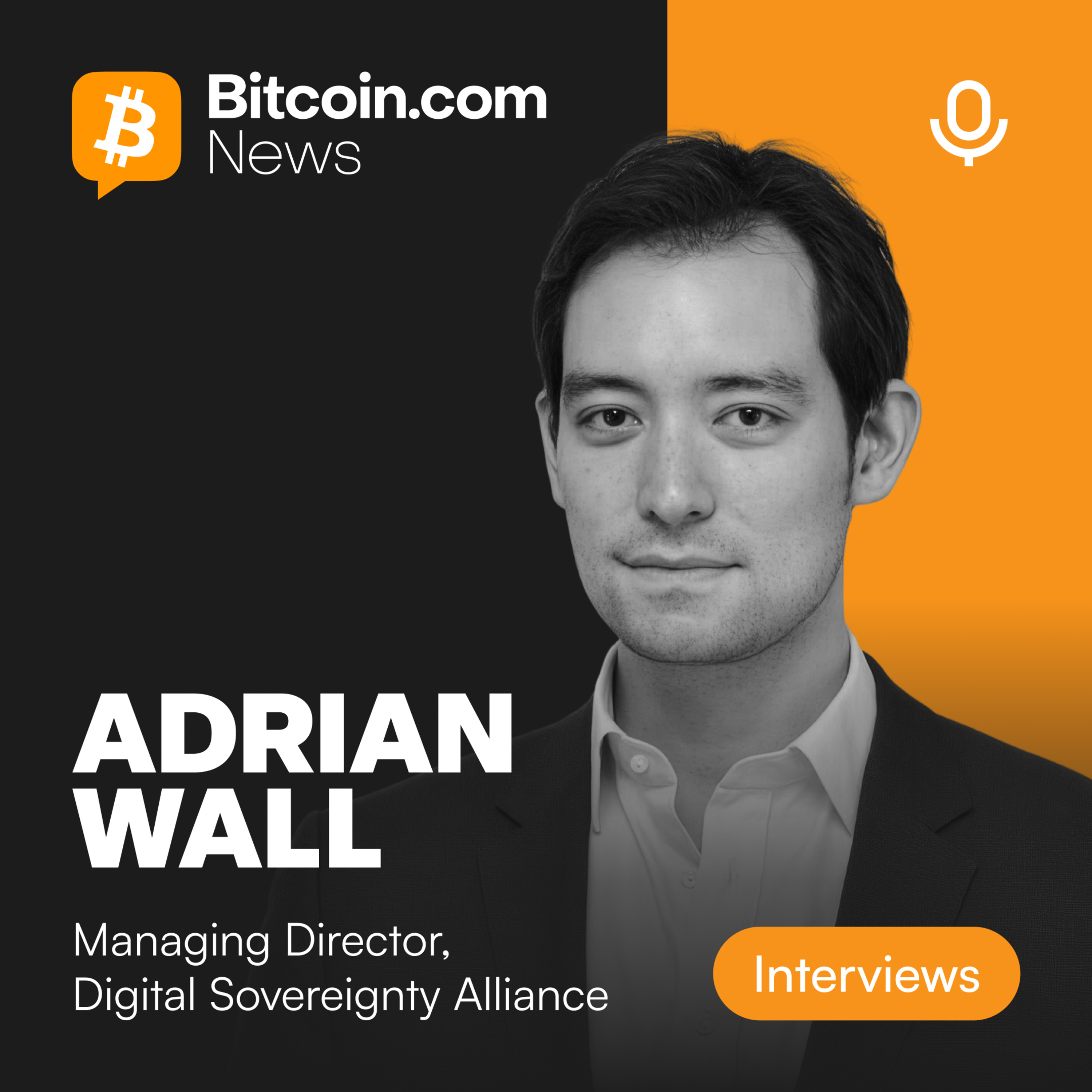 Digital Sovereignty and the Global Race for Stablecoin Regulation 31.08.2026 58minThe Digital Sovereignty Alliance (DSA) is a nonprofit social welfare organization committed to advocating for public policies that support ethical innovation in decentralized technologies, blockchain, cryptocurrency, Web3, and artificial intelligence. DSA conducts research, organizes educational events, and promotes policies that prioritize public welfare and digital sovereignty.Adrian Wall is Managing Director of the Digital Sovereignty Alliance (DSA), where he is a leading voice on blockchain policy, digital asset regulation, and financial innovation. Adrian recently joined the Bitcoin.com News Podcast to talk about the Clarity Act, the DSA's mission and much more.The conversation in this episode highlights the immense benefits that statutory regulation would bring to the American digital asset industry, emphasizing that legal clarity and consistency are vital to unlocking hesitant investment capital. Adrian explains how formal rules of the road would trigger an innovation renaissance, forcing traditional banks to improve customer service to compete with faster, more reliable digital alternative ecosystems.Furthermore, a global perspective is explored, noting that while stablecoin adoption is driven by existential hyperinflation in developing nations, a proliferation of U.S. dollar-backed stablecoins ultimately solidifies America's geopolitical position and economic power projection tools.Adrian Wall's work bridges government, academia, and industry to advance responsible frameworks that promote innovation, transparency, and financial inclusion. Adrian directs DSA’s Learning Team, developing blockchain education programs for policymakers, universities, and financial institutions, and has advised on major bipartisan legislative efforts including the GENIUS Act and the Clarity Act.A frequent speaker at global policy and industry forums including the United Nations, Nacha, and the DC Blockchain Summit, his published work explores decentralized finance, stablecoins, and regulatory harmonization. Adrian holds an A.B. in Economics from Harvard College and a Public Leadership Credential from Harvard Kennedy School.To learn more visit discoverdsa.org.
 -
 Why Korea Blockchain Week 2026 Is Betting Big on Institutions 29.08.2026 39minFactBlock CEO Andrew Park joins David Sencil to discuss how Korea Blockchain Week has evolved and why KBW 2026 is leaning further into institutions, policy, real-world assets, stablecoins, tokenized equities, and B2B dealmaking.Park shares how KBW grew from a 400-person event in 2018 into one of Asia’s major crypto gatherings, and why this year’s event is introducing an Upbit Institutional Day as institutional participation becomes a bigger part of Korea’s digital asset landscape.The conversation also explores how Seoul itself becomes part of the KBW experience through side events, meetings, networking, and Korean culture.Topics include:How Korea Blockchain Week has evolved since 2018Why KBW 2026 is becoming more institutionalThe launch of Upbit Institutional DayRWAs, stablecoins, and tokenized equitiesKorea’s growing B2B crypto opportunityWhy business cards still matter in KoreaTips for first-time KBW attendeesHow FactBlock measures the long-term impact of KBWPark also explains why the real success of Korea Blockchain Week goes beyond attendance numbers and comes down to the partnerships, deals, and collaborations that continue after the event.🎧 Be sure to subscribe on your favorite podcast platform to catch more conversations with industry leaders, economists, and builders shaping the future of crypto and finance.Then join our community and follow us for the latest updates ⬇️► YouTube: https://www.youtube.com/@BitcoincomNews► X (Bitcoin.com): https://x.com/Bitcoincom► X (Bitcoin.com News): https://x.com/bitcoinnews► Telegram: https://t.me/www_Bitcoin_com► Discord: https://discord.gg/9NGNJEnwmW► LinkedIn (Bitcoin.com): https://www.linkedin.com/company/bitcoin.com/► LinkedIn (Bitcoin.com News): https://www.linkedin.com/company/bitcoin-com-news/► OrangeRock: https://orangerock.com/
 -
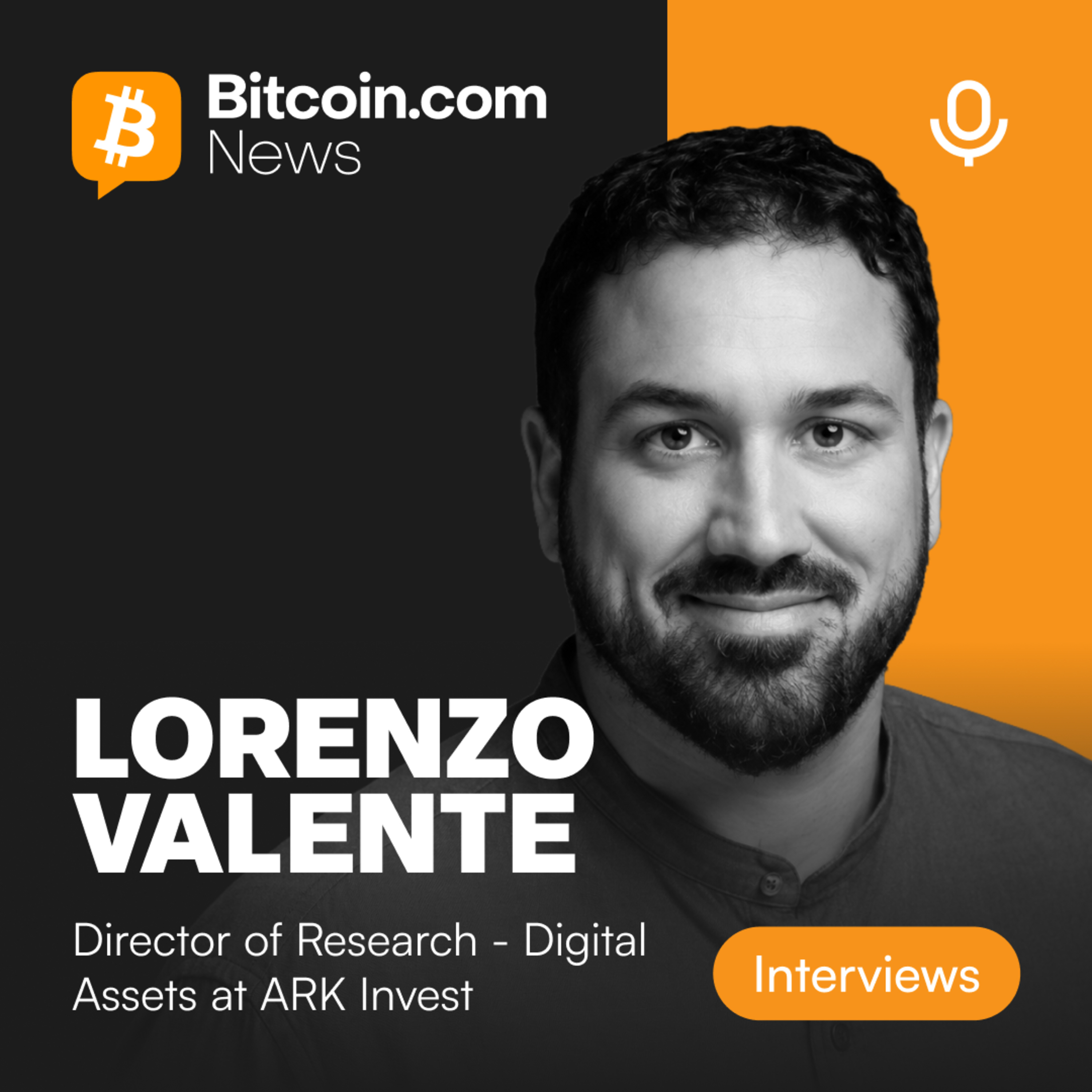 Crypto’s $70B vs. $8B Divide: Where Is the Value Really Going? 25.08.2026 51minWho is actually capturing the value being created in crypto?In this episode, David Sencil sits down with Lorenzo Valente, Director of Research for Digital Assets at ARK Invest, to unpack a striking gap: centralized crypto companies generated roughly $70 billion in revenue in 2025, compared with only around $8 billion on-chain.Valente explains why centralized platforms are still closer to users, while many on-chain protocols continue to struggle with value accrual, token economics, and sustainable growth.The conversation also explores Hyperliquid, Pump.fun, Solana, and Ethereum, including whether aggressive token buybacks could limit long-term growth, why successful crypto apps may eventually launch their own chains, and where the next major wave of on-chain value could emerge.Topics include: The $70B vs. $8B crypto revenue gap Why centralized companies still capture more value Hyperliquid’s token buyback strategy Whether successful apps will launch their own chains Pump.fun and the future of crypto applications Solana’s battle for relevance Ethereum’s institutional advantage Real-world assets and institutional adoption Whether memecoins will remain a major crypto narrative Can on-chain protocols eventually close the gap, or will centralized companies continue capturing most of crypto’s economic value?🎧 Be sure to subscribe on your favorite podcast platform to catch more conversations with industry leaders, economists, and builders shaping the future of crypto and finance.Then join our community and follow us for the latest updates ⬇️► YouTube: https://www.youtube.com/@BitcoincomNews► X (Bitcoin.com): https://x.com/Bitcoincom► X (Bitcoin.com News): https://x.com/bitcoinnews► Telegram: https://t.me/www_Bitcoin_com► Discord: https://discord.gg/9NGNJEnwmW► LinkedIn (Bitcoin.com): https://www.linkedin.com/company/bitcoin.com/► LinkedIn (Bitcoin.com News): https://www.linkedin.com/company/bitcoin-com-news/
 -
 Bitcoin’s 2030 Turning Point: The Cycle Most Investors Aren’t Watching 22.08.2026 47minCould Bitcoin’s biggest opportunity still be years away?In this episode, Alex Richardson sits down with Dr. Branimir “Brana” Vojcic, founder and editor of Bravo Cycles, to explore the long-term cycles shaping Bitcoin, stocks, gold, inflation, and the global financial system.Brana combines Elliott Wave analysis, time-based cycles, technical analysis, and price projections to identify potential turning points across major asset classes—and his Bitcoin outlook challenges one of the market’s most popular narratives.Rather than expecting a straight path toward $1 million, Brana sees the possibility of another major Bitcoin cycle low before a stronger bull market develops around 2030, with a potential longer-term target closer to $200,000.The conversation goes far beyond Bitcoin. Brana explains why he believes U.S. equities are historically expensive, what the Buffett Indicator may be signaling, why gold could have significant long-term upside, and how inflation, yields, geopolitical tensions, and market cycles could converge over the coming years.In this episode: Why financial markets tend to move in repeating cycles How Elliott Waves and time cycles can reveal potential turning points Why multiple cycles aligning can strengthen a market signal Why U.S. stocks may be historically overvalued Brana’s outlook for Bitcoin through 2028 and 2030 Why Bitcoin’s traditional four-year cycle may be changing Why he doesn’t expect Bitcoin to reach $1 million anytime soon The long-term case for gold What the Benner Cycle may be signaling Why 2030 could become a pivotal year across global markets How inflation, yields, equities, gold, and geopolitics may intersect Markets rarely move in straight lines. Understanding the bigger cycle may be just as important as predicting the next price move.Disclaimer: This content is for informational and educational purposes only and should not be considered financial or investment advice. Always do your own research before making financial decisions.🎧 Be sure to subscribe on your favorite podcast platform to catch more conversations with industry leaders, economists, and builders shaping the future of crypto and finance.Then join our community and follow us for the latest updates ⬇️► YouTube: https://www.youtube.com/@BitcoincomNews► X (Bitcoin.com): https://x.com/Bitcoincom► X (Bitcoin.com News): https://x.com/bitcoinnews► Telegram: https://t.me/www_Bitcoin_com► Discord: https://discord.gg/9NGNJEnwmW► LinkedIn (Bitcoin.com): https://www.linkedin.com/company/bitcoin.com/► LinkedIn (Bitcoin.com News): https://www.linkedin.com/company/bitcoin-com-news/
 -
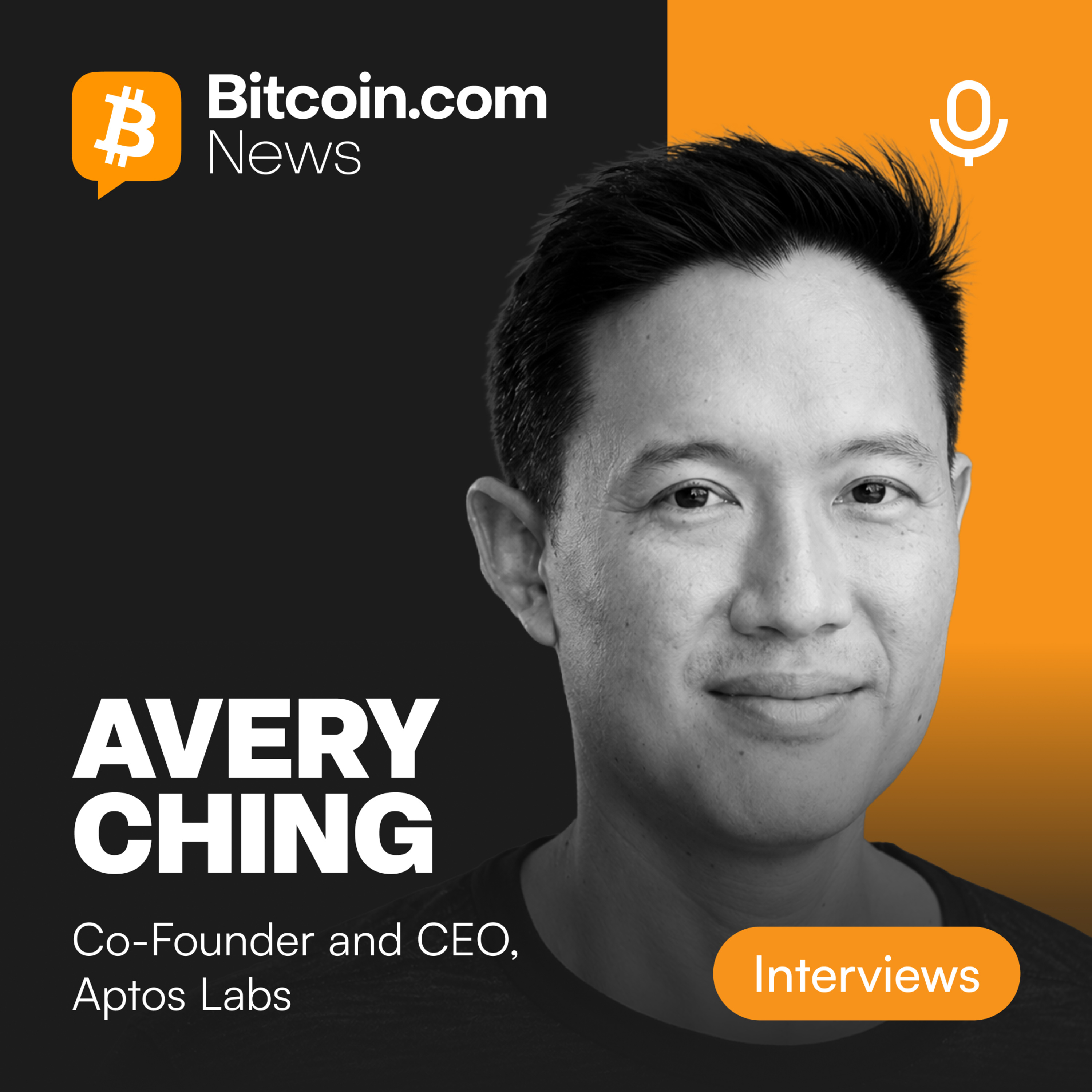 Aptos CEO: How AI, Regulation & On-Chain Finance Could Reshape Crypto 18.08.2026 35minAptos Labs CEO and co-founder Avery Ching joins David Sencil to unpack how regulation, AI, and blockchain infrastructure are shaping the next phase of crypto and global finance.Ching explains why regulatory clarity in the U.S. matters for developers, how the Clarity Act could influence America’s competitiveness in blockchain and AI, and why clearer protections are needed to distinguish software builders from financial intermediaries.The conversation also dives into the growing role of AI in blockchain security. Ching breaks down how Aptos uses the Move programming language, layered defenses, human researchers, and AI agents to review code, uncover vulnerabilities, and reduce attack surfaces.They also explore what meaningful on-chain economic activity actually looks like, the difference between productive TVL and incentive-driven growth, and why institutional adoption and tokenization could become major drivers of blockchain’s next chapter.Topics include: Why crypto regulation matters for blockchain innovation Developer protections under emerging U.S. regulation How AI is changing blockchain security Aptos, Move, and layered security defenses Human researchers working alongside AI agents Measuring real on-chain economic activity Productive TVL vs. incentive-driven activity Institutional blockchain adoption Tokenization and the future of financial markets Aptos Labs’ next priorities Whether you’re interested in crypto regulation, AI security, blockchain infrastructure, or the future of finance moving on chain, this conversation offers a look at how Aptos is preparing for what comes next.🎧 Be sure to subscribe on your favorite podcast platform to catch more conversations with industry leaders, economists, and builders shaping the future of crypto and finance.Then join our community and follow us for the latest updates ⬇️► YouTube: https://www.youtube.com/@BitcoincomNews► X (Bitcoin.com): https://x.com/Bitcoincom► X (Bitcoin.com News): https://x.com/bitcoinnews► Telegram: https://t.me/www_Bitcoin_com► Discord: https://discord.gg/9NGNJEnwmW► LinkedIn (Bitcoin.com): https://www.linkedin.com/company/bitcoin.com/► LinkedIn (Bitcoin.com News): https://www.linkedin.com/company/bitcoin-com-news/
 -
 Inside Bitcoin Mining: Energy, Uptime & the Business Behind BTC | Compass Mining 15.08.2026 32minWhat does it really take to keep a large-scale Bitcoin mining operation running?In this episode, Compass Mining’s Curtis Harris, Senior Director of Growth, and Cameron Morsey, Director of Operations, unpack the business, infrastructure, and energy strategy behind Bitcoin mining.They explain how mining companies choose locations, secure competitive electricity rates, finance new sites, keep machines online, and manage operations when energy prices suddenly spike.You’ll also hear how uptime, utilization, and curtailment affect mining profitability, why miners can help make use of otherwise wasted energy, and how mining sites interact with local power grids and communities.Topics include:How large-scale Bitcoin mining operations workWhy low-cost energy is critical to miningUptime vs. utilizationHow miners respond to changing electricity pricesEnergy curtailment and operating costsBitcoin mining site financingMiner repairs and hardware upgradesS19 vs. S21 mining machinesHow Bitcoin miner prices track BTCRenewable and otherwise wasted energyERCOT, load zones, and electricity pricingBuilding long-term relationships with local communitiesWhether you’re a miner, investor, or simply curious about the infrastructure behind Bitcoin, this conversation offers a practical look at what keeps the Bitcoin network running behind the scenes.🎧 Be sure to subscribe on your favorite podcast platform to catch more conversations with industry leaders, economists, and builders shaping the future of crypto and finance.Then join our community and follow us for the latest updates ⬇️► YouTube: https://www.youtube.com/@BitcoincomNews► X (Bitcoin.com): https://x.com/Bitcoincom► X (Bitcoin.com News): https://x.com/bitcoinnews► Telegram: https://t.me/www_Bitcoin_com► Discord: https://discord.gg/9NGNJEnwmW► LinkedIn (Bitcoin.com): https://www.linkedin.com/company/bitcoin.com/► LinkedIn (Bitcoin.com News): https://www.linkedin.com/company/bitcoin-com-news/
Vergelijkbare podcasts


Populair in
Deze podcast verschijnt ook in de podcastlijsten van deze landen.
