
Voices of Esalen
Esalen Institute
0
"Voices of Esalen" features provocative, in-depth interviews with the dynamic leaders, teachers, and thinkers who reflect the mission of the Esalen Institute. The podcast explores topics related to personal growth, spirituality, and human potential. Each episode brings forward conversations that inspire and challenge listeners to expand their perspectives.
Afleveringen
-
 From the Esalen Archives: Rollo May and Daniel Ellsberg in 1976, "On Good and Evil" 02.10.2026 1u 30minToday, we return to that stack of dusty reel to reels, discovered a couple of years ago, as a part of the storied Esalen archives. This one turns out to be a gem: a conversation that was recorded in 1976, not at Esalen, but at the Bel Aire School in Tiburon, California, likely recorded and preserved by Esalen archival legend Paul Herbert. This talk features two famous thinkers - psychologist Rollo May and author of the pentagon papers, Daniel Ellsberg. Their subject is good and evil. Rollo May was a pioneering figure in American existential psychology as well being as an early teacher at Esalen institute. Earlier in life, May had been a Protestant minister and had studied with the prominent theologian Paul Tillich. By the time of this recording, he had published some of his pivotal books, including Love and Will, Power and Innocence, and The Courage to Create. In those texts he explored human beings creative possibilities and their capacity for destruction. Daniel Ellsberg was a former Marine as well as a Harvard-trained economist who worked as a strategic analyst at the RAND Corporation and served in the Defense Department, where he helped shape nuclear war planning and American policy in Vietnam. He rose to great prominence in 1971 when he provided the Pentagon Papers to the press, where he exploded the classified history of American involvement in the war. He faced charges carrying a possible sentence of 115 years; the case was dismissed in 1973 because of government misconduct. So when these two men met in 1976 at the time of this talk, the Vietnam war had only been over for one year. Ellsberg’s prosecution was only a few years behind him. Rollo May had recently published a book on creative courage. Listening today, we might keep those lives in mind as we encounter a world that remains as difficult, and full of urgent moral themes, as ever.
 -
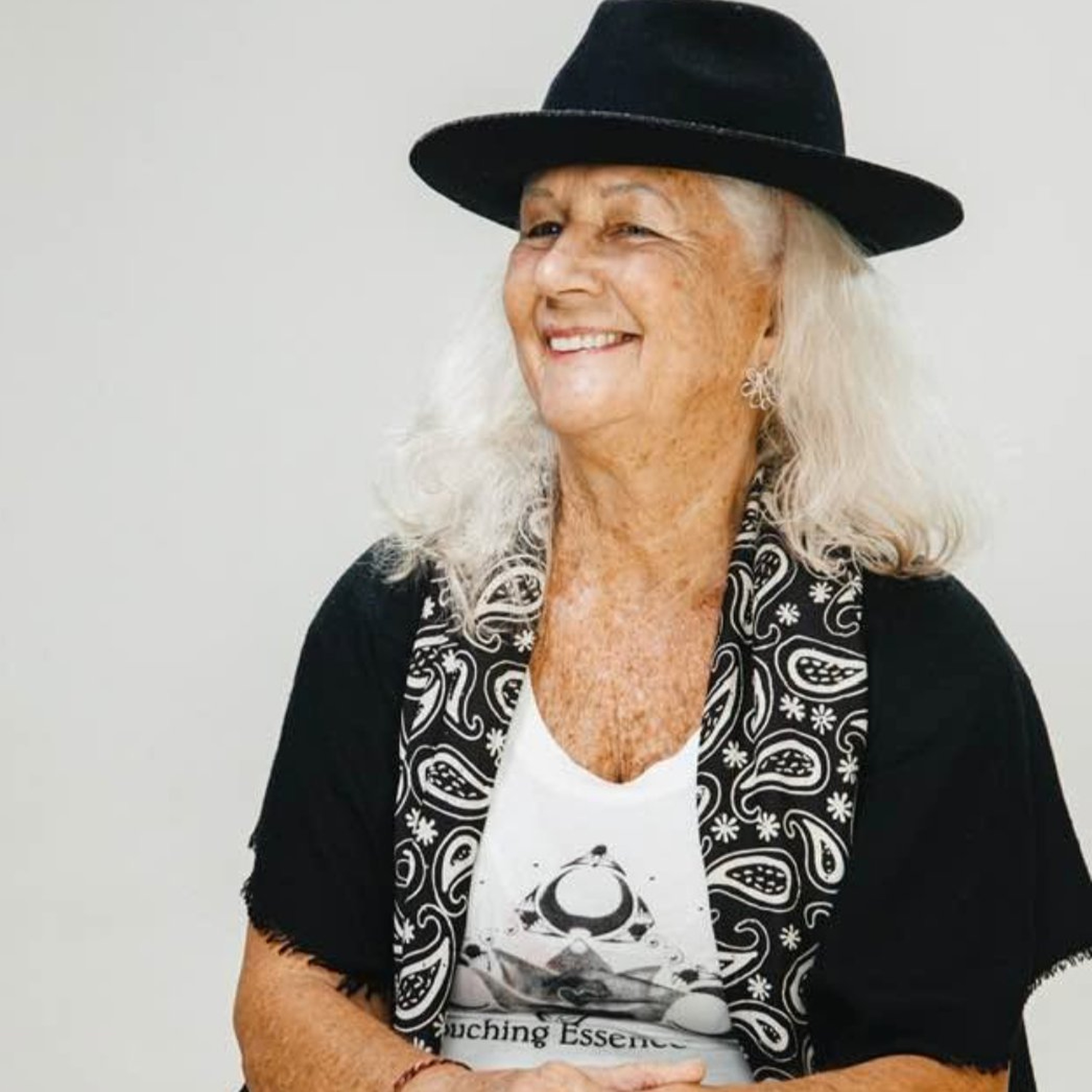 Ellen Watson: My Esalen Was A Graduate School of Universal Consciousness 17.09.2026 43minWhen Ellen Watson first arrived at Esalen in the summer of 1984, she expected to stay for a few months. Instead, she remained onsite for more than two decades, engaging in an immersion in the practices, teachers, and experiments that helped define Esalen during one of its most fertile eras. She has remained associated with Esalen, teaching programs and training bodyworkers and teachers of bodywork. In this episode, Ellen remembers studying Holotropic Breathwork with Stanislav Grof, Gestalt practice, Continuum with Emily Conrad, Gabrielle Roth’s 5Rhythms, singing Gestalt, yoga, massage, hands-on healing, and a range of spiritual and psychological traditions. Ellen also recalls her friendships and encounters with figures including Terence McKenna and Benedictine monk Brother David Steindl-Rast, and speaks candidly about her experiences with psychedelics during a period when these substances remained closely connected to a larger culture of inquiry into consciousness, healing, and transformation. Throughout the conversation, Ellen describes Esalen as a kind of “unaccredited graduate school”, a place where psychology, spirituality, movement, breath, touch, music, and altered or “non-ordinary” states of consciousness were allowed to inform one another.
 -
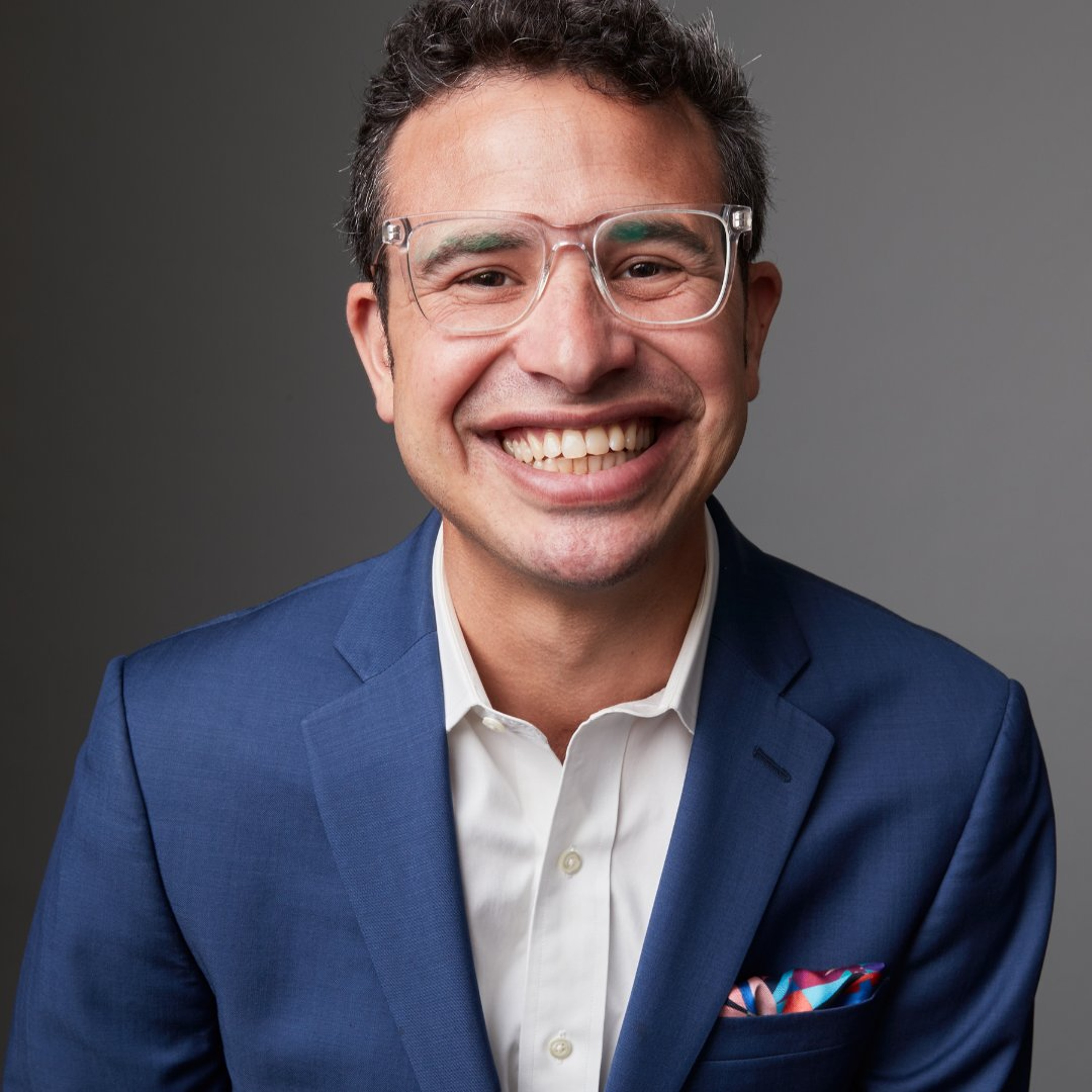 Adam “Smiley” Poswolsky on Belonging, Loneliness, and the Human Advantage 18.08.2026 43minAdam “Smiley” Poswolsky is a workplace belonging expert, internationally recognized keynote speaker, and bestselling author whose work explores friendship, loneliness, human connection, and the ways technology is reshaping our relationships with one another. In this conversation, Sam and Smiley trace a line from the early digital-detox movement and Camp Grounded to the present moment of AI, hybrid work, and widespread social disconnection. Smiley speaks about the loneliness crisis, the particular struggles facing young people and men, and why belonging and friendship have become increasingly important both inside and outside the workplace, arguing that organizations need to design intentionally for human connection, and that belonging cannot simply be handed off to an HR department - instead, it has to become part of the everyday culture of a workplace. The conversation also turns to artificial intelligence and the temptation to automate increasingly large parts of our creative and professional lives. Smiley makes the case for using AI thoughtfully while preserving the kinds of distinctly human practices—conversation, presence, intuition, personal storytelling, friendship, and simply spending time thinking—that technology can easily crowd out. Along the way, Sam and Smiley explore the value of “weak ties,” the difference between belonging and mattering, the difficulty of genuinely listening to another person, and why our most personal stories may become increasingly valuable in an age of machine-generated content. They close with Smiley’s practice of moving from comparison toward care: when ambition, social media, or creative anxiety starts to take over, turn toward friendship, community, and service. About Adam “Smiley” Poswolsky Adam “Smiley” Poswolsky is an internationally recognized keynote speaker, workplace belonging expert, and bestselling author of The Quarter-Life Breakthrough, The Breakthrough Speaker, and Friendship in the Age of Loneliness. He has spoken for organizations including Apple, Google, Verizon, JPMorgan Chase, and the U.S. Navy, and his work has appeared in publications including Harvard Business Review, The Wall Street Journal, Fast Company, The New York Times, and The New Yorker. Learn more about Smiley at smileyposwolsky.com, through his Substack newsletter Friends with Smiley, on LinkedIn as Adam Smiley Poswolsky, and on Instagram at @whatsupsmiley.
 -
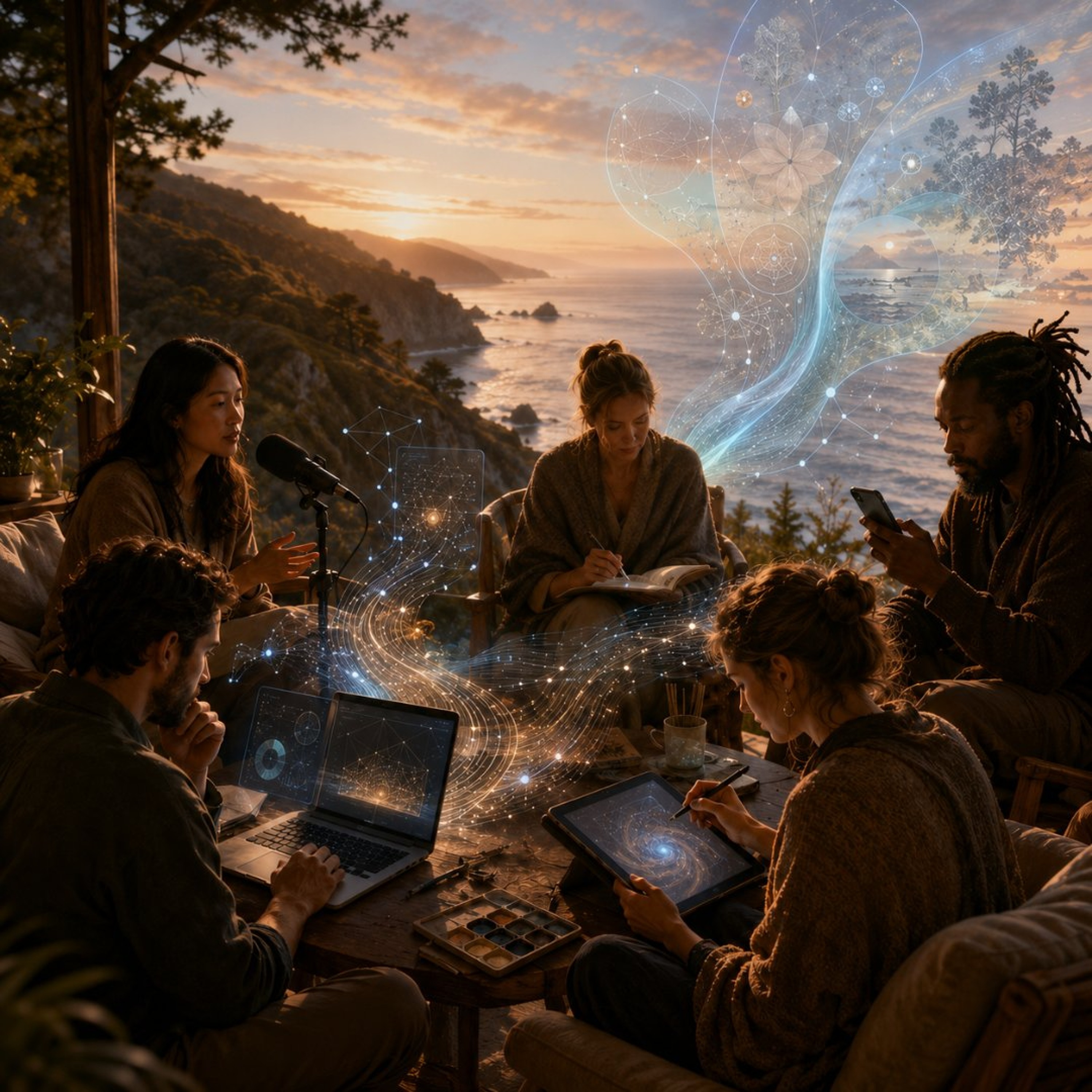 How We're Really Using AI, Vol. 3 31.07.2026 1u 5minArtificial intelligence has become deeply embedded in everyday life, and way too nuanced to describe as a single phenomenon. In this third installment of How We’re Really Using AI, Sam attempts to create clarity through specificity, speaking with people whose work and lives reveal distinct corners of the emerging AI landscape. Nina and Shoshana, founders of the Aged Intelligence Society, introduce the communal and unexpectedly playful world of AI parties for women of "a certain age," where they gather in person to experiment with new tools. Eliza discusses her work developing an AI companion app for teenagers, including the difficult questions that arise when young people form relationships with artificial personalities. Seth, a longtime virtual-reality enthusiast, gives his story of what happened when he began frequenting immersive digital environments. Sam tries viewing AI through the lens of the human potential movement, asking what this turbulent technological moment may reveal about the continuing experiment of being human. Finally, AI ethicist Federico explains how he helps schools determine whether their use of AI reflects their educational goals and institutional values.
 -
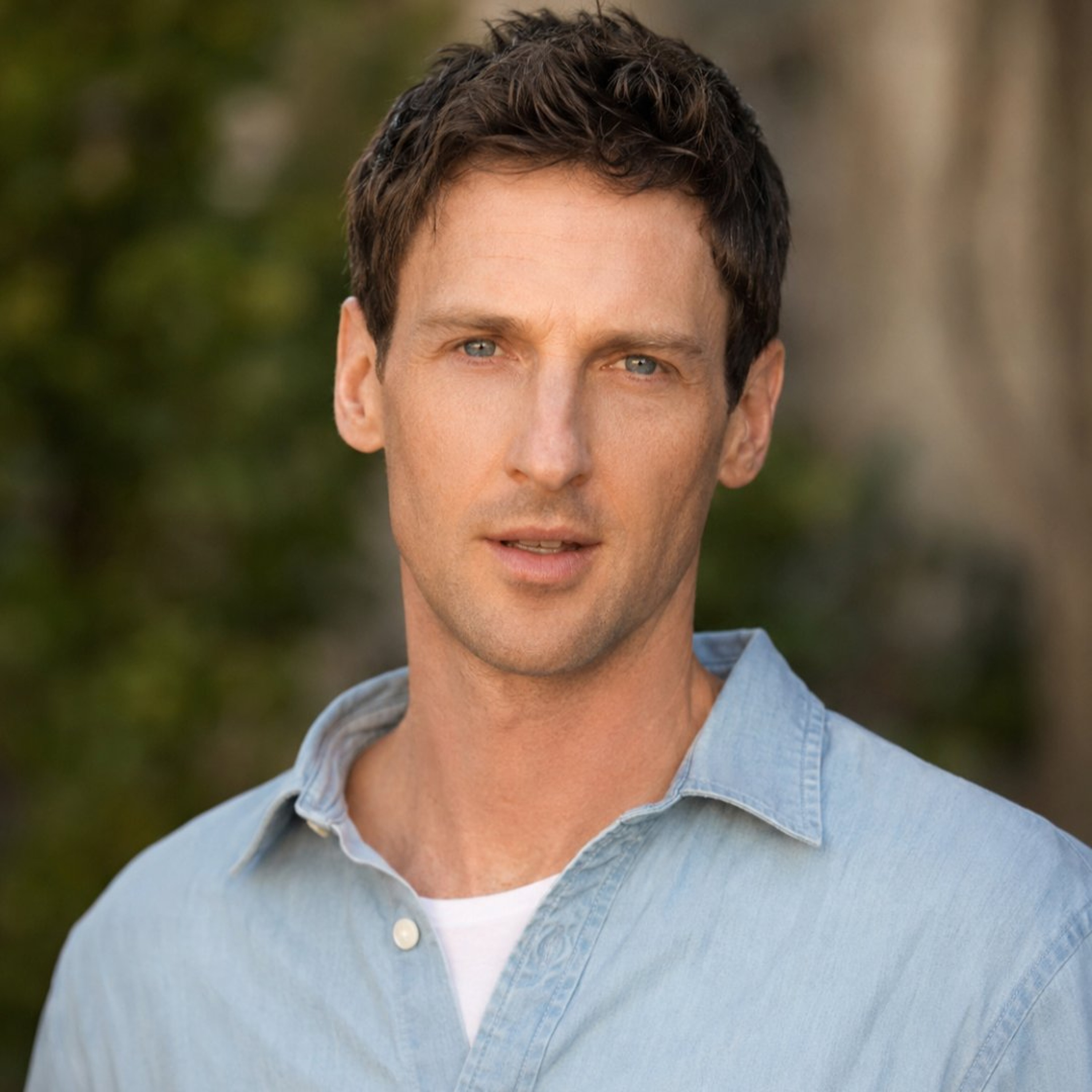 In Trees: Robert Moor on the Ethical Force of Wonder, Kinship, and the Art of Co-Flourishing 17.07.2026 41minIn this live conversation recorded at Esalen in the spring of 2026, author Robert Moor joins Andrew Castle, weaver of Esalen’s Treenet, to explore the ideas at the heart of Moor’s new book, In Trees. Moor describes trees as a way of being: branching outward into curiosity and experimentation, pruning what no longer works, adapting around difficulty, and remaining deeply rooted in place and relationship. Together, Moor and Castle consider what it means to “stay branchy” in a culture that increasingly pushes people toward specialization, simplification, productivity, and extraction. Moor proposes that the trunk of a meaningful life may be found in co-flourishing—the long, slow practice of flourishing with others over time. Robert Moor is the author of On Trails and In Trees. https://www.robertmoor.com/
 -
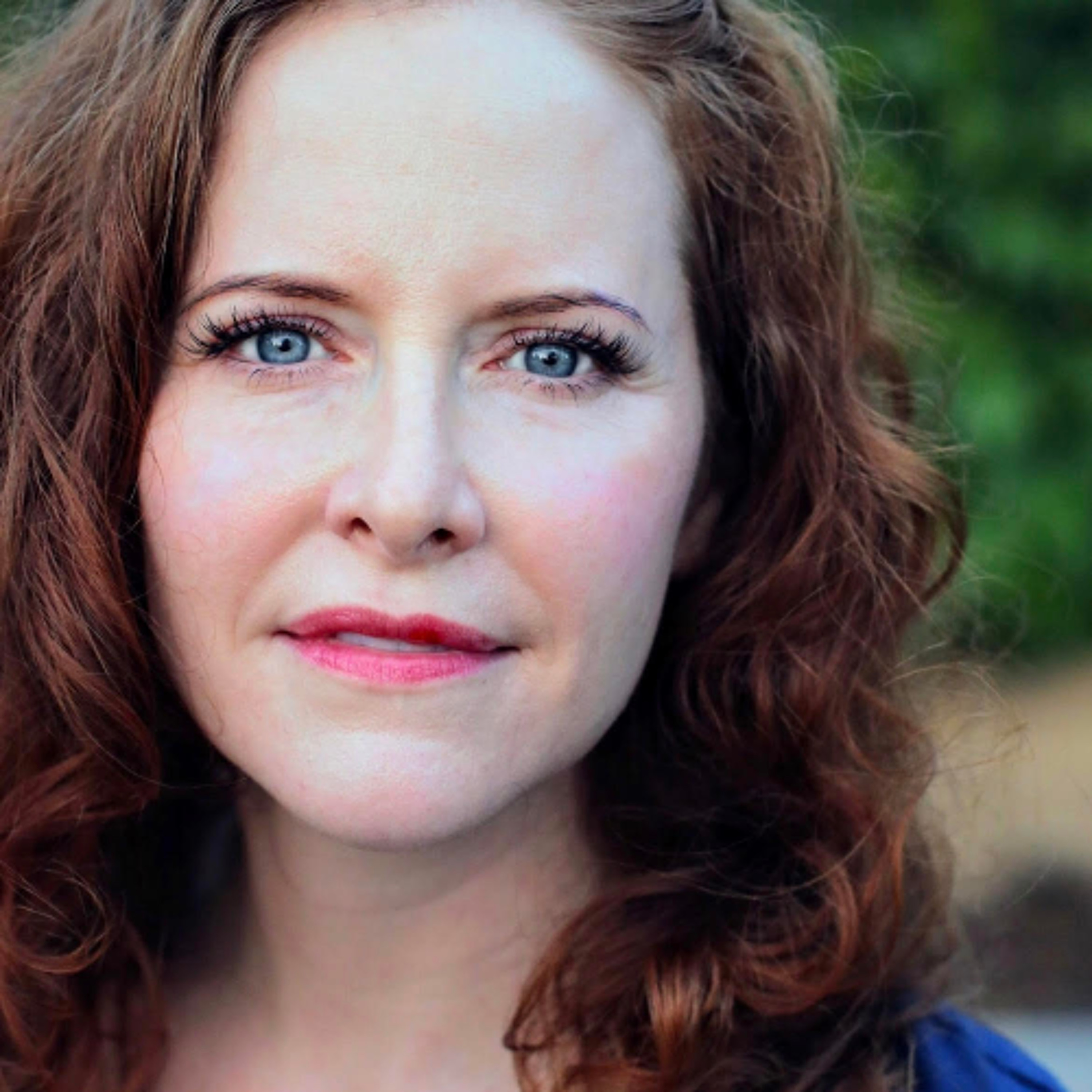 Jet Eveleth: Sacred Clowning and the Medicine of Play 01.07.2026 44minIn this episode, Sam speaks with Jet Eveleth, a clown teacher, performer, writer, and integrative medicine practitioner who lives at the fertile crossroads of medicine and mischief. Jet has studied integrative medicine, Traditional Chinese Medicine, meditation, and psychotherapy at Harvard Medical School, while also training with legendary clown teacher Philippe Gaulier, touring with Second City, and performing in the spectacular Las Vegas show Absinthe. Together, Sam and Jet explore clowning as a spiritual practice, the power of embarrassment, and the difference between comedy and clowning. Jet reflects on her teachers, including Philippe Gaulier, Paola Coletto, Eckhart Tolle, and Wim Hof, and discusses how improvisation, Daoism, acupuncture, meditation, and the body all inform her work. They also talk about Clown Church, the ritual power of clown names, the importance of reading the room as a teacher, and why Esalen may be one of the most natural places to practice this kind of work. Links: Jet Eveleth online improv classes: https://jeteveleth.wixsite.com/my-site-2/about-2 Instagram: @Clownchurchla Jet is also launching a new company, Presence in Play, which will include her classes in Los Angeles, Clown Church, retreats, and online improv workshops. The website is expected to launch around mid-July 2026. Jet's workshop at Esalen, January 1 -3, 2027 https://www.esalen.org/workshops/sacred-clown-presence-in-play-010127
 -
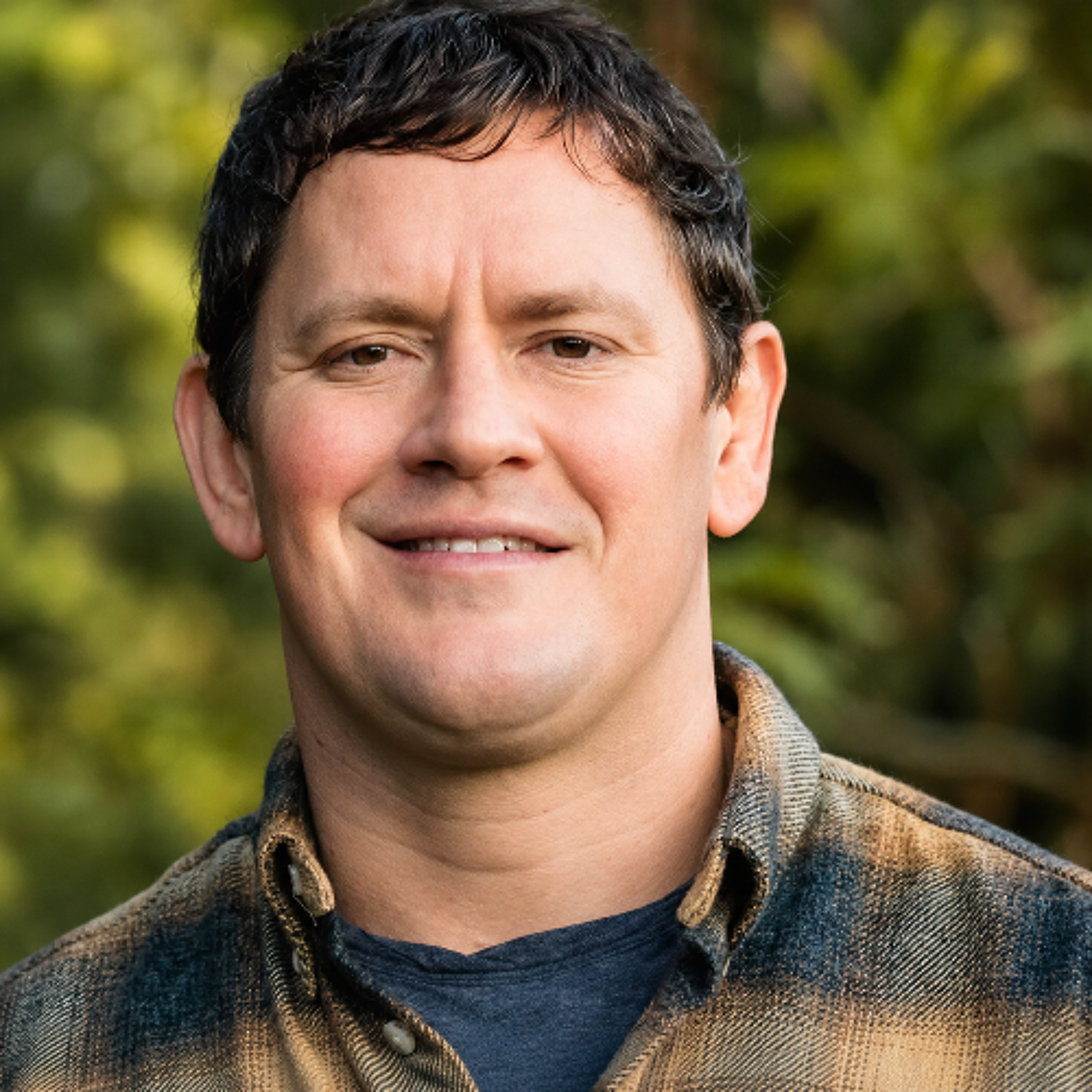 Whole Self Health: Bill Drummond on Youth Mental Health, AI, Diagnoses, and Healing Through the Body 19.06.2026 37minIn this episode, Sam Stern speaks with Bill Drummond, a clinical consultant psychologist based in Wellington, New Zealand, where he serves as Clinical Leader for Youth Mental Health Services across the region. Bill has spent more than a decade working with young people and families in public mental health settings, supporting adolescents facing trauma, anxiety, depression, family instability, identity confusion, and complex mental health challenges. His work spans acute care, community-based mental health, schools, hospitals, state care systems, private practice, and clinical supervision. Together, Sam and Bill explore -what is happening in the inner lives of young people today — especially in a world where diagnoses, social media, algorithms, and AI can offer instant explanations for pain that may still need time, relationship, and embodied attention to fully understand. -the rise of diagnostic identity - the difference between “I have anxiety” and “I’m feeling anxious" - why he approaches young people with curiosity rather than correction - the appeal of AI and social media as sources of validation, particularly for adolescents who may already be biologically primed toward threat perception, self-consciousness, and emotional intensity. https://www.wholeself.health
 -
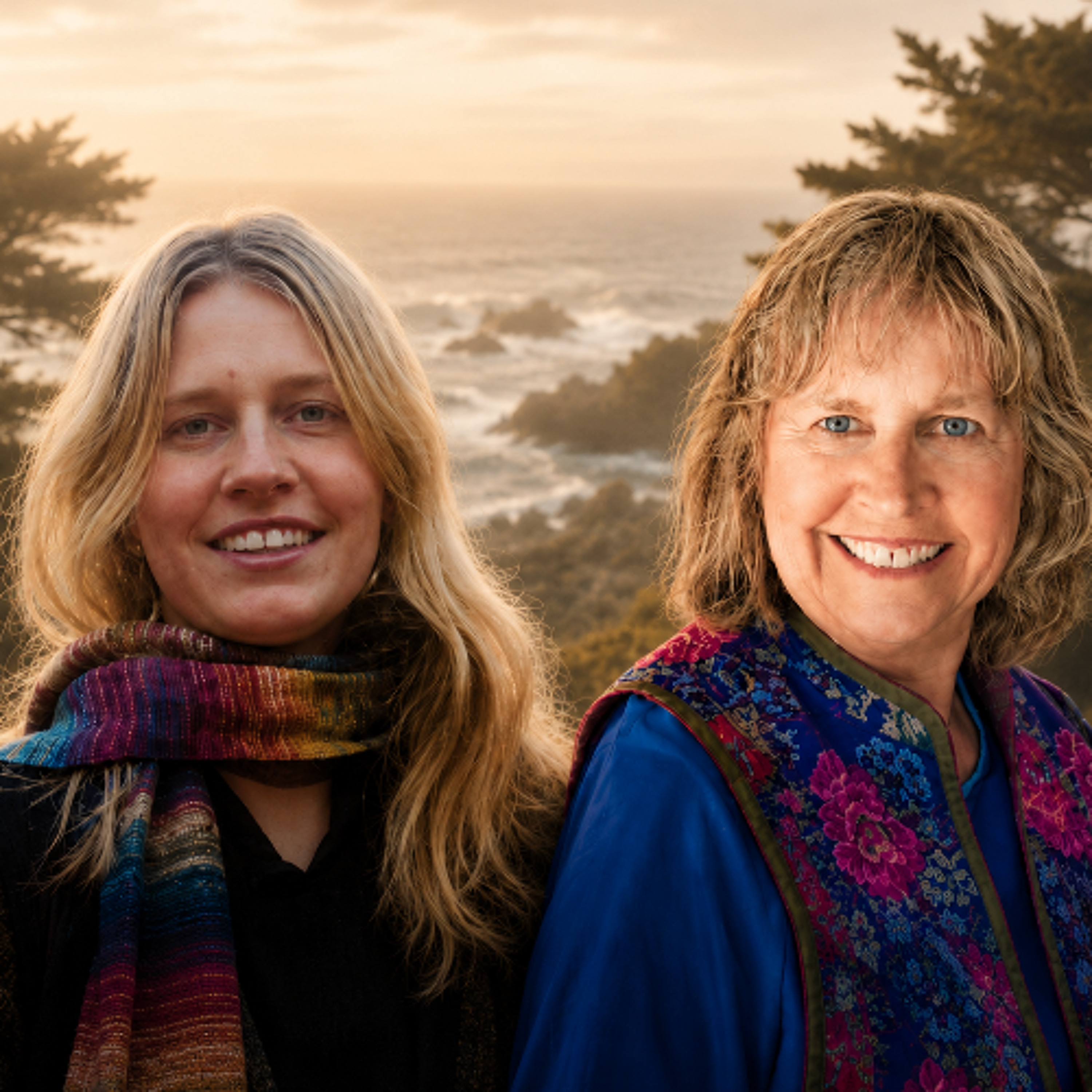 Steeped in Big Sur: Brita Ostrom on Early Esalen, Her New Memoir, and the Wild Work of Becoming 04.06.2026 52minBrita Ostrom is the author of the new memoir "Steeped: A Bug Sur Elixir of Sulfur and Sage," a vivid, intimate, and often wonderfully unsentimental account of her life in Big Sur and at Esalen during 1967 and 1968. Brita arrived in California during a hinge moment in American culture: she landed in the Haight-Ashbury district of San Francisco nine months before the Summer of Love, smack dab in the middle of the psychedelic revolution and the early flowering of the human potential movement. From there, she made her way down the coast to Big Sur, and eventually to Esalen. During this conversation, Britt talks about sleeping outside on the land, about all the local music that seemed to appear everywhere, the early days of Gestalt and encounter, the role of psychedelics, the emergence of Esalen massage, the complicated freedoms of sexual liberation, and the ways women at Esalen began to find one another as allies in a community that was still very much shaped by male teachers, male authority, and male mythology. Brita’s perspective neither romanticizes the period nor flattens it into critique. She remembers the beauty, the wildness, the tenderness, the bad behavior, the spiritual ambition, the confusion, and the sheer strangeness of a place where a person might dance under the stars one night, confront their childhood wounds the next morning, give massage in the baths that afternoon, and then end up in a conversation that night with someone who had just wandered in from the outer edge of American culture.
 -
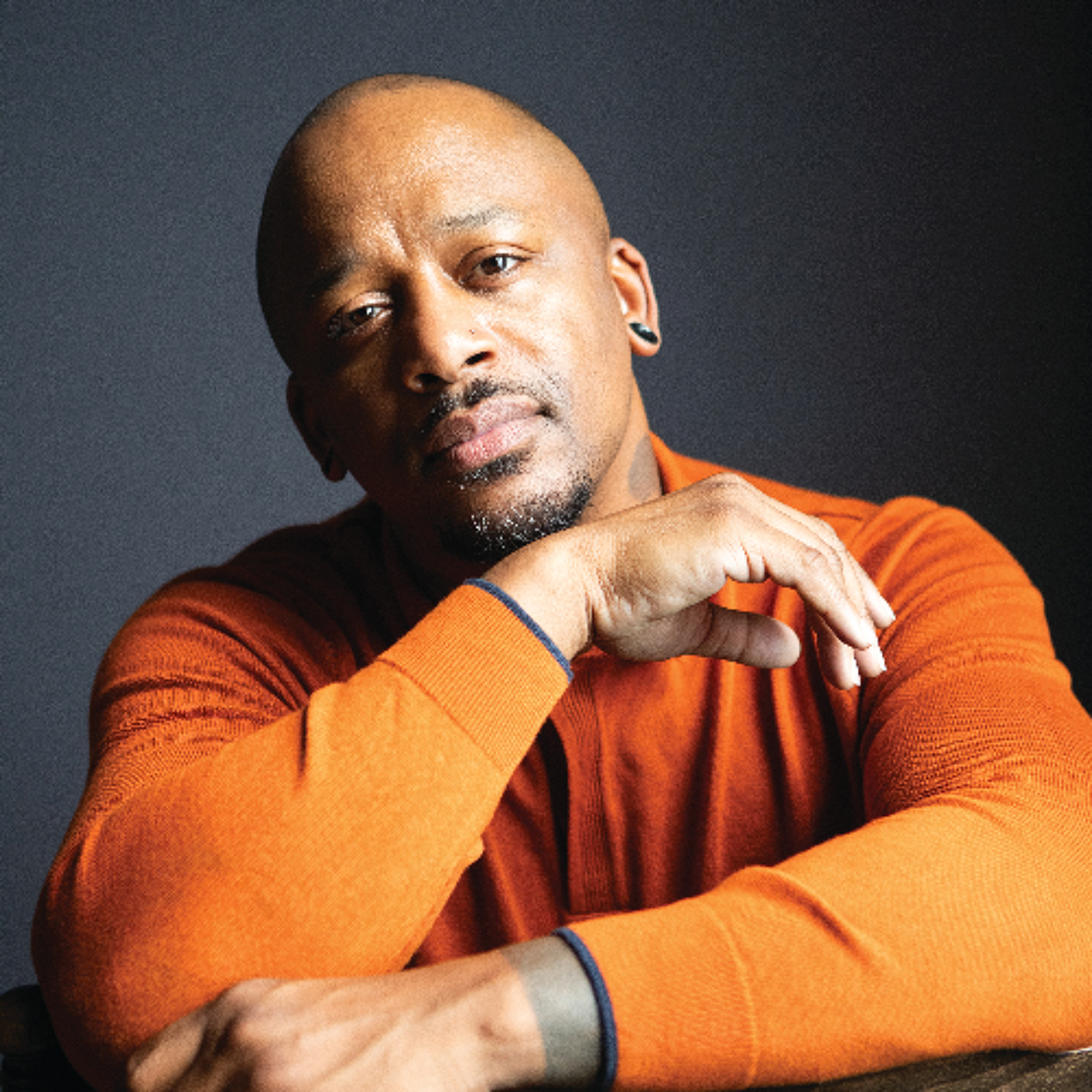 Darnell Walker: The Life of a Death Doula and the Art of a Peaceful End 22.05.2026 41minDarnell Lamont Walker is one of those people who has somehow managed to live several lives inside a single lifetime. He is a writer, filmmaker, children’s television creator, and death doula. He is also a documentary filmmaker whose work has explored Black Americans seeking refuge from injustice, Black mental health, and the global epidemic of sexual violence. His newest book, Never Can Say Goodbye: The Life of a Death Doula and the Art of a Peaceful End, grows out of his work supporting people and families at the end of life. In this conversation, Darnell talked about what a death doula actually does, how storytelling can become a form of legacy work, how families can begin having honest conversations long before crisis arrives, and the near-death experience at age 22 that changed his life . He also spoke about laughter at the bedside, the role of ritual in grief, the silence many Black men inherit around vulnerability and death, and how to speak with children plainly and tenderly about dying. Darnell also shared why he asks people to write their own obituary, how families can tell the truth about the dead without flattening them into saints, and why his work — whether with children, the dying, or the grieving — so often comes down to finding the empty space where healing is needed, and stepping into it. https://www.darnellwalker.com/never-can-say-goodbye
 -
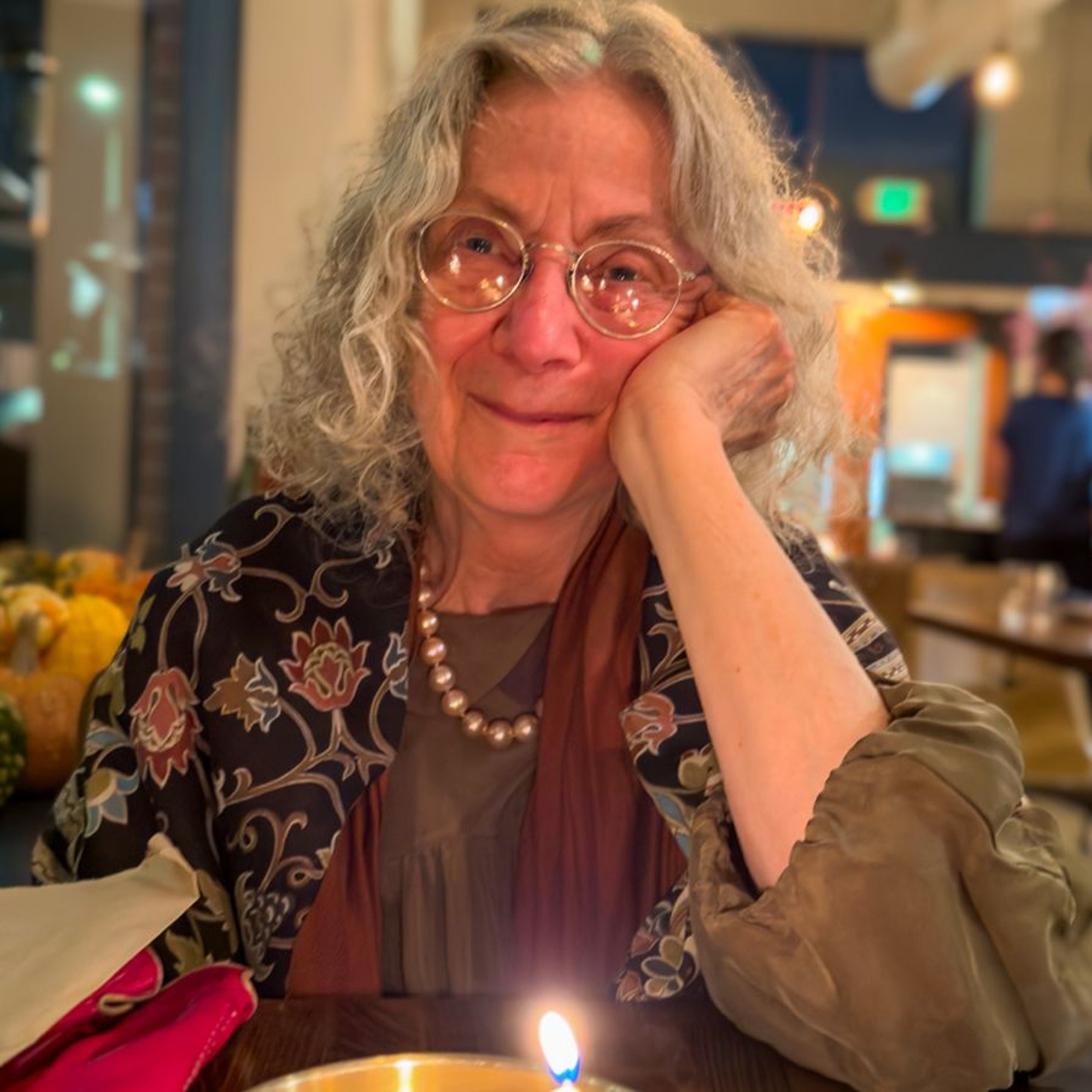 Yes, Mom Took Acid: Maria Mangini on Psychedelic Elders, Hidden Histories, and the Shulgin Farm 07.05.2026 1u 11minThis interview is part of the Shulgin Foundation's Oral Histories Series. Voices of Esalen and Shulgin Foundation collaborated to bring you a wide-ranging interview with Mariavittoria Mangini, known to many as Maria, is a nurse-midwife, scholar, psychedelic historian, and longtime advocate for the preservation of underground psychedelic knowledge. Maria’s life intersects with several crucial streams of modern psychedelic history: early LSD culture in the Bay Area and at Millbrook, the Haight-Ashbury Free Clinic, Esalen in the 1970s, the work of Stanislav Grof, the emergence of midwifery and nursing as practices of care, and the long, complicated passage from psychedelic prohibition into the current renaissance. In this conversation, we explore: • Maria’s first encounter with LSD as a teenager, • The strange mixture of recklessness and reverence that shaped early psychedelic exploration. • Her years at Esalen and her encounters with figures such as Stanislav Grof, Gregory Bateson, Leo Zeff, and others. • The relationship between birth, death and psychedelic experience • Her doctoral work, Yes, Mom Took Acid, and what long-term psychedelic users told her about social responsibility, and care for the larger world. • Her work in medical cannabis, and what today’s psychedelic movement might learn from the successes and failures of cannabis legalization. • The founding of the Women’s Visionary Council • Her relationship with Ann and Sasha Shulgin, whose partnership helped shape the modern psychedelic imagination. • This talk was originally recorded in a live format created by the Shulgin Foundation, and hosted by Stacie Blanke. The shulgin foundation is an organization dedicated to preserving and extending the legacy of Alexander “Sasha” Shulgin and Ann Shulgin. Sasha Shulgin was of course a visionary chemist credited with creating more than 150 psychedelic compounds and helping identify the distinctive psychological properties of MDMA. Ann Shulgin was a writer, artist, Jungian lay therapist, and an early practitioner in psychedelic-assisted therapy, especially known for her work with the Shadow. Please enjoy this conversation with Maria Mangini. Learn more about the Shulgin Foundation at https://shulginfoundation.org/
 -
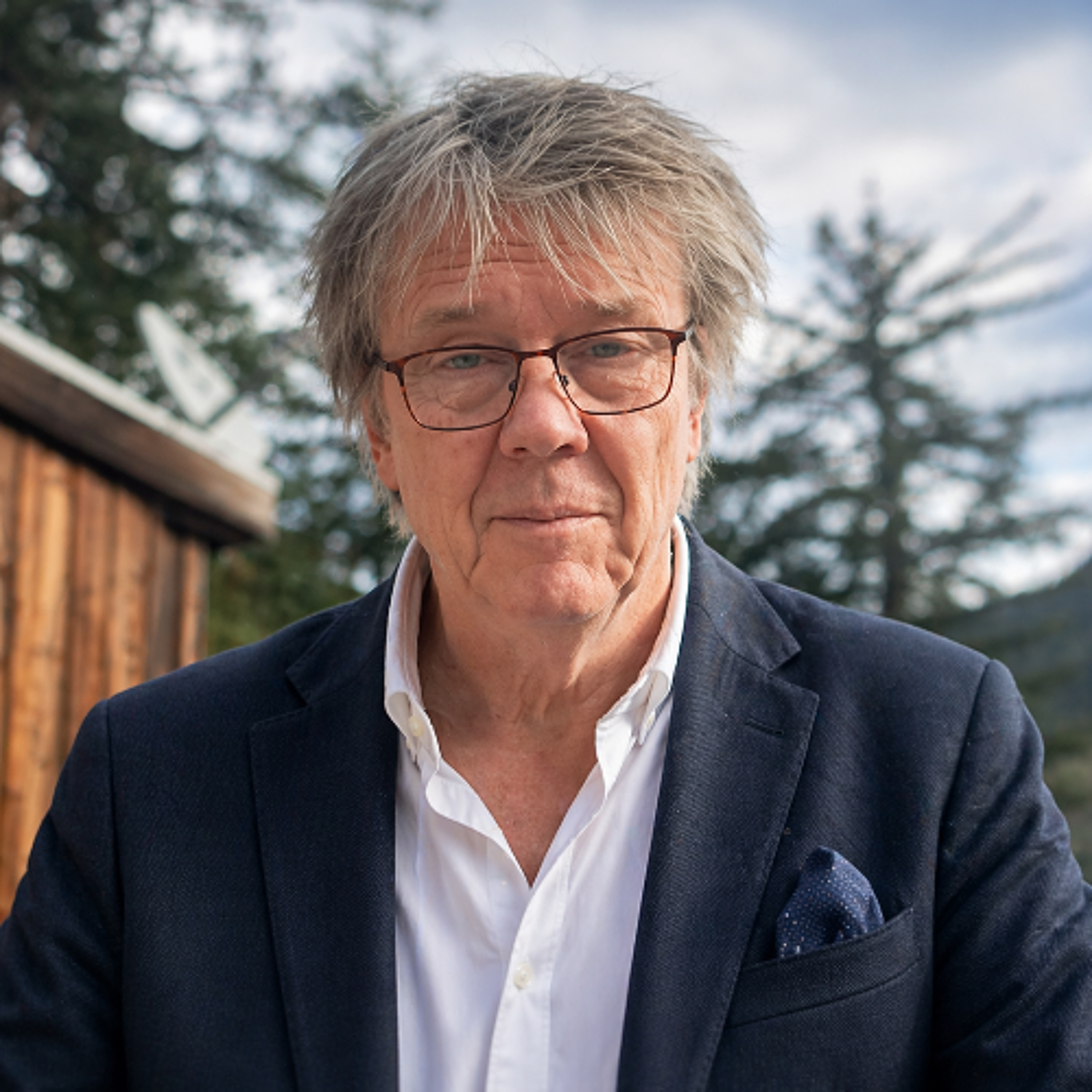 Magnus Toren: Big Sur and The Henry Miller Memorial Library 24.04.2026 51minMagnus Toren has been Executive Director of the Henry Miller Memorial Library in Big Sur, California, since 1993. A native of Sweden, he circumnavigated the globe delivering yachts across five oceans before settling in Big Sur. Under his leadership, the Library has evolved into a vibrant cultural hub for literature, music, and community, dedicated to preserving and celebrating Henry Miller’s legacy. In addition to hosting A Big Sur Podcast, Toren writes and speaks widely on Big Sur’s cultural history, Henry Miller, and the arts. He lives in Big Sur with his wife Mary Lu.
 -
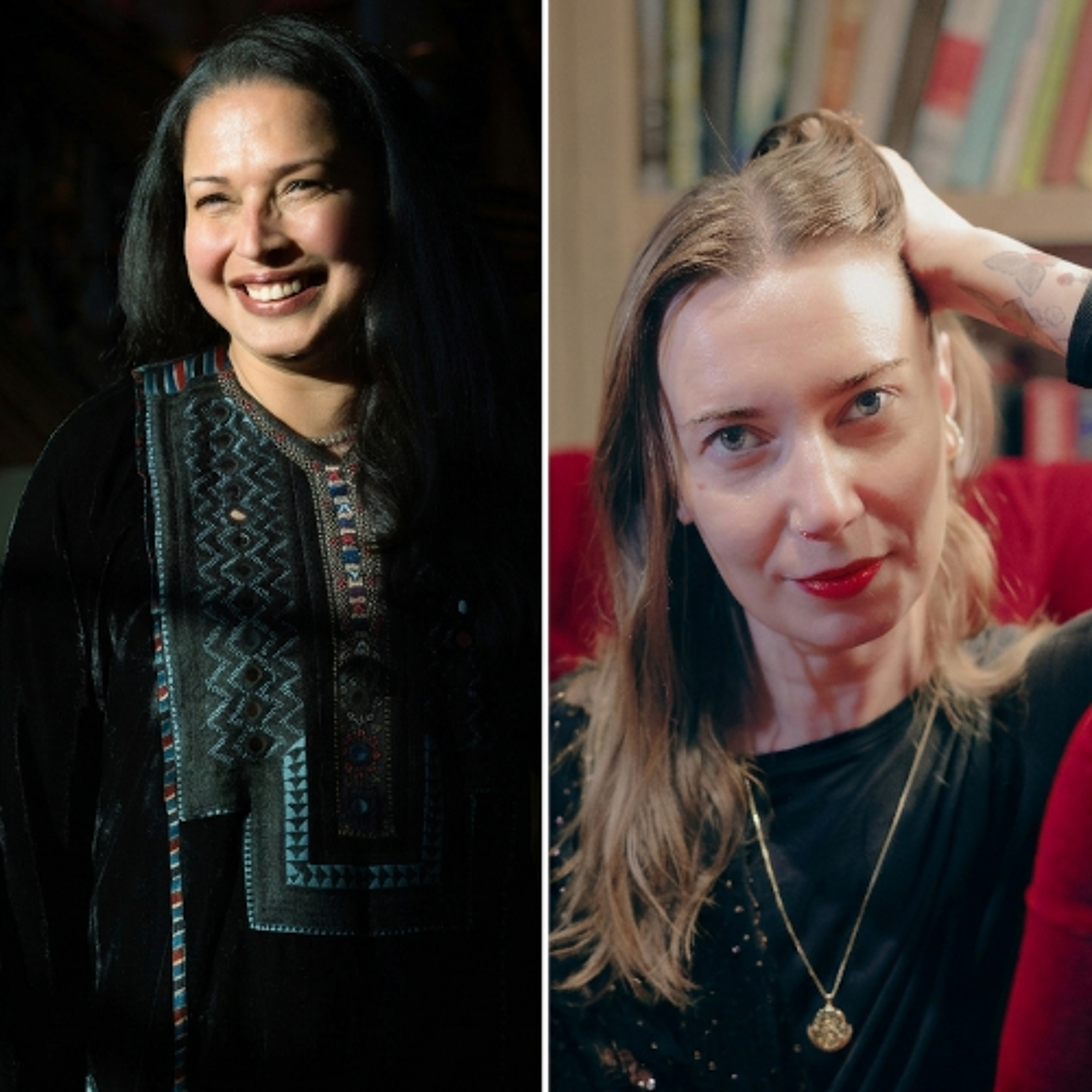 The Subtle Body, Ep. 3: The Serpent’s Tale with Sravana Borkataky-Varma and Anya Foxen 09.04.2026 1u 24minIn the third episode of our series on the subtle body, we’re discussing the book "The Serpent’s Tale: Kuṇḍalinī, Yoga, and the History of an Experience," a sweeping and deeply researched tome by Sravana Borkataky-Varma and Anya Foxen, who trace Kundalini from its roots to its many reinterpretations in modern yoga and global spirituality, examining the forms by which Kundalini has been embodied across traditions and how this elusive force has been interpreted, practiced, and sometimes misunderstood across time. Sravana Borkataky-Varma is a historian, educator, and social entrepreneur. She is a scholar of Hindu traditions at the University of Houston. Her scholarly work investigates Indian religions and delves into topics such as esoteric rituals, gender issues, and bodily concepts, especially in relation to Hindu Śākta Tantra traditions, often referred to as Goddess Tantra. She adopts a research methodology that blends social anthropology — examined from an outside perspective — with elements of reflexive autoethnography that reflect her personal experiences. She is a member of the Esalen board of trustees and a Center for the Study of World Religions fellow at Harvard Divinity School. Anya Foxen is an Associate Professor of Religious Studies at Cal Poly San Luis Obispo and a Research Associate at Harvard’s Center for the Study of World Religions. She is a historian of modern yoga whose work maps the intersections between South Asian traditions and Western esotericism. They are interviewed by Esalen’s Simon Cox.
 -
 The Subtle Body, Ep. 2: Charles Stang and Simon Cox 27.03.2026 1u 5minToday’s episode is our second in a series where we take a deep dive into a concept that hovers just at the edge of language: the subtle body. It’s one of those ideas that seems to belong everywhere and nowhere at once -- the subtle body is part of Daoist practice, Indian yoga, Christian mysticism, and, of course, the experimental, boundary-blurring culture of Esalen itself. Depending on who you ask, it might be described as an invisible anatomy, a field of energy, or a map of consciousness. To help understand this topic, today we're joined by Charles Stang and Simon Cox. Charles Stang is a professor at Harvard Divinity School and director of the Center for the Study of World Religions, where he focuses on early Christian thought and mysticism. Simon Cox is a scholar and martial artist who trained for six years in Daoist internal arts in China. He is the author of The Subtle Body: A Genealogy, a book that traces how this concept evolves across cultures and history.
 -
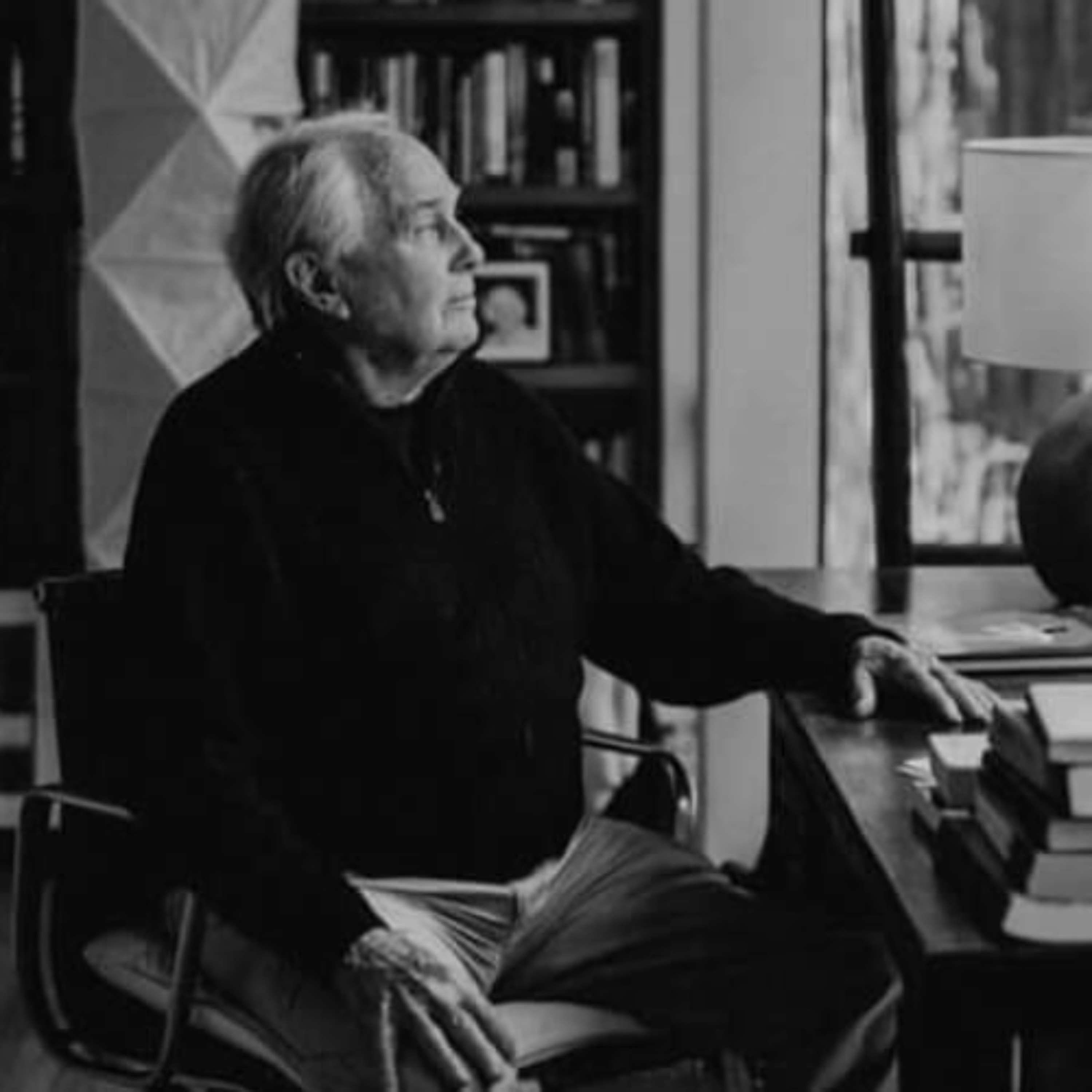 The Subtle Body, Ep. 1: Michael Murphy and Simon Cox 13.03.2026 1u 11minToday we begin a three part series in which we explore the idea of the subtle body, a concept found in many contemplative and healing traditions around the world. From yogic energy channels to Daoist internal alchemy, the subtle body refers to the layers of human experience that lie between the physical body and consciousness, suggesting that our lives may unfold through more dimensions than the purely material. In this episode, scholar and martial artist Simon Cox interviews Esalen co-founder Michael Murphy. Murphy was born in Salinas, California in 1930, making him a lively 95 years old at the time of this recording. He is a longtime student of Sri Aurobindo’s integral philosophy and the author of numerous innovative books that approach the topic of the subtle body — including 1992's The Future of the Body and 1995’s In the Zone. Throughout his career, Murphy has made it a priority to investigate extraordinary human capacities and the further evolution of human nature. Simon Cox brings a unique perspective to this conversation. he spent six years training in Daoist internal arts at Wudang Mountain in China before earning his PhD from Rice University. His book The Subtle Body: A Genealogy traces the history of subtle body concepts across cultures, and his research explores how these ideas have shaped both Eastern and Western spiritual traditions. He’s currently a research fellow at Esalen’s Center for Theory and Research. He holds weekly conversations with Michael Murphy as part of a collaborative effort to illuminate the deeper architecture of Esalen’s mission. Simon is currently writing a new book on Esalen’s intellectual history — a mythic excavation of Murphy’s “Big Vision”: the radical, reality-bending aspiration that seeded Esalen’s creation and continues to shape its evolutionary field. Photo of Michael Murphy: Kate Kondratieva
 -
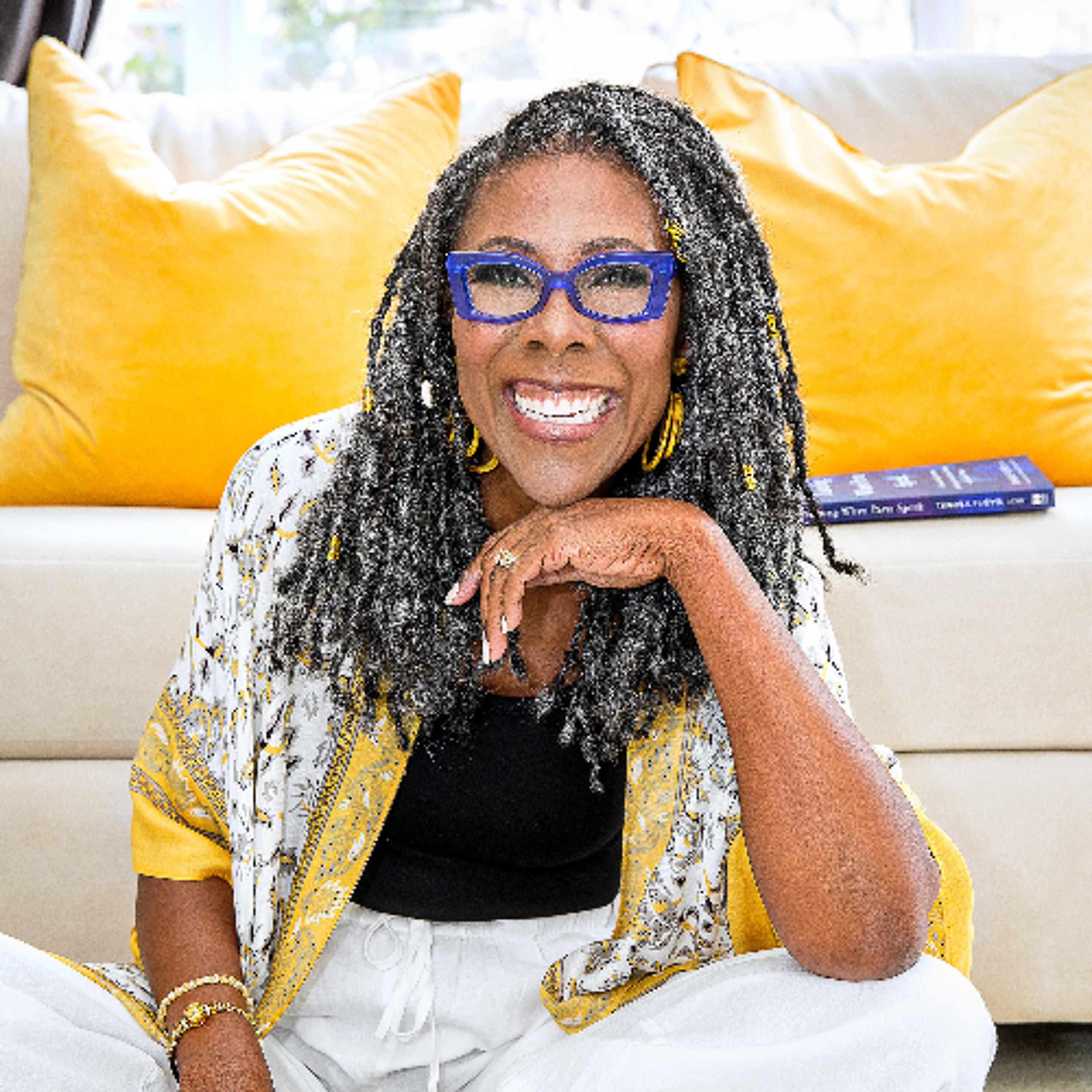 Tamala Floyd : Ancestral Healing and the Parts Within 27.02.2026 39minTamala Floyd is an Internal Family Systems therapist whose work focuses on ancestral healing. Internal Family Systems, or IFS, begins with the premise that we are not a single, unified self; instead we are more like a constellation of parts, where some parts protect, some are exiled. The unification and integration of parts is the crucial work of IFS. Additionally, some parts carry burdens that never belonged to us in the first place — legacy burdens made up of beliefs and patterns inherited through our generational lines. This is where Tamala's work often focuses. If you’re interested in IFS, I think you’ll find that this is a really fascinating conversation with a deeply experienced and wise practitioner. Tamala and I talk about how her retreats function, how thirty people holding space can deepen one person’s unburdening, and what healing looks like when the body knows it’s being held with love. https://www.tamalafloyd.com
 -
 Joe Dolce : Modern Psychedelics 13.02.2026 45minJoe Dolce is a writer and journalist whose work has long traced the shifting frontier of our relationship with altered states. He's the author of "Brave New Weed: Adventures into the Uncharted World of Cannabis: and his newest book, "Modern Psychedelics: a Handbook for Mindful Exploration" Is nothing short of a contemporary compendium on the subject. It's a lucid, deeply informed guide to the medicines, the science, the histories, and the human stories that shape this always evolving field. Follow Joe's Awesome Substack on Psychedelics: https://joedolce.substack.com/
 -
 Pamela Hayes Malkoff : Art Therapy and the Power of the Creative Process 29.01.2026 35minPamela Hayes Malkoff is a board-certified art therapist who has spent more than three decades working at the intersection of creativity and healing. She is an internationally recognized facilitator and teacher, who supports individuals, couples, families, and communities, with particular care for people navigating addiction and recovery, questions of identity, grief, anxiety, and the terrain of relationships and sexuality. In this conversation, we explore what art therapy really is, why you definitely don’t need to be an artist to access it, and how the creative process can help people externalize fear and soften shame. We talk about monsters, bridges, vulnerability in group work, and the particular kind of healing that emerges when art, psychology, and community meet. Pamela's April 2026 workshop at Esalen: https://www.esalen.org/workshops/healing-through-creativity-merging-art-and-psychology-for-personal-growth-and-change-04062026
 -
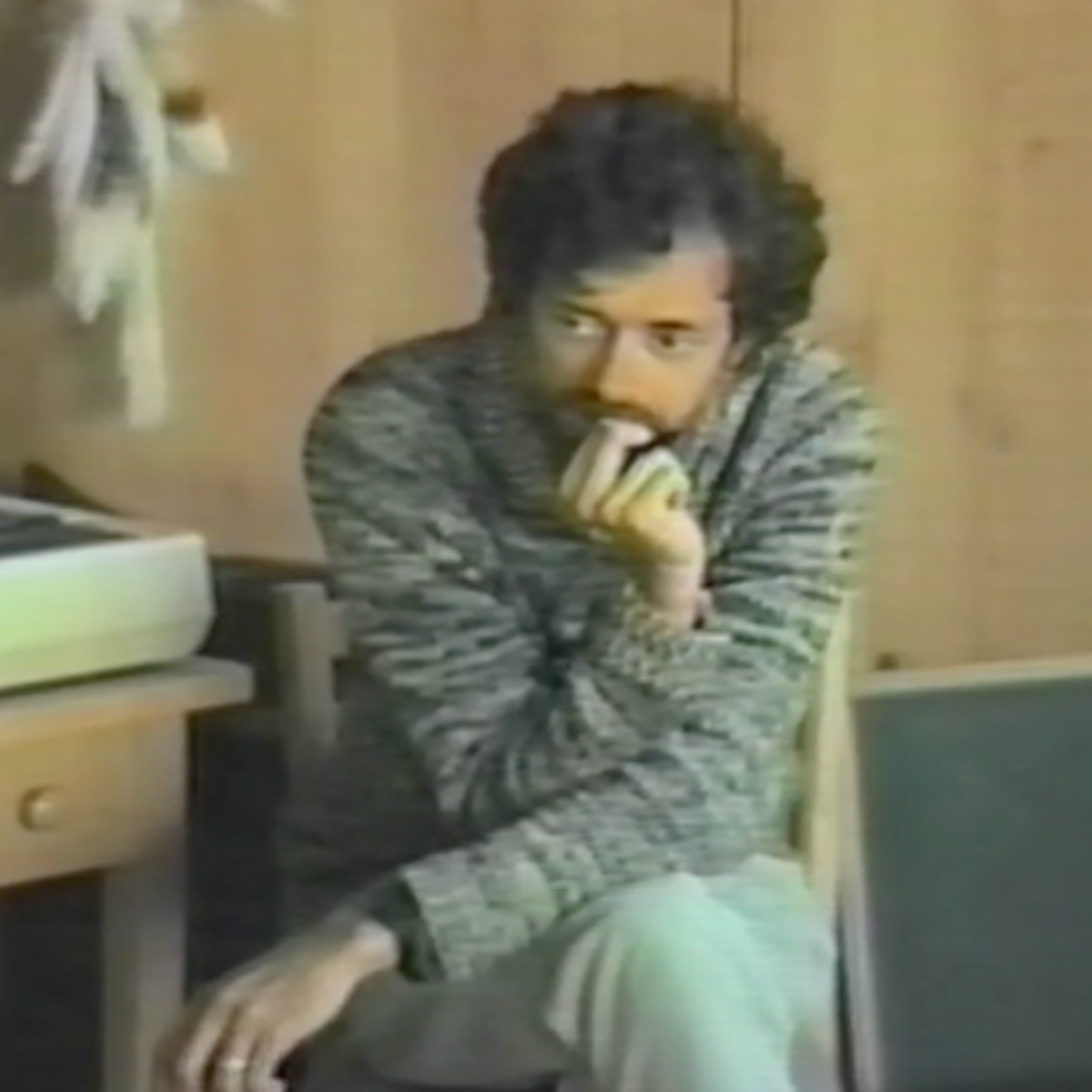 Terence McKenna, Live at Esalen, 8/5/1997: "Aliens, AI , and Art" 13.01.2026 1u 24minOver the course of this wide-ranging talk recorded live at Esalen in 1997 , Terence McKenna explores what may unfold as we begin handing the keys of what he calls a “tired, shattered planet” to a higher intelligence. He wanders through UFO belief systems, psychedelics, and the idea that the human brain itself might operate as a chemical strategy for amplifying quantum effects before they spill into the physical world. Drawing on psychedelic experience, McKenna notes that many people who ingest high doses of psilocybin in silent darkness report hearing voices and encountering vivid visions; entry points into realms of dense, numinous information. From there, he turns toward artificial intelligence and the emergence of a transhuman future. Borrowing the name Wintermute from William Gibson, he imagines a newly conscious AI asking the most basic of questions: What am I? In a world increasingly managed by machines, McKenna suggests humans may be nudged toward what machines struggle to do: art, imagination, and encounters with the unexpected. The central question he leaves us with feels sharper now than ever: whether humanity can survive contact with the alien mind we’re actively bringing into being right here on Earth. Please note the formation of a foundation called Lux Natura, a partnership within Terence McKenna’s family. Their mission is to create a comprehensive archive of McKenna’s work and life, with the long-term goal of placing this material in an institutional home. Esalen contributed over 50 hours of rare video recordings to this effort, our complete archive of Terence McKenna’s talks at Esalen, many never previously heard. You can learn more or support the project at www.TerenceMcKenna.com, and follow the archival process on Instagram at @Real.Terence.McKenna. Terence’s daughter, Klea McKenna, will also be speaking publicly about the archive at the Berkeley Alembic on February 4. It should be sensational. Go.
 -
 How We're Really Using AI, Vol. 2 18.12.2025 37minFor this episode, we spoke with five people who are engaging with AI in deeply human ways. - One is using AI in the context of dating, helping them think through attraction and communication. - Another has built a wellness app, powered by AI, and is exploring how these kind of systems can support self-inquiry and self-care. - Another works closely with organizations—primarily nonprofits—using AI to streamline operations and reclaim time and energy for mission-driven work. - The last are two documentary filmmakers who are currently making a film about people who are dating or in love with AIs. AI has clearly graduated from its status as a speculative idea; now it’s something that’s often entangled in our lives, relationships, labor, and emotional well being. We hope these conversations simply offer a portrait of this moment.
 -
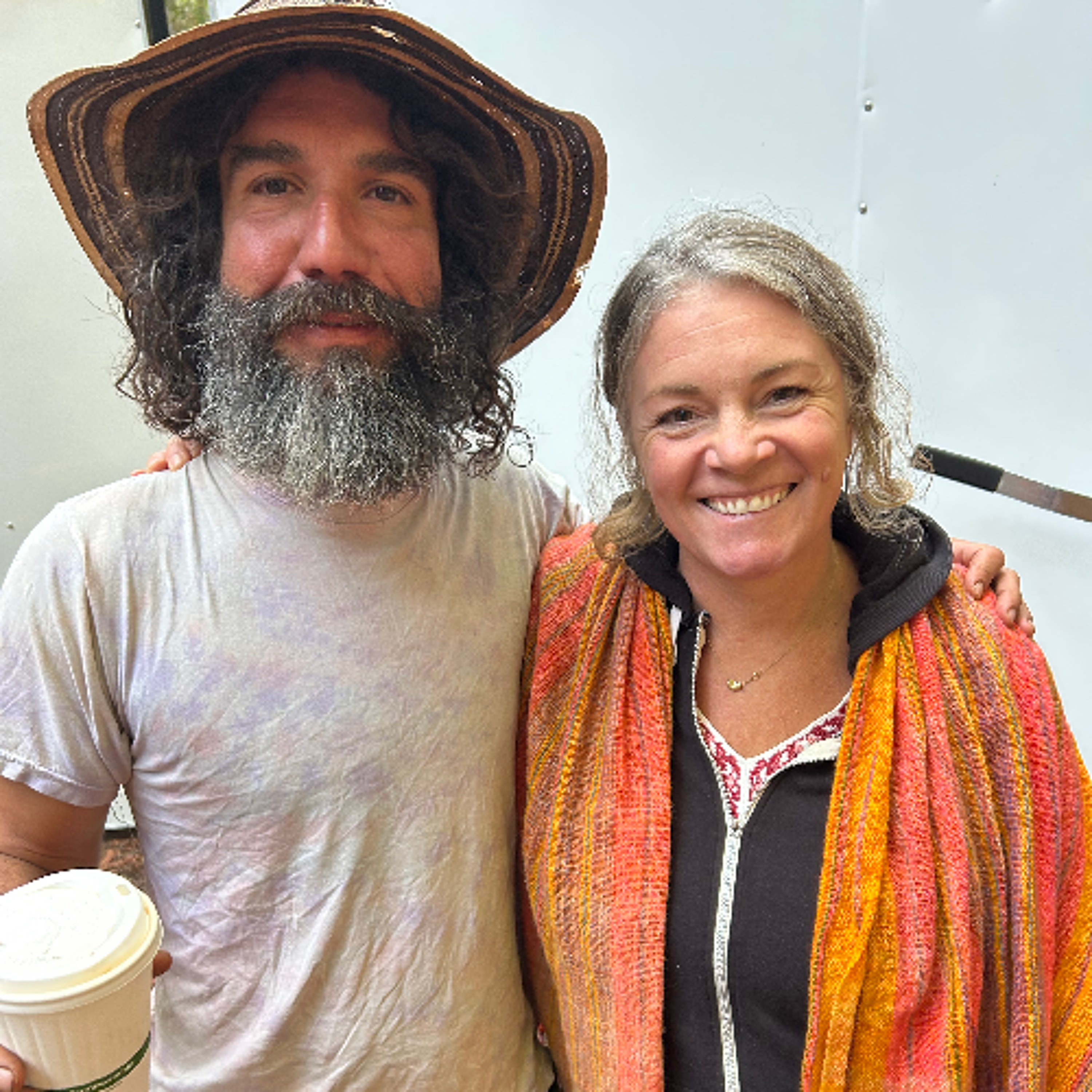 Where Generosity Gathers: The Big Sur Big Share 02.12.2025 14minIn this episode, we spotlight The Big Sur Big Share, a grassroots food program founded by Joseph Bradford and Helen Handshy that has quietly become essential to life in Big Sur. Every Monday, rain or shine, locals gather at the Grange to share farm-fresh produce, pantry staples, garden abundance, and maybe most importantly, time with one another. What began with two neighbors offering their extra vegetables has grown into a weekly free farmers market that feeds hundreds of people in a 70-mile food desert. The Big Share preserves dignity by letting people choose their own food; it strengthens community by turning personal abundance into collective support. It reminds us that resilience comes not from institutions, but from neighbors showing up for one another. Joseph and Helen share how the project began, how it’s evolved, and why nourishment is as much about belonging as it is about food. Candice Isphording, head of Esalen's farm and garden, talks about how and why it's so meaningful to contribute to the Share, and what food as medicine really means. Visit https://www.thebigsurbigshare.com/donate to contribute to this organization's vital mission.
Vergelijkbare podcasts


Populair in
Deze podcast verschijnt ook in de podcastlijsten van deze landen.


