
Russian lesson for beginners
Russiansquare
0
This podcast is designed for beginners who want to learn Russian. It focuses on helping listeners start speaking and reading in Russian with ease. The lessons are structured to be simple and accessible, making it a great starting point for language learners.
Afleveringen
-
 Russian lesson #33 01.12.2025 13minRussian Beginner Level: Final LessonWelcome to the final episode of the Beginner Russian course!In this closing lesson, we bring together everything you've learned so far—basic vocabulary, essential grammar, everyday phrases, and confident pronunciation. You’ll review common conversational patterns, practice useful expressions for real-life situations, and take your first steps toward speaking more naturally.We’ll also highlight the most important tips for continuing your Russian-learning journey, from expanding your vocabulary to building listening and speaking habits. By the end of this lesson, you’ll be ready to move on to the next level with a solid foundation and the motivation to keep going.Thank you for learning Russian with me—let’s finish strong!
 -
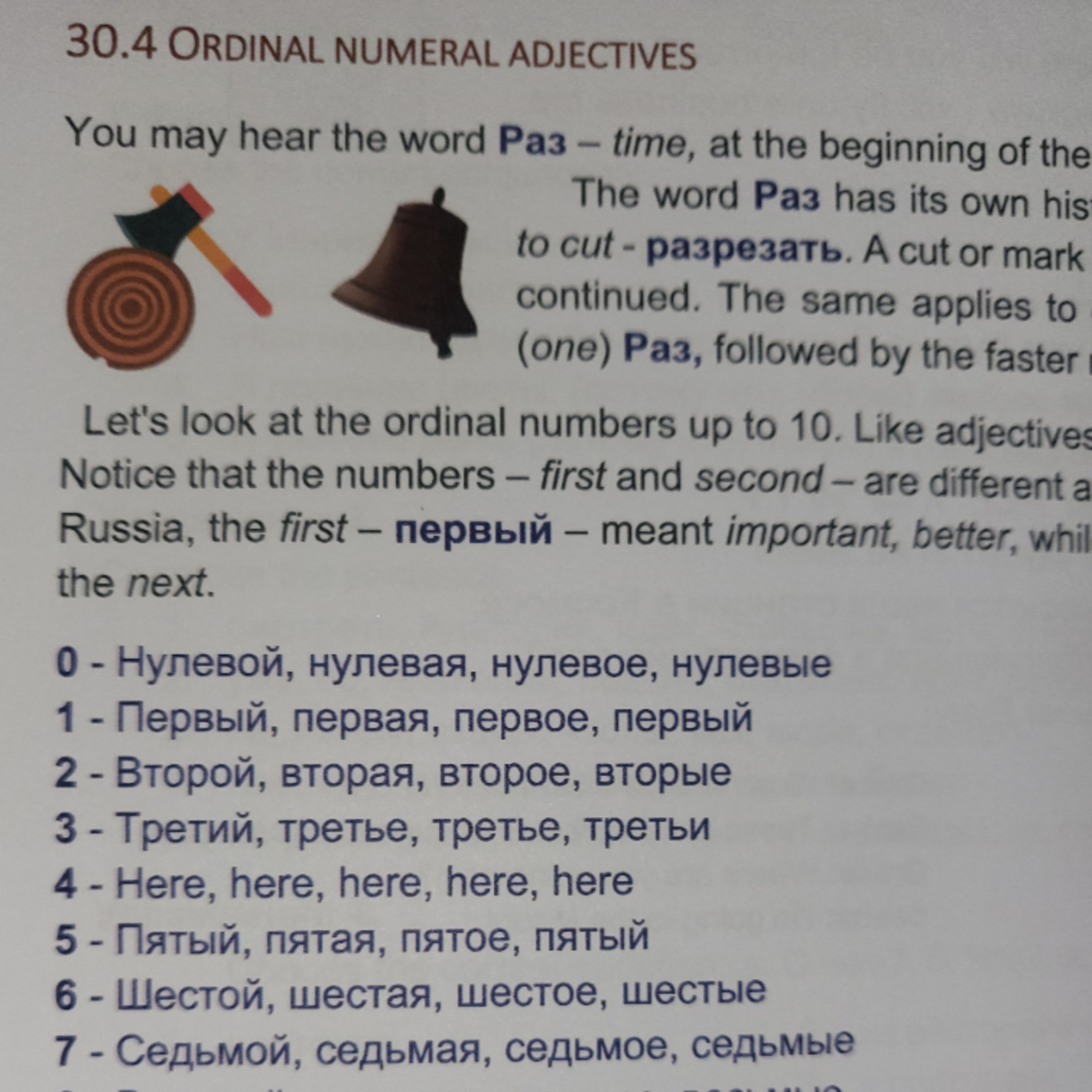
 Russian lesson #32 30.11.2025 10min3. Spotify Russian Lesson Review: Adjectives & Ordinal NumbersThis Russian lesson on Spotify provides a clear and engaging introduction to Russian adjectives and ordinal numbers, perfect for beginners and intermediate learners alike. The episode explains how adjectives change based on gender, number, and case, using everyday vocabulary and simple example sentences to make grammar feel accessible. It also walks listeners through the formation of ordinal numbers, from первый (first) to more complex forms, highlighting pronunciation tips and common patterns. With slow, clear explanations and practical examples, the lesson helps learners build confidence in describing people, places, and objects while also talking about dates, order, and sequences in Russian. It’s a concise, useful review for anyone looking to strengthen their foundational grammar skills.
 -
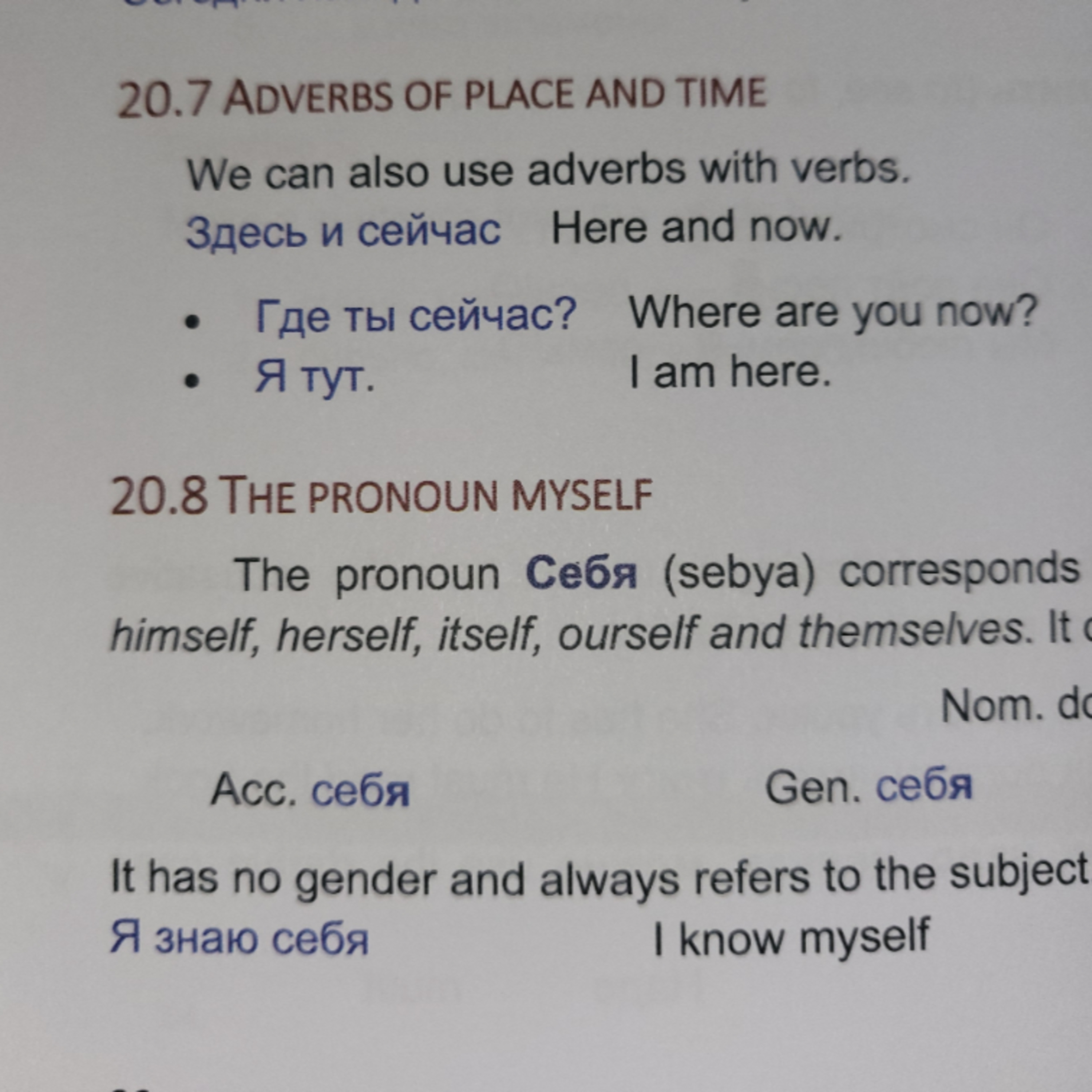 Russian lesson #31 29.11.2025 10min2. Review of Basic Russian Grammar, Verbs, Numbers & AdverbsIn this lesson, we take a clear and friendly walk through the essential building blocks of Russian. Perfect for beginners or anyone wanting a solid refresher, we revisit basic grammar structures, explore common verb patterns, practice counting with confidence, and learn useful adverbs that bring life and precision to everyday speech. Whether you’re strengthening your foundation or restarting your learning journey, this episode will help you speak Russian more naturally and with greater understanding.
 -
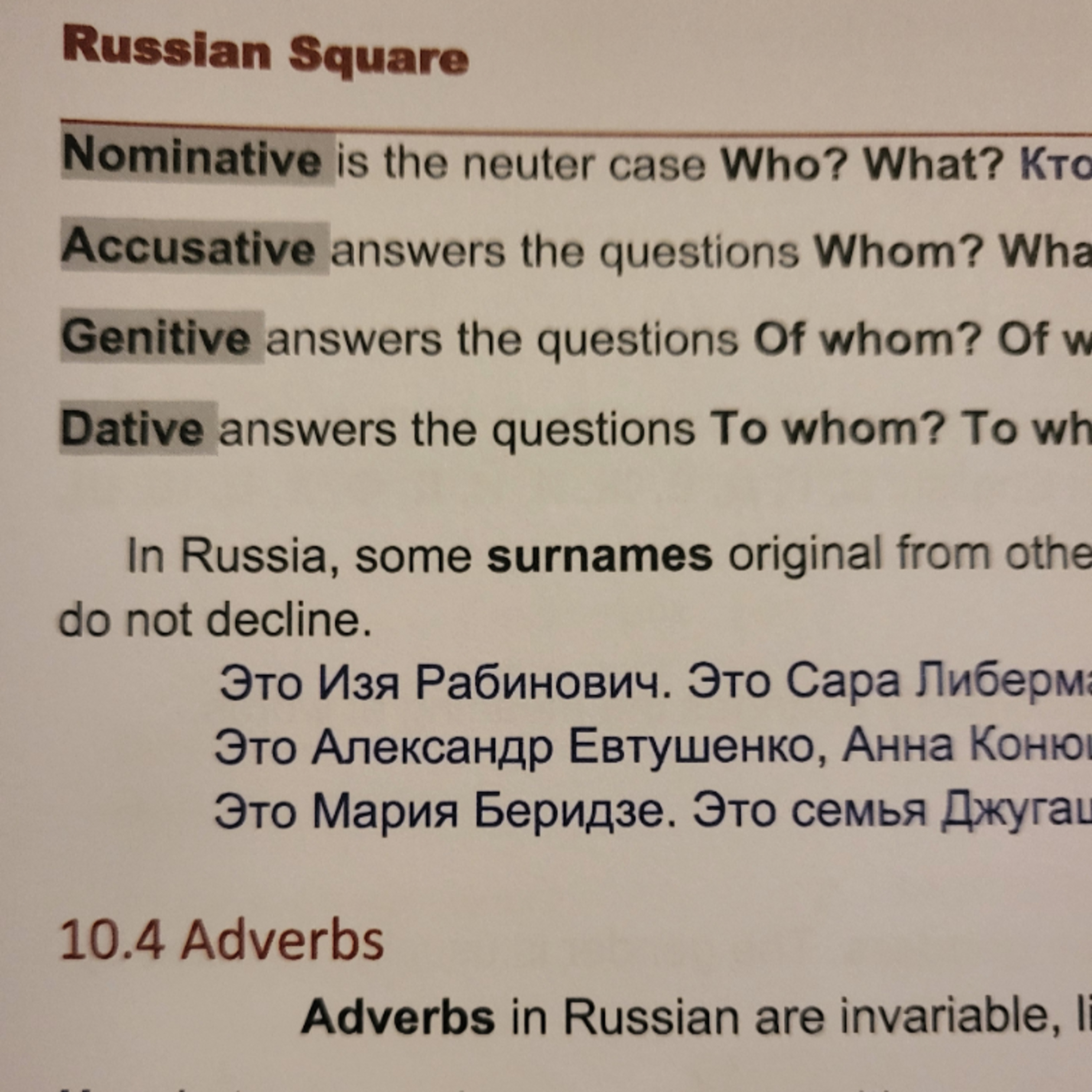 Russian lesson #30 28.11.2025 9min1. Russian Basics — Grammar ReviewReady to strengthen your foundation in Russian? In this lesson, we revisit the essential grammar every learner should know. Whether you're just starting out or refreshing past knowledge, this episode walks you step-by-step through the core building blocks of the language.👉 What we cover:The Russian alphabet & pronunciation remindersGender of nouns (masculine, feminine, neuter)Personal pronouns and simple sentence structureBasic cases: nominative & accusative explained simplyUseful practice phrases you can repeat out loudPerfect for beginners and anyone who wants to reinforce the fundamentals. Slow pacing, clear explanations, and plenty of repetition to help everything stick.Put on your headphones, repeat after me, and let’s build your Russian grammar confidence together! 🇷🇺✨
 -
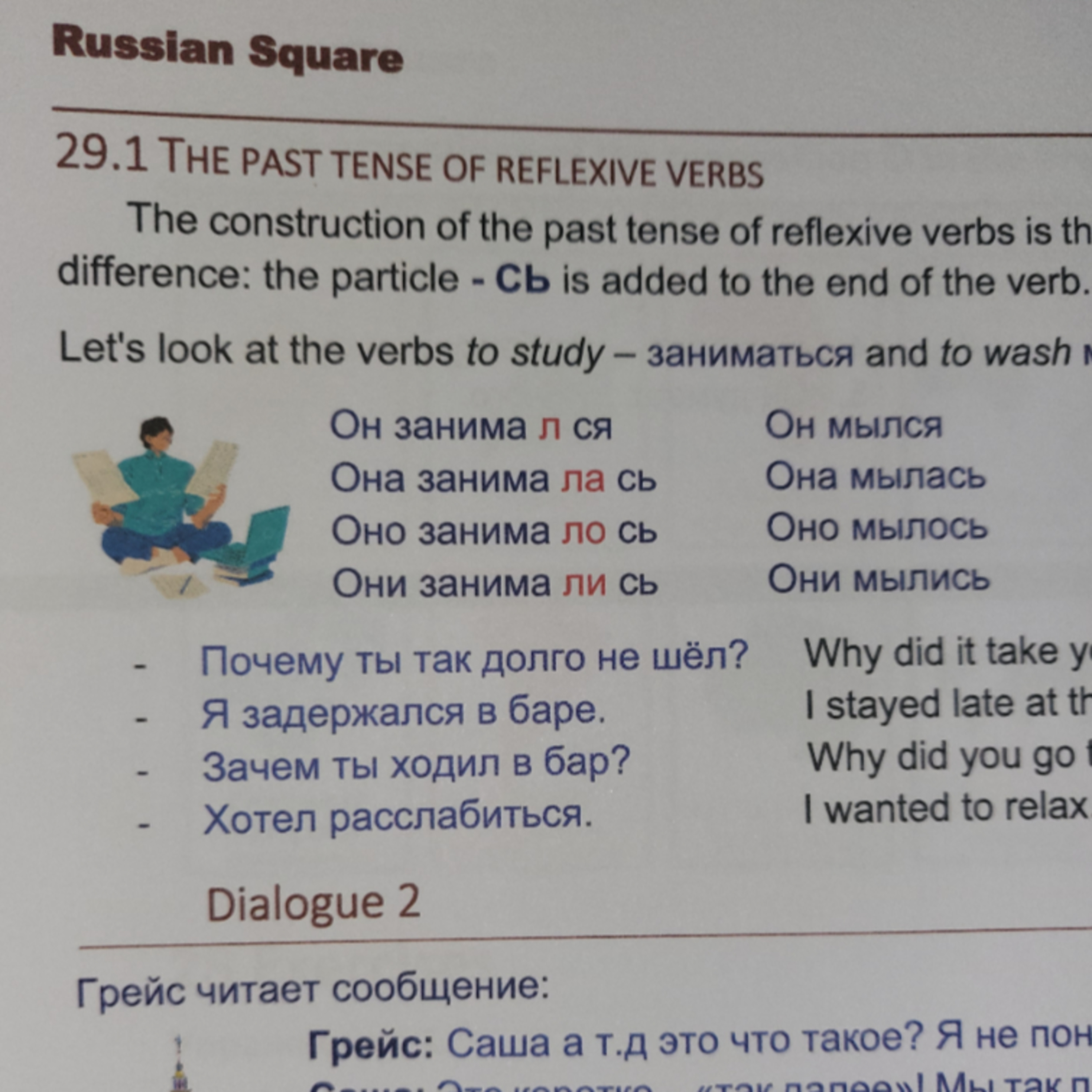 Russian lesson #29 27.11.2025 9min«Почему» и «Зачем»: How to Ask “Why” in RussianDescription:In this Russian lesson, we explore two important question words that often confuse learners: почему and зачем. Both can translate to “why”, but they express different kinds of reasoning.You’ll learn:The exact difference between почему (asking about a cause or reason) and зачем (asking about a goal or purpose).Clear examples to help you hear the nuance.Short dialogues and mini-exercises to practice both words in real situations.By the end of the episode, you’ll confidently choose the right “why” every time. Perfect for beginners and intermediate learners who want to sound more natural in Russian!
 -
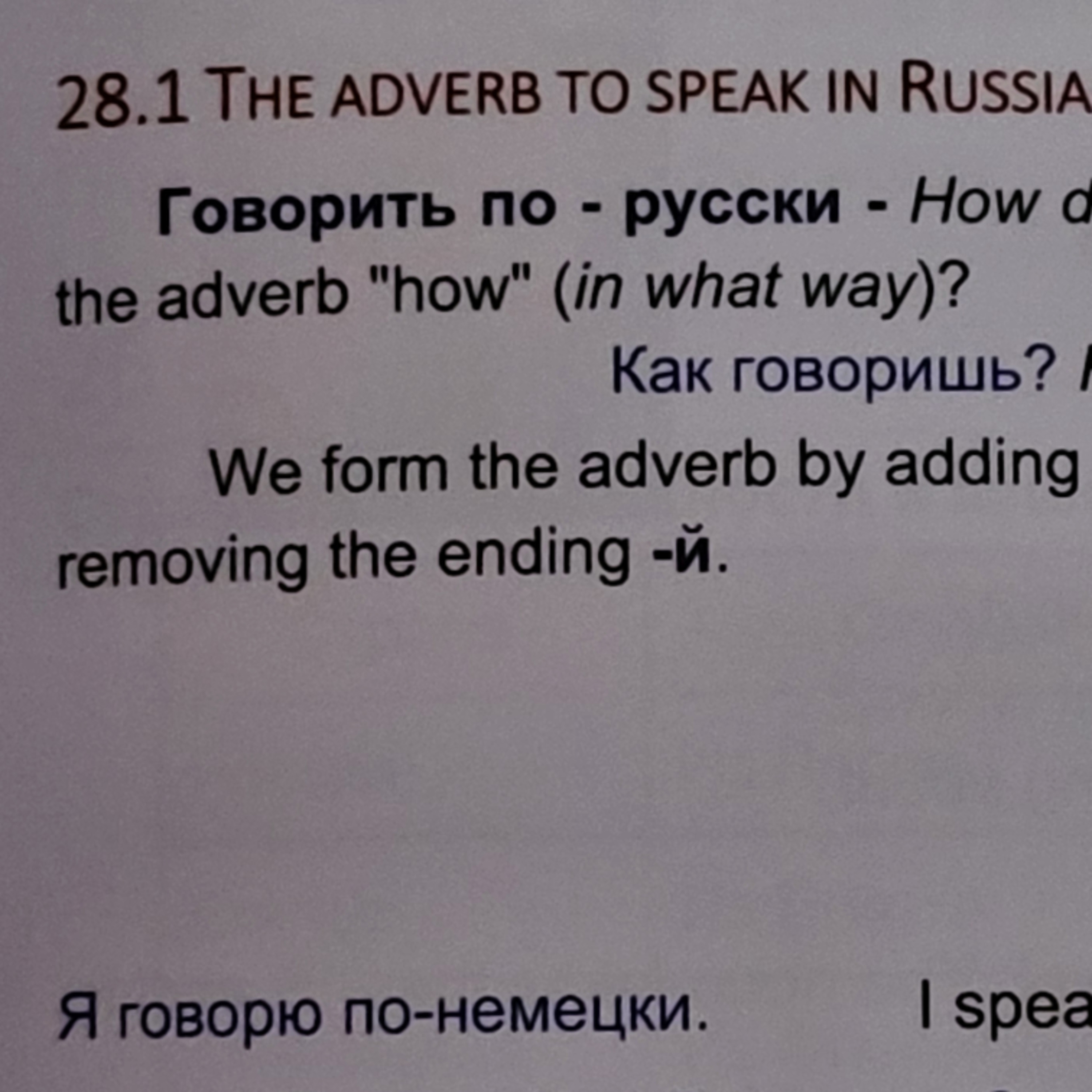 Russian lesson #28 26.11.2025 11minSpeaking in Russian & Using the Preposition “О” — Mastering the Prepositional CaseIn this episode, we dive into two essential elements of everyday Russian: how to say “to speak in Russian” and how to correctly use the preposition «о» (“about”) with the prepositional case.You’ll learn:How to talk about the languages you speak using the verbs говорить and разговариватьWhy Russians say говорить по-русски instead of “на русском языке” — and when both forms are usedThe meaning and function of the preposition «о», plus its alternate form «об»How to form the prepositional case for nouns and adjectives after о/обReal-life examples such as: говорить по-русски, думать о работе, книга о природе, and morePerfect for beginners and intermediate learners who want to speak more naturally and confidently. Tune in, repeat after the examples, and take your Russian to the next level!
 -
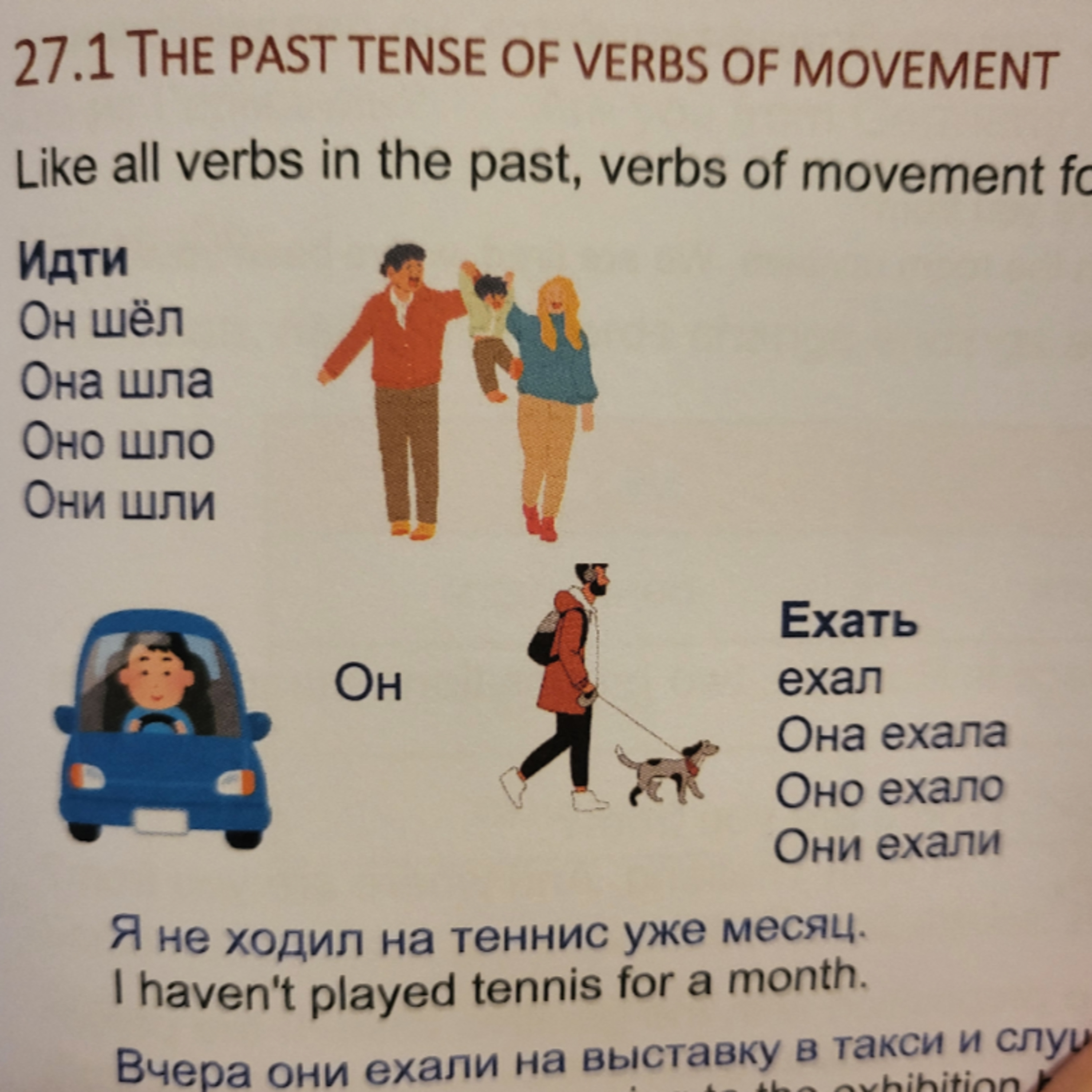 Russian lesson #27 25.11.2025 10minRussian Verbs of Movement — Mastering the Past TenseIn this episode, we break down one of the most important (and trickiest!) parts of Russian grammar: verbs of movement in the past tense. You’ll learn how pairs like идти/ходить and ехать/ездить behave once we shift them into the past, how gender affects endings, and how context—single vs. repeated action—changes the verb you choose.Through clear examples, mini-stories, and pronunciation practice, you’ll discover how to say things like “I went,” “We traveled,” “She walked,” and more. Perfect for beginners looking to solidify the basics and for intermediate learners wanting to sound more natural.By the end of the lesson, you’ll feel confident talking about where you went, how you got there, and what you used to do.
 -
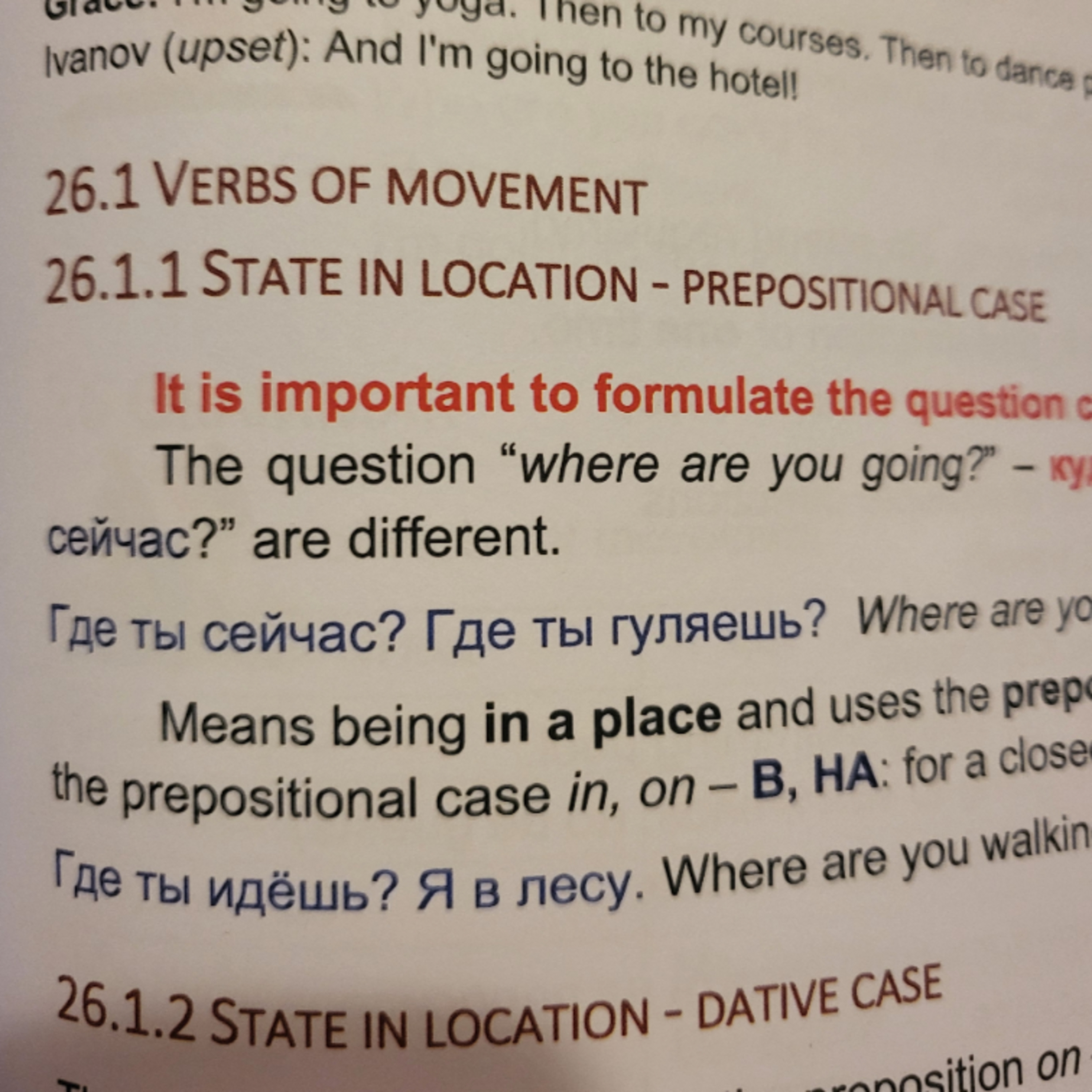 Russian lesson #26 24.11.2025 10minMastering “To Go,” “To Run,” and Everything In BetweenIn this episode, we dive into one of the most fascinating—and famously tricky—topics in Russian: verbs of movement. Whether you're walking, running, flying, or swimming, Russian has a verb for every direction and purpose. We break down the essential pairs like идти/ходить and ехать/ездить, explain the difference between unidirectional vs. multidirectional movement, and show you how these verbs help express habits, single actions, and intention.Through clear examples, easy practice phrases, and real-life scenarios, you’ll learn how to confidently talk about where you're going, how you're getting there, and how often you move around. Perfect for learners who want to boost their fluency and sound more natural in everyday conversations.🎧 What you'll learn today:• The logic behind Russian motion verbs• Key verb pairs and how to use them• Common mistakes and how to avoid them• Practical examples you can start using right awayLet’s get moving—literally!
 -
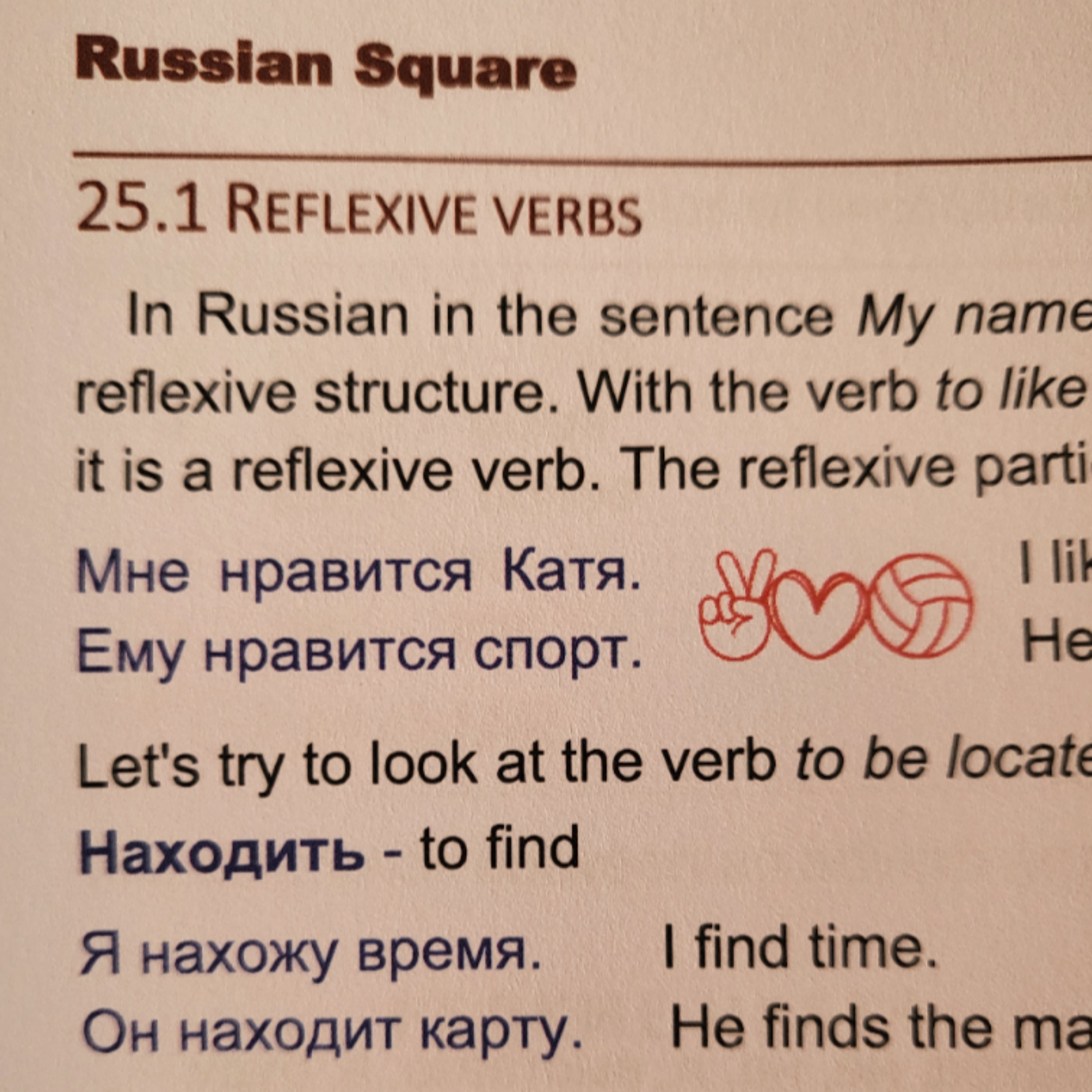 Russian lesson #25 23.11.2025 8minEpisode: Mastering Russian Reflexive Verbs (Глаголы с -ся / -сь)In today’s lesson, we dive into one of the most useful and expressive parts of Russian grammar: reflexive verbs. These verbs end with –ся or –сь and can change meaning in fascinating ways—from talking about daily routines to expressing emotions, reciprocal actions, and even passive constructions.You’ll learn:✨ What reflexive verbs are and how they’re formed✨ The 5 main functions of reflexive verbs in Russian✨ Common examples like одеваться, учиться, нравиться, бояться, встречаться✨ How reflexive verbs change in different tenses✨ Practical phrases you can start using right awayBy the end of this episode, you’ll be able to recognize and confidently use reflexive verbs in everyday conversations. Perfect for beginners and intermediate learners looking to sound more natural in Russian.
 -
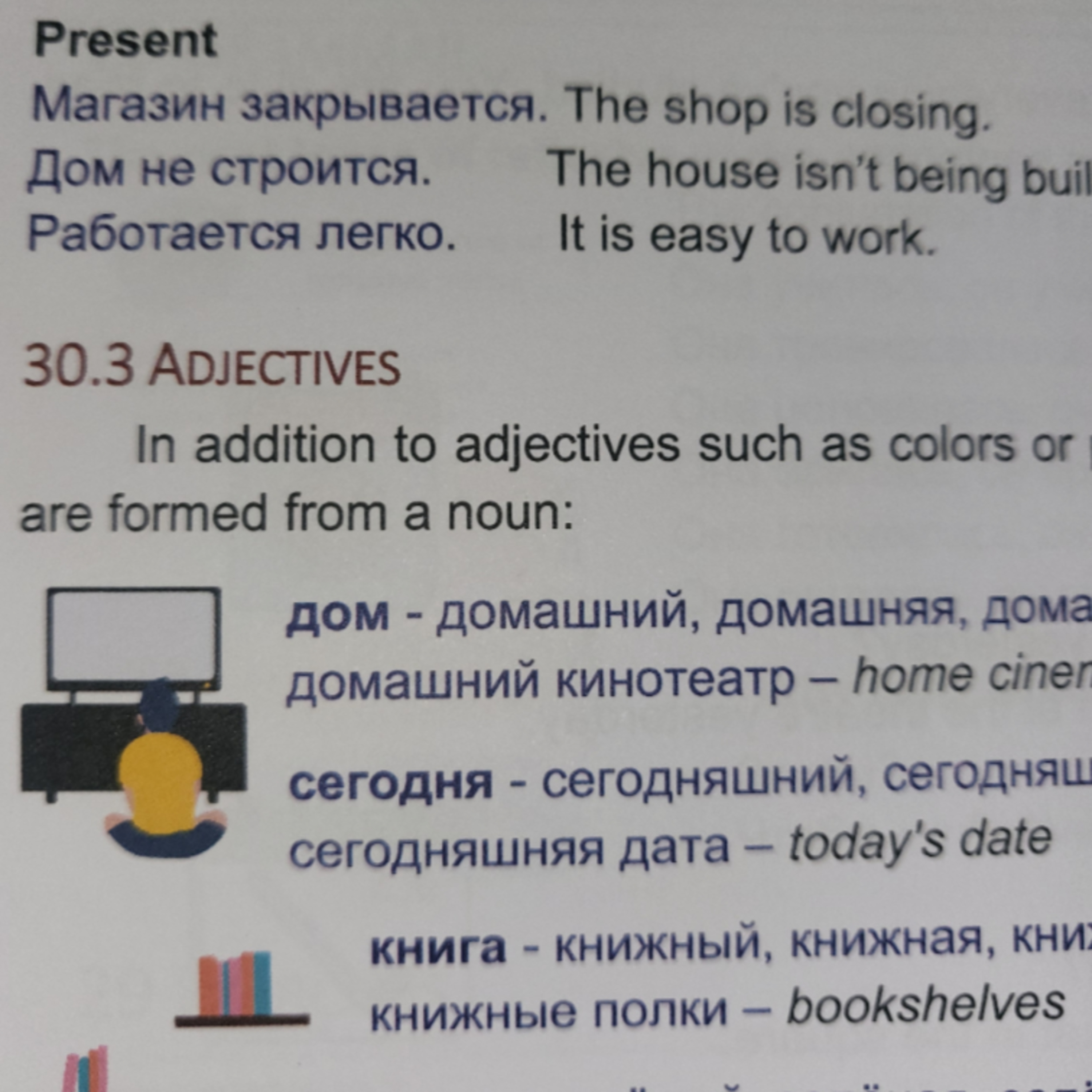
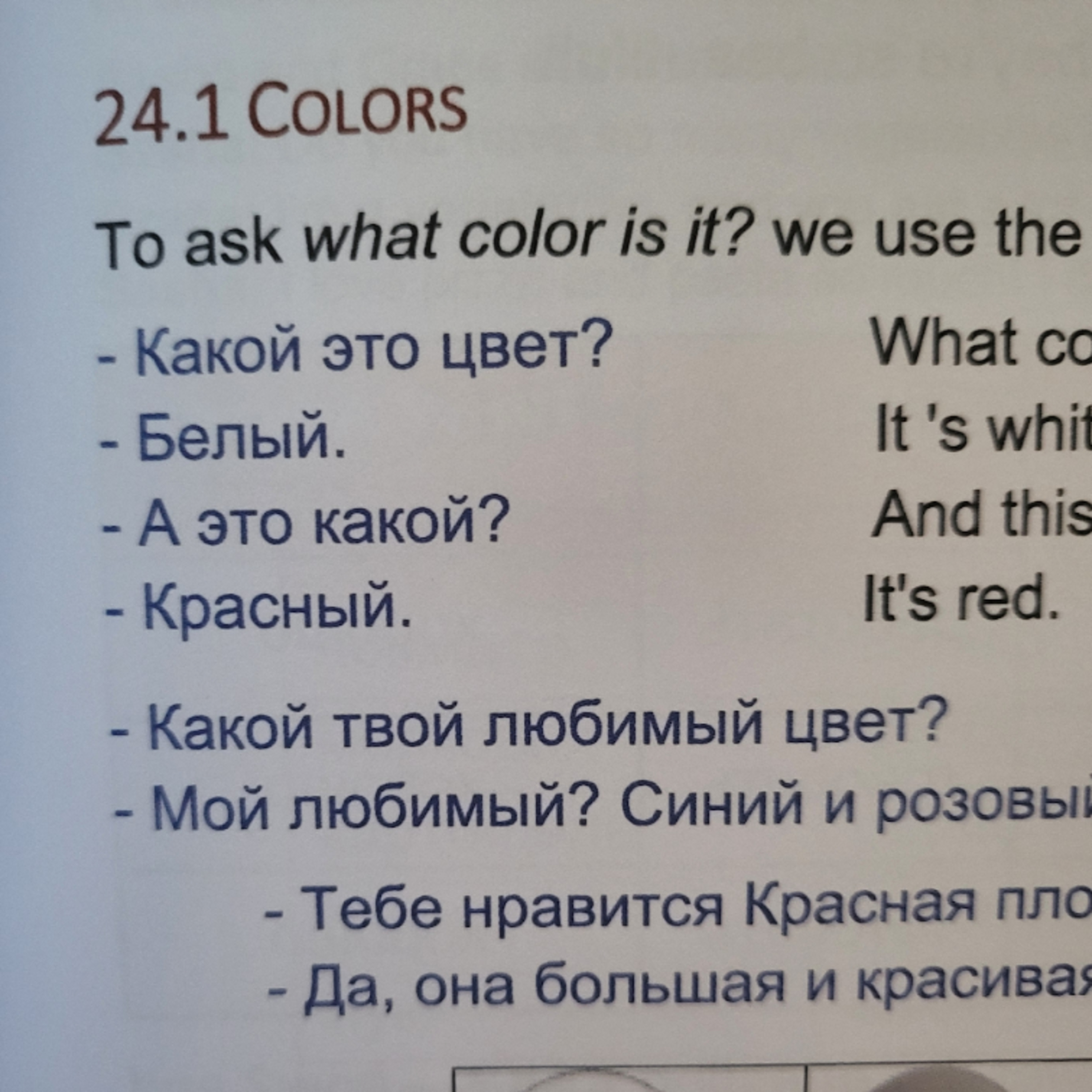 Russian Lesson #24 21.11.2025 10minRussian Made Easy: Adjectives & AdverbsIn this episode, we dive into two essential building blocks of Russian grammar—прилагательные (adjectives) and наречия (adverbs). You’ll learn how to describe people, places, and actions more clearly using real-life examples and simple patterns you can start using immediately.We’ll cover:• How Russian adjectives change based on gender and number• The most common adjective endings and when to use them• How to turn adjectives into adverbs• Everyday adverbs that make your Russian sound natural• Short practice sentences to build confidenceWhether you’re a beginner looking to expand your vocabulary or an intermediate learner polishing your grammar, this lesson will help you add color, detail, and accuracy to your Russian. Tune in, repeat after the examples, and watch your descriptive skills come alive!#Russian #grammar
 -
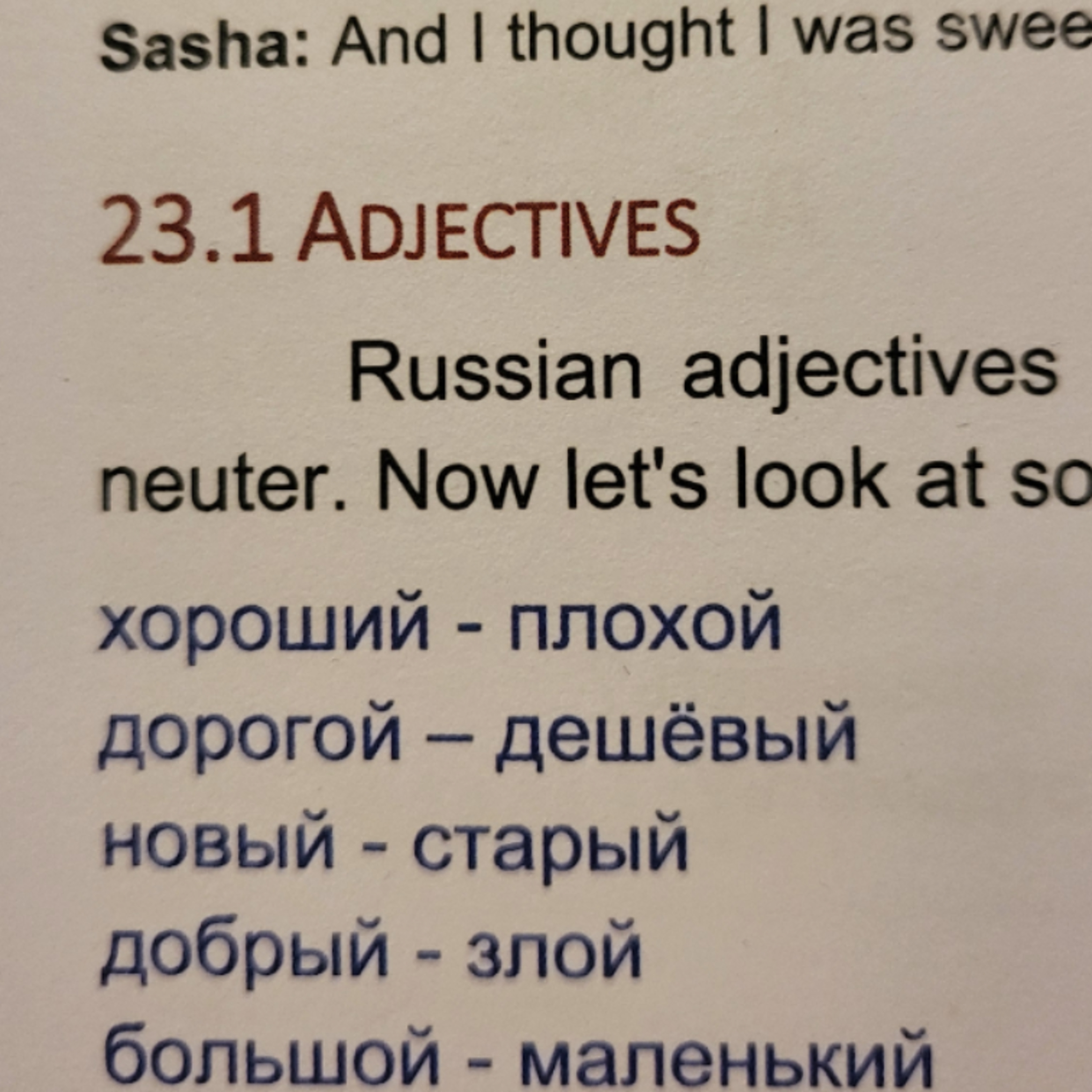 Russian Lesson #23 18.11.2025 9min🇷🇺 Russian Mastery: Adjectives Made Easy – Lesson DescriptionWelcome to today’s Russian lesson, where we dive into the colorful world of adjectives! In this episode, you’ll learn how Russian adjectives work, how they change to match gender, number, and case, and how to use them naturally in everyday conversation.We’ll walk through clear examples, practice pronunciation, and explore useful vocabulary to help you describe people, places, and things with confidence. Whether you’re a beginner building your foundation or an intermediate learner polishing your grammar, this lesson will sharpen your skills and boost your expressive power in Russian.Get ready to level up your language learning—одежда becomes красивая одежда, дом becomes большой дом—and your Russian becomes more vivid and precise.Press play and let’s start learning!
 -
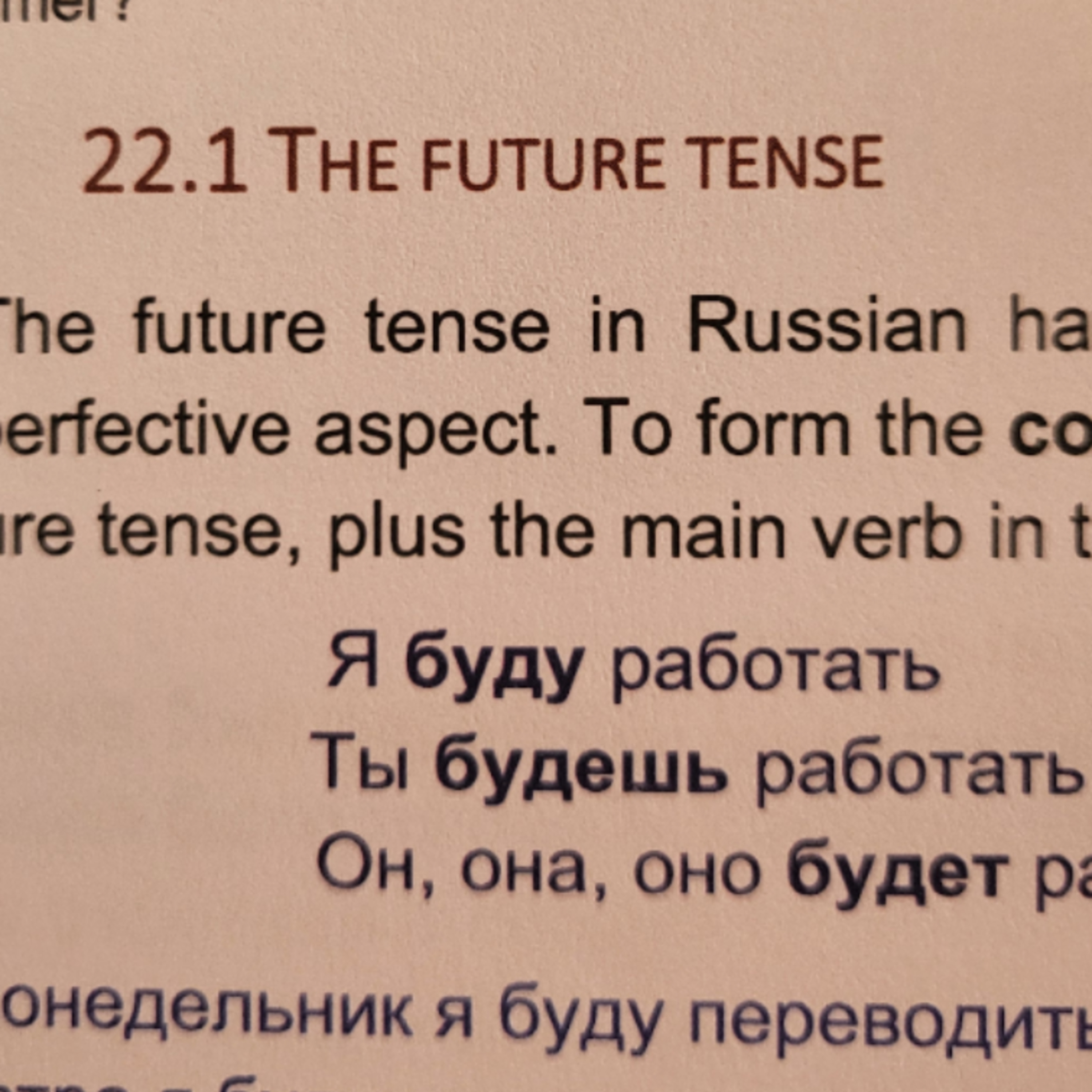 Russian lesson #22 17.11.2025 11minMastering the Russian Future TenseGet ready to leap into the future—literally! In this episode, we break down how to talk about future actions in Russian using both the simple future and the compound future forms. You'll learn when to use буду + infinitive, when a verb’s perfective form expresses the future on its own, and how to choose the right tense for context.We’ll walk through clear examples, pronunciation tips, and common phrases you can start using right away. Perfect for learners who already know basic verb forms and want to speak more confidently about plans, intentions, and predictions.Tune in, repeat aloud, and take your Russian one step closer to fluency.
 -
 Russian Lesson #21 16.11.2025 12min🇷🇺 Learn Russian: The Past Tense Made EasyIn this episode, we dive into one of the most essential parts of Russian grammar — the past tense. Whether you’re a complete beginner or brushing up your skills, you’ll learn how Russian verbs change for gender and number, how to form the past tense correctly, and how to use it naturally in everyday conversation.We’ll walk through clear examples, simple explanations, and practical phrases you can start using right away. By the end of the lesson, you’ll be able to talk about what you did yesterday, describe past events, and tell simple stories with confidence.Perfect for self-learners, travelers, or anyone building a strong foundation in Russian.Russian past tenseRussian grammarLearn RussianRussian for beginnersRussian verbsPast tense conjugationGender endings in RussianRussian language lessonRussian podcast
 -
 Russian lesson #20 13.11.2025 11minAdverbs of the Weather – Learn Russian Naturally 🇷🇺☀️❄️🌧️ In this episode, we dive into Russian adverbs that describe the weather — like тепло (warm), холодно (cold), ветрено (windy), and солнечно (sunny)!You’ll learn how to use these words in everyday sentences, hear native pronunciation, and practice speaking along. Perfect for beginner and intermediate learners who want to talk about the weather like a local!Topics include:Common Russian weather adverbsHow to use them with the verb быть (to be)Fun pronunciation and listening practiceReal-life examples and mini-dialogues🎵 Tune in, repeat, and feel the Russian atmosphere — Погода сегодня прекрасная!
 -
 Russian lesson #19 12.11.2025 12minWhat Time Is It? — Telling the Hours in RussianIn today’s lesson, we dive into how to tell the time in Russian! ⏰ You’ll learn how to say the hours, ask “What time is it?” (“Который час?”), and understand how Russians talk about time in everyday life. We’ll go step-by-step through examples like “It’s one o’clock” (Сейчас час) and “It’s five o’clock” (Сейчас пять часов). By the end of this episode, you’ll feel confident reading the clock, asking for the time, and using hours naturally in conversation.📚 You’ll learn:How to ask and answer “What time is it?” in RussianThe singular and plural forms of “hour” (час, часа, часов)Common time expressions and cultural tips🎙️ Tune in, repeat aloud, and master Russian hours one tick at a time!
 -
 Russian lesson #18 11.11.2025 9minMastering Russian Adverbs — Speak with More Expression 🇷🇺Boost your Russian fluency by mastering adverbs! In this lesson, we’ll explore how adverbs work in Russian — from simple words like быстро (quickly) and хорошо (well) to more advanced forms. You’ll learn how to form adverbs from adjectives, how they modify verbs, and how to use them naturally in everyday conversation. Listen, repeat, and level up your Russian expression!🎙️ Perfect for beginners to intermediate learners.📚 Includes pronunciation practice and real-life examples.
 -
 Russian Lesson #17 10.11.2025 11minThe Dative Case & Verbs писать and знатьIn this episode, we dive into the dative case in Russian — the case used to show to whom or for whom something is done. You’ll learn how pronouns change in the dative (like мне, тебе, ему, ей, нам, вам, им) and how to use them naturally in sentences.We’ll also explore two essential Russian verbs:✍️ писать — “to write”🧠 знать — “to know”You’ll hear practical examples, pronunciation tips, and short practice dialogues to help you sound more confident when saying things like:Я пишу тебе письмо. (I’m writing you a letter.)Он хорошо знает нам. (He knows us well.)Perfect for beginners and intermediate learners who want to understand how Russian grammar really works in context — with clear explanations and real-life examples.🎙️ Tune in, repeat after me, and master the Russian dative case step by step!
 -
 Russian lesson #16 06.11.2025 12minMastering Russian Modal Verbs: How to Express Ability, Permission, and Necessity 🇷🇺Description:In today’s lesson, we dive into Russian modal verbs — small but powerful words that help you express what you can, must, or want to do! 💪You’ll learn how to use essential verbs like:мочь (to be able to)должен / должна (must, have to)нужно / надо (need to)хотеть (to want)We’ll cover pronunciation, real-life examples, and short dialogues so you can start using these verbs naturally in daily conversations.🎙️ Ideal for: Beginners and intermediate learners who want to sound more fluent and confident in Russian.📚 Don’t forget to download the transcript and practice exercises in the show notes!
 -
 Russian lesson #15 05.11.2025 11minMastering the Accusative Case — Inanimate Nouns in Russian 🇷🇺📘 Description:In this episode, we dive into one of the most important cases in Russian — the accusative case, focusing on inanimate nouns. You’ll learn when and how to use it, what endings to look out for, and how it changes based on gender and number.We’ll break it down with simple examples, like:Я вижу стол — I see a tableОн покупает книгу — He is buying a bookBy the end of the lesson, you’ll know exactly how to form and use the accusative case correctly in everyday speech. Perfect for beginners and intermediate learners who want to sound more natural in Russian!🎙️ Tune in, repeat after the examples, and get one step closer to mastering Russian grammar!
 -
 Russian Lesson # 14 04.11.2025 10minRussian Grammar Made Easy: The Accusative Case with Inanimate NounsIn today’s episode, we dive into one of the most important grammar topics in Russian — the accusative case for inanimate nouns. You’ll learn how to recognize and form the accusative case, when to use it, and how it affects masculine, feminine, and neuter nouns.We’ll cover:✨ What the accusative case means and when to use it✨ How inanimate nouns change (or don’t change!)✨ Practical examples with everyday vocabulary✨ Simple speaking practice to help it stickBy the end of this lesson, you’ll be able to confidently use the accusative case in sentences like:Я читаю книгу. (I’m reading a book.)Мы видим дом. (We see a house.)🎙️ Perfect for beginners and intermediate learners who want to strengthen their Russian grammar and sound more natural when speaking!
Vergelijkbare podcasts


Populair in
Deze podcast verschijnt ook in de podcastlijsten van deze landen.

