
Gladio Free Europe
Gladio Free Europe
0
A podcast that bills itself as 'a sort of movie, sort of history' show, blending together discussions of films with historical topics. Each episode takes a freeform approach, connecting cinematic themes with real-world historical events and figures. The show has a conversational, exploratory tone, often veering into obscure and intriguing corners of the past. It is supported by listeners via Patreon.
Afleveringen
-
 E127 - America A and America B ft. Grace Cathedral Park 03.10.2026 1u 26minAs far back as the Neolithic, the rhythms of life in city and country have led to vastly divergent attitudes, anxieties, and aspirations. But what happens when new technologies of communication and commerce begin applying these sets of characteristics not to entire communities, but to individual consumers? Jackson @Gracecthdrlprk returns to Gladio Free Europe to discuss a typology of American life, examining two new and rival tribes currently coming into form. Shaped by recent capitalistic trends in education, land use, and advertising, these two sets of citizens are the urbane and self-critical “America A” and the exurban and self-satisfied “America B.” The hosts of Gladio Free Europe developed this concept across the last several years, and Jackson had just come out with a riveting essay on just what these categories are, and how their nuance can lead to more thoughtful analysis of the United States.America A, derived from the logic of the city, is a mindset and values system that purports to celebrate openness to experience, purity of thought and deed, and education over ownership. These preoccupations can even be seen in many Americans who do not live in the city, but instead orient toward the anxieties of urban life. America B, the logic of the sprawling exurbs, emphasizes common sense, hard work, practicality, and material attainment over intellectual reward. Both of these categories include Americans of all classes, all colors, and all political persuasions. Both are fundamentally bourgeois, deriving from different relations to capitalistic production. And both are fundamentally American, the modern expressions of tendencies reaching far back into this country’s history. While these categories do not describe all Americans, they offer new means of understanding social division within the United States, and might help explain otherwise puzzling cultural trends and political developments. And though both of these tribes can be petty and petulant, hideously self-absorbed in light of the oppression and exploitation required to maintained their ravenous consumption, they each offer a persuasive vision of what the good life ought to entail.
 -
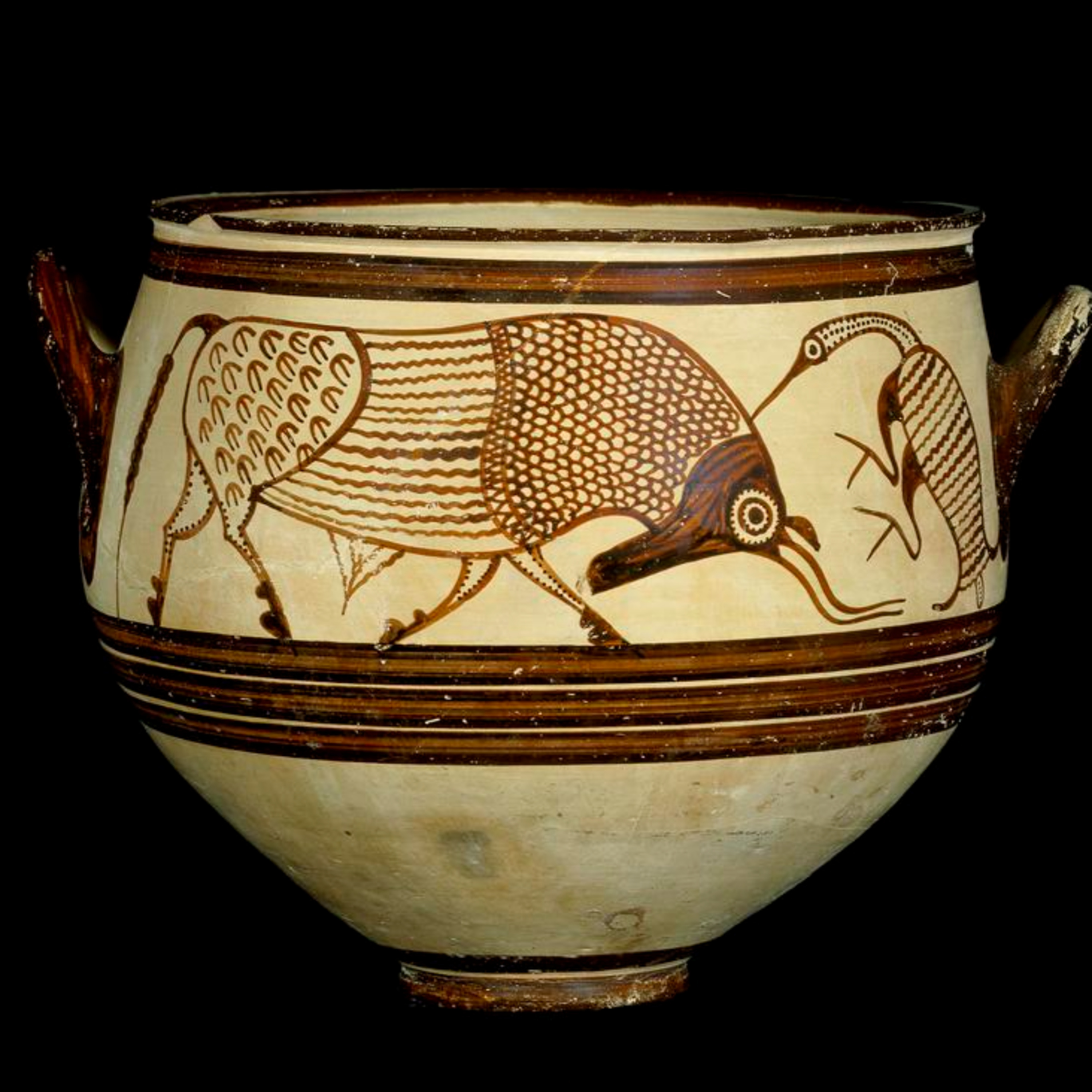 E126 Homer and the Hittites P. 2 ft. Alexander Thatcher 27.08.2026 1u 54minSupport us on Patreon---Gladio Free Europe returns to the lofty walls of Troy for a continuing discussion of the Bronze Age background of the Greek epic tradition with Alexander Thatcher @ThatchEffendi.Calling in from Turkey, Alexander explores the Anatolian, Balkan, and Caucasian resonances of the works of Homer, from the parallel martial values of the heroes of the Iliad and those of the Ossetian Nart Sagas to the use of Albanian traditional music in Christopher Nolan’s recent adaptation of The Odyssey. Later on, Liam and Russian Sam dig through the Hittite imperial archives to find scattered references of conflicts and characters on the western fringe of the Bronze Age world, that of Mycenaean Greece. These ancient aristocratic adventurers were clearly involved in Anatolian affairs, likely as both mercenaries and marauders. Of particular interest is the evidence of Greek or Ahhiyawan activity in the city of Troy or Wilusa, particularly under the rule of the enigmatic King Alaksandu — a figure of indeterminate origin who is both the earliest known bearer of the name Alexander and a possible historical analogue to the legendary prince Paris. Both archaeology and literature reveal strong similarities between the world of the Anatolian Bronze Age and the Mycenaean Greeks and Trojans as described by Homer. In addition to the notable physical similarities between Mycenaean palaces and Anatolian citadels such as Wilusa and Hattusa, we can identify clear parallels between the early Greek poetry of Homer and Hesiod with surviving Hittite religious texts.No discussion of the Bronze Age context of the Trojan War could be complete without wild speculation about the mysterious Sea Peoples, who Egyptian and Hittite records assert laid waste to ancient settlements all across the Eastern Mediterranean. Though the invocation of these Sea Peoples in Christopher Nolan’s film has led to criticism by some scholars, it is now evident that the activities of these interlopers were both a cause and a symptom of the 12th-century collapse of the entire Bronze Age symptom. Mycenaean Greeks were found among the victims and the vultures of this chaotic time. While their network of palace economies would collapse, and their original writing system would be lost, Greek-speakers would also expand far across the sea in this period. These Sea Peoples would lay the foundation for later maritime dominance in the Iron Age and leave a fascinating footprint not only in the works of Homer, but also the Hebrew Bible.
 -
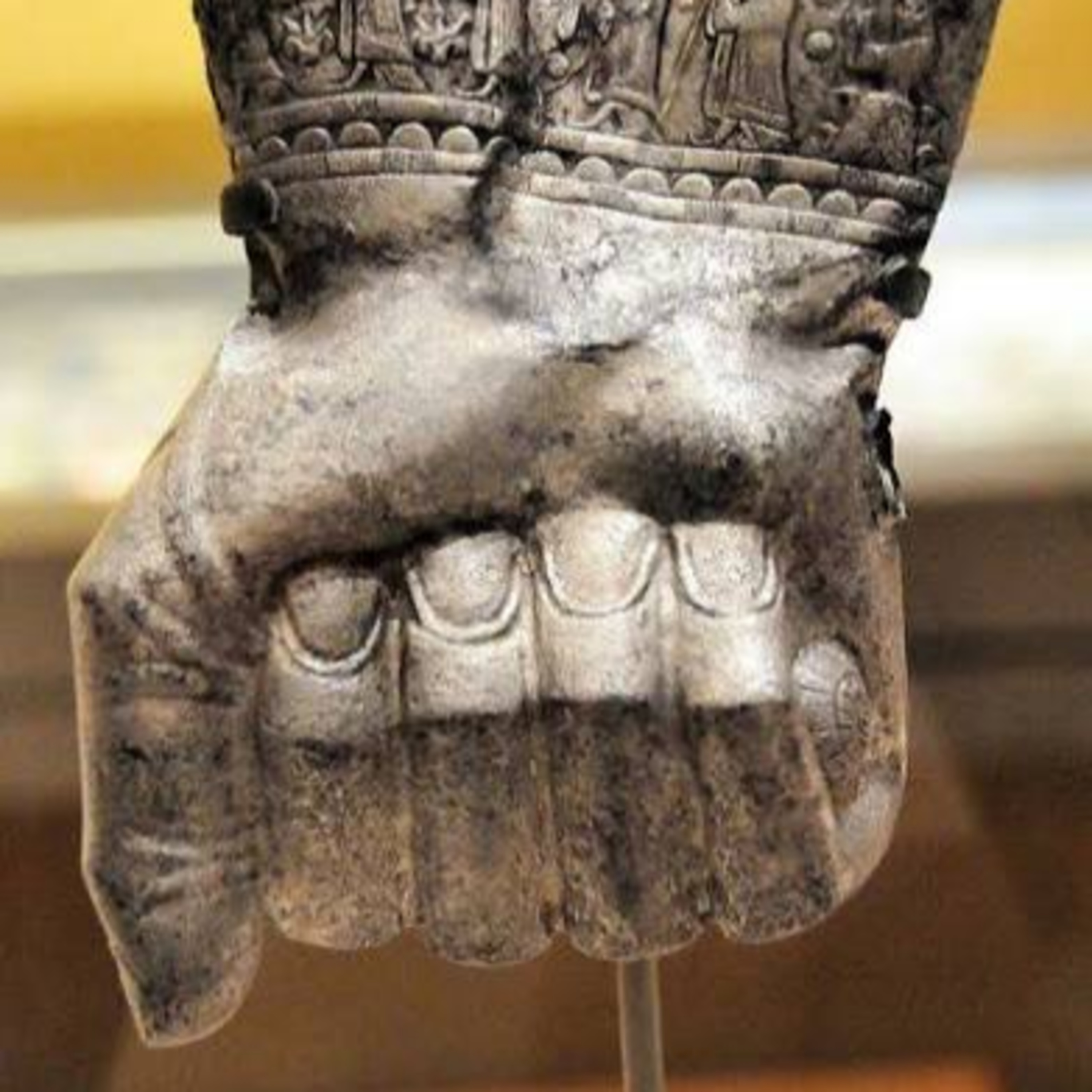 E125 Homer and the Hittites ft. Alexander Thatcher 08.08.2026 1u 52minSupport us on Patreon---Renowned Caucasus correspondent Alexander Thatcher joins Gladio Free Europe from the land Anatolia for the first of several episodes examining the historic bronze-age context of Homer’s Iliad and Odyssey. Written in the 8th or 7th century BC but set a half-millennium before, the Greek epic cycle recounts events that were ancient even to an Iron Age audience. While the historicity of the mythic Trojan War cannot be proven, scholars from the days of Schliemann onward have proven that the city of Troy really existed. In its heyday, this archaeological site in Anatolia was closely involved with the affairs of the early Mycenaean Greeks as well as the great empire of the Hittites.Identified shortly after the discovery of Troy, the Hittites were a civilization previously only known to western culture due to a few references in the Hebrew Bible. Not attested in any of the chronicles of the Greeks or Romans, the Hittites would be the first great civilization known primarily through archaeology. The decipherment of Hittite texts at the turn of the 20th century led to two shocking revelations: that these Hittites led an empire stretching from the Aegean down to Canaan, the greatest power in the Bronze Age Mediterranean after the New Kingdom of Egypt. Second, it was proven that their language was Indo-European. These discoveries would reorient the western understanding of the ancient past, and cause some Europeans to project their own image onto the Ancient Near East. Alexander Thatcher helps Liam and Russian Sam contrast the various nationalist and mythological narratives of the Bronze Age with what we actually know about the Hittites and their fascinating society. Recent breakthroughs in archaeogenetics and completing linguistic models provide fascinating insight into how the Hittites emerged in the deep past, and to what extent they were related to the Greeks of the west and the Semitic peoples of the east. Also discussed are the mysterious disappearance of one Hittite prince, the existence of an obscure Levantine kingdom of apparently Indian origin, and of course, the infamous Hittite legal code with its very specific attitudes toward certain interactions with horses.While the Hittites are not mentioned once in Homer, their fall around 1177 BC may be the most dramatic episode of the famous Bronze Age collapse. This episode and its follow-up look at what the Iliad and the Odyssey can tell us about the folk memory of this catastrophic event, and to what extent the Greeks themselves were implicated.
 -
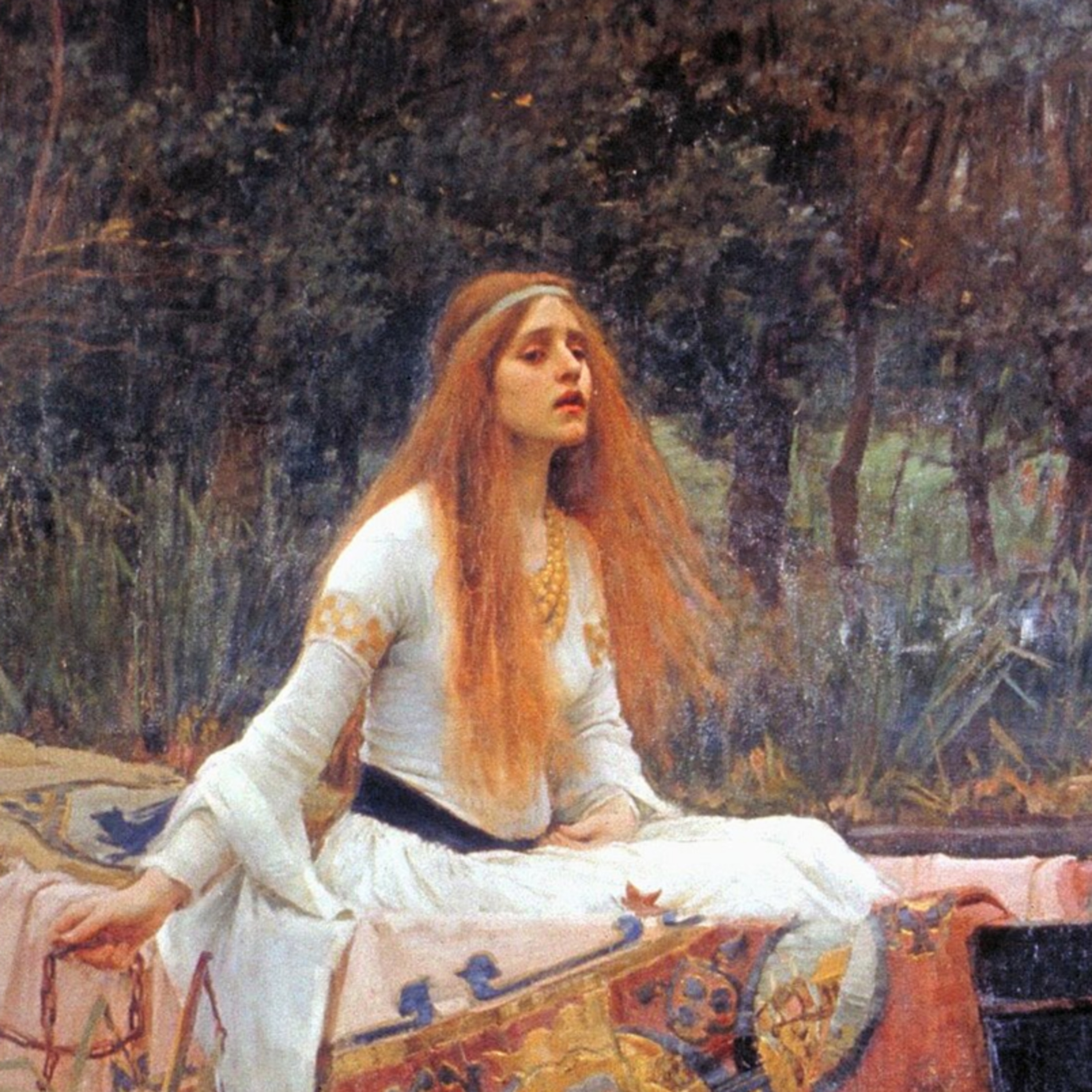 E124 Arthurian Romance 25.07.2026 1u 28minSupport us on Patreon---At the court of a French princess in the middle of the 12th century, an obscure poet named Chrétien de Troyes would begin to write and distribute fanciful stories of the Knights of the Round Table. In doing so, he would propel the figure of King Arthur to an unforeseen level of fame and create the medium of fiction as we know it. Following the previous discussion of earlier lore surrounding Arthur, and his potential historic basis, this episode of Gladio Free Europe explores the literary development and legacy of the Arthurian Romance. Liam and Russian Sam pick up with the release of Britain's first bestseller, Geoffrey of Monmouth’s fanciful Homeric pseudo-history, Historia Regnum Britanniae. As this book and its account of King Arthur spread across Europe, many derivative texts would be composed in prose and verse, sometimes elaborating further on King Arthur and his court. During the reign of King Henry II of England and Eleanor of Aquitaine, whose vast territories included England and half of France, the brilliant court poet Chrétien de Troyes would synthesize the matter previously chronicled by Geoffrey and his predecessors with the poetic and heroic traditions of France. In Chrétien’s five Arthurian stories, the tone and themes of the older Song of Roland would be applied to the deeds of Arthur and his knights to create a genre of literature entirely its own. The works of Chrétien and his followers would illustrate the chivalric values idealized by the aristocrats of the high and late Middle Ages. King Arthur’s knights are valiant fighters, but also passionate lovers, merciful Christians, and fully-realized humans, exhibiting an interiority not seen in any European literature since classical antiquity. The chivalric romance would spread out of the French-speaking courts of England and France into popular circles across Europe, leaving a mark on the literature of Norway, Italy, Islamic Andalusia, and the Jewish diaspora. Chivalric romance, and Arthurian stories in particular, would become Europe’s first tradition of popular fiction and remain eminently popular until the end of the chivalric age itself. These stories were read not only for entertainment, but also for moral instruction. For good or ill, chivalric ideals such as courtly love and the knightly quest would impact the real behavior of the medieval warrior elite. By the later Middle Ages, Arthurian stories would become more solemn and meditative, particular in Arthur’s own land of Britain. After the carnage of the Wars of the Roses, a knight and prisoner named Thomas Malory would compose Le Morte Darthur, a sprawling biography that would become the most famous Arthurian work of all time. Written without any of the whit and whimsy as earlier French stories, this text would effectively conclude the chivalric romance tradition and define the legacy of King Arthur for centuries. Following a long period of neglect, the artists and aesthetes of the Victorian age began to reappraise the works and values of the Middle Ages, with particular attention to the mournful chronicle of Thomas Malory. Writers such as Walter Scott and Alfred Tennyson would create new works in the chivalric tradition. Arthurian and medieval scenes would be of sudden interest to the painters of the 19th century, in particular the Pre-Raphaelite brotherhood that included John William Waterhouse. This Victorian medievalism took many forms, and was at times associates with earnest progressive politics as well as deeply reactionary yearning for an imagined period of innocent morality and unquestioned hierarchy. Although Chrétien may not be a household name (unless your household is the French royal court) his contributions are everywhere. In all popular division, but in particular the modern genre of medieval fantasy, the images and themes first popularized by Chrétien de Troyes would rise again, as was prophesied of King Arthur himself.
 -
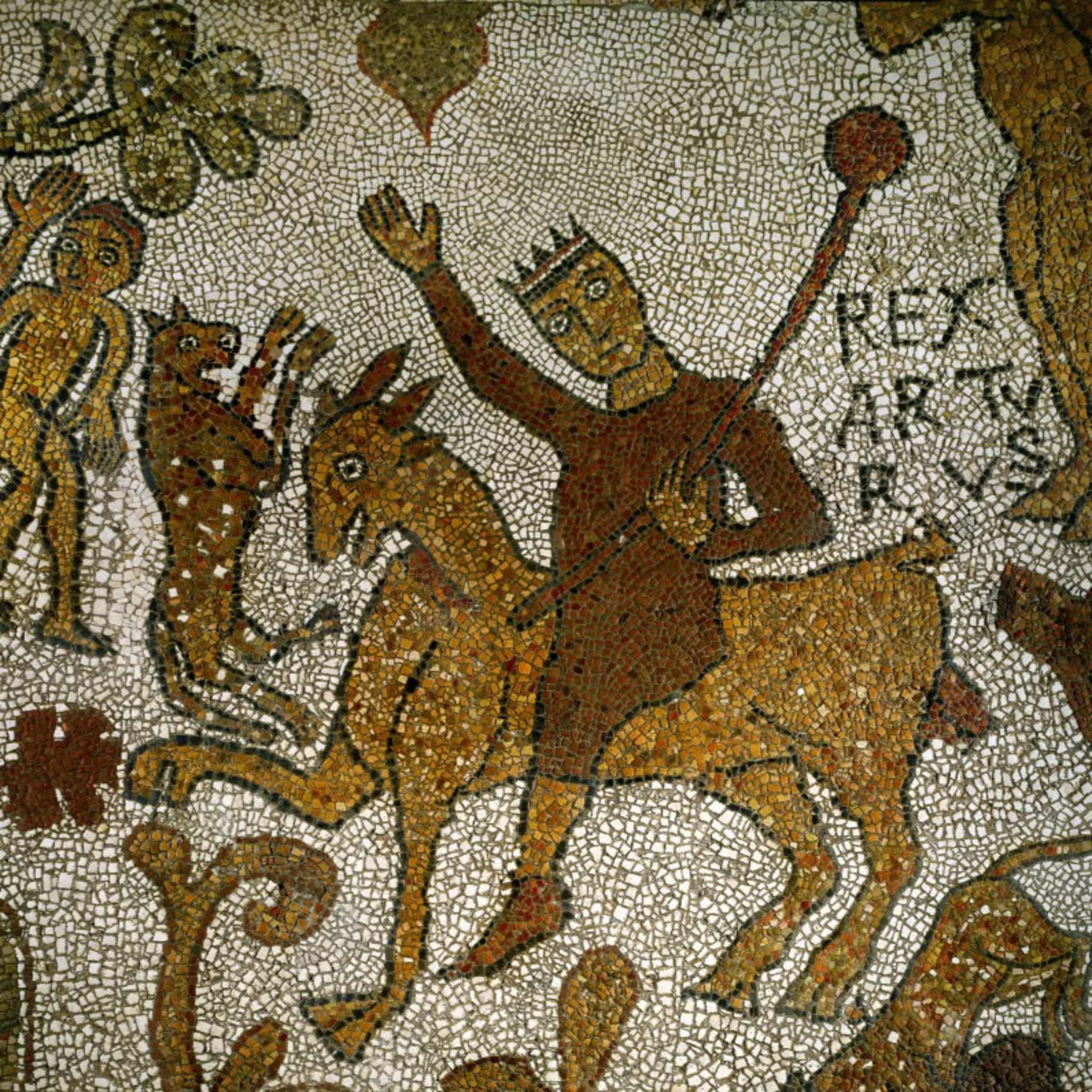 E123 The Birth of Arthur 02.07.2026 1u 38minSupport us on Patreon---In the sixth century, the island of Britain was quite possibly the most miserable place on earth. A decades-long combination of civil war, imperial neglect, seaborne savagery, and the great freeze of 536 contributed to a level of deprivation beyond all living memory. But although the Britons had lost their paved roads, well-oiled trade networks, Latin school system, and even their land, they still held onto their hope. They called this hope Arthur. This episode of Gladio Free Europe is the first in a series on the Arthurian cycle, the body of legends and literature that would become medieval Europe’s most significant popular culture. Starting with the unanswerable question of the historic Arthur of the sixth century, Liam and Russian Sam explore the emergence of Britain’s most recognizable literary icon and most valiant king. This episode of Gladio Free Europe situates Arthurian literature in its various contexts, from Welsh and Breton oral traditions deeply rooted in the stories of the ancient Celts to the French-language courtly literature of High Middle Ages. Together, these various ancient and medieval influences combined to create the most iconic genre of medieval literature, and one which contributes exert a profound influence on fiction today — the chivalric romance. From the time of Geoffrey of Monmouth in the middle 12th century to the publication of Thomas Malory’s Le Morte Darthur at the close of the 15th, the romance was the defining vernacular literature of medieval Europe. These stories, produced to entertain and to pacify a violent aristocratic class, are both a fascinating look at the values of their time and some of the most amusing and exciting works of fiction produced before the printing press. The first part of this series connects the earliest known references of the legendary Romano-British Arthur to the literary King Arthur of the High Middles. Listen to this episode to learn how the Angevin Empire of Henry II was essential for the development and proliferation of the Arthurian romance, as well as the dark, smelly secret behind Merlin’s name.
 -
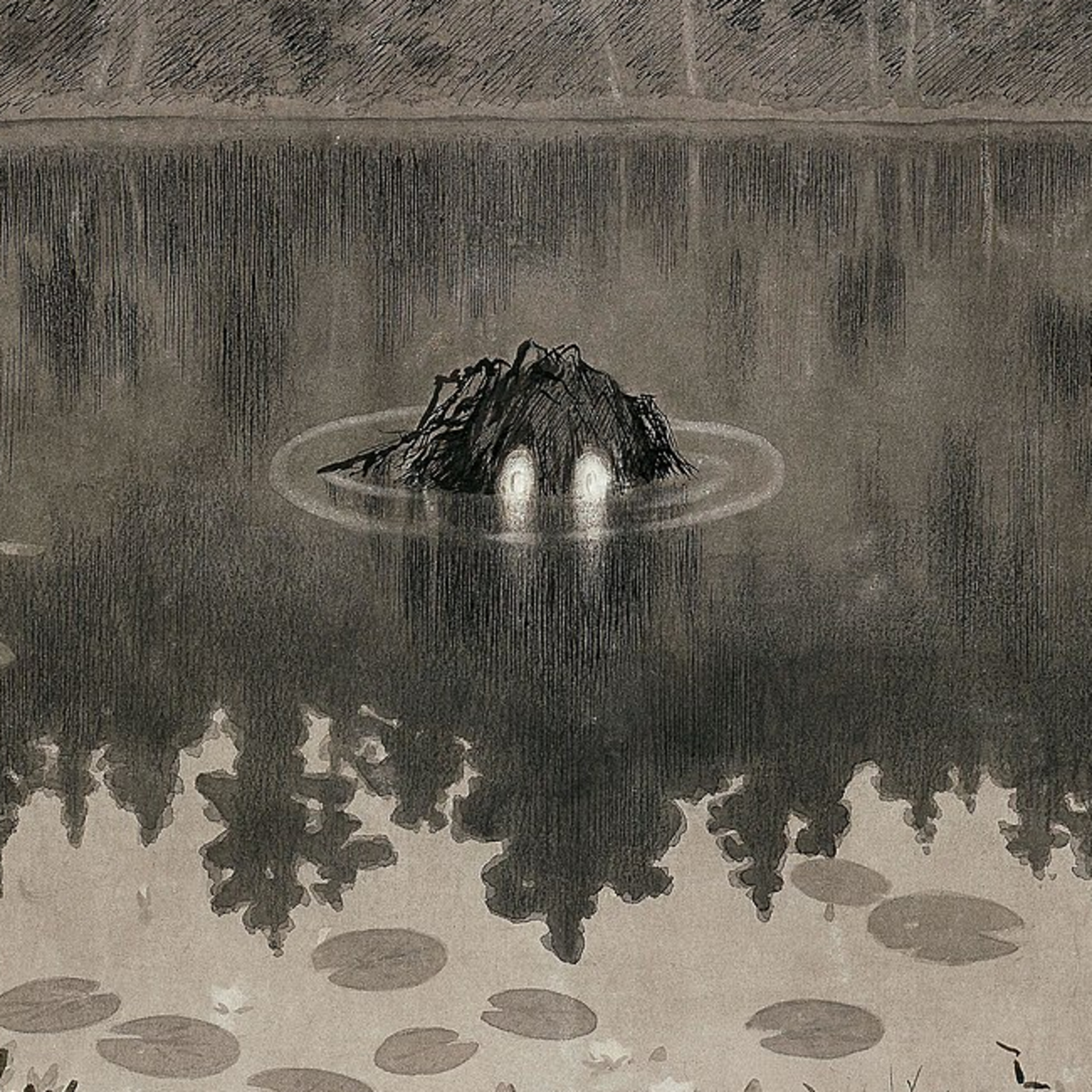 E122 The Wyrd World of Beowulf 08.05.2026 1u 30minSupport us on Patreon---Just over one thousand years ago, an unknown scribe committed to vellum a fantastical tale of swordsmen and sea monsters, set not in contemporary Anglo-Saxon England, but instead in the distant swamps of Denmark, hundreds of years in the past and hundreds of miles away. In doing so, they would open a portal to one of the most mysterious and murky periods of European history. In this episode of Gladio Free Europe, Liam and Russian Sam return to the mighty mead-halls of the Migration Era for a discussion of Beowulf, the greatest work of Old English and one of the most fascinating documents of the early medieval world.The poem is effectively without parallel. It is a full-length heroic narrative written in Old English, whose eponymous protagonist is attested nowhere else. Though other works in this genre had been created, its sole survival and rediscovery made it the national epic of the English people, often compared to Homer's Iliad in both theme and content. As it was popularized in the early 19th century, the poem became useful to British, German, and even Danish nationlists who sought to use their ancient and medieval heritage to justify present-day political ambitions. But Beowulf does not belong to any existing society. Instead, it is an early medieval document of an idealized antiquity, possibly analogous to the role of King Arthur's Camelot to later medieval Englishmen. Beowulf provides a unique view into the Anglo-Saxon imaginary, illustrating how a deeply Christian population reckoned with their pagan past, and how the insular descendants of North Sea migrants understood their relationship to an ancestral home. But beyond its anthropological value, Beowulf is a mature reflection on ephemerality and loss. The setting, Heorot, is the most glorious of mead-halls, yet the audience knows from the start that it shall one day burn. Beowulf and King Hrothgar are the best of men, yet even their virtues cannot prevent the ruin caused by mankind's own doomed nature. The concept of wyrd, fate, features prominently in the poem. Despite not having a direct influence on the culture of high medieval and early modern England, Beowulf has profoundly shaped contemporary English literature. Its heroic narrative, prefiguring chivalric romance and King Arthur stories by several centuries, would inspire the career of J.R.R. Tolkien and shape the contemporary understanding of early medieval Northern Europe. Comparative studies with Norse and German literary works help us understand more fully the cold, courageous, and sometimes cruel world of early Germanic-speaking peoples. Most importantly, it is one of the most engaging and entertaining pieces of early fiction. Everybody, whether a proud Sea-Geat or a descendant of Cain, ought to read Beowulf.
 -
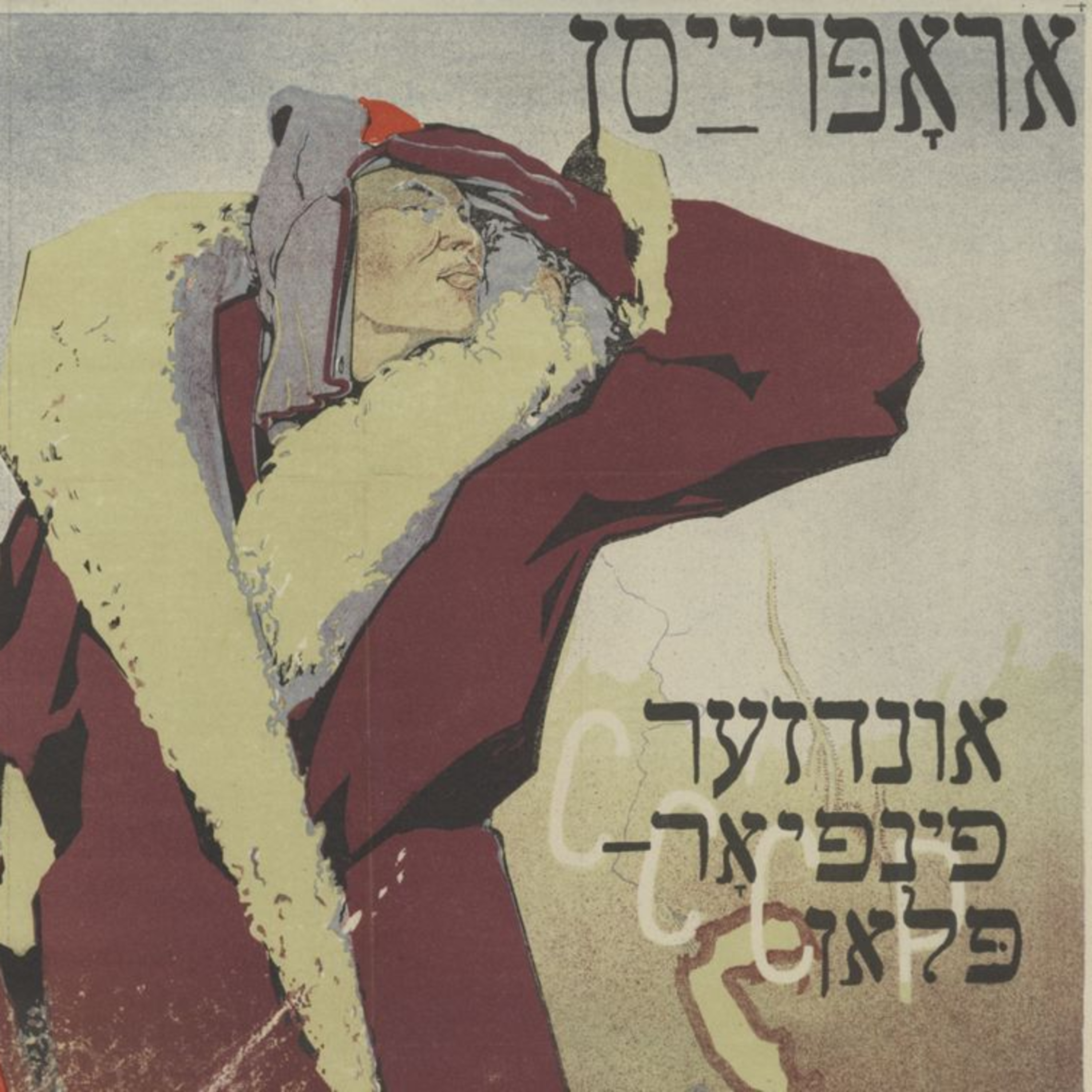 E121 Yiddish In Bloom ft. Wilf 01.04.2026 2u 15minSupport us on Patreon---At the dawning of the 20th century, new songs of an ancient nation rang across the world. Yiddish, the native language of the Ashkenazi Jews, had assumed the status of a literary standard and was at the center of a political movement demanding freedom and dignity for its speakers. Though the events of this century would not allow this, Yiddish endured. The Jewish language survived the rise of fascism and nationalism, persisting even through the murder of millions of its speakers in the Holocaust. Today, in spite of all, Yiddish is a living and growing language.Alaskan Yiddish scholar Wilf returns to Gladio Free Europe to discuss the continuing history of one of the world’s most remarkable languages. This episode charts the course of Yiddish history from the 17th century onward, beginning with the diarist Glückel of Hamelin and moving through the social transformations of early modern Jewish life, including reactions to the failed Messianic movement of Sabbatai Zevi and the transformations of the Haskalah, or Jewish Enlightenment. During this time, Yiddish remained under scrutiny from both Jews and Gentiles. Disparaged as less holy than the Hebrew of the scriptures or the standard German of the newspapers, it was not until the 19th century that significant numbers of educated Jewish people came to embrace their native tongue. Writers and folklorists such as Mendele Moher Sforim and Sholem Aleichem took part in a broader movement of ethnographic reflection, embracing the Yiddish language at a time when its use was strongly politicized. Yiddish came to be associated with the celebration of the Jewish diaspora and all it stood for. The language would be a medium of communication for many political causes, perhaps mostly prominent labor radicalism and social reform. Yiddish-language theater, music, and cinema would spread out of Eastern Europe to all corners of the Jewish world. In the 1920s Yiddish would become the native language of nearly a quarter of New Yorkers.But just a their language was coming into its own, the rise of political antisemitism would inflict new horrors on the Jewish people. World War 2 and the Nazi Holocaust would destroy the traditional homeland of Yiddish, and very nearly wipe out its speakers. But despite this unprecedented tragedy, Yiddish would endure. As it had been a hundred years ago, Yiddish is often considered a symbol of a diasporic culture opposed to nationalist visions that disparage the diaspora. The ongoing revival of Yiddish, in both secular and religious circles, connects the modern world with the old Jewish shtetl and keeps alive a cultural and literary tradition as brilliant and as dignified as German or English or Chinese or Hebrew. Perhaps most importantly, Yiddish gives us some of the most charming concepts and expressions in the human lexicon, such as chutzpah and “the alrightnik.”Yiddish Cinematheque
 -
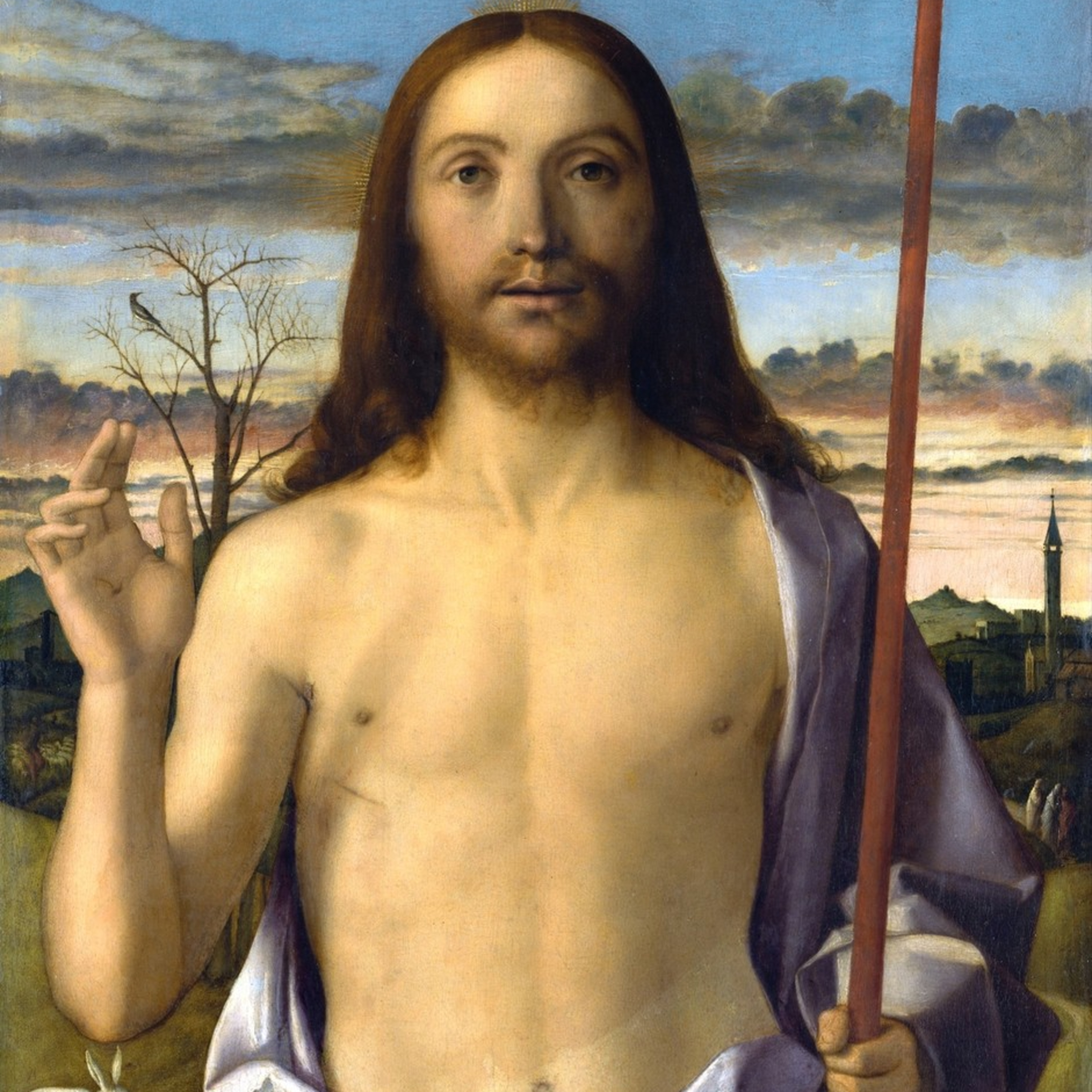 E120 Historical Jesus 04.02.2026 2u 41minSupport us on Patreon---Across the world, over two billion people believe that a human being is God. This confession of faith lies at the very heart of Christianity, a movement that exalts the life of a single individual far beyond that of any other world religion. But who was this man? What do we know about Jesus of Nazareth?This epsiode of Gladio Free Europe explores the historical question and historical personage of Jesus, an apocalyptic Jewish preacher from 1st-Century Galilee who was crucified by the Romans. Though this preacher is not attested in any contemporary documentation, his life and his death would have consequences more far-reaching than perhaps any other human up to this point.Liam, Sam, and Jackson chart the past three centuries of rationalist inquiry into the existence of Jesus, beginning with Enlightenment firebrands like Hermann Reimarup, moving through the development of mythicist speculation by figures such as Bruno Bauer and Arthur Drews, and the development of contemporary New Testament scholarship as represented by figures such as Paula Fredriksen, John Meier, and Bart Ehrman.Effectively all historians today agree that Jesus existed. Beyond this, there is not much certainty. Different scholars have different criteria for assessing the historical reliability of evidence on Jesus, predominately the Christian Gospels and the writings of Paul of Tarsus, but also roughly contemporaneous Greek and Roman sources, such as the great Greek Jewish historian Josephus. Additional insights can be gleaned through research into the Jewish religion of Jesus, the cultural and archaeological landscape of Ancient Palestine, and broader developments in Greco-Roman philosophy and spirituality.In addition to sharing contemporary academic findings concerning this peculiar individual, Liam, Sam, and Jackson share their own thoughts on the significance of the life and afterlife of Jesus. The earliest history of Christianity, as documented by texts such as the Acts of the Apostles, is enormously relevant to reconstructing the story of its founder. In addition, the spread of Christianity from an underground sect to the largest religious tradition in human history presents striking parallels with contemporary social movements. The Quest for the Historical Jesus, as so-described by Albert Schweitzer in 1906, thus holds profound consequences not only to Christians, but to anyone seeking a deeper understanding of the human capacity for passion and perseverance.
 -
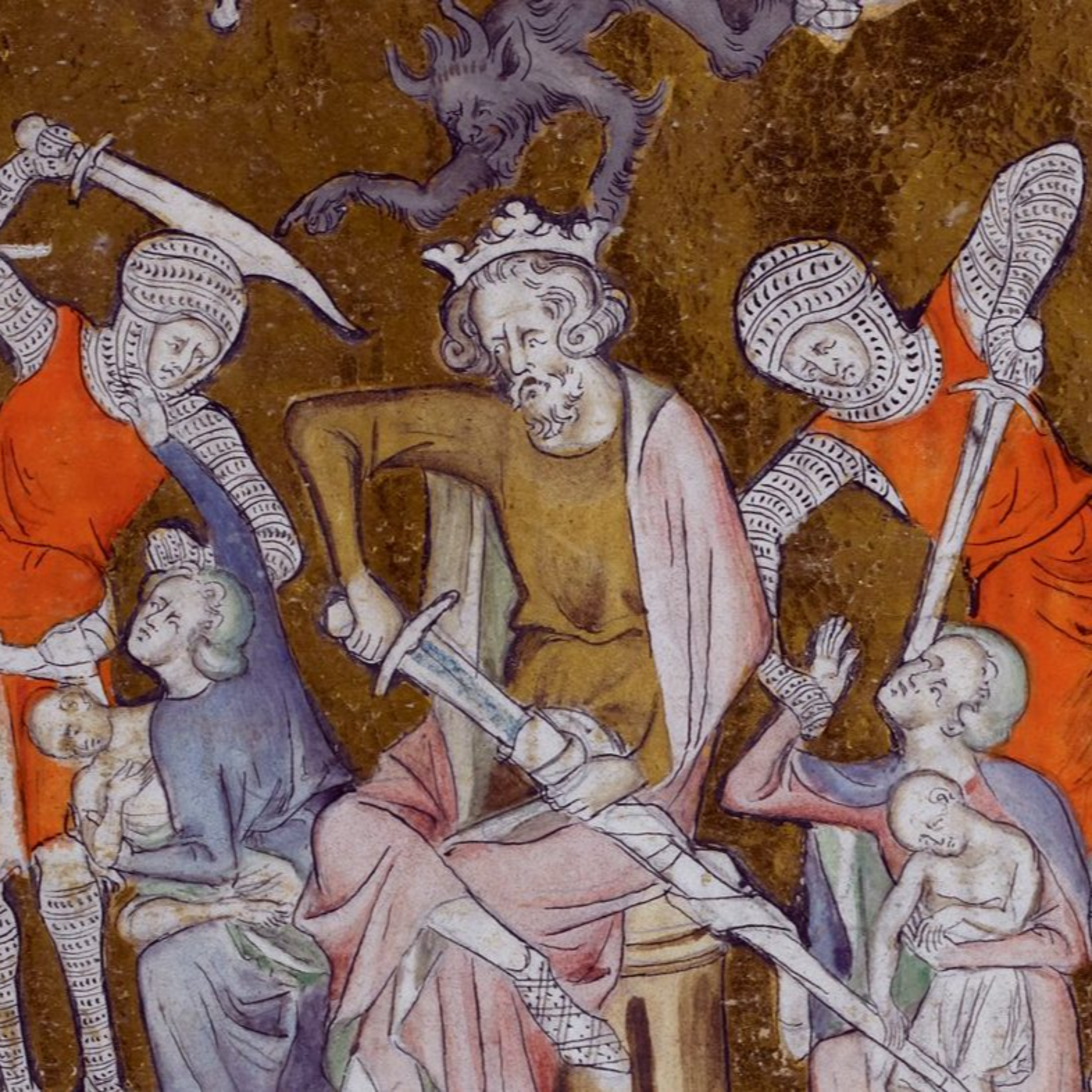 E119 Herod the Great 24.12.2025 2u 6minSupport us on Patreon---"Herod the king, in his raging, charged he hath this day: his men of might, in his own sight, all young children to slay." So goes the Coventry Carol, a traditional English Christmas song commemorating the Massacre of the Innocents in Bethlehem. According to the Christian Gospel of Matthew, the jealous ruler of Judea so feared the arrival of the messiah that he ordered this slaughter of his own infant subjects. Herod's name rings through the ages with tyranny and evil. But who was Herod the Great?This episode of Gladio Free Europe explorers the life and afterlife of Jewish history's most consequential monarch. Liam and Russian Sam situate King Herod in his historical context, as a pious Jewish monarch and a Hellenistic warrior-king. Born into an ambitious family descended from the conquered backwater of Edom, nobody expected Herod would ever assume control of the Hasmonean Kingdom of Judea. But as the Mediterranean world collapsed into a century of bloody turmoil, Herod used dynastic conflicts in both Jerusalem and in Rome to propel himself to the greatest heights of power. After he was suddenly named King of the Jews by the Roman Senate, Herod had to contend with ruling the most fractious kingdom in the Near East, and the most defiant corner of the vast Roman Empire.Though his ancestors were converts to Judaism, brought into the Israelite fold at the point of a sword, Herod reigned as a pious Jew. Even scholars who doubted his commitment to the faith acclaimed his act of rebuilding the temple in Jerusalem, the center of all Jewish ritual. Though a Roman puppet who never attempted to liberate his subjects from foreign domination, Herod brought enormous prosperity and glory to his kingdom. The land that he once ruled is still marked by great works, built in Hellenistic fashion both to honor his God and to honor his own glory.Despite his great successes, Herod was cruel, vindictive, and unceasingly murderous. Although his role in folklore derives from fiction and rumor rather than actual acts, his reputation for cruelty is well-deserved. Deeply paranoid and acutely aware of his own vulnerabilities, Herod dispatched every threat to his reign with unflinching violence. Even his own wives and children could not escape this violence. After his death, Herod would be immortalized not for his contributions to his kingdom and his faith, but instead for his wickedness. This episode will touch on the origins of Hanukkah and of Christmas to understand the career of one of the most fascinating and terrifying figures of the ancient world.
 -
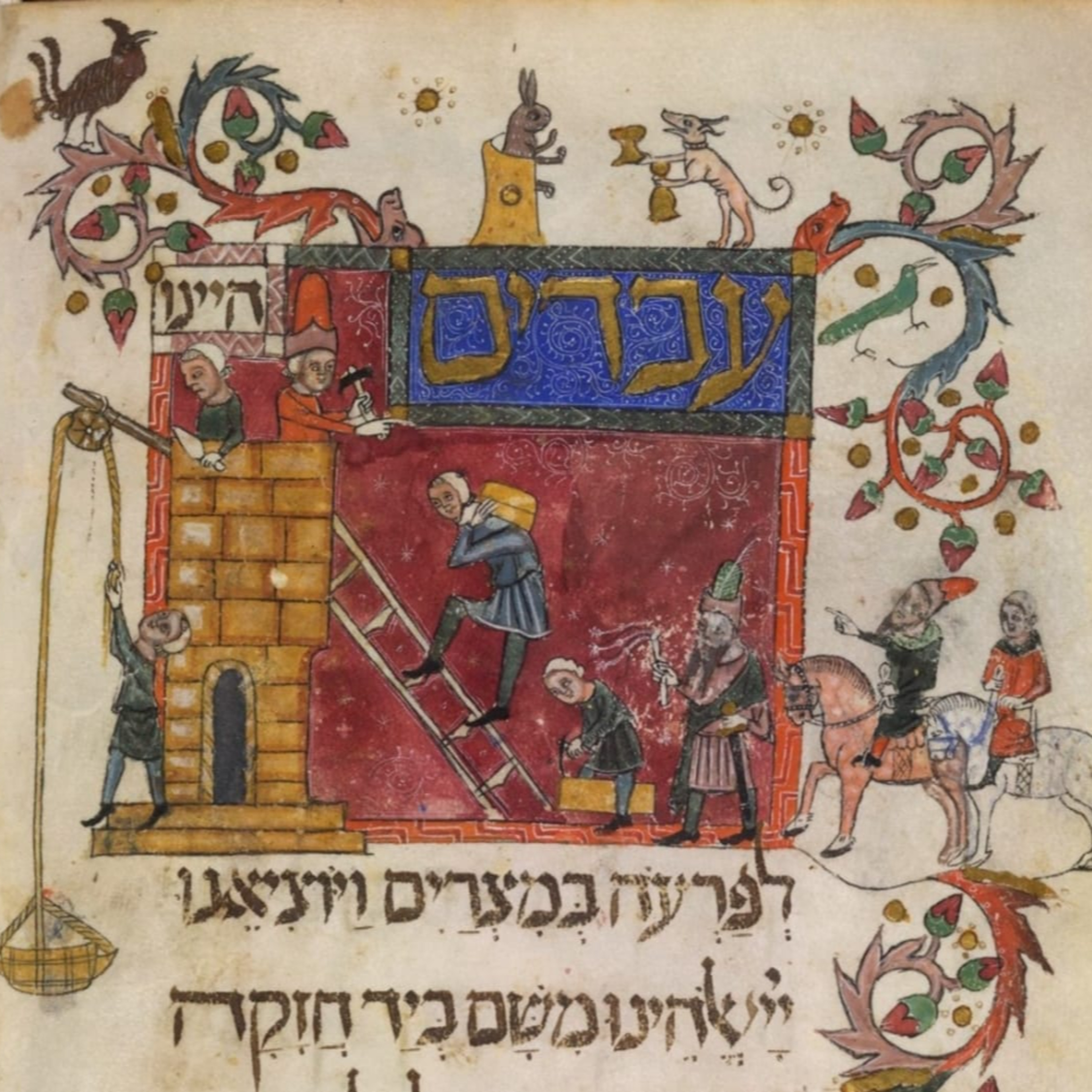 E118 The Birth of Yiddish ft. Wilf 10.12.2025 1u 21minSupport us on Patreon---At the dawn of the Middle Ages, small numbers of Jewish families ventured across the frozen Alps, seeking a new life in a foreign land they called Ashkenaz. In their workshops, at the market, and around the shabbat table, these people created a new language in secret: one that joined together the Hebrew writing system of ancient Palestine with the Germanic vocabulary of their Christian neighbors. Despite its obscure and polygenic medieval origins, this neighborhood speech would grow to become a fundamental element of Jewish history and identity and a true world language: Yiddish.This episode of Gladio Free Europe explores the origins and development of Yiddish with the help of Wilf, esteemed circumpolar Yiddish scholar and longtime friend of the pod. Wilf guides Liam and Russian Sam through the complexities of the language's development and grammar. The many influences on Yiddish, from its Semitic alphabet to its Slavic grammatical structures and its unexpected Romance loans, tell the story of the Ashkenazi Jewish people. So too does the resilience and growth of Yiddish in spite of centuries of hostility and, in the 20th century, near-total annihilation. Putting Yiddish in the context of the rise of rabbinical Judaism and the expansion of the diaspora, we see how this Germanic vernacular developed alongside the liturgical language of Hebrew. While widespread bilingualism meant Yiddish and Hebrew would influence each other throughout their history, the two languages were often perceived in conflict. Yiddish would be demeaned and degraded throughout its history, both by vicious bigots who hated its Jewishness and pious scholars who thought it not Jewish enough. Yet despite centuries of hardship, the language would blossom across the medieval period into a literary language along the lines of French and Italian. Medieval Jewish writers eagerly took part in the broader European tradition of chivalric romance. Yiddish adventure stories about Jewish knights, Jewish princesses, even a Jewish King Arthur were widely read and have some lingering influence on Jewish folklore to this day. As Yiddish spread eastward, out of the German lands and into the kingdoms of the Slavs and Hungarians, the language of the Ashkenazi Jews ceased to be a medium of communication with Christians, but instead an ethnolect that could only be understood by Jews. The unique situation of Eastern European Jews, more numerous and more culturally distinctive than their Western European neighbors, would be fundamental to the later development of Yiddish.Listen to the newest episode of Gladio Free Europe to understand what makes Yiddish, the heymish mother tongue of the Jewish hearth, unique among the languages and such a treasured aspect of the Jewish experience. Borek-habo!
 -
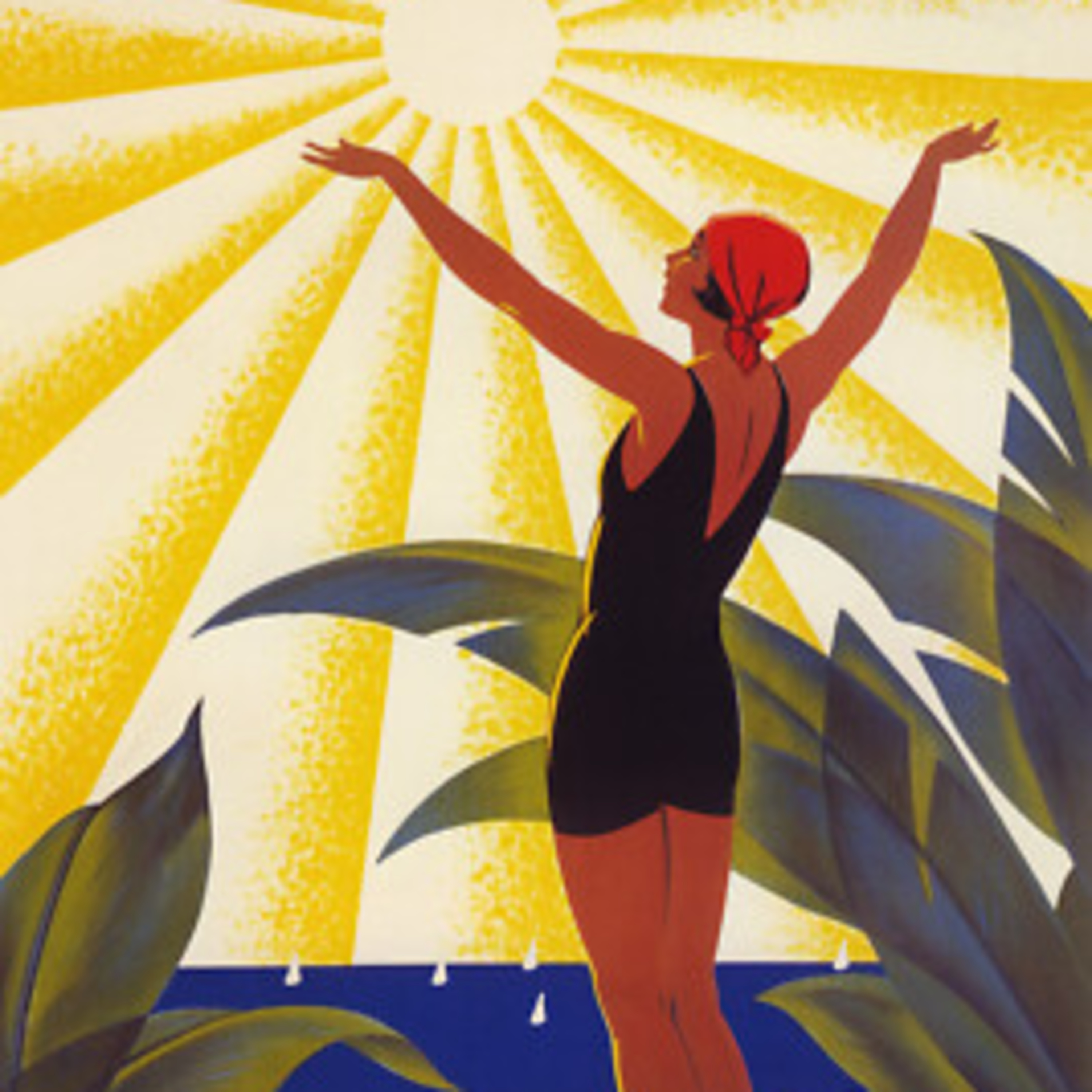 E117 The Making of Modern Florida ft. Grace Cathedral Park 07.11.2025 2u 5minSupport us on Patreon---From 1880 to 1930, life on Earth was reshaped in ways previously inconceivable. Nowhere was this transformation more total than in Florida. In a single generation, a peninsula hardly charted since the days of Ponce de Leon was molded into a testing ground for new modes of living and capital accumulation. This episode of Gladio Free Europe drains the marshy mysteries of time to understand how Florida, once the most foreign of all the contiguous territories, became perhaps the most fundamentally American state of all.Jackson (@GraceCathedralPark) returns to the show for a deep exploration of modern Florida history, running from the noble failures of Reconstruction up through the reassertion of Confederate control and the establishment of a new society, a unique and twisted marriage of northern venality with southern barbarity. Gilded Age robber-barons like Henry Flagler took to the waters for pleasure and for profit, turning the remote Sunshine State into a secret garden for the idle rich. Railroads soon connected Florida to the American mainland north and south, bringing both well-heeled investors and threadbare farmers down the peninsula. Poor whites in particular saw Florida as a beacon of the New South, where a man could make his fortune in land sales or the orange boom. But these newcomers had little interest in sharing their wealth with the African American residents of Florida, some of whose ancestors had been working the swampy soil since the Spanish era.Florida after Reconstruction experienced some of the worst racial terror anywhere in the United States, with an exceptionally high rate of lynchings and episodes of mass violence at Ocoee and Rosewood, where white mobs ransacked black neighborhoods and murdered dozens upon dozens. Then the swamps, once a refuge for escaped slaves and Seminole Indians, were drained out to the sea, paved over to make room for America's newest feat of social engineering: the suburb.By the Roaring '20s, Florida's economy primarily revolved around real estate and tourism. Middle-class Americans flocked to the new neighborhoods that sprawled across the ruined wetlands, many of which were designed for cars rather than people, and most of which were racially segregated. Meanwhile significant numbers of Cuban immigarnts migrated to the Gulf port of Tampa, turning a small fishing town into a cigar city that rivaled Havana.Transformations along these lines happened across the United States, particularly in other Sun Belt regions such as Arizona and Southern California. But nowhere else were these changes so extreme, so rapid, and so destructive... not only to the natural landscape upon which these plains were laid, but on the residents pushed aside to built this petty-bourgeois fantasy. The state has been a theme park since decades before the Mouse spread his ears. In many ways, Florida is its own kind of twisted intentional community, and perhaps America's most successful utopian experiment.
 -
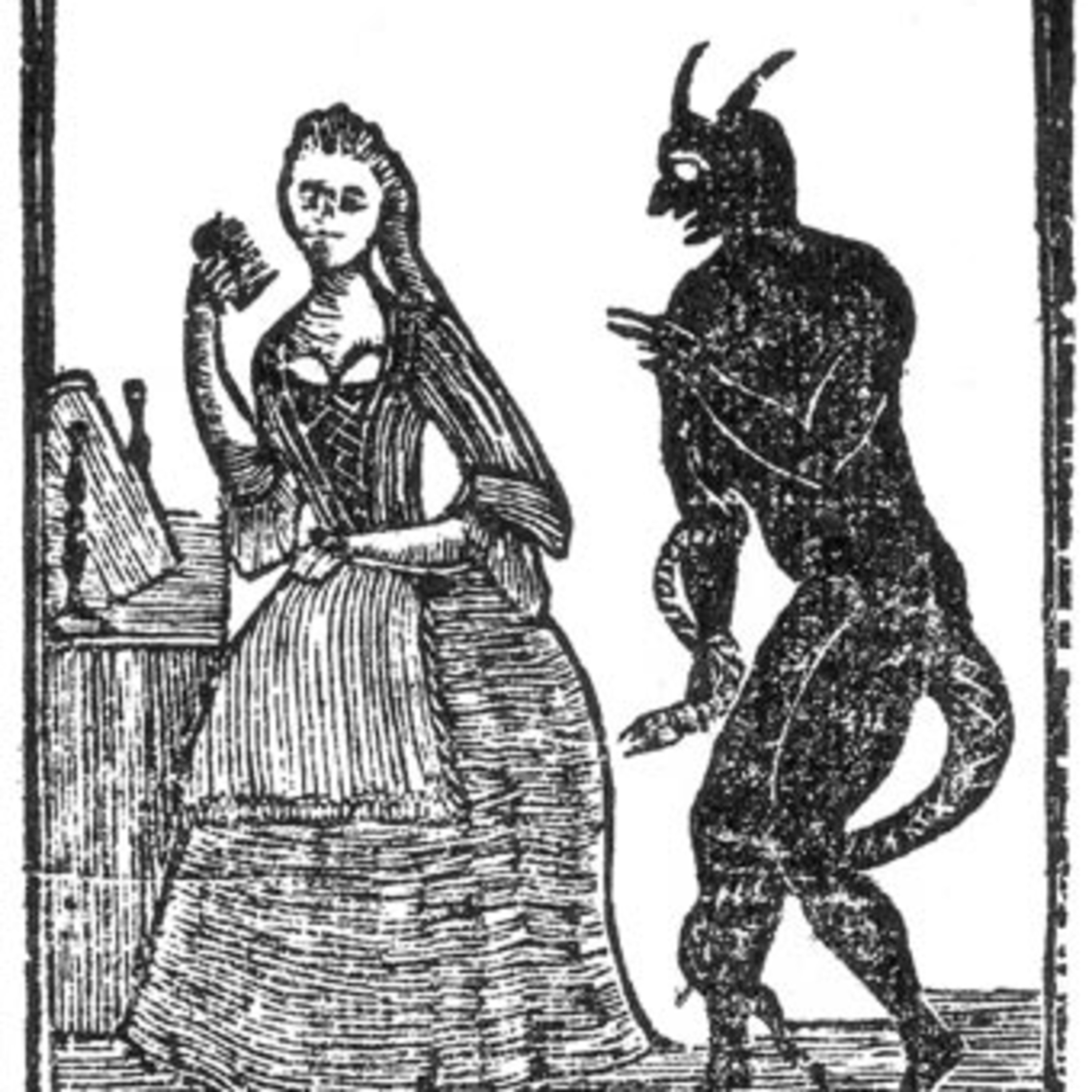 E116 The Devil in America 31.10.2025 1u 37minSupport us on Patreon---Since the first European settlers took unsteady steps on its alien shores, America has been haunted by the Devil. Fears of Satan and his human confederates have long since lurked in our psyche, and played an overlooked role in the cultural and political development of the United States. In this week's episode of Gladio Free Europe, Liam and Russian Sam descend into the blackest reaches of American and European folklore to see how our forbearers understood the unspeakable.This episode explores the development of satanic conceptions and imagery in American life, beginning with the emergence of the demonic beings in ancient Jewish cosmology through the spread of Christianity and the settlement of the New World. Medieval and Early Modern Europeans saw Satan everywhere, guiding the hands of sinners and unbelievers to tempt mankind and doom souls to Hell. The devil was understood to be the real ruler of this sinful earth, as proven by the encirclement of Christendom by kingdoms of heretics and heathens. European explorers in America, Africa, and Asia believed the religions they encountered were expressions of Satanism, and used this belief to justify colonial institutions of violence and subjugation. Even within Christian lands, Satan held sway through the power of his followers, the secret legions of witches.This diabolical worldview had real implications on early American society, most notoriously in the New England Witch Trials in which hundreds of Puritans were accused of being willing agents of Satan. Though belief in witches faded across the 18th and 19th centuries, Americans still understood the Devil to be clawing at their back. In all of these periods, it was also understood that Old Scratch could be defeated at his own games. This motif is exceptionally common in American folk tales and especially folk songs, even making its way into William Dieterle's iconic 1941 film THE DEVIL AND DANIEL WEBSTER.Though most Americans no longer believe in the devil in a literal monstrous sense, more metaphysical attitudes toward Satan survive. We continue to understand evil in terms of external corruption, as a deviation from our humanity rather than the result of our lowest impulses. And across the 20th and 21st centuries, periods of distrust and paranoia have allowed true belief Satan and his witches to re-emerge in our discourse. Despite how modern and rational contemporary Americans imagine ourselves to be, the Devil has us in his clutches.
 -
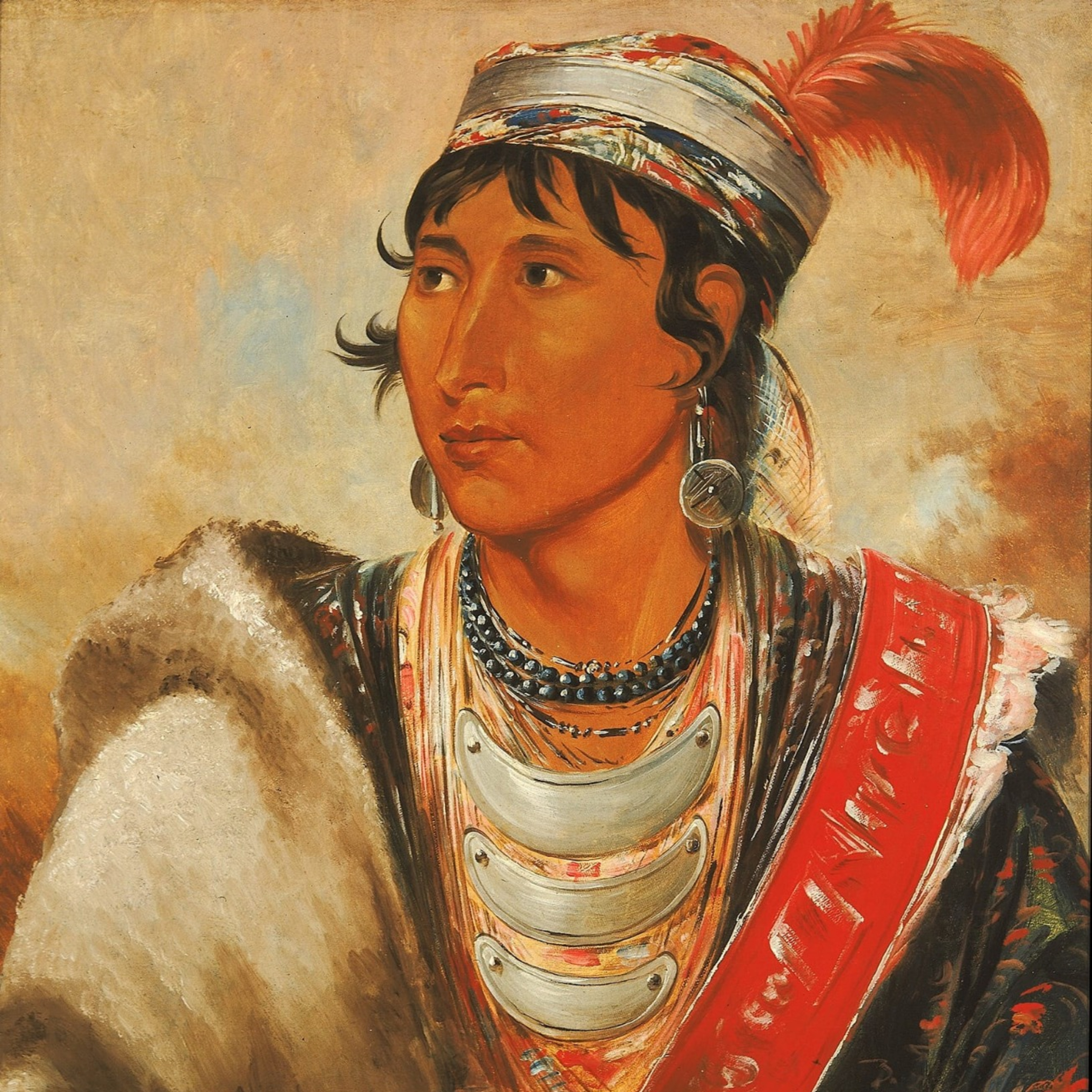 E115 Early American Florida and the Seminole Wars ft. Grace Cathedral Park 24.09.2025 1u 45minSupport us on Patreon---American troops descend into a humid jungle, sniped at from the trees from an invisible enemy. Unable to discern insurgents from civilians, the army begins burning villages and destroying entire communities. After years of failures on the battlefield, and extreme criticism of the war at home and abroad, American troops withdraw battered and beaten, leaving piles of native corpses in their wake. Sound familiar? This is the Second Seminole War, one of the largest conflicts fought on American soil and the bloodiest war waged against Native Americans.This episode of Gladio Free Europe continues our discussion on the conquest and settlement of the Sunshine State, with a focus on the violent but ultimately unsuccessful subjugation of the Seminole Nation. Though little-discussed in modern times, this brutal and genocidal struggle made Florida what it is today. The violent removal of thousands of Seminoles from Florida to Oklahoma would open up the peninsula to white settlement and the expansion of plantation slavery. By the outbreak of the Civil War, Florida would be an essential piece of the Southern economy. The circumstances of Seminole defeat, including the betrayal of Chief Osceola, would be a black stain the reputation of American military, President Andrew Jackson, and the United States at large. And while most Seminoles were deported, Seminole resistance would continue for the next century. Some reseilient Seminoles, led by people such as Billy Bowlegs, would stand their ground in the South Florida swamps until the present day. In Oklahoma, Seminoles like the black warrior John Horse would continue their struggle against colonization and and empire. Parallel to conflicts with the Seminoles, Florida history would be shaped by many enterprising eccentrics who sought to tame this wild country as they saw fit. Liam, Russian Sam, and Jackson discuss the careers of figures like Jean Lafitte, the New Orleans pirate who had a brief thassalocracy across the Gulf of Mexico, and Zepheniah Kingsley, a bizarre and contradictory Quaker planter who proclaimed the evils of racism while holding dozens of black slaves in bondage, and apparently styled himself not as a white planter but instead as a polygamist African chief. Listen to this latest episode of Gladio Free Europe to understand just why Florida is America's strangest state.Please forgive the audio glitches in this episode! Ending track is "Seminole," recorded by the Esso Steel Band of Bermuda in 1959.
 -
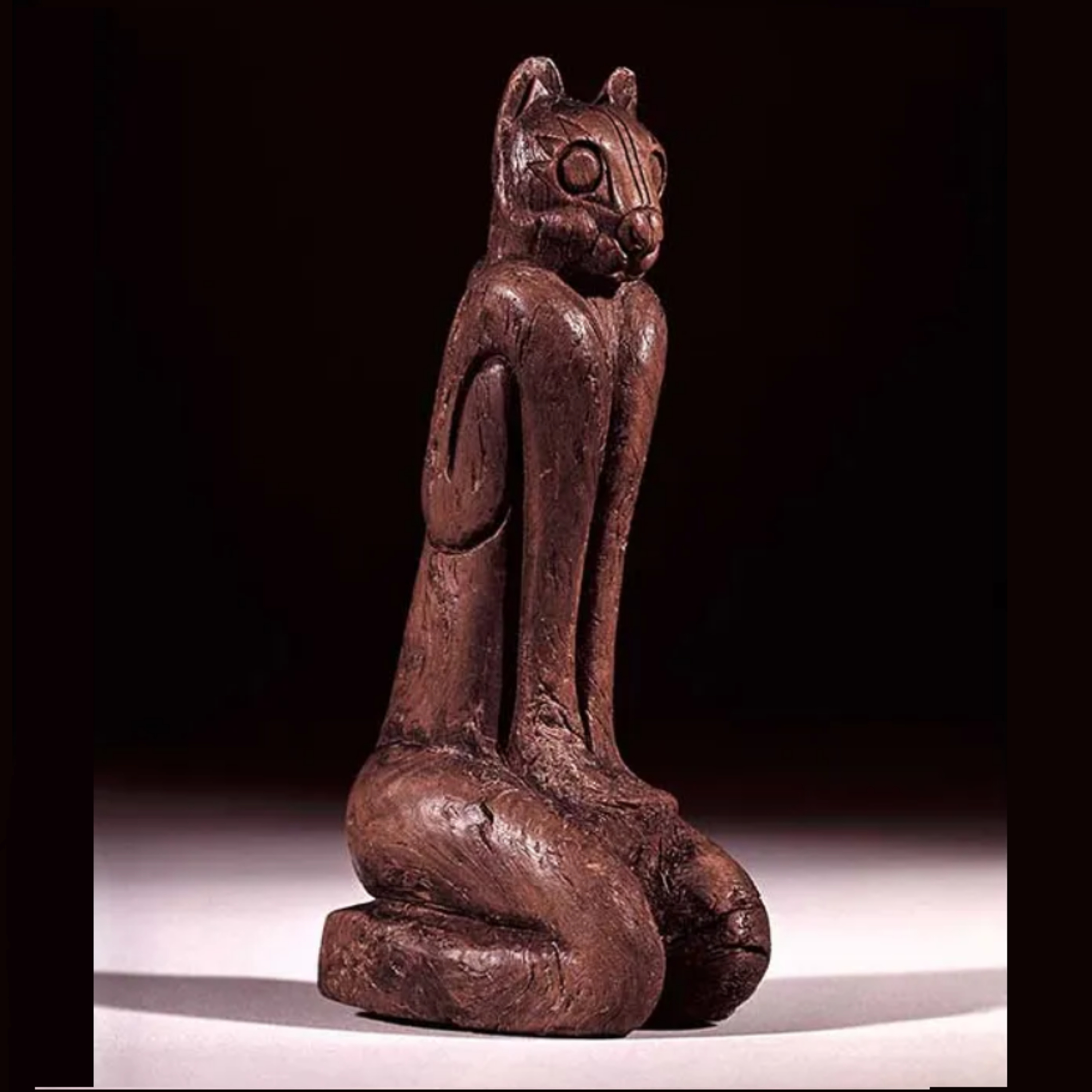 E114 Colonial Florida ft. Grace Cathedral Park 10.08.2025 1u 59minSupport us on Patreon---Over five centuries ago, fabled conquistador Juan Ponce de Leon became the first European to place his espadrille on North American soil... yet it would take three more of those centuries the steamy, sunny peninsula he claimed would be host to any permanent European society. Florida was thus the first American state to be explored, yet the last to be settled. Colonial Florida presents a compelling question: what goes on here? The answer involves fisher-kings and filibusters, pirates and planters, Muscogees and Maroons, and many, many eccentric Florida Men. Liam and Russian Sam are joined once again by Jackson (@GraceCthdralPrk) for the first in a series on the Sunshine State — probably the most peripheral of the Lower 48, yet fundamental to American history, from the unsteady beginnings of colonialism to the ravages of Andrew Jackson and eventually the 20th-century triumph of air conditioning, swamp-draining and beachfront real estate. This episode of Gladio Free Europe examines Florida in its long early days as a permanent borderland, a place contested by shifting configurations of European authority who never had more than nominal control over its swampy ground. This unique situation allowed Native American states to have longstanding levels of autonomy, from the Calusa kingdoms of the 16th century to the multiethnic Creek and Seminole confederations of the 19th. Although Florida would experience major political and demographic changes from 1513 to 1821, it would remain the eternal frontier. From Ponce de Leon through Andrew Jackson, no conquistador could fully quash Native resistance, and all colonizers had to afford legal rights and human dignity to the large numbers of free people of color residing in Florida. Though Europeans quickly found there was no fountain of youth and no cities of gold, rumors of exotic riches and fruitful soil continued to inspire generations of swindlers and swashbucklers. Join Gladio Free Europe to see how all of these factors contribute to the myth-making of the Sunshine State, the most desired and most disreputable appendage to America.Ending music is Harden Stuckey's "The River St. Johns" as performed by Jake Xerxes Fussell. The diva in the episode art is the Key Marco Cat, a timeless icon of Calusa craftsmanship.
 -
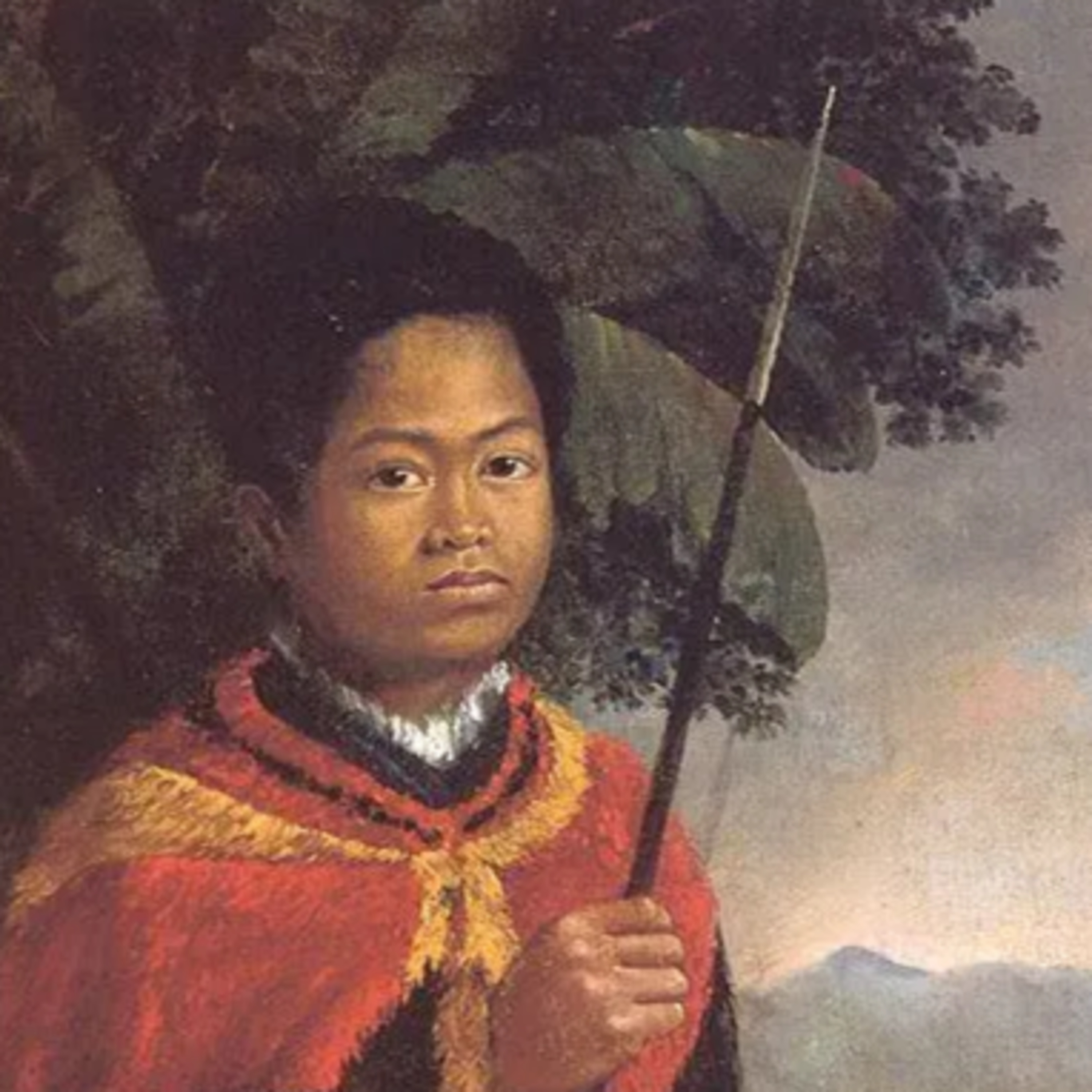 E113 Cane Fire and the Colonization of Hawai'i 19.06.2025 2u 17minSupport us on Patreon---The Pacific Ocean is not all that separates the 50th state from the American mainland. The Hawaiian islands remain a place apart, with a distinct culture and national identity borne out of the cyclone of colonial exploitation. Liam and Russian Sam are joined by Miguel (@whitejsakai) for Gladio Free Europe's first exploration of the history of Hawai'i, beginning with a look at the award-winning 2020 documentary CANE FIRE.Taking its name from the first Hollywood production shot on the island of Kauai, filmmaker Anthony Banua-Simon uncovers chains of exploitation that link the plantation economy of Hawai'i's past to the real estate and hospitality industries of the present. Accounts of violent labor wars in pre-statehood Hawaii are interwoven with contemporary vinettes of the everyday struggles of Hawaiian workers, and exoticized images used to sell Hawai'i from the 19th century to the present. While Hawai'i represents a tropical idyll for travelers across the globe, soaring costs of living rampant housing speculation have forced thousands of residents, particularly Native Hawaiians, to flee to the mainland. A general history of Hawaiian colonization starts at 28:24, from the ill-advised decisions of Captain James Cook in 1779 to the illegal imposition of Haole (white American) rule more than a century later. In between, Hawaiian monarchs and ali'i aristocrats established a unified nation that was the first non-European polity to be internationally recognized a legal peer by colonial contemporaries and the first country on earth to achieve universal literacy. 19th century Hawaiians had a vibrant press in their native language and made important diplomatic connections with neighboring Polynesian nations also groaning under the colonial threat. While many of these transformations were related to the growing influence of New England missionaries and other Haoles over the islands, Native Hawaiians like the missionary Henry ʻŌpūkahaʻia and the "merrie monarch" King Kalākaua were the primary actors in making contact with the world beyond the waves.Like that of all nations, the identity of Hawai'i was carefully constructed by its aristocrats and industrialists during the development of a capitalist economy. Because while so many aspects of pre-colonial religion and culture were suppressed by missionaries and their aristocratic ali'i patrons, that which could be marketed to outsiders was preserved and promoted. Native Hawaiian leaders like Kalākaua and his sister Liliʻuokalani traveled the world to present an image of the Hawaiians as a dignified and civilized people. This was not enough to preserve Hawaiian sovereignty, but it established a romantic image of the islands that has enchanted outsiders for well over a century. Despite the violent overthrow of the islands' last queen, and the systematic disenfranchisement and ongoing of Native Hawaiians, Hawaiian culture, or at least a specific image of it, has found admirers as disparate as Elvis Presley and Chinese Premiere Jiang Zemin. Please see below for a link to a clip of the 2025 Merrie Monarch Festival celebrating traditional Hawaiian ritual hula dance:https://www.youtube.com/watch?v=b6qOY7kze7IEpisode Art is the Portrait of Kamehameha III by Robert Dampier (1825).
 -
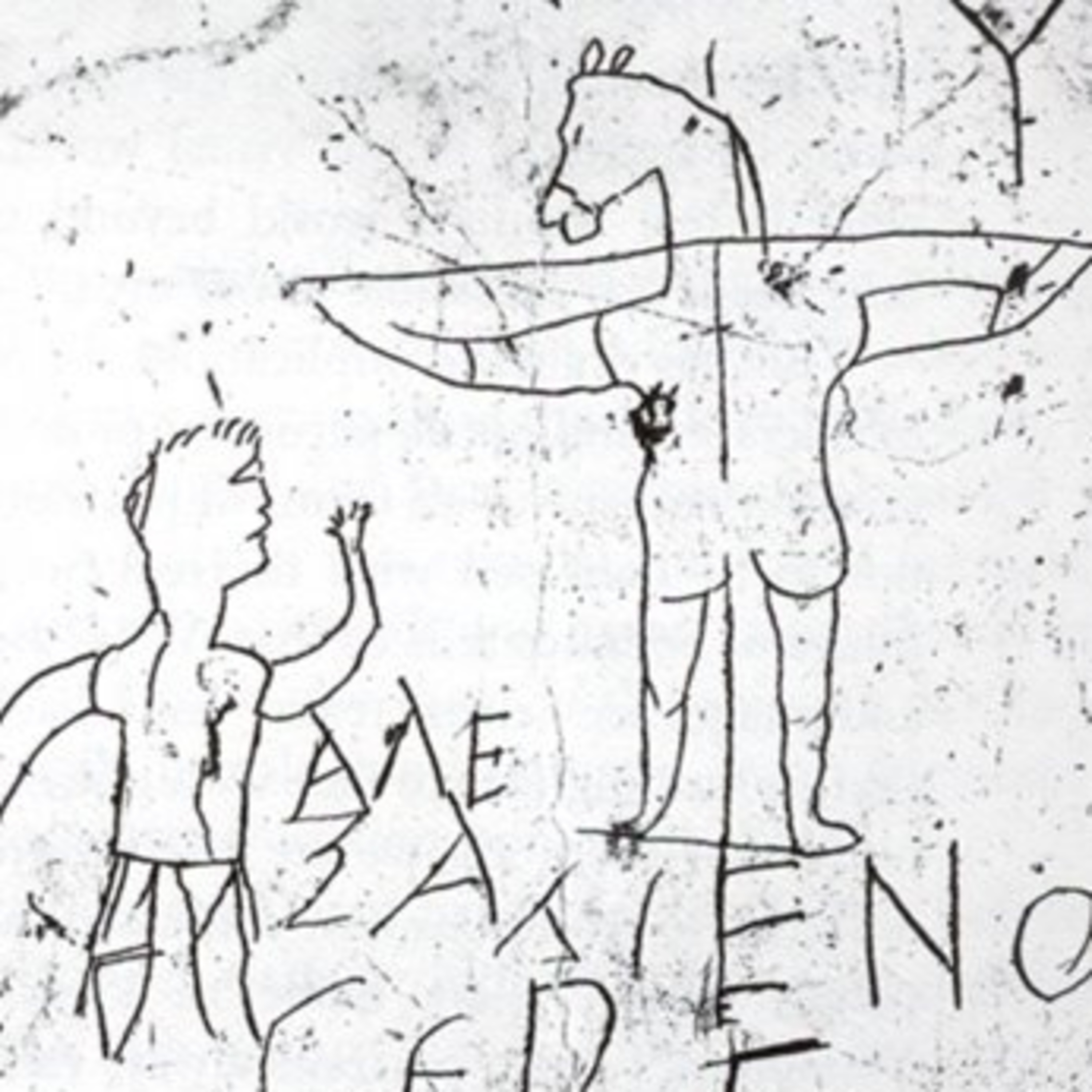 E112 Ass Worship 28.05.2025 36minSupport us on Patreon---You read that right. 1800 years ago, a Roman youngster etched a taunting cartoon of a classmate raising his hand to salute a figure on a cross. This graffito, labeled "Alexamenos worshipping his god," is remarkable for two reasons: it is the oldest known artistic depiction of Jesus, and it happens to depict the Christian Messiah as a man with the head of a donkey.This artistic choice might seem perplexing, but actually reflects an ancient pagan stereotype. In this Gladio Free Europe solo episode, Liam explores a three-thousand-year-old allegation: that Yahweh, the all-powerful God of Israel, was actually an ignoble ass. Despite being outright false, the idea that Judaism and Christianity had something to do with the worship of donkeys was a strong conviction of many ancient writers, even capable scholars like Tacitus and Posidonius. In fact, this myth goes back incredibly far into ancient history, with roots in Egyptian mythology and the cultural memory of the Hyksos, a Bronze Age dynasty of Levantine origin who appear to have actually included onolatry into their practice.The story of ass worship, as an allegation and a practice, is as nearly as old as the history of civilization, with unexpected connections to Greek mythology, gnosticism, and the beginnings of Mesopotamian Kingship. Listen to this episode of Gladio to see why maybe the dutiful donkey really does deserve some veneration after all!
 -
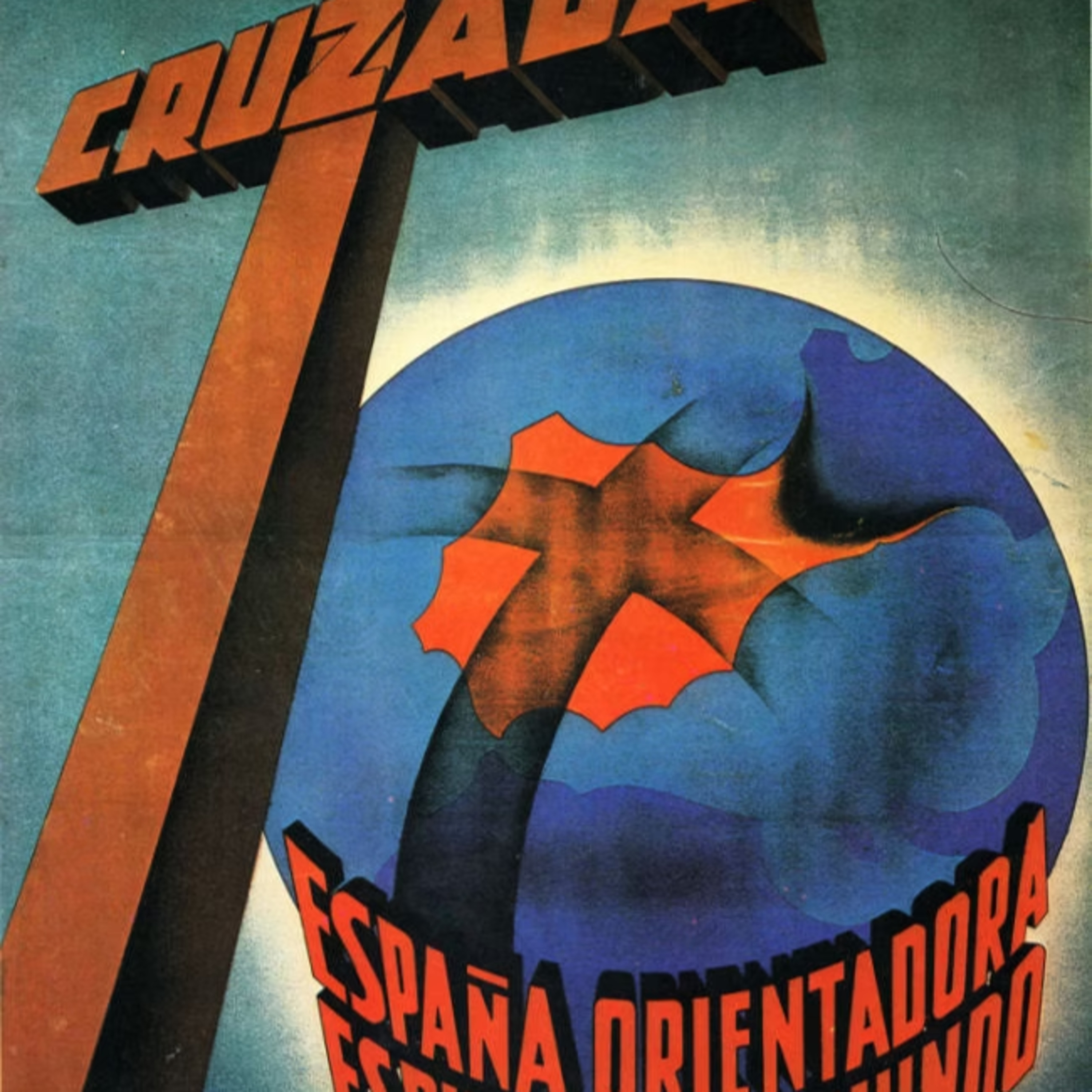 E111 The Catholic Church in the Spanish Civil War 14.05.2025 1u 57minSupport us on Patreon---At the dawning of the modern era, Spain was the most Catholic country on the planet. Desite the turbulence of the Reconquista, the conquest of America, the invasion of Napoleon, and the loss of every New World colony from California to Cuba, the Roman Catholic Church remained the foundation of solid yet stultifying social order. As the people of the kingdom began to struggle against these ancient bonds, the unspeakable question was posed: could there be a Spain without the church? For generations of Spaniards, this matter was so grave that it was worth the blood of innocents, the destruction of priceless chapels and relics, and a civil war that would split Iberia, and the world, into the camps of secular Republicanism and merciless Nationalism.Longtime collaborator and Catholic correspondent James @gommunisd returns to Gladio Free Europe to explore the spiritual front of the Spanish Civil War, a complex and poignant conflict that in many ways prefigured the flames of despair that would consume nearly the entire planet in World War II. We begin with a look at the long history of anticlericalism in the Spanish Kingdom, as generations of Spaniards of all social classes rejected control of the church for various reasons and by various means. From the establishment of public schools rather than parish schools, to the violent destruction of monasteries and even killings of clergy, this had been a major part of Spanish history for a century before the Civil War. But as economic and intellectual transformations brought a semi-medieval Spanish society into the modern era, objections to this marriage of church and state became too loud to ignore. After the ruination of the Spanish American War and the despair of the Depression, the contest between a new Spain and an Old Spain boiled over an armed conflict that ended with over 200,000 innocents dead and the kingdom in the clutches of history's most successful fascist state.In the second half of the episode, James explores international religious reactions to the war in Spain. Although American Catholics were mostly Democrats within Franklin Roosevelt's progressive New Deal coalition, church institutions overwhelmingly supported the nationalist clique despite the US policy of neutrality. As evidence of right-wing atrocities mounted, the American Catholic community found itself torn apart in its own sort of civil war. Meanwhile in the United Kingdom, Catholics and Protestants alike took part in delegations to Spain, gathering vital information about the conflict as it was happening. The Spanish Civil War was a test of integrity to civil and religious institutions across the western world: When atrocities are committed in your name, do you speak up? Or do you shut your eyes as children are killed in the name of God and country?
 -
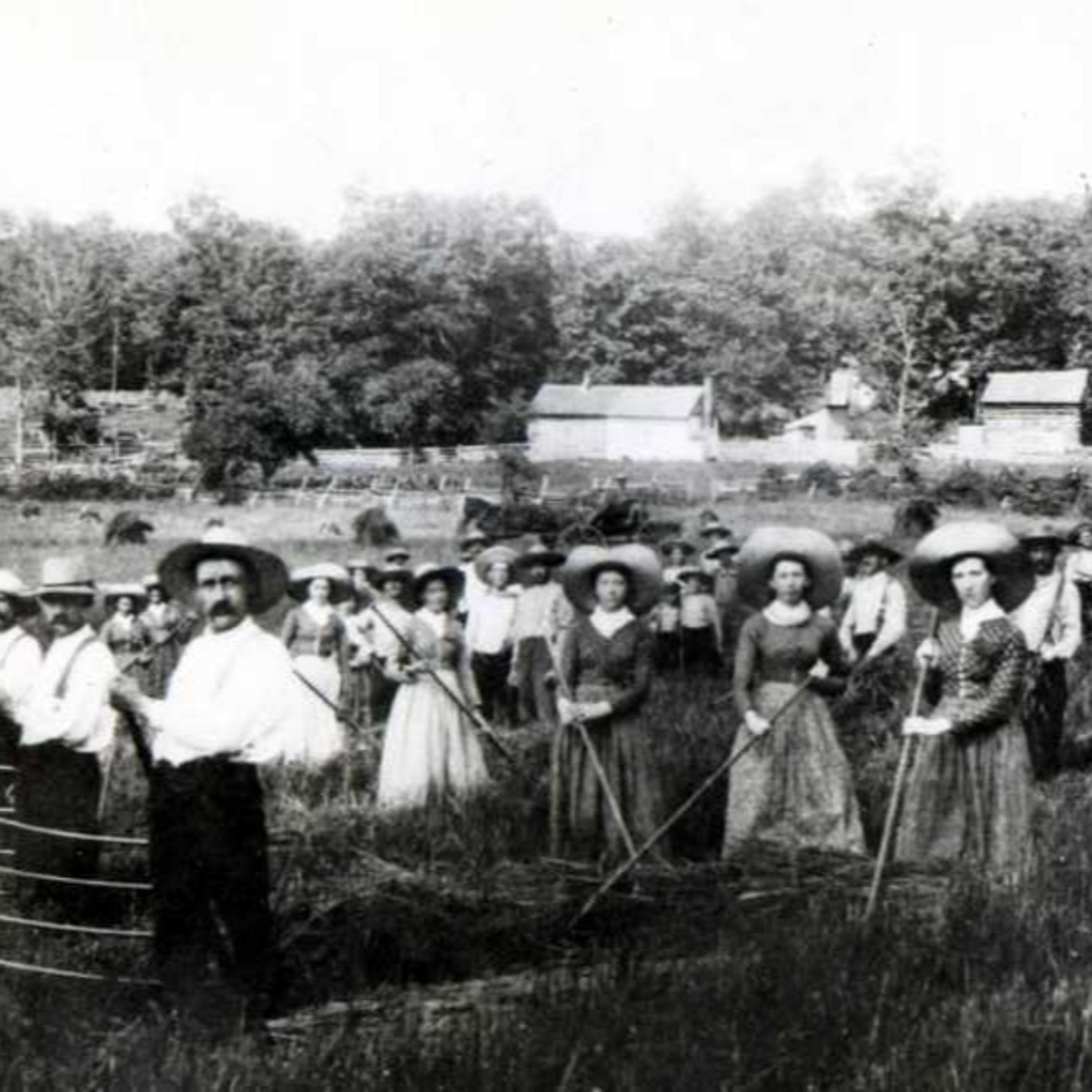 E110 The Commune of Zoar ft. Jern 23.04.2025 2u 18minSupport us on Patreon---In the winter of 1817, a caravan of half-starved Swabians crossed through miles of frozen forests to find their promised land: Ohio. In accordance with their egalitarian ethos and inspired by apocalyptic prophecy, these men and women rejected private ownership and held all things in common. This radical commune, which they called Zoar, would be the most successful intentional community in American history and one of the most enduring socialist experiments, lasting several years longer than even the Soviet Union.Gladio Free Europe's Ohio correspondent Jern (@realJernfer) returns for another stirring story of the Buckeye state. Founded by Pietist refugees from the German state of Wurttemberg, Zoar put into practice the same kinds of radical ideas discussed previously among the Anabaptists, Quakers, and Shakers. Unlike most other communes, including Robert Owen's enlightenment dream of New Harmony, Zoar was stable and prosperous. Succeeding where so many others failed, the commune held together across multiple generations and even developed an early industrial economy. It attracted the envy and admiration of many other communities, including the controversial free-love society of Oneida.Zoar saw itself as a refugee from the sinful and venal world outside, taking its name from the town that sheltered the Biblical Lot after the destruction of Sodom and Gomorrah. Yet the community's influence over Ohio trade and finance meant the outside world could not be kept away. Ultimately, Zoar would be a victim of its own success, as its wealthy residents decided to dissolve the commune and divvy up their belongings into private hands. Despite ultimately failing in its mission to secede from the world of material things, Zoar is an inspiring story of what it looks like to build the New Moral World. And although its founders were sectarian socialists from the Holy Roman Empire, who spoke little English and had even less interest in the broader national project, the undaunted ambition of Zoar makes this small commune a quintessential chapter of American history.
 -
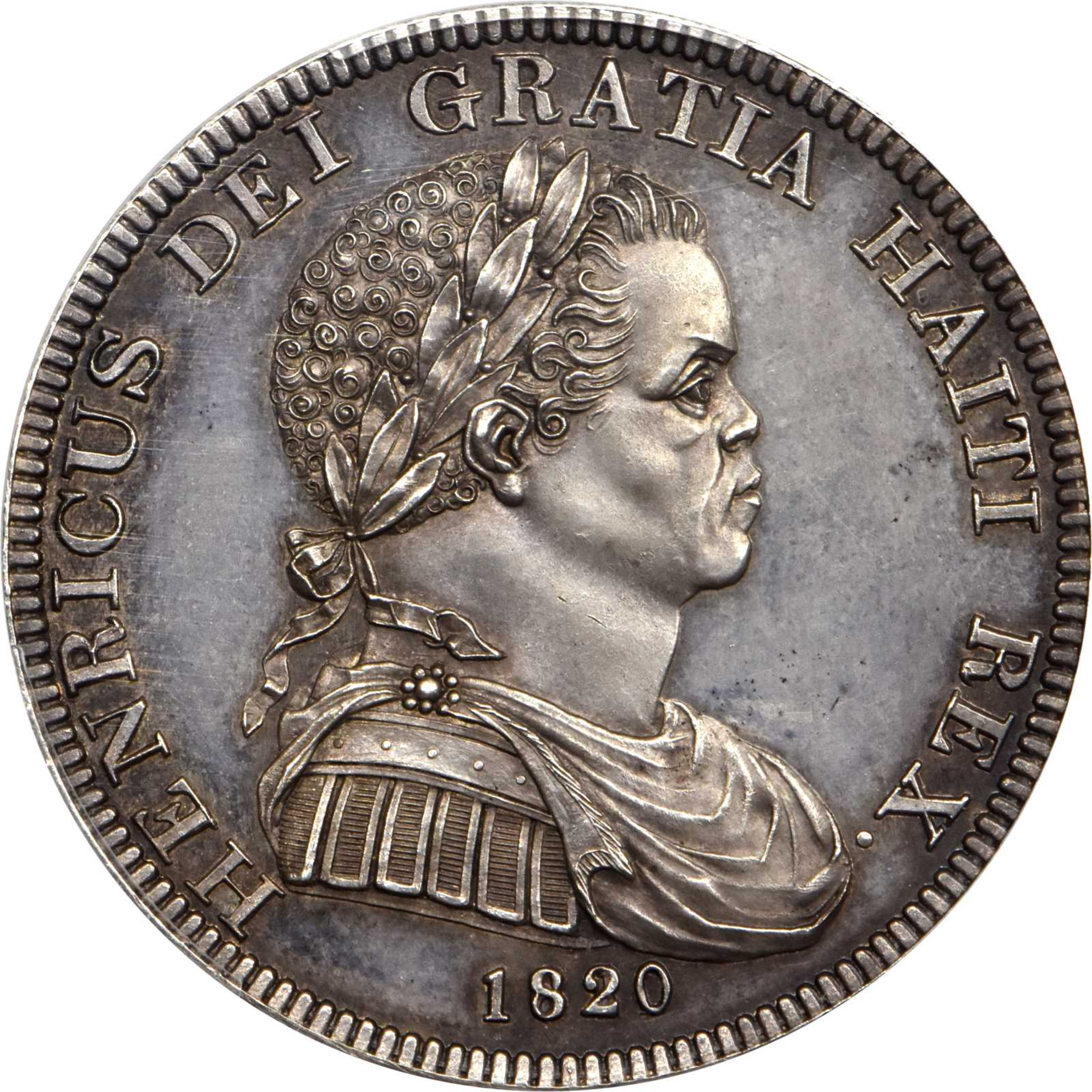 E109 The Haitian Empire ft. Sebastian 05.04.2025 2u 12minSupport us on Patreon---The story of the Haitian Revolution is well-known. From the oath at Bois Caiman to the large-scale slave revolt which birthed the nation and subsequent war against the Napoleonic invasion force, the revolution is filled with cinematic moments of great poignancy. But what happened next?Usually the story ends with Jean-Jacques Dessalines taking power, but with the help of our Haitian-born and raised friend Sebastian, we take the story further, and explore just what happened to this Caribbean nation for the remainder of the 19th century. We take aim at Haiti's troubled economics , political system, and internal racial politics. The story is told through the lens of the many colorful personalities who took the reins of power while styling themselves monarchs. From Henri Christophe to Faustin Soulouque, Haitian history is filled with figures who sought to emulate French political forms despite the antagonistic relationship between these two countries. The imperial moniker was partly a signifier intended for foreign consumption, but it had a ring of truth to it as well, as these rulers built palaces through corvee labor, minted aristocrats, and sought to impose their authority over their Spanish-speaking neighbors in what is today the Dominican Republic. So what went on in Haiti? Listen to the episode to find out.--See Sebastian's Substack Kaskad for more contemporary Haiti analysis.
 -
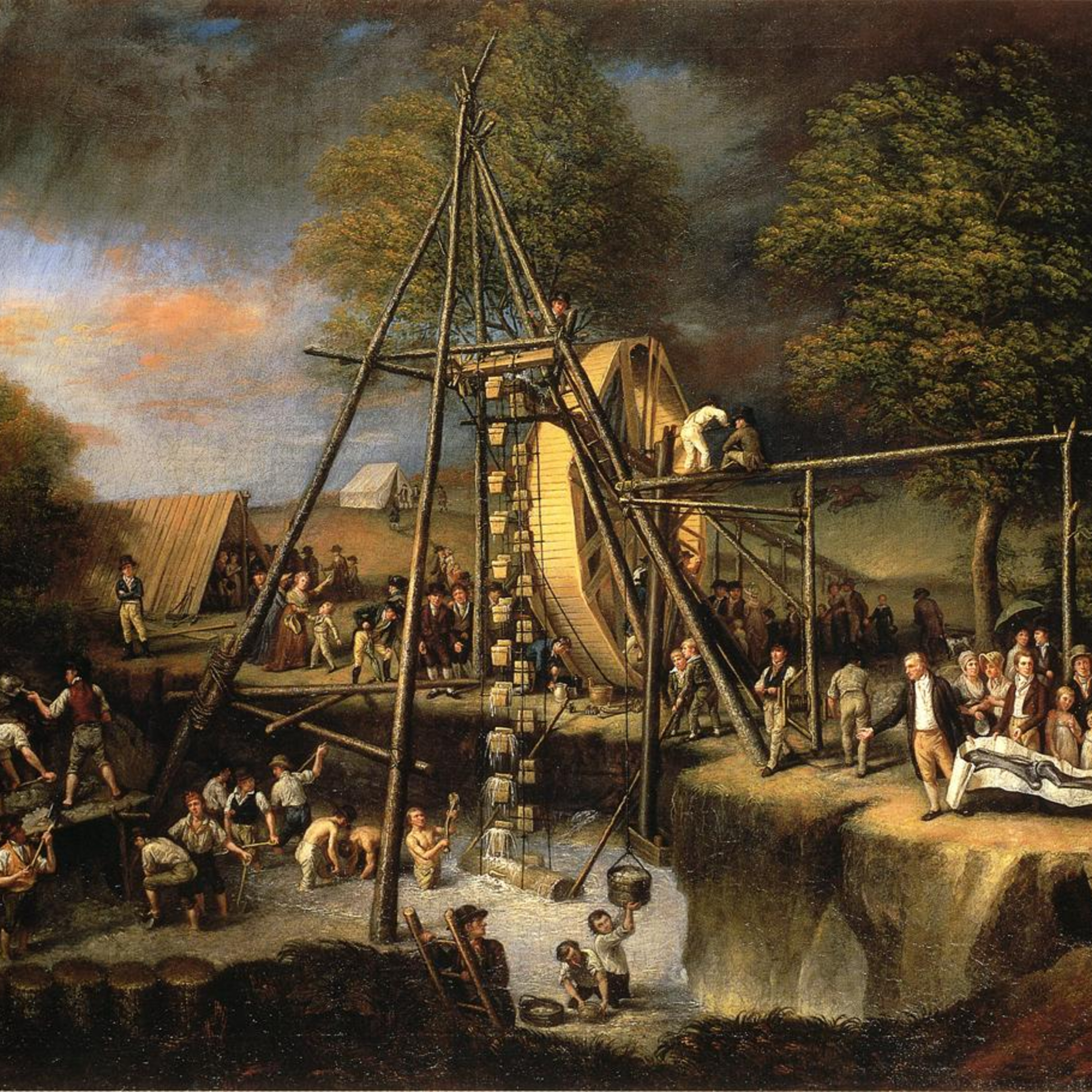 E108 American Utopias and the New Moral World ft. Grace Cathedral Park 19.03.2025 2u 39minSupport us on Patreon---"And all that believed were together, and had all things common; And sold their possessions and goods, and parted them to all men, as every man had need." King James Bible, Acts 2:44"And when they found them not, they drew Jason and certain brethren unto the rulers of the city, crying, These that have turned the world upside down are come hither also." King James Bible, Acts 17:6Liam and Russian Sam are joined by once again by Jackson (@GraceCathedralPark) for a two thousand summary of American radicalism and the utopian tradition. Since ancient times, religious and moral conviction has compelled the most pious among us to leave this sinful world behind.Jewish groups like the Essenes and the Ebionites were joined by the earliest Christian monks in their complete rejection of secular society, preferring to live in intentional communities organized toward complete observance of religious commandments. These groups, who may have included the first followers of Jesus, held their property in common and believed they could lead mankind by their example toward a new moral world.By the European Middle Ages, Christian institutions had taken on all the venal and violent obligations of the state. Reformers seeking to challenge the worldly power of the church were met by centuries of brutal oppression. By the 16th century these contradictions had become too much to bear, with the eruption of the Protestant Reformation and the flowering of idealistic sectarians. Some of these groups, like the Anabaptists and the Diggers, sought to upend the material hierarchies of man and make all equal before God. When these groups were also hunted down, even by their fellow Protestants, the dream of a new beginning survived across the sea.Religious settlers like the Puritans and Quakers saw the wild American lands as a blank slate for their moral dreams, while more materialistic colonists used the New World to engineer new systems of extraction and domination unimaginable back home. Many of these groups created communes in the wilderness, some surviving for months and others for centuries. As Enlightenment writers argued for the equality of man based on reason rather than scripture, and the American and French Revolutions called all political secular communitarian projects also began to emerge. Most significant of all of these was New Harmony, the utopian experiment of reformed capitalist and lifelong idealist Robert Owen. Though New Harmony would not be a particularly long-lived commune, it cemented Owen as one of the most famous men of the early 19th century and a father of the socialist movement. Like many parents, Owen would see some of his children turn away from him, yet his lifelong agitation would lay the groundwork for more enduring transformative projects. While we now understand the utopian movement to have failed, Owen and his two thousands years of forebears succeeded in inspiring mankind to build a new moral world.Listen to the end of this one to hear about Jackson's own radical utopian dream: BYU for Owenism.
Vergelijkbare podcasts


Populair in
Deze podcast verschijnt ook in de podcastlijsten van deze landen.
