
Full Cycle
CLA
0
Full Cycle, formerly known as the PlanetLaundry Podcast, is a show about the vended laundry industry — the coin- and card-operated laundromats that serve neighborhoods across the United States. Produced by the Coin Laundry Association, it shares stories and lessons from people working inside the business while also bringing in outside perspectives to help operators think differently. Episodes focus on the successes and challenges of modern laundry entrepreneurs and how they build and grow their businesses. The goal is to elevate the vended laundry industry by celebrating the people who run it and giving listeners practical, forward-looking insight.
Afleveringen
-
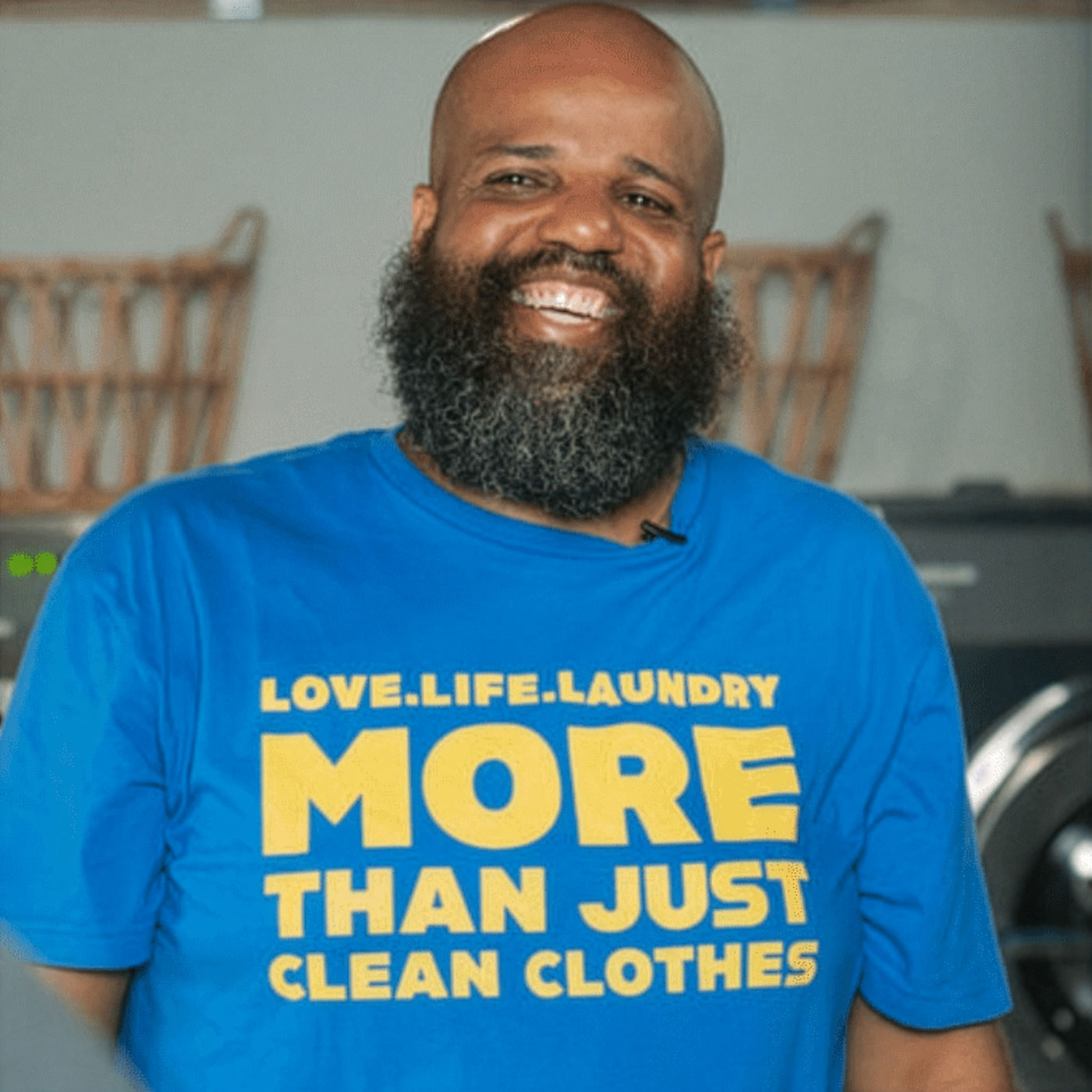 Non-Profit Laundry for Good 29.09.2026 49minIn Flint, Michigan, Leo and Mio Robinson are proving that a laundromat can be about far more than washing clothes. Good Laundry, the nonprofit they built alongside their church, Good Church, grew out of a simple question they started asking their neighbors while serving hot meals during the early days of the pandemic: what do you need besides food? The answer, a safe and affordable place to clean their clothes, led the Robinsons to a discovery they hadn't expected: families in their own community going without laundry access, kids skipping school over dirty clothes, and parents losing jobs over uniforms they couldn't keep clean. That discovery became a 17-machine, $500,000 facility, fully paid for, not-for-profit laundromat.On this episode, Leo and Mio join Full Cycle Host, Matt DeWolf, to talk about discovering "hygiene poverty" in their own backyard, why they deliberately kept Good Laundry and Good Church as two separate nonprofits with two separate entrances, and how a space built for washing clothes has become a place where kids do homework, families build community, and strangers walk in and, without being asked, start telling their life stories. They also talk about Good Laundry's Monday closures, when the facility is set aside entirely to serve women affected by sex trafficking, and what's next for the organization: replicating the model in other underserved communities and launching a wash-and-fold pickup and delivery service for neighbors who can't get to the laundromat at all.
 -
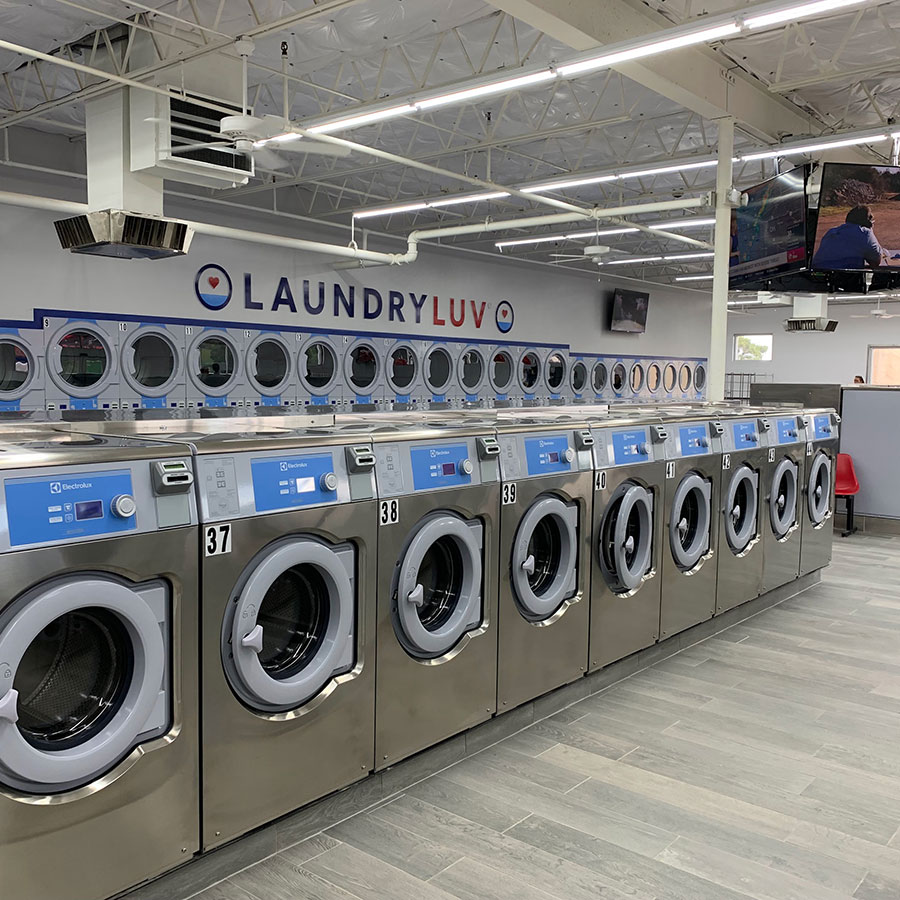 Ken Wimberly on Turning Failure Into Laundry Luv's Community-First Model 15.09.2026 42minBefore Ken Wimberly became chief visionary officer and co-founder of Laundry Luv, he watched an $800,000 business go to zero — and had to call every investor to tell them so. On this episode of Full Cycle, host Matt DeWolf talks with Wimberly about the anxiety and depression that followed, the morning routine and structure that pulled him out of it, and how a real estate deal in Abilene, Texas, turned into a laundromat company built around one idea: the store should feel less like a chore and more like a community hub. Wimberly also shares how his military school background led Laundry Luv to run on EOS (the Entrepreneurial Operating System), why every store manager gets a $50 budget to solve problems without asking permission, and the reading habit he credits with 10 to 15 extra books a year.This episode is sponsored by Eastern Funding.
 -
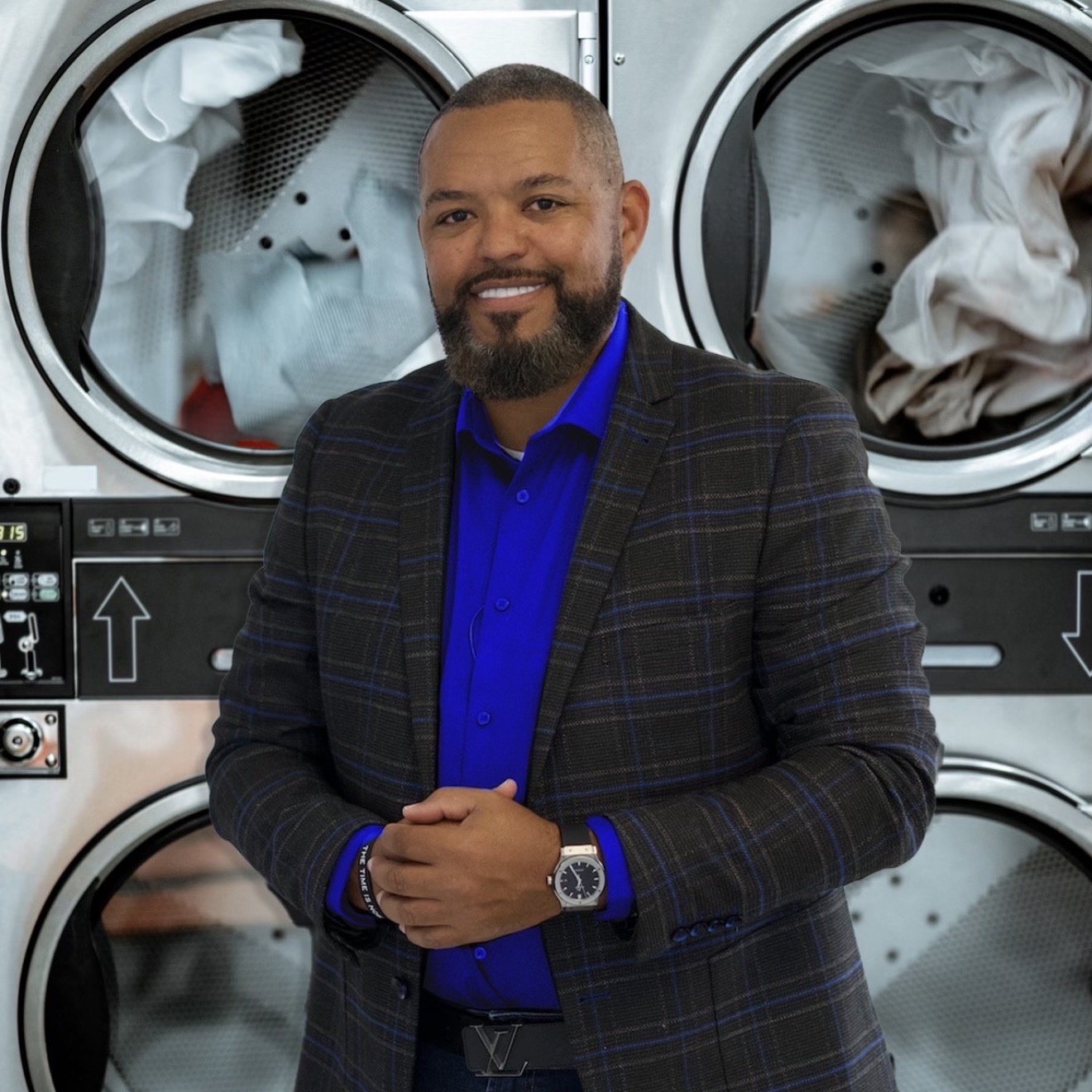
 Brian Wallace on CLA's Legislative Advocacy and the $7.4 Billion-Dollar Impact Report 01.09.2026 40minOn this episode of Full Cycle, host Matt DeWolf talks with Brian Wallace, president and CEO of CLA, The Laundry Association, about a side of the organization's work that rarely gets discussed: legislative and regulatory advocacy on behalf of laundromat owners.Wallace walks through CLA's new Advocacy Impact Report, which puts a dollar figure, $7.4 billion, on decades of legislative wins. That includes the effort to have laundromats formally classified as essential businesses at the federal level during the COVID-19 pandemic, the ongoing work to preserve state sales tax exemptions in states such as Louisiana, Nebraska and Connecticut, and recent amendments to microfiber filtration legislation in California, Illinois and New York that excluded commercial washers installed in laundromats from the requirement. He credits board member Jamie Sewell with pushing him to quantify work that had largely lived in institutional memory.Wallace also explains why the sales tax exemption, which currently applies in 41 of the 44 states that collect a sales tax, remains one of CLA's most persistent issues, and how bringing legislators into member stores, including visits with a California assembly member and a New York state senator, has helped clear up misconceptions about how laundromats operate and who they serve. The conversation closes with a look at other issues CLA tracks, from coin and currency composition to wastewater and PFAS concerns, and Wallace's advice for owners who want to get involved locally.Listeners can find the CLA Advocacy Impact Report at laundryassociation.org.This episode is brought to you by Eastern Funding, which has provided financing for laundromat purchases, construction and equipment since 1997. Learn more at easternfunding.com/laundry.Thanks for giving us a turn.
 -
 Joe Ebanks on Turning an Accidental Laundromat Purchase Into a Growing Business 18.08.2026 41minJoe Ebanks did not set out to become a laundromat owner. A real estate investor for more than 25 years, Ebanks was negotiating a home purchase from a woman named Linda when the deal fell through. Weeks later, Linda called with an unexpected offer: would he be interested in buying her laundromat instead. Ebanks and his wife, Lisa, knew nothing about the business beyond the old assumption that laundromats were reliable cash generators, but they agreed to take a look. What they found was a rundown, un-air-conditioned laundromat in Florida, sweltering under the heat of running dryers. Ebanks negotiated a seller-financed deal, put $50,000 down and agreed to pay off the rest over time, closing on his first laundromat with no real plan for how to run it. With no formal training, the couple learned the business hands-on, repairing machines themselves and eventually writing the standard operating procedures their employees still follow today. A second, larger acquisition followed within months, again financed through owner terms.As the business grew, so did the couple's focus on data and technology. Where many laundromat owners still think in quarters and manual price changes, Joe and Lisa manage pricing remotely and test dynamic pricing that shifts by the day. Their pickup and delivery service has become their most profitable addition, bringing in more than $28,000 in a single month. Ebanks credits much of that growth to a mindset shift away from viewing other laundromat owners as competitors and toward treating them as collaborators, a philosophy that eventually helped his business absorb an entire regional territory. That same instinct led the couple to launch Wealth Off Washers, a venture built to help others break into the laundromat business the way they wish someone had helped them.Looking ahead, Ebanks sees the physical laundromat becoming less central to the business model, describing it instead as the infrastructure behind a broader, technology-driven laundry service, one where unattended locations, delivery routes and commercial accounts can all be managed from a single app. Asked what advice he would offer listeners, Ebanks pointed not to laundry but to personal fundamentals: get closer to faith, take health seriously and eat better, habits he believes make everything else, including business, work better.Thanks for giving us a turn.
 -
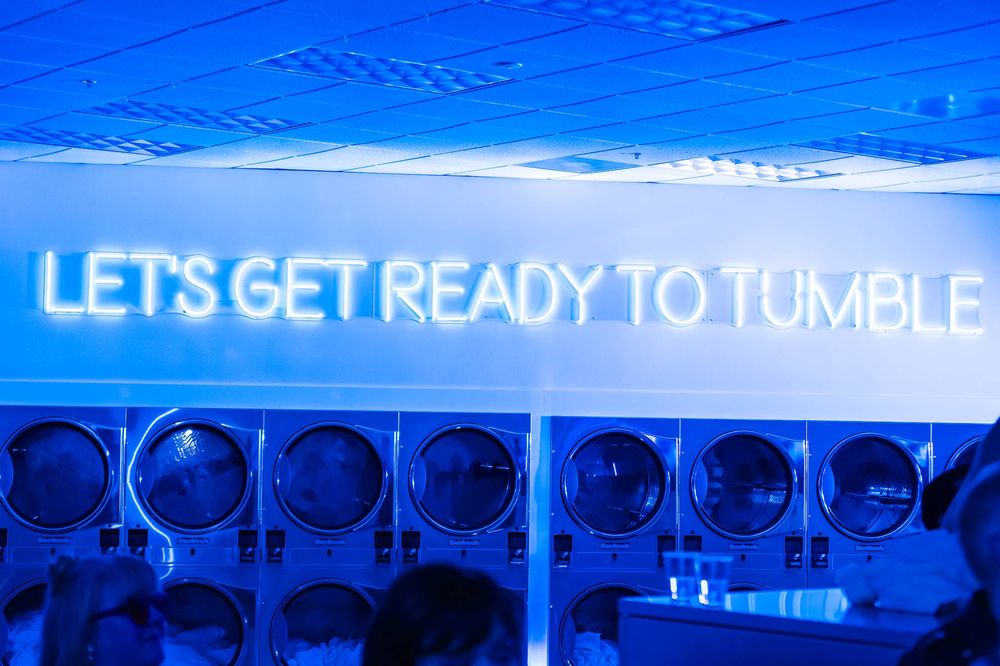 She Bought a Laundromat Because Doing Airbnb Laundry Got Too Expensive 05.08.2026 32minCatherine Fisher never planned to enter the laundry industry. A longtime real estate agent in Corvallis, Oregon, she built a side business managing about a dozen Airbnb properties, a portfolio that produced an overwhelming amount of laundry. Towels, sheets, blankets and pillows piled up faster than she expected, and for years she paid someone else to handle it at a local laundromat.The math that changed everythingAt some point, Fisher did the math. She was spending tens of thousands of dollars a year paying someone to wash laundry at another person's business. Her first idea, buying commercial machines for her own house, fell apart the moment she saw the price tag. That's when the obvious question surfaced: if she was going to own the equipment anyway, why not let other people pay to use it too. In other words, why not open a laundromat.Finding a space in a town that didn't make it easyCorvallis, home to Oregon State University, has a population of roughly 55,000, and zoning rules there made finding a location difficult. Laundry use wasn't permitted in most commercial areas. Fisher eventually found a former gym in a strip mall where the original permit language happened to include the word "laundry," which grandfathered the space in for her use. She converted it into a 4,000-square-foot facility with 26 washers and 32 dryers, a build-out that started from the ground up.Building more than a laundromatFisher named the business Adam's Washateria after a childhood friend who died from complications of ALS, a disease he was diagnosed with during his military service. He lived 15 and a half years after his diagnosis and encouraged Fisher to pursue the business before he died. She wanted the space to reflect his humor and dignity, which shows up in details like a disco ball and neon lighting.Rather than maximizing the number of machines she could fit into the space, Fisher prioritized room for a kids' area, couches and wide folding tables. She also pays her staff well, even though it slows the business's path to profitability, because she wants employees who genuinely want to be there and who build relationships with regular customers.Laundry as a form of connectionFisher describes moments that stand out to her more than the business side of things: helping a customer who was a few dollars short, watching a young couple bring in 260 pounds of laundry they had been putting off because money was tight, and spending two free weeks of laundry service around the store's opening, during which she met a woman washing her hospitalized sister's clothes and bedding.For Fisher, the laundromat became less about the machines and more about offering people a space where they feel seen. In a town that hadn't seen a new laundromat in 20 years despite adding 20,000 residents, she also saw a clear opportunity, one built as much on community as on convenience.Thanks for giving us a turn.
 -
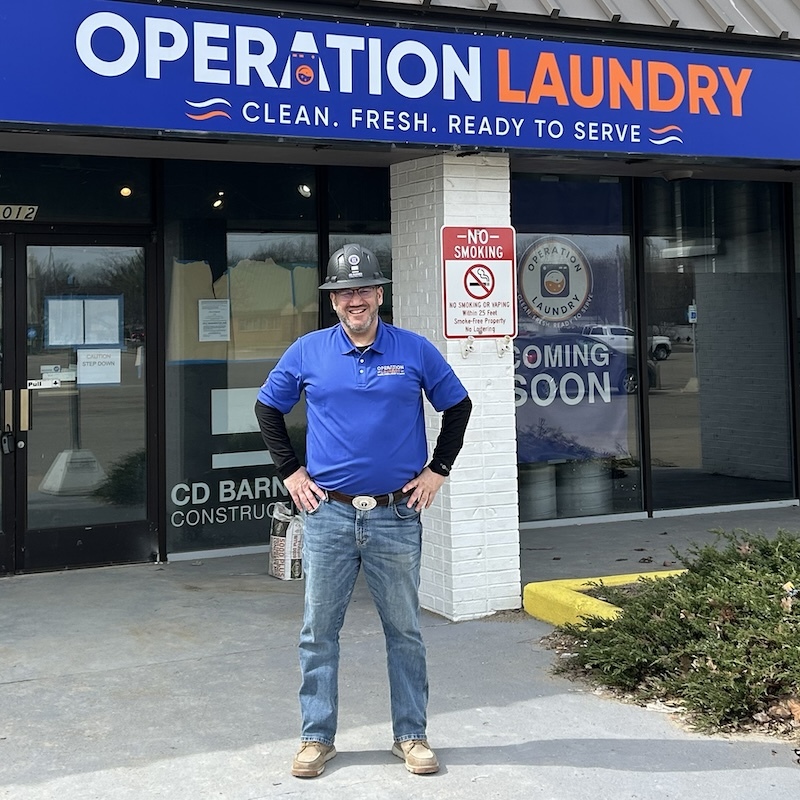 Operation Laundry Chapter 3: It’s Open 21.07.2026 26minIn this episode of Full Cycle, host Matt DeWolf checks back in with Tim Johnson for the third installment of his series following the launch of Operation Laundry, a destination laundromat in Holland, Michigan. The earlier episodes covered Johnson's decision to leverage his 401(k) to fund the project, the construction process and his approach to building community and staffing systems. This conversation picks up after opening day.Johnson shares that Operation Laundry officially opened on June 1, roughly a month behind his original May target. Construction took about 90 days after a 50-day demolition process he handled himself. He describes the response from the community as overwhelmingly positive, noting the business has collected more than 360 five-star reviews in five or six weeks, which he attributes to building relationships with customers and asking for feedback directly.The conversation also covers the more difficult realities of the first weeks in business. Johnson talks about running the laundromat at a loss while working to reduce labor costs, since staffing is the one expense he can control. He recounts unexpected challenges, including customers who ignore posted signage, an aversion to technology among older customers and two flooding incidents caused by improperly sized bulkheads. He explains the fixes put in place since, including remote water shutoff controls and floor sensors that alert him to leaks.Johnson and DeWolf discuss the ongoing effort to build commercial accounts and wash-and-fold service, which Johnson sees as necessary to move the business toward profitability, since self-serve washing alone is expected to break even. He closes with a piece of advice he attributes to a college football coach: the value of consistently taking action, which he ties back to his own habit of showing up and doing the work even when progress feels slow.Thanks for giving us a turn.
 -
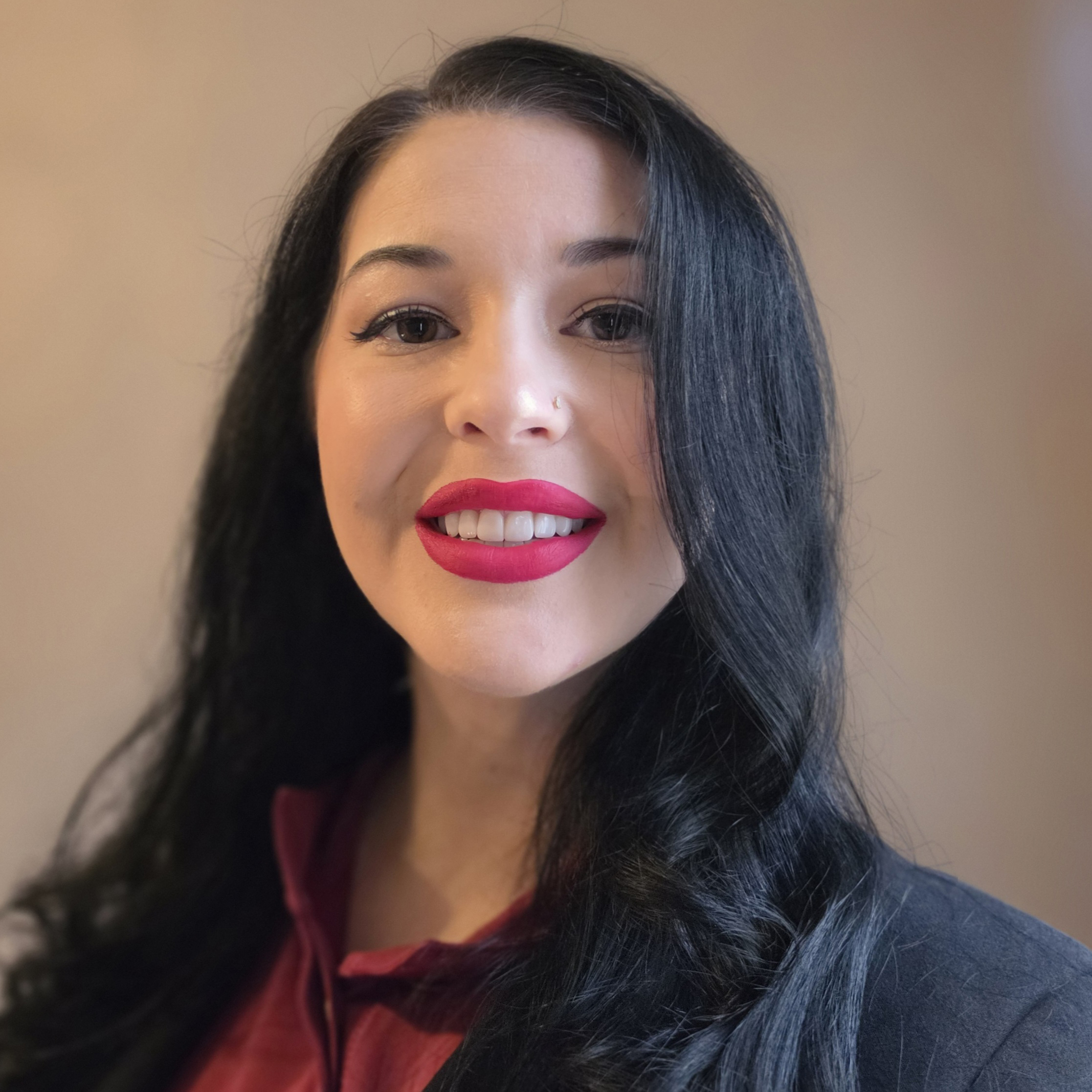
 Leaving Private Equity for Laundry 07.07.2026 39minHost Matt DeWolf talks with Amy Knopf and Avi Robbins, co-founders of A+ Laundry in Atlanta, about leaving private equity careers to build a laundry business from the ground up.Knopf and Robbins both spent years in private equity before deciding to strike out on their own. Knopf's background is in commercial real estate, where she spent 14 years as an owner and operator across office, retail and multifamily properties. Her family has also run a commercial laundry business in Ohio for 95 years, giving her an early connection to the industry. Robbins spent about 15 years running manufacturing businesses for private equity firms, focused on launching new products in the medical and life science space. The two have known each other for more than 10 years, and after independently considering their next moves, they landed on laundry as an industry with room to grow.They founded A+ Laundry in February 2025 and spent months evaluating opportunities across the greater Atlanta area, which has more than 300 laundromats. Their first deal came together quickly after a seller who had discovered that laundry wasn't for them agreed to terms within days, though the lease assignment process with the property owner delayed closing until September. They also acquired a pickup and delivery business built on two decades of paper-based routes, which they have since moved to a digital system for online requests and route optimization.Much of the conversation centers on how Knopf and Robbins approached retooling their first laundromat. They redesigned the customer flow, moving the attendant desk and payment center to the front of the store so staff can greet customers as they arrive. New lighting, paint and a dedicated welcome area were part of an effort to create what Knopf calls a better laundry day, whether customers use the physical location or the pickup and delivery service.Robbins and Knopf also discuss the operational lessons they have picked up along the way, including the importance of finding a trusted equipment distributor, budgeting realistically for marketing and community outreach, and building technology tools that let them monitor equipment and supply levels remotely. Knopf notes that A+ Laundry's tagline, "It's about time," reflects their focus on saving time for both their team and their customers.The two close by sharing what has surprised them most since launching the business, including how deeply they have become involved in community events, and by offering listeners a piece of advice each: start fresh each day and give it full effort, and take time to listen closely to what customers, employees and potential sellers actually need.Thanks for giving us a turn.
 -
 Building Culture from the Ground Up with Kate Wolfe 22.06.2026 39minKate Wolfe came to the laundry industry the way many do, by following a thread of curiosity until it became a plan. A TikTok video about passive income sent her down a research rabbit hole, and within a year or two she had identified a laundromat near her home in Pennsylvania, arranged financing, and called the owner before her husband even knew what was happening. That first location, which they renamed Laundry Lane, closed in December 2023. Six months later, they bought the building. Four months after that, they acquired a second location.Wolfe runs both stores with her husband, George, and the division of responsibilities has developed organically. George handles the mechanical side, maintenance, and property management. Kate brings an MBA and a background in people management, process development, and systems design from her years working on a government contract. She wrote SOPs, built training programs, developed flowcharts and job aids, and tracked processing times. That experience translated directly into how she runs Laundry Lane.When they hired their first employee, roughly 18 months in, Kate had already built out a checklist that accounted for daily, weekly, and monthly tasks, with specific days assigned to specific recurring work. The goal was consistency, making sure the store looked the same regardless of who had cleaned it. She traces that standard back to a simple test her husband applies: if his 77-year-old mother can feel comfortable there at night, then the space is doing what it should.In this episode, Kate talks about how the culture she is building at Laundry Lane is the connective tissue between her brand and her customer experience. That includes hiring former customers when possible, backing her staff when a customer crosses a line, and making sure employees understand why the standards matter, not just what they are. The two-way security cameras serve as a customer service tool as much as a safety measure. Magnetic locks let late customers finish their laundry without being rushed out. Small decisions, consistently made, have added up to a customer base that sweeps the floors on their own and drives past closer options to use washer number five.Kate is candid about what she and George did not know when they started and how much they learned after they were already in it. The CLA, the Laundromat Resource Podcast, and other industry resources came later, once they had already stumbled through the early lessons on their own. Her advice for anyone new to the industry is to find those resources before you need them.Her closing thought for the episode is a reframe on productivity: rather than measuring a day against a long to-do list, identify the one thing that matters most that day and do that well. Some days that is a business goal. Some days it is being present for her daughter. Either one counts as a successful day.Thanks for giving us a turn.
 -
 From Corporate Ladder to Laundromat Franchise: Cathy Neilley on Building Spin Doctor 09.06.2026 40minCathy Neilley spent years working her way through corporate America, from clinical laboratory work at major New York hospitals to pharmaceutical sales, biotech management, and eventually e-commerce and product management at Johnson & Johnson. The training was excellent and the travel was broad, but the path upward grew uncertain, and she began looking for a way out on her own terms.The idea for a laundromat came from a moment of genuine frustration. Returning from a work trip with a suitcase of dirty clothes, she found the building laundry room occupied and uninviting, then discovered a small neighborhood shop offering wash, dry, and fold service. The result changed her thinking: professional women needed a better laundry option, and she was going to build it. That was the beginning of Spin Doctor, which has now been operating for 13 years.The franchise came later, and somewhat unexpectedly. A family relocation dried up the capital she had set aside for expanding her own store count, and her husband suggested they franchise the concept instead. They worked with a packaging company to build out the legal framework, prepared for a slow road, and then watched COVID pause and paradoxically accelerate everything. People reconsidering their careers after the pandemic were looking for small business opportunities, and Spin Doctor now has 12 franchisees in active build-out phases across New Jersey, New York, Florida, Georgia, Texas, and Minnesota.Neilley speaks candidly about what it has meant to build this in an industry that has historically been male-dominated, much like the corporate world she left. Women make up less than five percent of laundromat owners, and she has a stated goal of reaching 30 percent female or female-majority ownership across Spin Doctor franchises. Visibility, she argues, is what moves that number. People need to see that it is possible before they will believe it is possible for them.Her closing advice: admit what you do not know, and stay curious. Learning from industries and situations that have nothing obvious to do with your own work has a way of paying off when you least expect it.Thanks for giving us a turn.
 -
 Curiosity and Mentors Make the Difference for Two Women in Laundry Service 26.05.2026 36minIn this episode of Full Cycle, Matt DeWolf sits down with two women who have built long careers on the service and maintenance side of the laundry industry: Jennifer Gonzalez, Senior Manager of Service at Maytag Commercial Laundry, and Jackie McFeely, National Service Manager for Dependable Laundry Solution in Australia.Both guests trace their comfort with tools and troubleshooting back to childhood. Jennifer recalls disassembling her father's lawn tractor at age six, and Jackie grew up helping in her father's mechanic shop. Neither set out specifically for laundry, but both found their way there through a combination of curiosity, good mentors, and an appreciation for working closely with customers. The conversation covers what it has been like to work in a field where women remain underrepresented, how both guests have navigated bias with patience and by simply demonstrating their expertise, and why they believe representation matters as much on the customer side as it does within their own organizations. Jennifer and Jackie also talk about their ongoing working relationship across two continents, and what makes the partnership between a manufacturer and a distributor function well over time.On the question of encouraging more people into the trades, both guests point to the same thing: let people try. Jackie's advice is to have a go. Jennifer's is to remember that there is a video for almost everything, and that most mistakes can be undone.Thanks for giving us a turn.
 -
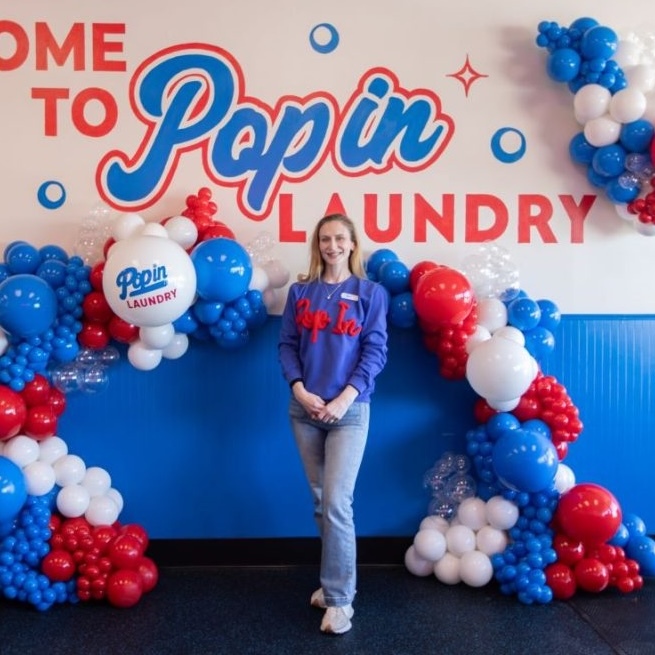 From Instagram to Open Doors with Catherine Chalpin 12.05.2026 32minCatherine Chalpin came to laundry the way a lot of people do these days: she saw something on Instagram, thought it looked manageable, and started doing her homework. What followed was about as fast a path from interest to open doors as you are likely to find. In this episode of Full Cycle, Chalpin shares how she went from watching someone unload quarters into a bucket to running Pop In Laundry in Poughkeepsie, New York, all within roughly a year.The location she landed on was a zombie mat, stripped of equipment after a dryer fire, but with its infrastructure largely intact. Chalpin, who has a background in project management through years of renovating rental properties, saw the bones of the space and knew what to do. She managed the buildout herself, skipping a general contractor, and opened in January 2026.Her day job selling indoor athletic flooring for nonprofits and athletic facilities has shaped how she thinks about community relationships, and that shows in how she runs her store. In her first few months, she organized a clothing drive with the Salvation Army, launched a summer reading program in partnership with the local library, secured a deal to flyer cars in her plaza, and began providing laundry cards to clients of Family Services of Poughkeepsie. A pop-up comedy show at the laundromat was also on the list. She credits a background in marketing and promotions for her instinct to keep things fresh and community-facing.Chalpin and host, Matt DeWolf also get into the practical side of running a new store: the lint trap surprise mid-construction, the value of a good automated floor mopper, the importance of a simple pricing reference sheet for staff, and the challenge of managing time across a full-time job and a new business. Her advice to anyone just getting into the industry is straightforward: read, listen, network, and learn the permit process in your municipality before you need it.Her final answer on what one thing you can do today to be better tomorrow: get familiar with AI. She's been using it to build frameworks, manage scheduling, and handle operational work since before the store opened, and considers it an essential part of how she runs things now.Thanks for giving us a turn.
 -
 Operation Landry Chapter 2: Community Engagement and Planning for People 28.04.2026 27minWe are checking in with Tim Johnson and his progress as he builds Operation Laundry. This is the second conversation and a lot has changed since the first one two months ago. Johnson is building Operation Laundry in Holland, Michigan, and the project is moving closer to the finish line. Johnson joins host Matt DeWolf to talk about the current status.The construction is ongoing but the theme of this episode is community engagement. The community response to Operation Laundry has been something Johnson could not have predicted. We discuss a Facebook post asking residents about their experience with local laundromats that drew hundreds of comments and likes. The Holland Sentinel even ran a front-page profile. Local television reached out to cover opening day. People stop by the job site to drop things off. Employees have applied without any job posting ever going up. Johnson shares the story of one morning, a stranger pulled his car up alongside Johnson's to block him in, just so he could ask about washer sizes and the kids zone.Johnson talks through what it takes to build a brand before you've served a single customer, including lighting upgrades to the strip mall, co-marketing relationships with neighboring businesses, and the concept of making the laundromat a third space, somewhere people can gather rather than just a utility stop. He also talks about where the real pressure lives, and it is not in the marketing. It is in the financial decisions that happen every day on a construction site, where every call has consequences and there is no safety net.The conversation also goes into what it takes to sustain yourself through a process like this. His advice: find something bigger than yourself, whether that is faith, community, or just putting energy into helping someone else. What you give, he says, comes back tenfold.
 -
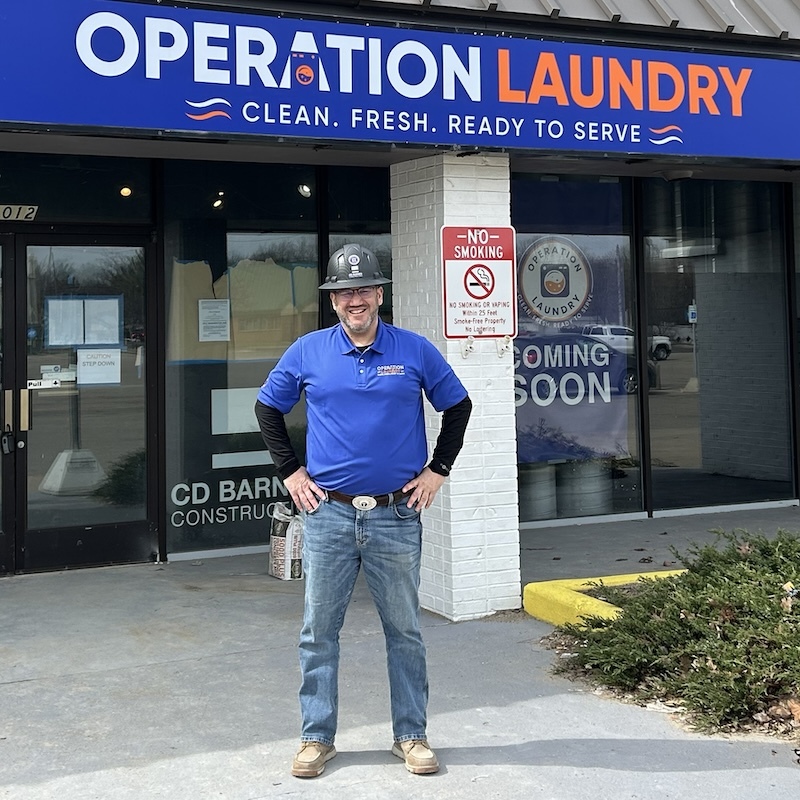 Operation Laundry Chapter 1: Building from Nothing with Tim Johnson 14.04.2026 33minOn this episode of Full Cycle, Matt DeWolf sits down with Tim Johnson, founder of Operation Laundry in Holland, Michigan, for a conversation unlike most on the show. Tim's laundromat is not open yet, and this episode follows his journey in real time, offering a candid look at what it actually takes to build something from scratch in this industry.Tim's background is anything but traditional for a laundromat owner. A former Air Force officer and cybersecurity entrepreneur, he arrived at the Clean Show knowing no one and knowing nothing about laundry. What followed was a series of high-stakes moves: rolling over his entire 401k through a ROBS structure while unemployed, tracking down and purchasing 43 dryers and 42 washers from a shuttered franchisee near Detroit, hauling the equipment across the state in rented box trucks with his neighbor Rob, and securing a commercial space on a seller-financed land contract. He and Rob then spent 50 days demo-ing 5,000 square feet by hand, removing 22 tons of material, and uncovering a hidden tunnel running beneath the entire strip mall.Tim speaks openly about the moments of doubt, the constant outflow of money with no income coming in, and the relationships, with his distributor, his builder, his neighbor, local businesses, and community organizations, that have made the project possible. His advice for listeners is simple: walk or exercise every single day. The mental clarity it provides, he says, is worth more than the time it takes.We’ll be following Tim along his journey as he gets Operation Laundry open for business.Thanks for giving us a turn.Host: Matt DeWolf | Guest: Tim Johnson, Founder, Operation Laundry, Holland, Michigan
 -
 A Major Investment in Laundry with Cents 31.03.2026 43minIn this episode of Full Cycle, Matt DeWolf sits down with Alex Jekowsky, founder and CEO of Cents, to discuss the company's recently closed Series C funding round, The round finalized at $140 million, and it is the largest outside investment the laundry industry has seen.The conversation covers what this capital signals about the state of the industry, how Cents plans to deploy the funds, and what operators at every scale should be paying attention to. Matt and Alex dig into the data Cents has gathered processing over $1.5 billion in annual payments across more than 4,500 locations, and what that data reveals about how the best operators run their businesses. They also discuss the rise of private equity in laundry, why consolidation should not be feared, and how independent owners can use agility as a competitive edge.Thanks for giving us a turn.
 -
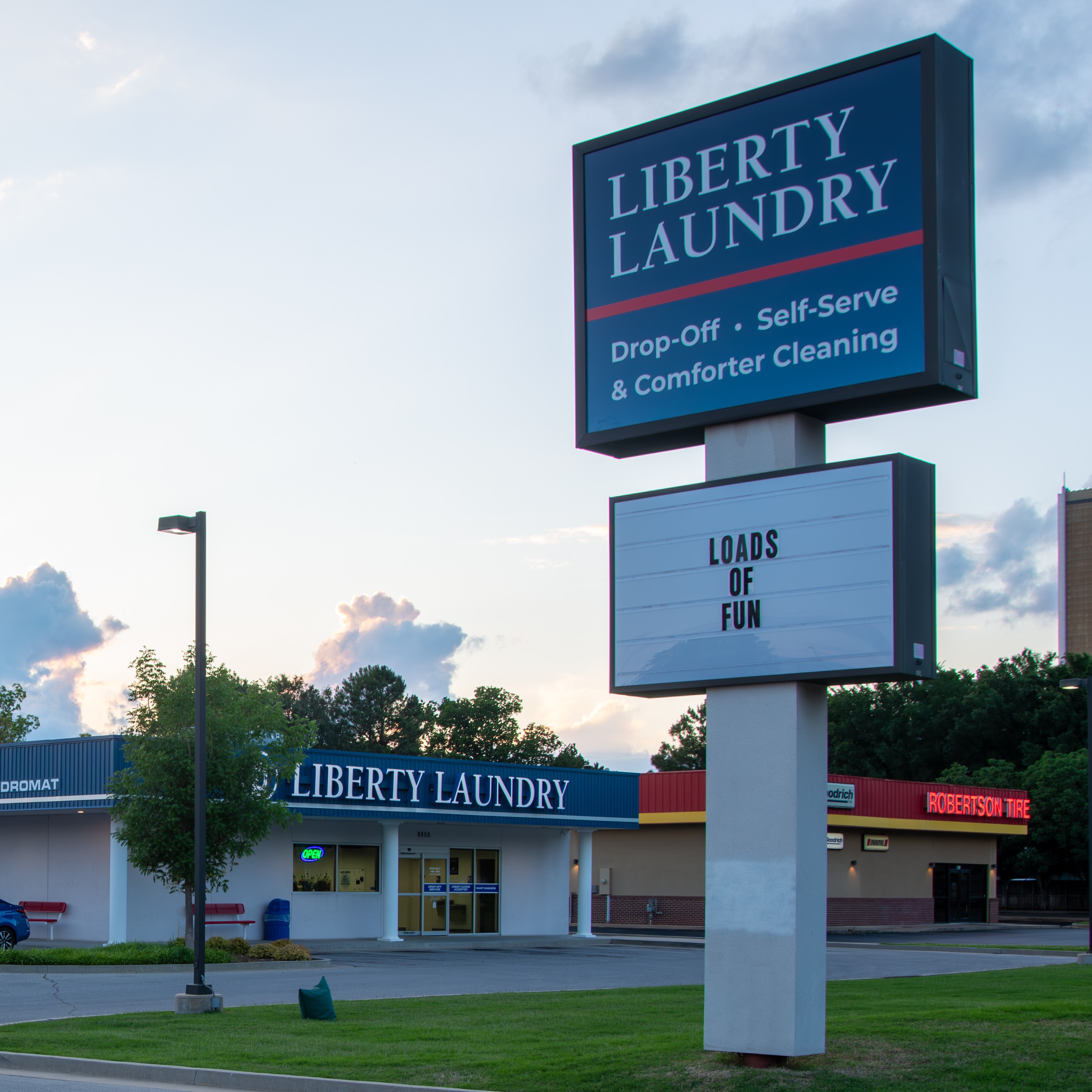 Modernizing and Scaling a Family Laundry Business 17.03.2026 47minHost Matt DeWolf sits down with Brian Henderson and Ian Gollahon, co-owners of Liberty Laundry and founders of Wash Dry Fold POS, to explore what it takes to run and grow a laundry operation.Brian Henderson went from studying chemistry to managing, and eventually purchasing, a chain of Oklahoma laundromats from his family. That journey led to the creation of a point-of-sale system now used by over 1,200 laundromats nationwide. Ian Gollahon shares his transition from sales into the laundry business, and together they cover operational systems, making big changes after a generational transfer, and lessons learned along the way.This conversation gets into valuing a laundromat, financing a major acquisition, building a strong management team, and why documenting your processes matters for long-term success.Thanks for giving us a turn.
 -
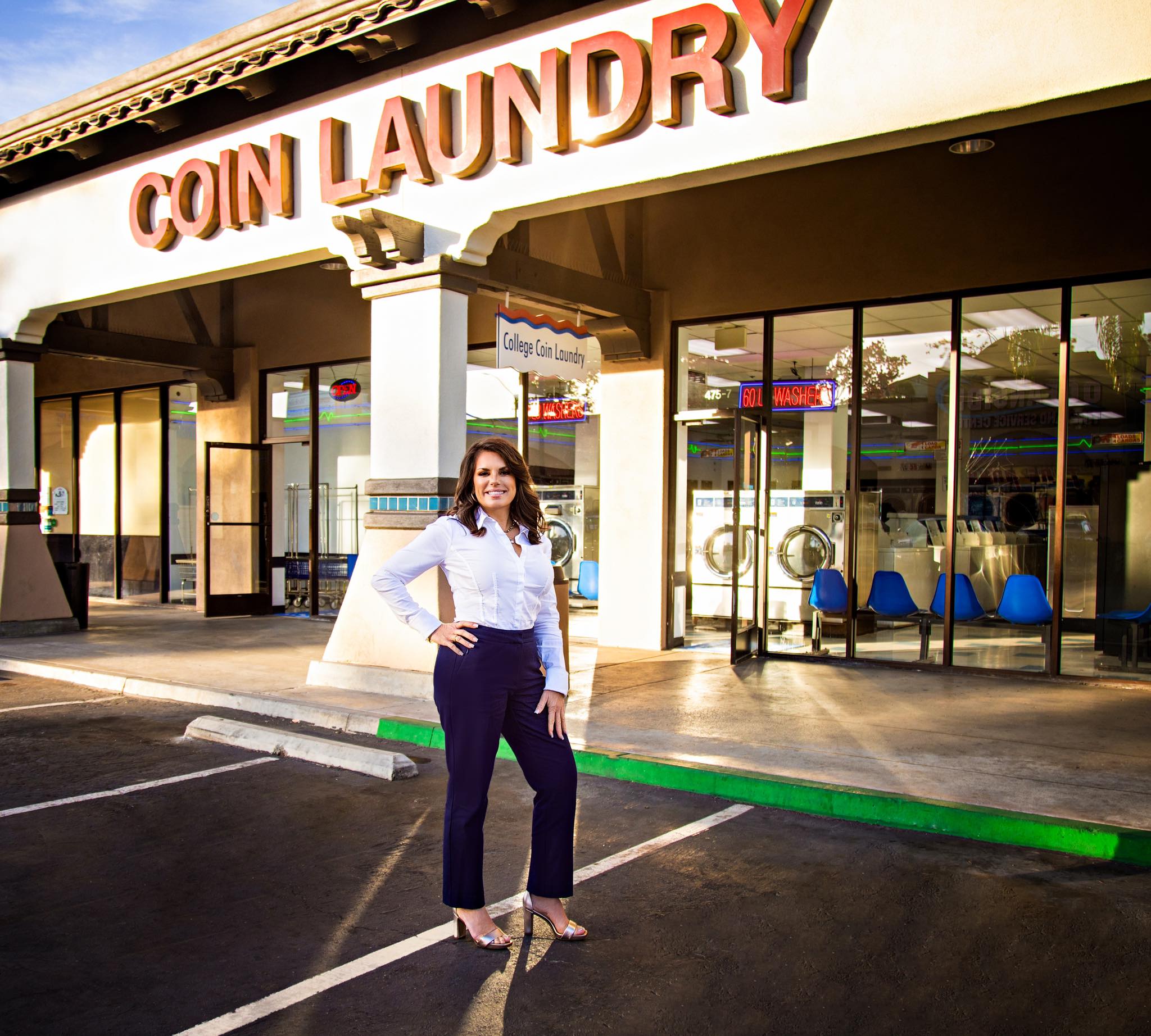 Lessons in Tenacity and Compassion from a Veteran Laundromat Owner 03.03.2026 34minIn this episode, host Matt DeWolf sits down with Cristina Iacobelli, owner of College Coin Laundry in Oceanside, Calif.. With over 31 years of experience in the laundromat industry, Cristina shares her journey from entering the business as a young mom, to running her laundromat solo for 25 years after buying out her family and navigating life as a single woman business owner.The conversation covers the unique challenges and proud moments that come with being a woman in an industry that is heavily male, but Cristina talks about the importance of hands-on involvement, debunking the myth of passive income, and how building operational confidence and learning the technical side of the business changed her approach. Cristina offers practical advice for newcomers and industry veterans alike: don't be afraid to dive in, keep learning, and remember that in the end, it's all about serving people.Thanks for giving us a turn. Host: Matt DewolfGuest: Cristina Iacobelli
 -
 Lessons From Lotta’s Laundry’s Unique Startup Path 17.02.2026 36minWelcome back to Full Cycle, the podcast that explores the entrepreneurial spirit behind the laundry business. In this episode, host Matt DeWolf sits down with Beau Perra, the founder of Lotta's Laundry, a pickup and delivery laundry service on Bainbridge Island. Beau and his wife didn't come from the laundry industry. They brought their branding and digital marketing backgrounds and channeled that experience into building a community-focused service from scratch.Beau shares the path from running a digital marketing agency to folding thousands of pounds of laundry each month out of their home. He talks through the early burnout, refining systems, and growing a team, all while keeping branding and storytelling central to the business. If you're interested in starting a service without a storefront, scaling operations, or getting a look at how one couple is building something different in this industry, this one is worth your time.Thanks for giving us a turn.
 -
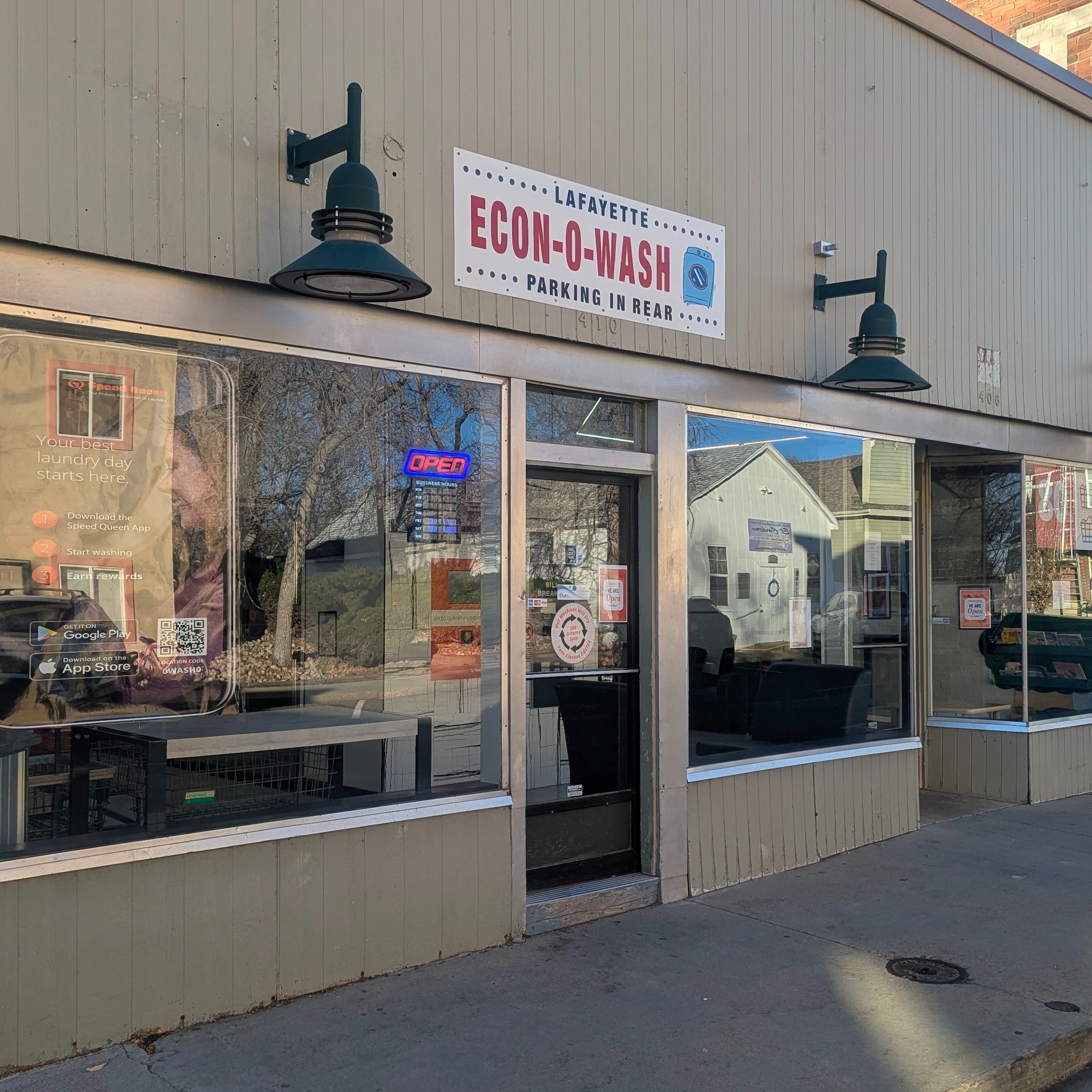 Building a Unique Laundromat Experience in a Historic Bank 03.02.2026 38minIn this episode of Full Cycle, host Matt DeWolf and guest Jim Hohnstein take you on a journey through time and transformation. Jim Hohnstein shares the fascinating story of how he turned a historic 1907 bank building in Lafayette, Colorado, into a thriving, modern laundromat with a loyal customer base; some of whom drive over 35 miles just for the experience.Discover how Jim Hohnstein combines old-world charm, cutting-edge technology, and constant innovation, like ozone cleaning systems and a cozy kids’ library, to create an environment that goes far beyond washing clothes. You’ll also hear about the challenges and adventures of repurposing vintage spaces, the importance of customer experience, and why relentless improvement keeps Jim Hohnstein excited for what’s next in the laundry business.Whether you’re drawn in by stories of entrepreneurial spirit, interested in the future of laundromats, or just love a good underdog renovation tale, this episode will give you plenty of real-world insights. Thanks for giving us a turn. Guest: Jim Hohnstein Lafayette Econ-O-Wash, Lafayette, Colorado
 -
 The Future of Recurring Revenue and Private Equity in the Laundromat Industry 21.01.2026 33minIn today’s special segment, "Laundry Leaders Unfolded," join CLA CEO Brian Wallace as he sits down with Alex Jekowsky, CEO of Cents. Discover why recurring revenue is the envy of so many businesses, and how memberships -once a novelty - are now becoming an essential part of creating dependable income and deeper customer relationships. Jekowsky breaks down practical examples of successful subscription models, offers actionable tips for laundromat owners, and challenges traditional thinking about self-service innovation.But that’s not all: The conversation also ventures into the world of private equity, exploring why investors are flocking to laundromats, what this means for independent operators, and how these developments could shape the industry by 2026.With insights on technology, loyalty programs, and the importance of running great neighborhood laundromats, this episode is packed with real-world strategies and big-picture trend-spotting.
 -
 Secrets to Making Customers Come Back Every Single Time with Amanda Sidell 12.01.2026 28minWelcome to the very first episode of the newly rebranded Full Cycle podcast, formerly the PlanetLaundry podcast!Hosted by Matt DeWolf, this episode sets the stage for a fresh perspective on the laundromat industry—one that digs deep into the stories, insights, and innovations shaping both community and business.Joining Matt DeWolf is Amanda Sidell, owner of The Laundry Basket in Maine. Amanda Sidell brings a unique background as a clinical social worker turned laundromat entrepreneur. In this episode, she shares her personal journey—serendipitously entering the laundry world during the uncertainties of COVID, putting her psychology and human-centered design expertise to work, and transforming customer experiences in her store.The conversation explores the power of empathy and psychological safety in business, how a positive environment boosts customer loyalty, and why investing in your staff pays off. Plus, Amanda Sidell dives into community impact, creative ways to give back, and candid thoughts on overcoming the pressures of keeping up in the industry.If you’re ready to rethink the laundromat experience—from the people who run them to the communities they serve—this episode is the perfect place to start. Let’s go full cycle!
Vergelijkbare podcasts


Populair in
Deze podcast verschijnt ook in de podcastlijsten van deze landen.
