
Mythologizing the Bible
A Humanistic look at religious texts
0
Mythologizing the Bible examines the Bible as sacred myth, looking at three weekly Bible readings through a humanistic lens. Each episode analyzes these ancient texts to find lessons and insights that do not require belief in the supernatural. It is designed for Christians, non-believers, and anyone in between who wants fresh ways to think about familiar stories.
Afleveringen
-
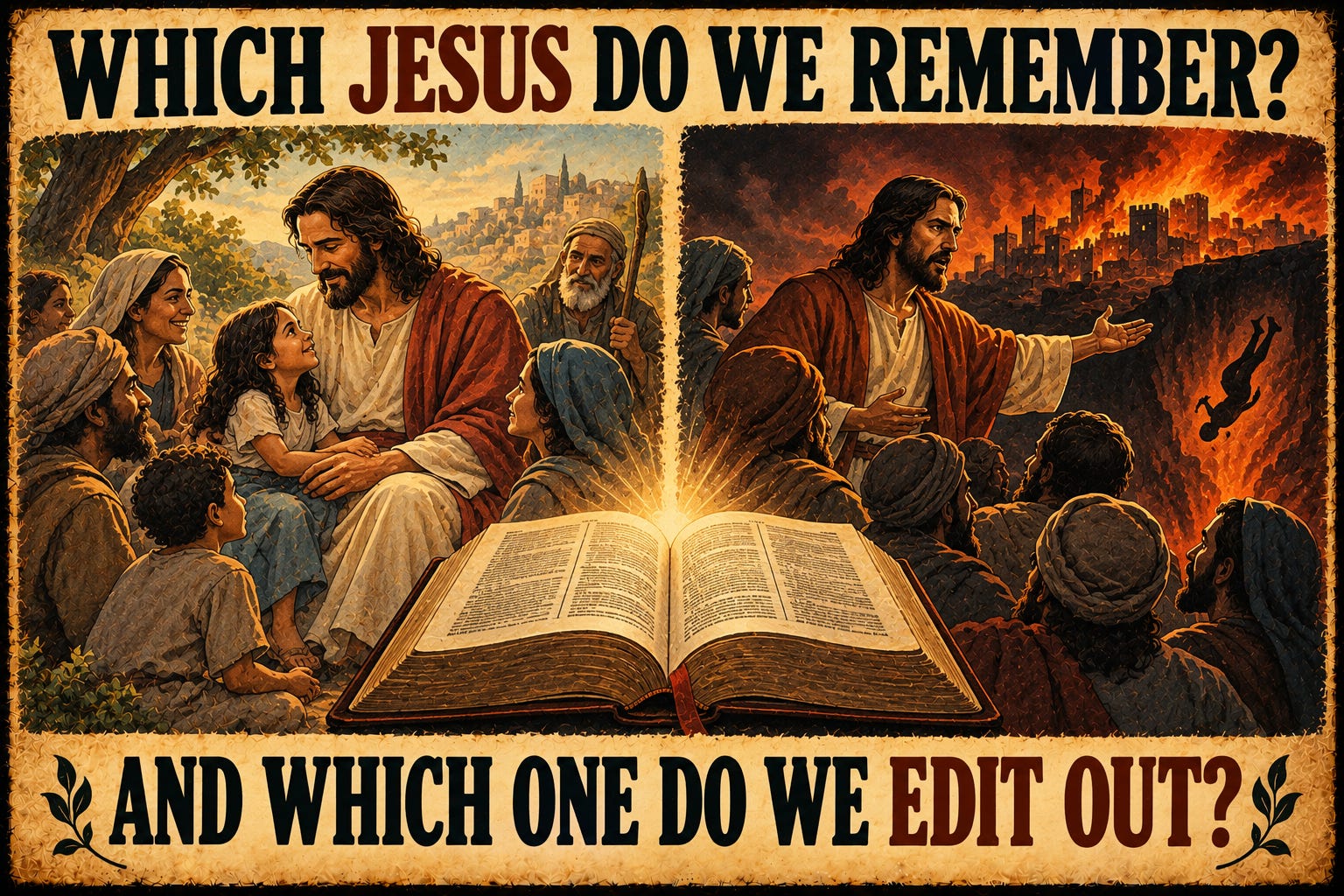 We All “Edit” Jesus 13.10.2026 26minWhy do we soften the troubling Jesus found in the Bible? Maybe our selective editing reveals something important about how human morality has evolved.I spent decades around Christianity, and I know a lot of thoughtful, compassionate Christians (including clergy who have studied scripture far more deeply than I have). They know the troubling passages are there. But when we talk about who Jesus really was, we tend to emphasize the Good Samaritan, the Beatitudes, forgiveness, compassion, and love of neighbor. When Jesus starts talking about swords, hating your family, burning cities, or throwing people into outer darkness, suddenly we need context, metaphor, translation, theology, and sometimes a pretty impressive amount of interpretive gymnastics. And that raises an uncomfortable question: If these words belong to the Jesus Christians want us to follow, why do we so often need to soften them before we’re comfortable hearing them?It would be easy for me, as an atheist and humanist, to stop there; to point at Christians and accuse them of editing Jesus into someone who better reflects their modern values. But that’s NOT where I’m gonna stop… because I think the far more interesting question isn’t whether we reinterpret the past. I think the far more interesting question is why we reinterpret the past. What moral framework are we using? And are we even willing to admit that we’re doing it?So, let’s dive into that… in this episode of Afterthoughts!CODA Project is a reader-supported publication. To receive new posts and support my work, consider becoming a free or paid subscriber. Get full access to CODA Project at www.thecodaproject.com/subscribe
 -
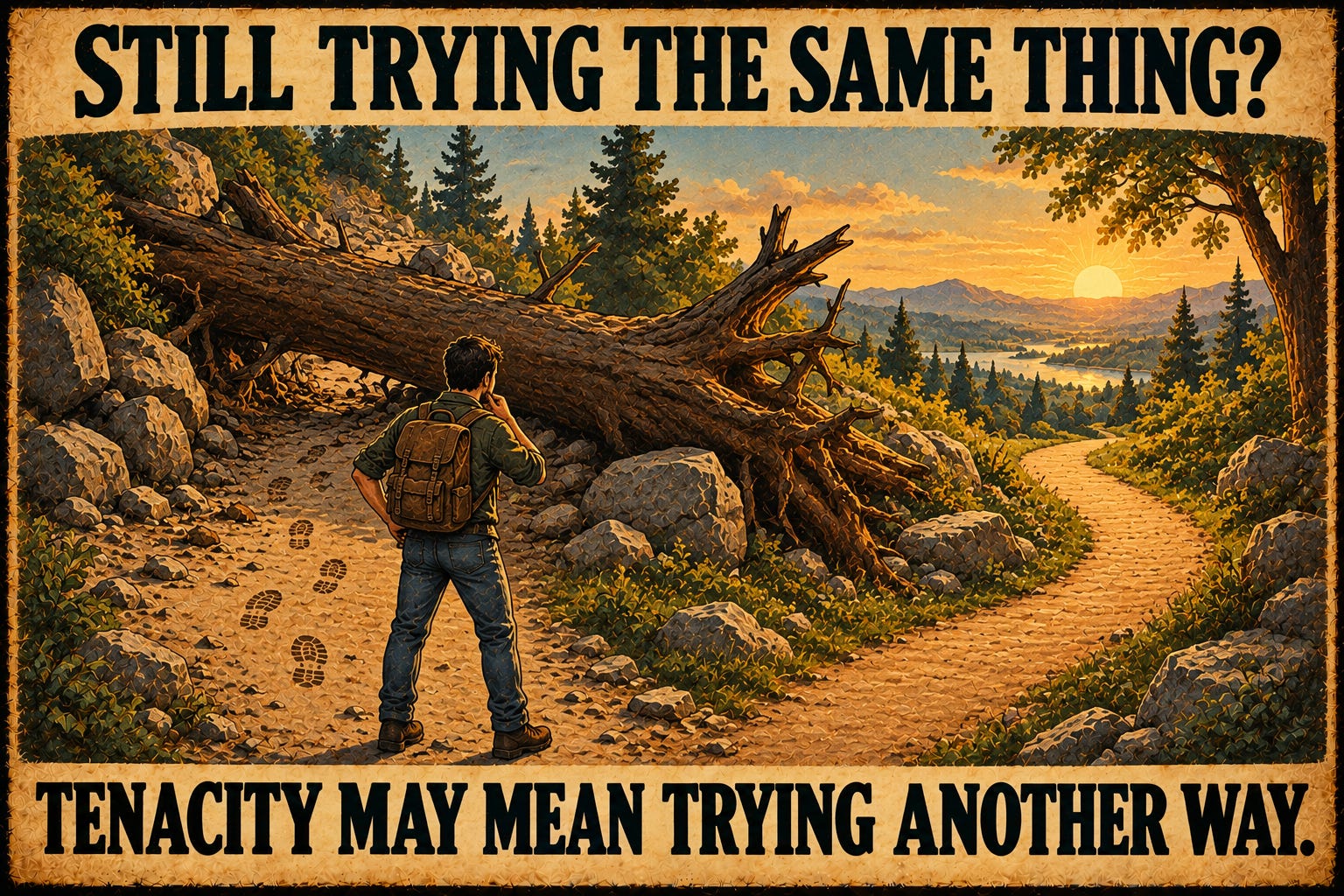 When Tenacity Means Changing Course 12.10.2026 25minTenacity isn’t stubbornness. It’s knowing when to endure, when to adapt, and when changing your strategy is the best way to keep moving forward.Have you ever kept doing something that clearly wasn’t working simply because you didn’t want to give up? This week, we’re exploring tenacity and why sticking with a challenge doesn’t always mean sticking with the same strategy.I’m Brandon Jubar and this is Mythologizing the Bible, where we’ll be taking a look at three readings from the Christian Bible through the lens of “sacred myth.”As we reflect on the readings for the 28th Sunday in Ordinary Time, we’ll explore how tenacity grows stronger when we endure together, helps us adapt without losing ourselves, and sometimes requires us to change the plan without abandoning the purpose.In this episode, we’re asking an interesting question: Is there something in your life that isn’t working out the way you hoped… and are you willing to try another way? Together, we’ll explore why tenacity isn’t stubbornly following one path, but continuing toward something worth pursuing even when the path needs to change.CODA Project is a reader-supported publication. To receive new posts and support my work, consider becoming a free or paid subscriber. Get full access to CODA Project at www.thecodaproject.com/subscribe
 -
 The Courage to Call Out Your Own Side 02.10.2026 23minCourage means holding our own institutions accountable, resisting manufactured outrage, and defending our values when doing so comes at a cost.I’ve noticed something about courage: we tend to admire it most when someone else is paying the price. We celebrate the whistleblower who exposes corruption, the protester who challenges injustice, and the person who stands up to an abusive institution. But when the criticism turns toward a church we belong to, a political movement we support, or a leader we’ve defended for years, our enthusiasm for accountability can suddenly become a lot more complicated. Apparently, courage is a wonderful virtue right up until it threatens our own comfortable little corner of the world.We were given several important images in the Bible readings we covered in the main episode this week. Isaiah’s rotten vineyard, Paul’s advice about where we direct our attention, and Matthew’s corrupt tenants all raise a question that reaches well beyond religion: What are our values worth when practicing them carries a cost? Because courage isn’t about being fearless, and it certainly isn’t about being the loudest person in the room. It’s about what we do when fear, loyalty, and self-interest give us perfectly convenient reasons to look the other way.So, let’s dive into that… in this episode of Afterthoughts!CODA Project is a reader-supported publication. To receive new posts and support my work, consider becoming a free or paid subscriber. Get full access to CODA Project at www.thecodaproject.com/subscribe
 -
 Courage Beyond Your Comfort Zone 01.10.2026 27minCourage isn’t being fearless. It’s facing uncomfortable truths, resisting fear, and standing by your values when doing so comes at a cost.Have you ever noticed how much easier it is to stand up for your values when everyone around you agrees with them? This week, we’re exploring courage, not as the absence of fear, but as the willingness to face uncomfortable truths and do what’s right, even when it might cost us something.As we reflect on the readings for the 27th Sunday in Ordinary Time, we’ll explore how courage helps us confront our own shortcomings, make thoughtful choices when we’re afraid, and stand against injustice.In this episode, we’re asking a challenging question: What happens to our convictions when we leave the comfort of people who already agree with us? Together, we’ll explore why courage matters most when living our values becomes uncomfortable.CODA Project is a reader-supported publication. To receive new posts and support my work, consider becoming a free or paid subscriber. Get full access to CODA Project at www.thecodaproject.com/subscribe
 -
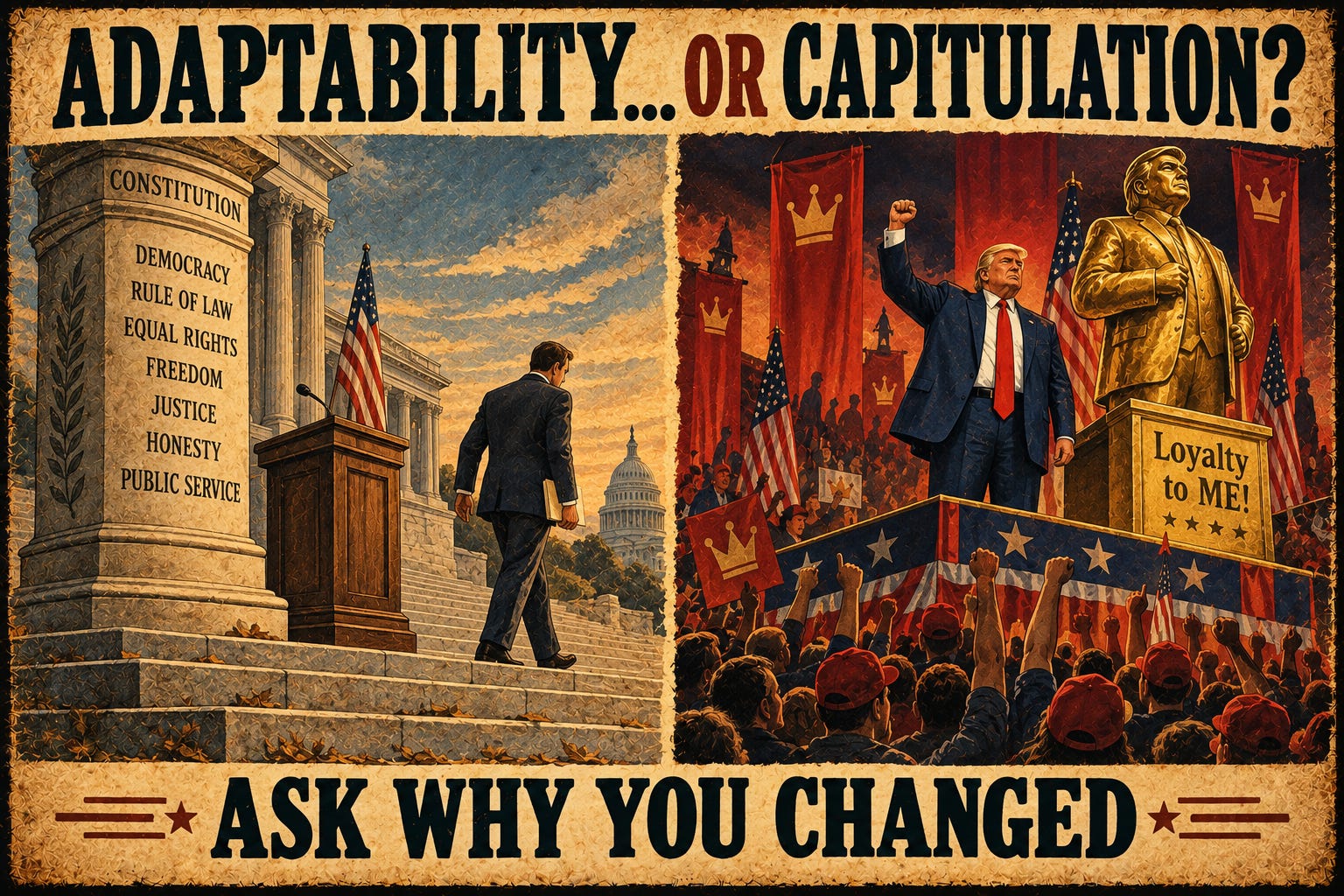 When Adaptability Becomes Capitulation 26.09.2026 24minAdaptability can be a virtue. But what happens when politicians change, not because the evidence changed, but because standing firm has become too costly?Our main episode this week celebrated adaptability. I told you that changing your mind can be a sign of growth, that changing course when something isn’t working can be wise, and that stubbornly clinging to an old position simply because you’ve already committed to it isn’t necessarily integrity. And I stand by all of that.But watching the Republican Party’s relationship with Donald Trump raises a much more uncomfortable version of the same question. What happens when the evidence doesn’t really change, but the political incentives do? What happens when standing by your principles and opposing someone can cost you influence, leadership, or even your political career, while accommodating that person, regardless of your principles, allows you to remain inside the circle of power? At what point does adaptability stop being intellectual flexibility and become something else entirely?So, let’s dive into that… in this episode of Afterthoughts!CODA Project is a reader-supported publication. To receive new posts and support my work, consider becoming a free or paid subscriber. Get full access to CODA Project at www.thecodaproject.com/subscribe
 -
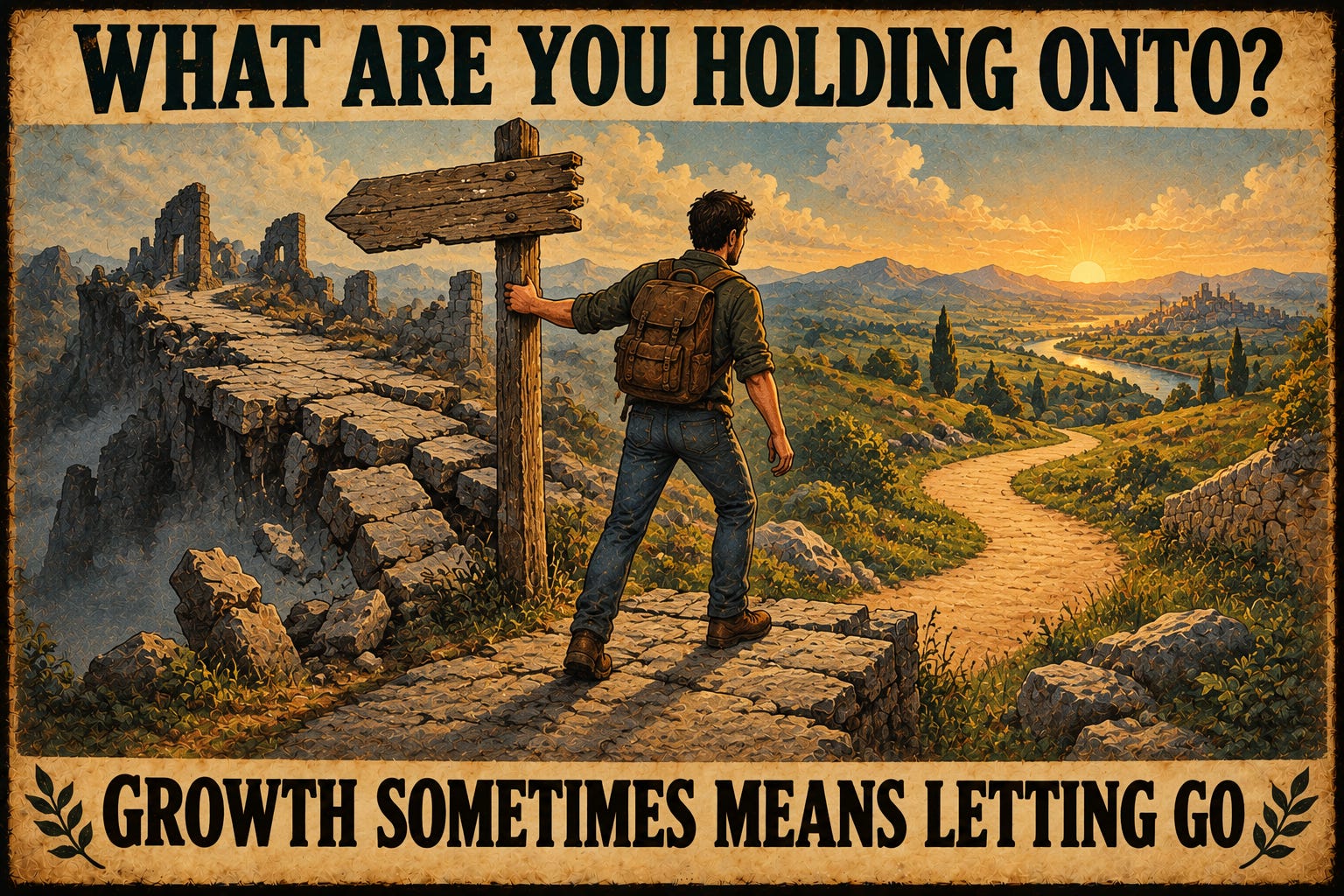 When Standing Your Ground Holds You Back 25.09.2026 22minAdaptability isn’t weakness. Growth means knowing when to change course, loosen our grip, and change our minds when circumstances demand it.Have you ever noticed how often we praise people for refusing to change their minds? We call it strength, conviction, or standing their ground. But sometimes the strongest thing we can do is recognize that something isn’t working and then change .As we reflect on the readings for the 26th Sunday in Ordinary Time, we’ll explore how adaptability allows us to change direction when our behavior isn’t working, loosen our grip on always having things our own way, and change our minds when reflection gives us good reason to do so.In this episode, we’re asking a challenging question: When does standing our ground stop being strength and start becoming stubbornness? Together, we’ll uncover some useful wisdom underneath these ancient texts and explore why adaptability isn’t about surrendering our values… it’s about becoming willing to grow!CODA Project is a reader-supported publication. To receive new posts and support my work, consider becoming a free or paid subscriber. Get full access to CODA Project at www.thecodaproject.com/subscribe
 -
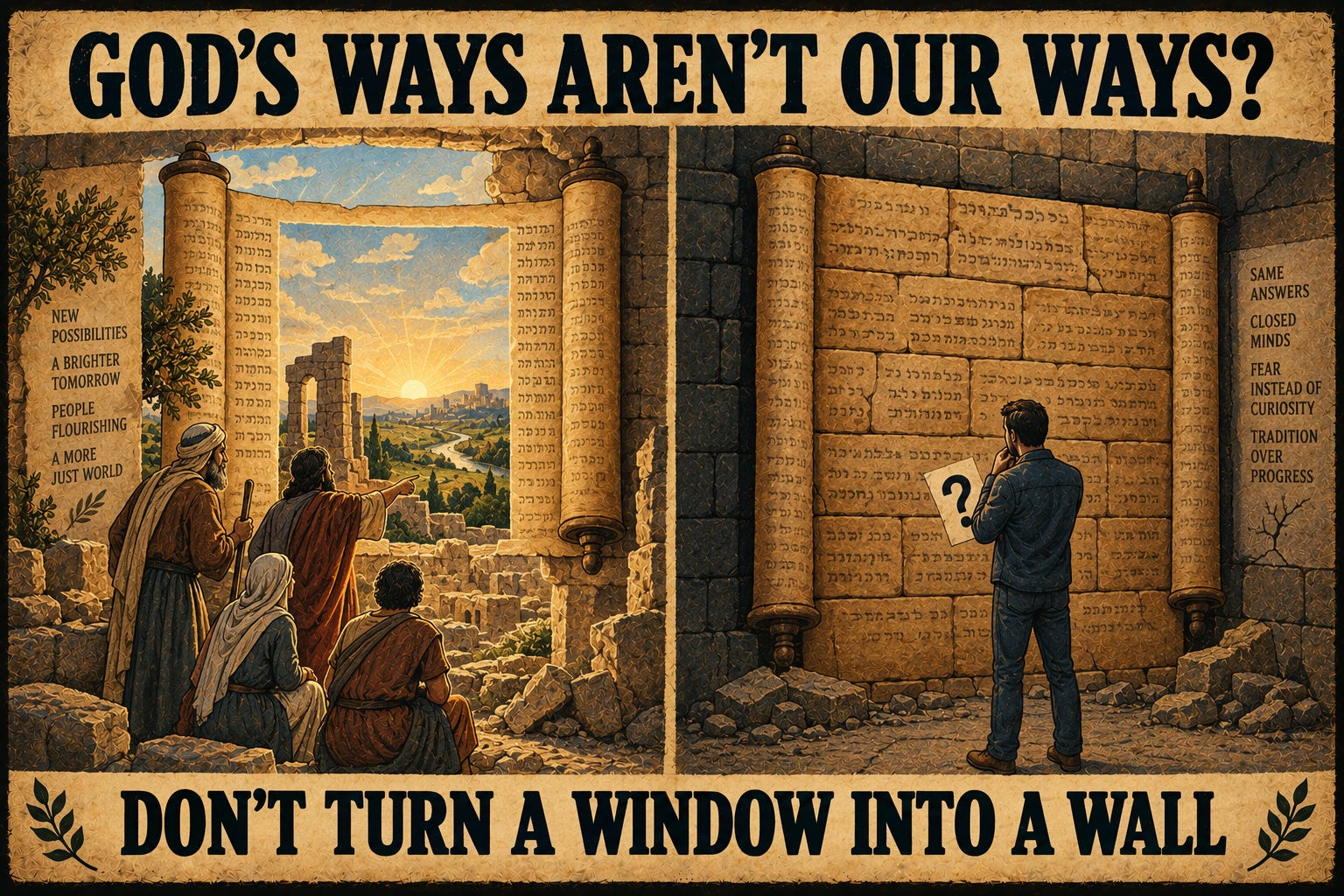 When Scripture Became a Cage 19.09.2026 19minThe Bible evolved through centuries of adaptation and reinterpretation. So how did a changing tradition become an argument against changing our minds?There’s a wonderfully convenient escape hatch available whenever a religious belief stops making sense: God’s ways aren’t our ways. Ask why an all-powerful God permits something horrible, question an ancient moral rule, or point out a theological contradiction, and Isaiah 55 can suddenly appear like a divine Get Out of Logic Free card. We’re human. God knows better. Stop asking questions.But there’s a delicious irony hiding behind that argument. The Bible itself wasn’t created by people who simply preserved an unchanging collection of ideas exactly as they received them. Its writers and editors lived through wars, exile, political upheaval, and cultural change—and they repeatedly interpreted, adapted, expanded, and reworked their traditions in response. So how did texts created through a remarkably dynamic human process eventually become arguments against changing our own thinking?So, let’s dive into that… in this episode of Afterthoughts!CODA Project is a reader-supported publication. To receive new posts and support my work, consider becoming a free or paid subscriber. Get full access to CODA Project at www.thecodaproject.com/subscribe
 -
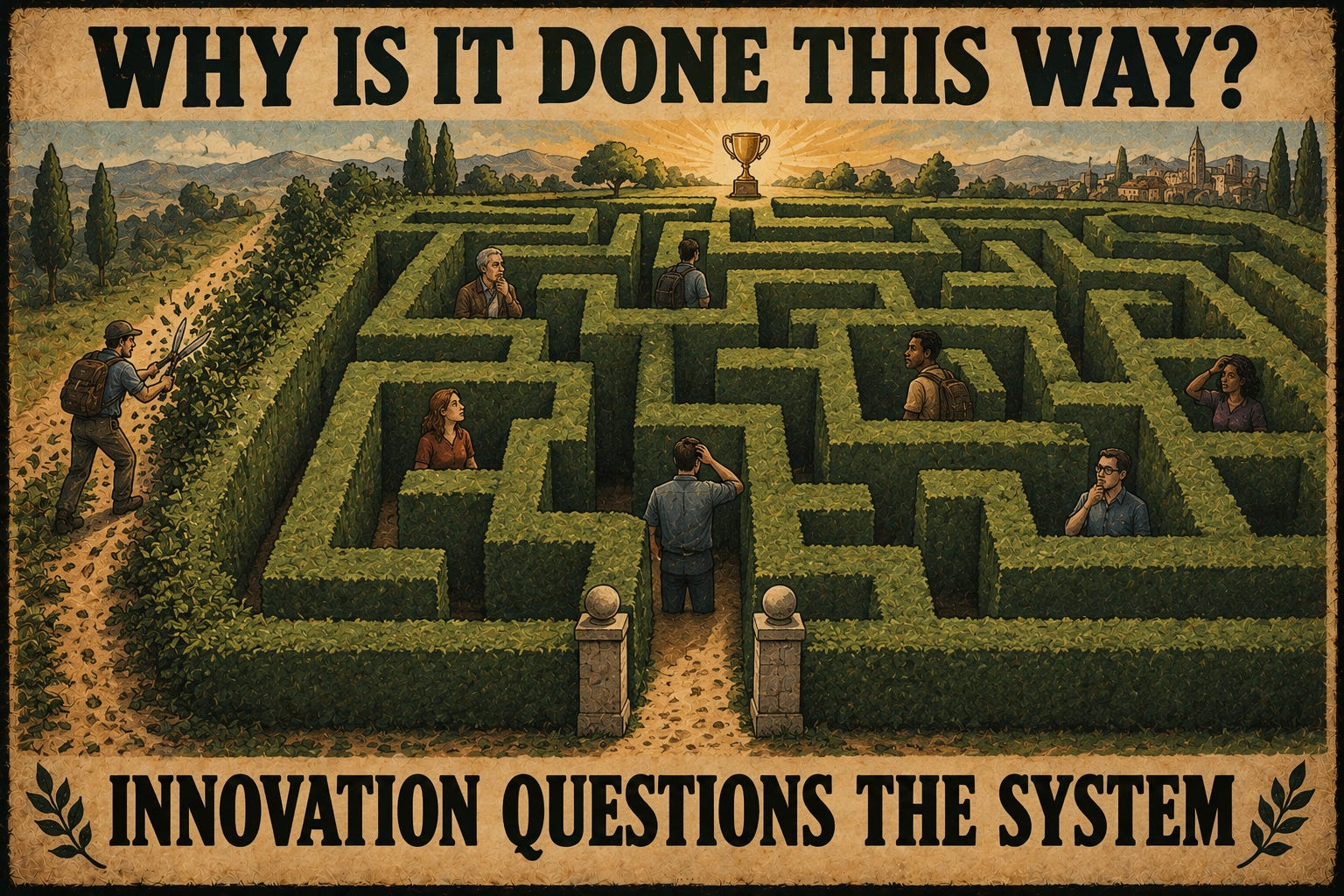 The Way Things Have Always Been 18.09.2026 22minInnovation begins when we question what we've learned to accept, solve problems that matter, and imagine better ways of doing things.Have you ever stopped to wonder why we do something a certain way and realized the only real answer is, “Because that’s how we’ve always done it”? This week, we’re exploring innovation and what happens when we become willing to question the assumptions, solutions, and systems we’ve learned to accept.As we reflect on the readings for the 25th Sunday in Ordinary Time, we’ll explore how innovation begins by questioning the limits of our current thinking, focuses our creativity on problems that actually matter, and sometimes requires us to redesign the rules themselves.In this episode, we’re asking a challenging question: What happens when we stop assuming that the way things are is the way they have to be? Together, we’ll uncover some surprising wisdom underneath these ancient texts and consider how curiosity and intellectual humility can open the door to something far better.CODA Project is a reader-supported publication. To receive new posts and support my work, consider becoming a free or paid subscriber. Get full access to CODA Project at www.thecodaproject.com/subscribe
 -
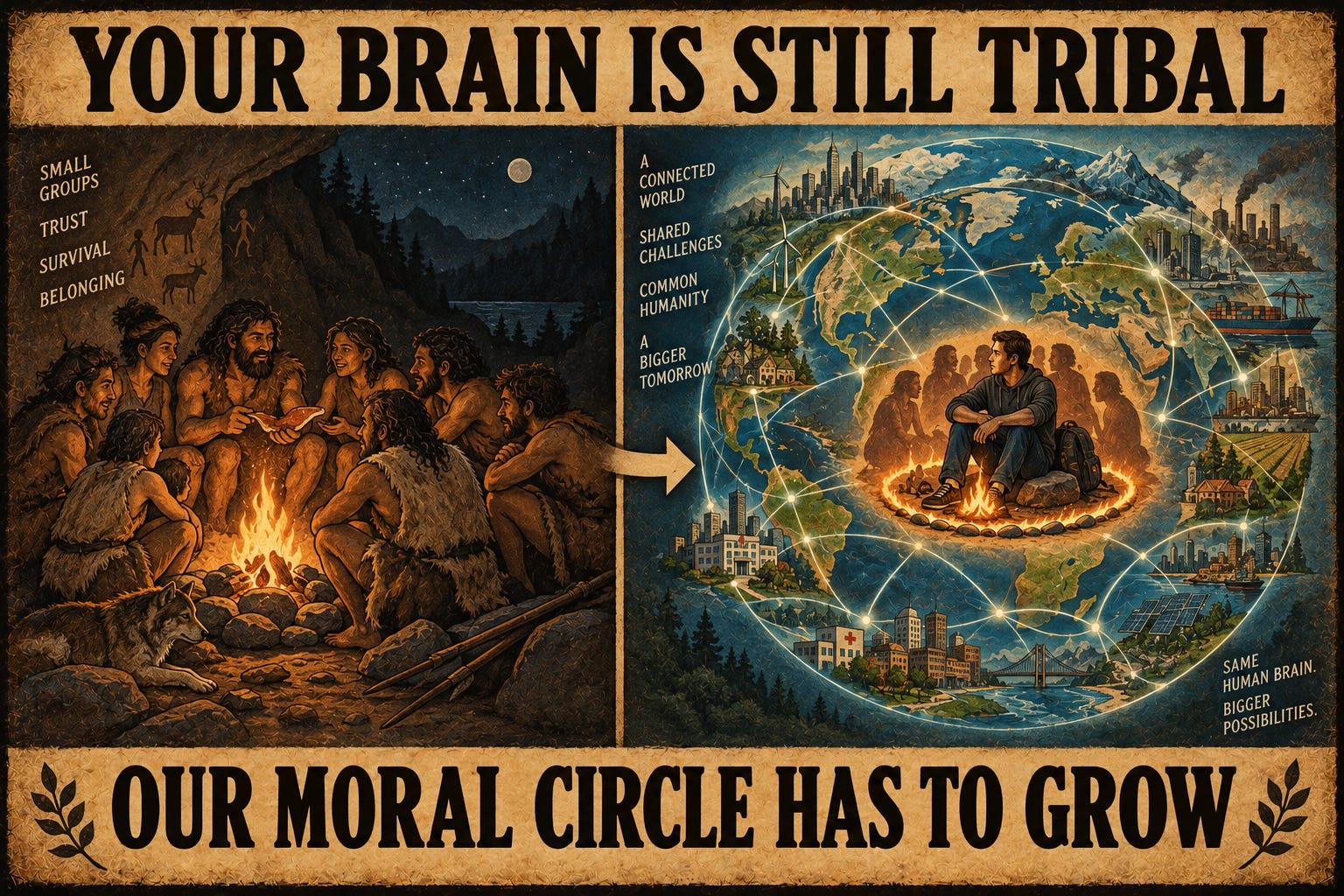 Your Brain Is Still Tribal 12.09.2026 22minOur brains evolved for small tribes, but our problems are global. Social mastery means deliberately expanding our moral circle beyond our natural one.Paul’s statement in our reading from Romans this week, that “none of us lives for oneself”, is something that sounds almost tailor-made for the modern world. Climate change, pandemics, global supply chains, economic inequality, migration, war… we now have overwhelming evidence that what happens to people thousands of miles away can eventually affect people sitting at our own kitchen tables. For perhaps the first time in human history, we can actually see just how interconnected we are.There’s just one problem: our brains weren’t built for this world. Human social cognition developed in relatively small communities where cooperation meant dealing with people we actually knew, while outsiders were a lot easier to distrust or ignore. Today, we’re asking those same brains to care about eight billion people, and then we’re surprised when we retreat into political tribes, national borders, and online echo chambers. What if becoming a genuinely global citizen isn’t something that comes naturally at all but a skill we have to deliberately learn and practice?So, let’s dive into that… in this BONUS episode of Afterthoughts!CODA Project is a reader-supported publication. To receive new posts and support my work, consider becoming a free or paid subscriber. Get full access to CODA Project at www.thecodaproject.com/subscribe
 -
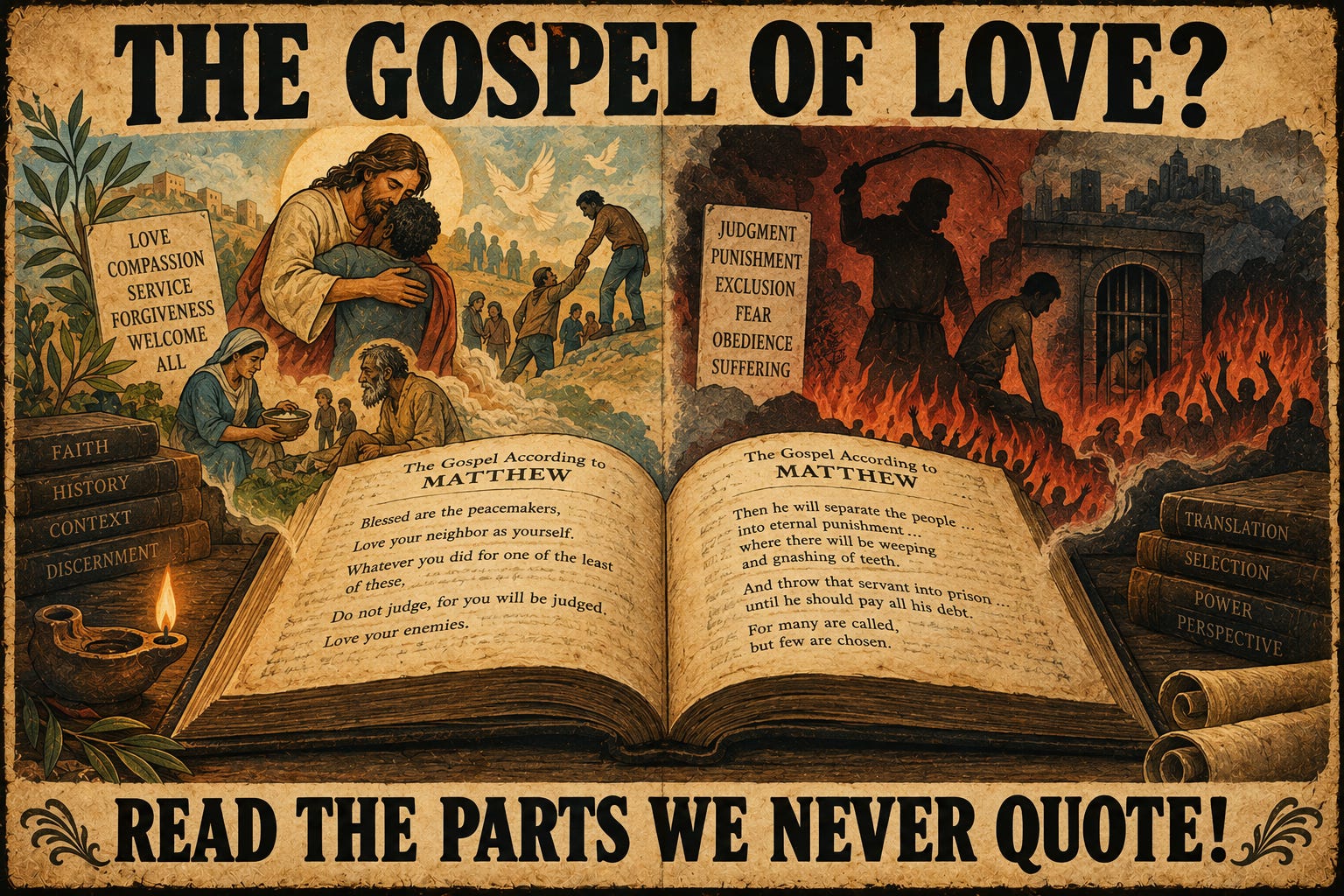 The “Gospel of Love” Problem 11.09.2026 20minIf forgiveness is motivated by fear of divine punishment, is it really moral maturity? The Gospels complicate the modern image of a purely loving Jesus.There’s a version of Jesus that almost everyone seems to know, including people who’ve never opened a Bible. He’s the gentle moral teacher who tells us to love our enemies, turn the other cheek, forgive endlessly, and replace the wrath and violence of the Old Testament with compassion and grace. I’ll admit… that’s a very appealing picture of Jesus and there’s certainly material in the Gospels to support it.But there’s other material you don’t tend to see on inspirational posters or coffee mugs. Throughout the Gospels, Jesus also threatens people with Gehenna, fire, outer darkness, weeping and gnashing of teeth, and—in the passage from Matthew that we read in this week’s main episode—being handed over to torturers.What happens to the “Gospel of Love” when we stop cherry-picking the comforting passages and read the threats alongside them? And more importantly, if we’re trying to develop genuine moral mastery, can fear of divine punishment ever really get us there?So, let’s dive into that… in this episode of Afterthoughts! CODA Project is a reader-supported publication. To receive new posts and support my work, consider becoming a free or paid subscriber. Get full access to CODA Project at www.thecodaproject.com/subscribe
 -
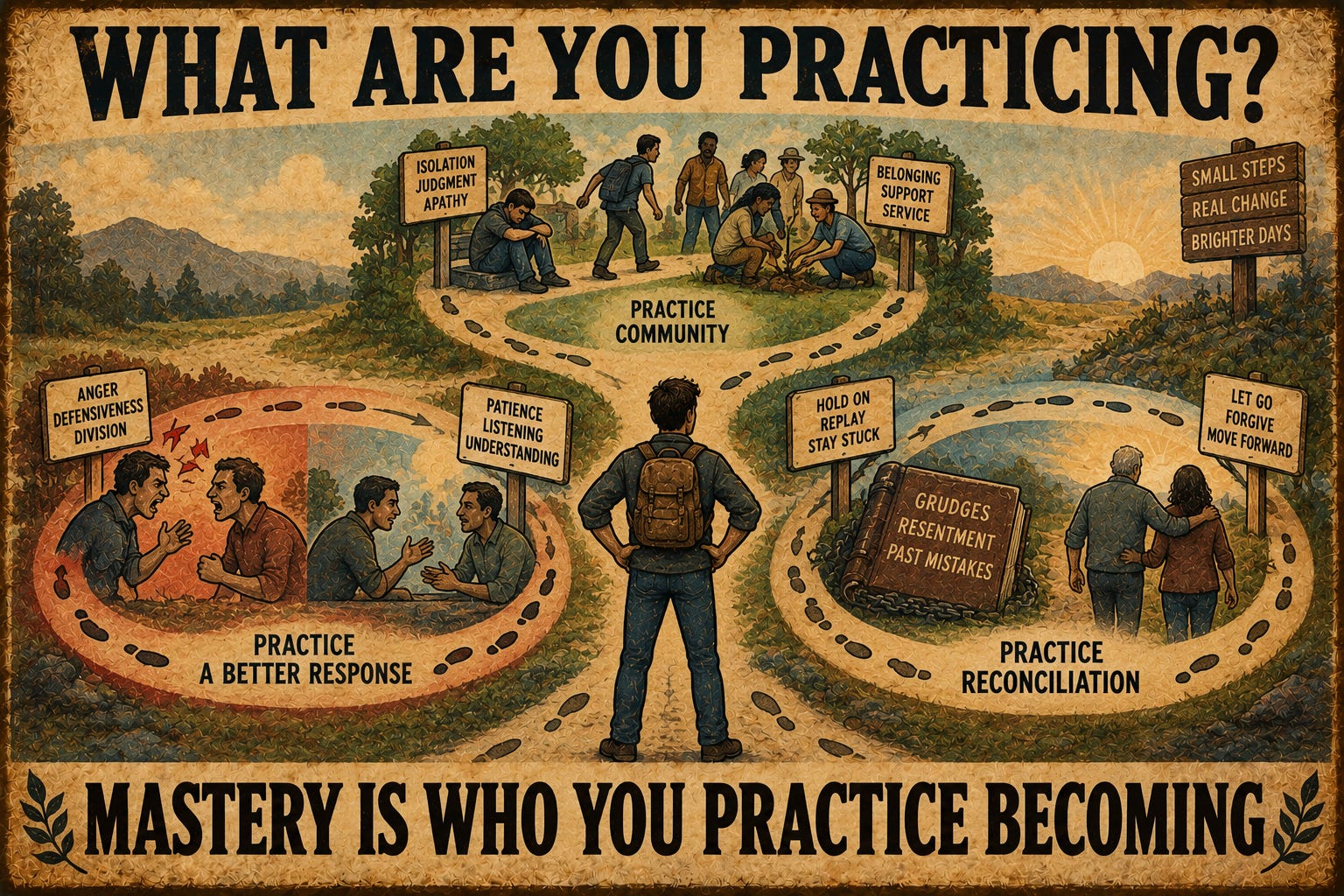 Mastery Is a Practice 10.09.2026 25minMastery isn’t perfection. It’s learning to govern ourselves, recognize our impact on others, and deliberately practice the person we want to become.Have you ever thought about what it actually means to master something? We usually associate mastery with expertise; becoming exceptionally good at a skill, reaching the top of our field, or accomplishing something difficult. But what if some of the most important things we can master aren’t external skills at all? What if excellence is also about learning to manage our anger, recognizing how our choices affect other people, and deliberately practicing the values we’ve chosen even when resentment and scorekeeping would be easier?As we reflect on the readings for the 24th Sunday in Ordinary Time, we’ll explore how mastery begins with managing our emotions, grows when we recognize that excellence is bigger than ourselves, and develops through deliberate practice rather than perfection.In this episode, we’re asking an important question: What does it actually mean to practice mastery? Together we’ll explore why emotional control doesn’t require suppressing our emotions, why personal excellence carries responsibilities beyond ourselves, and why becoming the person we’ve chosen to be requires practice rather than scorekeeping!CODA Project is a reader-supported publication. To receive new posts and support my work, consider becoming a free or paid subscriber. Get full access to CODA Project at www.thecodaproject.com/subscribe
 -
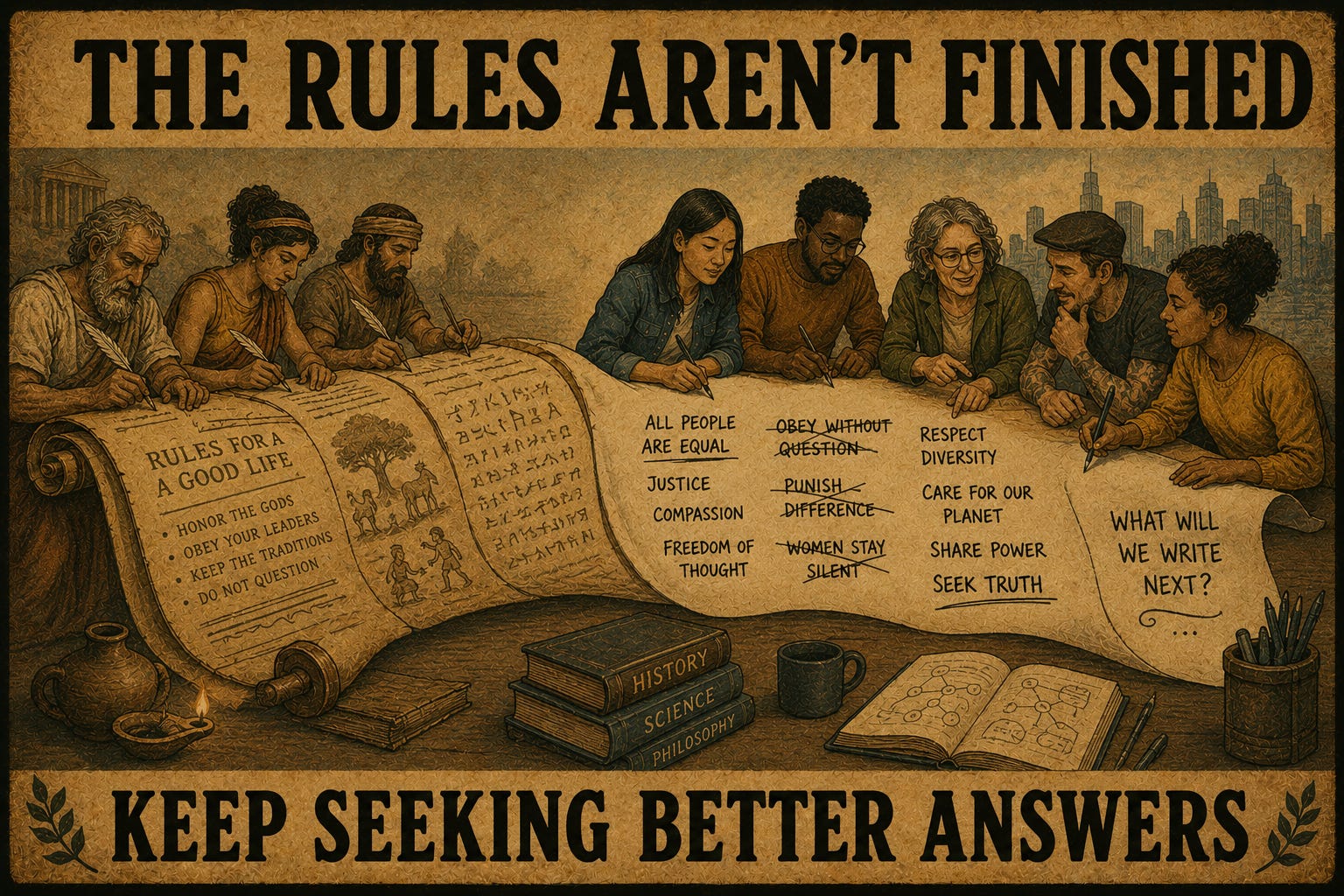 Who Really Wrote the Rules? 05.09.2026 22minWhat if Jesus never gave the church its rules? Matthew 18 reveals something more human: communities adapting old traditions to meet new problems.There’s a phrase in Matthew’s Gospel that probably doesn’t sound strange at all to modern Christians: “Tell it to the church.” Jesus is supposedly explaining how believers should resolve conflicts, and involving the church seems perfectly reasonable. Except there’s a problem. When Jesus was alive, there was no Christian Church as a separate institution. So why is Matthew’s Jesus giving instructions about how such a church should operate?That little historical wrinkle opens a much bigger conversation about how Scripture was actually created. What if Matthew wasn’t recording a timeless rule handed down from heaven? What if he was preserving a solution developed by Christians decades later as they struggled to hold their own community together? If so, the passage doesn’t show us God delivering a finished moral blueprint. It shows us human beings seeking, adapting, and creating new rules when the old answers weren’t enough. And if they had permission to do that, maybe we do too.So, let’s dive into that… in this episode of Afterthoughts!CODA Project is a reader-supported publication. To receive new posts and support my work, consider becoming a free or paid subscriber. Get full access to CODA Project at www.thecodaproject.com/subscribe
 -
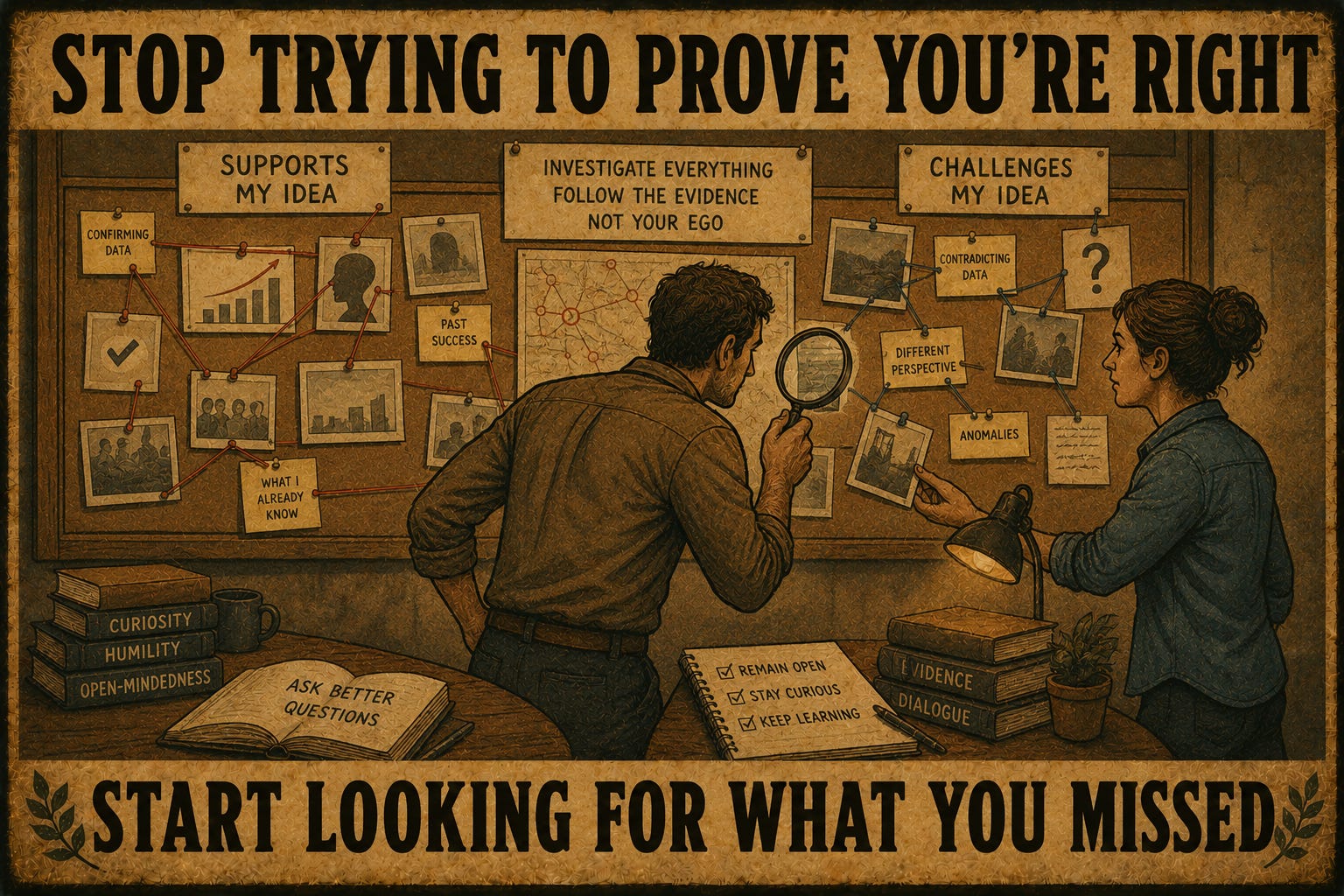 The Danger of Knowing You’re Right 04.09.2026 24minSeeking means looking beyond what we already know by paying attention, questioning inherited answers, and staying curious enough to ask, “What am I missing?”Have you ever wondered how much of what you believe is actually true and how much simply feels true because you’ve believed it for so long? We inherit assumptions from our families, religions, cultures, political tribes, and communities, and then naturally gravitate toward information that confirms those assumptions. But genuine seeking asks something much harder of us: What if we’re willing to look beyond what we think we already know, question the answers we’ve inherited, and remain curious enough to discover that we might be wrong?As we reflect on the readings for the 23rd Sunday in Ordinary Time, we’ll explore how seeking begins by paying attention, challenges us to question inherited answers, and grows through genuine dialogue with other people.In this episode, we’re asking a deceptively simple question: How willing are we to discover what we don’t already know? Together we’ll explore why seeking requires us to look beyond our own assumptions, why changing our minds can be a sign of intellectual strength rather than weakness, and why some of our most important discoveries happen when we listen to perspectives different from our own!CODA Project is a reader-supported publication. To receive new posts and support my work, consider becoming a free or paid subscriber. Get full access to CODA Project at www.thecodaproject.com/subscribe
 -
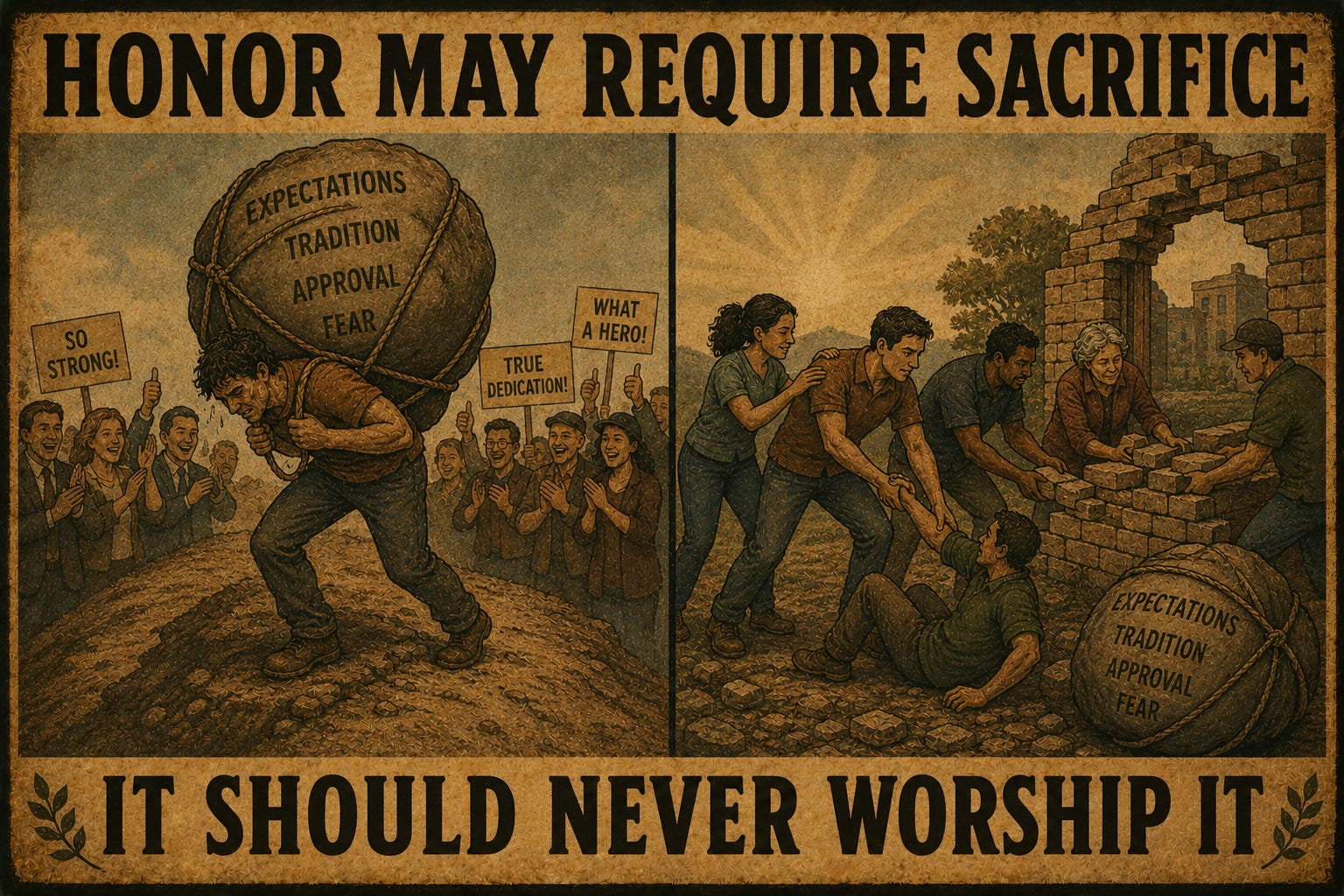 True Heroes Live to Fight Another Day 29.08.2026 21minHonor may require sacrifice, but suffering isn’t automatically virtuous. True honor protects life, strengthens others, and gives us something worth living for.Religious martyrs die for their faith. Soldiers die for their country. Activists die for their cause. We tell their stories because extraordinary sacrifice can reveal extraordinary courage. But somewhere along the way, we’ve blurred an important distinction: sacrificing yourself to accomplish something worthwhile isn’t the same as believing the sacrifice itself makes you honorable.Nature gives us a fascinating way to think about the difference. Cooperation and even self-sacrificing behavior existed long before humans invented religions, nations, or political ideologies. Evolution taught social animals (including us) that sometimes accepting a personal cost helps everyone survive. But humans learned to transform that cooperative instinct into something much stranger: suffering for abstract ideas, promised rewards in another world, or simply to prove how deeply committed we are. So how do we separate honorable sacrifice from the glorification of suffering? Honor may require sacrifice. It should never worship sacrifice.So, let’s dive into that… in this episode of Afterthoughts!CODA Project is a reader-supported publication. To receive new posts and support my work, consider becoming a free or paid subscriber. Get full access to CODA Project at www.thecodaproject.com/subscribe
 -
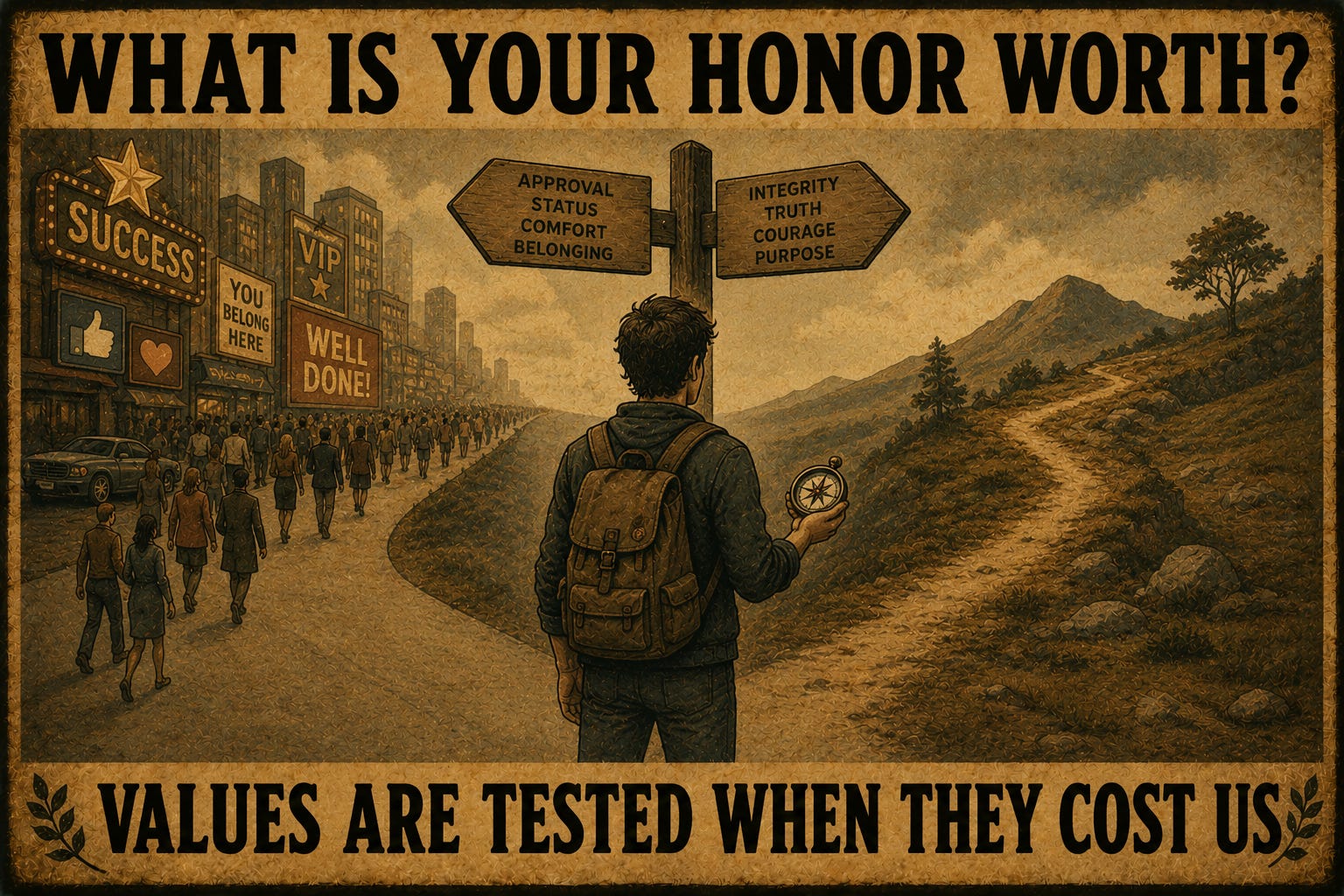 What Is Your Honor Worth? 28.08.2026 28minHonor means living by values we’ve consciously chosen, especially when they cost us comfort, approval, or belonging. But first, we must know what we value.Have you ever stopped to ask where your values actually came from? We talk about having integrity, standing by our principles, and staying true to ourselves… but true to what? If we’ve never consciously examined what we believe or decided which values genuinely deserve our loyalty, how can we know whether we’re living with honor or simply following the expectations we inherited from everyone around us?As we reflect on the readings for the 22nd Sunday in Ordinary Time, we’ll explore how honor asks us to hold firm under pressure, choose conviction over conformity, and recognize that living according to our values will sometimes cost us something.In this episode, we’re asking a fundamental question: What does it actually mean to live with honor? Together we’ll discover why honor isn’t stubbornly refusing to change our minds, why belonging shouldn’t do our thinking for us, and why our values aren’t really tested until following them becomes inconvenient. But before we can defend our principles, there’s an even more basic challenge: we need to consciously decide which principles deserve our loyalty in the first place!CODA Project is a reader-supported publication. To receive new posts and support my work, consider becoming a free or paid subscriber. Get full access to CODA Project at www.thecodaproject.com/subscribe
 -
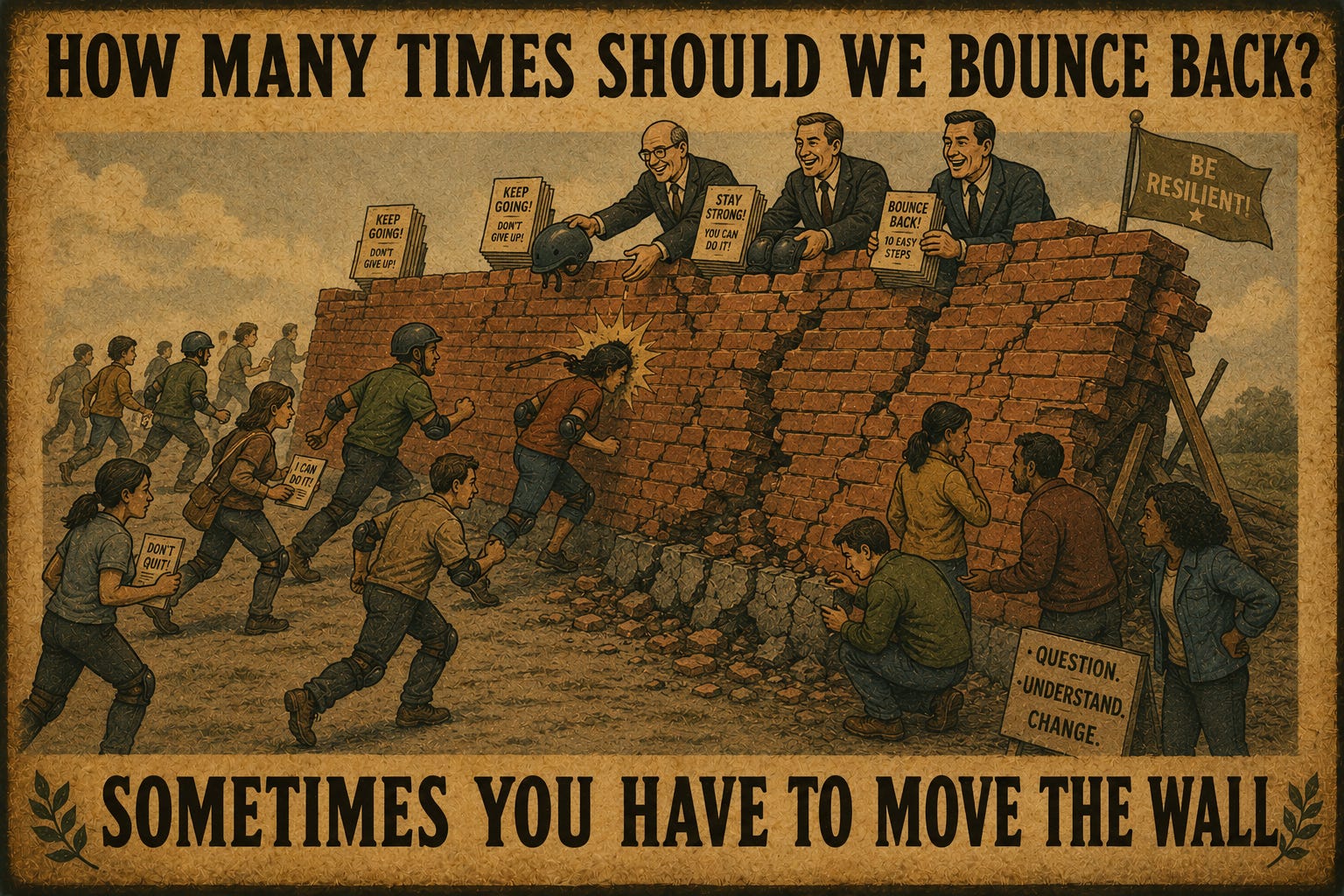 The Resilience Myth 22.08.2026 28minResilience helps us recover from adversity. But when broken systems depend on our endless endurance, maybe it's the system, not the person, that needs fixing.We’re constantly being told to become more resilient. Burned out at work? Build resilience. Struggling financially? Become more adaptable. Your community gets hammered by another crisis? Look how resilient everyone is! And resilience really is valuable. We need the ability to recover from grief, failure, uncertainty, and all the adversity that life inevitably throws our way. But somewhere along the line, we turned a healthy capacity to recover into an expectation that people should simply keep absorbing damage.Let’s call this the Resilience Myth: when systemic failures get redefined as personal deficiencies, and instead of fixing the conditions that are hurting people, we teach people how to endure them more efficiently. Sometimes resilience really does mean bouncing back. But sometimes it means refusing to keep bouncing off the same damn wall. How do we know the difference? And what would happen if we stopped trying to make people unbreakable and started building systems that didn’t keep breaking them in the first place?So, let’s dive into that… in this episode of Afterthoughts!CODA Project is a reader-supported publication. To receive new posts and support my work, consider becoming a free or paid subscriber. Get full access to CODA Project at www.thecodaproject.com/subscribe
 -
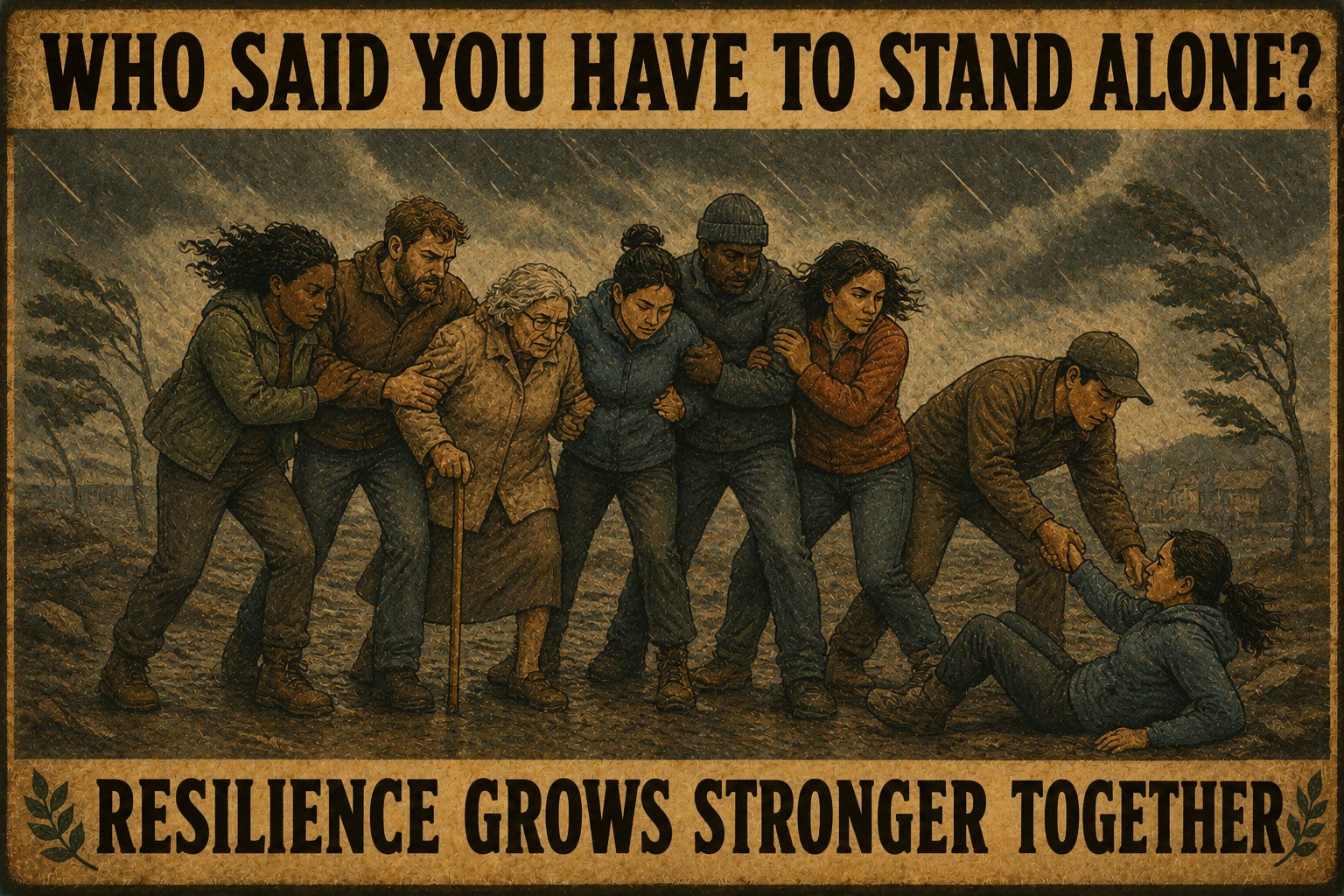 The Myth of Standing Alone 21.08.2026 29minResilience isn’t about handling everything alone. It grows through strong foundations, flexible thinking, and relationships we can depend on.Have you ever noticed how often we confuse resilience with toughness? We admire the person who handles everything alone, never asks for help, and somehow keeps going no matter how hard life gets. But what if that isn’t resilience at all? What if our ability to recover depends less on becoming unbreakable and more on building strong foundations, learning when to bend, and creating relationships sturdy enough to hold us when our own strength isn’t enough?As we reflect on the readings for the 21st Sunday in Ordinary Time, we’ll explore how genuine resilience grows from dependable foundations, intellectual flexibility, and the human solidarity that allows us to support one another through adversity.In this episode, we’re asking a challenging question: What exactly is resilience and is it something we can build? Together we’ll discover why resilience doesn’t mean having all the answers, why needing other people isn’t a failure of independence, and why the strongest communities aren’t filled with people who never need help, but with people willing to both give and receive it. And before we’re finished, I’ll leave you with one simple question that may challenge the way you think about strength itself.CODA Project is a reader-supported publication. To receive new posts and support my work, consider becoming a free or paid subscriber. Get full access to CODA Project at www.thecodaproject.com/subscribe
 -
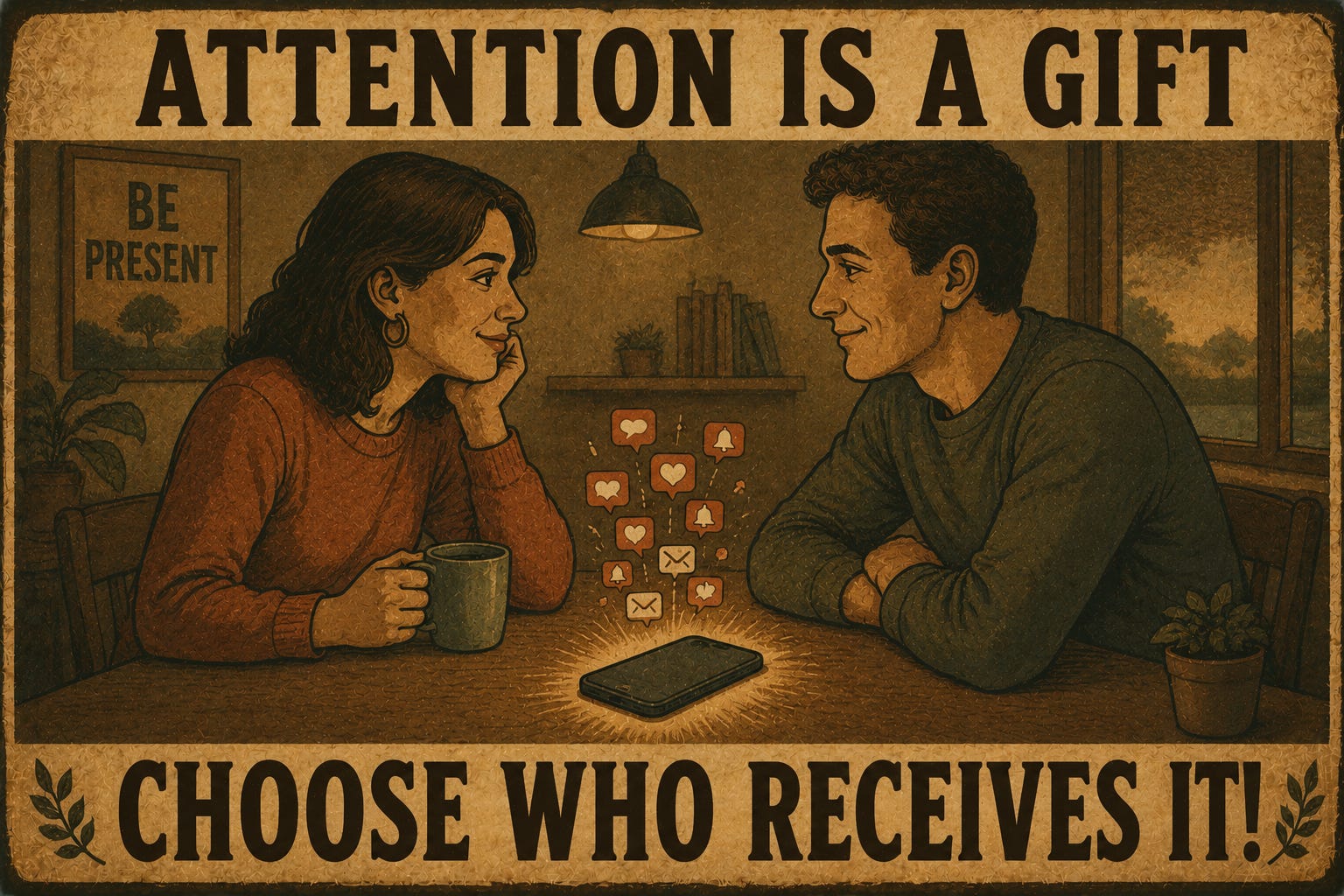 The Stewardship of Attention 19.08.2026 25minYour attention is your most valuable asset. Discover why mindfulness is the radical practice of choosing what truly deserves your focus.Every generation has to decide what deserves its attention. Today, that choice is becoming increasingly difficult because our attention has become one of the world’s most valuable commodities. In this episode, we’re exploring why mindfulness isn’t just about reducing stress or finding inner peace, it’s about reclaiming ownership of your own mind. We’ll look at how the modern attention economy shapes what we think, what we value, and even who we become, and why protecting your attention may be one of the most important acts of personal and civic responsibility in this digital age.French philosopher Simone Weil said that, “Attention is the rarest and purest form of generosity.” That’s a beautiful thought, but it also raises an uncomfortable question. If attention really is one of the greatest gifts we can give another human being, why do we spend so much of our attention on notifications, endless scrolling, algorithmically curated outrage, and companies whose business model depends on keeping us distracted? Somewhere along the way, our attention stopped being something we intentionally offered and became something that was quietly harvested.Maybe that’s because we’ve been thinking about mindfulness all wrong. We’ve turned it into breathing exercises, meditation apps, and a way to relax after another stressful day. But what if mindfulness is something far more radical? What if it’s the daily practice of deciding who and what deserves the focus of your thoughts? And what if that simple decision ultimately shapes the kind of person—and the kind of society—we become?So, let’s dive into that… in this episode of Afterthoughts!CODA Project is a reader-supported publication. To receive new posts and support my work, consider becoming a free or paid subscriber. Get full access to CODA Project at www.thecodaproject.com/subscribe
 -
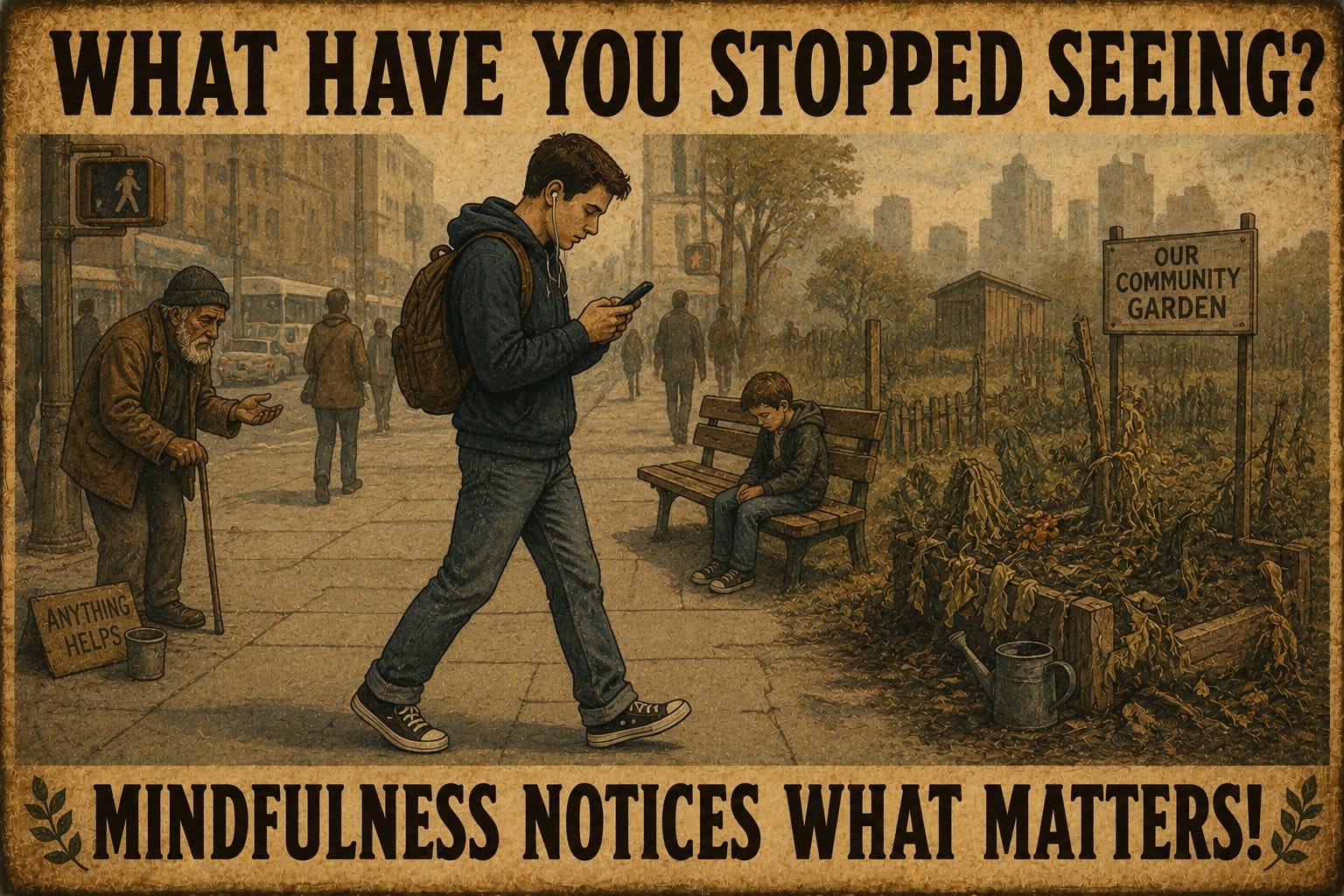 The Discipline of Paying Attention 14.08.2026 30minMindfulness isn’t escaping reality, it’s noticing what matters. Attention, humility, and presence can transform the way you live!Have you ever noticed how difficult it is to truly pay attention? We live in a world that constantly competes for our focus, rewarding quick reactions, instant opinions, and endless distractions. We often think of mindfulness as a way to relax or reduce stress, but what if it’s something much more demanding? What if mindfulness is the discipline of noticing what we’ve stopped seeing: our own blind spots, the quiet injustices around us, and the humanity of people we’ve filtered out through habit, ideology, or just indifference?I’m Brandon Jubar and this is Mythologizing the Bible, where we’ll be taking a look at three readings from the Christian Bible through the lens of “sacred myth.”As we reflect on the readings for the 20th Sunday in Ordinary Time, we’ll explore how genuine mindfulness grows by paying attention to what truly matters: practicing justice, cultivating humility, and becoming fully present to the people right in front of us.In this episode, we’re asking a deceptively simple question: What does it really mean to be mindful? Together, we’ll discover why mindfulness is far more than inner peace, why humility begins with recognizing our own limitations, and why the greatest act of generosity may simply be giving another human being our complete attention. And before we’re finished, I’ll leave you with one question that may change the way you notice the world—and the people in it.CODA Project is a reader-supported publication. To receive new posts and support my work, consider becoming a free or paid subscriber. Get full access to CODA Project at www.thecodaproject.com/subscribe
 -
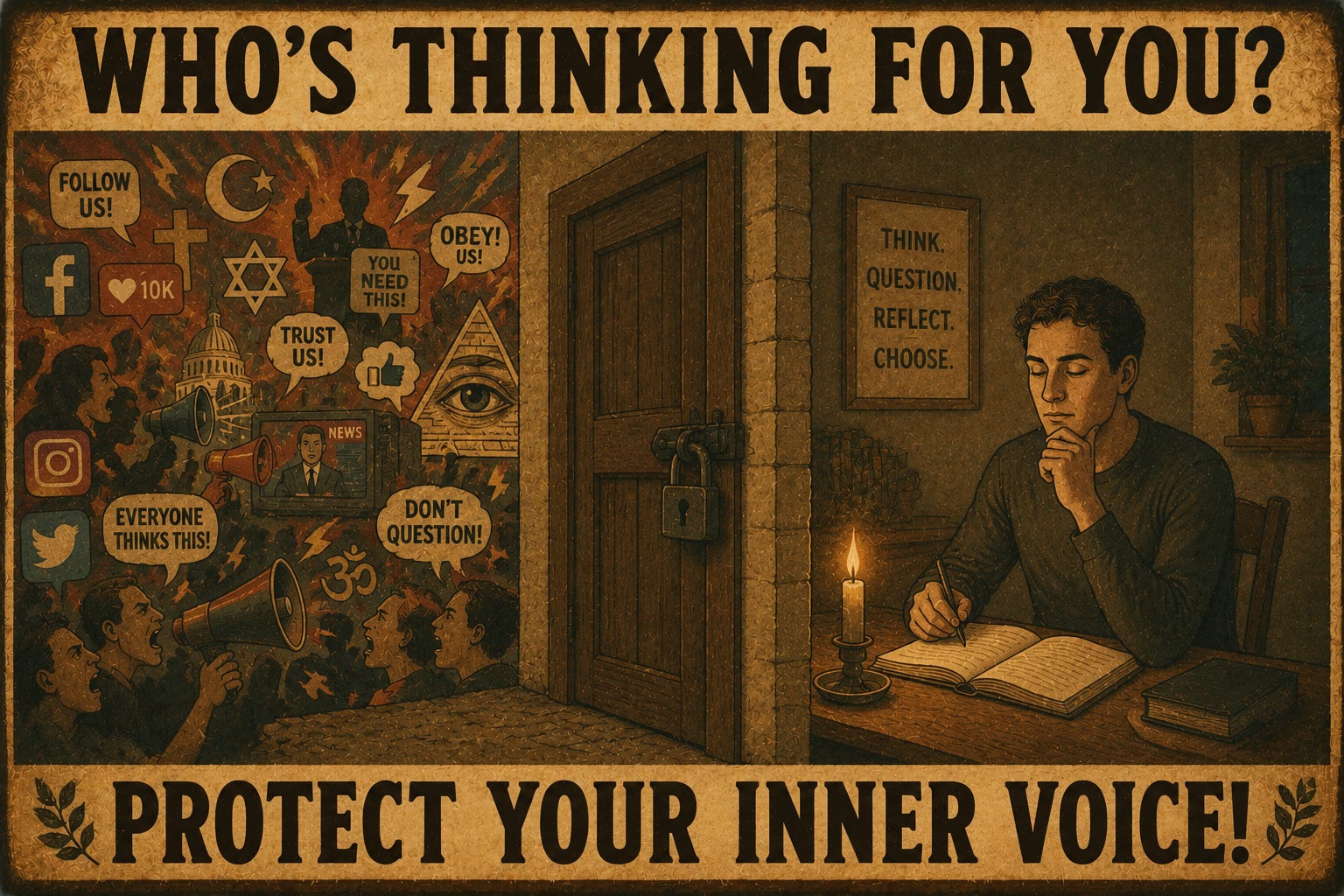 Who Invented Your Inner Voice? 12.08.2026 21minWhat if your inner voice wasn’t always part of being human? Let’s explore self-awareness, consciousness, and why protecting your mind matters today.Have human beings always been self-aware? I don’t mean, “Have people always been intelligent?” I mean something much more specific. Have we always had that quiet voice inside our heads that reflects, argues with itself, imagines possibilities, and asks, “Is this really what I believe?” We usually assume the answer is “yes, of course.” It feels so natural that it’s hard to imagine any other way of experiencing the world.But what if that inner voice isn’t simply part of human biology? What if it’s a cultural achievement that developed over thousands of years—and one that’s now under attack by social media, political tribalism, and an economy built on capturing our attention? In this episode, we’re going to explore what many believe is one of the most provocative theories in modern psychology, examine what it might reveal about the Bible, and consider why protecting our inner life may be one of the most important challenges of the twenty-first century.So, let’s dive into that... in this episode of Afterthoughts!CODA Project is a reader-supported publication. To receive new posts and support my work, consider becoming a free or paid subscriber. Get full access to CODA Project at www.thecodaproject.com/subscribe
Vergelijkbare podcasts


Populair in
Deze podcast verschijnt ook in de podcastlijsten van deze landen.
