
HISTORY This Week
The HISTORY® Channel | Back Pocket Studios
0
This week, something big happened. You might have never heard of it, but this moment changed the course of history. A HISTORY Channel original podcast, HISTORY This Week gives you insight into the people—both famous and unknown—whose decisions reshaped the world we live in today. Through interviews with experts and eyewitnesses, each episode will give you a new perspective on how history is written.
Episoder
-
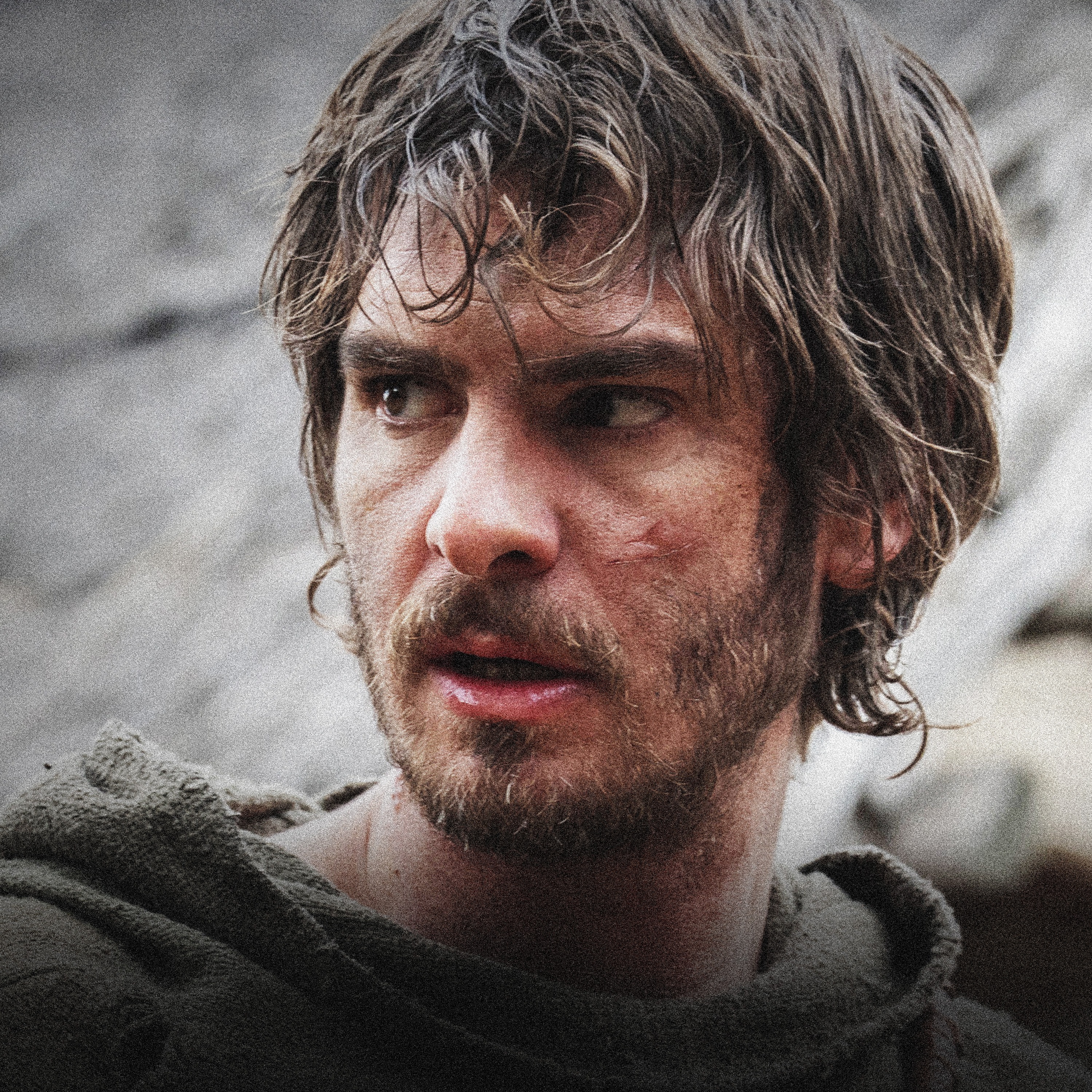 The Uprising: Why the Peasants Loved Their King (w/ Paul Greengrass and Dan Jones) 17.09.2026 29min1381. In the English countryside, one peasant has had enough. His resistance leads tens of thousands of armed peasants to march on London. They’re furious about taxes, about wages held down by law, about a world that feels abandoned by God. But they aren’t marching to overthrow the king. They are marching to rescue him.Paul Greengrass and Dan Jones join Sally Helm to talk about The Uprising, the new film starring Andrew Garfield as a fictional plowman who becomes the face of England's Peasants' Revolt. They get into what life was actually like a generation after the Black Death, why the rebels burned every written record they could find, and how a disturbed 14-year-old king ended up as the last hope of the people marching on his city.Paul Greengrass is the writer and director of The Uprising, in theaters now. Dan Jones is the film's historical advisor and the author of Summer of Blood. You can follow him at danjones.substack.com for more.To stay updated on all things HISTORY This Week, sign up at historythisweekpodcast.com. Have thoughts or questions? Email us at [email protected] up for ad-free listening and bonus episodes at htwpod.com.
 -
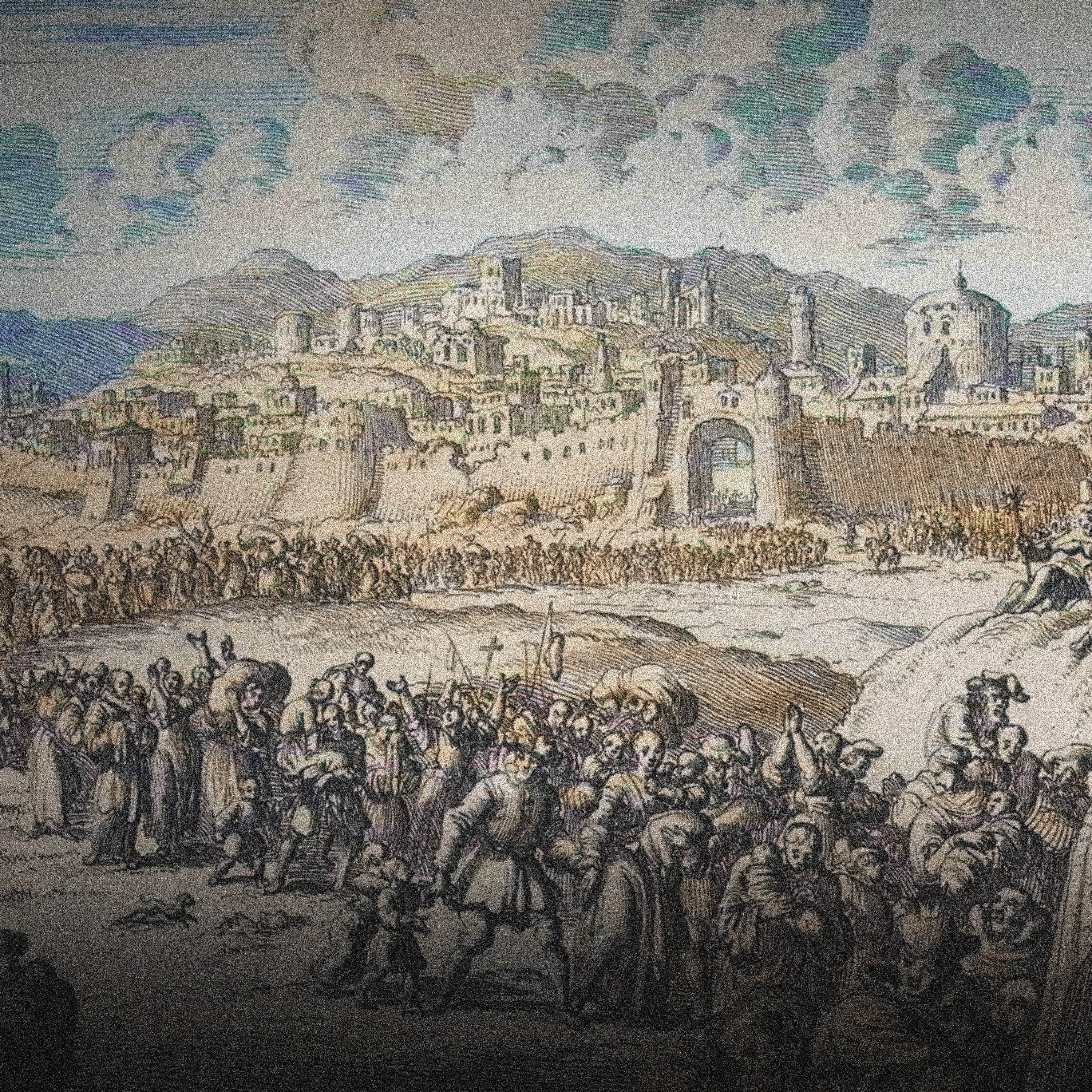 Saladin at the Gates of Jerusalem 14.09.2026 28minSeptember 20, 1187. It’s daytime outside the walls of Jerusalem. Saladin, the Sultan of Egypt, ponders his next attack. His troops encircle and lay siege to the city. They vastly outnumber the Crusader knights inside, and Saladin is on the cusp of a victory he never dreamed possible. But he has a problem. Balian of Ibelin leads the Crusader defenses within the city walls. He threatens to destroy Muslim holy sites if Saladin attacks. The Sultan must make a choice. One that will impact his legacy, the lives of thousands, and the future of Jerusalem. Special thanks to our guest, Dr. Suleiman Mourad, Professor of Religion at Smith College and author of Ibn Asakir of Damascus: Champion of Sunni Islam at the Time of the Crusades.**This episode originally aired September 19, 2022.To stay updated on all things HISTORY This Week, sign up at historythisweekpodcast.com. Have thoughts or questions? Email us at [email protected] up for ad-free listening and bonus episodes at htwpod.com.
 -
 Blindspot: The Road to 9/11 11.09.2026 1t 45minOn the 25th anniversary of 9/11, we're bringing you Blindspot: The Road to 9/11 – a collaboration between the History Channel and WNYC Studios. This was adapted from the complete nine-part series, which you can find by searching for Blindspot: The Road to 9/11 wherever you get your podcasts.
 -
 9/11: Rescue on the Water 07.09.2026 26minSeptember 11, 2001. On a clear and sunny day, Captain Richard Thornton is piloting his ferry boat back and forth between New Jersey and New York City. But when he hears an airplane flying too low to the ground, he knows something is wrong. After the World Trade Center’s North Tower is struck, Thornton instinctively drives his ship down towards Lower Manhattan. He will soon be joined by countless other marine craft: ferries, fishing boats, tugboats, and more. With the roads, bridges, and trains that connect the island of Manhattan to the rest of the world shut down, this collection of civilian, commercial, and military boats manages to carry more than 500,000 survivors to safety. How did this impromptu evacuation, which was larger than Dunkirk during WWII, come together? And how does one ferry boat captain reflect on the shared sense of duty he felt on that fateful day?**This episode originally aired September 6, 2021.To stay updated on all things HISTORY This Week, sign up at historythisweekpodcast.com. Have thoughts or questions? Email us at [email protected] up for ad-free listening and bonus episodes at htwpod.com.
 -
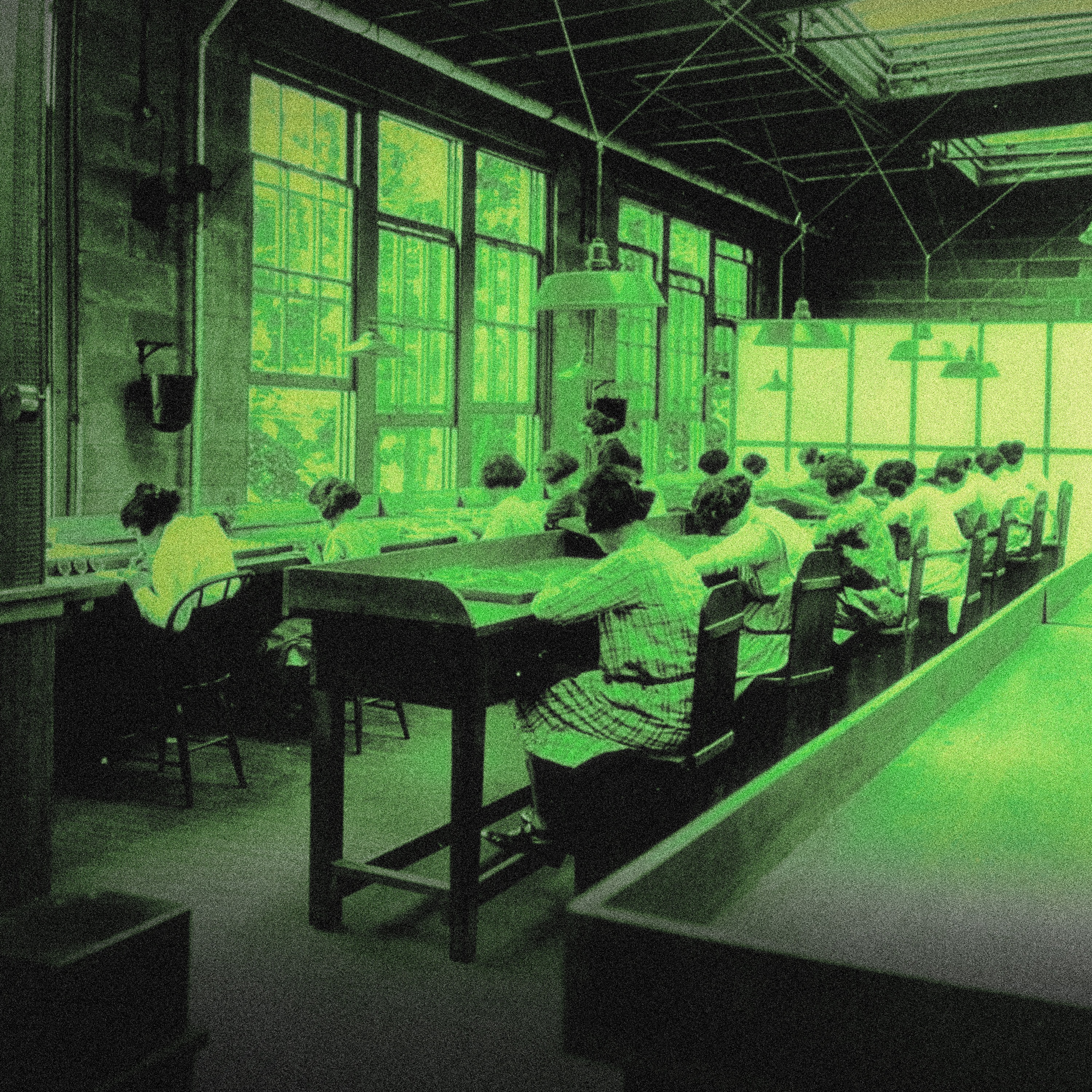 The Radium Girls Fight Back 31.08.2026 34minSeptember 12, 1922. Twenty-four-year-old Mollie Maggia has a toothache. In less than a year, this otherwise healthy young woman will be dead. Others like her will soon follow. They’d all shared what seemed to be a dream job: applying glow-in-the-dark paint to clock faces. The paint glowed because it was saturated with radium, the wonder element of its day. And now that radium has burrowed inside the bones and lungs of the women. How did a supposed wonder element and cure-all come to be seen for what it was – a deadly poison? And how did a group of courageous young women, racing the clock of their own mortality, expose this truth?Special thanks to Kate Moore, author of The Radium Girls: The Dark Story of America’s Shining Women. Also, a huge thank you to Art Fryer, nephew of Grace Fryer, one of the “Radium Girls.”**This episode originally aired September 12, 2022.To stay updated on all things HISTORY This Week, sign up at historythisweekpodcast.com. Have thoughts or questions? Email us at [email protected] up for ad-free listening and bonus episodes at htwpod.com.
 -
 Free preview: How Las Vegas Made America a Gambling Nation (HTW+) 28.08.2026 6minA five-minute taste of our full interview on how Las Vegas became Las Vegas. Subscribe to HTW+ to hear the rest at htwpod.com or in your Apple Podcasts app.
 -
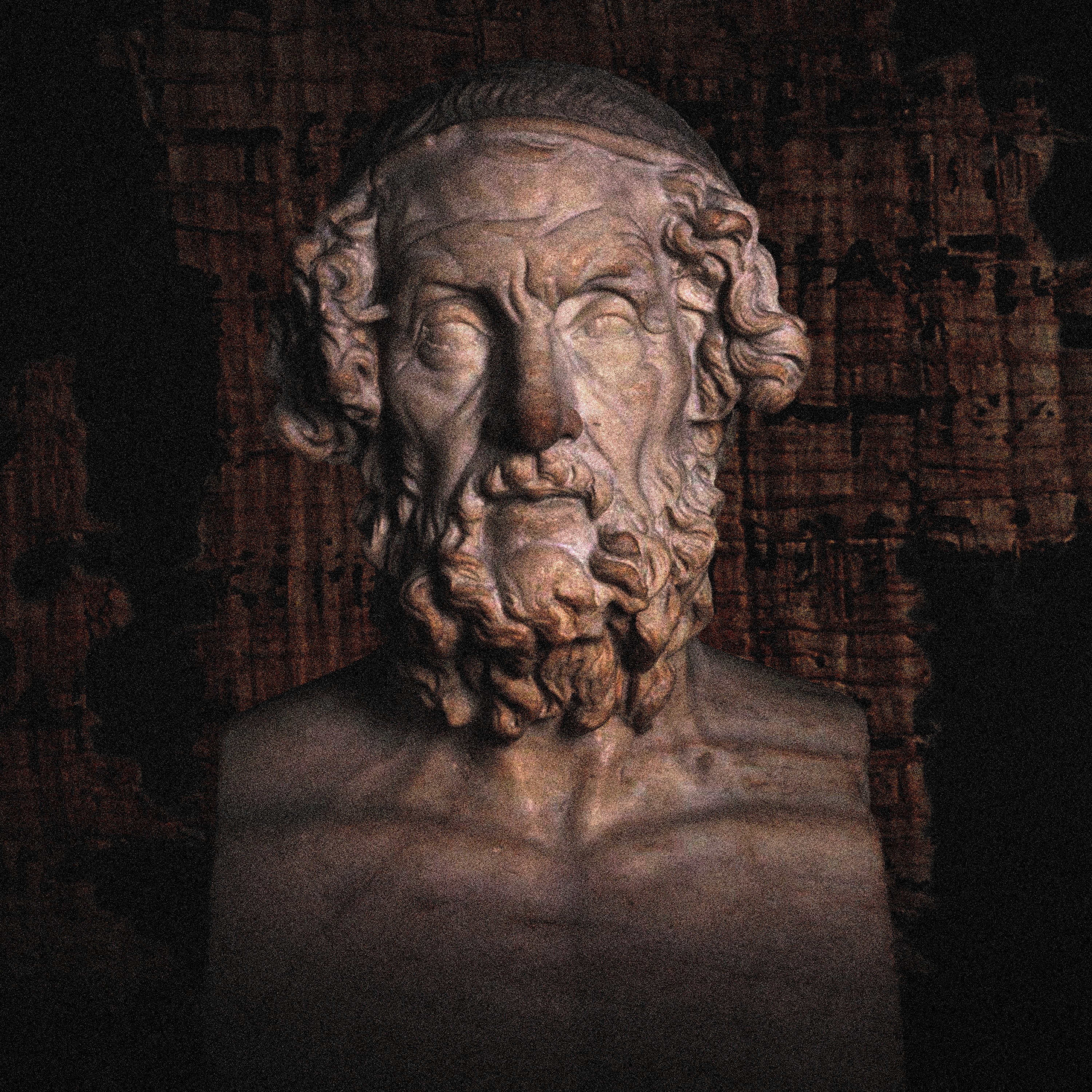 Did Homer Write the Odyssey? (Was He Even Real?) 24.08.2026 41minAugust, sometime in the 500s BCE. In Athens, the Great Panathenaia is in full swing: chariot races, boat races, a hundred cattle slaughtered for the feast. And at the center of it, a competition in which performers recite the work of one poet, and one poet only: Homer. But nobody recites the Odyssey alone. It takes some eighteen hours. So the performers hand it off in relay, each one picking up exactly where the last man stopped.That relay may be the closest thing we have to the truth about Homer. Almost no scholar today believes a single blind bard composed the Iliad and the Odyssey. So who made them? And what happens to a masterpiece when you accept that it never had an author?Special thanks to our guests: Mary Ebbott, professor of classics at the College of the Holy Cross in Worcester, Massachusetts; and Casey Dué, professor of classical studies at the University of Houston. They are the editors of the Homer Multitext Project, which you can find at homermultitext.org.To stay updated on all things HISTORY This Week, sign up at historythisweekpodcast.com. Have thoughts or questions? Email us at [email protected] up for ad-free listening and bonus episodes at htwpod.com.
 -
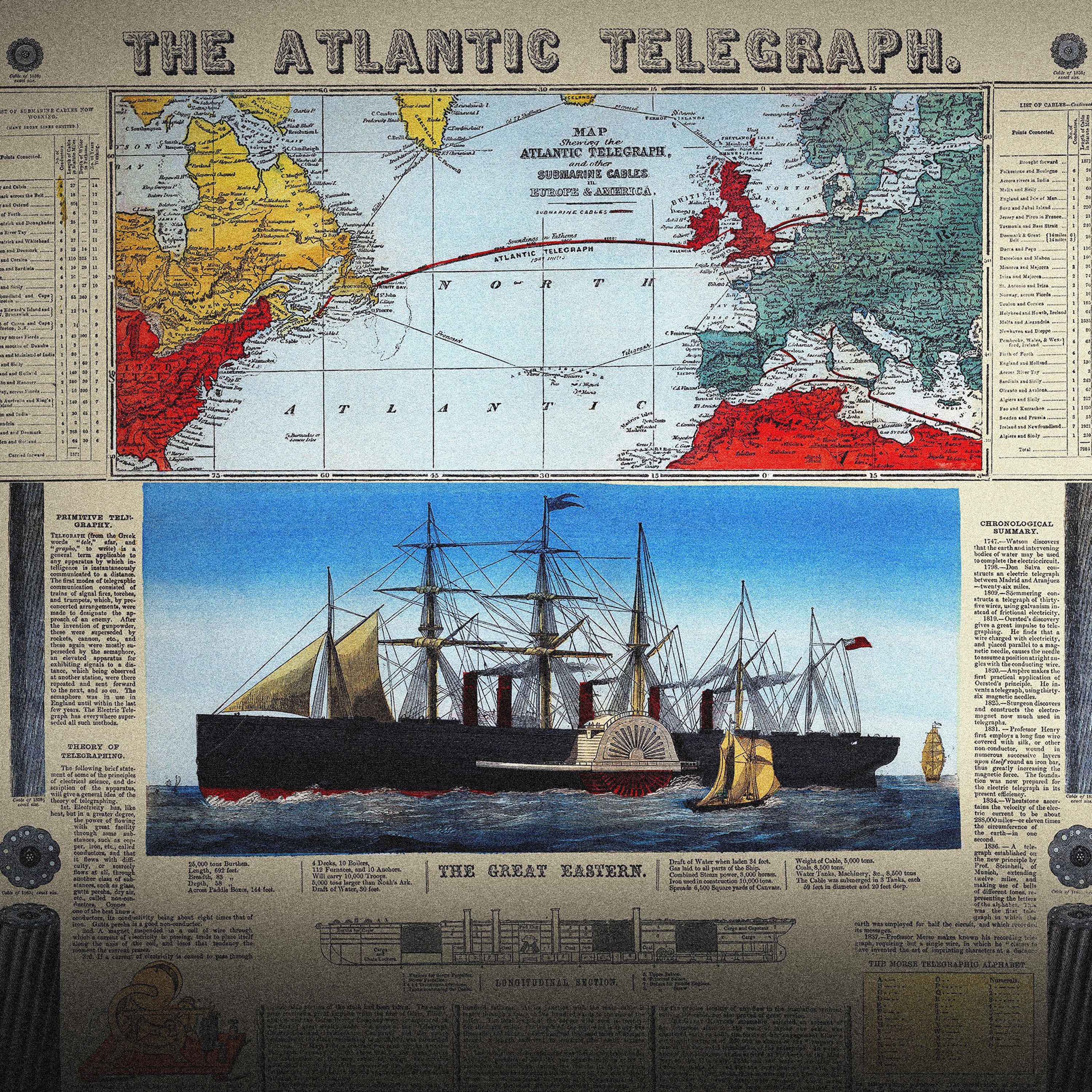 The Wire That Connected the World 17.08.2026 32minAugust 17, 1858. New York City wakes to a hundred-gun salute. Church bells ring, flags fly from public buildings, and by nightfall, fireworks light up the sky. The city is celebrating a telegram from Queen Victoria to President Buchanan. Not what it says, but how it traveled: along a 2,000-mile cable running under the Atlantic Ocean. Messages that once took two weeks by steamship now arrive in an instant. And the man behind the cable, a retired paper tycoon named Cyrus Field, is about to become the most famous person in America. But Field has a secret. His cable is already failing.Why did a bored millionaire attempt the moonshot of the Victorian era? And how did one fragile wire lay the foundation for our connected world?Special thanks to our guest, James M. Tabor, author of Lightning Beneath the Sea: The Race to Wire the World at the Dawn of the Information Age.To stay updated on all things HISTORY This Week, sign up at historythisweekpodcast.com. Have thoughts or questions? Email us at [email protected] up for ad-free listening and bonus episodes at htwpod.com.
 -
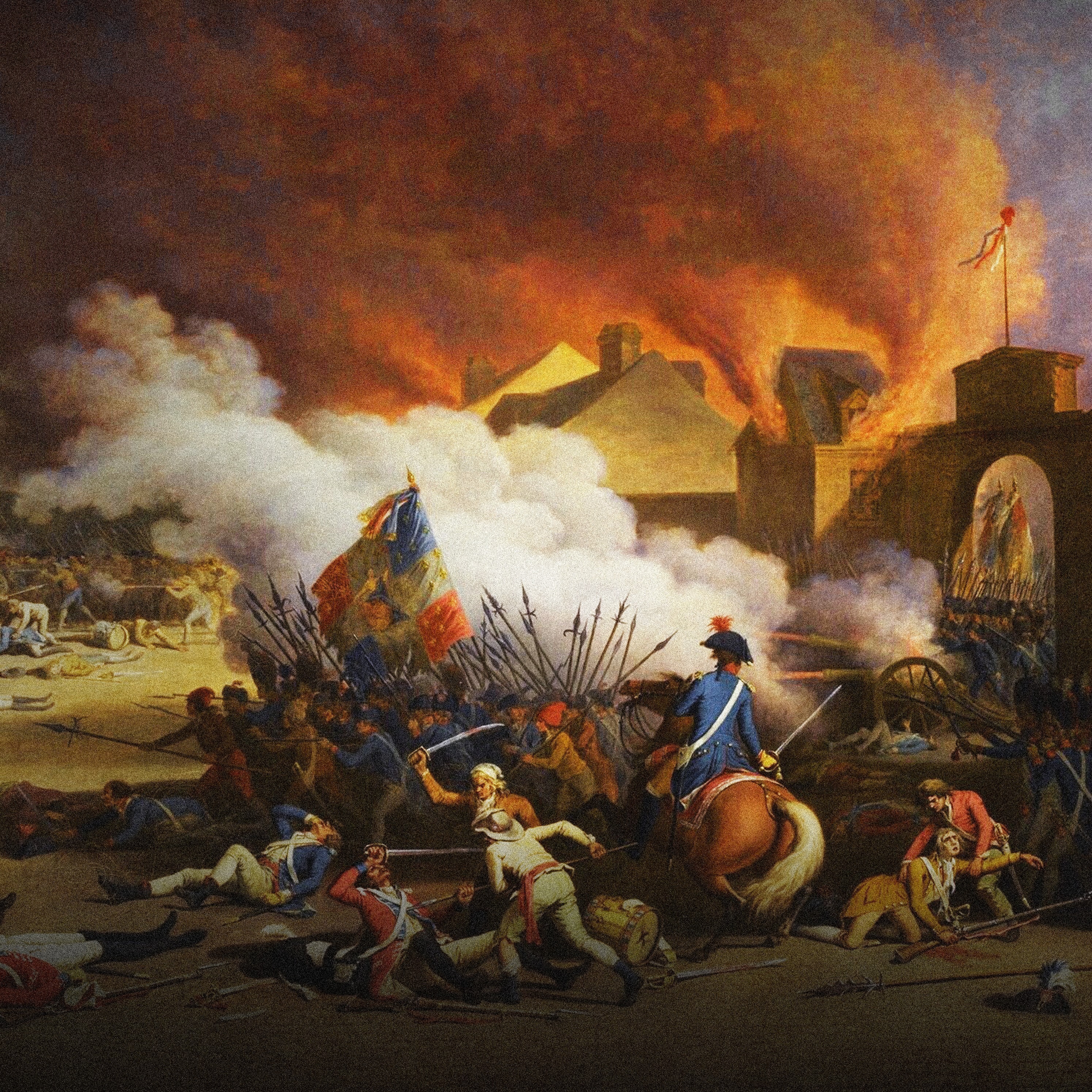 The French Monarchy Falls in a Day 10.08.2026 34minAugust 10, 1792. At midnight, a single church bell begins to ring in Paris. Then another. And another. It's not a call to mass… it's a call to arms. For three years, King Louis XVI and his family have been living as prisoners in a palace, under virtual house arrest at the Tuileries, while France fights over one seething question: can the monarchy survive the Revolution? The radicals have issued a deadline: get rid of the king by the end of August 9th, or we'll take matters into our own hands. The deadline has just passed.Today, midnight for the monarchy. How did France, whose kings were once anointed with holy oil and believed to cure disease by touch, come to loathe Louis XVI so much? And how does centuries of royal rule come crashing down in a single day?Special thanks to our guests: David Andress, professor of modern history at the University of Portsmouth and author of The Terror: Civil War in the French Revolution; and Marisa Linton, professor of history turned prize-winning novelist. She's the author of Choosing Terror: Virtue, Friendship, and Authenticity in the French Revolution, and her latest novel, Domain of Darkness, will be published this December.To stay updated on all things HISTORY This Week, sign up at historythisweekpodcast.com. Have thoughts or questions? Email us at [email protected] up for ad-free listening and bonus episodes at htwpod.com.
 -
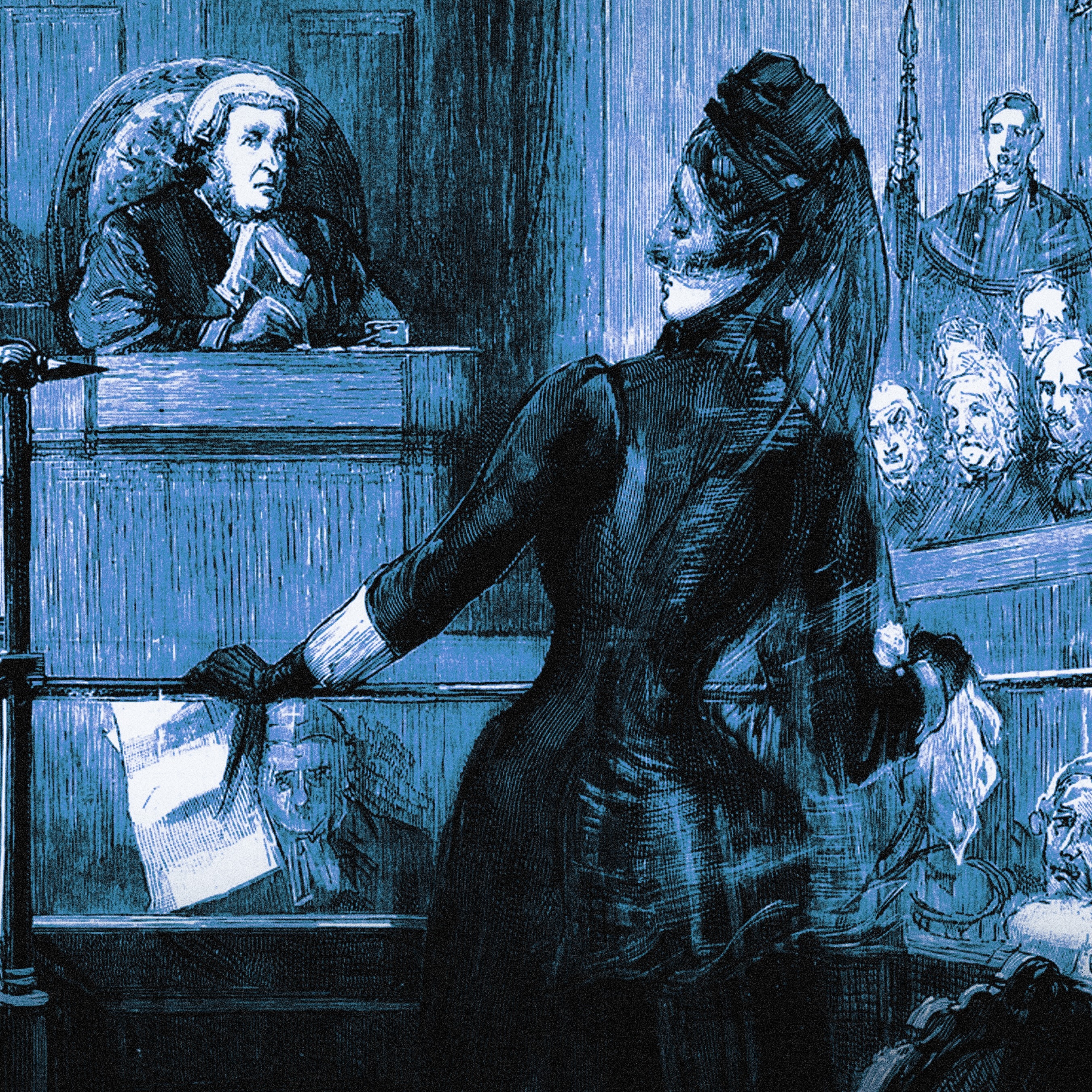 Arsenic, Adultery, and an American on Trial 03.08.2026 30minAugust 7, 1889. In Liverpool's St. George's Hall, an American woman named Florence Maybrick stands behind iron bars, dressed in mourning black… for the husband she's accused of murdering. The evidence against her is thin: James Maybrick was a longtime arsenic addict who bought the poison daily, and none was found in his stomach when he died. But Florence had committed another kind of crime in the eyes of Victorian society. She'd had an affair. And to many, that moral transgression was proof enough of murder.How did a 17-year-old American socialite end up married to a secret addict, and then put on trial for her life? How did her case ignite protests, half a million petition signatures, and the fury of Queen Victoria herself? And how did one wronged woman help change England's system of justice forever?Special thanks to our guest, Rick Hutto, attorney and author of A Poisoned Life: Florence Chandler Maybrick, the First American Woman Sentenced to Death in England; and to Andrea Hastings-Arroyo, graduate student and library specialist at the University of Wyoming, who helped with our research.You can find all the books we’ve used to make recent HISTORY This Week episodes at historythisweekpodcast.com.Subscribe for ad-free and bonus episodes at htwpod.com.
 -
 Fall Out (Finale) 30.07.2026 38minListen to all 20 episodes of World War II with Tom Hanks wherever you get your podcasts!The war is over, and the Allies are triumphant. The United States and the Soviet Union initially work together to establish a new world order, but over the course of the next four years these two nations will go from Allies of convenience to ideological adversaries, launching the next phase of global conflict under the shadow of nuclear war.This episode features interviews with (in order of appearance):Michel Paradis, professor, Columbia UniversityJon Meacham, presidential historianSimon Sebag Montefiore, historian and authorTimothy Naftali, senior research scholar, Columbia UniversitySarada Peri, presidential speechwriter and political analystPhillips O’Brien, professor, University of St. AndrewsAlexandra Richie, professor, Collegium CivitasDan Carlin, podcaster, Hardcore HistoryMichael Kimmage, professor, Catholic University of AmericaMichael Neiberg, professor, US Army War CollegeDan Snow, historian and broadcasterA.J. Baime, journalist and authorRobert Citino, senior historian, National WWII Museum
 -
 Washington: Hero of the Revolution, from The Rest is History 27.07.2026 1t 11minSharing an episode of a show we really love, called The Rest is History. Hosted by historians Tom Holland and Dominic Sandbrook, the show brings the past to life through gripping storytelling, sharp analysis and a huge sense of drama. From the rise and fall of the Roman Empire, the French Revolution and the Norman Conquest of 1066, to the sinking of the Titanic, the Second World War and the lives of history’s most powerful rulers, Tom and Dominic unpack the people, battles and world-changing events that shaped the modern world. Their latest series explores the Founding Fathers of the United States - the ideas, rivalries and revolutions behind the birth of America.In this episode, Dominic and Tom launch into the extraordinary life and origins of George Washington. Where did George Washington come from, and what was he like? How did he come to take on such a pivotal role in the American Revolution? And, was he really central to America’s triumphant struggle for independence? You can find more episodes of The Rest Is History at https://linktr.ee/RestIshistory.
 -
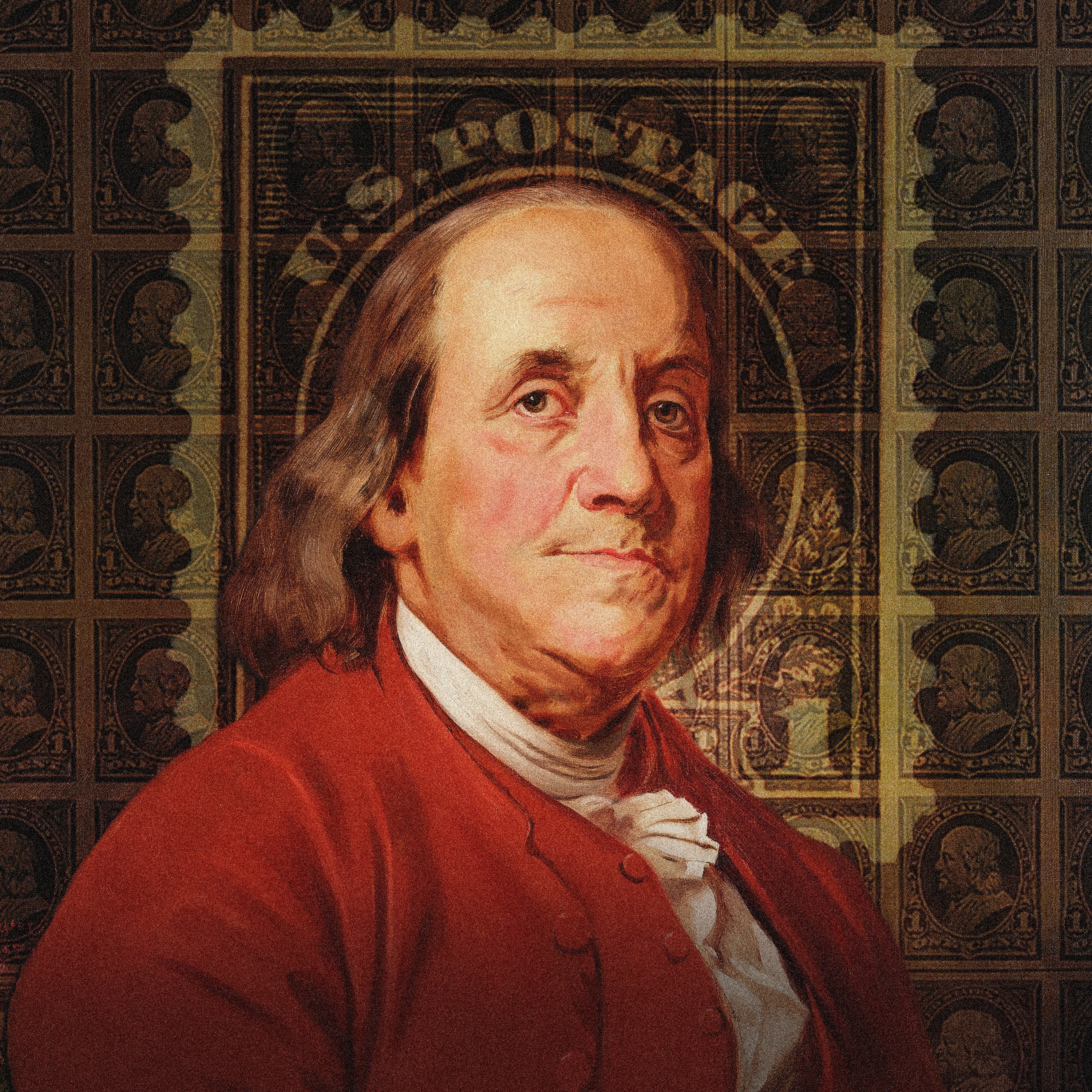 Ben Franklin Gets Fired 20.07.2026 32minJuly 26, 1775. In a stately mansion turned rebel headquarters in Cambridge, Massachusetts, George Washington sits down at a dining room table and writes out his orders for the day. The brand-new commander-in-chief has a problem: his army is outfunded, outmanned, and outgunned — and if he can't communicate, he can't win. What Washington doesn't know is that on this very day, the Congress in Philadelphia is appointing a different kind of general to help him. A postmaster general: Benjamin Franklin. It's a strange homecoming. Franklin spent forty years building the colonial post into a marvel of efficiency… until the Crown humiliated him before the Privy Council and fired him from the job. Now, the rebels are handing it back.How did a runaway teenage printer end up running the mail for a continent? Why did the Crown fire its best postmaster? And how did a network of post riders help win the Revolutionary War?Special thanks to USPS Historian Steve Kochersperger, and Smithsonian National Postal Museum curators Dan Piazza and Lynn Heidelbaugh. Dan and Lynn’s new book for the Postal Museum, Routes to a New Nation, will be out in October and is currently available for pre-order.You can find all the books we’ve used to make recent HISTORY This Week episodes at historythisweekpodcast.com. CORRECTION from the episode: Steve Kochersperger was not Postmaster General of Philadelphia, but Postmaster of Julian, PA.Get in touch: [email protected] Follow on Instagram: @historythisweekpodcastFollow on Facebook: HISTORY This Week PodcastTo stay updated: http://historythisweekpodcast.com
 -
 From First America: "Merciless Indian Savages" 16.07.2026 37minWe have been told the American Revolution was fought over taxation and representation. But that's not what the Declaration of Independence says. According to our founders, in their own words, what they were most upset about was Native Americans. How does a whole country miss a point of its own founding document? That's the question at the heart of a new podcast called First America. Hosted and reported by Rebecca Nagle, an Indigenous author and the former host of Crooked’s This Land podcast, and featuring leading Native historians, First America unveils how our current political moment was 250 years in the making and how the founders’ treatment of Indigenous nations—and their resistance—shaped US democracy. Here’s the first episode. Find First America wherever you get podcasts.
 -
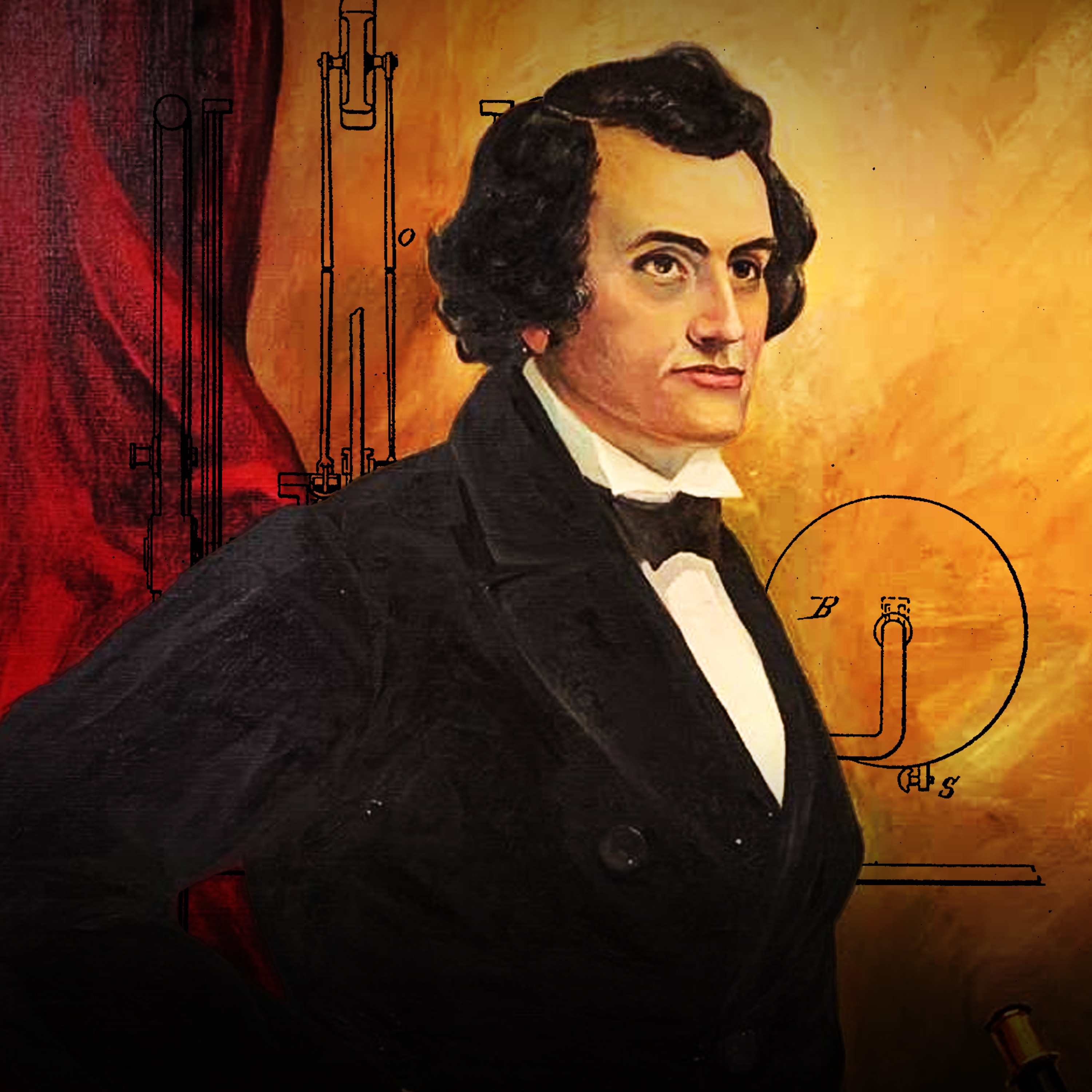 The Forgotten Father of Air Conditioning 13.07.2026 27minJuly 14, 1850. At a swanky hotel in Apalachicola, Florida, the French consul is throwing a Bastille Day party, and he's promised his guests ice-cold champagne. There's just one problem: the town's ice shipment is delayed, and in 1850, you can't simply make ice. Or can you? Enter Dr. John Gorrie, a country physician who's spent years waging a private war against heat itself, convinced that cooling the air could stop the deadly fevers ravaging his town.How did a doctor on the Florida frontier invent artificial cooling and take on the "Ice King" of New England? And why has history nearly erased his name?Special thanks to Bern Nagengast, technology historian and author; and Linda Thompson, docent at the Raney House Museum in Apalachicola, Florida.You can find all the books we’ve used to make recent HISTORY This Week episodes at historythisweekpodcast.com.
 -
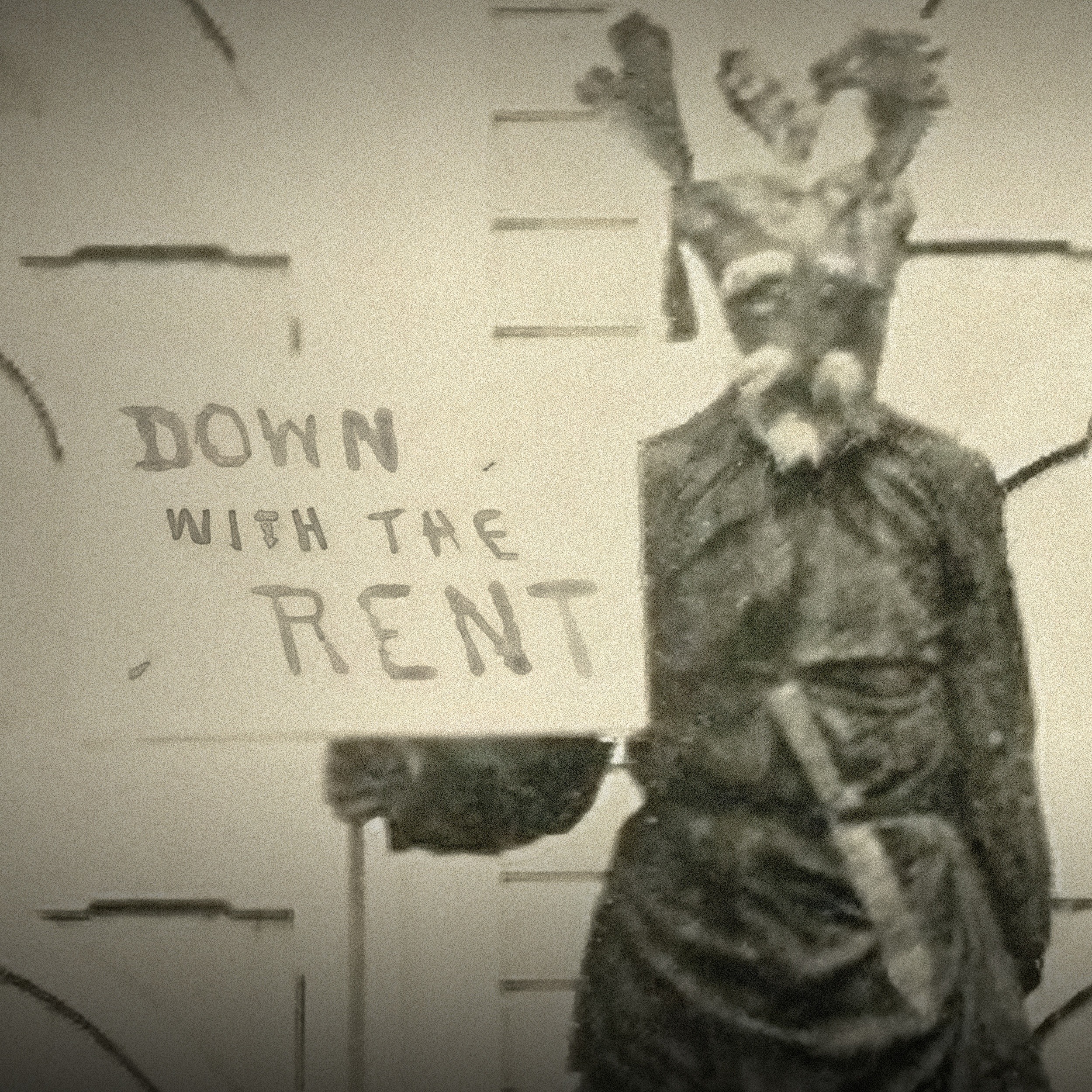 The *Other* Declaration of Independence (Part II) 06.07.2026 22minJuly, 1845. Dr. Smith Boughton, the man behind the mask of "Big Thunder," is sitting in a Hudson jail after a trial that ended in a hung jury.The Anti-Renters had to celebrate Independence Day with cannon fire and readings of the Declaration, but without their leader. The rebellion across Upstate New York is escalating: an undersheriff with a bully's reputation is terrorizing farm families in the Catskills, masked Calico Indians are massing at rent sales, and before summer's end, a lawman will lie dying in a tenant farmer's bed. New York now has to decide: are these rebels murderers, or is the system they're fighting the real crime? What happens when the Anti-Renters trade their tin horns for the ballot box? And how does a local revolt over rent end up shaping the politics of a nation?Special thanks Reeve Huston, emeritus associate professor of history at Duke University and author of Land and Freedom: Rural Society, Popular Protest, and Party Politics in Antebellum New York; Victoria Kupchinetsky and Misha Gutkin, director and producer of the film Calico Rebellion; David Fleming, the town supervisor of Nassau, NY; Nancy Newman, professor at SUNY Albany and author of the book Songs and Sounds of the Anti-Rent Movement in Upstate New York; and the Association of Public Historians of New York State.You can find all the books we’ve used to make recent HISTORY This Week episodes at historythisweekpodcast.com.
 -
 Free HTW+ preview: Ken Burns on the American Revolution (Extended Interview) 03.07.2026 58minToday, to celebrate America's 250th birthday, we have a special announcement: we are launching HISTORY This Week+ to all of our followers! (historythisweekpodcast.com/subscribe)This is something we’ve wanted to do for a while… we’ve been listening to your feedback: you don’t love the ads, you want more history. Well, HTW+ solves both of those problems.We are offering two tiers of our premium subscription, allowing you to unlock ad-free listening and gain access to bonus content, especially extended cuts of our interviews.When producing these episodes, the majority of our interview tape is left on the cutting room floor, and our interview with Ken Burns is no exception. We spent over an hour with Ken and his producing partner, Sarah Botstein, discussing the launch of their documentary, The American Revolution.As a preview of what you’ll get with an HTW+ subscription, we’re bringing you this interview in its (mostly) original form. Enjoy Sally’s conversation with Ken and Sarah, and sign up for HTW+ at historythisweekpodcast.com/subscribe.Reach out with any questions at [email protected].
 -
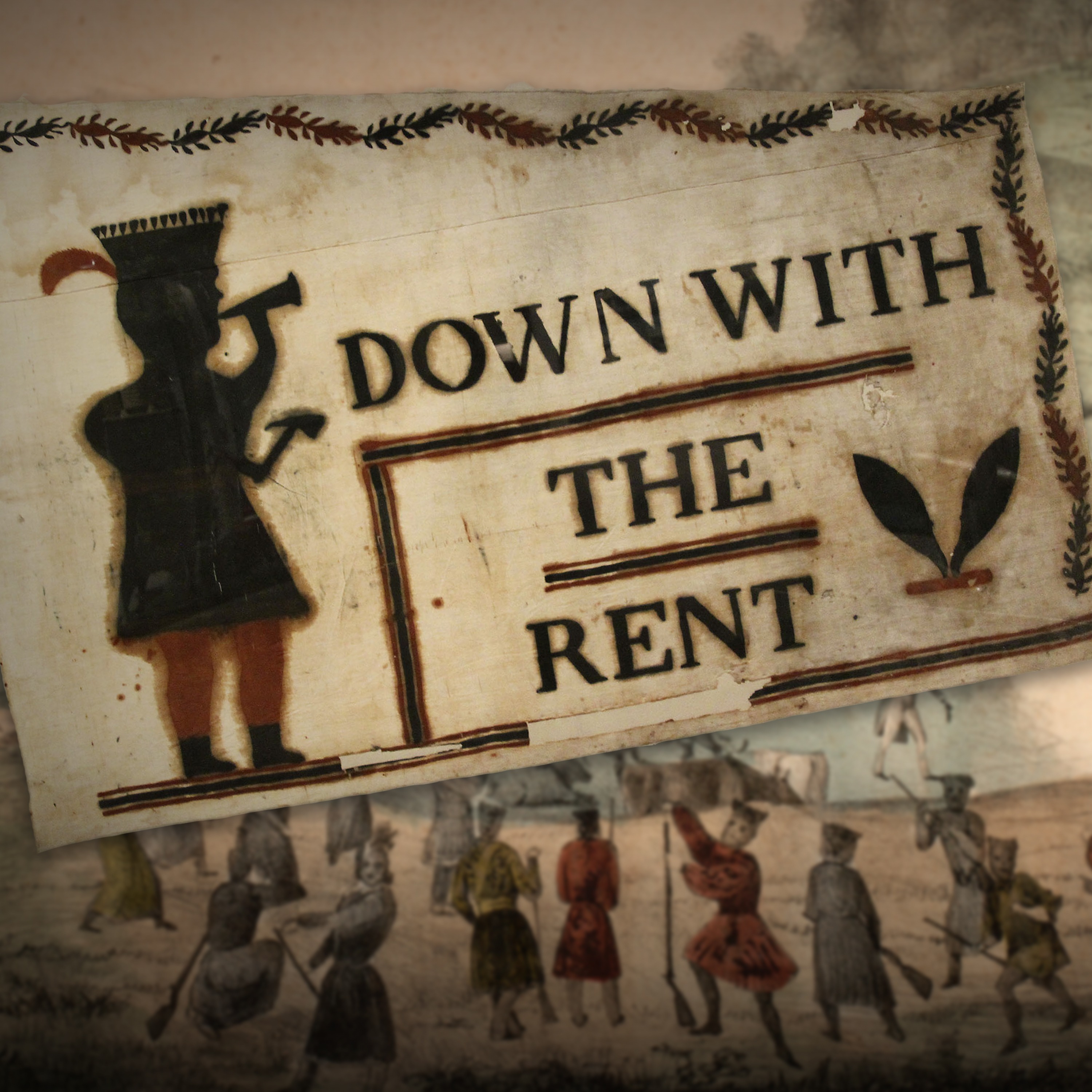 The *Other* Declaration of Independence (Part I) 29.06.2026 30minJuly 4, 1839. Sixty-three years after 1776—and centuries after the medieval period—feudalism is alive and well in the United States.High on a rocky plain in upstate New York, a crowd of tenant farmers gathers in the village of Berne to read aloud a declaration of independence… but not the one you're thinking of. These families are still bound to a landlord by perpetual leases their grandfathers signed, owing bushels of wheat and a share of every sale for as long as the land exists. Today they're done. They call their leases "voluntary slavery" and vow to "take up the ball of the Revolution where our fathers stopped it." It's the opening shot of the Anti-Rent War, a revolt that will pit disguised farmers against sheriffs and posses across the Hudson Valley, and force New York to ask whether a feudal bargain has any place in a republic. How did manor lords survive the Revolution? And what would it finally take to break their grip?Special thanks Reeve Huston, emeritus associate professor of history at Duke University and author of Land and Freedom: Rural Society, Popular Protest, and Party Politics in Antebellum New York; Victoria Kupchinetsky and Misha Gutkin, director and producer of the film Calico Rebellion; David Fleming, the town supervisor of Nassau, NY; Nancy Newman, professor at SUNY Albany and author of Songs and Sounds of the Anti-Rent Movement in Upstate New York; and the Association of Public Historians of New York State.You can find all the books we’ve used to make recent HISTORY This Week episodes at historythisweekpodcast.com.
 -
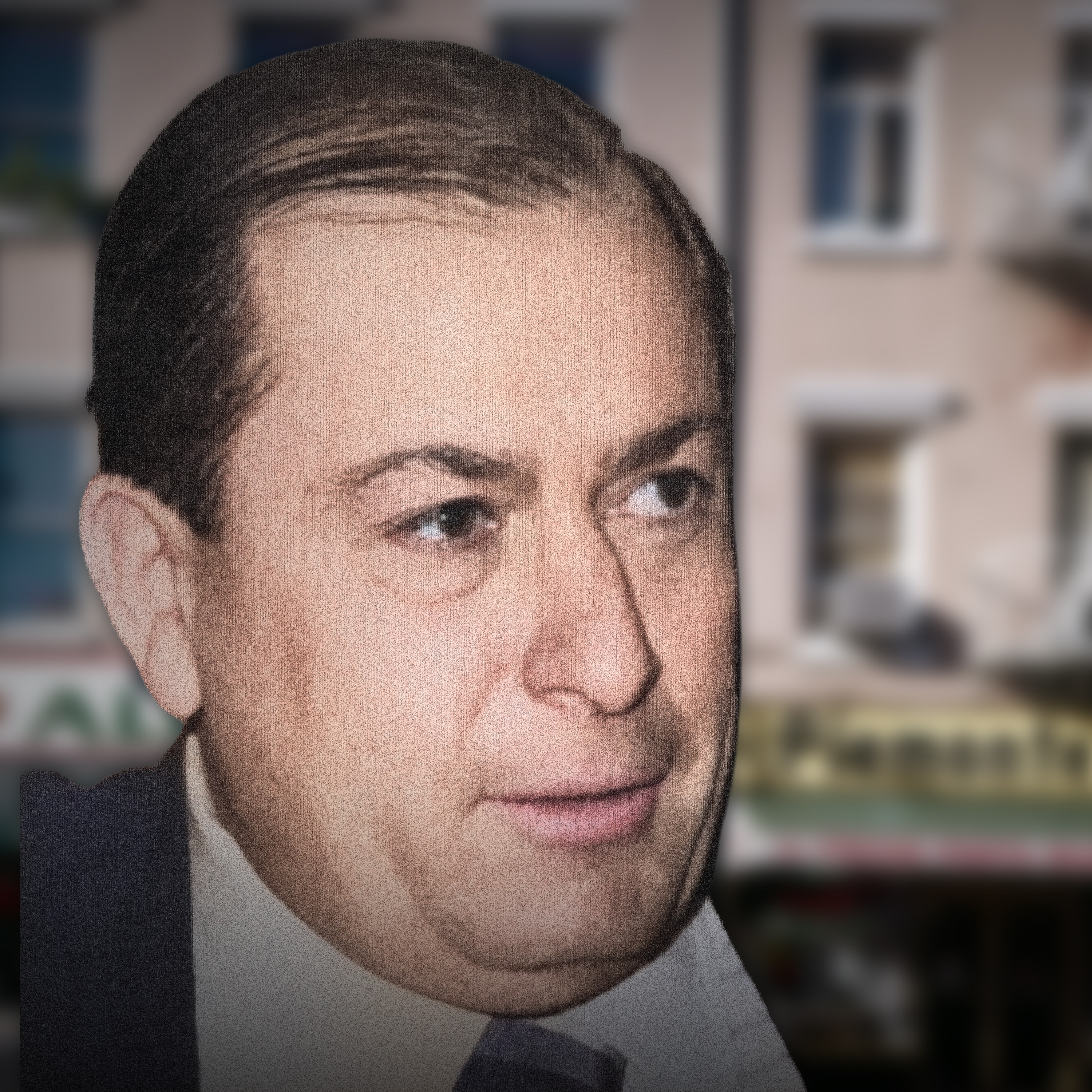 A Mob Boss Starts A Movement 22.06.2026 29minJune 28, 1971. It’s the second annual “Unity Day” rally at Columbus Circle in New York City, organized by the Italian American Civil Rights League. Joe Colombo is the very public face of the League, a group that actively fights discrimination and ugly stereotypes against the Italian-American community, such as their association with organized crime and the Mafia. The problem? That same Joe Colombo is a leader of the Mafia, one of the heads of the “Five Families” in New York. It’s an open secret; many people across the city know who he really is, and the FBI is hot on his tail, trying to catch him in the act. On this day, Colombo’s dual life—as a media-facing advocate and as an underground criminal—will come crashing down in a violent display.Special thanks to Don Capria, co-author of Colombo: The Unsolved Murder; Selwyn Raab, veteran Mafia reporter and author of Five Families: The Rise, Decline, and Resurgence of America's Most Powerful Mafia Empires; and Geoff Schumacher, vice president of exhibits and programs for The Mob Museum in Las Vegas.You can find all the books we’ve used to make recent HISTORY This Week episodes at historythisweekpodcast.com. **This episode originally aired June 28, 2021.
 -
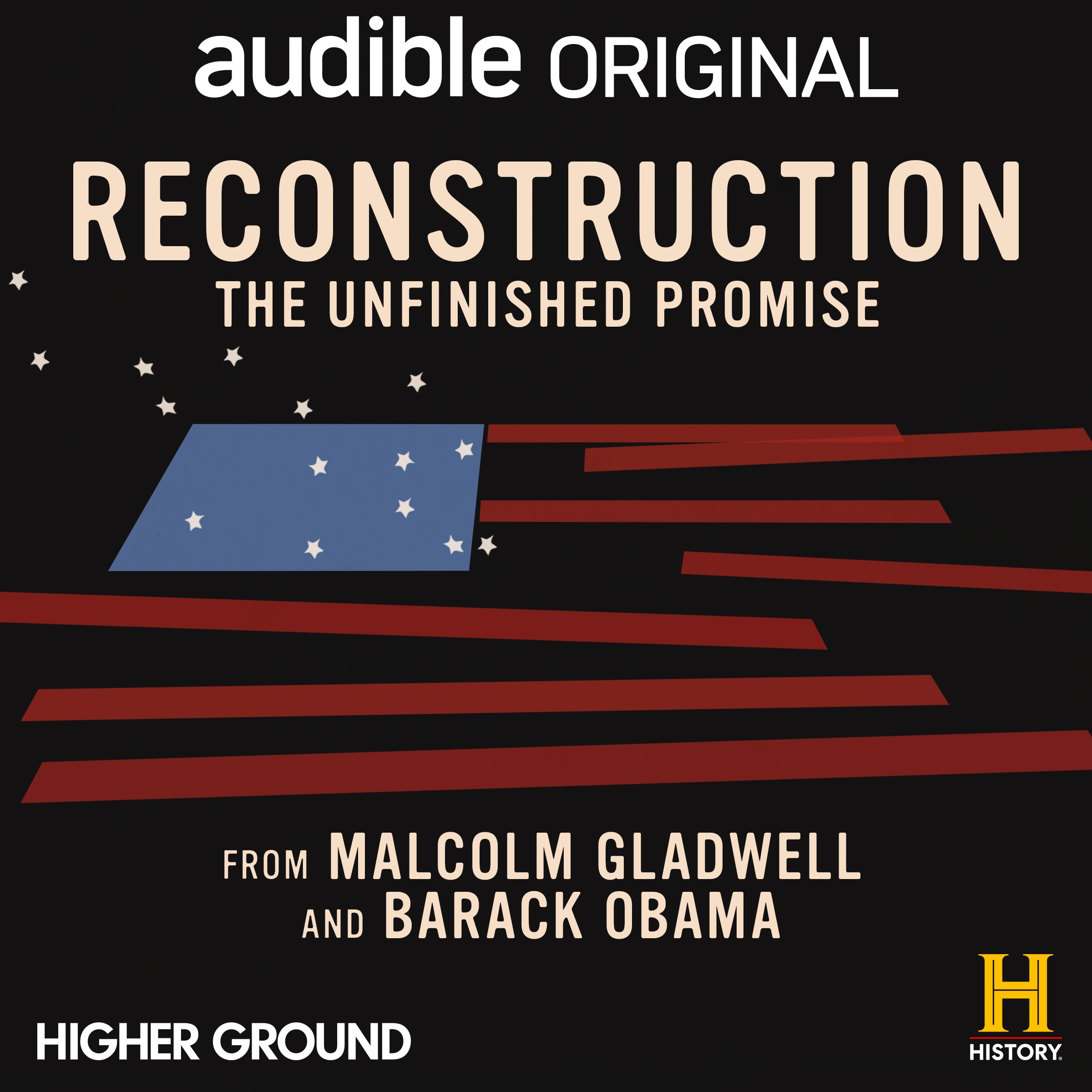 Reconstruction: The Unfinished Promise – Prologue 19.06.2026 17minMalcolm Gladwell and President Barack Obama introduce us to one of the most chaotic,complicated, and fascinating times in American history, revealing why Reconstruction stilldefines our country today.Listen to Reconstruction: The Unfinished Promise on Audible, or wherever you get your podcasts.Reconstruction begins where, for most Americans, the story of the Civil War ends: The North isvictorious and slavery is abolished. But what happened next was one of the most importantdecades in American history, a moment when our country grappled with its original sin andimagined — and briefly enacted — a more perfect union.Drawing from archives, letters, diaries, court records, eyewitness testimonies and some ofAmerica’s most accomplished scholars and storytellers, Reconstruction: The Unfinished Promiseexplores this unprecedented historical moment in rich, kaleidoscopic detail. The series unpacks atime when a determined band of reformers attempted to radically reimagine American society —from the Constitution to the roots of its economy to the very nature of citizenship itself.Reconstruction was a time when Americans struggled over fundamental questions about ourcountry. Who gets to be a citizen? Who has the right to vote? Who can own property? In short,who belongs? Reconstruction: The Unfinished Promise explores what America might havelooked like if Reconstruction had truly succeeded, and how the ultimate backlash toReconstruction prevented our country from becoming a truly multiracial democracy.Guiding us through this extraordinary moment in American history is best-selling author andhost of Revisionist History Malcolm Gladwell. He’ll have help from luminaries, historians, andstorytellers such as President Barack Obama, Jelani Cobb, Wyatt Cenac, David Blight, KaiWright, Kellie Carter Jackson, Ashley C. Ford, Manisha Sinha, Kidada Williams, and Eric Foner.This is a series about why America has yet to make good on the promise of Reconstruction, andhow it still might.An Audible Original in partnership with History Channel. Produced by Higher Ground andPushkin Industries.
Lignende podkaster


Populær i
Denne podkasten finnes også i podkast-listene til disse landene.
-
 El Salvador
-
 Jamaica
-
 Costa Rica
-
 Botswana
-
 Den dominikanske republikk
-
 Sri Lanka
-
 Slovenia
-
 Eswatini
-
 Zimbabwe
-
 Armenia
-
 Guyana
-
 Bermuda
-
 Montenegro
-
 Romania
-
 Malta
Malta
-
 Aserbajdsjan
-
 Rwanda
-
 Kamerun
-
 Laos
Laos
-
 Nepal
Nepal
-
 Tanzania
-
 Albania
-
 Tadsjikistan
-
 Zambia
-
 Nigeria
-
 Myanmar
-
 Island
-
 Trinidad og Tobago
-
 Surinam
-
 Namibia
-
 Kypros
-
 Brunei
-
 Liberia
-
 Bahamas
-
 Sierra Leone
-
 Maldivene
-
 Mali
Mali
-
 Hellas
-
 Ukraina
-
 Grenada
-
 Panama
-
 Nord-Makedonia
-
 Belize
-
 Slovakia
-
 Kroatia
-
 Litauen
-
 Moldova
-
 Antigua og Barbuda
-
 Filippinene
-
 Usbekistan
-
 Colombia
-
 Burkina Faso
-
 Caymanøyene
-
 Bulgaria
-
 Mongolia