
Fun Kids Science Quest
Fun Kids
0
Fun Kids Science Quest is a science podcast for kids and families, hosted by Dan. It explores topics from dinosaurs to space, featuring series like Deep Space High and Age of the Dinosaurs. The show includes expert guests, science questions, and a segment called Dangerous Dan. It airs on Fun Kids radio in the UK and is available on DAB digital radio, the Fun Kids app, and online.
Episoder
-
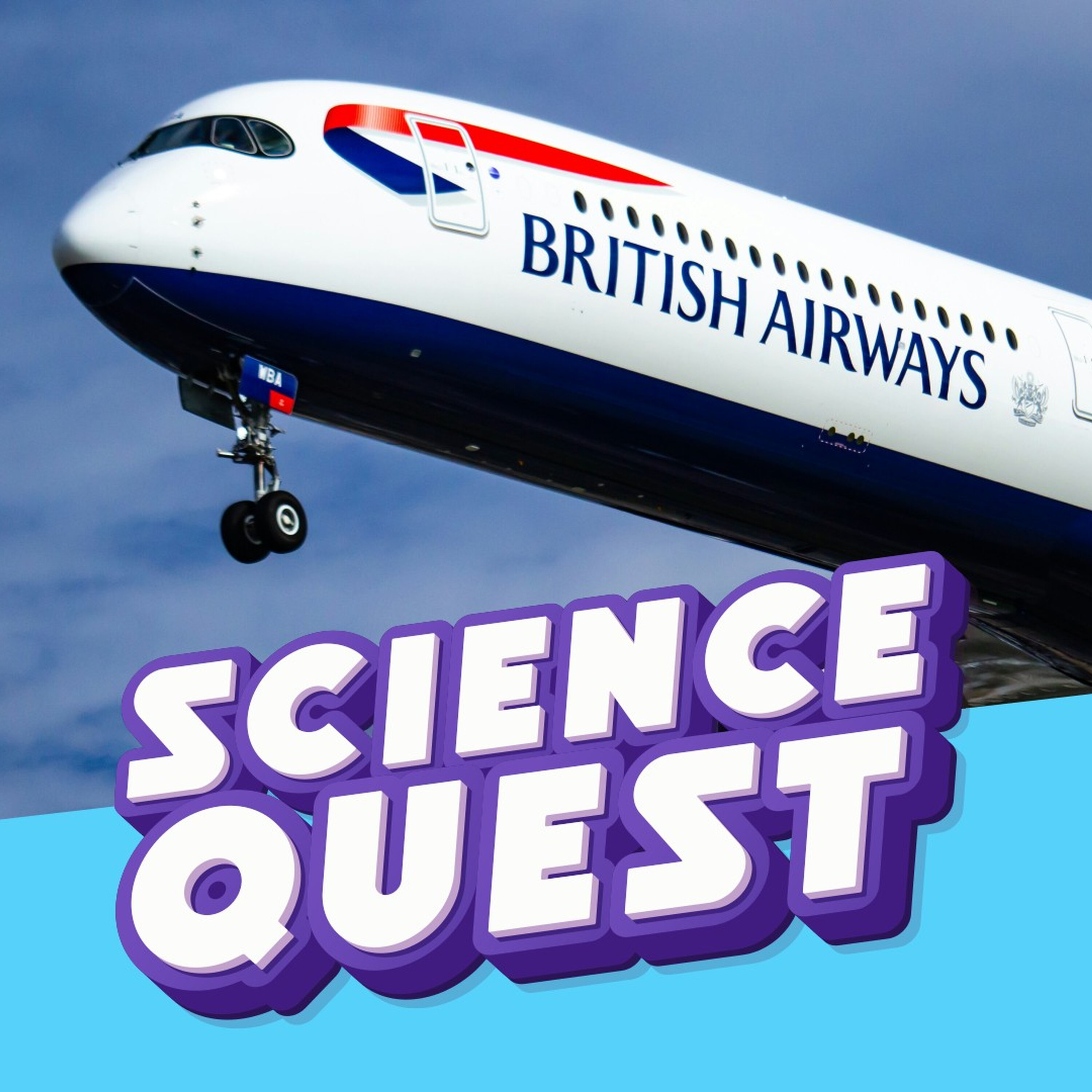 Aviation Experts Answer YOUR Questions! ✈️⭐ 16.09.2026 17minWelcome to Fun Kids Science Quest – Reach for the Sky Special! Today, we're joined by Samantha Higgins, a Student Outreach Manager at British Airways, and Sigourney Ansah, an aspiring commercial pilot and Aviation Ambassador. Samantha and Sigourney are passionate about inspiring the next generation to explore careers in aviation. They'll share their journeys into the industry, what it's like to work in aviation, and how they hope to encourage more young people from all backgrounds to reach for the sky.Join Fun Kids Podcasts+: https://funkidslive.com/plusSee omnystudio.com/listener for privacy information.
 -
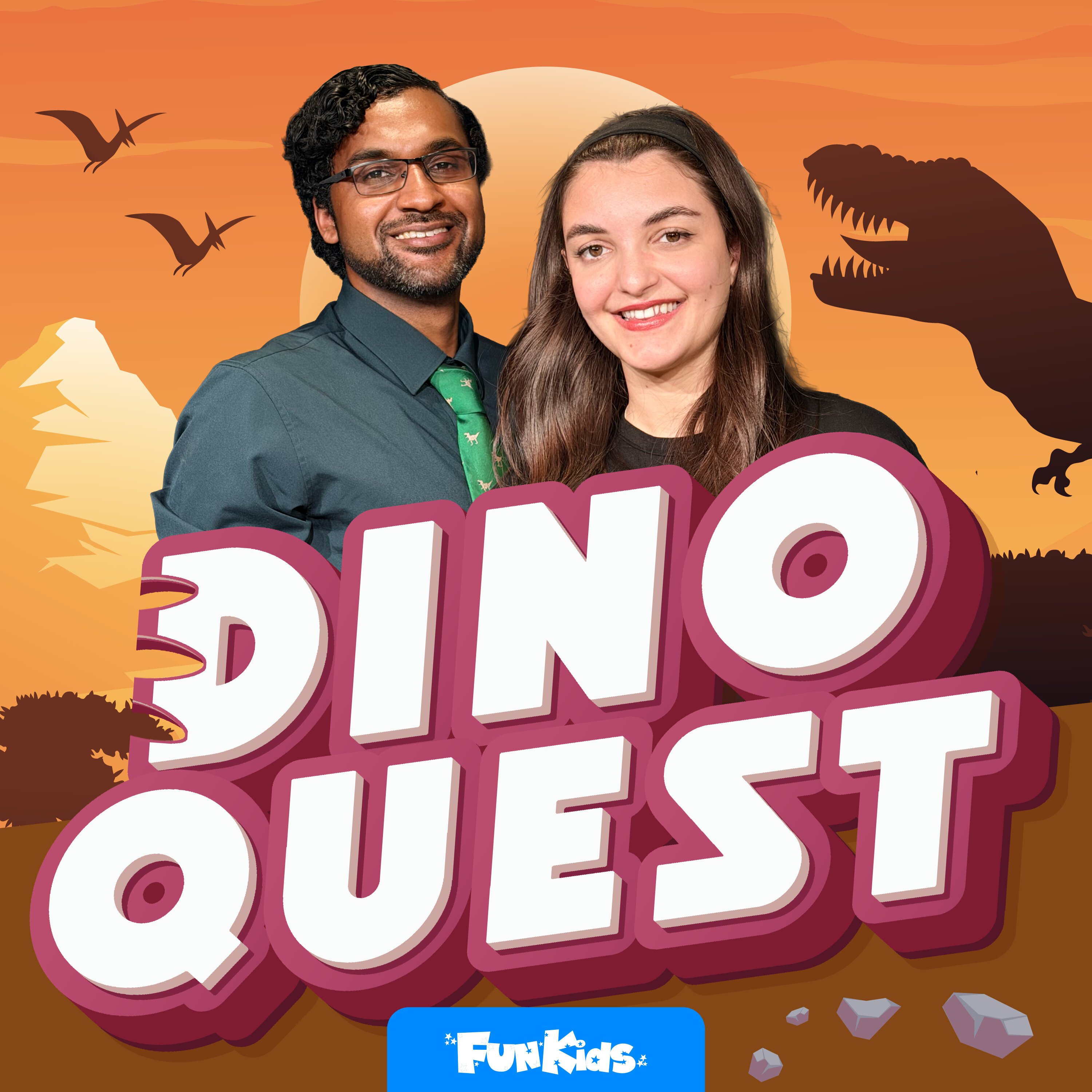 Brand New Podcast: Fun Kids Dino Quest 🦖 14.09.2026 30min🦖 Brand new from Fun Kids: Dino Quest, the podcast that builds a dinosaur from scratch, one real piece of science at a time! Science Quest’s Dan introduces the very first episode, right here in full. Lauren and palaeontologist Cassius start at the very bottom with legs, and ask the big question: how fast could dinosaurs really run, and how can anyone tell when they’ve been gone for millions of years? 🏃 Footprints in Inner Mongolia show a meat eater hitting around 45 kilometres an hour, faster than Usain Bolt at his peak. Professor John Hutchinson from the Royal Veterinary College, who rebuilds dinosaurs inside a computer and makes them run, reveals whether T. rex was really the speed demon from the films (Jurassic Park has some explaining to do). Plus a dinosaur highway of nearly 200 footprints found in an Oxfordshire quarry, a dinosaur named from nothing but its footprints, and your question: could a human ever outrun a dinosaur? 🦴 Then Lauren and Cassius make the first big decision for their very own dinosaur: two legs or four? Listen to find out, then follow along every week as their creature grows, piece by piece. 🎧 Loved it? More episodes of Dino Quest are out now. Subscribe for free in your favourite podcast app: podfollow.com/age-of-the-dinosaursJoin Fun Kids Podcasts+: https://funkidslive.com/plusSee omnystudio.com/listener for privacy information.
 -
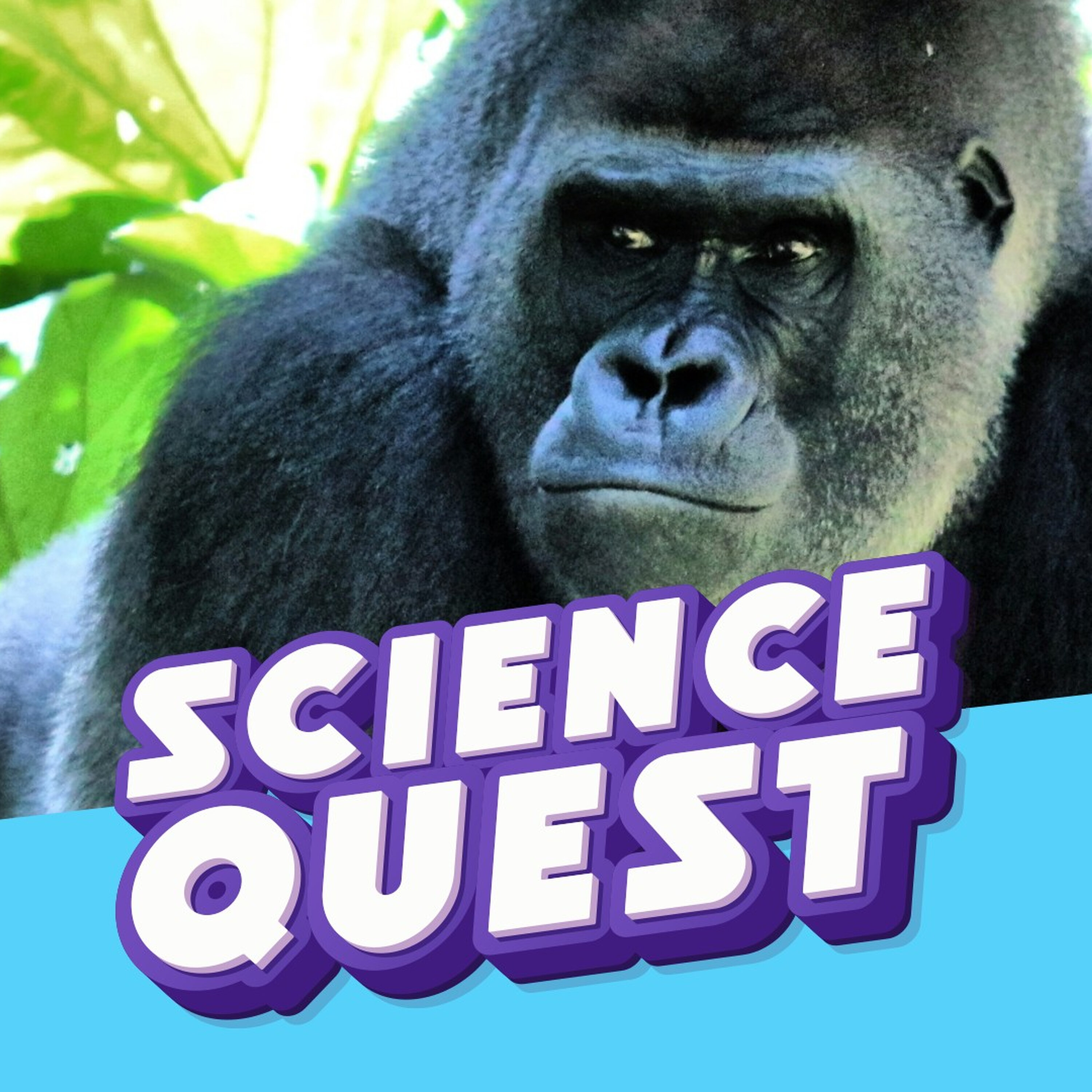 Gorilla Sound Cannons: Why Silverbacks Thump Their Chests 🦍🥁 12.09.2026 28minWelcome to Science Quest! 🚀 This week, we are tracking a tiny moth's epic journey across the North Sea, soaring through space toward the hottest planet in our solar system, and stomping back in time to the age of the ultimate apex predator! 🦋 The North Sea Marathon: History in the making! A tiny moth blown hundreds of miles across the North Sea from mainland Europe has become the first ever confirmed sighting of its species in Scotland. Discover how tiny insects survive gale-force winds on massive ocean crossings. 🪐 Mercury Orbit Finale: After an epic eight-year deep space journey, a high-tech spacecraft is entering its final stage before reaching Mercury! Learn how space probes handle the extreme heat and massive gravitational pull of the closest planet to the Sun. 👃 The Science of Smell: Will Tullett from the University of York joins Dan to uncover the invisible world of scents! Find out how our noses process millions of smell molecules and why understanding scents changes how we experience the world around us. ⚡ Shocking Skies: Max asks a high-voltage weather question: how are lightning bolts and thunderclaps actually formed in the sky? We break down how electric charges build up inside storm clouds until a massive spark tears through the air! 🦍 Gorilla Thumps: Imogen Callender from Bristol Zoo answers Freddie's question: why do silverback gorillas beat their chests? Discover how acoustic air sacs magnify sound waves to send loud signals across dense rainforests without needing to fight. 🦊 Dangerous Dan: Meet the Maned Wolf! Standing on super-long, stilts-like legs, this South American predator looks like a giant red fox, but when threatened, its thick black mane puffs up to make it look twice its size while it sprays a skunk-like warning scent! 🧠 Brain Box: World-renowned paleobiologist Steve Brusatte steps into the Brain Box to take us back millions of years to unravel how prehistoric beasts lived, hunted, and ruled the ancient world! Cretaceous Period: Rule of the Tyrannosaurus Rex 🦖👑 Travel back in time to the Cretaceous Period—an era when Earth was teeming with more dinosaur species than ever before! Uncover the incredible biology of the undisputed king of dinosaurs: the Tyrannosaurus Rex! From its bone-crushing jaw strength capable of snapping prey in half to its acute sense of smell, learn what made T. Rex the ultimate prehistoric hunter. Subscribe to Science Quest to track rare insects, travel to Mercury, and hear the thunderous chest-beats of gorillas! 🎙️✨Join Fun Kids Podcasts+: https://funkidslive.com/plusSee omnystudio.com/listener for privacy information.
 -
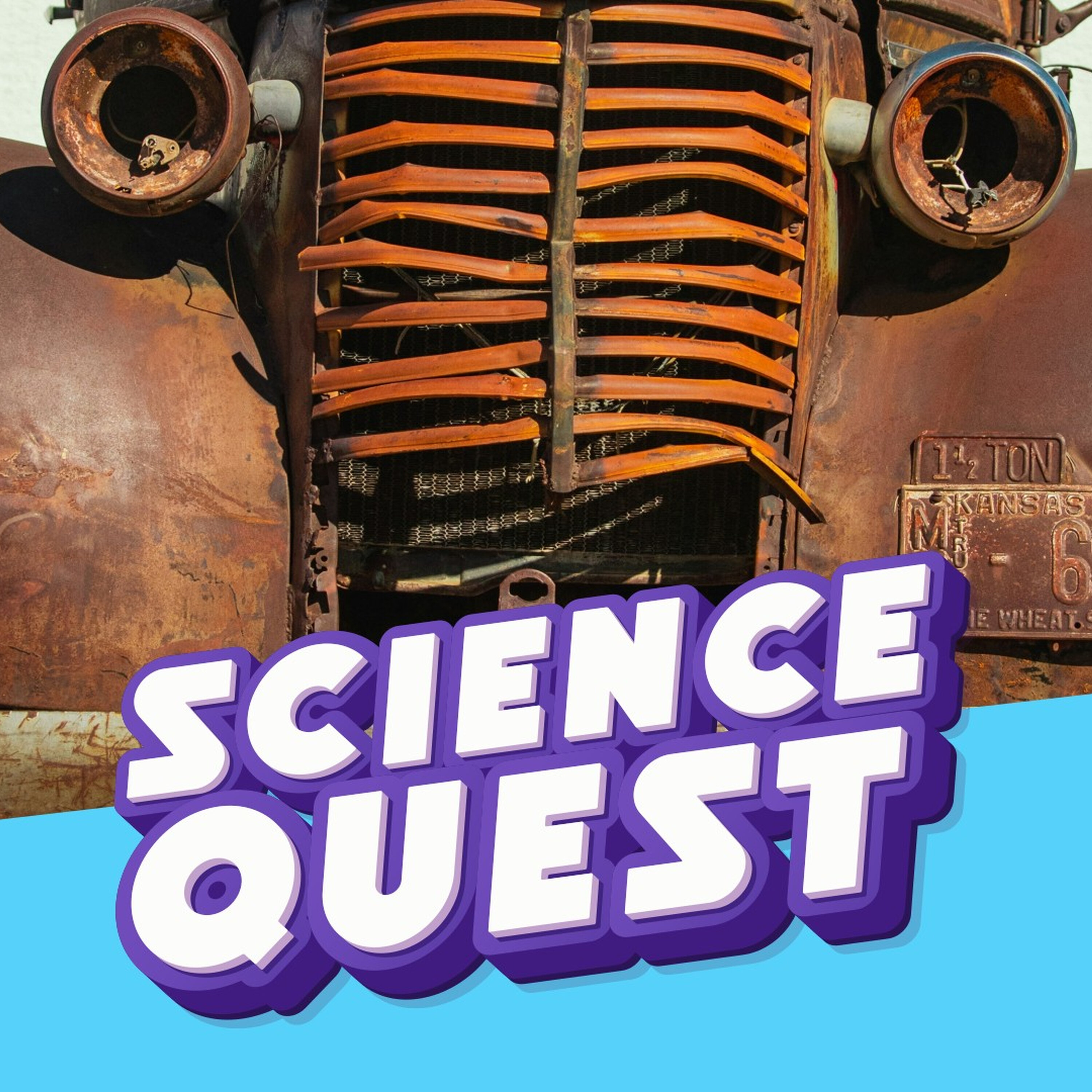 Why Does Metal Rust?🔩🟤 09.09.2026 10minThis Week’s Big Questions! You’ve been sending in your brilliantly curious questions, and this week… 📡 How does a microwave work?🎈 Why does helium make your voice higher?🤕 Why do we get headaches?🩸 Why does our blood need oxygen?🔩 Why does metal rust? And join Professor Hallux at his help desk as he answers the weird and wonderful questions that you’ve always wanted to know the answers to! This time we find out just why boys and girls are different! If you've got a science question of your own, send Dan a voice note on the free Fun Kids app, or head to FunKidsLive.com and tell us what you'd love him to explore next!Join Fun Kids Podcasts+: https://funkidslive.com/plusSee omnystudio.com/listener for privacy information.
 -
 Faster Than Humans: The Bionic Sprinting Robots Breaking World Records 🤖👟 05.09.2026 24minWelcome to Science Quest! 🚀 This week, we are tracking secret nesting sites of the UK’s rarest bird, following a rescued turtle's journey across the Atlantic, and finding out why humanoid robots are now sprinting faster than Olympic champions! 🦅 The Secret Nesting Osprey: Major conservation news! The UK’s rarest bird of prey has successfully nested in a super-secret location. Discover how wildlife experts are protecting this magnificent apex hunter and helping its chicks survive in the wild. 🐢 Ocean Odyssey: A rescued sea turtle found stranded off the island of Jersey has taken a massive flight to the sun-soaked Azores! Find out how marine biologists prepped this oceanic traveler for its release back into warm Atlantic waters. 🤖 Faster Than Usain Bolt: Ross Walker from the University of Stirling joins Dan to break down how advanced bionic legs and AI balance systems allow modern robots to outrun elite human athletes on the track! 🌿 The Plant Injection: Thomas asks a classic garden question: why do stinging nettles sting so badly? We zoom in on the microscopic glass needles covering nettle leaves that inject acid directly under your skin! ⚛️ The Touch Illusion: Philip Moriarty from Nottingham University tackles Jasper’s mind-bending physics question: do atoms ever actually touch each other? Discover the invisible electron force fields preventing you from ever truly touching anything! 🐭 Dangerous Dan: Meet the Naked Mole Rat! Don't let its funny wrinkle-skinned appearance fool you—this subterranean creature feels zero pain from acid, never gets cancer, lives in massive underground hives ruled by a queen, and sports terrifying front teeth that can dig through solid concrete! 🧠 Brain Box: Sleep expert Caroline Horton steps into the Brain Box to explore what happens inside our brains while we sleep, revealing how dreaming cleans out cognitive clutter and locks in daily memories. Techno Mum: Recharging Batteries vs. Human Sleep! 🔋💤 My mum says sleeping recharges our batteries—so is plugging in a tablet the exact same thing? Techno Mum jumps in to explain the difference! While a phone can still play music while plugged in, human sleep is a total system reset where our brains store energy, repair muscles, and process memories! Subscribe to Science Quest to track secret birds, race super-fast robots, and unlock the quantum physics of touching atoms! 🎙️✨Join Fun Kids Podcasts+: https://funkidslive.com/plusSee omnystudio.com/listener for privacy information.
 -
 How Deep Do Tree Roots Go?🌳 02.09.2026 15minThis Week’s Big Questions! You’ve been sending in your brilliantly curious questions, and this week… 🌳 How deep do tree roots go?🦷 How do braces work?😮‍💨 Why do we wheeze?🥶 Why do we shiver?🏊‍♂️ Why do we put chlorine in pools? And join Professor Hallux at his help desk as he answers the weird and wonderful questions you’ve always wanted to know the answers to! This time we find out all about pharmacists!Join Fun Kids Podcasts+: https://funkidslive.com/plusSee omnystudio.com/listener for privacy information.
 -
 The Secret of Husky Eyes: Why Huskies Have Two Different Colours 🐺👁️ 29.08.2026 22minWelcome to Science Quest! 🚀 This week, we are tracking a historic feline swim across a Scottish loch, uncovering prehistoric survivors hiding in Welsh forests, and stepping into the mind-bending world of thinking robots! 🐾 The Swimming Wildcat: World first alert! A rare Scottish wildcat has been filmed swimming across water in the wild for the very first time. Discover why these elusive native predators usually avoid getting wet and what this incredible footage reveals about highland wildlife. 🦐 Prehistoric Welsh Shrimps: Ancient secrets in the woods! Scientists have discovered a brand-new species of prehistoric shrimp living in a forest in Wales. Learn how these tiny armored survivors managed to stay hidden for thousands of years. 🌡️ Wildlife Heatwave Battle: Dr. Glyn Barrett from the University of Reading joins Dan to break down how intense summer heatwaves affect British animals, from dried-up streams to changing food sources. 🍂 Autumn Color Secrets: Monty asks a brilliant seasonal question: why do green leaves transform into bright reds, oranges, and yellows throughout the year? We break down how trees shut down their chlorophyll factories to prepare for winter! 🐺 Double-Colored Husky Eyes: David Williams from Cambridge University answers Kalyan's question: why do Siberian Huskies often have two completely different colored eyes? Discover the genetics behind heterochromia and how pigment creates striking ice-blue and brown eyes. 🐻 Dangerous Dan: Meet the Sloth Bear! Don't let its slow name fool you—this shaggy, razor-clawed Indian bear is notoriously aggressive, carries massive blunt claws built for ripping open termite mounds, and can charge faster than a sprinting human! 🤖 Brain Box: Step into the world of cognitive robotics with Tony Prescott! Discover how scientists build robots that can perceive, learn, and think like living brains. Techno Mum: Bionic Humans! 🦾⚙️ Strap in as Techno Mum takes us on a high-tech medical journey inside the human body! Discover the incredible machines and tiny tech implants that doctors place inside people to make their bodies work better—from bionic pacemakers that keep hearts beating in rhythm to microscopic devices that restore hearing and mobility! Subscribe to Science Quest to spot swimming wildcats, decode husky eyes, and meet brainy robots! 🎙️✨Join Fun Kids Podcasts+: https://funkidslive.com/plusSee omnystudio.com/listener for privacy information.
 -
 What's The Deadliest Animal in History? 26.08.2026 15minThis Week’s Big Questions! You’ve been sending in your brilliantly curious questions, and this week… 🌙 Why is the Moon white?🐦 Why don’t all birds fly?👵🏻 Why do elderly people have white hair?🦖 What was the deadliest animal from the past?🔊 What is an echo? And join Professor Hallux at his help desk as he answers the weird and wonderful questions you’ve always wanted to know the answers to! This time we find out all about physiotherapy!Join Fun Kids Podcasts+: https://funkidslive.com/plusSee omnystudio.com/listener for privacy information.
 -
 Who Names the Solar System? The Secret Science of Naming Planets 🔭🌌 22.08.2026 28minWelcome to Science Quest! 🚀 This week, we are riding out a giant Category 1 hurricane in Hawaii, hunting for a brand-new glowing species of sea slug off the English coast, and taking a giant leap into deep space with a epic 6.5-hour spacewalk! 🌀 Hawaiian Hurricane Rampage: Category 1 Hurricane alert! Hawaii has been hit with over a meter of rainfall as a massive storm swept across the islands. Discover how meteorologists track hurricane paths and how island ecosystems handle extreme deluge! 🐌 The Mystery Rainbow Slug: A vibrant, brightly colored sea slug spotted off the coast of England might actually be a brand-new species! Learn how marine biologists identify mysterious ocean creatures and why soft-bodied sea slugs pack incredible chemical defenses. 👨‍🚀 The 6.5-Hour Spacewalk: Karl P.J. Hobbes, author of The Adventures of Space andTime, joins Dan to break down the thrilling 6.5-hour spacewalk undertaken by astronauts outside the International Space Station. Step outside the airlock to see how space suits keep humans alive in the freezing vacuum of space! 🍕 The Science of Hunger: Tara asks a delicious question: why does food taste so much better when you're completely starving? We break down how your brain unleashes chemical reward signals when your belly runs low on fuel. 🪐 Naming New Worlds: Robert Walsh from the University of Lancashire answers Jonah's question: how do planets get their official names? Journey through mythology, international astronomical rules, and alien exoplanet catalog numbers! 🐍 Dangerous Dan: Meet the Tiger Keelback Snake! This East Asian reptile is one of the rarest creatures on Earth because it is both venomous AND poisonous! It bites with venomous back fangs AND absorbs deadly toxins from the toads it eats, storing the poison in its neck glands to spray at predators! 🧠 Brain Box: Entomologist Francis Ratnieks steps into the Brain Box to explore the incredible social structure of bees and wasps, revealing how millions of tiny insects communicate and run super-organized colonies! Subscribe to Science Quest to walk in space, name distant planets, and uncover the double-threat secrets of venomous-poisonous snakes! 🎙️✨Join Fun Kids Podcasts+: https://funkidslive.com/plusSee omnystudio.com/listener for privacy information.
 -
 How Are Rockets Safe? 🚀 19.08.2026 12minThis Week’s Big Questions! You’ve been sending in your brilliantly curious questions, and this week… 🚀 How are rockets safe? 🦴 Do humans have the same sized skeleton? 🧼 How does soap clean hands? ⚛️ How do we know what's inside an atom? 🦠 How does your body fight viruses? And join Professor Hallux at his help desk as he answers the weird and wonderful questions you’ve always wanted to know the answers to! This time we find out all about earwax!Join Fun Kids Podcasts+: https://funkidslive.com/plusSee omnystudio.com/listener for privacy information.
 -
 40,000 Calories a Day: Inside the Massive Pre-Hibernation Grizzly Bear Bulk 🐻💤 15.08.2026 28minWelcome to Science Quest! 🚀 This week, we are following a rare turtle's epic transatlantic flight back home, checking out a record-smashing hydrogen supercar, and solving a ancient mystery about how a six-tonne boulder hitched a ride on a giant glacier! 🐢 The Transatlantic Turtle Flight: A rare, lost turtle found washed up on a cold Welsh beach has just been flown thousands of miles back home to the warm waters of Mexico! Discover how marine rescue teams nursed this oceanic traveler back to health and prepped it for its high-flying journey. ⚡ Record-Breaking Hydrogen Power: Speed alert! A British driver has just shattered a land speed record driving a high-tech vehicle powered entirely by hydrogen fuel! Find out how zero-emission hydrogen gas can generate mind-blowing speed without producing a single drop of pollution. 🗿 The Glacier Highway: Remy Veness from Sheffield Hallam University joins Dan to unpack a wild new theory about Stonehenge. How did a massive six-tonne stone travel hundreds of miles from Scotland all the way to southern England thousands of years ago? It might not have been dragged by humans—it might have hitched a ride on a creeping prehistoric glacier! 👀 Eyeball Mechanics: Jake asks an awesome biology question: how do our eyes actually move around in our sockets? We look at the microscopic muscle pulleys working behind the scenes to let you blink, look, and track moving objects instantly. 🐻 Grizzly Bear Fat Checks: Nat Kent from Bristol Zoo answers Max's brilliant animal question: just how fat can a Grizzly Bear get before it hunkers down for winter hibernation? (Hint: It involves eating tens of thousands of calories a day!) 🐍 Dangerous Dan: Watch your step for the Stiletto Snake! This sneaky burrowing reptile has side-facing, fangs that stick out sideways even when its mouth is closed! That means you can't even hold it safely behind its head without taking a venomous bite. 🧠 Brain Box: World-renowned astrophysicist Chris Lintott steps into the Brain Box to take us on a tour of distant star clusters, galaxy collisions, and how citizen scientists can help discover brand-new planets right from home! Strap on your hiking boots and trek out into the wild with our A to Z of Wildlife! This week, we are dropping in on the mighty Grizzly Bear to discover how these magnificent apex predators rule the wilderness. From their razor-sharp claws used for catching leaping salmon to their super-insulated fur coats that keep them cozy through freezing mountain winters, learn all about what makes the grizzly an absolute legend of the woods! Subscribe to Science Quest to track flying turtles, decode Stonehenge secrets, and dodge side-fanged venomous snakes! 🎙️✨Join Fun Kids Podcasts+: https://funkidslive.com/plusSee omnystudio.com/listener for privacy information.
 -
 Why Do Men Go Bald?👨🦲💨 12.08.2026 11minThis Week’s Big Questions! You’ve been sending in your brilliantly curious questions, and this week… 🐍 Why do some snake bites harm humans?👨‍🦲 Why do men go bald?🦖 Why are some dinosaurs meat eaters?🌙 Why does the Moon go around the Earth?🐄💨 Can animals burp?🥇 Why is gold valuable? And join Professor Hallux at his help desk as he answers the weird and wonderful questions you’ve always wanted to know the answers to! This time we find out why our bruises go different colours as they heal!Join Fun Kids Podcasts+: https://funkidslive.com/plusSee omnystudio.com/listener for privacy information.
 -
 Grinding Plates and Shockwaves: How Earthquakes Shatter the Earth's Crust💥🪨 08.08.2026 27minWelcome to Science Quest! 🚀 This week, we are gearing up for a celestial spectale over the UK, witnessing the raw power of an erupting super-volcano, and diving deep underwater to see how ocean creatures cope when the sea starts to boil! ☀️ The UK Solar Eclipse: Circle your calendars for August 12th! A dramatic solar eclipse is set to cross the skies. Discover what causes the moon to block out the sun, how to safely watch the cosmic shadow, and where to get the best view in the UK. 🌋 Volcanic Fury in Guatemala: Central America's fierce Fuego volcano has erupted again! Find out how scientists track rivers of scorching lava, ash plumes, and pyroclastic flows to keep local communities safe from dangerous eruptions. 🌊 Boiling Oceans: John Pinnegar from CEFAS joins Dan to unpack how recent heatwaves are dramatically impacting our seas. Learn how rising water temperatures affect marine ecosystems, coral reefs, and native fish species. 💥 Shockwave Science: Tim Craig from Leeds University answers Austin's big question: how are earthquakes actually made? Journey deep into the Earth's crust to discover how grinding tectonic plates build up massive pressure until the ground snaps! 🐀 Dangerous Dan: Look out for the Solenodon! This rare, prehistoric-looking Caribbean mammal may look like a cute shrew, but it packs a terrifying secret: it is one of the only mammals on Earth that injects venom directly through special grooves in its teeth! 🧠 Brain Box: Conservationist Adam Hart steps into the Brain Box to explore how biodiversity protects our ecosystems and why preserving even the tiny creepy-crawlies helps save the whole planet. Geology Rocks: Decoding Geological Time ⏳🪨 Hop into the time machine with Finley as we travel back millions of years to crack the secrets of the Earth's ancient past! Learn how geologists act as deep-time detectives, using rock layers and fossils to calculate the age of ancient artifacts. Discover why scientists divide Earth’s history into massive chapters like Eras, Periods, and Epochs to map out the story of our planet! Subscribe to Science Quest to track solar eclipses, dodge erupting volcanoes, and uncover the venomous secrets of the animal kingdom! 🎙️✨Join Fun Kids Podcasts+: https://funkidslive.com/plusSee omnystudio.com/listener for privacy information.
 -
 How Does Nuclear Power Work? ☢️⚡ 05.08.2026 14minThis Week’s Big Questions! You’ve been sending in your brilliantly curious questions, and this week… 🪽🐦 How do wings and feathers help birds fly?☢️⚡ How does nuclear power work?💦😅 How does sweat cool your body down?🧊💧 Why does water turn into ice?🏔️🥶 Why does it get colder the higher we go?🐍🎨 Why are some venomous animals brightly coloured?🦷 What are teeth made of? And Professor Hallux gives us the low down on Psoriasis.Join Fun Kids Podcasts+: https://funkidslive.com/plusSee omnystudio.com/listener for privacy information.
 -
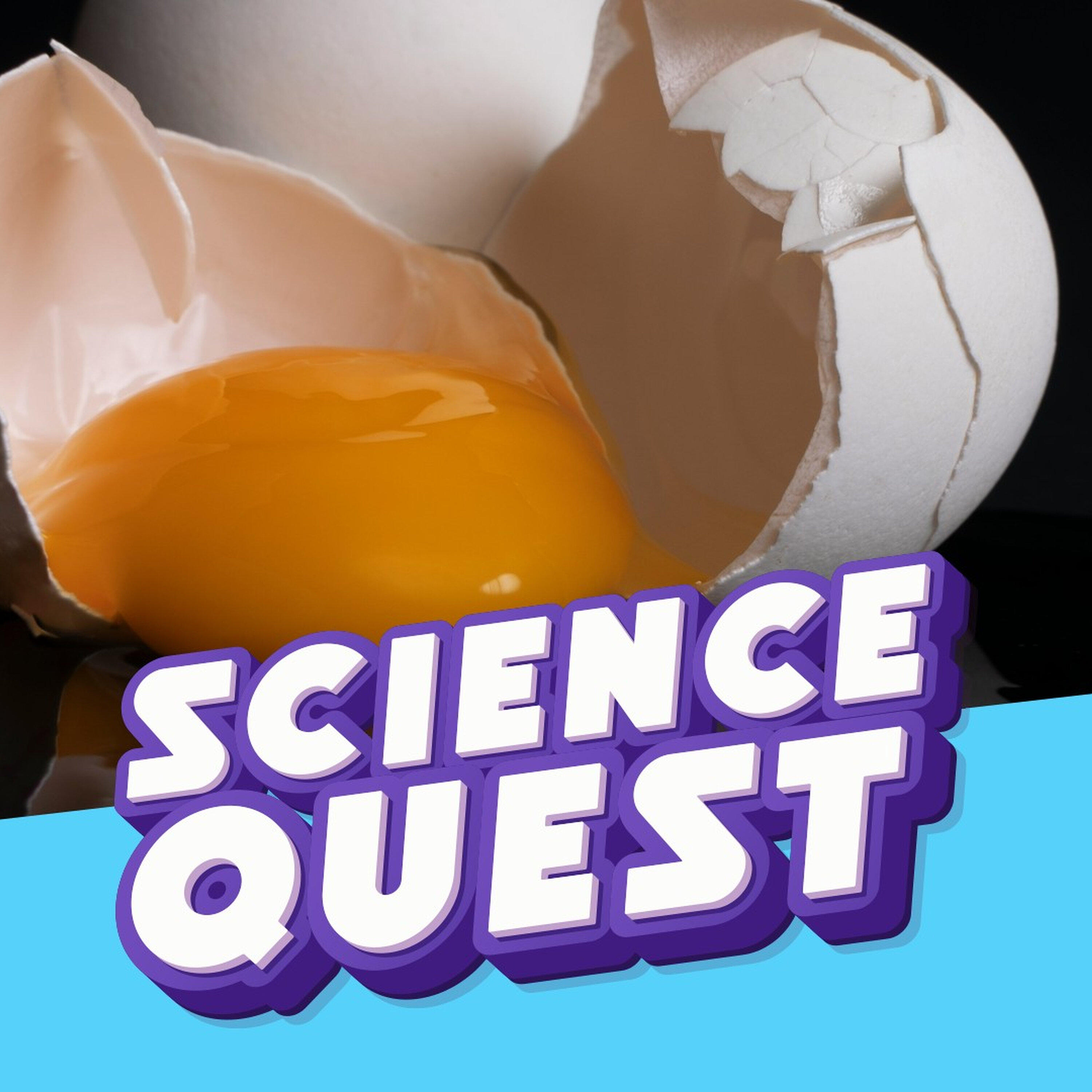 The Loudest Breakfast Ever: Cooking Eggs With Pure Sound Waves 🔊🥚 31.07.2026 25minWelcome to Science Quest! 🚀 This week, we are gazing up at a dazzling supermoon in the night sky, uncovering a 40-year-old secret hidden in a museum drawer, and finding out why four-legged farm animals are turning into conservation heroes! 🌕 The Glowing Buck Moon: Night sky alert! The famous Buck Moon has been lighting up the UK. Discover what makes this particular full moon so bright, why it gets its antlers-inspired name, and how to spot lunar marvels from your back garden. 🧊 The Forgotten Antarctic Dino: A fossil left sitting forgotten in a drawer for 40 years has just been identified as the first dinosaur bone ever discovered in Antarctica! Find out how this historic piece of ancient bone reshaped everything we know about frozen polar prehistory. 🐄 Cows to the Rescue: Dot Williams from Butterfly Conservation joins Dan to reveal an incredible team-up: how hungry cows are being used as secret weapons to protect one of Britain’s rarest, most endangered butterflies! 📱 Touch Screen Tech: Kitty sends in a handy tech question: how do glass touch screens actually know where your finger is tapping? We break down the invisible electrical fields hiding right under your smartphone display. 👁️ How We See the World: Emily Charlesworth from Huddersfield University tackles Octavia's vision question: how do our eyes capture light and team up with our brains to turn it into full-color, moving pictures? 🐵 Dangerous Dan: Watch out for the Mandrill Monkey! With its brightly colored face, intense glare, and massive, razor-sharp canine teeth longer than a lion's, this giant rainforest primate is not one to mess with when it defends its troop. 🧠 Brain Box: Professor of Natural Materials Chris Holland steps into the Brain Box to explore how nature manufactures super-strong materials—from spider silk to natural polymers—and how scientists copy them! Looking After Eyes: The Ultimate Vision Check-Up 🕶️🔬 Keep your eyes on the prize with Professor Hallux and Nurse Nanobot! This week, the duo pays a special visit to Sally Specs to discover how our eyes work and why taking care of our sight is so important. From how lenses bend light to why wearing protective glasses keeps our vision sharp, learn the science behind keeping your eyes safe and healthy!Join Fun Kids Podcasts+: https://funkidslive.com/plusSee omnystudio.com/listener for privacy information.
 -
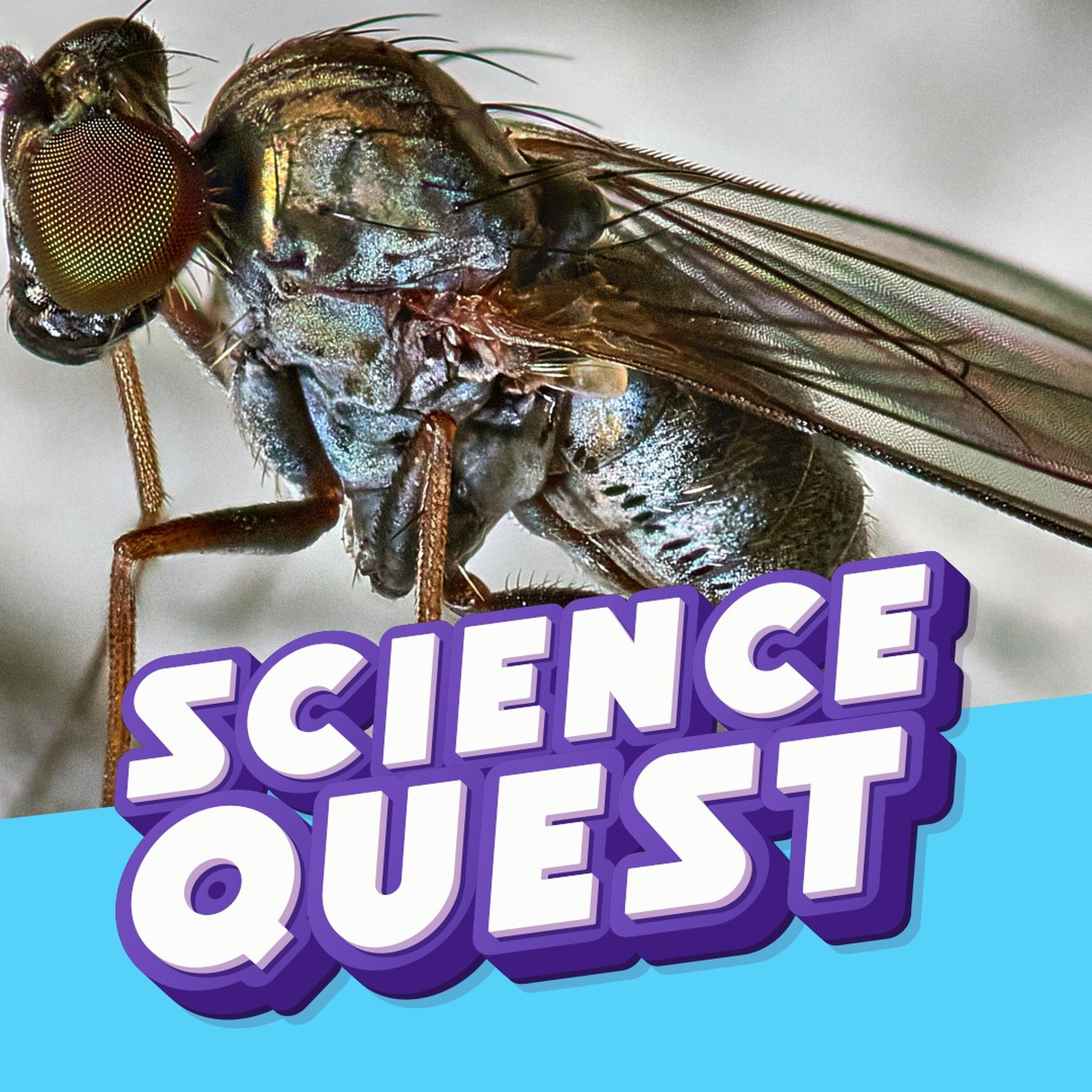 Why Do Mosquito Bites Itch?🦟 29.07.2026 9minThis Week’s Big Questions! You’ve been sending in your brilliantly curious questions, and this week… 🦘 Why are baby kangaroos born with a pouch?🌍 Why does Earth spin on an axis?🐻💤 Why do mammals hibernate?🦟 Why do mosquito bites itch?🐛🍃 Why do caterpillars eat leaves and flowers? And join Deep Space High’s Professor Pulsar as he guides us through the exciting things you can see in this month’s night sky! This August, see how many planets you can spot up there amongst the stars!Join Fun Kids Podcasts+: https://funkidslive.com/plusSee omnystudio.com/listener for privacy information.
 -
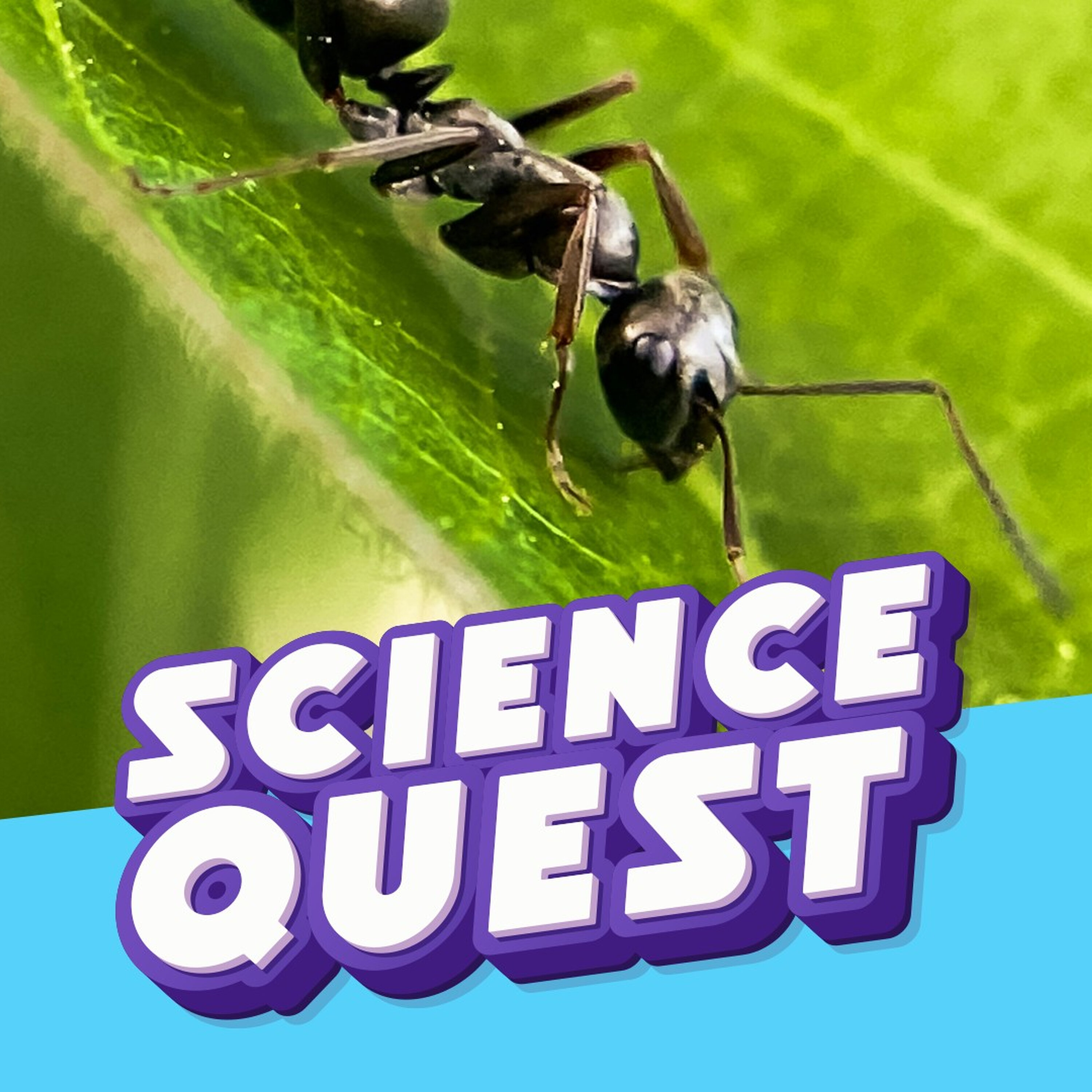 Ants vs Krill: The Showdown for the Biggest Animal Population on Earth 🦐🐜 25.07.2026 24minWelcome to Science Quest! 🚀 This week, we are rewinding the clock to discover why ancient humans started kissing, looking into why UK bumblebees are struggling with rising heatwaves, and cracking open the secret intellect of super-smart insects! 💋 Ancient Hugs & Kisses: Scientists think that hugging and kissing might have started thousands of years ago as a super-clever way for ancient humans to build trust before facing a dangerous or stressful event. Discover how physical affection actually calms our brains! 🐝 Bumblebee Heatwave Warning: The UK’s bumblebee population could be facing a major decline as summers get hotter. Learn why extreme heatwaves make it tough for our fuzzy pollinators to survive and what we can do to help them keep cool. 🧠 Puzzle-Solving Bees: Alice Bridges from the University of Sheffield joins Dan to break down her amazing research. It turns out bees aren't just hard workers—they are absolute puzzle-solving geniuses that can learn complex tricks from each other! 🐜 The Population Champions: Rick asks a mind-boggling biology question: which species on Earth actually has the largest number of individuals? Get ready for a shocking count that goes way beyond humans! 🕳️ Space Monsters: Christopher Berry from Glasgow University answers Angus' big cosmic question: why do black holes exist in space? Journey into deep space to find out how giant dying stars collapse into gravity traps so strong not even light can escape. 🦎 Dangerous Dan: Meet the Megalania! Imagine a venomous Komodo dragon, but scaled up to the size of a minibus! Step back into prehistoric Australia to meet this giant extinct monitor lizard that ruled the ancient Outback. 🧠 Brain Box: Chemist Graeme Day from the University of Southampton steps into the Brain Box to reveal how scientists use computers and chemistry to predict and build brand-new materials of the future! Kitchen Chemistry: Elemental Metal Munching! 🍳🧪 Put on your safety goggles and head into the lab... which happens to be right inside your own house! This week, chemistry superhero K-Mistry takes us on a tasty tour of the kitchen to reveal why you might actually be eating metal for breakfast! Discover how essential minerals like iron end up hiding inside your cereal box and how your body uses tiny bits of metal to keep you running strong. Subscribe to Science Quest to solve bee puzzles, dodge giant prehistoric lizards, and unlock the elemental secrets hiding in your pantry! 🎙️✨Join Fun Kids Podcasts+: https://funkidslive.com/plusSee omnystudio.com/listener for privacy information.
 -
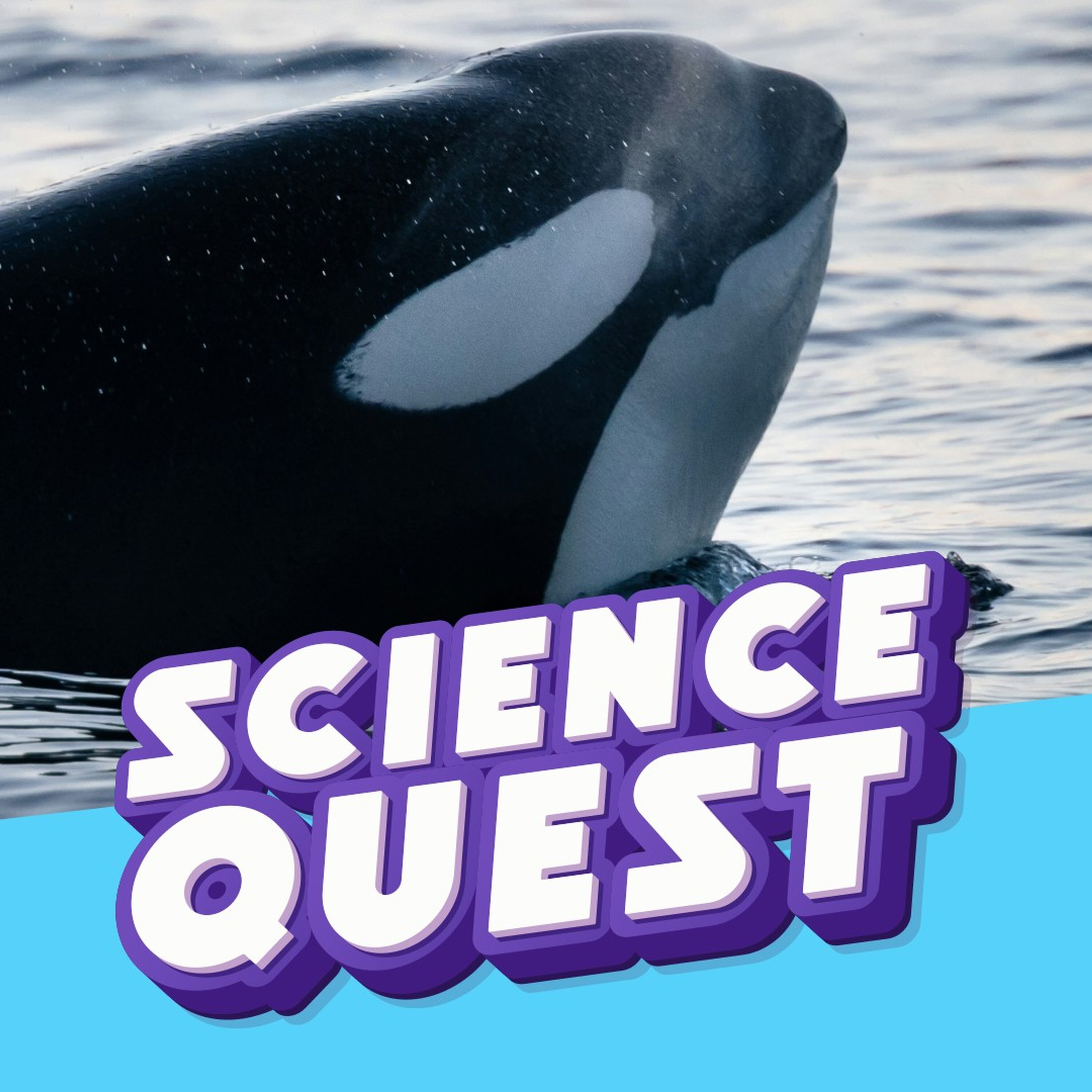 Why Are Orcas Black and White?⚫⚪ 22.07.2026 13minThis Week’s Big Questions! You’ve been sending in your brilliantly curious questions, and this week… ✋ Why are most people right-handed?🐋⚫⚪ Why are orcas black and white?👂 Why do adults hear differently?🦷 Why do wobbly teeth hurt?🔊 Why does sound get quieter the farther away it is?🐜😴 Do insects sleep? And jump through a worm hole to Deep Space High, your local inter-galactic school in space. The class head back to Earth’s orbit again. Principal Pulsar points out a cube shaped satellite and explains exactly how they work.Join Fun Kids Podcasts+: https://funkidslive.com/plusSee omnystudio.com/listener for privacy information.
 -
 Supervolcanoes or Space Rocks? The Most Dangerous Thing on Earth Revealed! ☄️💥 18.07.2026 26minWelcome to Science Quest! 🚀 This week, we are heading into the deep jungle to meet a newly discovered species of monkey, counting up the millions spent on the world's most expensive dinosaur fossil, and tracking the race to launch giant rockets right from the coast of the UK! 🐒 Secret Jungle Species: Scientists have just discovered a brand-new species of monkey hiding in the dense, remote rainforests of the Democratic Republic of Congo! Find out what it looks like and how it managed to stay hidden from humans for so long. 🦖 The Multi-Million Dollar Dino: The most expensive dinosaur fossil in history has just been sold at an action! Discover which prehistoric beast fetched this record-breaking price tag and who walked away with the ultimate fossil. 🚀 UK's Space Race: Bryden Priest from SaxaVord Spaceport joins Dan to share some massive space news. Giant rockets could soon be blasting off into orbit right from the coast of the UK! Find out how teams are prepping the launchpads for a historic countdown. 🪨 The Rock Formula: Liam asks a great geology question: what are the different types of rocks beneath our feet? We crack open the Earth’s crust to explore the difference between Igneous, Sedimentary, and Metamorphic rocks. 🌋 The Ultimate Hazard: Carina Fearnley from UCL tackles Aidan's terrifying question: what is the single most dangerous thing in the entire world? From supervolcanoes to invisible forces, get ready to find out what poses the ultimate threat to humanity. 🐀 Dangerous Dan: Watch out for the Nutria! This giant, orange-toothed swamp rodent might look like a harmless, oversized guinea pig, but it is actually a highly destructive, invasive pest that can completely destroy entire wetlands and riverbanks. 🧠 Brain Box: Astrophysicist Sheona Urquhart from The Open University steps into the Brain Box to take us on a journey past our solar system, explaining how we study distant galaxies billions of light-years away! Geology Rocks: Oxygen, Rust, and the Red Planet 🌋 Grab your geological hammer and travel back in time with Finley! This week, we are discovering how scientists use rust locked inside ancient stone to solve secrets about our atmosphere. By analyzing the rust inside rocks, geologists can determine exactly how much oxygen was in the air billions of years ago. Plus, we're finally answering the ultimate space-rock riddle: Why is Mars red? Find out how a planet-wide rust storm turned the fourth rock from the sun into a dusty, crimson desert! Subscribe to Science Quest to discover secret monkeys, dodge dangerous hazards, and launch into the future of British space travel! 🎙️✨Join Fun Kids Podcasts+: https://funkidslive.com/plusSee omnystudio.com/listener for privacy information.
 -
 How Fast Would You Have to Run to Run on Water? 🏃💦 15.07.2026 13minThis Week’s Big Questions! You’ve been sending in your brilliantly curious questions, and this week… ☁️ Why are clouds white?🧠⚡ How fast does the brain send signals?🤕 Why do we get headaches?🏃💦 How fast would you need to run to run on water?⛰️🏃 Why do you run slower uphill?🪐 Why are planets round? And we're joining the Deep Space High gang who this week are learning about what sort of jobs you can get in space if you love art & design!Join Fun Kids Podcasts+: https://funkidslive.com/plusSee omnystudio.com/listener for privacy information.
Radiostasjon

Lignende podkaster


Populær i
Denne podkasten finnes også i podkast-listene til disse landene.


