
Think Like A Game Designer
Justin Gary
0
In Think Like a Game Designer, award-winning designer and Stone Blade Entertainment CEO Justin Gary speaks with world-class game designers and creative experts from various industries. Each episode deconstructs the creative process, offering insights into the art of game design and the broader cultural, technological, and business influences shaping a myriad of creative mediums. Join us for actionable advice and unique perspectives that will enrich your understanding of what it means to be creative in and out of the gaming world.
Episoder
-
 Ben Robbins — Revisiting Microscope, Designing Uncomfortable Games, and the Mechanics of Shared Stories (#110) 10.09.2026 1t 23minAbout BenBen Robbins is an acclaimed indie game designer best known for creating Microscope, In This World, Kingdom, and This Means War. Ben’s flagship design, Microscope, revolutionized GM-less storytelling games by allowing players to collaboratively build vast, non-linear histories from the top down. In this returning appearance on the podcast, Ben and I dive deep into the psychological hurdles of revisiting a beloved, successful game to create Microscope v2. We explore the creative trick of fooling yourself to bypass pressure, the design spectrum between "wings vs. rails," and why opening your playtesting process up to the public saves time while yielding better results. Plus, we break down his experimental new game This Means War (which strips narrative control away from players) and engage in a passionate, honest debate on the role and impact of AI in the future of game design. This is a public episode. If you'd like to discuss this with other subscribers or get access to bonus episodes, visit justingarydesign.substack.com/subscribe
 -
 Ryan Scott Dancey — From Fake Mail Order to Legend of the Five Rings, the Power of Self-Belief, and the Future of AI (#109) 27.08.2026 1t 34minAbout Ryan S. DanceyRyan S. Dancey is an absolute titan of the gaming industry whose strategic vision has fundamentally shaped the modern tabletop and digital landscapes. Ryan co-created Legend of the Five Rings, published the 3rd Edition of Dungeons & Dragons, and spearheaded the creation of the revolutionary Open Gaming License (OGL) alongside an elite team at Wizards of the Coast—a move that forever altered the trajectory of role-playing games. His entrepreneurial journey spans from bootstrapping a "fake" mail-order company that accidentally became real, to orchestrating Wizards’ historic acquisition of TSR, to living in Reykjavik as CMO for CCP Games working on EVE Online, and serving a decade as Chief Operating Officer at AEG (publisher of the Spiel des Jahres winner Cascadia). Today, Ryan serves as President of Wide Pacific Horizon, a strategic consulting and content creation firm based in Everett, Washington. In this episode, we unpack the wild dawn of the '90s TCG boom, the mechanics of collectible economies, what it takes to pull off industry-defining business deals, and a deeply honest, transparent conversation about the reality of AI and the future of creative work.Connect with Ryan:* Website: widepacifichorizon.com* LinkedIn: linkedin.com/in/rsdancey* BlueSky: @ryandancey.comAh-ha! Justin’s Takeaways* The Fine Line Between Self-Belief and Arrogance: To be a successful entrepreneur, you have to possess an almost irrational confidence in your ability to figure things out. When you are young or broke, you take wild leaps because you truly believe you will survive the fall. Look, you don’t need to have every answer on day one, but having the intrinsic belief that you can pivot, adapt, and learn on the fly is what separates dreamers from builders.* The Math and Mechanics of TCG Booms: Trading card games are powered by an irresistibly addictive loop of intermittent positive reinforcement and a healthy, long-term TCG ecosystem requires a delicate balance across three distinct groups: competitive players, casual collectors, and serious collectors/investors. If your game tilts too heavily toward speculation without a solid player base, the bubble will inevitably burst when investors run out of buyers.* Practice with AI : We are living through a civilizational inflection point right now with machine learning. While the origins of these models come with thorny ethical questions, hiding your head in the sand will only leave you behind. These tools are democratizing production, allowing single creators to execute projects that used to require entire studios. This is a public episode. If you'd like to discuss this with other subscribers or get access to bonus episodes, visit justingarydesign.substack.com/subscribe
 -
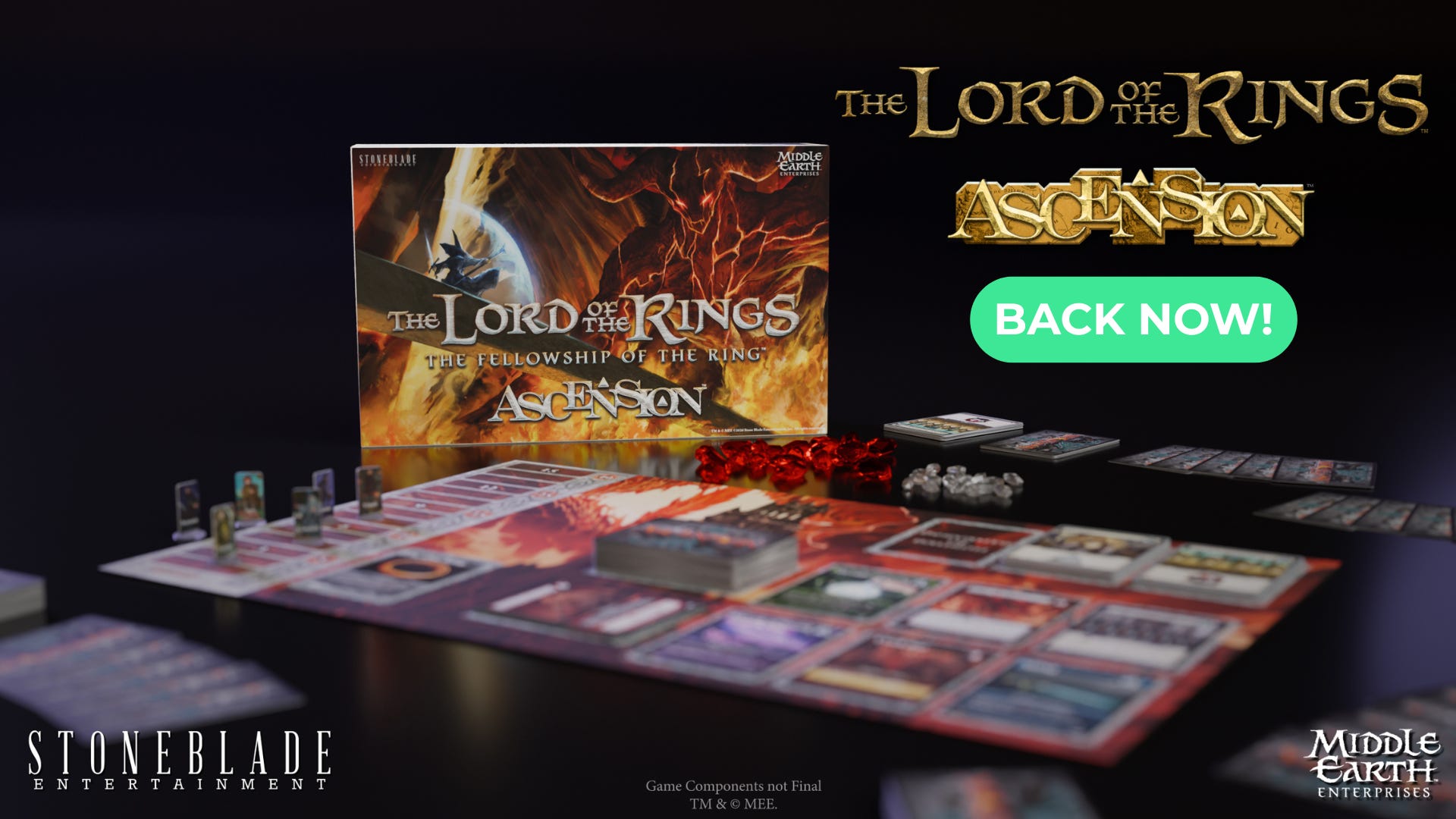 Game Design Inspiration from Gen Con 11.08.2026 13minI just got back from a whirlwind convention tour, speaking on multiple panels and showing off the early prototype of The Lord of the Rings™: Ascension™ at San Diego Comic-Con and Gen Con.You can see a full playthrough of the game here. If you want to be one of the first to get the game, there’s less than one week left to back it on Gamefound! You can also read a deep dive into the mechanics in my design diary updates on Gamefound.The Lord of the Rings™: Ascension™We launched Ascension at Gen Con 16 years ago, and it was such a joy to come back, interact with fans, show off the game, and even hang out with Tom Bombadil! But Gen Con is also one of the few times each year that I set aside to play new games and see what mechanics are out there. I wanted to write a quick review of the games I played and break down the interesting mechanics behind each one. These games aren’t necessarily new this year at Gen Con, but they were new to me, and some of them are quite innovative. Spoiler alert: I saved a sleeper hit for last!Wingspan Pockethttps://boardgamegeek.com/boardgame/473508/wingspan-pocketThis new entry from Elizabeth Hargrave is my new go-to version of Wingspan. We talked about Wingspan on the last podcast episode I recorded with Elizabeth, and the game has been a massive hit, spawning numerous expansions and variants. But Wingspan Pocket does what few games have done well: it translates the emotional core of a medium-to-heavy game into a bite-sized version.Wingspan Pocket uses the backs of cards to represent the food types and resources needed to play your birds, while tucked cards represent bonus points. A simple reserve-row and active-row system lets you acquire birds, resources, and eggs before building an active row of up to six birds, triggering the engine-building abilities that make the game what it is.Each turn presents a meaningful but simple choice: draft two resources or birds, play a bird by paying its cost, or lay up to three eggs, followed by triggering any active bird powers. Once someone plays their sixth bird, the game ends at the conclusion of the round after all players have had an equal number of turns. You earn victory points for birds played, cards tucked beneath birds, and optional goal cards. There’s also a solo mode that I haven’t tried yet.In the spirit of games like San Juan and Monopoly Deal, this is a hit for players looking for smaller, portable games that pack the strategic and emotional punch of their larger counterparts. It’s an excellent example of a designer who truly understands the core tension of her game and can present it in a much more compact package.Think Like A Game Designer is a reader-supported publication. To receive new posts and support my work, consider becoming a free or paid subscriber.Winterhaven Woodshttps://boardgamegeek.com/boardgame/339302/winterhaven-woodsThis game has a beautiful minimalist forest theme and a simple draft-and-play mechanic similar to games like Sushi Go! and my own game Dungeon Draft. The theme and mechanics, however, are a bit of a mismatch for me.You draft predators, herbivores, and trees, then place them in one of your three woodland spaces or out in the open meadow. The scoring system for these different animals and plants, however, felt a bit convoluted. For example, wolves can hunt animals in your meadow or in other players’ meadows. They must hunt in sets of three, they can only hunt unprotected animals, and there’s a timing system based on the moon phase shown on the cards that determines which player hunts first.It’s a medium-weight scoring system layered on top of a lightweight theme and drafting mechanism. The game is decent, but I felt the scoring complexity didn’t earn its keep relative to the gameplay value. For a lightweight drafting game, I’d rather play Sushi Go!; for something heavier, 7 Wonders or Dungeon Draft pack more bang for the buck (no pun intended in a game about hunting).Time Breakerhttps://boardgamegeek.com/boardgame/220234/time-breakerThis Looney Labs game fulfills the promise of being simple and cute while staying true to the company’s brand (congratulations to the Looneys on celebrating 30 years of publishing!).You play as time cops hunting a time bandit on a randomized board made up of different time tiles, each of which allows you to “jump” to another tile. On your turn, you either move through one of these portals or play a card from your hand to move yourself or the time bandit. If you’re in the same space as the time bandit, you arrest him and he moves with you until another player arrests him or a card causes him to change locations.My only complaint is that the board contains a lot of numbers, with each tile listing a “Travel From Time,” “Current Time,” and “Travel To Time,” making the paths a bit difficult to follow. Other than that, it’s a simple, cute, lightweight game.Chrononauts is another time-themed game from Looney Labs that I highly recommend. You set up the board using the current timeline of historical events and receive a secret objective from an alternate future that requires changing history to match your timeline. You create paradoxes and play alternate-history cards until one player wins, or until too many paradoxes are created and everyone loses. If you haven’t played Chrononauts, you should.Playthingshttps://boardgamegeek.com/boardgame/449930/playthingsI technically didn’t play this one myself, but I watched it being played, and it may have been the most innovative game I saw at Gen Con.Players alternate taking on the role of the “Night Terror,” hiding the toys of the other players while everyone else closes their eyes. The unique mechanic is that players physically sense what happens as the Night Terror drops toys and bells onto the playmat, with different senses activated depending on the situation (for example, placing fingers underneath the mat as toys are dropped).I have no idea whether the game is actually good, but I love seeing this kind of innovation and clever use of different senses to bring a game to life!Tag Teamhttps://boardgamegeek.com/boardgame/434906/tag-teamMany designers I know are trying to capture the mechanics of autobattlers (popular digital games such as Teamfight Tactics) in a tabletop format. Autobattlers are defined by a drafting phase followed by automatic combat resolution. Tag Team combines this idea with deckbuilding in a way that feels interesting and unique.You pick two fighters to form your starting deck and determine the order of the cards. During combat, the cards flip in that predefined order against your opponent to resolve the round. Then you draft another card from your reserve and add it to your deck, but you can’t reorder it. Only by inserting the new card into a specific position can you shift the battle in your favor, taking into account what you just learned about your opponent’s deck.The variety created by the “pick two” team-building system leads to interesting combinations, and the restrictions on deck order make every decision meaningful. I’ll need to play this game more to see how well it holds up over repeated plays, but after just one game it accomplished what every game should: it made me want to play again.Nocturianhttps://boardgamegeek.com/boardgame/264925/nocturionThis was the sleeper hit for me. I had never heard of the game or the company behind it, but the layout and presentation immediately caught my eye.Nocturian is a worker-placement game in which each round begins with a die roll. The available dice determine which action spaces can be selected that round, dramatically shifting the strategy from turn to turn. There’s also an innovative timing mechanism, with a tracker in the center of the board that advances by different amounts depending on which resources players choose to collect. As the tracker moves, it both replenishes depleted resources and changes which side of the board offers double resources that turn. Once the tracker completes a certain number of laps around the board (depending on player count), the game ends.The game offers a relatively familiar system of gathering resources and spending them on quests and abilities that earn victory points, but everything comes together in a satisfying package that plays in under an hour. Nocturian is a great example of a game that introduces a few fresh ideas (dice-driven worker placement and an innovative timing mechanism) while otherwise executing the fundamentals extremely well.This was the only game I absolutely had to play a second time at Gen Con, and one of only two (Wingspan Pocket was the other) that will stay in my collection for a long time! This is a public episode. If you'd like to discuss this with other subscribers or get access to bonus episodes, visit justingarydesign.substack.com/subscribe
 -
 Chad Ellis—Reality Gaming at Boda Borg, the Psychology of Negotiation, and Building Ego-Free Teams (#108) 30.07.2026 1t 2minAbout Chad EllisChad Ellis is a game enthusiast, strategist, and designer with an incredible range of experience across competitive tabletop, corporate leadership, and live reality gaming. Chad started his game publishing career partnering with Rob Dougherty under the Your Move Games brand, releasing innovative designs like Battleground Fantasy Warfare: a clever system that compressed large-scale miniature wargaming down into card sets. He holds an MBA from Harvard Business School and has held executive leadership positions across a wide range of organizations, from small startups to global giants like Siemens. Today, Chad is the founder and operator of Boda Borg Boston, a massive 30,000-square-foot reality gaming center featuring 24 distinct, physical “Quests” that challenge teams mentally and physically. His tabletop roots run deep, from playing on the Magic: The Gathering Pro Tour alongside the legendary Your Move Games testing group, to competitive chess, to running an epic D&D campaign for his kids. Chad also writes a political Substack titled Letters to my Uncles at happygeekchad.substack.com.Ah-ha! Justin’s Takeaways* Mutual Teacher/Student Relationships: The secret to building an elite playtesting group or an incredible business partnership is surrounding yourself with people where you are both a teacher and a student at the exact same time. Zero ego with a radical willingness to share and learn. When we were coming up in the Your Move Games house back in the day, nobody cared who had the higher Pro Tour finish, everyone listened, everyone pushed each other, and everyone grew together.* Bad Clients Drive Out Good Clients: Bad clients will drive out good clients every single time if you let them. If you dilute your messaging trying to appeal to everyone, you end up captivating no one. Nobody gets to unilaterally decide who loves their game; it’s a designer’s job is to get out there, test with different groups, and discover who it actually resonates with.* Test a Hypothesis, Don’t Just Test: Don’t just run blind playtests hoping to stumble on feedback, instead test a very specific hypothesis. You need to know exactly how every single test converts into actionable data, and more importantly, you have to possess the discipline to change when the the data proves you wrong.* Frictionless Hook Points: Identify your game’s exact hook point, which is the precise moment where a player’s eyes light up and they go, “Oh wow, I get it”. Once you know where that moment lives, your entire design goal is to ruthlessly strip away every single ounce of friction between a person sitting down and experiencing that spark.* Negotiation as a Co-op Game: Negotiation isn’t a zero-sum, competitive battle where one person wins and the other loses—it’s a co-op game. When you shift the conversation away from rigid positions and demands toward underlying interests, you stop fighting over slices and start expanding the size of the pie so everybody walks away winning. This is a public episode. If you'd like to discuss this with other subscribers or get access to bonus episodes, visit justingarydesign.substack.com/subscribe
 -
 Luke Peterschmidt — Designing for Massive Fandoms, Eliminating Obstacles, and Exploiting Your Superpowers (#107) 16.07.2026 1t 3minAbout Luke PeterschmidtLuke Peterschmidt is a brilliant leader in the tabletop gaming industry who currently serves as the Head of Active Category Management at Asmodee. In this uniquely structured role, Luke has been managing the legendary The Lord of the Rings™ portfolio. Right now, I am incredibly lucky to be working directly with him as we partner up to launch The Lord of the Rings™: Ascension™ on Gamefound this July 14th, 2026. Luke and I have a long history of debating, discussing, and collaborating on projects across the industry, such as Bakugan. In this episode, we unpack the massive operational challenges of stewarding a world as foundational as Middle-earth, how to lead high-performing teams by getting completely out of their way, and how our creative roles must evolve as we scale up our careers. Plus, if you are catching this as it drops, Luke and I are hitting the stage together for a couple of panels at San Diego Comic-Con 2026!Ah-ha! Justin’s Takeaways* The Pressure of Caring a Lot: Nobody wants to be the designer who goes down in history as the one who botched a legendary world like The Lord of the Rings™. Every single designer who touches an intellectual property of this magnitude feels that exact same weight. Creating inside a universe you personally worship is an unbelievable mix of intense excitement and raw terror, and it leads to a lot of sleepless nights trying to make something great. At the same time, that fear is a feature, not a bug. You want to hunt for the specific creative projects that scare you just enough to force you out of your comfort zone and push you to build a masterpiece.* Strategy is Saying No to Easy Money: True corporate or creative strategy has absolutely nothing to do with hitting a random quarterly budget number; it’s about having the discipline to turn down fast cash if it derails your ultimate vision. You have to define a strategic roadmap so crystal-clear that anyone on your team can look you in the eye, throw your own words back in your face, and tell you “no” and you have to completely agree with them. If a quick, short-term win pulls your focus away from your long-term destination, you have to let it go.* Look for Strengths, Not Weaknesses: We waste way too much mental energy trying to patch up our minor flaws instead of ruthlessly exploiting our core superpowers. In game design, a product with a few visible imperfections but a mind-blowing, uniquely memorable hook is infinitely better than a perfectly polished, completely smooth pearl that has absolutely nothing special to say. The exact same rule applies to your life. Stop agonizing over your baseline weaknesses, and instead just build a killer team or find the right tools to handle them, and pour 100% of your focus into what makes you exceptional. This is a public episode. If you'd like to discuss this with other subscribers or get access to bonus episodes, visit justingarydesign.substack.com/subscribe
 -
 Ben Seck—Treating Your Career Like a Game, Shifting from Cards to Mobile, and Being a Boss Who Actually Backs Their Team (#107) 02.07.2026 1t 21minAbout Ben SeckBen Seck is an absolute titan of global game development and competitive play whose career path is an masterclass in strategic execution. Ben and I go back nearly 30 years to our early days on the Magic: The Gathering Pro Tour circuit, where he won a Grand Prix in Cape Town and scored a legendary Pro Tour top eight. Unlike most of our old-school peers, Ben is still actively crushing tournaments competitively today. We worked shoulder-to-shoulder in the R&D trenches at Upper Deck Entertainment during the wild-west era of the Versus System card game, both eventually shifting from pure game design into brand and product management . While I left to bootstrap Stone Blade, Ben strategically expanded his toolkit by jumping into the digital free-to-play explosion at Zynga. Since then, he has served as a senior leader and executive at some of the biggest entertainment powerhouses on earth (including Walt Disney, King, and Scopely) and is currently the Head of New Games at Gram Games in London. He has managed teams of hundreds and launched massive digital projects played by tens of millions of users globally. In this episode, we break down how to treat your creative career like a game you intend to win, the massive structural differences between tabletop and digital monetization, and what real leadership looks like when you’re managing massive teams across corporate environments.If you are interested in working with me directly on your project, and learning from my mistakes rather than making your own, you can join my Think Like a Game Designer: Design Lab.Ah-ha! Justin’s Takeaways* How to "Game" Your Career: To game your career, you have to be completely at peace with the fact that games are a commercial art form where understanding how to sell your product is a vital piece of the puzzle. Don't let yourself get stuck in a comfortable routine . Push your boundaries by chasing high-growth markets, and whenever you hit a gap in your knowledge, relentlessly ask questions and learn on someone else's dime. Ben and I took completely different paths (him in corporate mobile and me bootstrapping an indie studio) but we both used calculated risks to minimize dead draws and massively increase our surface area for positive luck. Ultimately, the true metric of success isn't a fancy corporate title; it's whether you effortlessly get out of bed because you're genuinely excited about the work you get to do.* The Lifespan and Cadence of Digital Complexity: A massive misconception in tabletop circles is that free-to-play mobile titles are inherently “simple” games. The reality is that digital titles don’t have less complexity; they just allocate their complexity points across a much longer timeline. Up front, your onboarding funnel is brutally tight, and if you don’t hook a casual player in the first two minutes, they delete the app forever. That said, once a user is plays regularly after a month or two, their tolerance for systemic depth sky-rockets. The secret is using universal themes and recognizable cultural tropes as an anchor so players get systems for free, allowing you to steadily layer in immense complexity over years without alienating your audience.* Culture Over Hierarchy: Leading teams at scale, whether it’s an intimate indie squad or a studio of 170 people, means abandoning rigid, top-down corporate hierarchies. Especially in a hybrid work environment, a leader’s primary job is to intentionally construct a culture that keeps people from hiding in their silos. You want to explicitly carve out unstructured whiteboarding spaces on Zoom or over office lunches to protect that organic, big-brain creative spark which calendars can kill. Your team needs to see through your consistent, daily actions that you will fiercely advocate for their interests and back them up when decisions are made behind closed doors. This is a public episode. If you'd like to discuss this with other subscribers or get access to bonus episodes, visit justingarydesign.substack.com/subscribe
 -
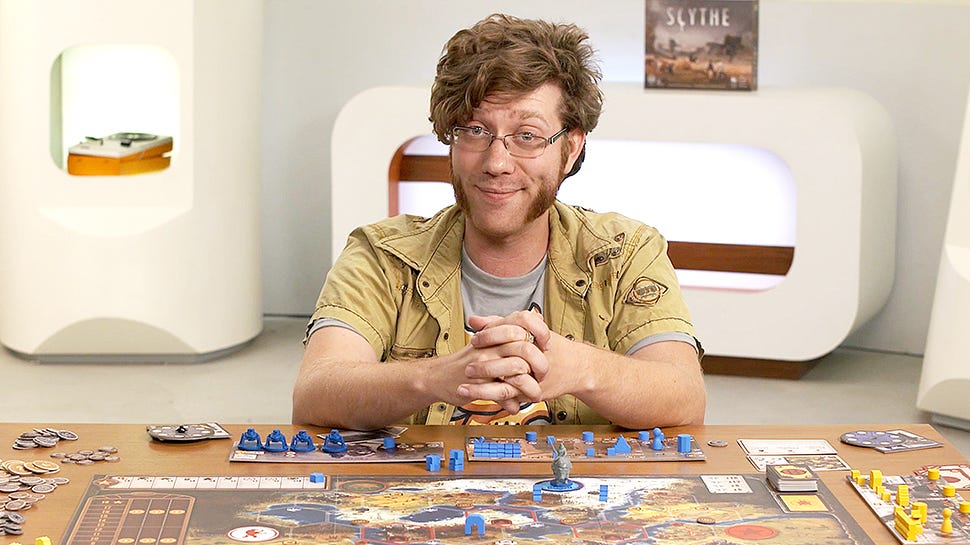 Ivan Van Norman — From Broke Graduate to Geek & Sundry, the Reality of Scaling an Indie Studio, and Embracing Content Innovation (#106) 18.06.2026 1t 22minAbout Ivan Van NormanIvan Van Norman is a true powerhouse of indie tabletop publishing and media innovation, bringing over 15 years of deep industry expertise to the table. Our paths cross all the way back to the very first year Gen Con introduced Entrepreneur’s Alley, where our tiny 10x10 booths were literally shoved into the back corner of the convention hall, facing a wall right next to the food court. While I was out there hawking the first print run of Ascension, Ivan was launching Hunters Entertainment. Since then, Ivan has carved out an incredible track record, serving as an executive producer and host at Geek & Sundry during the wild dawn of the web-streaming boom, helping lay the early foundational blocks for massive cultural phenomena like Critical Role, and co-owning Hunters Entertainment. He’s the publisher behind brilliant, boundary-pushing projects like the silent, text-messaging RPG Alice Is Missing. In this episode, we discuss the brutal realities of transitioning from a broke creator to a successful studio owner, how shifting mediums completely transform the mechanics of storytelling, and why your graveyard of discarded ideas is secretly your greatest design asset.Ah-ha! Justin’s Takeaways* Everybody Prepares You for Failure, Nobody Prepares You for Success: When you’re broke and just starting out, you are completely free to take massive risks because you have absolutely nothing to lose. However, the moment an indie project hits it big, the landscape completely flips. Ivan shares a wild reality check about running his first hit Kickstarter as a sole proprietor and suddenly getting hit with a massive personal tax bill he didn’t see coming. Success brings structural obligations to payroll, to investors, and to an audience that wants you to repeat your tricks.* The Medium is the Mechanic: If you want your creative stories to break through the modern cultural noise, you have to design explicitly for the technology where your audience actually lives. Felicia Day and Geek & Sundry did it by leveraging the wild west of early YouTube and Twitch to unlock long-form TTRPG streaming. Alice Is Missing did it by turning a standard smartphone group text into an intensely emotional narrative engine. During our chat, Ivan’s insights actually inspired me start work on a brand-new design concept right at the table: how to build an ultra-short-form video RPG engineered entirely for Shorts, Reels, and Twitch.* Less Money Equals More Radical Execution: Starting out broke right out of college gives you a massive, counterintuitive edge, because without a cash cushion, you are forced into a level of radical execution you just can't fake. Ivan and I launched right in a brutal recession, building display tables out of inventory boxes and dragging ammo cans down the hot streets of Indianapolis. That said, the real secret to surviving over the long haul as a serial entrepreneur is a beautiful touch of amnesia. We are naturally wired to avoid pain, and if you perfectly remembered the bone-deep exhaustion and near-failures of a launch, you'd never take a big risk again. You need that selective memory loss to trick yourself into thinking "this next launch will be smooth" just to find the sheer audacity to stand at the starting line again. It acts as a psychological shock absorber, wiping away the baggage of past failures so you can always approach a blank sheet of paper with total confidence. This is a public episode. If you'd like to discuss this with other subscribers or get access to bonus episodes, visit justingarydesign.substack.com/subscribe
 -
 Zvi Mowshowitz—From the Magic Pro Tour to Wall Street, the Logic of Bookmaking, and the Future of AI Ethics (#105) 05.06.2026 1t 44minAbout ZviMy history with Zvi Mowshowitz goes back over 20 years to our days as teammates on the Magic Pro Tour, where we won a Grand Prix and top-8ed a Pro Tour together. After his competitive gaming career and a stint designing games at Wizards of the Coast and heading up a Cyberpunk TCG design team in Denver, Zvi took his unique systems-thinking mind into high-stakes finance. He managed risk as a professional bookmaker in sports betting, traded crypto for a hedge fund, and worked quantitative trading desks at firms like Jane Street. Today, he’s focused his incredible intellect on the world of artificial intelligence, writing five times a week at his blog, Don’t Worry About the Vase, tracking the breakneck evolution of large language models and the critical safety challenge of AI alignment. In this episode, we dive deep into the math of pattern recognition, our wild days on the Pro Tour, the high-stress realities of trading, and how to navigate the massive societal shifts coming with AI. Zvi delivers insights on rationality and adaptability that will resonate with anyone trying to think clearly in a rapidly changing world. This is a public episode. If you'd like to discuss this with other subscribers or get access to bonus episodes, visit justingarydesign.substack.com/subscribe
 -
 Nate Heiss — Removing Ego from Design, The Magic of Roguelikes, and Building Across Digital and Tabletop (#104) 21.05.2026 1t 31minAbout Nate HeissNate Heiss is a true game design chameleon. His 25-plus year career spans from competitive Magic: The Gathering play to designing iconic cards like Goblin Guide at Wizards of the Coast. He then took those skills into the AAA video game world, working as a designer and creative director at studios like LucasArts and PopCap on massive mobile hits like Plants vs. Zombies Heroes. Nate and I have been geeking out about game design since we met on the Magic Pro Tour in the late 90s, and now we’re finally teaming up on Gundam Assemble, an upcoming tabletop skirmish miniatures game. In this episode, we dive deep into the differences between physical and digital design, the ethics and realities of free-to-play business models, and how to capture the elusive magic of discovery in an internet age. Nate delivers profound insights that will resonate with anyone building games or trying to navigate a creative career.Justin’s Ah-Ha! Moments* The Shift From Player to Designer Mindset: Nate and I discuss a classic trap many pro players fall into when they start designing: trying to "beat" the players. It's easy to bring a competitive ego into R&D and focus on squashing dominant strategies to prove how smart you are. But great design isn't about winning; it's about crafting a fun experience. Once you soften that competitive edge, you realize your true goal is to empower players to make their own discoveries.* The Economics of Free-to-Play Dictate Design: We tackle the controversial topic of free-to-play games. Nate points out that companies succeeding in this space aren't necessarily making "better" games; they are mastering live service and content costs. If a studio can "turn the crank" and produce engaging content at a fraction of the cost, they gain a massive competitive advantage. It shifts the design problem from just making an great game (which is table stakes) to efficiently delivering ongoing value over time.* Roguelikes are the Modern Gold Rush: I've always wanted to recreate the feeling of opening an early Magic pack—when nobody knew the optimal strategies and everything felt like an untamed frontier. Nate brilliantly identifies that roguelikes are where this feeling lives today. By taking a core loop and exploding it into a massive, randomized possibility space on every run, roguelikes force players to adapt and experiment, capturing that communal feeling of discovery over and over again. This is a public episode. If you'd like to discuss this with other subscribers or get access to bonus episodes, visit justingarydesign.substack.com/subscribe
 -
 Mark Rosewater — Designing for Emotion, Embracing Complexity, and 28 Years of Iteration (#103) 07.05.2026 1t 52minAbout MarkMark Rosewater is the Head Designer for Magic: The Gathering and one of the most influential voices in modern game design. With decades of experience shaping one of the most successful and enduring games in the world, Mark has led the design of countless sets and pioneered many of the systems that define Magic today. Known for his deep understanding of player psychology and his ability to translate complex ideas into elegant design, Mark has spent his career exploring what makes games resonate on an emotional level. In this episode, he shares hard-earned lessons about creativity, audience connection, and why great design starts with how you want players to feel.* Check out Mood Swings, a new game by Mark Rosewater* Making Magic* Magic: The Gathering Drive to Work Podcast* Mark Rosewater Tumblr* Mark Rosewater BskyJustin’s Ah-Ha! MomentsWhy You Should Fear Indifference More Than Criticism: Strong negative reactions mean people care about your game. Indifference means it didn’t land at all. The best games spark emotion, even when that emotion is mixed or uncomfortable.The Real Goal of Game Design Is Emotional Impact: Mechanics are only a means to an end. What players remember is how the game made them feel: tension, excitement, surprise, or triumph. The most effective designs start with the emotional experience and use mechanics to deliver it.Why Complexity Can Be a Strength When Used Correctly: Magic: The Gathering continues to grow as a game because of its depth and the space it offers for expansion. Yet the secret to a complex game is that it still needs enough clarity for new players to enter. When creating a game with complexity, the goal is to preserve what makes your game compelling while making it accessible.Show Notes“Good design is all about making wrong choices.” (00:11:17)Becoming a great designer requires exploring, testing, and discovering what doesn’t work. Every wrong choice teaches you something. The faster you’re willing to be decisive and commit to your ideas, the faster you get to something that actually works. Don’t hesitate—commit and learn from it.“The data is so essential.” (00:20:50)Mark explains how much of Magic’s success comes from constantly listening to players and analyzing behavior. There’s no shortage of data (playtests, player feedback, sales trends, format popularity) but the challenge is knowing what to do with it. He says that data is all about finding patterns and understanding what’s actually driving player behavior. Players will tell you what they like, but not always why. Part of the designer’s job is to interpret those signals and turn them into better decisions about what to build next.“The idea essentially is can we sell somebody a basic game that is expandable if they want it to be expandable, but not if they don’t.” (00:45:52)Here Mark is talking specifically about the structure of his new game. The goal is to create a complete experience out of the box, while still allowing for expansion over time. That’s a difficult balance. If the base game feels incomplete, casual players drop off. If expansions feel unnecessary, engaged players lose interest.“I’ve had 28 years of iterative loops.” (01:12:33)Mark has been revisiting Mood Swings for nearly three decades, refining and rethinking it over time. While this is an extreme version of iteration, it highlights a broader truth, which is that some ideas take years to fully realize. Sometimes the idea for a game will evolve alongside your skills and perspective. The lesson is to hold onto ideas that matter, keep testing them, and recognize that the right version may only emerge much later.“If you can make your audience see themselves in your game, you will be very successful.” (01:30:17)Mark and I discuss how the way a game ties to a player’s identity drives replayability. Systems like colors in Magic or classes and races in Dungeons & Dragons give players a way to express who they are through play. That sense of self-expression creates a deeper connection, turning the game into a space where players can explore different versions of themselves in a safe and meaningful way. This is a public episode. If you'd like to discuss this with other subscribers or get access to bonus episodes, visit justingarydesign.substack.com/subscribe
 -
 Ross Thompson—Real-World Marketing, Influencer Strategy, and Building Community That Lasts (#102) 23.04.2026 1t 12minRoss Thompson is a marketing strategist focused on helping tabletop games and consumer brands grow through real-world connection. A veteran of the industry with over 15 years of experience in community building, events, and marketing, he most recently served as Director of Marketing at Atomic Mass Games, where he worked on titles like Star Wars: Legion, Marvel Crisis Protocol, and Star Wars: Shatterpoint. He now serves as Media and Events Director on the board at GAMA, focusing on strengthening the industry through better events and stronger connections between creators, retailers, and players. In this episode, Ross shares practical strategies for building real-world communities, working with influencers more effectively, and finding the right retail partners to support long-term growth.If you’ve ever had a game idea but didn’t know how to turn it into a real, playable design, my Design Labs program walks you through the entire process. With 60+ lessons, practical assignments, and a private Discord community, you’ll learn how to move from inspiration to prototype, playtesting, iteration, and publishing. This is a public episode. If you'd like to discuss this with other subscribers or get access to bonus episodes, visit justingarydesign.substack.com/subscribe
 -
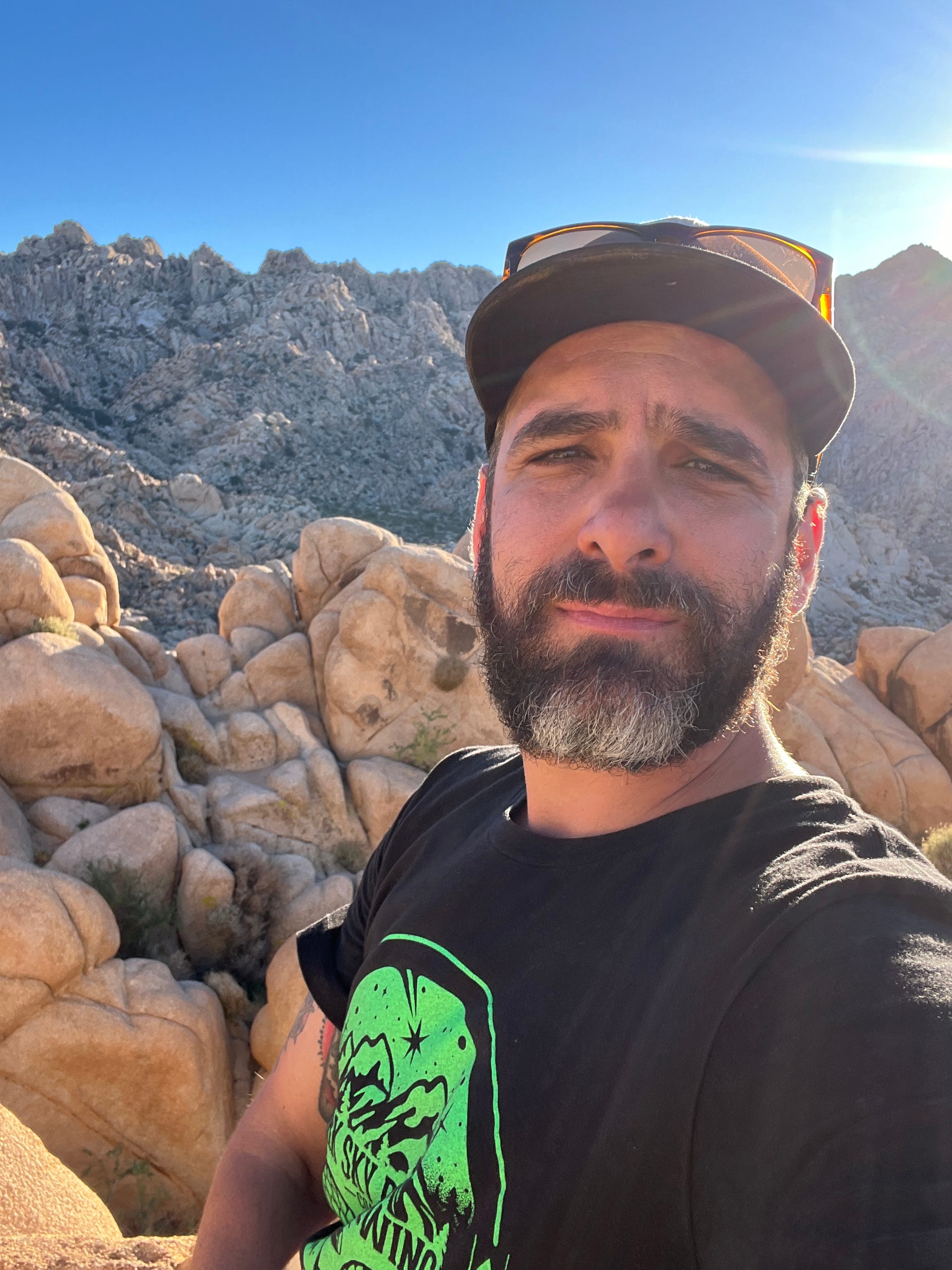 Drew Corkill — Design Solo Game Systems, Speed, and Shipping at Scale (#101) 02.04.2026 1t 2minAbout DrewDrew Corkill is a UI/UX designer with nearly 15 years of experience and a deep background in graphic design, who has quietly become one of the most prolific creators in tabletop gaming. Alongside Gabe Barrett, Drew is the driving force behind the “Solo Game of the Month” initiative, he’s launched more crowdfunded games than almost anyone in the industry, building a system that prioritizes speed, iteration, and consistent output. Drew first connected with me as a student in the Think Like a Game Designer Course, where his early work on Small Time Heroes evolved into a breakout success with multiple expansions and campaigns. In this episode, Drew shares how his background in UX shapes his approach to game design, what makes solo games uniquely powerful, and how community, structure, and relentless iteration can turn creative ambition into a sustainable career.Justin’s Ah-Ha Moments:* Threats, Timers, Treats: Drew had one of the clearest frameworks I’ve heard for solo game design. If you want a solo game to generate excitement, you need pressure (threats), urgency (timers), and reward (treats). Miss one, and the whole thing feels more like a puzzle than a game. This is a simple checklist, but it’s deceptively powerful.* You Don’t Build Alone: What stood out to me in Drew’s story is how much of his success came from the environment around him. Community, feedback, and deadlines are force multipliers. Left on your own, it’s easy to stall, but put yourself in a room with people who are building, and everything speeds up. This is true whether it’s a course, a group, or just a few people you trust.* Cut to the Experience: When you take something digital and try to make it physical, all the excess gets exposed. You can’t rely on automation or hidden math, instead you have to decide what actually matters. Drew’s approach is to strip things down until the fun is obvious. That’s a useful lens for any design. If something is slowing the player down without adding value, it’s probably not pulling its weight.If you’ve ever had a game idea but didn’t know how to turn it into a real, playable design, my Design Labs program walks you through the entire process. With 60+ lessons, practical assignments, and a private Discord community, you’ll learn how to move from inspiration to prototype, playtesting, iteration, and publishing.Show Notes:“I was like, well, I’ll just make my own version of what I want.” (00:07:01)This is one of those deceptively simple origin moments. Drew couldn’t find the experience he wanted, so instead of waiting, he built it. That impulse, where you’re moving from consumer to creator, is where a lot of design careers actually begin. If something feels missing in the games you’re playing, consider it a compass, and try to fill the gap.“If it’s distracting from the fun […] then it’s a baby that has to be killed.” (00:27:30)This is Drew being brutally honest about design discipline. It’s easy to fall in love with clever mechanics, complex systems, or ideas that felt great during development, but if they slow the game down or pull players out of the experience, they have to go. Prioritization is key, because not every good idea belongs in the final product. Remember, most of the time you should be removing anything that doesn’t serve the core experience, no matter how much time you’ve invested in it.“To design a solo game is much easier than it is to design a multiplayer game.” (00:42:47)Drew loves to design solo games. Late in the conversation, he gets tactical about why his “game a month” system works. Solo games reduce complexity, which makes them faster to design, test, and ship. Solo games are easier to iterate on, because until very late in the process, you are the only designer and playtester needed to refine the prototype.You can find Think Like a Game Designer on these platforms:* Apple Podcasts* Spotify* Youtube This is a public episode. If you'd like to discuss this with other subscribers or get access to bonus episodes, visit justingarydesign.substack.com/subscribe
 -
 50 Episodes of Game Design Wisdom 18.03.2026 1t 56minGuests featured:* Keith Baker* Monty Cook* Raph Koster* Richard Garfield* John Zinser* Elizabeth Hargrave* Eric Lang00:03:06 — Keith BakerLesson: Creating a world that becomes a playable game.Baker explains how he designed the Eberron setting and why fantasy worlds need recognizable hooks that players can quickly understand.00:17:31 — Monty CookLesson: How RPG worlds and systems come together in design.Cook discusses the process of building role-playing games and the interplay between storytelling, mechanics, and player experience.00:23:24 — Raph KosterLesson: Designing games through structured creative practice.Koster explains his ideation process, how he takes notes and prototypes ideas, and why constraints and deliberate practice help designers develop new game concepts.00:33:18 — Richard GarfieldLesson: Spend your “complexity points” wisely.Garfield talks about balancing innovation and accessibility, emphasizing that too much novelty can make games harder for players to understand.00:40:33 — John ZinserLesson: A successful game needs a strong hook.Zinser explains how publishers evaluate games and why clear differentiation is critical when pitching or launching a new title.01:04:36 — Elizabeth HargraveLesson: Passionate themes can unlock new audiences.Hargrave discusses how Wingspan succeeded by pairing a unique theme with mechanics that reinforce that theme.01:17:03 — Eric LangLesson: Great games come from iteration and cutting what doesn’t serve the design.Lang discusses engine design, playtesting, and how cohesion between theme and mechanics strengthens a game.If you’ve ever had a game idea but didn’t know how to turn it into a real, playable design, my Design Labs program walks you through the entire process. With 60+ lessons, practical assignments, and a private Discord community, you’ll learn how to move from inspiration to prototype, playtesting, iteration, and publishing.Learn More at JustinGaryDesigns.com This is a public episode. If you'd like to discuss this with other subscribers or get access to bonus episodes, visit justingarydesign.substack.com/subscribe
 -
 Eric Lang — Designing for Payoff, Ritual Play, and Returning to Your Roots (#100) 17.02.2026 1t 23minAbout Eric LangEric Lang is one of the most influential designers in modern tabletop gaming, known for bold thematic systems and highly interactive play. Over his career, he has designed or co-designed titles including Blood Rage, Rising Sun, Ankh: Gods of Egypt, Chaos in the Old World, and numerous licensed and collectible card games. His work spans hobby and mass-market audiences alike, blending deep strategic frameworks with strong narrative identity. In this episode, Eric shares how he approaches conflict-driven design, why player psychology matters more than mechanics alone, and what it takes to build games that feel both competitive and emotionally resonant. If you’re interested in designing for tension, identity, and memorable table moments, this conversation offers a masterclass from one of the industry’s most distinctive voices. This is a public episode. If you'd like to discuss this with other subscribers or get access to bonus episodes, visit justingarydesign.substack.com/subscribe
 -
 Theresa Duringer — UI as Game Design, Onboarding Without Friction, and the Ethics of AI (#99) 29.01.2026 1t 19minTheresa Duringer is the owner and CEO of Temple Gates Games, a San Francisco–based digital board game studio known for best-in-class adaptations of modern tabletop games. Her team has brought Ascension to VR and developed acclaimed digital versions of Dominion, Race for the Galaxy, Shards of Infinity, and more, with a relentless focus on speed, clarity, and intuitive UI. Theresa works closely with designers and publishers to translate complex tabletop systems into digital experiences that feel natural, responsive, and faithful to the original games, helping players around the world connect and play together online. In this episode, she shares insights on what makes a great digital adaptation, why performance and UX are inseparable from game design, and how to bridge the gap between physical and digital play without losing what makes tabletop special. This is a public episode. If you'd like to discuss this with other subscribers or get access to bonus episodes, visit justingarydesign.substack.com/subscribe
 -
 Jaimie Wolanski — Tough Truths, Retail Realities, and How Games Create Connection (#98) 15.01.2026 1tAbout JaimieJaimie Wolanski has over 20 years of experience in the games industry, with a career spanning major brands and mass-market hits. She’s worked as a sales rep bringing games into stores like Target and Barnes & Noble, and has helped launch titles like Shopkins, Catan, Ticket to Ride, Bananagrams, and Exploding Kittens. She even worked with Justin to bring You Gotta Be Kitten Me to market. In this episode, Jaimie shares what it takes to succeed in a crowded space, how to build teams you can trust, and why knowing when to let go of a project can be just as important as seeing one through. If you care about the business of games—especially the part that happens after the prototype—this conversation is packed with sharp insights and real-world experience. This is a public episode. If you'd like to discuss this with other subscribers or get access to bonus episodes, visit justingarydesign.substack.com/subscribe
 -
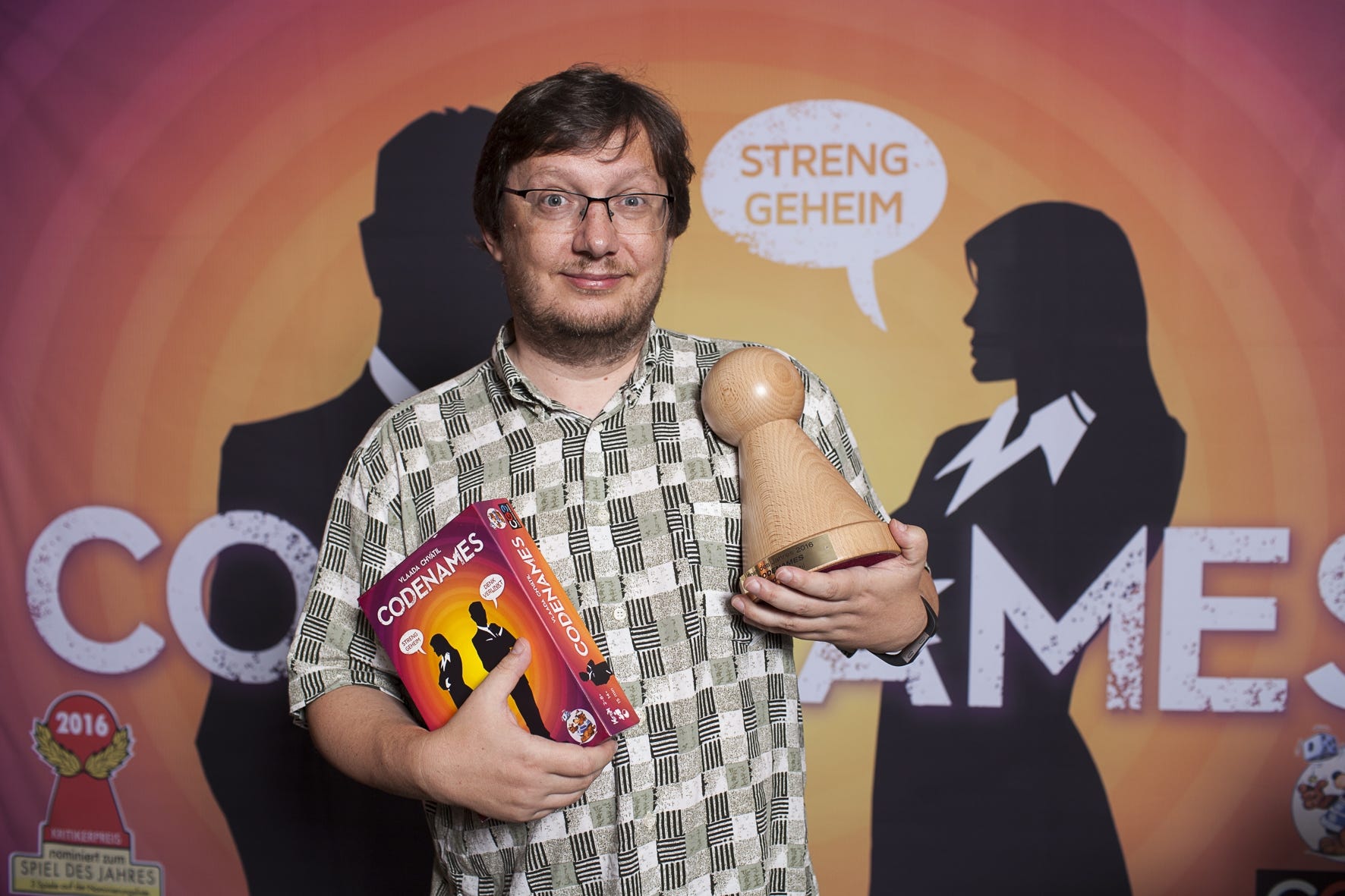 Vlaada Chvátil — Designing for Joy, Building Great Games, and Letting Quality Do the Marketing (#97) 18.12.2025 1t 10minAbout VlaadaVlaada Chvátil is one of the most influential game designers of the modern era. As the creative force behind classics like Through the Ages, Codenames, and Galaxy Trucker, and a co-founder of Czech Games Edition (CGE), he’s built a career defined by curiosity, craft, and an uncompromising commitment to making games he actually wants to play. Vlaada’s path—from programming and digital game development to shaping some of the most enduring tabletop designs of the last 20 years—has given him a rare perspective on iteration, collaboration, and long-term creative sustainability. In this episode, we explore how he chooses projects, why great development beats marketing every time, and how designing for joy has fueled both his games and his company.Ah-Ha MomentsWe Sell Games So We Can Make Games: Vlaada reframes the entire business of game design. The purpose of publishing is to fund the next act of creation, not to chase sales targets. This mindset frees designers to make bolder, more honest games, because success is measured by creative momentum, not quarterly performance.The Best Marketing Is Ruthless Investment in Development: CGE spent its early years with no marketing team at all, because they didn’t need one. Vlaada’s long-term strategy is simple and difficult: invest heavily in development and let quality do the work. Great games create their own momentum. Word of mouth, sustained sales growth, and long tails are the natural result of excellence.The Golden Rule of Collaborative Design: When collaborators disagree, Vlaada avoids persuasion entirely. Instead of fighting to prove one idea right and the other wrong, the goal is to find a third solution neither person originally proposed, but that both genuinely like. This reframes disagreement as a creative engine, not a conflict, and almost always leads to stronger, more resilient designs. This is a public episode. If you'd like to discuss this with other subscribers or get access to bonus episodes, visit justingarydesign.substack.com/subscribe
 -
 Carly McGinnis — Startup Scrappiness, Trusting Your Team, and the Rhythm of Leadership (#96) 04.12.2025 1t 22minAbout CarlyCarly McGinnis is the driving force behind one of the fastest-growing tabletop companies in history. As CEO of Exploding Kittens, she’s helped lead the company to over 25 million games sold and dozens of successful launches, all while keeping the promises of the most-backed crowdfund ever. Carly’s path—from surviving the Hollywood talent-agency grind to building a global game business—has given her a rare blend of resilience, humor, and no-nonsense leadership. In this episode, we discuss how she scales teams, navigates creative chaos, and builds a culture that can actually deliver on big ideas.Related episodes with Elan Lee, Creator of Exploding KittensJustin’s Ah-Ha Notes:* Slow Down to Grow Faster: Carly reminds us that speed isn’t the same as progress. When you rush just to keep moving, you create confusion, rework, and stress that ultimately slow you down. The real skill is learning to pause long enough to think clearly, set the right priorities, and avoid doing things simply for the sake of doing them. When you give yourself and your team permission to slow down, you actually create the conditions to grow faster and make better decisions.* Define “Good Enough” and Move Forward: One of Carly’s superpowers is knowing when to push and when to ship. Perfection can quietly kill momentum, especially inside a fast-scaling company. By clearly defining what “good enough” means for a project, she empowers her team to keep moving, learn in the real world, and avoid getting stuck polishing details that don’t matter. Progress comes from clarity and clarity starts with setting a bar everyone understands.* Leadership Is Repetition: Carly makes this point beautifully: leadership isn’t about a single breakthrough moment, it’s about reinforcing the fundamentals again and again. Whether it’s reminding the team of the mission, encouraging fast feedback loops, or surfacing hard conversations, the job is to repeat what matters until it becomes part of the culture’s DNA. A great leader is patient, and presents enough to help their teams grow in the right direction. This is a public episode. If you'd like to discuss this with other subscribers or get access to bonus episodes, visit justingarydesign.substack.com/subscribe
 -
 Kyle Thiermann — Deadlines, Mentors, Curiosity, and the Craft of Connection (#95) 18.11.2025 1t 17minAbout KyleKyle Thiermann is a professional big-wave surfer, journalist, and creative director whose career bridges storytelling, advertising, and adventure. He’s written for Men’s Health, Surfer, and Outside Magazine, and helped shape campaigns for brands like Patagonia, Yeti, and Mudwater, with his ads and viral spots reaching over 100 million people. Kyle is also the author of One Last Question Before You Go: Why You Should Interview Your Parents Now, a deeply personal exploration of family, curiosity, and conversation. In this episode, Justin and Kyle dive into the fear that drives creativity, the lessons of surfing six-story waves, and how to use curiosity and courage to build a more meaningful creative life.Think Like A Game Designer is a reader-supported publication. To receive new posts and support my work, consider becoming a free or paid subscriber.Ah-ha! Justin’s TakeawaysDeadlines create gravity: Surrounding yourself with people you respect and setting clear deadlines are two of the most powerful tools for getting things done—it is the engine of creative work, which turn ambition into action and ensure you finish what you start. Proximity is an accelerant: Kyle’s learned, both in the ocean and in his creative career, that the fastest way to improve is to surround yourself with people already doing the thing you’re learning. Mentorship and shared goals create a rhythm of steady progress that’s hard to find alone.Better questions equal better understanding: We’re trained to have answers, but not to ask better questions and that’s where understanding truly lives. Whether you’re exploring a design challenge or rebuilding a relationship curiosity has the power to turn conversation into insight. Kyle’s book about interviewing his parents is a masterclass in curiosity.Show Notes“The power of deadlines and more specifically, the fear of disappointing people I respect has driven my career.” (00:04:55)We start by talking about the writing group where Kyle and I met, guided by New York Times best-selling author Neil Strauss. Together we dig into how essential structure and accountability are for any creative project including the value of mentors, peers, and most of all, deadlines. If you’ve listened to this podcast before, you’ve heard me say it: deadlines are magic. They turn vague ambition into finished work.“Find the people that are doing the thing and hang out with them as much as possible.” (00:15:58)Kyle connects his life as a big-wave surfer to his creative process, showing that fear and mastery follow the same pattern. Whether you’re paddling into six-story waves or starting a new creative career, the fastest way to grow is to surround yourself with people already doing what you aspire to do. Mentorship, proximity, and shared accountability accelerate progress more than any course or tutorial ever could. “Copywriting is much more like stand-up comedy, where you’re trying to take an idea and distill it down to its most essential form that’s going to get someone’s attention and connect them to this thing that you are selling.” (00:34:49)Kyle compares copywriting to stand-up comedy and it’s a perfect analogy. Both rely on timing, clarity, and emotion. Every word has to earn its place. For designers, writers, and storytellers, the lesson is simple: your job isn’t to explain, it’s to distill. When you can make someone feel something in a single line, you’ve revealed its essence, making it easier for your audience to understand, and therefore, to buy.“We’re taught to have the right answers, but never taught to have the right questions.” (00:51:56)Kyle wrote a book about interviewing his partents. His book grew out of realizing that curiosity—especially toward the people closest to us—is a learned skill. We train for answers, but not for questions, and that leaves entire parts of our relationships unexplored. As Kyle discovered, interviewing is about transforming judgment into curiosity. Asking better questions of our parents, our collaborators, or ourselves is how we rediscover the people we thought we already knew.* Kyle’s Upcoming Book: https://geni.us/onelastqbeforeyougo* Kyle’s Website: https://www.kylethiermann.com/ This is a public episode. If you'd like to discuss this with other subscribers or get access to bonus episodes, visit justingarydesign.substack.com/subscribe
 -
 Touko Tahkokallio — Curiosity, Physics, and the Power of Mental Playtesting (#94) 06.11.2025 1t 14minTouko Tahkokallio is one of the rare designers who has mastered both tabletop and digital worlds. Starting out as a theoretical physicist, Touko shifted careers to follow his passion for play. First by designing acclaimed board games like Eclipse, then shaping some of the biggest mobile hits of all time at Supercell, including Hay Day, Boom Beach, and Brawl Stars. In 2022, he co-founded a mobile game studio Stellar Core which he is the chief creative officer.In this episode, we explore the hidden value of juggling multiple projects, how to prototype without rules or components, and why a playful mindset is essential, especially when the work gets tough. This is a public episode. If you'd like to discuss this with other subscribers or get access to bonus episodes, visit justingarydesign.substack.com/subscribe
Lignende podkaster


Populær i
Denne podkasten finnes også i podkast-listene til disse landene.


