
On Auschwitz
Auschwitz Memorial
0
The official podcast of the Auschwitz Memorial. It explores the complex history of Auschwitz, which served both as a concentration camp and an extermination center. The podcast discusses the camp's evolution, the various groups persecuted there, and contemporary memory of this significant site.
Episoder
-
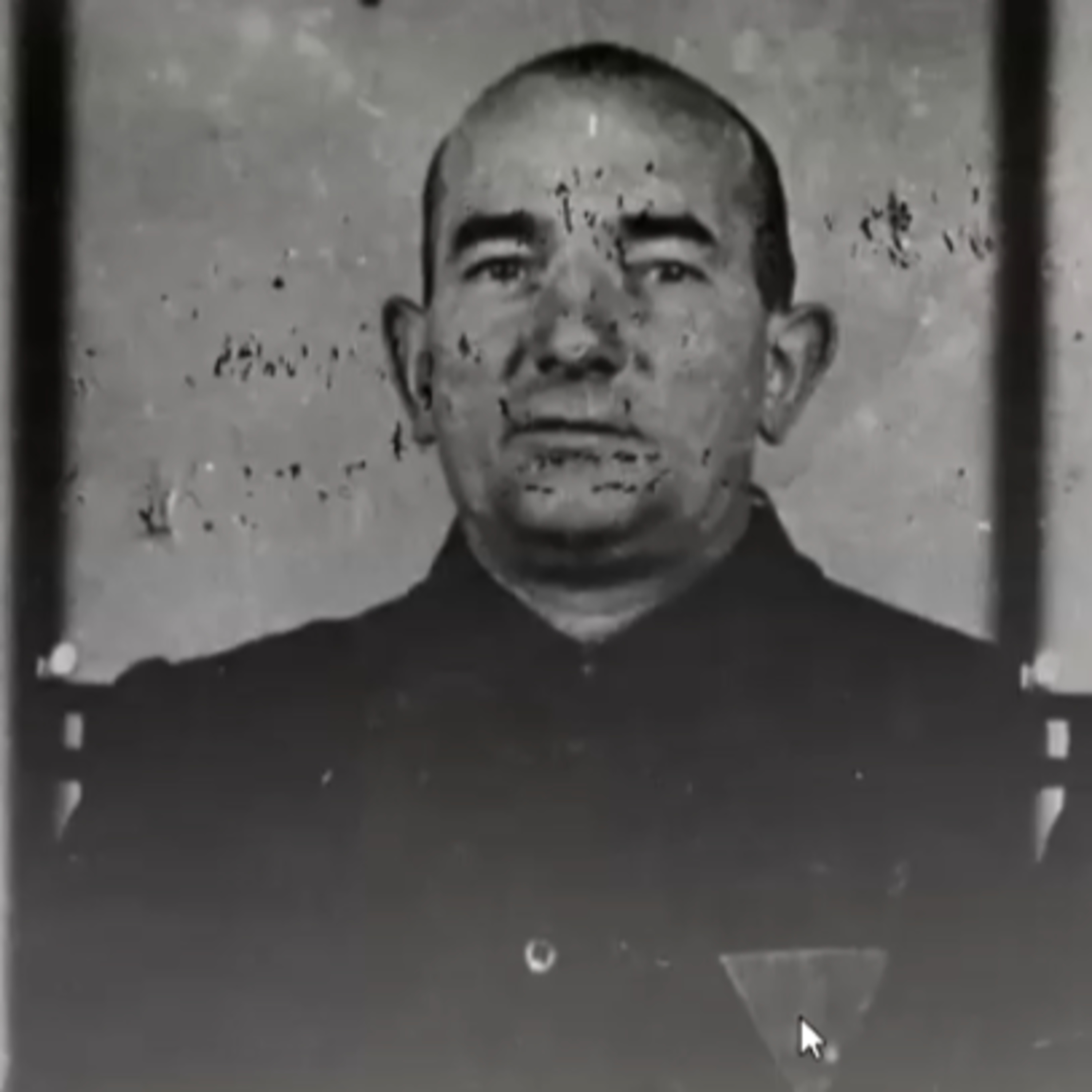 "On Auschwitz" (76): The First Thirty Prisoner Functionaries of Auschwitz 22.09.2026 28minA special group of prisoners in the Auschwitz camp were prisoner functionaries, responsible, among other things, for maintaining discipline among prisoners, keeping order in the blocks, and supervising the work being carried out. Dr Wojciech Płosa, Head of the Auschwitz Museum Archive, talks about the first thirty functionary prisoners – Germans brought to Auschwitz on 20 May 1940 and assigned numbers from 1 to 30.=====Voiceovers: Kate Weinrieb, Tom Vamos
 -
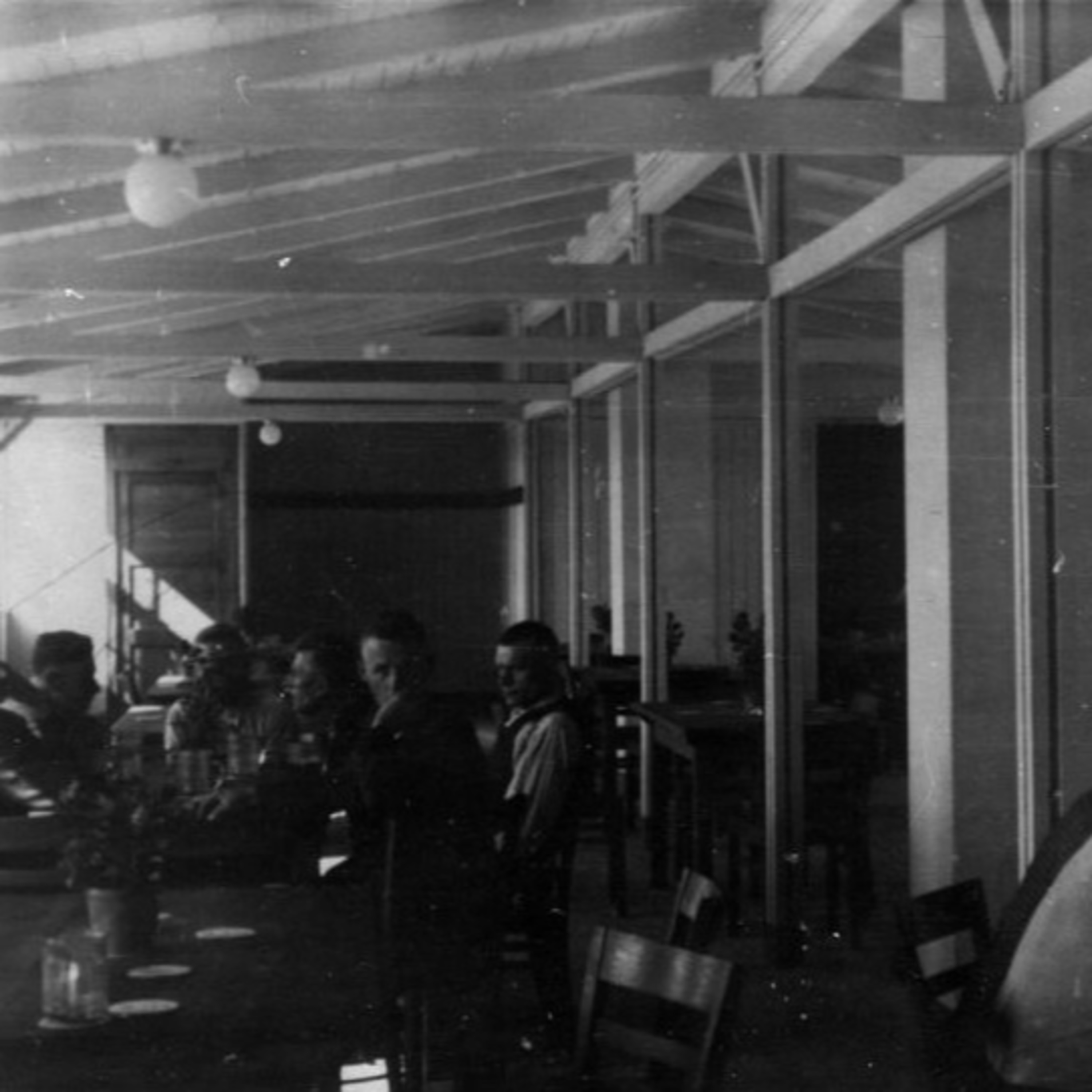 "On Auschwitz" (75): The Leisure Time of SS-Men from the KL Auschwitz Garrison in the Light of Documents from the Auschwitz Memorial Archives 24.08.2026 32minOver the nearly five years of the operation of the Auschwitz camp, around 8,200 SS men and 200 SS female overseers served there. Dr Agnieszka Kita, Deputy Head of theAuschwitz Museum Archive, talks about what their leisure time looked like, what they did after duty, when they returned to the barracks, and what their days off looked like.=====Voiceovers: Sarah Edwards Weinstein, Kate Weinrieb
 -
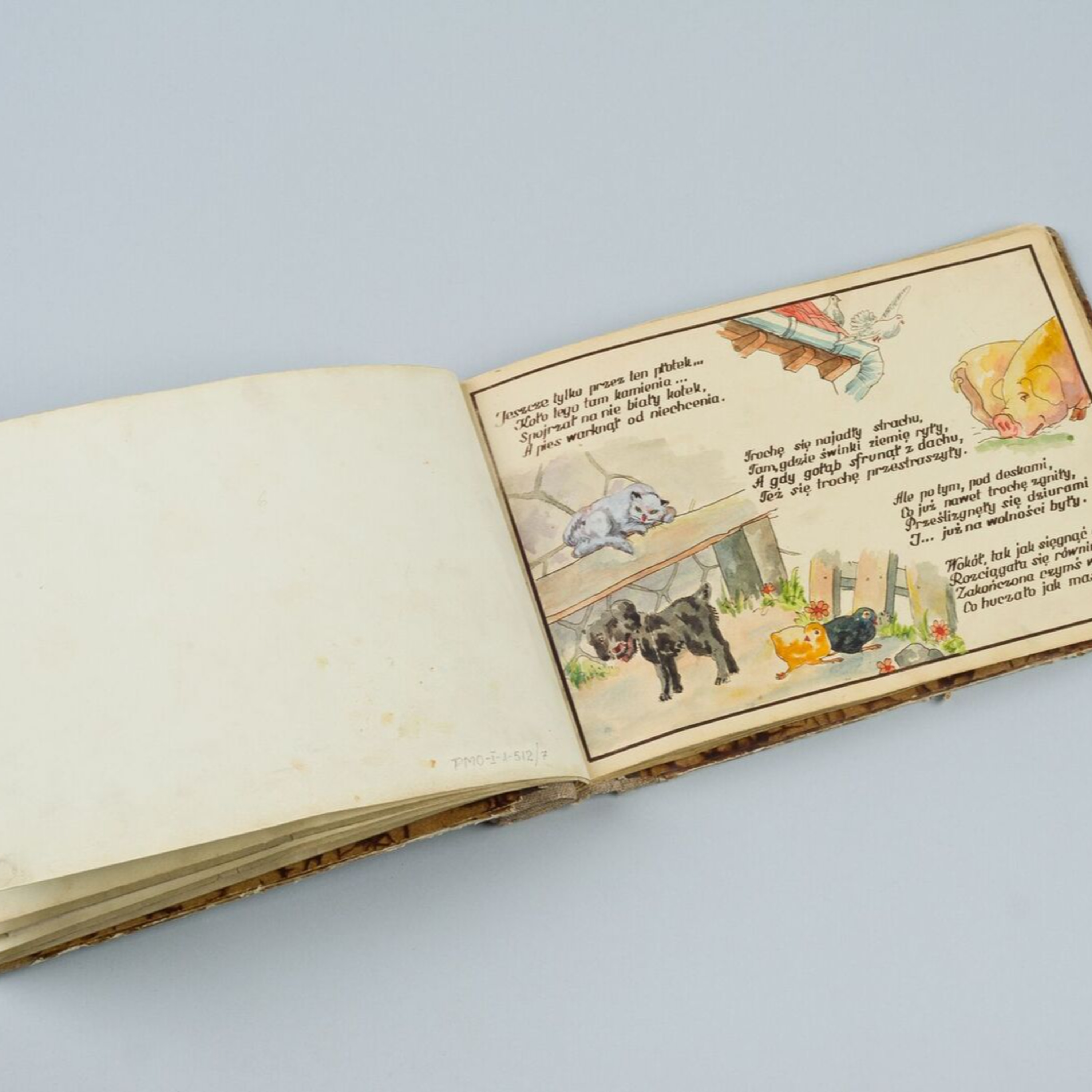 "On Auschwitz" (74): "Fairy Tales from Auschwitz" - unique witnesses to history 18.07.2026 34minAmong the unique artifacts held in the collections of the Auschwitz Memorial are fairy tales created while the camp was in operation. Crafted out of a heartfelt need, and in the hope of leaving behind a trace of their authors, these stories were smuggled out the camp. Their creators were prisoners employed in the camp’s Construction Office. With the help of people on the outside, they passed these fairy tales on to their loved ones. The story behind the fairy tales from Auschwitz is told by Jadwiga Kulasza, a retired employee of the Memorial Archives, as well as family members of the authors: Felicjan Świerczyna, son of Bernard Świerczyna, and Andrzej Czulda, son of Henryk Czulda.=====Voiceovers: Greg Littlefield, Michael Takiff, Kate Weinrieb
 -
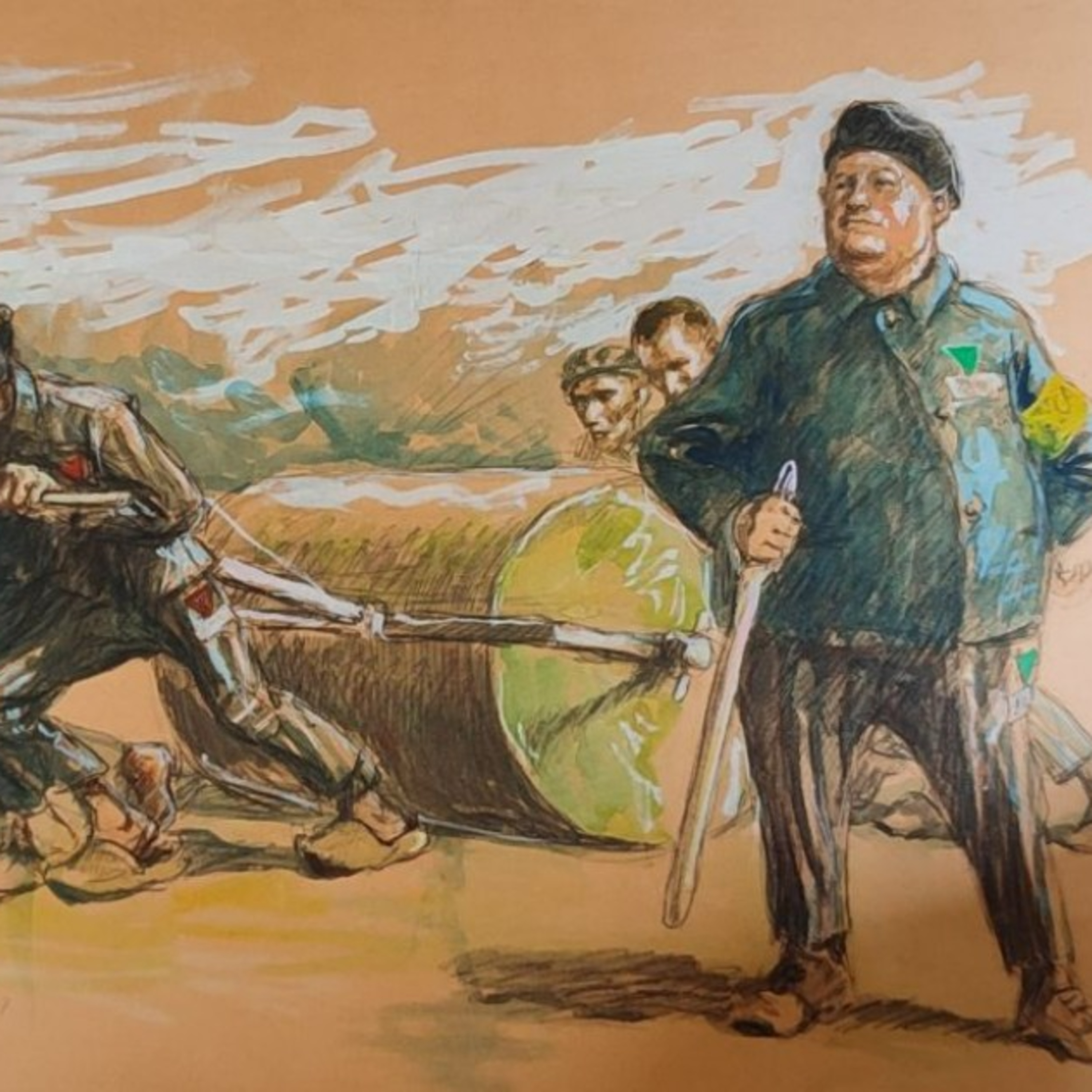 "On Auschwitz" (73): Auschwitz functionary prisoners. Selected postwar fates 21.06.2026 20minWe discussed the group of functionary prisoners at Auschwitz in one of our previous podcasts. You can find it at: podcast.auschwitz.org. In this episode Dr. Wojciech Płosa, the head of the Auschwitz Museum Archives will talk about the post war fates of some of the functionary prisoners.=====Artwork: Mieczysław Kościelniak, Praca przy walcu (Working on the roller), Auschwitz Memorial Collectons.=====Voiceover: Therese Mc Laughlin, Mike Skagerlind
 -
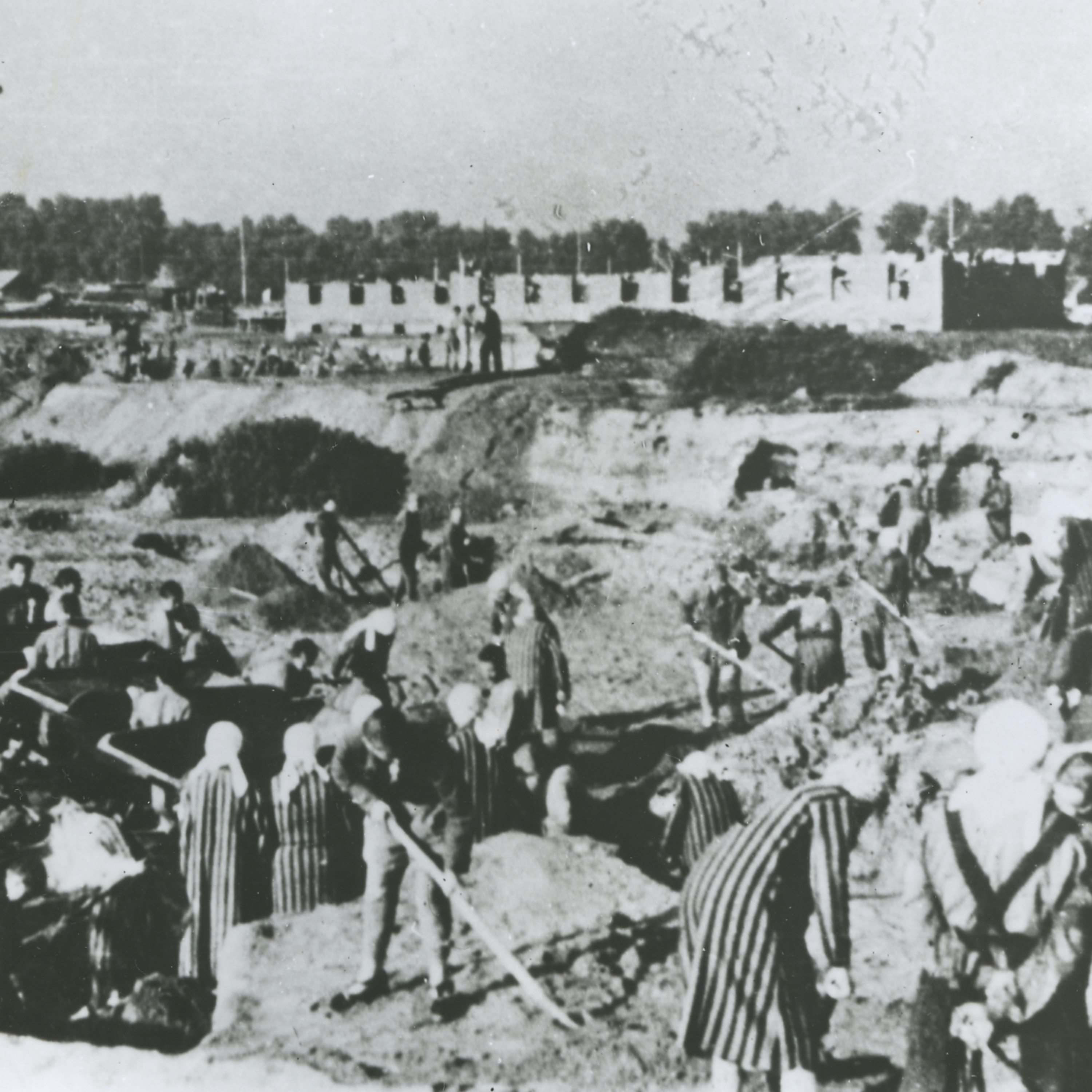 "On Auschwitz (72): The first transports of women to KL Auschwitz 23.05.2026 37minThe Germans established the Auschwitz concentration camp in the spring of 1940 for man prisoners. The first women were deported to the camp in March 1942. In total, more than 130,000 women prisoners were registered there during thecamp’s existence. The history of the first transports of women is discussed by Dr. Teresa Wontor-Cichy from the Research Center of the Auschwitz Museum.======Online lesson about women in KL Auschwitz======Voiceover: Sarah Edwards, Kate Weinrieb
 -
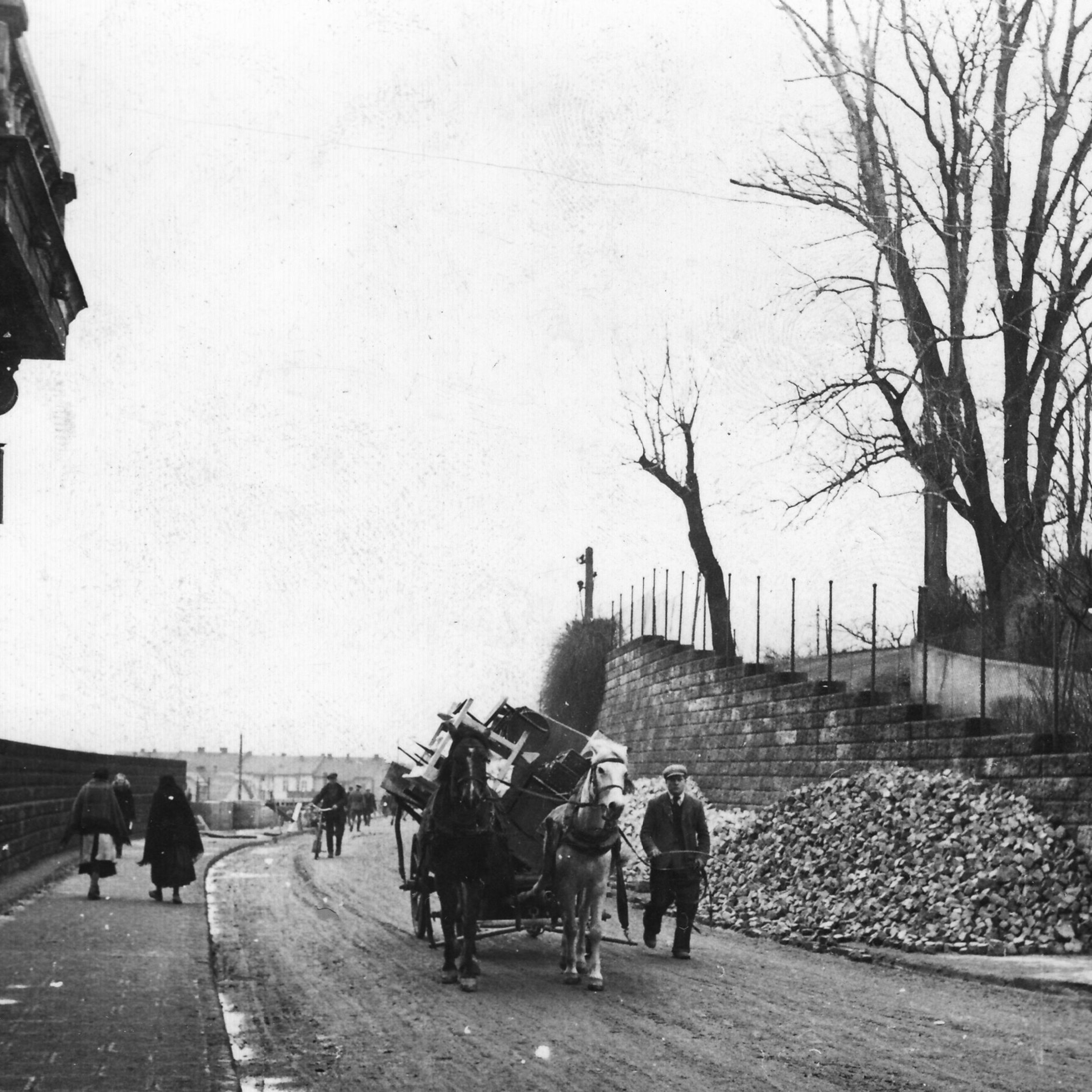 "On Auschwitz (71): Testimonies about expulsions of the local population in connection with the expansion of KL Auschwitz 25.04.2026 55minBefore the war, Oświęcim was a town inhabited mainly by Poles and Jews. During the Second World War it was annexed to Germany and the name of the town was changedto Auschwitz. At the end of 1939 the town had a population of over 12,500 people, about half of whom were Jews. Near Oświęcim there were several villages, which in December of 1939 were incorporated into the German administrative unitof Stadtbezirk Auschwitz. About 13,000 people lived in thesevillages. Due to the establishment and expansion of the Auschwitz camp, several thousand Polish and Jewish residents of Oświęcim and nearby villages were forced to leave their homes. In the “On Auschwitz” podcast, we share fragments oftestimonies from witnesses and their relatives about these events.=====The podcast features material from the collections of:The Auschwitz-Birkenau State Museum Archives:- account by Zofia Przybyłowska- account by Piotr Bielenin- account by Marian Górnicki- account by Sylwester Szałaśny- account by Krystyna Szałaśny- account by Sabina Rosenbach (transcribed, read by a narrator)- account by Helena Mataniak (written down, read by a narrator)- account by Helena Hoła (written down, read by a narrator)Museum of Remembrance of the Residents of the Oświęcim Region:- account by Helena Grzesło- account by Aleksander Karkoszka- account by Józefa Handzlik- account by Wanda Saternus- account by Maria Gawron- account by Janina Stawowy- account by Wanda Patyna- account by Henryk Kuczek- account by Maria Jurczyk- account by Tadeusz FirczykJewish Museum in Oświęcim:- account by Abraham and Jerzy Feiner- account by Lola BodnerThe Emanuel Ringelblum Jewish Historical Institute in Warsaw:- account by Ewa Neiger (written down, read by a narrator)- account by Sylwia Bachner (written down, read by a narrator)- account by Anna Hönig (written down, read by a narrator)- account by Tauba Grünn (written down, read by a narrator)=====Voiceover: Therese McLaughlin, Mike Skagerlind
 -
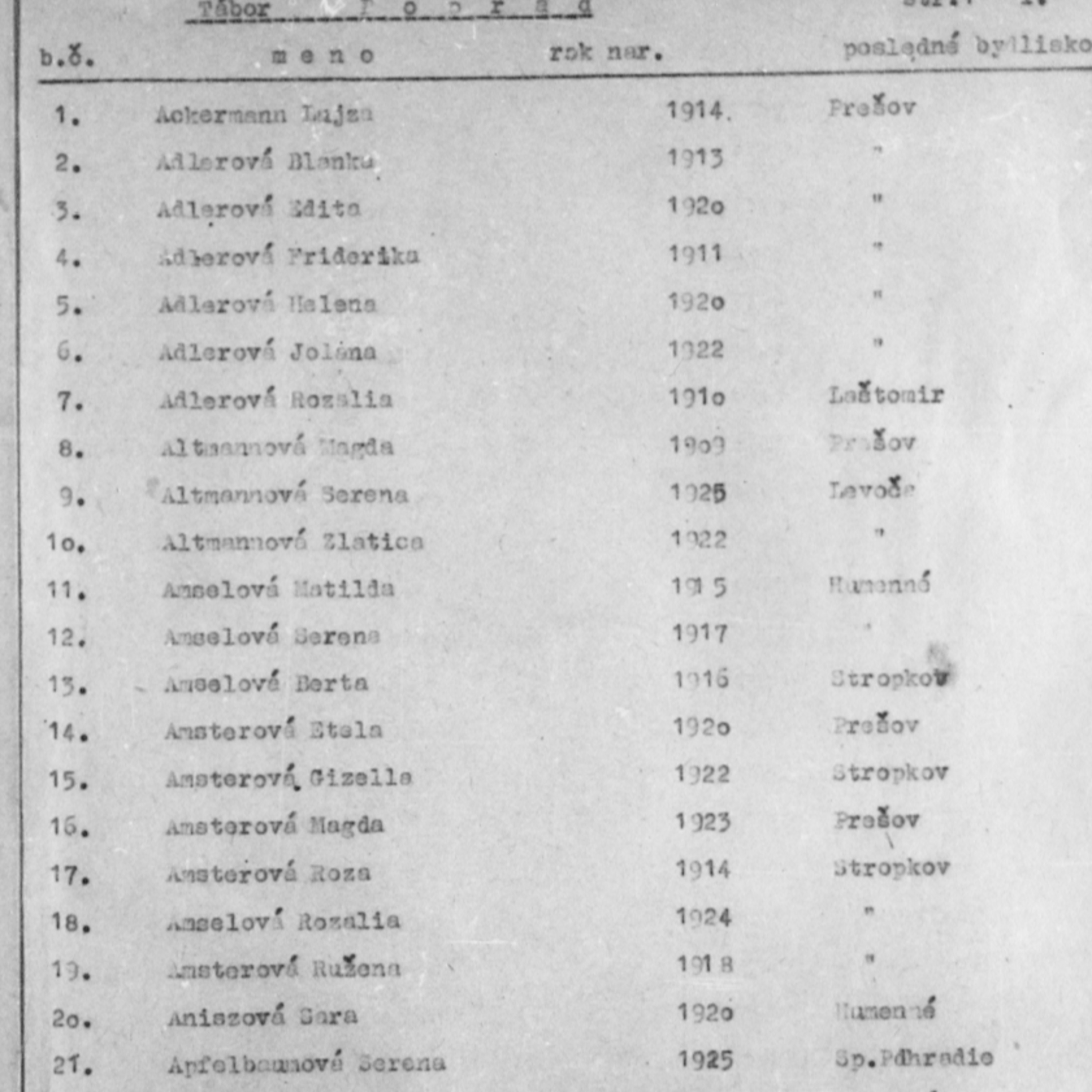 "On Auschwitz" (70): Deportations of Jews from Slovakia 26.03.2026 40minAmong the many groups of people deported to the German camp Auschwitz, Slovakian Jews occupied a special place. They were brought to the camp at a time when it was undergoing fundamental, organizational and functional transformation. From a place of concentration and gradual destruction of prisoners through dramatic living conditions and hard labor to a center of mass extermination in gas chambers. Dr. Piotr Setkiewicz, the head of the research center of the Auschwitz Museum, recounts the details of this process. =====On-line lesson about the deportations of Jews from Slovakia=====Voiceover: Michael Takiff
 -
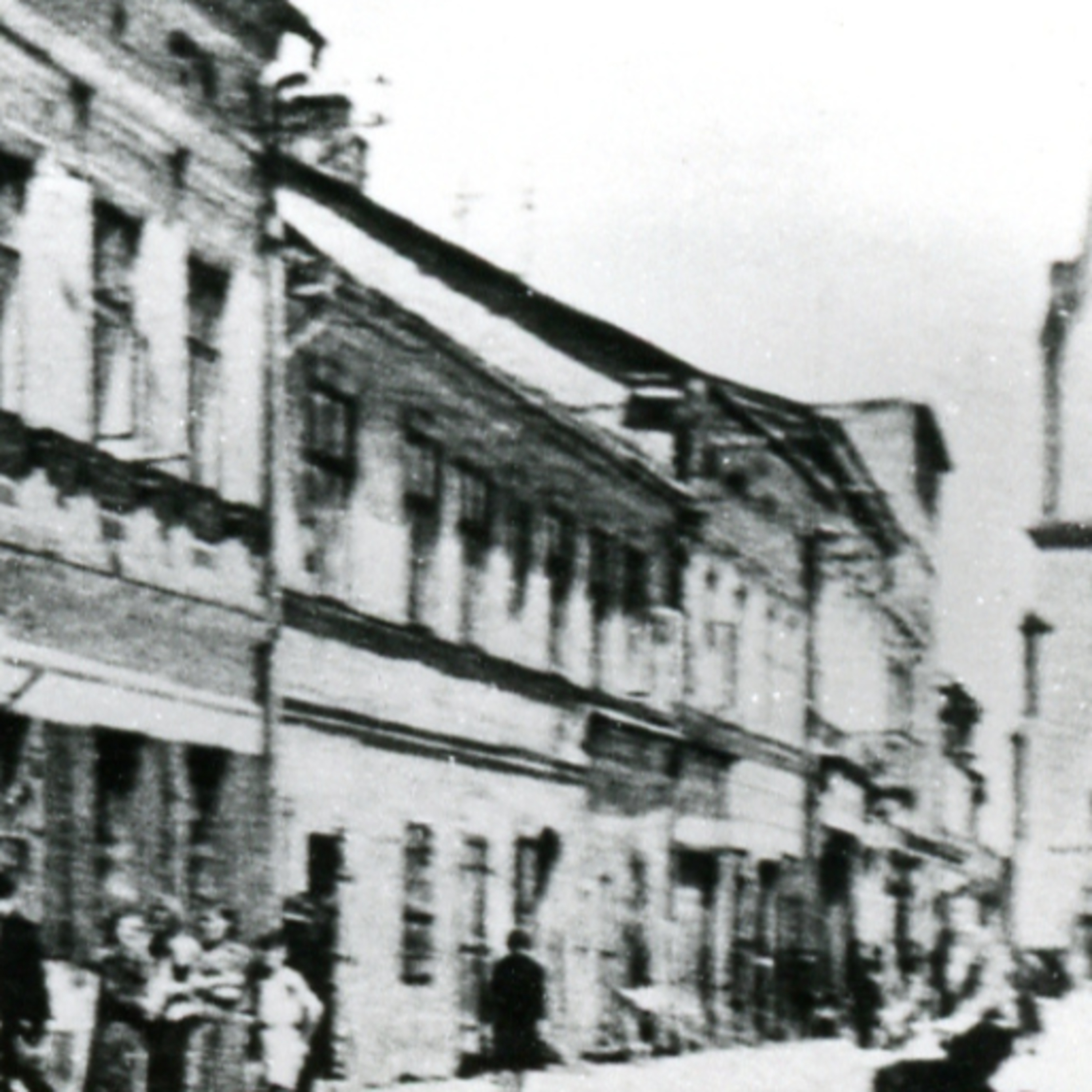 "On Auschwitz" (69): Contacts between SS garrison of KL Auschwitz and the local population of the Oświęcim area (1940-45) 09.02.2026 50minHow the demographic structure of the area around the camp changed and what contacts existed between the SS camp garrison members and the local civilian population is discussed by dr. Agnieszka Kita, deputy head of the Auschwitz Museum archives.===== Article published in the post-conference publication, "Face of War", Vol. 6, "City and the War".=====Voiceover: Therese McLaughlin, Kate Weinrieb
 -
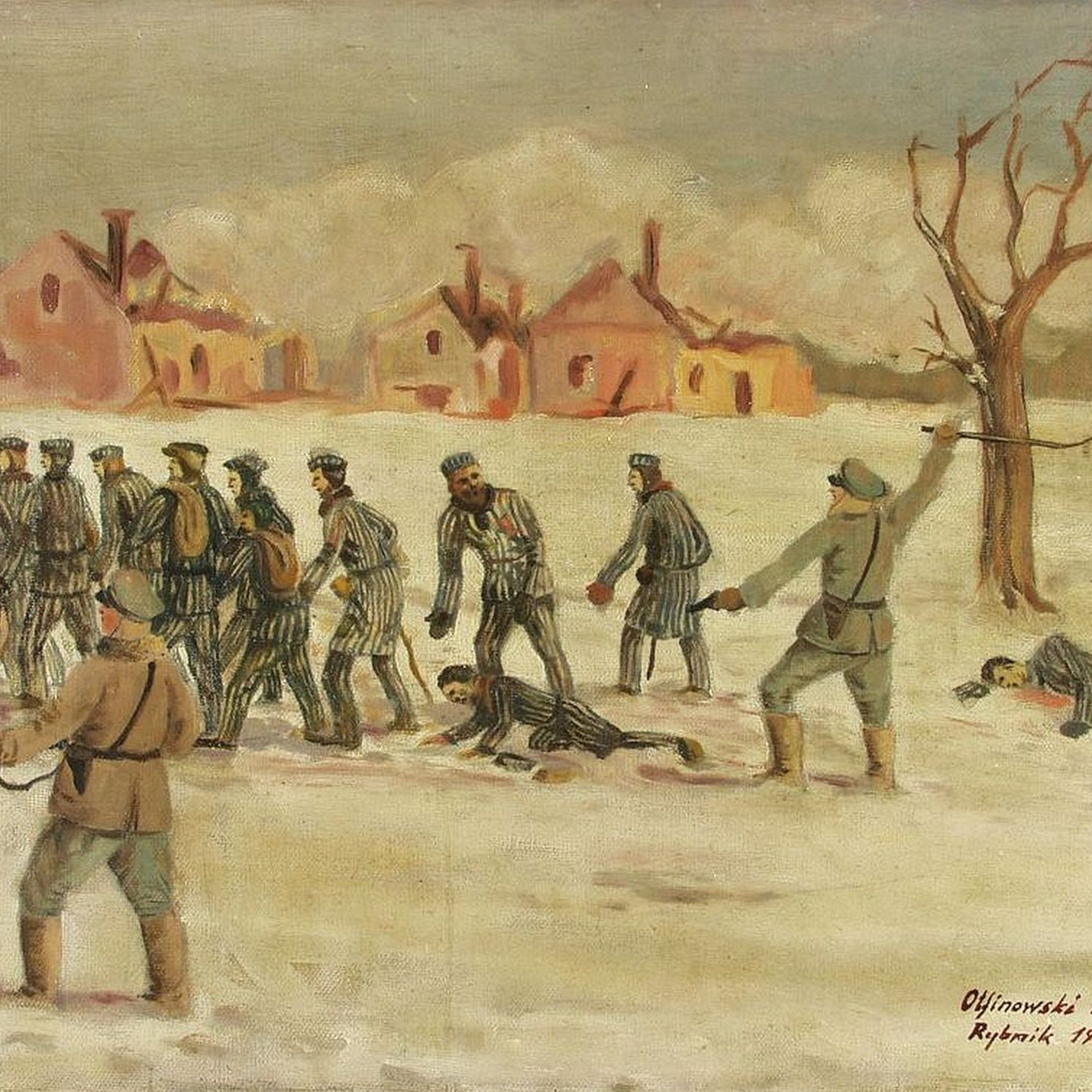 "On Auschwitz" (68): Evacuation marches in the accounts of Survivors and other witnesses 17.01.2026 27minOn 17 January 1945, the SS began evacuating the Auschwitz camp. Around 56,000 men and women, prisoners under the escort of armed SS men, marched out from various parts ofthe camp complex in the direction of Wodzisław Śląski and Gliwice. Several thousand people were killed during these so-called Death Marches. In this episode of the “On Auschwitz” podcast, we quote fragments of eyewitness accounts relating to these events.=====Illustration:Zbigniew Otfinowski, Marsz ewakuacyjny [Evacuation march] (1946). Auschwitz-Birkenau State Museum Collections===== Excerpts from accounts read by narrators (Therese McLaughlin & Mike Skagerlind) come from the Auschwitz-Birkenau State Museum Archives: Teofil Balcarek, APMA-B, Zespół Oświadczenia [Statements],t. 115, k. 204-205.Israel Berkowski, APMA-B, Zespół Oświadczenia [Statements], t. 35, k. 29.Wanda Bienioszek, APMA-B, Zespół Oświadczenia [Statements], t. 116, s. 176.Wanda Błachowska-Tarasiewicz, APMAB, Zespół Wspomnienia [Memories], t. 1, k. 19-20.Józef Ciepły, APMA-B, Zespół Oświadczenia [Statements], t.86, k. 48, 127-128.Jan Dziopek, APMA-B, Zespół Oświadczenia [Statements], t.10, k. 29.Jan Dziopek, APMA-B, Zespół Wspomnienia [Memories], t. 50, k. 138-143Róża Dryjańska, APMA-B, Zespół Wspomnienia [Memories], t.88, k. 211, 233.Ilona Engelova, APMA-B, Zespół Oświadczenia [Statements], t. 80, k. 171.Abraham Dawid Feffer, APMA-B, Zespół Oświadczenia [Statements], t. 16, k. 54.Jan Gabryś, APMA-B, Zespół Oświadczenia [Statements], t.104, k. 138-140.Janina Hinczowa, APMA-B, Zespół Wspomnienia [Memories], t. 62, k. 60.Irena Konieczna, APMAB. Zespół Oświadczenia [Statements],t. 113, k. 130.Wanda Koprowska, APMA-B, Zespół Wspomnienia [Memories], t. 13, k. 66-68. Eulalia Kurdej, APMA-B, Zespół Oświadczenia [Statements], t.66, k. 142.Erwin Olszówka, APMA-B, Zespół Oświadczenia [Statements], t. 72, k. 138.Antonina Piątkowska, APMA-B, Zespół Wspomnienia [Memories], t. 85, k. 45Franciszka Pieczka, APMA-B, Zespół Oświadczenia [Statements], t. 88b, k. 133.Ilona Strusińska, APMA-B, Zespół Oświadczenia [Statements],t. 80, k. 170. Marii Śleziona, APMAB. Inne Zespoły [Others] (IZ) – 27/3.Maria Ślisz, APMA-B, Zespół Oświadczenia [Statements], t.61, k. 134.Zofia Stępień-Bator, APMAB, Zespół Wspomnienia [Memories], t. 74, k. 167.Maria Świderska, APMA-B, Zespół Wspomnienia [Memories], t. 21, k. 85, 88.Józef Tabaczyński, APMAB, Zespół Oświadczenia [Statements], t. 44, k. 60-63.Anna Tytoniak, APMA-B, Zespół Oświadczenia [Statements], t.12a, k. 198Jan Wawrosz, APMA-B, Zespół Wspomnienia [Memories]t. 1, k. 59.Franciszek Wieszała, APMA-B, Zespół Oświadczenia [Statements], t. 16, k. 81.Helena Włodarska, APMA-B, Zespół Wspomnienia [Memories], t. 66, k. 78.Jadwiga Zając, APMA-B, Zespół Oświadczenia [Statements], t. 139, k. 13-15.Leszek Zienc, APMA-B, Zespół Wspomnienia [Memories], t. 2, k. 226.Natan Żelechower, „Siedem obozów”, [in:] Zespół Wspomnienia [Memories], t. 83, k. 68-72, APMA-B.Maria Żumańska, APMA-B, Zespół Oświadczenia [Statements], t. 4, k. 420.=====
 -
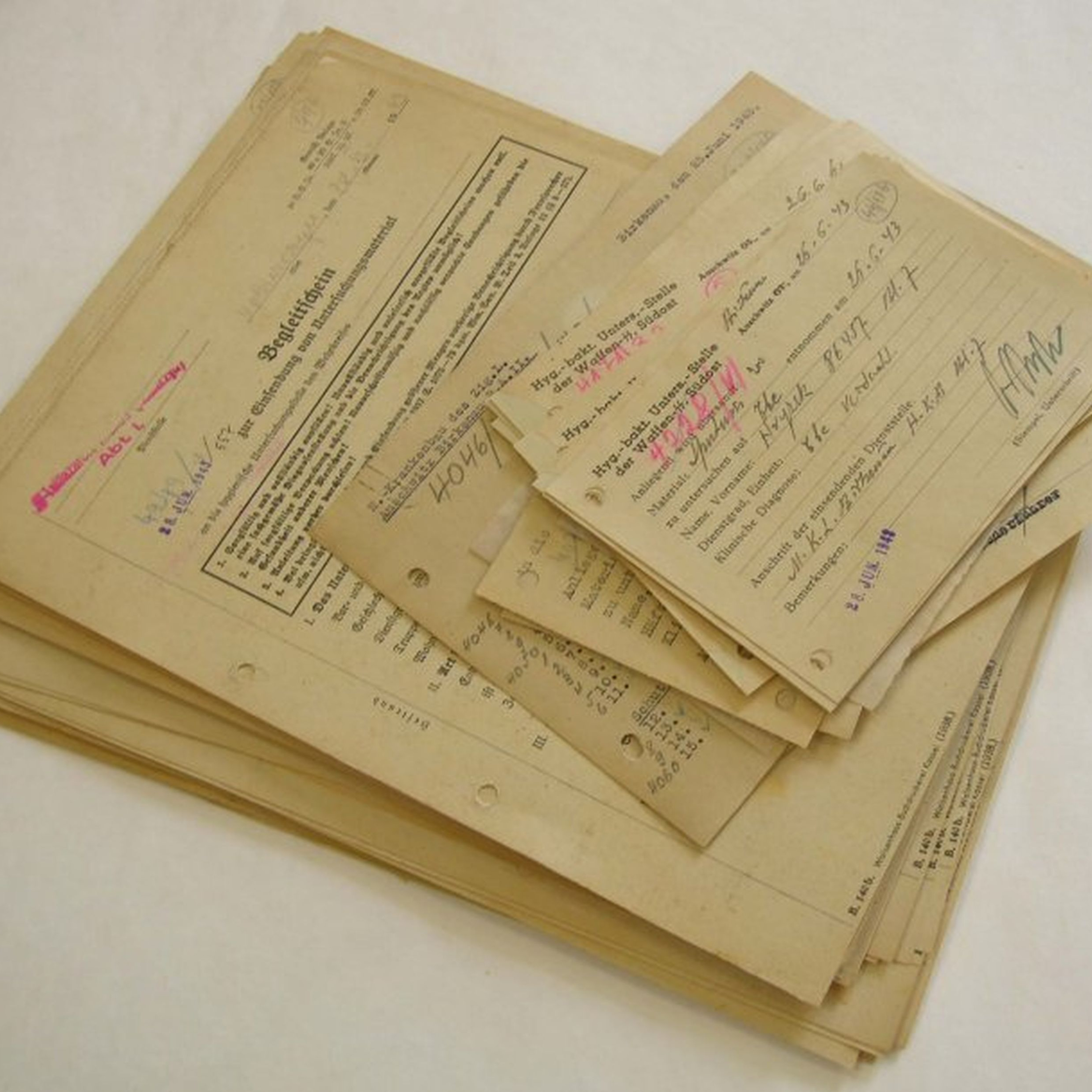 "On Auschwitz" (67): The SS Hygiene Institute 11.12.2025 34minThe Waffen-SS and Police Hygiene Institute at Auschwitz was established in the autumn of 1942. Its tasks included conducting hygienic and bacteriological tests for SS units, the German army, the police, and concentration camps, including the entire Auschwitz camp complex. Teresa Wontor-Cichy from the Auschwitz Museum Research Centre talks about the activities of the institute, which used camp prisoners both for labour and as research subjects.=====Voiceover: Sarah Edwards, Therese McLaughlin
 -
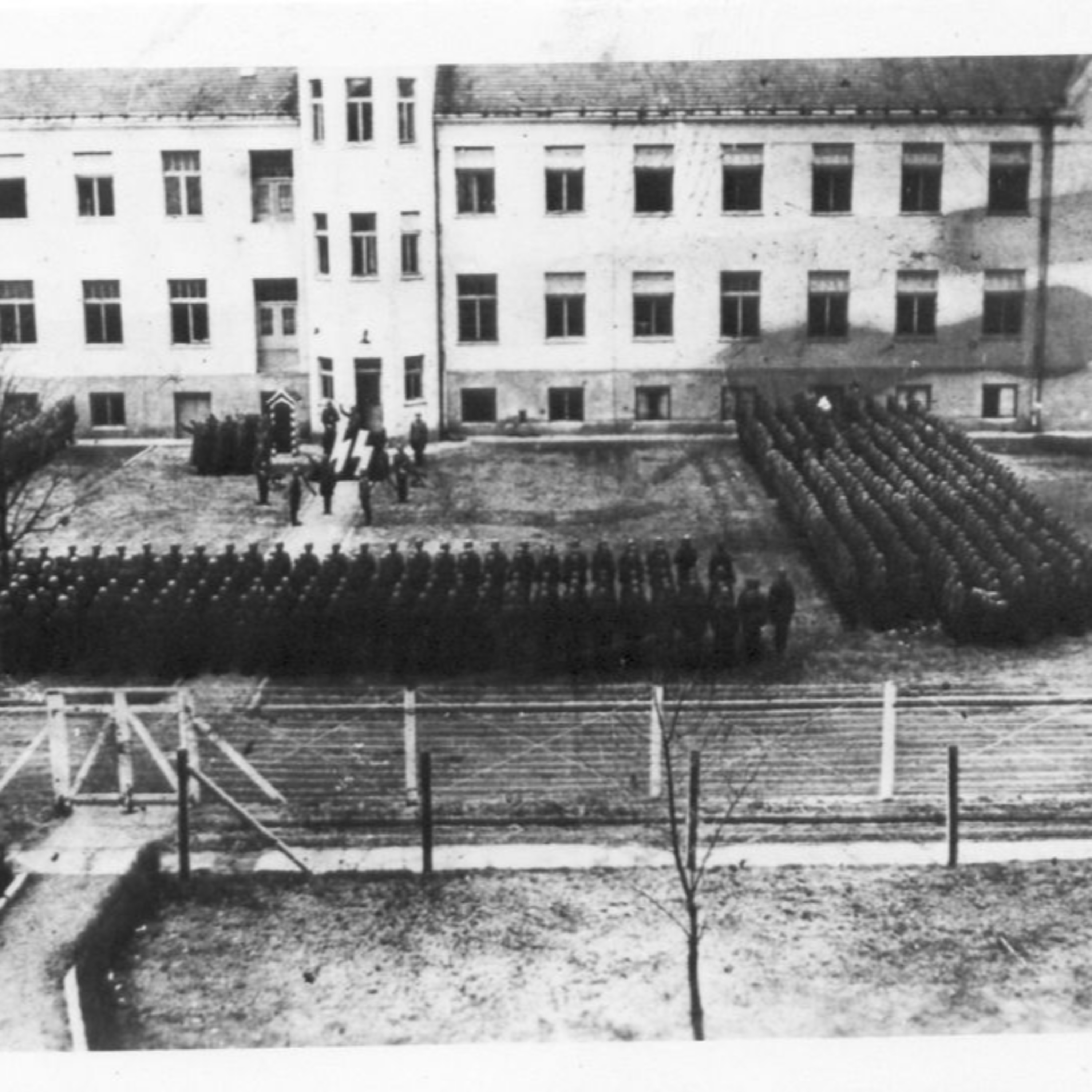 "On Auschwitz" (66): Ideological Training of the SS Garrison of the Camp 15.11.2025 50minWhat did ideological training for SS personnel at the Auschwitz camp look like, and how did the ideology of national socialism influence the functioning of this SS formation? These questions are addressed in the podcast by Dr. Agnieszka Kita, Deputy Head of the Auschwitz Museum Archives. ====Voiceovers: Therese McLaughlin and Kate Weinrieb
 -
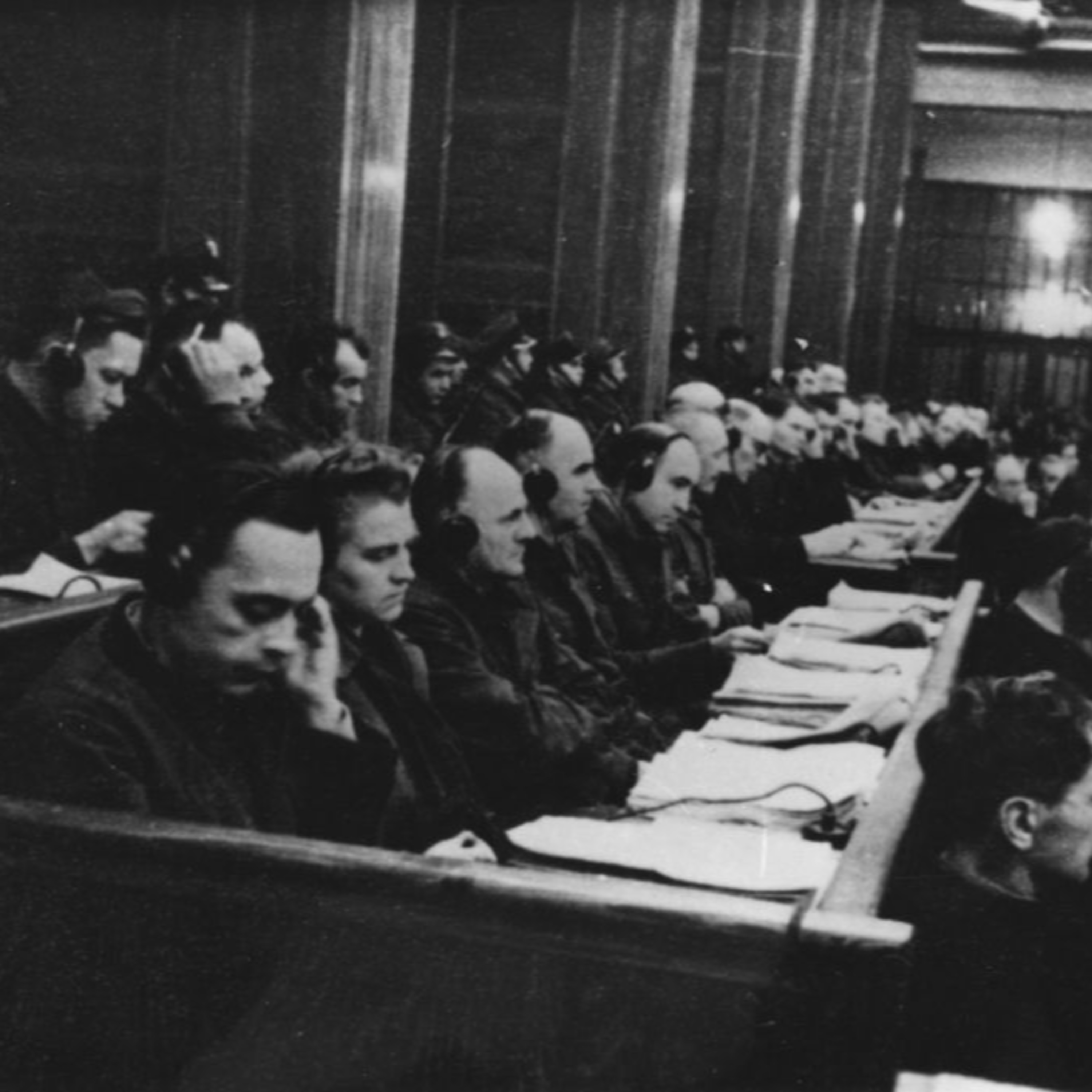 "On Auschwitz" (65): The trial of Rudolf Höss and other SS garrison members of Auschwitz 13.10.2025 33minSome 8,200 SS men and 200 women overseers served in the camp garrison of the German Nazi camp Auschwitz between 1940 and 1945. How were the perpetrators from Auschwitz, including the first commandant, Rudolf Höss, and other garrison members, held accountable? Dr. Wojciech Płosa, head of the Archives of the Memorial, explains.=====Voiceovers: Greg Littlefield, Mike Skagerlind
 -
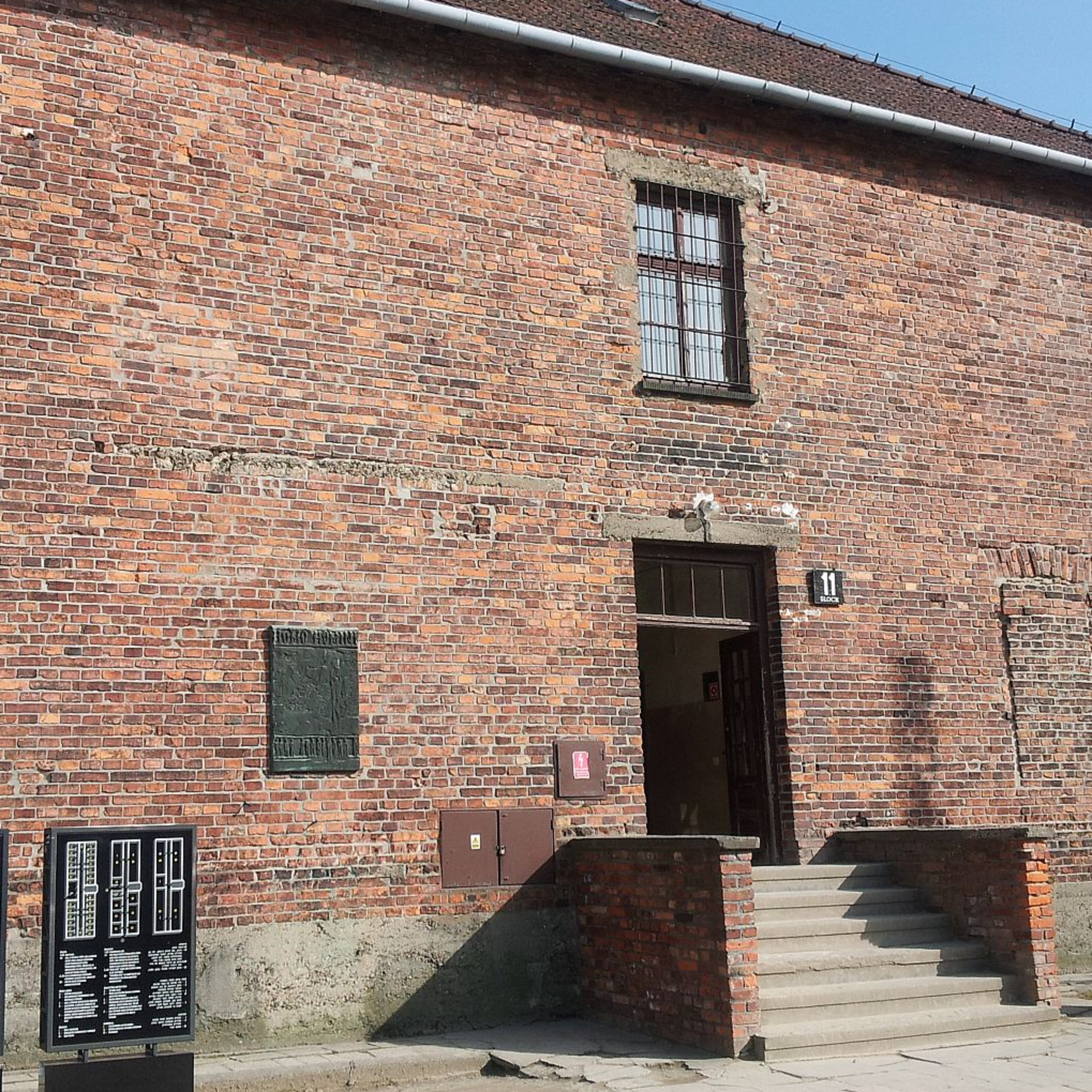 "On Auschwitz" (64): Block no. 11 in KL Auschwitz 08.09.2025 38minBlock 11 at Auschwitz I was isolated from the rest of the camp. It served as a prison, an execution site, and the quarters of the penal company. Dr. Adam Cyra from the Auschwitz Museum Research Centre talks about the unique history of the so-called Block of Death.=====Voiceovers: Toon Dressen and Grey Stanford.
 -
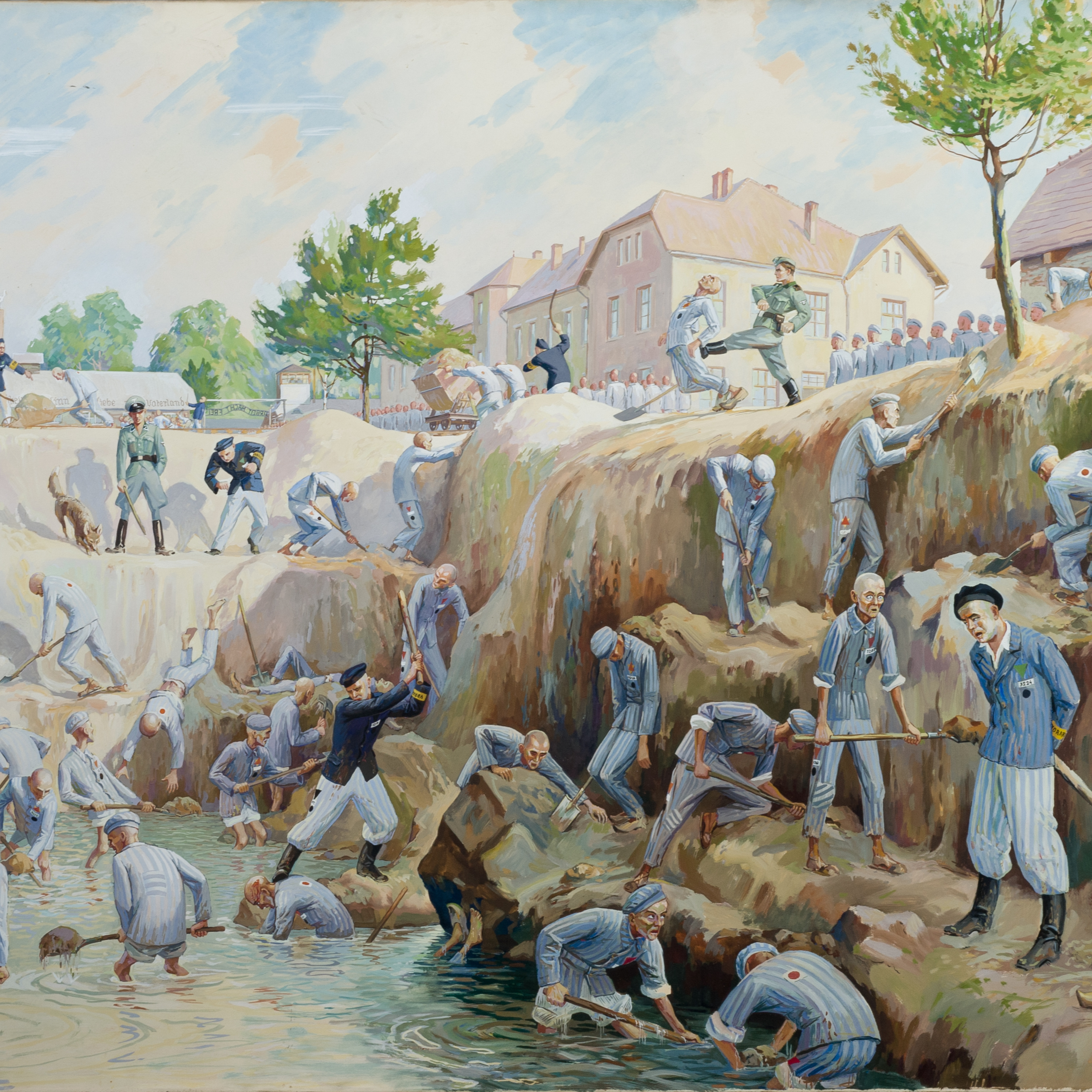 "On Auschwitz" (63): Punishments in KL Auschwitz 04.08.2025 46minAt Auschwitz a system of punishments was in place for prisoners who broke camp regulations. In addition to official penalties, SS garrison members and functionary prisoners also imposed so-called unofficial punishments. Dr. Piotr Setkiewicz, head of the Research Center at the Auschwitz Museum, explains the types of punishments and the offenses for which men and women prisoners could be punished.=====Voiceover: Tom Vamos, Mike Skagerlind
 -
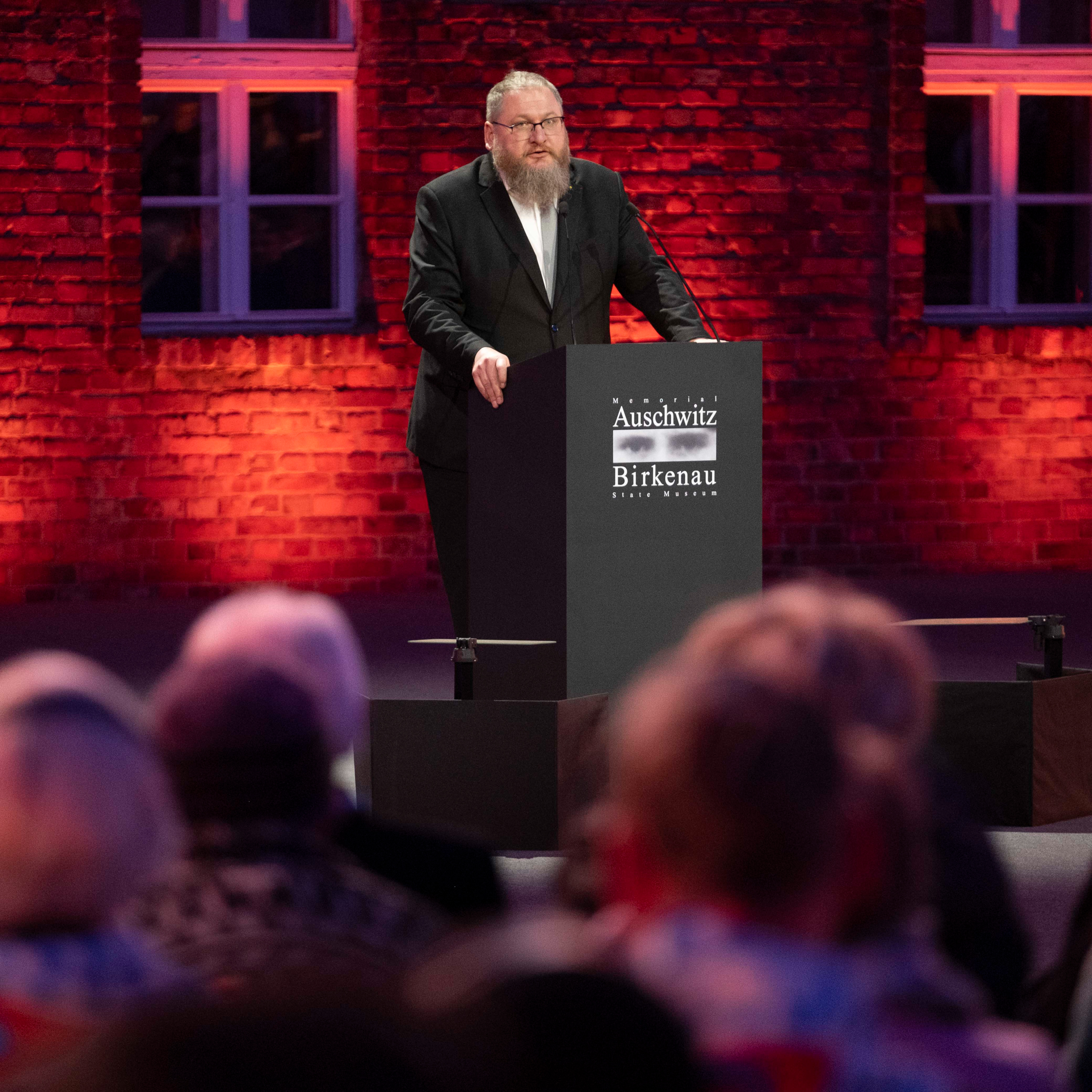 "On Auschwitz" (62): Contemporary challenges of education at the Auschwitz Memorial 02.07.2025 23minThe International Center for Education about Auschwitz and the Holocaust, established as a result of the efforts of Auschwitz Survivors, has been operating at the Memorial since 2005. The Museum director Dr. Piotr Cywiński and Education Center director Andrzej Kacorzyk discuss what education at the Memorial looks like today and what challenges it faces in the context of modern times.=====Voiceover: Greg Littlefield, Grey Stafford
 -
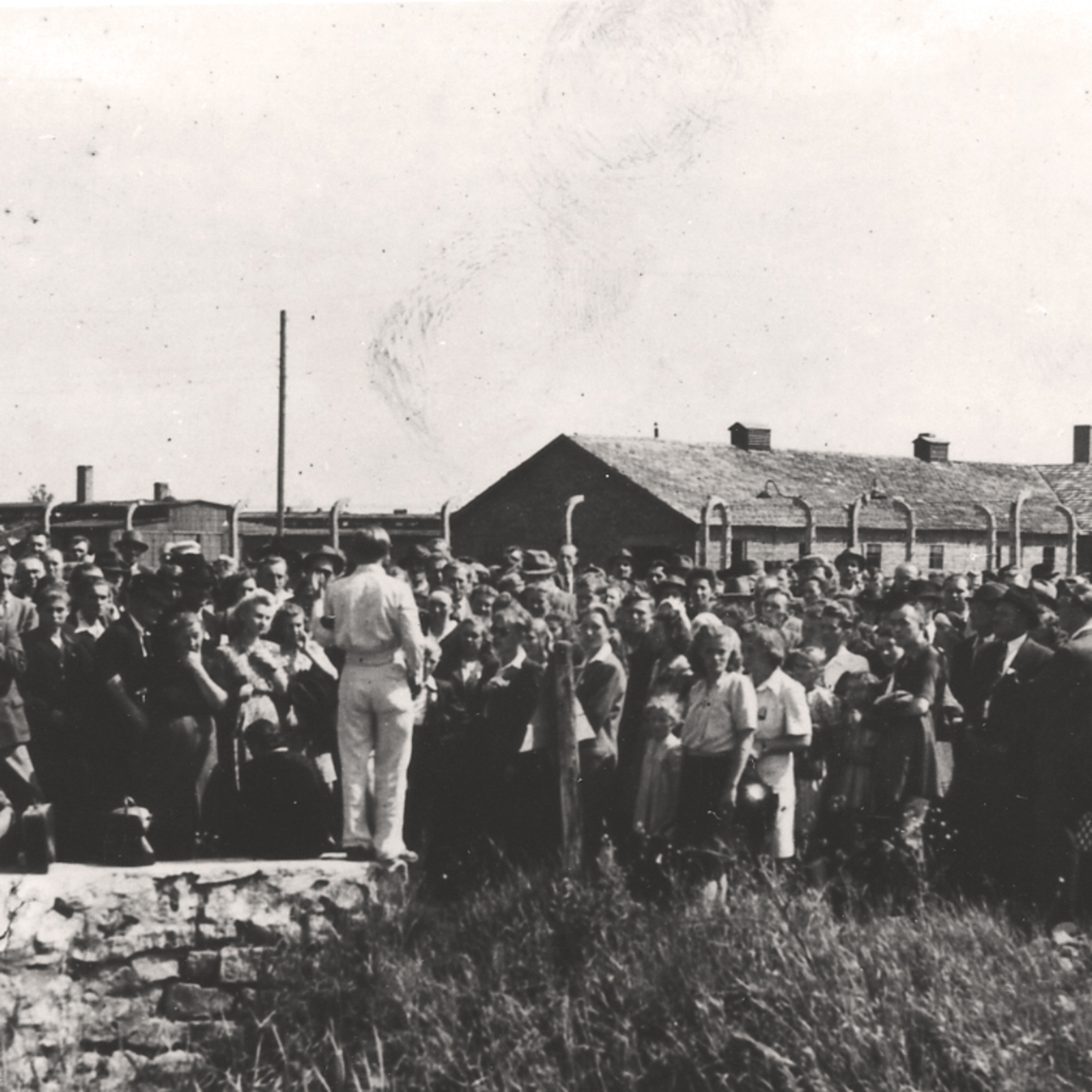 "On Auschwitz" (61): History of education at the Auschwitz Memorial 30.06.2025 34minEducation at the Auschwitz Memorial has been carried out since the Museum was established in 1947, and the first guides were Survivors who told visitors about the tragic history of the camp from their personal perspective. It was due to the efforts of the Survivors that the International Center for Education about Auschwitz and the Holocaust was established in 2005. Krystyna Oleksy, the first director of the Education Center, discusses its beginnings, the first educational projects, and significant challenges.=====Voiceover: Mary Castillo, Calum Melville
 -
 "On Auschwitz" (60): Paragraph 175 prisoners in Auschwitz 26.06.2025 41minParagraph 175 of the German Penal Code criminalized homosexual contacts between men. One possible punishment was imprisonment in a concentration camp. Also at Auschwitz, there was a small group of men convicted of homosexuality. Dr. Agnieszka Kita, deputy head of the Auschwitz Museum Archives, talks about the persecution of homosexual men in Nazi Germany and the postwar memory of their fate.English voiceover: Kate Weinrieb---Our online lesson about this group of prisoners of Auschwitz by Bogdan Piętka from the Research Center of the Auschwitz Museum.
 -
 “On Auschwitz”: First Transport of Poles to Auschwitz in the accounts of Survivors 09.06.2025 30minOn June 14, 1940, the Germans deported a group of 728 Poles from a prison in Tarnow to Auschwitz. Among them were soldiers of the September campaign, members ofunderground independence organizations, high school and university students, as well as a small group of Polish Jews. They were registered with nos. from 31 to 758. The podcast "On Auschwitz" presents fragments of testimonies of:- Kazimierz Albin, - Jan Baraś-Komski, - Zbigniew Bentkowski, - Włodzimierz Borkowski, - Edward Ferenc, - Adam Jurkiewicz, - Stanisław Maliński, - Eugeniusz Niedojadło,- Wiktor Pasikowski, - Tadeusz Pietrzykowski, - Bronisław Wajda, - Alfred Wilk - Stanisław Zyguła. =====See also our online lesson about this topic:http://lekcja.auschwitz.org/en_17_deportacje/=====Voiceovers:Tom Vamos, Greg Littlefield, Grey Stanford, Mike Skagerlind, Michael Takiff, Toon Dressen
 -
 "On Auschwitz" (59): Block no. 10 in Auschwitz I and sterilization experiments 12.05.2025 46minBlock 10 at the Auschwitz I camp was the so-called experimental block. SS doctors conducted medical experiments there, including those focused on sterilization. Why was this particular block chosen for such experiments, who were the doctors working there, and what happened to their victims? These questions are explored by Teresa Wontor-Cichy from the Research Center of the Museum.Voiceover: Therese McLaughlin===== On-line lesson about medical crimes at Auschwitz: http://lekcja.auschwitz.org/2022_medycyna_en/
 -
 "On Auschwitz" (58): Day of a prisoner at Auschwitz 15.04.2025 17minThe Auschwitz camp did not have a homogeneous character and was constantly changing during its operation. Dr Jacek Lachendro of the Auschwitz Museum Research Centre talks about what everyday life was like for Auschwitz prisoners, from the morning roll-call, through the hunger that accompanied them all the time, to working beyond their strength. Voiceover: Ian Manger, Tom VamosIf you find value in the "On Auschwitz" podcast, please consider subscribing on your favorite platform, leaving a rating to help others discover the podcast, and sharing it on social media. Your support makes a difference.
Lignende podkaster


Populær i
Denne podkasten finnes også i podkast-listene til disse landene.


