
Open For Business
BFM Media
0
The flagship entrepreneurship show on BFM, featuring personal business stories from early stage start-ups to billionaire octogenarians in Malaysia and abroad. Notable guests include Martin Cooper, Julian Assange, Ralph Henry Baer, Tony Buzan, Isaac Tigrett, Robert Kiyosaki, and Nick Vujicic. The show also touches on news, issues, and trends affecting the SME industry and the broader business community.
Episoder
-
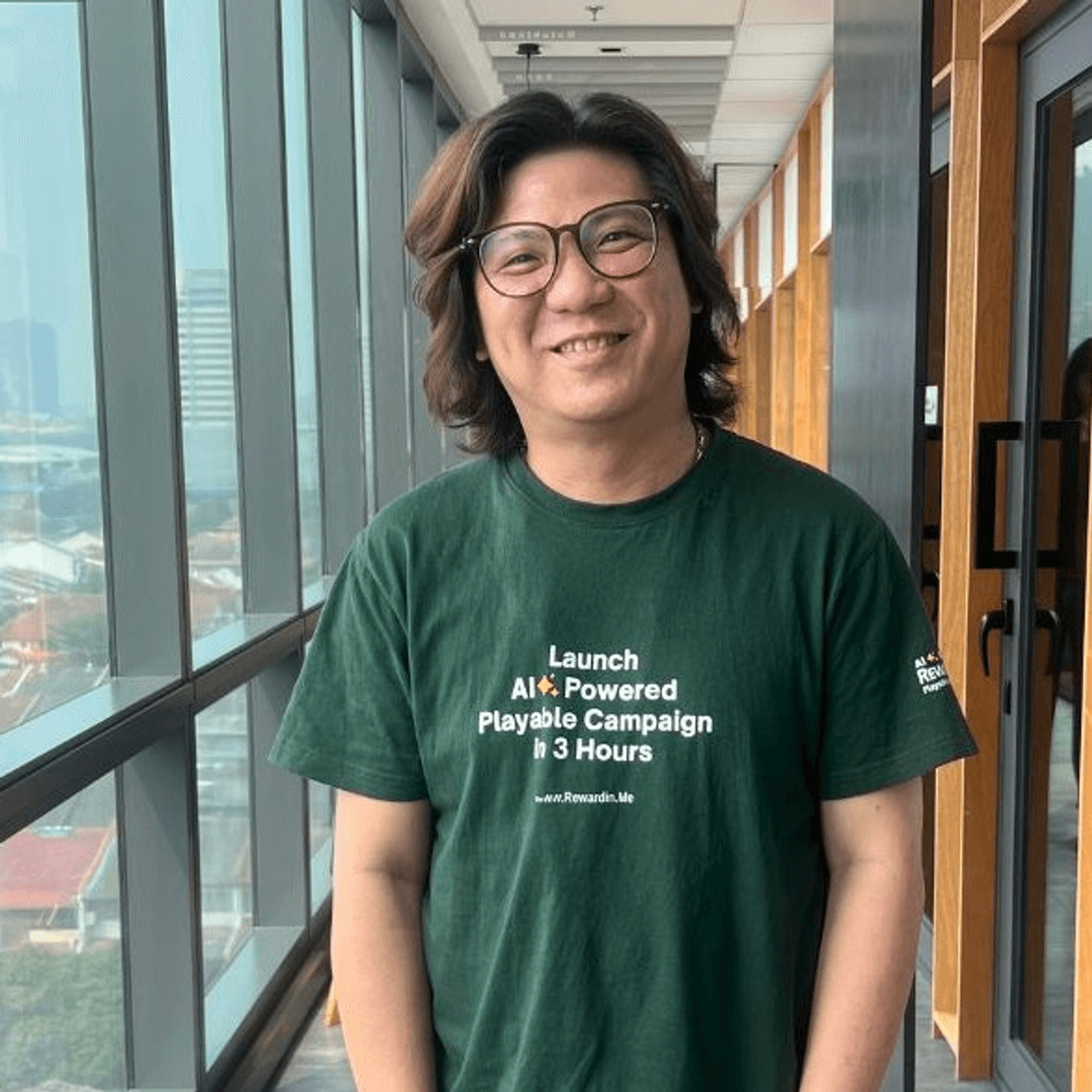 Hitting the Jackpot With Interactive Campaigns 24.09.2026 32minAfter spending two decades building apps, websites, and CRM systems for Southeast Asian enterprises, Steve Wan watched his clients pour increasing budgets into traditional digital advertising models for diminishing returns. Realising that interactive campaigns effectively captured consumer attention but were prohibitively expensive to custom-build, he launched RewardinMe. Today, the bootstrapped, no-code platform allows brands to independently deploy interactive mechanics such as spin-to-win, scratch cards, and quizzes, across web, social, and in-app channels.Steve joins us to discuss the platform's core commercial proposition - zero-party data, what a massive logo list actually means for the bottom line of the company, and RewardinMe’s recently launched AI agent, designed to fully automate campaign strategy, creative generation, and reward recommendations.See omnystudio.com/listener for privacy information.
 -
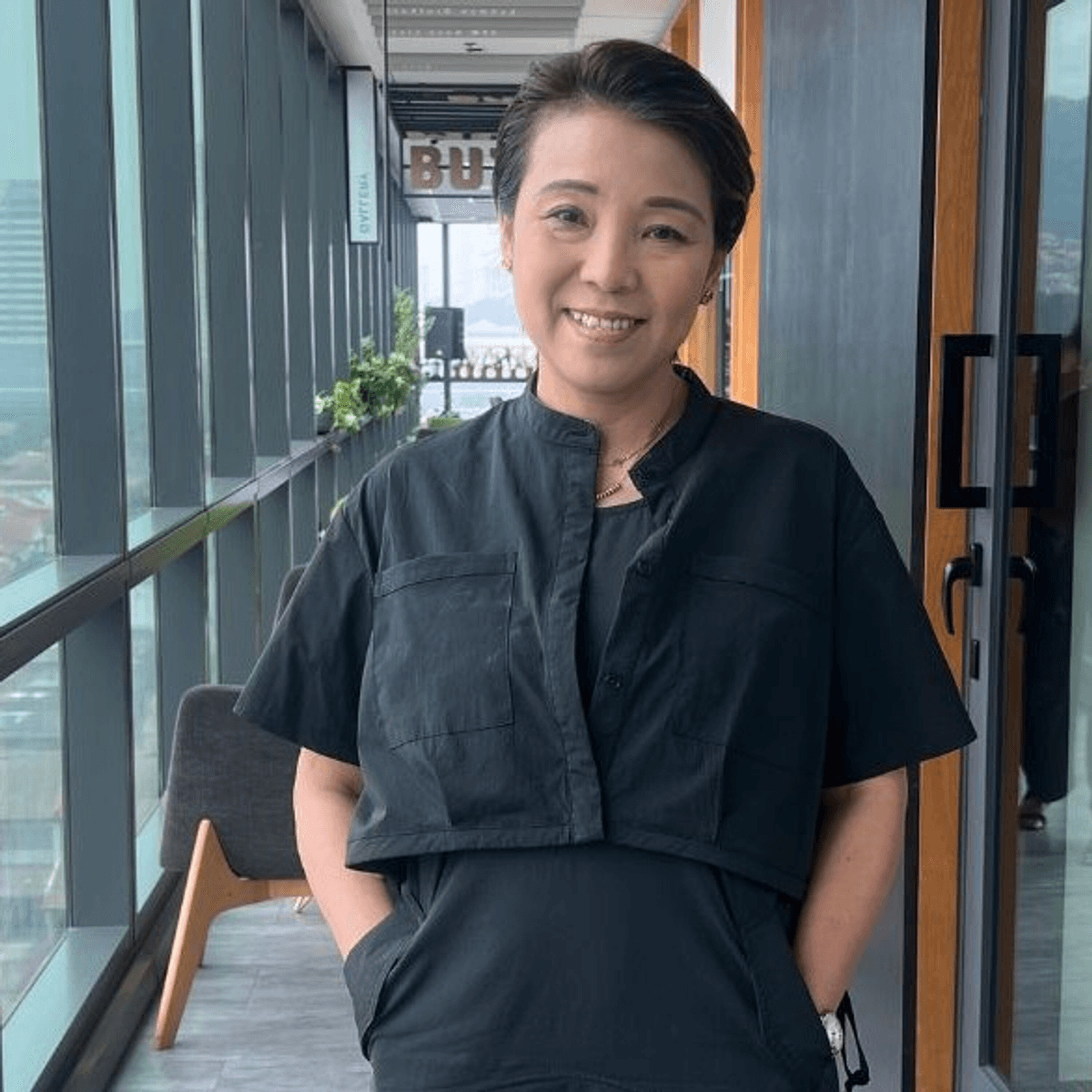 Delivering Growth in a Shrinking Maternity Market 23.09.2026 22minWhen award-winning architect Katrine Cheong last appeared on the show in December 2024, the conversation centered around the design mechanics of building Little Precious, a premium confinement centre in KL Eco City. Today, she returns to discuss a drastically different reality: the shifting economic ground beneath the maternity business. Since opening in 2020, her single-site, 20,000-square-foot facility has served over a thousand mothers, operating with 60-plus medical professionals and a strict one-to-two nurse-to-baby ratio. With packages starting north of RM31,000, it is effectively a luxury hotel that carries the exorbitant staffing bill of a private hospital.Katrine joins us to discuss the hard unit economics of the confinement industry. We unpack the mechanics of occupancy and break-even points, if she will continue to champion a single-site model rather than scaling, and the brutal reality of retaining specialised nurses amidst a national shortage and aggressive poaching from Singapore.See omnystudio.com/listener for privacy information.
 -
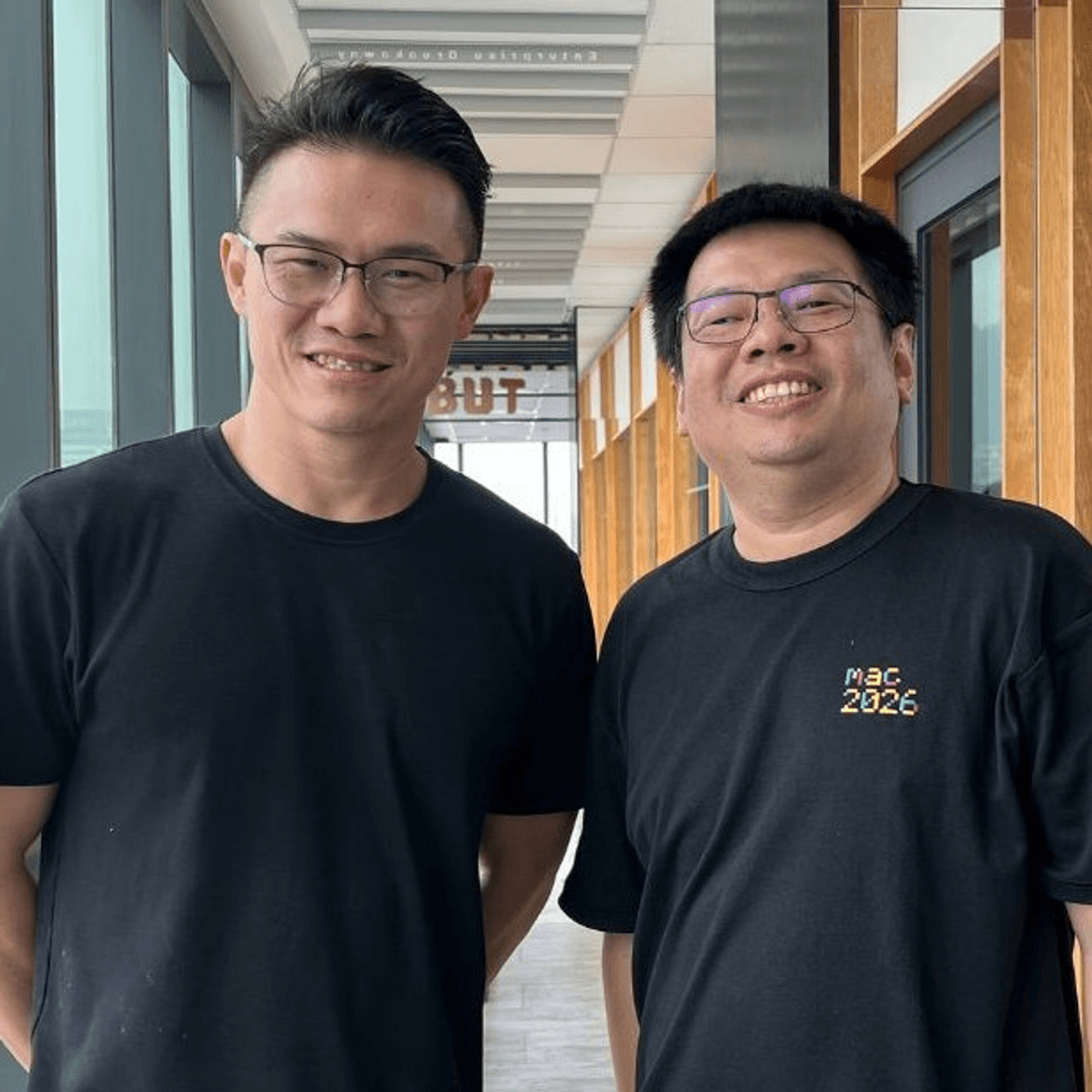 Spilling the Beans on Scaling a Wholesale Roastery 22.09.2026 28minGhostbird Coffee started in 2015 out of operational frustration. After transitioning from the IT industry to help found The Owls Café, Thomas Ooi and Tiong Hsien Qing realised they wanted absolute control over their most critical supply chain element: their coffee. What began as a small Seputeh roastery built to supply their own shops has scaled into a massive nationwide B2B operation. Growing from roughly RM1.5 million in 2020 to RM7.07 million in 2024, the fully bootstrapped business currently generates between RM600,000 and RM800,000 monthly, with a clear operational target to consistently clear a million a month.The business now executes across seven distinct revenue streams—spanning roasting, B2B wholesale, e-commerce, a retail coffee bar, co-roasting, roastery consultation, and running major events like the Malaysia AeroPress Championship. Beyond their operational footprint, the founders are making a massive strategic bet on Malaysian Liberica. Traditionally dismissed as a cheap, sea-level filler crop grown in Johor, Ghostbird is working to elevate the bean into a distinct, high-quality Malaysian coffee identity that can command global respect.Thomas and Tiong talk to us about the realities of building a multi-million ringgit F&B supply company from the ground up. We discuss why being former café operators serves as their greatest strategic advantage in wholesale, and the difficult process of digitising B2B sales in an industry traditionally run entirely on handshakes and salespeople. See omnystudio.com/listener for privacy information.
 -
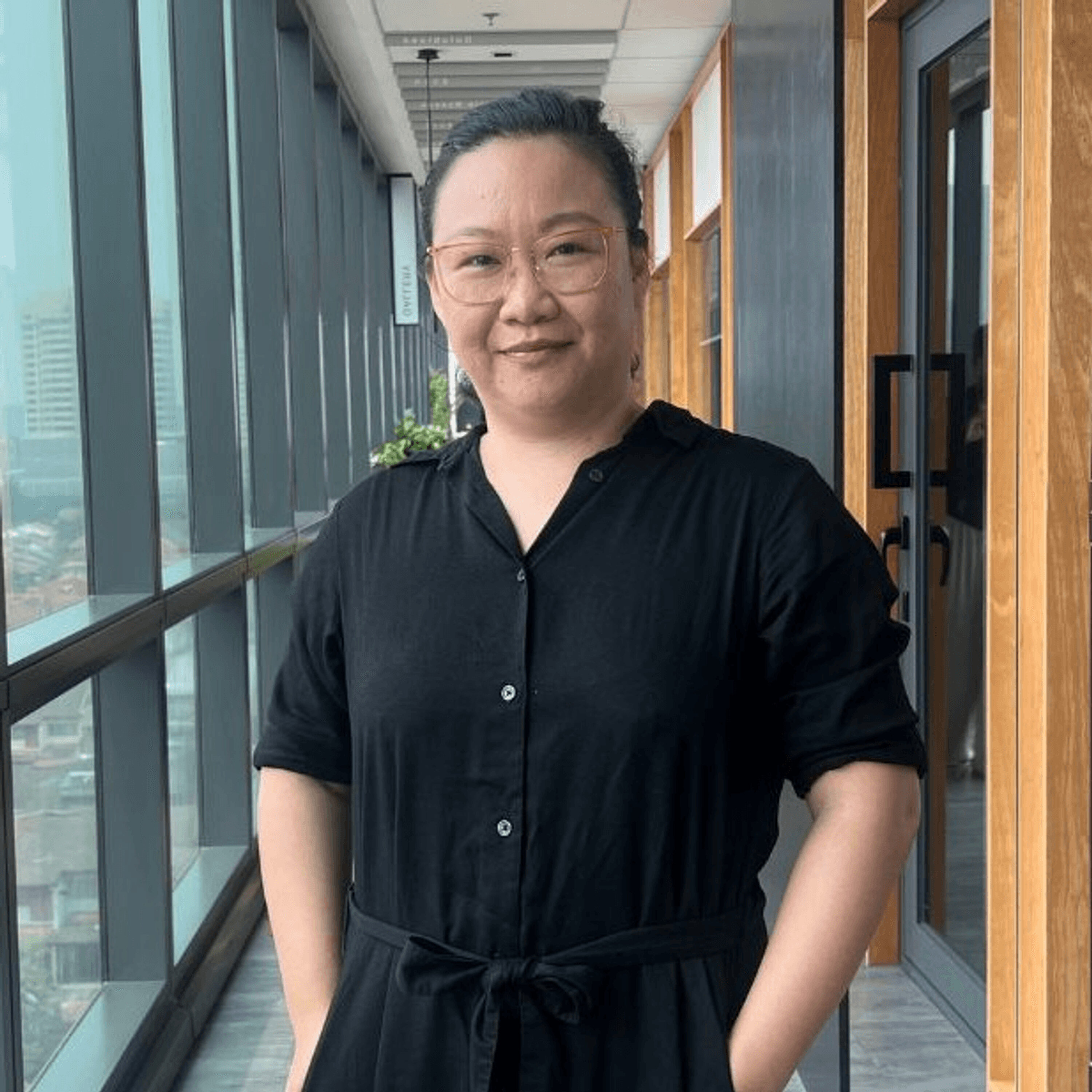 Rise & Fold: Why Ling's Focacceria Closed Its Doors 21.09.2026 32minLing's Focacceria operated on an incredibly focused business model: one type of dough, transformed into a menu of focaccia loaves and sandwiches featuring Malaysian flavors like otak-otak, and vadai. Built by a former corporate communications and copywriting professional with zero F&B background, the Mutiara Damansara shop survived a brutal first year of poor management and severe debt. By tightly restructuring the business, founder Choy Ee Ling successfully cut payables, grew year-two revenue by 12 percent, and entered her third year completely debt-free. By the time the shop’s lease was up for renewal, the bootstrapped business was generating over six-figures in revenue and sitting firmly in the black.Then, she shut it down.Ling joins us to discuss the mechanics of digging a retail shop out of vendor debt, how social media fundamentally changed her customer acquisition, and exactly what happens to a company's sales when a founder announces they are closing a profitable business for good.See omnystudio.com/listener for privacy information.
 -
 If the Shoe Fits: Faramore's Bet on Wide Feet 18.09.2026 20minFaramore is a bootstrapped, direct-to-consumer footwear brand solving a highly specific market gap: affordable, handmade shoes designed exclusively for women with wide, chubby, or bunion-prone feet. Operating on a strict pre-order model to maintain clean cash flow and eliminate excess inventory, the brand prices its entire catalogue under RM95. By leveraging organic customer acquisition through founder Farah Che Lamin's personal Threads account, Faramore has rapidly scaled to roughly RM500,000 in revenue within its first year.This hyper-niche focus is a calculated response to a harsh entrepreneurial reality. Farah previously spent seven years successfully building her first footwear brand, LANIA, only to shut it down after being overwhelmed by aggressive market copycats. With Faramore, she executed a decisive strategic pivot, betting that a product meticulously engineered from the ground up for an underserved demographic provides a structural moat that is fundamentally harder for mass-market manufacturers to replicate.Farah talks to us about the technical differences between designing for wide feet versus simply scaling up a standard shoe block, the reality of IP theft in the fashion industry, and the challenges of using a personal, highly public social media account as a primary sales channel. See omnystudio.com/listener for privacy information.
 -
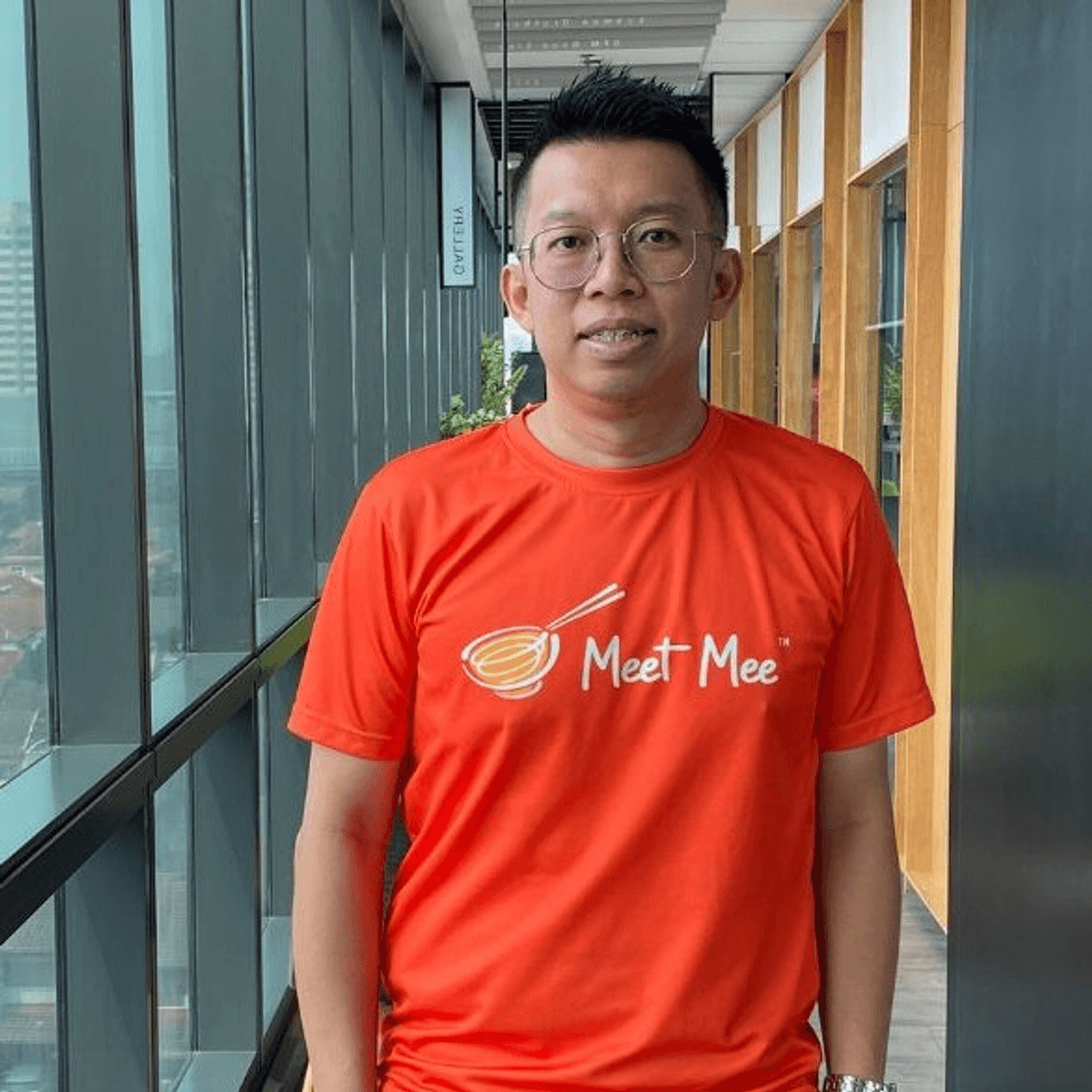 Can A Pan Mee Restaurant Become An FMCG Brand? 17.09.2026 39minHow do you turn a Pan Mee restaurant into a scalable FMCG business? For Meet Mee, the answer came when COVID forced the company to rethink how it could reach customers beyond its restaurants.Co-Founder Chan Foo Chuen shares how the company developed its instant Pan Mee, built a business across e-commerce and retail, and grew annual revenue from under RM1 million in 2020 to more than RM10 million in 2025, while still working towards profitability.We discuss:Why Meet Mee moved from restaurants into packaged food.The product development challenges behind instant Pan Mee.How the company built its e-commerce and retail business.Why growing revenue does not necessarily mean being profitable.Meet Mee's plans to increase production and enter the Indonesian market.See omnystudio.com/listener for privacy information.
 -
 Borenos: Why Did The Chicken Cross The South China Sea? 15.09.2026 33minFounded in Kota Kinabalu in 2015, Borenos Fried Chicken is an independent fast-food chain that has steadily grown into a highly successful eight-figure enterprise. Over the past twelve months, the company has aggressively scaled from six to eleven outlets, officially establishing a foothold in the Klang Valley with locations in Puchong, Damansara Uptown, and Bandar Baru Bangi. Along the way, the business has proven its market demand, securing Grab's Crowd's Favourite Western Food award three years running and a BrandLaureate World Halal award.Despite posting strong per-outlet revenue in its home state, crossing the South China Sea has presented its founders with fresh operational hurdles. And after eleven years building brand equity and community backing in Sabah, Borenos has effectively had to start from zero in West Malaysia - acquiring customers from scratch while competing directly against hundreds of established global franchise outlets. In this Malaysia Day special, Co-founder & CEO Janice Yeo talks to us about the decision to build a homegrown brand rather than importing another foreign franchise. We also discuss the absolute limits of relying on the Sabahan diaspora as a primary customer acquisition channel in the Klang Valley, and exactly what structural changes are required for more East Malaysian enterprises to successfully go national.See omnystudio.com/listener for privacy information.
 -
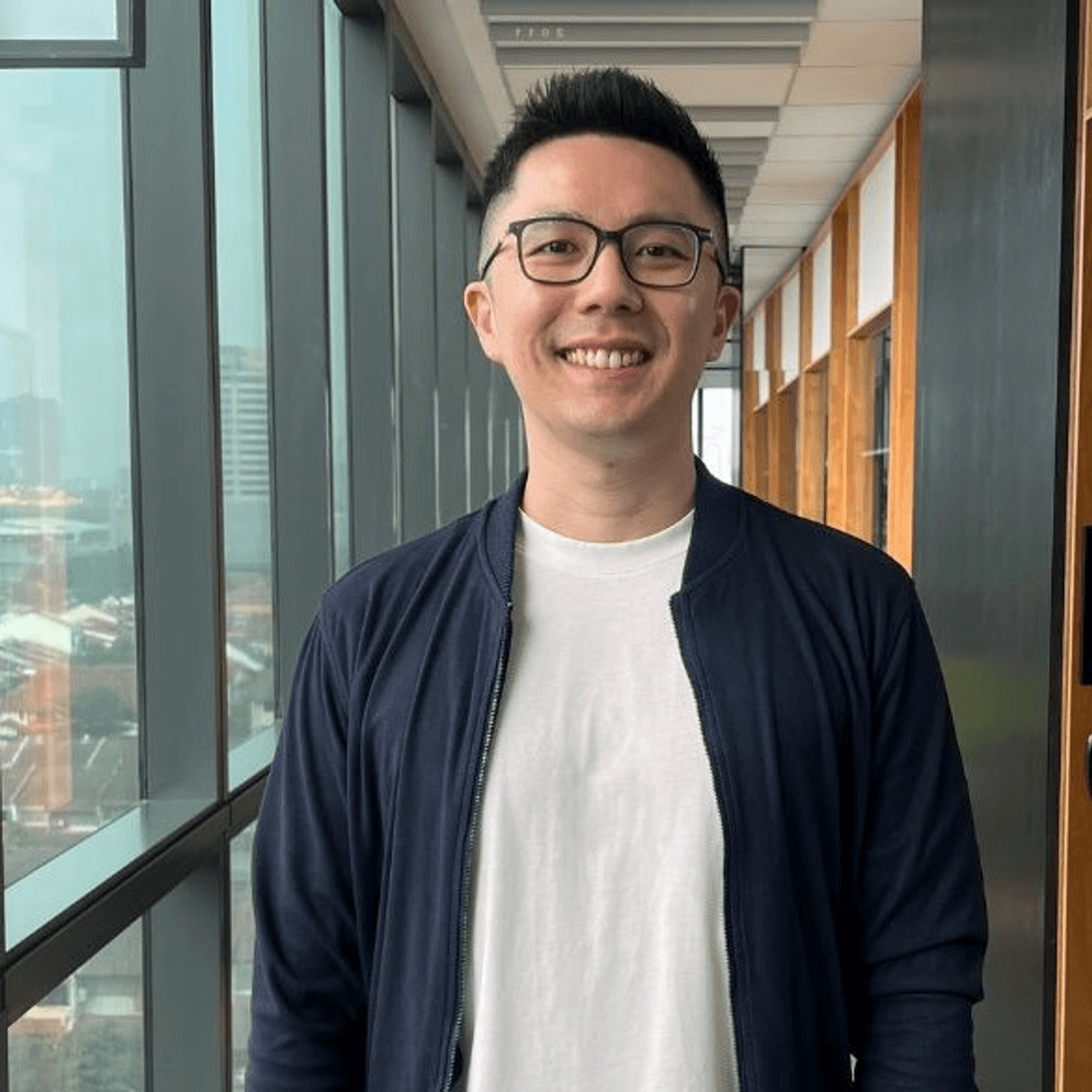 The Business of Beds That Disappear 14.09.2026 30minAs residential floor plans across the Klang Valley continue to shrink, Mocof has built a highly profitable, seven-figure business by addressing the gap in spatial efficiency. Operating under the SPAZE label, the company manufactures premium transformable furniture, such as wall beds that fold into shelving and sofas that convert into beds, engineered with high-end European compressed-air mechanisms. The fully bootstrapped business has maintained steady 8 to 10 percent year-on-year growth for fifteen years, operating premium showrooms in Pavilion KL and Setia City Mall while securing lucrative B2B contracts with ANSA Hotel and Paramount Property.Despite this established retail and manufacturing success, founder Eric Cha is now betting the company's next aggressive growth phase entirely on software. Mocof is developing a proprietary AI layout tool designed to ingest condominium floor plans and instantly generate optimised, space-saving designs with fully validated upfront costs. Eric joins us to discuss the realities of their global supply chain - pairing European mechanisms with Chinese materials and Malaysian assembly, and what genuinely makes a transformable bed structurally safe. We also dissect their new AI software, to explore what the tool actually accomplishes.See omnystudio.com/listener for privacy information.
 -
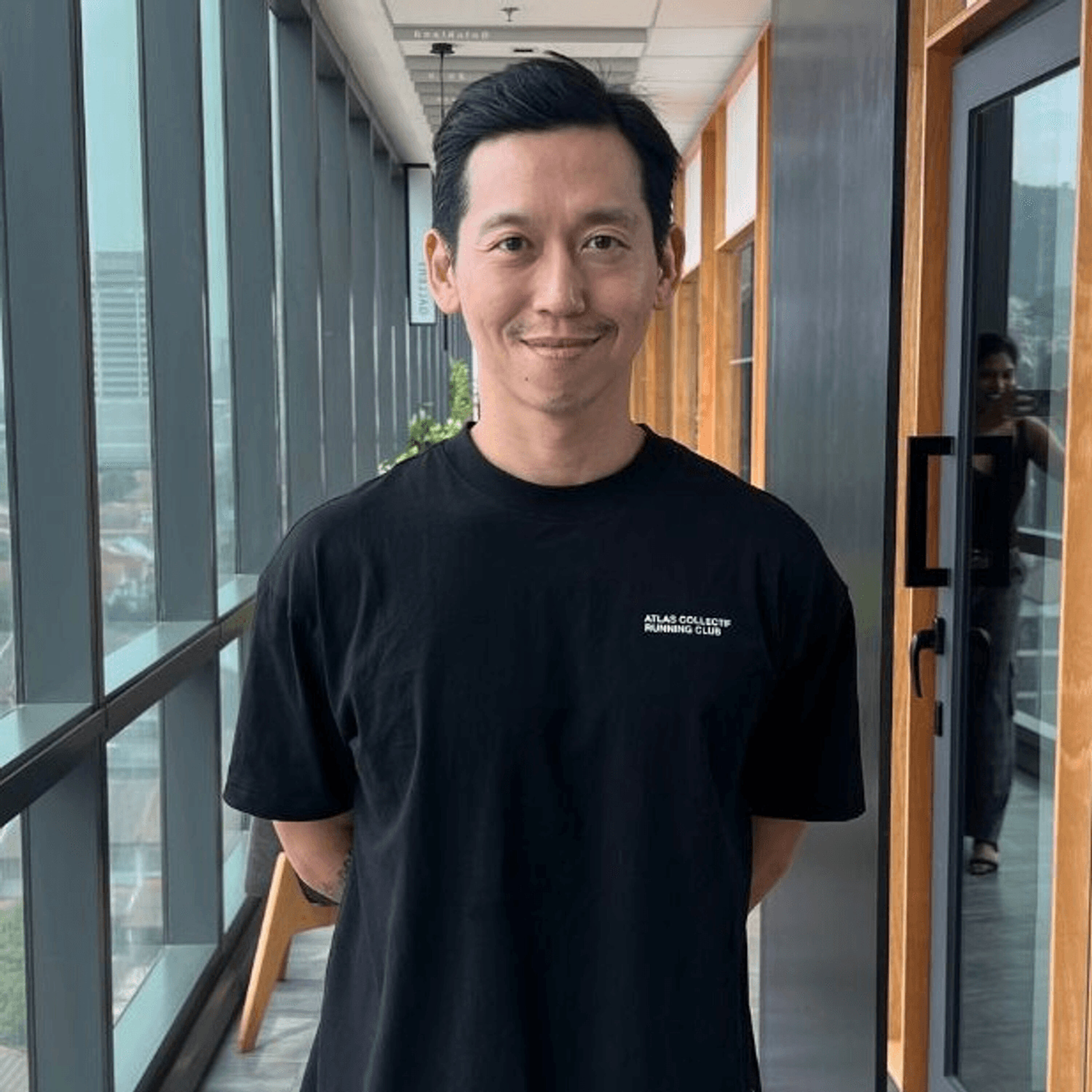 Going the Distance: Atlas Collectif's Run at the Global Market 11.09.2026 32minAtlas Collectif is a performance running apparel brand operating out of Kuala Lumpur and Dubai, producing technical kits built on design, performance, and sustainability. Within three years of launching, the brand has scaled to over RM3 million in annual revenue, recording 178 percent year-on-year growth. Operating with a lean core team of just six people, the business has successfully established 20 distribution points across five countries and secured major strategic partnerships, including a three-year deal with adidas that will evolve into a full capsule collection in 2027, and a partnership with the KL Half Marathon to outfit roughly 8,000 runners.Co founder Hugh Koh joins us to discuss building a globally competitive athletic brand from Kuala Lumpur. We also discuss the USD 400,000 seed round to accelerate its physical and international expansion, and how the company utilises community as their primary customer acquisition channel, building highly localised run clubs across five global cities. See omnystudio.com/listener for privacy information.
 -
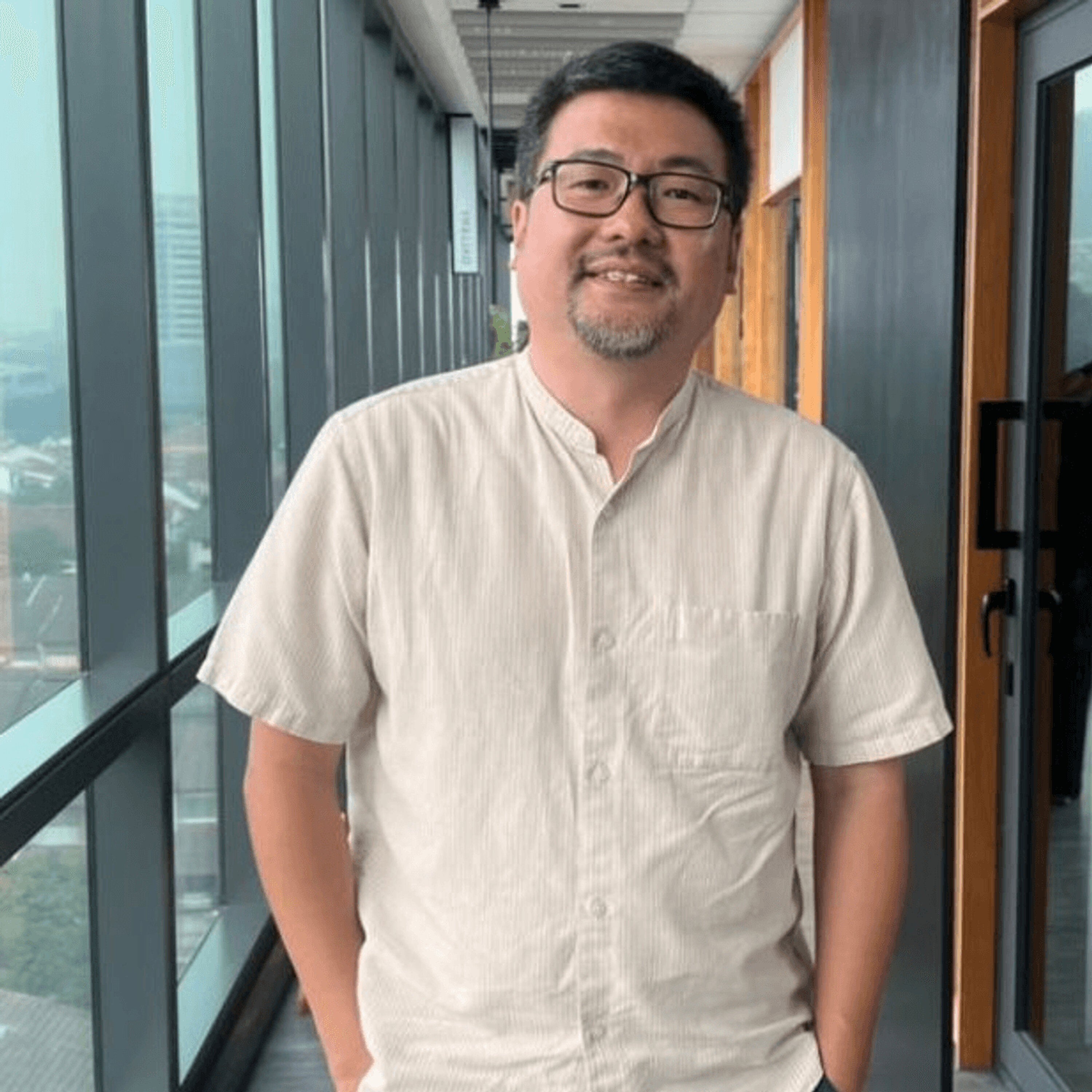 In a Nutshell: Malaysia's Biggest Coconut Story 10.09.2026 36minLinaco is Malaysia's largest coconut ingredient manufacturer, exporting coconut milk, cream, and ready-to-drink coconut water to more than forty countries under brands like Rasaku and Cowa. Operating production facilities across Batu Pahat, Bandar Enstek, and Kalimantan, the company supplies modern retail supermarkets, restaurants, and industrial food manufacturers. Last year, the group successfully crossed half a billion ringgit in annual revenue, achieving this massive scale without taking a single ringgit of outside capital in two decades.Despite this financial milestone, the business is navigating the most violent period of coconut price volatility in living memory. With global benchmarks nearly tripling due to drought, pests, and international buying surges, Linaco is executing a massive RM400 million vertical integration strategy in Sabah to grow its own supply and protect its margins. Furthermore, after twenty years of strict self-funding, the business is officially preparing to enter an aggressive investment mode.Executive Director Joe Ling joins us to discuss the global coconut trade, Linaco’s zero-waste manufacturing model, and the impact of ingredient adulteration on the wider category. We also explore the strategic shift toward owning their own plantations and why they are finally considering external capital to fund their next phase of growth.See omnystudio.com/listener for privacy information.
 -
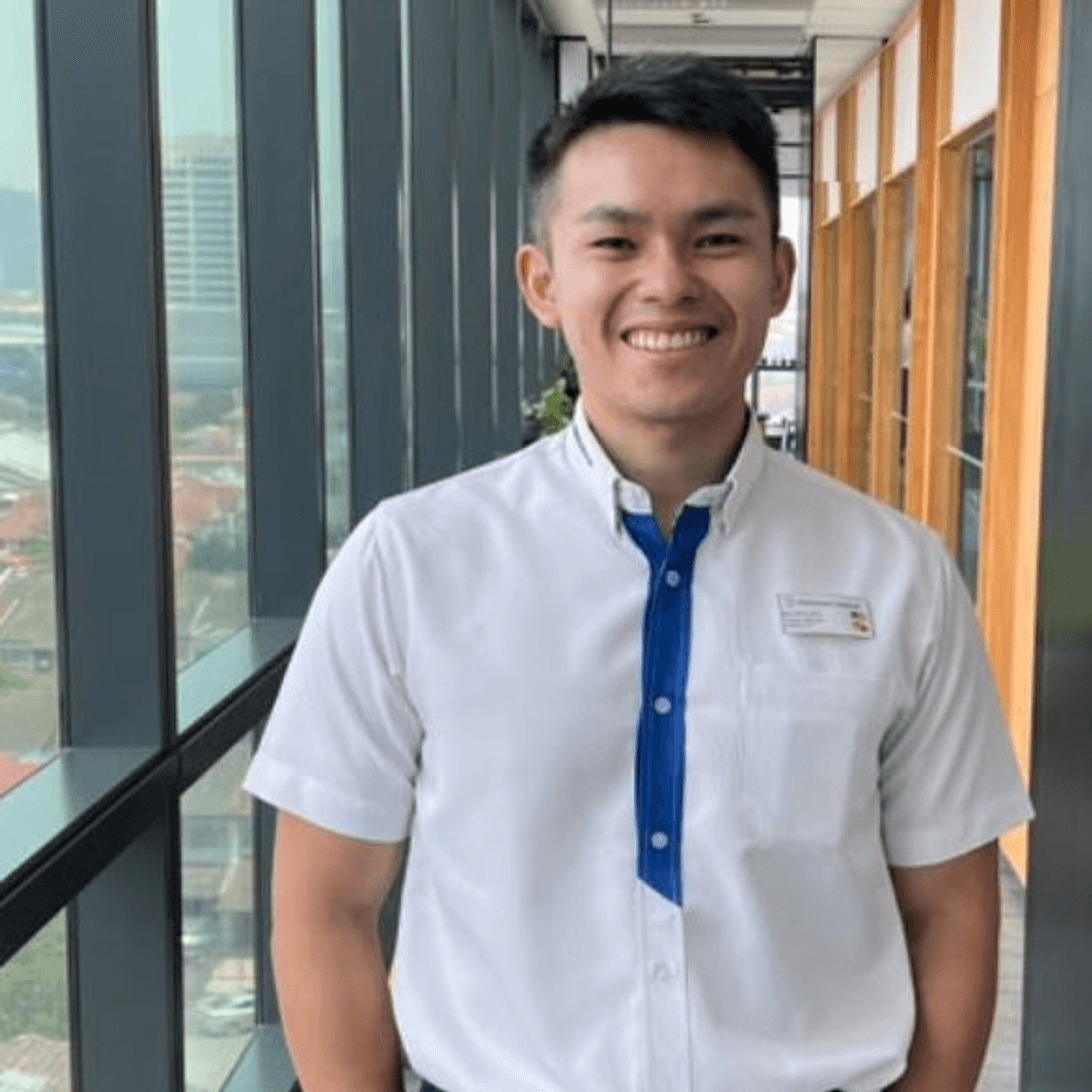 46 Years Keeping Malaysia's Trucks Moving 09.09.2026 26minYonMing Group is a fully bootstrapped commercial vehicle aftermarket giant operating across Malaysia, Singapore, Indonesia, Thailand, Vietnam, Myanmar, and Hong Kong. The business model spans five distinct revenue streams, including supplying genuine parts for European heavyweights like Volvo, Scania, Mercedes-Benz, and Iveco. Additionally, the company operates dedicated workshops and 24-hour breakdown teams, sells used parts and whole trucks, and serves as the appointed Malaysian distributor for Chinese manufacturer Shacman.Finance Director Kau Hau Jian joins us to unpack the hidden financial engine of parts distribution and the currency risks involved in a thin-margin industry. We also discuss the strategic impact of Chinese trucks disrupting a market traditionally dominated by European brands, the operational hurdle of digitising an industry built entirely on human relationships via the YM Super App, and how the impending electrification of commercial fleets will alter the economics of the parts business.See omnystudio.com/listener for privacy information.
 -
 Beyond ECF: pitchIN Bets On LEAP, SMEs, & P2P Finance 08.09.2026 38minA decade after pioneering equity crowdfunding (ECF) in Malaysia, why and how is pitchIN expanding beyond startup fundraising toward a complete private-to-public capital ecosystem? Kashminder Singh, Co-Founder and Chief Strategy Officer of pitchIN, joins Open For Business to discuss the platform’s evolution and ambitions as a digital funding hub serving mature, profitable enterprises alongside tech startups.Kashminder shares how pitchIN navigated the post-pandemic "funding winter" by diversifying into corporate advisory services, initial exchange offerings (IEOs), and secondary market liquidity via PSTX 2.0. He also breaks down their upcoming peer-to-peer (P2P) debt financing rollout, strategic alignment with regulatory updates for LEAP and ACE market listings, and plans for executive succession and fresh capital raising.See omnystudio.com/listener for privacy information.
 -
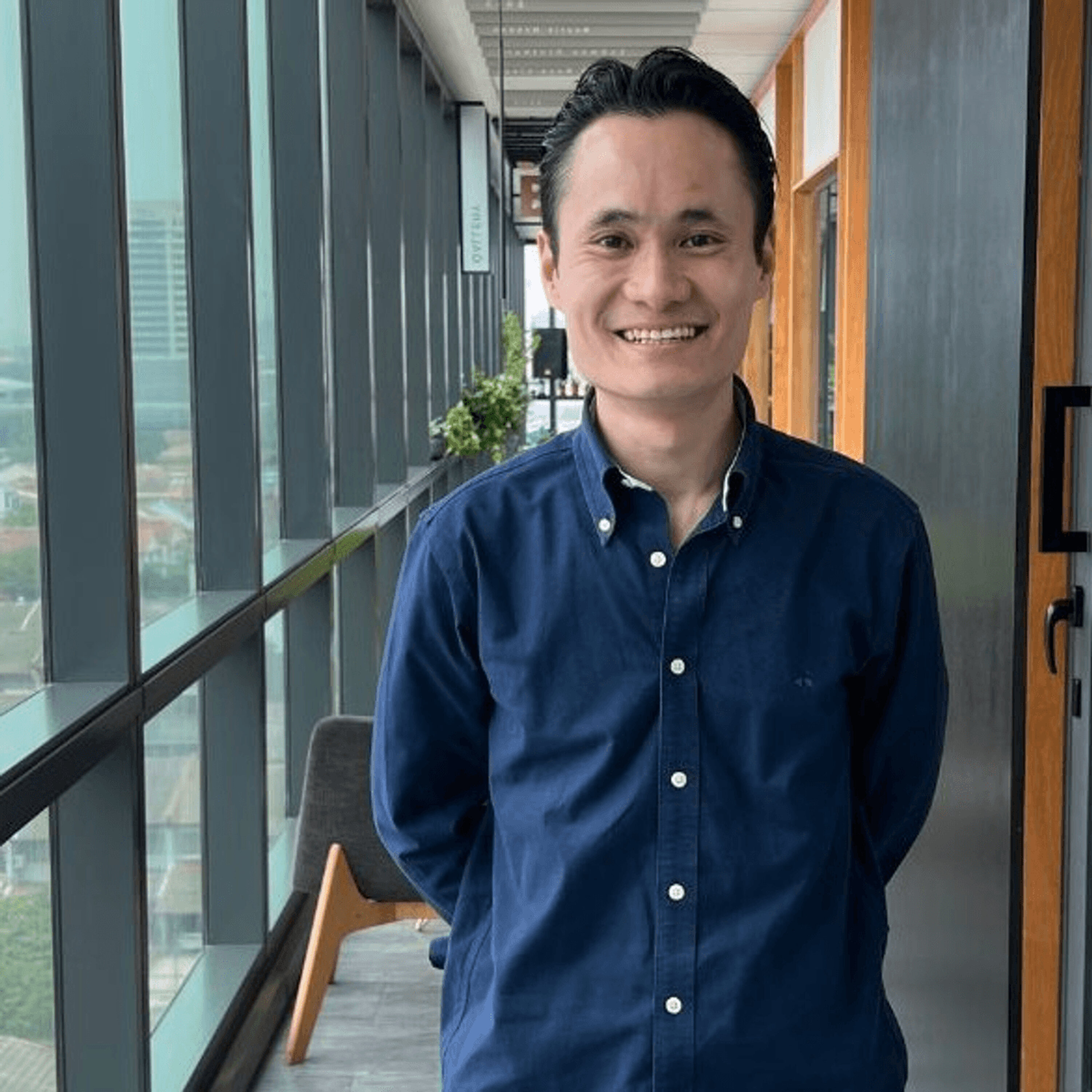 Still Sparkling: Supergulp Two Years On 07.09.2026 27minSupergulp is a bootstrapped functional beverage brand built on delivering scientifically recognised prebiotic fibres (specifically inulin and acacia gum) in a traditional soda format. Designed to address the high-carbohydrate, low-fibre diets prevalent across Southeast Asia, a single can delivers approximately half of an adult's recommended daily fibre intake. The strategic premise is straightforward: rather than forcing consumers to drastically overhaul their dietary habits, the company improves the nutritional profile of a product they are already drinking.When founder Julian Koh last appeared on the show in October 2024, the brand was just months old and stocked in roughly 80 local outlets. Two years later, the business has aggressively scaled to over 1,000 retail locations across Malaysia, Singapore, and Indonesia, with Thailand slated as the next target. Operating entirely without institutional funding, the seven-figure business has roughly tripled its revenue year-on-year and successfully achieved profitability by its second year of operations.Julian returns to unpack the intense operational realities of this rapid two-year expansion. We discuss the distinct go-to-market strategies required to penetrate three completely different Southeast Asian markets, and the constant financial tension between reinvesting capital for aggressive growth versus maintaining profitability. Finally, we examine the increasingly crowded functional beverage space, and what it takes to defend market share as an early mover.See omnystudio.com/listener for privacy information.
 -
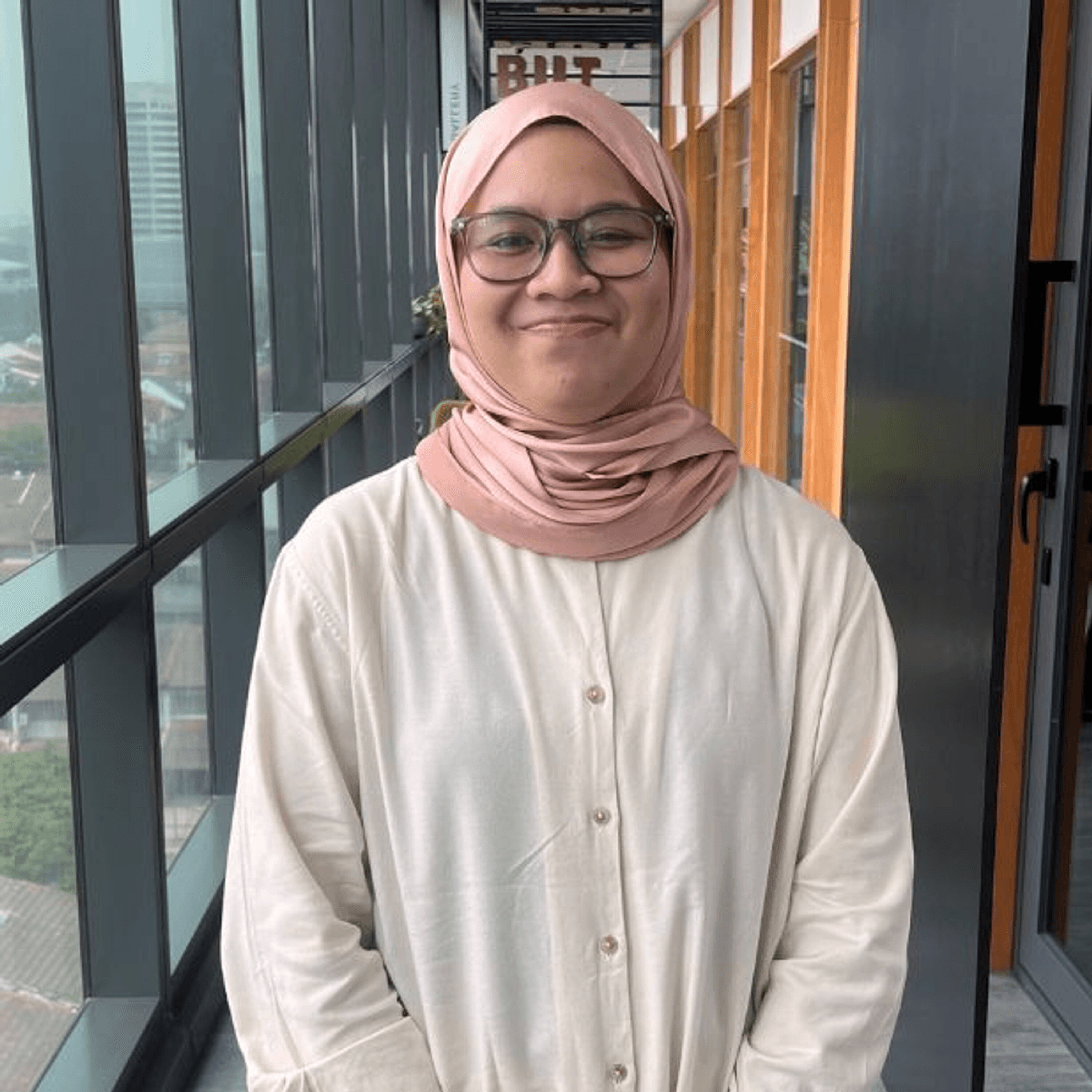 She Delivered Coffee as a GoGet Rider. Now Cafés Buy Her Beans. 04.09.2026 27minLet's Coopi Roasters is a fully bootstrapped micro-roastery that recently expanded into its own commercial shoplot, the Coffee Lounge. Generating between half a million and a million ringgit annually, the business model relies heavily on B2B operations, with 70 percent of revenue driven by wholesale contracts. The company successfully supplies custom espresso blends and single-origin beans to cafes spanning from Shah Alam and Petaling Jaya to Terengganu and Brunei, while retail sales and specialized coffee education make up the remaining 30 percent of the business.Operating with a collaborative mindset, founder Hamizah Hamzah is navigating the operational reality of scaling a wholesale business without yet owning her own roasting machine. Beyond the immediate economics of coffee, she is leveraging her previous seven-year career as a behavioural therapist through a strategic partnership with EmployAble. Together, they are developing targeted vocational and job-readiness training for neurodivergent teenagers and adults, aiming to solve the industry's manpower challenges while building a genuinely inclusive enterprise.Hamizah joins us to unpack the complex margins of micro-roasting and how a bootstrapped F&B business sustains itself across wholesale, retail, and training divisions. We also discuss the untapped commercial potential of Malaysian Liberica beans - a crop that makes up 87 percent of local production but has long been dismissed as mere filler.See omnystudio.com/listener for privacy information.
 -
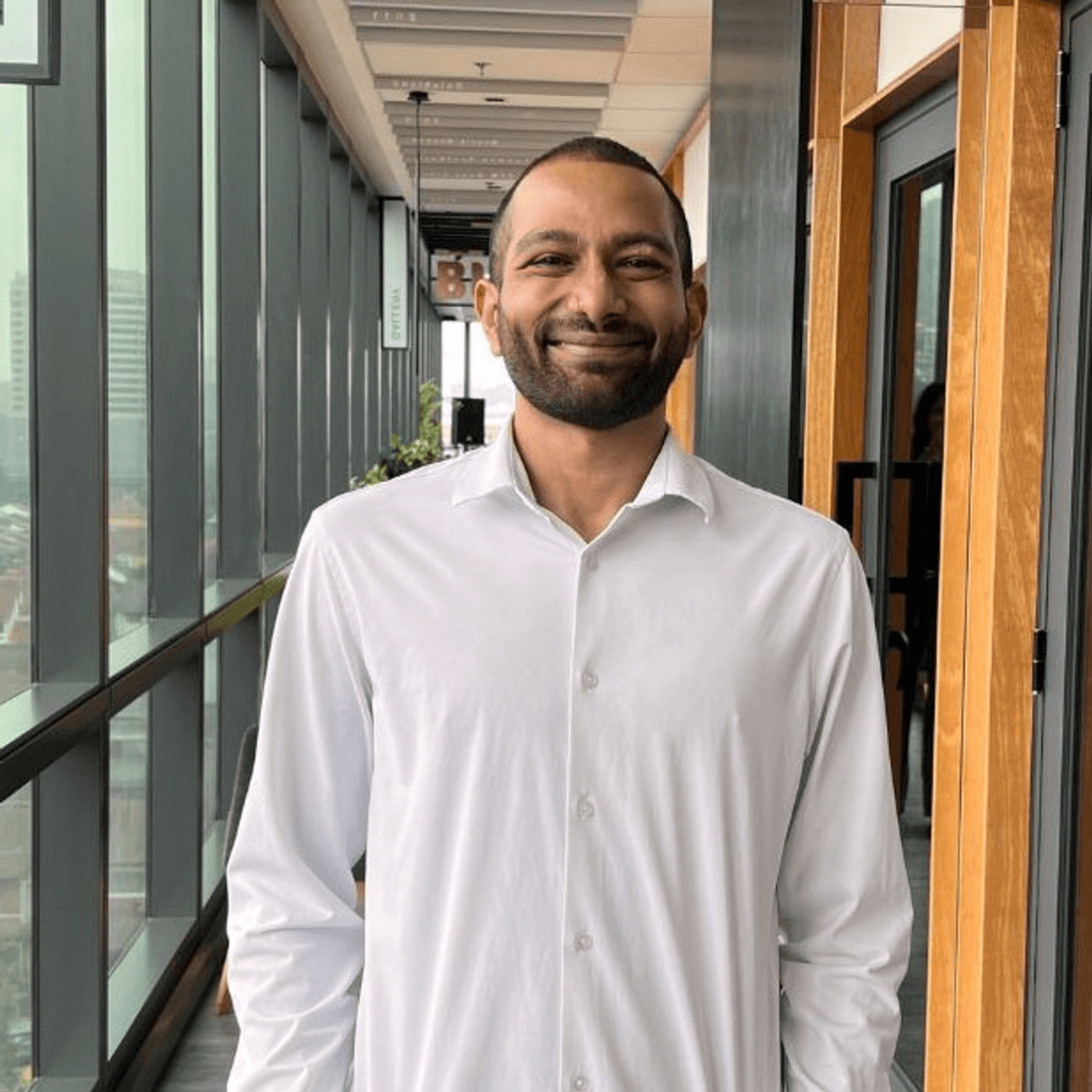 Due Diligence, Due Rent 03.09.2026 31minRujukRent is a tenant screening platform built to verify a prospective renter's identity, employment, and rental history within three days, entirely with their consent.Currently operating as a fully bootstrapped, solo venture, the platform operates on a pay-per-use model for landlords while remaining free for property agents. Despite its early stage, the business has already secured a strategic memorandum of understanding with the Malaysian Institute of Estate Agents (MIEA) and is actively developing a commercial leasing version of its product.Founder Dinesh Venkitesan, a lawyer by training, joins us to discuss the harsh realities of building a data business in a market that severely lacks data. We unpack the strict legal parameters of what can and cannot be checked, the financial mechanics of a pay-per-use model without subscriptions, and the path to scaling a solo bootstrapped startup. We also discuss the competitive landscape, and the difficult question of whether tenant screening actually eliminates discrimination, or simply gives bias a spreadsheet to hide behind.See omnystudio.com/listener for privacy information.
 -
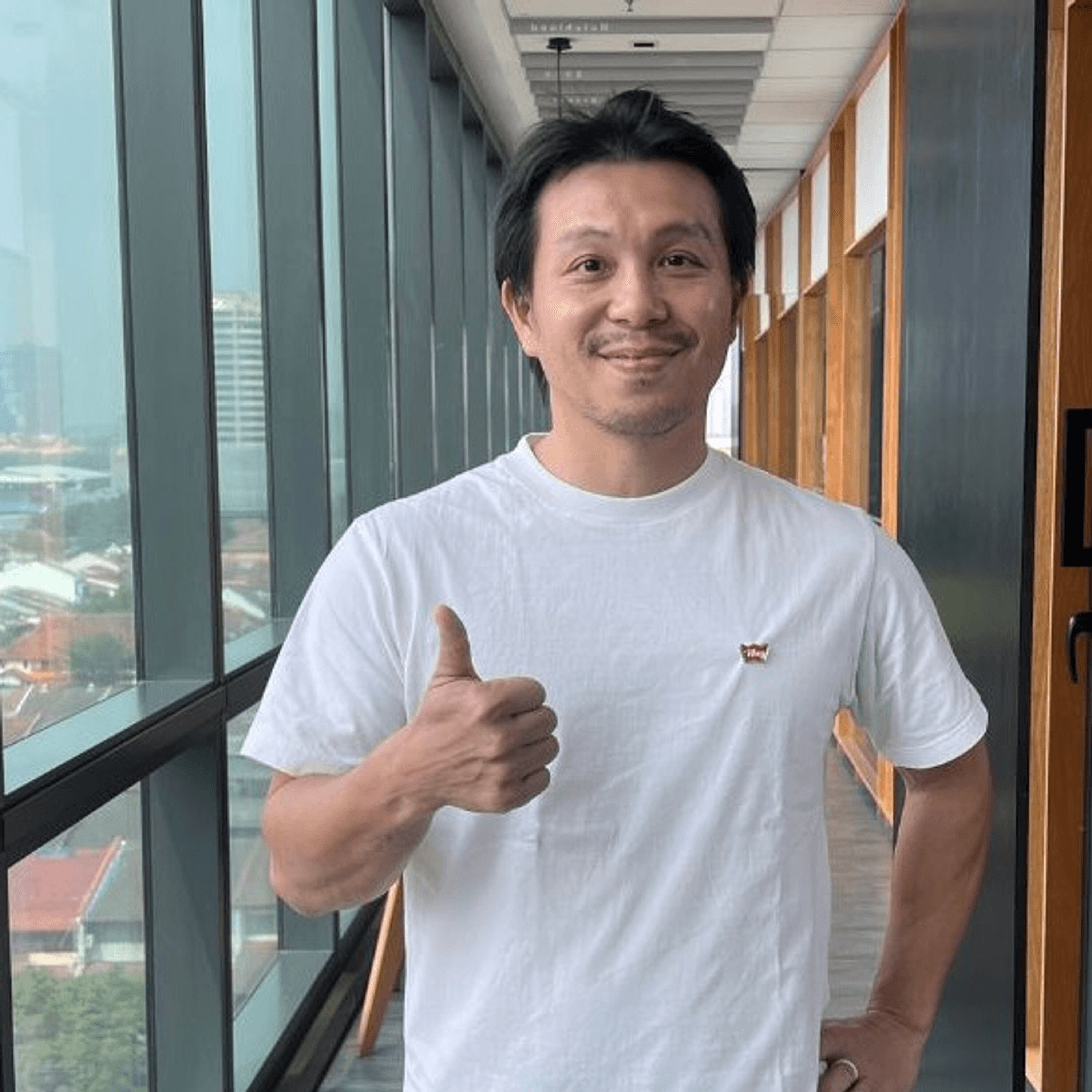 Taking Nyonya Flavours to Texas 02.09.2026 39minWAY Sauce is a Malaysian brand that makes all-natural Nyonya, ready-to-use cooking sauces and pastes , including rendang, satay, and pulut lemak, with zero preservatives, MSG, or artificial additives. Certified to rigorous BRC, IFS, and Halal standards, the family business operates across both its proprietary brand and white-label OEM manufacturing, exporting to markets like Japan, Taiwan, Singapore, the UK, and the United States. Despite this international footprint, the operational reality of producing all-natural products is incredibly challenging. Co-founder & COO Benson Tan joins us to discuss the intense financial squeeze of manufacturing FMCG goods, navigating the constant tension between volatile raw material costs and the hard price ceiling that retail consumers are actually willing to pay.We also unpack securing shelf space in seven international markets, and the complexities of building products around Malaysia's most volatile ingredients. Benson also shares a blunt operational philosophy for F&B founders: know your exact numbers, and cut failing product lines fast before they drain the business.See omnystudio.com/listener for privacy information.
 -
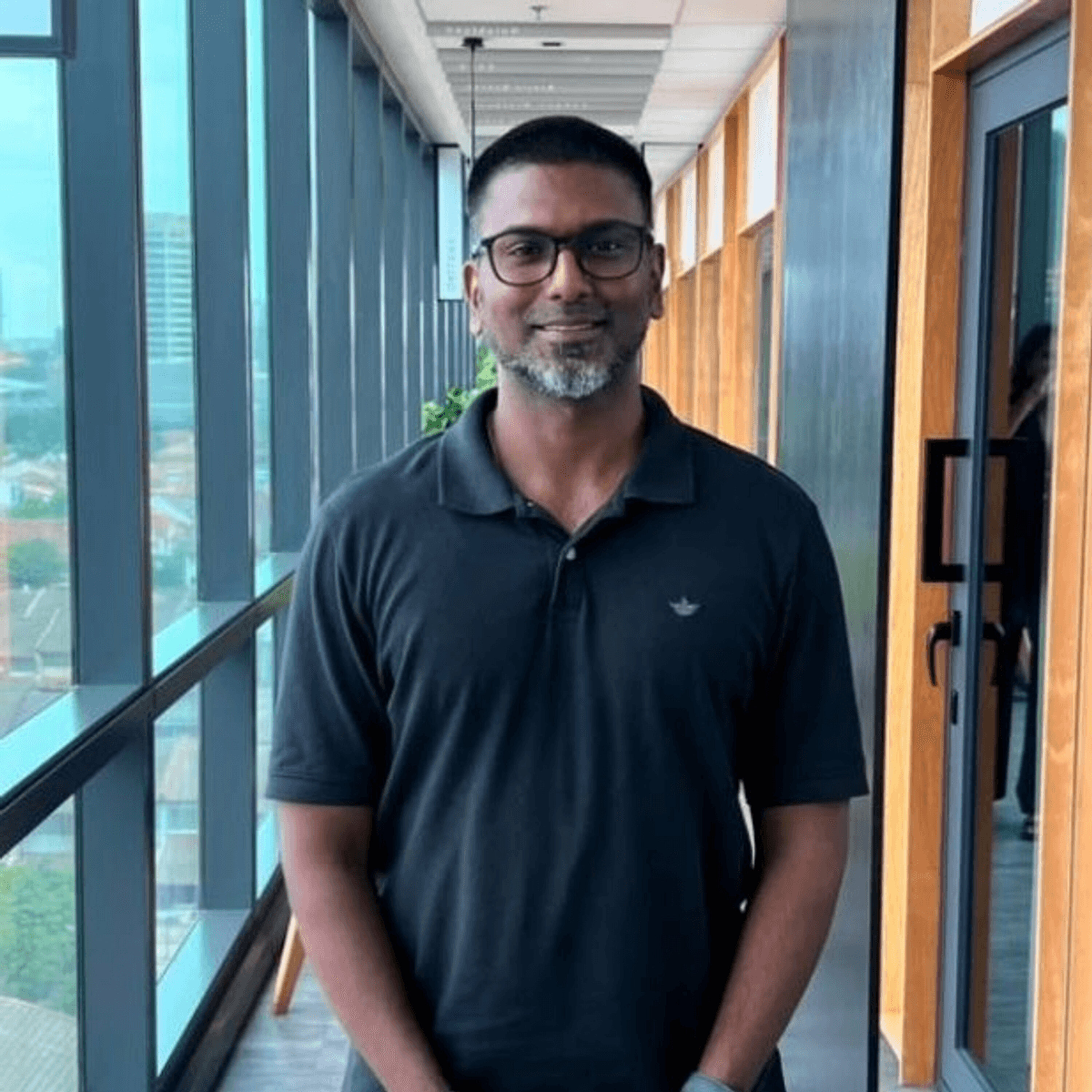 No Fowl Play: Rethinking Asian Fried Chicken 01.09.2026 30minAsian Fried Chicken is an independent food and beverage business operating out of Seremban that offers a cleaner approach to comfort food. The menu features fresh, preservative-free, and MSG-free fried chicken paired with wholesome sides like broccoli quinoa and sweet potato fries. Having successfully survived its first 15 months - a critical milestone given that 60 percent of Malaysian F&B businesses close within their first year - the company is generating six-figure revenues and achieving intermittent profitability.However, the operational reality of the business dictates that walk-in dining traffic alone is not enough to sustain growth. In response, founder Anandasingam Thuraisingam has executed a decisive pivot toward B2B catering, targeting corporate clients, schools, and hospitals. Following a successful partnership with the Negeri Sembilan Cricket Association, the business is doubling down on a specific niche: becoming Malaysia's premier sports, community, and event food partner. To fuel this transition and national ambition, the company is now actively seeking a strategic investor.Anand joins us for a candid conversation about the financial and emotional realities of surviving the first year in the F&B industry. We unpack the ups and downs of cash flow management, the strategic necessity of moving away from a traditional retail dining room model, and whether fried chicken genuinely belongs in sports nutrition. See omnystudio.com/listener for privacy information.
 -
 Beyond The Business: How Entrepreneurs Are Building Malaysia 28.08.2026 30minWhat does it mean for a business to contribute to nation building? For Merdeka, we speak to six Malaysian entrepreneurs working across urban development, STEM education, the creator economy, social enterprise, rural communities and financial inclusion, and explore how their businesses are helping shape a more prosperous Malaysia.See omnystudio.com/listener for privacy information.
 -
 Malaysia's Lost National Treasures, Rediscovered 27.08.2026 41minPurelyB is a wellness brand selling traditional Malay herbal supplements such as Pegaga and Tiger Milk Mushroom, formulated with Universiti Malaya-derived extracts. The company is actively expanding its physical footprint globally, establishing a US storefront, exhibiting at the Natural Products Expo West, and securing a finalist spot for the American natural products industry's highly watched NEXTY award.However, the business model looked completely different a decade ago. PurelyB originally launched as a venture-backed digital wellness portal, amassing 80,000 monthly visitors, acquiring a yoga community platform, and raising funds through an equity crowdfunding campaign designed for its own readers. Founder Raja Jesrina Arshad eventually executed a massive pivot, completely transforming the company from a digital media platform into a physical consumer packaged goods business with inventory, manufacturing, and a complex rainforest supply chain.Jesrina joins us to discuss the financial and operational costs of completely changing a business model. We explore what happened to the platform's early shareholders after the pivot, the margins of manufacturing physical supplements, and whether a Malaysian herbal brand can genuinely compete in the US wellness aisle.See omnystudio.com/listener for privacy information.
 -
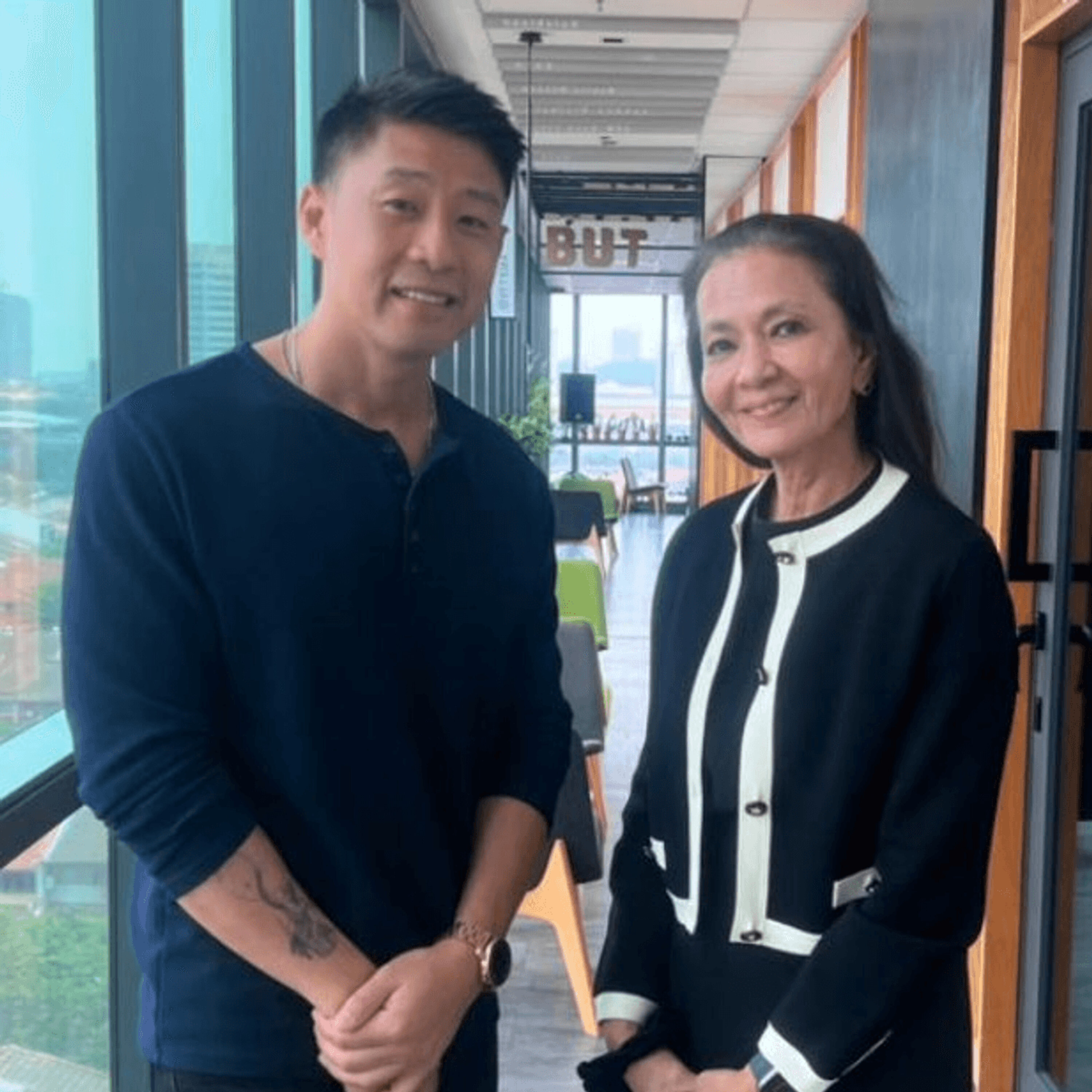 The Management Buyout of M+C Saatchi Malaysia 26.08.2026 35minIn February 2026, after twenty-three years as part of a London-headquartered global network, M+C Saatchi Malaysia completed a management buyout. The agency is now one hundred percent Malaysian-owned, led, and staffed, officially operating as M+C Saatchi KARSA. While they retain the Saatchi name under a licensing agreement, the agency’s strategic direction, profit and loss, and future are now entirely in local hands. For founder Datin Sri Sharifah Menyalara Hussein (Lara Hussein), this independence is not a safety parachute, but a liberation - a chance to operate with the agility of a startup, backed by over two decades of industry experience. Alongside Chief Creative Officer Darren Lee, the leadership team is actively rebuilding the traditional integrated creative agency into a consultancy model. They are executing this pivot while battling fierce industry headwinds, including cautious clients, eroding margins, competitors undercutting prices, and the rising trend of in-housing.Datin Sri Lara and Darren join us to unpack the exact financial and operational mechanics of their management buyout, where the profit margins genuinely sit within their new consultancy arm, and whether Malaysia's creative economy can survive an era where clients increasingly want to do the work themselves.See omnystudio.com/listener for privacy information.
Radiostasjon

Lignende podkaster
![MELODY 《黄隽斌 财汇说》- Radio Station [CHI]](https://cdn.radoxo.com/images/podcasts/47508-melody-huang-juan-bin-cai-hui-shuo-radio-station-chi.avif?v=1790180498)


![MY FM 我要Test你 - Radio Station [CHI]](https://cdn.radoxo.com/images/podcasts/15448-my-fm-wo-yao-test-ni-radio-station-chi.avif?v=1790082327)
Populær i
Denne podkasten finnes også i podkast-listene til disse landene.
