
Irish History Podcast
Fin Dwyer
0
From the Norman Invasion to the War of Independence, the Great Famine to the Troubles, the Irish History Podcast takes you on a journey through the most fascinating stories in Ireland's past. Each episode is meticulously researched, creating character-driven narratives that are engaging and accessible for all. Major multi-part series have explored the Great Famine, the Norman Invasion, and Irish involvement in the Spanish Civil War. Standalone episodes include interviews with leading Irish historians covering topics from medieval sex magic to Irish connections in the Jack the Ripper murders.
Episoder
-
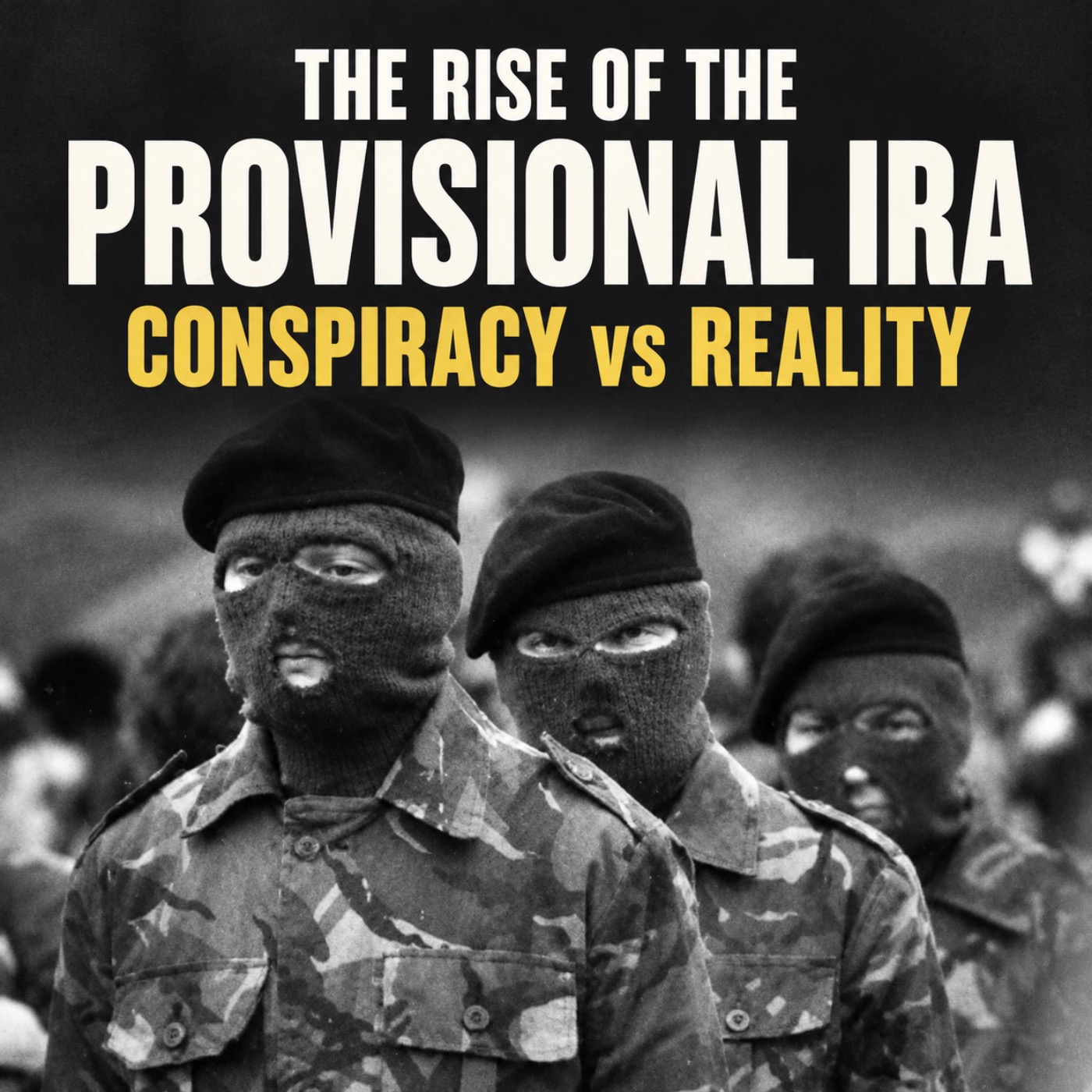 The Rise of the Provisional IRA: Conspiracy vs Reality 16.09.2026 53minIn the late 1960s, the Provisional IRA and what became modern Sinn Féin emerged from a bitter split in the Irish republican movement. This split would shape not only the Troubles but also Irish politics down to the present day.However, for the last five decades, the story of how and why that split occurred has been clouded by enduring conspiracy theories.The most prominent of these claims that the Irish government in Dublin orchestrated the split to create a more conservative force in the Provisional IRA and neutralise left-wing republicanism. Many opponents of the Provisionals in the rival Left Wing Official IRA understood these events through this lens. Meanwhile, unionists believed the Provisionals had been created by politicians in Dublin in the hope of destabilising the Northern state. The theory also found adherents among the political enemies of Charles Haughey and Neil Blaney, two politicians whose actions lie at the heart of these claims.Yet the history of those fateful years tells a different story: one of uncertainty and desperation. Conspiratorial interpretations also overlook how politicians in later decades were happy to court such understandings to suit their own ends. In this episode, I am joined by Dr Brian Hanley to thrash out what happened in late 1969 and 1970 and why the IRA split. We discuss where conspiracy theories come from, why they are more common than we might imagine and what purpose they serve. We then explore how the Provisional IRA emerged and became the dominant force in Irish republicanism.The picture that emerges is far from straightforward and at times, disquieting. Rather than being controlled by a handful of people, events sometimes seemed to gather a momentum of their own. There were many forces at play, but no hidden hand at work.Sound by Kate Dunlea. Hosted on Acast. See acast.com/privacy for more information.
 -
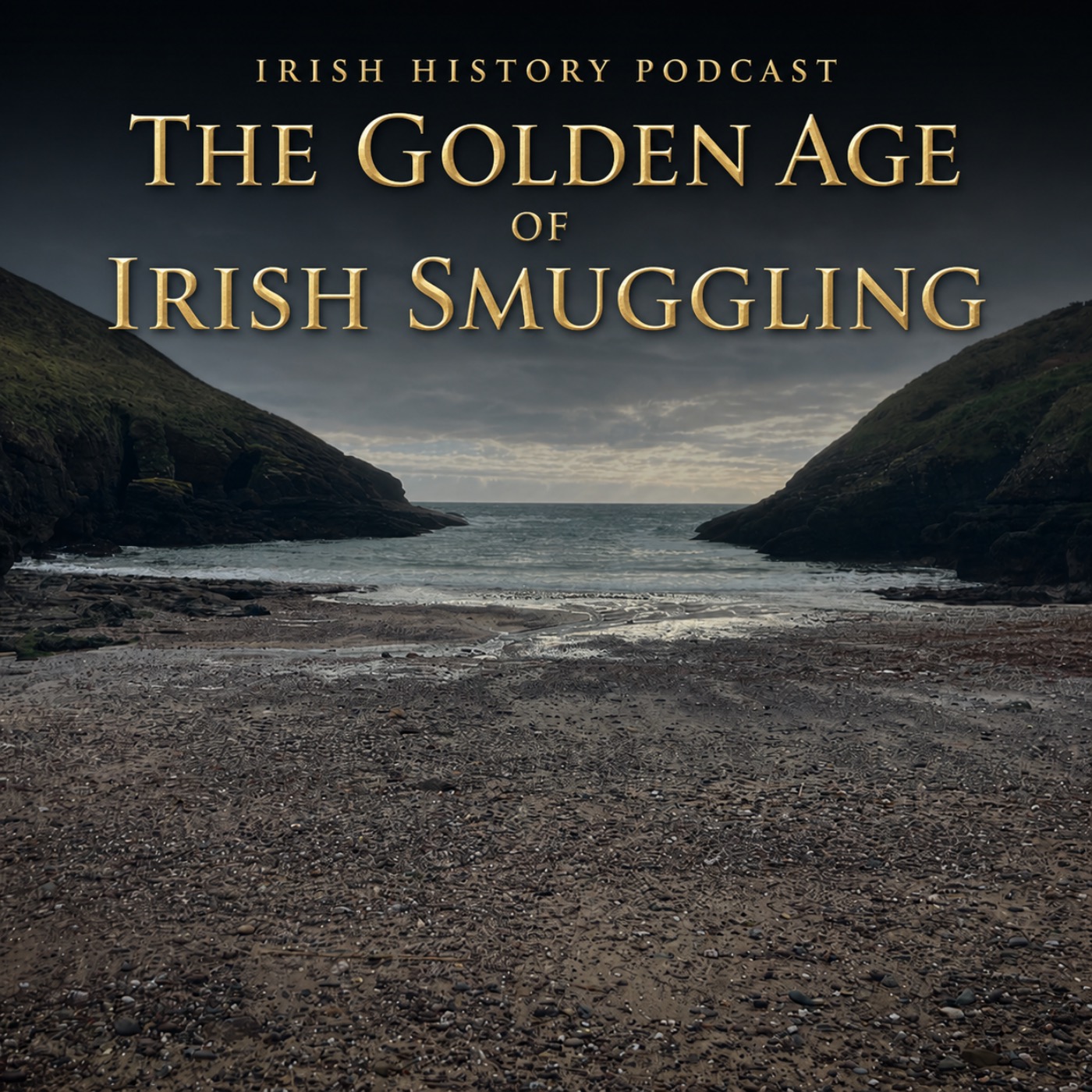 The Golden Age of Irish Smuggling 09.09.2026 28minThe 18th century was a golden age of Irish smuggling. It's estimated that as many as one third of all luxury goods entering Ireland were brought in by smugglers. Far from being a fringe activity, smuggling was woven into the wider economy and remarkably was often a community enterprise with entire villages involved. It's very different than we imagine: while perhaps less glamorous, it was far more lucrative and important to the Irish economy. In this episode I'm joined by historian James Doherty to explore why smuggling boomed in the 18th century, who was involved and why entire communities along the Irish coast got in on the act.My guest James Doherty is a historian based in Waterford with interests in Military History and the history of smuggling in Ireland in the 18th and 19th centuries.Sound by Kate Dunlea Hosted on Acast. See acast.com/privacy for more information.
 -
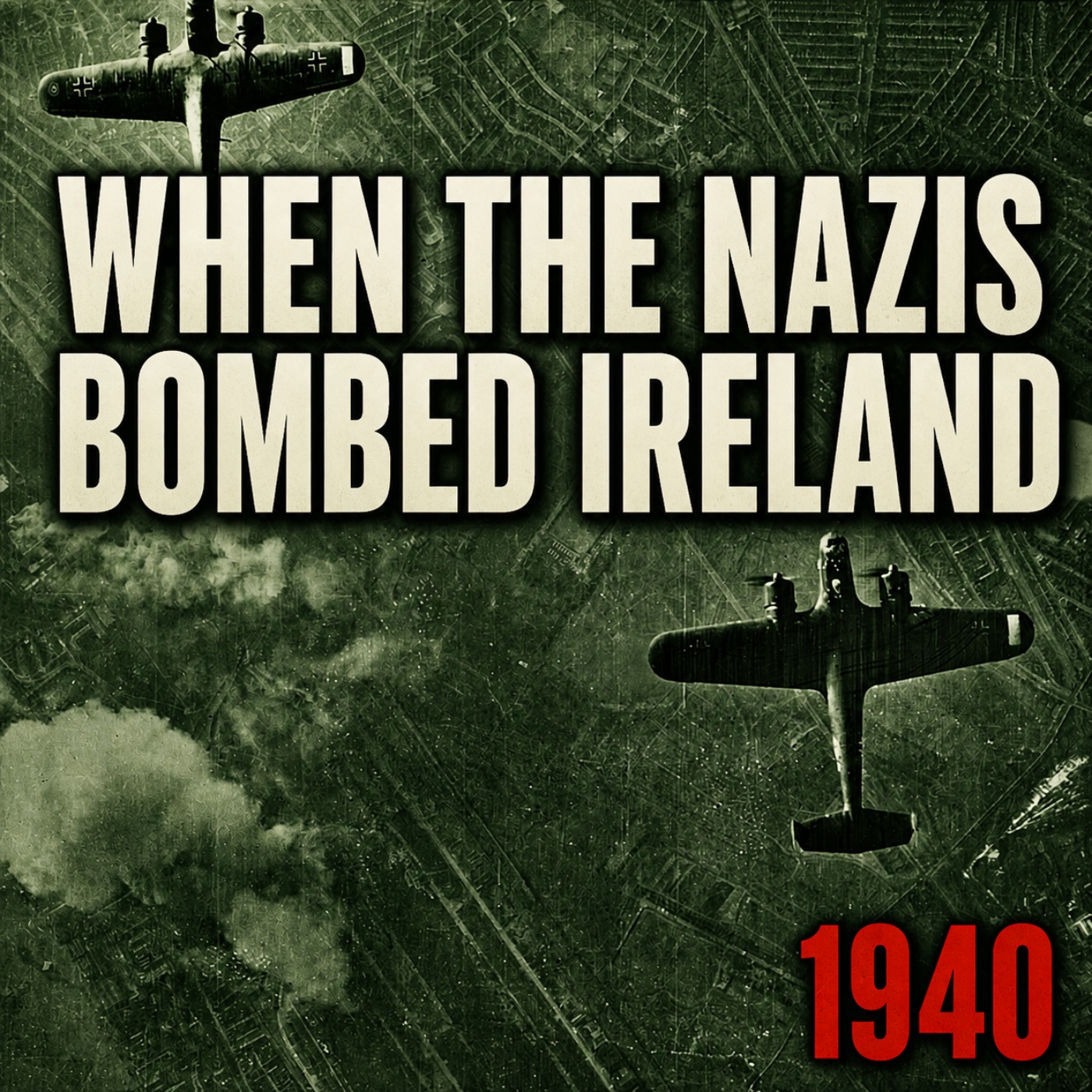 Why Did Nazi Germany Bomb an Irish Village in 1940? 26.08.2026 40minBecome a supporter at https://www.patreon.com/c/IrishpodcastOn 26 August 1940, two German aircraft crossed the coast of County Wexford and flew towards the small village of Campile. One aircraft dropped bombs near Ambrosetown, while the other attacked the tiny village of Campile a few miles further east. Three women, Mary Ellen Kent, Catherine Kent and Kathleen Hurley were killed. The bombing shattered the belief that Ireland’s neutrality could protect it from the Second World War. It also ignited a debate that has lasted for decades: Was the attack intentional or were the pilots lost? While politicians attempted to reduce tensions, investigations by An Garda Síochána and Irish Military Intelligence reached disturbing conclusions. They believed Campile had been deliberately targeted by the Nazis. In this episode I explore what happened. I also explore why Irish Military Intelligence were convinced the Nazis intentionally bombed this tiny Irish village at the height of the Battle of Britain and what it purpose it served. Written, researched and presented by: Fin DwyerSound: Kate DunleaAdditional narration: Aidan Crowe and Therese MurrayFurther Reading and Listening:The Campile Bombing, August 26th, 1940, Horeswood Historical Society. This detailed local history includes eyewitness accounts, photographs and primary material relating to the attack. Michael Kennedy, Guarding Neutral Ireland: The Coast Watching Service and Military Intelligence, 1939–1945. Hosted on Acast. See acast.com/privacy for more information.
 -
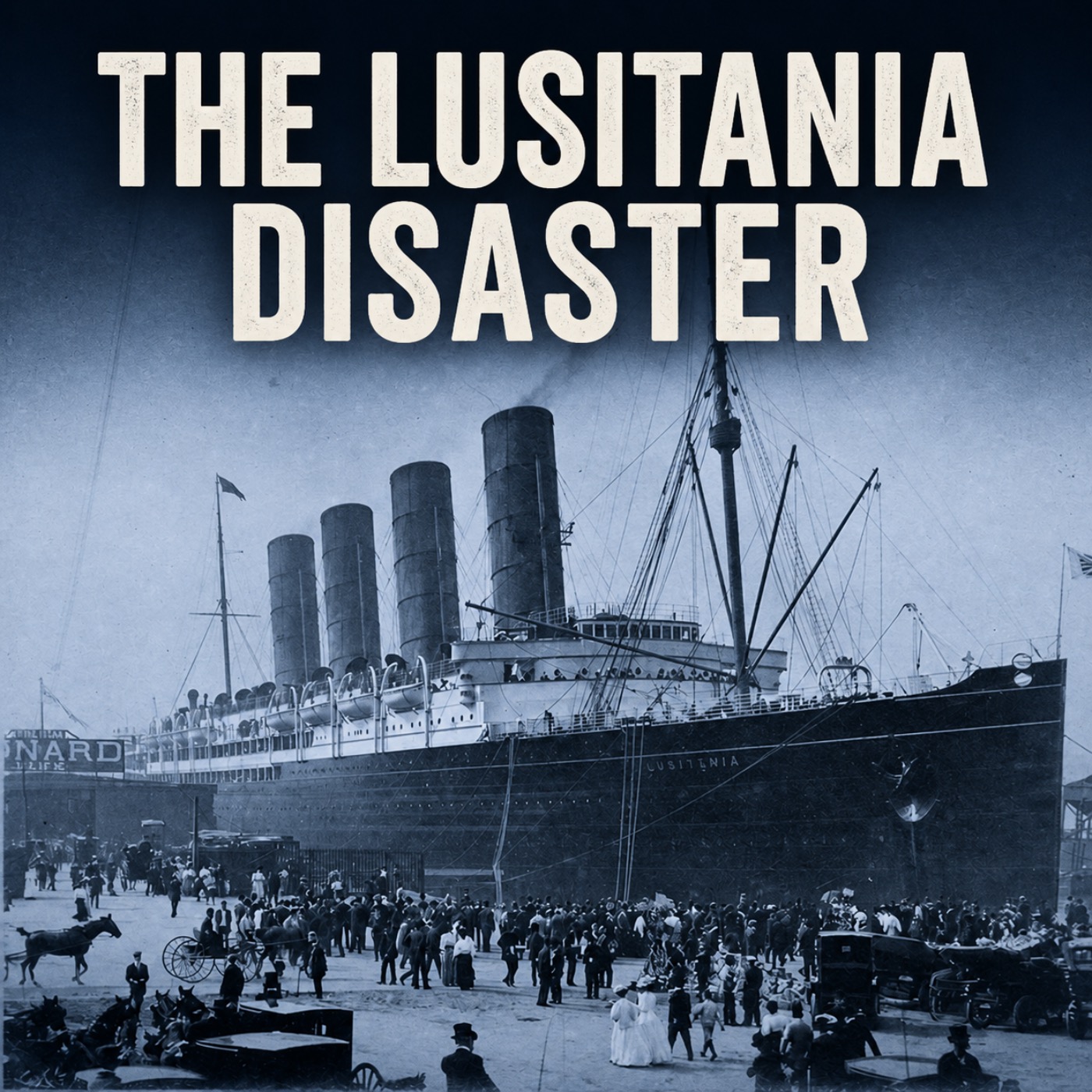 The Sinking of the Lusitania 19.08.2026 1t 2minOn 7 May 1915, the passenger liner RMS Lusitania was torpedoed by the German submarine U-20 off the coast of County Cork. The enormous ship sank in just 18 minutes, killing over one thousands people.The sinking became one of the most controversial events of the First World War, provoking questions that remains the source of debate today. Why did the Lusitania sink so quickly? What caused the second explosion reported by survivors? How much ammunition and war material was the ship carrying? Did this cargo make the ship a legitimate military target or was the attack a crime against civilians?In this episode, I am joined by Shannon Forde, manager of the Lusitania Museum and Old Head Signal Tower in Kinsale. We discuss the history of the famous ocean liner, how it compared with the Titanic, the events of its final voyage and the experiences of those caught up in the disaster. We also examine the enduring controversies surrounding the sinking, from the Lusitania’s cargo to the actions of the German submarine and the British authorities.Support the Irish History Podcast at patreon.com/irishpodcastThe Lusitania Museum & Old Head Signal Tower is open 10am – 5pm 7 days a week from March to October. https://www.oldheadofkinsale.comI will have more detail on the supporters tour mentioned in the episode later in the week!Sound by Kate DunleaMy Guest is Shannon Forde. Shannon is a native of Kinsale, County Cork. She completed a MA in Irish History in Maynooth University, and has worked in Charles Fort, Kinsale and as a Heritage Specialist with Cork County Council. She researched and authored a local history book on the War of Independence in Kinsale. Shannon has been the Manager of the Lusitania Museum & Old Head Signal Tower since 2022 – which is a non profit community project at the Old Head of Kinsale. In 2025 she authored a book detailing the story of this community project from restoring a derelict Napoleonic signal tower to plans for a dedicated Lusitania Museum onsite. Hosted on Acast. See acast.com/privacy for more information.
 -
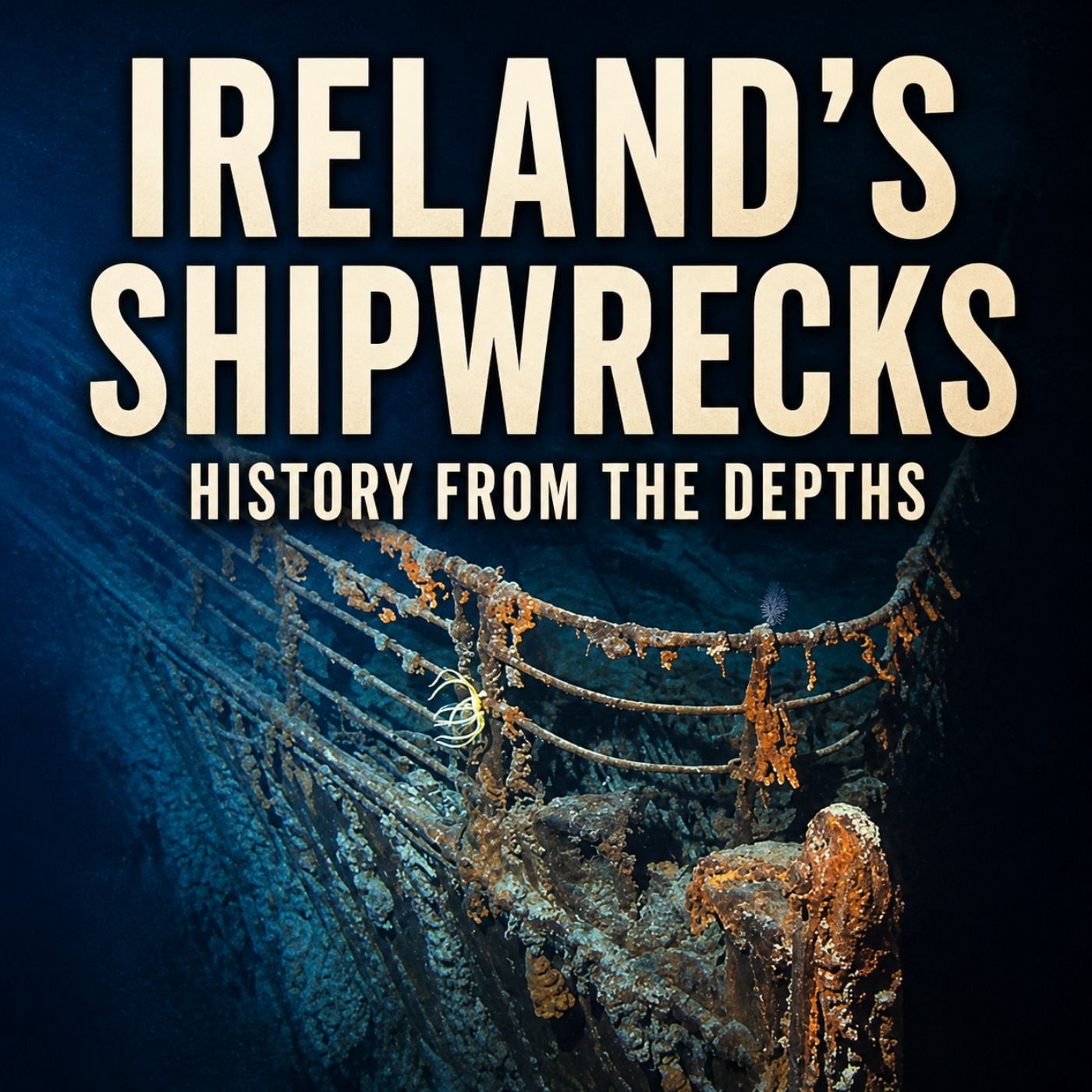 Ireland’s Shipwrecks: History from the Depths 12.08.2026 55minEvery year, fragments of long-lost ships wash ashore on Irish beaches. They are remnants of the thousands of shipwrecks scattered around our coast, dating from Prehistory to the Second World War. Each wreck has a fascinating story from how they went down to their rediscovery often centuries later. In this episode, I speak with Dublin Port Heritage Director Lar Joye at a new exhibition exploring the shipwrecks of Dublin Bay. Our conversation explores several disasters including the famous cases of the Leinster, the Dorset and the Tayleur.We discuss the stories behind these ships, why shipwrecks were so common in the past and why fragments of wrecks continue to wash ashore today. Visit the exhibition: https://www.dublinport.ie/shipwrecks-of-dubln-bay-exhibition-at-the-substation/ Upcoming events at the Substation:https://www.dublinport.ie/heritage-week/ My guest, Lar Joye, has served as Port Heritage Director at Dublin Port since 2017. He cares for the 300-year-old Port Archive and leads projects reconnecting the working port with the city through heritage, culture and public access. Before joining Dublin Port, Lar worked as a film archivist and as Curator of Irish Military History at the National Museum of Ireland. There he led the team behind the award-winning Soldiers & Chiefs exhibition which explores the history of Irish soldiers at home and abroad from 1550 to the present. Sound: Kate Dunlea Hosted on Acast. See acast.com/privacy for more information.
 -
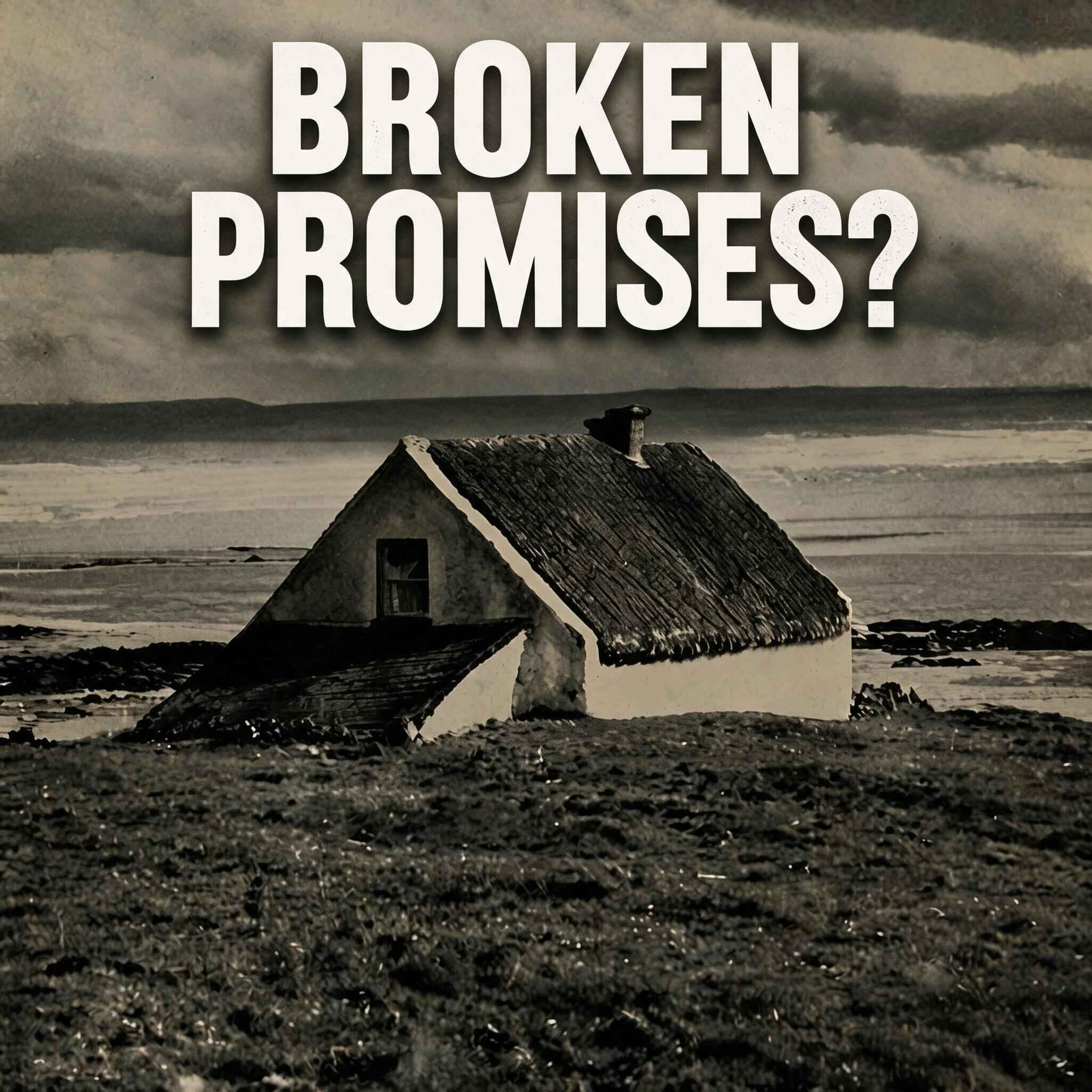 Broken Promises: Why Irish Independence Failed the Irish Language 29.07.2026 43minIn 1922, Ireland gained its independence. The new state promised to revive the Irish language. A century later, English still dominates daily life. What went wrong?In this episode, I speak to John Walsh of the University of Galway, author of One Hundred Years of Irish Language Policy, 1922–2022, about why a movement that had real momentum in the years before independence stalled in the decades that followed.John traces the high ambition and lofty ideals to the failed policies of successive Irish governments. He also reveals how at times outright hostility to the language within the political establishment emerged in the later 20th century with devastating consequences. The episode also looks at the very different experience of the language in the Northern State, where the unionist government treated Irish as a threat.Support the show at www.patreon.com/irishpodcastIf you want to find out moreFind out more about John and his work: https://research.universityofgalway.ie/en/persons/john-walsh/To find out more about this subject, check out John's book One Hundred Years of Irish Language Policy, 1922–2022 https://www.peterlang.com/document/1248601Check out this episode with Dr Nicholas Wolf on why the Irish language went into decline in the 18th and 19th century. https://shows.acast.com/irishhistory/episodes/the-irish-language-why-ireland-became-english-speakingJohn's forthcoming book Ar Lámh Shábhála? Coimisiún na Gaeltachta 1926 will be published by Cló Iar-Chonnacht this autumn https://cic.ie/Sound by Kate Dunlea. Hosted on Acast. See acast.com/privacy for more information.
 -
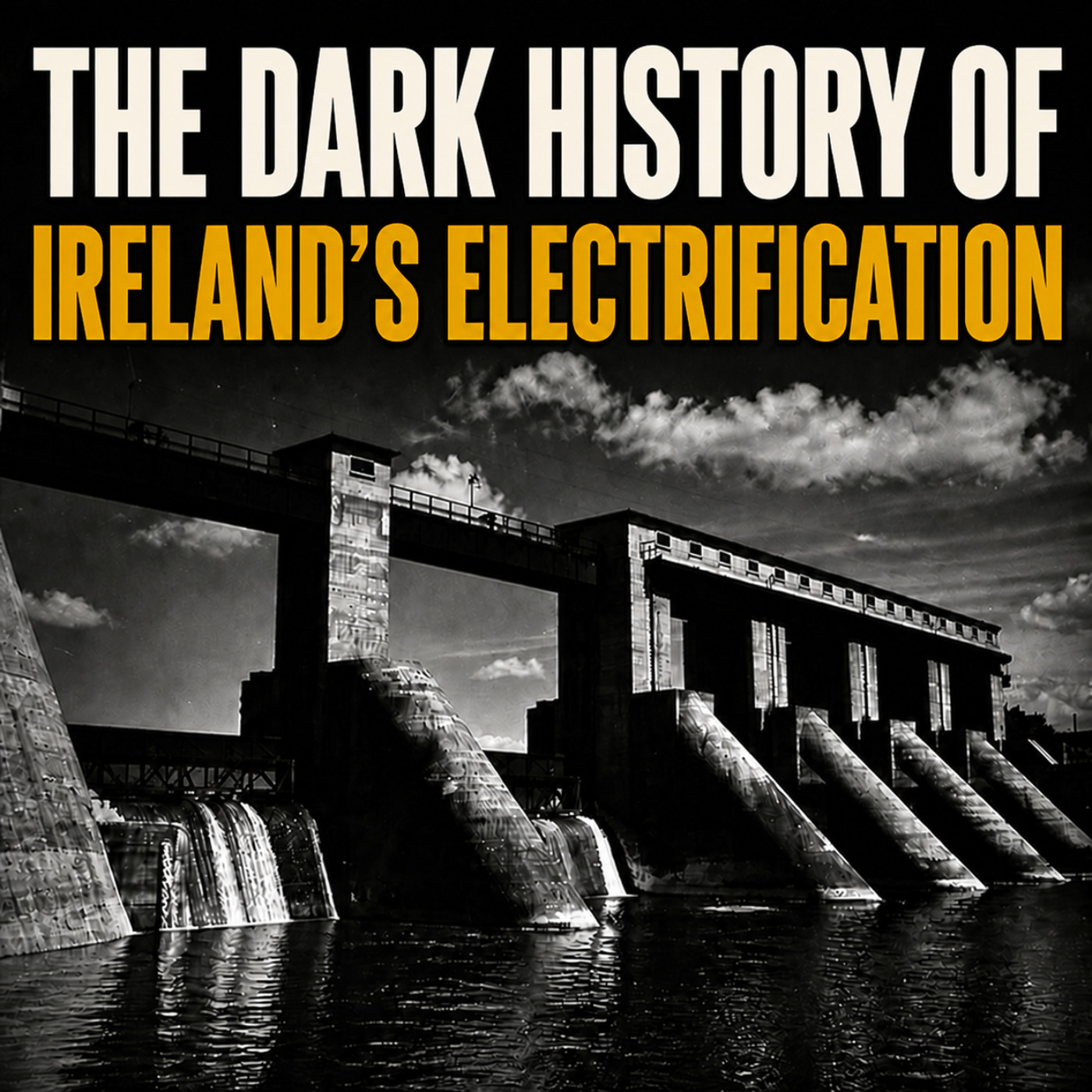 Progress at Any Cost? The Dark History Behind Ireland’s Electrification 22.07.2026 33minIn the 1920s, the newly established Irish Free State embarked on one of the most ambitious engineering projects in its history: the Shannon Scheme at Ardnacrusha.This was a state-of-the-art hydroelectric plant that paved the way for the electrification of Irish society. The scheme developed an almost mythic reputation, becoming a powerful symbol of independence, progress and modernisation.But behind the concrete and turbines was a darker story. Thousands of poorly paid labourers worked in brutal conditions, dozens were killed and hundreds suffered life-changing injuries. Many were left in poverty while Irish society celebrated their achievements. In this episode, I explore both sides of the Shannon Scheme: the remarkable project that helped transform Ireland, but also the terrible human cost that was largely written out of our history.Sound by Kate Dunlea.Support my work patreon.com/irishpodcast if you want to read more check out High Tension: Life on the Shannon Scheme https://www.abebooks.com/9781843510611/High-Tension-Life-Shannon-Scheme-1843510618/plpAndy Bielenberg's The Shannon Scheme and the Electrification of the Irish Free State is a good overview of the project. A Digital copy is also available on the E.S.B. Archives website for free https://esbarchives.ie/wp-content/uploads/2015/05/the-shannon-scheme.pdfMaurice Manning & More McDowell's History of the Electricity Supply Board is also a useful read and a digital copy is also available on the ESB Archive for free. https://esbarchives.ie/wp-content/uploads/2015/08/the-history-of-the-esb.pdf Hosted on Acast. See acast.com/privacy for more information.
 -
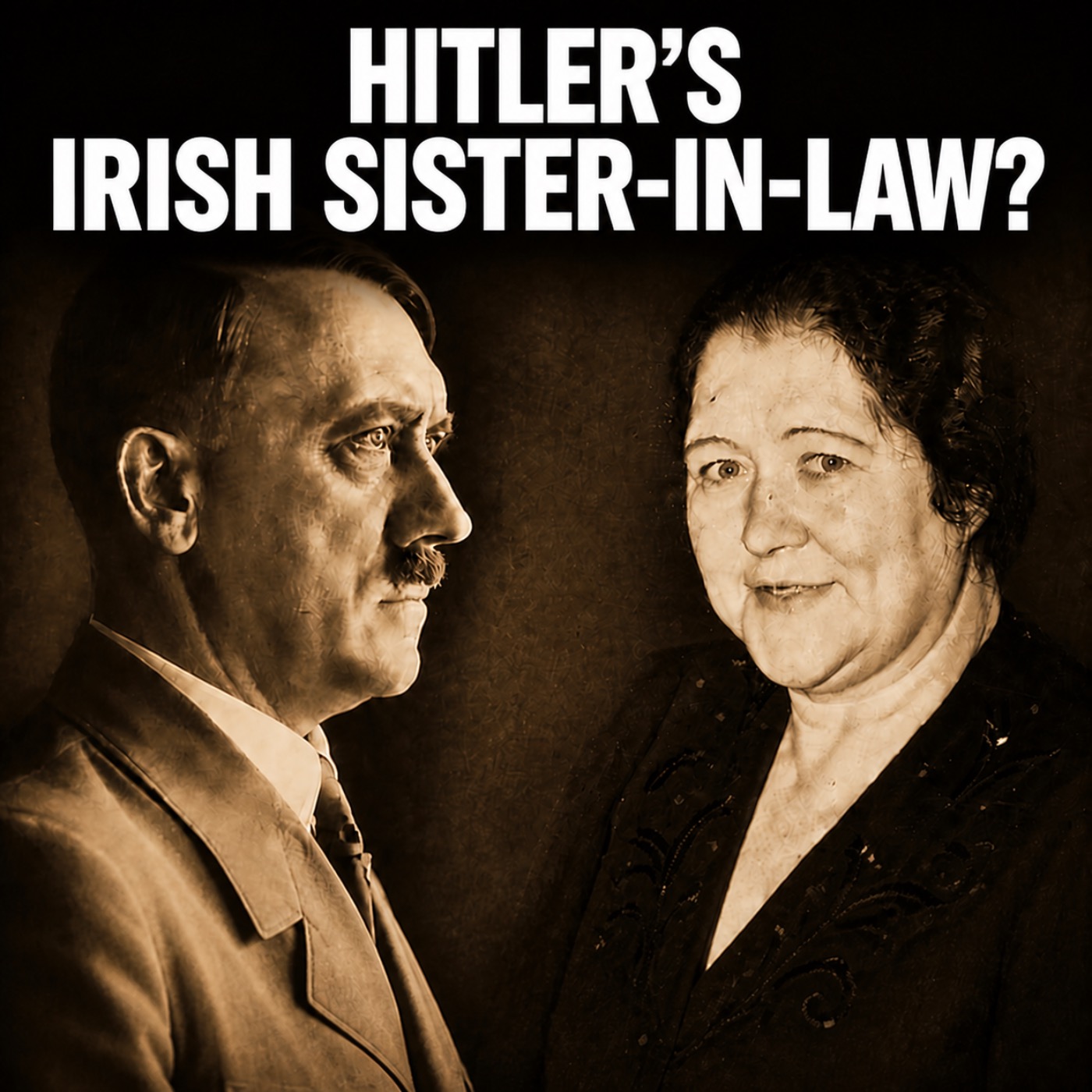 Hitler’s Irish Relatives: The Strange True Story 15.07.2026 20minA video version of this episode is available on Apple Podcasts https://podcasts.apple.com/ie/podcast/irish-history-podcast/id363368392On the day Hitler invaded Poland, another Hitler was making headlines in Britain. It was not the dictator, but his Irish sister-in-law, Bridget Hitler, who had been hauled before the courts in London over a mundane, unpaid electricity bill. This episode explores the life of this woman and the strange reality of the "Irish Hitlers."For eight decades, the story of Bridget and her son has been muddied by sensational claims: that she hosted a young Adolf Hitler in her Liverpool flat, that she helped shape his infamous physical appearance, and that she enjoyed intimate access to his private mountain retreat. But how much of this narrative is grounded in reality, and how much is the product of post-war myth-making?In this episode, I reconstruct the documented history of this Irish woman’s connection to the Hitler family. We follow the journey from when Hitler’s brother, Alois, arrived in Dublin and married Bridget, through to how she reacted when her brother-in-law became the most notorious figure in history. I also reveal how much of what has been written about Bridget is based on a memoir that may actually be a forgery.Sound and Video Editing: Kate Dunlea Hosted on Acast. See acast.com/privacy for more information.
 -
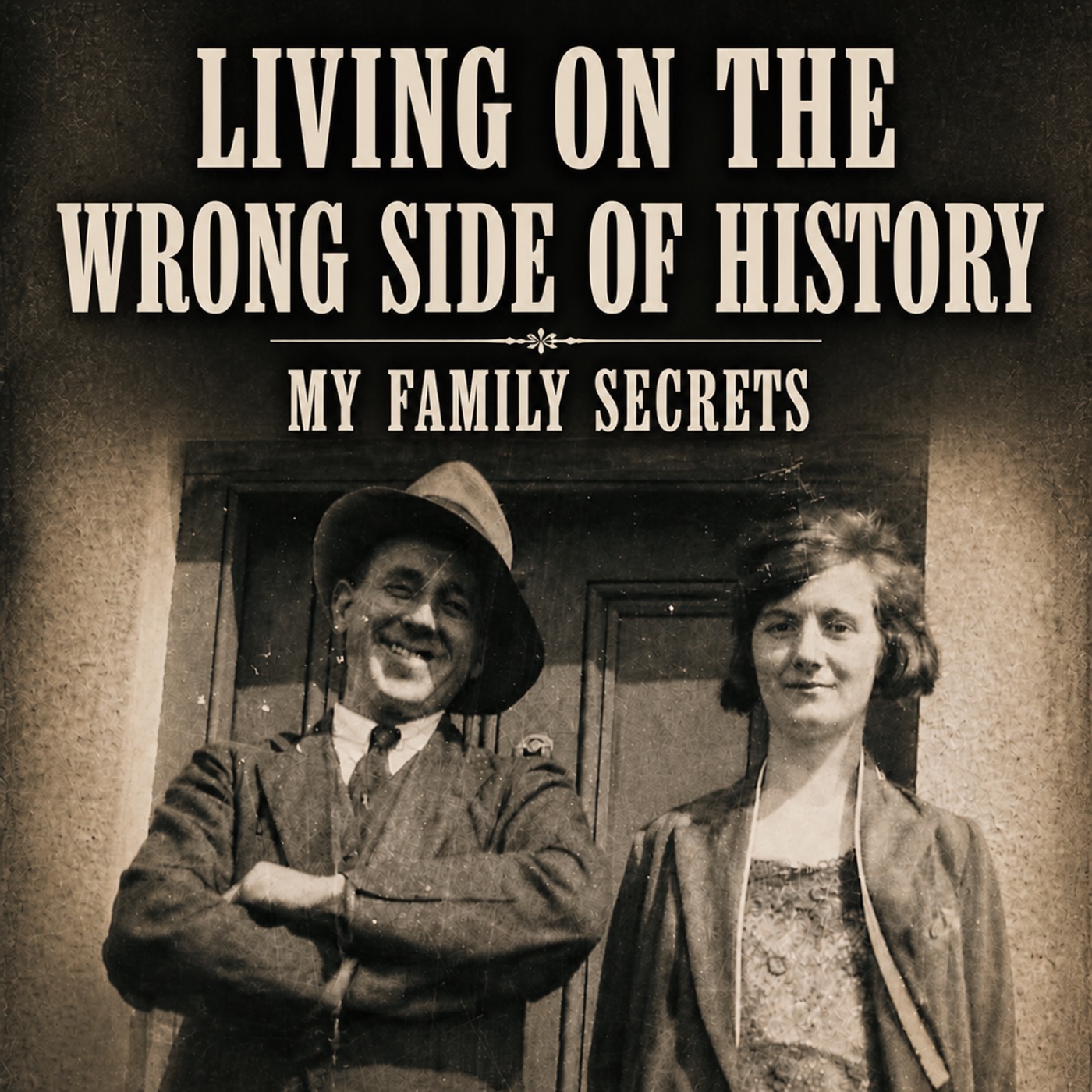 Living on the Wrong Side of History: My Family Secrets 08.07.2026 38minFamily history is often where the heroic version of the past falls apart.We like to imagine our ancestors standing on the right side of history. Someone in the GPO in 1916 or in the IRA in 1920. We like to think they made brave choice when it mattered. But most people were not heroes, revolutionaries or figures from the history books. They were ordinary people trying to survive events they could not control.That is what makes family secrets so revealing. They show us how people actually lived through history, without knowing how things would turn out. They hedged their bets, backed the side they thought would win, followed the crowd, made compromises and sometimes buried the truth when it all looked very different in hindsight.In this episode, I look at the murkier side of family history through my own ancestors. Across five generations, the stories include a shotgun marriage, someone being sent to prison during the Great Famine for stealing food, support for the local landlord and opposition to Irish independence, followed by a very convenient change of heart when independence became unavoidable.These are not exactly stories that have aged well, but they are probably far more common than we like to admit. From the Great Famine to the Irish Revolution and beyond, this episode is about the awkward, uncomfortable and often hidden ways ordinary people lived through extraordinary times.Sound: Kate Dunlea Hosted on Acast. See acast.com/privacy for more information.
 -
 The Irish Crown Jewels Robbery: Ireland’s Crime of the Century? 24.06.2026 47minIn the summer of 1907, the Irish Crown Jewels were stolen from the heart of British power in Ireland, under the noses of the police, the military and the political establishment. Worth £50,000 at the time, their disappearance made headlines around the world. It was also deeply humiliating for the British authorities, coming just days before King Edward VII was due to visit Dublin.On the surface, it seemed like the perfect crime. The jewels were never recovered, and more than a century later, it remains unclear exactly when the theft even took place.But behind the mystery lay something even more explosive. Within days, detectives uncovered a scandal the British government could not afford to make public. This would lead to a major cover-up.In this episode, I take you back to Edwardian Dublin to explore Ireland’s most infamous unsolved crime: a story of privilege, scandal and secrecy at the heart of British rule in Ireland.Sound by Kate DunleaSupport the podcast: patreon.com/Irishpodcast.Sources:Myles Dungan, The stealing of the Irish Crown Jewels: an unsolved crime https://www.amazon.com/stealing-Irish-Crown-Jewels-unsolved-ebook/dp/B00C80K09G/ref=sr_1_1?dib=eyJ2IjoiMSJ9.bOREnIOZl9l8Nl9OFsawFw.NpvKSTSvbFr7u5uAzCkP6Ex_SzFeGsfO5PF1fPu5Bsg&dib_tag=se&keywords=9781860591822&linkCode=qs&qid=1781869038&s=books&sr=1-1F. Bamford & Viola Banks Vicious circle; the case of the missing Irish crown jewels https://archive.org/details/viciouscircle0000unse/page/202/mode/2upBulmer Hobson Burean of Military History Witness Statement https://bmh.militaryarchives.ie/reels/bmh/BMH.WS1089.pdf#page=2Sean Murphy A Centenary Report on the Theft of the Irish Crown Jewels in 1907https://www.academia.edu/9802230/A_Centenary_Report_on_the_Theft_of_the_Irish_Crown_Jewels_in_1907 Hosted on Acast. See acast.com/privacy for more information.
 -
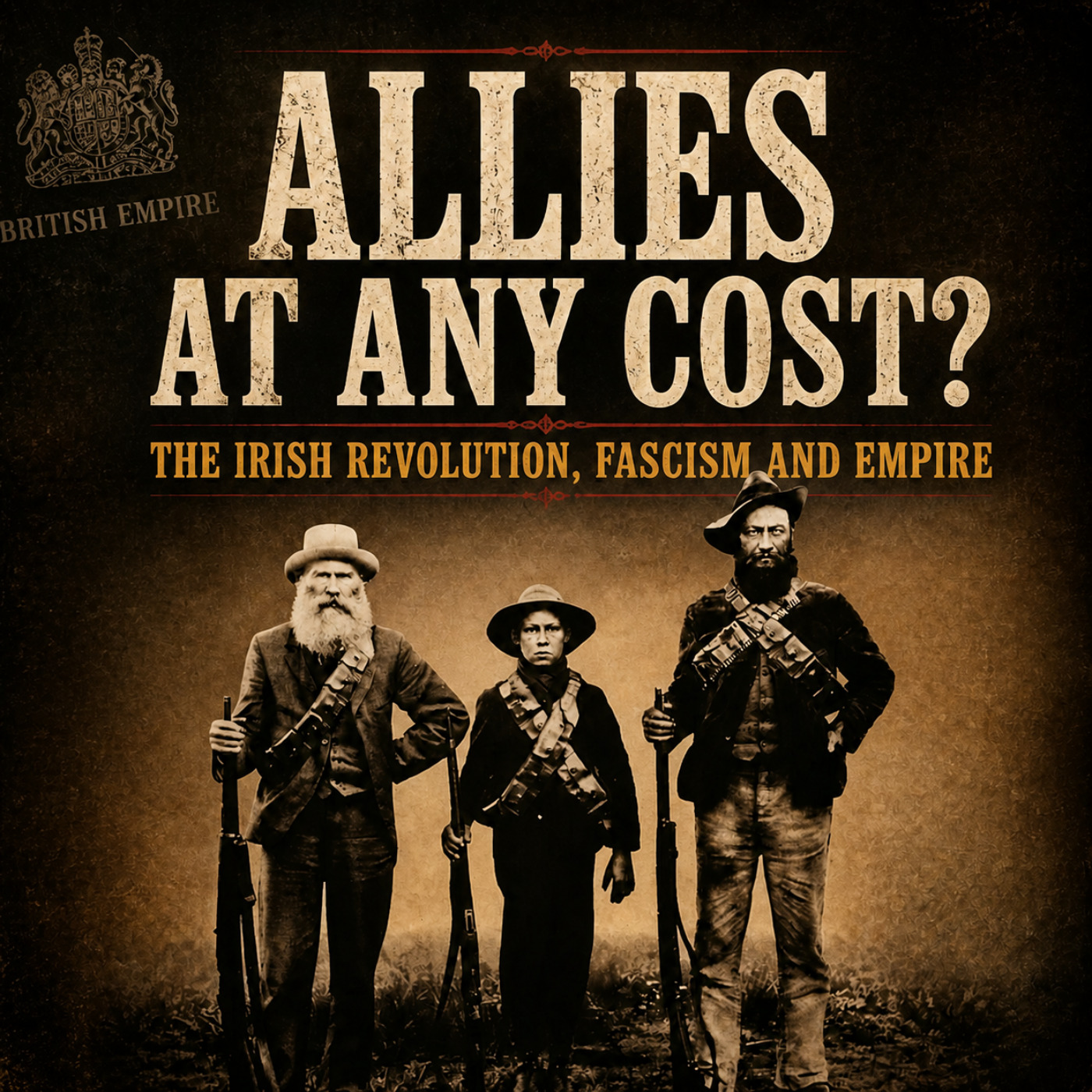 From White Settlers to Fascists: The IRA’s Troubling Allies 19.06.2026 39minIrish republicans had many natural allies during the War of Independence. Irish communities in the United States offered vital support, while revolutionaries in India and Egypt were also fighting for freedom from the British Empire. But the search for allies also led Irish republicans into far more complicated territory.Across the British Empire, they courted support not from colonised peoples, but from European settlers and their descendants in Australia, New Zealand, Canada and South Africa, many of them with Irish roots. In Europe, they looked to the Vatican, despite the Catholic Church’s long-standing suspicion of republicanism and revolution. Most controversially, Irish republicans also sought contact with Benito Mussolini, who was on his way to becoming Europe’s first fascist dictatorIn this final episode of Brothers in Pain, Dr Brian Hanley explores the uncomfortable history of Irish republican alliances abroad. From South Africa to the Papacy and fascist Italy, this episode asks why Irish revolutionaries sought support in such unlikely places, what they gained, and what these choices reveal about the Irish Revolution, empire and the wider world after the First World War.This is the final episode of Brothers in Pain a groundbreaking Global history of the Irish War of Independence by Dr Brian HanleyWritten, Researched & Narrated by Dr Brian Hanley.Check out Brian's publications here https://www.tcd.ie/history/staff/brian-hanley.phpProducer: Fin DwyerSound: Kate DunleaNote from Brian :In researching these episodes I have been indebted to the work of the following scholars;Anna Lively, Sam McGrath, Bruce Nelson, John Belchem, Terry Dunne, David Brundage, Niamh Coffey, Gerard Shannon, Maurice Casey, Kelly Anne Reynolds, Chris McNickle, Joe Doyle, Liz Gillis, FM Carroll, Patrick Mannion, Jimmy Yann, Niall Cullen, Pádraig Óg Ó Ruairc, Keith Jeffrey, Arthur Mitchell, John Borgonovo, Kate O’Malley, Michael Doorley, Robin Adams, Kevin Kenny, Fearghal McGarry, Catherine M. Burns, Síobhra Aiken, Patrick J. Mahony, Darragh Gannon, Matthew Pratt Guterl and James R. Barrett. Hosted on Acast. See acast.com/privacy for more information.
 -
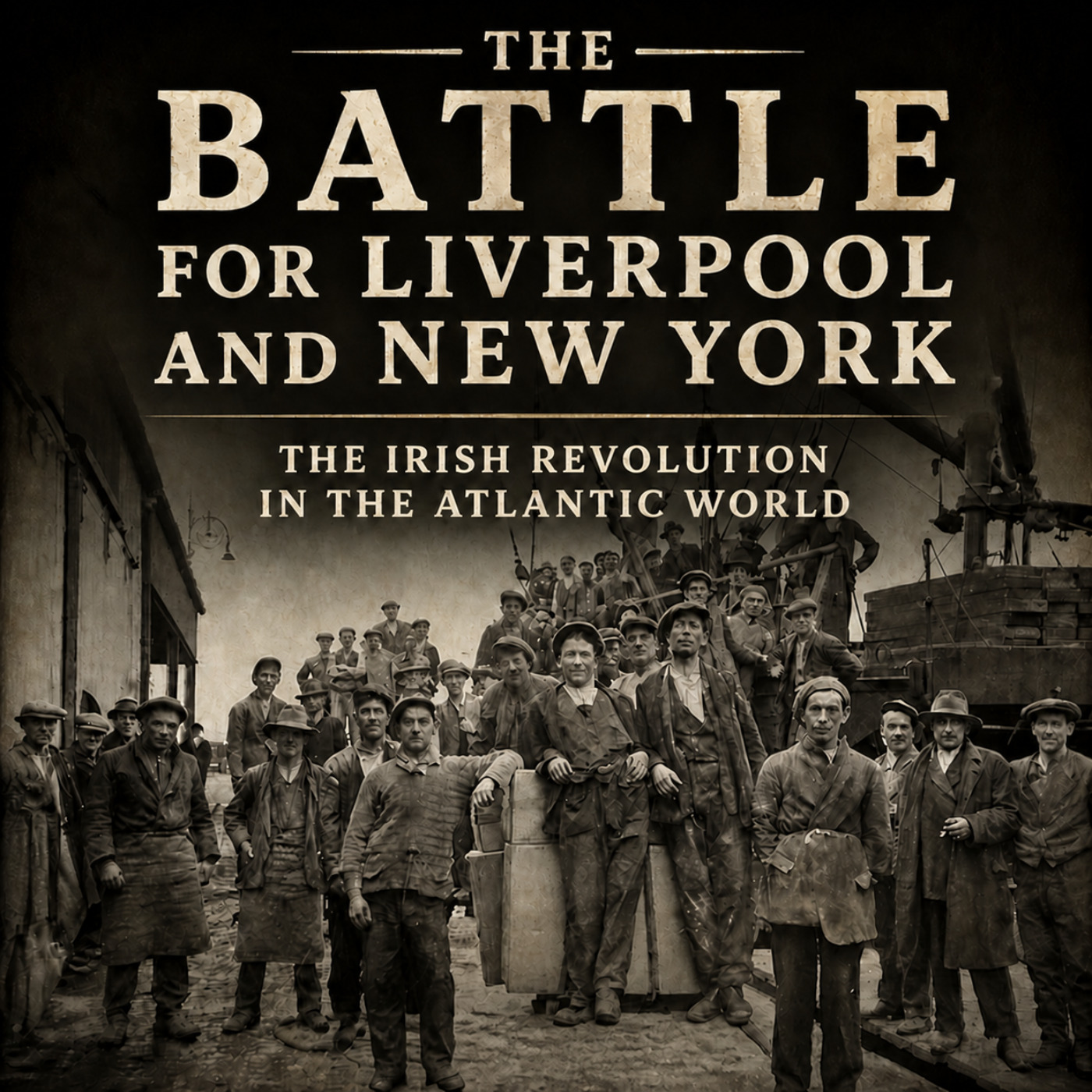 The Battle for Liverpool and New York: The Irish Revolution in the Atlantic World 12.06.2026 39minLiverpool and New York haunt the story of Irish independence in a way few other places do. Though separated by more than 5,000 kilometres of ocean, both ports were part of a wider Atlantic world in which Ireland occupied a central place.By the 1920s Liverpool and New York were among the most Irish cities on the planet. Both had been transformed by generations of Irish migration and in both cities Irish politics shaped everyday life.During the War of Independence, these communities became crucial to the republican movement. Money, weapons, propaganda and people moved through the ports, while IRA networks operated on both sides of the Atlantic. But this was not simply a story of support for Irish independence. In Liverpool and New York, Irish politics were fiercely contested.Supporters of the Republic organised, fundraised and agitated, while opponents of independence also made their voices heard. Anti-Irish politics, loyalism, class tensions and divisions within the diaspora all shaped how the conflict was understood abroad.In this episode of Brothers in Pain, Dr Brian Hanley explores the role of Liverpool and New York in the Irish War of Independence, revealing how two great port cities helped shape the revolution, and how Ireland’s struggle in turn reshaped politics across the Atlantic world.This is the second last episode of Brothers in Pain a groundbreaking Global history of the Irish War of Independence by Dr Brian HanleyWritten, Researched & Narrated by Dr Brian Hanley. Check out Brian's publications here https://www.tcd.ie/history/staff/brian-hanley.phpProducer: Fin DwyerSound: Kate DunleaNote from Brian :In researching these episodes I have been indebted to the work of the following scholars;Anna Lively, Sam McGrath, Bruce Nelson, John Belchem, Terry Dunne, David Brundage, Niamh Coffey, Gerard Shannon, Maurice Casey, Kelly Anne Reynolds, Chris McNickle, Joe Doyle, Liz Gillis, FM Carroll, Patrick Mannion, Jimmy Yann, Niall Cullen, Pádraig Óg Ó Ruairc, Keith Jeffrey, Arthur Mitchell, John Borgonovo, Kate O’Malley, Michael Doorley, Robin Adams, Kevin Kenny, Fearghal McGarry, Catherine M. Burns, Síobhra Aiken, Patrick J. Mahony, Darragh Gannon, Matthew Pratt Guterl and James R. Barrett. Hosted on Acast. See acast.com/privacy for more information.
 -
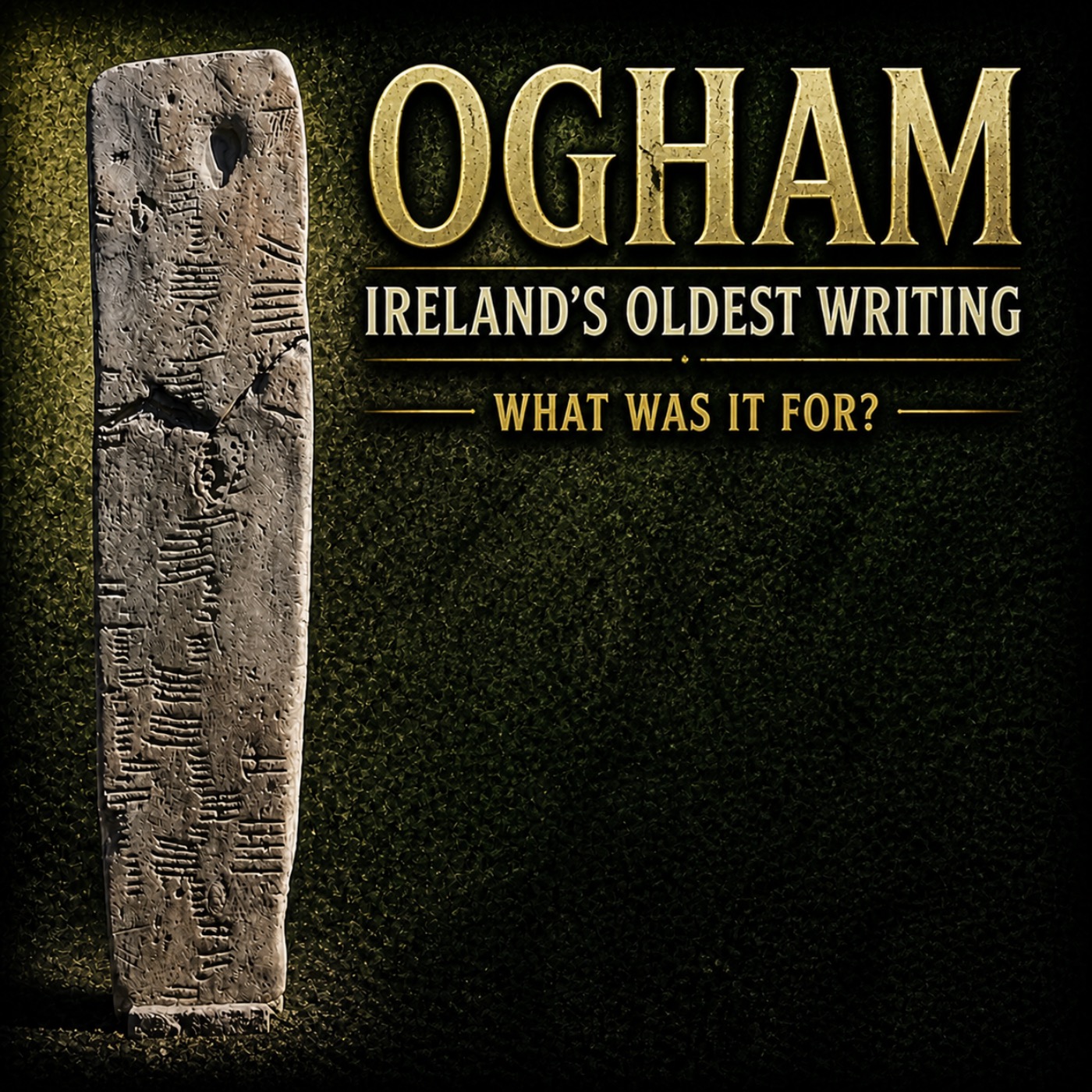 Ogham: The Mystery of Ireland’s Oldest Writing 10.06.2026 36minOgham is Ireland’s oldest known writing system, dating back more than 1,500 years. If you have ever seen strange lines carved along the edge of an old stone, you may have been looking at ogham.But what did those marks mean? Who carved them? Were they gravestones, boundary markers, family claims to lands or something else entirely?In this episode, I speak with ogham expert Dr Nora White about how this ancient writing system worked, where it came from and what it reveals about early Ireland. These short inscriptions preserve some of the earliest evidence of the Irish language, along with names, ancestors, territories and hints of a society changing through migration, Christianity and contact with Britain and the wider world.Ogham may look simple, but it opens a window onto one of the most fascinating and mysterious periods in Irish history.Support the show www.patreon.com/irishpodcastDr Nora White is a postdoctoral researcher in the Department of Early Irish at Maynooth University. Sheis currently leading a Research Ireland-funded project: Early Medieval Irish Scripts on Stone(EMISoS). She previously worked on the Ogham in 3D project at the Dublin Institute for AdvancedStudies and subsequently (2021-2025) on the joint Maynooth University and University of GlasgowOG(H)AM project (https://ogham.glasgow.ac.uk/).Digital corpus (in progress) of ogham in Ireland and Britain: https://ogham.celt.dias.ie/listSound by Kate Dunlea Hosted on Acast. See acast.com/privacy for more information.
 -
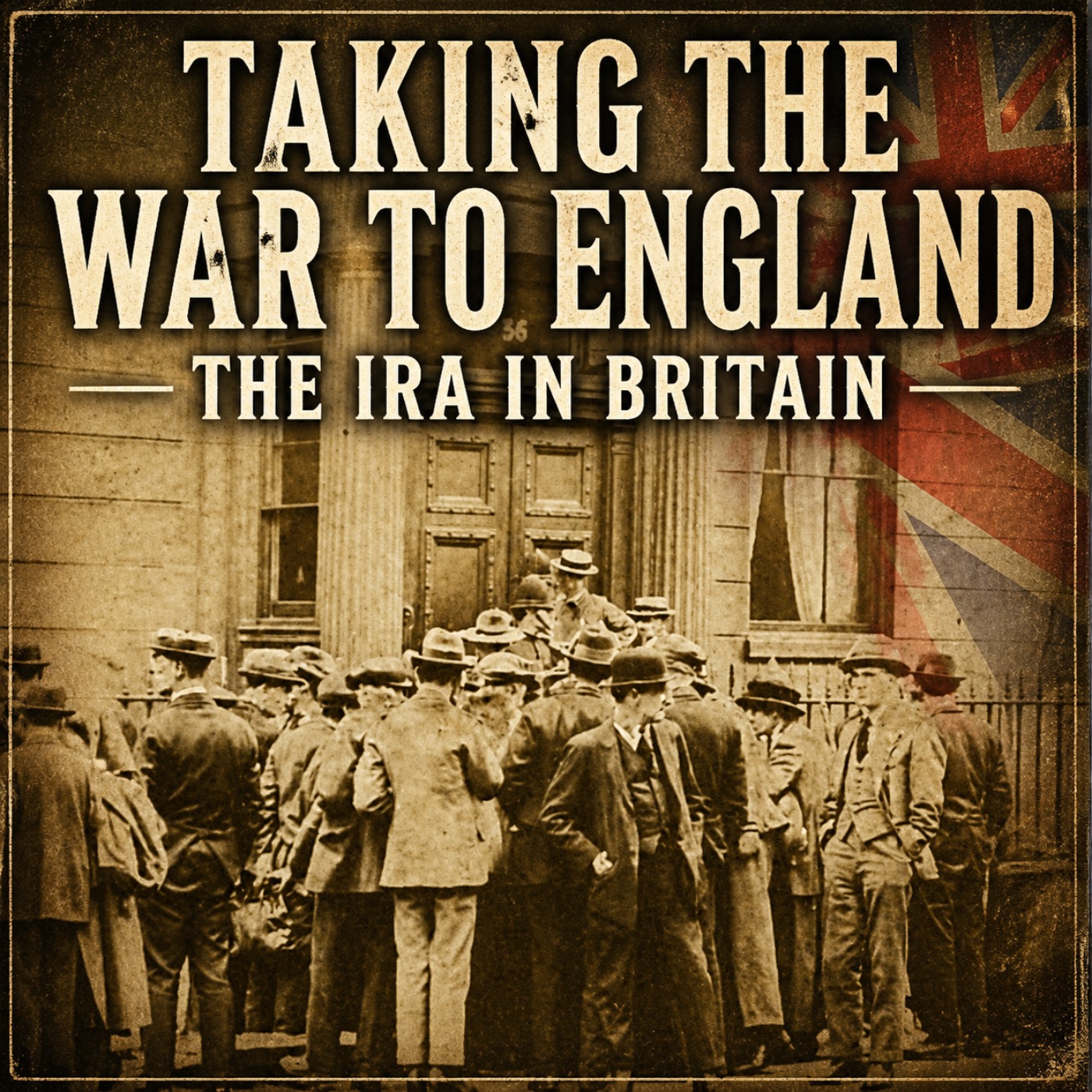 Taking the War to England: The IRA in Britain 05.06.2026 33min'We are doing this because you are doing it in Ireland'.These were the words of an IRA volunteer in Manchester explaining attacks in Britain during the Irish War of Independence.During the conflict, Britain and particularly England became a major battlefield. Britain was not only geographically close to Ireland, it was also home to large Irish communities in many major cities. Between 1919 and 1922, the IRA made sustained efforts to bring the conflict across the Irish Sea, carrying out hundreds of attacks, most of them in England.This forgotten front of the war included major attacks on the Liverpool docks, the targeting of Black and Tans in Britain and several high-profile incidents, most notably the killing of the British field marshal Sir Henry Wilson.The war also consumed and divided British politics in a way few other issues did until Brexit nearly a century later. Political parties, trade unions and communities were split over what should happen in Ireland, while massive and sometimes violent demonstrations swept across Britain.In this episode of Brothers in Pain, a global history of the Irish Revolution, Dr Brian Hanley explores the IRA’s campaign in Britain and how the wider question of Irish independence dominated British politics at the time.This is the eight episode in the Brothers in Pain Series a groundbreaking Global history of the Irish War of Independence by Dr Brian HanleyWritten, Researched & Narrated by Dr Brian Hanley. Check out Brian's publications here https://www.tcd.ie/history/staff/brian-hanley.phpProducer: Fin DwyerSound: Kate DunleaNote from Brian :In researching these episodes I have been indebted to the work of the following scholars;Anna Lively, Sam McGrath, Bruce Nelson, John Belchem, Terry Dunne, David Brundage, Niamh Coffey, Gerard Shannon, Maurice Casey, Kelly Anne Reynolds, Chris McNickle, Joe Doyle, Liz Gillis, FM Carroll, Patrick Mannion, Jimmy Yann, Niall Cullen, Pádraig Óg Ó Ruairc, Keith Jeffrey, Arthur Mitchell, John Borgonovo, Kate O’Malley, Michael Doorley, Robin Adams, Kevin Kenny, Fearghal McGarry, Catherine M. Burns, Síobhra Aiken, Patrick J. Mahony, Darragh Gannon, Matthew Pratt Guterl and James R. Barrett. Hosted on Acast. See acast.com/privacy for more information.
 -
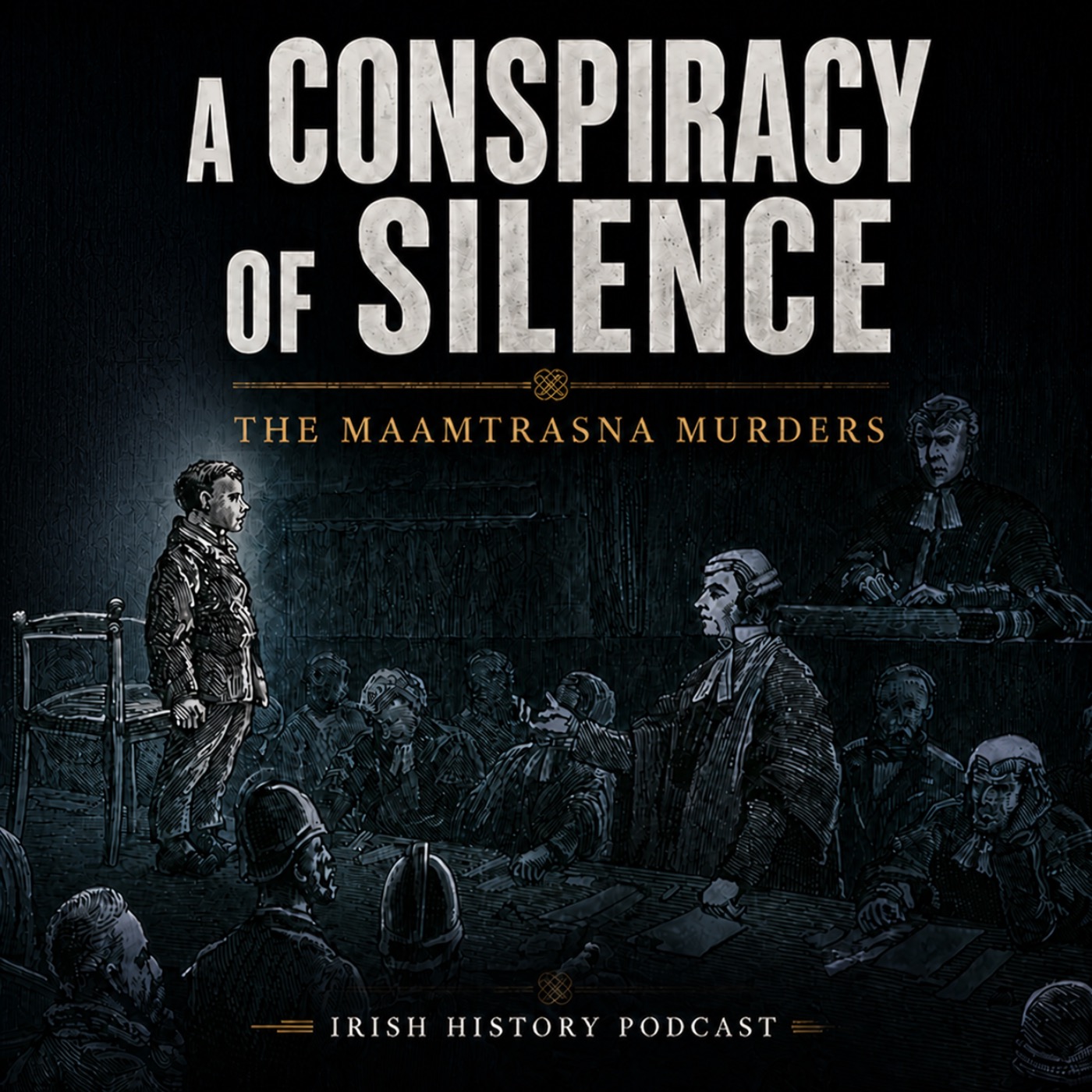 A Conspiracy of Fear & Silence: The Maamtrasna Murders 03.06.2026 1tIn August 1882, a brutal mass murder in a remote valley in the west of Ireland shocked the world. At Maamtrasna, a family, the Joyces, were attacked in their home. The victims ranged from a teenage girl to an 80-year-old woman. The police quickly suspected that the killers had been neighbours and even relatives of the Joyce family. However, a motive was elusive. As wider Irish society was shocked by the killings, injustice was followed by injustice.Indeed, the trials would soon overshadow the crime itself, unfolding into one of the most infamous miscarriages of justice in the legal history of Ireland or the UK. In this episode, Margaret Kelleher joins me to explore this intriguing case. We dig into the dark events that unfolded in Maamtrasna in the summer of 1882 and examine why an innocent man, Myles Joyce, was sent to the gallows after a trial conducted entirely in English, a language he could neither speak nor understand.The episode reveals what we know happened in Maamtrasna on that fateful night and how perjury and a rush to convict rather than find genuine justice lay at the heart of this intriguing case. This is the story of how a brutal murder in an isolated mountain community ended up having massive political implications, leaving a legacy that continues to reverberate today.Support the show: Patreon.com/irishpodcastMargaret's book The Maamtrasna Murders: Language, Life and Death in Nineteenth-Century Ireland is available here https://www.ucdpress.ie/page/detail/the-maamtrasna-murders/?k=9781910820421My guest is Margaret Kelleher, Professor and Chair of Anglo-Irish Literature and Drama at University College Dublin (research profile: https://people.ucd.ie/margaret.o.kelleher). She is a board member of the Museum of Literature Ireland (https://moli.ie/) and a member of the Royal Irish Academy. Her latest book, Mary and Padraic Colum: Lives and the Dream, is forthcoming from UCD Press in the Autumn of this year. Her monograph Maamtrasna Murders: Language, Life and Death in Nineteenth-Century Ireland (UCD Press, 2018) was awarded the Michael J. Durkan Prize for Books in Language and Culture by the American Conference for Irish Studies in 2019, and in 2020 was shortlisted for the Michel Déon Prize. She was Cullman Center Fellow at New York Public Library from 2022-2023 and Parnell Fellow in Irish Studies at Magdalene College, Cambridge from 2023-2024. Sound by Kate Dunlea Hosted on Acast. See acast.com/privacy for more information.
 -
 Daily Life in the Middle Ages: Worse Than You Think [Listener Favourite] 27.05.2026 38minA recent hospital visit means there is no new episode this week, but it reminded me of this classic from early 2024! Tune in to find out more How difficult was life in the Middle Ages? This is something archaeologists and historians have debated for decades. In recent years, new techniques, including genetic analysis, have given us new insights into the lives of our distant ancestors in the Medieval Era. Their findings are unsettling. Life in the Middle Ages was far more difficult than we imagine.My guest in this episode is Prof. Eileen Murphy from Queen's University Belfast. Eileen has recently published groundbreaking research on daily life in early medieval Ireland, based on her analysis of human remains excavated in Co. Roscommon. In this podcast, she answers all your questions on what life was like.Eileen shares her discoveries on how people survived in a hard and difficult world. It's not for the faint of heart.This episode is not suitable for children.Our interview is based on the book "The Forgotten Cemetery: Excavations at Ranelagh, Co. Roscommon," available for free at https://www.tii.ie/technical-services/archaeology/publications/tii-heritage/.Eileen is the deputy head of the School of Built & Natural Heritage at Queen's University Belfast: https://www.qub.ac.uk/schools/NBE/.Sound by Kate Dunlea Hosted on Acast. See acast.com/privacy for more information.
 -
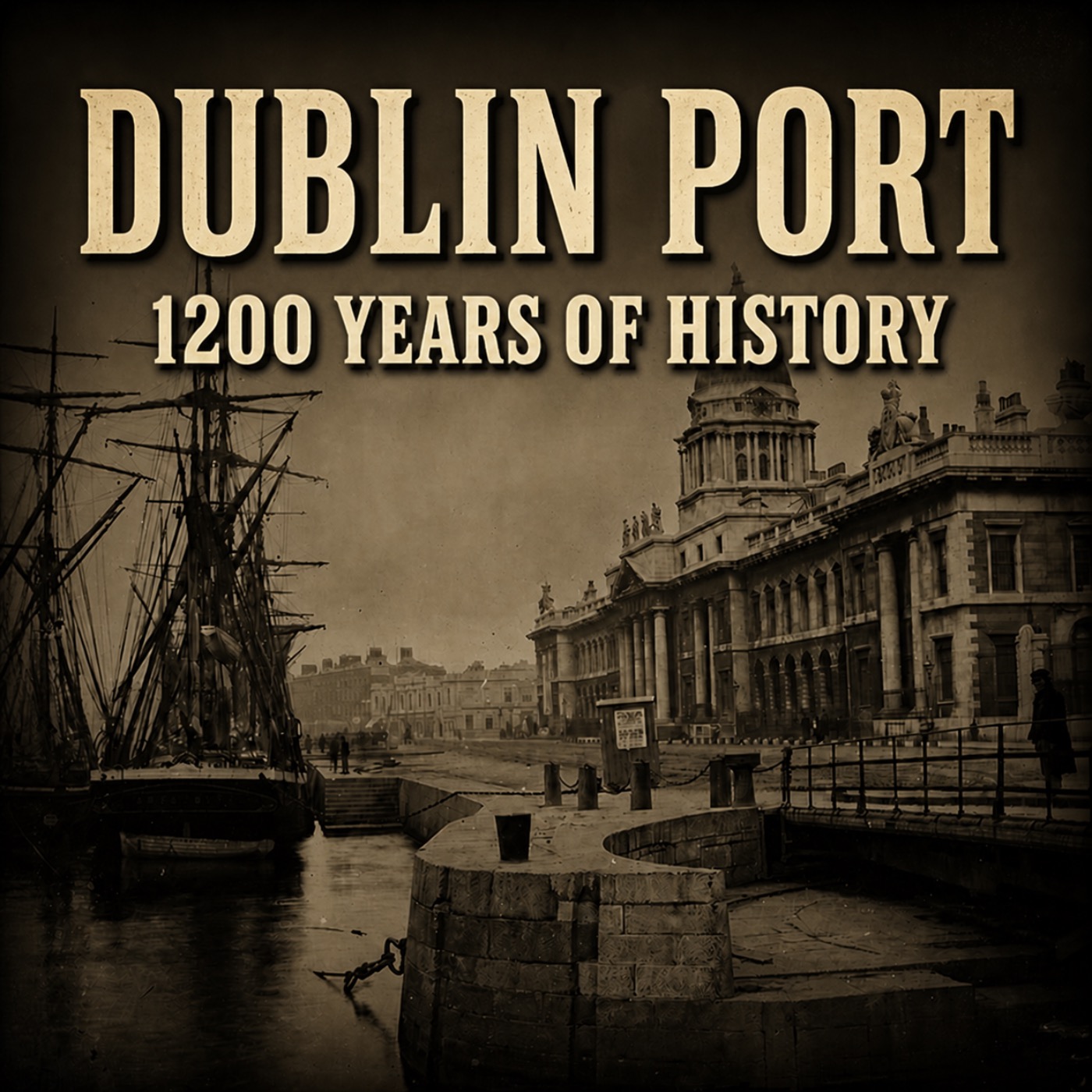 Dublin Port Has Seen It All: 1,200 Years of History. 20.05.2026 45minDublin is famous for its Georgian squares, medieval cathedral, castle and revolutionary history. But the cornerstone of Dublin's history is undoubtedly the port.Nearly 1,200 years ago, the Vikings established a settlement on the banks of the Liffey, and from that moment, Dublin's fate was tied to the sea. The port became the gateway where Ireland met the wider world. Ships carried goods, armies, ideas and people in and out of the city, connecting Dublin to Britain, Scandinavia, the Mediterranean and the far reaches of empire.But Dublin Port's history is far more than commerce. It witnessed slavery and trade, military occupation and revolution, famine and emigration, labour struggles and war. It was also shaped by a centuries-long battle against nature itself. Sandbanks, silting and storms forced generations of engineers to reshape the coastline with quays, docks, lighthouses and massive sea walls, creating one of Ireland's most remarkable engineering achievements.In this episode, recorded on the Great South Wall, I speak with historian Lar Joye, Heritage Director at Dublin Port, to explore the extraordinary 1,200-year history of Dublin Port. From Viking traders and Norman conquerors to famine emigrants and dock workers this is the story of a place that has witnessed every major turning point in Irish history.Sound by Kate Dunlea.My guest Lar Joye has served as Port Heritage Director at Dublin Port since 2017, where he cares for the 300-year-old Port Archive and leads projects that reconnect the working port with the city through heritage, culture and public access. Before joining Dublin Port, he worked as a film archivist and as Curator of Irish Military History at the National Museum of Ireland, where he led the team behind the award-winning "Soldiers and Chiefs" exhibition on the Irish soldier at home and abroad from 1550 to the present.He is a well-known lecturer and media contributor on topics ranging from the history of Dublin Port and its dockers to Irish soldiers in the British Army and the First World War, and he played a significant role in the Decade of Commemorations between 2012 and 2018. At Dublin Port he has initiated projects such as the Dublin Port Memory and Story oral history project and the development of new walking routes and cultural spaces, illustrating how archives, place and community stories can be brought together for contemporary audiences.Programme of Events for 2026 Events - Dublin PortBus tours of the port: Behind the Scenes Tours are Open - Dublin PortDistributed Museum - Dublin Port Hosted on Acast. See acast.com/privacy for more information.
 -
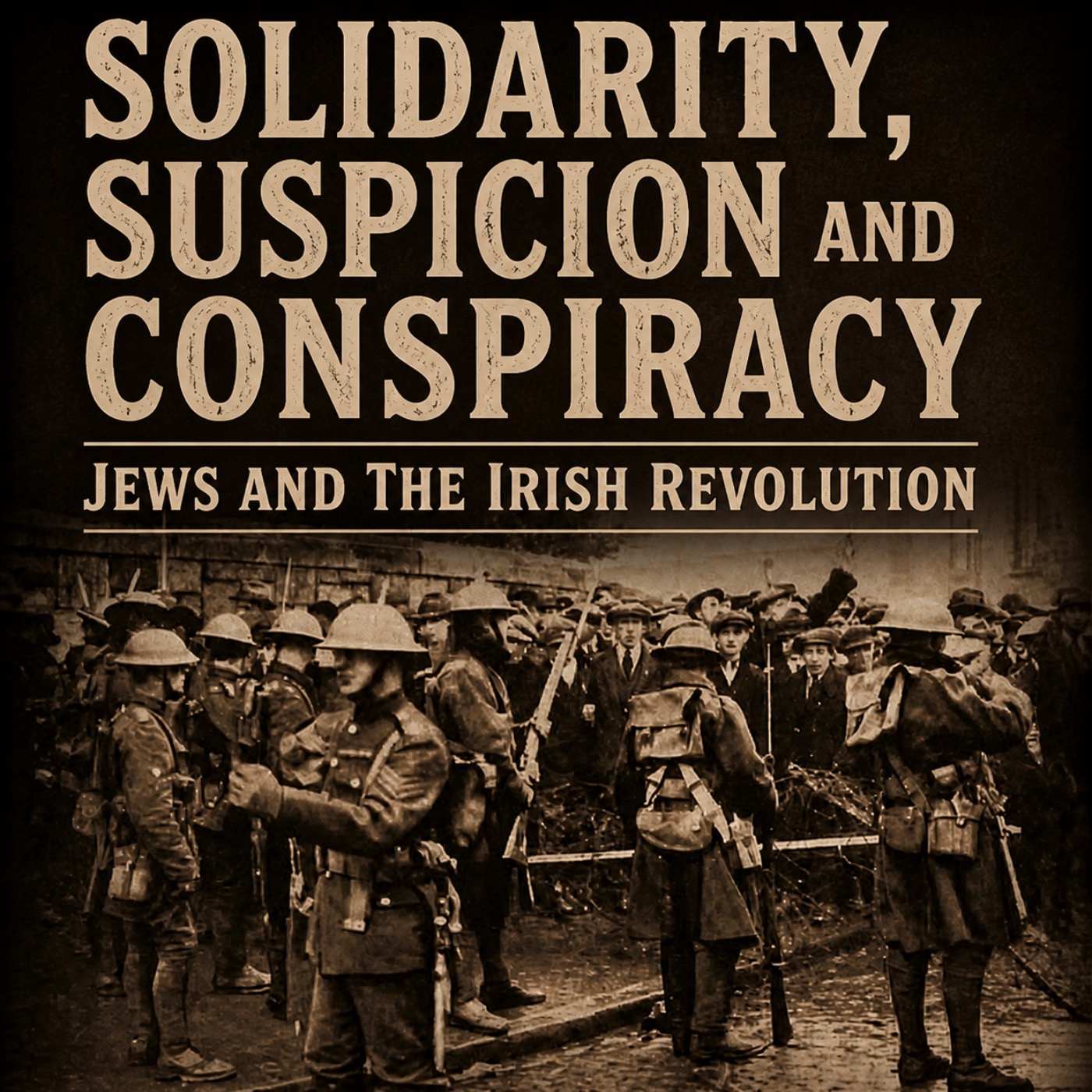 Solidarity, Suspicion and Conspiracy: Jews and the Irish Revolution 15.05.2026 28minAs the Irish Revolution broke out, Europe was gripped by political upheaval, fear of revolution, and rising antisemitism. In conservative and right-wing circles, the so-called “Jewish Question” loomed large. Claims that Jews were secretly fomenting revolution across the world became increasingly common, feeding conspiracy theories that shaped how many people interpreted events from Russia to Ireland.In this episode of Brothers in Pain, Dr Brian Hanley explores how these ideas influenced perceptions of the Irish Revolution. Leading British figures repeatedly claimed that Jews were secretly behind unrest in Ireland, reflecting the wider antisemitic beliefs circulating in British and European politics at the time.But the story was far more complex than conspiracy and prejudice. Jewish communities in Ireland and across the world responded to the Irish Revolution in different ways. Some Jewish figures, including Michael Noyek and Robert Briscoe, became prominent Irish republicans. Others were more cautious, concerned by political instability, violence, and antisemitism within parts of Irish nationalist politics.Brian also examines the uncomfortable reality that some leading Irish nationalist figures, including John Devoy and Arthur Griffith expressed antisemitic views. The result was a complicated history, shaped by solidarity, suspicion and racism.This is the seventh episode in the Brothers in Pain Series a groundbreaking Global history of the Irish War of Independence by Dr Brian HanleyWritten, Researched & Narrated by Dr Brian Hanley. Check out Brian's publications here https://www.tcd.ie/history/staff/brian-hanley.phpProducer: Fin DwyerSound: Kate DunleaNote from Brian :In researching these episodes I have been indebted to the work of the following scholars;Anna Lively, Sam McGrath, Bruce Nelson, John Belchem, Terry Dunne, David Brundage, Niamh Coffey, Gerard Shannon, Maurice Casey, Kelly Anne Reynolds, Chris McNickle, Joe Doyle, Liz Gillis, FM Carroll, Patrick Mannion, Jimmy Yann, Niall Cullen, Pádraig Óg Ó Ruairc, Keith Jeffrey, Arthur Mitchell, John Borgonovo, Kate O’Malley, Michael Doorley, Robin Adams, Kevin Kenny, Fearghal McGarry, Catherine M. Burns, Síobhra Aiken, Patrick J. Mahony, Darragh Gannon, Matthew Pratt Guterl and James R. Barrett. Hosted on Acast. See acast.com/privacy for more information.
 -
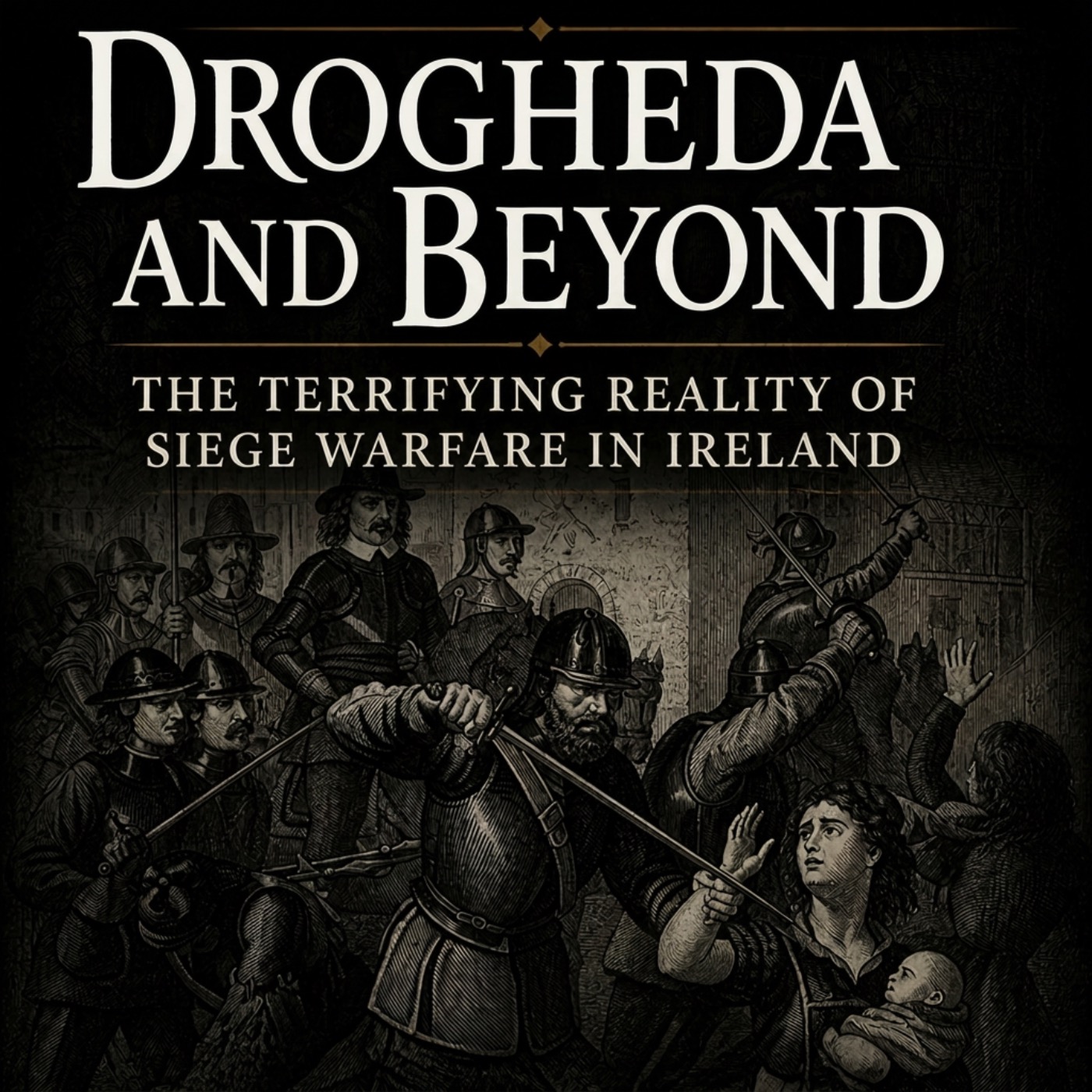 Drogheda & Beyond: The Terrifying Reality of Siege Warfare in Ireland 13.05.2026 44minBetween 1641 and 1653, Ireland was engulfed by devastating war. It was a period of extraordinary violence, famine and social collapse. The death toll was staggering. As many as 25% of the population may have perished.At the heart of this conflict was siege warfare. Across Ireland, towns, castles, forts and fortified houses came under attack. Some were taken by storm, while others were blockaded until starvation and disease did their work. Defenders faced cannon fire, tunnelling, psychological warfare and the terrifying prospect of what might happen if the walls were breached. Meanwhile, thousands of civilians had no escape and suffered appallingly. In this episode, I’m joined by historian Padraig Lenihan to explore the brutal reality of siege warfare in 17th-century Ireland. We look at why these conflicts were so destructive, how sieges were fought, and why warfare in Ireland was often more violent than in Britain during the same period. We also examine the infamous massacre at Drogheda, placing it in the wider context of the wars in Ireland and Britain, and asking whether it was exceptional or part of a broader pattern of violence.You can get Padraig’s book, Siege Warfare in Ireland, 1641-1653 which offers a fascinating insight into one of the darkest periods in Irish history: https://www.fourcourtspress.ie/books/2025/siege-in-ireland-1641-53Sound: Kate DunleaRequest: My guest on the last episode, James Doherty, is looking for photographs of Irish Army soldiers in Kilkenny Castle during the Emergency. If you have any information, please get in touch at [email protected] Hosted on Acast. See acast.com/privacy for more information.
 -
 Forgotten Allies: How Egypt and India Supported the Irish Revolution 01.05.2026 32minDuring the Irish War of Independence, republicans in Ireland looked far beyond Britain and America for support. In Egypt and India, they found allies. Secret meetings took place between IRA representatives and Egyptian revolutionaries, while Irish republicans also made contact with Indian nationalists who were waging their own struggle against British rule. Across the Empire, activists began to see their causes as connected, bound together by a common enemy and a shared desire for freedom.But this was never a simple story of solidarity. For generations, Irish people had also served the British Empire in India and the Middle East as soldiers, policemen and civil servants. This episode explores the forgotten links between Ireland, Egypt and India, revealing how the Irish Revolution was shaped not only by events at home, but by anti-colonial struggles unfolding across the wider world.Support the show and get ad-free early episodes at patreon.com/irishpodcastThe series is researched, written, and presented by Dr Brian Hanley. Brian is a historian at Trinity College Dublin and has written extensively on the Irish Revolution, republicanism, and radical politics in the twentieth century. You can find a list of his publications here: https://www.tcd.ie/history/staff/brian-hanley.phpWritten, Researched and Narrated by Dr Brian HanleyProducer: Fin DwyerSound: Kate DunleaNote from Brian:In researching these episodes, I have been indebted to the work of the following scholars:Anna Lively, Sam McGrath, Bruce Nelson, John Belchem, Terry Dunne, David Brundage, Niamh Coffey, Gerard Shannon, Maurice Casey, Kelly Anne Reynolds, Chris McNickle, Joe Doyle, Liz Gillis, FM Carroll, Patrick Mannion, Jimmy Yann, Niall Cullen, Pádraig Óg Ó Ruairc, Keith Jeffrey, Arthur Mitchell, John Borgonovo, Kate O’Malley, Michael Doorley, Robin Adams, Kevin Kenny, Fearghal McGarry, Catherine M. Burns, Síobhra Aiken, Patrick J. Mahony, Darragh Gannon, Matthew Pratt Guterl and James R. Barrett. Hosted on Acast. See acast.com/privacy for more information.
Lignende podkaster


Populær i
Denne podkasten finnes også i podkast-listene til disse landene.


