
In the Shadows of Utopia: The Khmer Rouge and the Cambodian Nightmare
Lachlan Peters
0
A comprehensive, long-form history podcast about Cambodia, the Khmer Rouge and the Pol Pot regime.
Episoder
-
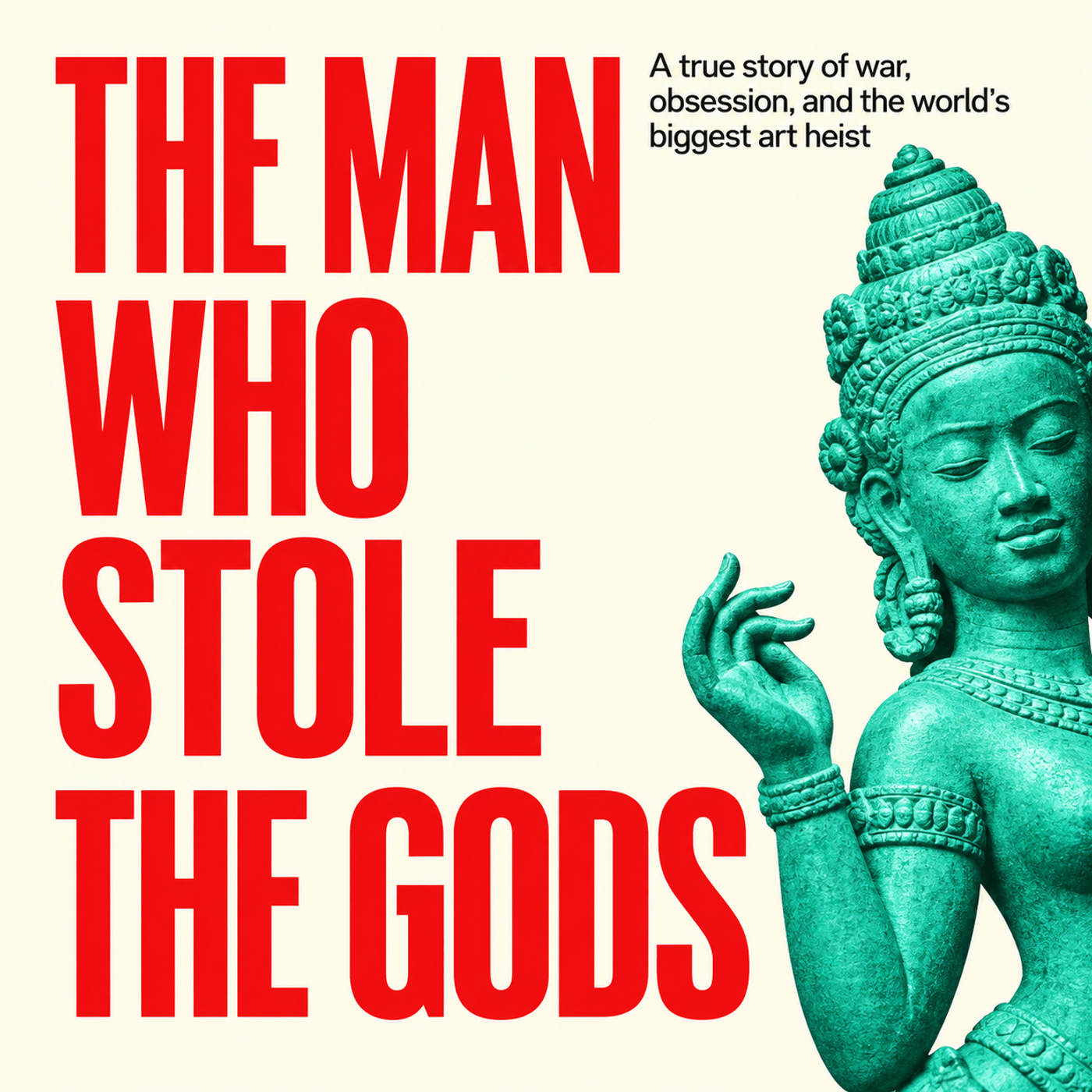 S3 Ep10: Interview: The Man Who Stole the Gods | Douglas Latchford & Cambodia’s Looted Khmer Art with Matthew Campbell 15.09.2026 1t 4minMatthew Campbell, award-winning journalist for Bloomberg Businessweek and author of The Man Who Stole the Gods, joins Lachlan Peters to discuss Douglas Latchford, the extraordinary plunder of Cambodia’s ancient Khmer antiquities, and the international art market that helped move stolen treasures from Cambodian temples into private collections and some of the world’s leading museums.The Man Who Stole the Gods: A True Story of War, Obsession, and the World’s Biggest Art Heist traces more than half a century of looting, smuggling and collecting. At the centre of the story is Douglas Latchford, a British-born antiquities dealer based in Bangkok who became one of the world’s best-known authorities on Khmer art while building an enormous collection of his own. In 2019, US prosecutors charged Latchford with trafficking looted Cambodian antiquities and using false provenance documents to disguise their origins. He died in 2020 before the case could go to trial.Campbell’s investigation, based on years of reporting and more than 100 interviews, follows the story from Cambodia’s civil war and the Khmer Rouge era to Bangkok dealers, London auction houses, wealthy American collectors and institutions such as New York’s Metropolitan Museum of Art. It explores how masterpieces of the Khmer Empire were removed from archaeological sites, how questionable histories were created for them, and how Cambodia has spent decades trying to identify and recover its cultural heritage.The consequences of that trade are still unfolding. In recent years, major collections of Khmer antiquities connected to Latchford have been returned to Cambodia, while the Metropolitan Museum of Art agreed to repatriate fourteen sculptures to Cambodia and two to Thailand associated with him. In 2023, US authorities also reached a $12 million forfeiture settlement involving proceeds from Latchford’s antiquities sales.In this interview, Lachlan and Matthew discuss Douglas Latchford’s remarkable life, the destruction and dispersal of Cambodia’s archaeological heritage during decades of war, the mechanics of the international antiquities trade, the collectors and museums that bought Khmer masterpieces, and the ongoing effort to bring Cambodia’s stolen gods home.
 -
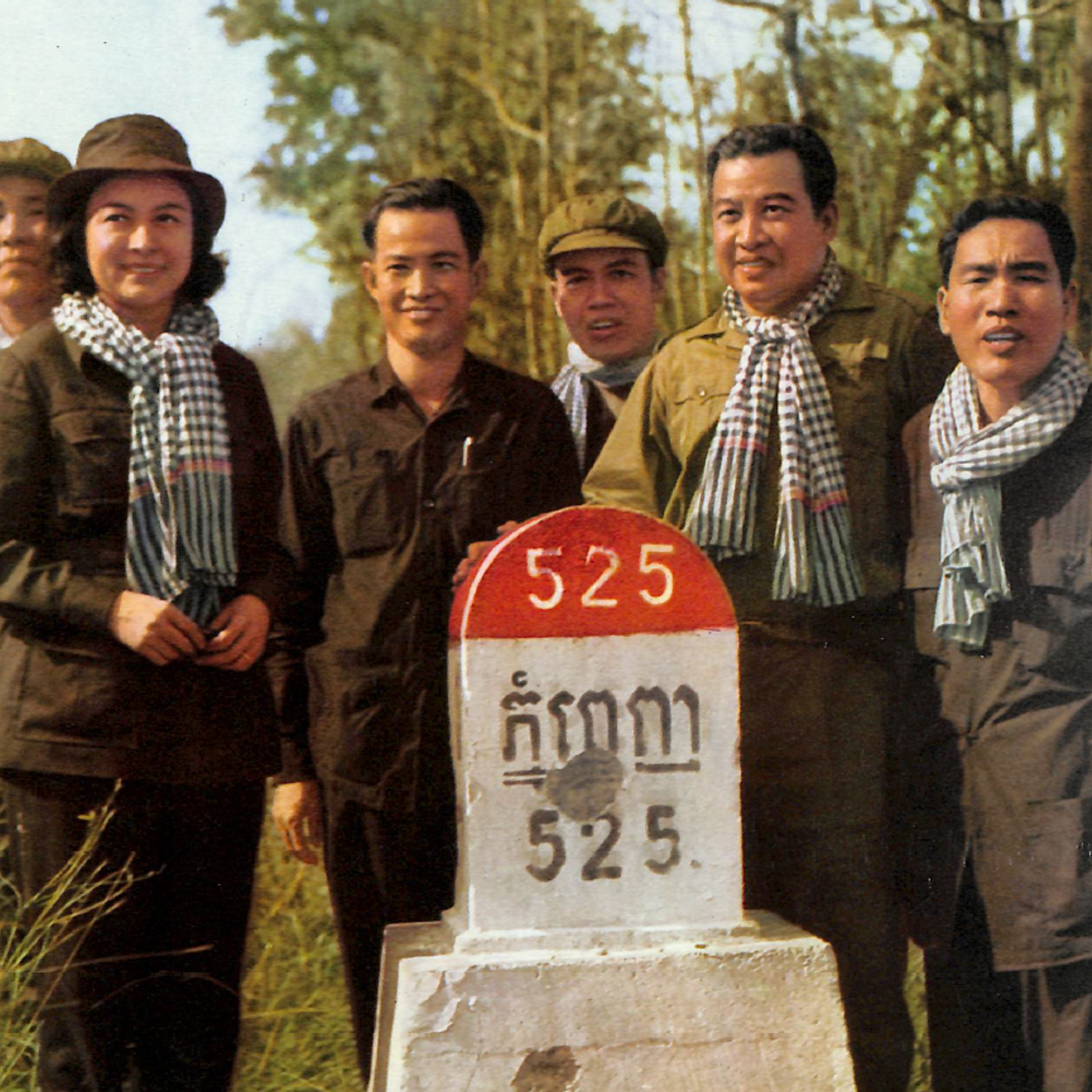 S3 Ep9: 1973 Part One: The Return of the King 01.09.2026 1t 43minIn early 1973, Norodom Sihanouk travelled down the Ho Chi Minh trail and back onto Cambodian soil for the first time since the coup. China Pictorial published a special issue of photographs to prove it. In the background of several of them stand men the prince had been told not to name.Time Period Covered: January to August 1973How much did Sihanouk know about the Khmer Rouge he was selling to the world? Why did the Paris Peace Accords bring peace to Vietnam but not Cambodia? What happened when the prince returned to Cambodian soil for the first time since the coup?In this episode, Lachlan begins a three-part exploration of one of the most important and brutal years of the Cambodian Civil War -- through the eyes of its top billing star, Prince Norodom Sihanouk. Deposed, exiled, and installed in Beijing, the prince has become the face of a resistance movement that privately despises him -- and 1973 sees him wheeled out like never before.Three primary sources track the prince across these six months. His propaganda memoir, My War with the CIA, written with the infamous Wilfred Burchett, sells a rosy vision of the National Front's future Cambodia to a western audience -- one with no mention of the communists actually running the show. A special issue of China Pictorial documents his secret journey down the Ho Chi Minh trail and back into the liberated zones -- where the real power stands quietly in the background of the photographs. And a remarkable interview with the legendary Oriana Fallaci, in which the script falls away, and the prince says things you would not expect a man in his position to ever admit.Meanwhile, the ceasefire that was supposed to follow the Paris Peace Accords is dead on arrival in Cambodia, the Khmer Rouge refuse to stop a war they are winning, and the American bombing builds toward its final crescendo.Sources:Norodom Sihanouk & Wilfred Burchett -My War with the CIAChina Pictorial 1973 -Samdech Sihanouk's Inspection Tour of the Cambodian Liberated ZoneOriana Fallaci -Interview with Sihanouk, New York Times 1973Norodom Sihanouk -Prisoner of the Khmer RougePhilip Short -Pol Pot: Anatomy of a NightmareMilton Osbourne - SihanoukDavid Chandler -Tragedy of Cambodian HistoryBen Kiernan -How Pol Pot Came to PowerNew York Times Book Review -James C. Thomson Jr., "Prince of Peace" 1973
 -
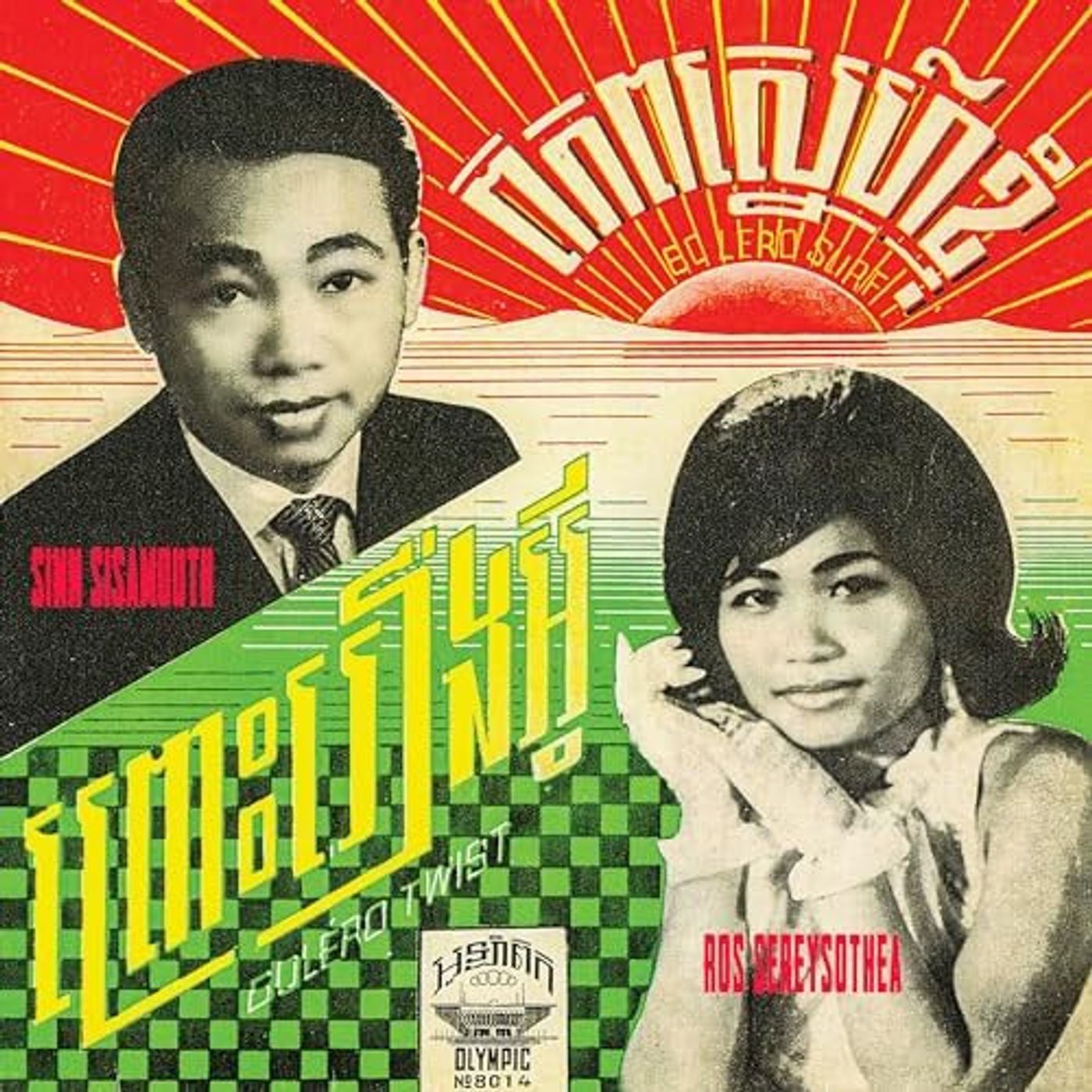 S3 Ep8: Terrorism, Rock and Roll and the Battle of Angkor Wat 31.05.2026 2t 20minAt the beginning of 1972, Khmer Rouge and Vietnamese forces fought each other in the temple complex at Angkor. In Phnom Penh, a city swollen with refugees and rocked by bombings, the radios played Sinn Sisamouth and Ros Serey Sothea. It was the peak of Cambodia's golden age of music, and it had three years left.Time Period Covered: 1972How did a golden age of music emerge during the Cambodian Civil War? How did Lon Nol survive the fallout of Chenla II? What did the clashes between communists and government produce around Angkor?In this episode, Lachlan returns to the view from Phnom Penh as the Cambodian Civil War truly begins to live up to its name. The Khmer Rouge had amassed tens of thousands of troops and were challenging not only Lon Nol's struggling regime, but also their Vietnamese comrades in arms. Most notably, at Angkor -- where fighting will erupt around the temple complex at the beginning of the year.Meanwhile while the government lost more control of the countryside, Lon Nol continued to consolidate his own power. Sidelining much more capable politicians, while the United States stood idly by as his dastardly little brother, Lon Non, used violent and grubby means of propping up the new president - and his own position.The refugee crisis in Phnom Penh continues, and Lachlan looks into the different stories of individuals effected by the war who fled to the capital.And, the backdrop to all of this chaos? Cambodia's golden age of rock & roll.Dont forget to check out the complete history of Angkor on YouTube.Check out www.shadowsofutopia.com/support to help out the show -- or leave a review on the platform you are using! Thank youSources:Wilfred Deac -The Road to the Killing FieldsSutsakhan -The Khmer Republic at WarDavid Chandler -Tragedy of Cambodian HistoryShawcross -SideshowNew York Times -Various Reporting 1972Craig Etcheson -The Rise and Demise of Democratic KampucheaOral History Project -Brigham Young CollegeHaing Ngor -A Cambodian OdysseyJim Laurie -Last HelicopterDee Peyok -Away from Beloved LoverNew Cambodia Magazine 1972 -various issues
 -
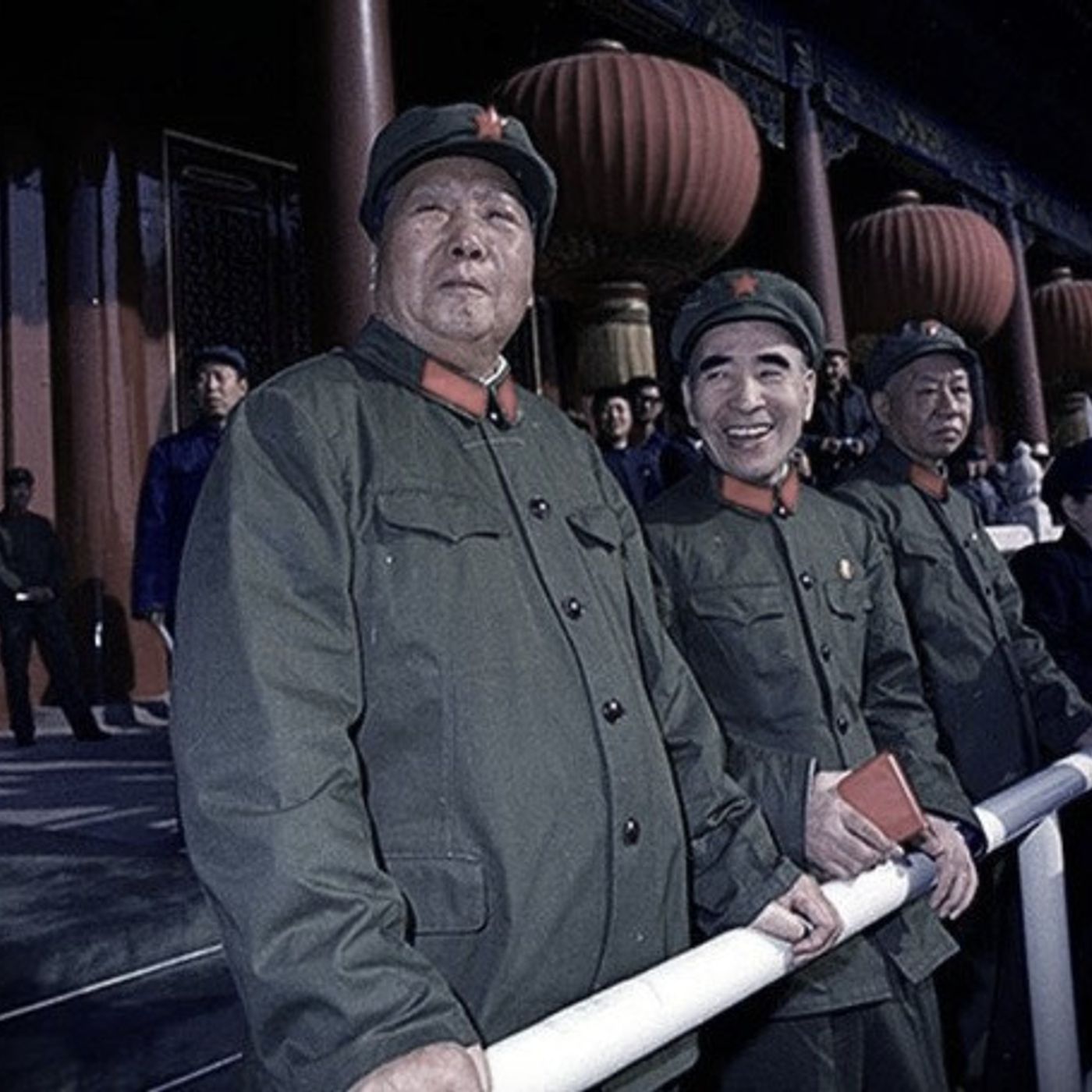 S3 Ep7: How to Get Out of a War in Indochina: Nixon, Mao and the Paris Peace Accords 16.02.2026 2tIn February 1972 Richard Nixon flew to Beijing to shake Mao's hand. In May he went to Moscow. In between, North Vietnam launched the largest conventional offensive of the war and American bombers returned in force. All of it, in one way or another, was about how to leave Vietnam without appearing to lose it.Time Period Covered: 1971 to 1973How do you get out of a war without losing it? What did Nixon's opening to China have to do with Vietnam? And how much of 'peace' in 1972 was about diplomacy, and how much was about the election?In this episode, Lachlan examines the pivotal year of 1972. North Vietnam launches the Spring Offensive, the largest conventional campaign of the war, while American air power returns on a massive scale. At the same time, Nixon travels to Beijing and Moscow, reshaping the Cold War balance and strengthening his position at home.Behind the scenes, Henry Kissinger conducts secret negotiations in Paris. The Oval Office tapes reveal a colder logic: South Vietnam may not survive indefinitely, but if it lasts long enough, the United States can leave on its own terms. Cambodia, meanwhile, remains entangled in bombing, secrecy, and executive overreach, part of the same governing culture that produces Watergate.By January 1973, the Paris Peace Accords are signed. American prisoners are coming home. Nixon has won a landslide re-election on promises of peace.But the settlement leaves North Vietnamese troops in the South, freezes the battlefield in place, and offers no real solution for Cambodia.The war, in other words, is ending. Just not for everyone.Sources:Short Mao: The Man Who Built ChinaHastings Vietnam: An Epic TragedyMiller The Vietnam War: A Documentary ReaderVarious Recordings: Nixon Whitehouse 1971-2Shawcross Sideshow
 -
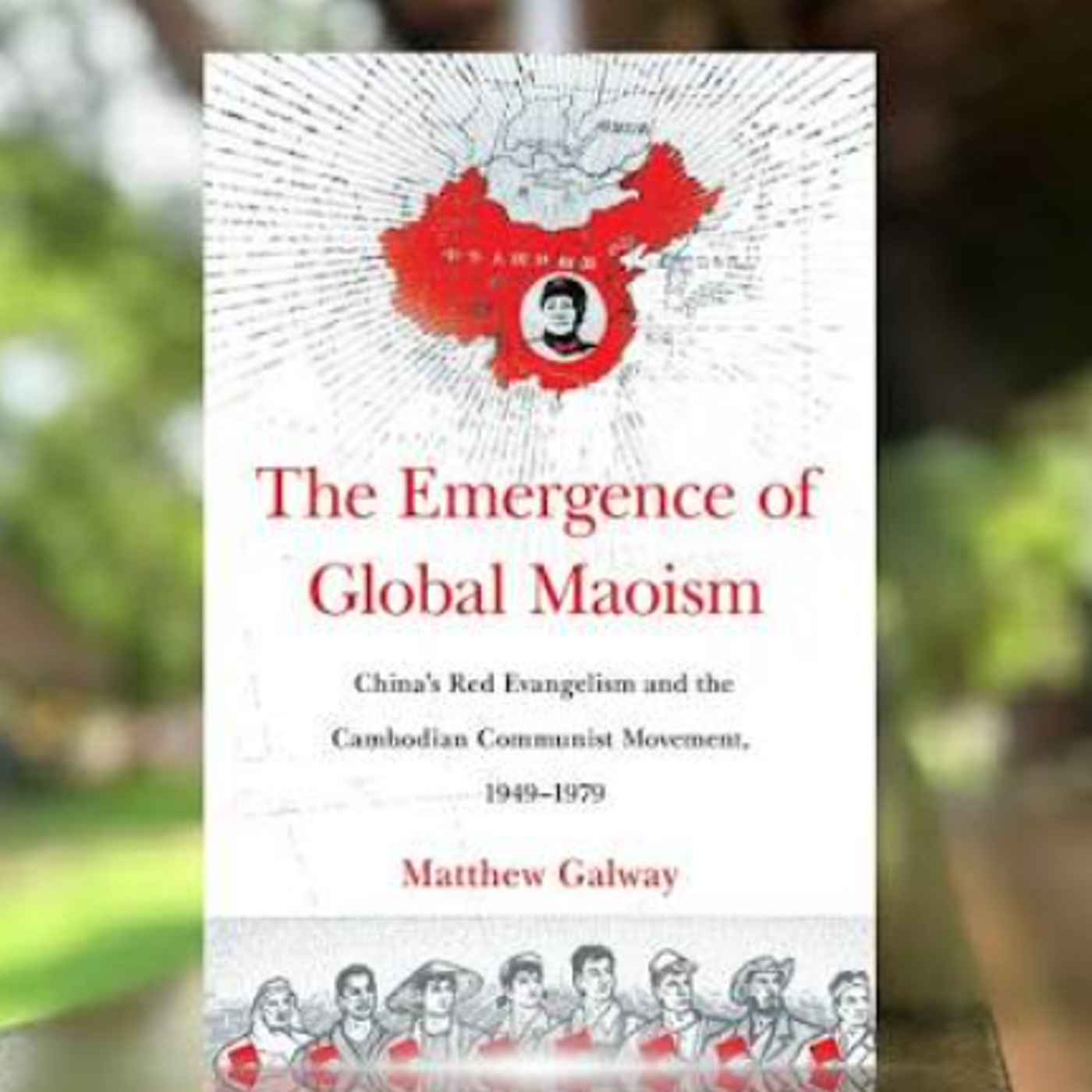 S3: Interview: Maoism, the Three Ghosts, and the Khmer Rouge with Matt Galway 19.01.2026 1t 31minIn this extended interview, I’m joined by historian Matt Galway, author of Global Maoism, to unpack the intellectual, ideological, and historical foundations of Maoism and Cambodian communism.We begin with Galway’s academic background and how the Khmer Rouge became a central focus of his research, before moving into core Marxist concepts such as dialectics, contradiction, and why communists historically understood Marxism as a science rather than a belief system.From there, we turn to the Cambodian students in Paris, particularly Hou Yuon, examining the seriousness of their Marxist education, their intellectual commitments, and the long-term consequences of their ideological formation. We explore the “Three Ghosts,” the growing divide between intellectuals and the Khmer Rouge leadership, and how revolutionary paranoia hardened into purges.The conversation then widens to Maoism itself: the Chinese Cultural Revolution, Maoism’s distinctive features compared to orthodox Marxism-Leninism, and how Maoism evolved into a flexible, exportable revolutionary model. We conclude by discussing communism as a quasi-religious system, touching on Pol Pot, Buddhism, and how revolutionary ideology functioned in Democratic Kampuchea.
 -
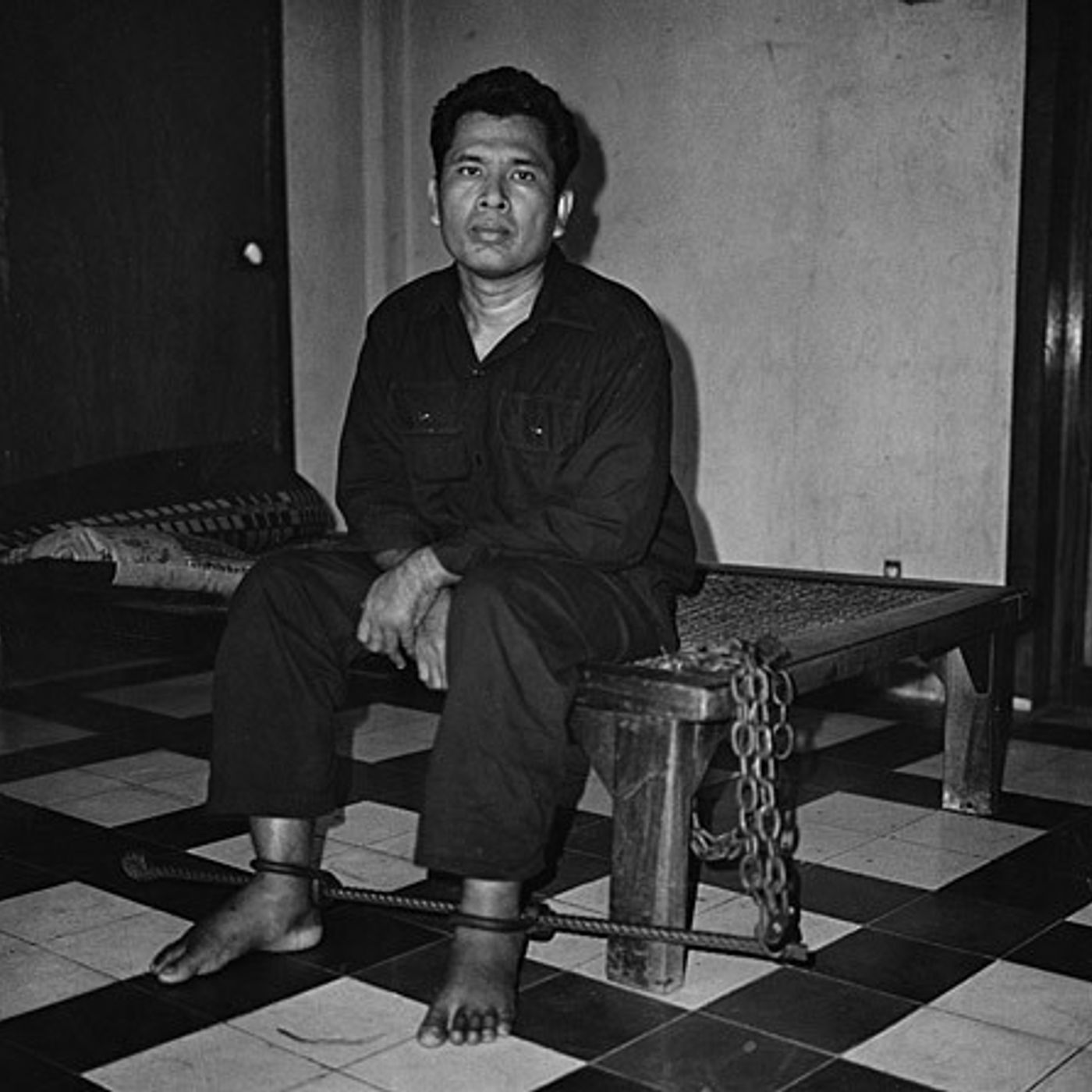 S3 Ep6: 1972 - Life (and Death) in the Liberated Zones. Regrets for the Khmer Soul and M-13 04.01.2026 1t 38minIn 1972 a Phnom Penh schools inspector named Ith Sarin spent nine months inside Khmer Rouge territory and came back to write about it. Around the same time a French scholar named Francois Bizot spent three months chained in a jungle camp called M-13, interrogated daily by Duch. Between them they left the two most detailed accounts of the Khmer Rouge before it took power, and they do not describe the same regime.Time Period Covered: 1971 to 1972Why would someone join the Khmer Rouge? How would people view the parts of the country now being run by the communists? What was M-13, and why is it so important?In this episode, Lachlan returns to one of the most invaluable insights into the prototype regime of Democratic Kampuchea and the countryside control of the Khmer Rouge: Ith Sarin's Regrets for the Khmer Soul, a detailed account of life under the communists for nine months, which is not as damning as some might expect.This is in sharp contrast to another memoir from this same period, Francois Bizot's The Gate, in which he recounts his imprisonment at M-13, the jungle prototype of Tuol Sleng.Woven through these two sides of the story is the evolution of the Khmer Rouge into a group taking over the functions of a state, and applying the blueprint of revolution they had settled on to the Cambodian population they controlled, which numbered in the millions.Check out my visit to M13 at YouTube or https://www.patreon.com/Sources:David Chandler The Tragedy of Cambodian History Philip Short Pol PotIth Sarin Regrets for the Khmer Soul (available at https://www.mekongriverpress.com/)Francois Bizot The GateECCC Testimony Kang Gek Iev (Duch)Henri Locard Jungle Heart of the Khmer RougeNorodom Sihanouk My War with the CIABen Kiernan How Pol Pot Came to PowerSophal Ear The Khmer Rouge Cannon (Phd Thesis)Ian Harris Buddhism Under Pol PotAlex Hinton Why Did They Kill?
 -
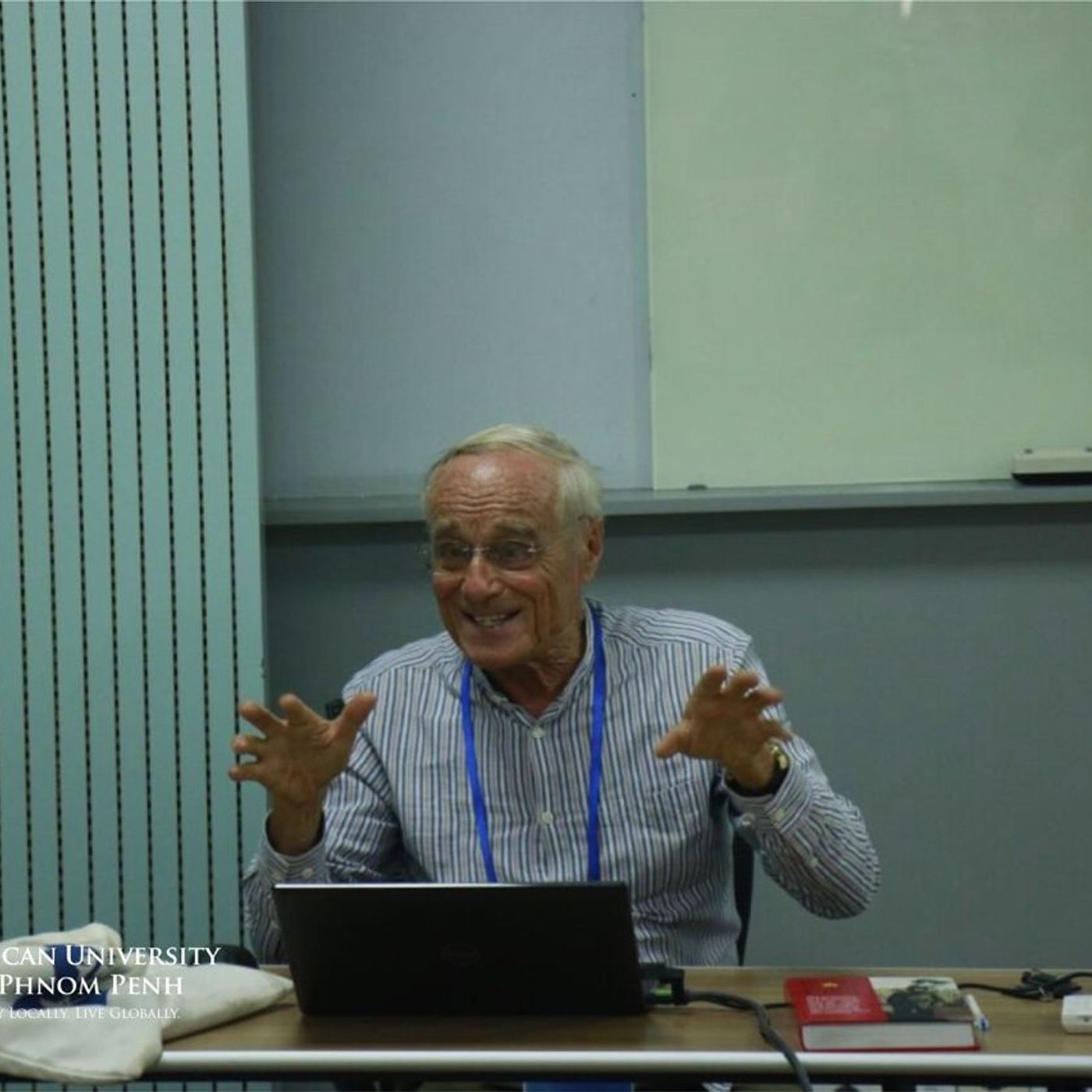 S3: Interview: The Super Great Leap Forward and the Khmer Rouge Prison System with Henri Locard 22.10.2025 1t 8minThis episode is a follow-up to the two-hour discussion I had with historian Henri Locard. The video of that full conversation is available for free on Patreon right here (or just go to https://www.patreon.com/shadowsofutopia) - no sign up required.Henri Locard is a prominent scholar of the Khmer Rouge, he testified as an expert witness at the ECCC, and has written extensively on the subject. Most notably Pol Pot's Little Red Book, a collection of the slogans used by the Khmer Rouge, and most recently, Jungle Heart of the Khmer Rouge, a biography of Phi Phuon, Pol Pot's Jarai bodyguard. He also has an upcoming book about the extent of the Khmer Rouge prison system that he is looking to find a publisher for.Unlike last time, in our 'discussion', the focus is tighter. I ask Henri four main questions, particularly the ones that we hadn't got to last time, and while he still drifts a little in his answers (as he does), this is a more concentrated exchange that digs deep into how he sees Cambodia’s past and present.We talk about the meaning of the “Super Great Leap Forward,” the myths of the so-called “hydraulic city” and how they shaped Khmer Rouge policy, the true extent of the regime’s prison system (which Henri argues was more than three times what the ECCC has documented), and finally, what he believes is the single best book written about the Khmer Rouge.Henri has a habit of challenging accepted ideas about Cambodian history, but not in the revisionist way of minimizing the regime’s crimes. He re-examines long-held assumptions, particularly about just how widespread the brutality of the Khmer Rouge was. What makes his perspective powerful is his deep, lived connection to the country, and his long study of how the Khmer Rouge prison network worked. And as you’ll hear, the conversation begins in one place, loops back around, and then veers in an unexpected direction by the end.
 -
 S3: Interview: Who Killed Haing Ngor? With Patricia Nunan 17.10.2025 34minYou've seen The Killing Fields, you probably know that Haing Ngor, who played Dith Pran in the film won an oscar. You might also know that he was murdered in Los Angeles. But the version of that story you've known for years... isn't true.Patricia Nunan, or MP, is a veteran journalist who has worked for a variety of well regarded institutions. She is now tackling the murder of Haing Ngo - completely challenging the narrative that I had assumed was completely sorted since the late 90's.I urge you to subsribe to Who Killed Haing Ngor - Spotify: https://open.spotify.com/show/1tKU5RgGYYrw71iGj7Q9s4Apple: https://podcasts.apple.com/us/podcast/who-killed-haing-ngor/id1674928262Website: https://www.whokilledhaingngor.com/Instagram: who_killed_haing_ngor
 -
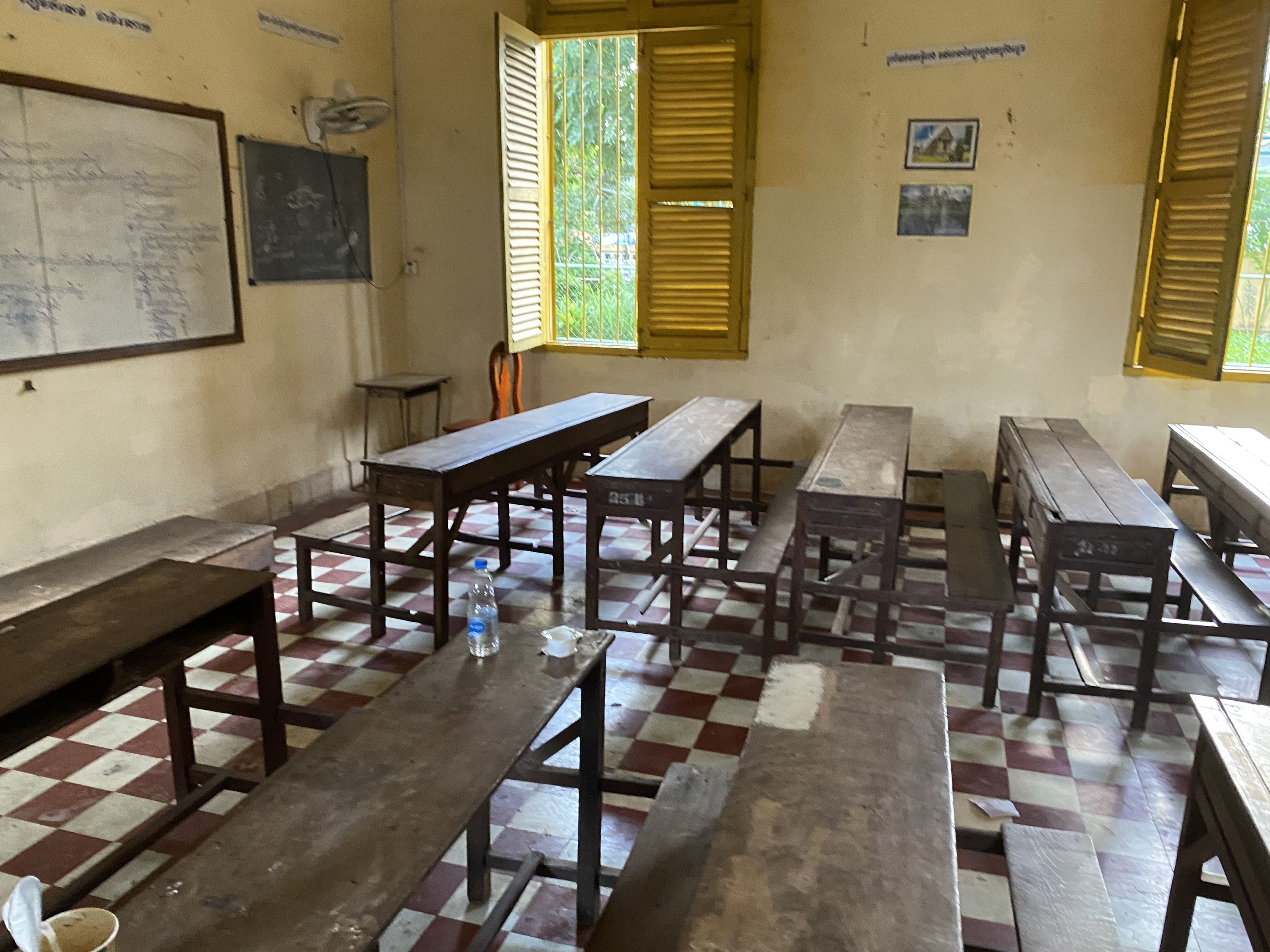 S3: Bonus: A Recount of My Interview With an Ex-Khmer Rouge Doctor 30.09.2025 1t 30minHe trained as a doctor in the Khmer Rouge's main hospital during the civil war and worked as a surgeon in Phnom Penh under Democratic Kampuchea. Asked what went wrong, his answer was that nothing did, not until 1977. He does not blame Pol Pot. He blames saboteurs, factions and the Vietnamese, which is exactly what the regime told him to believe, and he still does. In this bonus episode, I sit down to go through and explain an interview I recently conducted with an ex-Khmer Rouge doctor, who we will refer to as 'Uncle'.He lived through the events we have been covering so extensively in the last few episodes of the podcast: the start of the war, Sihanouk's call for his people to join the resistance against Lon Nol, the Vietnamese communists fighting in Cambodia, training to become a Khmer Rouge doctor in their primary hospital during the civil war, and then going on to become a surgeon in Phnom Penh during the regime's time in power.While he obviously has certain biases and beliefs about what the Khmer Rouge were, what went wrong, and why, this is still a fascinating piece of history to contend with. Hearing from the Khmer Rouge themselves about what they felt they were trying to accomplish, his own thoughts about communism, and his conviction that nothing was going wrong in the country until 1977. He did not blame Pol Pot but, like many Khmer Rouge, he instead blamed 'factions', bad actors, saboteurs, and those who were colluding with the Vietnamese.We get a very one-sided view of the story here, and I put it into context for you, and challenge the views this Khmer Rouge doctor had come to believe about their war, their time in power, and who was really responsible for what happened.I must extend a deep gratitude to Chhay Lim, who organised this trip, and organised contacts for me to be able to speak with.
 -
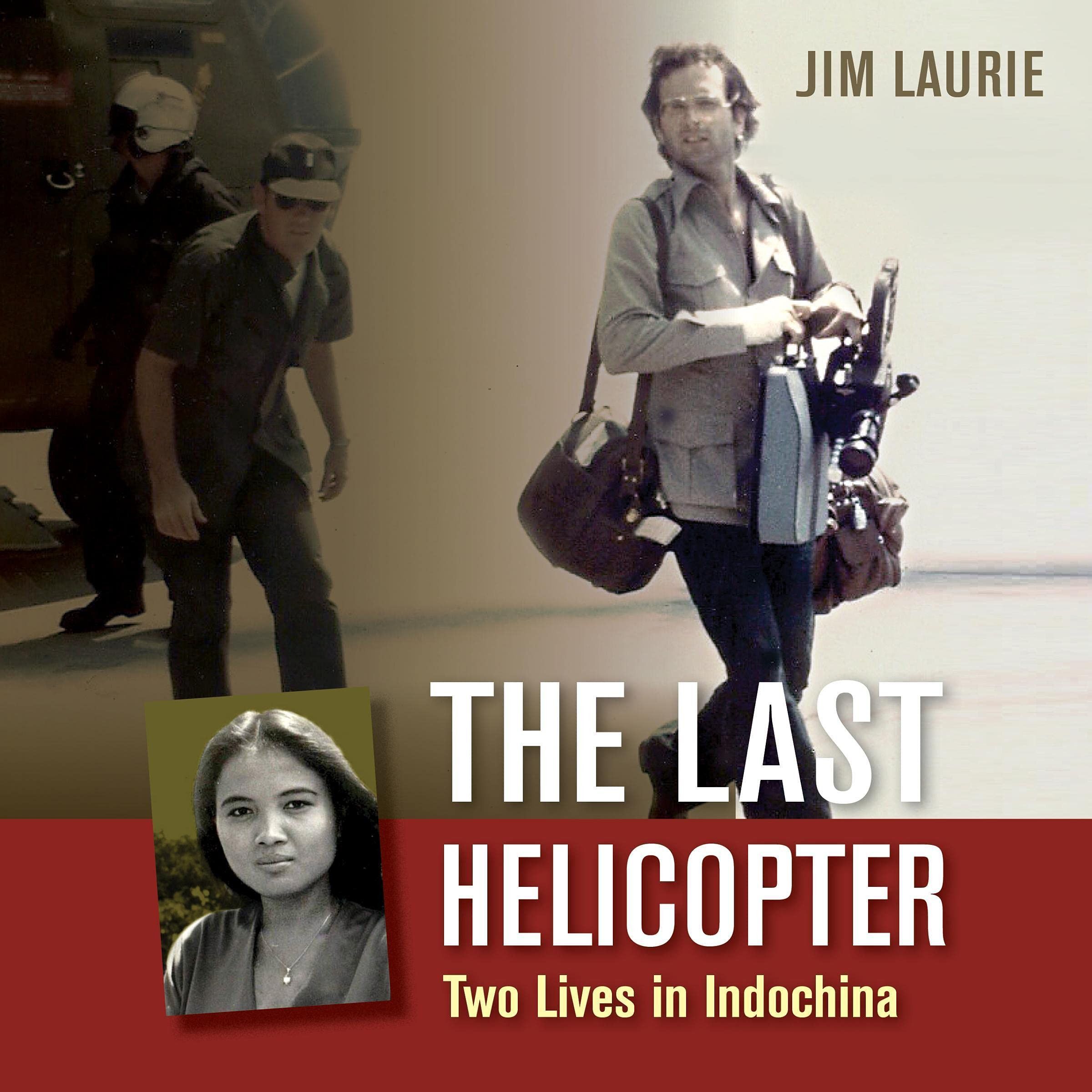 S3: Interview: Cambodian and Vietnamese Civil War Correspondant Jim Laurie 30.08.2025 48minIn this bonus podcast episode, I’ve invited veteran journalist Jim Laurie to reflect on a lifetime spent amid global upheaval. From the Nixon incursion into Cambodia to the oblivious tranquility of Phnom Penh before war erupted—Laurie shares his remarkable memories, including a poignant love story with a local woman, a comparison between the wars in Saigon and Cambodia, and the shock of revisiting Cambodia in 1979 to find destruction everywhere.This episode is enhanced by visuals, including archival footage, that bring his narrative powerfully to life. If you have the opportunity to watch on YouTube, you’ll gain an even richer experience.Watch it at https://youtu.be/hBSejgATaB8
 -
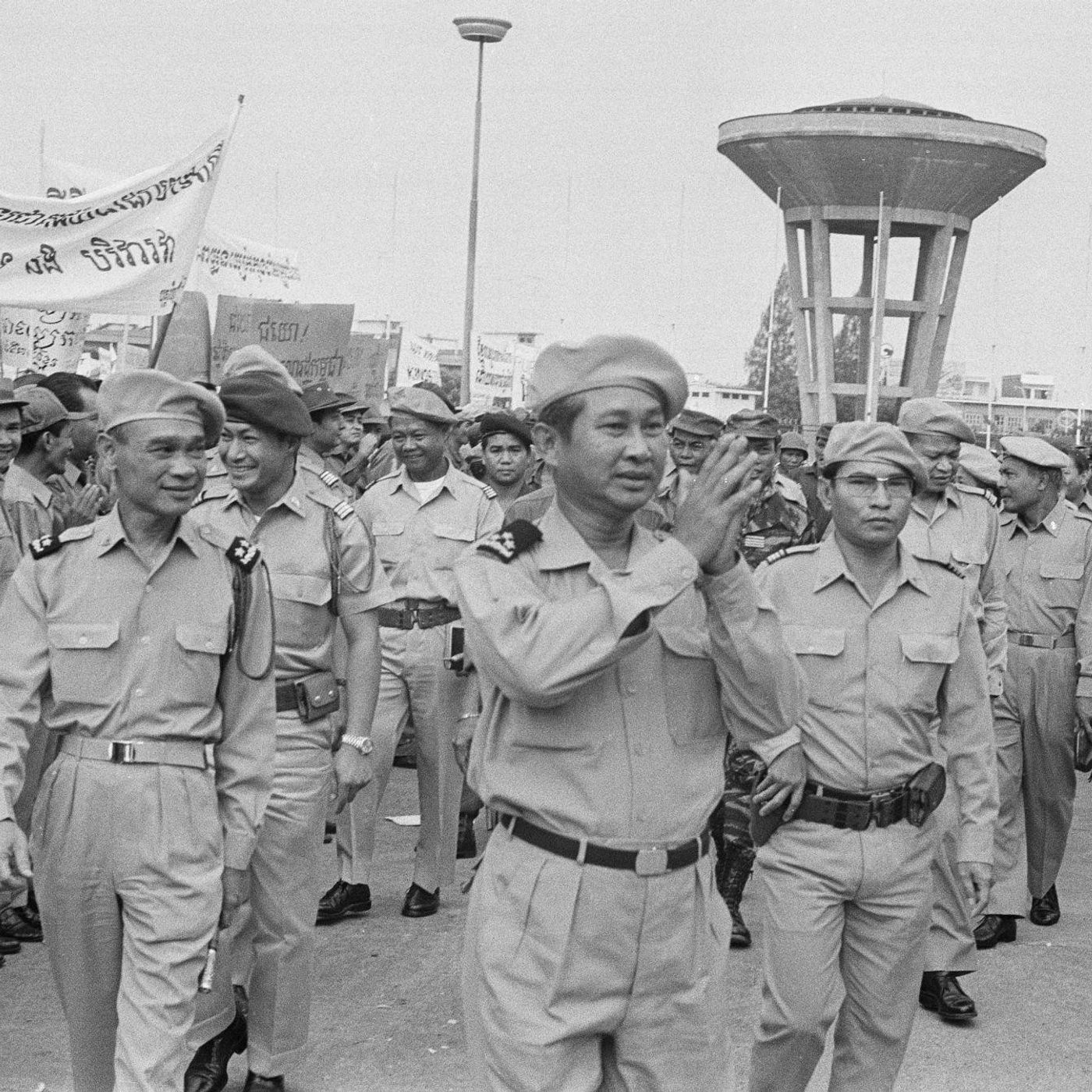 S3 Ep5: Chenla II: Lon Nol Strikes Out 11.08.2025 1t 37minIn February 1971 Lon Nol suffered a stroke and was flown to Hawaii to recover. Many hoped he would not come back. He did, and by December the army under his command had suffered a defeat on Route 6 from which it never recovered.Time Period Covered: March to December 1971What was the political fallout from Lon Nol's stroke? How did race and religion become such a key theme of his regime? What led to the worst military defeat of the Cambodian Civil War?In this episode, Lon Nol returns to Cambodia after recovering from a mild stroke in Hawaii. While many hoped he might step aside, and that the US might provoke a change in leadership, Lon Nol remained in power. His little brother's influence grew, and his obsession with race and religion became even more pronounced. As the Vietnam War played out on Cambodian land, the carnage of American bombs became a regular occurrence. Meanwhile, politics in Phnom Penh leaned toward military dictatorship. By the end of the year, the Khmer Republic had to face its worst military defeat, one it would not recover from.Check out www.shadowsofutopia.com/episodes/ for maps and diagramsSources:Wilfred Deac The Road to the Killing FieldsCraig Etcheson The Rise and Demise of Democratic KampucheaSat Sutsakhan The Khmer Republic at WarElizabeth Becker When The War Was OverDavid Chandler The Tragedy of Cambodian HistoryHenry Kamm Report From a Stricken Land
 -
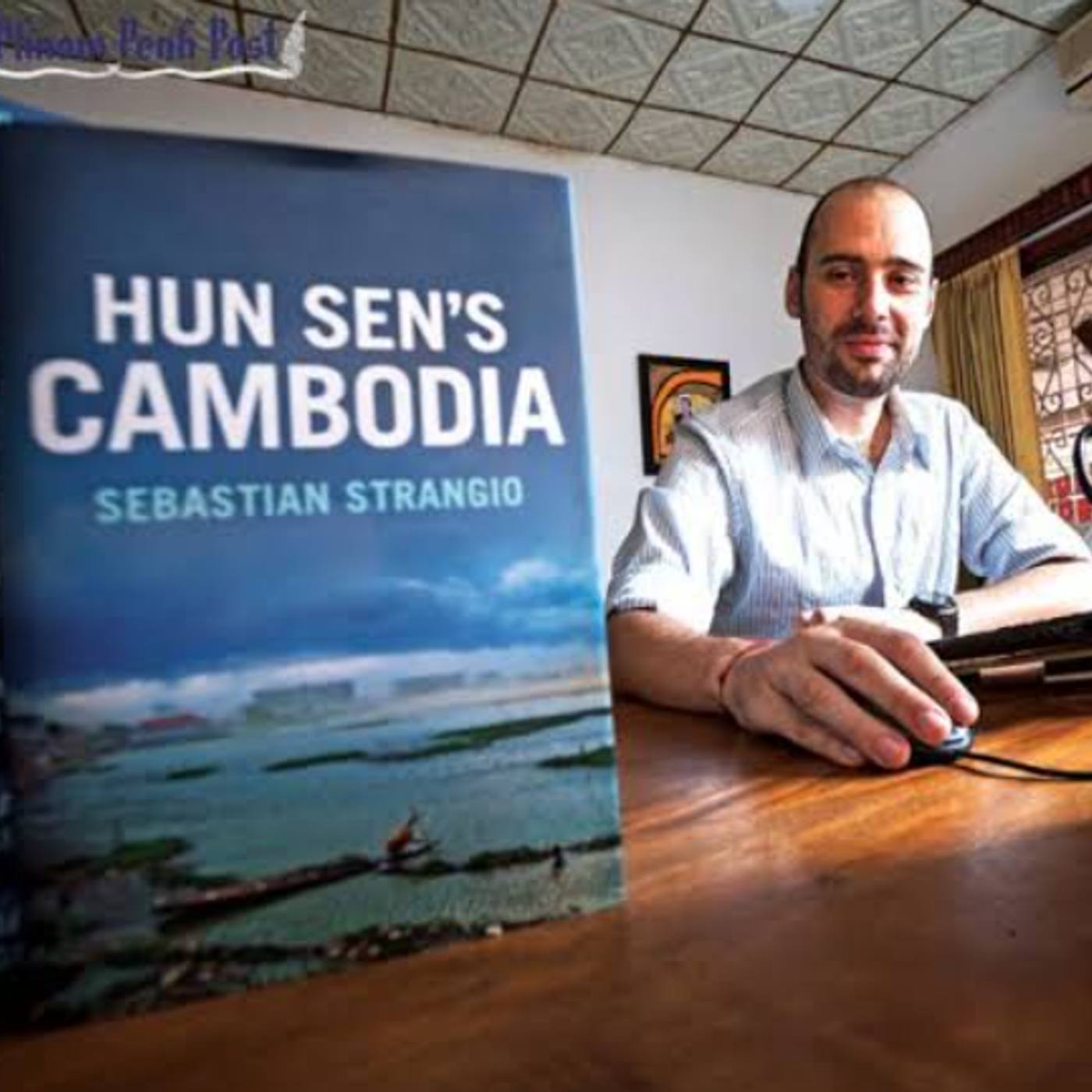 S3: Interview: Explaining The 2025 Thai Cambodian Border Crisis with Sebastian Strangio 28.07.2025 1t 3minIn this episode, I talk with journalist and author Sebastian Strangio about the border tensions between Cambodia and Thailand that have escalated in July 2025. Sebastian is the Southeast Asia editor at The Diplomat and one of the region’s leading journalists. He’s a former reporter at the Phnom Penh Post, and the author of Hun Sen’s Cambodia (re-released as Cambodia: From Pol Pot to Hun Sen and Beyond) and In the Dragon’s Shadow, a study of China’s growing influence in Southeast Asia. We start with the political figure who has shaped Cambodia for decades, Hun Sen, and trace how his rise from Khmer Rouge defector to Prime Minister led to the creation of a powerful political dynasty. We then look at the handover of power to his son, Hun Manet, and what that has meant for Cambodian politics in the last two years. From there, we shift focus to Thailand and explore the structure of Thai politics today. Who holds power? How have coups and party shifts shaped its modern system? And how does that compare to Cambodia’s more centralized model? This helps us understand one of the key triggers of the current crisis: a leaked phone call between Hun Sen and former Thai Prime Minister Paetongtarn Shinawatra. We then move into the border dispute itself. We look at the long history of territorial claims, colonial-era maps, and temple flashpoints like Preah Vihear and Ta Moan. And we ask how this latest confrontation fits into broader patterns of nationalism, political theatre, and regional rivalry. Finally, we explore what role public opinion and media narratives are playing on both sides of the border.
 -
 S3: (Bonus) A Brief History of the Thai Cambodian Border Dispute 25.07.2025 31minHello everyone, I've put together a quick look at the long history of the Thai Cambodia border dispute to compliment what I'm sure many of you are reading and watching in newspapers and on television. The escalation is far from good, and I hope it simmers down back to - as I'll discuss - a normal state of not-quite-peaceful.I cover the history from 900 CE to 2025, and everything from the 1794 retrocession of Battambang, the Franco-Thai War, Sihanouks ICJ case in 1962, Khmer Rouge border clashes and spies, to the more recent disputes about Preah Vihear.Much of this is based off of a recent bonus episode I made for Patreon, so for those that have listened to that, apologies for some of the overlap.www.shadowsofutopia.com/support
 -
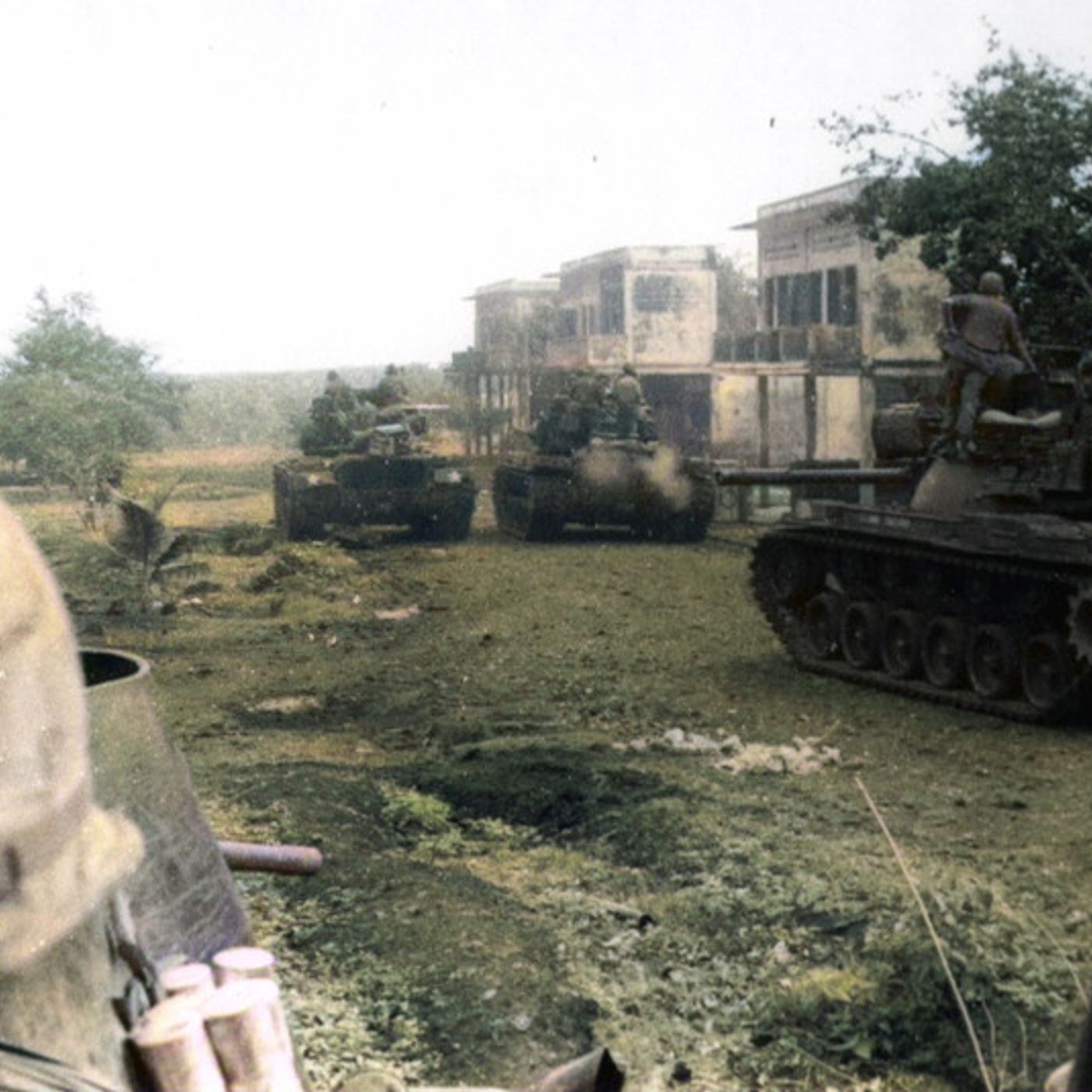 S3 Ep4: The Khmer Republic: The Lon Nol Line and Operation Chenla I 15.06.2025 59minIn late 1970 the Khmer Republic launched its first major offensive of the war, an attempt to reopen Route 6 and relieve the town of Kompong Thom. It was the first test of whether Lon Nol's army could actually fight.Time Period Covered: June 1970 to January 1971How did the Khmer Republic try to take back control of Cambodia? What was Operation Chenla I, and what did it reveal about the Cambodian army? What was the 'Lon Nol line'?In this episode, we follow the Lon Nol government as it attempts to prove that the Khmer Republic can fight and win. After the initial chaos of the coup and the brief US incursion, Cambodia's leaders launch their first large-scale offensive: Operation Chenla I. We look at how the Cambodians, with American and South Vietnamese support, attempt to open Route 6, retake lost territory, and secure the Lon Nol strategy.Please see this link for Chenla Offensive Visuals and Maps: https://www.shadowsofutopia.com/episodes/the-khmer-republic-chenla-oneSources:Wilfred Deac The Road to the Killing FieldsCraig Etcheson The Rise and Demise of Democratic KampucheaSat Sutsakhan The Khmer Republic at WarVarious New York Times Articles June 1970CBS News September 4 1970Ros Sereysothea (song)David Chandler The Tragedy of Cambodian HistoryHenry Kamm Report From a Stricken LandHaing Ngor Surival in the Killing FieldsPresidential Briefings 1970 (CIA reading room)Lon Nol - Nixon Correspondance (Office of the Historian)
 -
 S3 Ep3: Pol Pot Rises 13.04.2025 1t 28minOn April 3rd, 1970, a former maths teacher named Kaing Guek Eav walked out of prison in the general amnesty that followed the coup. He is better known as Duch. Within a year he would be running a jungle prison called M-13, and within five, the interrogation centre at Tuol Sleng.Time Period Covered: April 1970 to July 1971Why was Duch released from prison on April 3rd, 1970? How did Pol Pot and the Khmer Rouge transition from small guerrilla enclaves to administering huge areas of Cambodia? What exactly was 'Independence Mastery', and why was it so central to the Khmer Rouge mindset?In this episode, we pivot from Lon Nol's takeover to the Cambodian communist perspective, exploring how Pol Pot and the Khmer Rouge navigated the chaotic months following the coup. We follow Duch's unexpected release from prison, track Pol Pot's return journey from Beijing and Hanoi, and see how the Khmer Rouge began absorbing millions of Cambodians into so-called 'liberated zones'. Along the way we look at the principle of Independence Mastery, the uneasy alliance with the Vietnamese, and the early precursor to S-21 known as M-13. We also uncover the paranoid mindset driving the Khmer Rouge's suspicion of outside influence, including alleged assassination plots and forced confessions, shadows of the horror to come.SourcesChandler - Tragedy of Cambodian History and Voices From S21Short - Pol PotKiernan - How Pol Pot Came To PowerECCC Archives - Duch Trial 2009Heder - Cambodian Communism and the Vietnamese ModelEdwards - CambodgeHarris - Buddhism Under Pol Pot
 -
 S3 Ep2: The Invasion (Part Two): Nixon's Cambodian Incursion 26.01.2025 1t 45minOn April 30th, 1970, Richard Nixon went on television to announce that American and South Vietnamese troops were crossing into Cambodia. He called it an incursion, not an invasion, and promised it would be brief. Within a week four students were dead at Kent State, and within two months the Americans were gone again. The war they left behind was not.Time Period Covered: May to June 1970Why did Nixon invade Cambodia in May 1970? What impact did the 'Cambodian Incursion' have on the war in Vietnam? How did it affect Cambodia?In part two of our discussion of the situation in Cambodia after the coup, we see how the Nixon White House responded to the crisis. Lachlan asks whether the decision Nixon and Kissinger made was the right one, or whether there was a right one at all. We look at the circumstances that brought about the decision, what options were on the table, and the impact of Nixon's speech announcing the 'incursion'. Then we look at the Cambodia Campaign itself, the fighting that overtakes much of the country, and the outcomes this had in the short and long term.Sources:Chandler “Tragedy of Cambodian History”Short “Pol Pot”Shawcross “Sideshow”Kamm “Report from a Stricken Land”Sak Satsukhan “The Khmer Republic at War”Wilfred Deac “Road to the Killing Fields”Walter Isaacson “Kissinger”Kiernan “How Pol Pot Came to Power”Etcheson “Rise and Demise of Democratic Kampuchea”James Sterba "G.I's in Cambodia" (New York Times)
 -
 S3 Ep1: The Invasion (Part One): Counting Bodies Floating Down the Mekong 13.01.2025 1t 22minIn April 1970, bodies began drifting down the Mekong into South Vietnam. They were ethnic Vietnamese civilians, killed by the forces of a Cambodian government that had held power for a matter of weeks. The new regime had declared war on an army it could not fight, and turned on the people it could reach instead.Time Period Covered: April 1970What was the crisis facing the new Cambodian government in April 1970? Why were the Vietnamese communities subjected to massacres? What circumstances led to a US invasion of Cambodia?In this episode Lachlan explores the horrible aftermath of the coup against Sihanouk, as a panicked new regime produces a pogrom against an innocent group of civilians. The communist Vietnamese armies take much of the countryside. Journalists disappear as they report on a Vietnam War that has spilled over the border. The Nixon White House faces a decision.SourcesChandler “Tragedy of Cambodian History”Short “Pol Pot”Shawcross “Sideshow”Kamm “Report from a Stricken Land”Sak Satsukhan “The Khmer Republic at War”Wilfred Deac “Road to the Killing Fields”Walter Isaacson “Kissinger”Kiernan “How Pol Pot Came to Power”Etcheson “Rise and Demise of Democratic Kampuchea”
 -
S2 Ep19: Season 2 Recap - Cambodian History from Independence to Civil War 22.10.2024 1t 6minSeason Two covers fifteen years and more than thirty hours, from a newly independent Cambodia in 1955 to the coup that ends Sihanouk's rule in March 1970. This episode is the whole arc in one sitting.Time Period Covered: 1955 to 1970How does the Communist Party of Kampuchea form, and how does a schoolteacher named Saloth Sar end up leading it?What happened to Tou Samouth?Why did the Khmer Rouge want a 'super great leap forward', and what did the original one do to China?What does Theravada Buddhism have to do with communist ideology?Why did Sihanouk cut off the United States, and why did he change his mind?How did the Vietnam War begin, and how did Cambodia get pulled into it?What was the Samlaut Rebellion, and who actually started it?How does a communist movement with almost no weapons decide to start a war?What happened at Hue and My Lai in 1968?Why did Nixon bomb a neutral country in secret?Were the CIA behind the coup against Sihanouk?This recap is for anyone who wants a refresher before Season Three, or a way into the series without listening to fifteen years of history in full. It covers the formation and slow growth of the Cambodian communist movement, the ideological currents reaching Cambodia from Moscow and Beijing, the collapse of the American position in Vietnam and its spread across the border, and the political unravelling that ends with Sihanouk deposed and the country at war with itself.
-
 S2 Ep18: A Cambodian Coup: The Fall of Sihanouk 13.09.2024 1t 55minOn March 18th, 1970, while Norodom Sihanouk was abroad, the Cambodian National Assembly voted unanimously to remove him from power. The men behind it expected to stabilise the country. Within weeks Sihanouk had joined a resistance front alongside the communists he had spent years hunting, and Cambodia was in a civil war it would not survive intact.Time Period Covered: 1969 to 1970Were the CIA responsible for the coup against Sihanouk? Why did Lon Nol and Sirik Matak finally make a move against the prince? What did Sihanouk's removal from power mean for the Khmer Rouge?In the final episode of this season, Lachlan covers the circumstances surrounding the plot to remove Norodom Sihanouk from his position as head of state. Lon Nol and Sirik Matak will take advantage of the problem of Vietnamese troop presence on Cambodian land and turn it into a political necessity to oust the prince. They would make several miscalculations, and the plan would largely backfire, as Sihanouk joins a resistance front with who he thinks are the Khmer Rouge, as well as the Vietnamese, and receives Chinese aid. Lon Nol's new government will have to resort to terrible measures to try and deliver on their promises.SourcesChandler “Tragedy of Cambodian History” and “Brother Number One”Short “Pol Pot”Shawcross “Sideshow”Heder “Cambodian Communism”Sihanouk “My War With The CIA”Osbourne “Sihanouk”Jagel “Khmer Nationalist”Haing Ngor “Survival in the Killing Fields”Kamm “Report from a Stricken Land”
 -
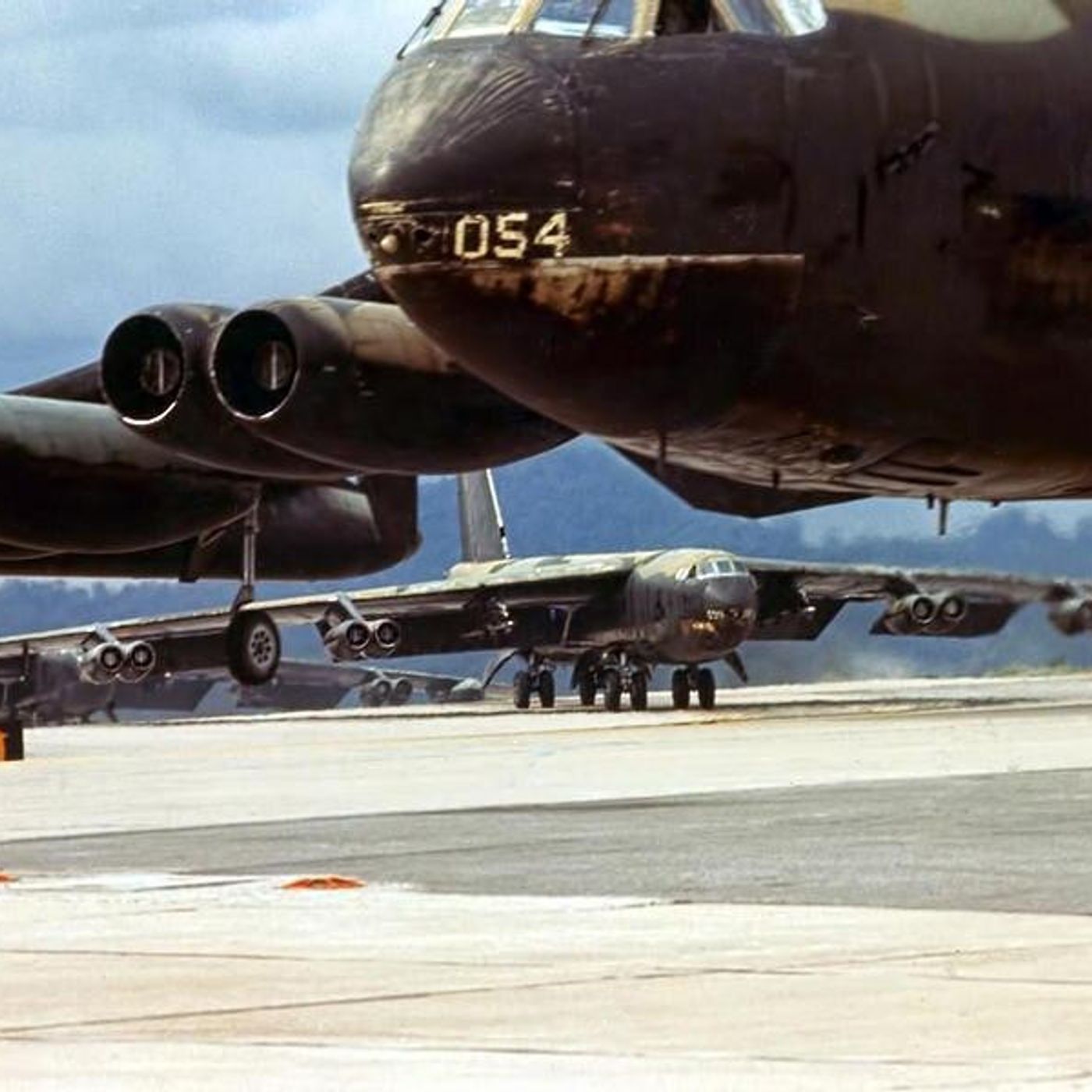 S2 Ep17: Death From Above 1969: Operation Menu and Nixon's Secret Bombing of Cambodia 19.08.2024 2t 2minIn March 1969, American B-52s began bombing Cambodia, a neutral country, in an operation so secret that even the Air Force's own reporting system was falsified to hide it. The campaigns were codenamed Breakfast, Lunch, Snack, Dinner, Dessert and Supper. The menu would run for fourteen months.Time Period Covered: 1968 to 1969How did Cambodia become the 'key' to Nixon's plan to end the Vietnam War? What was the secret bombing of Cambodia? How many bombs did the US drop on Cambodia? What factors led to the end of Sihanouk's leadership of the country?In this episode Lachlan looks at the gradually degrading situation in Cambodia, and the destabilisation prior to a change in the White House that will only make matters worse. We look at Sihanouk's movies, the Cambodian economy, and the Khmer Rouge as they continue their 'armed struggle' across the country. Nixon's ascension to power is explored, his plans for a quick end to the Vietnam War, and the role Cambodia could play in producing this. The bombing, done in secret, is explained, as well as some comments on the general discourse around the idea of 'bombs over Cambodia' and the correction Kiernan made in his cowritten article.Check out the YouTube Channel at https://youtu.be/8QdRvpbMr_w?si=vTEurMs6dDEmjjHISourcesShort “Pol Pot”Chandler “Tragedy of Cambodian History”Shawcross “Sideshow”Mark Atwood Lawrence “Concise History of the Vietnam War”Kiernan “How Pol Pot Came To Power”Osbourne “Sihanouk”Heder “Cambodian Communism and the Vietnamese Model”Article Linkshttps://quillette.com/2023/12/07/kissinger-and-cambodia/https://gsp.yale.edu/case-studies/cambodian-genocide-program/us-involvement/united-states-bombing-cambodia-1965-1973Supporthttps://www.patreon.com/shadowsofutopia
Lignende podkaster


Populær i
Denne podkasten finnes også i podkast-listene til disse landene.
