
Thrive While Loving an Addict | Addiction | Sobriety | Recovery | Relapse
KL Wells
0
More than 50% of American families have a loved one who is an addict or alcoholic. While resources exist for the addict, their families often suffer in silence. This podcast brings together loved ones and family members to share insights and create a community of healing. Host KL Wells provides a platform for real, raw advice from those walking the same path. Listen to vulnerable stories and discover how to address the hardships of having an addicted loved one.
Episoder
-
 Jim Horton: Finding Joy Again After Losing a Son to Overdose 06.10.2026 42minWhat happens when staying busy becomes the only way you know how to survive grief?After losing his son Zachary to an overdose in January 2020, Jim Horton kept moving. He read more than 50 books a year, worked out almost every day, taught skiing, and devoted 60 to 80 hours a week to the foundation he created in Zachary's memory.For years, staying busy helped keep the grief at a distance. But when Jim's wife retired and he began slowing down too, there was suddenly space for everything he had been carrying.Jim has joined KL several times over the years. In their last conversation, he couldn't imagine ever feeling joy again. This time, something is different.Episode SummaryIn this deeply personal conversation, KL Wells welcomes Jim Horton back to Thrive While Loving an Addict to talk about what has changed in his grief since losing his son Zachary to an overdose.Jim shares how constant activity became part of his survival. Between exercise, reading, teaching skiing, and pouring himself into the Zachary Horton Foundation, there was little room left to sit with the pain. When life finally began to slow down, Jim found himself confronting grief he had kept at arm's length for years.KL and Jim also explore an experience that often receives far less attention: how fathers grieve the death of a child. After more than six years of co-facilitating groups for parents who have lost children, Jim has repeatedly seen rooms filled predominantly with mothers, often with only two or three fathers among a group of twelve.They discuss the messages many men receive about being strong, returning to work, protecting their families, and keeping painful emotions private. Jim also shares how a four-day retreat with other grieving fathers at a farm for rescued animals gave him a different way to understand and experience his grief.Most importantly, this conversation offers something Jim once wasn't sure he would experience again: the possibility of joy. Not because the grief disappeared or Zachary became less important, but because Jim began learning that grief, love, and joy can exist alongside one another.Key Discussion PointsLosing Zachary to an overdose and living through the years that followedHow Jim used constant activity to keep grief at a distanceWhat happened when retirement created more space and fewer distractionsWhy grief doesn't follow a predictable or linear timelineThe difference between moving forward and being told to "move on"The particular challenges fathers can face after losing a childCultural expectations that encourage men to suppress vulnerabilityWhat Jim learned during a four-day retreat with other grieving fathersRecognizing a grief trigger and asking, "What do I need right now?"The fear that allowing yourself to cry means you may never stopLearning to experience painful emotions rather than immediately escaping themWhy grief and love can sit beside one anotherFinding people who understand the path instead of trying to walk it aloneHelping children understand that saying "I'm hurting" is safeJim's continued work through the Zachary Horton FoundationDiscovering that joy can return without diminishing the love for the person who diedSome Questions KL AsksWhat changed since the last time Jim and KL spoke?How did staying constantly busy affect Jim's grieving process?What happened when Jim finally had enough space to experience his grief?Why do so few fathers participate in grief support groups?What messages do men receive about how they are "supposed" to grieve?What did Jim learn from spending four days with other grieving fathers?What happens when we stop running from painful emotions?Can grief and joy exist at the same time?How can parents teach children that vulnerability and asking for help are signs of strength?In This Episode, You Will LearnWhy constant busyness can keep grief at arm's length for years without resolving itHow grief after losing a child can feel more like a rollercoaster than a series of linear stagesWhy many fathers may feel they don't have permission to openly grieveHow asking "What do I need right now?" during a triggering moment can create a different relationship with griefWhy the fear that "if I start crying, I'll never stop" often keeps people from allowing themselves to feelHow grief and love can exist side by sideWhy finding people who understand your experience can make grief feel less isolatingHow vulnerability and asking for help can become important lessons to model for childrenWhy joy returning does not mean forgetting the person you lostNotable Insight From The EpisodeGrief does not have to disappear for joy to return.For years, Jim stayed in motion because motion helped him survive. But slowing down eventually gave him the opportunity to experience what had been waiting underneath all that activity.His story is a reminder that grief doesn't operate according to a schedule. There may be periods of functioning, distraction, intense pain, connection, laughter, and even joy. One does not necessarily erase the others.The love remains. The grief may remain too. But over time, there can also be room for life again.About the GuestJim Horton is the founder of the Zachary Horton Foundation in Fresno, California, which he created in memory of his son, Zachary, after Zachary died of an overdose in January 2020.Through the foundation, Jim works to connect people with support for substance use disorder and mental health challenges. He gives drug-awareness presentations to middle school, high school, and college students, provides community education on the use of Narcan, and helps fund scholarships for people transitioning from inpatient treatment into sober living.For more than six years, Jim and his wife have also co-facilitated a support group for parents who have experienced the death of a child.Resources MentionedZachary Horton FoundationHinds Hospice, Center for Grief and Healing in Fresno, CaliforniaSelah Care FarmOn Death and Dying by Elisabeth Kübler-RossBrené BrownLewis HowesEd MylettNarcan (naloxone)Connect With Jim HortonJim invites listeners who need support or would like to learn more about the foundation's work to reach out through the contact information available on the Zachary Horton Foundation website.Zachary Horton Foundation
 -
 Loving a Brother Through Addiction: Justin Burgy's Story 22.09.2026 42minWhat does it mean to become the "fixer" in your family, and what happens when fixing stops working?In this episode, KL Wells sits down with Justin Burgy, an author from Youngstown, Ohio, whose novel Not My Brother's Keeper grew from his family's generational experience with addiction. Justin first watched his father struggle with cocaine addiction. Roughly a decade later, he found himself confronting addiction again when his younger brother, the sibling he describes as his "shadow" growing up, began traveling a similar path.Episode SummaryJustin and KL explore an experience many families affected by addiction recognize: beginning with advice, financial help, and attempts to solve the problem, then gradually realizing that love does not provide control over another person's choices. Justin shares how his understanding of helping and enabling changed over time and why he eventually learned to love his brother from a distance.Their conversation also explores the enormous strain addiction can place on an entire family. Justin reflects on supporting his mother through his brother's addiction while she was battling breast cancer, the night his brother nearly died from an overdose in her living room, and the guilt and helplessness he carried afterward. Writing eventually became one way for Justin to process those experiences and give language to emotions he struggled to express elsewhere.Key Discussion PointsGrowing up in a family already affected by addictionWatching addiction move from one generation of the family to anotherJustin's role as the "fixer" sibling and the responsibility that came with itWhy advice and reasoning may have little impact during active addictionHow genuine attempts to help can gradually become enablingGiving money and other forms of support before understanding their potential consequencesThe repeated cycle of treatment, relapse, and returning to treatmentRecognizing that someone you love may not yet be ready for recoverySupporting his mother through her son's addiction while she was also facing breast cancerThe night Justin's brother nearly died from an overdose in their mother's living roomGrieving for someone who is still aliveReaching the point where Justin realized he could not fix or control his brother's addictionLearning to love someone from a distance without viewing that distance as abandonmentThe guilt that can accompany stepping backWriting and storytelling as an outlet for helplessness and unresolved emotionsDiscovering a wider community after speaking openly about family addictionWhy rebuilding trust after repeated relapse takes timeRemaining open to relationships even after trust has been brokenSome Questions I AskWhat did helping look like for you in the beginning, before you understood what you were dealing with?Was there a point when you realized you couldn't fix or control what was happening?How do you continue loving someone from afar?What did you learn about yourself while trying to save someone you couldn't save?How do you carry the guilt associated with the times you needed to pull away?In This Episode, You Will LearnWhy reasoning with someone during active addiction may not create the change families hope forHow enabling can begin from a place of genuine love and concernWhy repeated treatment and relapse can be emotionally exhausting for the entire familyWhat someone's lack of readiness for recovery can look like to the people who love themWhy creating distance can sometimes become part of loving someone through addictionHow family members can experience grief even while their loved one is still aliveWhy speaking openly about addiction can reveal that families are less alone than they may believeHow writing and storytelling can provide an outlet for difficult emotionsWhy boundaries do not have to be rooted in punishmentWhy trust often needs to be rebuilt gradually after addiction and repeated relapseResourcesNot My Brother's Keeper by Justin BurgyEvolve From EmpathyNotable Insight From The EpisodeSometimes loving someone means accepting that you cannot be the person who fixes what they are going through.For family members who have spent years trying to help, stepping back can bring grief and guilt of its own. Justin's experience explores the possibility that distance and love can coexist, and that setting a boundary does not necessarily mean closing the door on the person behind the addiction.About the GuestJustin Burgy is an author from Youngstown, Ohio, whose writing explores addiction, family relationships, empathy, and the complicated experience of loving someone through substance use.His novel, Not My Brother's Keeper, draws from his family's generational experience with addiction, including his experiences watching both his father and younger brother struggle with substance use. Through his writing, Justin gives voice to the perspective of family members who may find themselves caught between wanting to help and recognizing the limits of what they can control.Justin also writes about addiction and family life through his blog, Evolve From Empathy, where he shares reflections shaped by his experience loving a brother through active addiction.Connect With the GuestEvolve From Empathy
 -
 Why Good News Can Be Just as Dangerous for a Relapse as a Crisis 08.09.2026 29minWhat happens when the good news carries its own emotional weight?Three and a half years into her son Sam's recovery, KL Wells is watching him experience milestones that once felt far away: a new home, a new job, and the possibility of a promotion. These are moments worth celebrating. They have also taught KL something she did not initially expect. Recovery is not only about learning how to move through pain. It can also mean learning how to experience joy, pride, change, and possibility without returning to old ways of coping.Episode SummaryIn this episode of Thrive While Loving an Addict, producer Steve Cary turns the microphone around and interviews KL Wells about what she continues to learn as her son Sam moves through three and a half years of sustained recovery. KL reflects on why positive milestones can bring complicated emotions to the surface and why families may need to remain emotionally present during the good seasons as well as the difficult ones.Together, Steve and KL explore what it means to redefine success in recovery, move beyond "he stopped using" as the finish line, and recognize the quiet worry families may continue to carry even when life appears stable. KL also shares how she interrupts her own worry loops, asks more meaningful questions, and makes room for grief and joy to exist together.Key Discussion PointsWhy active addiction can numb joy alongside painThe emotional complexity of experiencing positive change in recoveryHow milestones such as a new home, job, promotion, or relationship can bring unexpected emotions to the surfaceThe question of worthiness that may emerge when life begins going wellWhy KL now asks more layered questions instead of checking in only during difficult momentsMoving beyond "he stopped using" as the definition of successRedefining recovery as an ongoing process rather than a finish lineThe invisible emotional cost of persistent, low-grade worryHow KL recognizes and interrupts her own worry loopsChoosing gratitude while still acknowledging difficult emotionsThe relationship between addiction and griefMaking space for grief and joy to exist on the same dayWhat continuing to show up can look like years into a loved one's recoverySome Questions I AskWhat are you still paying attention to now that everything looks good?Why can a joyful moment carry emotional risk alongside a crisis?How do you check in with someone who is finally allowing themselves to feel proud?What does it mean to redefine success in recovery rather than stopping at "they got clean"?How do you hold grief and joy in the same day without allowing either one to take over?In This Episode, You Will LearnWhy recovery can involve relearning how to experience positive emotions as well as difficult onesHow good news and major life changes may bring complicated feelings to the surfaceWhy feelings of worthiness can become relevant during positive milestonesHow families can remain connected during stable periods rather than waiting for a crisisWhy stopping substance use may be one part of a much longer recovery processHow KL approaches the worry that can remain even after years of stabilityWhy redefining success can help families recognize growth beyond a single outcomeHow gratitude, grief, and joy can coexistWhat it can mean to continue supporting a loved one without allowing their recovery to determine your own emotional well-beingNotable Insight From The EpisodeRecovery does not only ask someone to learn how to survive the difficult moments. It can also ask them to learn how to receive the good ones.For families, that can mean expanding what support looks like. Showing up may involve being present not only during relapse, fear, or crisis, but also during the moments when a loved one is learning how to experience stability, accomplishment, and joy.About KL WellsKL Wells is the creator and host of Thrive While Loving an Addict, a podcast and platform supporting parents, partners, and families navigating a loved one's addiction. Her work is informed by her own experience loving her son Sam through addiction, multiple relapses, and now three and a half years of sustained recovery.Through the podcast, KL shares conversations about addiction, boundaries, grief, recovery, family dynamics, and what it means for loved ones to pursue their own healing and well-being alongside someone else's recovery journey.ResourcesConnect with KL Wells and Thrive While Loving an Addict:https://voicesincourage.com
 -
 His Father's Death Sent Him Into Addiction, Then Jail. 25.08.2026 51minWhat happens when the person who taught you how to survive chaos is also part of the reason you never learned to feel safe?Richard Lynch spent his childhood learning to read his father's voice for warning signs, sometimes recognizing days in advance that another crisis was coming. He grew up quickly, did well in school, and eventually built a life that appeared to be working. Then his father died, and the grief that followed changed the direction of Richard's life.Episode SummaryIn this episode of Thrive While Loving an Addict, KL Wells sits down with Richard Lynch to explore a story that moves across generations of addiction, mental illness, grief, trauma, and recovery. Richard grew up with an alcoholic father who was later diagnosed with schizoaffective disorder. As a child, he learned to anticipate instability, take on responsibilities beyond his years, and navigate an environment where safety could change quickly.After his father's death, Richard's unresolved grief became intertwined with his own opioid addiction, eventually leading to incarceration. Today, he works within Kentucky's correctional system, helping train counselors to look beyond behavior and address the trauma that can exist beneath addiction. Richard shares what helped him rebuild his life, reconnect with his children, find faith, and use his lived experience to support others walking through recovery.Key Discussion PointsGrowing up with an alcoholic father who was also living with serious mental illnessHow children raised in chaotic environments can learn to anticipate danger before they understand what they are experiencingParentification and the impact of taking on adult responsibilities during childhoodHow seeing other families helped Richard recognize that what felt normal at home was not universalThe lasting impact of being told that his grief was too much for othersWhy Richard stopped allowing himself to cry for twelve yearsThe connection between his father's death, unresolved grief, and the beginning of Richard's opioid addictionRichard's experience with incarceration and how it changed the direction of his lifeThe difference between simply stopping substance use and addressing the underlying emotional painWhy Richard believes trauma-informed addiction treatment is essential within correctional settingsHis perspective that substance use can interrupt emotional development and leave unresolved pain beneath the addictionFinding faith while incarcerated and the role it has played in his long-term recoveryRebuilding relationships with his children after years of separationLearning to become the father his son needed in the present rather than remaining defined by missed yearsThe idea of becoming a "wounded healer" and using lived experience in service of othersSome Questions I AskWhat does it cost someone emotionally when they are taught that their grief is a burden?How do you begin forgiving yourself for the years when you were not able to be present?What does being a "wounded healer" mean to you?At what point can someone begin separating who they are from what happened to them?In This Episode, You Will LearnWhy children growing up in chaotic homes may not recognize their environment as unusual until they experience something differentHow childhood hypervigilance can develop as a way of anticipating instabilityWhy silencing or minimizing grief can have lasting emotional consequencesHow unresolved grief became connected to Richard's own substance useWhy stopping substance use and healing the pain underneath it are not necessarily the same processHow trauma can influence emotional development and patterns of addictionWhy trauma-informed approaches may offer a deeper understanding of behavior within addiction treatmentHow faith and connection became meaningful parts of Richard's recoveryWhat rebuilding relationships with children can look like after addiction and separationWhy healing may involve learning to show up differently in the present rather than trying to undo the pastHow lived experience can become a source of empathy and purposeResources & Guest LinksQPR Institute: Question, Persuade, Refer Suicide Prevention TrainingQPR InstituteSeeking Safety: Trauma and Addiction Treatment ModelDeveloped by Lisa M. Najavits, PhDSeeking Safety Official InformationThe Body Keeps the Score by Bessel van der KolkBessel van der Kolk Official WebsiteEMDR: Eye Movement Desensitization and ReprocessingEMDR International AssociationInternal Family Systems (IFS) and Parts WorkIFS InstituteConnect With Richard LynchFacebookRichard Lynch on FacebookInstagram@leanonyourpeople on InstagramTikTok@leanonyourpeople on [email protected]
 -
 Grief Doesn't Get to Decide Who You Become 11.08.2026 40minWhat happens when life changes in an instant?Within just ten days, Elizabeth Grandinetti lost both her grandfather and her fiancé while recovering from major surgery. The losses were overwhelming, and for a time, grief became the center of her world. This conversation explores what came next: the slow work of healing, rediscovering herself, and learning that while grief changes us, it does not have to define who we become.Episode SummaryIn this episode of Thrive While Loving an Addict, KL Wells sits down with Elizabeth Grandinetti to talk about navigating profound loss, rebuilding trust in herself, and finding hope after addiction and grief reshaped her life. Elizabeth shares the story of losing her fiancé to an overdose after his relapse following years of recovery, just days after losing the grandfather who helped raise her.Together, KL and Elizabeth explore the importance of community, stillness, self-trust, and the small daily choices that gradually make healing possible. This conversation offers encouragement for anyone grieving a loved one or trying to reconnect with themselves after life has been turned upside down.Key Discussion PointsLosing multiple loved ones within days of each otherGrieving the loss of a partner to addiction and overdoseRecovering physically while navigating overwhelming emotional lossThe role of grief support groups and community in healingFriends who showed up with consistent care during difficult seasonsHow busyness can become a form of emotional avoidanceLearning to trust yourself and your instincts againRebuilding life after profound lossLeaving a successful career to pursue a more meaningful pathReconnecting with joy through intentional daily practicesChoosing how grief will shape, but not define, your futureSome Questions I AskWhat are three to five things you would share with someone who feels lost in grief or in someone else's addiction?When did you begin to realize that the strength you were looking for was already within you?What helped you learn to trust yourself again after everything you experienced?What patterns do you commonly see in the women you coach today?In This Episode, You Will LearnWhy grief does not have to determine the rest of your lifeHow community and support groups can provide hope during difficult seasonsWhy slowing down can reveal what constant busyness often hidesHow rebuilding trust in yourself happens one step at a timeWhy reconnecting with joy can become part of the healing processHow childhood memories can help reconnect you with feelings of hope and possibilityWhy major life changes can sometimes lead to greater clarity about purposeHow healing can create space for new relationships, new experiences, and a renewed sense of selfResourcesLearn more about This Way to Joy http://www.elizabeth-grand.comNotable Insight From The Episode"Grief doesn't get to decide who you become."Grief can change the course of our lives, but it does not have to define our identity. Healing often begins through small, intentional choices that gradually help us reconnect with hope, purpose, and ourselves.About the GuestElizabeth Grandinetti is a Tampa-based coach and founder of This Way to Joy, where she helps women reconnect with themselves after seasons of grief, overwhelm, and life transition. Drawing from her own experiences with profound loss, Elizabeth encourages others to cultivate self-trust, embrace stillness, and intentionally reconnect with joy.Her coaching focuses on helping women move beyond survival and create lives rooted in authenticity, resilience, and purpose.Connect With the GuestWebsite http://www.elizabeth-grand.comFacebookElizabeth GrandinettiInstagram@coach_elizabeth_g
 -
 Drugs Destroyed My Life, and I Wasn't Even Using Them with Mark Manderson 28.07.2026 46minWhat happens to the eight-year-old boy who finds his aunt collapsed on the floor, pills beneath his feet, and has to call for someone to help her? What happens when, years later, he discovers that the childhood memory he questioned was real?For Mark Manderson, that experience became part of a much larger story. His aunt died from a drug overdose when he was young, but the memory remained buried until therapy helped him revisit it years later. The grief and understanding that followed would eventually influence a career dedicated to helping people and families affected by addiction.Episode SummaryIn this episode of Thrive While Loving an Addict, KL Wells sits down with Mark Manderson, CEO and founder of Pacific Shores Recovery, to explore what more than two decades of working in addiction recovery have taught him about pain, substance use, family dynamics, and healing.Mark shares his belief that substance use often serves as an attempt to escape or numb deeper pain, and explains why focusing only on the substance can leave important underlying issues unaddressed. Together, KL and Mark discuss anger and grief, the limits of trying to control someone else's recovery, emotional literacy, generational patterns, and what it can mean to love someone without losing yourself in the process.Key Discussion PointsMark's childhood experience of losing his aunt to a drug overdose and how that loss influenced his life's workRevisiting a buried childhood memory through EMDR therapyWhy substance use can become a way of numbing or escaping deeper emotional painThe difference between pain that keeps someone stuck and pain that becomes a source of meaning or purposeWhy trying to control, fix, or change someone struggling with addiction can exhaust familiesThe grief that may exist underneath anger for parents and loved onesMark's five foundational freedoms and the patterns he observed among people who sustained recoveryAddiction as isolation and the importance of connection and community in recoveryEmotional literacy and why understanding feelings can be difficult when those skills were never taughtHow generational patterns can influence substance use and family relationshipsLoving someone with an open hand rather than attaching love to a specific outcomeHow the questions we repeatedly ask ourselves can shape our perspective and beliefsA Gestalt-based exercise Mark uses to explore guilt and shame carried by family membersSome Questions I AskCan you say more about the idea that pain may have something to teach or show us?What does "doing the work" actually look like for someone who has never begun that process?What might be a first step for a parent who feels trapped in anger?Do you see the addiction crisis as an invitation for people and families to become more aware of deeper patterns?How do you continue loving the person while struggling with what addiction is doing?In This Episode, You Will LearnWhy addiction may be connected to an attempt to numb underlying emotional pain rather than simply a relationship with a substanceHow trying to control another person's choices can affect families emotionallyWhy grief may sit underneath anger, frustration, and exhaustionHow pain can be explored and integrated rather than continually avoidedThe five foundational freedoms Mark identified through his work with people in recoveryWhy connection and community can play an important role in recoveryHow emotional literacy can help people better understand what they are experiencingHow generational patterns may influence addiction and family dynamicsWhy the questions we ask ourselves can influence the answers and perspectives our minds repeatedly return toHow families can begin examining guilt and shame they may have taken on as their ownWhat it can mean to love someone without making your own well-being dependent on their recoveryResourcesThe Recovery Way by Mark MandersonA New Earth by Eckhart TolleTED Talk by Mark MandersonAbout the GuestMark Manderson is the CEO and founder of Pacific Shores Recovery in Newport Beach, California, and has worked in addiction treatment for more than two decades. His work with individuals and families is informed by both professional experience and his own childhood experience of losing his aunt to addiction.Through his work, Mark focuses on understanding the pain and emotional patterns that can exist beneath substance use while helping individuals and families develop greater awareness, connection, and emotional understanding. His experience includes working with both veterans and civilians navigating addiction and recovery.Mark is also the author of The Recovery Way, a speaker, and a confidence coach who offers educational master classes for individuals and families navigating recovery.Connect With MarkInstagram@markcmandersonPacific Shores RecoveryNewport Beach, California
 -
 Why She Had to Move Her Daughter Out to Save Them Both 14.07.2026 38minLoving someone through addiction or mental illness can slowly consume every part of your life. The focus shifts to crisis after crisis, while your own well-being quietly slips into the background.In this episode, KL Wells sits down with Lisa Taylor to share the deeply personal story of reaching that breaking point. Together, they explore the difficult decision to step back, the courage it took to rebuild, and how caring for yourself can become an important part of loving someone else.Episode SummaryLisa Taylor is a former corporate sales executive and single mother from Ontario, Canada, whose daughter was diagnosed with borderline personality disorder as a teenager before experiencing a traumatic brain injury the following year. As the challenges continued to grow, Lisa found herself carrying the emotional, financial, and physical weight of trying to keep everything together while gradually losing herself in the process.In this conversation, Lisa reflects on the moment she realized something had to change. She shares how creating healthy boundaries, slowing down, and focusing on her own healing allowed her to rediscover herself while continuing to love her daughter. Together, KL and Lisa explore burnout, generational patterns, spirituality, and the quiet ways healing can influence the people we love.Key Discussion PointsParenting through both mental illness and addictionThe emotional and physical exhaustion of long-term caregivingBurnout, financial stress, and losing your sense of selfWhy setting boundaries is different from abandoning someone you loveThe difficult decision to create distance for everyone's well-beingRebuilding life after years of crisis managementSlowing down and discovering deeper patterns beneath constant busynessHow generational patterns become visible through self-reflectionSpirituality, stillness, and personal growth during recoveryThe unexpected ways personal healing can influence family relationshipsLoving from a distance while remaining connected with compassionSome Questions I AskAt what point did you begin taking your life back?What did slowing down teach you about yourself?How has your daughter become one of your greatest teachers?Was reaching your breaking point what finally opened the door to your own healing?In This Episode, You Will LearnWhy setting boundaries with a child is not the same as abandoning themHow chronic caregiving can lead to emotional and physical burnoutWhat rebuilding life can look like after losing stability and identityWhy personal healing may influence family relationships in unexpected waysHow slowing down creates space to recognize generational patternsWhat loving someone from a healthy distance can look likeWhy caring for yourself is an important part of supporting someone elseHow healing often begins by turning inward rather than trying to change another personResourcesSashbear Foundationhttps://sashbear.orgTurn the Lens Inward PodcastNotable Insight From The EpisodeSometimes the most loving decision is also the hardest one.Creating distance from someone you love does not always mean giving up. For many families, it can become the boundary that allows both people the opportunity to begin healing.About the GuestLisa Taylor is a confidence coach based in Ontario, Canada, who helps people move beyond living for the expectations of others and build lives rooted in authenticity and self-trust.After navigating years of supporting her daughter through mental health challenges and addiction, Lisa turned her own healing journey into a source of support for others. She is the co-host of the Turn the Lens Inward podcast, where she shares conversations about mental health, addiction, personal growth, and resilience. Today, she and her daughter also co-own a residential cleaning business, reflecting the new chapter they have built together.Connect With the GuestWebsitehttps://glowingconfidence.com
 -
 What Sits Right Beside the Worst Thing That Ever Happened to You 30.06.2026 51minHealing from trauma rarely happens all at once. It unfolds over time, often in ways that are difficult to recognize while you're living through them. The journey beyond survival can be uncertain, filled with moments of growth, grief, and unexpected clarity.In Part 2 of this conversation, Jason Prokowiew returns to continue sharing his story. Building on the experiences explored in Part 1, he reflects on what came after the interviews with his father, the grief that followed his father's death, and the ongoing work of building a life beyond inherited trauma.Episode SummaryThis episode continues KL Wells' conversation with Jason Prokowiew, author of War Boys. After spending years trying to understand the effects of growing up in an alcoholic home shaped by generational trauma, Jason found himself facing a new chapter after recording more than fifty hours of conversations with his father and then losing him just months later.Together, KL and Jason explore what healing looks like after understanding begins. They discuss grief, difficult family decisions, the importance of recognizing personal strengths, and how purpose can gradually emerge alongside life's most painful experiences. This conversation offers an honest perspective on the ongoing nature of recovery and the possibility of building a meaningful life beyond survival.Key Discussion PointsHealing from trauma as a lifelong process rather than a single breakthroughReturning to old triggers years later and responding with greater awarenessListening to his father's recorded voice decades later and revisiting unresolved emotionsThe difficult decision to step away from family relationships that no longer supported growthEstrangement, grief, and making painful choices while honoring personal well-beingGrief as a companion to healing rather than evidence that healing has failedThe "emotional bank account" and the value of intentionally building positive experiencesDiscovering purpose alongside life's most painful experiencesLearning to recognize long-held survival skills as strengths rather than flawsViewing mental health as an ongoing journey instead of a destinationSome Questions I AskAfter your father passed away, how did you begin discovering who you were becoming?What did that conversation with your older siblings reveal about your own healing?Why was stepping away from your mother different from leaving other family relationships?What was it like hearing your father's voice again after twenty years?Do you believe your life's purpose sits alongside the most difficult experiences you've lived through?In This Episode, You Will LearnWhy healing from trauma often unfolds over many yearsHow old triggers can reappear even after significant personal growthThe emotional complexity of creating distance from unhealthy family systemsWhy grief and healing can exist at the same timeHow intentionally creating positive experiences can strengthen emotional resilienceThe difference between survival strategies and personal strengthsWhy understanding yourself may matter more than reaching a perfect destinationHow purpose can emerge from experiences that once felt only painfulResourcesWar Boys by Jason ProkowiewAvailable July 1, 2026Learn more about War Boyshttps://warboysbook.comAl-Anon Family Groupshttps://al-anon.orgNotable Insight From The Episode"What we are not going to do is pathologize our strengths."Jason recalls this powerful moment with his therapist as an invitation to reconsider qualities he had spent years viewing as flaws. Many of the traits developed while surviving difficult childhoods can become valuable strengths when they are understood, supported, and used with intention rather than driven by fear.About the GuestJason Prokowiew is a writer, storyteller, and author of War Boys, a father-and-son memoir exploring generational trauma, addiction, and healing through the lens of his family's history. His work traces his father's survival during World War II, the lasting effects of wartime trauma, and Jason's own journey toward understanding life in an alcoholic family.Drawing from his experiences with Al-Anon, storytelling, and years of personal reflection, Jason writes about resilience, identity, and the possibility of healing across generations. He has appeared on Stories from the Stage and has shared readings from War Boys through literary and educational communities.Connect With the GuestWebsitehttps://www.jasonwprokowiew.com/Instagramhttps://www.instagram.com/jasonprokowiew/
 -
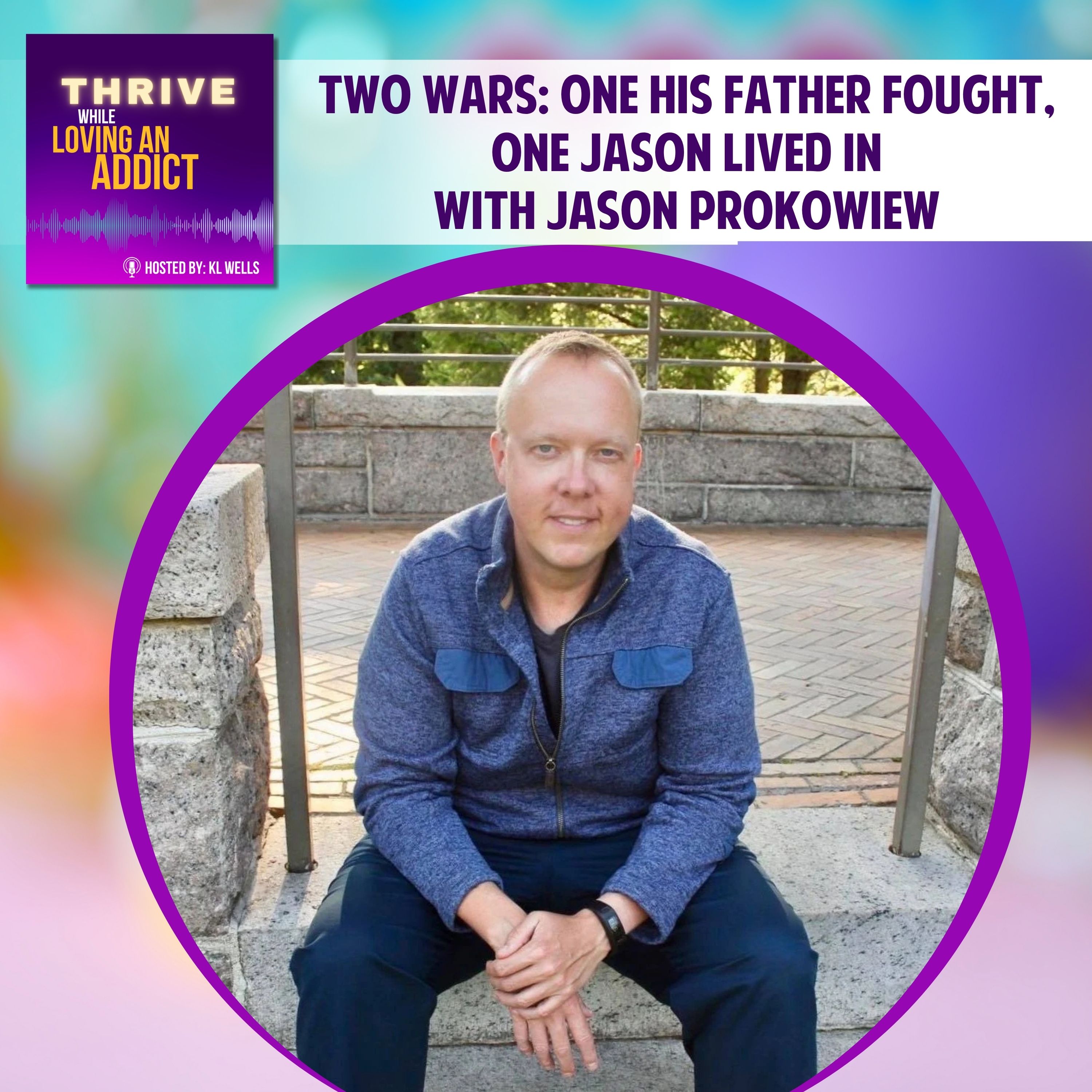 Two Wars: One His Father Fought, One Jason Lived In 16.06.2026 49minWhat does it take to understand a parent who hurt you?Not excuse them. Not justify what happened. Simply understand them in a way that helps make sense of wounds that have been carried for years.In this episode, KL Wells sits down with Jason Prokowiew, author of War Boys, to explore the lasting impact of addiction, generational trauma, and the possibility of finding healing through understanding.Episode SummaryJason Prokowiew grew up as the youngest of thirteen children in a Massachusetts family shaped by alcoholism, silence, and the lingering effects of war. His father survived extraordinary hardship as a child during World War II, carrying experiences of loss, displacement, and trauma that would continue to influence his family for decades.Together, KL and Jason explore what it was like to grow up in an alcoholic home, how childhood survival strategies followed him into adulthood, and the journey that eventually led him to record more than fifty hours of conversations with his father. Through those conversations, Jason gained a deeper understanding of both his father's story and his own.Key Discussion PointsGrowing up in a household affected by alcoholism and unprocessed traumaThe impact of wartime experiences across multiple generationsThe lasting effects of emotional messages received during childhoodThe concept of the "dry drunk" and what happens when drinking stops but healing does notFinding your voice after years of learning to stay invisibleThe influence of teachers, mentors, and supportive communitiesPanic attacks, emotional overwhelm, and the body's response to unresolved painThe role of Al-Anon in providing language and understandingCuriosity as a pathway toward healing and understandingUnderstanding a parent's history without minimizing its impactSome Questions I AskWhen your father stopped drinking, what was happening inside you that still needed attention?When did you realize that what you thought was shyness might actually have been something else?What helped you continue rewriting your story as new understanding emerged?What motivated you to begin interviewing your father about his experiences?Before your father passed away, did you find your own experience of forgiveness?In This Episode, You Will LearnHow growing up in an alcoholic home can shape identity and survival strategiesWhy childhood coping mechanisms often continue into adulthoodThe impact of generational trauma on familiesHow mentors and supportive relationships can create new possibilitiesWhy understanding and forgiveness are not always the same thingHow curiosity can open doors to healing and connectionThe value of hearing a loved one's full storyHow community support can help individuals make sense of experiences that once felt isolatingResourcesWar Boys by Jason Prokowiew https://www.jasonwprokowiew.com/war-boys-praiseAl-Anon Family Groups https://al-anon.orgThe Awakening by Kate ChopinCome and See (1985 film directed by Elem Klimov)Stories from the Stage (PBS)Notable Insight From The Episode"In order to understand what was still hemorrhaging inside of me, I had to hear my dad's stories."This reflection speaks to something many families experience. Understanding the history behind someone's behavior does not erase the pain it caused, but it can offer context, perspective, and a different path toward healing.About the GuestJason Prokowiew is the author of War Boys, a father-and-son memoir that traces his father's survival during World War II, his immigration to the United States, and the lasting impact of wartime trauma on their family. Through storytelling, writing, and public speaking, Jason explores themes of family, resilience, addiction, and generational healing.He has appeared on Stories from the Stage and has shared readings and presentations about War Boys, including appearances connected to Oberlin College, where he first began recording his father's history.Connect With the GuestLearn more about Jason Prokowiew and War Boyshttps://www.jasonwprokowiew.com
 -
 Running Out Of Capacity Is Not The Same As Giving Up 02.06.2026 29minFor years, Sherry Ehrin grieved a sister who was still alive. When her sister eventually died after decades of addiction, that grief did not end. In many ways, it began again.This conversation explores the kind of loss that families often carry quietly: the grief that accumulates through years of relapse, hope, disappointment, and difficult choices. It is a story about love, capacity, boundaries, and what it means to keep moving forward after profound loss.Episode SummaryIn this episode of Thrive While Loving an Addict, KL Wells sits down with Sherry Ehrin to discuss the often-overlooked sibling experience of addiction. Over more than twenty years, Sherry watched her sister move in and out of addiction, recovery, and crisis. Along the way, she adopted her sister's four children, navigated serious health challenges of her own, and carried the emotional weight that so many family members know intimately.Sherry shares the reality of grieving someone who is still alive, the difficult decisions families sometimes face when support and capacity run out, and the perspective that has helped her make sense of her journey. This conversation offers a compassionate look at ambiguous grief, boundaries, and the difference between stepping back and giving up.Key Discussion PointsThe sibling experience and why it is often overlooked in conversations about addictionAmbiguous grief and the experience of losing someone in stages over many yearsThe emotional and physical toll of loving someone through addictionAdopting a sibling's children while navigating complex family dynamicsThe difference between abandoning someone and reaching the limits of your capacityBoundaries as an act of care rather than rejectionManaging guilt, grief, and responsibility in the face of addictionRebuilding life and meaning after lossSome Questions I AskWhat does it feel like to grieve someone while they are still alive?How did you care for yourself while loving your sister through two decades of addiction?How do you navigate judgment from others when you choose to step back?How are you rewriting your story now, one year after losing your sister?In This Episode, You Will LearnWhy grief often begins long before a loved one diesHow ambiguous loss affects families living alongside addictionThe difference between running out of capacity and abandoning someone you loveWhat prolonged caregiving and chronic stress can cost emotionally and physicallyWhy siblings may feel unseen in addiction and recovery conversationsHow boundaries can coexist with deep love and compassionWhy choosing yourself is not the same as giving up on someone elseHow grief, hope, and responsibility can exist at the same timeResourcesLearn more about Thriving Yinzershttps://thrivingyinzers.comListen to This Is It by Thriving Yinzershttps://thrivingyinzers.comNotable Insight From The Episode“I didn't abandon her. I ran out of capacity.”For many families, those words capture a painful reality. There is a difference between choosing not to care and reaching the limits of what you are physically, emotionally, or mentally able to give. Recognizing that distinction can be an important part of healing.About the GuestSherry Ehrin is a Pittsburgh-based writer, advocate, and host of the podcast This Is It by Thriving Yinzers. After losing her sister to addiction, she became the primary caregiver for her sister's four children while continuing to build a life for her own family.Through Thriving Yinzers, Sherry creates space for honest conversations about resilience, healing, and finding meaning after difficult life experiences. Her work reflects the belief that people can continue moving forward even while carrying grief, loss, and uncertainty.Connect With the GuestWebsitehttps://thrivingyinzers.com
 -
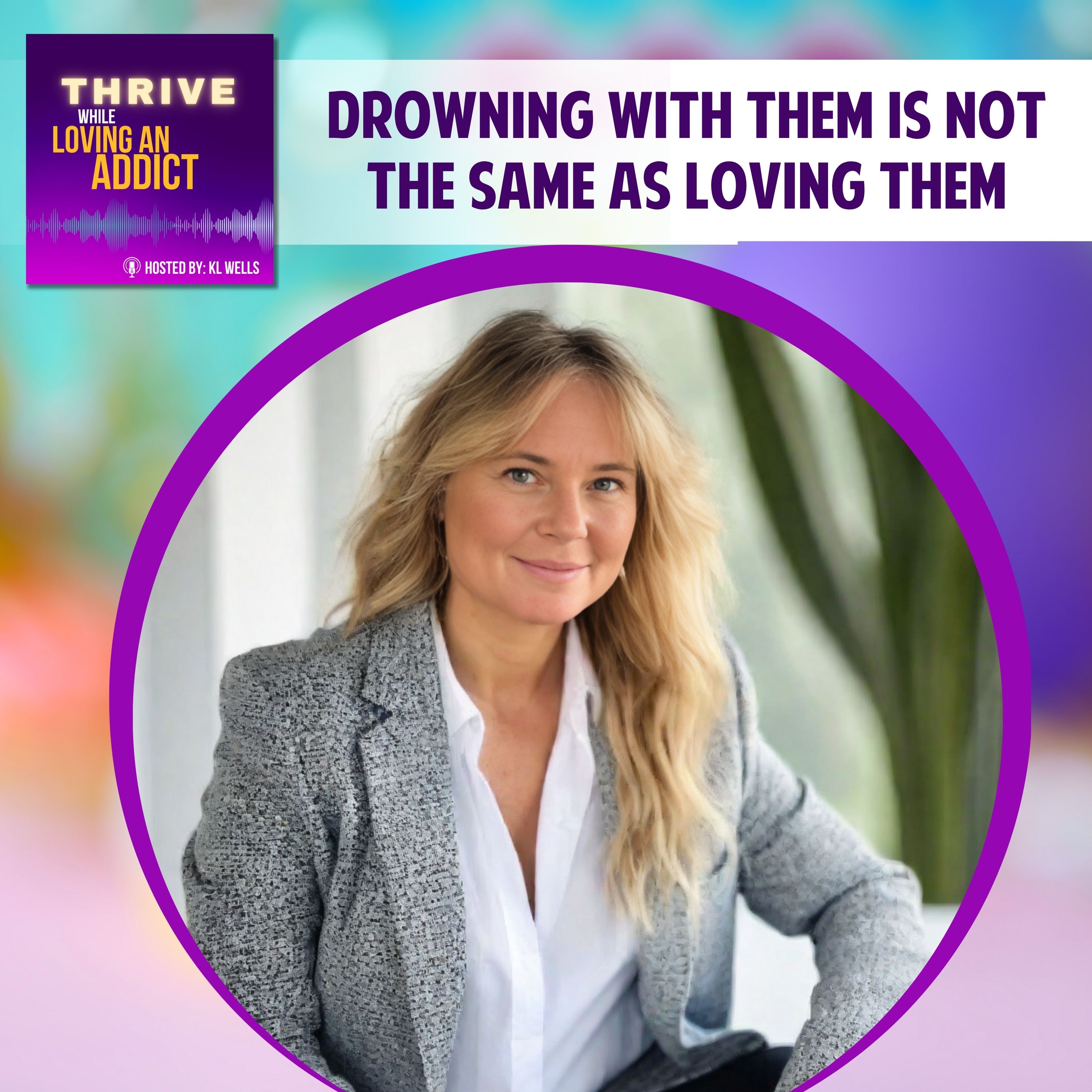 Drowning With Them Is Not the Same as Loving Them 19.05.2026 52minWhat does it mean to love someone through addiction when the addiction is almost completely invisible from the outside?In this episode, KL Wells sits down with Dr. Wanda Kay, a clinician, somatic therapist, and coach who spent twenty years married to someone struggling with sex addiction while raising children, building careers, and trying to hold together a life that appeared stable to everyone around them. This conversation explores the emotional confusion, isolation, and self-doubt that can emerge when addiction quietly reshapes a relationship over time.Episode SummaryDr. Wanda Kay shares how growing up in an isolated and highly controlled religious environment shaped the way she understood relationships, trust, and belonging. She reflects on how those early experiences influenced her marriage and why it became difficult to recognize the deeper patterns unfolding beneath the surface. Over time, secrecy, emotional inconsistency, and gaslighting slowly eroded her confidence in her own perception of reality.Drawing from both lived experience and clinical work, Dr. Wanda offers insight into the emotional impact addiction can have on partners and families. Together, she and KL explore codependency, boundaries, nervous system awareness, and the long process of healing after relational trauma. This conversation centers the reality that loving someone deeply does not require losing yourself alongside them.Key Discussion PointsGrowing up in an isolated and highly controlled religious environmentHow isolation can increase vulnerability in unhealthy relationshipsThe emotional confusion partners often experience in relationships affected by hidden addictionThe “clock face” model of addiction and the emotional inconsistency it can create for partnersGaslighting, self-doubt, and the gradual erosion of trust in one’s own instinctsThe overlap between addictive behaviors and narcissistic coping patternsThe body’s role in recognizing emotional danger before the mind fully accepts itCodependency as a survival strategy developed through adaptation and caregivingThe difference between loving someone and losing yourself alongside themHealing as a long, nonlinear process rather than a fixed destinationReframing codependent traits as strengths that can be used in healthier waysBoundaries as self-protection rather than rejection or abandonmentSome Questions I AskAt what point did you first reach out to someone for support?Was discovering the affair the moment that interrupted the pattern, or had part of you already known something was wrong?What does the research suggest about healing timelines after long-term relationships affected by addiction?What are the practices that help keep you grounded and connected to yourself today?In This Episode, You Will LearnWhy people raised in isolated or controlling environments may be more vulnerable to unhealthy relational dynamicsHow emotional inconsistency and secrecy can create confusion and self-doubt in partnersWhy addictive behavior can sometimes mirror narcissistic patterns of manipulation and detachmentHow the nervous system and body often recognize danger before the conscious mind doesWhy codependent patterns often begin as adaptive survival responsesThe difference between supporting someone and emotionally drowning alongside themWhy healing from relational trauma can take time and unfold graduallyHow boundaries can protect both emotional well-being and personal identityWhy reconnecting with yourself is an important part of recovery and healingResourcesLearn more about Holisticated Health https://holisticatedhealth.comExplore the NEAR Program (Narcissistic Emotional Abuse Recovery) https://holisticatedhealth.comNotable Insight From The Episode“Loving someone does not mean you have to drown with them.”For many people loving someone through addiction, this idea can feel unfamiliar at first. Over time, it may become a reminder that compassion and care do not require sacrificing your own emotional safety, identity, or well-being.About the GuestDr. Wanda Kay is a coach, somatic therapist, and clinician currently completing her LPC. She is the co-founder of Holisticated Health alongside licensed psychologist Catherine Cashman, where they offer the NEAR Program, a four-day intensive retreat focused on recovery from narcissistic and emotional abuse.Drawing from both professional training and lived experience, Dr. Wanda works with individuals navigating relational trauma, emotional abuse, and recovery from long-term unhealthy relationship dynamics. Though based in Minnesota, she also facilitates retreats in Florida.Connect With Dr. Wanda KayWebsite https://holisticatedhealth.com
 -
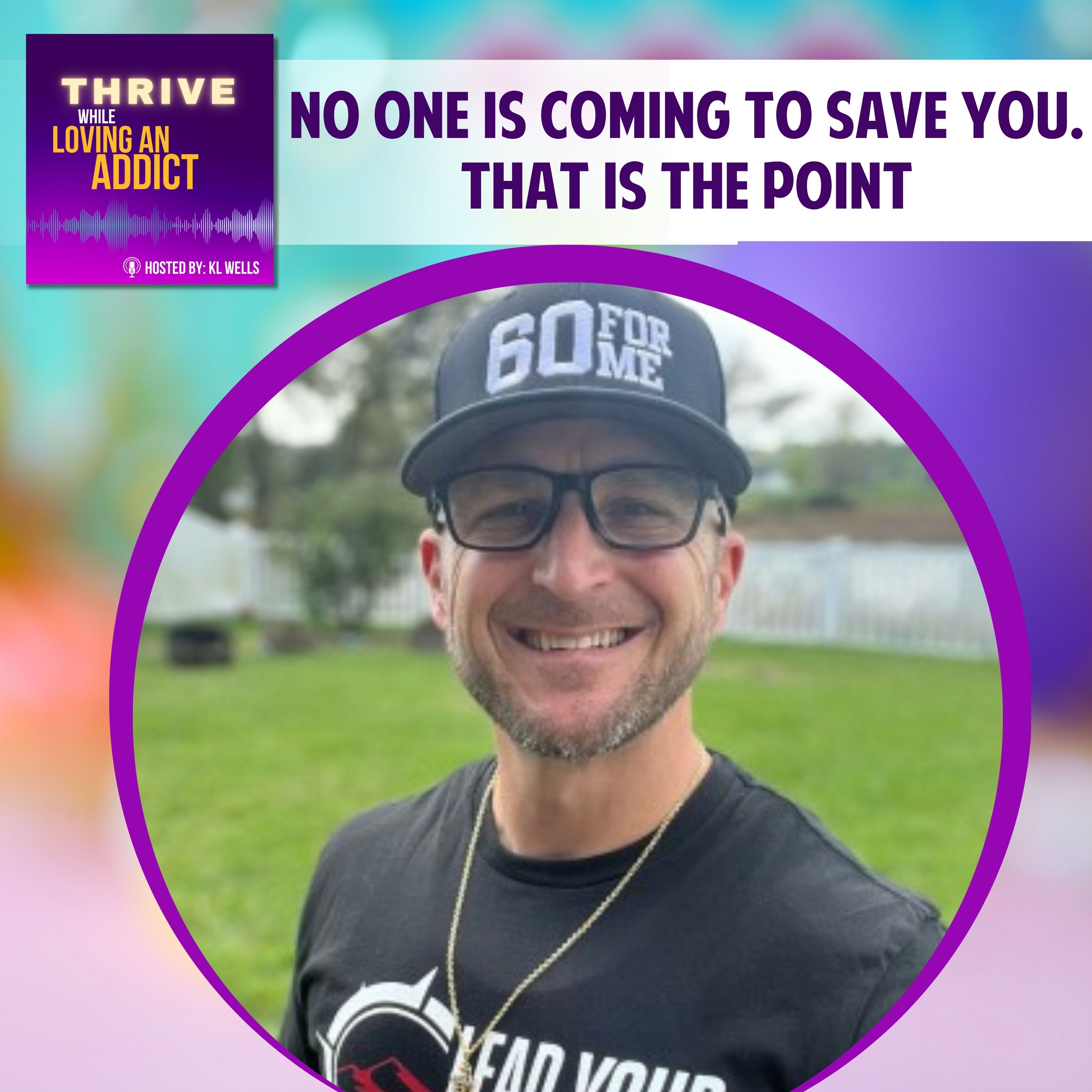 No One Is Coming to Save You. That Is the Point. 05.05.2026 50minWhat does it look like to grow up inside the kind of environment many families are trying to help their loved ones escape?Bill Hoopes shares what it was like to take on adult responsibility at a young age in a home shaped by addiction and mental illness. His story offers a perspective that many listeners may recognize, especially those who learned early on to care for others before learning how to care for themselves.In this episode of Thrive While Loving an Addict, KL Wells sits down with Bill Hoopes to explore what it can mean to grow up in a home shaped by addiction and mental illness. Bill shares his experience of taking on adult responsibilities at a young age and how those early patterns carried into his later life and relationships.Through reflection on his time in the Navy and his work with families and young athletes, Bill offers insight into codependency, boundaries, and the long-lasting impact of childhood environments. This conversation gently explores the idea that while no one may come to rescue us, there can be a different kind of strength found in choosing how we respond and care for ourselves moving forward.Key Discussion PointsGrowing up in a household affected by addiction and mental illnessHow early responsibility can shape identity and relational patternsThe development of codependency and its long-term effectsThe difference between supporting someone and taking responsibility for themWhy boundaries can feel difficult and emotionally complexThe role of self-investment and intentional growthHow patterns formed in childhood can continue into adulthoodThe importance of recognizing and interrupting generational cyclesSome Questions I AskHow did your early experiences shape the person you became?When did you begin to recognize patterns from your childhood?What lessons from your time in the Navy still influence your life today?What do you see most often in families who are loving someone in addiction?What do you hope young people and families take away from your work?In This Episode, You Will LearnHow childhood environments can influence patterns of responsibility and identityWhy codependency can develop when children take on caregiving roles earlyHow boundaries can support both personal well-being and relationshipsThe difference between being present for someone and trying to manage their choicesWhy intentional time spent on personal growth can influence broader areas of lifeHow generational patterns can be recognized and gradually shiftedWhy self-responsibility can be a starting point for changeNotable Insight From The Episode“No one is coming to save you. If you want change, it has to be intentional.”For many families, this idea can feel heavy at first. Over time, it may also create space to shift focus away from trying to change someone else, and toward caring for your own well-being.ResourcesLearn more about Lead Your Journey https://leadyourjourney.comLeading Her Game by Bill Hoopes https://www.amazon.com/dp/B0FYZPH3P7Connect on Instagram https://www.instagram.com/60forme/Connect on Facebook https://www.facebook.com/profile.php?id=1489040327
 -
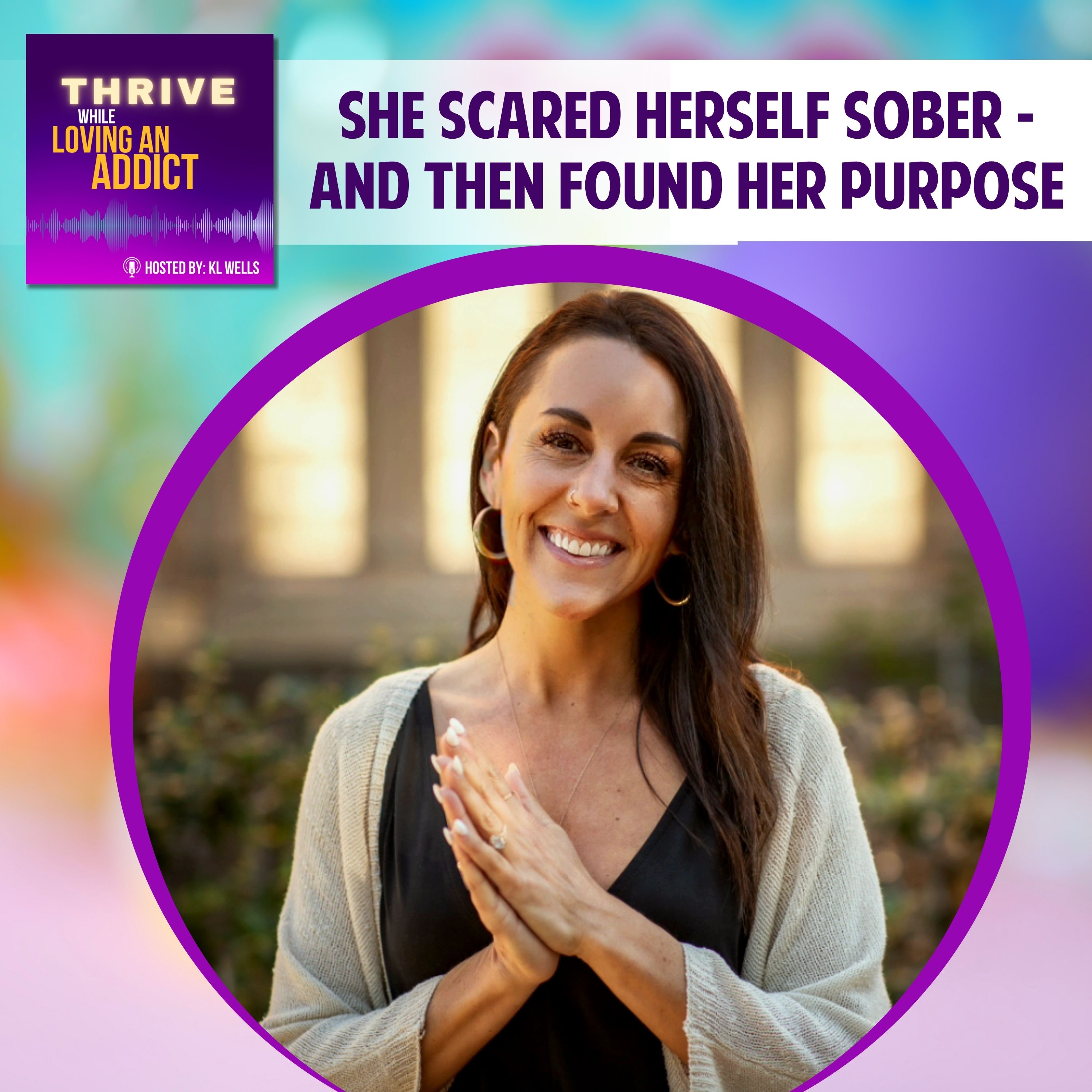 She Scared Herself Sober — and Then Found Her Purpose 21.04.2026 55minIn this episode of Thrive While Loving an Addict, KL Wells sits down with Lauren Fay to explore the hidden emotional landscape of addiction, particularly when it is shaped by perfectionism, secrecy, and the pressure to maintain an image. Lauren shares her experience of appearing put together on the outside while quietly struggling with alcohol and mental health challenges behind closed doors.As Lauren reflects on her path to sobriety, she speaks to the moment she chose to be seen and how that shift allowed her recovery to begin. This conversation also offers insight for families, highlighting the complexity of learning the full story all at once and the time it can take for healing to unfold on both sides.Key Discussion PointsThe role of perfectionism and image management in addictionHow secrecy and shame can delay recognition and supportWhat it can mean to choose openness after years of hidingThe emotional experience of early sobriety and identity uncertaintyWhy families are often unaware until much laterThe distinction between the person and the behavior shaped by addictionHow comparison can keep individuals from seeking helpThe role of willingness and choice in the recovery processRecovery as a shared experience that can involve both individuals and familiesSome Questions I AskWas the voice keeping you stuck your own, or something shaped by addiction?What was it like to begin sharing your story publicly?What messages feel most important for both those in recovery and their families?How can families begin to separate the person they love from the behavior they are seeing?In This Episode, You Will LearnHow perfectionism and the need to maintain control can influence addictive patternsWhat early recovery can feel like when identity begins to shiftWhy families may need time to process what they learnHow separating the person from the behavior can support compassionWhy comparison can delay recognition of a problemHow willingness can become an early step toward changeWhy healing may involve both personal work and relational repairResourcesBlurred Lines: My Reclamation of Power from Alcohol Addiction — You Are Not Powerless by Lauren Fayhttps://www.amazon.com/dp/B0FL12GQP6Learn more about Lauren Fayhttps://laurenfay.co
 -
 He Died Twice on the Streets Before Finding His Way Back 07.04.2026 42minEpisode SummaryIn this episode of Thrive While Loving an Addict, KL Wells sits down with Dr. Robb Kelly, a neuroscientist and addiction specialist, to explore what it means to understand addiction as a disease rather than a moral failure. Dr. Kelly shares his personal journey from early exposure to alcohol in childhood to losing his family, home, and stability, and eventually living on the streets before reaching a turning point that changed the direction of his life.Drawing from both lived experience and years of working with thousands of individuals and families, Dr. Kelly offers insight into how addiction affects the brain and why behavior can feel so difficult to understand from the outside. This conversation also acknowledges the impact on families, the complexity of boundaries, and the possibility of healing and reconnection over time.Key Discussion PointsDr. Robb Kelly’s personal journey through addiction, loss, and recoveryUnderstanding addiction through a brain-based perspectiveHow survival mechanisms in the brain can influence addictive behaviorThe difference between intention and compulsion in addictionThe role of thinking patterns in sustaining addictionHow enabling and boundaries can impact recoveryThe emotional toll addiction can have on families and loved onesThe possibility of reconciliation after long periods of disconnectionThe role of faith, meaning, and perspective in recoveryThe brain’s ability to adapt and change over timeSome Questions I AskWhat were the turning points that led you from addiction into the work you do today?How did your personal experience shape your treatment approach?Do you see your life experiences as something that shaped your purpose?What would you say to loved ones trying to stay grounded in the middle of addiction?Were you able to find forgiveness in your relationship with your father?In This Episode, You Will LearnWhy addiction is often understood as a brain-based condition rather than a lack of willpowerHow certain brain processes can influence decision-making and behaviorWhy asking someone to “just stop” can feel unrealistic in the context of addictionHow patterns of thinking can play a role in sustaining addictionThe difference between supporting and enabling a loved oneHow addiction can impact the emotional well-being of familiesWhy healing and reconnection may still be possible over timeHow the brain has the capacity to adapt and changeResourcesLearn more about Dr. Robb Kelly https://robbkelly.com/Explore Breath Box Studio https://robbkelly.com/breathbox/
 -
 She Grew Up With Two Alcoholic Fathers — Here’s What Healed Her 24.03.2026 46minEpisode SummaryIn this episode of Thrive While Loving an Addict, KL Wells sits down with Dawn Jackson, a nurse, grief recovery specialist, and author, to explore what happens when grief goes unnamed for years. Dawn shares her experience growing up with both a biological father and a stepfather struggling with alcoholism, and how those early environments shaped what felt normal, safe, and familiar.Through years of personal development work, Dawn searched for something that would reach the deeper layers of her pain. It was not until she encountered grief recovery work that things began to make sense. This conversation gently explores how unresolved grief can sit beneath patterns formed in addiction-impacted families, and what can begin to shift when that grief is acknowledged.Key Discussion PointsGrowing up with two father figures affected by alcoholism and how that shaped early patternsHow chaos can become familiar, and why calm may feel unfamiliar or uncomfortableGrief as an underlying thread in addiction, abuse, and life transitionsThe limits of personal growth work when grief remains unprocessedHow grief recovery work can offer a different layer of understandingThe emotional complexity of setting limits with a parent in active addictionThe shift from surviving to building a more stable and grounded lifeNaming grief as a step toward understanding long-held emotional painSome Questions I AskWhen do you begin to recognize that patterns may be repeating?What helped you continue searching for something deeper?Was there a moment when you chose to set limits and accept what is?How do you relate to the idea that life may be happening for you rather than to you?Who are you now on the other side of this healing work?In This Episode, You Will LearnHow unresolved grief can influence patterns developed in childhoodWhy calm and stability can sometimes feel unfamiliar after growing up in chaosThe difference between ongoing personal growth and addressing grief directlyWhy setting limits with a loved one in addiction can feel painful regardless of the choiceHow naming grief can bring clarity to long-standing emotional experiencesWhy healing yourself is not abandonment, but an honest response to a complex situationResourcesJourney to Peace and Healing by Dawn JacksonJourney to Self Discovery: 100 Days of Soulful Reflections by Dawn JacksonFree guide: Unburdening Your Heart: Transforming the Beliefs Stealing Your Joyhttps://www.dawnmichelejackson.com/unburdening-your-heart-giftLearn more about Dawn Jackson https://www.dawnmichelejackson.comConnect on Facebook https://www.facebook.com/dawnmichelejacksonConnect on LinkedIn https://www.linkedin.com/in/dawn-michele-jackson/
 -
 You're Not Stuck — You're Still Following Rules That Once Kept You Safe: Breaking Free from Inherited Patterns 10.03.2026 44minEpisode SummaryIn this episode of Thrive While Loving an Addict, producer Steve Cary joins host KL Wells to explore how deeply rooted patterns shape the way we think, respond, and relate to others. Many of these patterns begin in childhood as survival strategies within family systems affected by addiction, chaos, or emotional unpredictability.KL reflects on how growing up with a mother struggling with prescription drug addiction influenced her relationships later in life, including the partners she chose and the way she responded to challenges with her son. Through awareness, reflection, and support, she shares how shifting from a mindset of “life is happening to me” to “life is happening for me” opened the door to healing, forgiveness, and healthier boundaries.Key Discussion PointsUnderstanding behavioral, emotional, and cognitive patterns developed during childhoodHow growing up in addictive or chaotic environments can normalize dysfunctionThe way inherited relationship patterns can shape adult partnershipsSurvival strategies such as hypervigilance, people-pleasing, achievement, and avoidanceThe role of education, awareness, and support in recognizing unhealthy patternsWhy love alone is often not enough to change addiction or abusive dynamicsHow boundaries can interrupt cycles of enabling and self-sacrificeShifting focus from controlling external circumstances to strengthening internal valuesThe mindset shift from “life is happening to me” to “life is happening for me”Identifying growth and insight within painful experiencesUnderstanding forgiveness as release rather than justificationHow the questions we ask ourselves influence the patterns we createSome Questions I AskWhat do you mean when you talk about patterns of behavior, thinking, and emotional response?How can someone begin to break these cycles if they lack awareness or education about them?When did you first recognize that some of your strengths were actually patterns developed for survival?What happens when someone does not recognize the patterns shaping their life?What would you say to someone who feels trapped and cannot yet see the possibility of change?In This Episode, You Will LearnHow childhood experiences with addiction or instability can shape patterns that follow us into adulthoodThe difference between coping mechanisms and conscious awarenessWhy the belief that “love alone is enough” can keep people stuck in unhealthy dynamicsHow boundaries can support healing and self-respectWhy a shift in perspective can influence how we process painful experiencesThe importance of asking better questions when facing hardshipHow challenging experiences and relationships can become sources of insightThe role forgiveness can play in releasing resentment and emotional burdenHow curiosity and openness can help create new possibilities for growthResourcesLearn more about Viktor Frankl and his work on meaning and resilience https://www.viktorfrankl.org/
 -
 What a Death Doula Learned About Loving Someone You Can’t Save 24.02.2026 44minEpisode SummaryIn this powerful conversation, host KL Wells sits down with Paul Simard, a death doula, TED Talk speaker, and men’s wellness coach, to explore how our relationship with grief, loss, and mortality shapes the way we love. Drawing from his personal journey through crisis and transformation, Paul shares how facing life’s hardest realities can open the door to deeper compassion, connection, and meaning.Together, KL and Paul discuss how loving someone in addiction often brings families into an ongoing experience of grief, uncertainty, and emotional complexity. This episode offers a thoughtful reframing of grief as an extension of love, explores the role of shame and isolation, and invites listeners to consider new ways of holding both loss and hope at the same time.Key Discussion PointsPaul’s personal journey and how life challenges led him into service workReframing death as a natural and meaningful part of life’s cycleUnderstanding grief as an expression of ongoing loveHow loving someone in addiction can mirror the emotional experience of griefThe difference between shame and guilt, and how shame fuels isolationWhy connection and community are essential for healingRethinking sovereignty as interdependence rather than independenceThe emotional impact of the language we use around death and lossCultural perspectives on honoring life and deathHow personal stories and beliefs shape our experience of sufferingSome Questions I AskHow did your personal experiences lead you into this work?What does it mean to show up as a father, partner, and man today?How can we develop a healthier relationship with death and loss?How do we love someone whose addiction creates constant uncertainty?Where do our stories about shame come from, and how do they affect us?How do we know if the beliefs we’re holding are helping or hurting us?What might be possible if we questioned the narratives we’ve inherited?How can we hold both grief and gratitude at the same time?In This Episode, You Will LearnHow reframing grief and loss can shift your emotional experienceWhy grief is often a continuation of love rather than the end of connectionThe role of community and connection in supporting mental and emotional healthHow shame can keep families isolated and how connection helps interrupt that patternThe influence language and internal narratives have on the nervous systemHow experiences of loss can deepen perspective and meaningWhy strength often comes from interdependence rather than independenceHow grief and joy can coexistThe importance of questioning inherited beliefs and rewriting stories that no longer serve youResourcesLearn more about Paul Simard https://paulsimard.coWatch Paul Simard’s TED Talk: The Mythical Manhttps://www.ted.com/talks/paul_simard_the_mythical_manConnect with Thrive While Loving an Addict https://voicesincourage.comBooks mentioned in the episode: Lost Connections by Johann Hari The Celestine Prophecy by James Redfield The Road Less Traveled by M. Scott Peck Sapiens by Yuval Noah HarariLearn more about Positive Intelligence https://positiveintelligence.com/about/Explore the work of Gabor Maté https://drgabormate.com/
 -
 “Nothing Is Working” Usually Means You’re Fighting the Wrong Battle 10.02.2026 25minEpisode SummaryIn this episode, podcast producer Steve Cary joins host KL Wells for an honest and reflective conversation about what it means to thrive while loving someone in active addiction. KL shares lessons from her 20-year journey with her son Sam, including his nearly three years of sustained recovery. Together, they explore the perspective that shaped KL’s healing path: the belief that life is happening for you, not to you.KL discusses how loving with boundaries helped her reclaim her own agency and emotional stability. She reflects on why feeling like nothing is working often signals that families are trying to manage addiction itself rather than focusing on outcomes that support their own well-being. This conversation offers grounded insight into fear, uncertainty, relapse, and the personal growth that can happen alongside a loved one’s recovery journey.Key Discussion PointsReframing hardship through the perspective that life is happening for you, not to youThe difference between loving with boundaries and rescuing or enablingBrain science and addiction survival wiring and how it shapes behaviorWhy feeling like nothing is working may signal you are trying to control addiction rather than your own healingSetting clear personal boundaries, including removing financial or rescue-based supportSelf-care as a survival skill, including emotional processing, tapping, movement, and time in natureManaging fear and internal stories during periods of silence in recoveryViewing relapse as part of a longer learning process rather than a single failureShifting from focusing on a loved one’s outcomes to identifying your ownSome Questions I AskWhere were you in your journey when you were able to respond with boundaries instead of rescuing?For listeners who feel nothing is working, how can they begin to see a path forward?Was there something different about your son’s most recent turn toward recovery?What are a few early steps for someone who feels overwhelmed, stuck, or afraid?In This Episode, You Will LearnWhy the feeling that nothing is working can signal you are focused on the wrong battleHow loving boundaries can support both compassion and self-protectionHow shifting focus toward your own outcomes can create emotional stabilityEarly support steps that many families find helpful, including peer support and learning from others’ experiencesWhy addiction can disrupt survival priorities in the brain and create unpredictable behaviorWays to navigate uncertainty during recovery periodsHow routine, joy, and connection can help rebuild emotional capacityResourcesFind support through Al-Anon Family Groupshttps://al-anon.orgLearn about the Be A Loving Mirror (BALM) family recovery frameworkhttps://balmfamilyrecovery.comConnect with Thrive While Loving an Addicthttps://voicesincourage.com
 -
 Why Healing Yourself Is the First Step to Breaking Generational Cycles of Shame – Part 2 27.01.2026 27minEpisode SummaryIn Part 2 of this compassionate conversation, host KL Wells continues her dialogue with Denise Frenette on what it truly means to heal while loving someone with addiction. Together, they explore how forgiveness, boundaries, and emotional honesty can exist without minimizing harm or excusing destructive behavior.Denise reflects on her own journey of reconciling love for her father with the reality of his addiction. She shares how releasing judgment, challenging secrecy, and choosing understanding over blame can help interrupt generational patterns of shame and inherited trauma. This episode centers the healing of the loved one, not as abandonment, but as a necessary step toward truth, freedom, and peace.Key Discussion PointsHolding love and truth at the same time when addiction has caused real harmWhat forgiveness is and what it is notMoving through anger, sadness, and grief without getting stuck in themReframing harm through the lens of “nothing is personal”Choosing moments of joy while a loved one continues to struggleWhy boundaries are essential to healing, including stepping back when neededHow secrecy and silence reinforce shame across generationsTelling the whole truth as a form of honoring, not betrayalSome Questions I AskHow can I love my father and still say, “This was wrong”?What does forgiveness really mean, and what are the most common misconceptions about it?How do we stop taking addictive behavior personally?Is it possible to experience joy while someone we love is suffering?When are boundaries necessary for healing, even if they feel painful?How do we move from anger to understanding without excusing harm?Why does humanizing the person who hurt us help set us free?How do we hold the full truth of our family story without rewriting it?In This Episode, You Will LearnWhy healing yourself is not abandonment, but responsibilityHow forgiveness can free you without minimizing harmWhy emotions are a pathway rather than a destinationHow boundaries support compassion rather than weaken itWays to challenge inherited shame without rewriting historyHow honesty can interrupt generational cycles of secrecyResourcesLearn more about Denise Frenette https://www.denisefrenette.comRead the book by Denise Frenette https://www.denisefrenette.com/bookConnect with KL Wells and the Thrive While Loving an Addict community https://voicesincourage.comWatch KL Wells’ TEDx Talk The Secret Lives of Families Dealing with Addictionhttps://youtu.be/SM4uxpBN-g8?si=Z2LOhmdZMDMuMDHYNote: This episode is Part 2 of a continuing conversation with Denise Frenette on generational shame and healing.
 -
 Why Healing Yourself Is the First Step to Breaking Generational Cycles of Shame 13.01.2026 36minEpisode SummaryIn this powerful episode, host KL Wells sits down with Denise Frenette, a Canadian spiritual synergist, life coach, and author of the newly released book, More. Denise opens up about the birthing process of her book and the profound realization that she could not teach others about manifestation and habit-breaking without first confronting her own origin story.Denise shares the raw reality of growing up with a father who was a functioning alcoholic, a gambler, and at times violent, all while maintaining the perfect family image in their community. Through the lens of her father’s passing and the subsequent discovery of the financial devastation he left behind, Denise discusses the difficult journey of moving from intellectual understanding to deep heart work. This conversation explores how to acknowledge the trauma of the past with grace, the duality of loving an addict while hating their actions, and why personal healing is the essential portal to breaking generational cycles of shame.Key Discussion PointsThe Acknowledge Phase: Why Denise had to move past denial to respectfully acknowledge what was wrong in her childhood before she could truly heal.The Facade of Perfection: Growing up in a church-going, perfect family and the immense shame associated with any behavior that threatened that public image.The Duality of Love and Pain: Navigating the conundrum of how to acknowledge a parent's harmful behavior without losing the ability to love them.The Breaking Point: How her father’s death and the discovery of his hidden gambling debts acted as the drop in the bucket that forced Denise to step into her authentic self.Fear as an Acronym: Exploring the concept of F.E.A.R. (False Evidence Appearing Real) and how it keeps us from transparency.The Evolution of Healing: Understanding that healing is not a one-and-done event but an ongoing discovery process.Some Questions I AskHow can I acknowledge what is going on and still love them at the same time?Was that curiosity about your dad's upbringing born in that experience?Do you think the curiosity and the willingness to step into discovery is the first step in breaking generational cycles?What was the portal or the moment that cracked you wide open to explore the gifts and lessons embedded in this experience?In This Episode, You Will LearnWhy intellectualizing your trauma is not the same as healing your heart.The importance of viewing the boy behind the man to understand the roots of addiction and behavior.How to transition from anger to sadness and finally to curiosity and discovery.Why anger is often sadness that has not been acknowledged and how to ask the right questions to move toward a solution.The power of coming out as your authentic self and realizing that the things you feared most often do not happen.ResourcesLearn more about Denise Frenette https://www.denisefrenette.comRead the Book More by Denise Frenette https://www.denisefrenette.com/bookConnect with KL Wells Thrive While Loving an Addict Community https://voicesincourage.comWatch KL Wells’ TEDx Talk The Secret Lives of Families Dealing with Addiction https://youtu.be/SM4uxpBN-g8?si=Z2LOhmdZMDMuMDHYNote: This is Part 1 of a 2-part series. Be sure to tune in for the next episode as we dive deeper into the misunderstood nature of forgiveness.
Lignende podkaster


Populær i
Denne podkasten finnes også i podkast-listene til disse landene.
