
Perspectives in History
Willem Conner
0
Perspectives in History is a podcast hosted by Willem Conner that explores lesser-known or misunderstood events and people from history. Each episode aims to tell these stories in a way that is both entertaining and informative. The show focuses on overlooked corners of the past rather than familiar headline narratives. It is an independent production distributed via Podbean.
Episoder
-
 Crisis of the Third Century Part 2: Sic Semper Tyrannis 03.10.2026 54minGroomed from birth to become emperor, Commodus takes power at age 18 after the death of his father, Marcus Aurelius. Entirely uninterested in the affairs of state, his reign would be characterized by intrigue, scandal, and corruption- culminating in his assassination at the hands of his closest allies. Bibliography Amon, Hermann. The Roman Empire Third Century Crisis. Brill, 2026 Ando, Clifford. Imperial Rome, AD 193 to 284: The Critical Century. Edinburgh University Press, 2012. Brown, Peter. The World of Late Antiquity. AD 150-750. W.W. Norton & Company, 1989. Bowman, Alan K., Peter Garnsey, and Averil Cameron. The Cambridge Ancient History. Vol 12, The Crisis of Empire, A.D. 193-337. Cambridge University Press, 2008. Dio, Cassius. The Roman History. Translated by Earnest Cary and Herbert B. Foster. Vol. 1-9. Loeb Classical Library and Harvard University Press, 1924. Gibbon, Edward. The Decline and Fall of the Roman Empire, Vol. 1-3. Alfred A. Knopf, 1993 Harper, Kyle. The Fate of Rome: Climate, Disease and the End of an Empire. Princeton University Press, 2017. Herodian. History of the Roman Empire: From the Death of Marcus Aurelius to the Accession of Gordian III. Translated by Edward C. Echols. University of California Press, 1961. Lewis, Naphtali and Reinhold, Meyer. Roman Civilization: Selected Readings. Vol. II, Columbia University Press, 1990. Potter, David S. The Roman Empire at Bay, AD 180-395. Routledge, 2004. Southern, Pat. The Roman Empire from Severus to Constantine. Routledge, 2001. Cover Image: Detail of the ‘Ludovisi Battle Sarcophagus.’ Dated to 250-260 CE, currently on display in the Museo Nazionale Romano. Opening Theme: Symphony No. 9 in E minor, "From the New World", Op. 95, B. 178 by Antonín Dvořák. Closing Theme: Movement II of “Pines of Rome.” Composed by Otto Respighi. Recording of 1959 performance by the Chicago Symphony Orchestra, conducted by Fritz Reiner.
 -
Crisis of the Third Century Part 1: Age of Iron and Rust 19.09.2026 1t 34minAt the time that Marcus Aurelius became emperor in 161, the Roman Empire had enjoyed nearly two centuries of relative peace and prosperity. Over the 19 years of his reign, he would be forced to contend with a cascading sequence of wars, plague, natural disasters and civil conflict that gravely undermined the stability of the empire. Bibliography Amon, Hermann. The Roman Empire Third Century Crisis. Brill, 2026 Ando, Clifford. Imperial Rome, AD 193 to 284: The Critical Century. Edinburgh University Press, 2012. Brown, Peter. The World of Late Antiquity. AD 150-750. W.W. Norton & Company, 1989. Bowman, Alan K., Peter Garnsey, and Averil Cameron. The Cambridge Ancient History. Vol 12, The Crisis of Empire, A.D. 193-337. Cambridge University Press, 2008. Dio, Cassius. The Roman History. Translated by Earnest Cary and Herbert B. Foster. Vol. 1-9. Loeb Classical Library and Harvard University Press, 1924. Gibbon, Edward. The Decline and Fall of the Roman Empire, Vol. 1-3. Alfred A. Knopf, 1993 Harper, Kyle. The Fate of Rome: Climate, Disease and the End of an Empire. Princeton University Press, 2017. Herodian. History of the Roman Empire: From the Death of Marcus Aurelius to the Accession of Gordian III. Translated by Edward C. Echols. University of California Press, 1961. Lewis, Naphtali and Reinhold, Meyer. Roman Civilization: Selected Readings. Vol. II, Columbia University Press, 1990. Potter, David S. The Roman Empire at Bay, AD 180-395. Routledge, 2004. Southern, Pat. The Roman Empire from Severus to Constantine. Routledge, 2001. Cover Image: Detail of the ‘Ludovisi Battle Sarcophagus.’ Dated to 250-260 CE, currently on display in the Museo Nazionale Romano. Opening Theme: Symphony No. 9 in E minor, "From the New World", Op. 95, B. 178 by Antonín Dvořák. Closing Theme: Movement II of “Pines of Rome.” Composed by Otto Respighi. Recording of 1959 performance by the Chicago Symphony Orchestra, conducted by Fritz Reiner.
-
 Iron Guard Part 8: The Exiled and the Damned 13.06.2026 1t 19minOusted from government after the failed rebellion of January 1941, the Iron Guard is once again outlawed and forced underground. With the fate of the Romanian nation out of their hands, the members of the Legionary movement are faced with a stark choice: renounce their beliefs and remain in their homeland, or hold true to their convictions and face perpetual exile. Email me: [email protected] Podcast Website Follow me on Twitter Facebook Page Buy Some Used Books Bibliography Clark, Roland. Holy Legionary Youth: Fascist Activism in Interwar Romania. Cornell University Press, 2015 Codreanu, Cornelieu Zelea. For My Legionaries. Black House Publishing Ltd, 2015 Hitchins, Keith. A Concise History of Romania. Cambridge University Press, 2014 Ioanid, Radu. The Sword of the Archangel: Fascist Ideology in Romania. Columbia University Press, 1990 Iordachi, Constantin. The Fascist Faith of the Legion “Archangel Michael” in Romania, 1927-1941: Martyrdom and National Purification. Routledge, 2023 Kaplan, Robert D. Balkan Ghosts: A Journey Through History. Picador, 2005. Nagy-Talavera, Nicholas. The Green Shirts and the Others: A History of Fascism in Hungary and Romania. Hoover Institution Press, 1970. Tiu, Ilarion. The Legionary Movement after Corneliu Codreanu. Columbia University Press, 2009 Sturdza, Michel. The Suicide of Europe: Memoirs of Prince Michel Sturdza, Former Foreign Minister of Rumania. Islands Publishers, 1968. Sima, Horia. The History of the Legionary Movement. The Legionary Press, 1995 Cover Image: Romanian prime minister Ion Antonescu and deputy prime minister Horia Sima at a demonstration memorializing Corneliu Zelea Codreanu, the late founder of the Iron Guard. (Bucharest, Romania. October, 1940.) Opening Theme: Symphony No. 9 in E minor, "From the New World", Op. 95, B. 178 by Antonín Dvořák. Closing Theme: “Sfanta Tinerete Legionara,” (Hymn of the Legionary Youth)
 -
Iron Guard Part 7: National Salvation 16.05.2026 1t 2minAs Romania finds itself drawn into Germany’s war against the Soviet Union, the tenuous political partnership between the Legion and the Romanian military reaches a crisis point. Confident of Berlin’s support, the Iron Guard makes a bid to seize full control of the government- with deadly results. Email me: [email protected] Podcast Website Follow me on Twitter Facebook Page Buy Some Used Books Bibliography Clark, Roland. Holy Legionary Youth: Fascist Activism in Interwar Romania. Cornell University Press, 2015 Codreanu, Cornelieu Zelea. For My Legionaries. Black House Publishing Ltd, 2015 Hitchins, Keith. A Concise History of Romania. Cambridge University Press, 2014 Ioanid, Radu. The Sword of the Archangel: Fascist Ideology in Romania. Columbia University Press, 1990 Iordachi, Constantin. The Fascist Faith of the Legion “Archangel Michael” in Romania, 1927-1941: Martyrdom and National Purification. Routledge, 2023 Kaplan, Robert D. Balkan Ghosts: A Journey Through History. Picador, 2005. Nagy-Talavera, Nicholas. The Green Shirts and the Others: A History of Fascism in Hungary and Romania. Hoover Institution Press, 1970. Tiu, Ilarion. The Legionary Movement after Corneliu Codreanu. Columbia University Press, 2009 Sturdza, Michel. The Suicide of Europe: Memoirs of Prince Michel Sturdza, Former Foreign Minister of Rumania. Islands Publishers, 1968. Sima, Horia. The History of the Legionary Movement. The Legionary Press, 1995 Cover Image: Romanian prime minister Ion Antonescu and deputy prime minister Horia Sima at a demonstration memorializing Corneliu Zelea Codreanu, the late founder of the Iron Guard. (Bucharest, Romania. October, 1940.) Closing Theme: “Sfanta Tinerete Legionara,” (Hymn of the Legionary Youth)
-
Iron Guard Part 6: Victory of the Faith 14.03.2026 59minEmerging from years of persecution, the Iron Guard finally rises to power in Romania with the assistance of their ally, General Ion Antonescu. However, with their leadership decimated and their organization fractured, it remains an open question if the Legionary movement is prepared for the challenges of governance. Email me: [email protected] Podcast Website Follow me on Twitter Facebook Page Buy Some Used Books Bibliography Clark, Roland. Holy Legionary Youth: Fascist Activism in Interwar Romania. Cornell University Press, 2015 Codreanu, Cornelieu Zelea. For My Legionaries. Black House Publishing Ltd, 2015 Hitchins, Keith. A Concise History of Romania. Cambridge University Press, 2014 Ioanid, Radu. The Sword of the Archangel: Fascist Ideology in Romania. Columbia University Press, 1990 Iordachi, Constantin. The Fascist Faith of the Legion “Archangel Michael” in Romania, 1927-1941: Martyrdom and National Purification. Routledge, 2023 Kaplan, Robert D. Balkan Ghosts: A Journey Through History. Picador, 2005. Nagy-Talavera, Nicholas. The Green Shirts and the Others: A History of Fascism in Hungary and Romania. Hoover Institution Press, 1970. Tiu, Ilarion. The Legionary Movement after Corneliu Codreanu. Columbia University Press, 2009 Sturdza, Michel. The Suicide of Europe: Memoirs of Prince Michel Sturdza, Former Foreign Minister of Rumania. Islands Publishers, 1968. Sima, Horia. The History of the Legionary Movement. The Legionary Press, 1995 Cover Image: Romanian prime minister Ion Antonescu and deputy prime minister Horia Sima at a demonstration memorializing Corneliu Zelea Codreanu, the late founder of the Iron Guard. (Bucharest, Romania. October, 1940.) Closing Theme: “Sfanta Tinerete Legionara,” (Hymn of the Legionary Youth)
-
Iron Guard Part 5: Avenging the Martyrs 28.02.2026 58minThe power struggle between the Legion and King Carol II continues to play out, with deadly consequences. Meanwhile, the upending of the status quo in Europe in the run up to the Second World War gives the Legion a chance to avoid total annihilation. Email me: [email protected] Podcast Website Follow me on Twitter Facebook Page Buy Some Used Books Bibliography Clark, Roland. Holy Legionary Youth: Fascist Activism in Interwar Romania. Cornell University Press, 2015 Codreanu, Cornelieu Zelea. For My Legionaries. Black House Publishing Ltd, 2015 Hitchins, Keith. A Concise History of Romania. Cambridge University Press, 2014 Ioanid, Radu. The Sword of the Archangel: Fascist Ideology in Romania. Columbia University Press, 1990 Iordachi, Constantin. The Fascist Faith of the Legion “Archangel Michael” in Romania, 1927-1941: Martyrdom and National Purification. Routledge, 2023 Kaplan, Robert D. Balkan Ghosts: A Journey Through History. Picador, 2005. Nagy-Talavera, Nicholas. The Green Shirts and the Others: A History of Fascism in Hungary and Romania. Hoover Institution Press, 1970. Tiu, Ilarion. The Legionary Movement after Corneliu Codreanu. Columbia University Press, 2009 Sturdza, Michel. The Suicide of Europe: Memoirs of Prince Michel Sturdza, Former Foreign Minister of Rumania. Islands Publishers, 1968. Sima, Horia. The History of the Legionary Movement. The Legionary Press, 1995 Cover Image: Romanian prime minister Ion Antonescu and deputy prime minister Horia Sima at a demonstration memorializing Corneliu Zelea Codreanu, the late founder of the Iron Guard. (Bucharest, Romania. October, 1940.) Closing Theme: “Sfanta Tinerete Legionara,” (Hymn of the Legionary Youth)
-
Iron Guard Part 4: Everything for the Country 14.02.2026 57minIn the face of continued government repression, the Iron Guard resorts to extreme retaliatory measures. After the Legion stages an ostentatious display of its growing power, the stage is set for a confrontation with Romania’s king, Carol II. Email me: [email protected] Podcast Website Follow me on Twitter Facebook Page Buy Some Used Books Bibliography Clark, Roland. Holy Legionary Youth: Fascist Activism in Interwar Romania. Cornell University Press, 2015 Codreanu, Cornelieu Zelea. For My Legionaries. Black House Publishing Ltd, 2015 Hitchins, Keith. A Concise History of Romania. Cambridge University Press, 2014 Ioanid, Radu. The Sword of the Archangel: Fascist Ideology in Romania. Columbia University Press, 1990 Iordachi, Constantin. The Fascist Faith of the Legion “Archangel Michael” in Romania, 1927-1941: Martyrdom and National Purification. Routledge, 2023 Kaplan, Robert D. Balkan Ghosts: A Journey Through History. Picador, 2005. Nagy-Talavera, Nicholas. The Green Shirts and the Others: A History of Fascism in Hungary and Romania. Hoover Institution Press, 1970. Tiu, Ilarion. The Legionary Movement after Corneliu Codreanu. Columbia University Press, 2009 Sturdza, Michel. The Suicide of Europe: Memoirs of Prince Michel Sturdza, Former Foreign Minister of Rumania. Islands Publishers, 1968. Sima, Horia. The History of the Legionary Movement. The Legionary Press, 1995 Cover Image: Romanian prime minister Ion Antonescu and deputy prime minister Horia Sima at a demonstration memorializing Corneliu Zelea Codreanu, the late founder of the Iron Guard. (Bucharest, Romania. October, 1940.) Closing Theme: “Sfanta Tinerete Legionara,” (Hymn of the Legionary Youth)
-
Iron Guard Part 3: The Legionary Movement 31.01.2026 55minThe “Legion of the Archangel Michael” struggles to establish itself as a new force in Romanian politics. As the Legion builds up a strong coalition of disaffected groups within Romanian society, the authorities begin to crack down against the movement. Email me: [email protected] Podcast Website Follow me on Twitter Facebook Page Buy Some Used Books Bibliography Clark, Roland. Holy Legionary Youth: Fascist Activism in Interwar Romania. Cornell University Press, 2015 Codreanu, Cornelieu Zelea. For My Legionaries. Black House Publishing Ltd, 2015 Hitchins, Keith. A Concise History of Romania. Cambridge University Press, 2014 Ioanid, Radu. The Sword of the Archangel: Fascist Ideology in Romania. Columbia University Press, 1990 Iordachi, Constantin. The Fascist Faith of the Legion “Archangel Michael” in Romania, 1927-1941: Martyrdom and National Purification. Routledge, 2023 Kaplan, Robert D. Balkan Ghosts: A Journey Through History. Picador, 2005. Nagy-Talavera, Nicholas. The Green Shirts and the Others: A History of Fascism in Hungary and Romania. Hoover Institution Press, 1970. Tiu, Ilarion. The Legionary Movement after Corneliu Codreanu. Columbia University Press, 2009 Sturdza, Michel. The Suicide of Europe: Memoirs of Prince Michel Sturdza, Former Foreign Minister of Rumania. Islands Publishers, 1968. Sima, Horia. The History of the Legionary Movement. The Legionary Press, 1995 Cover Image: Romanian prime minister Ion Antonescu and deputy prime minister Horia Sima at a demonstration memorializing Corneliu Zelea Codreanu, the late founder of the Iron Guard. (Bucharest, Romania. October, 1940.) Closing Theme: “Sfanta Tinerete Legionara,” (Hymn of the Legionary Youth)
-
Iron Guard Part 2: Emissary of the Archangel 17.01.2026 52minCorneliu Zelea Codreanu and his associates face great trials in their efforts to solve the “Jewish Question” in Romania. When the political party they helped to found becomes irrevocably split, they take it upon themselves to form a new organization. Email me: [email protected] Podcast Website Follow me on Twitter Facebook Page Buy Some Used Books Bibliography Clark, Roland. Holy Legionary Youth: Fascist Activism in Interwar Romania. Cornell University Press, 2015 Codreanu, Cornelieu Zelea. For My Legionaries. Black House Publishing Ltd, 2015 Hitchins, Keith. A Concise History of Romania. Cambridge University Press, 2014 Ioanid, Radu. The Sword of the Archangel: Fascist Ideology in Romania. Columbia University Press, 1990 Iordachi, Constantin. The Fascist Faith of the Legion “Archangel Michael” in Romania, 1927-1941: Martyrdom and National Purification. Routledge, 2023 Kaplan, Robert D. Balkan Ghosts: A Journey Through History. Picador, 2005. Nagy-Talavera, Nicholas. The Green Shirts and the Others: A History of Fascism in Hungary and Romania. Hoover Institution Press, 1970. Tiu, Ilarion. The Legionary Movement after Corneliu Codreanu. Columbia University Press, 2009 Sturdza, Michel. The Suicide of Europe: Memoirs of Prince Michel Sturdza, Former Foreign Minister of Rumania. Islands Publishers, 1968. Sima, Horia. The History of the Legionary Movement. The Legionary Press, 1995 Cover Image: Romanian prime minister Ion Antonescu and deputy prime minister Horia Sima at a demonstration memorializing Corneliu Zelea Codreanu, the late founder of the Iron Guard. (Bucharest, Romania. October, 1940.) Closing Theme: “Sfanta Tinerete Legionara,” (Hymn of the Legionary Youth)
-
Iron Guard Part 1: The Plot Against Romania 03.01.2026 59minIn the turbulent years following the conclusion of the First World War, a young Romanian law student named Corneliu Zelea Codreanu becomes utterly convinced that his nation is under threat by a Jewish-Communist conspiracy. Inspired by the success of the Italian fascists, Codreanu begins working to create a similar right-wing movement in his own country. Email me: [email protected] Podcast Website Follow me on Twitter Facebook Page Buy Some Used Books Bibliography Clark, Roland. Holy Legionary Youth: Fascist Activism in Interwar Romania. Cornell University Press, 2015 Codreanu, Cornelieu Zelea. For My Legionaries. Black House Publishing Ltd, 2015 Hitchins, Keith. A Concise History of Romania. Cambridge University Press, 2014 Ioanid, Radu. The Sword of the Archangel: Fascist Ideology in Romania. Columbia University Press, 1990 Iordachi, Constantin. The Fascist Faith of the Legion “Archangel Michael” in Romania, 1927-1941: Martyrdom and National Purification. Routledge, 2023 Kaplan, Robert D. Balkan Ghosts: A Journey Through History. Picador, 2005. Nagy-Talavera, Nicholas. The Green Shirts and the Others: A History of Fascism in Hungary and Romania. Hoover Institution Press, 1970. Tiu, Ilarion. The Legionary Movement after Corneliu Codreanu. Columbia University Press, 2009 Sturdza, Michel. The Suicide of Europe: Memoirs of Prince Michel Sturdza, Former Foreign Minister of Rumania. Islands Publishers, 1968. Sima, Horia. The History of the Legionary Movement. The Legionary Press, 1995 Cover Image: Romanian prime minister Ion Antonescu and deputy prime minister Horia Sima at a demonstration memorializing Corneliu Zelea Codreanu, the late founder of the Iron Guard. (Bucharest, Romania. October, 1940.) Closing Theme: “Sfanta Tinerete Legionara,” (Hymn of the Legionary Youth)
-
 Marquis de Lafayette Part 17: The Nation's Guest 15.11.2025 2t 12minWith his political fortunes waning in France, Lafayette decides to embark on a long-deferred trip to the United States. As one of the last surviving figures of the founding generation, Lafayette’s 18 month grand tour inspires some of the most rapturous celebrations in the young nation’s history. Email me: [email protected] Podcast Website Follow me on Twitter Facebook Page Buy Some Used Books Bibliography Auricchio, Laura. The Marquis: Lafayette Reconsidered. Vintage Books, 2015. Babeau, Emile and Maurice de la Fuye. The Apostle of Liberty: A Life of Lafayette. Thames and Hudson, 1956. Duncan, Mike. Hero of Two Worlds: The Marquis de Lafayette in the Age of Revolution. Hachette Book Group, 2021. Israel, Jonathan. The Expanding Blaze: How the American Revolution Ignited the World, 1775-1848. Princeton University Press, 2011. Kramer, Lloyd S. Lafayette in Two Worlds: Public Cultures and Personal Identities in an Age of Revolutions. University of North Carolina Press, 1996. Lafayette, Marie Joseph Paul Yves Roch Gilbert Du Motier. Memoirs, Correspondence, and Manuscripts of General Lafayette, vols 1-6. Saunders and Otley, 1837. Schama, Simon. Citizens: A Chronicle of the French Revolution. Alfred A. Knopf, 1989. Unger, Harlow Giles. Lafayette. John Wiley & Sons, Inc, 2002. Woodward, W.E. Lafayette. Farrar & Rinehart, 1938. Cover Image: Portrait of Gilbert Motier the Marquis De Lafayette as a Lieutenant General, 1791. Painting by Joseph-Désiré Court, 1834. Closing theme: "Ça Ira" (It will be fine)- popular song from the French Revolution.
 -
Marquis de Lafayette Part 16: Counter-Revolution and Conspiracy 01.11.2025 1t 8minOnce again restored to power in France, the House of Bourbon and their supporters work to reverse the enduring changes brought about by the revolution. Lafayette rallies his fellow liberals to oppose this reactionary agenda, but when legal methods of opposition prove ineffective, he is driven to increasingly seditious actions. Email me: [email protected] Podcast Website Follow me on Twitter Facebook Page Buy Some Used Books Bibliography Auricchio, Laura. The Marquis: Lafayette Reconsidered. Vintage Books, 2015. Babeau, Emile and Maurice de la Fuye. The Apostle of Liberty: A Life of Lafayette. Thames and Hudson, 1956. Duncan, Mike. Hero of Two Worlds: The Marquis de Lafayette in the Age of Revolution. Hachette Book Group, 2021. Israel, Jonathan. The Expanding Blaze: How the American Revolution Ignited the World, 1775-1848. Princeton University Press, 2011. Kramer, Lloyd S. Lafayette in Two Worlds: Public Cultures and Personal Identities in an Age of Revolutions. University of North Carolina Press, 1996. Lafayette, Marie Joseph Paul Yves Roch Gilbert Du Motier. Memoirs, Correspondence, and Manuscripts of General Lafayette, vols 1-6. Saunders and Otley, 1837. Schama, Simon. Citizens: A Chronicle of the French Revolution. Alfred A. Knopf, 1989. Unger, Harlow Giles. Lafayette. John Wiley & Sons, Inc, 2002. Woodward, W.E. Lafayette. Farrar & Rinehart, 1938. Cover Image: Portrait of Gilbert Motier the Marquis De Lafayette as a Lieutenant General, 1791. Painting by Joseph-Désiré Court, 1834. Closing theme: "Ça Ira" (It will be fine)- popular song from the French Revolution.
-
Marquis de Lafayette Part 15: The Fallen Eagle 18.10.2025 1t 1minIn 1814, as Napoleon’s fortunes turn for the worse, Lafayette considers returning to politics. Unwilling to sit idle while the survival of the nation was at stake, he was determined to rekindle the flame of liberty- or at least to do what he could to avert a total catastrophe. Email me: [email protected] Podcast Website Follow me on Twitter Facebook Page Buy Some Used Books Bibliography Auricchio, Laura. The Marquis: Lafayette Reconsidered. Vintage Books, 2015. Babeau, Emile and Maurice de la Fuye. The Apostle of Liberty: A Life of Lafayette. Thames and Hudson, 1956. Duncan, Mike. Hero of Two Worlds: The Marquis de Lafayette in the Age of Revolution. Hachette Book Group, 2021. Israel, Jonathan. The Expanding Blaze: How the American Revolution Ignited the World, 1775-1848. Princeton University Press, 2011. Kramer, Lloyd S. Lafayette in Two Worlds: Public Cultures and Personal Identities in an Age of Revolutions. University of North Carolina Press, 1996. Lafayette, Marie Joseph Paul Yves Roch Gilbert Du Motier. Memoirs, Correspondence, and Manuscripts of General Lafayette, vols 1-6. Saunders and Otley, 1837. Schama, Simon. Citizens: A Chronicle of the French Revolution. Alfred A. Knopf, 1989. Unger, Harlow Giles. Lafayette. John Wiley & Sons, Inc, 2002. Woodward, W.E. Lafayette. Farrar & Rinehart, 1938. Cover Image: Portrait of Gilbert Motier the Marquis De Lafayette as a Lieutenant General, 1791. Painting by Joseph-Désiré Court, 1834. Closing theme: "Ça Ira" (It will be fine)- popular song from the French Revolution.
-
Marquis de Lafayette Part 14: Hero of a Bygone Age 04.10.2025 1t 46minRegaining his freedom after five years in prison, Lafayette emerges into a world irrevocably changed by the revolution he helped put into motion. Now considered a political liability by the governments of both France and the United States, and with war continuing to rage across Europe, his future appeared more uncertain than ever. Email me: [email protected] Podcast Website Follow me on Twitter Facebook Page Buy Some Used Books Bibliography Auricchio, Laura. The Marquis: Lafayette Reconsidered. Vintage Books, 2015. Babeau, Emile and Maurice de la Fuye. The Apostle of Liberty: A Life of Lafayette. Thames and Hudson, 1956. Duncan, Mike. Hero of Two Worlds: The Marquis de Lafayette in the Age of Revolution. Hachette Book Group, 2021. Israel, Jonathan. The Expanding Blaze: How the American Revolution Ignited the World, 1775-1848. Princeton University Press, 2011. Kramer, Lloyd S. Lafayette in Two Worlds: Public Cultures and Personal Identities in an Age of Revolutions. University of North Carolina Press, 1996. Lafayette, Marie Joseph Paul Yves Roch Gilbert Du Motier. Memoirs, Correspondence, and Manuscripts of General Lafayette, vols 1-6. Saunders and Otley, 1837. Schama, Simon. Citizens: A Chronicle of the French Revolution. Alfred A. Knopf, 1989. Unger, Harlow Giles. Lafayette. John Wiley & Sons, Inc, 2002. Woodward, W.E. Lafayette. Farrar & Rinehart, 1938. Cover Image: Portrait of Gilbert Motier the Marquis De Lafayette as a Lieutenant General, 1791. Painting by Joseph-Désiré Court, 1834. Closing theme: "Ça Ira" (It will be fine)- popular song from the French Revolution.
-
Marquis de Lafayette Part 13: Prisoner of State 20.09.2025 1t 34minArrested by the Austrians after escaping political persecution in France, Lafayette is locked away in a dungeon for refusing to betray his ideals. While his family and friends, scattered across the world, do what they can to aid him, it becomes increasingly clear as time went on that his salvation would come from the same nation that had once scorned him. Email me: [email protected] Podcast Website Follow me on Twitter Facebook Page Buy Some Used Books Bibliography Auricchio, Laura. The Marquis: Lafayette Reconsidered. Vintage Books, 2015. Babeau, Emile and Maurice de la Fuye. The Apostle of Liberty: A Life of Lafayette. Thames and Hudson, 1956. Duncan, Mike. Hero of Two Worlds: The Marquis de Lafayette in the Age of Revolution. Hachette Book Group, 2021. Israel, Jonathan. The Expanding Blaze: How the American Revolution Ignited the World, 1775-1848. Princeton University Press, 2011. Kramer, Lloyd S. Lafayette in Two Worlds: Public Cultures and Personal Identities in an Age of Revolutions. University of North Carolina Press, 1996. Lafayette, Marie Joseph Paul Yves Roch Gilbert Du Motier. Memoirs, Correspondence, and Manuscripts of General Lafayette, vols 1-6. Saunders and Otley, 1837. Schama, Simon. Citizens: A Chronicle of the French Revolution. Alfred A. Knopf, 1989. Unger, Harlow Giles. Lafayette. John Wiley & Sons, Inc, 2002. Woodward, W.E. Lafayette. Farrar & Rinehart, 1938. Cover Image: Portrait of Gilbert Motier the Marquis De Lafayette as a Lieutenant General, 1791. Painting by Joseph-Désiré Court, 1834. Closing theme: "Ça Ira" (It will be fine)- popular song from the French Revolution.
-
Marquis de Lafayette Part 12: The World Turned Upside Down 06.09.2025 1t 22minLafayette’s persistent efforts to save the French monarchy end in failure when Louis XVI is overthrown once and for all in August 1792. With his avowed enemies, the Jacobins, now in power and accusing him of betraying the revolution, the general is faced with the most difficult decision of his life. Email me: [email protected] Podcast Website Follow me on Twitter Facebook Page Buy Some Used Books Bibliography Auricchio, Laura. The Marquis: Lafayette Reconsidered. Vintage Books, 2015. Babeau, Emile and Maurice de la Fuye. The Apostle of Liberty: A Life of Lafayette. Thames and Hudson, 1956. Duncan, Mike. Hero of Two Worlds: The Marquis de Lafayette in the Age of Revolution. Hachette Book Group, 2021. Israel, Jonathan. The Expanding Blaze: How the American Revolution Ignited the World, 1775-1848. Princeton University Press, 2011. Kramer, Lloyd S. Lafayette in Two Worlds: Public Cultures and Personal Identities in an Age of Revolutions. University of North Carolina Press, 1996. Lafayette, Marie Joseph Paul Yves Roch Gilbert Du Motier. Memoirs, Correspondence, and Manuscripts of General Lafayette, vols 1-6. Saunders and Otley, 1837. Schama, Simon. Citizens: A Chronicle of the French Revolution. Alfred A. Knopf, 1989. Unger, Harlow Giles. Lafayette. John Wiley & Sons, Inc, 2002. Woodward, W.E. Lafayette. Farrar & Rinehart, 1938. Cover Image: Portrait of Gilbert Motier the Marquis De Lafayette as a Lieutenant General, 1791. Painting by Joseph-Désiré Court, 1834. Closing theme: "Ça Ira" (It will be fine)- popular song from the French Revolution.
-
Marquis de Lafayette Part 11: Fall from Grace 25.01.2025 1t 16minThe king’s ill-fated attempt to flee the country causes anti-monarchist protests to break out in Paris, which Lafayette responds to with a heavy hand. After the subsequent massacre at the Champ de Mars leaves his reputation in tatters, the general attempts to make his exit from the political stage. Email me: [email protected] Podcast Website Follow me on Twitter Facebook Page Buy Some Used Books Bibliography Auricchio, Laura. The Marquis: Lafayette Reconsidered. Vintage Books, 2015. Babeau, Emile and Maurice de la Fuye. The Apostle of Liberty: A Life of Lafayette. Thames and Hudson, 1956. Duncan, Mike. Hero of Two Worlds: The Marquis de Lafayette in the Age of Revolution. Hachette Book Group, 2021. Israel, Jonathan. The Expanding Blaze: How the American Revolution Ignited the World, 1775-1848. Princeton University Press, 2011. Kramer, Lloyd S. Lafayette in Two Worlds: Public Cultures and Personal Identities in an Age of Revolutions. University of North Carolina Press, 1996. Lafayette, Marie Joseph Paul Yves Roch Gilbert Du Motier. Memoirs, Correspondence, and Manuscripts of General Lafayette, vols 1-6. Saunders and Otley, 1837. Schama, Simon. Citizens: A Chronicle of the French Revolution. Alfred A. Knopf, 1989. Unger, Harlow Giles. Lafayette. John Wiley & Sons, Inc, 2002. Woodward, W.E. Lafayette. Farrar & Rinehart, 1938. Cover Image: Portrait of Gilbert Motier the Marquis De Lafayette as a Lieutenant General, 1791. Painting by Joseph-Désiré Court, 1834. Closing theme: "Ça Ira" (It will be fine)- popular song from the French Revolution.
-
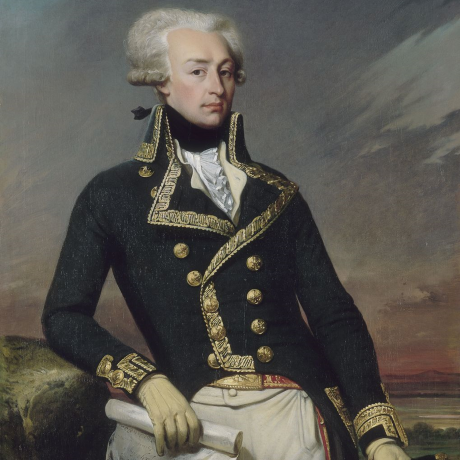 Marquis de Lafayette Part 10: Unity or Death 11.01.2025 1t 9minLafayette stages a remarkable display of patriotism at a festival celebrating the one year anniversary of the revolution’s beginning. Having reached the ‘zenith of his influence,’ his political opponents on both the left and right grow increasingly wary of his ambition. Email me: [email protected] Podcast Website Follow me on Twitter Facebook Page Buy Some Used Books Bibliography Auricchio, Laura. The Marquis: Lafayette Reconsidered. Vintage Books, 2015. Babeau, Emile and Maurice de la Fuye. The Apostle of Liberty: A Life of Lafayette. Thames and Hudson, 1956. Duncan, Mike. Hero of Two Worlds: The Marquis de Lafayette in the Age of Revolution. Hachette Book Group, 2021. Israel, Jonathan. The Expanding Blaze: How the American Revolution Ignited the World, 1775-1848. Princeton University Press, 2011. Kramer, Lloyd S. Lafayette in Two Worlds: Public Cultures and Personal Identities in an Age of Revolutions. University of North Carolina Press, 1996. Lafayette, Marie Joseph Paul Yves Roch Gilbert Du Motier. Memoirs, Correspondence, and Manuscripts of General Lafayette, vols 1-6. Saunders and Otley, 1837. Schama, Simon. Citizens: A Chronicle of the French Revolution. Alfred A. Knopf, 1989. Unger, Harlow Giles. Lafayette. John Wiley & Sons, Inc, 2002. Woodward, W.E. Lafayette. Farrar & Rinehart, 1938. Cover Image: Portrait of Gilbert Motier the Marquis De Lafayette as a Lieutenant General, 1791. Painting by Joseph-Désiré Court, 1834. Closing theme: "Ça Ira" (It will be fine)- popular song from the French Revolution.
 -
Marquis de Lafayette Part 9: Guardian Angel 28.12.2024 52minFamine conditions in Paris and fears of counter-revolution prompt thousands of enraged civilians to march on Versailles. With the safety of the royal family threatened, Lafayette is compelled to intervene to avert a catastrophe. Email me: [email protected] Podcast Website Follow me on Twitter Facebook Page Buy Some Used Books Bibliography Auricchio, Laura. The Marquis: Lafayette Reconsidered. Vintage Books, 2015. Babeau, Emile and Maurice de la Fuye. The Apostle of Liberty: A Life of Lafayette. Thames and Hudson, 1956. Duncan, Mike. Hero of Two Worlds: The Marquis de Lafayette in the Age of Revolution. Hachette Book Group, 2021. Israel, Jonathan. The Expanding Blaze: How the American Revolution Ignited the World, 1775-1848. Princeton University Press, 2011. Kramer, Lloyd S. Lafayette in Two Worlds: Public Cultures and Personal Identities in an Age of Revolutions. University of North Carolina Press, 1996. Lafayette, Marie Joseph Paul Yves Roch Gilbert Du Motier. Memoirs, Correspondence, and Manuscripts of General Lafayette, vols 1-6. Saunders and Otley, 1837. Schama, Simon. Citizens: A Chronicle of the French Revolution. Alfred A. Knopf, 1989. Unger, Harlow Giles. Lafayette. John Wiley & Sons, Inc, 2002. Woodward, W.E. Lafayette. Farrar & Rinehart, 1938. Cover Image: Portrait of Gilbert Motier the Marquis De Lafayette as a Lieutenant General, 1791. Painting by Joseph-Désiré Court, 1834. Closing theme: "Ça Ira" (It will be fine)- popular song from the French Revolution.
-
Marquis de Lafayette Part 8: Reigning in Paris 14.12.2024 1t 15minAs the early stages of the French Revolution unfold on the streets of Paris, Lafayette’s new role as the commander of the National Guard forces him to maintain a delicate balancing act between the preservation of liberty and the restoration of public order. Email me: [email protected] Podcast Website Follow me on Twitter Facebook Page Buy Some Used Books Bibliography Auricchio, Laura. The Marquis: Lafayette Reconsidered. Vintage Books, 2015. Babeau, Emile and Maurice de la Fuye. The Apostle of Liberty: A Life of Lafayette. Thames and Hudson, 1956. Duncan, Mike. Hero of Two Worlds: The Marquis de Lafayette in the Age of Revolution. Hachette Book Group, 2021. Israel, Jonathan. The Expanding Blaze: How the American Revolution Ignited the World, 1775-1848. Princeton University Press, 2011. Kramer, Lloyd S. Lafayette in Two Worlds: Public Cultures and Personal Identities in an Age of Revolutions. University of North Carolina Press, 1996. Lafayette, Marie Joseph Paul Yves Roch Gilbert Du Motier. Memoirs, Correspondence, and Manuscripts of General Lafayette, vols 1-6. Saunders and Otley, 1837. Schama, Simon. Citizens: A Chronicle of the French Revolution. Alfred A. Knopf, 1989. Unger, Harlow Giles. Lafayette. John Wiley & Sons, Inc, 2002. Woodward, W.E. Lafayette. Farrar & Rinehart, 1938. Cover Image: Portrait of Gilbert Motier the Marquis De Lafayette as a Lieutenant General, 1791. Painting by Joseph-Désiré Court, 1834. Closing theme: "Ça Ira" (It will be fine)- popular song from the French Revolution.
Lignende podkaster


Populær i
Denne podkasten finnes også i podkast-listene til disse landene.
