
Mission Critical with Lance Chung
GLORY Podcast Network
0
Behind every great company, every groundbreaking idea, and every game-changing innovation, there’s a leader on a mission. Welcome to Mission Critical with Lance Chung—the show where we break down the blueprints, the bold moves, and the battle-tested playbooks of today’s most impactful leaders. From CEOs and founders to artists, designers, and athletes, we’re talking to the visionaries who build, innovate, and lead.
Odcinki
-
 Alessia Cara (Recording Artist): How to Build a Successful Career Without Losing Your Sense of Self 29.07.2026 33minWhat happens when the goalposts for success keep moving, and you decide to stop chasing them?In this episode of Mission Critical, Grammy Award-winning Canadian recording artist Alessia Cara reflects on a decade in the music industry and the lessons she's learned about building a career on her own terms. From navigating an industry that has fundamentally changed to letting go of perfection, trusting her instincts and embracing creative freedom, Cara shares a candid playbook for anyone trying to evolve without losing sight of who they are.Her journey offers a powerful lesson for entrepreneurs, creatives and ambitious professionals alike: sustainable success isn't about constantly proving yourself. It's about creating work you're proud of, staying open to change, and defining your own version of what it means to win.Key Takeaways1. Stop creating for approval and start creating from conviction. The strongest work often comes when you stop optimizing for approval and trust your own instincts.2. Let experience make you more free, not more rigid. After a decade in the industry, Cara says she feels she has less to prove and more freedom to experiment. Experience shouldn't narrow your thinking; it should give you the confidence to explore.3. Don't let perfection get in the way of impact. For anyone building something, the takeaway is clear: perfection and impact aren't always the same thing, and sometimes the most memorable work is the work that feels human.4. Your identity doesn't have to be fully formed before you begin. You don't always need to have the full vision before you start. Sometimes the work itself reveals who you're becoming.5. When the goalposts move, redefine what winning means to you. When external measures become unstable, the most sustainable definition of success is one you control yourself.About the GuestAlessia Cara is a Grammy Award-winning Canadian singer-songwriter who rose to global prominence with her breakout hit "Here" before earning international recognition for songs including "Scars to Your Beautiful" and "Stay." She went on to win the Grammy Award for Best New Artist and establish herself as one of Canada's most distinctive voices in contemporary pop.Beyond her success as a recording artist, Cara's career offers a compelling case study in navigating early success, public expectations and personal evolution. From finding her voice as a young artist to redefining what success means on her own terms, her journey reflects the challenges and opportunities that come with building a career while continuing to grow as a person.
 -
 Adam Minster (Managing Partner, Food Dudes): How to Reinvent Your Business When Customers Change 26.06.2026 49minIf your customers are changing, your business has to change too.In this episode of Mission Critical, Lance sits down with Adam Minster, managing partner of Food Dudes and co-founder behind Toronto restaurants RASA and SARA, to unpack what happens when an entire market shifts (and how smart business owners adapt before it's too late.)As rising costs reshape the restaurant industry and consumers become more intentional about where they spend, Adam explains why the traditional "middle" of the market is disappearing, what prompted SARA's bold pivot to a tasting-menu-only concept, and how customer behaviour should guide your biggest business decisions.Whether you own a restaurant, retail store, agency, or service business, this conversation is packed with practical lessons on recognizing market shifts, creating experiences customers are willing to pay for, leading teams through change, and building a business that's designed to evolve.Key TakeawaysPay attention to changing customer behaviour, not just your sales: The biggest opportunities often come from recognizing shifts in how customers think and spend before they become obvious. SARA's transformation wasn't driven by instinct, it was driven by listening to customers and following the data.A great experience is becoming more valuable than simply offering a good product: As consumers become more selective with discretionary spending, businesses need to create memorable experiences that justify the purchase. People are increasingly willing to pay for something they'll remember.Your employees are often your best source of business intelligence: Adam explains how regularly gathering feedback from his team helped shape major strategic decisions, including SARA's evolution. The people closest to your customers often have the clearest view of what's changing.Hospitality is about people, not just service: Customers may talk about the food, but they remember how they were treated. Building loyalty often comes down to small, thoughtful moments that make people feel welcomed and valued.Great businesses evolve without abandoning what makes them special: Innovation doesn't always mean starting over. The strongest businesses stay rooted in their core values while adapting how they deliver value as markets and customer expectations change.About the GuestAdam Minster is the co-founder of Food Dudes, one of Canada's leading hospitality companies, and a partner behind acclaimed Toronto restaurants RASA and SARA.Over the past two decades, Adam has helped grow Food Dudes from a catering business into a multifaceted hospitality group spanning restaurants, large-scale events, and culinary experiences. Under his leadership, RASA has earned two consecutive Michelin Bib Gourmand recognitions, while SARA has been recognized by the Michelin Guide for its flavour-driven cuisine and guest-first approach to hospitality.
 -
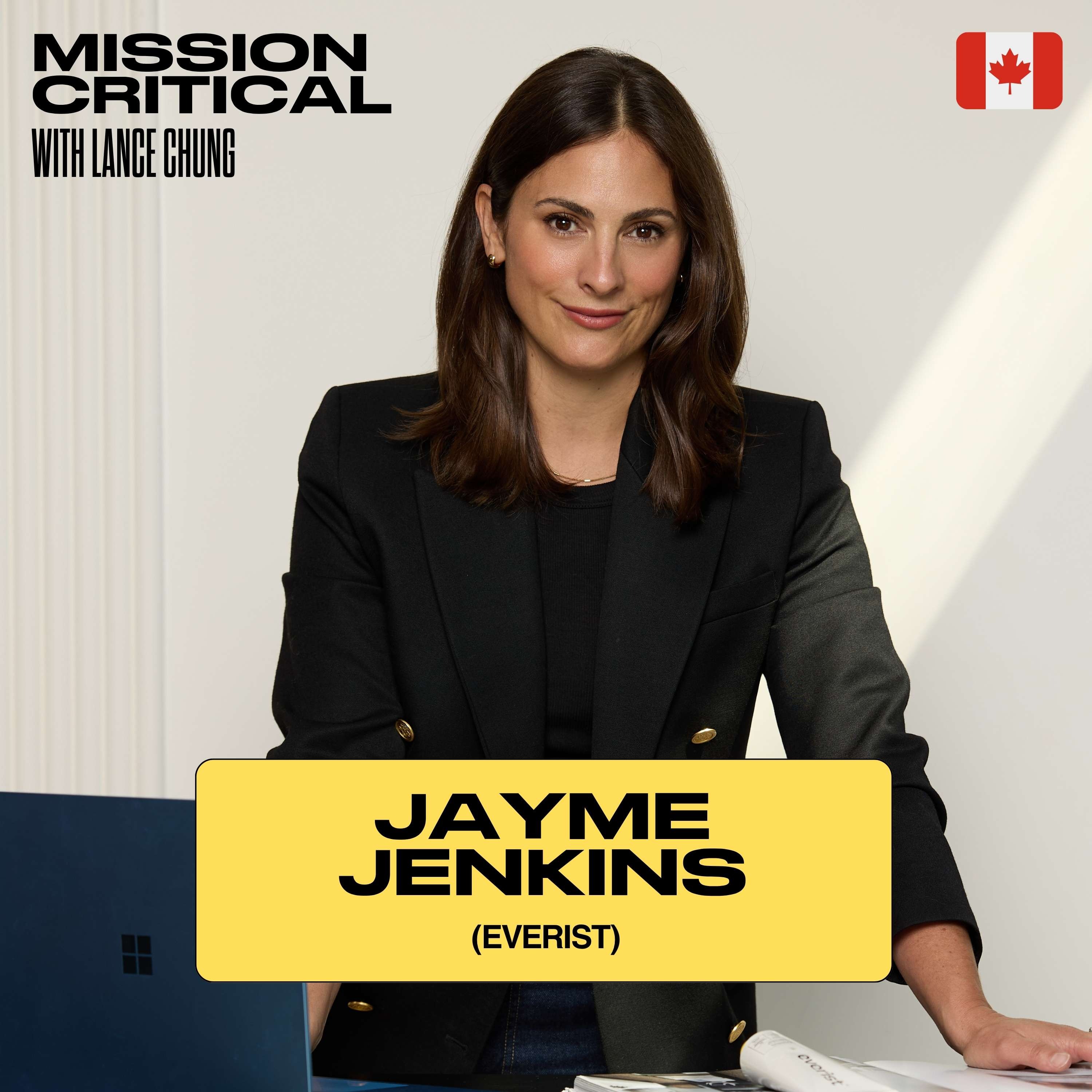 Jayme Jenkins (Co-founder, Everist): How This Canadian Beauty Brand Turned Product Innovation Into a Competitive Advantage 03.06.2026 55minWhat does it take to create an entirely new product category—and convince customers to change habits they've had for decades?In this episode of Mission Critical, Lance sits down with Jayme Jenkins, co-founder of Everist, the Canadian beauty brand behind the world's first shampoo, conditioner, and body wash concentrates. What started as a mission to reduce waste in the beauty industry evolved into a masterclass in innovation, customer education, brand storytelling, and sustainable growth.In their discussion, Jayme shares the realities of building a category-defining company, from developing a product that manufacturers said couldn't be made to learning how to simplify messaging, earn customer trust, and scale without sacrificing the brand's purpose. She also offers practical insights on customer feedback, retail expansion, founder wellness, team building, and why today's most successful brands win by solving real problems—not just telling compelling stories.Whether you're launching a startup, growing a consumer brand, or navigating the challenges of scaling a business in a rapidly changing market, this conversation is packed with actionable lessons on building a company designed to last.Key TakeawaysLead with the customer problem, not your mission: One of Everist's biggest breakthroughs came when they stopped leading with sustainability and started leading with performance. Customers care about the problem you're solving first; your mission becomes a powerful differentiator once you've earned their attention.Innovation only matters if people understand it: Creating a breakthrough product was difficult—but explaining it was even harder. Jayme shares how simplifying Everist's messaging and making the unfamiliar feel familiar became critical to scaling the business.Customer feedback is a competitive advantage: Every review, comment, and customer email is analyzed by the team. Everist's growth has been fueled by an obsessive commitment to listening, iterating, and improving based on real customer experiences.Sustainable growth beats growth at all costs: The era of chasing unicorn valuations has given way to a more durable approach. Jayme discusses why building intentionally, profitably, and for the long term creates stronger companies and healthier founders.Differentiation is worth the pain: Many of Everist's biggest challenges stemmed from doing something completely new. But that same uniqueness is what made the brand memorable, defensible, and capable of creating an entirely new category in beauty.About the GuestJayme Jenkins is the co-founder of Everist, an award-winning Canadian beauty brand reinventing the hair, skin, and scalp care industry through concentrated, waterless products. Alongside co-founder Jessica Stevenson, Jayme launched Everist in 2021 after spending years in the beauty industry with global companies including Procter & Gamble and L'Oréal.Driven by a desire to reduce waste in personal care without compromising performance, Jayme helped create the world's first shampoo, conditioner, and body wash concentrates—an innovation that has positioned Everist as one of Canada's most exciting emerging beauty brands.Today, Everist is recognized for its category-defining products, sustainability-first approach, and growing community of loyal customers. Jayme is passionate about innovation, conscious consumption, customer-centric brand building, and helping the next generation of founders navigate the realities of entrepreneurship.
 -
 Greg MacDonald (Founder, Bathorium): What Oprah, Shopify, and COVID Taught Me About Scaling a Brand 28.05.2026 49minWhat does it actually take to build a modern consumer brand in today’s economy?In this episode of Mission Critical, Lance sits down with Bathorium founder Greg MacDonald to unpack the real mechanics behind scaling a premium wellness business — from handmade bath bombs in a Toronto condo to becoming one of Oprah’s Favorite Things.Greg shares tactical lessons on brand positioning, customer loyalty, inventory forecasting, pricing strategy, storytelling, and scaling through uncertainty — including how Bathorium survived and exploded during the pandemic.If you’re building a product-based business, navigating growth, or trying to create a brand people genuinely care about, this episode is packed with hard-earned lessons from a founder who built one of Canada’s most recognizable wellness brands from the ground up.Key TakeawaysYour Brand Story Is One of Your Most Valuable Assets: Greg explains how Bathorium’s growth accelerated once the company learned how to clearly communicate its “why” — not just what the product was, but the problem it solved. From Oprah’s Favorite Things to retail expansion, storytelling became a competitive advantage.Product Passion Matters More Than Trends: One of Greg biggest lessons for entrepreneurs? Build something you genuinely believe in. Passion for the product is what sustains founders through difficult seasons, especially when growth slows, inventory gets messy, or the business becomes emotionally exhausting.Scaling Too Fast Without Understanding Margins Can Hurt Your Business: Bathorium initially underpriced its products in order to get them into more customers’ hands. Greg breaks down why understanding margins early is critical if you want enough room for marketing, staffing, shipping, and long-term scalability.Customer Feedback Should Shape Your Roadmap: Many of Bathorium’s biggest product innovations came directly from customer conversations. Greg shares how obsessively listening to customers helped build loyalty and transform buyers into long-term brand advocates.Brand Positioning Can Make or Break Consumer Perception: A major early mistake (placing Bathorium products in discount retail environments) taught Greg that where your brand appears matters just as much as the product itself. Premium brands need premium storytelling and premium placement.About the GuestGreg MacDonald is the founder and CEO of Bathorium, a Canadian wellness brand redefining the modern bath ritual through clean, luxury bath soaks focused on health, recovery, and self-care.Founded in 2014, Bathorium has grown from a small side hustle into an internationally recognized brand carried by luxury hotels, spas, and retailers across North America, including Nordstrom, Goop, Four Seasons, and more. The company was also named one of Oprah’s Favorite Things, making Bathorium one of the few Canadian brands to ever receive the distinction.Before going all-in on Bathorium, Gregory worked at Shopify, where he helped support some of the fastest-growing consumer brands in the world — experience that later shaped Bathorium’s own approach to scaling, storytelling, and customer experience.Today, Gregory is recognized as one of Canada’s leading voices in wellness entrepreneurship, premium consumer branding, and modern self-care innovation.
 -
 Mandy Wolfe (Co-founder, Mandy's Salads): How I Turned Salad Into a Lifestyle Empire 15.05.2026 46minWhat does it take to turn a simple product into a category-defining brand people obsess over?In this episode of Mission Critical, Lance sits down with Mandy Wolfe, co-founder of Mandy's Salads, to break down how she and her sister transformed a tiny salad counter hidden inside a Montreal clothing store into one of Canada’s most recognizable lifestyle food brands.But this conversation goes far beyond salads. Mandy shares the real playbook behind building customer loyalty, creating emotional connection through branding, scaling across new markets, engineering word-of-mouth growth, navigating hiring challenges, and staying relevant in an economy that changes by the day.Whether you run a restaurant, retail business, e-commerce brand, or are just starting your entrepreneurial journey, this episode is packed with tactical insights on how to build a business people genuinely love.In this episode:How Mandy’s got its first loyal customersWhy customization became a growth advantage before it was trendyThe importance of brand experience in driving repeat businessWhat founders get wrong about expansion and scalingHow Mandy’s built a lifestyle brand beyond foodWhy staying culturally relevant matters more than everLessons on hiring, partnerships, leadership, and longevityIf you’re building a business in Canada right now, this episode is a masterclass in creating a brand customers choose emotionally, not just practically.Top 5 Key Takeaways1. Great brands solve emotional needs—not just functional ones: Mandy’s didn’t just sell salads, it sold a feeling: wellness, escape, playfulness, customization, and belonging. The strongest businesses create emotional connection around everyday products.2. Word-of-mouth growth can be intentionally designed: From customizable “secret menu” salads to instantly-recognizable pink takeout bags, Mandy’s built visual and social cues that naturally encouraged people to talk about the brand.3. Expansion works best when it matches community culture: Instead of aggressively entering major downtown cores first, Mandy’s strategically chose neighbourhoods that aligned with the brand’s lifestyle positioning and customer base.4. Scaling requires letting go of control: One of Mandy’s biggest lessons as a founder was learning to trust leadership teams and systems as the business expanded beyond what she and her sister could personally oversee day-to-day.5. Staying relevant means staying curious: Mandy credits much of the brand’s continued success to surrounding themselves with younger talent, traveling frequently, observing culture shifts, and constantly evolving with customer behaviour. About the GuestMandy Wolfe is the co-founder of Mandy's Salads, one of Canada’s most recognizable fast-casual restaurant and lifestyle brands.What started as a tiny salad counter hidden inside a Montreal clothing boutique has grown into a multi-location business spanning Montreal, Toronto, Ottawa, and beyond—along with a rapidly growing consumer packaged goods line carried in over 1,000 stores across Canada.Known for its colourful branding, immersive restaurant design, customizable menu, and cult-like customer loyalty, Mandy’s has become a case study in turning a simple everyday product into a premium lifestyle experience.Alongside her sister and co-founder Rebecca Wolfe, Mandy has helped redefine how Canadians think about healthy eating, hospitality, branding, and customer experience.
 -
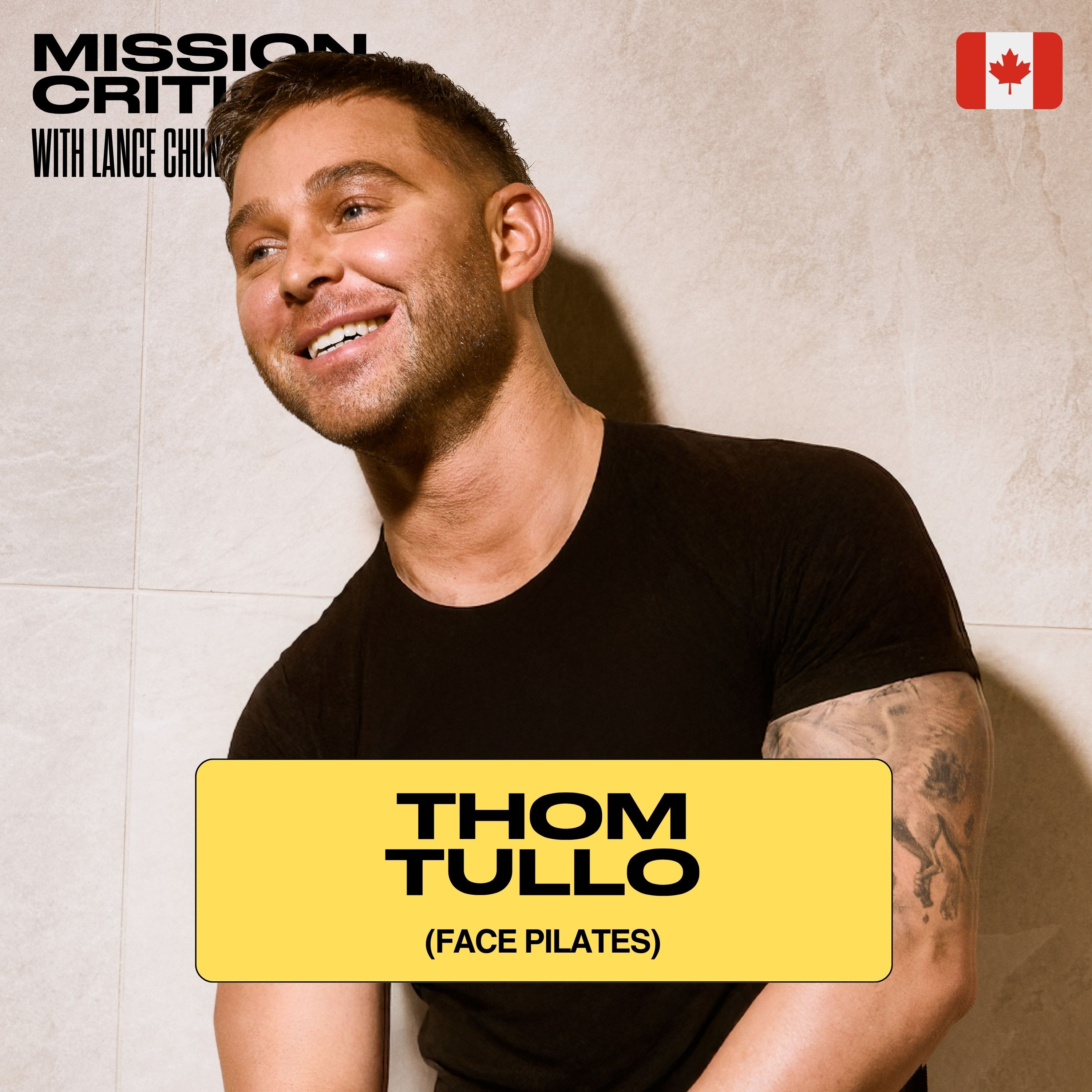 Thom Tullo (Founder, Face Pilates): How to Win in the $5T Wellness Economy 06.05.2026 45minThe wellness industry is exploding. But with that growth comes saturation, noise, and a hard truth: most brands won’t last.In this episode of Mission Critical, Thom Tullo—founder of Face Pilates and Aman Spa—breaks down how he built a performance-driven wellness brand in one of the most competitive categories today.From creating “addictive” client experiences to navigating product development, pricing strategy, and brand differentiation, Thom shares what actually drives retention, revenue, and long-term brand equity in wellness.If you’re building in beauty, wellness, or any experience-driven business, this episode is a tactical deep dive into what it really takes to stand out—and scale—when everyone is competing for the same customer.Top 5 Key Takeaways: Wellness is No Longer a Trend, it's a Behaviour Shift: Post-COVID, consumers aren’t just spending on luxury. Rather, they’re prioritizing self-regulation, recovery, and mental clarity. The opportunity isn’t selling products—it’s solving for peace of mind. Experience > Service: Thom didn’t just open a spa, he engineered a full sensory journey: scent, environment, pacing, and human interaction.Retention Comes From “Addiction,” Not Acquisition: Thom’s philosophy is to create an experience so effective and emotionally resonant that it becomes part of someone’s routine.Most Brands Misprice Themselves Out of Longevity: Many wellness brands overestimate what customers can actually afford long-term. High-ticket positioning may drive short-term hype—but kills repeat purchase behaviour.You Don’t Need to Be the Expert, But You Need to Understand the System: From chemistry to product development, Thom didn’t start as an expert but he learned enough to lead. His edge wasn’t knowing everything; it was building the right team and asking the right questions.About the GuestThom Tullo is a skin authority, entrepreneur, and founder of Face Pilates and Aman Spa.Known for blending clinical precision with luxury wellness, Thom has built a reputation for performance-driven treatments that deliver visible, measurable results—without invasive procedures. He is the creator of Face Pilates™, a method that treats the face like a muscle system—combining lymphatic drainage, buccal massage, micro-current, and advanced techniques into a structured “facial workout.”What started as a treatment has evolved into a multi-dimensional brand spanning services, products, and education, positioning Thom at the forefront of the next generation of wellness businesses.
 -
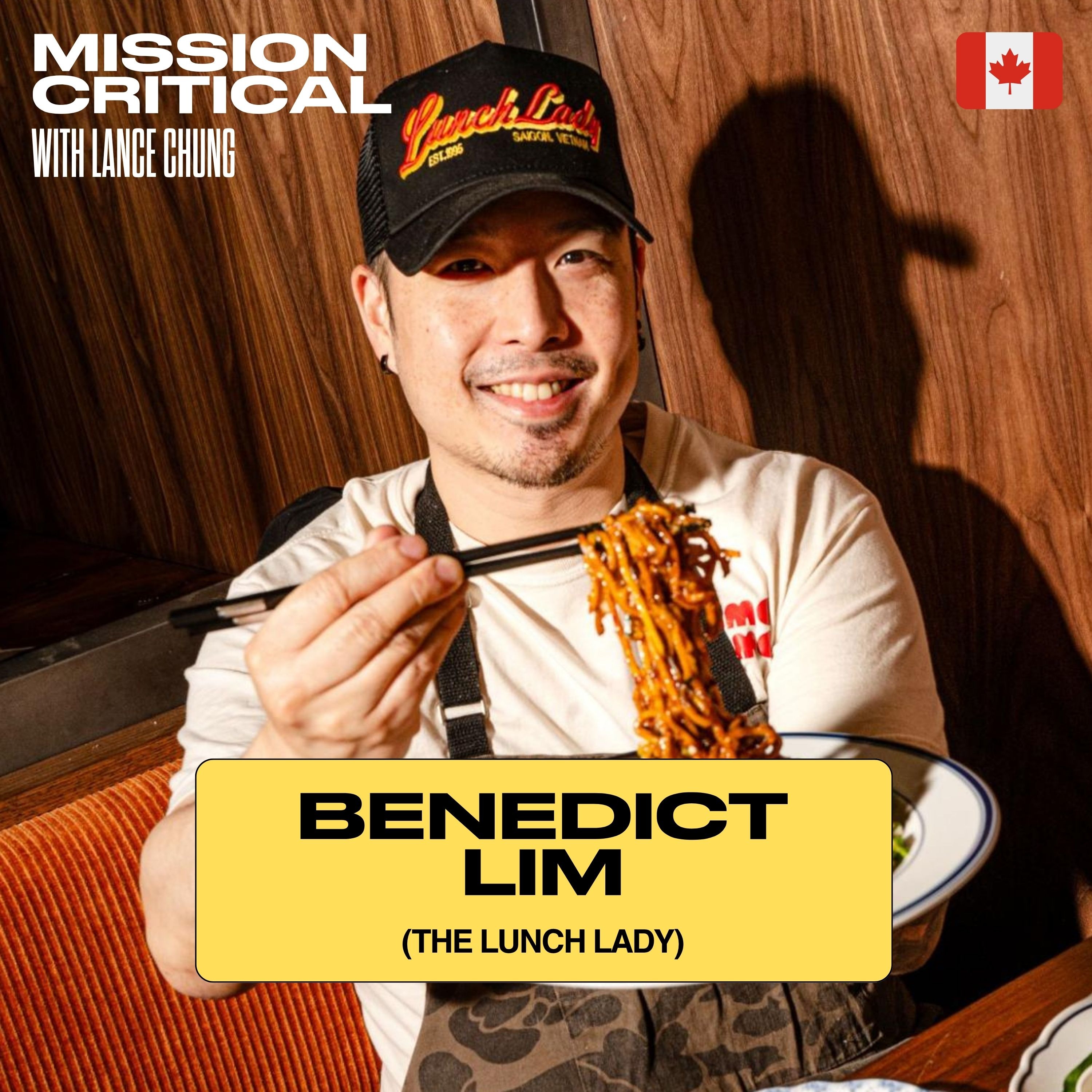 Benedict Lim (Co-founder, The Lunch Lady): Lessons From a Anthony Bourdain-Certified Restaurant Brand 29.04.2026 1godz 1minWhat happens after Anthony Bourdain puts you on the map?In this episode of Mission Critical, Benedict Lim, co-founder and culinary director of The Lunch Lady, breaks down how a single moment of global attention became the foundation for a real, scalable business.Originally a humble street food stall in Vietnam, The Lunch Lady became a culinary landmark after Bourdain featured it on No Reservations. But attention doesn’t build a business—execution does.Benedict shares how the team translated that cultural spotlight into a thriving multi-city restaurant brand in Canada, and the systems required to sustain it. From navigating the realities of opening during a pandemic to building a loyal customer base through trust, hospitality, and consistency, this conversation goes beyond the story—and into the strategy.This episode is a tactical blueprint for small business owners: how to leverage narrative without relying on it, how to create repeat customers in a competitive market, and how to build a brand that delivers long after the hype fades.Because getting discovered is one thing. Building something that lasts is everything.Top 5 Key Takeaways1. Great product is the baseline (not the differentiator): In today’s market, “good food” (or a good product) isn’t enough. Success comes from delivering across the entire experience: product, service, brand, and consistency.2. Your first customers stay because of how you recover, not how you perform: Early-stage mistakes are inevitable. What builds loyalty is how quickly and honestly you fix them.3. Story creates attention but systems create longevity: The Lunch Lady’s origin story brought people in. Operational discipline, team alignment, and execution kept them coming back.4. Marketing is no longer optional, even for great businesses: If people don’t know you exist, nothing else matters. Even the best product needs visibility to survive.5. Culture is your most scalable advantage: A strong internal culture doesn’t just improve team performance, it directly translates into better customer experience and long-term brand equity.About the GuestBenedict Lim is the co-founder and culinary director of The Lunch Lady, a critically acclaimed Vietnamese restaurant with locations in Vancouver and Toronto.Originally inspired by a legendary street food vendor in Vietnam—brought to global attention by Anthony Bourdain—Benedict helped transform The Lunch Lady into a modern hospitality brand that blends cultural authenticity with contemporary dining.Known for his thoughtful approach to leadership, operations, and culinary innovation, Benedict has built a reputation not just as a chef, but as a business operator focused on sustainability, team culture, and long-term growth in one of the most challenging industries.
 -
 Liam Gill (Housing Advocate): The Citizen Developer Playbook for Fixing Toronto’s Housing Crisis 22.04.2026 57minIn this episode, Lance sits down with startup founder, investor, and housing advocate Liam Gill to unpack a provocative idea: What if Toronto’s housing crisis could be solved by everyday citizens?Drawing from his background in startups, venture capital law, and policy advocacy, Gill makes the case that Toronto is one of the only cities in the world where nearly every major challenge can be solved through policy—and more importantly, through participation.At the center of the conversation is his concept of the “citizen developer,” a new class of everyday people who can play an active role in resolving the housing crisis. From fourplexes to laneway homes to 10-unit apartment buildings, Gill breaks down how recent zoning changes have quietly unlocked a generational opportunity.Key TakeawaysHousing isn’t just a crisis—it’s an opportunity. Most people just don’t see the entry point.Policy has already shifted. The real gap now is awareness and execution.You don’t need to be a developer to build. But you do need to understand the system.Entrepreneurial thinking beats industry experience in emerging, undefined spaces.Small-scale density at scale (missing middle) could meaningfully impact affordability.The future of housing will be shaped by those willing to take informed risks early.About the GuestLiam Gill is a Toronto-based investor, lawyer, and housing advocate focused on unlocking practical solutions to Canada’s housing crisis. With a background spanning venture capital, M&A law, and startup leadership, Gill brings a uniquely cross-disciplinary perspective to real estate and urban policy.He is the author of Building the Missing Middle: A Citizen Developer’s Guide, a practical framework designed to help everyday Canadians understand—and participate in—housing development. His work bridges the gap between policy and execution, advocating for a more accessible, transparent, and participatory housing system.
 -
 Jannine Rane (CEO, Zing Pantry Shortcuts): A Case for the Modern Pantry 09.04.2026 53minWhat if the future of the Canadian pantry isn’t about what we eat but, rather, how we understand each other?In this episode of Mission Critical, Lance sits down with Jannine Rane, co-founder and CEO of Zing Pantry Shortcuts, a fast-growing Canadian brand rethinking how we cook, eat, and connect through food.What started as a pandemic side project—born out of the all-too-familiar question, “What’s for dinner?”—has evolved into something much bigger: a company helping to redefine what a pantry staple looks like in one of the most multicultural countries in the world.Rane brings a tech mindset into a legacy industry, applying rapid iteration, community-driven product development, and a willingness to challenge convention. But beneath the surface, Zing is doing something deeper; they're using food as a vehicle for cultural exchange.From “third culture” flavours inspired by diaspora communities to reimagining condiments as everyday gateways into global cuisine, this conversation explores how something as simple as a jar on a shelf can open minds, spark curiosity, and reshape how we relate to culture.Key TakeawaysThe Real Problem Zing Solves: Most Canadians rotate through just 7 recipes—Zing is built to break that cycle with accessible, flavour-forward shortcuts.From Tech to Table: Rane applied startup principles like “fail fast” and rapid iteration to food, launching products through a community-driven test kitchen model.Redefining Pantry Staples: Why condiments like chili crisp and "Oomami" deserve a place next to ketchup and mayo, and what it takes to shift consumer behaviour.The Rise of “Third Culture” Cooking: How diaspora communities are shaping a new, distinctly Canadian food identity.Story > Product: In a crowded category, the brands that win are the ones telling stories people see themselves in.Food as Cultural Infrastructure: How condiments can act as entry points into new cultures, conversations, and perspectives.Immigrant Founder Mentality: “No one’s coming to save you”—how starting from zero builds resilience and clarity.The Future of the Pantry: A shift toward global flavours, personalization, and curiosity-driven cooking.About the GuestJannine Rane is the Co-Founder and CEO of Zing Pantry Shortcuts, a Canadian food brand bringing globally inspired, chef-driven condiments into everyday home cooking.With a background in tech, marketing, and go-to-market strategy, Rane has built Zing using a community-first, iterative approach—working with chefs and creators to develop products that reflect the diversity of modern Canadian kitchens.Founded during the pandemic, Zing has quickly expanded into retail across Canada, with a mission to make cooking more joyful, accessible, and culturally connected.
 -
 Rachel Zimmer (CEO, Simple Ventures): Why is Canada Is Producing Fewer Entrepreneurs? 27.03.2026 49minCanada has world-class talent, capital, and infrastructure—so why are we producing fewer entrepreneurs than we did 20 years ago?In this episode of Mission Critical, Lance sits down with Rachel Zimmer, co-founder and CEO of Simple Ventures, to unpack the paradox at the heart of Canada’s innovation economy. From declining entrepreneurship rates to the realities of “brain drain,” Zimmer offers a candid, systems-level look at what’s broken—and what it will take to fix it.Drawing from her experience as a founder, investor, and venture builder, Zimmer challenges the way we define innovation today, arguing that it’s not just about technology but about creating real value, jobs, and durable businesses. She also breaks down why the traditional venture capital model doesn’t work for most founders, and how Simple Ventures is rethinking company creation from the ground up.At its core, this episode asks a bigger question: What kind of country does Canada want to be—and who is willing to build it?Key Takeaways & HighlightsWhy Canada has 100,000 fewer entrepreneurs than 20 years ago (and what’s driving the decline).The real reasons behind brain drain.How Rachel Zimmer defines innovation, and why most people get it wrong.The difference between venture capital vs. venture building (and who each model actually serves).The importance of traction, real customers, and willingness to pay in validating ideas.How Simple Ventures is creating a “de-risked path” to entrepreneurship.The role of AI and global uncertainty in shaping Canada’s innovation future.Why Canada’s greatest opportunity might be its untapped white space, not its competition.About the GuestRachel Zimmer is the co-founder and CEO of Simple Ventures, a Canadian venture builder focused on creating the next generation of standout companies. Through a model that combines ideation, validation, founder pairing, and capital, Simple Ventures builds businesses from the ground up—backed by leading investors including TD Innovation Partners, Sun Life, Sobeys, and top Canadian founder-operators.Prior to Simple Ventures, Rachel led Entrepreneur First in North America, a globally recognized venture studio backed by Reid Hoffman and the Collison brothers. She is also a former founder and investor, and has been recognized as an Emerging Entrepreneur by the Toronto Board of Trade.In just 18 months, Simple Ventures has launched multiple companies and created over 150 jobs across Canada—positioning Rachel as a leading voice in the future of Canadian innovation.
 -
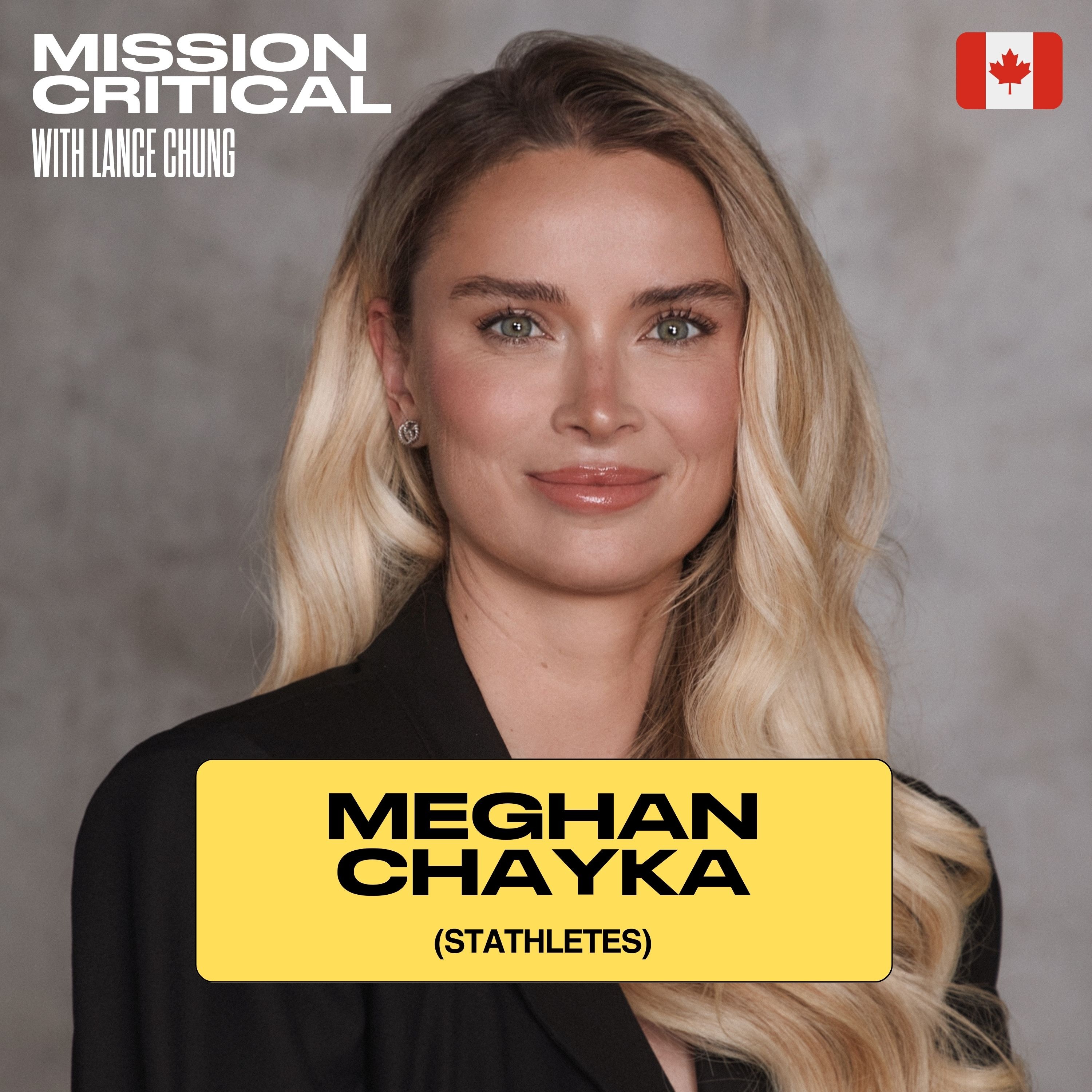 Meghan Chayka (CEO, Stathletes): How Sports Analytics Is Changing Hockey, AI, and Fan Culture 19.03.2026 40minOn this episode of Mission Critical, Lance Chung speaks with Meghan Chayka, co-founder of Stathletes, about the rise of sports analytics, the future of AI in hockey, and what it means to build a category-defining company in a rapidly changing industry.Chayka explains how Stathletes grew from a startup focused on hockey data into a major sports technology company powering teams, leagues, media, and betting platforms. She also shares her hot takes on AI, why most people underestimate how hard tech is to operationalize, and why the next chapter of sports may be shaped as much by emotion and storytelling as by data.From women’s sports and fan culture to scaling a Canadian tech business without chasing an exit, this is a candid conversation about innovation, resilience, and building what comes next.Key Takeaways:Meghan Chayka started early. Stathletes began before sports data was fashionable, when analytics in hockey still faced real skepticism.Tech is not magic. One of Chayka’s sharpest points is that AI and automation are much harder to operationalize than most people think.The future of sports analytics is more immersive. Data is no longer just tables and dashboards. It is becoming visual, interactive, and embedded into entertainment.The best organizations do not choose between instinct and information. They use data as an additive tool, not a replacement for human judgment.Sports fandom is changing. Fans are increasingly following players, personalities, and storylines, not just hometown teams.There may be a backlash to always-on AI. Chayka predicts a growing appetite for stripped-back, more human experiences with less algorithmic interference.Women’s sports are a major growth story. Better data, better storytelling, and better infrastructure could help accelerate that momentum even more.Scaling a tech company is relentless. Her view is refreshingly blunt: it does not get easier, you just get better.About the GuestMeghan Chayka is the co-founder of Stathletes, a Canadian sports technology and analytics company that provides data, insights, and software tools to teams, leagues, media companies, sportsbooks, and other partners across the sports ecosystem. A longtime leader in hockey analytics, Chayka has helped push the industry forward by turning data into actionable tools for player evaluation, development, storytelling, and fan engagement.In addition to her work as an entrepreneur, she is also a sports media analyst, appearing across major broadcast platforms including ESPN and TSN. Her work sits at the intersection of sport, technology, business, and culture.
 -
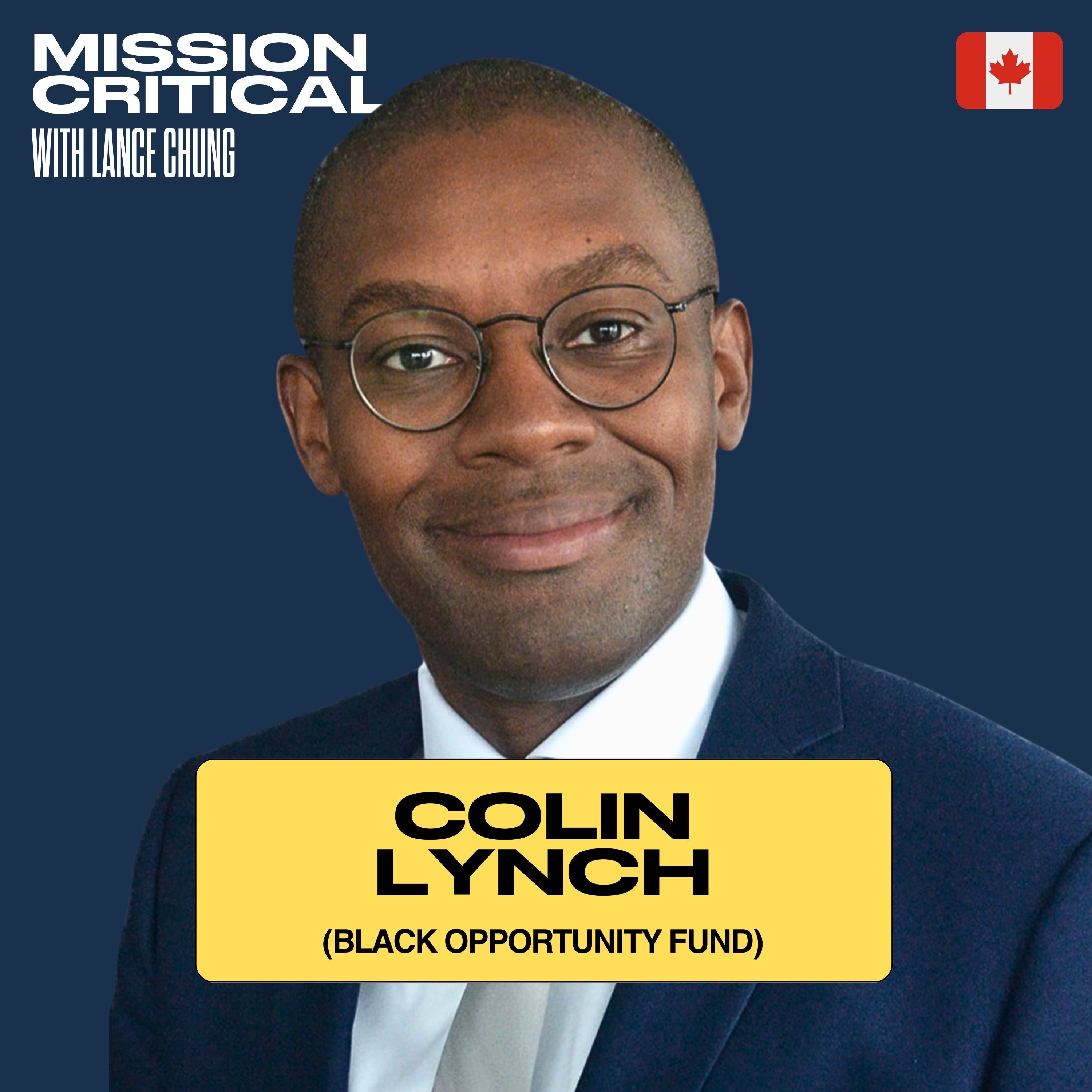 Colin Lynch (Co-founder, Black Opportunity Fund): Inside the Mission to Fund Black Entrepreneurs 11.03.2026 48minFor decades, conversations about inequality have focused on income. But according to Colin Lynch, co-founder of the Black Opportunity Fund, the deeper issue is wealth (and who has access to capital.)In this episode of Mission Critical, we explore the economic infrastructure required to close Canada’s racial wealth gap. Colin shares how the Black Opportunity Fund was built to scale impact by directing capital into Black-led businesses, nonprofits, and community initiatives across the country.We also unpack the launch of BOF Capital, a new investment platform designed to support entrepreneurs and help more families access homeownership, one of the most powerful drivers of generational wealth.From venture capital and entrepreneurship to housing access and economic innovation, this conversation explores why expanding opportunity isn’t just a moral imperative, it’s an economic one.Key Highlights and Takeaways• Why wealth inequality (not just income inequality) drives opportunity gaps.• How the Black Opportunity Fund helps scale Black-led businesses and nonprofits across Canada. • Why access to capital is one of the biggest barriers facing Black entrepreneurs.• The statistic behind the problem: Black-led businesses receive less than 1% of venture capital in Canada.• How the launch of BOF Capital is helping fund startups and growing companies. • Why homeownership remains one of the most powerful tools for generational wealth creation.• How a shared-equity housing model can help more families enter the housing market. • Why diversity and economic inclusion can drive innovation, productivity, and long-term economic growth.About the GuestColin Lynch is the co-founder of the Black Opportunity Fund, a national initiative dedicated to advancing economic opportunity and wealth creation for Black Canadians.Through philanthropy and investment, the fund directs capital to Black-led businesses, nonprofits, and community organizations across the country.Lynch also helped launch BOF Capital, an investment platform supporting entrepreneurs and expanding access to homeownership through innovative financing models designed to build long-term generational wealth.
 -
 Brandi Leifso (CEO, Evio Beauty): From Trauma to Triumph, the Making of a Beauty Founder 02.03.2026 48minAt 21 years old, Brandi Leifso was living in a women’s shelter in Vancouver with $15 and a laptop. Today, she is the founder and CEO of Evio Beauty and the author of Fearless Choices.In this episode of Mission Critical, Brandi shares the unfiltered story behind building Evio Beauty from a shelter safe house to building a booming beauty empire. But this conversation goes deeper than entrepreneurship.Together, Lance and Brandi explore the psychology of decision-making, the myth of fearless leadership, and why power is something you practice through choice.From "cringe" bootstrapping moments to landing a 215,000-unit purchase order she nearly fumbled, Brandi reflects on the messy reality behind resilience, and why rewriting your personal narrative can be more powerful than rewriting your résumé.She also opens up about:The stigma surrounding domestic violence shelters.How the beauty industry has evolved from rigid standards to inclusive innovation.Why resilience is romanticized, and why we’re collectively burnt out from it.The 35,000 decisions we make daily, and how that realization reframed her lifeThis is a conversation about agency, leadership, trauma, capitalism, authenticity, and the choices we make to become who we are.About the GuestBrandi Leifso is the founder and CEO of Evio Beauty, a purpose-driven beauty company focused on reducing the effects of stress on skin through hydration and science-backed formulations.She launched the brand at 21 while living in a domestic violence safe house in Vancouver, bootstrapping it with pre-sold product concepts and relentless determination.Today, Evio Beauty is carried by major retailers including Shoppers Drug Mart and has raised over $500,000 for shelters across Canada.Brandi is also the author of Fearless Choices, published by HarperCollins Canada, a memoir-driven self-help guide about reclaiming personal power through decision-making.
 -
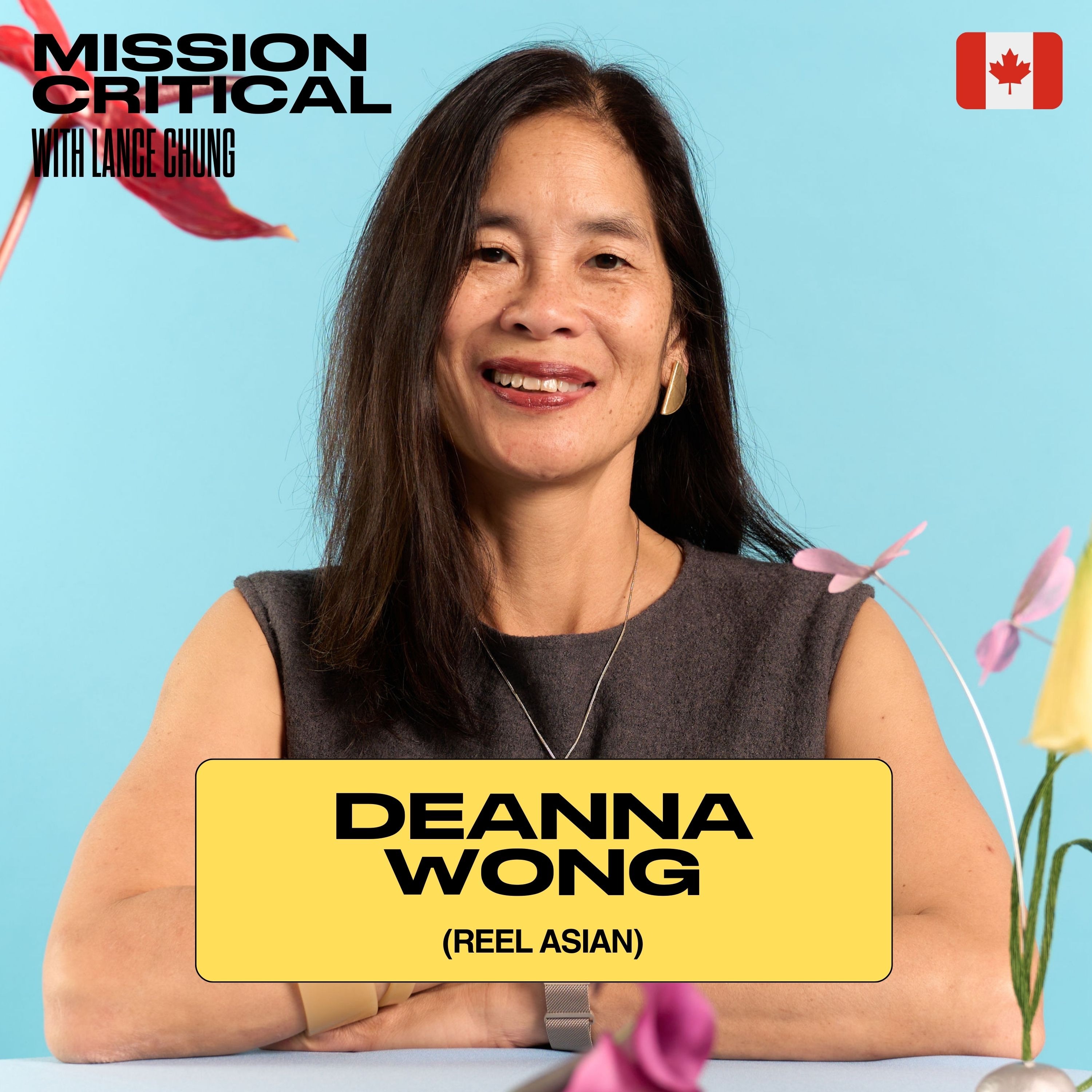 Deanna Wong (Executive Director, Reel Asian): Protecting the Future of Asian Cinema 17.02.2026 51minToronto is known as a city of film festivals. But for nearly 30 years, the Toronto Reel Asian International Film Festival has done more than screen films. It has built a cultural home.In this episode of Mission Critical, Lance sits down with Deanna Wong, Executive Director of Reel Asian, to explore what it really means to steward a platform that shapes how Asian stories are told, funded, and remembered in Canada. From growing up searching for a single non-stereotypical Asian face on television, to witnessing the global impact of films like Crazy Rich Asians, Everything Everywhere All at Once, and Turning Red, Deanna reflects on the long arc of representation (and why progress still feels fragile.)This conversation is about how culture gets built, protected, and passed forward. It's about breaking the “model minority” narrative and trusting audiences to embrace nuance without explanation.And, ultimately, why the work is far from finished.Key HighlightsHow the Toronto Reel Asian International Film Festival evolved from a grassroots gathering into Canada’s largest pan-Asian film festival.Growing up in the ’70s and ’80s searching for dignified Asian representation on screen.Why films like The Joy Luck Club felt like breakthroughs (and why the doors didn’t immediately stay open.)The double standard Asian actors face in Hollywood (and why one “box office failure” can’t define an entire community).Why the real work happens behind the scenes: funding, mentorship, grant writing, and sustaining community year-round.Reel Asian’s Unsung Voices program and its role in launching emerging filmmakers (including early-career stories connected to Simu Liu).The importance of below-the-line representation: from hair and makeup to production design.Why the ultimate privilege in storytelling is being able to tell culturally specific stories without having to explain them.About the GuestDeanna Wong is the Executive Director of the Toronto Reel Asian International Film Festival, Canada’s largest pan-Asian film festival. Under her leadership, Reel Asian has expanded its year-round programming, mentorship initiatives, and community impact, celebrating nearly three decades of championing Asian and Asian diasporic filmmakers.As Reel Asian approaches its 30th anniversary, Deanna stands at the intersection of legacy and innovation — protecting the stories that shaped a generation while pushing the next wave of filmmakers forward.
 -
 Worth Knowing: Hetta 11.02.2026 3minWorth Knowing is your shortcut to the Canadian small businesses shaping culture and changing how we live.In this episode, we spotlight Hetta, the Vancouver-based furniture brand founded by the team behind Sundays. Grounded in tradition and designed for modern living, Hetta creates timeless pieces meant to grow with you—and eventually be passed down.Inspired by the old English name Etta, meaning “keeper of the hearth,” the brand is built around the idea that home is where connection happens across families, friendships, and generations.With decades of industry experience, the founders prioritize craftsmanship, high-quality materials, and comfort, designing furniture that looks to the past while functioning for today. Pieces range from sofas and chairs to tables, beds, and storage solutions, all created to bring people together and make furnishing a home feel effortless.As more consumers move toward buying fewer, better things, Hetta reflects a growing shift toward durability, heritage design, and future heirlooms. That is, furniture rooted in story rather than disposability.If you’re tracking design trends, thoughtful entrepreneurship, or standout Canadian brands redefining home, this is one business worth knowing.
 -
 Nouhaila Chelkhaoui (CEO, Scale Without Borders): The Future of Work Is Immigrant-Led 09.02.2026 37minAt a time when immigration is dominating headlines across Canada and the United States, the real story often gets lost: immigrants aren’t a threat to the economy; they are a critical component of it. In this episode of Mission Critical, Lance sits down with Nouhaila Chelkhaoui, Founder and CEO of Scale Without Borders, the largest network for immigrant tech talent in North America. From arriving in Canada alone at 17 to building a platform that has supported more than 7,000 immigrants in tech, Nouhaila shares what resilience actually looks like.Together, they unpack the hidden barriers facing immigrant professionals, why “Canadian experience” is still quietly gatekeeping opportunity, and how networking (not skill sets) is often the real gap preventing newcomers from succeeding.Key Highlights:Why immigrants are often used as economic scapegoats (and who benefits from that narrative.)The “network gap” holding back highly skilled immigrant talent in Canada.Why “Canadian experience” still functions as an invisible barrier.How cultural nuances and code-switching impact immigrant entrepreneurs.The resilience advantage: what immigrant founders understand about risk.The disconnect between immigration policy and employer needs.Why immigrant entrepreneurs are statistically more likely to found high-growth companies.How Scale Without Borders is helping newcomers access jobs, capital, and community.About the GuestNouhaila Chelkhaoui is the Founder and CEO of Scale Without Borders, a North American platform connecting immigrant tech talent with employers, investors, and resources.Originally from Morocco, Nouhaila moved to Canada at 17 and later rebuilt her career as a newcomer navigating the Canadian tech ecosystem. After experiencing firsthand the systemic barriers facing immigrants (particularly around networking and access) she launched Scale Without Borders to close the gap.Since its founding, the organization has supported over 7,000 immigrants in tech, expanded partnerships across Canada, and is now entering the U.S. market. Nouhaila is a leading voice on immigrant entrepreneurship, workforce development, and the future of inclusive innovation.
 -
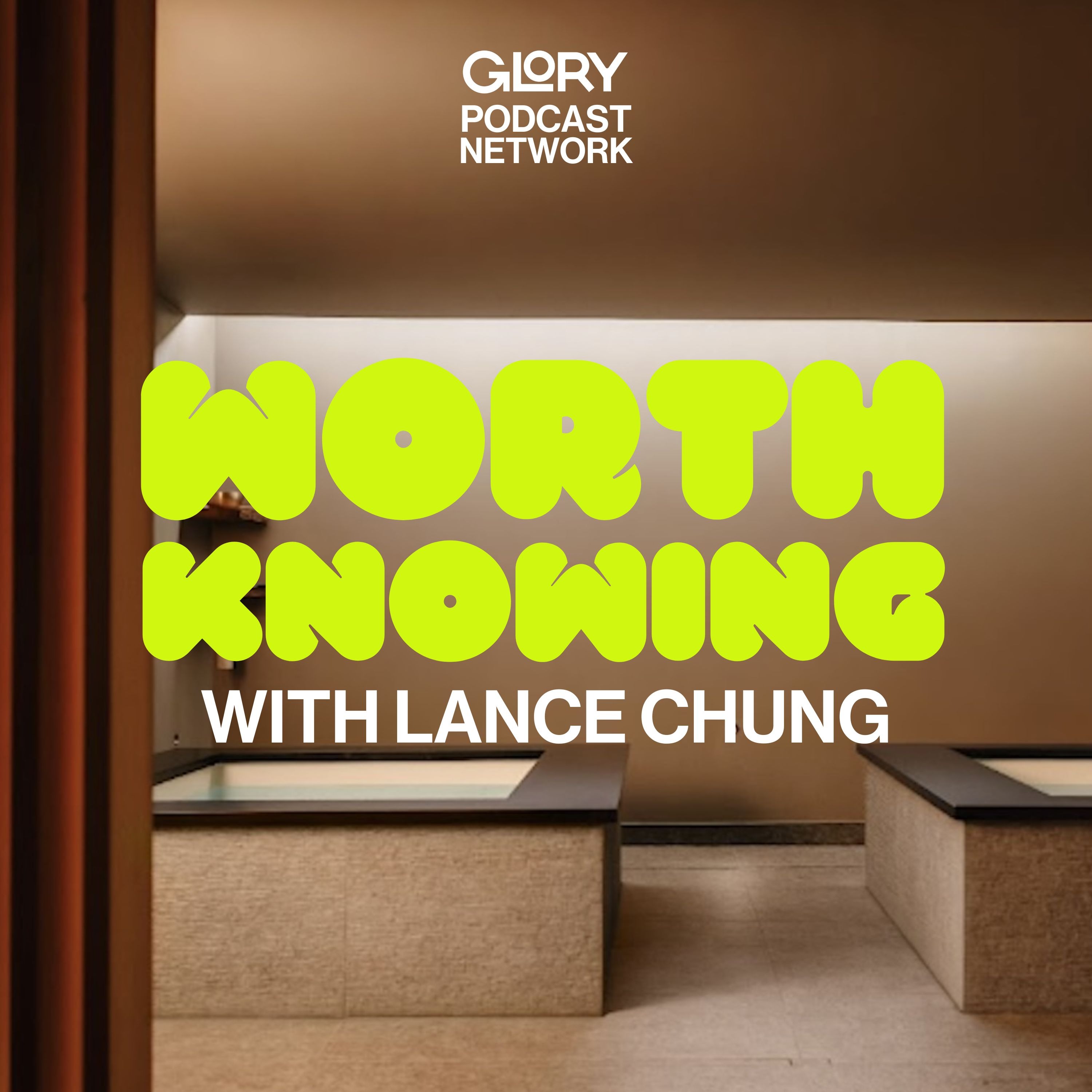 Worth Knowing: Alter 04.02.2026 3minWorth Knowing is your shortcut to the Canadian small businesses shaping culture and changing how we live.In this episode, we spotlight Alter, the Toronto-based sauna and ice bath studio at the center of the growing contrast therapy movement. Built on the belief that intentional discomfort builds resilience, Alter is redefining modern wellness through heat, cold, and community.As recovery culture continues to rise, Alter signals a broader shift toward ritualized self-care and connection — and why this centuries-old practice feels more relevant than ever.If you’re tracking wellness trends, emerging entrepreneurs, or standout Canadian brands, this is one business worth knowing.
 -
 April Hicke (CEO, Toast): How We’ve Helped Women Secure $25M in Salaries 02.02.2026 38minIn this episode of Mission Critical, Lance sits down with April Hicke, CEO and co-founder of Toast, the platform transforming how companies hire, retain, and empower women in tech and beyond. April shares her journey from a corporate career to launching a social enterprise that has helped women secure over $25 million in cumulative salary increases, proving that purpose-driven business and profitability can coexist.Together, Lance and April dive deep into the challenges women face in corporate environments, why traditional hiring practices often exclude talented candidates, and how Toast uses a combination of technology, human connection, and community to break barriers. From leveraging AI for bias reduction to building talent pipelines that reflect the communities companies serve, April shares actionable strategies for leaders committed to meaningful change.Key Highlights:The origin story of Toast and the problem it was created to solveHow companies can attract and retain women in male-dominated industriesWhy measuring impact through dollars and career growth mattersLessons on human-centered leadership and empathy in businessThe role of technology in reducing bias — and when it can backfireThe importance of diversity of thought, background, and experience in driving innovationPractical tips for CEOs and founders looking to create inclusive workplacesAbout the Guest: April Hicke is the CEO and co-founder of Toast, a tech platform that helps companies across North America hire, retain, and advance women in their organizations. A recovering corporate ladder climber with a passion for equity and impact, April has guided Toast to become a trailblazer in inclusive hiring, leveraging both technology and human connection to help women secure meaningful career opportunities. She is also an advocate for human-centered leadership, building communities, and creating workplaces that empower diverse talent to thrive.
 -
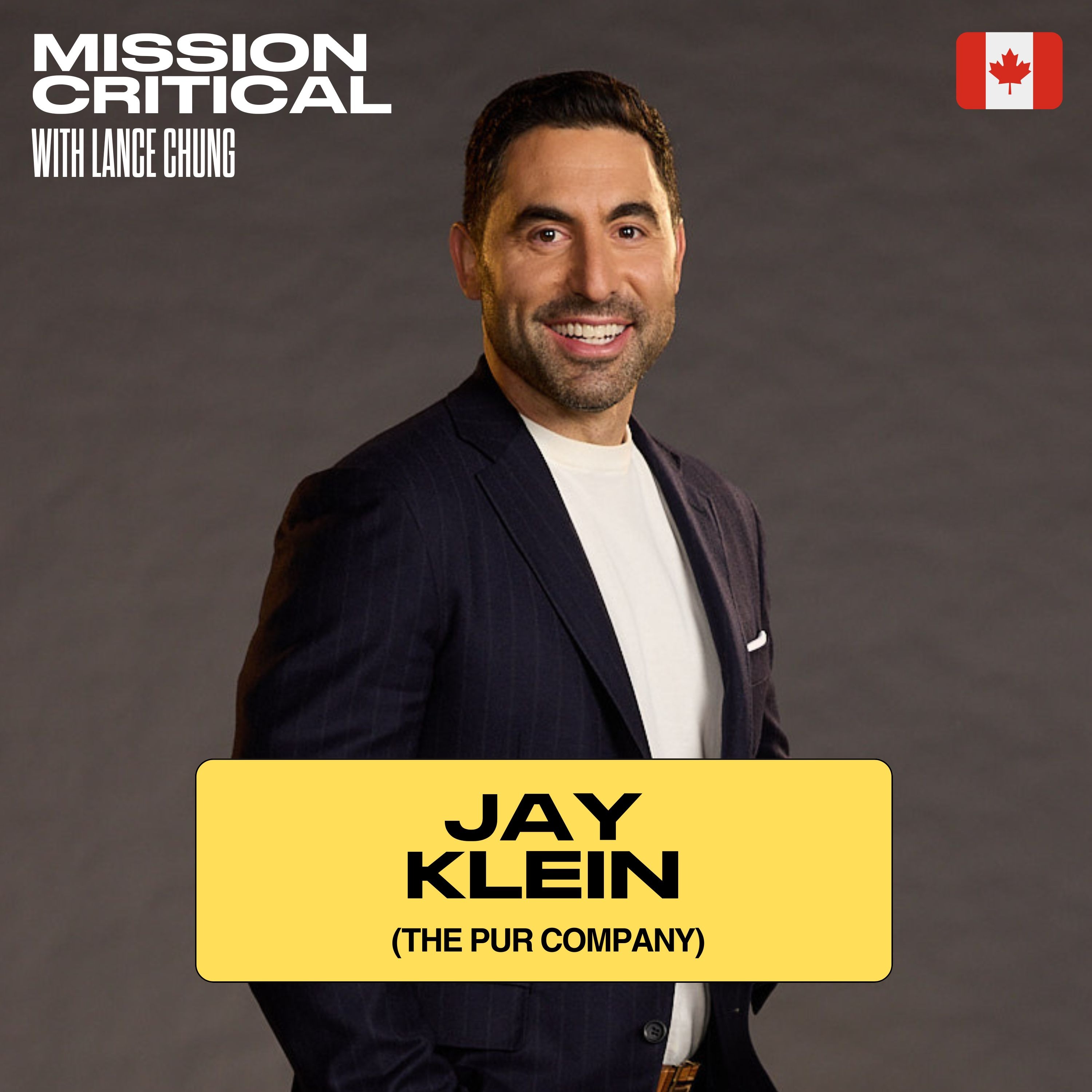 Jay Klein (CEO, The PUR Company): How Removing One Ingredient Disrupted a $20 Billion Industry 26.01.2026 53minWhat if the most powerful way to disrupt an industry isn’t by adding more, but by removing what doesn’t belong?In this episode of Mission Critical, Lance sits down with Jay Klein, founder and CEO of The PUR Company, to unpack how a single, “unsexy” decision (that is, eliminating aspartame from chewing gum) helped build one of the world’s leading better-for-you brands.Founded in Toronto in 2010, PUR set out to challenge a $20-billion global gum industry by focusing on simplicity, transparency, and trust. What began as a grassroots, door-to-door effort grew into a global brand available in over 50 countries, now the #1 best-selling gum brand on Amazon in both Canada and the US. Along the way, Klein navigated early skepticism, scaled without compromising taste or accessibility, and learned why listening to consumers can be more powerful than any marketing strategy.Jay also reflects on his full-circle journey with Dragon’s Den—from pitching PUR as a founder to now taking a seat as a Dragon—and shares what he looks for in entrepreneurs who are built for the long game.This conversation is a masterclass in building trust before scale, resisting trend-driven shortcuts, and proving that small, intentional changes can create outsized impact.Key TakeawaysWhy simplicity and subtraction can be more disruptive than constant innovationHow founder-led sales and early trust shaped PUR’s long-term growthWhat it really means to build a consumer-first brand—beyond the buzzwordsThe hidden trade-offs of scaling in mass retail and global marketsLessons Jay Klein learned from both pitching on Dragon’s Den and now judging foundersWhy trust, taste, and accessibility are non-negotiable in better-for-you productsHow entrepreneurs can protect their mission as their business growsAbout the GuestJay Klein is the Founder & CEO of The PUR Company, the globally recognized better-for-you gum and mints brand. Since launching PUR in 2010, Jay has led the company’s expansion into more than 50 countries, earning recognition from Deloitte’s Best Managed Companies, Profit 500, and Canada’s Most Admired Corporate Cultures. A former Dragon’s Den entrepreneur turned Dragon, Jay is passionate about mentoring founders and building brands that last.
 -
 Amanda Baron & Aimee Schalles (Co-founders, Jointly): Everything You Should Know About Prenups 19.01.2026 55minPrenups aren’t just for the wealthy or planning for divorce—they’re tools for everyday couples to communicate, protect, and plan for the future. In this episode of Mission Critical, Lance sits down with Amanda Baron and Aimee Schalles, the lawyers and founders behind Jointly, a digital platform that makes relationship agreements accessible, practical, and approachable.Amanda and Aimee share how Jointly empowers couples to navigate prenups, cohabitation agreements, and post-nuptial agreements without intimidation. From step-by-step tutorials and worksheets to lawyer-drafted agreements approved by the Law Society of Ontario, they’ve built a platform that balances legal rigor with ease of use.Key takeaways and summary;How Jointly guides couples from the first conversation to building a legally sound agreement.Common myths about prenups—that they’re defensive, only for the wealthy, or planning for divorce—and why those assumptions are outdated.The practical benefits of relationship planning, from parenting and home purchases to business ownership and inheritances.How legal tech is bridging access gaps for couples in rural communities or with lower incomes.The cultural shift among Millennials and Gen Z toward financial transparency and proactive relationship planning.How these agreements can complement estate planning and help blended families safeguard their assets.Whether you’re starting a first relationship, entering a second marriage, or navigating complex family dynamics, this episode shows that legal agreements aren’t about mistrust—they’re about clarity, collaboration, and peace of mind.Visit Jointly to start for free, access tutorials, worksheets, and build your agreement (available in BC, Alberta, and Ontario): jointly.caDisclaimer: The content discussed in this episode is for informational purposes and does not constitute legal advice. Always consult a licensed lawyer for guidance tailored to your specific situation.
Stacja radiowa

Podobne podcasty


Popularny w
Ten podcast pojawia się również w listach podcastów tych krajów.


