
The Double Win
Michael Hyatt & Megan Hyatt-Miller
0
The Double Win Podcast, hosted by Michael Hyatt and Megan Hyatt-Miller, explores how ambitious individuals can achieve both professional success and personal fulfillment. Each week, they feature conversations with thought leaders and entrepreneurs who share actionable strategies for productivity, wellness, and work-life balance. The podcast covers nine life domains including body, mind, spirit, love, family, community, money, work, and hobbies. Listeners gain practical advice to integrate purposeful productivity into their daily routines and experience a life of joy and significance.
Odcinki
-
 RYAN LEVESQUE: Real Life in an Artificial Age 16.09.2026 1godz 10minChaos always prompts us to search for something solid. Confronted by the upheaval of economic reckoning, ecological exhaustion, and existential uncertainty, our souls are reaching for anything tangible and true. We want what’s real. That’s the core message of Ryan Levesque, a seven-time Inc. 5000 CEO who walked away from his former life to move with his family to a farm in Vermont. He joins Michael and Megan to talk about his book Return to Real and how we can respond wisely to the hunger felt in our souls and in the marketplace within an artificial, digital age. He unpacks how we can craft moments—at work and at home—that reward what makes us uniquely human. Because that’s what we’re all longing and looking for.Memorable Quotes“The double craving—what your body, your heart, what your spirit is starving for right now—is also what much of the market is starving for. And when you can find the intersection… there’s economic opportunity. What’s good for your biology can also be good for your bottom line.”“The last decade, in many ways, in business was a story about dopamine… ‘Create an app that’s addictive so people keep coming back to it.’ But if we look at most of the maladies of modern life—loneliness, disconnection—they are symptoms of a lack of the neurotransmitter oxytocin. Oxytocin is a neurotransmitter of trust, of love.”“We’re swimming in this sea of artificial everything, and we’re seeking truth. We live in an era of a default state of distrust… We no longer trust our eyes and ears, our sensory experience, when we are experiencing the world through a screen.”“The truth is in the tension. It’s not ‘Throw AI in a bin.’ It’s not ‘Go 100% analog.’ It’s about picking the right moments and the right places to insert it.”“People will pay for work that’s been attached to a real human life… When people see the work and the effort that’s gone into something, they value it. That’s the provenance premium.”“Just because the technology is capable of doing something doesn’t necessarily mean that that’s how we should be using that technology.”“I tell my kids all the time: ‘Choose your hard, otherwise your hard will choose you.’ What we’ve done and what we’re doing is not easy… but all things in life worth doing are hard.”“If you are not analog by design, you will become digital by default… There are trillion-dollar technology companies that will not stop until every moment of human attention has been consumed and monetized… So if you're not fighting against those forces actively… then you will be consumed by the digital vortex.”Key TakeawaysYour Craving and Your Market’s Are the Same. What your body and spirit want right now also reflect what much of your market wants. That double longing reveals economic opportunity.Optimize for Oxytocin. Dopamine has long been stealing the headlines, but the neurotransmitter of the next decade is oxytocin, which signals trust and love. How can you make your business more human?Don’t Advertise Your AI. Deploy AI away from customer-facing environments. The technology we use helps power what’s possible, but the work people value is attached to human effort and human lives.Defying Digital Requires Intention. In a world built on and by technology where trillions are spent on directing our attention, we must seek out ways to reintegrate what’s real—to choose analog by design.A Rhythm You Can Try Today. Slowing for a few moments can shift an entire day. Ryan Levesque suggests a simple resolution from Ali Jafarian: Touch earth before touching a screen.ResourcesReturn to Real: The Last Human Advantage in an Age of Artificial Everything by Ryan LevesqueThe Digital Contrarian (Ryan’s Weekly Newsletter)The Full Focus Insider (Megan Hyatt Miller’s Newsletter)Braiding Sweetgrass by Robin Wall KimmererThis episode was produced by Sarah Vorhees Wendel of VW Sound
 -
 CARL HONORE: Living at the Right Speed 02.09.2026 54minMost of us know we’re moving too fast, but can’t figure out how to stop. In this episode, journalist and author Carl Honoré joins Michael and Megan to explain how we got addicted to speed, what we’re missing out on as a result, and why slowing down is a skill that requires practice. They dig into the warning signs that you’re living too fast and the hidden math that makes quick fixes more expensive than slow ones. Our world moves fast. The good news is, you don’t have to.Memorable Quotes“There’s an intimate bond between slowness and remembering… Everything just moves very fast, nothing sticks, and you don’t remember anything.”“Slow is a byword for lazy, boring, stupid, unproductive, all the things nobody wants to be associated with. And this taboo works like this: It means that even when we can feel in our bones that it’d be good for us to put on the brakes, even when we’re yearning to slow down, we don’t do it, because the taboo makes us feel ashamed, guilty, afraid.”“People often say, ‘We don’t have time for a slow fix. We only have time for a quick fix,’ right?... But then later on, when the quick fix proves to have failed and blows up in our face, we always find time then to pick up the pieces and deal with the fallout, don’t we?”“In this road runner culture, we are all marinated in adrenaline… I think we are now chemically, emotionally, physically, and biologically addicted to the rush of speed, and that drives us into the arms of the quick fix.”“We need to build in little rituals—whether it’s meditation, reading a bit of poetry, sketching, whatever it is—that reacquaint us with slower, deeper rhythms… It kind of inoculates you against the virus of hurry… and allows you to come back into the fray with a mindset that is more still, more calm, more focused, more able to see the big picture.”“It’s about doing things at, at the right speed. Musicians have a beautiful term for this. They call it the tempo giusto, right? The correct tempo for each piece of music… It’s putting quality before quantity. It’s being present, being in the moment… Slow is about doing everything not as fast as possible, but as well as possible.”“One of the best ways to find that deeper, slower, healthier, richer rhythm, is spending time in nature. Because nature is the ultimate cradle of slowness. Everything happens in nature at the right pace.”“Judiciously applied slowness can fire up creativity, can supercharge innovation, can deepen communication, and can avoid costly mistakes.”Key TakeawaysLive in Tempo. There’s no one right speed, and slower isn’t always better. Musicians have a word for what we’re after: tempo giusto, the correct tempo for the piece. Sometimes, that tempo is fast! The skill is discerning the right speed, and moving at that pace.Your Body Sends the Bill. Constant exhaustion, sloppy mistakes at work, and weeks you can’t quite recall are all symptoms of a life lived in overdrive. Your body isn't built to sustain that pace. Sooner or later, the bill comes due.Quick Fixes Are Expensive. We reach for the fast solution because we believe we don’t have time for the slow one. But quick fixes usually create costly problems. Investing in slowness up front saves us hours and dollars.Pull the Andon Rope. In Toyota factories, any worker at any rank could pull a rope and stop the entire production line when they spotted a problem. Everyone had permission to slow down and go find the root cause. What would that make possible in your company?Slowness Requires Practice. Deciding to slow down won’t undo decades of speed. Slowing requires intentional practice. Choose hobbies or activities that require you to downshift—and don’t be surprised if you feel restless at first.ResourcesIn Praise of Slowness by Carl HonoréThe Slow Fix by Carl Honorécarlhonore.info This episode was produced by Sarah Vorhees Wendel of VW Sound
 -
 SUMMER REPLAY: RICH LITVIN: Finding What You Want 19.08.2026 1godz 4minThis episode was produced by Sarah Vorhees Wendel of VW Sound
 -
 SUMMER REPLAY: KEN COLEMAN: Find the Work You're Wired To Do 05.08.2026 59minThis episode was produced by Sarah Vorhees Wendel of VW Sound
 -
 SUMMER REPLAY: DONALD MILLER: Edit Your Life for Success 22.07.2026 1godz 2minThis episode was produced by Sarah Vorhees Wendel of VW Sound
 -
 SUMMER REPLAY: IAN CRON: The Path to Flourishing—and Freedom 08.07.2026 1godz 5minThis episode was produced by Sarah Vorhees Wendel of VW Sound
 -
 SUMMER REPLAY: JEFFERSON FISHER: Staying Grounded When Tensions Rise 24.06.2026 59minThis episode was produced by Sarah Vorhees Wendel of VW Sound
 -
 SUMMER REPLAY: ANDREW ABELA: The Habits That Change Everything 10.06.2026 1godzThis episode was produced by Sarah Vorhees Wendel of VW Sound
 -
 ANGUS FLETCHER: Our Uniquely Human Contribution 27.05.2026 56minIt's no secret that machine intelligence is evolving by the day. But what if there's a uniquely human intelligence that's altogether different? In this episode, neuroscientist, researcher, and Special Ops consultant Angus Fletcher joins Michael and Megan to explore our uniquely human contribution to the world. They unpack why children are more creative than AI, what intuition truly is (it's not pattern recognition), and how embracing your inner child can make you a better entrepreneur.They also delve into human relationships, examining why mystery and curiosity are the engines of lasting love and how three simple practices helped turn around a 90% divorce rate among Army Special Forces operatives.Memorable Quotes“I think our brains are smarter than computers. I think children are more creative than AI. And I think that one of the real powers of the human brain is that unlike a computer, it doesn't need a lot of information. I think that it can handle volatility and uncertainty and all these kinds of things.”“What we need to do as humans now is we need to say, ‘Hey, AI is great because it can handle all the label stuff, it can handle all the efficiency. It's time for us to get back to being human again,’ and realizing that being human again means cherishing the way that people are not like the labels I put on them."“What's the one thing you learn in school? You learn that there's an answer, and the system has it. And what we know is that the more that a child believes that there's a right answer, the less likely she is to come up with a new answer. And so school, by its very method, crushes entrepreneurs.”“Humans don't predict the future, we make the future. And the way that we make the future is we see a possibility that no one else has seen before, and we move faster to make that possibility happen, and that is unpredictable because it relies on the ability to spot exceptions faster.”“When you despair, it's over. When you despair, you've already told yourself the end of the story, and so you've given up. Whereas what you've always gotta realize is that you're still in control, and you can still write the last chapter.”“The reason that the hedonic treadmill exists is because once your brain has automated something, it wants you to move on from it. Your brain actually doesn't want you to take pleasure in automated activities because your brain wants you to automate something and then grow. Growth is what your brain takes perpetual pleasure from.”“All the wisdom, all the emotional strength you have, those come from moments in your life when you struggled, when you failed, when you experienced setbacks and maybe even tragedies. And so really what you wanna do is you wanna start being thankful for those hard times because you realize those were a source of growth.”“What we teach the operators is… to ask the other person who, what, when, where, how, but never why. Because the moment you ask ‘Why?’, you serve a judgment, and the conversation is over… The moment you've made a judgment, your relationship is over. You've fallen out of love. Love is about mystery.”Key TakeawaysAI Optimizes. Humans Innovate. Computers excel in transparent, stable, data-rich environments. The human brain evolved for the opposite: murky, volatile, unpredictable conditions. Anytime you need something new, something human, or something that has never existed before, humans will always have the edge.Intuition Is the Opposite of Pattern Recognition. That widely accepted belief that intuition is pattern recognition? It's demonstrably wrong. Computers are far better at pattern matching than humans, yet they have terrible intuition. Real intuition is the brain's ability to spot anomalies, exceptions, and outliers—the foundational skill of every entrepreneur.Leave Optimizing to the Robots. The hedonic treadmill is real: the more you automate your life and work, the less pleasure you get from it. Your brain rewards growth. Leaders who focus exclusively on efficiency are, paradoxically, making themselves more replaceable in an AI world.Your Inner Child Is Your Competitive Advantage. Children notice what's special. They don't think in labels and categories but embrace individuality and discovery. Reconnecting with that capacity—through travel, unfamiliar conversations, art, and genuine curiosity—is how you recultivate the intuition that school and workplace culture have suppressed.Mystery Is Key to Love. Love thrives on the feeling that there's always something more to discover about your partner. Great partners keep asking questions: Who? What? When? And how? But they rarely ask Why?, because that renders judgment, and judgment kills curiosity and connection.ResourcesPrimal Intelligence: You Are Smarter Than You Know by Angus FletcherOperation: Human (Angus Fletcher's newsletter)Watch on YouTube at: https://youtu.be/7w38CL5iX2YThis episode was produced by Sarah Vorhees Wendel of VW Sound
 -
 BRAD STULBERG: The Heart of Excellence 13.05.2026 56minBrad Stulberg is a researcher, writer, and coach focused on performance and sustainable excellence. In this conversation, he makes the case that excellence isn't primarily a performance strategy, but a virtue. He underscores that we’re wired to pursue our values and that the work we shape also shapes us in return. In a world obsessed with optimization, speed, and delegation, he advocates for craftsmanship, end-to-end ownership, and practicing the vulnerability required to stay close to our work and give it our all.Memorable Quotes“I think at the zenith, at the peak of excellence, we get those kinds of moments where our thinking mind is no longer on and we are just going completely by feel—moving forward, taking the next best step.”“We are very much a striving species. So over the last decade, what's become a central question of mine is: How do we reconcile this need for groundedness and this foundation of presence with our hardwiring, which is striving?”“No robot can give me the feeling of what it's like to get a heavy weight to move off the ground. No robot can give me the feeling of working really, really hard, grinding away at a paragraph, and then finally getting the right turn of phrase… In an increasingly digital age, I think we've got to protect things that help us feel alive and connected.”“I define ‘zombie burnout’ not as a result of doing too much, but actually as a result of not doing enough of things that light you up and make you feel alive.”“Far too often in rote achievement culture, we only think about ourselves working toward a goal. And what we don't realize is that our goal is shaping our character… Every action we take, we are shaping our character… We're stamping upon ourselves the person that we wanna be.”“The people that we admire most are all try-hards because you cannot be your best at anything without making yourself vulnerable, risking failure, and trying hard… The things that you care about are going to break your heart because they're not always gonna go your way. But I argue that the benefits of all the richness and texture and satisfaction you get from giving things your all is big enough to hold the heartbreak.”“You want to make sure that you are keeping the main thing the main thing, and you are doing the main thing. I think that it just comes down to asking yourself, ‘What is your craft?’ And by definition, your craft should be something that you are skilled in and that you see end-to-end.”Key TakeawaysExcellence is a Virtue. Every pursuit shapes the person doing it. The marathon isn't just a goal you're working toward; the marathon is working on you. Giving something your all is for the sake of performance and character.Burnout Isn’t Just an Hours Problem. Burnout can be a quantity problem of working too many hours. But “zombie burnout” is a quality problem arising from doing too little of what actually lights you up. We need work that aligns with our sense of autonomy, meaning, and competence.Excellence Requires Four Stages. Research suggests that arriving at excellence requires four stages: Unconscious incompetence → conscious incompetence → conscious competence → unconscious competence. We can’t shortcut effortful trying, doubt, and setbacks.Excellence Requires Intimacy. Masters must be up close and personal with their work, refusing to engage in distractions or shortchange their effort. Exercising excellence means risking vulnerability, failure, and even heartbreak—believing the satisfaction is worth it.Don’t Delegate Your Craft. Work deeply tied to your identity (as a leader, creator, or parent) is yours to own end-to-end. Handing it off to another person or to AI undercuts your ability to shape the work and its ability to shape you. Figure out what’s uniquely yours and don’t let go.ResourcesThe Way of Excellence by Brad StulbergMaster of Change by Brad StulbergThe Practice of Groundedness by Brad StulbergPeak Performance by Brad Stulberg and Steve Magnessbradstulberg.comThe Growth Equation PodcastWatch on YouTube at: https://youtu.be/cHsPrWehFeAThis episode was produced by Sarah Vorhees Wendel of VW Sound
 -
 HENRY CLOUD: How to Arrive at Your Desired Future 05.05.2026 1godz 6minGetting where you want to go requires five essential elements—and we’re all missing one or two, usually without realizing it. In this episode, Michael and Joel sit down with clinical psychologist and bestselling author Dr. Henry Cloud, to discuss his new book Your Desired Future. If you're working hard and still stuck or headed off course, this conversation will show you where the breakdown is happening and what to do about it.Memorable Quotes“We're the only [species] that can literally see a future state that does not exist today, and then organize our three things. We have basically our time, our energy, and our talents into making that happen.”“We create teams, we create businesses, we create plans in our own image. Which means: we're wired a certain way, we have certain strengths and certain weaknesses, and we've done things in a certain way. We just take the next one and double click on that icon.”“We always think somebody is in coaching because they're struggling. But the highest performers are the ones that use coaches the most and utilize them the best… We feel things from our experience, but we need other eyes.”“The first thing to realize is nothing happens without accountability. Nothing. What is basic accountability? The etymology means ‘to answer to a trust.’… This is my role, and we're trusting each other to do what our part is to make this happen. It's a very positive thing.”“Problems unaddressed become patterns. Patterns become deeply ingrained. It's like tributaries of water outta your gutter. It's not gonna go where it's supposed to.”Key TakeawaysThe Five Essentials Are Non-Negotiable. Vision, talent, strategy, accountability, and adaptability aren't a framework you can pick and choose from. Every one of them has to be present for something to go from here to there.Share the Load to Hit All Five. You don’t have to master every domain. Build a network where every component is covered. Whether mentors, coaches, well-connected friends, or teammates wired differently, other people are always essential to our success.Stop Hiring in Your Own Image. Leaders naturally gravitate toward people who think, work, and lead the way they do. The result is a team with the same blind spots, the same strengths, and the same gaps—amplified.Accountability Is for Partnership. Feedback exists to get us where we said we wanted to go. When negative associations with the word pop up, remind yourself that accountability supports shared trust. It’s the root of partnership.Early Intervention Changes Trajectories. Small course corrections are easy. Patterns are hard. Once a problem becomes a repeated behavior, it gets into the wiring of our minds and organizations. Spot where you’re starting to drift and shift.ResourcesYour Desired Future by Dr. Henry CloudNecessary Endings by Dr. Henry CloudThe Power of the Other by Dr. Henry CloudBoundaries by Dr. Henry CloudUnreasonable Hospitality by Will GuidaraWatch on YouTube at: https://youtu.be/soLMxYIfDr0This episode was produced by Sarah Vorhees Wendel of VW Sound
 -
 EVE RODSKY: Creating Better Balance at Home 29.04.2026 44minEven couples committed to a true, fair partnership can fracture under the weight of an invisible kind of work that almost always goes unacknowledged. In this episode, Megan and Joel sit down with Harvard-trained lawyer and bestselling author Eve Rodsky to talk about the reasons couples end up carrying unequal loads, and how ownership and accountability can help partners end cycles of resentment and defensiveness and move into trust. If you’re ready to feel like you’re on the same team again, this episode is for you.Memorable Quotes“At the time, we had no system for the home. We were using the three most toxic words that anyone can use for a relationship with kids: We were ‘figuring it out.’”“Fair Play is a system to restore accountability and trust, and the way you do that is by using very, very simple organizational principles… It has boundaries, systems, and communication.”“How do you fix that dynamic of somebody who's overwhelmed and somebody who's lost psychological safety in the home? There's only one way and it's ownership. That's it. You restore accountability and trust through ownership.”“There's only one scale that you'll learn in organizational management. There's trust over here, and guess what's on the other end? Control… The more you inch over to control, the more those people don't wanna be in that organization.”“We have to treat the home the same as we would treat any other practice. You're not going to gain muscle without continuing repetitive exercise. This is a muscle and a practice. And so what I would say is: there's no failing at the practice. There's just coming back to the table.”“It's helpful not to frame it like: ‘You totally suck and you need to get it together or else.’ But just if you frame it like: ‘I need you.’ Like, this is a two person job to run this enterprise called our family, and it’s the most important work we're probably ever gonna do.”Key TakeawaysYour Home Is a Complex Organization. A family has all the complexity of any workplace, but almost none of the structure. Applying basic organizational principles—ownership, accountability, clear roles—changes the entire dynamic of how a household runs.The Mental Load Is the Missing Variable. Most conversations about domestic fairness only count visible tasks. But the real imbalance lives in the invisible work: the conceiving, planning, and anticipating that happens before anyone lifts a finger. Until that's counted, the scales will never balance."Figuring It Out" Doesn’t Work. When couples default to winging it, the work doesn't disappear. It defaults. And research in 27 countries shows it almost always defaults to the woman. It’s the predictable outcome of having no system at all.Ownership is Beginning to End. Helping with a task isn't the same as owning it. True ownership means handling the conception, planning, and execution (CPE) together. When partners only show up for execution, the load stays lopsided, even when everyone is trying.Trust and Control Are on a Seesaw. In the absence of trust, people resort to control, and both sides of that dynamic are miserable. The way back is agreed upon standards and ownership that creates space for partners to carry through and allows for true load-sharing.Fair Play Is a Practice. Like fitness, the system only works if you keep coming back to it. Life changes, standards shift, and cards drift. Couples who flourish are the ones who keep returning to the table.Resourcesfairplaypolicy.orgFair Play Life (Instagram)Fair Play by Eve RodskyMaintenance by Stewart BrandWatch on YouTube at: https://youtu.be/6DBCOtydrRcThis episode was produced by Sarah Vorhees Wendel of VW Sound
 -
 KELLY MCGONIGAL: Harnessing the Hidden Gift of Stress 15.04.2026 1godz 7minWe've spent decades trying to reduce, manage, and protect ourselves from stress. But what if that entire strategy is backwards? In this episode, Michael and Megan sit down with Stanford health psychologist and bestselling author Kelly McGonigal to challenge the most common assumptions about what stress is and how we should respond. If you’re ready to stop chasing the fantasy of a stress-free life and start living with greater resilience and joy, this conversation will show you where to begin.Memorable Quotes“Stress, from a scientific point of view, is the biological capacity to adapt and to learn from experience. So every time you have a stress response, it's your brain and your body recognizing this is a moment that matters.”“It's a fantasy to believe that there's a version of your life that's not stressful, and that if you were doing life ‘right,’ you wouldn't experience stress. Research is pretty clear that people who have meaningful lives have very stressful lives.”“We know that when stress or distress is met with action or connection with other people, it doesn't have the same toxic effects.”“The number one cause of stress generation is people trying to avoid stress. So they procrastinate. They put off a difficult conversation…They make choices in the moment that allow them to avoid some discomfort or avoid some pressure, but then things start spiraling.”“I think we should try to be human beings who contribute to less suffering in the world. And that is different from trying to construct a life where you yourself experience less stress, or you try to parent in a way that your kids experience less stress, or you try to manage a team in a way where your team is never stressed.”“As soon as you stop fearing what your body does in moments of stress, when you understand it as an attempt to help you, your nervous system response starts to change… All of a sudden your stress response is healthier.”“In moments when you're starting to feel overwhelmed by stress, that is not a sign that you can't handle this, and it's not a sign that there's no hope. It's your brain and body's wisdom or intuition telling you that you should look for support in your life, whether it's looking for information, emotional support.”“Joy really asks us to be brave. It asks us to value the things that bring us joy. It asks us to be vulnerable and admit that the things that bring us joy will also cause us pain if we lose them… You are dissolving some of the protective boundaries that you have to other people.”Key TakeawaysA Meaningful Life Is a Stressful One. Research consistently shows that people with more roles, goals, and responsibilities experience more stress because they have more at stake. Trying to engineer a stress-free life often means cutting out the very things that give life meaning.Avoidance Leads to More Stress. "Stress generation" most often starts with procrastination, postponed conversations, or choosing short-term comfort over long-term growth. Trying to avoid stress creates more (and worse) stress.Movement Builds Resilience and Joy. Exercise causes muscles to release chemicals that act like antidepressants—building stress resilience and increasing your sensitivity to connection, meaning, and pleasure at the same time. No other intervention does both.Life Teaches Your Nervous System to Flex. In-the-moment tactics matter less than the cumulative effect of human connection, nature, play, movement, animals, and creative experience over time. These are what actually shape a flexible, healthy nervous system.Joy Is Risky. Joy asks us to value things we could lose, to be vulnerable with others, and to let ourselves be moved. Meeting other people's joy with genuine enthusiasm is one of the most powerful ways to increase the joy in your own life.ResourcesJoy is a Risk Worth Taking by Kelly McGonigalThe Upside of Stress by Kelly McGonigalThe Joy of Movement by Kelly McGonigalThe Willpower Instinct by Kelly McGonigalWatch on YouTube at: https://www.youtube.com/watch?v=jJdN5QpP54YThis episode was produced by Sarah Vorhees Wendel of VW Sound
 -
 BARRY SCHWARTZ: Stop Searching for the Best 01.04.2026 1godz 10minWe've been told our whole lives that more choice equals more freedom, and therefore, more happiness. But that equation breaks down sooner than we think. In this episode, Michael and Megan sit down with psychologist and bestselling author Barry Schwartz to unpack the hidden costs of abundance—in our shopping carts, our workplaces, and our sense of identity. If you've ever felt paralyzed by too many options or trapped in an endless loop of comparison and upgrade, this conversation will help you understand why—and what to do about it.Memorable Quotes“You don't need to look at all the options. You look until you find one that meets your standards, and then pick it and stop looking. You're not looking over your shoulder in case somehow you missed an opportunity for something even better.”“Most important, I think, is to discipline yourself to believe—and act as if you believe—that good enough is pretty much always good enough.”“When there are 20,000 options, whether you like it or not, your choice says something about who you are—not just to the world, but also to yourself. 'I'm the kind of person who goes to this restaurant, buys this clothing,' and so on. What that does is make even trivial decisions into high-stakes decisions.”“Most people see the options we have not as a problem, but as an opportunity. And of course it is an opportunity, but it's an opportunity that has problems attached. So if you become self-aware about this, that's the first step toward making decisions about which parts of your life are worth devoting this kind of time and effort to—and which parts are just details.”“One thing that's clear now is that [AI] does not replace judgment. It assists judgment… So you need to be judicious and knowledgeable in asking the right questions of AI and in interpreting the answers that you get to extract the kernels and discard the husks.”“The way you become wise, the way you develop judgment, is by making decisions, watching some of them fail, and learning how to make better and better decisions—more and more context-sensitive decisions—as a result of correcting your previous errors. People need practice to become wise, and the more people rely on AI, the less practice they're gonna get.”Key TakeawaysChoice Excess Creates Problems. Having many options attracts our attention but undermines our decisiveness. That paralysis then reduces our satisfaction even with the decisions we do make.Maximizers Pay a Hidden Tax. People who consistently seek the very best option spend more time deciding, feel less satisfied with their choices, and are more prone to regret and depression. People who stop when they find something “good enough” consistently report greater wellbeing.Abundance Raises the Stakes of Every Decision. When there are only two jean brands, your choice says nothing about you. When there are thousands, every purchase becomes an identity statement. That's what turns trivial decisions into exhausting ones.A Calling Isn't Reserved for the Corner Office. Barry's research on hospital janitors shows that meaning at work has nothing to do with prestige. It comes from seeing how your work serves others and being given the freedom to act on that view.AI Can Erode Wisdom. The way we develop judgment is by making decisions, watching some fail, and learning from the correction. The more we outsource decisions to AI, the less opportunity we have to build that wisdom. Knowledge and wisdom are not the same thing.ResourcesThe Paradox of Choice by Barry SchwartzChoose Wisely by Barry Schwartz and Richard SchuldenreiWhy We Work by Barry Schwartz“Every Life Has a Story” (Chick fil A video referenced)“AI Doesn’t Reduce Work—It Intensifies It” (HBR article referenced)The Fix by Ian Cron (referenced)Watch on YouTube at: https://youtu.be/w_FOZXsxMgMThis episode was produced by Sarah Vorhees Wendel of VW Sound
 -
 NICHOLAS CARR: The Case for Adding Friction 18.03.2026 1godz 2minWe’ve never had more access to information or more tools to make work faster and easier. But according to Nicholas Carr, author of The Shallows and Superbloom, speed and efficiency come with trade-offs we rarely stop to examine. In this episode, Michael and Megan talk with Carr about the paradox of modern productivity: the very systems that help us scale our work can fragment our attention and erode the depth that makes that work meaningful. If you’ve felt stretched thin or subtly less present than you want to be, this conversation will help you re-evaluate your technology—and the life you’re building with it.Memorable Quotes“Many people have this sense that as everything speeds up, we seem to be able to do more. But actually our attention gets fragmented and we're not thinking as straight as we used to…The basic mistake at a personal level is the assumption that human attention, human thought, human communication always gets better as it gets more efficient.”“At a certain point, we simply overload our natural mental and psychological capacity to communicate, to process information, to make coherent thoughts. And at that point, a reversal takes place in faster communication: faster flow of information actually undermines understanding, undermines productivity, and in the worst case scenario, can start undermining relationships as well.”“As we use the tools, they also shape us. And I think that's particularly true of information technologies, communication technologies, media technologies.”“One of the big problems is that [social media platforms] take all friction out of socializing. You think, ‘Oh, we don't want friction.’ But actually, it's… making an effort, having to do some work, maybe even having to pay a little money for a stamp to put on an envelope—all of these things deepen our connection to what we're doing. Getting rid of all the friction makes everything very fast, but it also makes everything superficial.”“We're encouraged to take the path of least resistance all the time. And if people can just step back and say, ‘When is efficiency good? When is getting something done as quickly as possible the best way to accomplish it? And when is the product going to be better if I actually put more effort into it, if I work at it?’”“The way we master a skill, any skill, is by actually practicing it. Getting in there, coming up against friction, coming up against barriers and overcoming them. That's the only way to raise your level of mastery or expertise… If you just go the path of least resistance at the very beginning, then you never get that deep learning and you never get the joy of becoming talented.”“One of the dangers of this screen-based life that we haven't talked about is that it steals from us certain levels of sensory engagement with the world… there's a lot of joy in connecting to the world with all our senses that, if we constantly have this little rectangle of glass in front of us, we're losing.”Key TakeawaysFaster Isn’t Always Better. At a certain point, efficiency overloads our cognitive and emotional capacity. More communication can undermine understanding, productivity, and even relationships.Tools Shape Their Users. We create technology, but over time, it reshapes how we think, communicate, and experience the world. Texting, scrolling, and AI-assisted writing subtly influence depth and nuance.Friction Fuels Mastery. Deep learning requires struggle. When we automate the hard parts—like reading closely, writing clearly, thinking critically—we sacrifice growth for convenience.AI Is a Fork in the Road. Used wisely, AI can sharpen ideas and support thinking. Used carelessly, it can replace the very mental practices that build wisdom and skill.Replacement Beats Removal. Simply cutting back on technology often leaves a vacuum. Replacing screen time with embodied, social, or sensory-rich experiences creates lasting change.Local Community Is a Powerful Antidote. Book clubs, gardening groups, shared meals and other face-to-face interactions restore depth in ways screens cannot replicate.Resources“Live a Quiet Life and Work with Your Hands” (Substack Article)Superbloom by Nicholas CarrThe Shallows by Nicholas Carrnicholascarr.comWatch on YouTube at: https://youtu.be/9afbaUcmvYQThis episode was produced by Sarah Vorhees Wendel of VW Sound
 -
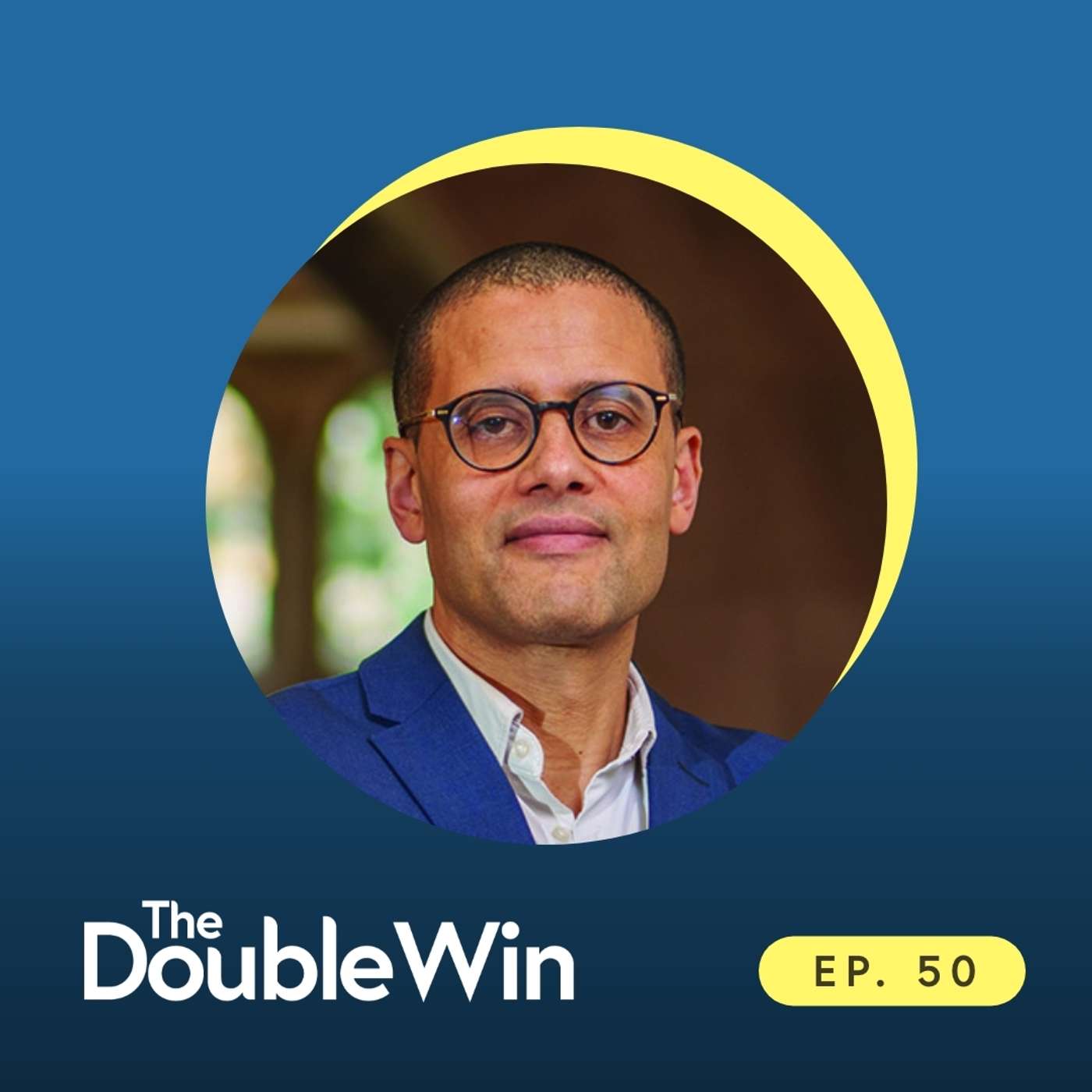 JACOB MCHANGAMA: Disagreeing Without Losing Each Other 04.03.2026 50minMost of us have an unspoken rule set for modern relationships: Avoid the landmines. But according to Jacob Mchangama, that kind of fear-based self-censorship leads to disconnection. If you can’t be forthright about what matters with the people you share life with, you may stay civil, but you won’t stay close.In this episode, Michael and Megan sit down with Jacob Mchangama—founder and executive director of the Future of Free Speech at Vanderbilt University—to explore what it looks like to disagree without dehumanizing. They talk about why today’s conversations feel existential, how identity gets tangled with beliefs, and how to build habits that keep you grounded when your nervous system wants to go to war.Memorable Quotes“It is much better to confront those differences head-on rather than try to hide them under this veneer of mutual tolerance and respect—which really is not based on mutual tolerance and respect if you can't have those difficult conversations that divide people.”“When you self-censor about issues that are deeply meaningful to you, issues that affect society as a whole, when you think that you cannot speak out on an issue where you think someone that you're close to is wrong… it breeds loneliness. And then if you can only be very forthright about certain issues with a group of people who are completely like-minded, then that might also be self-radicalizing, in a way.”“Approach discussions on social media, for instance, with a mindset of saying, ‘I'm not going into this debate or discussion to win. I'm going into this discussion because I'm passionate about this issue, but I might be wrong.’”“If you have a conversation with someone and you know that you have very different positions on a given topic, you have an opportunity to learn something. Even if that person is not able to convince you about that position, they might have points that make you understand your own position better, or maybe you tweak your own position. Even if you tweak it 5%, that's quite valuable, right?”“If you allow yourself to be in the mindset, again, as I said before of ‘I'm not entering this discussion in order to win. I'm entering this discussion because it's a topic that I'm passionate about. I have certain beliefs, but I am willing to change my mind. I am very cognizant about the fact that I am not omniscient. I am a human being with very limited knowledge.’ Just about every person that you meet will have some kind of experience, some kind of knowledge that you don't have, if you are willing to tap into that.”“[When] our identity is wrapped up in that to the point that we can never say we're wrong or we can never say that we made a mistake, that's a really dangerous place, because then you get into this ideological sunk cost fallacy situation where like you can't ever backtrack or change or evolve or grow. And hopefully, in relationships, we are able to evolve and grow. That's one of the gifts of relationships.”Key TakeawaysNot All Self-Censorship Is Bad. Filtering thoughtless comments is basic social wisdom. Silence driven by fear around meaningful issues is what erodes connection.Curiosity Disarms Conflict. Enter hard conversations with a posture of humility: I care about this—and I could be wrong. When you aspire to learn, you probably will.Aim for Understanding, Not Conversion. Even if no one changes their mind, you can refine your thinking and better understand the human story behind the opposing view.Deescalation Is a Skill. If emotions get the better of you, apologizing can reset the tone and invite good faith back into the room.Boundaries Aren’t Censorship. If someone consistently denigrates you or refuses meaningful parameters, disengaging is healthy—not a failure.Leaders Set the Temperature. Trust grows when people can challenge ideas (even leadership decisions) without fear of punishment or shame.ResourcesFree Speech by Jacob MchanamaJacob Mchangama’s SubstackWatch on YouTube at: https://youtu.be/lKzhW8tjL3YThis episode was produced by Sarah Vorhees Wendel of VW Sound
 -
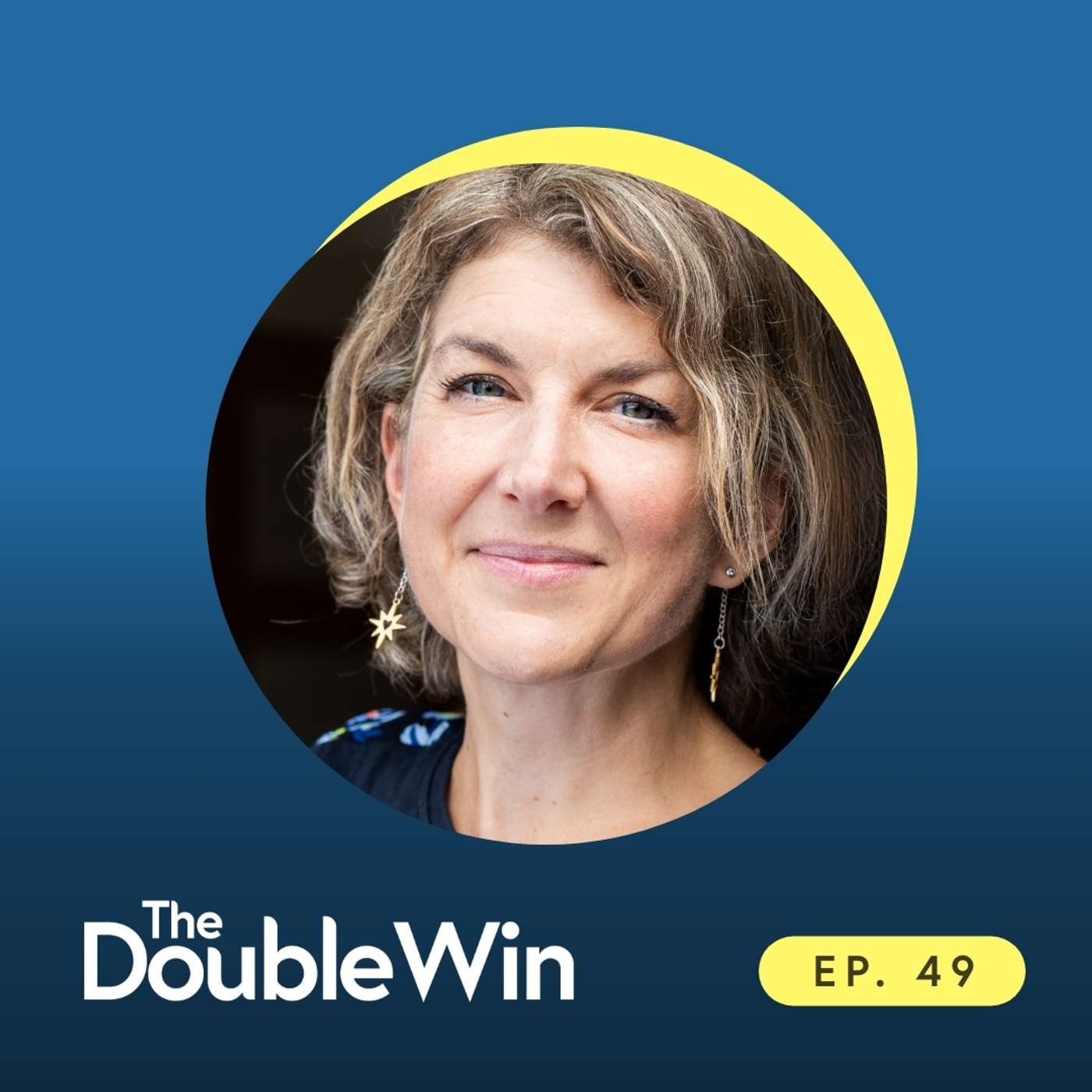 CAROLINE WILLIAMS: Your Most Underrated Intelligence Center 18.02.2026 1godzYou’re not a brain on legs. And if upgrading your mindset or sharpening your thinking hasn’t delivered the breakthrough you expected, it may be time to pay attention to the one stream of data AI can’t access: your body’s real-time signals.In this episode, Michael and Megan sit down with science journalist Caroline Williams to unpack interoception—your internal sensory system. It’s the mechanism that helps you interpret what’s happening inside your body and quietly shapes your response. Together, they explore why modern life makes it so easy to override those signals and introduce simple shifts that make a big difference.If you’ve felt stuck in your head, worn out from pushing through, or unsure how to care for yourself in a high-demand season, this conversation offers a different path—habits that are practical, sustainable, and refreshingly free.Memorable Quotes“Anything you do with your body is gonna affect the signals that are going from within your body to your brain. And that changes how your brain predicts what you are capable of and what's gonna happen next.”“We can either be attending to the outside world or the internal world. You can't be doing it both at the same time. So if you are constantly out there, you can't be in here. And so you need to be able to have the ability to tune in, deal and then tune back out again.”“[Our lives today] don't really match up with what we were designed for. So we have to then seek out the movement that we don't get in our everyday lives.”“The relationship between moving and brain health isn't about how much time you spend exercising, it's about how much time you spend sedentary. So it's about breaking up the sedentary time.”“One of these things that seem to be gathering momentum a little bit is the idea of movement snacks. So throughout the day, it's like the equivalent of food snacks. You can quite easily snack all day long without really noticing, and the calories add up, right? It's the same with exercise, with movement.”“One of the easiest parts of lifestyle to protect your brain health and your capacity long-term is physical activity.”“We must remember that making time to properly give ourselves a break is helping us to function better afterwards.”“The way that embodied cognition works is that when you are moving forward through space, it gives the illusion of, of moving forward and making progress sort of mentally as well as physically.”“Most of what we need to look after ourselves, we already have if we just make time for it.”Key TakeawaysYour Inner Sense Offers Real Data. Interoception is how your brain interprets signals from inside your body to shape emotion, energy, and decision-making.Modern Life Trains Us to Override the Body. When you’re always “out there” (screens, noise, urgency), you lose access to what’s happening “in here.”Your Brain was Built to Move While Thinking. Cognitive strength isn’t separate from the body—it depends on the body being engaged.Break Up Sedentary Time. Frequent movement throughout the day matters more than one intense workout. Try “movement snacks” instead of an all-or-nothing exercise plan.Go For a Walk. Walking boosts creativity, lowers confrontation in hard conversations, and increases bonding through synchronization.Rest Is a Skill, Not a Luxury. Waking rest and deep breathing can restore the nervous system when sleep alone isn’t enough.Wearables? Maybe. Is your favorite wearable helping you tune into your inner sense, or outsourcing it? If the (sometimes contradictory) data increases anxiety or confusion, it may be time to return to lived experience as the primary guide.ResourcesInner Sense by Caroline WilliamsMove! by Caroline Williamswww.carolinewilliams.netWatch on YouTube at: https://youtu.be/L7ksuXGCp3QThis episode was produced by Sarah Vorhees Wendel of VW Sound
 -
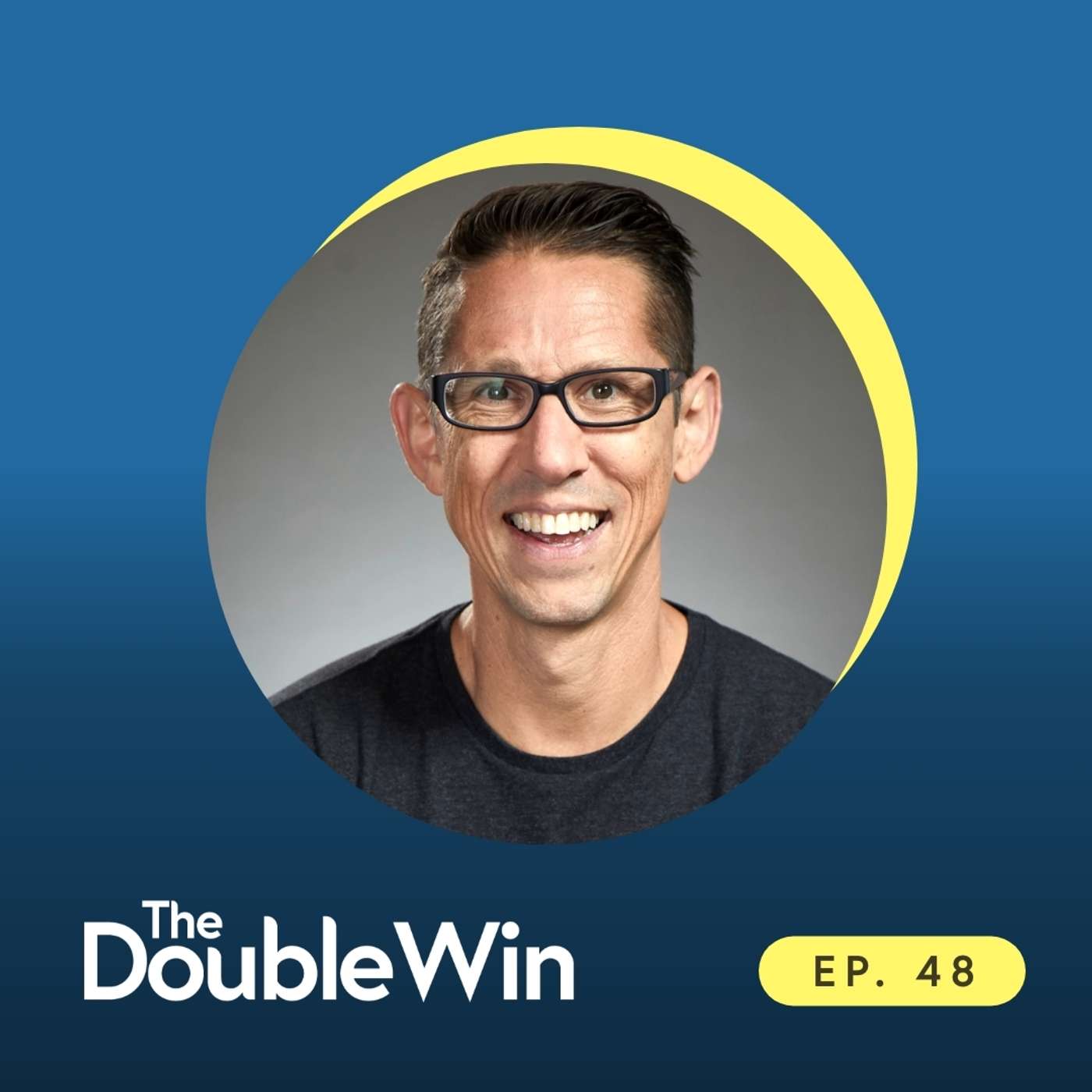 HAL ELROD: Daily Essentials for Aging Well 04.02.2026 58minMorning routines can become one more place we feel behind, especially when life shifts. In this episode, Michael and Megan talk with bestselling author Hal Elrod about The Miracle Morning After 50 (co-authored with aging expert Dwayne Clark). Along with the SAVERS basics (Silence, Affirmations, Visualization, Exercise, Reading, and Scribing) they explore the “after 50” focus on healthspan, purpose, flexibility, and overlooked free practices.Hal also shares the common derailers and how to rebuild momentum with small steps that stick. Whether you’re in midlife or building sustainable habits now, this conversation will help you craft a morning ritual that fits real life and grows with you.Memorable Quotes“The thing to remember is that what we affirm repeatedly becomes our reality, right? And so it's [helpful to affirm] what you're committed to, why it's important, and what you're gonna do to get there.”“And if you think about it, we are an extension of the earth… And so, for me, I try to live my life as closely in alignment with nature as I possibly can.”“My belief on purpose is that it's something we get to make up as we go along. We can have more than one purpose because I think people put a lot of pressure on purpose… You get to make it up. That's the best part about purpose. And you can try it on for a week, and you're like, ‘You know what? I wanna try a different purpose,’ or ‘I wanna have two or three.’ It's fluid, it's fun, it's joyful.”“If somebody took a peek at your schedule, does it really reflect what you say is most important in your life—whether that's health or family, or happiness, or whatever it is?”“You live, on average, about five years after you retire from purpose. But if you can keep the purpose going, it doesn't matter if you're retired or not retired, or working for a nonprofit or working for a for-profit. It doesn't matter as long as you're making a contribution.”“As we get older, the needs of our bodies, our minds, our hearts—those things shift. And if we're trying to just sort of do the same old thing that we've done that maybe worked for us 20 years ago, or even 10 years ago, it doesn't always produce the same results.”Key TakeawaysMake Your Morning Ritual Doable. The goal isn’t a perfect routine, but a sustainable one that adapts as life changes.Healthspan Matters. Living longer isn’t the point if your quality of life declines. Daily practices can support both longevity and vitality.Start Small and Let It Build. Hal’s challenge: wake up 10 minutes earlier and pick one practice to focus on. Then, expand gradually.Consistency Beats Intensity. Miss a day? Don’t spiral. Hal’s advice: “Never let one missed day turn into two.”Don’t Over-Engineer It. Build a routine that works when the stars don’t align, especially when travel, stress, or caregiving hits.Nature is a Free Advantage. Morning light, time outside, and grounding practices can offer real benefits without expensive biohacks.Purpose Protects Your Life. Especially after retirement or major transitions, meaning and contribution are essential for thriving.ResourcesThe Miracle Morning After 50 (Hal Elrod & Dwayne Clark)The Miracle Morning (Hal Elrod)miraclemorning.comhalelrod.comWatch on YouTube at: https://youtu.be/o-T03QPI6CwThis episode was produced by Sarah Vorhees Wendel of VW Sound
 -
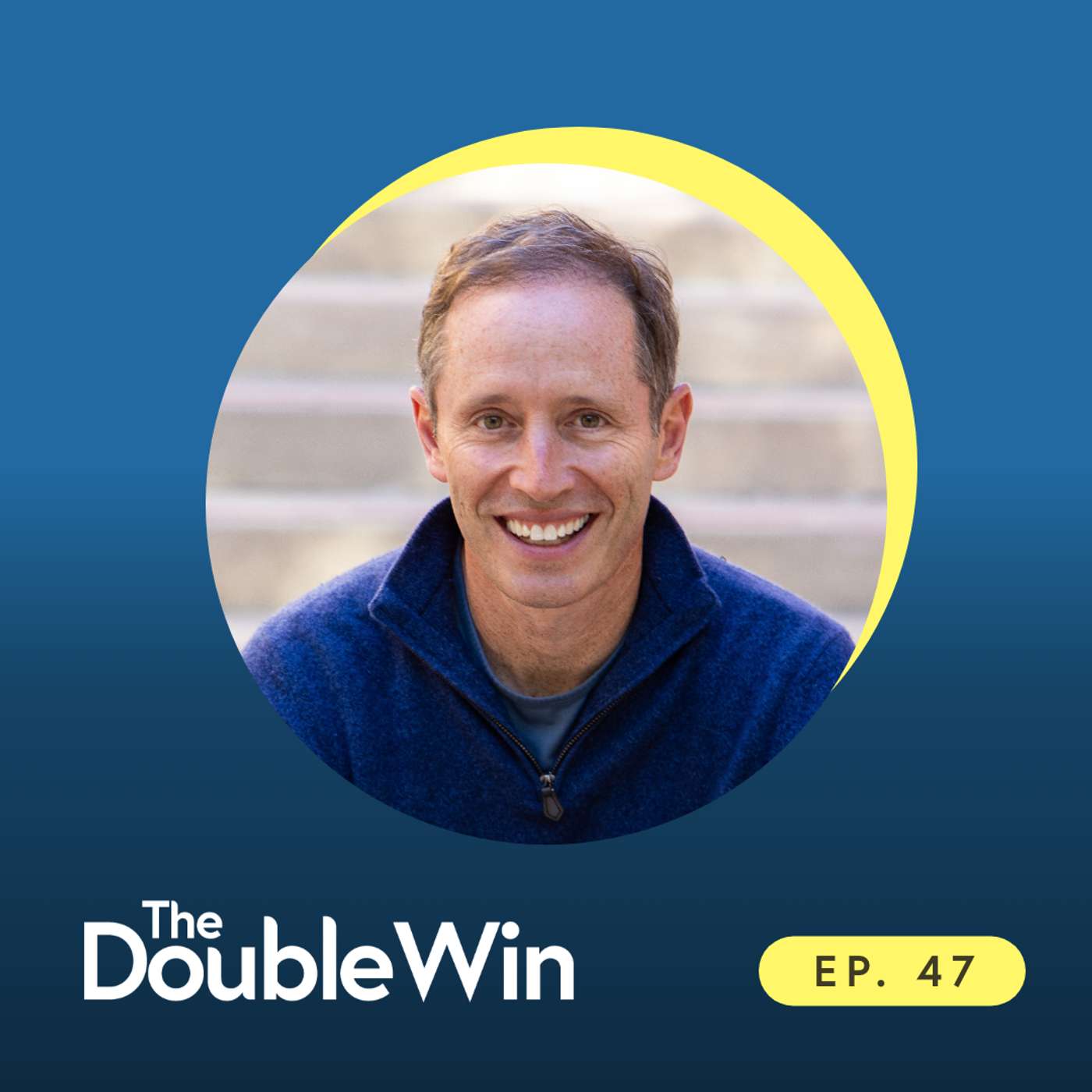 HAL HERSHFIELD: Making Better Choices Feel Easier 21.01.2026 1godz 1minWhy do we procrastinate, overspend, or neglect habits we know matter? In this episode, UCLA professor Hal Hershfield reveals how our connection (or lack of connection) to our future selves shapes everything from health and finances to ethics and life satisfaction. Drawing on decades of research, Hal introduces practical tools—including reverse time travel, temptation bundling, and vivid imagination exercises—that help close the gap between intention and action. This conversation is equal parts science, story, and strategy for anyone who wants to live with more agency and hope.Memorable Quotes“It involves thinking about trade-offs between now and later, and thinking about sort of balancing out our happiness and our satisfaction over time between the version of us who exists right now and the version of us who exist in the future.”“People change, and we change much more than we expect to. And the reason I think that that's not something to fear is because it means that we have some control over our lives. It means that we can become different versions of us, we can change aspects of ourselves.”“It may be scary at first to recognize that my life could look different in 10 years than I expect it to be. But the reality that we know from decades of research is that as a human being, we're quite good with grappling with change. We're quite resilient. We have a healthy, what's called ‘psychological immune system,’ which basically means we can sort of fend off the changes that we don't want and sort of learn to live with the way that life has become.”“What the research has found is that if we make the process of achieving a goal more fun, more enjoyable, more pleasurable, we're just—and this shouldn't surprise anybody—we're a lot more likely to stick it out.”“If we want to spur action, if we wanna take some agency, we not only need to think about the way that we want things to look differently, but we also need to figure out what's the contrast between now and later? And what are the—and this is really important—what are the overcomeable obstacles?”“There's lots of little things where we can cut corners and, you know, we get some gain in the present, but we might get punished in the future. And what we've found in several papers is that the people who feel connected to their future selves are actually more likely to, to take this sort of more difficult but ethical path.”“That's the irony of procrastination. It hurts while we're procrastinating. It hurts after we procrastinated too…[We can instead think] ‘I don't wanna do it now. There’s a good chance I'm not gonna wanna do it in the future, so I might as well just do it now.’ Just do it and eliminate all that feeling of negativity along the way.”“We can take anything that feels like it's painful, unpleasant, et cetera, and pair it with something that's a temptation.”Key TakeawaysYou Have Agency. Life will always include uncertainty and unpredictable events, but your responses and daily choices still matter.The Present Is Loud. The Future Is Abstract. Making the future more concrete helps counteract our tendency to overvalue short-term comfort.Three Common Mistakes Sabotage Progress. Getting stuck in the present, under-planning, or projecting today’s feelings too far forward can derail growth.Reverse Time Travel Makes Goals Feel Closer. Starting in the future and working backward reveals obstacles—and opportunities—you’d otherwise miss.Temptation Bundling Reduces Friction. Pair necessary habits with enjoyable experiences to increase follow-through without relying on grit alone.Small Choices Compound Into Identity. Your future self isn’t created in one moment—but in thousands of ordinary ones.Resourceswww.halhershfield.com Your Future Self: How to Make Tomorrow Better Today (Book)Watch on YouTube at: https://youtu.be/FbLoVyZ-eTUThis episode was produced by Sarah Vorhees Wendel of VW Sound
 -
 VIRGINIA POSTREL: Staying Hopeful in a Changing World 07.01.2026 59minWhy does it feel like everything is falling apart, even as our lives get materially easier in so many ways? Michael Hyatt talks with author and cultural thinker Virginia Postrel about why progress becomes invisible, how nostalgia for the “good old days” distorts reality, and why modern change moves unevenly.They explore why humans crave beauty and meaning (not just function) and how AI is reshaping the future of work. A clear theme emerges throughout the wide-ranging conversation: change is inevitable, and how we respond matters. Resilience, margin, and an entrepreneurial mindset make all the difference.If you’ve felt powerless against “big systems,” this episode is a reminder that innovation is often personal, practical, and close to home: start where you are, solve what you can, and expect the unexpected.Memorable Quotes“The issues of character never go away. They are eternal human questions, and we forget because we have sort of nostalgic views of the past.”“Even the smartest AI can’t figure out what people want—what people are dissatisfied with. And a lot of innovation comes from that. We tend to focus on big technologies. And even big technologies come from a lot of incremental improvements… A lot of improvements come from people saying, ‘I’m dissatisfied with this,’ or ‘Here’s something I figured out.’”“Human beings don’t just value function. They value pleasure, and they value meaning, and pleasure and meaning are things that are very much conveyed through the look and feel of objects or places.”“Agency is problem-solving. It’s you solving problems in your life, or whatever that might be—and it’s sort of reversed, too, which is that if you assume that it’s someone else’s job to solve your problem, you sort of give up your sense of agency.” “A lot of leadership is figuring out what gifts individuals have and getting them moving in the right direction… A big part of leadership as problem-solving is people problem-solving—getting people in the right roles and thinking about how those roles mesh.”“Expect that you’re going to be in a world that changes, because that’s the world we live in. It’s the world we’ve been living in for hundreds of years. The other thing is: understand this didn’t start with you. Other people have gone through amazing and scary and terrifying changes, and our civilization has lived to tell the tale.”Key TakeawaysProgress Becomes Invisible Quickly. We normalize improvements fast—and forget what life used to require in drudgery, time, and basic comforts.Change Is Uneven: Bits vs. Atoms. Software accelerates rapidly, while physical-world progress (like housing) can be slowed by policy, cost, and complexity.Dynamism vs. Stasis Shapes How We Face the Future. Some people see change as positive-sum opportunity; others experience it as zero-sum threat.Agency Grows Through Problem-Solving. When we assume “someone else” must fix things, we trade away our sense of control and possibility.Resilience Requires Margin. Financial cushion, emotional bandwidth, and community support help you absorb shocks and adapt.Entrepreneurship Is Bigger Than Business. You can be “entrepreneurial” by starting groups, building community, or solving everyday problems—not just launching companies.Resourcesvpostrel.com (Website)vpostrel.substack.com (Substack Newsletter)The Future and Its Enemies (Book)The Substance of Style (Book)The Power of Glamor (Book)The Fabric of Civilization (Book)Watch on YouTube at: https://youtu.be/yCMHIdYYS-AThis episode was produced by Sarah Vorhees Wendel of VW Sound
Podobne podcasty


Popularny w
Ten podcast pojawia się również w listach podcastów tych krajów.


