University of Minnesota Press
University of Minnesota Press
0
The University of Minnesota Press podcast features conversations between authors and their peers, scholars, and friends about the ideas behind their books. Episodes cover a wide range of subjects, including environment, humanities, race, social justice, cultural studies, art, literature and literary criticism, and media studies. Listeners also hear discussions of sociology, anthropology, grief and loss, and mental health. The show serves as an extension of the press's publishing program, giving readers deeper context on its titles and the people who write them.
Odcinki
-
 Biological existence and its theoretical complexities. 11.09.2026 1godz 25minEvolutionary biologist Richard Lewontin argued that organisms do not adapt to their environments, but rather that organisms and environments co-evolve and construct one another. Two new books in the University of Minnesota Press’s Posthumanities series take up this decree in bold, imaginative ways: The Organism Is a Theory: Giuseppe Longo on Biology, Mathematics, and AI by Giuseppe Longo and Adam Nocek; and Natural Lection: Cultures of Evolution by Jonathan Basile. Here, series editor Cary Wolfe brings all three authors together into a vastly fascinating conversation about experimental biology and theoretical biology; construction and deconstruction; language and interpretation; life sciences and living systems; technoscience and philosophy; and their real-world entanglements.Cary Wolfe is founding director of 3CT: Center for Critical and Cultural Theory and Bruce and Elizabeth Dunlevie Professor Emeritus of English at Rice University and fellow at the Berggruen Institute. He is editor of the Posthumanities series at University of Minnesota Press and author of several books, including Jagged Ontologies; Art and Posthumanism: Essays, Encounters, Conversations; and What Is Posthumanism?Jonathan Basile is a postdoctoral research fellow at the University of Toronto. He is author of Natural Lection: Cultures of Evolution; Tar for Mortar: “The Library of Babel” and the Dream of Totality and Virality Vitality.Giuseppe Longo is Research Director Emeritus at the National Center for Scientific Research in France and the author or coauthor of five books and more than one hundred peer-reviewed scientific articles.Adam Nocek is associate professor of the philosophy of technology and science and technology studies at Arizona State University. He is coauthor of The Organism Is a Theory: Giuseppe Longo on Biology, Mathematics, and AI, coeditor of The Lure of Whitehead, and author of Molecular Capture: The Animation of Biology.EPISODE REFERENCES:Richard LevinsRichard LewontinJean LassègueJacques DerridaCharles DarwinAlan TuringErwin SchrödingerConrad Hal WaddingtonJames Watson and Francis CrickEvelyn Fox KellerKurt Gödel François JacobWilliam C. WimsattMary Jane West-EberhardHenri PoincaréJennifer DoudnaCharles DarwinWatson and CrickGalileo GalileiFriedrich NietzscheCarlos SonnenscheinAna SotoAlfred North WhiteneadErnst CassirerMelinda E. Cooper / Life as SurplusPhilip MirowskiJ. Craig VenterStuart KauffmanNatural Lection and The Organism Is a Theory are available in the Posthumanities series from University of Minnesota Press. Thank you for listening.
 -
 On revolutionary desire and decolonial struggle 18.08.2026 1godz 2minSet in the counterterrorism courts and maximum-security prisons of Northern Kurdistan, Serra M. Hakyemez’s ethnography Deadly Refusals: Kurdish Decolonization in Times of Counterterrorism examines how prosecuted and imprisoned Kurds from different socioeconomic backgrounds organize in refusal of the criminalization and colonization of their political demands and desires. Based on more than seventeen years of ethnographic research, this book uncovers the mechanisms through which counterterrorism law reproduces the colonial state. Here, Hakyemez is joined in conversation with Nadia Abu El-Haj and William Mazzarella.Serra Hakyemez is an assistant professor in the Department of Anthropology and the Institute for Global Studies at the University of Minnesota. Hakyemez is author of Deadly Refusals: Kurdish Decolonization in TImes of Counterterrorism.Nadia Abu El-Haj is Ann Whitney Olin Professor in the Departments of Anthropology at Barnard College and Columbia University, Co-Director of the Center for Palestine Studies, and Chair of the Governing Board of the Society of Fellows/Heyman Center for the Humanities at Columbia University. William T. S. Mazzarella is Neukom Family Professor of Anthropology and of Social Sciences in the College; Faculty Fellow, Chicago Center for Contemporary Theory; and Associate Faculty in the University of Chicago Divinity School.REFERENCES:Conscripts of Modernity: The Tragedy of Colonial Enlightenment / David ScottFrantz FanonAudra SimpsonAbdullah ÖcalanJacques LacanNazım HikmetJoan CopjecHannah ArendtWalter BenjaminEric SantnerPRAISE FOR THE BOOK:"A dazzling book . . . repeatedly opens new paths for understanding what Raymond Williams called the emergent and the oppositional." —Rosalind C. Morris"An invaluable archive of the movement."—Banu BarguDeadly Refusals: Kurdish Decolonization in Times of Counterterrorism by Serra M. Hakyemez is available from University of Minnesota Press. Thank you for listening.
 -
 Montage and French cinematic history 11.08.2026 1godz 9minAmid the tumult of change that swept through French society in the wake of World War II, a trio of visionary filmmakers sought to make meaning of the chaos by revitalizing a common method: montage. Revealing Nicole Védrès, Alain Resnais, and Chris Marker as more than just groundbreaking auteurs, Ivan Cerecina shows how their collective infusion of montage with avant-garde aesthetics renewed the art of cinema while helping France reckon with its past and imagine its future. Cerecina’s book Assembly Lines is a call to action today as contemporary crises prompt reevaluation of our cultural histories. Here, Cerecina is in conversation with James Leo Cahill.Ivan Cerecina teaches film studies at The University of Sydney. He is author ofAssembly Lines: Montage in Postwar French Film, and his work has been published in Screen, Camera Obscura, and Framework.James Leo Cahill is associate professor of cinema and French literature at the University of Toronto. Cahill is author of Zoological Surrealism: The Nonhuman Cinema of Jean Painlevé and general editor of Discourse: Journal for Theoretical Studies in Media and Culture.REFERENCES/PEOPLE:Nicole VedrèsAlain ResnaisChris MarkerSergei EisensteinDziga VertovHenri LangloisAndré MalrauxWalter BenjaminREFERENCES/FILM:Paris 1900 (Nicole Vedrès)La Vie commence demain (Nicole Vedrès)Guernica (Alain Resnais)OTHER REFERENCES:Steve Ungar / Critical Mass: Social Documentary in France from the Silent Era to the New WaveAndré Bazin, “On Why We Fight: History, Documentation, and the Newsreel,” in Bazin at Work.Laure Astourian / The Ethnographic Optic: Jean Rouch, Chris Marker, Alain Resnais and the Turn Inward in 1960s French CinemaAssembly Lines: Montage in Postwar French Film by Ivan Cerecina and Zoological Surrealism: The Nonhuman Cinema of Jean Painlevé are available from University of Minnesota Press. Thank you for listening.Background track Claude Debussy, courtesy of www.classicals.de.
 -
 Walter Benjamin, reimagined through the forgotten power of radio 28.07.2026 55minBetween 1927 and 1933, philosopher Walter Benjamin produced dozens of radio broadcasts that became a testing ground for his developing ideas and experimental pedagogy. Initially cast off as inconsequential, they are, as Dominic Smith reveals in Bridging Benjamin, a fruitful site for an original interpretation of Benjamin’s larger body of work. Here, Smith is in conversation with Esther Leslie.Dominic Smith is senior lecturer of philosophy at the University of Dundee, Scotland. He is author of Bridging Benjamin: A Philosophy of Technology, Place, and Education; Exceptional Technologies: A Continental Philosophy of Technology; and coeditor of Contingency and Plasticity in Everyday Technologies.Esther Leslie is professor of political aesthetics at Birkbeck, University of London. Her books include Walter Benjamin: Overpowering Conformism; Hollywood Flatlands, Animation, Critical Theory and the Avant Garde; Synthetic Worlds: Nature, Art and the Chemical Industry; Walter Benjamin; Derelicts: Thought Worms from the Wreckage; and Liquid Crystals: The Science and Art of a Fluid Form.EPISODE REFERENCES:Tay Rail Bridge Disaster of 1879Gilles DeleuzeMartin HeideggerDerridaSusan Buck-MorssAdornoBertholt BrechtAsja LācisImmanuel KantBerlin Childhood around 1900 / Walter BenjaminRadio Benjamin / Walter Benjamin“A Visit to the Brass Works,” radio segment / Walter BenjaminLichtenberg: A Cross Section, journal article / Walter Benjamin, Gerhard SchulteCarl SchmittGeorgio AgambenSam WeberFredric JamesonPeter E. GordonPRAISE FOR THE BOOK:"A powerful case for Benjamin’s usefulness in discussions of our relationship with the challenge of technological thought, Bridging Benjamin is exemplary in its extensiveness, honesty, and immediacy."—Gerhard RichterBridging Benjamin: A Philosophy of Technology, Place, and Education by Dominic Smith is available from University of Minnesota Press. Thank you for listening.
 -
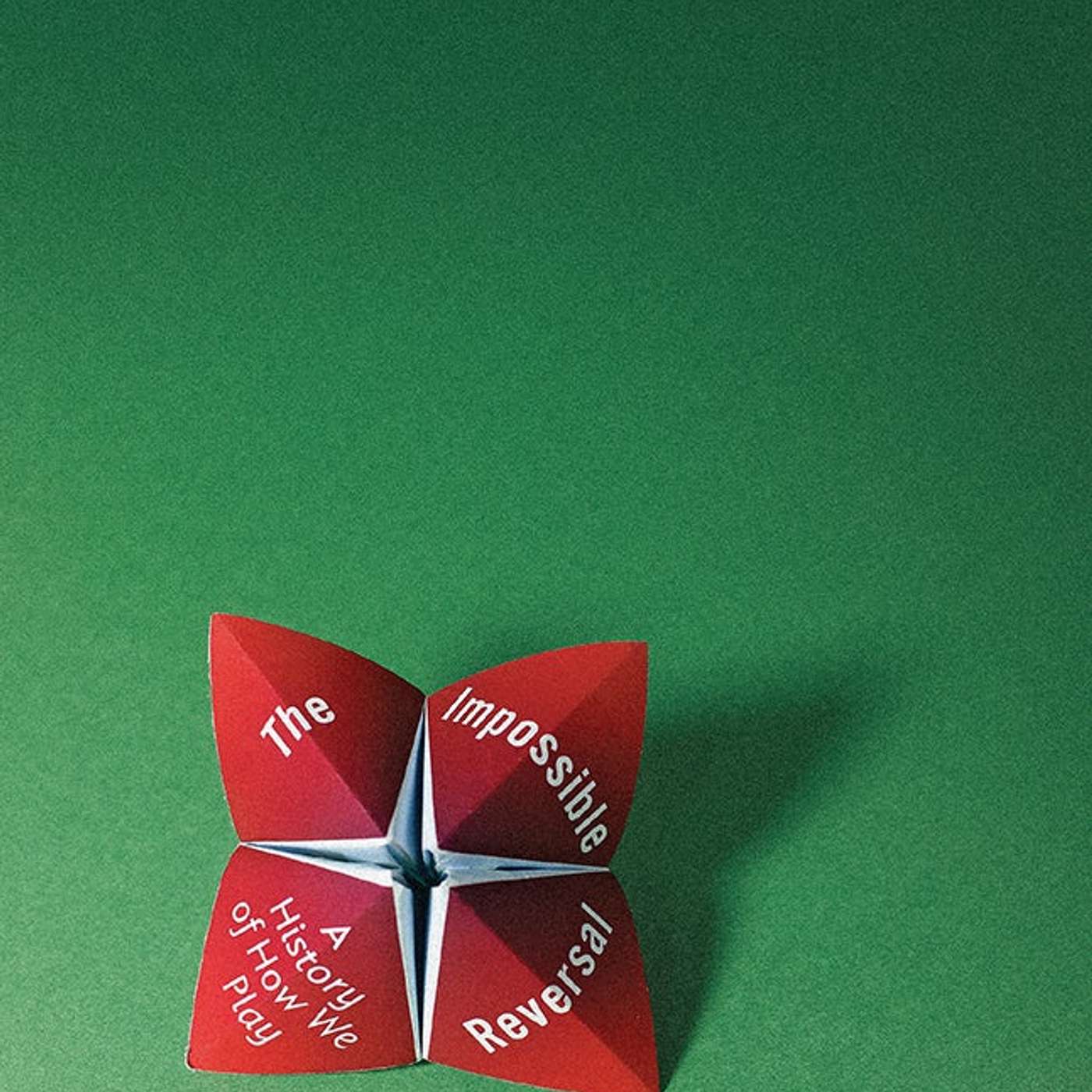 George Brecht to Game Boy: A history of play and playfulness 14.07.2026 44minIn his study of how a new and messy set of codes about playfulness took shape in the postwar US, Peter D. McDonald illuminates how playfulness became essential for understanding cultural, technical, and economic production. From Fluxus to the Easy-Bake Oven to Tetris to SimCity, The Impossible Reversal: A History of How We Play charts the transformation of our understanding of what it means to play. Here, McDonald is joined in conversation with Tiffany Funk and Chaz Evans. Peter D. McDonald is associate professor of design, informal, and creative education in the Department of Curriculum and Instruction at the University of Wisconsin–Madison and author of The Impossible Reversal: A History of How We Play.Tiffany Funk is an artist, critical theorist, and researcher who teaches in the School of Art and Art History at the University of Illinois at Chicago. Funk is editor-in-chief of Video Game Art Reader and author of HPSCHD: Inside John Cage and Lejaren A. Hiller Jr.’s Radical Multimedia Collaboration.Chaz Evans is assistant professor of media arts in the School of Visual Art and Design at the University of South Carolina and author of a forthcoming book in MIT Press’s Platform Studies series.REFERENCES:Hannah Higgins / Fluxus Experience Barbara StaffordRube GoldbergGeorge BrechtYoko OnoSeth Giddings / Toy TheoryFredric JamesonBenjamin Patterson / A Game: Three Capacities and One InhibitionShigeko Kubota / Video ChessBrian Sutton-SmithMarjory Allen and the playground movementMouse TrapSimCityPRAISE FOR THE BOOK:"Offers a new model for thinking about imaginative intellectual engagement with the material world."—Amy F. Ogata"Essential reading for scholars of play and games alike—and perhaps even the seed of a new and exciting field of play studies."—Aaron TrammellThe Impossible Reversal: A History of How We Play by Peter D. McDonald is available from University of Minnesota Press. Thank you for listening.
 -
 Scent and scentsibility: How smell shapes present and possible worlds. 07.07.2026 1godz 16minHow does smell attune us to possibility? Hsuan L. Hsu studies smell’s capacity to shape our worlds, our futures, and our modes of being and relating—noting that olfactory worldmaking is going on around us all the time. Hsu is joined here in conversation with Ally Louks.Hsuan L. Hsu is professor of English at the University of California, Davis. He is author of Olfactory Worldmaking; Geography and the Production of Space in Nineteenth-Century American Literature; Sitting in Darkness: Mark Twain’s Asia and Comparative Racialization; The Smell of Risk: Environmental Disparities and Olfactory Aesthetics; and Air Conditioning.Ally Louks is an author, literary scholar, and public academic who teaches at the University of Cambridge. Louks has several book projects in progress including Under Your Nose: The Pleasures and Politics of Smell.REFERENCES:Hsuan Hsu / The Smell of Risk Warren CariouRenee StoutAnicka Yi / In Love With The World, Tate Modern exhibitionTanaïs / In Sensorium Bruno LatourErica Fretwell / Sensory Experiments Chanelle DupuisTeresa BrennanJ. Douglas PorteousProust’s madeleine Jhumpa LahiriSaidiya HartmanManu Vimalassery, Juniana Hu Pegues, and Alyosha Goldstein, “Introduction: On Colonial Unknowing,” Theory & Event 19, no. 4.Lisa Lowe / The Intimacies of Four Continents Roshanak Kheshti / We See with the SkinChristina SharpeSylvia WynterOctavia Butler / FledglingLarissa Lai / Salt Fish GirlClaus Wedekind / Sweaty T-Shirt experimentWilliam Carlos Williams / Smell!Elizabeth Freeman / Time BindsByung-Chul Han / The Scent of TimeMilena Popova / DubconKandice Chuh / The Difference Aesthetics MakesOlfactory Worldmaking by Hsuan L. Hsu is available in the Forerunners series from University of Minnesota Press, in print and in an open access edition. Thank you for listening.
 -
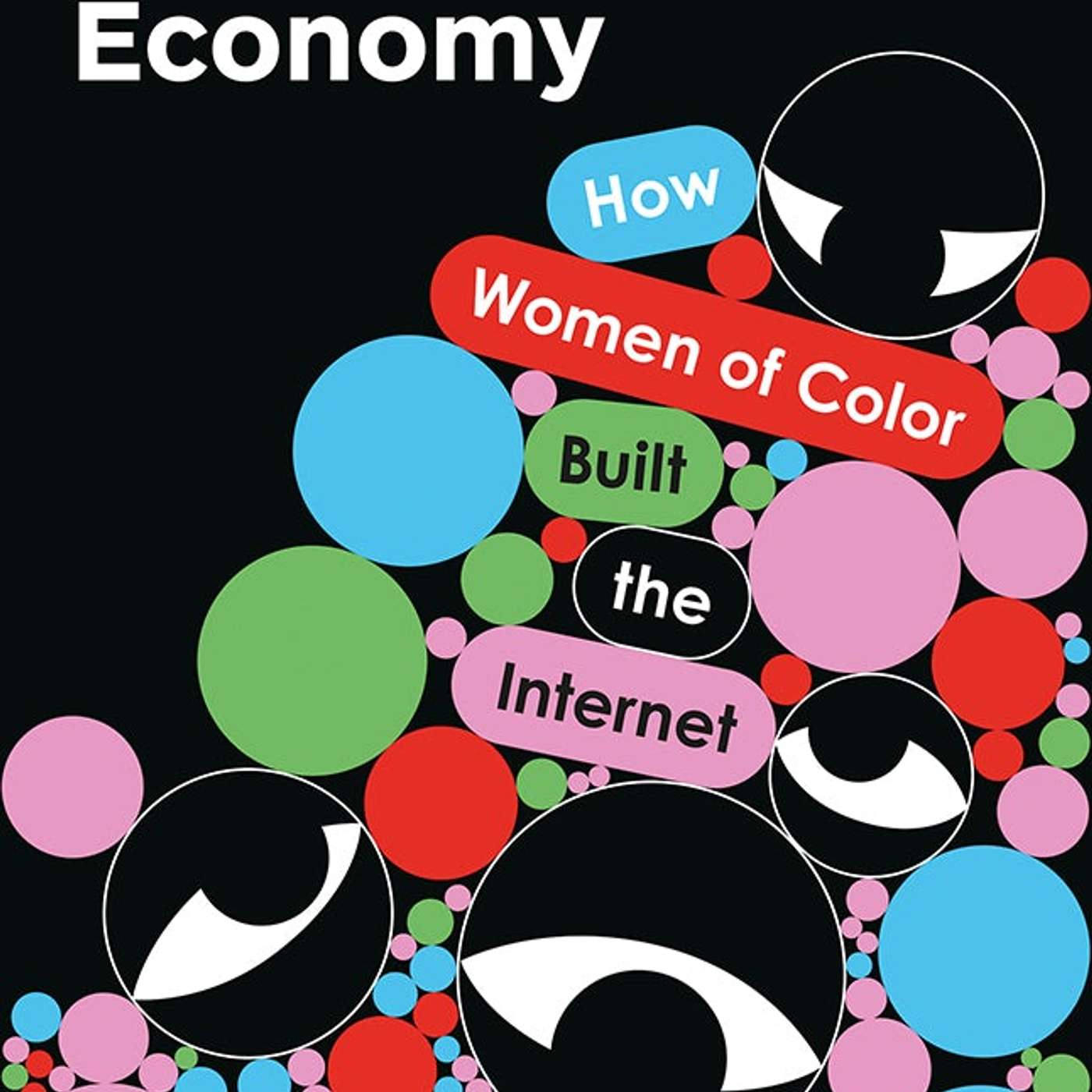 Material labor and the digital economy. 30.06.2026 1godz 18minLisa Nakamura offers a powerful counterhistory of Silicon Valley in The Inattention Economy, which argues for both recognition and material compensation for the labor of the women of color who built the internet. Nakamura exposes how these women—including Tila Tequila, the first true internet influencer of the MySpace era—have been structurally excluded from racial capitalism’s benefits and focuses on how their work makes possible the platforms ingrained in our daily lives. Nakamura is joined here in conversation with Cassius Adair, André Brock, Jr., and Wendy Sung.Lisa Nakamura is the Gwendolyn Calvert Baker Collegiate Professor in the Department of American Cultures and the Digital Studies Institute at the University of Michigan, Ann Arbor. She is author of several books, including The Inattention Economy, Cybertypes, and Digitizing Race. Cassius Adair is assistant professor at the School of Art, Media, and Technology, part of the Parsons School of Design at The New School. André Brock, Jr., is an associate professor of Black Digital Media at Georgia Tech and author of Distributed Blackness.Wendy Sung is assistant professor of race, visuality, and digital culture in the Department of World Arts and Cultures/Dance at UCLA.Episode references:-“Indigenous Circuits: Navajo Women and the Racialization of Early Electronic Manufacture,” American Quarterly 66, no. 4.-The Hypersexuality of Race: Performing Asian/American Women on Screen and Scene / Celine Parreñas Shimizu -Race After the Internet / Lisa Nakamura and Peter Chow-White, editors-Glitch Feminism: A Manifesto / Legacy Russell -This Bridge Called My Back / Cherríe Moraga and Gloria Anzaldúa, editors-Distributed Blackness / André Brock Jr.-Violent Virality / Wendy Sung (forthcoming)-Digitizing Race / Lisa Nakamura-”Indigenous Circuits: Navajo Women and the Racialization of Early Electronic Manufacture,” Lisa Nakamura, American Quarterly 66 no. 4.Praise for the book:"A groundbreaking rereading of the entire history of the internet."—Grace Kyungwon Hong"A crucial analysis of the way digital technologies have been systematically built out of the embodied labor of women of color."—Kalindi VoraThe Inattention Economy: How Women of Color Built the Internetby Lisa Nakamura is available from University of Minnesota Press for purchase and also in an open-access edition available for download. Thank you for listening.
 -
 Art, science, and the whale. 23.06.2026 51minRemember ‘Save the Whales’? Can we apply that same fervor to saving other species, or humans, or the planet? Weather and the Whale gets into these questions. A project collaboratively organized by the Institute of the Arts and Sciences and the Friedlaender Bio-Telemetry and Behavioral Ecology Lab at UC Santa Cruz, this exhibition catalog combines artworks, critical and creative texts, and new scientific research investigating the histories and structures that render some lives, both human and nonhuman, more vulnerable to ecological crisis—and highlights collective practices necessary to create a more just world.Speakers:Rachel Nelson is director and chief curator at the Institute of the Arts and Sciences at UC Santa Cruz.Ari Friedlaender is professor of ocean sciences and director of the Friedlaender Bio-Telemetry and Behavioral Ecology Laboratory at UC Santa Cruz.Full book cast:Co-editor, with Nelson and Friedlaender: Alexandra Moore, curator of academic programs at the Institute of the Arts and Sciences at UC Santa Cruz.Artists: Imani Jacqueline Brown, Carolina Caycedo, Sharon Daniel, Yolande Harris, Christine Howard Sandoval, Ashley Hunt, Courtney Leonard, John Jota Leaños, Libia Posada, Mia Eve Rollow, Whale Liberation Front, Sam Williams, Suné Woods.Scientists: Natalia Botero-Acosta, Chloe Lew, Logan Pallin.Other contributors: Guillermo Delgado-P., Cory Diane, Mirra-Margarita Ianeva, LuLing Osofsky, Kailani Polzak, Şebnem Susam-Saraeva, Zac Zimmer.Weather and the Whale is available from University of Minnesota Press. Thank you for listening.
 -
 Absence and asexuality. 16.06.2026 57minWe’ve seen the page that states “this page intentionally left blank” or heard an authority figure declare “nothing to see here, folks”—and yet the so-called blank page has writing on it, and folks definitely have something to see. From the entry point of these and other paradoxical declarations of absence, KJ Cerankowski applies the aesthetics of asexuality to theorize silences, nothings, and emptiness—and ultimately explores new ways of making meaning out of the supposedly meaningless. Here, Cerankowski is joined in conversation with Hil Malatino and Ianna Hawkins Owen.KJ Cerankowski is associate professor of comparative American studies and gender, sexuality, and feminist studies at Oberlin College. Cerankowski is author of Nothing Wanting: Asexuality and the Matter of Absence and Suture: Trauma and Trans Becoming and coeditor of two editions of Asexualities: Feminist and Queer Perspectives. Hil Malatino is associate professor in the Department of Women’s, Gender, and Sexuality Studies at Penn State and a senior research associate in the Rock Ethics Institute. Malatino is author of Side Affects: On Being Trans and Feeling Bad and Trans Care.Ianna Hawkins Owen is an advanced assistant professor in the Department of Gender & Women’s Studies at UC Berkeley.EPISODE REFERENCES:Ross GayIntimacies / Leo Bersani and Adam PhillipsDepression: A Public Feeling / Ann CvetkovichEntangled Life / Merlin Sheldrake“Public Universal Friend,” hosts Rund Abdelfatah and Ramtin Arablouei, Throughline podcastReed EricksonEve Kosofsky Sedgwick, “Paranoid Reading and Reparative Reading” (book chapter, Novel Gazing: Queer Readings in Fiction)Christina Sharpe’s Ordinary Notes and In the WakeRenée GreenParadise Rot / Jenny HvalLauren BerlantAgnes MartinYayoi Kusama“Agnes Martin’s Homework” / The Brooklyn RailPRAISE FOR THE BOOK:"Beautifully written, politically imaginative, and intellectually nuanced, Nothing Wanting uncovers an entirely new horizon for asexual scholarship and trans studies." —Nathan Snaza"Limning the rich, still barely specified horizons between sex, asexuality, transgender, consumption, and relation, this book charts a space between the everything and the nothing, which is so much more, as KJ Cerankowski shows, than in between." —Mel Y. ChenNothing Wanting: Asexuality and the Matter of Absence by KJ Cerankowski is available from University of Minnesota Press. Thank you for listening.
 -
 Translating the near and far worlds 02.06.2026 56minWelcome to worlds where cunning foxes outsmart bears and humans, where people are turned into wolves, where ogres (stállus) terrorize communities until outwitted, where undead creatures of the sea (rávgas) lure others to their demise. These worlds are illuminated in more than 300 folktales and legends that make up the most extensive compilation of Sámi narratives recorded from Sámi storytellers ever published in English translation: Sámi Folktales from the Near and Far Worlds, originally recorded by Just Knud Qvigstad and Isak Saba and translated by Barbara Sjoholm. Sjoholm is joined here in conversation with Lise Lunge-Larsen.Barbara Sjoholm is an award-winning translator and author of many books, including From Lapland to Sápmi: Collecting and Returning Sámi Craft and Culture and The Palace of the Snow Queen: Winter Travels in Lapland and Sápmi. Among her translations are By the Fire: Sámi Folktales and Legends, collected by Emilie Demant Hatt.Lise Lunge-Larsen is the award-winning author of The Troll with No Heart in His Body and Seven Ways to Trick a Troll. She lives in Duluth, where trolls can still be found if you really look for them. Praise for the book:"Beautifully written, the introduction to Sámi Folktales from the Near and Far Worlds captivates the reader from the very beginning with poetic descriptions of the Sámi landscape, the historical context and thematic characteristics of the storytelling tradition in Sápmi, and an exploration of the relationship between Just Knud Qvigstad and Isak Saba. This book is a valuable collection of Sámi stories."—Line Esborg, Head of Norwegian Folklore Archives, University of Oslo"For decades, these stories have provided contemporary Sámi literature with drama, detail, and inspiration. This collection is a treasure trove for every writer and reader to explore, and it’s a gift to the English language that these folktales are now translated."—Elin Anna Labba, author of The Home of the Drowned and The Rocks Will Echo Our Sorrow: The Forced Displacement of the Northern Sámi"The deeper you dig into this collection, the more satisfying it gets. Barbara Sjoholm’s introduction is worth its weight in gold."—Lise Lunge-LarsenSámi Folktales from the Near and Far Worlds, collected by Just Knud Qvigstad and Isak Saba and translated by Barbara Sjoholm, is available from University of Minnesota Press. Thank you for listening.
 -
 Political solidarity and state power 19.05.2026 54minThe thwarted Central American revolutions during the latter half of the twentieth century marked a watershed in what had become a global anti-imperialist movement striving for a more egalitarian future. Examining a range of documentary, literary, and artistic works, including Roxanne Dunbar-Ortiz, Héctor Tobar, Jennifer Harbury, and Horacio Castellanos Moya, States of Defeat looks at how left-wing intellectuals in the United States reckoned with the fallout from these defeats through wide-ranging creative expressions of indignation, cynicism, and grief. Here, author Eric A. Vázquez is joined in conversation with Maritza E. Cardenas and Jason Ruiz.Eric A. Vázquez is assistant professor in American studies and Latina/o/x studies at the University of Iowa and author of States of Defeat: US Imaginaries of Revolutionary Central America.Jason Ruiz is director of institute for latino studies and professor of American studies at the University of Notre Dame. He is author of Americans in the Treasure House: Travel to Porfirian Mexico and the Cultural Politics of Empire and Narcomedia: Latinidad, Popular Culture, and America’s War on Drugs. Maritza E. Cardenas is director of global studies and associate professor of English at the University of Arizona. She is author of Constituting Central American-Americans: Transnational Identities and the Politics of Dislocation.EPISODE REFERENCES:Blood on the Border / Roxanne Dunbar-OrtizEmpire’s Workshop / Greg GrandinThe Ruse of Repair / Patricia StuelkeLas Sandinistas! / filmJesse AlemánJennifer HarburyJean DonovanRigoberta MenchúThe Tattooed Soldier / Héctor TobarHoracio Castellanos MoyaDavid StollMaría Josefina Saldaña-PortilloDon White Committee in Solidarity with the People of El Salvador archive at California State University NorthridgePRAISE FOR THE BOOK:"Insightful and brilliant, States of Defeat uses the defeat of the Central American revolutionaries by US–backed, brutal right-wing militaries to analyze the meaning of revolutionary failure for the United States."—María Josefina Saldaña-Portillo, author of Indian Given: Racial Geographies across Mexico and the United States "Eric A. Vázquez asks hard questions about what is at stake, who benefits, and what matters in the making of alliances across borders. Every chapter is rich with a nuanced account of anti-imperialist creativity and commitment."—Melani McAlister, author of Promises, Then the Storm: Notes on Memory, Protest, and the Israel–Gaza WarThe book States of Defeat: US Imaginaries of Revolutionary Central America by Eric A. Vázquez is available from University of Minnesota Press. Thank you for listening.
 -
 Refusing the machine. 06.05.2026 45minThe history of technology is often told as a history of progress. Thomas Dekeyser turns this story on its head, leading a journey to the critical junctures where people have rejected and tried to undo, rather than adopt, new technologies. In Techno-Negative: A Long History of Refusing the Machine, Dekeyser challenges readers to rethink the terms of our technological present and future. Here, Dekeyser is joined in conversation with Brian Merchant and Sarah Sharma.Thomas Dekeyser is a filmmaker and lecturer in human geography at the University of Southampton and author of Techno-Negative: A Long History of Refusing the Machine.Sarah Sharma is acting Vice Dean, Research and Program Innovation at the School of Graduate Studies at the University of Toronto, where she is also professor of media theory at the ICCIT/Faculty of Information and director of the Institute of Communication, Culture, Information and Technology. Sharma is author of Insufferable Tools: Feminism Against Big Tech and In the Meantime: Temporality and Cultural Politics.Brian Merchant is author of Blood in the Machine: The Origins of the Rebellion Against Big Tech and The One Device: The Secret History of the iPhone. He is a reporter in residence at the AI Now Institute, former technology columnist at the Los Angeles Times, co-founder and editor of Vice’s speculative fiction outlet TERRAFORM, and his writing has appeared in the New York Times, Wired, The Atlantic, Harper’s Magazine, and Fast Company.EPISODE REFERENCES:Donna Haraway’s “A Cyborg Manifesto” (1985 essay)Film: Machines in FlamesTechno-Negative: A Long History of Refusing the Machine by Thomas Dekeyser is available from University of Minnesota Press. Thank you for listening.
 -
 Cinematic activism and solidarity politics in the US 28.04.2026 54minFor decades, Arab American activists and allies have used film, video, and multimedia to mobilize support for the Palestinian cause in the United States. In Mainstreaming Palestine: Cinematic Activism and Solidarity Politics in the United States, a detailed history of cinema’s role within the broader solidarity movement, Umayyah Cable analyzes the various strands of cinematic activism that have helped move Palestinian liberation politics from the periphery and into the mainstream. Cable is joined here in conversation with Evelyn Alsultany, Keith Feldman, and Melani McAlister.Umayyah Cable is assistant professor of American culture and film, television, and media at the University of Michigan, Ann Arbor, and author of Mainstreaming Palestine: Cinematic Activism and Solidarity Politics in the United States.Evelyn Alsultany is professor in the Department of American Studies and Ethnicity at the University of Southern California’s Dornsife College and author of Broken: The Failed Promise of Muslim Inclusion and Arabs and Muslims in the Media.Keith Feldman is associate professor in the department of ethnic studies at UC Berkeley and author of A Shadow over Palestine.Melani McAlister is professor of American Studies and international affairs and director of the Institute for Middle East Studies at the Elliott School of International Affairs at The George Washington University. McAlister is author of Promises, Then the Storm, The Kingdom of God Has No Borders, and Epic Encounters.REFERENCES:-AAUG: Association of Arab American University Graduates-Telegram/Yasser Arafat-Frameline, the San Francisco International LGBTQ+ Film Festival-Erella Shadmi, “Women, Palestinians, Zionism: A Personal View.”-Adrienne Rich, “Compulsory Heterosexuality and Lesbian Existence.”-Robert Mapplethorpe exhibit at Boston’s Institute of Contemporary Art-Jean Baudrillard’s four stages of representation-Jonathan Glazer’s 2024 Oscar acceptance speech for The Zone of Interest-Film Workers for Palestine-BDS: Boycott, Divestment, and SanctionsFILM REFERENCES:David Koff’s Occupied PalestineJan Haaken and Jennifer Ruth’s The Palestine ExceptionMichael T. Workman and Kei Pritsker’s The EncampmentsBasel Adra, Hamdan Ballal, Yuval Abraham, and Rachel Szor’s No Other LandMainstreaming Palestine: Cinematic Activism and Solidarity Politics in the United States by Umayyah Cable is available from University of Minnesota Press. Thank you for listening.
 -
 Cybercultural revolution in the 1960s. 14.04.2026 51minIn the 1960s, artists, writers, and activists prefigured the wider discourse around automation and made it a central concern of their politics. Drawing upon James and Grace Lee Boggs’s notion of the cybercultural era, and examining the works of Martin Luther King Jr., Noah Purifoy, and the Black Panthers, Brian Bartell provides a crucial key to understanding the historical dynamics responsible for our technocapitalist, AI-driven present. Here, Bartell is joined in conversation with John Elrick.Brian Bartell teaches courses on politics and aesthetics, media studies, and race and technology studies at Occidental College in Los Angeles and at the California Institute of Technology. Bartell is author of On the Eve of the Cybercultural Revolution: Black Power and Capitalism in the 1960s.John Elrick is visiting assistant professor of geography at Vassar College. EPISODE REFERENCES:-From Counterculture to Cyberculture / Fred Turner-“The Negro and Cybernation,” James Boggs, speech delivered at the First Annual Conference on the Cybercultural Revolution, 1964.-Ad Hoc Committee on the Triple Revolution (AHC), The Triple Revolution (pamphlet), 1964.-National Commission on Technology, Automation, and Economic Progress, Report Vol. 1: Technology and the American Economy, 1966-Revolution and Evolution in the Twentieth Century / Grace Lee Boggs-Club of Rome, The Limits to Growth, 1972-Ten Point Program, 1966 and 1972 (presented at Community Survival Conference, Oakland, CA); particularly, “People’s Community Control of Modern Technology” and Huey P. Newton’s “The Technology Question” within.-The Chosen Place, the Timeless People / Paule MarshallPRAISE FOR THE BOOK:"Incisive, original, and beautifully written, On the Eve of the Cybercultural Revolution exposes the interconnections between race, technology, and capitalism. Brian Bartell shows that the cybercultural revolution was central to the Black Power movement as it opened up avenues for envisioning freedom from the conditions of reproduction and labor under racial capitalism."—Neda Atanasoski"Highly relevant to the present moment, On the Eve of the Cybercultural Revolution presents a vital argument about the Black Power movement’s insights into the relationship between capitalism, technology, and racism. In so doing, Brian Bartell makes a fascinatingly original contribution to conversations about the role of automation in the ‘technocapitalist present.’"—Jonathan FlatleyOn the Eve of the Cybercultural Revolution: Black Power and Capitalism in the 1960s by Brian Bartell is available from University of Minnesota Press. Thank you for listening.
 -
 Abolitionist thinking, practical realities, and radical change 11.03.2026 52minFar from being unrealistic, abolition is an indispensable part of a realist politics. In the book Prison Abolition for Realists, Anna Terwiel examines the work of abolitionist thinkers and activists since the 1960s—Michel Foucault, Liat Ben-Moshe, Angela Y. Davis, and more—to argue that prison abolition is a realist political project. Terwiel is joined here in conversation with Kirstine Taylor. This conversation took place in late 2025. Access a transcript of this conversation: https://share.transistor.fm/s/0b209d97Anna Terwiel is assistant professor of political science at Trinity College in Hartford, Connecticut, and codirector of Trinity’s Prison Education Project. Terwiel is author of Prison Abolition for Realists. Kirstine Taylor is associate professor of political science and the Center for Law, Justice & Culture at Ohio University. Taylor is author of Sunbelt Capitalism and the Making of the Carceral State.EPISODE REFERENCES:Foucault / Discipline and PunishPrison Information GroupPrison+Neighborhood Arts/Education ProjectNils ChristieLouk HulsmanAngela DavisLiat Ben-Moshe / Decarcerating DisabilityEve Kosofsky SedgwickThomas MathiesenW. E. B. Du BoisMariame KabaErin R. Pineda / Seeing Like an ActivistCommunities Against Rape and Abuse (CARA)Praise for the book:“Both clearly written and timely in its subject matter, Prison Abolition for Realists offers a cogent way of thinking about abolition. Anna Terwiel intervenes in the debate over whether abolition is utopian in its aims and excellently frames her argument in the tradition of political realism.”—Ali Aslam, coauthor of Earthborn Democracy: A Political Theory of Entangled LifePrison Abolition for Realists by Anna Terwiel is available from University of Minnesota Press. Thank you for listening.
 -
 Helen Hoover's Place in the Woods 03.03.2026 53minDuring the late 1950s through the early 1970s, Helen Hoover’s stories and essays of life in the wilderness on northern Minnesota’s Gunflint Lake, published in popular magazines and several bestselling books (including The Gift of the Deer in 1966 and A Place in the Woods in 1969), found millions of fans and earned her accolades alongside nature writers like Sigurd Olson, Rachel Carson, Sally Carrighar, and Calvin Rutstrum. Hoover’s own unlikely history of leaving a corporate career in Chicago for a small cabin without electricity or running water is just one chapter of the remarkable life that David Hakensen describes in Her Place in the Woods: The Life of Helen Hoover. This first complete biography illuminates how Helen Hoover (1910–1984) made a place for herself and for countless readers in, as she put it, the world of her time. On October 20, 2025, Hakensen was joined in conversation with Annette Atkins at the Minnesota Historical Society. This is the full audio of their conversation. Access a transcript: https://share.transistor.fm/s/3abbd0a7David Hakensen is an award-winning public relations executive with more than forty years of experience. He has served on several nonprofit boards and was president of the executive council of the Minnesota Historical Society from 2018-2023.Annette Atkins is a scholar, teacher, public historian, and professor emerita at Saint John's University and the College of Saint Benedict in Collegeville, Minnesota. Atkins is author of Creating Minnesota: A History from the Inside Out.Praise for the book:"None of it was easy. None of it was a straight line. Much was laced with human paradox and contradiction and courage. David tells Helen’s remarkable story with grace and understanding, helping readers to discover the real woman behind the myth and why her place in the woods is still the stuff of dreams."—Douglas Wood, author of A Wild Path"A compelling portrait of an uncompromising artist. It is an excellent companion to her works and will surely assist a long-overdue Helen Hoover revival."—Ann McCutchan, author of The Life She Wished to LiveHer Place in the Woods: The Life of Helen Hoover is available from University of Minnesota Press.Thank you for listening.
 -
 On gender and sport 19.02.2026 59minAt age 60, Erica Rand decided to take up pairs figure skating. As two white queer adult skaters, Rand and her partner have come into direct contact with the interconnected binarisms that shape athletic participation, from oversimplified distinctions between cis and trans to the artificial division between athletic and artistic. Rand’s book Skating Away from the Binary is a call to transform gender norms in sport. Here, Rand is joined in conversation with Travers and Mary Louis Adams. This conversation was recorded in December 2025. Access a transcript: https://share.transistor.fm/s/5ce9d8f8Erica Rand is professor of art and visual culture and of gender and sexuality studies at Bates College. She is author of several books, including Skating Away from the Binary ; Barbie’s Queer Accessories; The Ellis Island Snow Globe; Red Nails Black Skates: Gender, Cash, and Pleasure On and Off the Ice; and The Small Book of Hip Checks On Queer Gender, Race, and Writing. She has served on the editorial boards of Radical Teacher and Salacious and co-edits the series Writing Matters! for Duke University Press. In a piece for Global Sports Matters called “Skating Out of the Binary” and in “At the Ice Rink, My Feet End in Knives,” she describes training in a gender non-conforming adult figure skating pairs team, with pairs partner Anna Kellar of the Future of Figure Skating podcast, as they participate in growing efforts to expand inclusion in the sport—a sport mired in racialized heteronormativity that is also being transformed through critically engaged practice and institutional change.Mary Louise Adams is a retired professor from the School of Kinesiology and Health Studies at Queen’s University in Ontario, Canada. Adams is author of Artistic Impressions: Figure Skating, Masculinity and the Limits of Sport and The Trouble with Normal: Postwar Youth and the Making of Heterosexuality.Travers is a professor of sociology at Simon Fraser University. They are author of The Trans Generation: How Trans Kids (and Their Parents) are Creating a Gender Revolution; Transgender Athletes in Competitive Sports; and Writing the Public in Cyberspace: Redefining Inclusion on the Net.EPISODE REFERENCES:Podcast, Anna Kellar, The Future of Figure SkatingDanya Lagos, American Journal of Sociology: “Has There Been a Transgender Tipping Point?”Eric A. Stanley, Transgender Studies Quarterly, Gender Self-DeterminationSkating Away from the Binary by Erica Rand is available in the Forerunners series from University of Minnesota Press. An open-access edition is available at manifold.umn.edu. Thank you for listening.
 -
 Navigating and challenging deep-seated racial injustices in the Midwest. 11.02.2026 1godz 1minMovidas are subtle yet strategic actions through which Latina/x artists forge solidarities, mobilize for justice, and reclaim space. In Place-Keepers, Jessica Lopez Lyman centers Latina/x women and gender nonconforming artists from Chicana/Mexicana, US Central American, and Caribbean backgrounds and examines how these artists respond to systemic oppression through public performances and behind-the-scenes negotiations with the state, nonprofits, and other institutions—establishing a crucial framework for understanding art as activism. Here, Lopez Lyman is joined in conversation with Kristie Soares and Karma Chaves. Access a transcript: https://share.transistor.fm/s/97747e66Jessica Lopez Lyman is an interdisciplinary performance artist and Xicana feminist scholar, assistant professor in the Department of Chicano and Latino Studies at the University of Minnesota, and author of Place-Keepers: Latina/x Art, Performance, and Organizing in the Twin Cities.Kristie Soares is associate professor of Women & Gender Studies and Co-Director of LGBTQ Studies at University of Colorado Boulder. Soares is author of Playful Protest: The Political Work of Joy in Latinx Media.Karma Chávez is Bobby and Sherri Patton Professor of Mexican American and Latina/o Studies and Chair of Mexican American and Latina/o Studies at The University of Texas at Austin. Chavez is author of The Borders of AIDS: Race, Quarantine, and Resistance; Palestine on the Air; and Queer Migration Politics: Activist Rhetoric and Coalitional Possibilities. EPISODE REFERENCES:Laurie CarlosMaría Isa Pérez-VegaStephanie Lee BatisteMethodology of the Oppressed / Chela SandovalFEATURED ARTISTS in Place-Keepers:Teresa OrtizGuadalupe Castillo (La Lupe)Deborah RamosAdriana Rimpel (Lady Midnight)María Isa Pérez-VegaLorena DuarteOlivia Levins HoldenMagdalena KaluzaRebekah Crisanta de YbarraMaria Cristina TaveraNOTE: This podcast episode was recorded in December 2025. More recently, Jessica Lopez Lyman spoke with Whitney Terrell and V.V. Ganeshananthan on LitHub’s fiction/non/fiction podcast about the history of state violence in Minnesota.Place-Keepers: Latina/x Art, Performance, and Organizing in the Twin Cities by Jessica Lopez Lyman is available from University of Minnesota Press. Thank you for listening.
 -
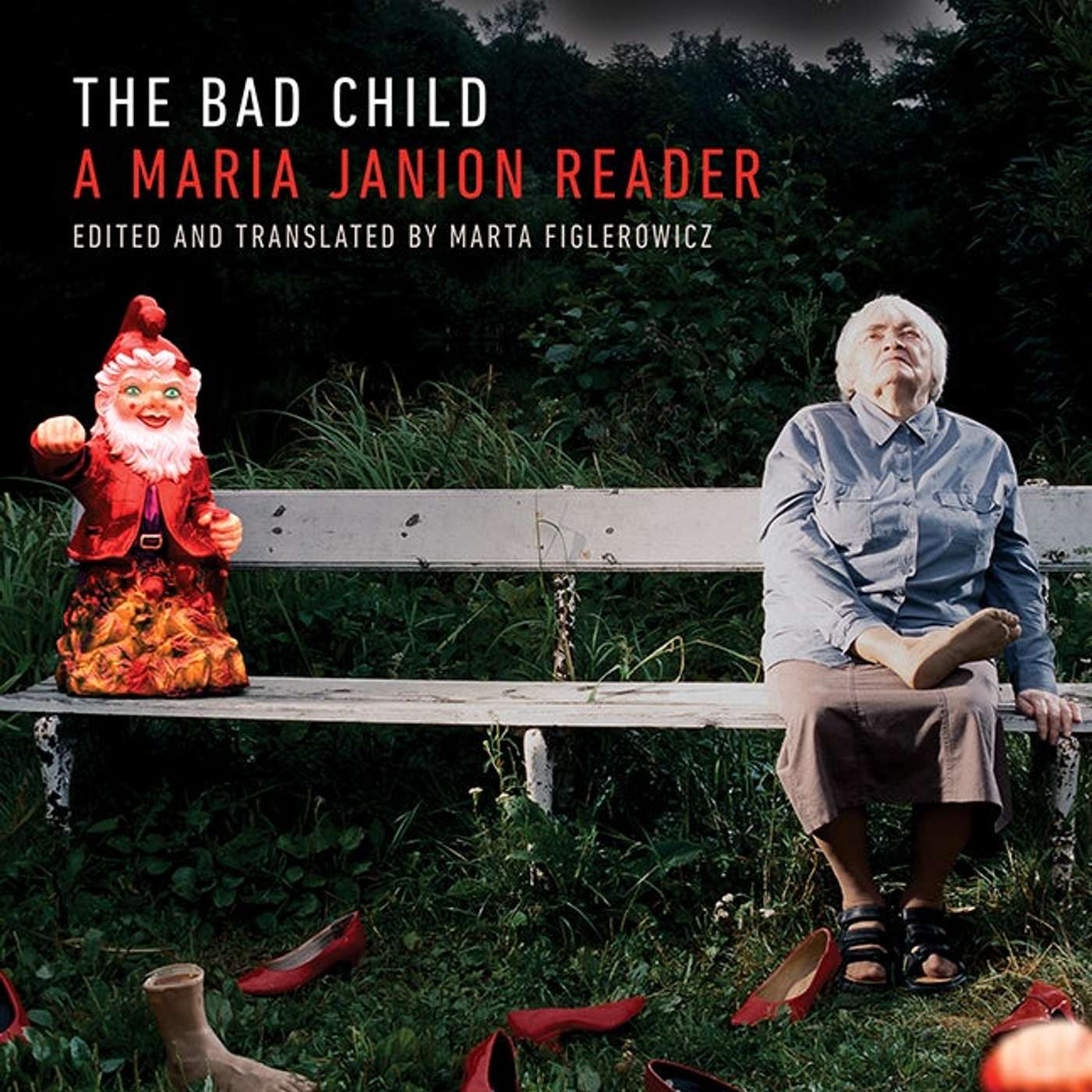 The perilous edge between patriotism and fascism 28.01.2026 59minThe work of Maria Janion, one of Eastern Europe’s most profound intellectuals, who witnessed the rise of authoritarian nationalism in Poland, German occupation during World War II, Soviet control, and Poland’s uneasy integration into the West, explores this fine line. Janion’s writings have been gathered by Marta Figlerowicz into the recently published volume The Bad Child: A Maria Janion Reader, and Figlerowicz is joined here in conversation with Noah Feldman to talk about Janion’s writing, which offers sharp insights into how societies develop and assert their identities and histories—often at the cost of the people. There are clear parallels here to current conditions and events. Please note that this episode was recorded in October 2025. Access a transcript: https://share.transistor.fm/s/75515cf3Maria Janion (1926–2020) was the greatest Polish leftist intellectual of her generation. The author of twenty-three books and hundreds of articles and essays, she mentored and inspired several generations of Eastern European scholars and political activists. During her life, Janion held appointments at several Polish academic institutions, including the University of Gdańsk and the Institute of Literary Studies in Warsaw.Marta Figlerowicz is professor of comparative literature at Yale University. She is a Guggenheim Fellow and author of Flat Protagonists and Spaces of Feeling as well as more than a hundred articles, reviews, and essays. Her translations from Polish have appeared in PMLA and The Paris Review.Noah Feldman is the Arthur Kingsley Porter University Professor at Harvard University. Feldman is author of ten books, including To Be a Jew Today, and host of the podcast Deep Background with Noah Feldman.Episode references:Adam MickiewiczOlga TokarczukEdward SaidIsaiah BerlinPraise for the book:“Maria Janion’s writing is foundational to so many currents of contemporary Central European thought—around nations and nationalism, gender and genre, everyday politics and the political writ large—that her invisibility in English has long struck those of us privileged to know her work as a tragedy, if not a crime. This book belongs on the shelf of every humanist.”—Benjamin Paloff, author of Worlds Apart“The remarkable creativity, energy, and erudition of Maria Janion shine forth in these essays.”—Sianne Ngai, University of ChicagoThe Bad Child: A Maria Janion Reader, edited by Marta Figlerowicz, available from University of Minnesota Press. Thank you for listening.
 -
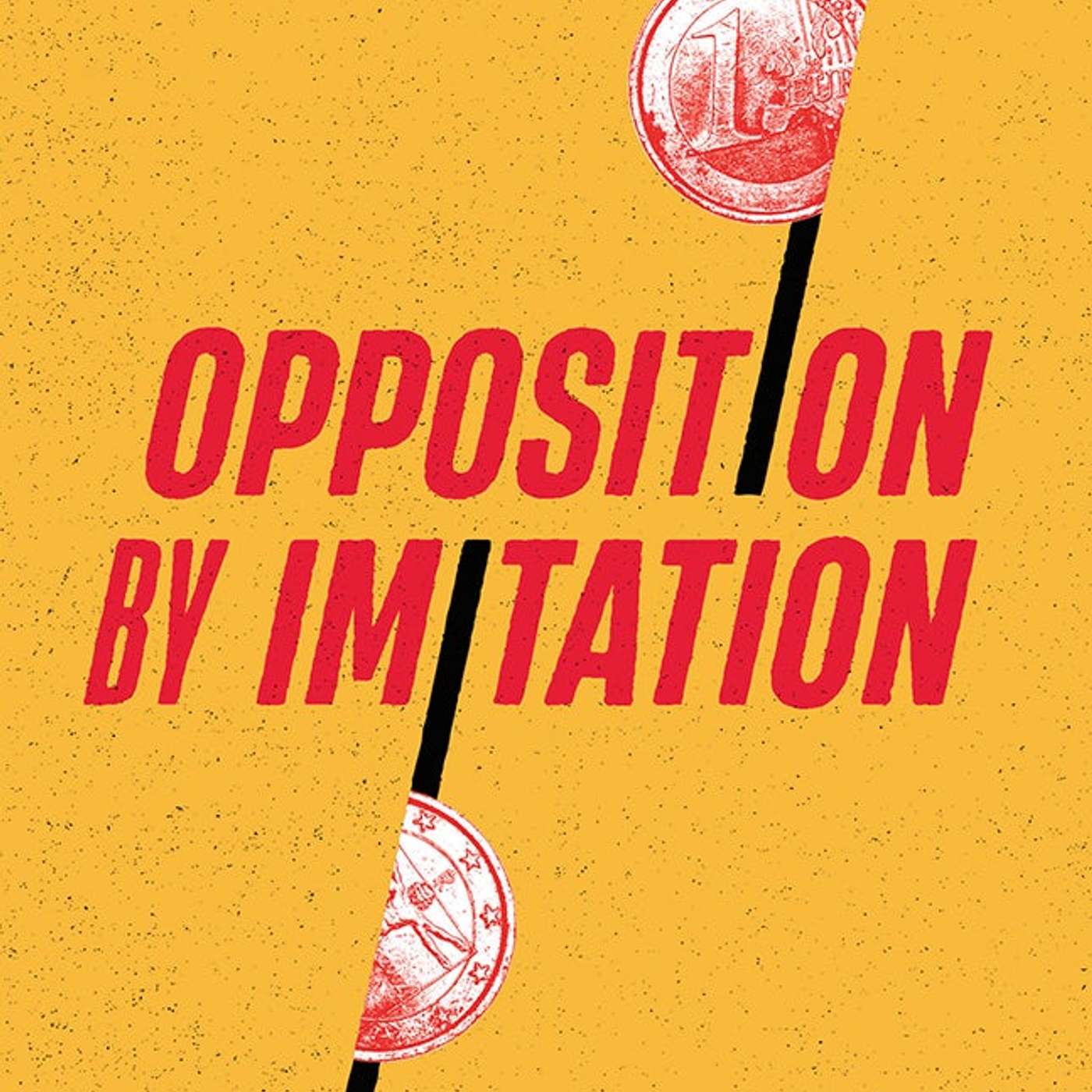 Anti-mafia organizing and solidarity movements in Italy 13.01.2026 44minFor more than 150 years, Italy has been home to a resilient and evolving resistance against the pervasive influence of mafias. While these criminal organizations are renowned for their vast international business enterprises, the collective actions taken to oppose them are less known. Drawing on ethnographic fieldwork among anti-mafia alliances in Campania, Sicily, and other parts of Italy, Christina Jerne explores anti-mafia activism, revealing how ordinary people resist, counter, and prevent criminal economies from proliferating. Jerne is joined in conversation with Deborah Puccio-Den and Trine Mygind Korsby. Access a transcript: https://share.transistor.fm/s/9dc8cf86Christina Jerne is associate professor in the Department of Scandinavian Studies and Experience Economy at Aarhus University, Denmark. Jerne is author of Opposition by Imitation: The Economics of Italian Anti-Mafia Activism and coeditor and translator of Against the Mafia: The Classic Italian Writings.Deborah Puccio-Den is a political anthropologist and research professor at the National Center for Scientific Research and the Ecole de Hautes Etudes en Sciences Sociales, Paris, France. She is author of Mafiacraft: An Ethnography of Deadly Silence.Trine Mygind Korsby is assistant professor in the Department of Anthropology at the University of Copenhagen and currently a Marie Curie fellow at The Graduate Center, City University of New York (CUNY).REFERENCES:Mafiacraft: An Ethnography of Deadly Silence / Deborah Puccio-DenUmberto SantinoGiovanni FalconeAudre LordeJ. K. Gibson-GrahamBruno LatourJean Luc NancyGabriel TardeGilles DeleuzeFelix GuattariAddiopizzo Praise for the book:"Placing human experience at the center of collective action, Opposition by Imitation presents radically new directions for thinking about social movements. Christina Jerne captures both the fragility and strength of the struggle against mafia economies, powerfully demonstrating how anti-mafia activism opens up space for non-mafia relationships and economies to flourish."—Kevin McDonald, Middlesex UniversityOpposition by Imitation: The Economics of Italian Anti-Mafia Activism by Christina Jerne is available from University of Minnesota Press. Thank you for listening.