
CFO THOUGHT LEADER
The Future of Finance is Listening
0
CFO THOUGHT LEADER is a podcast featuring firsthand accounts of finance leaders who are driving change within their organizations. It shares the career journey of spotlighted CFO guests, discussing their struggles, perseverance, and what makes them successful. The podcast aims to inspire finance professionals to take a leadership leap by learning from the successes and failures of others.
Episódios
-
 1214: The CFO Checklist Keeps Growing | Jack Gordon, CFO, Harri 13.09.2026 56minFor Jack Gordon, the CFO role at Harri increasingly extends beyond finance—and into the mechanics of how an AI-powered business scales.Harri, a workforce operating system focused on hospitality, has evolved from a point solution into a broader platform spanning talent acquisition, workforce management, and employee engagement. Gordon says the company’s opportunity rests partly on years of data accumulated across mission-critical workflows, an advantage that becomes increasingly important as AI reshapes workforce technology.That evolution is also reshaping Gordon’s finance agenda. As Harri rolls out its AI platform, understanding the changing unit economics has become a priority. AI introduces new questions around usage costs, margins, pricing, and monetization. Inside finance, meanwhile, Gordon is pursuing “automations everywhere,” with the goal of eliminating much of the routine work performed by his team and creating more capacity for insight.His operating philosophy begins further upstream. Rather than waiting for financial results, Gordon watches customer satisfaction, usage patterns, support activity, and customer outcomes. “Financials are outcomes of a good product and happy customers,” he explains.That emphasis on leading indicators is accompanied by an acute awareness of downside risk. After a planned Series B financing unexpectedly collapsed in 2023, Gordon restarted the process and ultimately helped secure new funding four months later. The experience reinforced a principle he carries forward today: understand the downside and build contingency plans.Now Gordon is stretching the CFO remit again—working as a product owner alongside Harri’s product and engineering teams. For a finance leader who has deliberately accumulated new operating experiences throughout his career, building and launching a product represents another capability still to be added.
 -
 1213: When Constructive Tension Yields Sharper Decisions | Martin Uhrik, CFO, Third Bridge 09.09.2026 54minWhen Martin Uhrik compared the margins of two visual-effects brands at Technicolor, one appeared far more profitable than the other. Uhrik tells us the reported difference prompted him to investigate. One brand showed project results only to the direct-margin level, rather than revealing fully absorbed profitability.Uhrik says he asked the business-unit CEO why the company was not showing creatives “the true state of the business.” The response was resistance: management feared that exposing weaker bottom-line results could cost the premium brand its talent and luster.Uhrik insisted. According to him, the business began showing creatives the profitability of roughly 3,000 projects a year. Teams then examined pricing, rate cards, utilization, client requirements, and whether changes requested during projects were being captured and passed along to customers.Within six to 12 months, Uhrik tells us, margins improved substantially. The feared loss of creative talent did not materialize. Instead, he says the information “lifted the energy” inside the organization because employees had not realized their work was less profitable than they believed.For Uhrik, the experience reinforced the value of challenging the status quo. He says finance leaders should not stop when they encounter pushback; tension, opinion, and conviction are part of reaching better outcomes.It also challenged management’s assumptions about people. As Uhrik observes, leaders should not be too quick to predict how others will respond. Given the unvarnished economics, the creative teams did not retreat. According to Uhrik, they surprised the CEO—and then helped improve the business.
 -
 1212: When Working Capital Rewrites the CFO Agenda | Dan Barzily, CFO, Tipalti 06.09.2026 36minShortly after Dan Barzily became CFO of Tipalti, a go-to-market transformation altered the company’s working-capital profile. One quarter later, Barzily tells us, the company missed its forecast across multiple parts of the P&L.The surprise reached back to a subject he had barely considered since his university accounting class. “It really hit me,” Barzily recalls. “I’m now the CFO, and I’m in charge of those things.”Until his appointment, Barzily says, he had never expected to become a CFO. He studied engineering, where he developed skills in analytics, accuracy, modeling, forecasting, and making assumptions about the future. According to Barzily, consulting then taught him to work with people ranging from individual contributors to company executives, while business development exposed him to dealmaking, legal matters, contracts, and the many participants required to bring something to life.At Tipalti, Barzily says, the chief-of-staff role initially involved running executive-team agendas, surfacing important decisions, assigning action items, and sometimes playing “bad cop.” As he learned the business, he began initiating programs and eventually owned pricing, the data organization, and strategy for centers of excellence outside the United States and in Tel Aviv. That expansion, he explains, moved him into the chief strategy officer role.Barzily describes a career as something that is “not linear.” People build, try their best, produce results, and—if the right people notice—receive larger opportunities. His working-capital surprise added another turn to that path: the moment when a strategic operator encountered the full weight of the CFO’s agenda.
 -
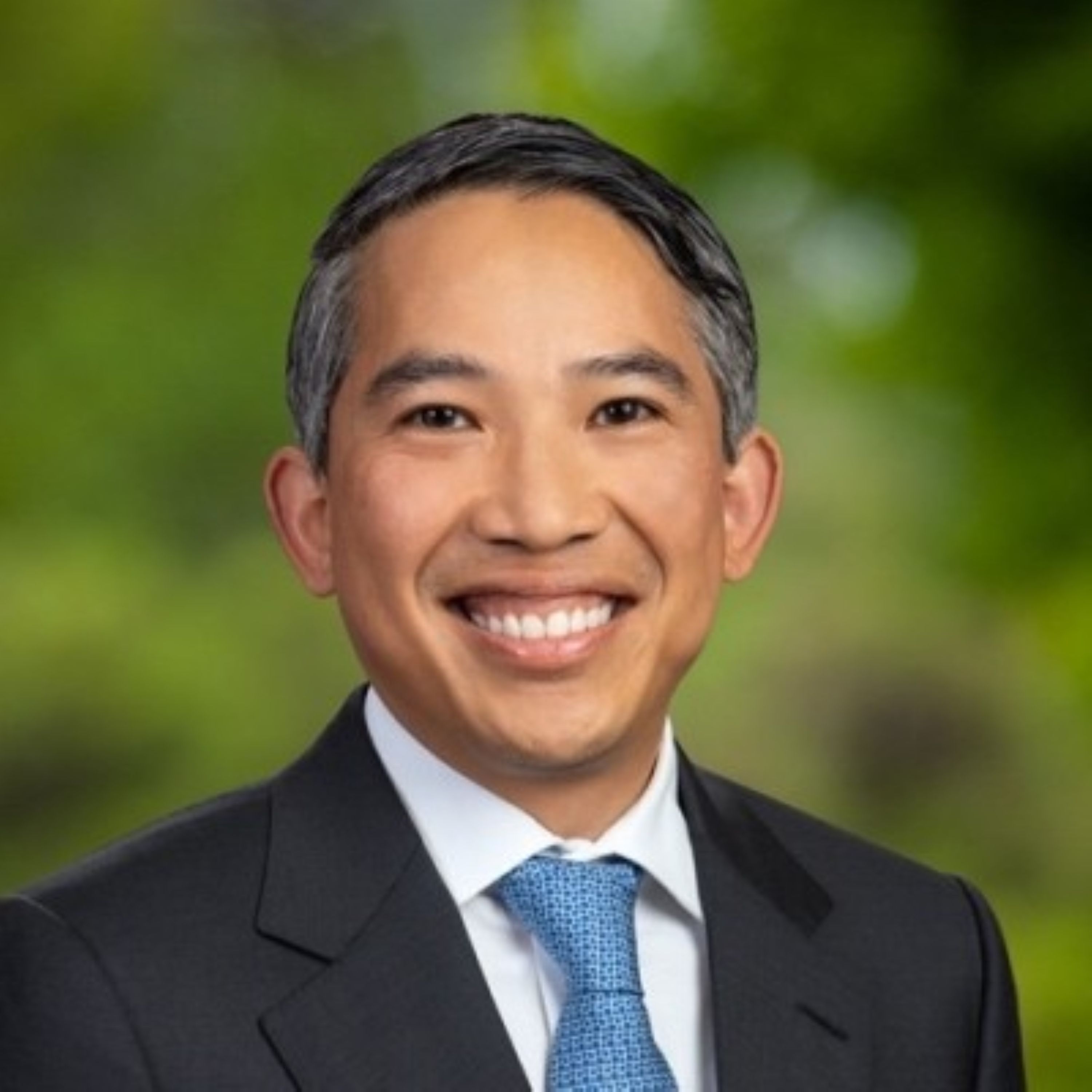 1211: Mission, Means, and the Will to Grow | Jonathan Ma, CFO, Sutter Health 02.09.2026 39minJonathan Ma recalls being at his parents’ home in Nebraska one Saturday when his Morgan Stanley boss called with advice: pursue an opportunity at Sutter Health. After nearly 15 years, the mentor believed the retiring treasurer’s position could be Ma’s next step.Ma tells us he had not considered the opportunity. Although he knew Sutter Health’s mission and some of its people, he says the call “planted” the seed. His mentor had seen something in him that he had not yet recognized.That moment echoed the way Ma describes his development at Morgan Stanley. He credits leaders in San Francisco and New York with teaching him to take his work seriously without taking himself too seriously. According to Ma, that meant remaining curious, asking questions, and admitting when he did not know an answer.Ma says trust arrived gradually rather than through a breakthrough. Clients gave him room to learn because they saw that he would work hard, uphold values and ethics, and protect their interests. He moved from mentoring interns to leading financings and presenting before boards.At Sutter Health, Ma applies that same emphasis on trust. He tells us finance must balance growth, expenses, and margins so the not-for-profit system can continue reinvesting in its communities. Budgets, he says, should represent shared accountability across the organization rather than a finance exercise.For Ma, leadership emerges incrementally: through questions asked, credibility earned, support accepted, and difficult decisions made while an organization still possesses both “the means” and “the will.”
 -
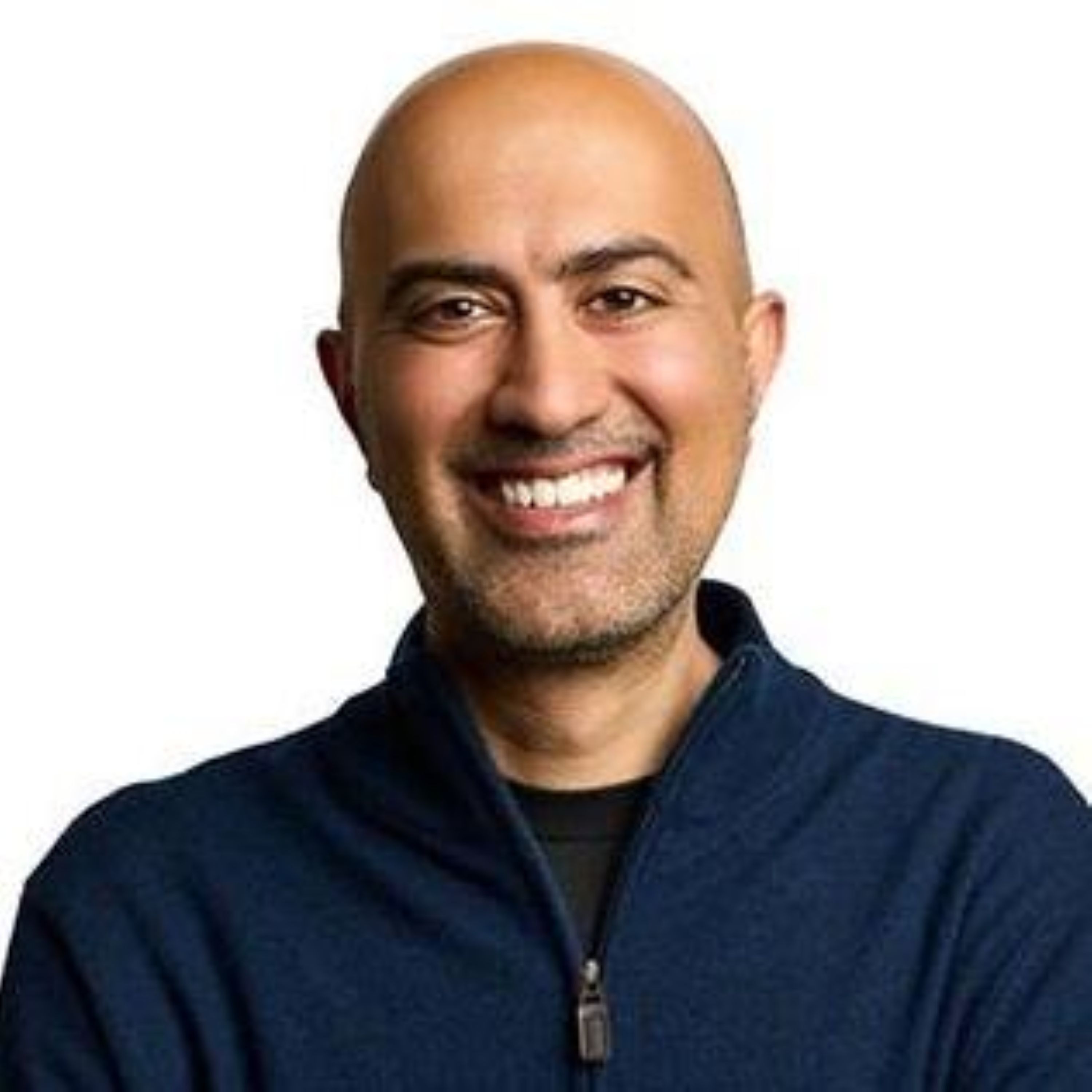 1210: The Best Trade May Be the One You Don’t Make | Shiv Verma, CFO, Robinhood 30.08.2026 53minSix weeks before Lehman Brothers went under, Shiv Verma tells us, he joined a hedge fund as the world felt like it was falling apart. After building structured-credit and CLO models at J.P. Morgan from 2006 to 2008, Verma says he helped buy back assets originated at par for five cents on the dollar.A mentor there supplied a rule Verma still carries: “The best trade you ever make is often the trade you don’t make.”For Robinhood’s CFO, the line offers a double meaning—and a little fun. In the interview, however, Verma applies it to corporate resource allocation. According to Verma, it is easy to make an investment, become excited, and sell yourself on the idea. The harder work is asking the right questions and “knowing when to say no.”That standard reaches beyond securities. Verma says he applies it when Robinhood considers funding an investment, approving a marketing campaign, or pursuing an acquisition. Restraint is not timidity: Robinhood wants to grow and say yes to many opportunities, he tells us, while balancing business enablement and controllership.According to Verma, acquisitions must offer technology, talent, or greater speed to market, generally accelerating Robinhood by 18 to 24 months. They must also pass the company’s IRR, NPV, and internal thresholds.The title may wink playfully at Robinhood’s trading platform, but Verma’s underlying finance lesson is serious: sound capital allocation is ultimately defined not only by the opportunities a CFO pursues, but also by those finance has the judgment to decline.
 -
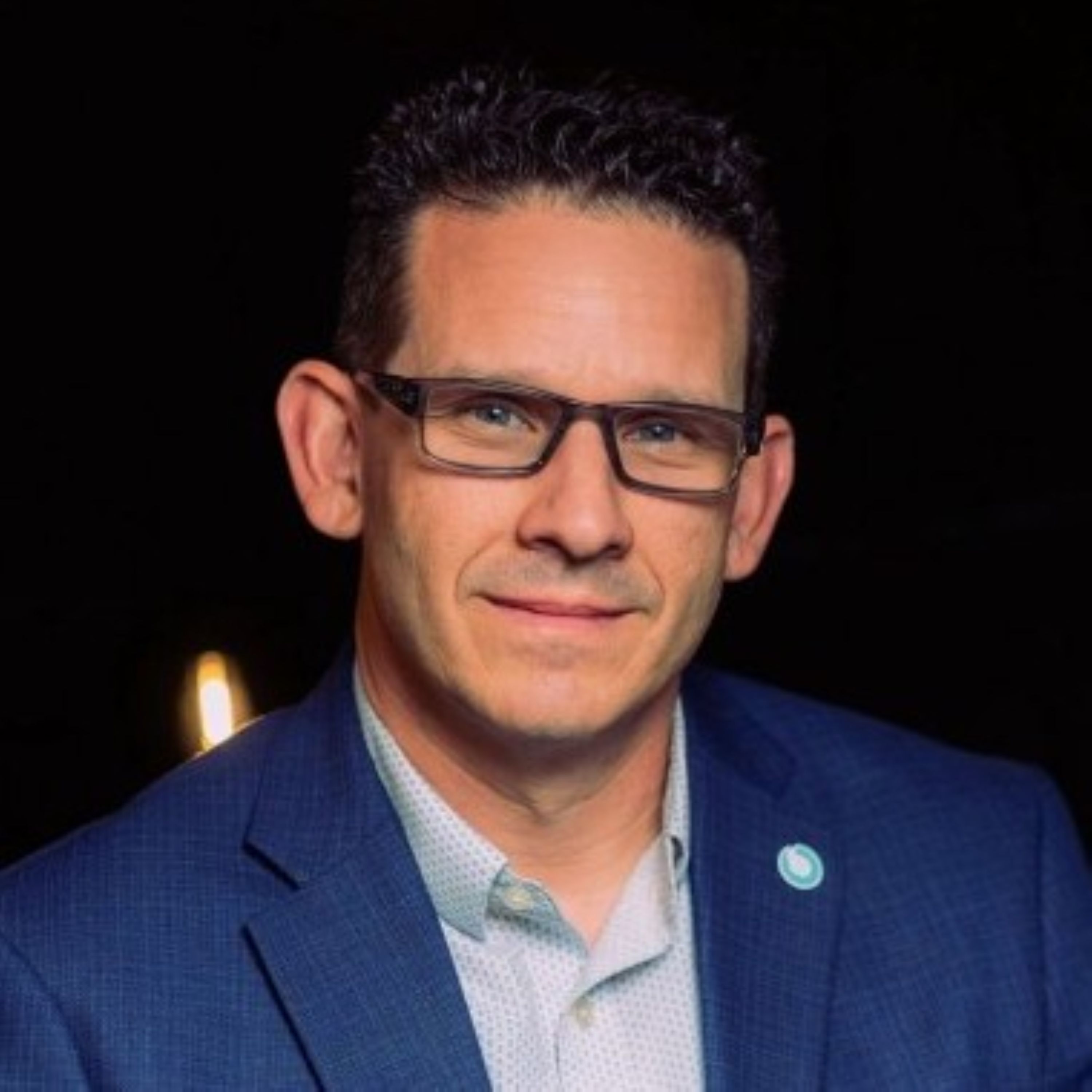 1209: Finding a Larger Voice in the Room | Ross Grainger, CFO, Nasuni 26.08.2026 33minRoss Grainger remembers an early chapter of his career when finance was only one part of the job.After stepping outside a traditional finance path to own and operate a Mako auto-body franchise, Grainger tells us he learned what it meant to “act like an owner.” That sometimes meant cleaning toilets, learning to paint cars, welding, doing body work, handling customer service, and making outside sales calls. But the experience also taught him another lesson: even if a leader can do everything, “you shouldn’t do those things forever” if they pull you away from where you can provide the most value.That owner’s mindset later followed Grainger back into finance. At a healthcare software company, he tells us he was passed over for a CFO role he wanted. The executive hired instead brought a different perspective—one that showed Grainger how finance could move beyond “the debits and credits” and help shape company direction. Grainger says he ultimately became “extremely happy” they hired someone else because the experience accelerated his development.Years later, that broader view surfaced again when Grainger helped lead a pricing overhaul at a prior company. According to Grainger, management initially proposed a 7% increase after nearly 10 years without one. Challenged by the board to reconsider “the art of the possible,” the team ultimately achieved a 22% to 23% increase in average ACV.For Grainger, finance leadership repeatedly returns to the same idea: understand where value is created, and focus your effort there.
 -
 1208: Quality, Trust, and Scale | Cal Brouilette, CFO, Flatiron Health 23.08.2026 46minCal Brouilette recalls a sleepless night in Houston, speaking at 3 a.m. with someone from Blackstone about a purchase-and-sale agreement and transition-service agreements. It concerned a power-plant portfolio sale at Direct Energy, a Centrica subsidiary, that Brouilette places in 2013.According to Brouilette, the assignment arrived in late September, when the CEO wanted the portfolio sold and announced before year-end. That left at most 120 days. Brouilette says he was managing finance and accounting, functioning as a business-unit CFO and loading up on MBA classes at Rice because his job had seemed stable.The new assignment changed that calculation. Brouilette says he ran its finance work “soup to nuts,” covering the valuation taken into negotiations, management presentations, purchase-and-sale terms, and transition-service agreements.The transaction presented him with what Brouilette describes as a $700 million “go or no go” decision. “Yes, this was hard,” he recalls thinking, but the experience prompted this realization: “I can do this job. I can make these decisions.”Brouilette says the moment gave him confidence to make high-stakes decisions quickly while recognizing that he could “still keep learning.” He describes it as his shift from operator to strategist.At Flatiron Health, Brouilette says his focus as CFO is not to “make a decision and let it ride,” but to consistently track results before the organization travels too far down “the wrong path.”His remarks present strategic confidence not as certainty, but as the discipline to decide, keep learning, measure results, and correct course.
 -
 1207: Putting Guardrails Around Aggressive Growth | Jamie Schroeder, CFO, Premium Guard Inc. 19.08.2026 47minJamie Schroeder’s finance career began on the shop floor at Ford Motor Company. As part of Ford’s rotational development program, Schroeder tells us, he spent a month working in the paint shop at an assembly plant outside Cleveland. The experience was designed around “learning the business and getting your hands on the business” so that finance could become an informed partner to operations.That operating mindset followed Schroeder to Scotts Miracle-Gro, where unfamiliar assignments became a recurring source of development. According to Schroeder, he was repeatedly placed in situations involving ambiguity, collaboration, and the need to “create something brand new that didn’t exist before.” Over time, embracing discomfort became part of his professional identity.One experience taught him what it meant to be a growth CFO. According to Schroeder, stagnant category growth had led finance into a “profit preservation” posture when leadership changes at a major retailer created an opening for Scotts to pursue a more aggressive commercial program.The proposal involved aggressive pricing, promotions, and products—and considerable risk. Instead of retreating, Schroeder tells us, finance supplied data and scenario analysis, quantified the risks, and developed playbooks for possible responses. Transparency ensured that operating partners understood both the opportunity and the guardrails.According to Schroeder, the resulting market-share battle produced category growth that Scotts had not seen in ten years, while sales and profits rose across the category.Now CFO of Premium Guard, Inc. (PGI), Schroeder brings that lesson to another transformational setting: Finance can help a company pursue disruption without ignoring risk. The discipline lies not in avoiding uncertainty, but in understanding the business well enough to move through it together.
 -
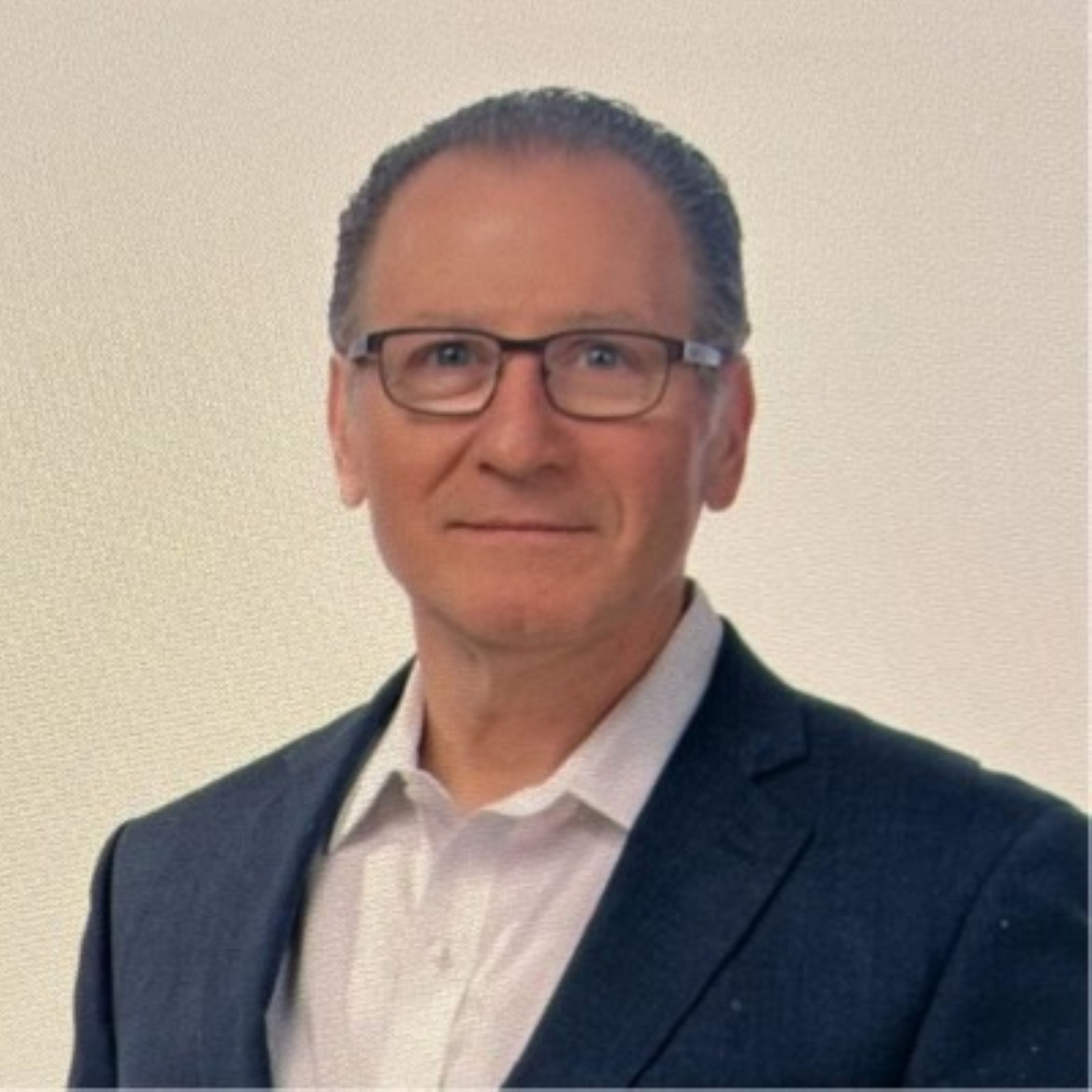 1206: The CFO as an Architect of Execution | Phil Fracassa, CFO, Magna International 16.08.2026 48minAt Timken, it was generally known that Phil Fracassa knew he would become CFO after the company separated its steel business. But first, he tells us, the board gave him a different assignment: lead the project management office and set both resulting companies up for success.The separation followed pressure from an activist investor and extensive board consideration of strategy, stakeholder impact, operating performance, capital allocation, risk, and long-term shareholder value, according to Fracassa. Once the decision was made, his team had just under a year to carve out a business that had been part of Timken for 85 years.That meant standing up and staffing a company, capitalizing it, unwinding entanglements, separating systems, establishing processes, and developing public-company protocols. Fracassa tells us the work reached virtually every function, including legal, HR, IT, operations, finance, treasury, and tax.His own position carried a particular tension. Although Fracassa knew where he would land after the spin, he says he had to remain “independent, fair, impartial.” His decisions had to serve both companies—not just the one where he would soon hold the CFO title.According to Fracassa, the experience brought together the disciplines he had accumulated across his career. It also left him with a durable conviction: “Strategy really lies in the execution.”Great ideas and thoughtful analysis were not enough, he tells us. Value emerged only when people came together, worked through the issues, and executed. For Fracassa, that is where finance becomes most powerful: beyond the numbers, serving as “an architect of execution” inside the business.
 -
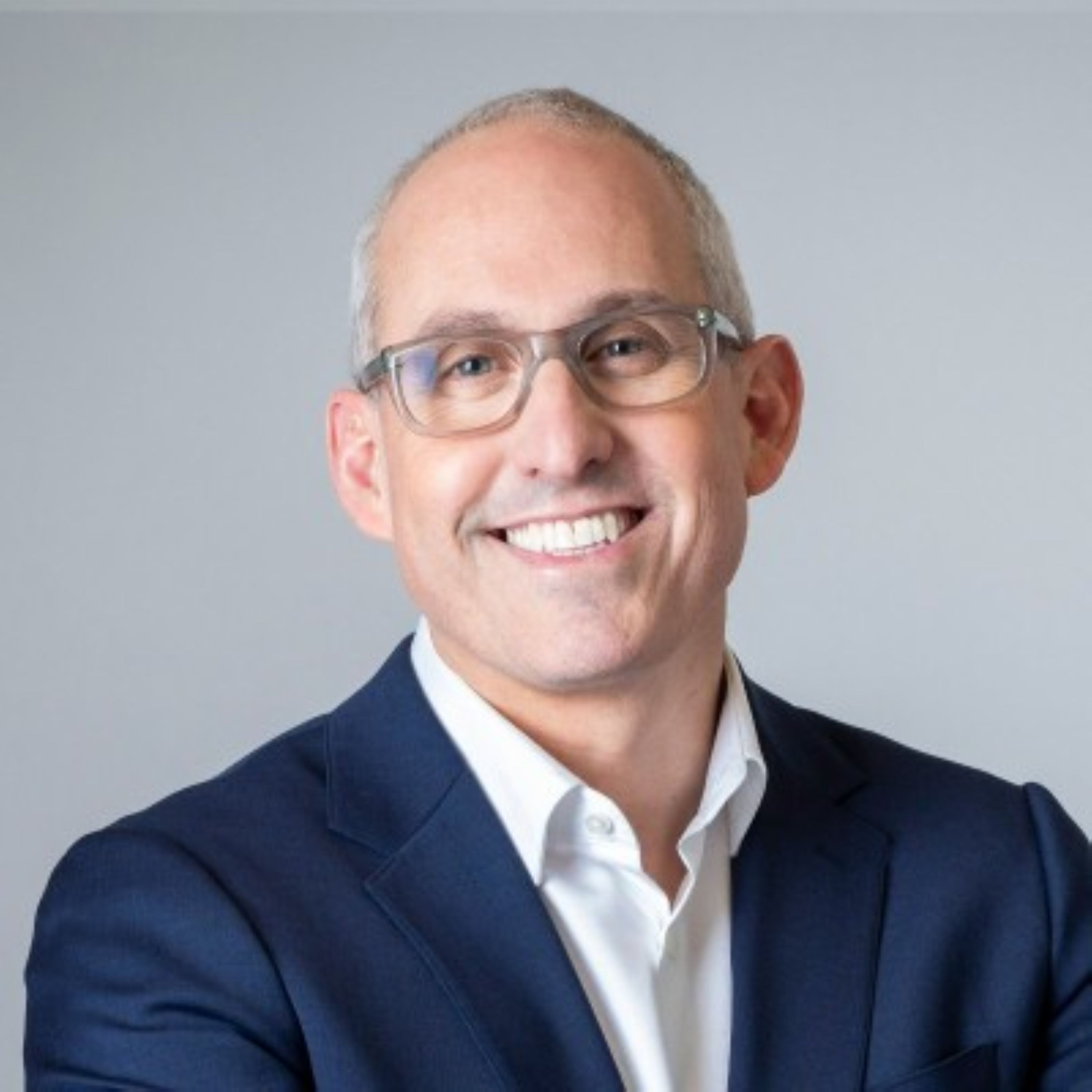 1205: Giving Every Decision-Maker 40 Analysts | Matt Ostrower, CFO, Link Logistics 12.08.2026 48minMatt Ostrower remembers losing sleep over a decision that carried consequences for employees, lenders, and shareholders.At Site Centers, Ostrower tells us, the management team was confronting two challenges. Investor fears about the internet’s impact on retail real estate were depressing stock and bond valuations. Then Hurricane Maria struck Puerto Rico, leaving a portfolio of company assets out of commission for months.The immediate pressure was to reopen properties and navigate the crisis. But Ostrower says the team forced itself to “pull back” and consider how the company could emerge positioned for growth.Working with CEO David Lukes and capital markets leader Conor Fennerty, Ostrower says the team developed an answer that had not been executed repeatedly elsewhere: Separate the portfolio, create a liquid pool of assets for public-market investors, and establish a remaining company positioned for greater growth.Because the approach was untested, Ostrower says the team had no certainty about how investors would respond. “I had sleepless nights for months,” he tells us, describing the market’s acceptance as an “existential question” for the company.According to Ostrower, investors ultimately embraced the decision, and the strategy received positive press. He says it allowed the company to realize value in one place while setting up another company for growth.For Ostrower, some of finance’s strongest strategic moments emerge during crises, when leaders are tempted to pursue whatever is most expedient. His experience suggests another possibility: Use the pressure to step back, ask harder questions, and make the decision that addresses not only the immediate disruption but also the company that must exist afterward.
 -
 1204: When Capital Conviction Matters More Than Market Timing | Andrew Korn, CFO, EliseAI 09.08.2026 41minAndrew Korn tracks growth first. EliseAI had surpassed $200 million in annual recurring revenue when he spoke with us, and Korn tells us the company had maintained year-over-year growth above 100% throughout his four and a half years there—“correlation, not causation,” he adds.That growth gives finance a clear assignment. According to Korn, EliseAI monitors gross margins and burn while ensuring its spending remains prudent and directed toward investments capable of moving the business forward.The company operates in housing and healthcare, two industries Korn describes as representing about 40% of U.S. GDP combined. He tells us both depend heavily on labor while contending with regulation and legacy technology. The result is overwhelmed teams, administrative work, and consumers waiting too long or paying too much for essential services.EliseAI enters primarily through the communication layer. According to Korn, its technology handles communications and repetitive work around the clock while providing accurate, compliant answers to renters, residents, prospects, and patients.But awareness of AI has also created a different challenge. Korn says customers increasingly arrive interested in the technology, yet EliseAI must ensure they understand what they are adopting. The objective is not AI “just for AI’s sake” or something a company can place on its website.Instead, Korn tells us, AI must improve operations, performance, and business capabilities in tangible ways. EliseAI therefore tracks leases, occupancy, rent collection, maintenance requests, resident renewals, patient calls, and scheduled appointments.For Korn, the technology earns its place when customers can recognize its impact in the work being completed and the results being produced.
 -
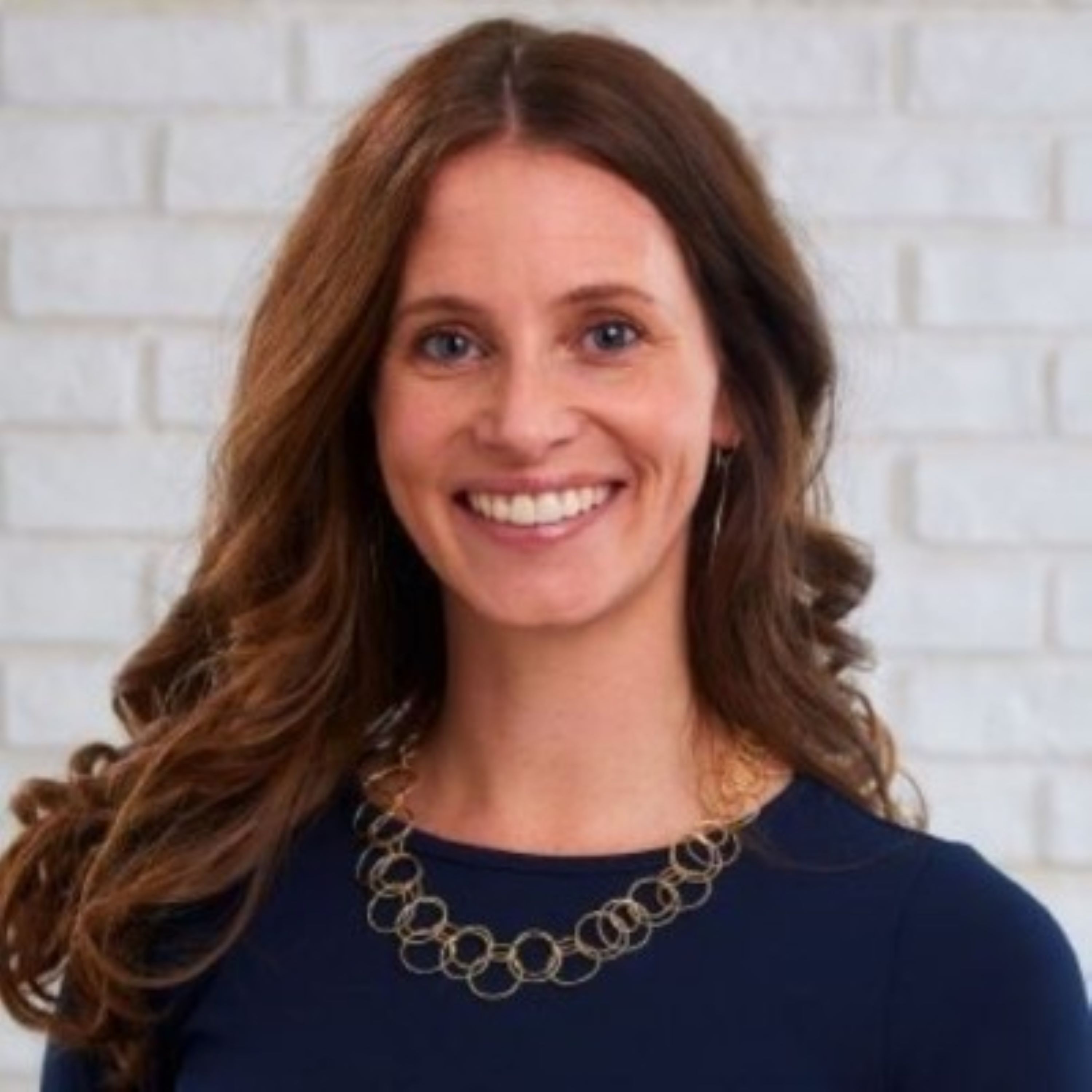 1203: Making Strategy—and the Money—Move Together | Laura Miller, CFO, Strata Decision Technology 05.08.2026 42minIn April 2020, Laura Miller stepped into her first CFO role at Pampered Chef. According to Miller, she was pregnant with her second child, working with a new CEO and joining an executive team that had never worked together in the building before the pandemic sent everyone home.Demand was anything but predictable. Miller tells us that Pampered Chef’s independent consultants could hold parties online while consumers, confined to their homes, purchased kitchen equipment and looked for ways to earn money. That summer brought a business boom—and immediate pressure on working capital, supply chains and forecasting.Miller says the company quickly replaced its rolling forecast with a daily forecast. One of her first CFO assignments was determining what would happen if the warehouse could not remain open as an essential business. Finance modeled scenarios “from zero to quadruple” while weighing when to continue accepting orders, when to stop, and how to manage back orders without overwhelming the business.The professional challenge unfolded alongside a personal one: Miller tells us that she had her baby in June. Navigating both made the period “the fastest crash course into being a CFO.”The experience also overturned much of her preparation. Miller says she had spent “16, 18 months prepping and planning to be a CFO,” yet none of the issues she had anticipated became her greatest challenges after taking the role.Her lesson emerges from that collision between preparation and reality: the CFO’s work is not simply executing a carefully developed plan. Sometimes it means rebuilding the forecast daily, considering outcomes at opposite extremes and learning the role while the conditions surrounding it continue to change.
 -
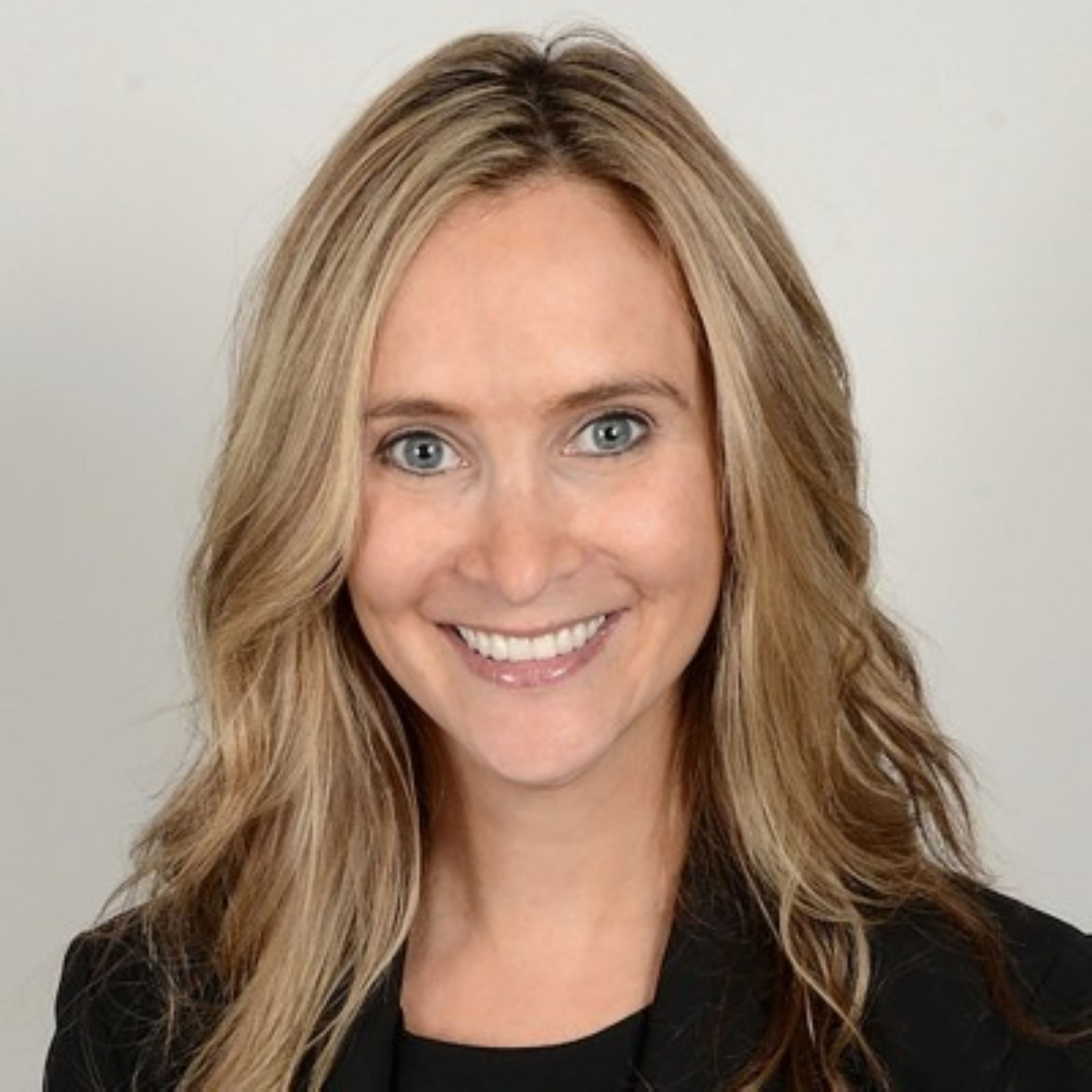 1202: Allocating Capital in an Age of AI | Samantha Greenberg, CFO, AlphaSense 02.08.2026 50minIn the early months of Francisco Partners, Samantha Greenberg sat in a room on folding chairs with the firm’s cofounders and one other colleague, planning the business.According to Greenberg, the private equity firm was pursuing an idea that many considered impossible in the late 1990s: executing leveraged buyouts of technology companies. Greenberg tells us she was drawn to the vision because it challenged the belief that technology businesses could not be predictable or capitalized with debt.During the firm’s first year, Greenberg says, the team closed its first fund. She helped build operating processes, worked on the first transactions, and participated in fundraising—experiences that she says made her a better operator years later.That builder’s instinct eventually pulled Greenberg away from investing. After 18 years as a technology investor, she had come to appreciate the discipline of “separating signal from noise,” surfacing insights, and allocating capital. But Greenberg tells us that running her own hedge fund revealed something more personal: She found operating more engaging than investing because it gave her “a seat at delivering the value creation.”She became a CFO in 2021 and deliberately chose an earlier-stage company instead of a more mature organization. According to Greenberg, the decision allowed her to develop the skills she lacked—leading finance transformation, implementing systems, driving operational maturity, and running an accounting department.The transition also challenged an investing instinct. Investors can wait for the “fat pitches,” Greenberg explains, but rapidly scaling companies cannot wait for every decision to be perfect. Her operating lesson is more immediate: “Velocity matters too.”
 -
 The Weekend CFOs Couldn’t Reach Their Cash 29.07.2026 27minWhat happens when a company has money—but its CFO cannot reach it?Over one extraordinary weekend, finance leaders found themselves confronting a threat few had anticipated: cash locked inside a failing bank, payroll approaching, and no certainty about what Monday would bring.This episode brings together the experiences of Ben Gammell, Larry Roseman, Dan Murphy, Stacy Tumarkin, and Sarah Spoja. Their stories capture the crisis from different vantage points—from companies scrambling to protect their own liquidity to finance teams helping customers regain access to theirs.The discussion is less about the collapse of a particular bank than about how CFOs respond when ordinary financial controls suddenly prove insufficient. It explores the decisions made under pressure, the communication required to steady employees and leadership teams, and the treasury practices reconsidered afterward.The larger lesson is one CFOs understand well: resilience isn’t built during a crisis. It is built long before the crisis begins.
 -
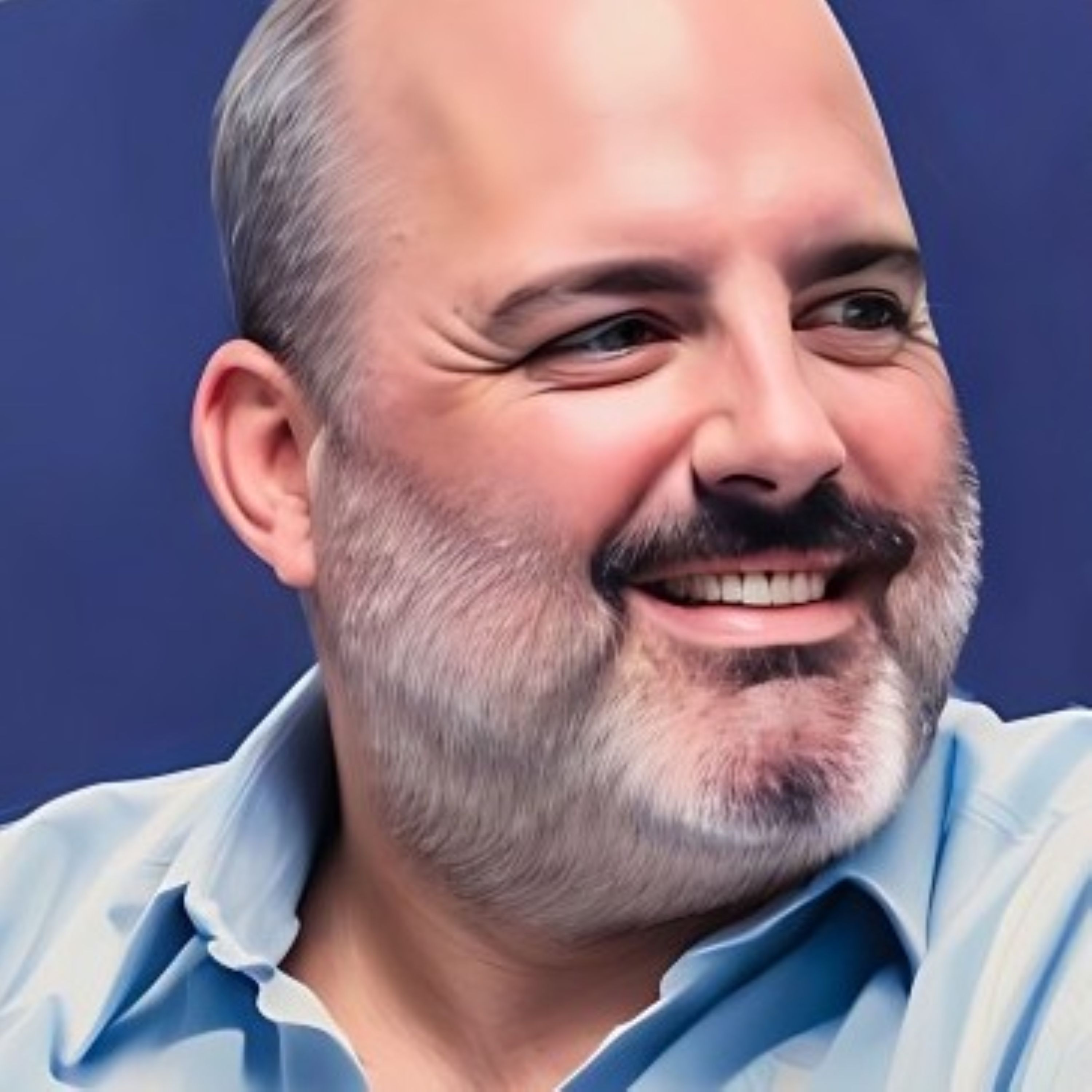 1201: From Bitcoin Infrastructure to the AI Power Economy | Gary Vecchiarelli, CFO, CleanSpark 26.07.2026 57minIn high school, Gary Vecchiarelli received day-old copies of Investor’s Business Daily from a business teacher. Stock prices still appeared in fractions, and the teacher told him that he would know he had made it when he rang the bell on Wall Street.Vecchiarelli tells us that the remark stayed with him for decades. He later rang the Nasdaq bell—an experience made more meaningful because his family knew the story. Long before that moment, however, he had begun ordering boxes of annual reports and reading financial statements he did not yet fully understand. He was drawn to CFOs who carried financial responsibility while dealing with Wall Street.That early interest eventually became a career defined by complex businesses and difficult financing choices. At CleanSpark, Vecchiarelli recalls confronting one such decision during a Bitcoin bear market. Debt was prohibitively expensive, and an at-the-market equity program was effectively the company’s only source of growth capital.According to Vecchiarelli, CleanSpark faced an opportunity that required issuing shares at approximately $2.50. The decision was painful, but the capital funded land and power that the company now expects to convert into billions of dollars of shareholder value.The experience gave Vecchiarelli a lasting appreciation for “optionality.” He tells us that CleanSpark can now consider high-yield debt, convertible securities, equity, and borrowing against its Bitcoin holdings. That range matters because, as he puts it, markets can be “real fickle.”For Vecchiarelli, strategic finance is not simply raising and spending money. It means connecting execution, valuation, and capital so that today’s difficult decision creates more choices tomorrow.
 -
 The Credibility Playbook: How CFOs Restore Belief 22.07.2026 37minWhat does it take for a CFO to restore credibility?Every finance leader eventually encounters a defining moment when confidence has been shaken—whether by slowing growth, a financial crisis, or years of eroding investor trust. In those moments, success depends on more than financial expertise. It requires disciplined execution, transparent leadership, and the ability to deliver on commitments when every decision is under scrutiny.In this special compilation episode of CFO Thought Leader, we revisit three conversations that reveal how credibility is earned—and, when necessary, rebuilt.Aidan Viggiano, CFO of Twilio, reflects on stepping into the role during a period of sweeping change. With growth slowing and difficult decisions ahead, she shares why rebuilding confidence began with one simple principle: do what you said you would do.Eric Brown, now CFO and COO of Cohesity, takes us back to the near-existential crisis at MicroStrategy, where he and the leadership team were forced to stabilize the business, make painful decisions, and lead through extraordinary uncertainty. His story underscores the critical partnership between a CEO and CFO when an organization's future is on the line.Finally, Paul Lundstrom, now CFO of Copeland, looks back on his tenure at Flex and earlier leadership at Aerojet Rocketdyne, explaining how stronger financial controls, operational discipline, and consistent execution can gradually restore investor confidence and reshape how the market values a company.Together, these conversations form The Credibility Playbook—a practical look at how exceptional CFOs navigate some of the most challenging moments in corporate leadership and emerge with something every organization depends on: trust.
 -
 1200: When Finance Owns the Future | Mark Khavkin, CFO, Rula 19.07.2026 39minMark Khavkin often finds his best ideas somewhere near the Golden Gate Bridge.The Rula CFO tells us that he bikes from San Francisco across the bridge and into Marin County—not to compete, but to clear his mind, enjoy the view, and stop for a latte in Sausalito. “A lot of times great ideas come somewhere just before or after the bridge,” Khavkin says.That preference for space and perspective also appears in how he leads. Compared with a decade ago, Khavkin says that he has become more comfortable trusting people to reach the right result, even when their path differs from the one he might have chosen. Rather than intervening with detailed instructions, he now tries to provide context. “I’m less prescriptive than I was ten years ago,” he tells us.The shift does not mean avoiding hard decisions. At Rula, Khavkin says that new investments require clearly defined checkpoints and agreement—made in advance—about when the company will increase its commitment or stop an initiative. Once teams, careers, and expectations form around an experiment, he explains, ending it becomes difficult at a human level.The same discipline shapes his view of AI. Khavkin cautions finance leaders against evaluating the technology primarily through cost savings. According to Khavkin, the greater opportunity is enabling people to perform higher-level work, make decisions faster, and access more organizational context.For Khavkin, leadership is not about directing every turn. It is about creating the conditions for others to navigate—then knowing when to provide context, when to challenge assumptions, and when to let the road produce the answer.
 -
 1199: The CFO’s Biggest Challenge Isn’t AI—It’s Leading Through It | John Kinzer (Interim CFO), OneStream 15.07.2026 40minJohn Kinzer still remembers sitting in a closed meeting at MCI, presenting revenue results, when something unexpected caught his attention. It wasn’t the numbers he was reporting—it was the questions coming from the FP&A team. Listening to their discussion, he realized, “I also want to see that side of it,” Kinzer tells us. That moment led him from revenue reporting into business planning, where a manager helped shape the analytical skills that would define his career.Looking back, Kinzer tells us those early experiences proved invaluable. Long-distance telephone plans behaved much like today’s subscription businesses, exposing him to churn analysis, lifetime value, customer acquisition costs, and cohort analysis long before SaaS became commonplace.Equally important was another lesson from a mentor: always look 18 to 24 months ahead. If you’re no longer learning, growing, or able to see your next opportunity, it’s time to start thinking about what’s next, Kinzer tells us. That advice influenced several career decisions, including his move into the dot-com world, where he participated in his first IPO by helping write an S-1 and develop the company’s long-term financial model.The same long-term mindset later shaped an even more difficult decision. After being passed over for his first CFO opportunity, Kinzer tells us he resisted the urge to react emotionally. Instead, he focused on developing new skills, particularly investor relations, believing the experience would prepare him for the future whether the opportunity came internally or elsewhere.For Kinzer, career progression has never been about chasing titles. It’s been about continually putting himself in positions where learning comes first—and trusting that leadership opportunities eventually follow.
 -
 1198: Building Long-Term Value Starts With Better Capital Allocation | Shane Hostetter, CFO, Chemours 12.07.2026 48minWhen Shane Hostetter arrived at Chemours in 2024, he stepped into a company facing liquidity challenges while also pursuing important long-term growth opportunities. His goal was not to replace decades of institutional knowledge but to complement it. Chemours CEO Denise Dignam brought nearly forty years of experience with DuPont and Chemours, while Hostetter brought an external perspective. Combining those viewpoints, he tells us, helped create “the best of both worlds.”That approach reflects much of Hostetter’s broader leadership philosophy. Rather than viewing finance solely through the lens of reporting, he focuses on building a stronger foundation for future growth through disciplined capital allocation and balance sheet management.Hostetter tells us the company developed a three-year strategy designed to strengthen Chemours over both the near and long term. Portfolio optimization became one important pillar, including shutting down selected production lines and divesting non-core assets to improve cash flow. Underlying every decision, he tells us, was a disciplined capital allocation strategy intended to improve financial flexibility.At the same time, Hostetter has become an advocate for helping others better understand what Chemours actually does. Although many people still associate the company with its legacy DuPont products, he explains that Chemours today serves critical industrial markets ranging from next-generation refrigerants to semiconductor manufacturing, AI infrastructure, electric vehicles, and advanced cooling technologies.Looking ahead, Hostetter’s emphasis remains consistent: strengthen the balance sheet, allocate capital thoughtfully, and position the company to create sustainable long-term value. For him, finance is ultimately about creating the platform that allows strategy to succeed.
 -
 Inside the CFO Mindset Before the Deal 08.07.2026 31minThree accomplished CFOs. Three candid conversations. One revealing look at how finance leaders think about acquisitions before the headlines ever appear.In this special CFO Thought Leader edition, we revisit conversations with Jonathan Carr, former CFO of Armis, James Redfern, CFO of Reltio, and Toby Driver, CFO of IdeaGen. Each discusses acquisitions from a different vantage point—planning, integration, organizational readiness, and the people challenges that ultimately determine whether a transaction creates lasting value.What makes these discussions especially compelling is their timing. Carr and Redfern shared their perspectives months before their companies were acquired. ServiceNow completed its acquisition of Armis in April 2026, while SAP completed its acquisition of Reltio in May 2026. Their remarks offer an unfiltered look at how experienced CFOs approached M&A before those transactions became public realities.Driver complements those perspectives by explaining why successful acquisitions depend on disciplined integration, thoughtful execution, and finance leaders who understand that value is created long after the purchase agreement is signed.Together, these conversations reveal that successful M&A extends well beyond valuation models and deal negotiations. It requires aligning people, integrating operations, managing risk, and establishing clear decision-making processes across the organization. Whether discussing integration playbooks, organizational change, or strategic planning, each CFO highlights a different dimension of the finance leader's role in helping acquisitions achieve their intended objectives.For finance leaders navigating growth, transformation, or acquisition activity, these three conversations provide a timely look at the strategic thinking that often precedes—and helps shape—successful deals.
Podcasts similares


Popular em
Este podcast também aparece nas paradas de podcasts destes países.


