
InPrincipio Podcast
InPrincipio
0
Books, readings, and historical studies with a Catholic perspective.
Episódios
-
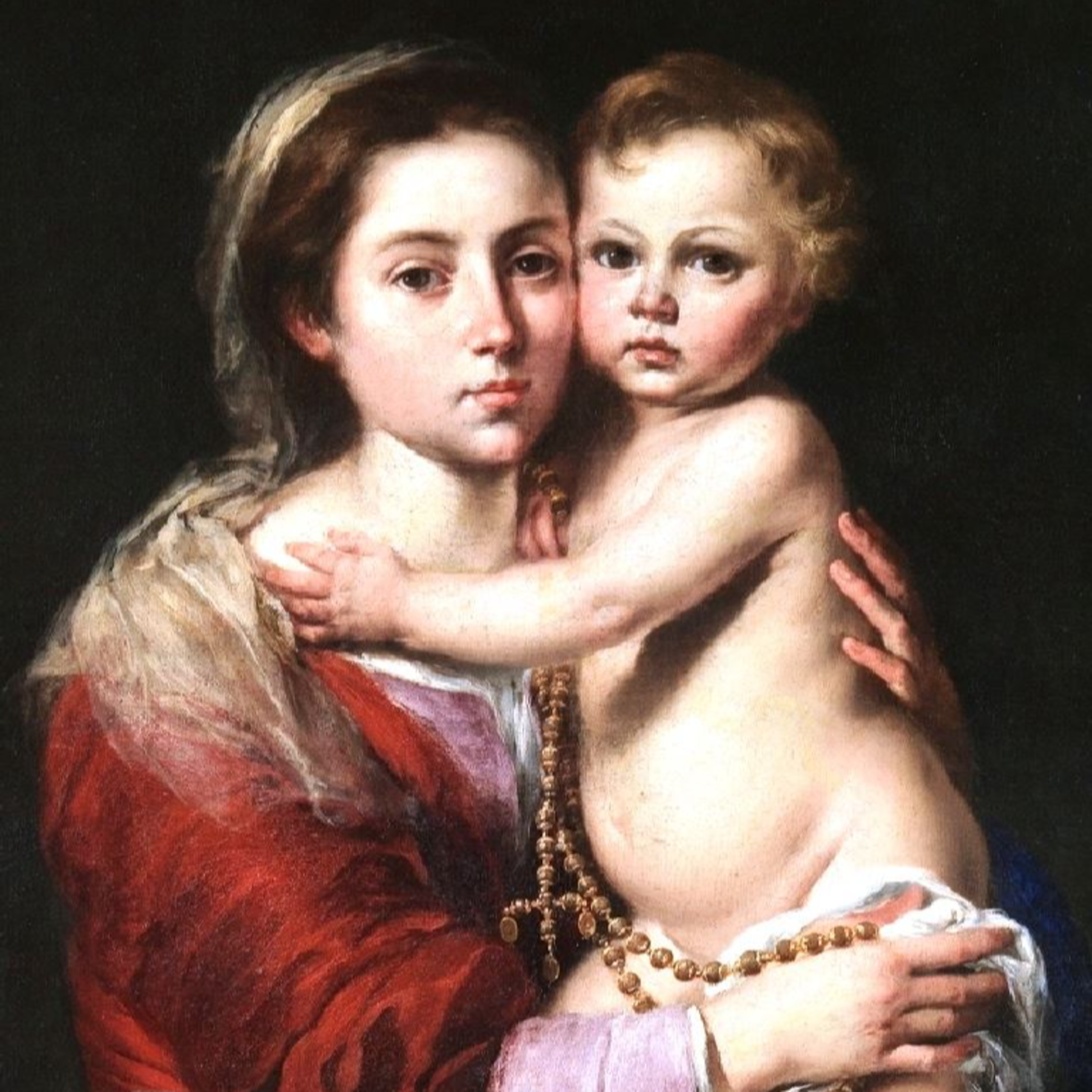 Our Lady of the Rosary (October 7) — From Dom Guéranger’s Liturgical Year 07.10.2026 25minA meditation for the Feast of Our Lady of the Rosary, from Dom Guéranger’s “The Liturgical Year”, Volume V of the Time after Pentecost.The Feast of Our Lady of the Rosary, celebrated on October 7, honors the Blessed Virgin Mary under her title as Queen of the Most Holy Rosary and commemorates the powerful intercession of the Rosary in the defense of Christendom. Its origins are especially associated with the victory of the Christian fleet over the Ottoman Turks at the Battle of Lepanto on October 7, 1571, a victory attributed by Pope St. Pius V to the intercession of Our Lady through the prayer of the Rosary. In thanksgiving, the Pope established a feast of Our Lady of Victory, which was later extended and given the title of Our Lady of the Rosary. The feast calls the faithful to contemplate, through the mysteries of the Rosary, the principal events in the life of Our Lord and His Blessed Mother, and to seek Mary's powerful intercession for the Church, for the conversion of sinners, and for peace. It thus presents the Rosary as both a school of Christian contemplation and a spiritual weapon entrusted to the faithful by the Mother of God.Please note that Servant of God Dom Prosper Guéranger went to his eternal reward in 1875; at this point, Volumes I-IX (Advent to Pentecost Saturday) had been completed, but Volumes X-XV (Trinity Sunday to Advent) had not yet been completed. Thus, the remaining readings of the Liturgical Year, from Trinity Sunday until Advent, were not directly authored by Dom Prosper, but were the work of his disciple Dom Lucien Fromage. Dom Prosper Guéranger's The Liturgical Year, a monumental fifteen-volume work, offers a comprehensive exploration of the Catholic Church’s liturgical calendar, guiding readers through the spiritual and historical richness of the Church’s worship. Written in the 19th century, the series provides daily meditations, historical context, and liturgical texts for the Mass and Divine Office, covering the entire cycle of seasons—Advent, Christmas, Lent, Passiontide, Easter, and the Time after Pentecost—as well as feast days of saints. Guéranger’s work, rooted in a deep contemplative spirit, aims to immerse the faithful in the Church’s prayerful life, emphasizing the unity of faith through the axiom lex orandi, lex credendi ("the law of prayer is the law of belief"), and remains a cherished resource for Catholics seeking to deepen their spiritual lives. Dom Prosper Guéranger (1805–1875) was a French Benedictine monk, liturgical scholar, and founder of the Solesmes Abbey, renowned for his pivotal role in reviving the Benedictine Order in France and restoring the Roman liturgy after the disruptions of the French Revolution. Born in Sablé-sur-Sarthe, he entered the priesthood in 1827 and, inspired by a vision to restore monastic life, reestablished the Benedictine community at Solesmes in 1833, becoming its first abbot. A staunch defender of ultramontanism and traditional Catholic worship, he also championed the revival of Gregorian chant, significantly influencing the liturgical renewal movement.Link to the Dom Guéranger's Liturgical Year playlist (updated daily): https://www.youtube.com/playlist?list=PLZKdyYnV_bkh7rH6piW0ShgsdcefFoOvJIf you would like to support this channel: Patreon: https://www.patreon.com/cw/InprincipioPodcast PayPal: https://www.paypal.com/donate/?hosted_button_id=U5EZ9X2CE2V7W Venmo: https://venmo.com/u/InPrincipioPodcast Zelle: [email protected]; or search for Zelle tag “inprincipiopodcast” Checks may be written out to ‘InPrincipio Podcast’ and mailed to: P.O. Box 117 Cedar Ridge, CA 95924Sincere thanks to all who are able to contribute, by your prayers, your patronage, or otherwise. Your support sustains this work and helps make these readings available to others.Artwork: “Our Lady of the Rosary” by Bartolomé Esteban Murillo c.1655
 -
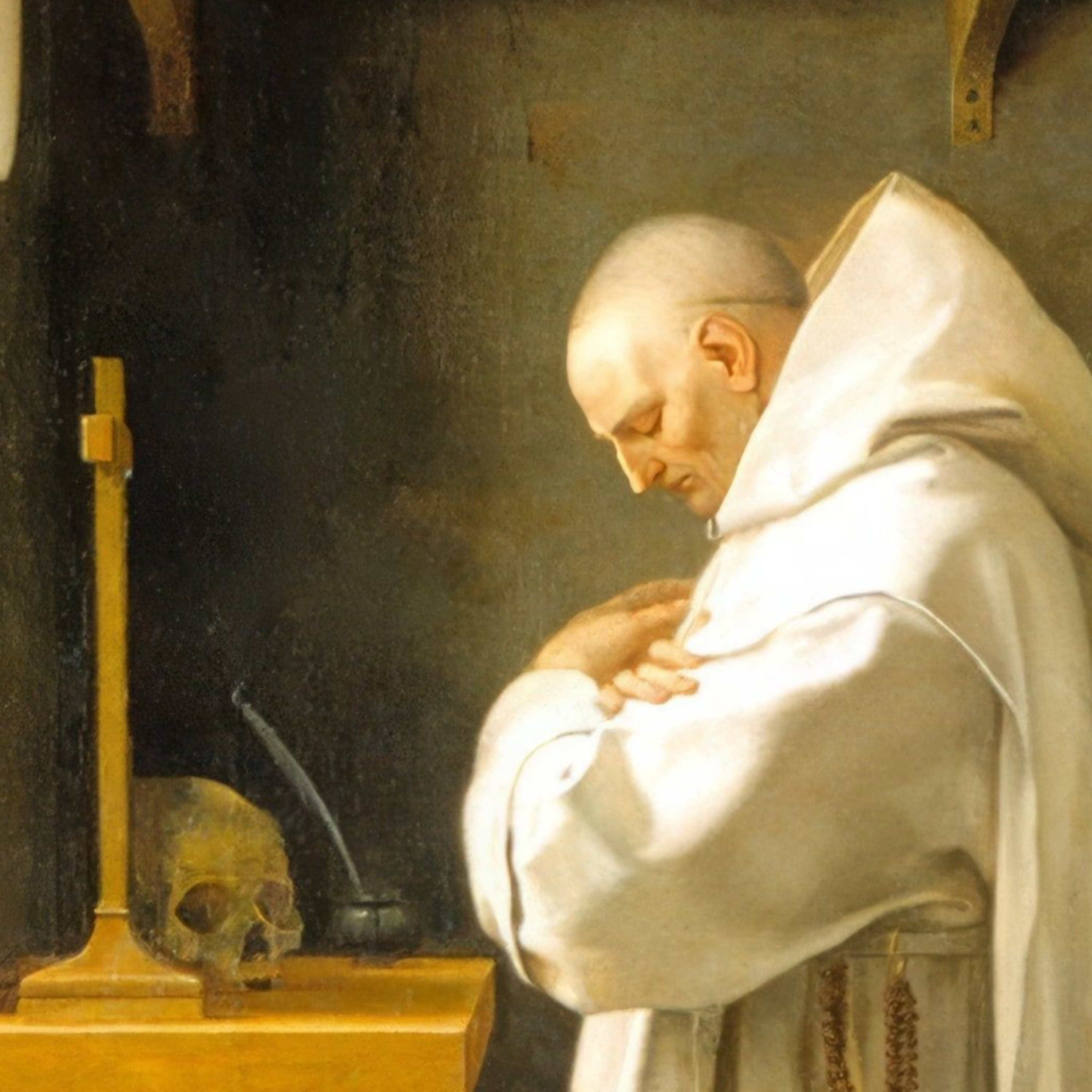 St. Bruno (October 6) — From Dom Guéranger’s Liturgical Year 06.10.2026 13minA meditation for the Feast of Saint Bruno, from Dom Guéranger’s “The Liturgical Year”, Volume V of the Time after Pentecost.St. Bruno (c. 1030–1101), priest and founder of the Carthusian Order, was born at Cologne and became renowned for his learning, holiness, and devotion to a life of solitude and contemplation. After serving as a professor and chancellor of the cathedral school at Reims, he withdrew from the world with several companions, seeking a life wholly devoted to prayer and penance. In 1084, St. Hugh of Grenoble granted them a remote and mountainous place called the Chartreuse, where Bruno established the first Carthusian monastery. Though later summoned to Rome by Pope Urban II, his former pupil, Bruno continued to cherish the contemplative life and eventually founded another hermitage in Calabria, where he died in 1101. The Carthusian ideal he established combined the solitude of the hermit with the common life of the monastery, and his order became one of the Church's most austere and enduring expressions of contemplative prayer.Please note that Servant of God Dom Prosper Guéranger went to his eternal reward in 1875; at this point, Volumes I-IX (Advent to Pentecost Saturday) had been completed, but Volumes X-XV (Trinity Sunday to Advent) had not yet been completed. Thus, the remaining readings of the Liturgical Year, from Trinity Sunday until Advent, were not directly authored by Dom Prosper, but were the work of his disciple Dom Lucien Fromage. Dom Prosper Guéranger's The Liturgical Year, a monumental fifteen-volume work, offers a comprehensive exploration of the Catholic Church’s liturgical calendar, guiding readers through the spiritual and historical richness of the Church’s worship. Written in the 19th century, the series provides daily meditations, historical context, and liturgical texts for the Mass and Divine Office, covering the entire cycle of seasons—Advent, Christmas, Lent, Passiontide, Easter, and the Time after Pentecost—as well as feast days of saints. Guéranger’s work, rooted in a deep contemplative spirit, aims to immerse the faithful in the Church’s prayerful life, emphasizing the unity of faith through the axiom lex orandi, lex credendi ("the law of prayer is the law of belief"), and remains a cherished resource for Catholics seeking to deepen their spiritual lives. Dom Prosper Guéranger (1805–1875) was a French Benedictine monk, liturgical scholar, and founder of the Solesmes Abbey, renowned for his pivotal role in reviving the Benedictine Order in France and restoring the Roman liturgy after the disruptions of the French Revolution. Born in Sablé-sur-Sarthe, he entered the priesthood in 1827 and, inspired by a vision to restore monastic life, reestablished the Benedictine community at Solesmes in 1833, becoming its first abbot. A staunch defender of ultramontanism and traditional Catholic worship, he also championed the revival of Gregorian chant, significantly influencing the liturgical renewal movement.Link to the Dom Guéranger's Liturgical Year playlist (updated daily): https://www.youtube.com/playlist?list=PLZKdyYnV_bkh7rH6piW0ShgsdcefFoOvJIf you would like to support this channel: Patreon: https://www.patreon.com/cw/InprincipioPodcast PayPal: https://www.paypal.com/donate/?hosted_button_id=U5EZ9X2CE2V7W Venmo: https://venmo.com/u/InPrincipioPodcast Zelle: [email protected]; or search for Zelle tag “inprincipiopodcast” Checks may be written out to ‘InPrincipio Podcast’ and mailed to: P.O. Box 117 Cedar Ridge, CA 95924Sincere thanks to all who are able to contribute, by your prayers, your patronage, or otherwise. Your support sustains this work and helps make these readings available to others.Artwork: “St. Bruno in Prayer” by Eustache Le Sueur c.1650
 -
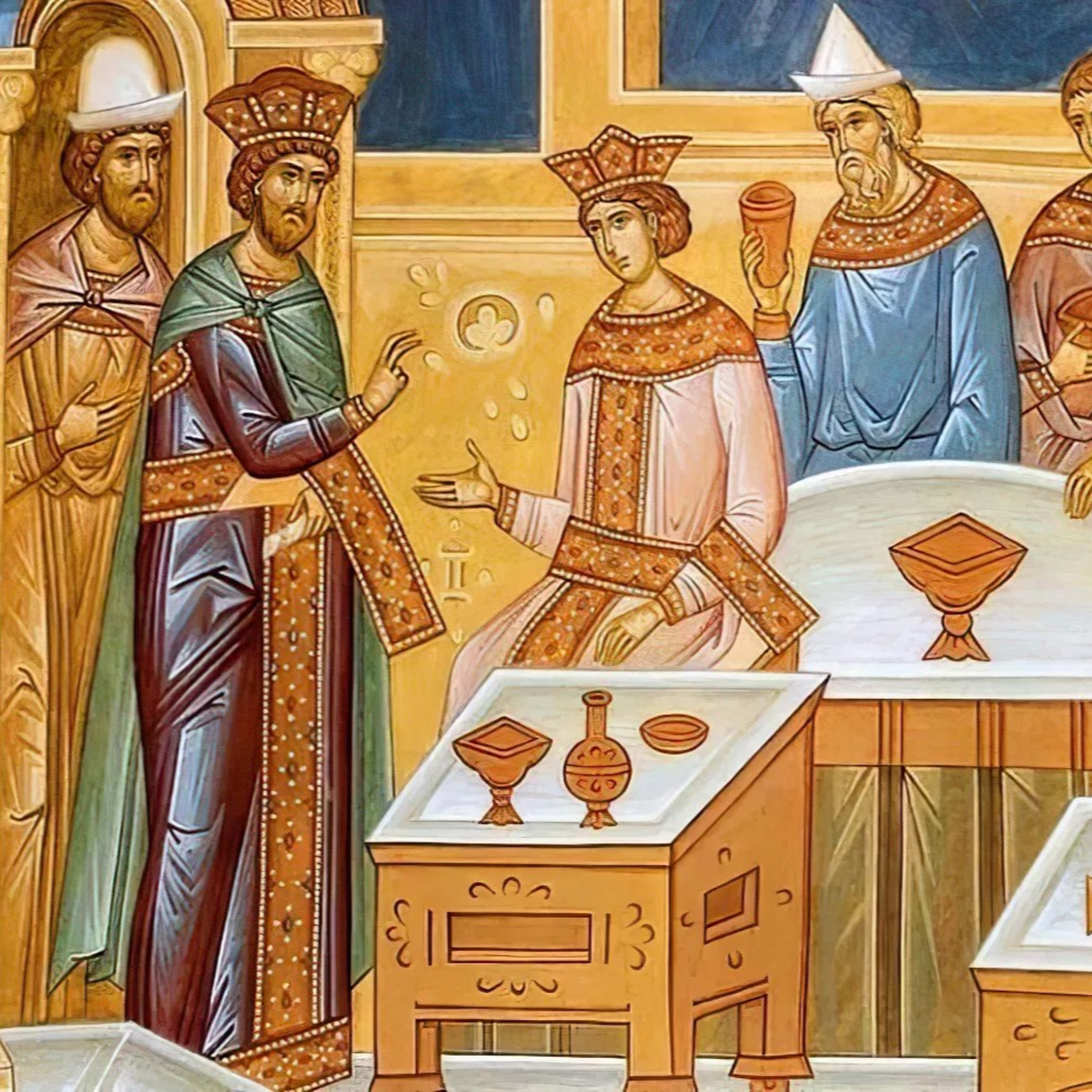 The Nineteenth Sunday after Pentecost — From Dom Guéranger’s Liturgical Year 04.10.2026 28minA meditation for the Nineteenth Sunday after Pentecost, from Dom Guéranger’s “The Liturgical Year”, Volume II of the Time after Pentecost. Please note that Servant of God Dom Prosper Guéranger went to his eternal reward in 1875; at this point, Volumes I-IX (Advent to Pentecost Saturday) had been completed, but Volumes X-XV (Trinity Sunday to Advent) had not yet been completed. Thus, the remaining readings of the Liturgical Year, from Trinity Sunday until Advent, were not directly authored by Dom Prosper, but were the work of his disciple Dom Lucien Fromage. Dom Prosper Guéranger's The Liturgical Year, a monumental fifteen-volume work, offers a comprehensive exploration of the Catholic Church’s liturgical calendar, guiding readers through the spiritual and historical richness of the Church’s worship. Written in the 19th century, the series provides daily meditations, historical context, and liturgical texts for the Mass and Divine Office, covering the entire cycle of seasons—Advent, Christmas, Lent, Passiontide, Easter, and the Time after Pentecost—as well as feast days of saints. Guéranger’s work, rooted in a deep contemplative spirit, aims to immerse the faithful in the Church’s prayerful life, emphasizing the unity of faith through the axiom lex orandi, lex credendi ("the law of prayer is the law of belief"), and remains a cherished resource for Catholics seeking to deepen their spiritual lives. Dom Prosper Guéranger (1805–1875) was a French Benedictine monk, liturgical scholar, and founder of the Solesmes Abbey, renowned for his pivotal role in reviving the Benedictine Order in France and restoring the Roman liturgy after the disruptions of the French Revolution. Born in Sablé-sur-Sarthe, he entered the priesthood in 1827 and, inspired by a vision to restore monastic life, reestablished the Benedictine community at Solesmes in 1833, becoming its first abbot. A staunch defender of ultramontanism and traditional Catholic worship, he also championed the revival of Gregorian chant, significantly influencing the liturgical renewal movement.Link to the Dom Guéranger's Liturgical Year playlist (updated daily): https://www.youtube.com/playlist?list=PLZKdyYnV_bkh7rH6piW0ShgsdcefFoOvJIf you would like to support this channel: Patreon: https://www.patreon.com/cw/InprincipioPodcast PayPal: https://www.paypal.com/donate/?hosted_button_id=U5EZ9X2CE2V7W Venmo: https://venmo.com/u/InPrincipioPodcast Zelle: [email protected]; or search for Zelle tag “inprincipiopodcast” Checks may be written out to ‘InPrincipio Podcast’ and mailed to: P.O. Box 117 Cedar Ridge, CA 95924Sincere thanks to all who are able to contribute, by your prayers, your patronage, or otherwise. Your support sustains this work and helps make these readings available to others.Artwork: Parable of the Wedding Feast, Byzantine iconMusic: “Ave Maria” (Gregorian chant), from Vesperae de Confessore non Pontifice in honor of Saint Vincent PallottiPerformed by Schola Gregoriana, Pallottine Seminary (Ołtarzew, Poland) | Conductor: Fr. Dariusz SmolarekLicense: CC BY-SA 3.0 — https://creativecommons.org/licenses/by-sa/3.0/Changes: noneExcept where otherwise noted, original content © InPrincipio Podcast.
 -
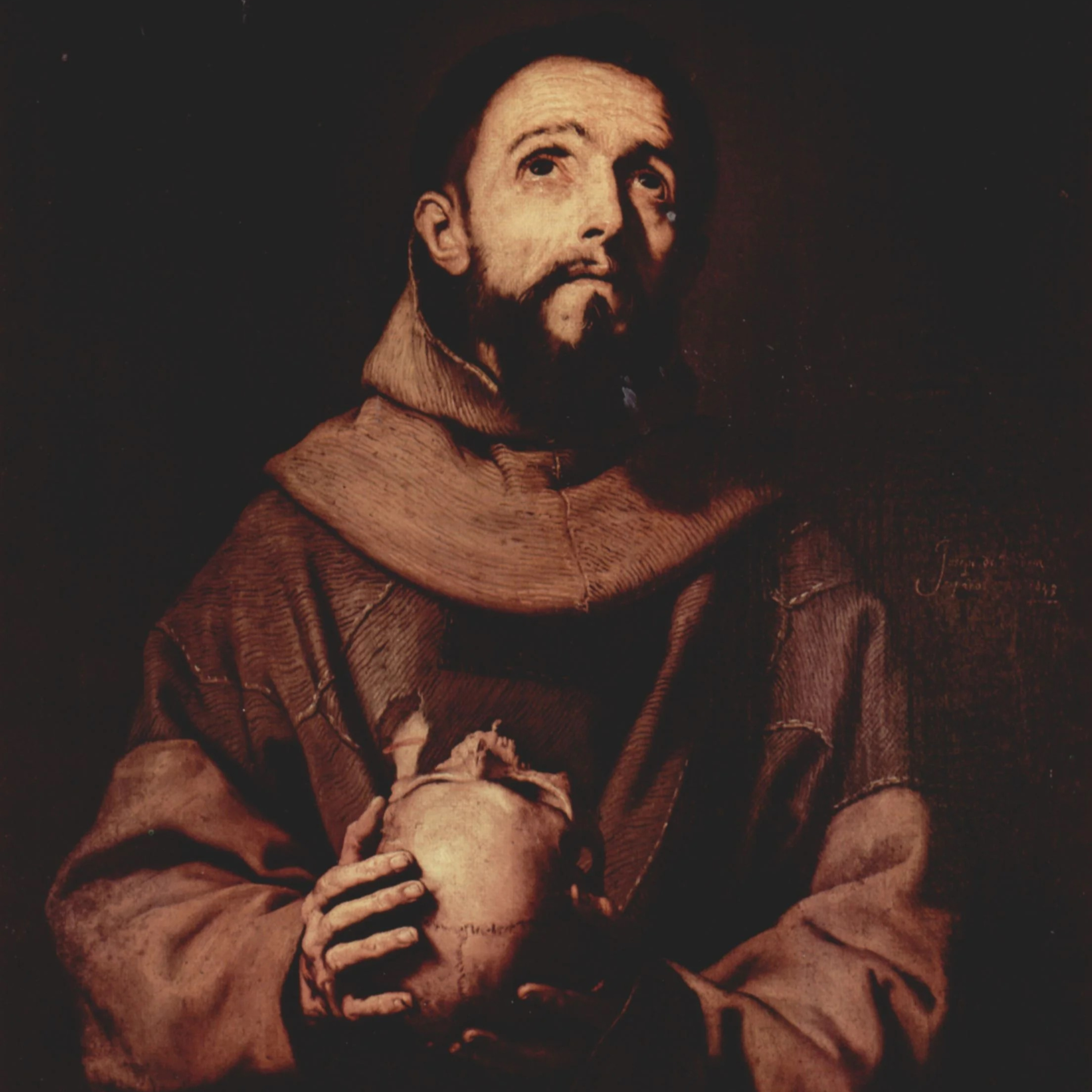 St. Francis of Assisi (October 4) — From Dom Guéranger’s Liturgical Year 04.10.2026 35minA meditation for the Feast of Saint Francis of Assisi, from Dom Guéranger’s “The Liturgical Year”, Volume V of the Time after Pentecost.St. Francis of Assisi (1181/1182–1226), founder of the Order of Friars Minor, was one of the most beloved saints of the Catholic Church and a great imitator of Christ in poverty, humility, charity, and devotion to the Cross. Born into a wealthy merchant family in Assisi, he renounced his inheritance after a profound conversion and embraced a life of radical poverty, preaching the Gospel and serving the poor and lepers. His example attracted many followers, giving rise to the Franciscan Order, while St. Clare of Assisi, inspired by his example, founded the Poor Clares. Francis was renowned for his love of Christ, especially in the mystery of His Passion, and in 1224 he received the sacred stigmata on Mount La Verna, becoming the first saint known to have borne the visible wounds of Christ. He died at the Portiuncula on October 3, 1226, and was canonized only two years later by Pope Gregory IX. His feast is celebrated on October 4, and his life continues to stand as a powerful witness to evangelical poverty, humility, joy, and total conformity to Christ.Please note that Servant of God Dom Prosper Guéranger went to his eternal reward in 1875; at this point, Volumes I-IX (Advent to Pentecost Saturday) had been completed, but Volumes X-XV (Trinity Sunday to Advent) had not yet been completed. Thus, the remaining readings of the Liturgical Year, from Trinity Sunday until Advent, were not directly authored by Dom Prosper, but were the work of his disciple Dom Lucien Fromage. Dom Prosper Guéranger's The Liturgical Year, a monumental fifteen-volume work, offers a comprehensive exploration of the Catholic Church’s liturgical calendar, guiding readers through the spiritual and historical richness of the Church’s worship. Written in the 19th century, the series provides daily meditations, historical context, and liturgical texts for the Mass and Divine Office, covering the entire cycle of seasons—Advent, Christmas, Lent, Passiontide, Easter, and the Time after Pentecost—as well as feast days of saints. Guéranger’s work, rooted in a deep contemplative spirit, aims to immerse the faithful in the Church’s prayerful life, emphasizing the unity of faith through the axiom lex orandi, lex credendi ("the law of prayer is the law of belief"), and remains a cherished resource for Catholics seeking to deepen their spiritual lives. Dom Prosper Guéranger (1805–1875) was a French Benedictine monk, liturgical scholar, and founder of the Solesmes Abbey, renowned for his pivotal role in reviving the Benedictine Order in France and restoring the Roman liturgy after the disruptions of the French Revolution. Born in Sablé-sur-Sarthe, he entered the priesthood in 1827 and, inspired by a vision to restore monastic life, reestablished the Benedictine community at Solesmes in 1833, becoming its first abbot. A staunch defender of ultramontanism and traditional Catholic worship, he also championed the revival of Gregorian chant, significantly influencing the liturgical renewal movement.Link to the Dom Guéranger's Liturgical Year playlist (updated daily): https://www.youtube.com/playlist?list=PLZKdyYnV_bkh7rH6piW0ShgsdcefFoOvJIf you would like to support this channel: Patreon: https://www.patreon.com/cw/InprincipioPodcast PayPal: https://www.paypal.com/donate/?hosted_button_id=U5EZ9X2CE2V7W Venmo: https://venmo.com/u/InPrincipioPodcast Zelle: [email protected]; or search for Zelle tag “inprincipiopodcast” Checks may be written out to ‘InPrincipio Podcast’ and mailed to: P.O. Box 117 Cedar Ridge, CA 95924Sincere thanks to all who are able to contribute, by your prayers, your patronage, or otherwise. Your support sustains this work and helps make these readings available to others.Artwork: “Saint Francis of Assisi” by Jusepe de Ribera, c. 1643
 -
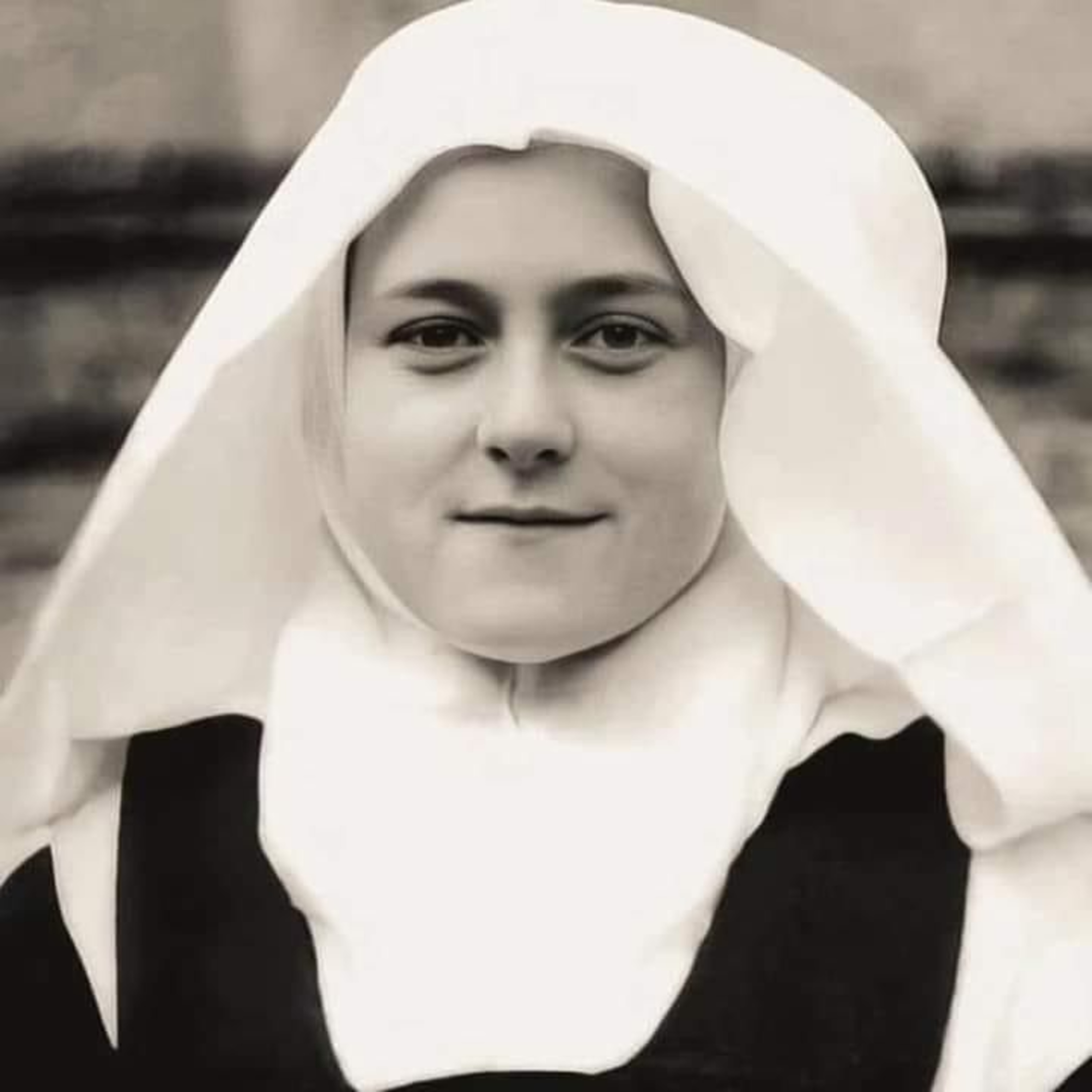 St. Thérèse of Lisieux (October 3) — From Dom Guéranger’s Liturgical Year 03.10.2026 14minA meditation for the Feast of St. Thérèse of Lisieux, from Dom Guéranger’s “The Liturgical Year”, Volume V of the Time after Pentecost.St. Thérèse of Lisieux, also known as St. Teresa of the Child Jesus and of the Holy Face, was born in Alençon, France, in 1873 and entered the Carmelite convent at Lisieux at the age of fifteen. Though she lived a hidden and relatively brief life, she attained great holiness through her profound confidence in God's mercy and what she called her “Little Way”, seeking to become holy through humble, ordinary acts of love and childlike trust in God rather than through extraordinary works. She offered her sufferings and daily sacrifices for the salvation of souls and the missions, and during her final illness she composed her spiritual autobiography, The Story of a Soul. She died of tuberculosis on September 30, 1897, at only twenty-four years of age. Canonized in 1925 by Pope Pius XI, she was declared a Doctor of the Church in 1997 and is honored as the Patroness of the Missions, despite never having left her convent.Please note that Servant of God Dom Prosper Guéranger went to his eternal reward in 1875; at this point, Volumes I-IX (Advent to Pentecost Saturday) had been completed, but Volumes X-XV (Trinity Sunday to Advent) had not yet been completed. Thus, the remaining readings of the Liturgical Year, from Trinity Sunday until Advent, were not directly authored by Dom Prosper, but were the work of his disciple Dom Lucien Fromage. Dom Prosper Guéranger's The Liturgical Year, a monumental fifteen-volume work, offers a comprehensive exploration of the Catholic Church’s liturgical calendar, guiding readers through the spiritual and historical richness of the Church’s worship. Written in the 19th century, the series provides daily meditations, historical context, and liturgical texts for the Mass and Divine Office, covering the entire cycle of seasons—Advent, Christmas, Lent, Passiontide, Easter, and the Time after Pentecost—as well as feast days of saints. Guéranger’s work, rooted in a deep contemplative spirit, aims to immerse the faithful in the Church’s prayerful life, emphasizing the unity of faith through the axiom lex orandi, lex credendi ("the law of prayer is the law of belief"), and remains a cherished resource for Catholics seeking to deepen their spiritual lives. Dom Prosper Guéranger (1805–1875) was a French Benedictine monk, liturgical scholar, and founder of the Solesmes Abbey, renowned for his pivotal role in reviving the Benedictine Order in France and restoring the Roman liturgy after the disruptions of the French Revolution. Born in Sablé-sur-Sarthe, he entered the priesthood in 1827 and, inspired by a vision to restore monastic life, reestablished the Benedictine community at Solesmes in 1833, becoming its first abbot. A staunch defender of ultramontanism and traditional Catholic worship, he also championed the revival of Gregorian chant, significantly influencing the liturgical renewal movement.Link to the Dom Guéranger's Liturgical Year playlist (updated daily): https://www.youtube.com/playlist?list=PLZKdyYnV_bkh7rH6piW0ShgsdcefFoOvJIf you would like to support this channel: Patreon: https://www.patreon.com/cw/InprincipioPodcast PayPal: https://www.paypal.com/donate/?hosted_button_id=U5EZ9X2CE2V7W Venmo: https://venmo.com/u/InPrincipioPodcast Zelle: [email protected]; or search for Zelle tag “inprincipiopodcast” Checks may be written out to ‘InPrincipio Podcast’ and mailed to: P.O. Box 117 Cedar Ridge, CA 95924Sincere thanks to all who are able to contribute, by your prayers, your patronage, or otherwise. Your support sustains this work and helps make these readings available to others.
 -
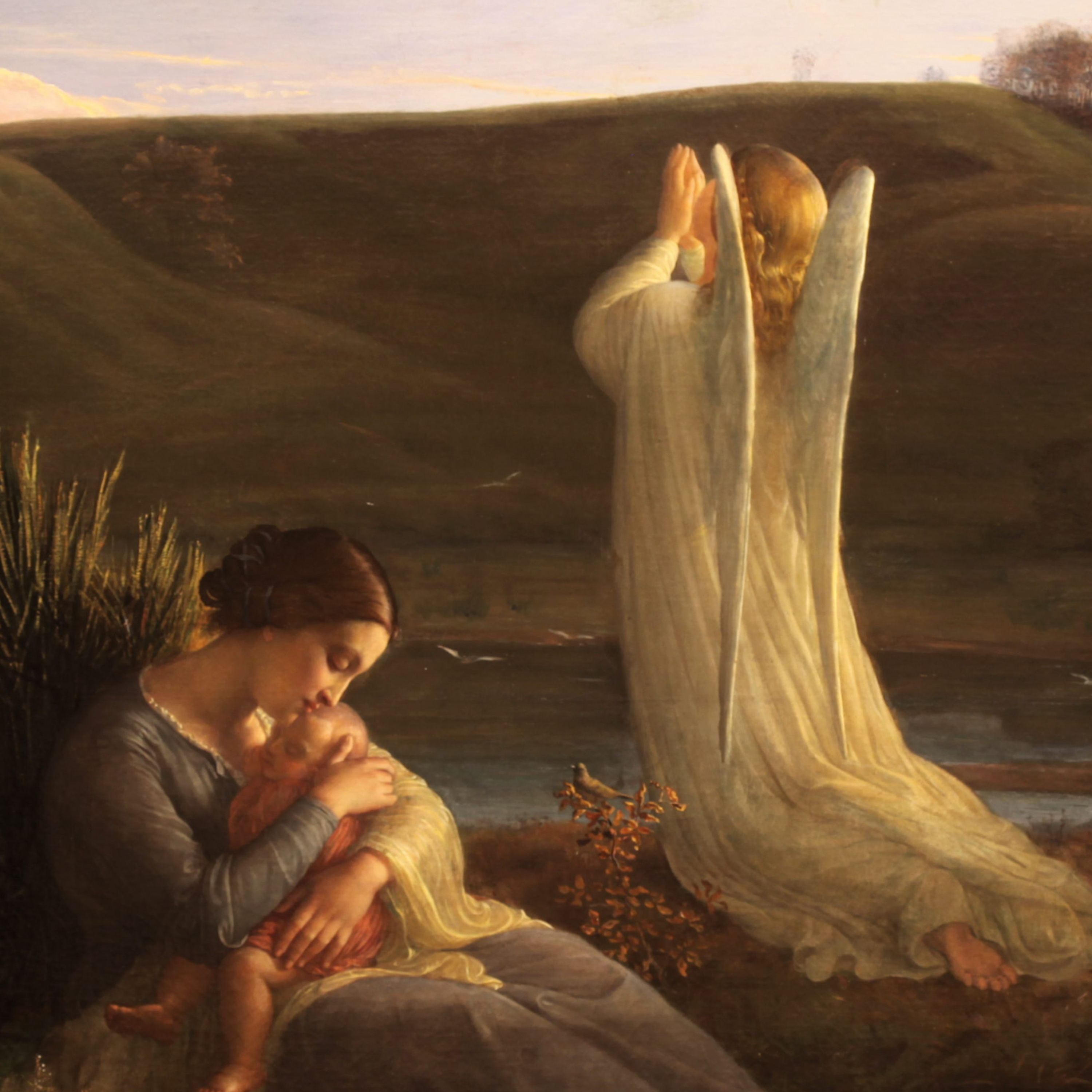 Holy Guardian Angels (October 2) — From Dom Guéranger’s Liturgical Year 02.10.2026 18minA meditation for the Feast of the Holy Guardian Angels, from Dom Guéranger’s “The Liturgical Year”, Volume V of the Time after Pentecost.The Feast of the Holy Guardian Angels, celebrated on October 2, honors the angels whom God appoints to watch over and protect each of the faithful throughout the course of earthly life. From the earliest moments of existence, these blessed spirits assist their charges by guarding them from dangers, inspiring good thoughts, aiding them in resisting temptation, and guiding them toward God and eternal salvation. The feast recalls the words of Our Lord: “Their angels in heaven always see the face of My Father who is in heaven” (Matthew 18:10), and encourages the faithful to cultivate a spirit of gratitude and devotion toward these heavenly protectors. It is also a reminder that, although ordinarily unseen, the angels are real servants of Divine Providence and faithful companions on the journey toward Heaven.Please note that Servant of God Dom Prosper Guéranger went to his eternal reward in 1875; at this point, Volumes I-IX (Advent to Pentecost Saturday) had been completed, but Volumes X-XV (Trinity Sunday to Advent) had not yet been completed. Thus, the remaining readings of the Liturgical Year, from Trinity Sunday until Advent, were not directly authored by Dom Prosper, but were the work of his disciple Dom Lucien Fromage. Dom Prosper Guéranger's The Liturgical Year, a monumental fifteen-volume work, offers a comprehensive exploration of the Catholic Church’s liturgical calendar, guiding readers through the spiritual and historical richness of the Church’s worship. Written in the 19th century, the series provides daily meditations, historical context, and liturgical texts for the Mass and Divine Office, covering the entire cycle of seasons—Advent, Christmas, Lent, Passiontide, Easter, and the Time after Pentecost—as well as feast days of saints. Guéranger’s work, rooted in a deep contemplative spirit, aims to immerse the faithful in the Church’s prayerful life, emphasizing the unity of faith through the axiom lex orandi, lex credendi ("the law of prayer is the law of belief"), and remains a cherished resource for Catholics seeking to deepen their spiritual lives. Dom Prosper Guéranger (1805–1875) was a French Benedictine monk, liturgical scholar, and founder of the Solesmes Abbey, renowned for his pivotal role in reviving the Benedictine Order in France and restoring the Roman liturgy after the disruptions of the French Revolution. Born in Sablé-sur-Sarthe, he entered the priesthood in 1827 and, inspired by a vision to restore monastic life, reestablished the Benedictine community at Solesmes in 1833, becoming its first abbot. A staunch defender of ultramontanism and traditional Catholic worship, he also championed the revival of Gregorian chant, significantly influencing the liturgical renewal movement.Link to the Dom Guéranger's Liturgical Year playlist (updated daily): https://www.youtube.com/playlist?list=PLZKdyYnV_bkh7rH6piW0ShgsdcefFoOvJIf you would like to support this channel: Patreon: https://www.patreon.com/cw/InprincipioPodcast PayPal: https://www.paypal.com/donate/?hosted_button_id=U5EZ9X2CE2V7W Venmo: https://venmo.com/u/InPrincipioPodcast Zelle: [email protected]; or search for Zelle tag “inprincipiopodcast” Checks may be written out to ‘InPrincipio Podcast’ and mailed to: P.O. Box 117 Cedar Ridge, CA 95924Sincere thanks to all who are able to contribute, by your prayers, your patronage, or otherwise. Your support sustains this work and helps make these readings available to others.Artwork: “The Angel and the Mother (L'Ange et la mère)” by Louis Janmot, 1854
 -
 St. Remigius (October 1) — From Dom Guéranger’s Liturgical Year 01.10.2026 20minA meditation for the Feast of St. Remigius, from Dom Guéranger’s “The Liturgical Year”, Volume V of the Time after Pentecost.Saint Remigius (c. 437–533), Bishop of Rheims, was one of the great apostles of the Franks and a principal instrument in the conversion of their king, Clovis I, to the Catholic Faith. According to tradition, Remigius baptized Clovis at Rheims on Christmas Day, around the year 496, together with thousands of his subjects, establishing Catholic Christianity firmly among the Frankish people. He was renowned for his holiness, learning, charity, and missionary zeal, and tradition attributes several miracles to him, including the miraculous multiplication of wine. He also defended the true Faith against heresy and worked tirelessly for the spiritual and ecclesiastical organization of his people. Because of his role in the conversion of the Franks, Saint Remigius became one of the most important bishops in the early history of Christian France.Please note that Servant of God Dom Prosper Guéranger went to his eternal reward in 1875; at this point, Volumes I-IX (Advent to Pentecost Saturday) had been completed, but Volumes X-XV (Trinity Sunday to Advent) had not yet been completed. Thus, the remaining readings of the Liturgical Year, from Trinity Sunday until Advent, were not directly authored by Dom Prosper, but were the work of his disciple Dom Lucien Fromage. Dom Prosper Guéranger's The Liturgical Year, a monumental fifteen-volume work, offers a comprehensive exploration of the Catholic Church’s liturgical calendar, guiding readers through the spiritual and historical richness of the Church’s worship. Written in the 19th century, the series provides daily meditations, historical context, and liturgical texts for the Mass and Divine Office, covering the entire cycle of seasons—Advent, Christmas, Lent, Passiontide, Easter, and the Time after Pentecost—as well as feast days of saints. Guéranger’s work, rooted in a deep contemplative spirit, aims to immerse the faithful in the Church’s prayerful life, emphasizing the unity of faith through the axiom lex orandi, lex credendi ("the law of prayer is the law of belief"), and remains a cherished resource for Catholics seeking to deepen their spiritual lives. Dom Prosper Guéranger (1805–1875) was a French Benedictine monk, liturgical scholar, and founder of the Solesmes Abbey, renowned for his pivotal role in reviving the Benedictine Order in France and restoring the Roman liturgy after the disruptions of the French Revolution. Born in Sablé-sur-Sarthe, he entered the priesthood in 1827 and, inspired by a vision to restore monastic life, reestablished the Benedictine community at Solesmes in 1833, becoming its first abbot. A staunch defender of ultramontanism and traditional Catholic worship, he also championed the revival of Gregorian chant, significantly influencing the liturgical renewal movement.Link to the Dom Guéranger's Liturgical Year playlist (updated daily): https://www.youtube.com/playlist?list=PLZKdyYnV_bkh7rH6piW0ShgsdcefFoOvJIf you would like to support this channel: Patreon: https://www.patreon.com/cw/InprincipioPodcast PayPal: https://www.paypal.com/donate/?hosted_button_id=U5EZ9X2CE2V7W Venmo: https://venmo.com/u/InPrincipioPodcast Zelle: [email protected]; or search for Zelle tag “inprincipiopodcast” Checks may be written out to ‘InPrincipio Podcast’ and mailed to: P.O. Box 117 Cedar Ridge, CA 95924Sincere thanks to all who are able to contribute, by your prayers, your patronage, or otherwise. Your support sustains this work and helps make these readings available to others.Artwork: “The Baptism of Clovis at Reims” by François-Louis Dejuinne, 1837
 -
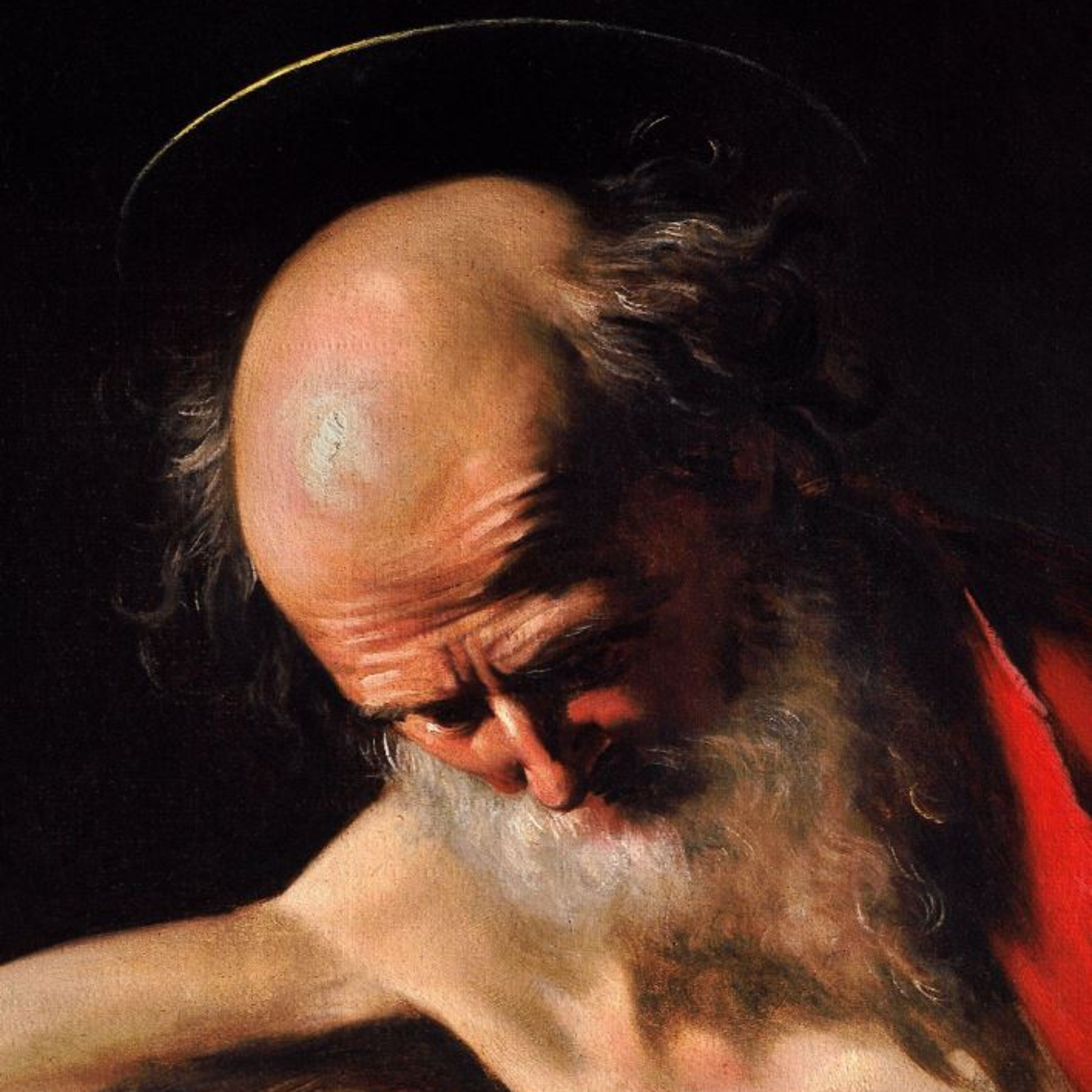 St. Jerome (September 30) — From Dom Guéranger’s Liturgical Year 30.09.2026 24minA meditation for the Feast of St. Jerome, from Dom Guéranger’s “The Liturgical Year”, Volume V of the Time after Pentecost.St. Jerome (c. 347–420), priest, monk, scholar, and Doctor of the Church, was one of the greatest biblical scholars of the early Church. Born in Stridon in Dalmatia, he devoted himself to study and the ascetic life, spending years as a hermit in the Syrian desert before being ordained a priest and eventually settling in Bethlehem. At the request of Pope St. Damasus I, he undertook a careful revision and translation of the Latin Scriptures, producing the version that became known as the Vulgate, which profoundly influenced Western Christianity for centuries. Jerome was renowned for his mastery of Hebrew, Greek, and Latin, his extensive commentaries on Scripture, and his fierce defense of Catholic doctrine, though his strong temperament sometimes brought him into controversy with others. He established monasteries at Bethlehem, where he spent his final years in prayer, study, penance, and writing. His feast is celebrated on September 30, and he is traditionally regarded as the patron of translators, biblical scholars, and librarians.Please note that Servant of God Dom Prosper Guéranger went to his eternal reward in 1875; at this point, Volumes I-IX (Advent to Pentecost Saturday) had been completed, but Volumes X-XV (Trinity Sunday to Advent) had not yet been completed. Thus, the remaining readings of the Liturgical Year, from Trinity Sunday until Advent, were not directly authored by Dom Prosper, but were the work of his disciple Dom Lucien Fromage. Dom Prosper Guéranger's The Liturgical Year, a monumental fifteen-volume work, offers a comprehensive exploration of the Catholic Church’s liturgical calendar, guiding readers through the spiritual and historical richness of the Church’s worship. Written in the 19th century, the series provides daily meditations, historical context, and liturgical texts for the Mass and Divine Office, covering the entire cycle of seasons—Advent, Christmas, Lent, Passiontide, Easter, and the Time after Pentecost—as well as feast days of saints. Guéranger’s work, rooted in a deep contemplative spirit, aims to immerse the faithful in the Church’s prayerful life, emphasizing the unity of faith through the axiom lex orandi, lex credendi ("the law of prayer is the law of belief"), and remains a cherished resource for Catholics seeking to deepen their spiritual lives. Dom Prosper Guéranger (1805–1875) was a French Benedictine monk, liturgical scholar, and founder of the Solesmes Abbey, renowned for his pivotal role in reviving the Benedictine Order in France and restoring the Roman liturgy after the disruptions of the French Revolution. Born in Sablé-sur-Sarthe, he entered the priesthood in 1827 and, inspired by a vision to restore monastic life, reestablished the Benedictine community at Solesmes in 1833, becoming its first abbot. A staunch defender of ultramontanism and traditional Catholic worship, he also championed the revival of Gregorian chant, significantly influencing the liturgical renewal movement.Link to the Dom Guéranger's Liturgical Year playlist (updated daily): https://www.youtube.com/playlist?list=PLZKdyYnV_bkh7rH6piW0ShgsdcefFoOvJIf you would like to support this channel: Patreon: https://www.patreon.com/cw/InprincipioPodcast PayPal: https://www.paypal.com/donate/?hosted_button_id=U5EZ9X2CE2V7W Venmo: https://venmo.com/u/InPrincipioPodcast Zelle: [email protected]; or search for Zelle tag “inprincipiopodcast” Checks may be written out to ‘InPrincipio Podcast’ and mailed to: P.O. Box 117 Cedar Ridge, CA 95924Sincere thanks to all who are able to contribute, by your prayers, your patronage, or otherwise. Your support sustains this work and helps make these readings available to others.Artwork: “Saint Jerome Writing” by Caravaggio, c.1606
 -
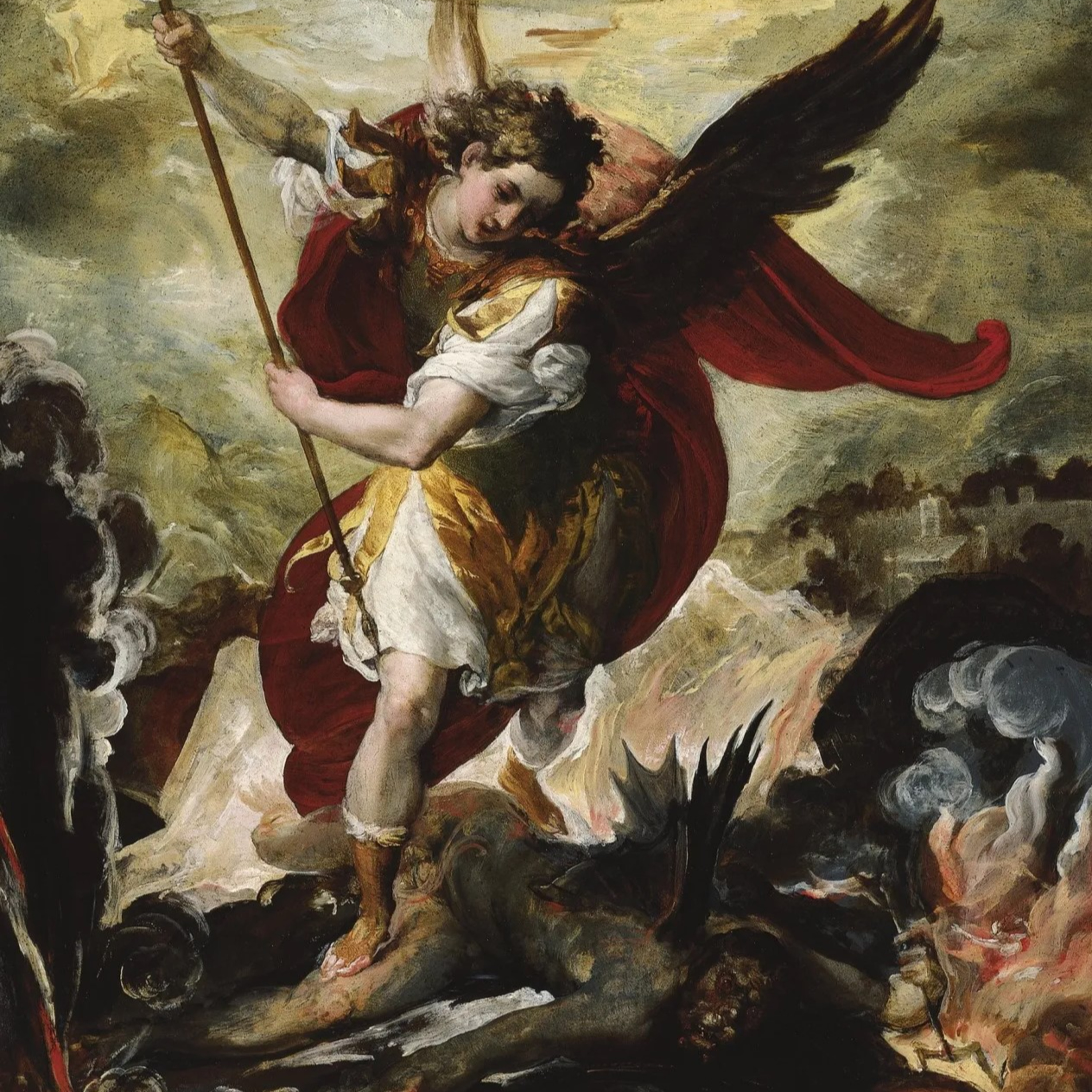 Michaelmas (September 29) — From Dom Guéranger’s Liturgical Year 28.09.2026 15minA meditation for Michaelmas, the Feast of Saint Michael the Archangel, from Dom Guéranger’s “The Liturgical Year”, Volume V of the Time after Pentecost.Michaelmas, traditionally celebrated on September 29, is the feast of Saint Michael the Archangel, one of the principal feasts honoring the holy angels. Saint Michael, whose name means “Who is like God?”, is especially honored as the defender of the Church and the champion of God's truth against Satan and the powers of darkness. The feast commemorates the victory of the faithful angels under Michael's leadership over the rebellious angels, who were cast from Heaven, and it calls Christians to remember the reality of the spiritual battle and the protection God provides through His holy angels. In the traditional Catholic calendar, Michaelmas is one of the great feasts of the year and has long held particular importance in Christian devotion, especially as a time to invoke Saint Michael's protection and to seek his aid in resisting temptation and remaining faithful to God.Please note that Servant of God Dom Prosper Guéranger went to his eternal reward in 1875; at this point, Volumes I-IX (Advent to Pentecost Saturday) had been completed, but Volumes X-XV (Trinity Sunday to Advent) had not yet been completed. Thus, the remaining readings of the Liturgical Year, from Trinity Sunday until Advent, were not directly authored by Dom Prosper, but were the work of his disciple Dom Lucien Fromage. Dom Prosper Guéranger's The Liturgical Year, a monumental fifteen-volume work, offers a comprehensive exploration of the Catholic Church’s liturgical calendar, guiding readers through the spiritual and historical richness of the Church’s worship. Written in the 19th century, the series provides daily meditations, historical context, and liturgical texts for the Mass and Divine Office, covering the entire cycle of seasons—Advent, Christmas, Lent, Passiontide, Easter, and the Time after Pentecost—as well as feast days of saints. Guéranger’s work, rooted in a deep contemplative spirit, aims to immerse the faithful in the Church’s prayerful life, emphasizing the unity of faith through the axiom lex orandi, lex credendi ("the law of prayer is the law of belief"), and remains a cherished resource for Catholics seeking to deepen their spiritual lives. Dom Prosper Guéranger (1805–1875) was a French Benedictine monk, liturgical scholar, and founder of the Solesmes Abbey, renowned for his pivotal role in reviving the Benedictine Order in France and restoring the Roman liturgy after the disruptions of the French Revolution. Born in Sablé-sur-Sarthe, he entered the priesthood in 1827 and, inspired by a vision to restore monastic life, reestablished the Benedictine community at Solesmes in 1833, becoming its first abbot. A staunch defender of ultramontanism and traditional Catholic worship, he also championed the revival of Gregorian chant, significantly influencing the liturgical renewal movement.Link to the Dom Guéranger's Liturgical Year playlist (updated daily): https://www.youtube.com/playlist?list=PLZKdyYnV_bkh7rH6piW0ShgsdcefFoOvJIf you would like to support this channel: Patreon: https://www.patreon.com/cw/InprincipioPodcast PayPal: https://www.paypal.com/donate/?hosted_button_id=U5EZ9X2CE2V7W Venmo: https://venmo.com/u/InPrincipioPodcast Zelle: [email protected]; or search for Zelle tag “inprincipiopodcast” Checks may be written out to ‘InPrincipio Podcast’ and mailed to: P.O. Box 117 Cedar Ridge, CA 95924Sincere thanks to all who are able to contribute, by your prayers, your patronage, or otherwise. Your support sustains this work and helps make these readings available to others.Artwork: “The Archangel Michael overthrowing Lucifer” by Francesco Maffei, c.1656
 -
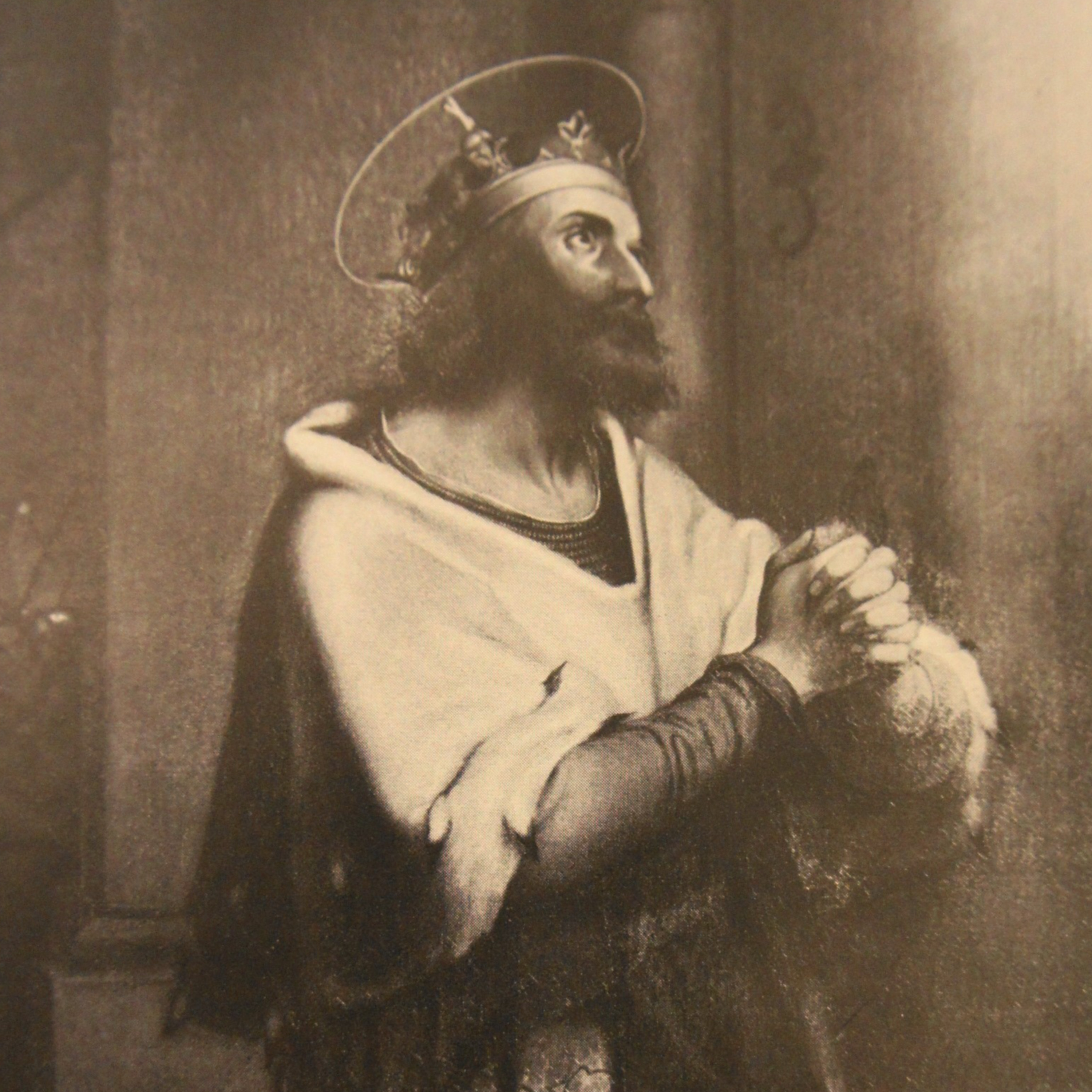 St. Wenceslaus (September 28) — From Dom Guéranger’s Liturgical Year 27.09.2026 8minA meditation for the Feast of Saint Wenceslaus, Duke of Bohemia, from Dom Guéranger’s “The Liturgical Year”, Volume V of the Time after Pentecost.Saint Wenceslaus, Duke and Martyr, was born around the year 907 in Bohemia and was raised in the Catholic faith by his grandmother, Saint Ludmila. As ruler of Bohemia, he sought to govern with justice and Christian charity, promoting the spread of the Faith and caring especially for the poor, widows, orphans, and the sick. His brother Boleslaus, opposed to Wenceslaus's Catholic policies and influenced by pagan and political interests, conspired against him, and Wenceslaus was murdered on September 28, 935, as he was entering a church to attend Mass. He was immediately honored as a martyr, and his devotion spread throughout Bohemia, where he became the principal patron of the nation. His relics were later translated to the Cathedral of Saint Vitus in Prague, and he remains one of the most beloved saints of Central Europe, remembered as a model of Christian kingship, charity, and steadfastness in the Faith.Please note that Servant of God Dom Prosper Guéranger went to his eternal reward in 1875; at this point, Volumes I-IX (Advent to Pentecost Saturday) had been completed, but Volumes X-XV (Trinity Sunday to Advent) had not yet been completed. Thus, the remaining readings of the Liturgical Year, from Trinity Sunday until Advent, were not directly authored by Dom Prosper, but were the work of his disciple Dom Lucien Fromage. Dom Prosper Guéranger's The Liturgical Year, a monumental fifteen-volume work, offers a comprehensive exploration of the Catholic Church’s liturgical calendar, guiding readers through the spiritual and historical richness of the Church’s worship. Written in the 19th century, the series provides daily meditations, historical context, and liturgical texts for the Mass and Divine Office, covering the entire cycle of seasons—Advent, Christmas, Lent, Passiontide, Easter, and the Time after Pentecost—as well as feast days of saints. Guéranger’s work, rooted in a deep contemplative spirit, aims to immerse the faithful in the Church’s prayerful life, emphasizing the unity of faith through the axiom lex orandi, lex credendi ("the law of prayer is the law of belief"), and remains a cherished resource for Catholics seeking to deepen their spiritual lives. Dom Prosper Guéranger (1805–1875) was a French Benedictine monk, liturgical scholar, and founder of the Solesmes Abbey, renowned for his pivotal role in reviving the Benedictine Order in France and restoring the Roman liturgy after the disruptions of the French Revolution. Born in Sablé-sur-Sarthe, he entered the priesthood in 1827 and, inspired by a vision to restore monastic life, reestablished the Benedictine community at Solesmes in 1833, becoming its first abbot. A staunch defender of ultramontanism and traditional Catholic worship, he also championed the revival of Gregorian chant, significantly influencing the liturgical renewal movement.Link to the Dom Guéranger's Liturgical Year playlist (updated daily): https://www.youtube.com/playlist?list=PLZKdyYnV_bkh7rH6piW0ShgsdcefFoOvJIf you would like to support this channel: Patreon: https://www.patreon.com/cw/InprincipioPodcast PayPal: https://www.paypal.com/donate/?hosted_button_id=U5EZ9X2CE2V7W Venmo: https://venmo.com/u/InPrincipioPodcast Zelle: [email protected]; or search for Zelle tag “inprincipiopodcast” Checks may be written out to ‘InPrincipio Podcast’ and mailed to: P.O. Box 117 Cedar Ridge, CA 95924Sincere thanks to all who are able to contribute, by your prayers, your patronage, or otherwise. Your support sustains this work and helps make these readings available to others.Artwork: “Saint Wenceslas” by Adolf Gottlob Zimmermann, 1852
 -
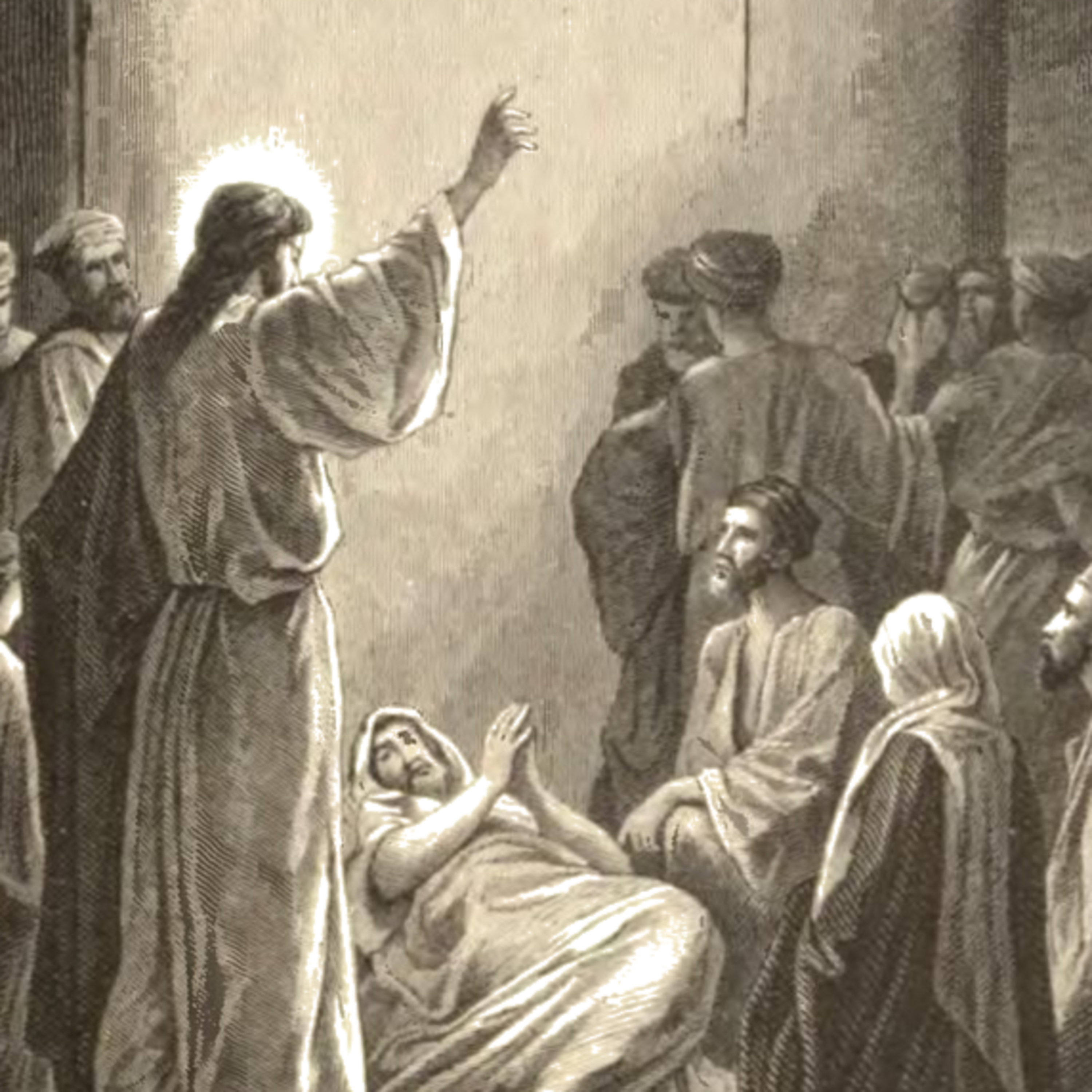 The Eighteenth Sunday after Pentecost — From Dom Guéranger’s Liturgical Year 26.09.2026 37minA meditation for the Eighteenth Sunday after Pentecost, from Dom Guéranger’s “The Liturgical Year”, Volume II of the Time after Pentecost. Please note that Servant of God Dom Prosper Guéranger went to his eternal reward in 1875; at this point, Volumes I-IX (Advent to Pentecost Saturday) had been completed, but Volumes X-XV (Trinity Sunday to Advent) had not yet been completed. Thus, the remaining readings of the Liturgical Year, from Trinity Sunday until Advent, were not directly authored by Dom Prosper, but were the work of his disciple Dom Lucien Fromage. Dom Prosper Guéranger's The Liturgical Year, a monumental fifteen-volume work, offers a comprehensive exploration of the Catholic Church’s liturgical calendar, guiding readers through the spiritual and historical richness of the Church’s worship. Written in the 19th century, the series provides daily meditations, historical context, and liturgical texts for the Mass and Divine Office, covering the entire cycle of seasons—Advent, Christmas, Lent, Passiontide, Easter, and the Time after Pentecost—as well as feast days of saints. Guéranger’s work, rooted in a deep contemplative spirit, aims to immerse the faithful in the Church’s prayerful life, emphasizing the unity of faith through the axiom lex orandi, lex credendi ("the law of prayer is the law of belief"), and remains a cherished resource for Catholics seeking to deepen their spiritual lives. Dom Prosper Guéranger (1805–1875) was a French Benedictine monk, liturgical scholar, and founder of the Solesmes Abbey, renowned for his pivotal role in reviving the Benedictine Order in France and restoring the Roman liturgy after the disruptions of the French Revolution. Born in Sablé-sur-Sarthe, he entered the priesthood in 1827 and, inspired by a vision to restore monastic life, reestablished the Benedictine community at Solesmes in 1833, becoming its first abbot. A staunch defender of ultramontanism and traditional Catholic worship, he also championed the revival of Gregorian chant, significantly influencing the liturgical renewal movement.Link to the Dom Guéranger's Liturgical Year playlist (updated daily): https://www.youtube.com/playlist?list=PLZKdyYnV_bkh7rH6piW0ShgsdcefFoOvJIf you would like to support this channel: Patreon: https://www.patreon.com/cw/InprincipioPodcast PayPal: https://www.paypal.com/donate/?hosted_button_id=U5EZ9X2CE2V7W Venmo: https://venmo.com/u/InPrincipioPodcast Zelle: [email protected]; or search for Zelle tag “inprincipiopodcast” Checks may be written out to ‘InPrincipio Podcast’ and mailed to: P.O. Box 117 Cedar Ridge, CA 95924Sincere thanks to all who are able to contribute, by your prayers, your patronage, or otherwise. Your support sustains this work and helps make these readings available to others.Artwork: “Jesus heals the man with palsy" by Alexandre Bida, 1875Music (Intro): “Sacred Garden” by Guilherme BernardesSource: Pixabay | License: Pixabay Content License — https://pixabay.com/service/license-summary/Changes: noneMusic: “Ave Maria” (Gregorian chant), from Vesperae de Confessore non Pontifice in honor of Saint Vincent PallottiPerformed by Schola Gregoriana, Pallottine Seminary (Ołtarzew, Poland) | Conductor: Fr. Dariusz SmolarekLicense: CC BY-SA 3.0 — https://creativecommons.org/licenses/by-sa/3.0/Changes: noneExcept where otherwise noted, original content © InPrincipio Podcast.
 -
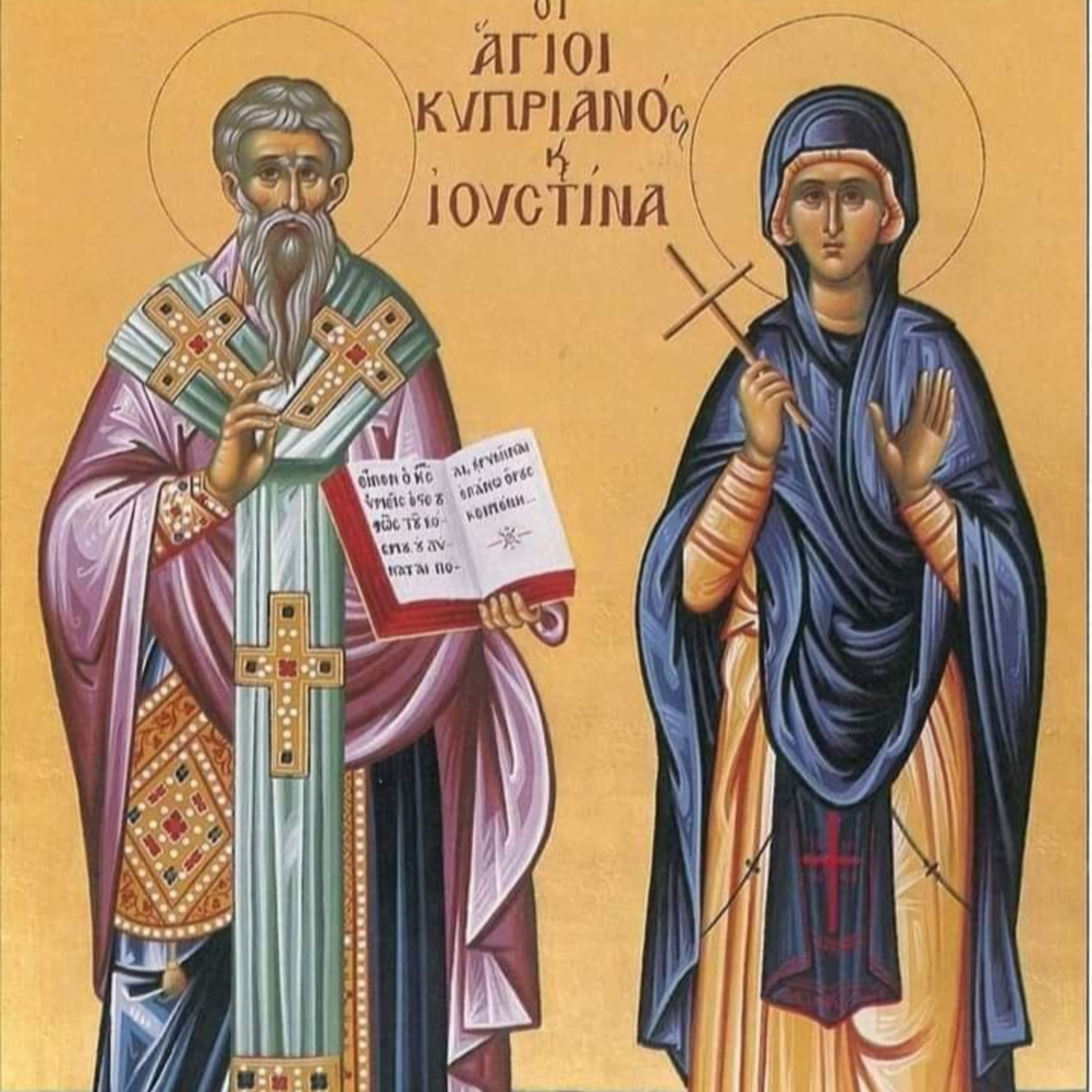 Saints Cyprian and Justina (September 26) — From Dom Guéranger’s Liturgical Year 25.09.2026 5minA meditation for the Feast of Saints Cyprian and Justina, from Dom Guéranger’s “The Liturgical Year”, Volume V of the Time after Pentecost.Saint Cyprian and Saint Justina were Christian martyrs traditionally associated with Antioch in Syria and are commemorated together on September 26. According to their ancient hagiographical tradition, Cyprian was a pagan magician who, after attempting through his occult arts to win the Christian maiden Justina for a young pagan admirer, was overcome by the power of her faith and her prayers to Christ. Renouncing his former practices, Cyprian became a Christian, was baptized, and eventually became a bishop and zealous preacher of the Gospel. During the persecution of the Emperor Diocletian, Cyprian and Justina were arrested, tortured, and finally beheaded at Nicomedia around the beginning of the fourth century. Their story is especially remembered as a testimony to the power of Christian prayer, the protection of God against the powers of darkness, and the triumph of faith over paganism and temptation.Please note that Servant of God Dom Prosper Guéranger went to his eternal reward in 1875; at this point, Volumes I-IX (Advent to Pentecost Saturday) had been completed, but Volumes X-XV (Trinity Sunday to Advent) had not yet been completed. Thus, the remaining readings of the Liturgical Year, from Trinity Sunday until Advent, were not directly authored by Dom Prosper, but were the work of his disciple Dom Lucien Fromage. Dom Prosper Guéranger's The Liturgical Year, a monumental fifteen-volume work, offers a comprehensive exploration of the Catholic Church’s liturgical calendar, guiding readers through the spiritual and historical richness of the Church’s worship. Written in the 19th century, the series provides daily meditations, historical context, and liturgical texts for the Mass and Divine Office, covering the entire cycle of seasons—Advent, Christmas, Lent, Passiontide, Easter, and the Time after Pentecost—as well as feast days of saints. Guéranger’s work, rooted in a deep contemplative spirit, aims to immerse the faithful in the Church’s prayerful life, emphasizing the unity of faith through the axiom lex orandi, lex credendi ("the law of prayer is the law of belief"), and remains a cherished resource for Catholics seeking to deepen their spiritual lives. Dom Prosper Guéranger (1805–1875) was a French Benedictine monk, liturgical scholar, and founder of the Solesmes Abbey, renowned for his pivotal role in reviving the Benedictine Order in France and restoring the Roman liturgy after the disruptions of the French Revolution. Born in Sablé-sur-Sarthe, he entered the priesthood in 1827 and, inspired by a vision to restore monastic life, reestablished the Benedictine community at Solesmes in 1833, becoming its first abbot. A staunch defender of ultramontanism and traditional Catholic worship, he also championed the revival of Gregorian chant, significantly influencing the liturgical renewal movement.Link to the Dom Guéranger's Liturgical Year playlist (updated daily): https://www.youtube.com/playlist?list=PLZKdyYnV_bkh7rH6piW0ShgsdcefFoOvJIf you would like to support this channel: Patreon: https://www.patreon.com/cw/InprincipioPodcast PayPal: https://www.paypal.com/donate/?hosted_button_id=U5EZ9X2CE2V7W Venmo: https://venmo.com/u/InPrincipioPodcast Zelle: [email protected]; or search for Zelle tag “inprincipiopodcast” Checks may be written out to ‘InPrincipio Podcast’ and mailed to: P.O. Box 117 Cedar Ridge, CA 95924Sincere thanks to all who are able to contribute, by your prayers, your patronage, or otherwise. Your support sustains this work and helps make these readings available to others.Artwork: Saint Cyprian and Saint Justina, Greek icon
 -
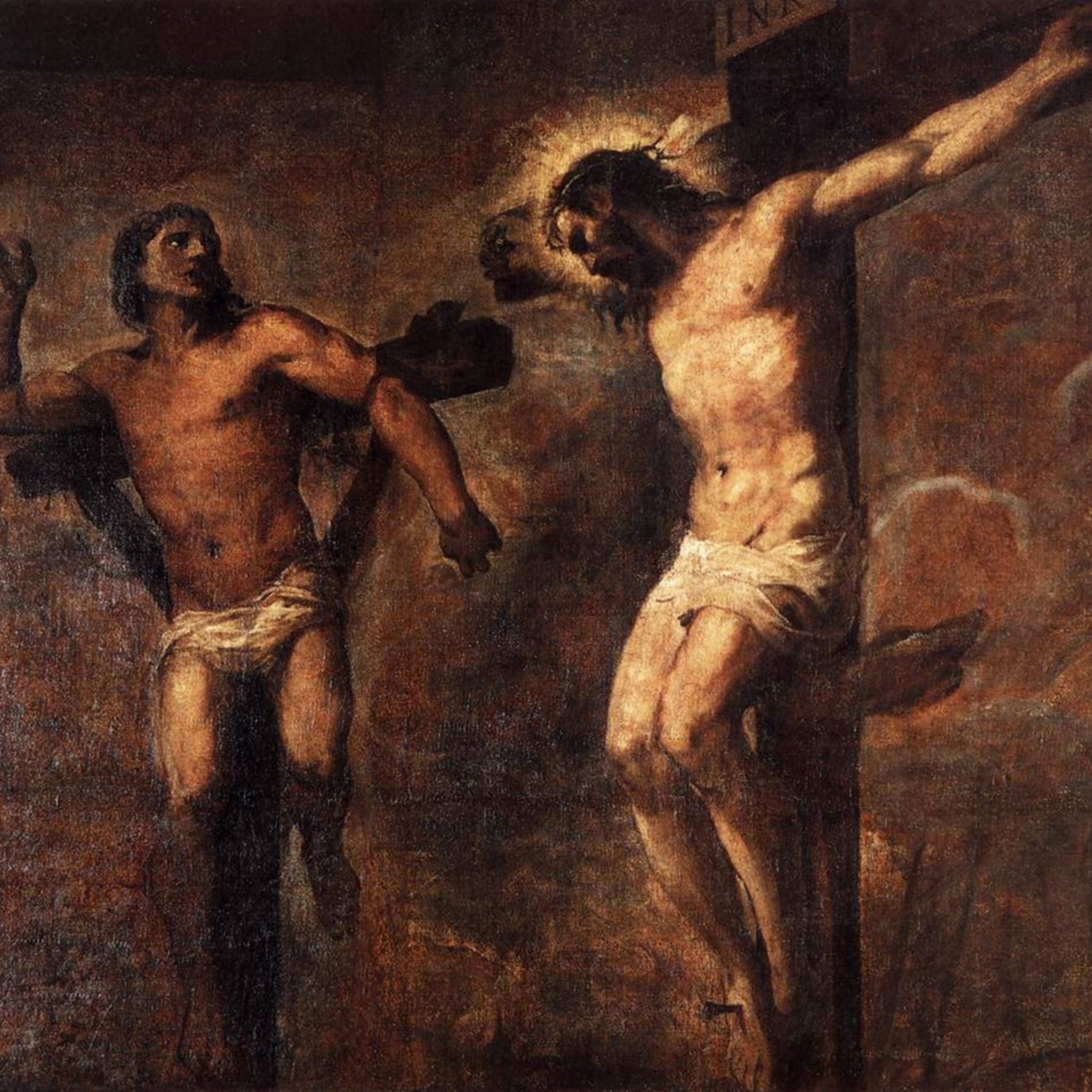 The Death of Christ is Renewed (Chapter 9) — Explanation of the Holy Mass by Fr. Martin von Cochem 24.09.2026 22minChapter 9 of ‘The Explanation of the Holy Sacrifice of the Mass’ by Fr. Martin von Cochem: "In the Holy Mass the Death of Christ is Renewed"'Explanation of the Holy Sacrifice of the Mass' by Fr. Martin von Cochem is a classic 17th-century Catholic devotional work that passionately and engagingly explains the immense spiritual value, mystery, and supernatural power of the Holy Sacrifice of the Mass. Drawing on Scripture, the Church Fathers, and mystical theology, Cochem portrays the Mass as a re-presentation of Christ’s sacrifice on Calvary, a source of infinite grace, and the highest act of worship that unites heaven and earth. Through vivid anecdotes, historical insights, and practical exhortations, von Cochem urges Catholics to attend Mass with fervent attention, revealing its "incredible" merits such as remission of sins, protection from evil, and heavenly rewards, ultimately transforming routine participation into a life-altering encounter that divides one's existence into "before" and "after" this revelation, fostering a renewed zeal for Eucharistic worship.Father Martin von Cochem (1634–1712) was a German Capuchin friar, preacher, and spiritual writer renowned for his deep piety and his ability to explain the Catholic faith in clear and fervent language accessible to ordinary people. Born in Cochem on the Moselle River, he entered the Capuchin Order as a young man and devoted his life to pastoral work, preaching missions throughout Germany, and combating religious indifference in the wake of the Thirty Years’ War. His writings, composed in both Latin and German, include the Explanation of the Holy Sacrifice of the Mass, The Four Last Things, and The Life of Christ, all of which reflect his profound devotion to the Eucharist and his zeal for the salvation of souls. His works became spiritual classics, widely read among clergy and laity alike for their vivid imagery, theological clarity, and heartfelt appeal to deeper faith and reverence toward the mysteries of God. Note: The modern title of this work is "The Incredible Catholic Mass", published by TAN books, and currently under copyright. The original German title, published in the 17th century, was "Erklärung des heiligen Meßopfers", commonly translated as "Explanation of the Holy Sacrifice of the Mass" in English in the 18th and 19th centuries. This is the title that we will be using for this audiobook series on InPrincipio Podcast (at times abbreviated to 'Explanation of the Holy Mass' or other variations), and the text is that of the Benziger Brothers, New York, 1896. Link to the ‘Explanation of the Holy Sacrifice of the Mass’ Audiobook playlist: https://www.youtube.com/playlist?list=PLZKdyYnV_bkgm1BUAsp5JndFfo4WZABrFIf you would like to support this channel: Patreon: https://www.patreon.com/cw/InprincipioPodcast PayPal: https://www.paypal.com/donate/?hosted_button_id=U5EZ9X2CE2V7W Venmo: https://venmo.com/u/InPrincipioPodcast Zelle: [email protected]; or search for Zelle tag “inprincipiopodcast” Checks may be written out to ‘InPrincipio Podcast’ and mailed to: P.O. Box 117 Cedar Ridge, CA 95924Sincere thanks to all who are able to contribute, by your prayers, your patronage, or otherwise. Your support sustains this work and helps make these readings available to others.Artwork: “Christ and the Good Thief” by Titian c. 1563
 -
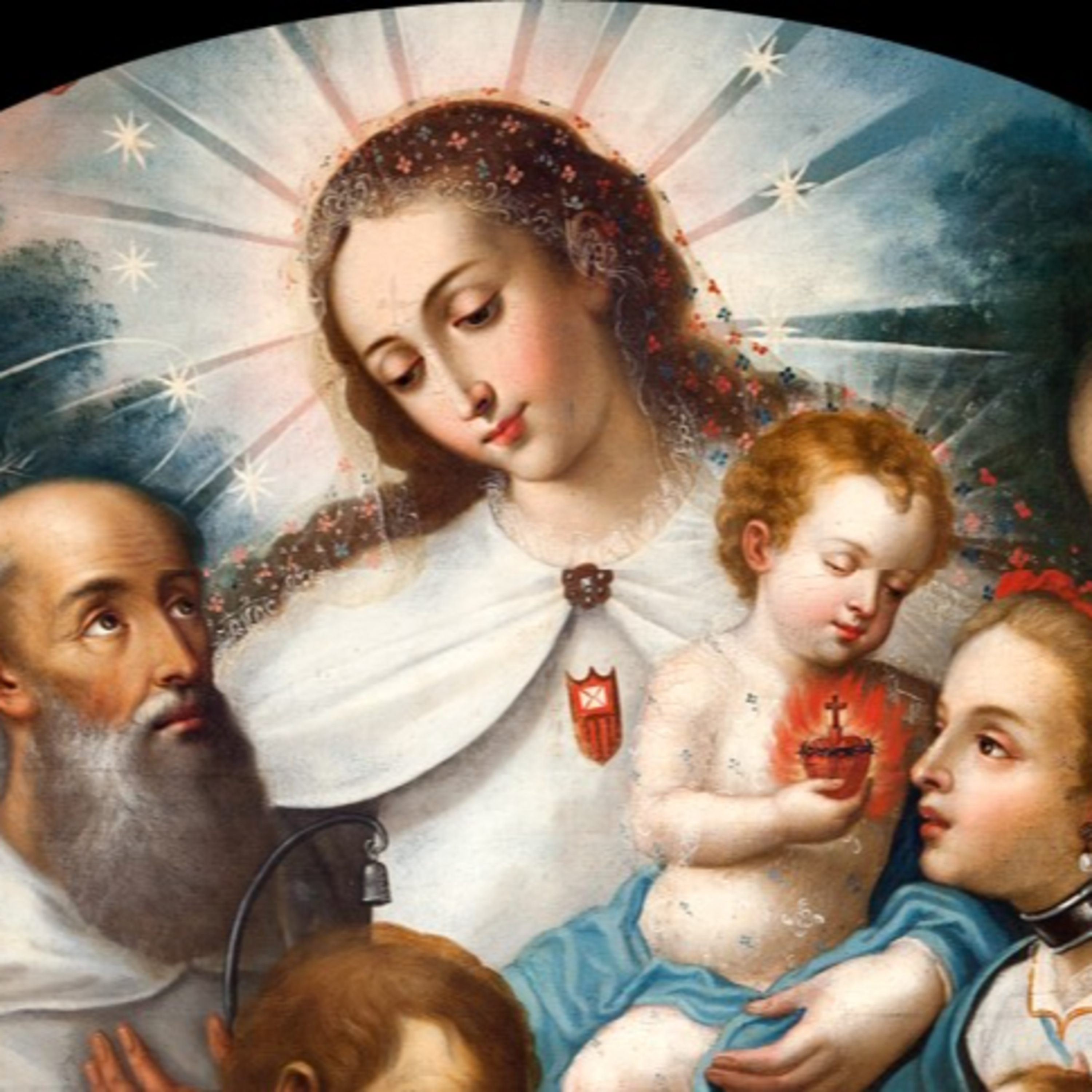 Our Lady of Ransom (September 24) — From Dom Guéranger’s Liturgical Year 23.09.2026 11minA meditation for the Feast of Our Lady of Ransom, from Dom Guéranger’s “The Liturgical Year”, Volume V of the Time after Pentecost.The Feast of Our Lady of Ransom, celebrated on September 24, honors the Blessed Virgin Mary under the title associated with the Order of the Blessed Virgin Mary of Mercy, or Mercedarians, founded by St. Peter Nolasco in the thirteenth century. The order was established for the redemption of Christians held captive by the Muslims, and its members devoted themselves to obtaining the freedom of these captives, sometimes even offering themselves in their place. Under this title, Our Lady is venerated as the merciful Mother and patroness of those who are enslaved or oppressed, and the feast recalls her powerful intercession for the liberation of souls from every form of captivity, especially the slavery of sin.Please note that Servant of God Dom Prosper Guéranger went to his eternal reward in 1875; at this point, Volumes I-IX (Advent to Pentecost Saturday) had been completed, but Volumes X-XV (Trinity Sunday to Advent) had not yet been completed. Thus, the remaining readings of the Liturgical Year, from Trinity Sunday until Advent, were not directly authored by Dom Prosper, but were the work of his disciple Dom Lucien Fromage. Dom Prosper Guéranger's The Liturgical Year, a monumental fifteen-volume work, offers a comprehensive exploration of the Catholic Church’s liturgical calendar, guiding readers through the spiritual and historical richness of the Church’s worship. Written in the 19th century, the series provides daily meditations, historical context, and liturgical texts for the Mass and Divine Office, covering the entire cycle of seasons—Advent, Christmas, Lent, Passiontide, Easter, and the Time after Pentecost—as well as feast days of saints. Guéranger’s work, rooted in a deep contemplative spirit, aims to immerse the faithful in the Church’s prayerful life, emphasizing the unity of faith through the axiom lex orandi, lex credendi ("the law of prayer is the law of belief"), and remains a cherished resource for Catholics seeking to deepen their spiritual lives. Dom Prosper Guéranger (1805–1875) was a French Benedictine monk, liturgical scholar, and founder of the Solesmes Abbey, renowned for his pivotal role in reviving the Benedictine Order in France and restoring the Roman liturgy after the disruptions of the French Revolution. Born in Sablé-sur-Sarthe, he entered the priesthood in 1827 and, inspired by a vision to restore monastic life, reestablished the Benedictine community at Solesmes in 1833, becoming its first abbot. A staunch defender of ultramontanism and traditional Catholic worship, he also championed the revival of Gregorian chant, significantly influencing the liturgical renewal movement.Link to the Dom Guéranger's Liturgical Year playlist (updated daily): https://www.youtube.com/playlist?list=PLZKdyYnV_bkh7rH6piW0ShgsdcefFoOvJIf you would like to support this channel: Patreon: https://www.patreon.com/cw/InprincipioPodcast PayPal: https://www.paypal.com/donate/?hosted_button_id=U5EZ9X2CE2V7W Venmo: https://venmo.com/u/InPrincipioPodcast Zelle: [email protected]; or search for Zelle tag “inprincipiopodcast” Checks may be written out to ‘InPrincipio Podcast’ and mailed to: P.O. Box 117 Cedar Ridge, CA 95924Sincere thanks to all who are able to contribute, by your prayers, your patronage, or otherwise. Your support sustains this work and helps make these readings available to others.Artwork: “Our Lady of Mercy with the Infant Jesus, St. peter Nolasco and Redeemed Captives” by South American colonial school (?), 18th century (?)
 -
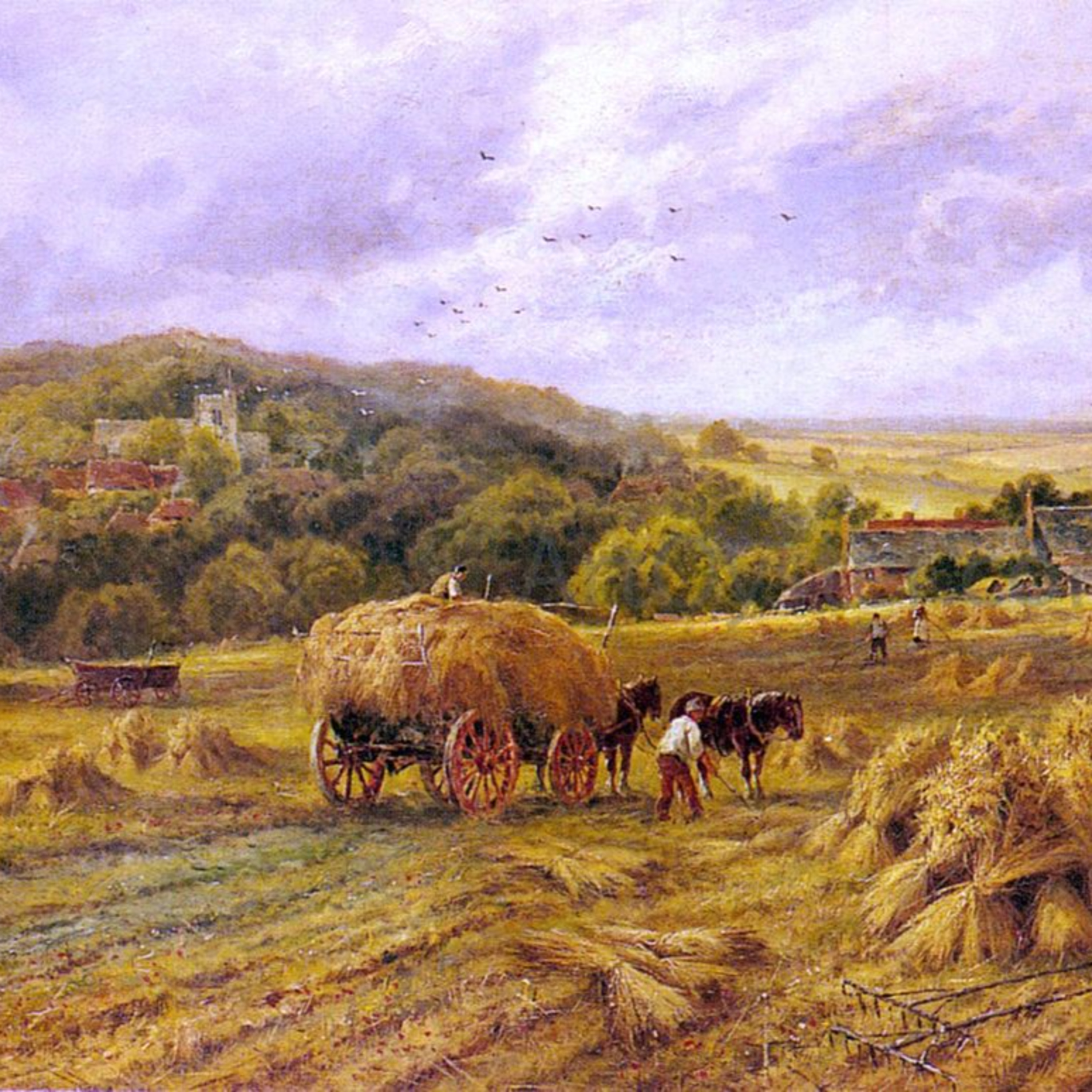 The Ember Days of September — From Dom Guéranger’s Liturgical Year 23.09.2026 16minA meditation for the Ember Days of September, from Dom Guéranger’s “The Liturgical Year”, Volume II of the Time after Pentecost.The September Ember Days, or Ember Wednesday, Friday, and Saturday after the Feast of the Exaltation of the Holy Cross, are a traditional time of prayer, fasting, and thanksgiving within the liturgical year. Falling near the beginning of autumn, they are associated especially with thanksgiving for the fruits of the earth and with prayer for the continued blessings of God upon His creation and His people. Like the other Ember Days, they also have a penitential character and are traditionally connected with prayer for vocations to the priesthood and religious life, since Ember Saturdays were anciently associated with the conferral of Holy Orders. Thus, the September Ember Days unite gratitude for God's temporal blessings with penance, prayer, and supplication for the spiritual needs of the Church.Please note that Servant of God Dom Prosper Guéranger went to his eternal reward in 1875; at this point, Volumes I-IX (Advent to Pentecost Saturday) had been completed, but Volumes X-XV (Trinity Sunday to Advent) had not yet been completed. Thus, the remaining readings of the Liturgical Year, from Trinity Sunday until Advent, were not directly authored by Dom Prosper, but were the work of his disciple Dom Lucien Fromage. Dom Prosper Guéranger's The Liturgical Year, a monumental fifteen-volume work, offers a comprehensive exploration of the Catholic Church’s liturgical calendar, guiding readers through the spiritual and historical richness of the Church’s worship. Written in the 19th century, the series provides daily meditations, historical context, and liturgical texts for the Mass and Divine Office, covering the entire cycle of seasons—Advent, Christmas, Lent, Passiontide, Easter, and the Time after Pentecost—as well as feast days of saints. Guéranger’s work, rooted in a deep contemplative spirit, aims to immerse the faithful in the Church’s prayerful life, emphasizing the unity of faith through the axiom lex orandi, lex credendi ("the law of prayer is the law of belief"), and remains a cherished resource for Catholics seeking to deepen their spiritual lives. Dom Prosper Guéranger (1805–1875) was a French Benedictine monk, liturgical scholar, and founder of the Solesmes Abbey, renowned for his pivotal role in reviving the Benedictine Order in France and restoring the Roman liturgy after the disruptions of the French Revolution. Born in Sablé-sur-Sarthe, he entered the priesthood in 1827 and, inspired by a vision to restore monastic life, reestablished the Benedictine community at Solesmes in 1833, becoming its first abbot. A staunch defender of ultramontanism and traditional Catholic worship, he also championed the revival of Gregorian chant, significantly influencing the liturgical renewal movement.Link to the Dom Guéranger's Liturgical Year playlist (updated daily): https://www.youtube.com/playlist?list=PLZKdyYnV_bkh7rH6piW0ShgsdcefFoOvJIf you would like to support this channel: Patreon: https://www.patreon.com/cw/InprincipioPodcast PayPal: https://www.paypal.com/donate/?hosted_button_id=U5EZ9X2CE2V7W Venmo: https://venmo.com/u/InPrincipioPodcast Zelle: [email protected]; or search for Zelle tag “inprincipiopodcast” Checks may be written out to ‘InPrincipio Podcast’ and mailed to: P.O. Box 117 Cedar Ridge, CA 95924Sincere thanks to all who are able to contribute, by your prayers, your patronage, or otherwise. Your support sustains this work and helps make these readings available to others.Artwork: “Harvest Time, Lambourne, Berks” by Henry Hillier Parker (1858–1930)
 -
 St. Thomas of Villanova (September 22) — From Dom Guéranger’s Liturgical Year 22.09.2026 8minA meditation for the Feast of St. Thomas of Villanova, from Dom Guéranger’s “The Liturgical Year”, Volume V of the Time after Pentecost.St. Thomas of Villanova (1488–1555) was a Spanish Augustinian friar and Archbishop of Valencia, renowned for his profound charity toward the poor and his zeal for the reform of the clergy and religious life. Born in Fuentellana, Spain, he entered the Order of St. Augustine and became a distinguished preacher and theologian before being appointed Archbishop of Valencia in 1544. He devoted himself especially to the care of the poor, personally distributing alms and establishing charitable institutions, earning him the title “Father of the Poor.” He also worked diligently to improve ecclesiastical discipline, strengthen Catholic education, and promote the spiritual renewal called for by the Church during the era of the Council of Trent. His humility, learning, generosity, and heroic charity made him a model bishop and pastor. He died in 1555 and was canonized by Pope Alexander VII in 1658.Please note that Servant of God Dom Prosper Guéranger went to his eternal reward in 1875; at this point, Volumes I-IX (Advent to Pentecost Saturday) had been completed, but Volumes X-XV (Trinity Sunday to Advent) had not yet been completed. Thus, the remaining readings of the Liturgical Year, from Trinity Sunday until Advent, were not directly authored by Dom Prosper, but were the work of his disciple Dom Lucien Fromage. Dom Prosper Guéranger's The Liturgical Year, a monumental fifteen-volume work, offers a comprehensive exploration of the Catholic Church’s liturgical calendar, guiding readers through the spiritual and historical richness of the Church’s worship. Written in the 19th century, the series provides daily meditations, historical context, and liturgical texts for the Mass and Divine Office, covering the entire cycle of seasons—Advent, Christmas, Lent, Passiontide, Easter, and the Time after Pentecost—as well as feast days of saints. Guéranger’s work, rooted in a deep contemplative spirit, aims to immerse the faithful in the Church’s prayerful life, emphasizing the unity of faith through the axiom lex orandi, lex credendi ("the law of prayer is the law of belief"), and remains a cherished resource for Catholics seeking to deepen their spiritual lives. Dom Prosper Guéranger (1805–1875) was a French Benedictine monk, liturgical scholar, and founder of the Solesmes Abbey, renowned for his pivotal role in reviving the Benedictine Order in France and restoring the Roman liturgy after the disruptions of the French Revolution. Born in Sablé-sur-Sarthe, he entered the priesthood in 1827 and, inspired by a vision to restore monastic life, reestablished the Benedictine community at Solesmes in 1833, becoming its first abbot. A staunch defender of ultramontanism and traditional Catholic worship, he also championed the revival of Gregorian chant, significantly influencing the liturgical renewal movement.Link to the Dom Guéranger's Liturgical Year playlist (updated daily): https://www.youtube.com/playlist?list=PLZKdyYnV_bkh7rH6piW0ShgsdcefFoOvJIf you would like to support this channel: Patreon: https://www.patreon.com/cw/InprincipioPodcast PayPal: https://www.paypal.com/donate/?hosted_button_id=U5EZ9X2CE2V7W Venmo: https://venmo.com/u/InPrincipioPodcast Zelle: [email protected]; or search for Zelle tag “inprincipiopodcast” Checks may be written out to ‘InPrincipio Podcast’ and mailed to: P.O. Box 117 Cedar Ridge, CA 95924Sincere thanks to all who are able to contribute, by your prayers, your patronage, or otherwise. Your support sustains this work and helps make these readings available to others.Artwork: “The Charity of Saint Thomas of Villanueva” by Bartolomé Esteban Murillo c.1670
 -
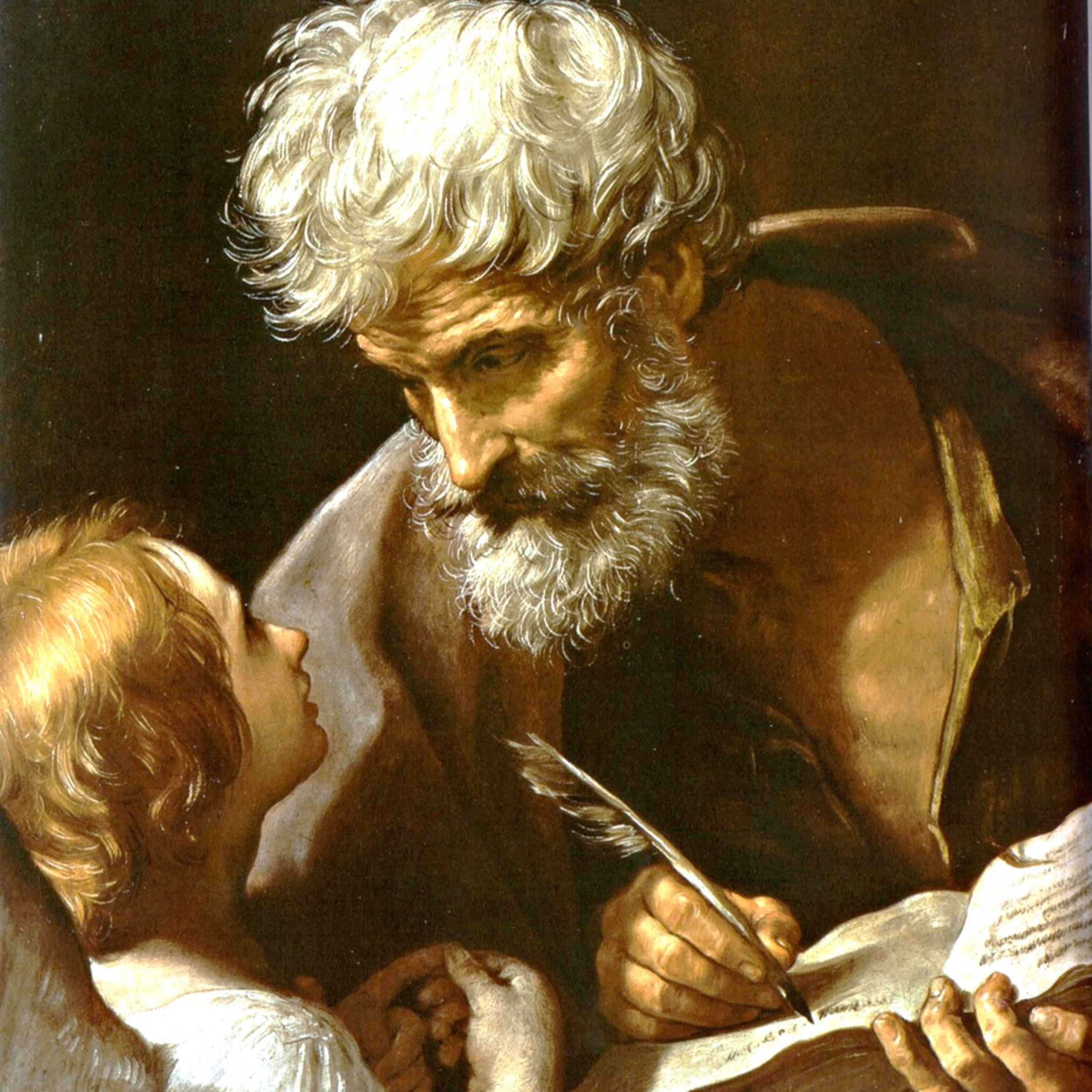 St. Matthew (September 21) — From Dom Guéranger’s Liturgical Year 21.09.2026 9minA meditation for the Feast of Saint Matthew, Apostle and Evangelist, from Dom Guéranger’s “The Liturgical Year”, Volume V of the Time after Pentecost.Saint Matthew, Apostle and Evangelist, was a tax collector at Capharnaum when Our Lord called him to leave his profession and follow Him. Known also as Levi, Matthew responded immediately, and afterward he gave a great feast at his house, inviting Our Lord and His disciples. He became one of the Twelve Apostles and, according to ancient Christian tradition, preached the Gospel first among the Jews, emphasizing the fulfillment of the Old Testament prophecies in Jesus Christ. He is traditionally regarded as the author of the Gospel according to Saint Matthew, which begins with the genealogy of Christ and presents Him particularly as the promised Messiah and King. Tradition holds that Matthew later preached the Gospel in various regions, especially among the peoples of the East, and suffered martyrdom for the Faith. His symbol in Christian art is the winged man or angel, representing the human nature of Christ emphasized in his Gospel.Please note that Servant of God Dom Prosper Guéranger went to his eternal reward in 1875; at this point, Volumes I-IX (Advent to Pentecost Saturday) had been completed, but Volumes X-XV (Trinity Sunday to Advent) had not yet been completed. Thus, the remaining readings of the Liturgical Year, from Trinity Sunday until Advent, were not directly authored by Dom Prosper, but were the work of his disciple Dom Lucien Fromage. Dom Prosper Guéranger's The Liturgical Year, a monumental fifteen-volume work, offers a comprehensive exploration of the Catholic Church’s liturgical calendar, guiding readers through the spiritual and historical richness of the Church’s worship. Written in the 19th century, the series provides daily meditations, historical context, and liturgical texts for the Mass and Divine Office, covering the entire cycle of seasons—Advent, Christmas, Lent, Passiontide, Easter, and the Time after Pentecost—as well as feast days of saints. Guéranger’s work, rooted in a deep contemplative spirit, aims to immerse the faithful in the Church’s prayerful life, emphasizing the unity of faith through the axiom lex orandi, lex credendi ("the law of prayer is the law of belief"), and remains a cherished resource for Catholics seeking to deepen their spiritual lives. Dom Prosper Guéranger (1805–1875) was a French Benedictine monk, liturgical scholar, and founder of the Solesmes Abbey, renowned for his pivotal role in reviving the Benedictine Order in France and restoring the Roman liturgy after the disruptions of the French Revolution. Born in Sablé-sur-Sarthe, he entered the priesthood in 1827 and, inspired by a vision to restore monastic life, reestablished the Benedictine community at Solesmes in 1833, becoming its first abbot. A staunch defender of ultramontanism and traditional Catholic worship, he also championed the revival of Gregorian chant, significantly influencing the liturgical renewal movement.Link to the Dom Guéranger's Liturgical Year playlist (updated daily): https://www.youtube.com/playlist?list=PLZKdyYnV_bkh7rH6piW0ShgsdcefFoOvJIf you would like to support this channel: Patreon: https://www.patreon.com/cw/InprincipioPodcast PayPal: https://www.paypal.com/donate/?hosted_button_id=U5EZ9X2CE2V7W Venmo: https://venmo.com/u/InPrincipioPodcast Zelle: [email protected]; or search for Zelle tag “inprincipiopodcast” Checks may be written out to ‘InPrincipio Podcast’ and mailed to: P.O. Box 117 Cedar Ridge, CA 95924Sincere thanks to all who are able to contribute, by your prayers, your patronage, or otherwise. Your support sustains this work and helps make these readings available to others.Artwork: “Saint Matthew and the Angel” by Guido Reni, c.1635
 -
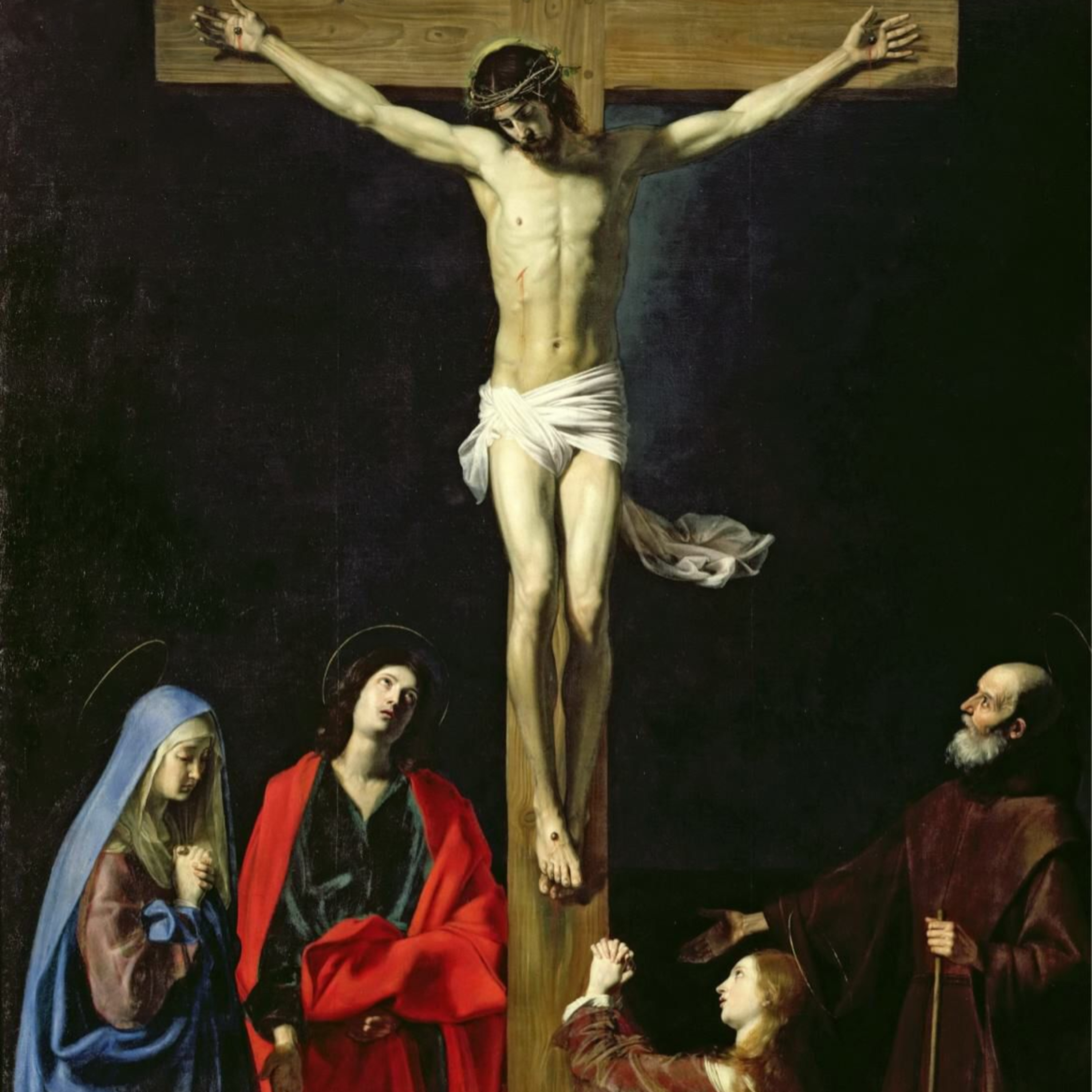 Christ Renews His Passion (Chapter 8) — Explanation of the Holy Mass by Fr. Martin von Cochem 20.09.2026 38minChapter 8 of the Explanation of the Holy Mass by Fr. Martin von Cochem: In the Holy Mass Christ Renews His Passion'Explanation of the Holy Sacrifice of the Mass' by Fr. Martin von Cochem is a classic 17th-century Catholic devotional work that passionately and engagingly explains the immense spiritual value, mystery, and supernatural power of the Holy Sacrifice of the Mass. Drawing on Scripture, the Church Fathers, and mystical theology, Cochem portrays the Mass as a re-presentation of Christ’s sacrifice on Calvary, a source of infinite grace, and the highest act of worship that unites heaven and earth. Through vivid anecdotes, historical insights, and practical exhortations, von Cochem urges Catholics to attend Mass with fervent attention, revealing its "incredible" merits such as remission of sins, protection from evil, and heavenly rewards, ultimately transforming routine participation into a life-altering encounter that divides one's existence into "before" and "after" this revelation, fostering a renewed zeal for Eucharistic worship.Father Martin von Cochem (1634–1712) was a German Capuchin friar, preacher, and spiritual writer renowned for his deep piety and his ability to explain the Catholic faith in clear and fervent language accessible to ordinary people. Born in Cochem on the Moselle River, he entered the Capuchin Order as a young man and devoted his life to pastoral work, preaching missions throughout Germany, and combating religious indifference in the wake of the Thirty Years’ War. His writings, composed in both Latin and German, include the Explanation of the Holy Sacrifice of the Mass, The Four Last Things, and The Life of Christ, all of which reflect his profound devotion to the Eucharist and his zeal for the salvation of souls. His works became spiritual classics, widely read among clergy and laity alike for their vivid imagery, theological clarity, and heartfelt appeal to deeper faith and reverence toward the mysteries of God. Note: The modern title of this work is "The Incredible Catholic Mass", published by TAN books, and currently under copyright. The original German title, published in the 17th century, was "Erklärung des heiligen Meßopfers", commonly translated as "Explanation of the Holy Sacrifice of the Mass" in English in the 18th and 19th centuries. This is the title that we will be using for this audiobook series on InPrincipio Podcast (at times abbreviated to 'Explanation of the Holy Mass' or other variations), and the text is that of the Benziger Brothers, New York, 1896. Link to the ‘Explanation of the Holy Sacrifice of the Mass’ Audiobook playlist: https://www.youtube.com/playlist?list=PLZKdyYnV_bkgm1BUAsp5JndFfo4WZABrFIf you would like to support this channel: Patreon: https://www.patreon.com/cw/InprincipioPodcast PayPal: https://www.paypal.com/donate/?hosted_button_id=U5EZ9X2CE2V7W Venmo: https://venmo.com/u/InPrincipioPodcast Zelle: [email protected]; or search for Zelle tag “inprincipiopodcast” Checks may be written out to ‘InPrincipio Podcast’ and mailed to: P.O. Box 117 Cedar Ridge, CA 95924Sincere thanks to all who are able to contribute, by your prayers, your patronage, or otherwise. Your support sustains this work and helps make these readings available to others.Artwork: “Christ on the Cross with the Virgin, Mary Magdalene, St. John and St. Francis of Paola” by Nicolas Tournier c. 1635Music (Intro): “Sacred Garden” by Guilherme BernardesSource: Pixabay | License: Pixabay Content License — https://pixabay.com/service/license-summary/Changes: noneMusic: “Ave Maria” (Gregorian chant), from Vesperae de Confessore non Pontifice in honor of Saint Vincent PallottiPerformed by Schola Gregoriana, Pallottine Seminary (Ołtarzew, Poland) | Conductor: Fr. Dariusz SmolarekLicense: CC BY-SA 3.0 — https://creativecommons.org/licenses/by-sa/3.0/Changes: noneExcept where otherwise noted, original content © InPrincipio Podcast.
 -
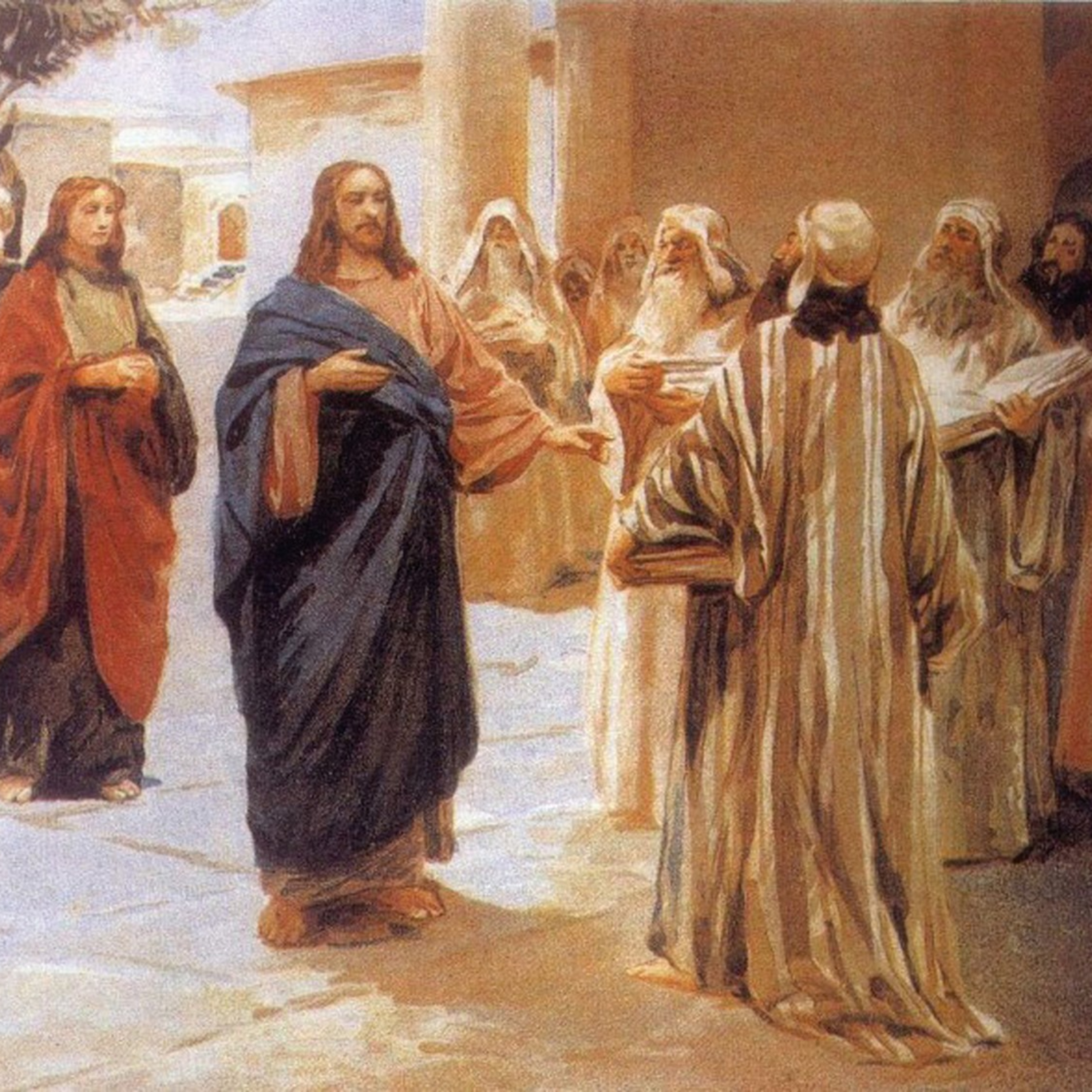 The Seventeenth Sunday after Pentecost — From Dom Guéranger’s Liturgical Year 19.09.2026 34minA meditation for the Seventeenth Sunday after Pentecost, from Dom Guéranger’s “The Liturgical Year”, Volume II of the Time after Pentecost. Please note that Servant of God Dom Prosper Guéranger went to his eternal reward in 1875; at this point, Volumes I-IX (Advent to Pentecost Saturday) had been completed, but Volumes X-XV (Trinity Sunday to Advent) had not yet been completed. Thus, the remaining readings of the Liturgical Year, from Trinity Sunday until Advent, were not directly authored by Dom Prosper, but were the work of his disciple Dom Lucien Fromage. Dom Prosper Guéranger's The Liturgical Year, a monumental fifteen-volume work, offers a comprehensive exploration of the Catholic Church’s liturgical calendar, guiding readers through the spiritual and historical richness of the Church’s worship. Written in the 19th century, the series provides daily meditations, historical context, and liturgical texts for the Mass and Divine Office, covering the entire cycle of seasons—Advent, Christmas, Lent, Passiontide, Easter, and the Time after Pentecost—as well as feast days of saints. Guéranger’s work, rooted in a deep contemplative spirit, aims to immerse the faithful in the Church’s prayerful life, emphasizing the unity of faith through the axiom lex orandi, lex credendi ("the law of prayer is the law of belief"), and remains a cherished resource for Catholics seeking to deepen their spiritual lives. Dom Prosper Guéranger (1805–1875) was a French Benedictine monk, liturgical scholar, and founder of the Solesmes Abbey, renowned for his pivotal role in reviving the Benedictine Order in France and restoring the Roman liturgy after the disruptions of the French Revolution. Born in Sablé-sur-Sarthe, he entered the priesthood in 1827 and, inspired by a vision to restore monastic life, reestablished the Benedictine community at Solesmes in 1833, becoming its first abbot. A staunch defender of ultramontanism and traditional Catholic worship, he also championed the revival of Gregorian chant, significantly influencing the liturgical renewal movement.Link to the Dom Guéranger's Liturgical Year playlist (updated daily): https://www.youtube.com/playlist?list=PLZKdyYnV_bkh7rH6piW0ShgsdcefFoOvJIf you would like to support this channel: Patreon: https://www.patreon.com/cw/InprincipioPodcast PayPal: https://www.paypal.com/donate/?hosted_button_id=U5EZ9X2CE2V7W Venmo: https://venmo.com/u/InPrincipioPodcast Zelle: [email protected]; or search for Zelle tag “inprincipiopodcast” Checks may be written out to ‘InPrincipio Podcast’ and mailed to: P.O. Box 117 Cedar Ridge, CA 95924Sincere thanks to all who are able to contribute, by your prayers, your patronage, or otherwise. Your support sustains this work and helps make these readings available to others.Artwork: “Jesus Talks with the Pharisees” by K. LebedevMusic (Intro): “Sacred Garden” by Guilherme BernardesSource: Pixabay | License: Pixabay Content License — https://pixabay.com/service/license-summary/Changes: noneMusic: “Ave Maria” (Gregorian chant), from Vesperae de Confessore non Pontifice in honor of Saint Vincent PallottiPerformed by Schola Gregoriana, Pallottine Seminary (Ołtarzew, Poland) | Conductor: Fr. Dariusz SmolarekLicense: CC BY-SA 3.0 — https://creativecommons.org/licenses/by-sa/3.0/Changes: noneExcept where otherwise noted, original content © InPrincipio Podcast.
 -
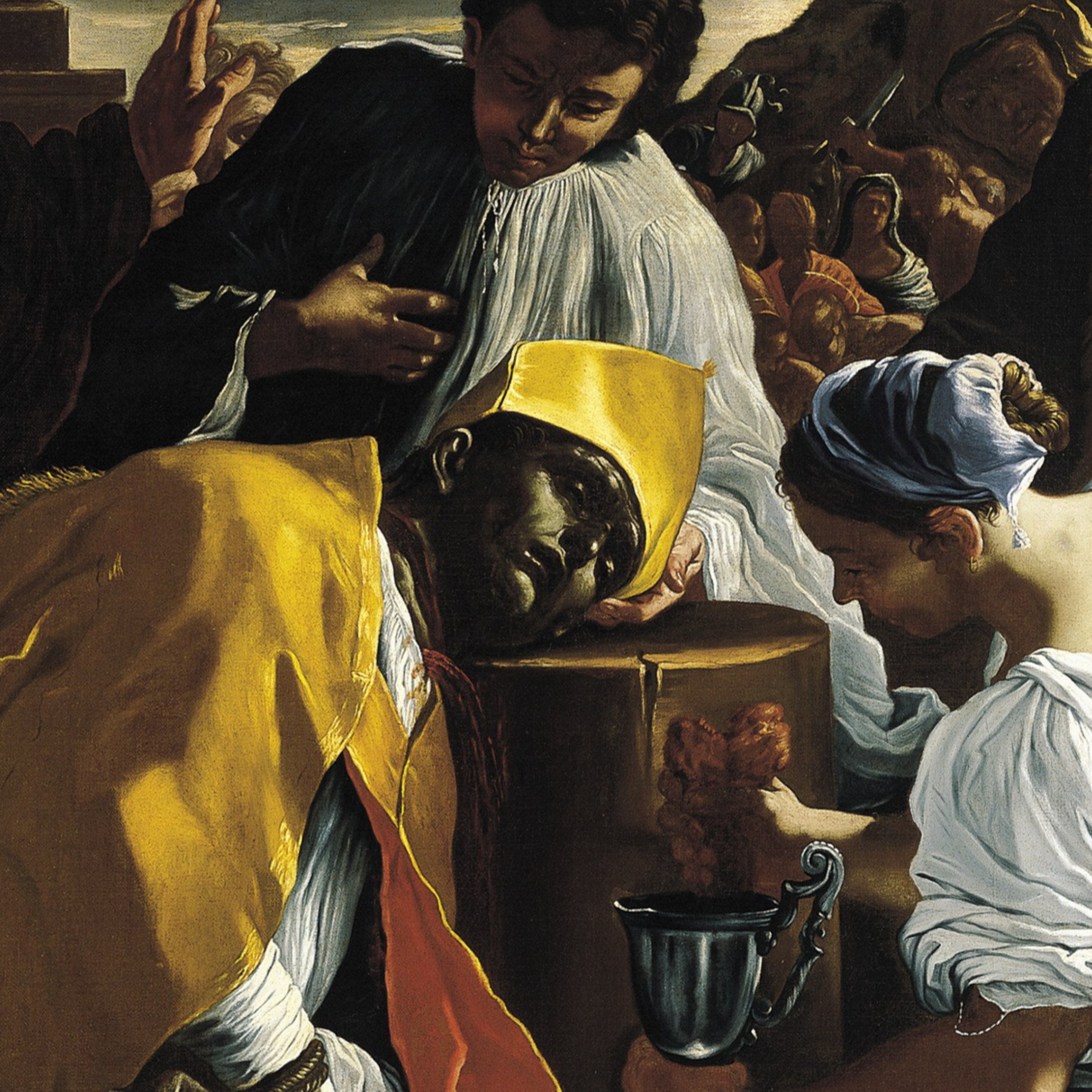 St. Januarius (September 19) — From Dom Guéranger’s Liturgical Year 18.09.2026 7minA meditation for the Feast of St. Januarius, from Dom Guéranger’s “The Liturgical Year”, Volume V of the Time after Pentecost.Saint Januarius, or San Gennaro, was Bishop of Benevento and a zealous pastor who suffered martyrdom during the persecution of the Emperor Diocletian in the early fourth century. According to ancient tradition, he was arrested together with several companions and condemned to death after refusing to renounce Christ. After surviving an attempt to throw him to wild beasts, he and his companions were taken to the Solfatara near Pozzuoli, where they were beheaded. His relics were eventually translated to Naples, where he has long been honored as the city's principal patron. A small quantity of his blood, preserved in a vial, is traditionally said to liquefy several times each year, most notably on his feast day, September 19, a phenomenon that has been venerated by the faithful for centuries. St. Januarius is remembered especially for his courageous confession of the Faith and his willingness to give his life rather than deny Christ.Please note that Servant of God Dom Prosper Guéranger went to his eternal reward in 1875; at this point, Volumes I-IX (Advent to Pentecost Saturday) had been completed, but Volumes X-XV (Trinity Sunday to Advent) had not yet been completed. Thus, the remaining readings of the Liturgical Year, from Trinity Sunday until Advent, were not directly authored by Dom Prosper, but were the work of his disciple Dom Lucien Fromage. Dom Prosper Guéranger's The Liturgical Year, a monumental fifteen-volume work, offers a comprehensive exploration of the Catholic Church’s liturgical calendar, guiding readers through the spiritual and historical richness of the Church’s worship. Written in the 19th century, the series provides daily meditations, historical context, and liturgical texts for the Mass and Divine Office, covering the entire cycle of seasons—Advent, Christmas, Lent, Passiontide, Easter, and the Time after Pentecost—as well as feast days of saints. Guéranger’s work, rooted in a deep contemplative spirit, aims to immerse the faithful in the Church’s prayerful life, emphasizing the unity of faith through the axiom lex orandi, lex credendi ("the law of prayer is the law of belief"), and remains a cherished resource for Catholics seeking to deepen their spiritual lives. Dom Prosper Guéranger (1805–1875) was a French Benedictine monk, liturgical scholar, and founder of the Solesmes Abbey, renowned for his pivotal role in reviving the Benedictine Order in France and restoring the Roman liturgy after the disruptions of the French Revolution. Born in Sablé-sur-Sarthe, he entered the priesthood in 1827 and, inspired by a vision to restore monastic life, reestablished the Benedictine community at Solesmes in 1833, becoming its first abbot. A staunch defender of ultramontanism and traditional Catholic worship, he also championed the revival of Gregorian chant, significantly influencing the liturgical renewal movement.Link to the Dom Guéranger's Liturgical Year playlist (updated daily): https://www.youtube.com/playlist?list=PLZKdyYnV_bkh7rH6piW0ShgsdcefFoOvJIf you would like to support this channel: Patreon: https://www.patreon.com/cw/InprincipioPodcast PayPal: https://www.paypal.com/donate/?hosted_button_id=U5EZ9X2CE2V7W Venmo: https://venmo.com/u/InPrincipioPodcast Zelle: [email protected]; or search for Zelle tag “inprincipiopodcast” Checks may be written out to ‘InPrincipio Podcast’ and mailed to: P.O. Box 117 Cedar Ridge, CA 95924Sincere thanks to all who are able to contribute, by your prayers, your patronage, or otherwise. Your support sustains this work and helps make these readings available to others.Artwork: “The Martyrdom of Saint Gennaro” by Mattia Preti c.1685
Podcasts similares


Popular em
Este podcast também aparece nas paradas de podcasts destes países.
