
The John Batchelor Show
John Batchelor
0
The John Batchelor Show is a hard news-analysis radio program covering current events, world history, global politics, and natural sciences. Based in New York City for two decades, the show has traveled widely to report from the Middle East, South Caucasus, Arabian Peninsula, and East Asia.
Episódios
-
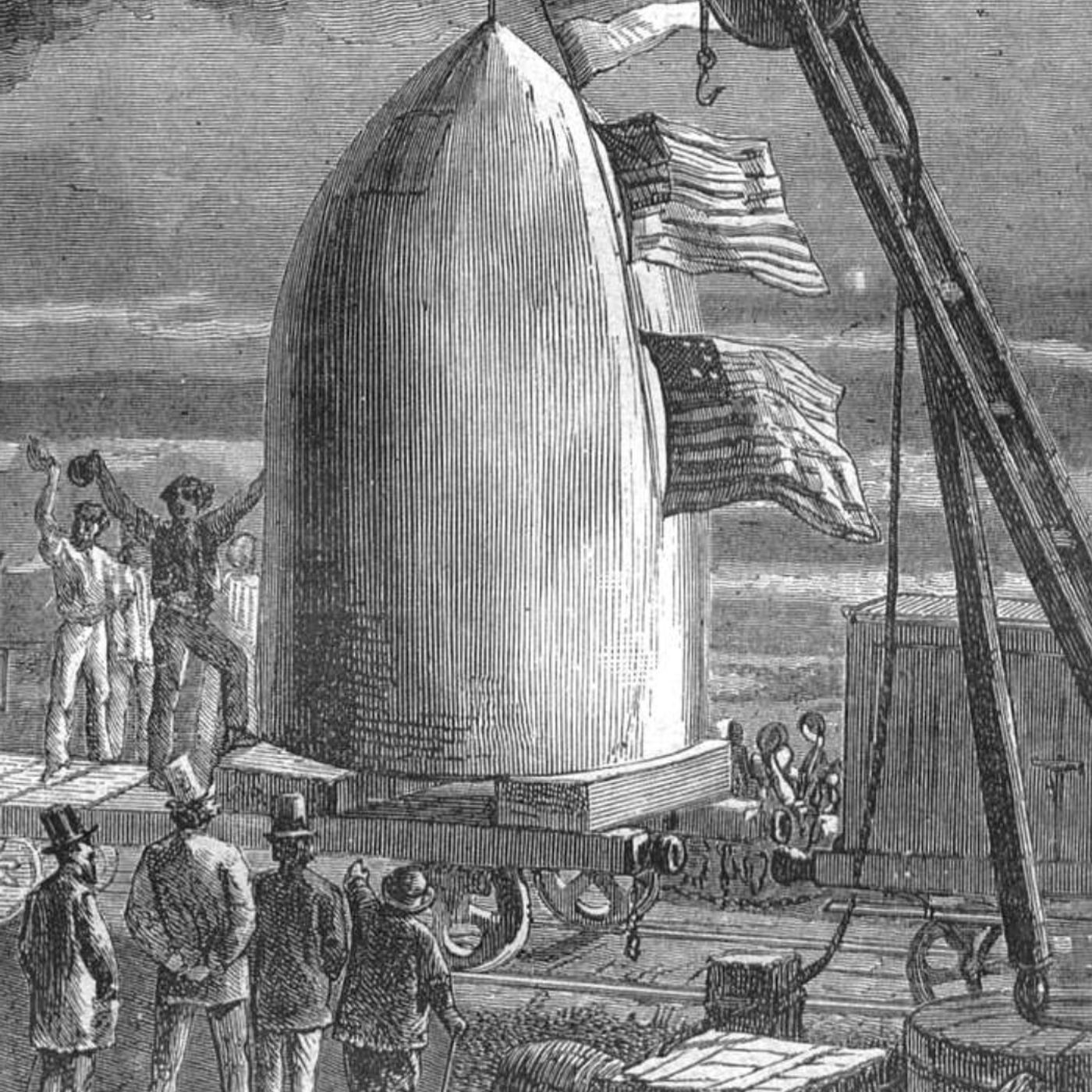 CONTENTS -JOHN-BATCHELOR-SHOW-9-17-2026 18.09.2026 10minCAPTION 1868 FROM THE EARTH TO THE MOON, JULES VERNE.CONTENTS -JOHN-BATCHELOR-SHOW-9-17-2026 Foreign Conflicts Escalate Global Energy CrisisAnatol Lieven and Jonathan Guyer, co-authors of the report The Iran Trap, discuss interconnected conflicts in Ukraine, Iran, and Yemen threatening critical global energy infrastructure and driving up global diesel costs. Houthis disrupt Red Sea maritime routes while damaged Russian oil refineries reduce worldwide fuel exports. Public polling conducted by the Institute for Global Affairs reveals dropping support for foreign military interventions as four in five Americans connect overseas wars to rising living costs. Their report underscores public fatigue over escalating militarism and growing anxiety regarding unmonitored military artificial intelligence applications. The analysts argue that restoring diplomatic dialogue with China and reasserting congressional war powers remain essential steps toward resolving these compounding geopolitical crises. (1)Supreme Court Rejects Postal Voting RegulationRichard Epstein discusses the Supreme Court's refusal to permit the U.S. Postal Service to implement new mail-in voting regulations ahead of federal elections. Justice Kavanaugh concurred, emphasizing that election administrators lack sufficient time and software systems to process millions of mail-in ballots without causing severe delays. Epstein criticizes the rule as an insidious abuse of government monopoly power, comparing selective ballot inspection to an unconstitutional poll tax. Epstein asserts that presidential efforts to bypass Congress and override state voting authorities breach constitutional separation of powers and fiduciary obligations owed to the public. (2)Brazilian Election Scandal Shakes Supreme CourtMary Anastasia O'Grady reports Brazil's presidential campaign between incumbent Lula da Silva and Flavio Bolsonaro has tightened significantly amidst mounting financial and judicial scandals. Flavio Bolsonaro initially suffered in polling after soliciting movie funding from jailed banker Daniel Vorcaro of collapsed Banco Master. However, police investigations revealed text messages from Vorcaro seeking advice from Supreme Court Justice Alexandre de Moraes, whose wife received a $25 million contract with Banco Master. Moraes previously led efforts to vacate Lula's conviction and silence political opponents. Exposure of judicial influence peddling leaves conflicted voters facing a critical October runoff. (3)Early Solar System Magnetism Shaped PlanetsCauê Borlina and David Livingston: Purdue Professor Borlina analyzed pristine Antarctic meteorites, notably DOM 08006, to investigate the early solar system's magnetic history. By studying calcium-aluminum-rich inclusions (CAIs)—the oldest known solids formed 4.5 billion years ago—researchers discovered preserved primordial magnetism locked within iron-nickel minerals as they cooled below their Curie temperature. Measurements revealed ancient magnetic field strengths between 150 and 600 microteslas, exceeding Earth's current field strength. This confirms that magnetic forces worked in tandem with gravity to ionize gas and transport nebula mass. Borlina advocates for extensive future sample return missions across asteroids and Mars. (4)Grim Human Reality Of Hiroshima BombingCharles Pellegrino, author of Ghosts of Hiroshima, explores the atomic bombing of Hiroshima, detailing military logistics and human tragedy. Radar engineer Jacob Beser helped calibrate the detonation altitude, while Enola Gay pilot Paul Tibbets performed a sharp escape maneuver to avoid the explosion. On the ground, intense thermal radiation disintegrated citizens instantly or flash-fossilized human bodies at temperatures vastly higher than volcanic eruptions. Pellegrino details survivors like Kenshi Hirata and Tsutomu Yamaguchi, who astonishingly...
 -
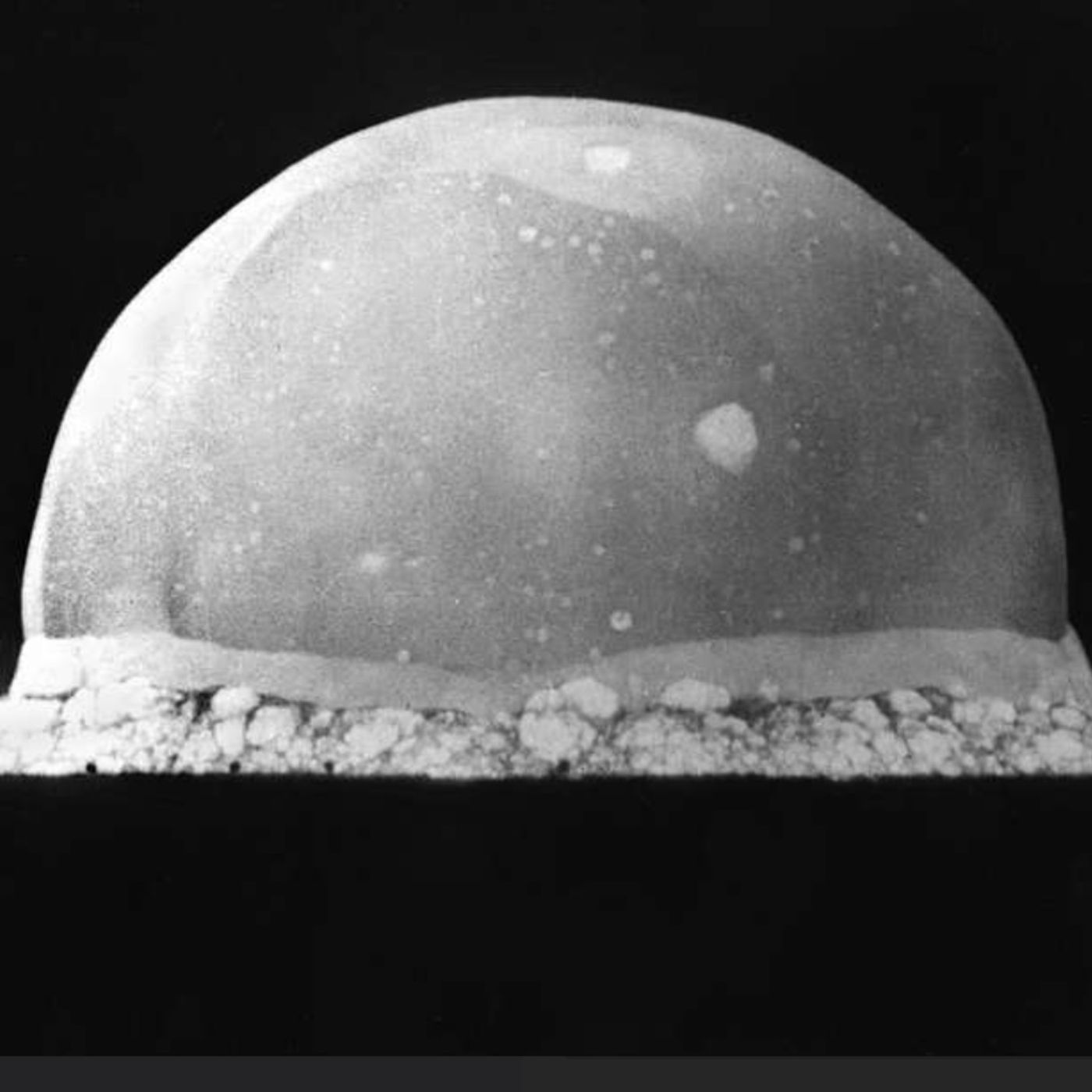 Live Streaming - Nuclear Deterrence, Broken Treaties, and the Pocketbook Electorate,9-17-2026 18.09.2026 55minCAPTION 1945 TRINITY TEST LOS ALAMOSLive Streaming weekdays 8-9 AM ET on The John Batchelor Show Substack pageNuclear Deterrence, Broken Treaties, and the Pocketbook Electorate Peter Huessy, Anatol Lieven, and Jonathan Guyer join John Batchelor. The discussion begins with historical reflections on Cold War-era civil defense drills, illustrating how early memories of nuclear anxiety contrast with current geopolitical tensions. The experts analyze the critical need for nuclear modernization, the termination of historic arms treaties, and the emerging threats posed by Russia, North Korea, and Iran. The conversation transitions into the economic consequences of these tensions, specifically how rising diesel prices and supply chain disruptions are impacting American public opinion. Ultimately, the discussion suggests that domestic economic concerns and the integration of artificial intelligence in warfare are fundamentally reshaping the electorate's view of international security.
 -
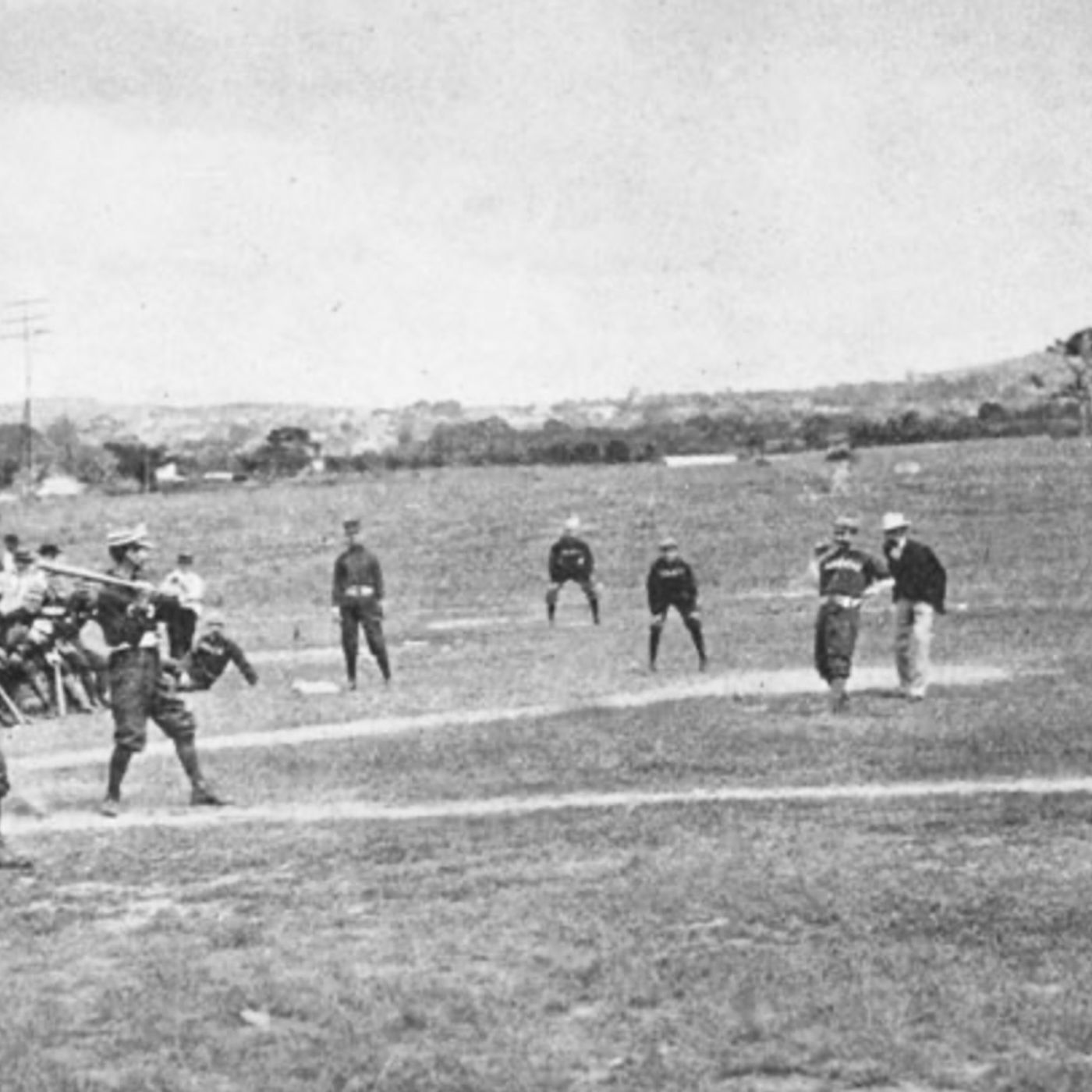 6. Latin American Political Instability And Security-EVAN ELLIS 091726 18.09.2026 37min1895 VENEZUELALatin American Political Instability And SecurityEvan Ellis assesses complex geopolitical shifts across Latin America. In Venezuela, opposition leader María Corina Machado struggles to return home as the U.S. navigates high-stakes oil deals alongside interim leaders Delcy and Jorge Rodríguez. Meanwhile, non-traditional U.S. counter-narcotics reporting reflects shifting diplomatic relations with Colombia and Venezuela. In Brazil, a close presidential election between Flavio Bolsonaro and Lula da Silva highlights deep polarization, judicial corruption controversies, and competing U.S.-China strategic interests. Additionally, Argentine President Javier Milei leverages historical Falkland Islands sovereignty claims to navigate domestic economic pressures and international political dynamics. (6)
 -
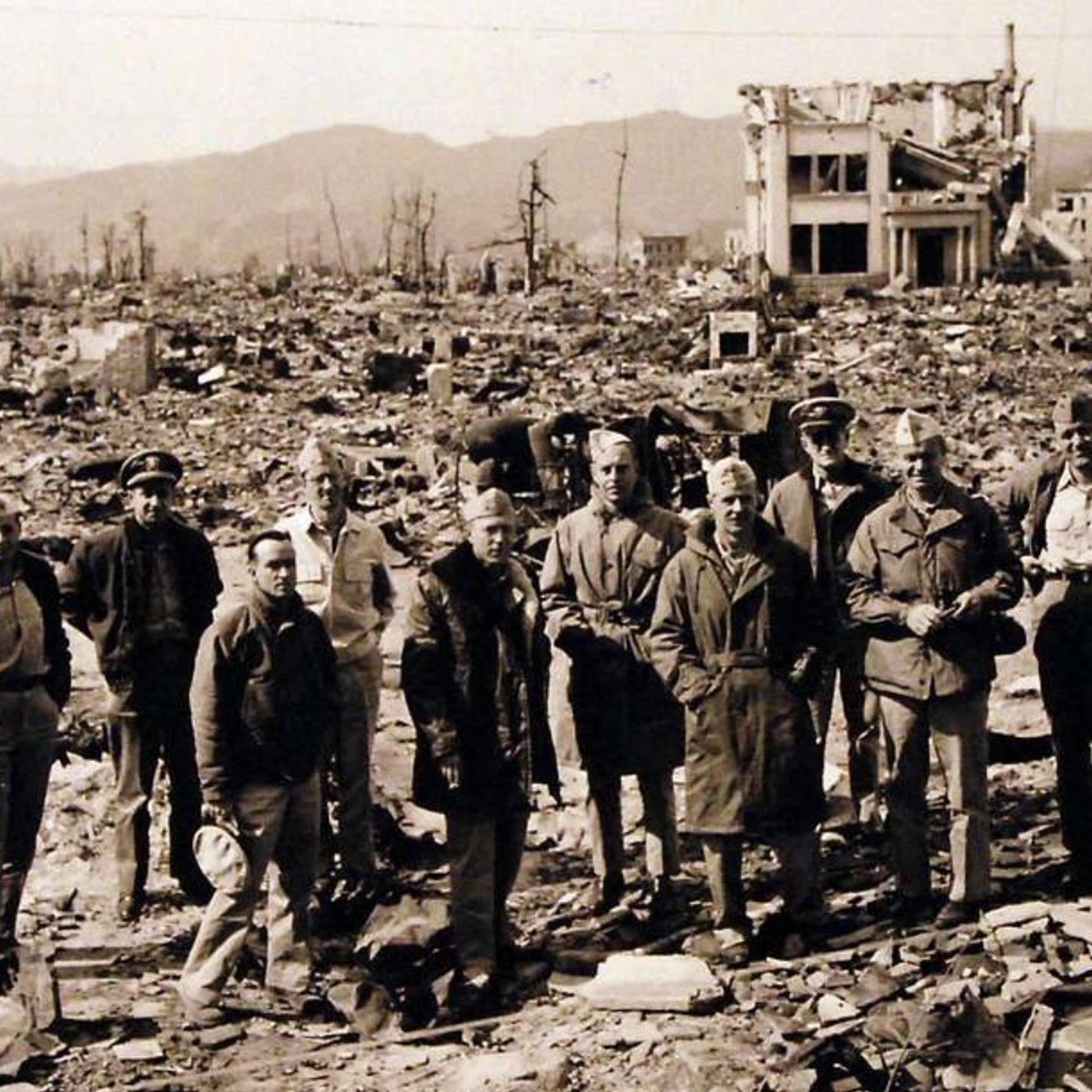 5. Grim Human Reality Of Hiroshima Bombing - CHARLES PELLEGRINO (HOUR ONE) 091726 18.09.2026 37minCAPTION 1945 INSPECTION FROM USS APPALACHIANGrim Human Reality Of Hiroshima BombingCharles Pellegrino, author of Ghosts of Hiroshima, explores the atomic bombing of Hiroshima, detailing military logistics and human tragedy. Radar engineer Jacob Beser helped calibrate the detonation altitude, while Enola Gay pilot Paul Tibbets performed a sharp escape maneuver to avoid the explosion. On the ground, intense thermal radiation disintegrated citizens instantly or flash-fossilized human bodies at temperatures vastly higher than volcanic eruptions. Pellegrino details survivors like Kenshi Hirata and Tsutomu Yamaguchi, who astonishingly survived both Hiroshima and Nagasaki bombings. The account illuminates horrific phenomena such as shadow people, shock cocoons, and fatal radiation sickness in children. (5)
 -
 4. Early Solar System Magnetism Shaped Planets - CAUE BORLINA & DAVID LIVINGSTON 091726 17.09.2026 19min1917 PRINCESS OF MARSEarly Solar System Magnetism Shaped PlanetsCauê Borlina and David Livingston: Purdue Professor Borlina analyzed pristine Antarctic meteorites, notably DOM 08006, to investigate the early solar system's magnetic history. By studying calcium-aluminum-rich inclusions (CAIs)—the oldest known solids formed 4.5 billion years ago—researchers discovered preserved primordial magnetism locked within iron-nickel minerals as they cooled below their Curie temperature. Measurements revealed ancient magnetic field strengths between 150 and 600 microteslas, exceeding Earth's current field strength. This confirms that magnetic forces worked in tandem with gravity to ionize gas and transport nebula mass. Borlina advocates for extensive future sample return missions across asteroids and Mars. (4)
 -
 3. Brazilian Election Scandal Shakes Supreme Court - MARY ANASTASIA O'GRADY 091726 17.09.2026 17min1941 BRAZILBrazilian Election Scandal Shakes Supreme CourtMary Anastasia O'Grady reports Brazil's presidential campaign between incumbent Lula da Silva and Flavio Bolsonaro has tightened significantly amidst mounting financial and judicial scandals. Flavio Bolsonaro initially suffered in polling after soliciting movie funding from jailed banker Daniel Vorcaro of collapsed Banco Master. However, police investigations revealed text messages from Vorcaro seeking advice from Supreme Court Justice Alexandre de Moraes, whose wife received a $25 million contract with Banco Master. Moraes previously led efforts to vacate Lula's conviction and silence political opponents. Exposure of judicial influence peddling leaves conflicted voters facing a critical October runoff. (3)
 -
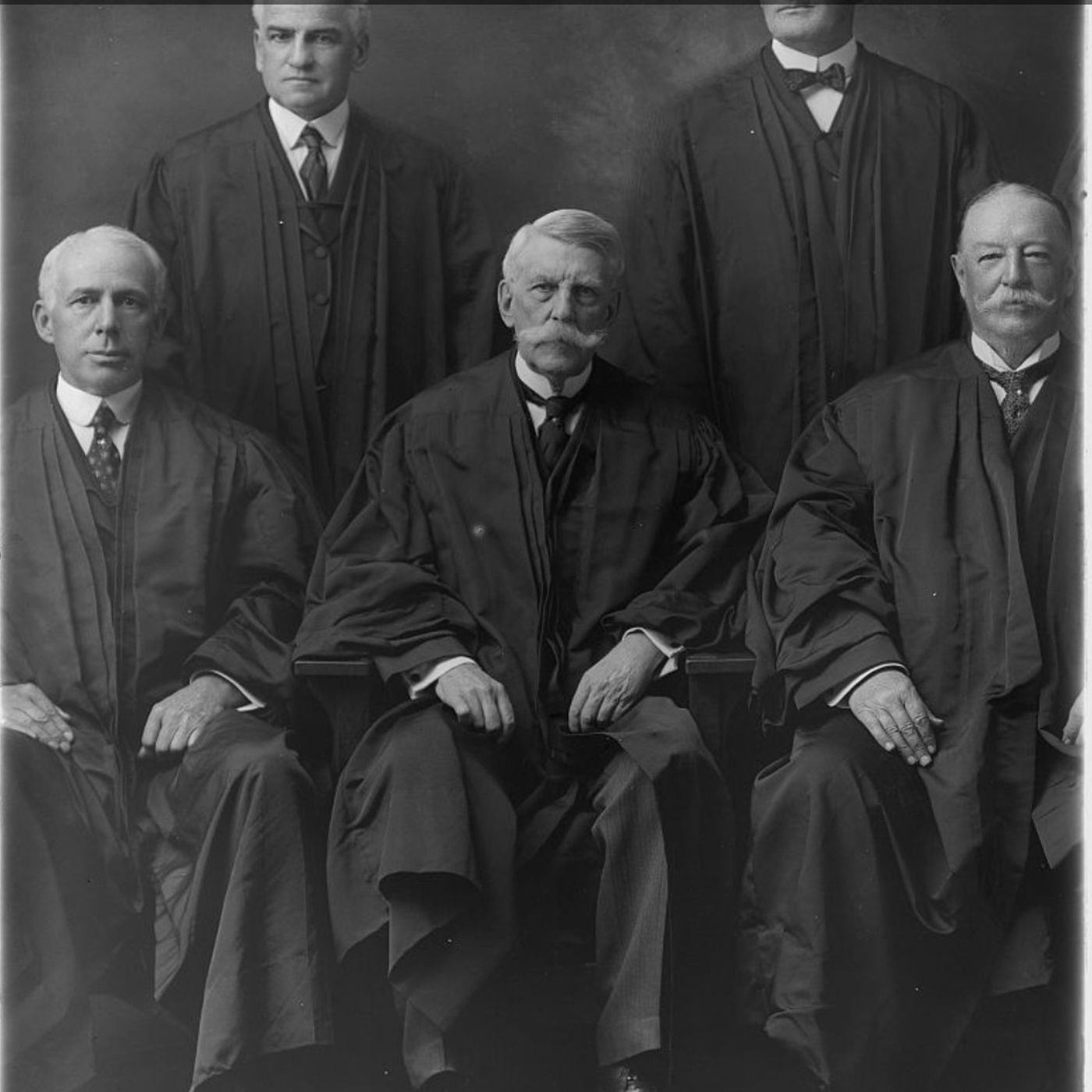 2. Supreme Court Rejects Postal Voting Regulation - RICHARD EPSTEIN 091726 17.09.2026 19min1905 HOLES AND TAFTSupreme Court Rejects Postal Voting RegulationRichard Epstein discusses the Supreme Court's refusal to permit the U.S. Postal Service to implement new mail-in voting regulations ahead of federal elections. Justice Kavanaugh concurred, emphasizing that election administrators lack sufficient time and software systems to process millions of mail-in ballots without causing severe delays. Epstein criticizes the rule as an insidious abuse of government monopoly power, comparing selective ballot inspection to an unconstitutional poll tax. Epstein asserts that presidential efforts to bypass Congress and override state voting authorities breach constitutional separation of powers and fiduciary obligations owed to the public. (2)
 -
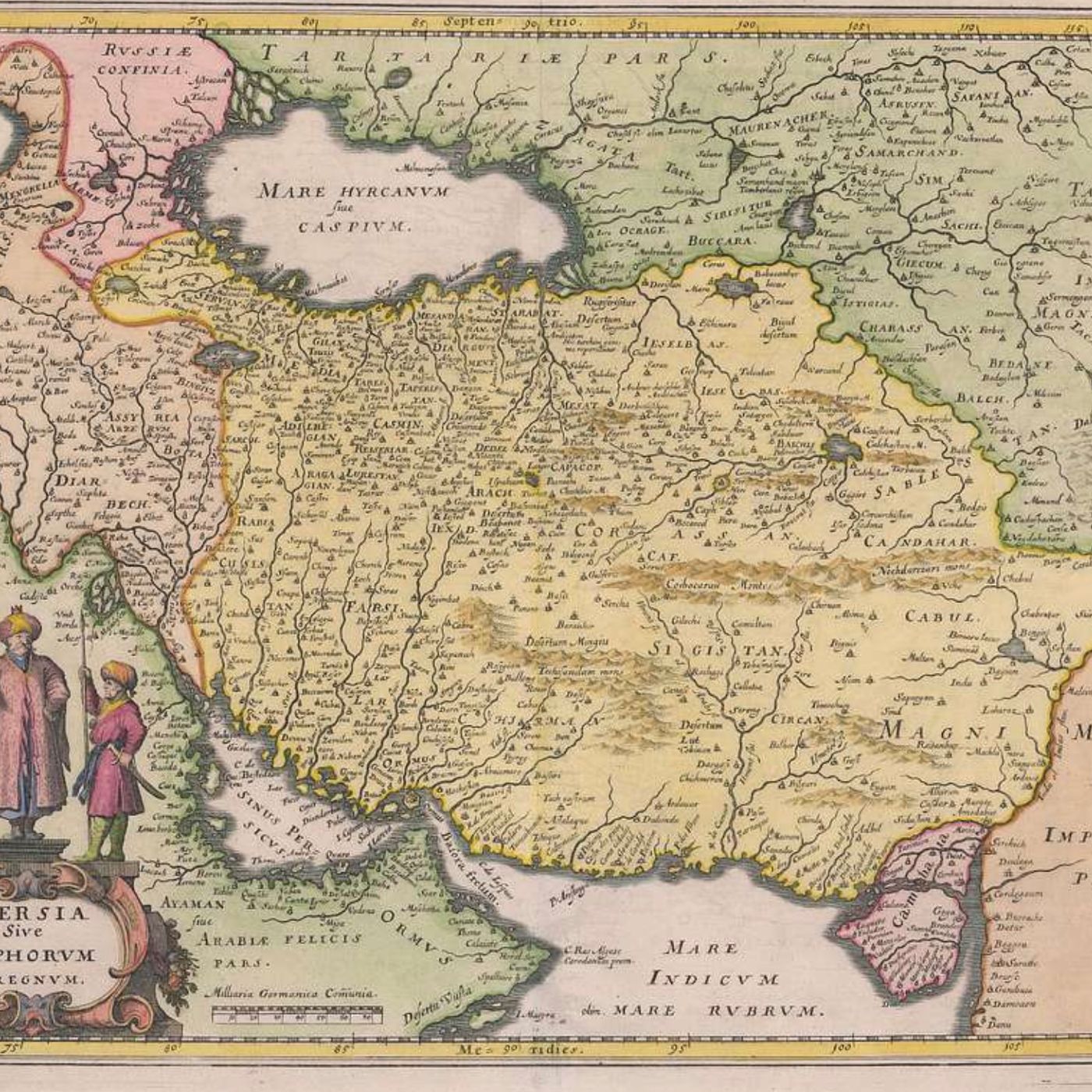 1. Foreign Conflicts Escalate Global Energy Crisis - ANATOL LIEVEN & JONATHAN GUYER 091726 17.09.2026 17minCAPTION 1638 PERSIAN EMPIREForeign Conflicts Escalate Global Energy CrisisAnatol Lieven and Jonathan Guyer, co-authors of the report The Iran Trap, discuss interconnected conflicts in Ukraine, Iran, and Yemen threatening critical global energy infrastructure and driving up global diesel costs. Houthis disrupt Red Sea maritime routes while damaged Russian oil refineries reduce worldwide fuel exports. Public polling conducted by the Institute for Global Affairs reveals dropping support for foreign military interventions as four in five Americans connect overseas wars to rising living costs. Their report underscores public fatigue over escalating militarism and growing anxiety regarding unmonitored military artificial intelligence applications. The analysts argue that restoring diplomatic dialogue with China and reasserting congressional war powers remain essential steps toward resolving these compounding geopolitical crises. (1)
 -
 CONTENTS THE JOHN BATCHELOR SHOW 9-16 16.09.2026 9min1943 WAR EMERGENCY PIPELINECONTENTS THE JOHN BATCHELOR SHOW 9-16Global Diesel Shortage Spans Multiple ContinentsMichael Bernstam explains Ukrainian drone strikes against Russian refineries impact domestic Russian consumption rather than global markets because Moscow previously banned refined petroleum exports. The worldwide diesel crisis stems from losing 2.5 million barrels daily due to Middle Eastern supply disruptions, Strait of Hormuz closures, and pipeline attacks. With global refineries running at 96% to 98% capacity, facilities face severe quality mismatch issues because domestic shale crude yields less diesel than heavy Middle Eastern imports. Meanwhile, overall Russian oil production dropped by 1.5 million barrels per day. New United States congressional legislation permits potential 100% tariffs on purchasing nations. (1)America Deploys Operational Space Control WeaponsRick Fisher reports Air Force officials publicly confirmed that the United States deployed operational space control weapons capable of protecting joint military forces. A French Space Agency graphic recently detailed orbital assets operated by America, Russia, and China, including telemetry jamming, proximity operations, and kinetic collision satellites. These classified capabilities were maintained secretly across multiple congressional administrations to prevent a dangerous space arms race. Strategic tensions surrounding Iran or potential Russian aggression in Europe likely prompted this public disclosure. Importantly, these conventional defense systems fully comply with established Outer Space Treaty terms because the agreement exclusively bans nuclear weapons. (2)Canada Seeks EU Integration Amid RealignmentCharles Burton reports Canada is rapidly reorienting its economic and defense relationships away from dependency on the United States. European Commission President Ursula von der Leyen proposed opening associate membership to Canada, creating a unique alliance covering defense, trade, and personnel movement. Supported by former Prime Minister Stephen Harper, Canadian leaders are promoting infrastructure initiatives to redirect trade flows while granting Europeaccess to critical minerals. Polling indicates that over 70% of Canadians identify with European values, whereas USsympathy dropped to 16% due to trade unpredictability. Canada also quietly strengthened strategic military defense ties with China regarding security. (3)Hellscape Defense Strategy Deters Taiwan InvasionRebecca Grant reports the United States Indo-Pacific Command developed an offensive tactical framework named Hellscape to counter potential Chinese invasions of Taiwan. Designed by Admiral Samuel Paparo, Hellscape deploys swarms of cheap drones, loitering munitions like Damocles, and unmanned vehicles to confuse attacking Chinese forces. This strategy draws upon lessons from Ukrainian drone warfare to disrupt enemy spectrum operations and clear pathways for heavy precision weapons. Regional allies including Japan, Australia, and the Philippines are integrating into this defense architecture. To ensure deterrence succeeds, Taiwan must receive delayed military shipments of advanced electronic warfare systems for its fighter jets without delay. (4)Diplomatic Strains Impact Global Western AlliancesMary Kissel notes global polls indicate declining trust in American leadership as both the United States and China are perceived as international threats. Friction over tariffs and rhetoric pushed Canadian Prime Minister Mark Carney to pursue European Union associate membership and deeper ties with Beijing. In Ukraine, American requests asking Kyivto spare Russian oil refineries reflect a flawed moral equivalency that undermines deterrence against aggression. Meanwhile, escalating Middle Eastern instability and Houthi chokeholds along Red Sea shipping lanes threaten Saudienergy security,...
 -
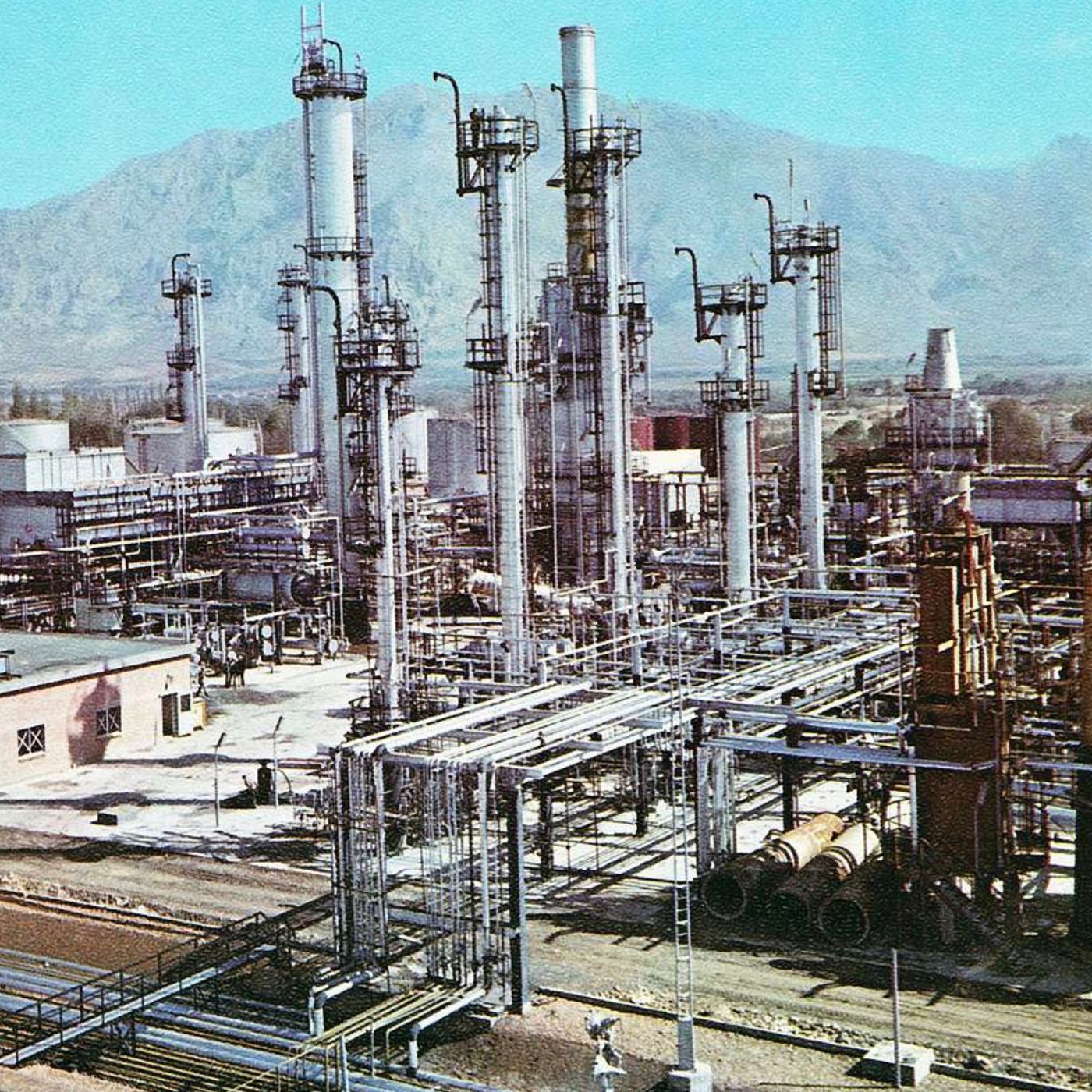 STREAMING MAKING JOHN BATCHELOR SHOW WITH CHANG, BURTON, GRANT, TOZZI, 9-16-2026 16.09.2026 57minCAPTION 1970 IRANSTREAMING MAKING JOHN BATCHELOR SHOW WITH CHANG, BURTON, GRANT, TOZZI, 9-16-2026Canada's European Pivot and the Pacific HellscapeTonight's broadcast outlines a shifting geopolitical landscape characterized by Canada's pivot away from the United States toward a new "associate membership" with the European Union. Experts discuss how this transition is fueled by a perception of American unreliability and an increasing desire for economic resilience against potential trade retaliations. The dialogue further explores the "hellscape" defense strategy in the Pacific, which utilizes massed drone technology to deter a potential Chinese invasion of Taiwan. Central to the discussion is the upcoming summit between the American and Chinese heads of state, with a focus on transnational repression and the fate of political prisoners like Jimmy Lai. Ultimately, the broadcast highlights a global trend where traditional allies are reevaluating their dependencies on both Washington and Beijing in favor of strategic autonomy.
 -
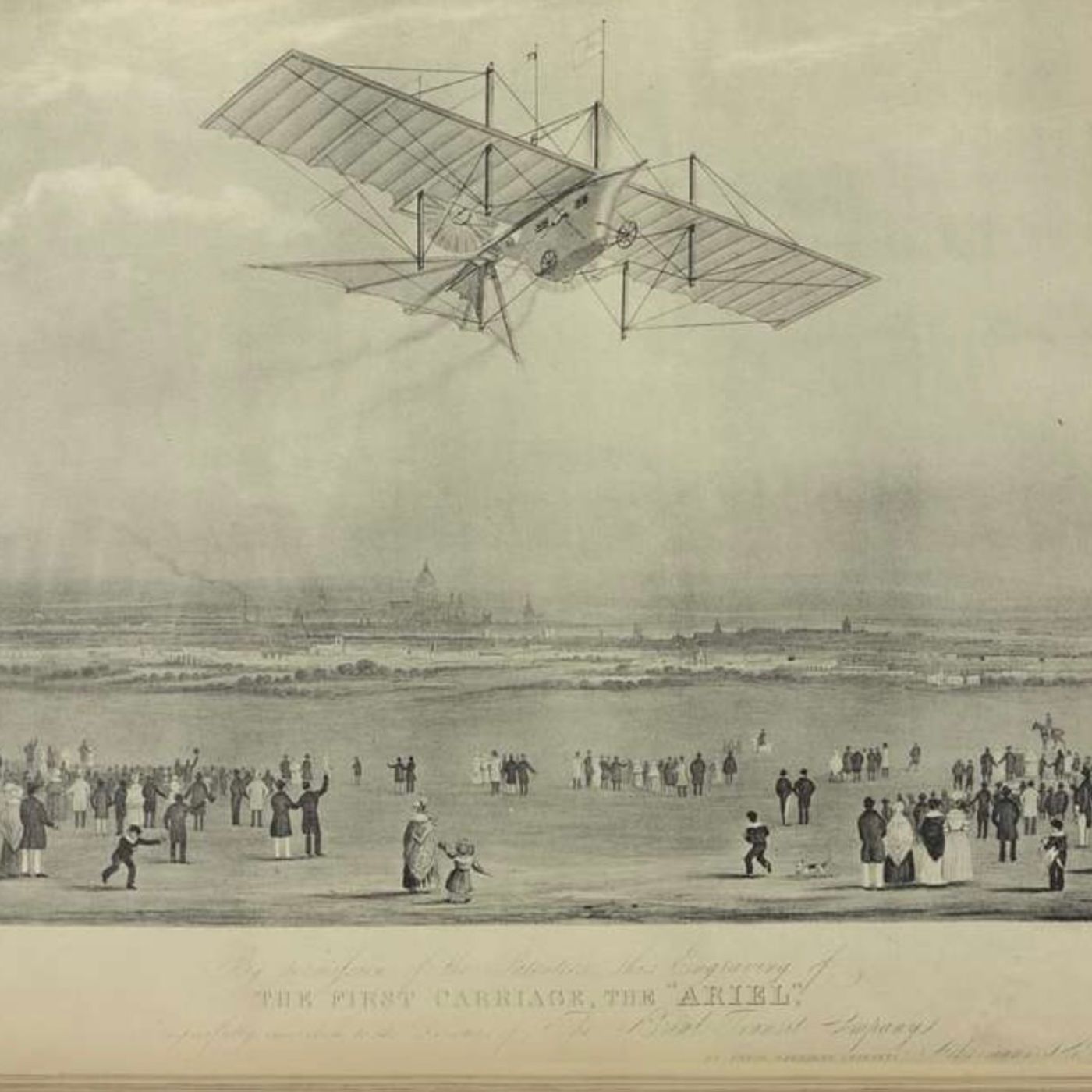 9. Commercial Space Programs Advance Amid Shakeups - BOB ZIMMERMAN 091626 16.09.2026 19minCAPTION 1922 FRANCECommercial Space Programs Advance Amid ShakeupsBob Zimmerman reports SpaceX is preparing Starship Super Heavy for an orbital test carrying commercial Starlinksatellites, while Amazon booked extra Ariane 6 launches to deploy its constellation. Meanwhile, NASA awarded Blue Origin a $700 million Mars communication satellite contract based on its Blue Ring orbital tug, prompting an unusual formal protest from Rocket Lab. Internationally, China is conducting an unannounced major organizational overhaul of its lunar program following recent mission failures. Additionally, American authorities arrested a Chinese tourist for flying drones over restricted Kennedy Space Center launchpads, and Djibouti joined the Artemis Accords as the newest member nation in global space.(9)
 -
 8. European Inflation Escalates Under Energy Pressures - SIMON CONSTABLE 091626 16.09.2026 17min1920 TOUR DE FRANCEEuropean Inflation Escalates Under Energy PressuresSimon Constable reports a severe heatwave in southern France damaged sunflower harvests while diesel prices soared to $9.20 per gallon, causing widespread agricultural and logistical distress. Rising European natural gas costs pushed electricity rates up 12% in one month, driving price hikes across essential agricultural commodities like corn and wheat. Meanwhile, public opposition against artificial intelligence data centers reflects underlying hostility toward wealthy technology figures rather than environmental impact. In the United Kingdom, escalating national debt service costs reached $127 billion annually, far surpassing the nation's $80 billion defense budget during severe ongoing international economic challenges facing European leadership in government circles. (8)
 -
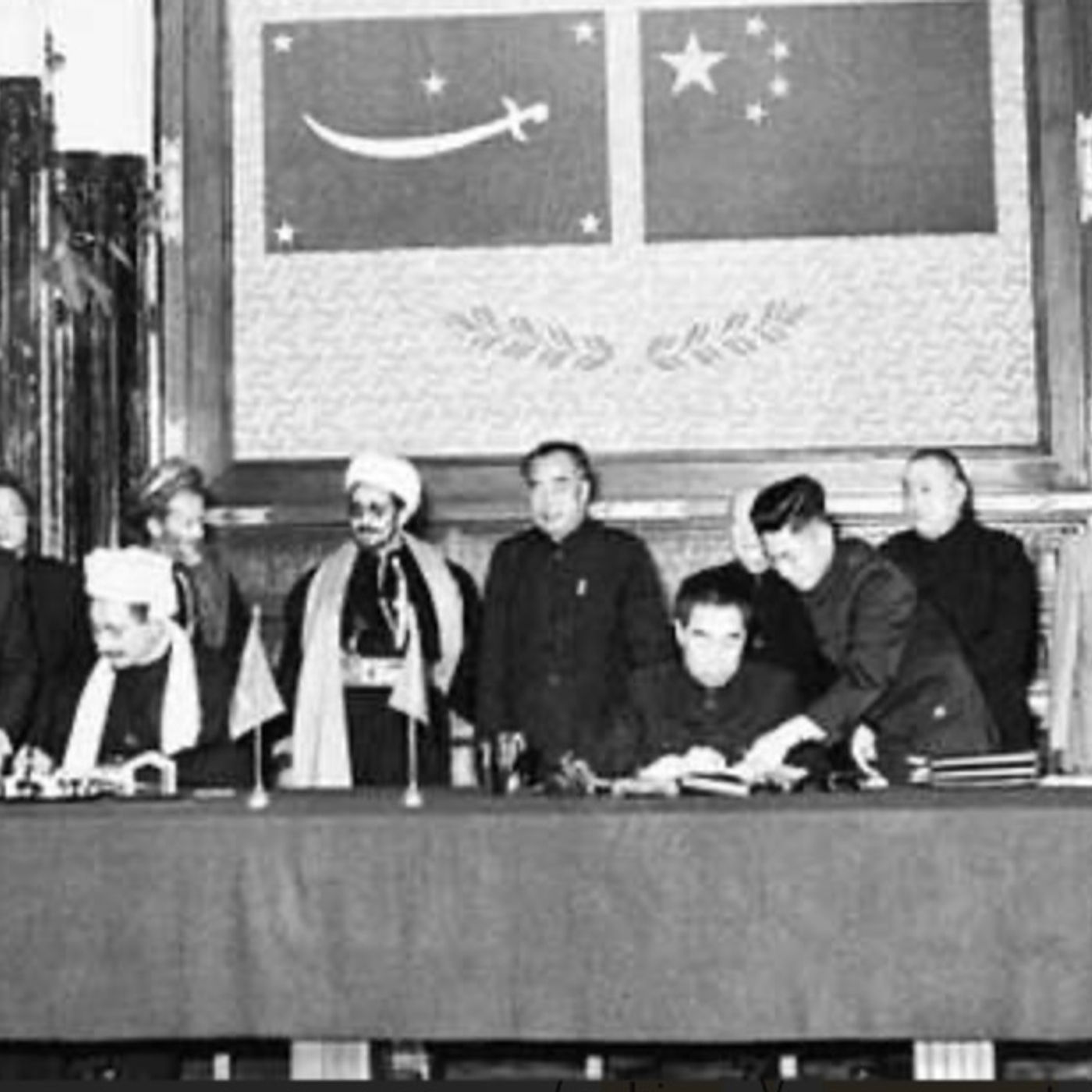 7. Historical Roots Shape Complex Yemen Conflict - GREGORY COPLEY 091626 16.09.2026 37min1954 YEMENGregory Copley explains the ongoing conflict in Yemen reflects deep historical, cultural, and tribal divisions stretching back to pre-Islamic Jewish roots. Mountainous North Yemen, led by Hashemite Zaydis, maintains historical claims as traditional guardians of Mecca and Medina predating Saudi control. Demonstrating sophisticated defense capabilities, North Yemeni forces recently downed a Royal Saudi strike jet. Meanwhile, Egypt refuses to reenter the conflict after its disastrous 1960s war, leaving Oman as the primary regional mediator. Additionally, Canada is strengthening economic ties with Europe and King Charles III to reassert national sovereignty independent of Washington trade policy pressure across global commercial sectors today. (1)
 -
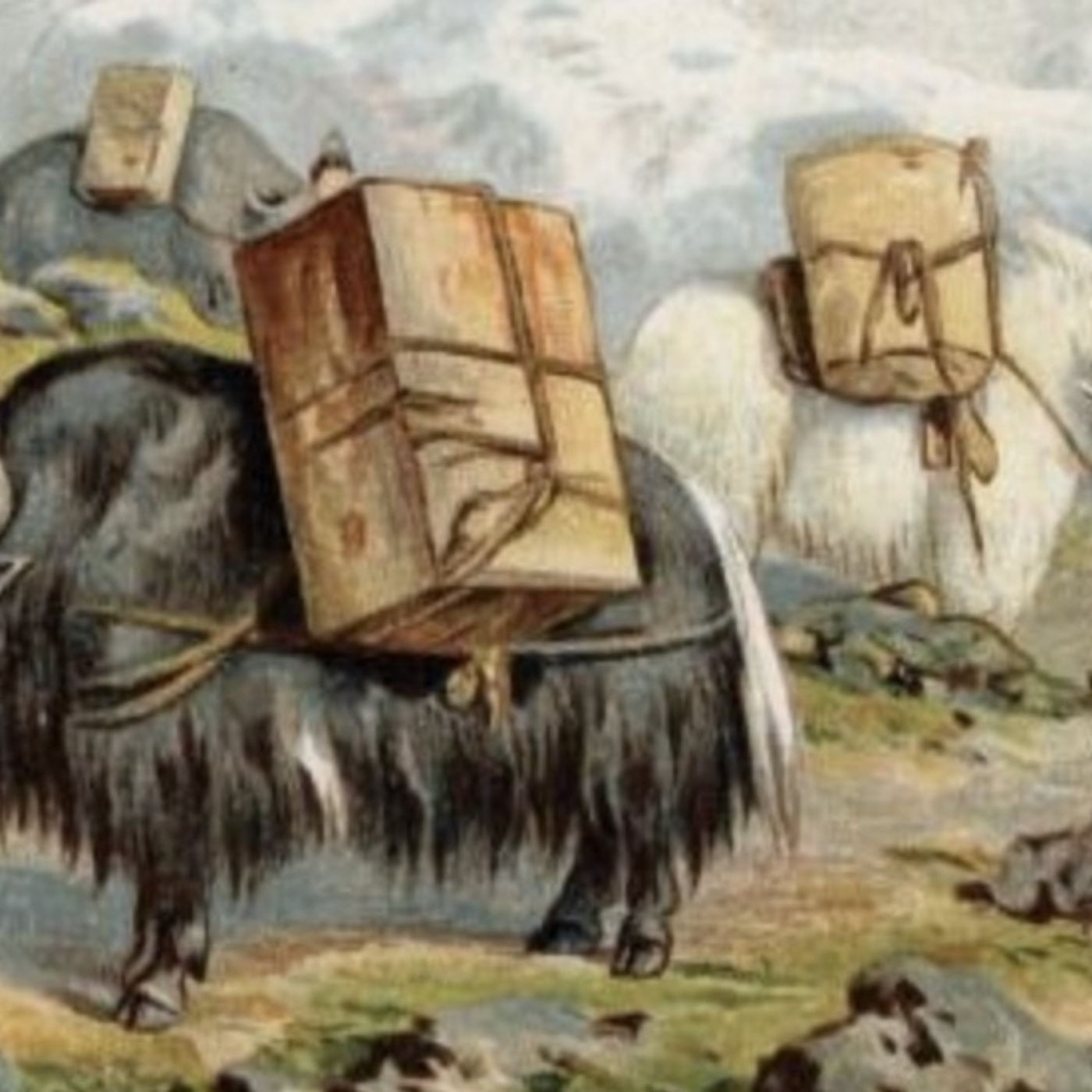 6. PIERO TOZZI & GORDON CHANG 091626 16.09.2026 19min1931 YAKS IN JACOAddressing Transnational Repression Before Summit MeetingPiero Tozzi, co-host Gordon Chang: Ahead of Chinese President Xi Jinping's summit in Washington, Tozzi urges increased protections against Beijing's transnational repression targeting dissidents, Tibetans, and Uyghurs on American soil. China operates clandestine police stations in cities like New York and Boston while using its United Frontapparatus to suppress peaceful protest movements. Grounded in a legalist Leninist governance ideology that demands complete cognitive control, Beijing recently enacted an ethnic unity law requiring families to teach love for the Communist Party. United States foreign policy must prioritize releasing prominent political prisoners, including Hong Kong Catholic publisher Jimmy Lai from solitary confinement in prison. (6)
 -
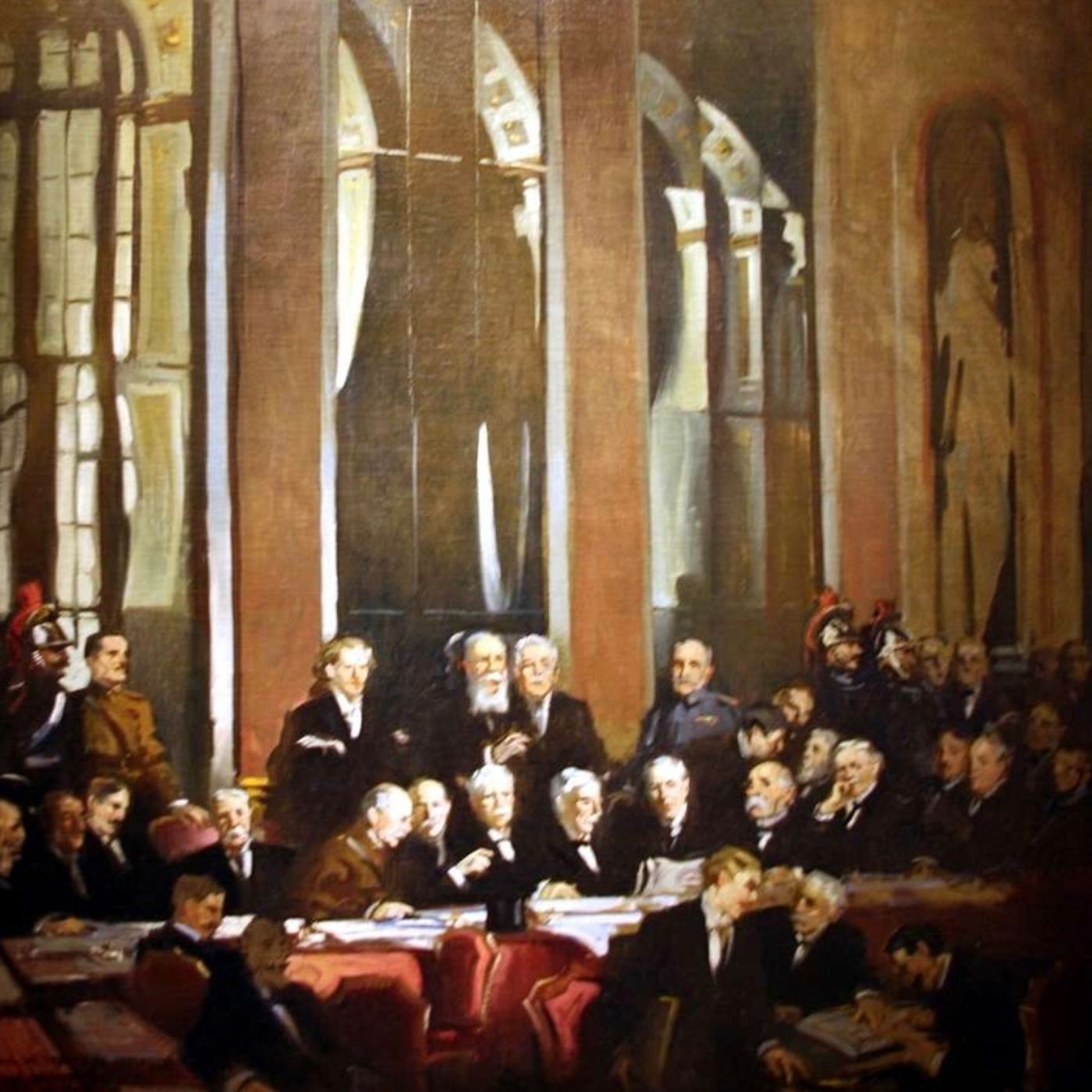 5. Diplomatic Strains Impact Global Western Alliances - MARY KISSEL 091626 16.09.2026 17minCAPTION 1919 VERSAILLES CONFERENCEDiplomatic Strains Impact Global Western AlliancesMary Kissel notes global polls indicate declining trust in American leadership as both the United States and China are perceived as international threats. Friction over tariffs and rhetoric pushed Canadian Prime Minister Mark Carney to pursue European Union associate membership and deeper ties with Beijing. In Ukraine, American requests asking Kyivto spare Russian oil refineries reflect a flawed moral equivalency that undermines deterrence against aggression. Meanwhile, escalating Middle Eastern instability and Houthi chokeholds along Red Sea shipping lanes threaten Saudienergy security, risking a shift where Gulf allies seek Chinese security partnerships if Washington fails to provide reliable military backing today. (2)
 -
 4. Hellscape Defense Strategy Deters Taiwan Invasion - REBECCA GRANT & GORDON CHANG 091626 16.09.2026 9minCAPTION 1954Hellscape Defense Strategy Deters Taiwan InvasionRebecca Grant reports the United States Indo-Pacific Command developed an offensive tactical framework named Hellscape to counter potential Chinese invasions of Taiwan. Designed by Admiral Samuel Paparo, Hellscape deploys swarms of cheap drones, loitering munitions like Damocles, and unmanned vehicles to confuse attacking Chinese forces. This strategy draws upon lessons from Ukrainian drone warfare to disrupt enemy spectrum operations and clear pathways for heavy precision weapons. Regional allies including Japan, Australia, and the Philippines are integrating into this defense architecture. To ensure deterrence succeeds, Taiwan must receive delayed military shipments of advanced electronic warfare systems for its fighter jets without delay. (4)
 -
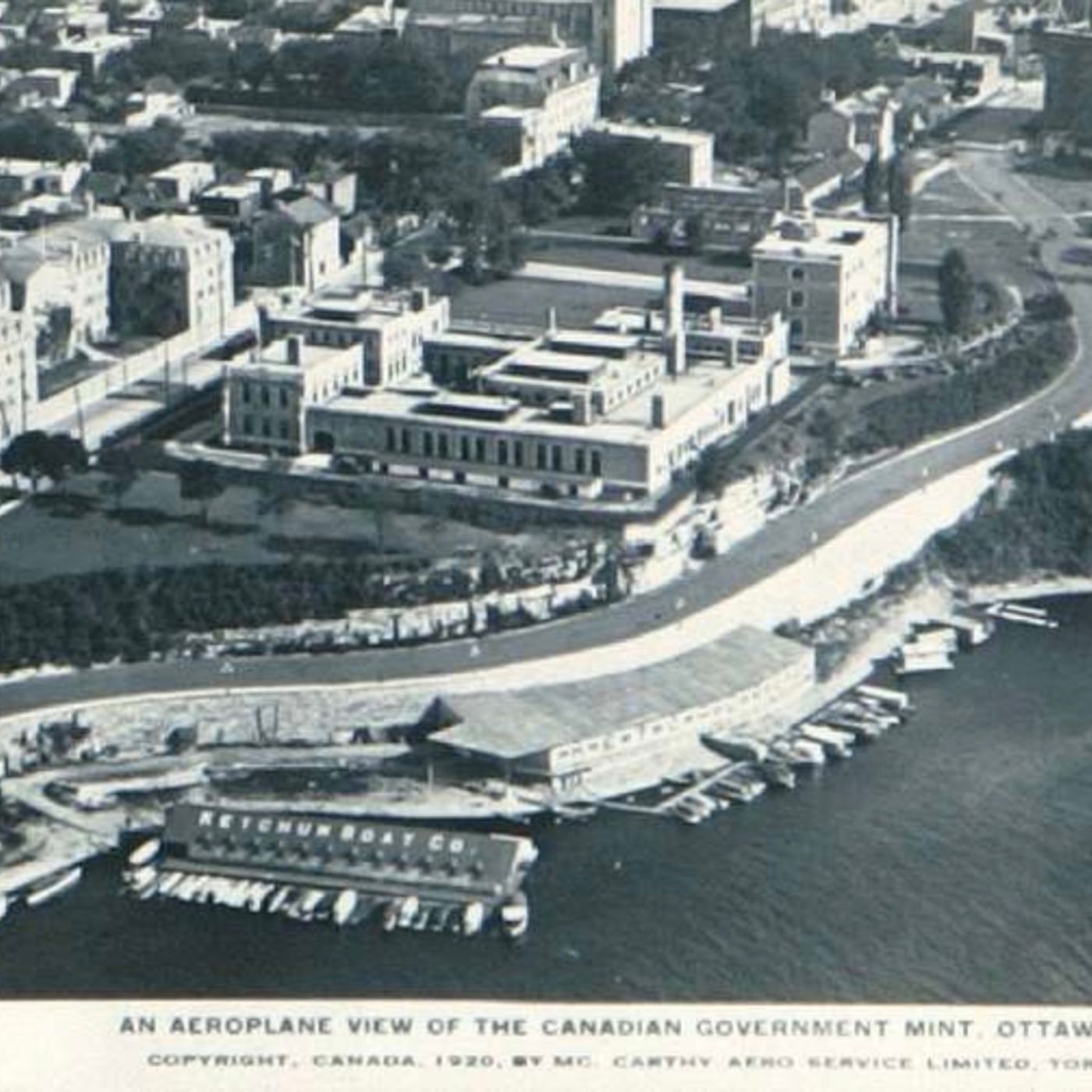 3.Canada Seeks EU Integration Amid Realignment - CHARLES BURTON & GORDON CHANG 091626 16.09.2026 10min1929 OTTAWACanada Seeks EU Integration Amid RealignmentCharles Burton reports Canada is rapidly reorienting its economic and defense relationships away from dependency on the United States. European Commission President Ursula von der Leyen proposed opening associate membership to Canada, creating a unique alliance covering defense, trade, and personnel movement. Supported by former Prime Minister Stephen Harper, Canadian leaders are promoting infrastructure initiatives to redirect trade flows while granting Europeaccess to critical minerals. Polling indicates that over 70% of Canadians identify with European values, whereas USsympathy dropped to 16% due to trade unpredictability. Canada also quietly strengthened strategic military defense ties with China regarding security. (3)
 -
 2. America Deploys Operational Space Control Weapons - RICK FISHER & DAVID LIVINGSTON 091626 16.09.2026 9minCAPTION NOVEMBER 1953America Deploys Operational Space Control WeaponsRick Fisher reports Air Force officials publicly confirmed that the United States deployed operational space control weapons capable of protecting joint military forces. A French Space Agency graphic recently detailed orbital assets operated by America, Russia, and China, including telemetry jamming, proximity operations, and kinetic collision satellites. These classified capabilities were maintained secretly across multiple congressional administrations to prevent a dangerous space arms race. Strategic tensions surrounding Iran or potential Russian aggression in Europe likely prompted this public disclosure. Importantly, these conventional defense systems fully comply with established Outer Space Treaty terms because the agreement exclusively bans nuclear weapons. (2)
 -
 1. Global Diesel Shortage Spans Multiple Continents - MICHAEL BERNSTAM 091626 16.09.2026 8minCAPTION 1943 WAR EMERGENCY PIPELINEGlobal Diesel Shortage Spans Multiple ContinentsMichael Bernstam explains Ukrainian drone strikes against Russian refineries impact domestic Russian consumption rather than global markets because Moscow previously banned refined petroleum exports. The worldwide diesel crisis stems from losing 2.5 million barrels daily due to Middle Eastern supply disruptions, Strait of Hormuz closures, and pipeline attacks. With global refineries running at 96% to 98% capacity, facilities face severe quality mismatch issues because domestic shale crude yields less diesel than heavy Middle Eastern imports. Meanwhile, overall Russian oil production dropped by 1.5 million barrels per day. New United States congressional legislation permits potential 100% tariffs on purchasing nations. (1)
 -
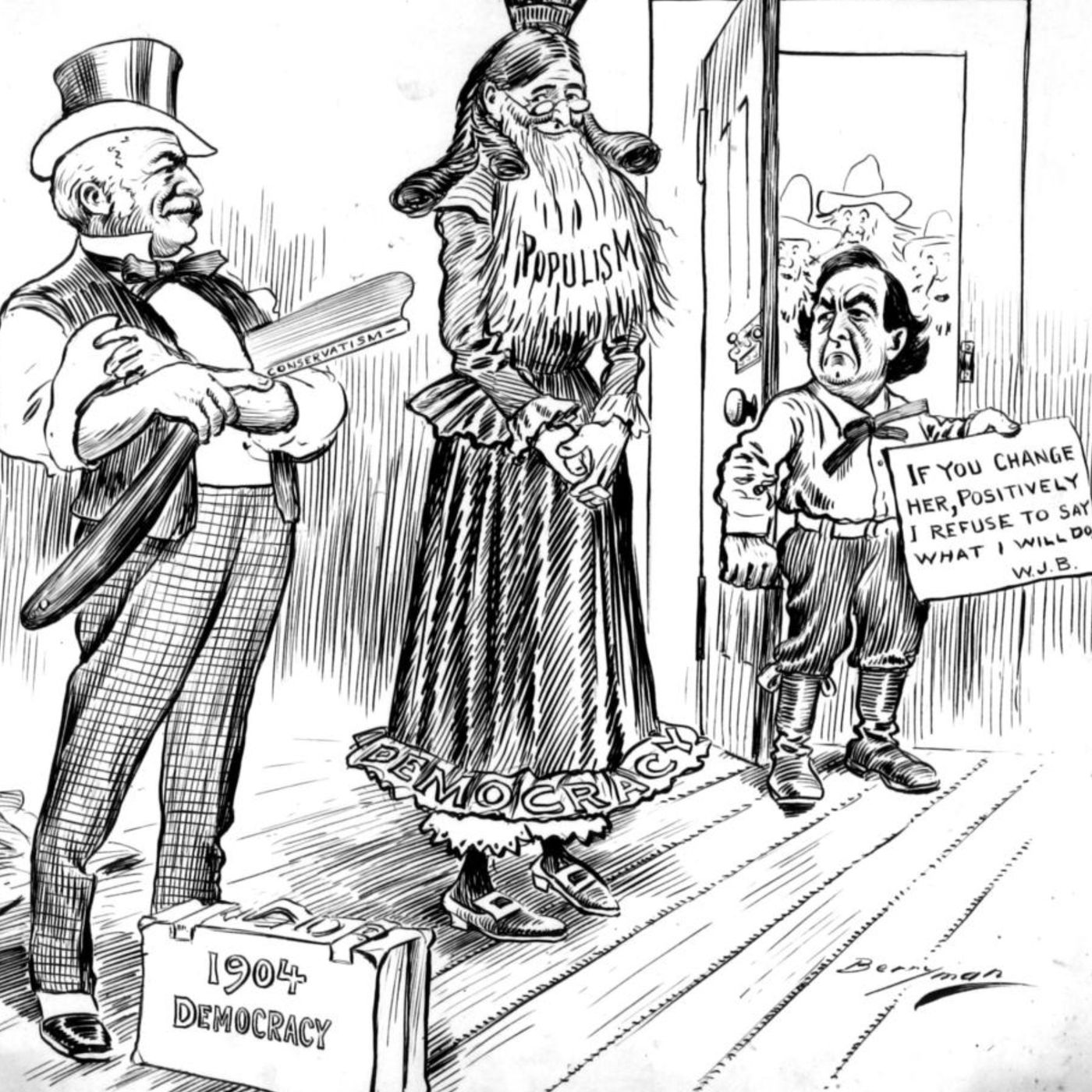 STREAMING-MAKING-JBS-SCHANZER-MCCOTTER-9-15 16.09.2026 58minCAPTION 1904 ELECTION POLITICSSTREAMING-MAKING-JBS-SCHANZER-MCCOTTER-9-15Global Conflicts and the Looming American MidtermsTonight's broadcast details a global landscape of escalating conflict, focusing primarily on the unraveling security of the Persian Gulf and the Red Sea. Analyst Jonathan Schanzer explains how Iran-backed Houthi rebels have disrupted international energy markets by seizing strategic ports and attacking Saudi Arabian infrastructure. This instability is mirrored in Lebanon, where the effectiveness of Israeli military strikes against Hezbollah is contrasted with the ongoing political paralysis of the Lebanese government. Domestically, the discussion shifts to the looming U.S. midterm elections, noting that President Trump's approval ratings remain low despite holding a Republican convention in Texas. The dialogue concludes by examining the disconnect between aggressive foreign policy challenges, such as the global diesel shortage and the war in Ukraine, and the economic concerns of the American electorate.
Podcasts similares


Popular em
Este podcast também aparece nas paradas de podcasts destes países.


