
GDP - The Global Development Primer
Dr. Robert Huish
0
The Global Development Primer is a podcast hosted by Professor Bob Huish from Dalhousie University in Halifax, Nova Scotia, Canada. It explores a wide range of issues in international development, featuring insights from researchers, practitioners, and policymakers around the world. The show aims to inform listeners about the latest and most pressing global development topics.
Episódios
-
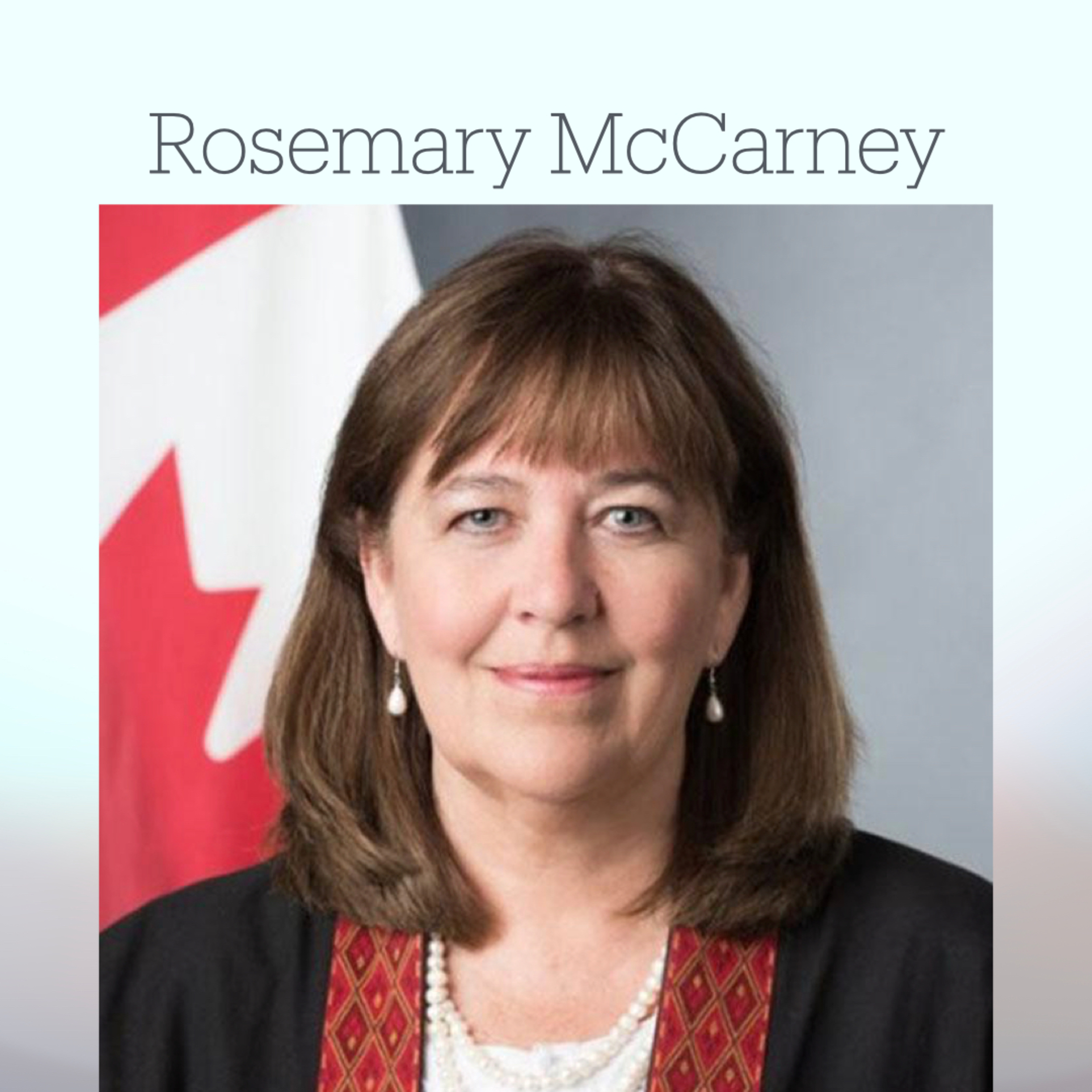 Development in the Era of Rupture 13.05.2026 19minIn an era of compounding shocks and shifting borders, global development can no longer afford to be a sector that is procedurally sophisticated but politically naive. We must urgently explore how to move beyond linear models of development cooperation to build strategic resilience in a non-linear world where conflict and volatility are the new central realities of development. Rosemary McCarney spoke at the Canadian Association of International Development Practitioners Conference in Ottawa with the opening Keynote Address. GDP caught up with her just afterwards to discuss her ideas on the new era of global development.Rosemary is the 2020-2021 Senior Fellow in Foreign and Defence Policy at Massey College. Rosemary was appointed the inaugural 2020 Pearson Sabia Distinguished Visiting Professor in International Relations at Trinity College, University of Toronto where she teaches Multilateral Diplomacy -Global Governance.Rosemary McCarney served as Ambassador and Permanent Representative of Canada to the Office of the United Nations and to the United Nations Conference on Disarmament based in Geneva, Switzerland. Rosemary is also an award-winning humanitarian and business leader, a recognized public speaker and author and an expert on international economic development. An experienced senior executive and academic, she has developed strong business management and organizational leadership skills over 30+ years of global executive, legal and academic experience.Immediately prior to her Ambassadorial appointment, Rosemary successfully led Plan International Canada, one of the oldest and largest charities in Canada and a member of the global Plan Federation, serving as President and Chief Executive Officer.
 -
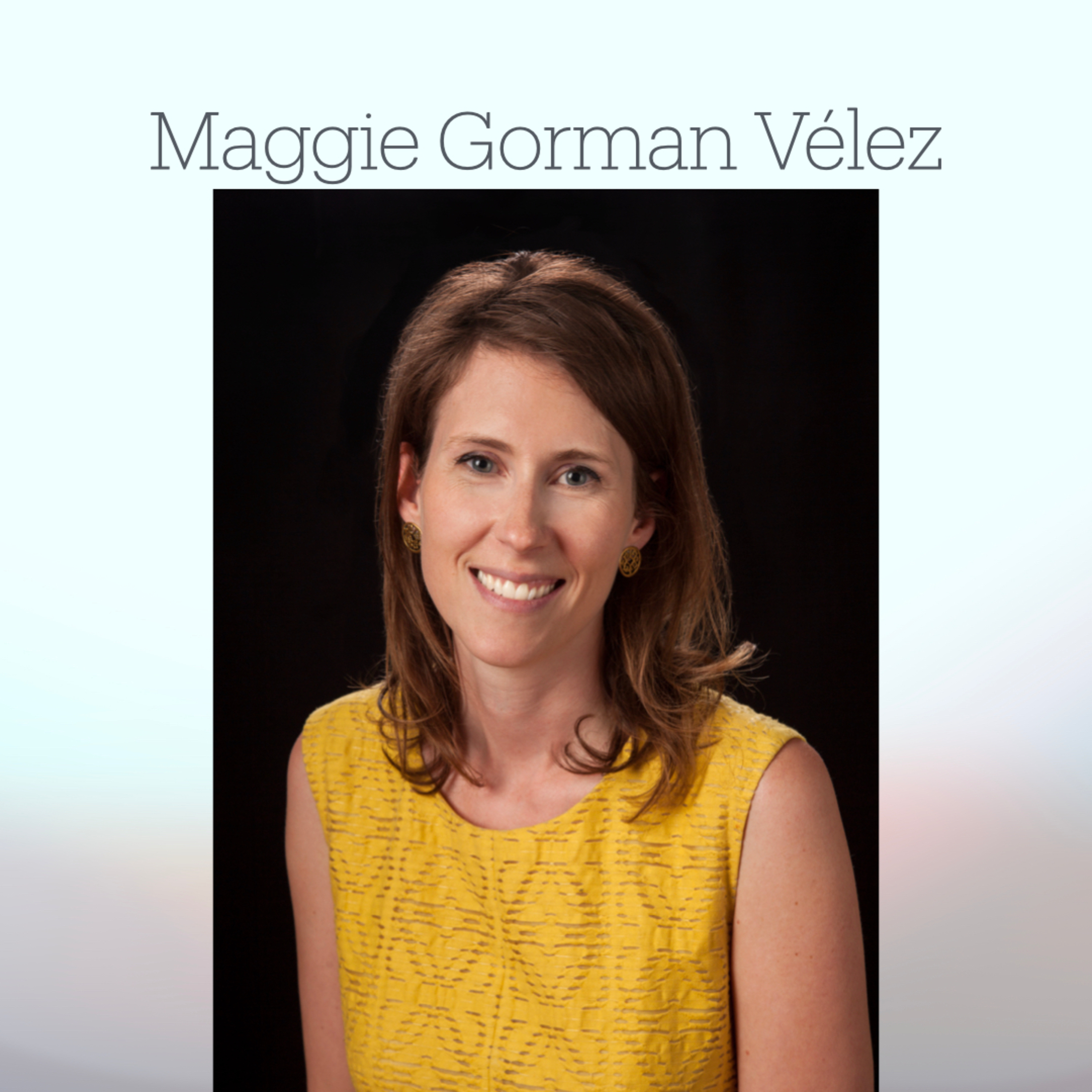 Can international research centres be a means to a more sustainable and inclusive world? 01.05.2026 28minThe International Development Research Centre (IDRC) is a unique approach to global development that not only continues on, but may in fact thrive through one of the most turbulent times in Global Development. At a time when many foreign aid and global development agencies are folding up, IDRC champions and funds research and innovation within and alongside developing nations. Embracing new technologies with new partners in the global South, IDRC may provide a refreshing, albeit hopeful, approach to the future of global development. For a taste of that optimism, we're joined by IDRC Vice President of Strategy Regions and Policy, Maggie Gorman Vélez, who will be speaking at the Canadian Association of International Development Professionals (CAIDP) Conference in Ottawa.Following graduate studies, Maggie Gorman Velez began her career at IDRC in the capacity as a Professional Development Awardee. Subsequently, over 20+ years, she has served in progressively senior roles across a diversity of portfolios at the Centre.Maggie brings a depth of experience in international research and development, with a proven track record of strategic leadership as a member of the IDRC Centre Management Committee and more recently of the executive team. Over the past several years she has played a critical role in the development and implementation of Strategy 2030. She holds an MA in International Affairs from Carleton University's Norman Patterson School and a BA (Hons) in Economics from St. Thomas University. She sits on the board of her local community association and is the mother of three busy children.
 -
 "Your Skepticism is Warranted": Claude AI 23.03.2026 29minI can't believe we're doing this. But here it is. Inspired by Senator #BernieSanders, I sit down with #ClaudeAi to have a conversation about any shady business going on with Ai. Data collection, microtargeting, and undermining democracy are all discussed with this ChatBot. We go further: I ask Claude to take a stance on whether or not non-human technology exists on Earth, and it says, definitively, "no!" But when asked to consider if Israel's actions in Gaza mount to genocide? "Unclear". In both cases, the bot swerves and dodges the questions while reinforcing a clear bias.. In this half-hour conversation, you'll be able to hear how the bot responds to questions, and responds when called on using deceptive behaviour. Claude is a chatbot designed by anthropic using Constitutional AI to ensure that it helps and does no harm. Claude responds to questions and helps with coding and data interpretation.
 -
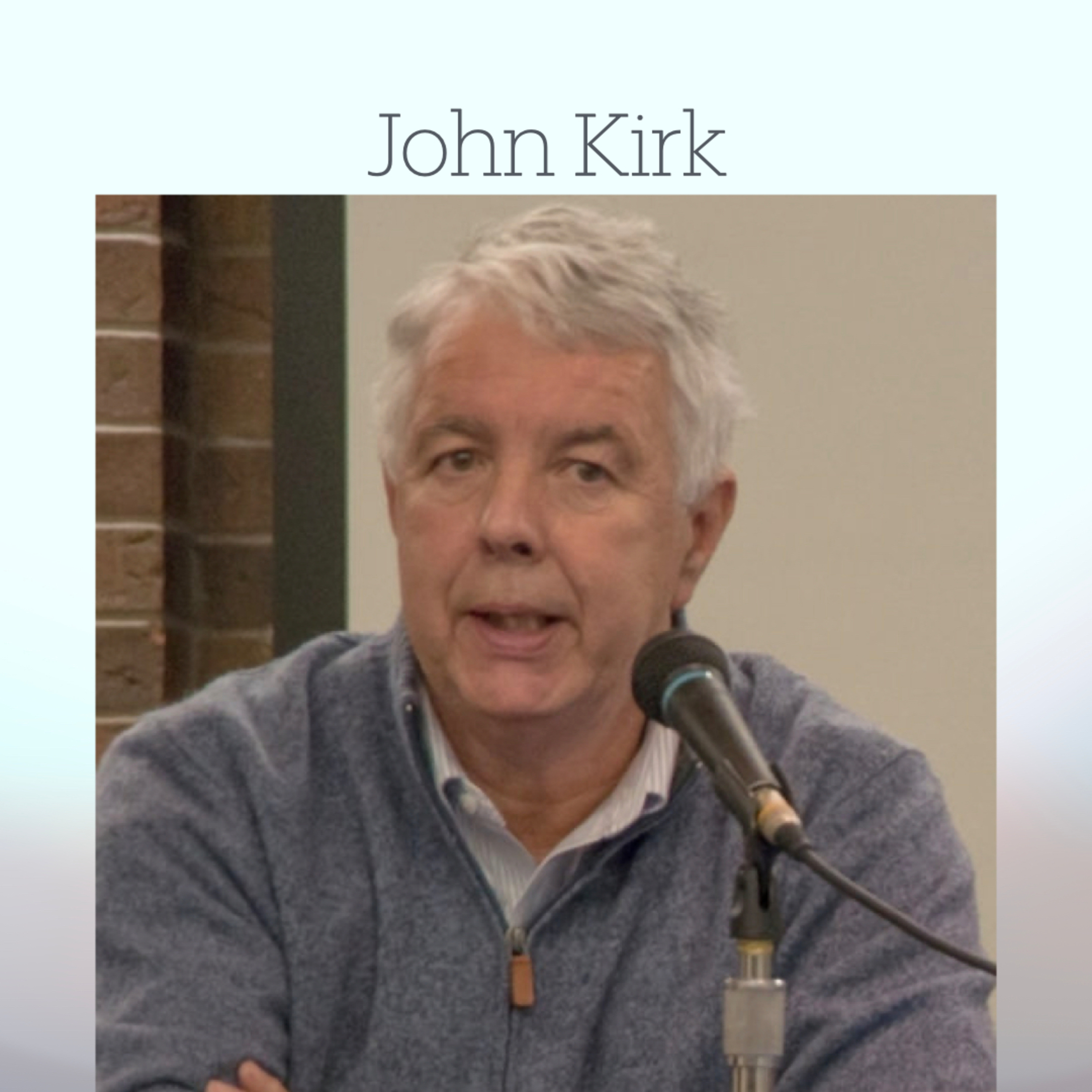 No Good Can Come From This: Why is Trump isolating Cuba from the World? 17.03.2026 27minDonald Trump has bullied everyone. But when it comes to Cuba, Trump's bellicosity is different. Unlike many of the executive orders hastily signed with an immoderate sharpie stroke, Trump's economic weapons against Cuba are backed up with congressional acts dating as far back as the 1960s. This makes them harder to undo and more serious to enact. Currently, Cuba is facing its worst crisis in history. No oil imports, minimal foreign aid, limited tourism, rolling blackouts, health crises, and all against a backdrop of 2.5 million outmigrants. What will come next for Cuba? What does Trump really want with Cuba beyond "regime change"? To help make sense of it, Dr. John Kirk joins us this week on GDP.John Kirk is an internationally renowned expert on Cuban politics and society. He is the author/co-editor of 20 books on Cuba. A Professor of Latin American Studies at Dalhousie University in Canada since 1978, Dr. Kirk is an active researcher and policy advisor on all matters related to Cuba.
 -
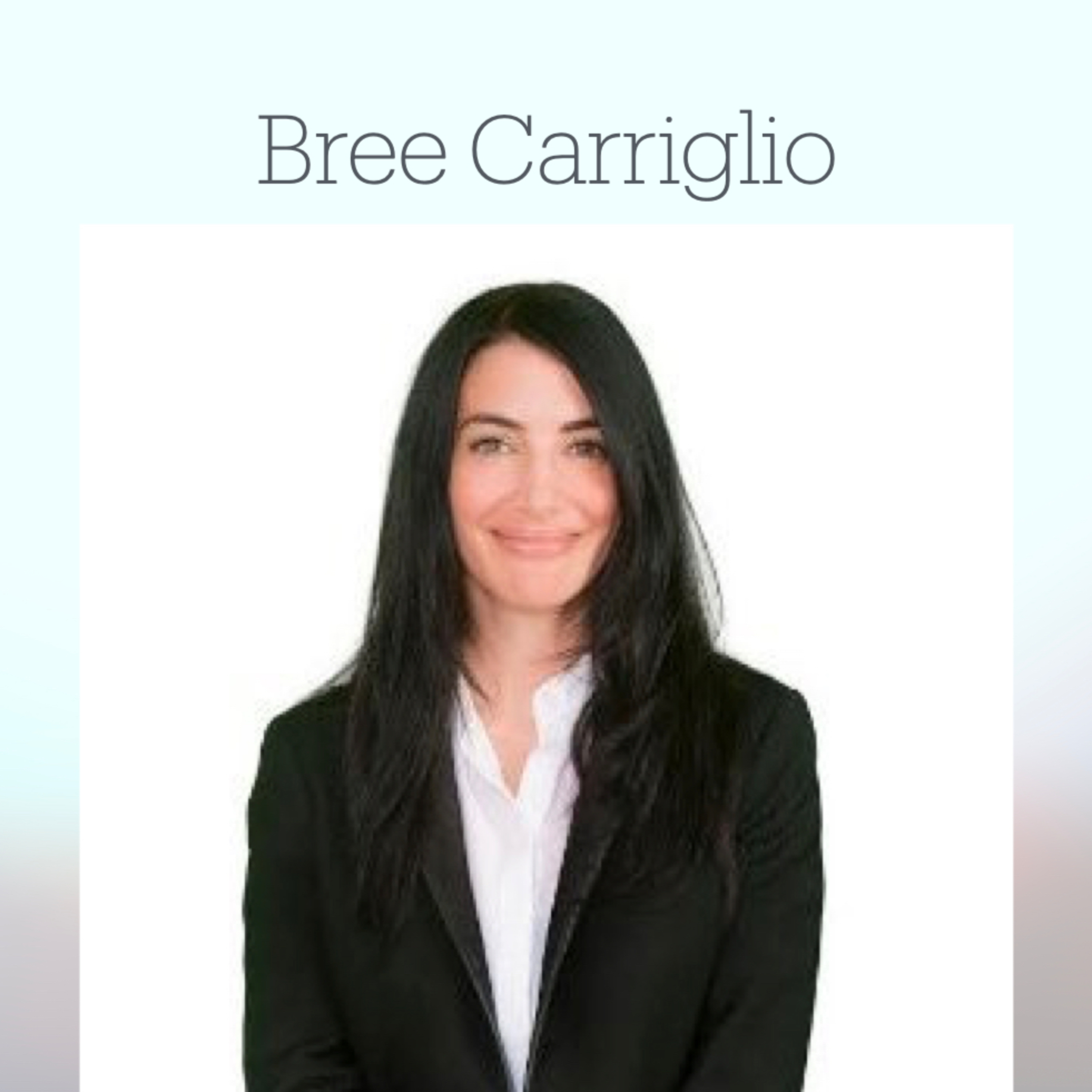 Say "ayo" to the Fund for Armenian Relief. 10.03.2026 17minArmenia doesn't always get mentioned in Global Development dialogue, but the struggle for economic and social indepdence is very real among many at-risk communities within the country. The Fund for Armenian Relief has advanced fundraising and developed programs that go beyond meeting basic needs; they help people gain skills and become financially self-sufficient. In this podcast, we meet Bree Carriglio, who has played a key role in connecting grassroots donors to projects that empower local communities of Armenia, such as women displaced by conflict who then train for tech jobs. Bree Carriglio is the Executive Director of Development and Institutional Marketing at the Fund for Armenian Relief (FAR), where she leads strategic development initiatives, institutional partnerships, and communications to advance FAR’s mission of supporting vulnerable communities in Armenia. With over 20 years of experience in nonprofit development, marketing, and brand strategy, Bree has been instrumental in driving impactful fundraising efforts, particularly in humanitarian aid, healthcare, and education programs. Prior to her role at FAR, Bree held key leadership positions at BOND New York, where she spent nearly 14 years overseeing marketing strategy, brand development, and relocation services for one of New York’s largest independent real estate firms. Her expertise in crafting compelling messaging and donor engagement strategies has been featured in publications such as Forbes, where she writes about fundraising, philanthropy, and nonprofit communications. Bree holds a degree in English Language and Literature from Barnard College and remains dedicated to leveraging storytelling and strategic partnerships to drive meaningful change.Check out www.farusa.org for more.
 -
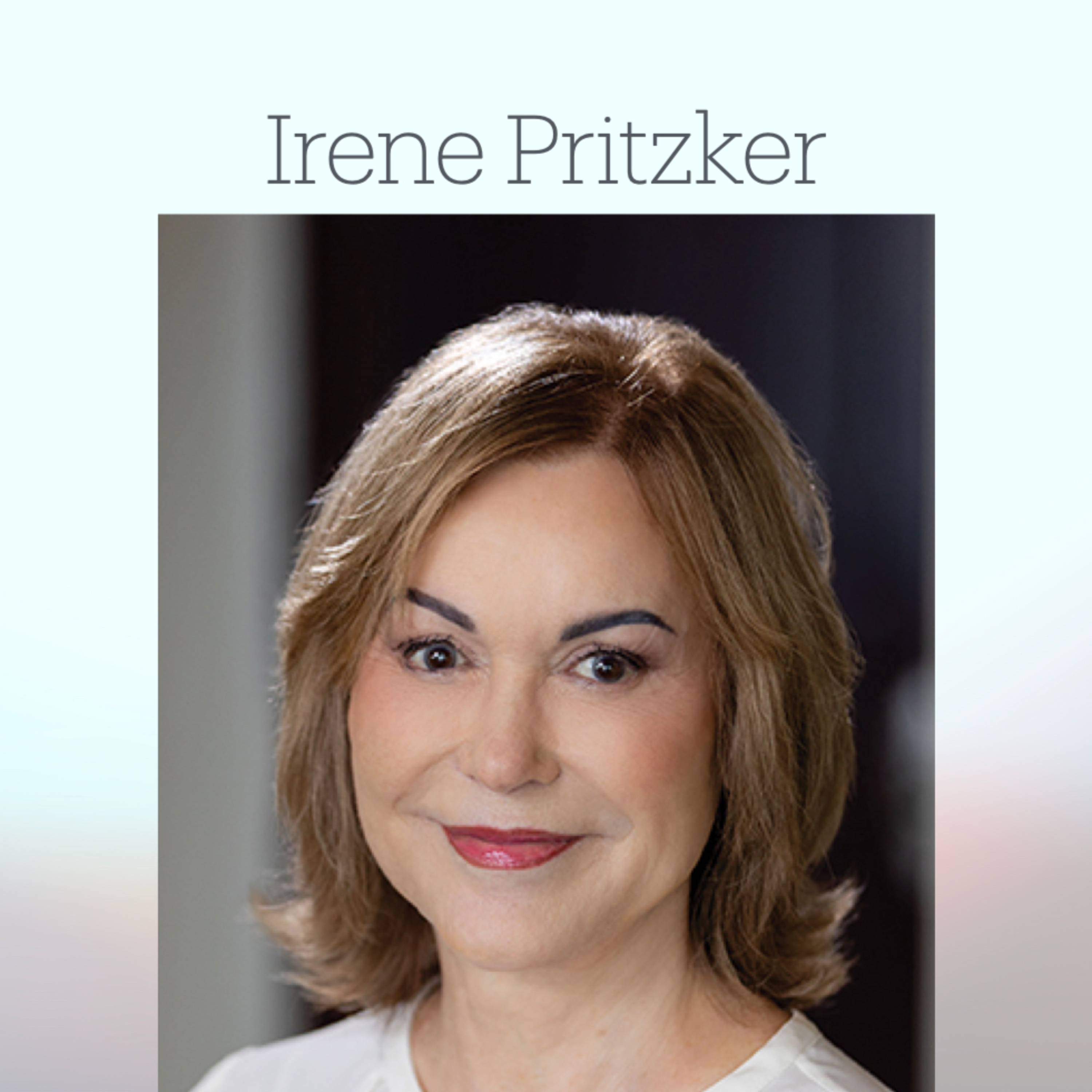 The School in the Market & The Market for Schools 12.02.2026 23minWhen Irene Pritzker walked into the Agbogbloshie Market in Ghana’s capital city of Accra in 2008, her heart ached.Inside the market was a small but growing school—Paulina’s Queensland School, run by entrepreneur Paulina Nlando—with between 100 and 150 students. It was in a desperate state of physical disrepair, with dirt floors, poor lighting, and dangerous exposed wiring. But Paulina and thousands of school owners like her were unable to obtain business loans to improve their schools. Upon returning to the U.S., Irene made herself a promise that she would do everything in her power to give schools like Paulina’s a fighting chance.Irene Pritzker cofounded the IDP Foundation, Inc., with her daughter, Liesel, in 2008. She was motivated when she visited Ghana that same year and saw how many local schools had barely any infrastructure or resources. Irene considered whether it would be possible to successfully provide a business loan to these schools given that they had no collateral but were serving the poorest families in Ghana.As an advocate for developing sustainable and market-driven solutions that are no longer aid-dependent, Irene has frequently been invited to share the work of her philosophy behind the IDP Rising Schools Program. She has given major speeches on effective philanthropic investment and participated in numerous panels at the United Nations and other international forums, including throughout the US, Accra, Beijing, Paris, Zurich, Istanbul, Rome, and Dubai.
 -
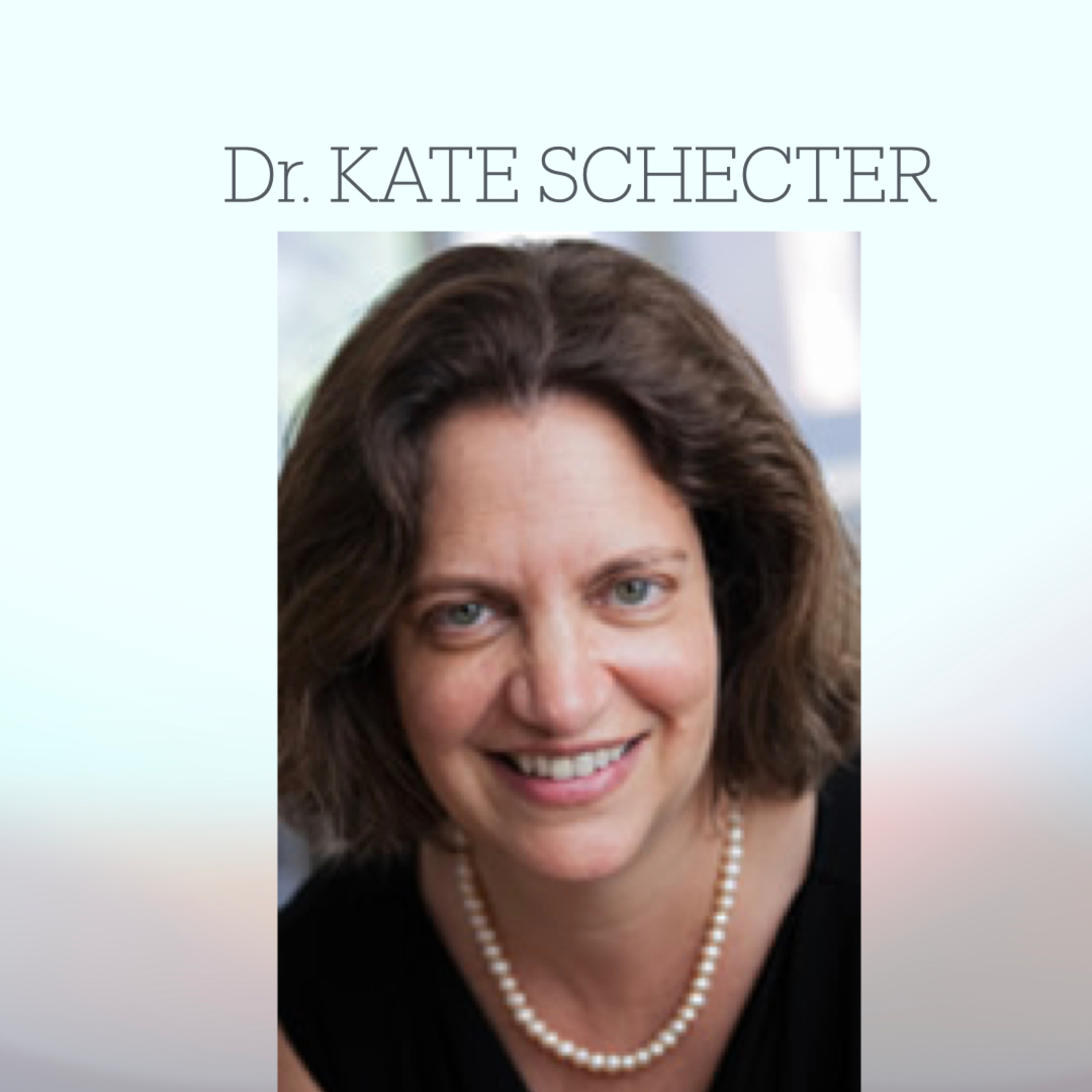 The Whole World is Unimpressed: What now for Development? 22.01.2026 29minA year after Elon Musk and Donald Trump destroyed USAID, where is development today? The US took $68 billion dollars out of the global development budget last year. Other countries are slashing their budgets too. Now what?If global development was about positioning the US as a strategic ally across the globe, it is now toast. But if development can continue to be more than political positioning, and return to its purpose of alleviating poverty, building secure environments and promoting democracy, then we may still be in business. To get a sense of how this can work, we invite Dr. Kate Schecter to join us this week. Kate Schecter has witnessed and participated in international development for decades. For the past decade, Kate has served as CEO of World Neighbors, an international NGO with projects in 14 low-income countries. These include Guatemala, Bolivia, Haiti, Tanzania, Mali, Burkina Faso, Kenya, India and Nepal. Next April World Neighbors, which has always received near all its funding from private sources, will celebrate its 75th anniversary. The Oklahoma City-based organization and its community-based savings and credit and climate resilience model have survived many changes in national and international policies. Kate recently returned from Bihar and Uttar Pradesh India, where she visited thriving economic development projects based on the needs and skills of local communities.
 -
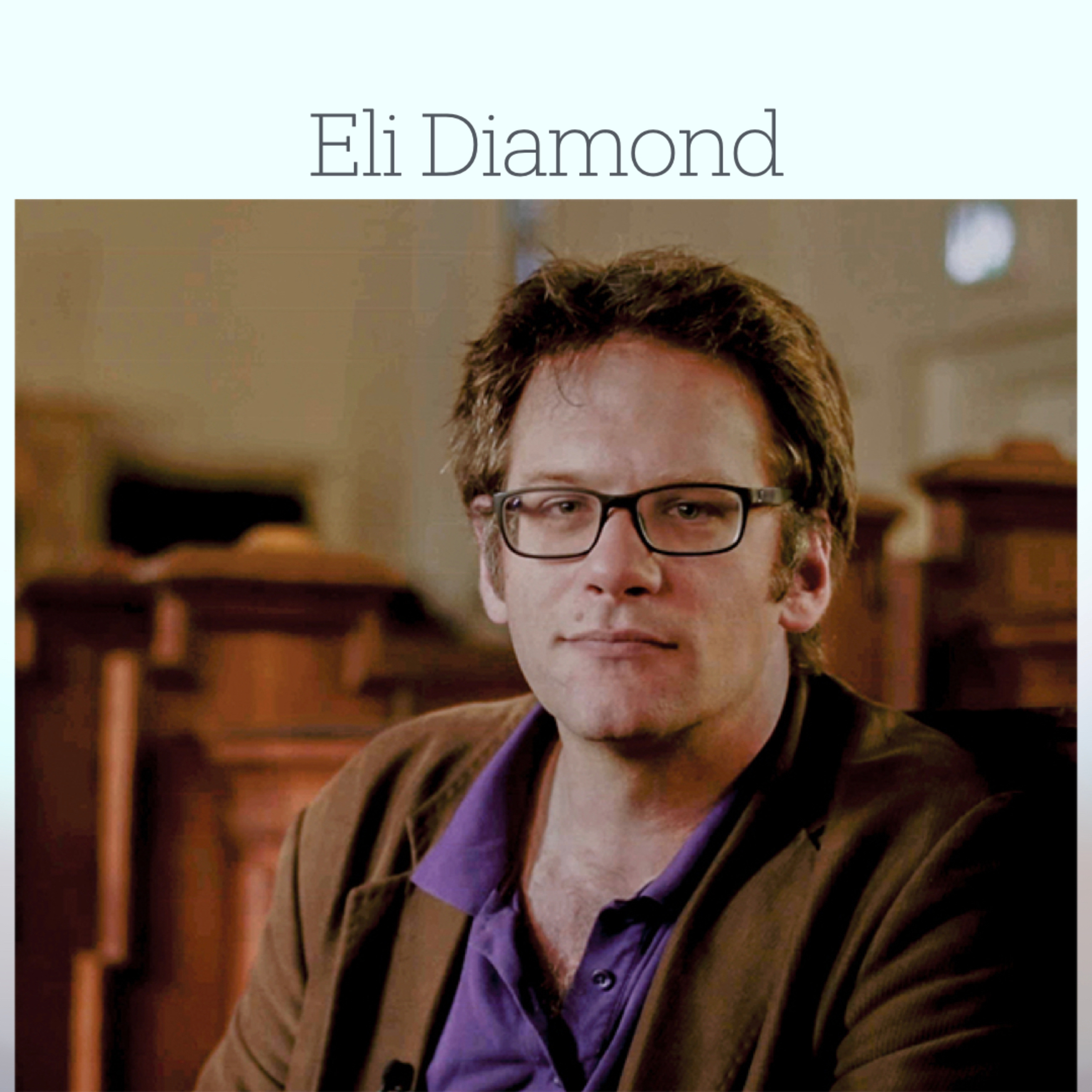 This is the most feared podcast in Texas 15.01.2026 33minIf you're tuning in from Texas, keep listening. We're going to talk about what they don't want you to hear. In this episode of GDP, we're talking about academic censorship, in particular the case of Texas A&M banning Plato's Symposium. We bring in Platonic expert Eli Diamond to tell us exactly what is being banned: an erotic booze fuled drama of debauchery and perverse behaviour that also serves as a foundational text in understanding the nature of love, beauty and desire while providing a foundation of Western philosophy, ethics, and human psychology. So what makes studying this so dangerous? Tune in to find out.Dr. Eli Diamond teaches at Dalhousie University and King's College in Halifax, Nova Scotia, and is considered by many to be the GOAT of classics. His first book, Mortal Imitations of Divine Life: The Nature of the Soul in Aristotle’s De Anima, was published in 2015 by Northwestern University Press in the series “Rereading Ancient Philosophy”. Details about the book can be found here. The focus of his current research is Platonic and Aristotelian philosophy.
 -
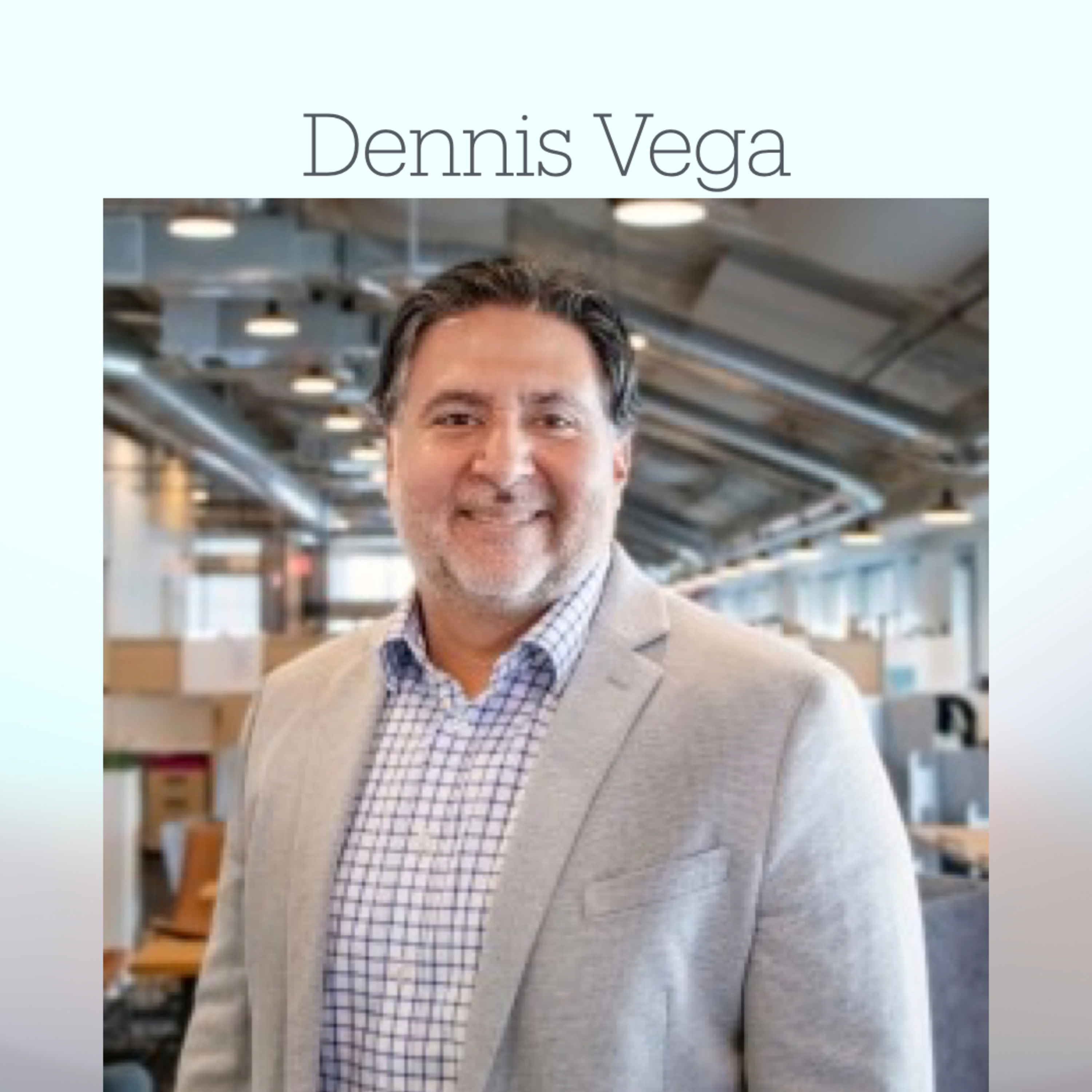 Is there a future in Global Development? 27.10.2025 26minIs there a future in Global Development? Will the U.S. be at the forefront of it? When it comes to the life saving services provided by USAID around the world, who will pick up the pieces? The answer is not clear, but Dennis Vega has seen this transformative moment in global development from the front lines. He joins us today to discuss what's going on, how deep the impact is, and to remember the moral good of development will continue...but maybe not how it has occurred in the past.Dennis Vega is President & CEO of Pact. He has nearly two decades of experience in international development and nonprofit management. Most recently, Dennis served as the Acting Deputy Administrator for Management and Resources at USAID, overseeing operations for its 13,000-person workforce across more than 100 countries. Prior to that, he was Chief of Staff of USAID. Previously, Dennis served as Interim President and CEO as well as Chief Operating Officer of America’s Promise Alliance - a youth development coalition founded by General Colin Powell, leading the organization’s engagement with America’s young people, particularly through the Covid-19 crisis. Throughout his career, Dennis also held a number of positions at the U.S. Department of State and USAID during the Administrations of Presidents George W. Bush, Barack Obama, and Donald Trump. He is a graduate of Washington University in St. Louis School of Law and the University of Texas at Austin. Dennis joined Pact in 2024.
 -
 What's all the Buzz about Bees and Sanctions? 24.09.2025 35minCould honey bees best explain how sanctions are supposed to work? To prevent bloodshed, sanctions are meant to to take down an opponent by a collective effort. That's how bees do it? How do we do it? In this episode we learn a lot about bees and draw some sticky connections and analogies to current global politics.Alex Pedersen is the past president of the Limestone Beekeepers’ Guild and currently a beekeeper in the Kingston Ontario area. Alex got her start in beekeeping as an undergrad through apiculture classes at the University of Guelph. She spends her spare time in the garden tending to the bees, supporting local beekeepers, and providing education about pollinators to local community groups and schools. In 2022, Alex was named a national “Volunteer of the Year” for her dedication to Science Rendezvous, a national organization encouraging children and their families to engage with and enjoy science, for her beekeeping displays with the Limestone Beekeepers’ Guild.
 -
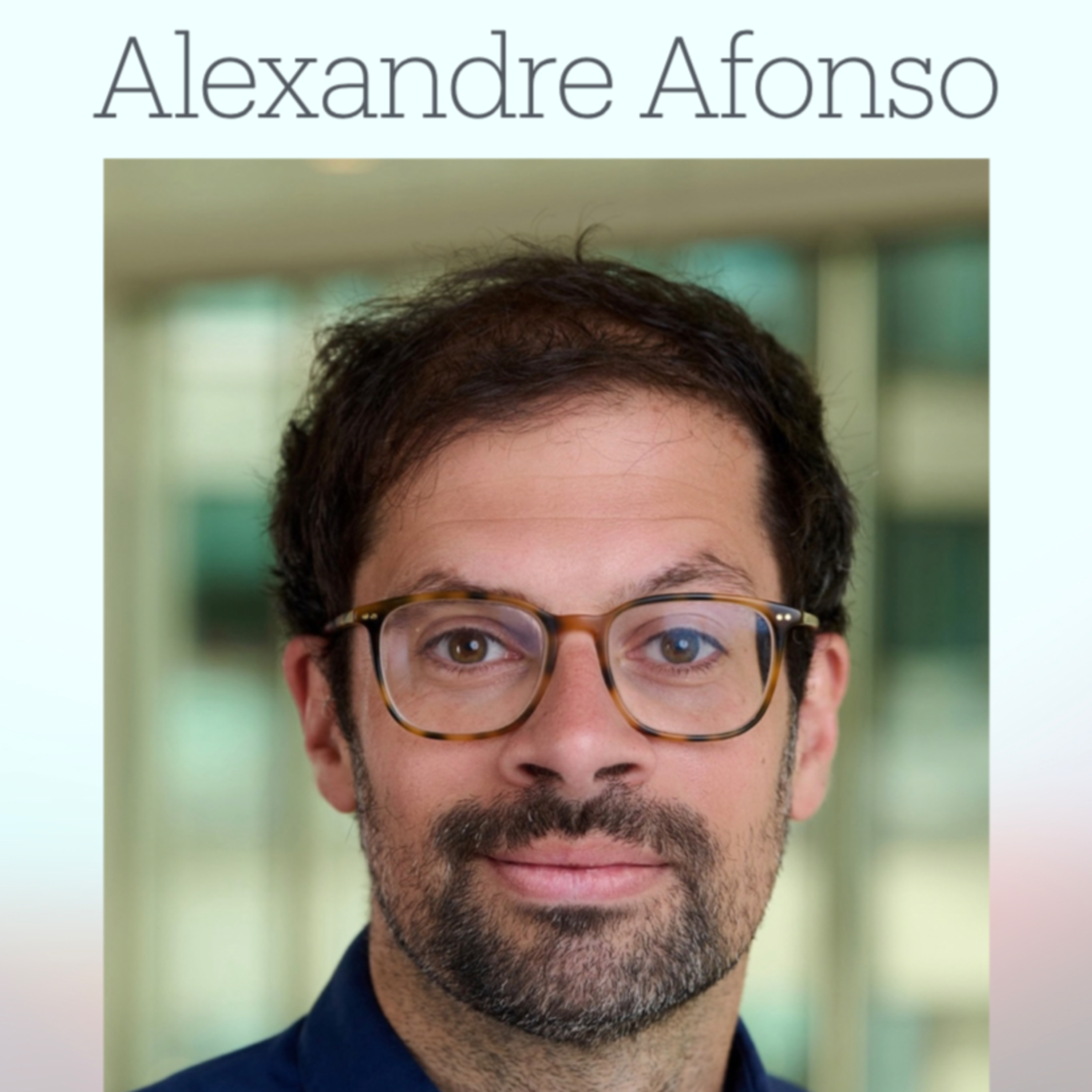 How Academia Resembles a Drug Gang 28.08.2025 23min"If I say you're a friend of mine, that means you're connected. If I say you're a friend of ours, that means you're a made guy. If I introduce you, I'm responsible for you. Anything wrong with you, I go down". That's how Lefty Ruggiero (Al Pacino) explains to Donnie Brasco (Johnny Depp) what it means to be a wise guy in a gang. Turn this dialogue into academiceze and it might sound like:“Lemme tell ya somethin’. You’re a limited-term professor, right? Means you teach a coupla classes, you get paid peanuts, no security, nuttin’. Now, if I say you’re tenure-track, you’re one of ours, that means you’re in for good. Permanent. Nobody can touch ya. But if I bring you on with tenure? Now that’s on me. You screw up, you embarrass the family, I go down with ya. You understand? That’s the life.”Like a drug gang there many "made guys" or limited term professors take on heavy, high risk jobs with little compensation and no job security. They're outsiders. The tenured crew are in the club and often well protected compared to their outsider counterparts. Then the bosses, or administrators. They rarely see the front-line work, but are tasked with running the organization. Amid the hierarchy of the university, much like the drug gang, there is a dualization of labour that might seem invisible from outside, but creates a high-risk, rigid environment that ultimately impacts students and taxpayers in the end. To get to the bottom of this, Alexandre Afonso joins GDP for this episode.Alexandre Afonso is an Associate Professor in Public Policy at Leiden University, Netherlands, specializing in public policy and comparative political economy. A native of Switzerland, his research focuses on welfare state and labour market reforms, labour migration, and the role of political parties and organized interests in the economy. His work has appeared in leading academic journals and media outlets.Check out his article How Academia Resembles a Drug GangDr. Bob is an Adjunct Professor in the Humanitarian and Development Research Initiative at Western Sydney University, in Sydney Australia. GDP is recorded in Halifax, Nova Scotia.
 -
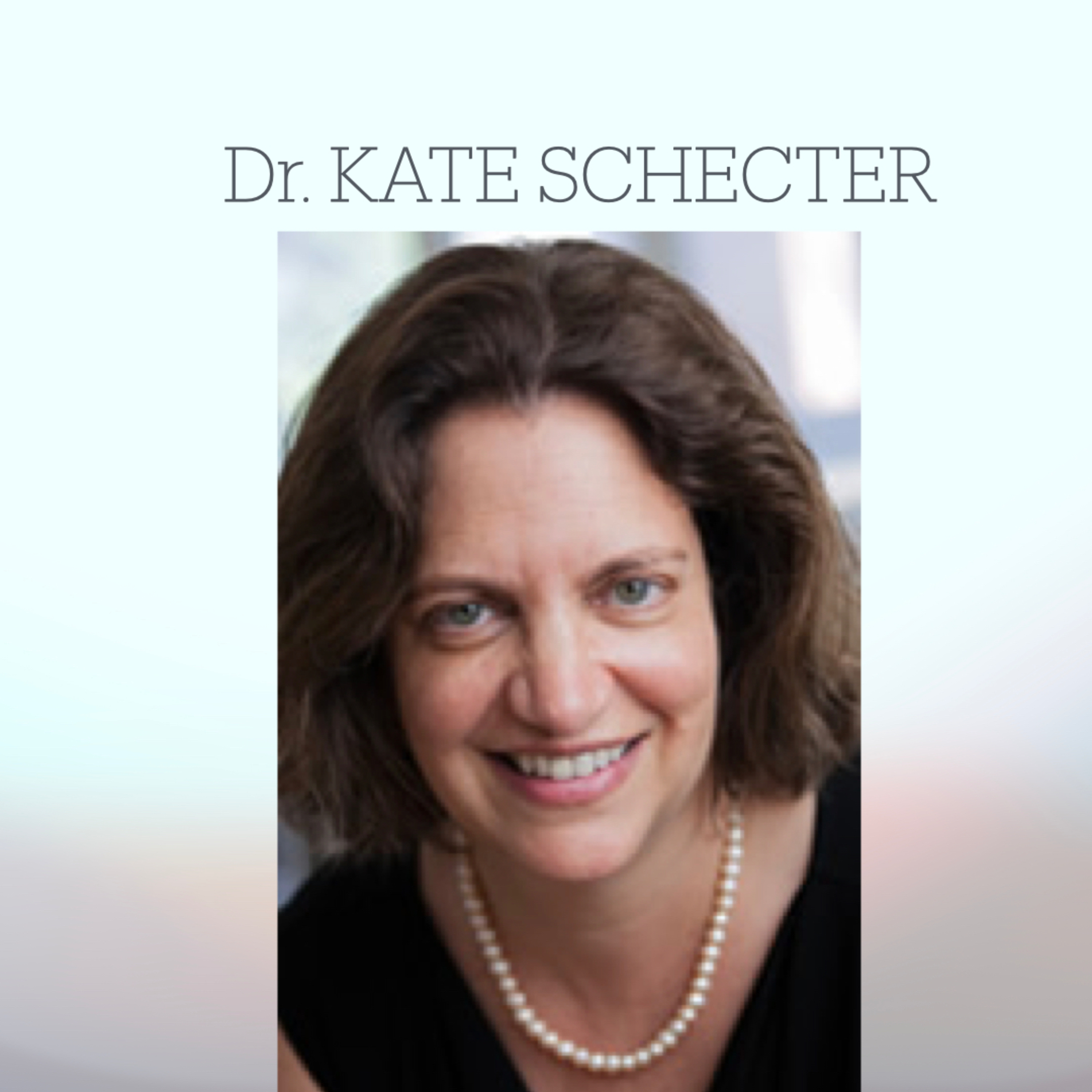 Is Development Destroyed? Not so fast! 08.07.2025 28minUS-based international development organizations will now need to heavily rely on private funding to grow—and even maintain—their operations around the world. Can that work? If so, what kind of programs are well-suited to private funding?World Neighbors, a nearly 75-year-old development organization based in Oklahoma City, OK, has relied overwhelmingly on private funding for nearly all of its existence. The private funding model is suited to a different methodology than those of most development organizations that rely on government funds. The corporate world provides an analogy Public companies tend to get very focused on quarterly results. Private companies, freed from that pressure, usually have more room to focus on long-term results. In a similar way, World Neighbors’s methodology is built on long-term, comprehensive development that results in community self-reliance. Its programs, which always include a savings and credit mechanism to generate capital, usually last a minimum of 8 years. They are run with and through local partners and coordinated with government bodies so communities can obtain long-term funding and other support that drive—and sustain—economic and social development. World Neighbors has a handful of headquarters staff. Nearly all paid staff live in the communities in which the work. They, in turn, rely heavily on community volunteers on health, clean water, nutrition and other dimensions of the comprehensive community development programs. The key to this long-term approach are World Neighbors’s private funders. Kate Schecter, Ph.D., joined World Neighbors as the President and CEO in June of 2014. World Neighbors is a 71 year old international development organization that works with rural isolated communities to help find solutions to permanently lift these communities out of poverty. Dr. Schecter is responsible for managing World Neighbors’ programs and operations in 14 countries in Asia, Africa, Latin America, and the Caribbean. In her previous position, she worked for the American International Health Alliance (AIHA) for 14 years. As a Senior Program Officer at AIHA, she had responsibility for managing health partnerships throughout Eurasia and Central and Eastern Europe. She worked with over 35 partnerships addressing primary healthcare, chronic disease management, hospital management, maternal/child health, Tuberculosis, blood safety and HIV/AIDS.
 -
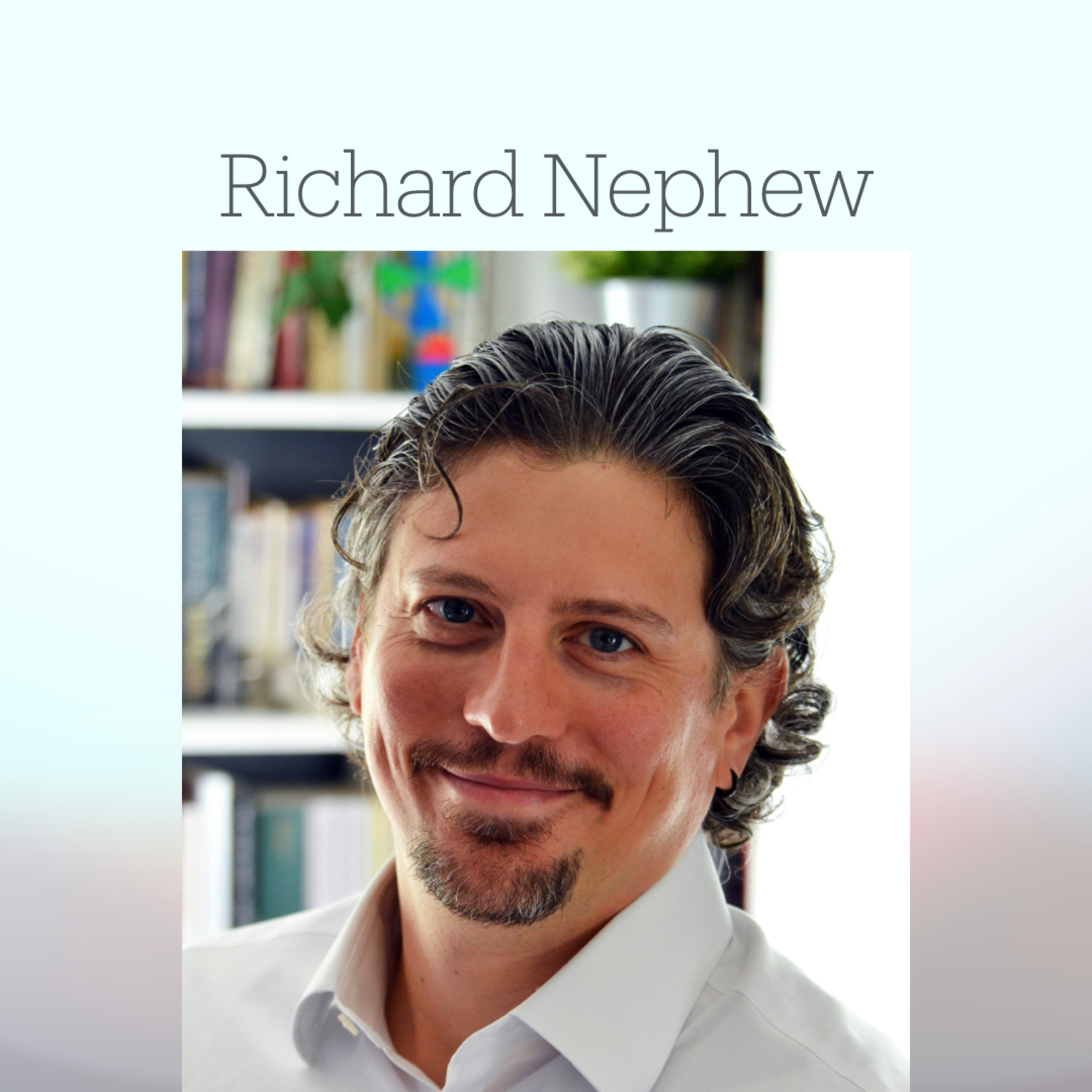 89 Seconds to Midnight or: Iran's Big Beautiful Bomb 02.07.2025 24min"Do you recall what Clemenceau once said about war? He said war was too important to be left to the generals. When he said that, 50 years ago, he might have been right. But today, war is too important to be left to politicians. They have neither the time, the training, nor the inclination for strategic thought" That's one of the best lines from by General Jack Ripper, from Stanley Kubrick's Dr. Strangelove, a comedy, horror, and documentary film all rolled into one. Today, the bomber fleets are active, and the targets are nuclear, and they're in Iran. With U.S. and Israeli planes bombing Iran, are we seeing a long-planned conflict play out? Or is this one of the most dangerous moments in world history?To help us understand what is at stake, and maybe how to calm it all down, GDP welcomes Richard Nephew to the podcast.Richard Nephew was the inaugural U.S. Coordinator on Global Anti-Corruption at the Department of State (2022-2024). He was also elected as the President of the Conference of the States Parties to the UN Convention against Corruption. During his government career, he has also served as the Deputy Special Envoy for Iran (2021), Principal Deputy Coordinator for Sanctions Policy at the Department of State (2013-2015), and Director for Iran at the National Security Council (2011-2013), among other senior civil service staff roles from 2003-2011.While a senior research scholar at SIPA since 2015, Nephew has written dozens of reports and articles for various publications focused on geopolitics and their intersection with energy markets, economic statecraft, nuclear topics, and sanctions. He is also the author of The Art of Sanctions: A View from the Field, published by Columbia University Press in 2018.In addition to his primary appointment at CGEP, he is an adjunct fellow at the Washington Institute for Near East Policy and operates his own consulting LLC, “Go Beyond Compliance.” In the latter capacity, he acts as a nonproliferation consultant to Commonwealth Fusion Systems.
 -
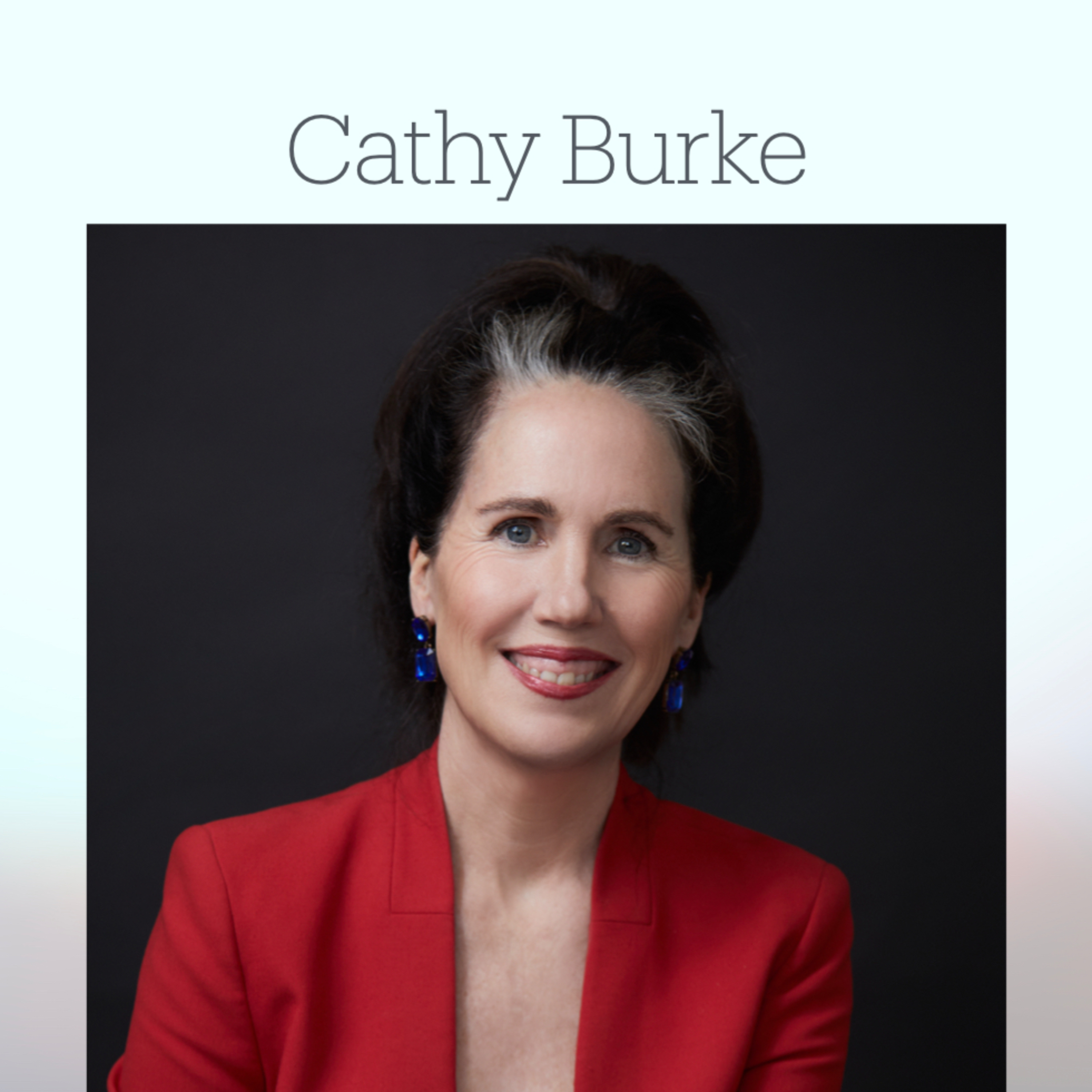 Today I saw a revolution 18.06.2025 19min"Today I Saw a Revolution" captures the remarkable life of Professor Badiul Majumdar, a visionary leader whose groundbreaking efforts have mobilized millions to end hunger in Bangladesh. This insightful biography offers a compelling look at the man behind the movement—his humble beginnings, innovative ideas, and unwavering commitment to justice and empowerment.Badiul’s story also reveals broader themes of leadership, resilience, and the vision required to confront the world’s most pressing challenges. His life is a testament to the power of individual and collective action to bring about lasting, transformative change. For readers seeking inspiration and hope, Today I Saw a Revolution is a must-read—an intimate and powerful exploration of leadership, humanity, and the enduring impact of a revolutionary spirit.Cathy Burke is a global leadership expert, author, and former CEO who spent two decades withThe Hunger Project, helping develop leadership at scale in communities across Africa, South Asia,and Latin America. Her new book, Today I Saw a Revolution, tells the story of a transformativegrassroots movement in Bangladesh, and challenges how we think about leadership, power, andchange. Cathy now helps people and organizations build the mindset and capacity needed to leadeffectively in complex times.
 -
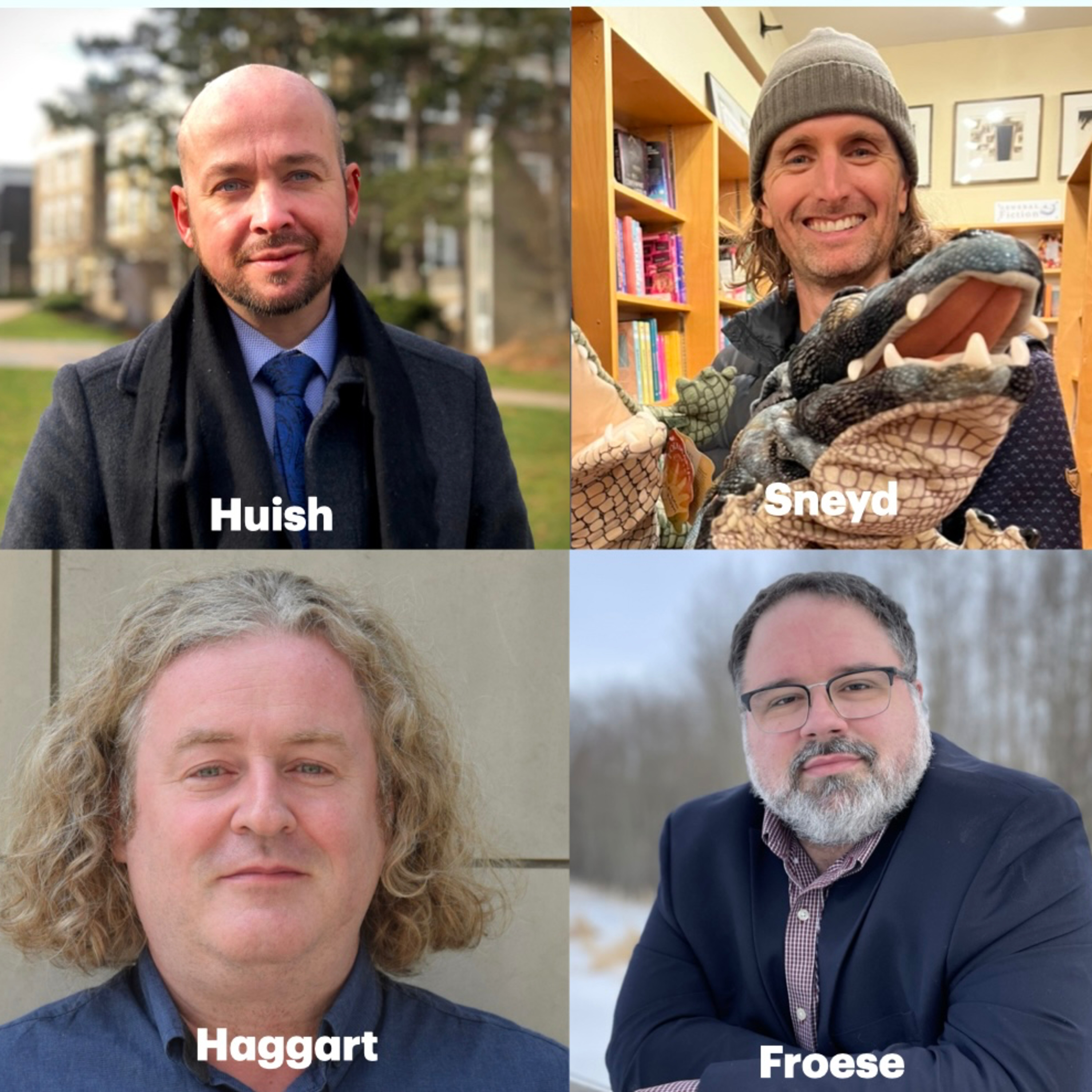 Thriving Through the Great Crash 15.04.2025 40minWe have spent the last three weeks trying to emerge from the tariff-ridden, anti-immigration, lacking opposition, diabolical fever dream of Trump's Whitehouse. Here, the band comes back together to ask how we can actually thrive through this era. Big ideas are in this podcast. Some of them straight forward, others are a little spicy. Tune in, check it out and keep the conversation going on how to thrive in these crazy times.This week, we have:Adam Sneyd is an Associate Professor of Political Science at the University of Guelph. Adam has conducted research on trade and the prospects for sustainable development in Tanzania, Senegal, and Cameroon. Back when times were normal, the Director-General of the World Trade Organization invited him to moderate a high-level plenary of trade ministers and heads of international organizations on US trade policy in Africa. Adam is the author of Hidden Politics in the UN Sustainable Development Goals (Fernwood Publishing, 2024),Professor Marc Froese is a scholar of global political economy with degrees from the University of Toronto and York University in Canada. He has written books on the politics of trade dispute settlement and the fragmentation of international economic law. Most recently, Dr. Froese co-authored Has Populism Won? The War on Liberal Democracy (ECW 2022). He and Professor Drache identify the rhetorical tactics and electoral strategies deployed by 35 right-wing populist governments and oppositions around the world. Blayne Haggart is an associate professor of Political Science at Brock University, a senior fellow at the Centre for International Governance Innovation and a BSIA Fellow at the Balsillie School of International Affairs, both in Waterloo.. He is the author most recently of The New Knowledge: Information, Data and the Remaking of Global Power, co-written with Natasha Tusikov and published in 2023 with Bloomsbury Press Get ahold of Dr. Bob here.
 -
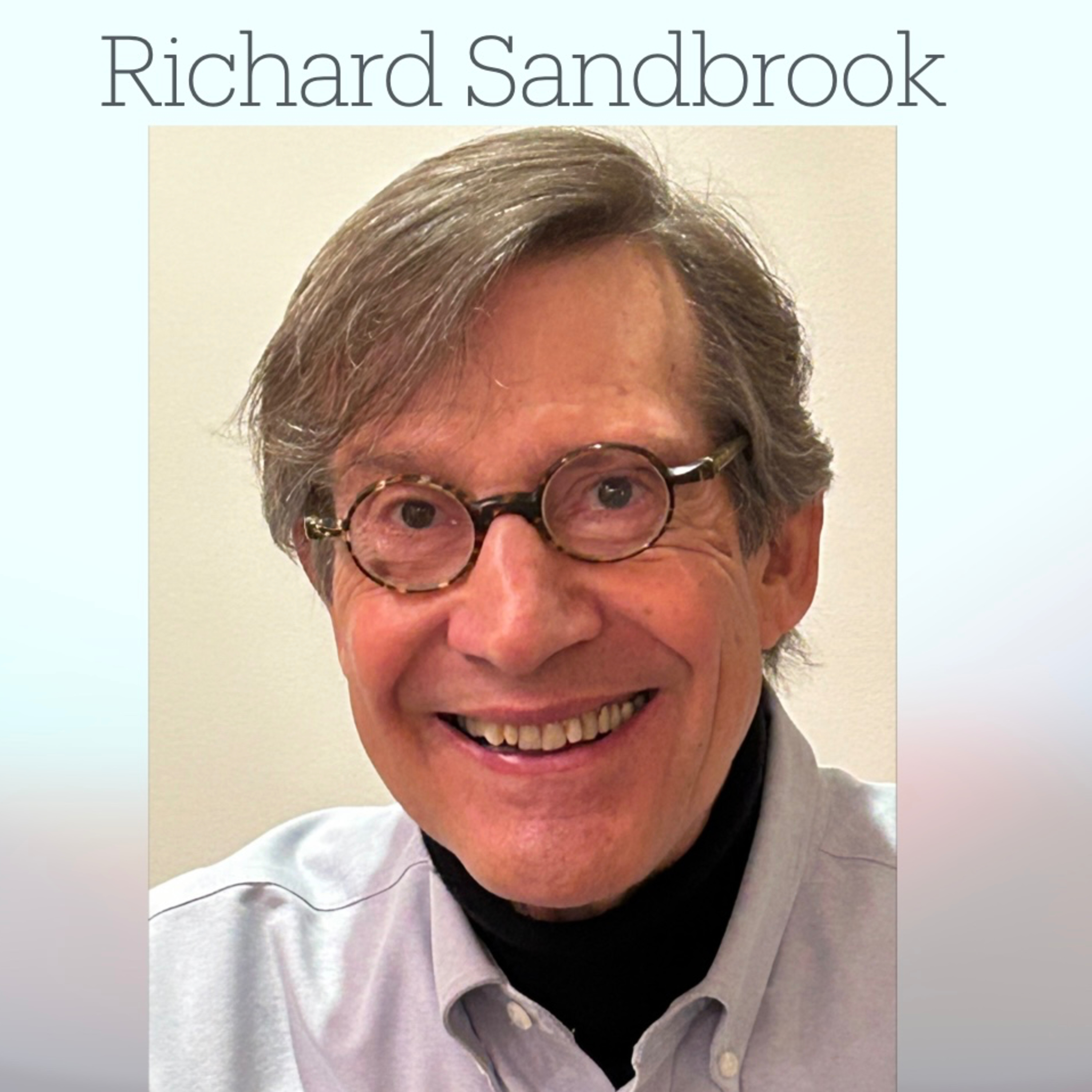 The Front Line of Hope And The Last Line of Sovereignty: Praise for Civilian Defense. 08.04.2025 32minWhat do you do when the Commander in Chief of the world's largest military starts popping off about annexing your country? Especially when that military is 10 times the size of your own? Panic? Enlist? Appease? Or Focus? And focus on what has worked in the past to repel such aggression. In Ukraine, Czechia, Egypt, and other places a careful blend of Civil Defense and non-violent resistance has demonstrated forces so powerful that no government could suppress them. Civilian Defense, according to Richard Sandbrook may be what Canada, and other nations feeling U.S. aggression, need now more than ever before. What is it and why do we need it?Richard Sandbrook is Professor Emeritus of Political Science at the University of Toronto, the Vice-President of Science for Peace, and a blogger at the Progressive Futures blog. He has written or edited 14 books, about 50 scholarly articles, and numerous short, popular articles. Having specialized for 40 years in the political economy of international development, he has, in the past decade, turned his attention to policy and advocacy concerning nonviolent resistance and the politics of climate/ecological protection.His latest piece in THE CONVERSATION suggests that Canada commit to Civilian Defense.Contact Dr. Bob here
 -
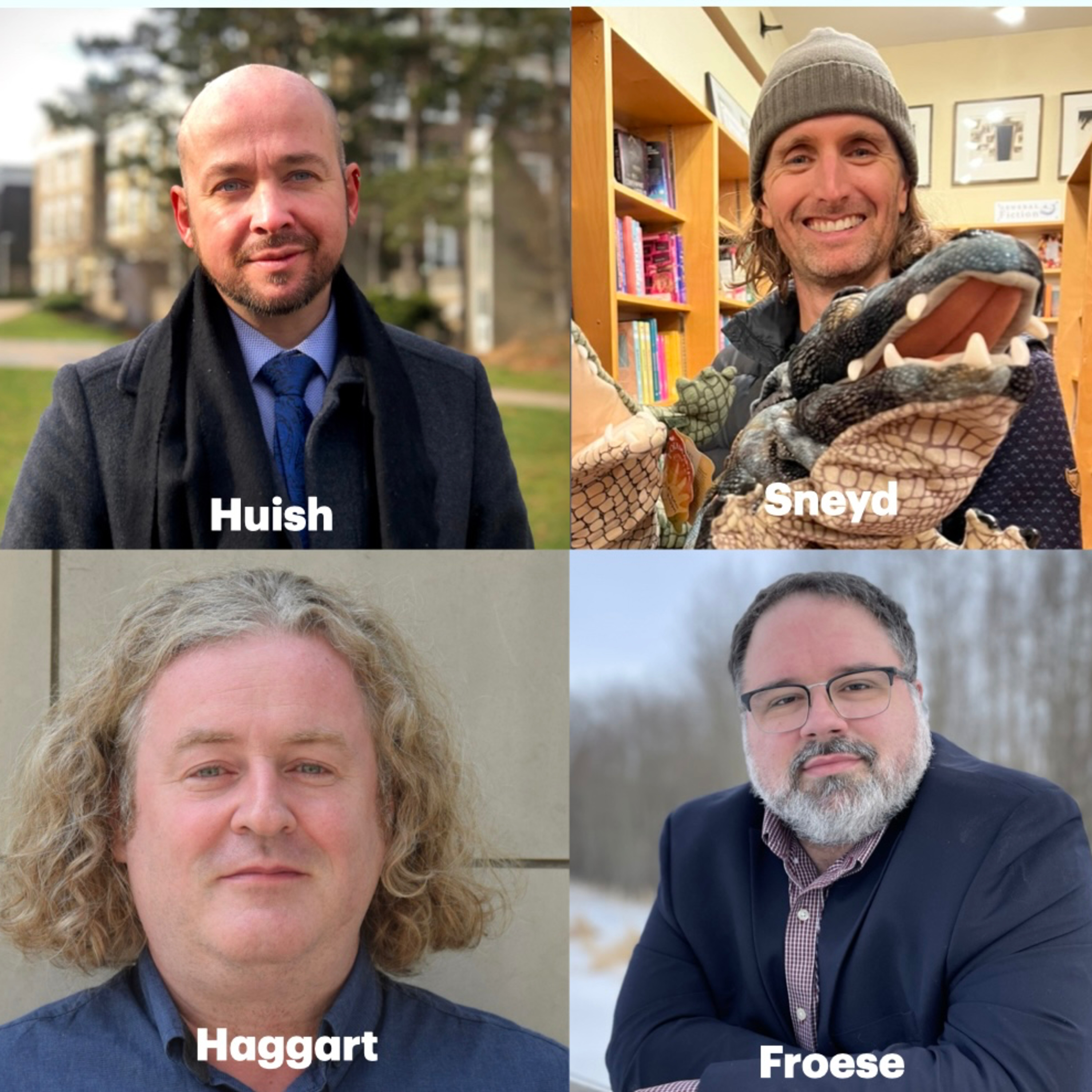 The Empire Strikes Back: When Imperialists have the presidency. 01.04.2025 37minSupply Management, clean water, and universal health care all offend the Trump administration to the point of wanting it eliminated through annexation. The U.S. constitution is designed for annexation and expansion. It's also not the first time that Washington has threatened Canada with conquest. Overnight Canada has gone from the most geographically secure, to the most geographically vulnerable country in the world. The threat of Trump is so severe that seemingly every other complaint and concern Canadians are quick to offer, are on hold. How serious are the threats of annexation and what in the world are the origins of it? And why are so few Americans speaking out about this? These three fellows are here to help us unpack it all.This week, we have:Adam Sneyd is an Associate Professor of Political Science at the University of Guelph. Adam has conducted research on trade and the prospects for sustainable development in Tanzania, Senegal, and Cameroon. Back when times were normal, the Director-General of the World Trade Organization invited him to moderate a high-level plenary of trade ministers and heads of international organizations on US trade policy in Africa. Adam is the author of Hidden Politics in the UN Sustainable Development Goals (Fernwood Publishing, 2024),Professor Marc Froese is a scholar of global political economy with degrees from the University of Toronto and York University in Canada. He has written books on the politics of trade dispute settlement and the fragmentation of international economic law. Most recently, Dr. Froese co-authored Has Populism Won? The War on Liberal Democracy (ECW 2022). He and Professor Drache identify the rhetorical tactics and electoral strategies deployed by 35 right-wing populist governments and oppositions around the world. Blayne Haggart is an associate professor of Political Science at Brock University, a senior fellow at the Centre for International Governance Innovation and a BSIA Fellow at the Balsillie School of International Affairs, both in Waterloo.. He is the author most recently of The New Knowledge: Information, Data and the Remaking of Global Power, co-written with Natasha Tusikov and published in 2023 with Bloomsbury Press Get ahold of Dr. Bob here.
 -
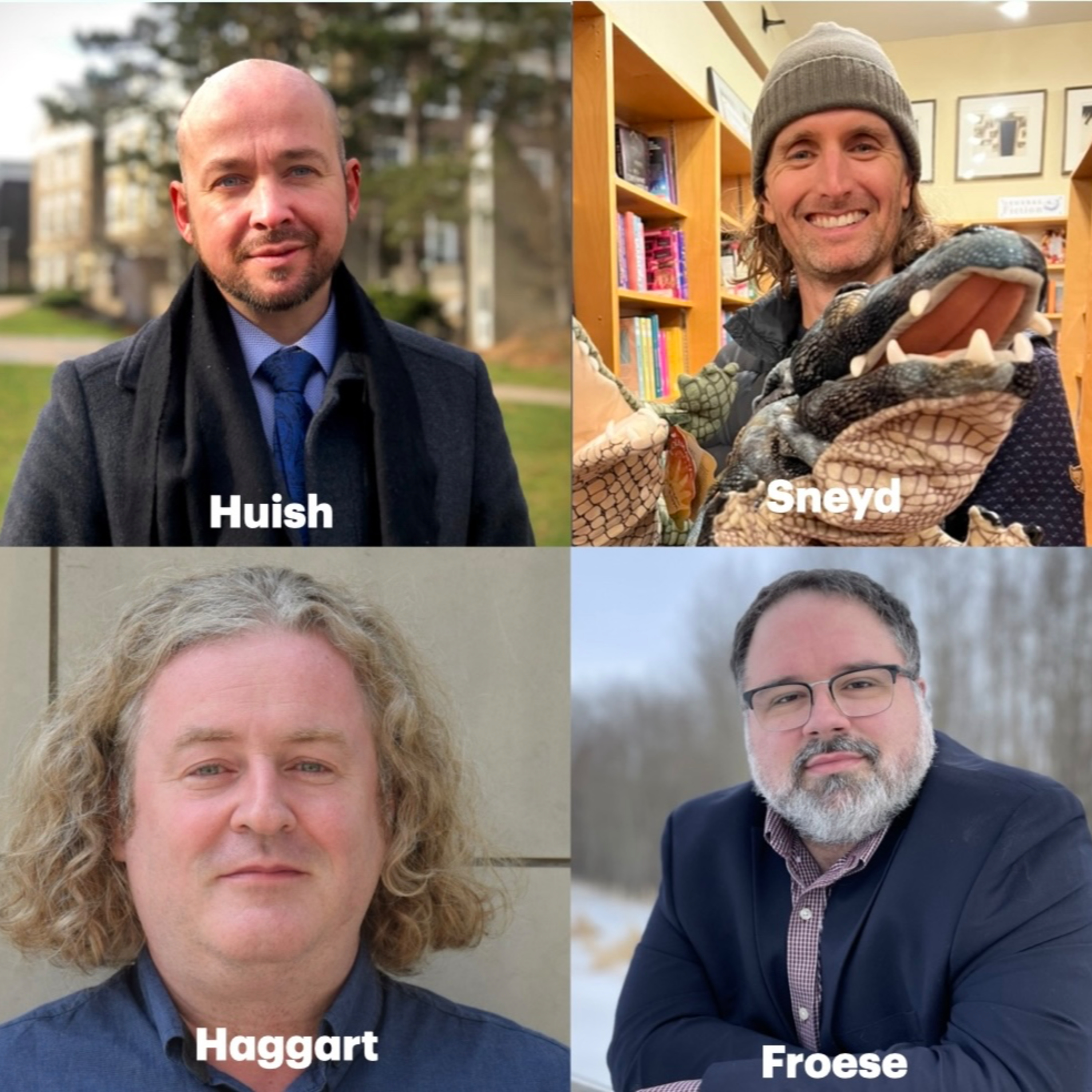 The Day Development Died 25.03.2025 35minA long, long time ago, I can still remember how foreign aid used to make me smile, and I knew if there was a chance that it could make those people dance, and maybe they’d be happy for a while. But February made me shiver, with every paper I’d deliver, bad news on the doorstep, I couldn’t take one more step. I can’t remember if I cried when I read about the widowed brides, but something touched me deep inside…the day development died.January 20, 2025. Donald Trump orders a freeze on USAID. Health, food, and education programs that impacted billions of people were defunded and effectively destroyed. Aid workers were suddenly unemployed. Locally engaged workers and NGOs shut out and shut down. Is this a natural death? An accident, or "murder 1"?In the last 25 years, development has helped humanity through poverty alleviation, global health interventions, and work to mitigate climate change acts and conflict impacts. With a stroke of a Sharpie, the progress made is at risk of disappearing. How bad is it? Tune in to this expert panel to understand how deep this development crisis goes and whether development may survive in the future, or is it really bye bye, Miss American Pie?This week, we have:Adam Sneyd is an Associate Professor of Political Science at the University of Guelph. Adam has conducted research on trade and the prospects for sustainable development in Tanzania, Senegal, and Cameroon. Back when times were normal, the Director-General of the World Trade Organization invited him to moderate a high-level plenary of trade ministers and heads of international organizations on US trade policy in Africa. Adam is the author of Hidden Politics in the UN Sustainable Development Goals (Fernwood Publishing, 2024),Professor Marc Froese is a scholar of global political economy with degrees from the University of Toronto and York University in Canada. He has written books on the politics of trade dispute settlement and the fragmentation of international economic law. Most recently, Dr. Froese co-authored Has Populism Won? The War on Liberal Democracy (ECW 2022). He and Professor Drache identify the rhetorical tactics and electoral strategies deployed by 35 right-wing populist governments and oppositions around the world. Blayne Haggart is an associate professor of Political Science at Brock University, a senior fellow at the Centre for International Governance Innovation and a BSIA Fellow at the Balsillie School of International Affairs, both in Waterloo.. He is the author most recently of The New Knowledge: Information, Data and the Remaking of Global Power, co-written with Natasha Tusikov and published in 2023 with Bloomsbury Press Get ahold of Dr. Bob here.
 -
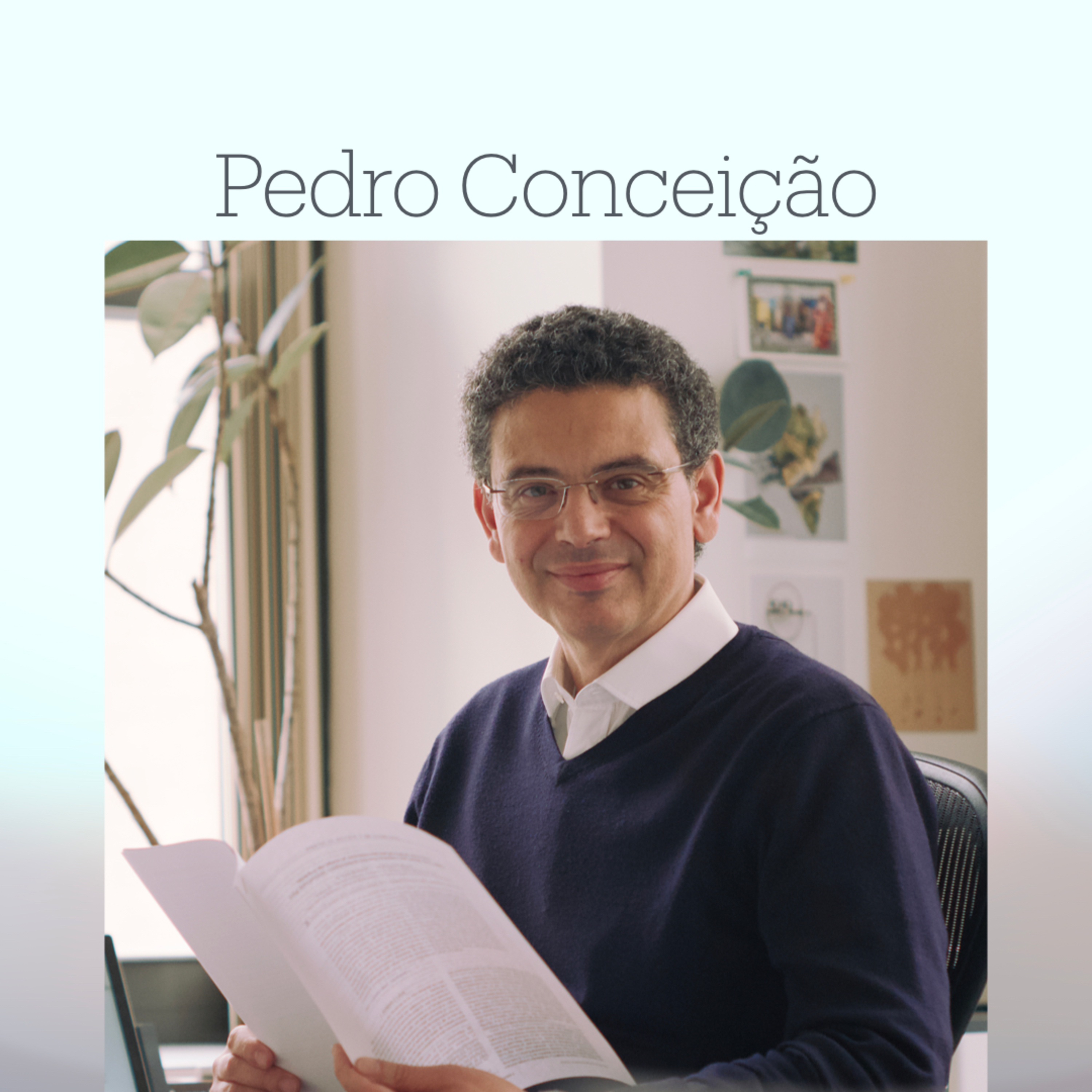 What is holding Human Development Back? The Fog of Misperception. 14.05.2024 22minPolitical polarization and disinformation is not just out of control - it is crippling Global Development. The 2023/2024 UNDP Human Development Report makes the case with sound methods and transparent data that political polarization is creating a trench in human development. We know about the supply of political populism and disinformation. What about the demand for it? Where is this coming from? Pedro Conceição, lead author of the Human Development Report, joins us this week to get into the data and details about the global gridlock in development from the fog of misrepresentation. Since 1 January 2019, Pedro has been Director of the Human Development Report Office and lead author of the Human Development Report. Before this, Pedro served as Director of strategic Policy at the Bureau for Policy and Programme Support (from October 2014) and Chief Economist and Head of the Strategic Advisory Unit at the Regional Bureau for Africa (from 1 December 2009). He has degrees in Physics from Instituto Superior Técnico and in Economics from the Technical University of Lisbon and a Ph. D. in Public Policy from the Lyndon B. Johnson School of Public Affairs at the University of Texas at Austin, where he studied with a Fulbright scholarship. Check out the Human Development Report here. Follow Dr. Bob on "X": @ProfessorHuish (GDP is now rated one of the Top 50 Nova Scotia Podcasts! Thanks for your support)
 -
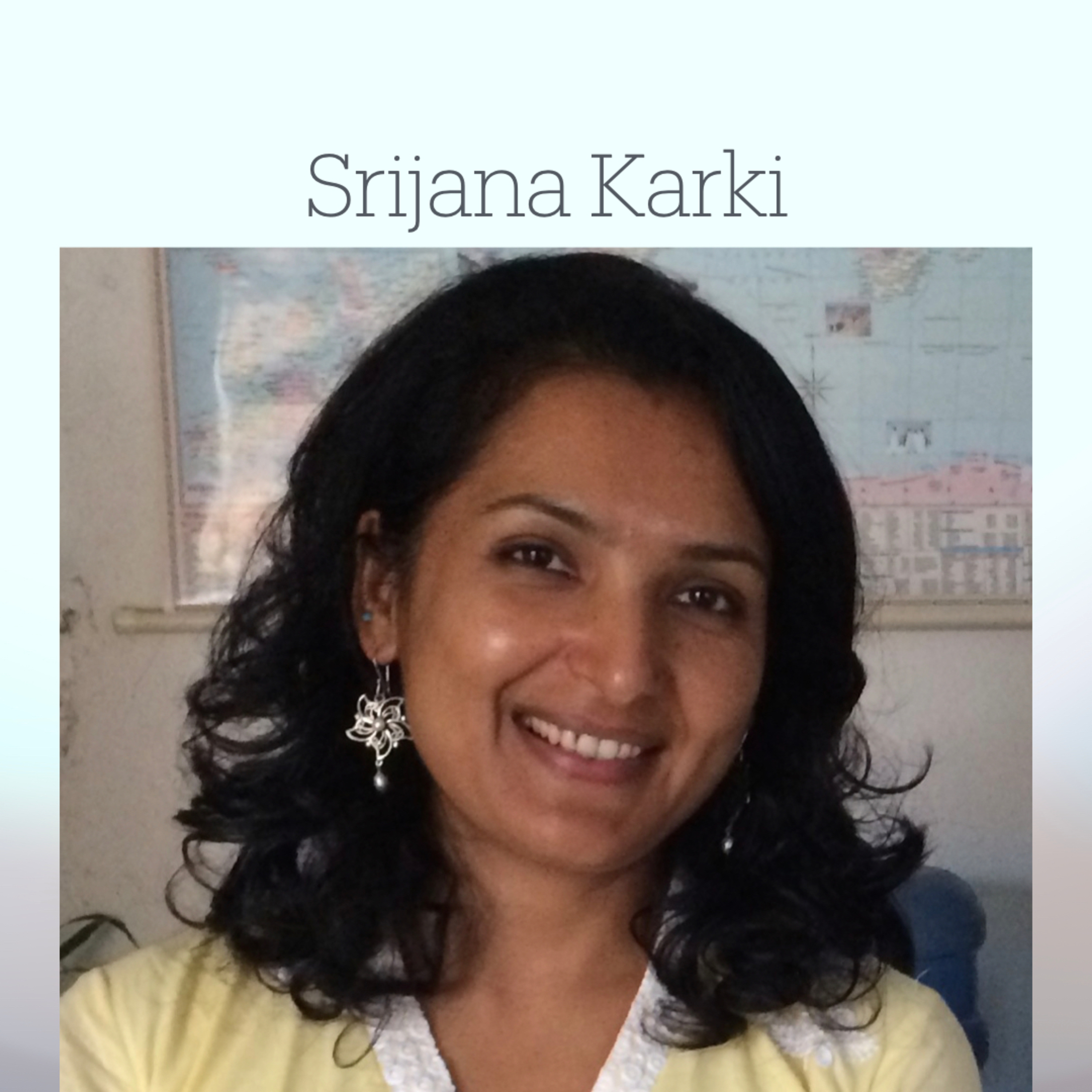 India's greatest strength and toughest challenge: Diversity 08.05.2024 19minIndia is experiencing dramatic change economically and politically. As India's influence continues to grow globally, what happens at home? And what happens in regions that have highly diverse populations along religious or cultural lines? Srijana Karki has worked in, and between, diverse communities in India. She joins us on GDP to share her experiences of how diversity and cooperation can flourish at the community level and why it matters significantly for India's growing place globally. Srijana Karki leads World Neighbors office and programs in Nepal and India as the Regional Director for South Asia. With a rich experience spanning over 13 years in the development field, Srijana Karki brings a wealth of knowledge to World Neighbors. She has led and managed numerous projects and programs, assuming diverse roles such as team leader, consultant, trainer, facilitator, assistant manager, program coordinator, and program officer. This extensive experience underscores her credibility and makes her insights all the more valuable. Before joining World Neighbors in 2012, Srijana worked for Underprivileged Children’s Educational Programs, a national non-government organization in Nepal; Training for Employment Project, a project of the Swiss Agency for Development and Cooperation in Nepal; Butwal Power Company, a pioneering and leading hydro-power company with over 300 staff members; and Alliance Nepal for Social Mobilization, a consulting firm working in the field of training. In addition, Srijana has extensive experience with major clients in research, project and program design, planning, implementation and facilitation. Srijana holds a Master’s Degree in Business Administration from Tribhuvan University, Nepal. Follow Dr. Bob on "X" @ProfessorHuish (GDP is now rated one of the Top 50 Nova Scotia Podcasts! Thanks for your support)
Podcasts similares


Popular em
Este podcast também aparece nas paradas de podcasts destes países.
