
ScIC "Science is Cool" Unplugged
PocketLab
0
ScIC "Science is Cool" Unplugged is a science podcast aimed at educators and teachers. It covers engaging science topics and aims to make science fun and accessible for students. The show provides ideas, resources, and inspiration for bringing science to life in the classroom. Each episode likely features conversations with scientists and educators, offering practical tips and cool science stories.
Episódios
-
 Teach Where You Are: Building Curiosity Through Place-Based Learning 27.08.2026 1h 15minHawai'i is a living laboratory, but most students never get close to it. Joanna Philippoff explains how place-based marine science can pull kids, teachers, and communities into the ocean through simple, hands-on experiences that make science feel real. From rocky intertidal tide pools to wave tanks, this conversation makes a strong case for teaching science through the environment right outside your door. Dave and Joanna unpack why Hawai'i is uniquely positioned for this kind of learning, how Hawaiian language and culture deepen the work, and why getting students to touch, measure, and observe living systems changes what they believe science can be. You'll discover: Why the rocky intertidal is such a powerful classroom for marine biology How a tub of water can become a deep lesson in waves, erosion, and standing waves Why marine science is still underrepresented in K-12, even in an island state How teacher support systems like Lauren Kaupp STEM lending library make hands-on learning possible What it means to build curriculum that starts in Hawaiian, not as a translation but as a foundation Why invasive species in the ocean can quietly reshape reefs, habitat, and food chains Joanna also shares how partnerships with teachers and community organizations can turn science into something students do, not just memorize. Along the way, the conversation widens into a bigger challenge: how to fix a system that often makes science harder than it needs to be for teachers and kids alike. If you care about science education, marine ecology, or creating classrooms that build curiosity and agency, this one is essential listening. It's practical, hopeful, and full of ideas you can actually use. Watch Joanna's session from Science is Cool 16 (PD certificate included) Access free Hawai'i lesson resources Hawai'i Blue School School Hui USA Blue Schools The Blue School Global Network Example Hawai'i curriculum linked to Ocean Literacy: Exploring Our Fluid Earth and Sea Earth Atmosphere National Marine Educators Conference 2027 OPIHI - Our Project in Hawaiʻiʻs Intertidal Selected OPIHI activities on sampling Reach out to Dr. Philippoff [email protected] ABOUT JOANNA Dr. Joanna Philippoff is an Associate Specialist in the School of Life Sciences in the College of Natural Science at the University of Hawai'i at Mānoa (UHM) and the Director of the Marine Option Program for the University of Hawai'i System. She earned a Ph.D. in Educational Psychology and Master of Science in Zoology from UHM, and a B.A. in Biology from the University of Delaware. She designs, implements, evaluates, and does research on and about science education—mainly in marine science undergraduate and teacher professional learning, participatory science, and curricula projects. Joanna developed a passion for science as a child growing up on the East Coast, and while working on her Master's Degree, she realized that she loved teaching others about ocean science. She continues to serve as a science consultant and publish in scientific journals, while being a champion of Marine Science education. Her roles have included leadership positions in the national and local chapter of the National Marine Educators Association, co-authorship of the Exploring Our Fluid Earth curriculum, and head of the long-running Our Project In Hawai'i's Intertidal (OPIHI) project. Deeply rooted in her community, Joanna has lived and worked in Hawai'i for over 20 years as a student, researcher, educator, and faculty member. Her family lives in Ko'olaupoko and she can often be found conducting limu and other intertidal surveys with teachers and community members or at home baking with her daughter.
 -
 Engagement Over Perfection: Rethinking How We Teach Science 19.08.2026 1h 19minIn this conversation, Dave and Ellen Peterson explore what it really takes to engage K–12 science students through hands-on, authentic learning. Ellen shares how mentorship from Steve Spangler helped shape her teaching style, why classroom engagement matters more than perfect content delivery, and how memorable demos can turn even reluctant learners into curious participants. The discussion also dives into project-based learning, the power of collecting real data, and how tools like sensors can make science more relevant, local, and exciting for students. From Iceland fieldwork to classroom demos, makerspaces, and middle school lab groups, this episode is a practical and inspiring look at creating science experiences students will actually remember. Area 59 website: www.area-59.com Area 59 Facebook: www.facebook.com/wyomakers Every Day STEM Facebook: This is a private group. To join you have to answer questions. https://www.facebook.com/groups/everydaystem Gillette College: www.gillettecollege.org Email: [email protected] ABOUT ELLEN Ellen Peterson is the Director of Area 59, the makerspace at Gillette College in Gillette, Wyoming. She develops hands-on STEM, maker, and career-connected learning experiences for students, educators, families, veterans, and community members. Her work focuses on making emerging technology approachable and meaningful through robotics, sensors, digital fabrication, coding, engineering, and real-world problem solving. Ellen regularly partners with schools and community organizations to design programs that build curiosity, confidence, and practical skills. She is especially interested in helping learners move beyond simply using technology to collecting evidence, asking better questions, and understanding the world through authentic data. Through Area 59, she creates opportunities for learners of all ages to experiment, build, investigate, and discover what they are capable of doing. Organization Area 59 at Gillette College Programs and projects Area 59 makerspace programming Homeschool STEM and robotics courses PocketLab-supported science investigations Career and technical education outreach Teacher professional development Community maker programs for youth and adults
 -
 Teaching AI Like Reading, How Longview ISD is Turning Uncertainty Into Opportunity 02.07.2026 1h 5minMost educators and leaders feel overwhelmed by the rapid pace of AI—yet some districts are boldly pioneering its integration into learning. What if you could turn that uncertainty into a powerful opportunity? In this episode, Carl Mohn, Director of AI and Applied Learning at Longview ISD, shares how his district is navigating the ever-changing AI landscape with a proactive, growth-oriented mindset. You'll discover how schools can develop flexible policies through guidelines rather than rigid rules, empowering students and teachers to harness AI responsibly while fostering critical thinking, creativity, and inquiry. Carl breaks down the core concepts of AI literacy—why understanding the science behind large language models is akin to learning to read, and why language skills matter more than ever—along with practical strategies for introducing AI in classrooms, from nuanced "stoplight" frameworks to personalized question design. You'll also explore the ethical use of AI, how to combat biases and disparities in multilingual contexts, and why cultivating curiosity and resilience around failure is essential for future-ready learners. This episode offers critical insights on shaping adaptable policies, designing authentic assessments, and guiding students to interact thoughtfully with AI—skills that defy the uncertainty of tomorrow. See how embracing AI as a tool for growth, rather than a threat, can unlock new levels of engagement, confidence, and innovation in education. Perfect for educators, administrators, and anyone curious about the future of learning, this is essential listening if you want to stay ahead of the curve. The future is uncertain, but your approach doesn't have to be—hit play and explore the possibilities. https://www.linkedin.com/in/carl-mohn/ https://www.facebook.com/carl.mohn https://www.facebook.com/LongviewISD/ https://www.instagram.com/longviewisd/ https://x.com/longviewisd https://www.linkedin.com/company/longview-independent-school-district https://www.youtube.com/c/LongviewISDLOBOS ABOUT CARL Carl Mohn serves as the Director of AI Strategy and Applied Learning at Longview ISD in Longview, Texas, where he leads the development and implementation of artificial intelligence initiatives that support innovative, learner-centered instruction across the district. His work is closely connected to the district's Magnet Schools Assistance Program (MSAP) initiatives, helping expand personalized learning opportunities through emerging technologies, instructional innovation, and applied learning design. With a Master of Education in Digital Learning and Leading, Carl is experienced in AI integration, blended learning, project-based learning, and the strategic use of instructional technology to support educator effectiveness and student success. Carl develops practical systems, resources, and professional learning experiences that help educators integrate AI in meaningful, responsible, and sustainable ways. He believes meaningful innovation begins by equipping teachers with practical tools, clear support, and the confidence to adapt in an evolving educational landscape. His guiding philosophy is simple: change the world one teacher at a time.
 -
 Bring Hawaii's Reefs Into Your Classroom: The Science of Resilience 24.06.2026 1h 16minHawaii is a scientific goldmine—home to some of the world's most cutting-edge reef research, volcano monitoring, and climate science. Marine biologist John Burns pulls back the curtain on the islands' natural laboratories, from new reefs born in the wake of lava flows to remote ocean sensors tracking climate change in real time. Discover how 3D coral mapping and autonomous underwater drones are revolutionizing ocean science. John shares stories of live-streaming reef cameras that captured rare octopus and shark behavior, and how citizen scientists worldwide now contribute to ocean monitoring through simple, accessible tools. We break down the fragile balance of coral ecosystems—how temperature swings, pollution, and acidification threaten their survival—and why resilience means understanding and trusting nature's own processes, not just fighting back. You'll learn why protecting Hawaii's unique wildlife may hold the key to saving reefs everywhere, and how AI is accelerating scientific discovery. A marine ecologist with decades of research at Hawaii's natural labs, John Burns is known for pioneering high-tech reef mapping and delivering engaging, real-world science. His insights on reef dynamics, conservation, and the power of curiosity will shift how you see nature's resilience. Perfect for science enthusiasts, climate advocates, educators, and anyone curious about the future of our oceans. Hit play. LIVE YouTube Reef Cam https://www.youtube.com/c/MEGALabCam/live Mapping the Reef https://vimeo.com/755620263 Connect with John https://www.johnhrburns.com/ ABOUT JOHN Dr. Burns is a research scientist who studies coral health and disease. His work has investigated the physiological impacts of disease on affected corals and how coral mortality affects the ecology and biology of coral reef ecosystems. John has been continuously searching for both global and localized drivers of coral diseases in order to promote healthy coral ecosystems in the face of global stressors such as climate change. His expertise led to his inclusion in the award-winning documentaries, Chasing Coral, Reefs at Risk, and Island Earth. John has recently developed innovative techniques to create three-dimensional maps of coral reefs to accurately measure how natural and human-induced disturbances impact ecosystem function. John's research has been presented at scientific conferences around the globe and he has authored multiple publications in international peer-reviewed journals.
 -
 What Mystery Science Got Right That Most Classrooms Still Get Wrong 10.06.2026 57minKeith Schacht, co-creator of Mystery Science, shares his journey building impactful edtech tools including what failure taught him along the way. The conversation covers how timing and execution drive market breakthroughs, why honesty and humility matter in startup culture, and how student curiosity became the foundation for designing compelling science lessons for elementary learners. The episode also digs into the responsible integration of AI and personalized learning in classrooms, and why elementary education needs a rethink centered on individual student interests. Keith argues that understanding why something works, not just that it works, is what enables students to thrive in this world. A worthwhile listen for educators, entrepreneurs, and parents interested in where education is headed. Connect with Keith on his website KeithSchacht.com Visit his YouTube, Instagram + TikTok ABOUT KEITH I'm one part inventor, one part explainer, and one part entrepreneur. I run a channel on YouTube, Instagram, and TikTok under my name "Keith Schacht." These days, I primarily explain new technologies and what they make possible. I also spent about a decade of my career making videos that explain science to children through my company Mystery Science. I built a team of explainers that made videos for our website and for our YouTube channel MysterySci, which has more than a million subscribers. I sold Mystery Science to Discovery Education back in 2021. Prior to this I worked at Facebook for a short time where I ran News Feed and started and sold multiple technology companies.
 -
 Sky, Sea, and Curriculum: How Hawaii's Indigenous Science Inspires Young Learners 04.06.2026 1h 10minUnlock the secrets of Hawaii's indigenous science and discover how ancient navigators mastered the stars to voyage across vast oceans without GPS. In this episode, Dr. Leilani Nerveza-Clark shares how native Hawaiian navigators relied on star compasses, environmental cues, and deep observational skills, and how these age-old techniques remain powerfully relevant today as lessons in mindfulness, ecological stewardship, and social-emotional learning. Leilani is an experienced Kumu Kaiapuni ʻEpekema (Hawaiian Immersion Science Teacher) and Alakaʻi Haku Kurikulama Kaiapuni (Kaiapuni Curriculum Specialist). From studying native snails at the Bishop Museum to curating culturally rich STEM curricula for the Hawai'i Department of Education, the conversation explores how integrating native science and language can inspire the next generation of scientists and stewards of Earth. Hawaii's untouched environment is a living laboratory, brimming with undiscovered phenomena waiting to ignite young minds, and the state's unique cultural and ecological landscape offers a compelling blueprint for science education. Leilani highlights innovative projects in native species conservation, virtual field trips, and early childhood outdoor learning emphasizing how immersive nature connection is more vital than ever in a hyper-digital age. Whether you're an educator, parent, or policymaker, this episode delivers a clear call to action: leverage indigenous knowledge and inquiry-based learning to turn Hawai'i into a global STEM powerhouse. ʻŌlelo Hawaiʻi & Culture-Based Education Resources Wehewehe Hawaiian Dictionaries: https://wehe.hilo.hawaii.edu/ The essential online dictionary clearinghouse used for developing modern science curriculum in ʻŌlelo Hawaiʻi. Ulukau: The Hawaiian Electronic Library: https://ulukau.org/ A digital repository of Hawaiian language books and educational resources supporting indigenous literacy and research. Hoʻolaupaʻi (Hawaiian Nupepa Collection): https://www.nupepa.org/ An archive of historical Hawaiian-language newspapers preserving ancestral knowledge on weather, environment, and history. Cultural & Scientific Context Polynesian Voyaging Society (PVS): https://www.hokulea.com/ Learn more about traditional wayfinding, the star compass, and the legacy of voyaging. Maunakea Observatories: https://maunakeaobservatories.org/ Discover the world-class astronomical research happening at the summit of Maunakea. ABOUT LEILANI Dr. Leilani Nerveza-Clark is an innovative Alakaʻi Haku Kurikulama (Curriculum Development Leader) and the Poʻo (Administrator) of the State Kaiapuni Distance Learning Program dedicated to shaping the future of science education in Hawaiʻi. A bridge-builder between worlds, she specializes in weaving cutting-edge modern STEM tools with the profound ancestral wisdom and environmental knowledge unique to our islands. By designing place-based, hands-on learning experiences, Leilani empowers educators to inspire all students to see themselves as the next generation of kiaʻi (guardians) of Hawaiʻi and our earth. When Leilani isnʻt busy transforming educational frameworks, you can find her digging through historical archives or exploring the natural wonders of our pae ʻāina.
 -
 Your Backyard Is a Lab: Hawaii's Lesson for Every Science Teacher with Lauren Kaupp 20.05.2026 1h 17minMost people overlook Hawaii's cutting-edge science — but not our guest, Lauren Kaupp. She reveals how the islands are a global scientific powerhouse, with research from volcanoes to coral reefs that will blow your mind. Whether you're a teacher, student, or science enthusiast, this episode uncovers the extraordinary science happening right in Hawaii's backyard and why it should inspire your next adventure or lesson plan. Lauren shares her journey from DOE specialist to passionate connector of Hawaii's scientific community, revealing the hidden gems that make Hawaii a world-class lab for space, oceanography, and earth sciences. You'll discover the unique biomes that exist nowhere else, deep-sea ecology workshops that wow teachers, and how Hawaii's research facilities are shaping the future of STEM education. We break down the challenges of curriculum relevance, assessment myths, and the power of curiosity-driven learning—arming you with practical ideas to ignite that same passion in young learners. In this episode, you'll learn how phenomena like tidal waves, volcano eruptions, and optical illusions aren't just awe-inspiring—they're powerful teaching tools that foster wonder, creativity, and critical thinking. Lauren discusses how connecting science to local place and culture can transform classrooms into vibrant hubs of exploration. Plus, gain insight into how real-world research, like studying bagworms or navigating the tricky world of assessments, can inspire lifelong curiosity and problem-solving skills. Why does this matter? Because the next generation of scientists, engineers, and thinkers starts with inspired teachers and engaging lessons rooted in their environment. Hawaii's science resources—completely accessible and staggering in scope—are a goldmine waiting to be tapped. Ignoring this opportunity risks missing out on cultivating the problem-solvers of tomorrow.Perfect for educators, parents, or anyone fascinated by how the natural world shapes our thinking and future. Whether you're tuning in from Hawaii or anywhere else, this episode will open your eyes to the incredible science nestled in your local landscape—and how you can use it to spark curiosity in every age. Dive in and discover why Hawaii truly punches above its weight as a scientific giant. ABOUT LAUREN Lauren Kaupp, MS, EdD is the director of the University of Hawai'i STEM Pre-Academy, which fosters student interest, engagement, and learning in STEM by connecting University of Hawai'i STEM research and innovation with K–12 classrooms. In her second semester of college, Lauren started working at the Chemistry Tutorial Center at the University of Maryland, Baltimore County (UMBC), and has been involved in STEM education ever since. Her interest in science education deepened while in graduate school at the University of Hawai'i at Mānoa (UHM), through volunteering at outreach events and at the Waikīkī Aquarium. Lauren then taught high school chemistry and physics at the University Laboratory School, as well as science enrichment courses for elementary and middle school students. In addition to classroom teaching and informal education, Lauren was involved in collaborative curriculum development in Marine Science and Physics in the College of Education at UHM. Over the course of her career, she has also provided hundreds of presentations and professional development sessions for teachers, administrators, and other educators, on topics including scientific inquiry, the Next Generation Science Standards (NGSS), curriculum, assessment, and Federal regulatory requirements and compliance. Lauren has an interest in educational leadership, policy, and planning. At the State of Hawai'i Department of Education, Lauren provided strategic leadership in NGSS adoption and implementation, helped to develop a state-level Curriculum Management System and Instructional Materials Approval Process, and created the framework for a newly adopted Federal program. Lauren earned a Bachelor of Science in Chemistry from UMBC, a Master of Science in Oceanography from UHM, and a Doctorate of Education in Educational Leadership from the University of Southern California.
 -
 The K-5 Science Gap Nobody's Talking About 13.05.2026 57minCoral Zayas, a K-5 science and inquiry-based learning expert, reveals how building strong foundational skills in elementary school can prevent the cascading gaps that hold students back in later grades. She shares her framework for teaching physical, life, and earth science in ways that spark curiosity and foster real-world problem solving—including three types of project-based learning and how to integrate literacy, math, and social studies into science for deeper understanding. From practical strategies for multilingual and neurodiverse learners to leveraging outdoor and community-based learning, Coral shows how modest investments and creative thinking can unlock powerful experiences. She also tackles how schools can simplify assessments, reduce testing overload, and build a culture of curiosity through professional learning networks and intentional curriculum design. Whether you're an educator, administrator, or advocate for equitable hands-on learning, this episode challenges the status quo and delivers actionable insights to revolutionize science teaching from kindergarten through fifth grade. Order Coral's book Coral's podcast https://www.youtube.com/@CoralZayas Coral's LinkedIn https://www.LinkedIn.com/in/coralzayas And Instagram is https://www.instagram.com/thrive_with_coral ABOUT CORAL Coral Zayas, M.S., is the author of Teaching K-5 Science with over 15 years of experience spanning K-12 STEM education, bilingual instruction, higher education, and teacher professional development. Throughout her career, she has served as a teacher, instructional coach, curriculum designer, college lecturer, program manager, and education policy fellow. Coral specializes in designing cross-disciplinary curricula that integrate science, social studies, problem-based learning, and education technology. She centers global education perspectives and research-based strategies to engage diverse learners, particularly multilingual and neurodivergent students across all classroom settings. As a recognized voice in education, Coral has presented at local and national conferences including ISTE, the Science Teachers Association of Texas (STAT), and the Austin Area Association for Bilingual Education (AAABE). She has contributed to education policy discussions as a fellow and panelist with Teach Plus Texas, Leadership ISD (Texas), and other organizations. Coral believes science classrooms serve as bridges to global problem-solving and remains committed to empowering educators with tools that inspire curiosity, innovation, and lifelong learning. She earned her Master of Science in Learning Design and Technology from Purdue University and her Bachelor of Arts in International Studies from Elon University.
 -
 What Micro Schools Can Teach Us All About Personalized Learning 06.05.2026 1h 10minGreat teachers know that every student learns differently—and many are already finding creative ways to personalize learning within their classrooms. So what happens when you shrink the class size way down and rethink the structure from the ground up? In this episode, Kaity Broadbent, co-founder of Prenda, takes us inside the world of micro schooling—small, community-based learning environments gaining traction with families post-COVID. You'll hear how Prenda's model is built around ideas many experienced educators already champion: student agency, mastery-based progression, and meeting kids where they are. Kaity shares how guides from diverse backgrounds—including career teachers—create flexible, neighborhood-based spaces where kids build autonomy and critical thinking alongside academics. We also dig into how AI tools are being used thoughtfully in these settings to personalize learning, track progress in real time, and support students with diverse needs like dyslexia or ADHD—practical insights that apply whether you're in a traditional classroom or exploring alternative models. Kaity discusses what's drawing families toward smaller settings, how technology can amplify what good teaching already looks like, and what this shifting landscape means for educators and parents alike. If you're a teacher curious about micro schools, a parent exploring options, or anyone interested in where education is headed, this conversation is worth your time. The ideas here aren't about replacing great teaching—they're about expanding what's possible. Follow Kaity on Instagram https://www.instagram.com/kaity_forthekids/ Follow Prenda on Instagram https://www.instagram.com/prendalearn/ https://www.prenda.com/ ABOUT KAITY Kaity Broadbent serves as Head of Learning at Prenda, an organization that is reimagining K–8 education through microschools that prioritize connection, personalization, and student ownership. Prenda has supported more than 1,000 individuals in launching their own microschools, expanding access to small, community-based learning environments across the country. In her role, Kaity leads the development of Prenda's learning model and curriculum, focusing on mastery-based, personalized learning, and neuro-supportive practices that help children thrive.
 -
 From Chalkboards to Chatbots: Evaluating Student Thinking and the Hidden Power of Question-Asking 22.04.2026 1h 9minUnlock the secrets to navigating AI in education and beyond—this episode reveals how mastering clear communication, purposeful questioning, and strategic tech use can transform learning and teaching. If you're a teacher, school leader, parent, or curious learner feeling overwhelmed by AI's rapid rise, this episode is your essential guide to turning challenges into opportunities. Kip Glazer, a visionary education leader and author of Ready to Lead with AI, shares how the true power of AI depends on the quality of our questions, writing, and human connection. He emphasizes that AI won't replace educators but can elevate teaching when we understand its role in fostering inquiry, creativity, and empathy. You'll discover why being an excellent writer and questioner is the cornerstone for leveraging AI effectively in schools, and how physical engagement and community are irreplaceable in meaningful learning.Why does it matter? Without understanding how to craft questions and communicate clearly, we risk letting AI amplify existing gaps or create new divides in education. But with the right mindset, educators can harness AI as a powerful collaborator—cutting through tedium, accelerating conceptual understanding, and nurturing the social and emotional aspects of learning that machines can't replicate. This episode is perfect for educators eager to adapt, parents wanting to understand what AI means for their kids, and leaders committed to building resilient, future-proof schools. Kip Glazer's insights challenge us to rethink what it means to be literate in the age of AI—equipping you to lead with confidence, curiosity, and compassion in the digital age. Buy Kip's book here ABOUT KIP Kip Glazer is the author of Ready to Lead with AI: A Practical Guide for School Leaders and the current principal of Mountain View High School in Silicon Valley. Over the course of her career, she has served as a classroom teacher, technology coach, and school leader, bringing more than two decades of experience across every level of a school community. Since earning her doctorate in Learning Technologies from Pepperdine University in 2015, she has collaborated with learning science researchers and practitioners to bring high-quality research directly into schools. She served as a practitioner advisor for Educator CIRCLS, the practitioner arm of the National Science Foundation-funded Center for Integrative Research in Computing and Learning Sciences. Considered an expert in AI in the PreK-12 space, she is part of the EngageAI Practitioner Advisory Board and the Common Sense Media Advisory Board. She is also a Google Certified Innovator who participated in the listening sessions that shaped the U.S. Department of Education's Artificial Intelligence and the Future of Teaching and Learning and joined the panel for its public webinar launch. Of all her accomplishments, she is most proud of her two sons, both West Point graduates who are currently serving in the United States Army. You can reach her at kipglazer.com or on LinkedIn.
 -
 Every Student Is a Maker: Bryan Silver on Building a STEM Program That Lasts 01.04.2026 1h 2minWhat if your classroom could be a launchpad for the next generation of engineers, inventors, and community problem-solvers? In this inspiring episode, we sit down with Bryan Silver, the 2025 Hawaii State Teacher of the Year and an engineering and robotics teacher at Kalani High School in Honolulu. Over more than 17 years in the classroom, Bryan has transformed how students experience science — through hands-on fabrication, competitive robotics, and real-world design challenges that connect technical learning to the needs of their community. Bryan shares how he built a thriving program that spans classroom instruction, after-school robotics teams, and community-scale projects — including Innovation Station, a mobile technology lab that brings engineering experiences to schools and teachers across Hawaii. He opens up about what it takes to keep students engaged in STEM long-term, how to balance structured curriculum with student-led creativity, and why he believes every young person has the potential to be a maker and a problem-solver. Whether you're a veteran science teacher looking for fresh inspiration or a newer educator building a more hands-on, project-driven classroom, this conversation is packed with practical wisdom and hard-won insight. Bryan's impact has been recognized with the PAEMST award, the Woodie Flowers Mentor Award, an Albert Einstein Fellowship, and national recognition from NCWIT — but his greatest reward, he'll tell you, is watching students discover what they're truly capable of. ABOUT BRYAN Bryan Silver is an Engineering and Robotics teacher at Kalani High School in Honolulu, Hawaiʻi, where he leads a dynamic program that blends engineering design, rapid prototyping, entrepreneurship, and community-centered problem solving. Over more than 17 years, he has built opportunities for students to engage in robotics, science research, fabrication, and real-world engineering through classroom instruction, after-school teams, and large-scale community projects. His work has helped students earn recognition at the district, state, and international levels in robotics and science fair competitions. Silver is known for creating innovative learning experiences that extend beyond the traditional classroom. He leads multiple robotics teams, mentors student-led design and outreach efforts, and develops hands-on projects that connect technical learning with authentic community needs. He is also the creator of initiatives such as Innovation Station, a mobile technology lab that expands access to engineering experiences for schools and teachers across Hawaiʻi. A statewide and national leader in STEM education, Silver has served in numerous roles supporting engineering and robotics education, including work with FIRST Robotics, science fairs, educator fellowships, and national review panels. His contributions to teaching, mentorship, and service have earned him major honors including Hawaiʻi State Teacher of the Year 2025, the PAEMST award, the Woodie Flowers Mentor Award, Albert Einstein Fellowship, and recognition from NCWIT. Through all of his work, he remains committed to helping young people discover their potential as makers, problem solvers, and community leaders.
 -
 Balancing Chaos and Structure in Teaching 11.03.2026 1h 5minDr. Bryan Frenette, a high school science teacher and former researcher, shares his journey and insights into creating engaging and inclusive science classrooms. He discusses the transition from research to teaching, emphasizing the challenges and strategies involved in managing classroom chaos and fostering an effective learning environment. Bryan highlights the importance of hands-on learning with real-world measurements and manipulatives, as well as the integration of AI tools like real-time translation and infographic generators to enhance science instruction. He also addresses the significance of engaging multilingual students and supporting English language learners, while building student ownership through collaborative rule-making and setting classroom expectations. Bryan further explores the impact of the digital age on education, balancing virtual tools with traditional methods, and preparing students for a workforce increasingly dominated by digital skills and AI literacy. He reflects on the effects of the pandemic on learning and the recovery process, emphasizing the role of local phenomena and culturally relevant examples in science education. The episode underscores the importance of student-centered, real-world learning approaches, and the surprising success of chaotic classrooms for neurodivergent students. Bryan's expertise offers valuable insights into navigating the challenges and opportunities of modern science education, making it a must-listen for educators seeking to innovate and inspire in their teaching practices. ABOUT BRYAN Dr. Bryan Frenette is a Canadian-born biologist who earned advanced degrees in ecology before transitioning to education. As a biology teacher at Norman High School, he focuses on inspiring students, promoting scientific curiosity, and supporting diverse learners. He emphasizes making science accessible and engaging, especially for students who initially feel they are "not science people." His teaching approach focuses on building curiosity and encouraging students to see science as a field open to everyone.
 -
 Empowering Educators to Transform STEM Learning 28.01.2026 1h 9minDr. Jennifer Berry, CEO of Smartlab, and Dave from The PocketLab delve into the transformative power of STEM education in K-12 settings. They discuss the importance of fostering a STEM identity among students, emphasizing that it's not just about mastering technology but about cultivating a sense of belonging and confidence in tackling rigorous challenges. Dr. Berry shares insights from her experience at Smart Lab, highlighting how hands-on, project-based learning environments can ignite students' curiosity and drive, leading to those pivotal "aha" moments that signify true understanding and growth. The conversation also touches on the evolving role of technology in education, particularly the integration of AI as a tool rather than a crutch. Dr. Berry and Dave explore how educators can scaffold learning experiences to include both low-tech and high-tech solutions, ensuring students develop critical thinking skills and adaptability. They advocate for a collaborative approach, where community involvement and cross-curricular integration play key roles in preparing students for an AI-powered world. This episode is a must-listen for educators looking to inspire and equip the next generation of innovators and problem-solvers. Follow SmartLab and Dr. Jennifer Berry Websitesmartlablearning.com Twitter@SmartLab_tweets LinkedIn@SmartLab Instagram@smartlablearning Facebook@SmartLabLearning YouTube@smartlablearning Dr. BerryLinkedIn Profile ABOUT JENNIFER Dr. Jennifer Berry is a distinguished leader with nearly 30 years of management experience, specializing in strategic planning, human resources, talent development, capacity building, business development, financial management, and operations. As the CEO of SmartLab, she is dedicated to bridging the gap between today's classrooms and tomorrow's workforce. Her extensive background in K-12 education underscores her commitment to transforming the lives of future generations through innovative, career-focused STEM education solutions.
 -
 A Journey to Antartica with Miles O'Brien: A Virtual Field Trip 14.01.2026 21minJoin Miles O'Brien and Dave as they embark on a thrilling scientific expedition to Antarctica's Thwaites Glacier, one of the most significant glaciers on Earth. Miles is getting ready to host us virtually for a virtual field trip for your students. Sign up link below! In this episode, they delve into the innovative methods used to study the glacier's melting patterns, including the use of icebreakers and helicopters. The discussion highlights the critical role of logistics in conducting research in such remote and challenging environments, offering a unique glimpse into the real-world applications of science and engineering. The episode also explores the broader implications of this research for understanding climate change. By setting up a weather station at the glacier, scientists aim to gather vital data that could reshape our understanding of global warming and its impact on glaciers worldwide. This mission not only underscores the importance of scientific inquiry but also inspires hope for future generations in addressing environmental challenges. Perfect for K-12 science teachers, this episode provides engaging content that can spark curiosity and discussion in the classroom. Sign up for the virtual field trip here: https://www.thepocketlab.com/events/antartica-virtual-field-trip ABOUT MILES Miles O'Brien is a veteran, award-winning journalist who focuses on science, technology, aerospace, and the environment. He is the science correspondent for PBS NewsHour, a producer and director for the PBS science documentary series NOVA, and a correspondent for the PBS documentary series FRONTLINE and the National Science Foundation Science Nation series. For nearly seventeen of his thirty-two years in the news business, he worked for CNN as the science, environment and aerospace correspondent and the anchor of various programs, including American Morning. While at CNN, he secured a deal with NASA to become the first journalist to fly on the space shuttle. The project ended with the loss of Columbia and her crew in 2003 – a story he told to the world in a critically acclaimed sixteen-hour marathon of live coverage. Prior to joining CNN, he worked as a reporter at television stations in Boston, Tampa, Albany, NY and St. Joseph, MO. He began his television career as a desk assistant at WRC-TV in Washington, DC. O'Brien is an accomplished pilot and is frequently called upon to explain the world of aviation to a mass audience. He has won numerous awards over the years, including a half-dozen Emmys, and a Peabody and DuPont for his coverage of Hurricane Katrina and its aftermath. In February of 2014, a heavy equipment case fell on his forearm while he was on assignment. He developed Acute Compartment Syndrome, which necessitated the emergency amputation of his left arm above the elbow. Born in Detroit and raised in Grosse Pointe Farms, MI, he is based in Washington, DC. He has a son at the US Naval Academy and a daughter at Davidson College in North Carolina. He was a history major at Georgetown University.
 -
 The Curiosity Playbook: Inspiring Students Through Hands-On Discovery 08.01.2026 1h 3minThe Hip Hop MD, Maynard Okereke, and Dave delve into the world of STEM education and its impact on young minds. With a focus on fostering curiosity and creativity, they discuss innovative ways to inspire students through hands-on experiments and real-world problem-solving. Maynard shares insights from his experiences at STEM festivals and competitions, highlighting the incredible potential of students when they are encouraged to explore and innovate. The conversation also touches on the challenges and opportunities within the education system, emphasizing the importance of integrating arts into STEM to create a holistic learning environment. Maynard and Dave explore how educators can bridge the gap between science and creativity, making learning both fun and impactful. This episode is a must-listen for teachers looking to ignite a passion for science in their classrooms and empower the next generation of innovators. Find Maynard's new book https://www.hiphopscienceshow.com/book You can hire Maynard for your own school or event! Connect with him and learn more at https://www.hiphopscienceshow.com/ ABOUT MAYNARD Maynard Okereke, better known as the Hip Hop M.D., graduated from the University of Washington with a degree in Civil Engineering. He is an award-winning Science Communicator, having received both the Asteroid Award for "Best Streaming Content" and the People of Change Award for his community outreach efforts. His passion for science and entertainment, along with his curiosity for new innovation has taken him through an incredible life journey. Noticing a lack of minority involvement in the S.T.E.M. fields, he created Hip Hop Science with the goal of encouraging minorities and youth to pursue more advanced career paths. His background in engineering, acting, music, business, and credible work in STEM make him uniquely qualified to engage on a wide variety of topics from an entertaining perspective. This is highly reflected in his speaking engagements and daily social media posts which provide both humorous and informative SciComm content.
 -
 Demystifying AI: Practical Classroom Ideas from Code.org 17.12.2025 1h 9minJoin Code.org and us on an exciting journey into the world of AI and computer science education with Anchal Sayal! In this episode, we explore how Code.org is revolutionizing the way students from kindergarten to 12th grade engage with technology. Discover how AI is not just a tool but a catalyst for creativity and critical thinking in the classroom. Anchal shares her insights on the importance of teaching students to navigate the digital landscape with curiosity and confidence, ensuring they are prepared for the future. Dive into the conversation as we discuss the challenges and opportunities of integrating AI into the curriculum. From understanding the societal impacts of AI to fostering a culture of inquiry and innovation, this episode is packed with practical tips and inspiring stories for educators. Whether you're a seasoned teacher or new to the field, you'll find valuable takeaways to enhance your teaching practice and empower your students to become the next generation of tech-savvy thinkers! LinkedIn: https://www.linkedin.com/in/anchal-sayal/ AI Literacy Framework: https://ailiteracyframework.org/ Anchal's Personal website: anchalsayal.com ABOUT ANCHAL Anchal Sayal works in content design at Code.org, where she leads various design initiatives to make complex AI literacy concepts more accessible to educational stakeholders, including the publication design of the AI Literacy Framework and the production of teacher-facing resources to help them understand what and how to teach with and about AI. Anchal holds a master's degree in Learning, Design, and Technology from Stanford University and began her career in education as an elementary math and literacy teacher through Teach For India.
 -
 Science Showmanship: Turning Lessons into Adventures with Steve Spangler 03.12.2025 1h 36minJoin Steve Spangler and Dave from The PocketLab as they delve into the art of making science accessible and exciting for K-12 students. Steve shares his journey from being inspired by his high school chemistry teacher to becoming a renowned science communicator. He emphasizes the importance of presentation in teaching, drawing parallels between magic and science to captivate students' curiosity. Through anecdotes and insights, Steve and Dave explore how simple demonstrations can transform a classroom into a hub of wonder and learning. The conversation also touches on the evolving landscape of education, highlighting the challenges and opportunities in engaging today's students. Steve's passion for teaching and his innovative approach to science education shine through as he discusses the power of storytelling and hands-on experiences in fostering a love for science. Get Steve's new book: https://stevespangler.com/engagement-effect-book/ Get in touch with Steve: https://stevespangler.com/ ABOUT STEVE He's a bestselling author, STEM educator, and business leader branded by TIME Magazine as one of their "most influential people of the year" because of his passion for inspiring the next generation of scientists and engineers. With more than 2,100 television appearances and multiple Emmy awards to his credit, Steve Spangler understands the power of using television to make learning science fun. Steve's catalog of videos featured on social media has more than 1.5 billion views, and parents and educators widely use his books and online experiments to increase student engagement and inspire young scientists to learn more about STEM-based careers. Nationally known as a teacher's teacher, Steve travels extensively, working with educators at all levels in ways to make learning more connected and engaging in the 21st-century classroom. Steve's in-person and virtual professional development workshops focus on inquiry-based learning that highlights best practices for classroom teachers with research-guided strategies for purpose-driven engagement. But Steve Spangler feels most at home when he's on stage sharing insights and creating those amazing experiences audiences remember for a lifetime. Steve brings over 30 years of experience (6,500+ presentations) to the platform every time he speaks. In July 2010, members of the National Speakers Association inducted Steve into the prestigious Speaker Hall of Fame. He is among an elite group of only 242 professional speakers in the world to receive this honor. In 2022, Spangler joined the faculty at High Point University (High Point, North Carolina) as the STEM Educator in Residence. Steve works with students and faculty to create transformational experiences that inspire the next generation of scientists and engineers. For the past two years, Steve Spangler has been honored to be included in the Global Gurus Top 30 in Education. This achievement recognizes Steve's passion for finding the most creative ways to inspire students and educators worldwide. Whether you're looking for an amazing keynote speaker to kick-off your event, teacher training and professional development opportunities to help you become a more effective STEM educator, or personalized consulting and coaching, Steve Spangler can help you create your own transformational experiences in business and education.
 -
 Small Phenomena, Big Impact: Using AI to Inspire Discovery 22.10.2025 1h 17minDirector of Education, Jason Singh and our host, Dave, discuss the integration of AI in education, emphasizing the importance of simple phenomena in teaching, the potential of AI tools for educators, and the challenges of maintaining academic integrity and privacy. They explore effective prompting techniques for AI, the rapid evolution of AI tools, and the manageable learning curve for educators. The discussion highlights the need for teachers to stay updated with AI advancements and critically evaluate AI-generated content, ultimately encouraging educators to embrace AI as a valuable resource in the classroom. Order Jason's book Jason's Linkedin Page ABOUT JASON Jason Singh is an educational leader, author, and consultant based in Toronto. He has over a decade of experience in teaching, student support, and building equitable learning environments. A lifelong learner, Jason's curiosity and commitment to growth led him to write Unlocking AI's Potential for Educators: A Step-by-Step Guide to Implementation in the Classroom (2025), designed to help teachers new to AI explore its practical uses. He is the Director of Education at a career college and serves as Chair of the York University Faculty of Education Alumni Network, where he leads initiatives such as mentorship, events, and an upcoming educational podcast.
 -
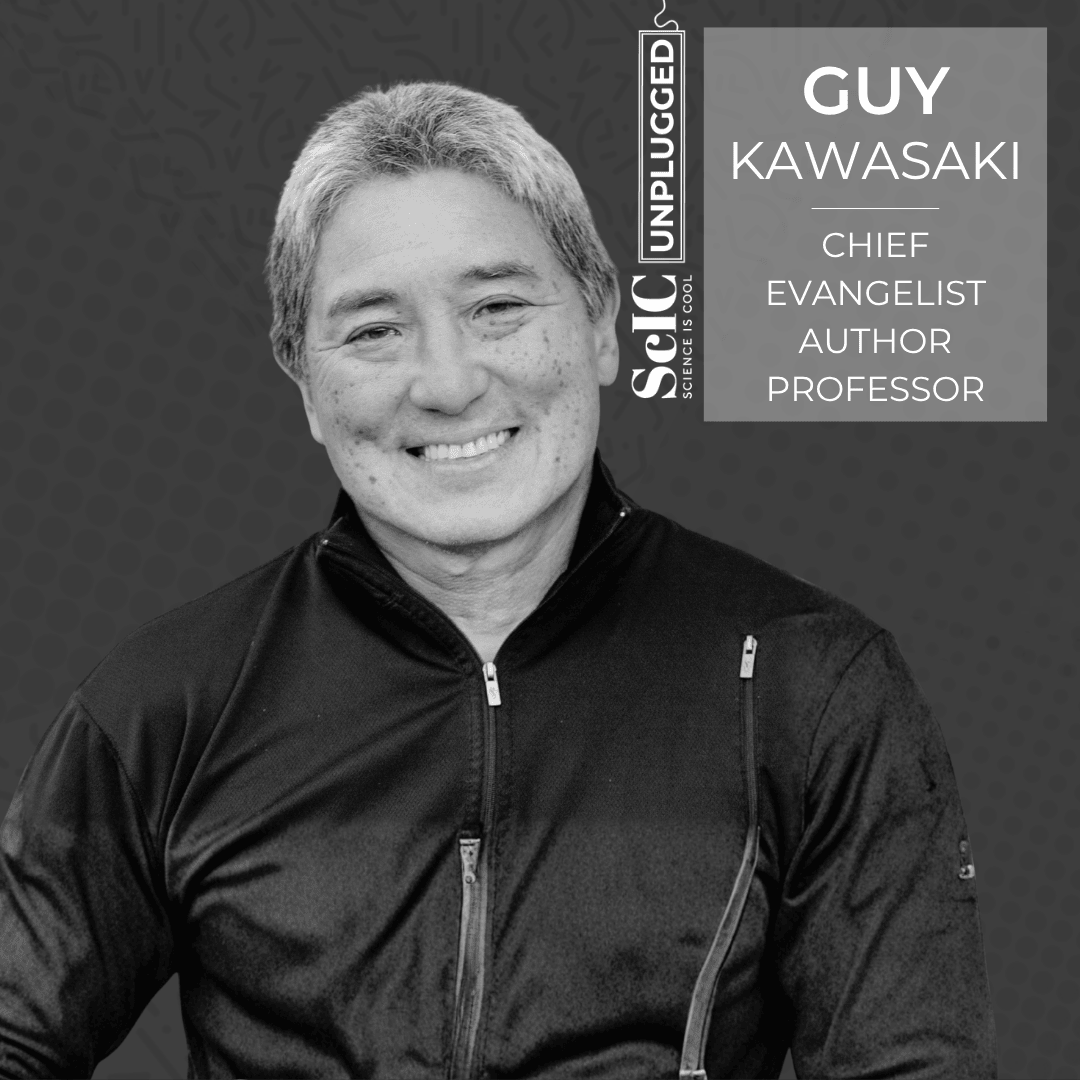 The Art of Learning: Guy Kawasaki on AI and Education's Next Wave 15.10.2025 1h 4minGuy Kawasaki sits down with Dave to discuss the intersection of technology, education, and personal growth. Guy shares his unique perspective on how his upbringing in Hawaii, with its rich cultural tapestry and values of Aloha and Ohana, has influenced his approach to life and business. The discussion delves into the critical role of education in shaping future innovators, the challenges faced by educators in promoting STEM, and the potential of AI as a transformative tool in the classroom. Guy and Dave explore the importance of fostering a love for learning, the need for educational reform, and the power of technology to bridge gaps in knowledge and opportunity. This episode is a must-listen for educators, tech enthusiasts, and anyone interested in the future of learning. ABOUT GUY Guy Kawasaki is the chief evangelist of Canva, host of the Remarkable People podcast, author of Wiser Guy, Think Remarkable, and sixteen other books, and adjunct professor of UC Santa Cruz. He was the chief evangelist of Apple, trustee of the Wikimedia Foundation, and brand ambassador of Mercedes-Benz. Kawasaki has a BA from Stanford University, an MBA from UCLA, and an honorary doctorate from Babson College.
 -
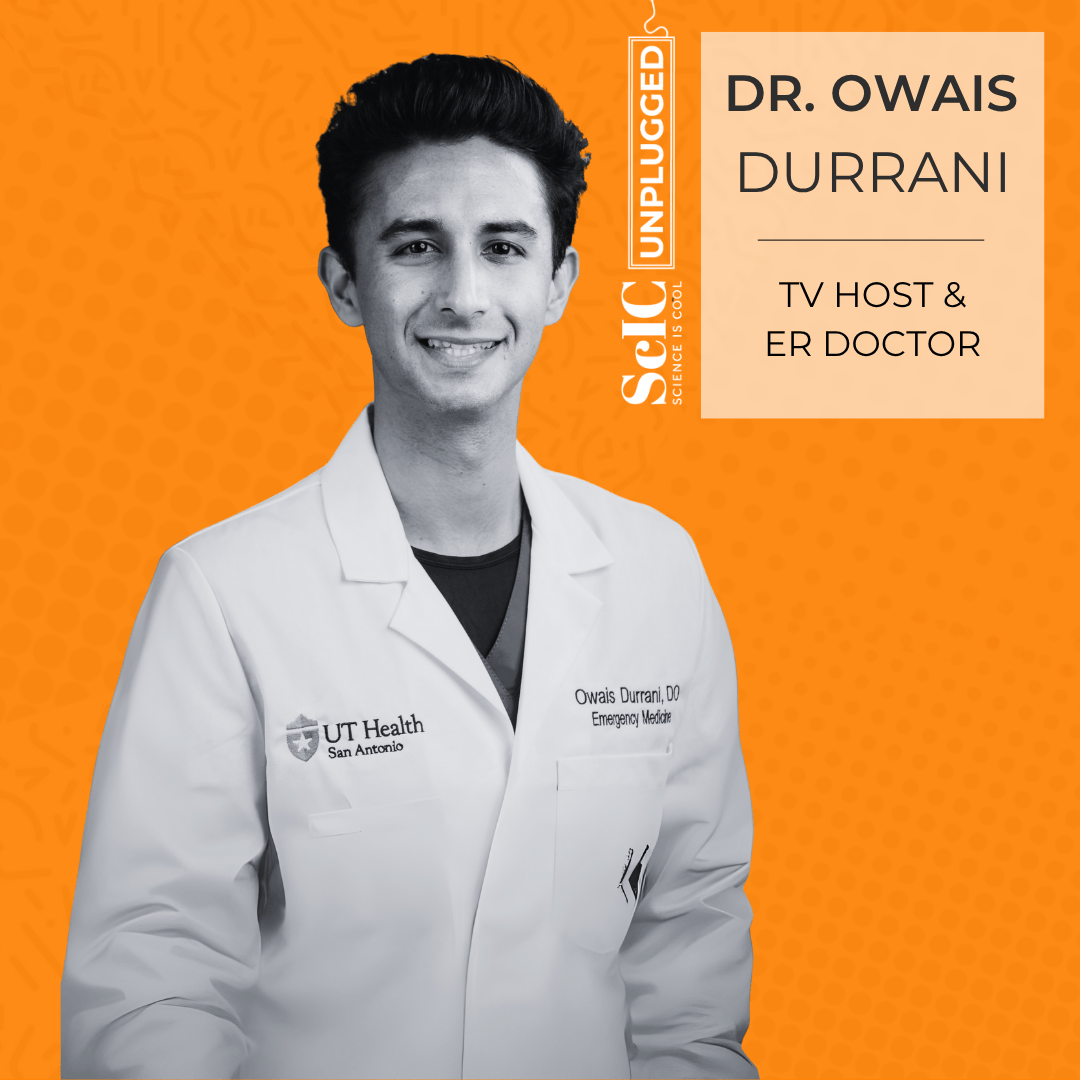 From the ER to EdTech: Problem-Solving Mindsets for STEM 01.10.2025 1h 5minSTEM City host and emergency room doctor, Dr. Owais Durrani and Dave from The PocketLab embark on a comprehensive exploration of the dynamic world of STEM education and its intersection with technology. The conversation kicks off with Owais sharing his unique journey from the medical field to becoming a media personality, driven by a passion to make STEM subjects more accessible and engaging for young minds. Dave, drawing from his rich experience in Silicon Valley, discusses the democratization of technology and how it has lowered barriers for aspiring entrepreneurs, enabling them to innovate and create with fewer resources than ever before. The duo delves into the transformative impact of AI across various sectors, particularly in education and healthcare. They discuss how AI tools are not only reshaping traditional roles but also creating new opportunities for those willing to adapt and learn. Owais emphasizes the importance of critical thinking and creativity in STEM, advocating for an educational approach that goes beyond rote memorization to foster genuine understanding and problem-solving skills. Listeners are treated to insights on the evolving landscape of STEM careers, with discussions on how traditional education systems can better prepare students for a future where AI and machine learning play pivotal roles. The episode also touches on the challenges faced by recent graduates in a rapidly changing job market and the importance of lifelong learning to stay relevant. Throughout the episode, Owais and Dave share inspiring stories and examples of innovative projects that are making a difference, from high-altitude weather balloon experiments to the integration of AI in everyday learning. They highlight the role of organizations like Black Girls Code in bridging gaps and providing opportunities for underrepresented groups in tech. Dr. Durrani's STEM Show: STEM City Follow Dr. Durrani on Instagram ABOUT OWAIS Dr. Owais Durrani is a board-certified emergency medicine physician based in Houston, Texas. He earned his medical degree from Oklahoma State University College of Osteopathic Medicine and completed his residency training at the University of Texas Health Science Center in San Antonio. In the emergency department, he cares for patients during some of their most vulnerable moments and remains deeply committed to improving access, trust, and equity in healthcare. In addition to his clinical work, Dr. Durrani has a background in health policy. He previously served in roles with the federal government and national medical organizations, where he contributed to workforce development and public health initiatives. His work has focused on addressing systemic gaps in care and advancing policies that improve health outcomes, especially in underserved communities. Dr. Durrani is also active in public communication and health journalism. He frequently appears on national news outlets to explain medical topics and offer insights on current health issues. He uses media to connect with the public on everything from AI in medicine to mental health and vaccine literacy. Passionate about education and outreach, Dr. Durrani is the host of STEM City, a television show that encourages young people to explore careers in science, technology, engineering, and math. The show, which airs on local broadcast channels, features hands-on STEM activities and interviews with leaders across various industries.
Podcasts similares


Popular em
Este podcast também aparece nas paradas de podcasts destes países.
