
Sports Medicine Project
Blake Withers
0
Sports Medicine Project is a fortnightly podcast hosted by Blake Withers that explores the world of sports medicine, covering topics from injuries and injections to running and performance. Aimed at clinicians and healthcare enthusiasts, it blends real-life clinical insights with evidence-based discussions to help listeners treat smarter. With a background in research, biomechanics, and podiatry, Blake shares practical tips for improving patient outcomes and staying current. The show aims to cut through conflicting advice and provide clear, useful guidance on managing injuries.
Episódios
-
 Tendon Stiffness, Strength Deficits and the Neuroscience We're Missing w/ Dr Pat Vallance 30.08.2026 1h 11minwith Dr Pat VallanceIn this episode:Bent knee versus straight knee calf raises for Achilles rehabWhy calf position changes muscle activationAchilles tendinopathy and tendon strainTendon stiffness and why it mattersWhether plyometrics build tendon stiffnessWhether running should be stopped during rehabLoad monitoring and pain guided rehabMuscular endurance testing with single leg heel raisesNormative values for calf endurancePsychological factors in tendinopathyKinesiophobia and pain catastrophisingCortical versus spinal inhibitionHow rehab may differ for Achilles compared with patellar tendinopathyResources mentioned:Tampa Scale of Kinesiophobiahttps://www.physio-pedia.com/Tampa_Scale_of_KinesiophobiaWhere to find Pat:Tendinopathy Circuit Breakerhttps://tendinopathycircuitbreaker.com/Instagramhttps://www.instagram.com/tendinopathy_circuit_breaker/Supercharge Your Tendon Rehab coursehttps://events.humanitix.com/supercharge-your-tendon-rehab-cutting-edge-tendon-injury-rehabPat's recent publications:Vallance, P., Kidgell, D. J., & Malliaras, P. (2026). Greater endogenous pain facilitation is associated with lower spinal excitability and maximal knee extension strength deficits in athletes with patellar tendinopathy. European Journal of Applied Physiology, 1-14.Vallance, P., Malliaras, P., & Kidgell, D. J. (2026). Temporal motor evoked potential decomposition reveals that cortico-reticulospinal excitability is increased in athletes with patellar tendinopathy. Preliminary evidence of compensatory adaptation for diminished motor drive. Journal of Electromyography and Kinesiology, 103142.Vallance, P. (2025). Neural deficits relevant to pain symptoms and functional impairments in individuals with Achilles or patellar tendinopathy (PhD Academy Award). British Journal of Sports Medicine.Vallance, P., Siddique, U., Frazer, A., Malliaras, P., Vicenzino, B., & Kidgell, D. J. (2025). Transcranial magnetic stimulation and electrical stimulation techniques used to measure the excitability of distinct neuronal populations that influence motor output in people with persistent musculoskeletal conditions: A scoping review and narrative synthesis of evidence. Journal of Electromyography and Kinesiology, 103011.Vallance, P., Kidgell, D. J., Vicenzino, B., & Malliaras, P. (2025). Endogenous pain modulation is not different in basketball or volleyball athletes with patellar tendinopathy compared to asymptomatic athletic controls. Musculoskeletal Science and Practice, 76, 103280.
 -
 Understanding Osteoarthritis w/ Ben Steele-Turner 19.08.2026 1hEvery major osteoarthritis guideline in the world lists weight management as core care. Ben Steele-Turner's scoping review pulled together 79 records on what physiotherapists do, and the picture is messy. Clinician surveys have 60 to 94 per cent of physios saying they include weight management. Notes audits and patient interviews put it closer to 8 to 22 per cent. Ben is a physiotherapist and PhD candidate at the University of Portsmouth, and he joins me to talk through why that gap exists and what to do about it. We get into scope of practice and why so many clinicians find the conversation awkward.We also cover the part I've always struggled with. Osteoarthritis is a whole system condition, inflammatory, metabolic, psychological, and yet the mechanical side is the bit I know how to do. Sets, reps, load, progression.. Ben and I dig into whether the lifestyle side actually outperforms what we're already doing, what someone can be offered for faster relief in the first few weeks, and where taping, footwear, orthoses and injections sit.Then there's the steroid question. If a knee is angry and inflamed we know what that environment does to cartilage, but the drug that settles it is itself chondrotoxic. Do we steer people away from it or put it on the table and let them decide? And can we really blame someone for wanting the pain gone now, when most of us wouldn't accept "just live with it" for our own injuries either.Ben finishes with how he selects exercise for someone with knee OA, whether he starts local or zooms out, and the one thing he wants every patient to walk away understanding about their knee.Papers discussed:Steele-Turner B, Gonçalves AC, Shepherd AI, Drummond H, Allison K, Bennell KL, Exell TA. Physiotherapist-led weight management for people with osteoarthritis: A scoping review. Osteoarthritis and Cartilage 2026;34:121-138. https://pubmed.ncbi.nlm.nih.gov/41276008/Moseng T, Vliet Vlieland TPM, Battista S, et al. EULAR recommendations for the non-pharmacological core management of hip and knee osteoarthritis: 2023 update. Ann Rheum Dis 2024;83:730-740. https://pubmed.ncbi.nlm.nih.gov/38212040/
 -
 Muscle Injuries: Diagnosis, Rehabilitation & Return to Play w/ 06.07.2026 1h 6minMuscle injuries remain one of the most challenging conditions in sport. In this episode, sports physiotherapist Murray Leyland joins us to discuss the latest evidence on muscle injury diagnosis, rehabilitation, and return to play. We cover muscle injury classification, the role of MRI, load management, eccentric training, calf and hamstring injuries, and how clinicians can make more informed return to play decisions. This episode is packed with practical, evidence-based insights for clinicians working with athletes and active individuals.Murray's Practice Below:https://www.valleyphysiotherapy.au/
 -
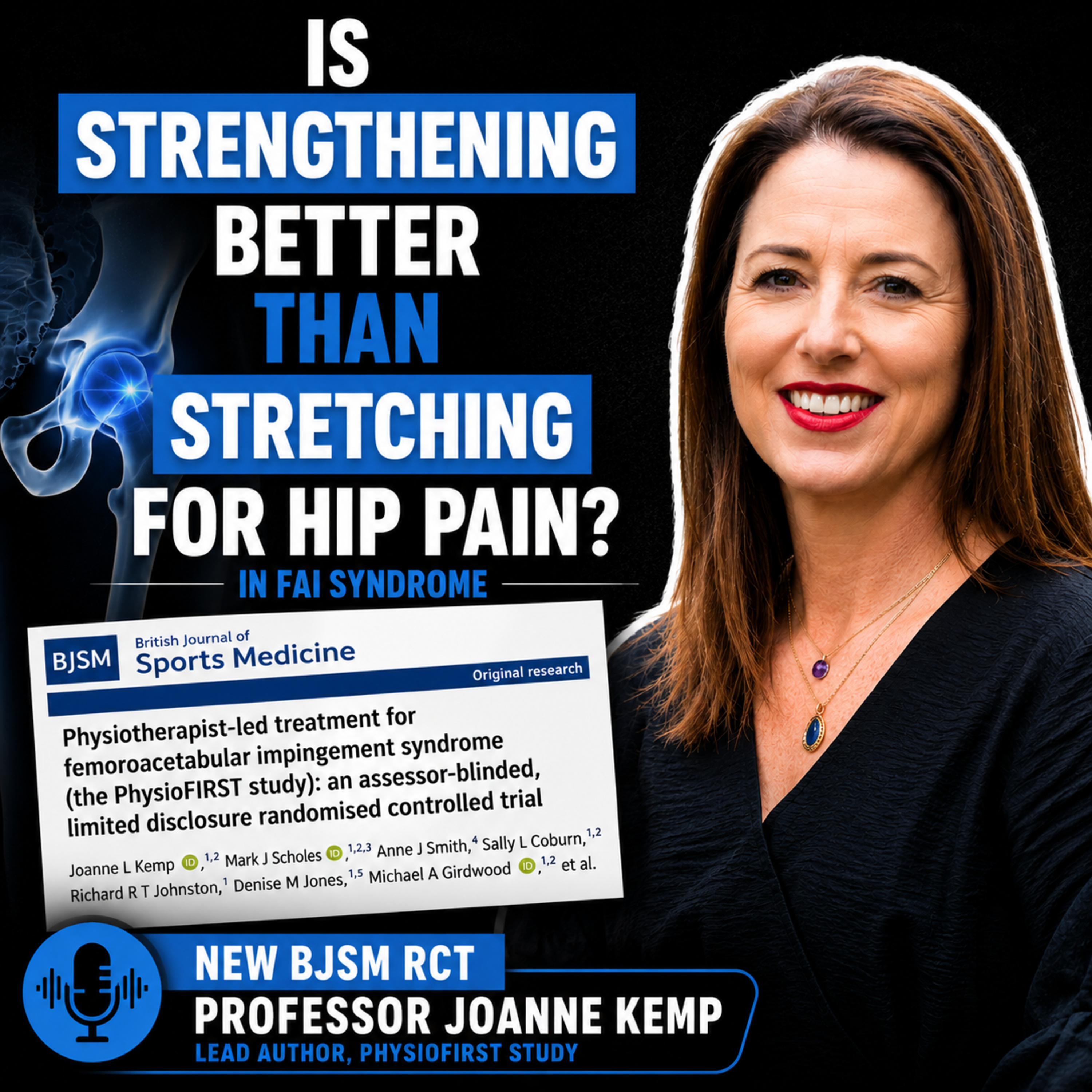 Strengthening vs Stretching for FAI Syndrome: Which Works Best? 26.06.2026 1h 4minPaper: https://bjsm.bmj.com/content/early/2026/05/03/bjsports-2025-110986In this episode, Professor Joanne Kemp discusses the latest evidence on femoroacetabular impingement (FAI) syndrome and challenges common assumptions about hip pain. We explore why structural findings such as cam morphology are often seen in pain-free individuals, how imaging should be interpreted alongside the clinical picture, and what the new PhysioFIRST randomised controlled trial tells us about strengthening versus stretching. Joanne also shares practical advice for clinicians on patient education, treatment decision making, and translating research into everyday practice. Whether you're a clinician, student, or interested patient, this episode provides an evidence-based perspective on the assessment and management of hip pain.Professor Joanne Kemp is a physiotherapist, researcher, and Professor at La Trobe University. She leads internationally recognised research in hip pain and femoroacetabular impingement (FAI) syndrome, with a focus on improving non-surgical management through high quality clinical trials. Joanne has authored more than 150 peer reviewed publications and is the lead author of the recent PhysioFIRST randomised controlled trial published in the British Journal of Sports Medicine.
 -
 Does Comfort Beat Biomechanics? Footwear & Calf Science with Dr Kim Hébert-Losier 08.06.2026 1h 13minFollow Kim https://www.linkedin.com/in/kim-hebert-losier/Summary Dr. Kim Hebert-Loser shares insights on calf muscle function, footwear technology, injury prevention, and the future of personalized shoe design. Discover how research, biomechanics, and individual preferences shape optimal running and rehabilitation strategies.
 -
 The Stress Fracture Epidemic That Isn't 01.05.2026 12minStress fractures feel like they're everywhere lately but I don't think its changing disproportionately. I dig into why, what's really going on, and which bits of the "epidemic" narrative I think hold up.Refs:Bennell KL, Malcolm SA, Thomas SA, Reid SJ, Brukner PD, Ebeling PR, Wark JD. Risk factors for stress fractures in track and field athletes: a twelve-month prospective study. American Journal of Sports Medicine. 1996;24(6):810–818.Knapik J, Montain SJ, McGraw S, Grier T, Ely M, Jones BH. Stress fracture risk factors in basic combat training. International Journal of Sports Medicine. 2012;33(11):940–946.Changstrom BG, Brou L, Khodaee M, Braund C, Comstock RD. Epidemiology of stress fracture injuries among US high school athletes, 2005–2006 through 2012–2013. American Journal of Sports Medicine. 2015;43(1):26–33.Rizzone KH, Ackerman KE, Roos KG, Dompier TP, Kerr ZY. The epidemiology of stress fractures in collegiate student-athletes, 2004–2005 through 2013–2014 academic years. Journal of Athletic Training. 2017;52(10):966–975.Shi BY, Castaneda C, Sriram V, Yamasaki S, Wu SY, Kremen TJ. Changes in the incidence of stress reactions and fractures among intercollegiate athletes after the COVID-19 pandemic. Journal of Orthopaedic Surgery and Research. 2023;18(1):788.Bergman AG, Fredericson M, Ho C, Matheson GO. Asymptomatic tibial stress reactions: MRI detection and clinical follow-up in distance runners. American Journal of Roentgenology. 2004;183(3):635–638.Kiuru MJ, Niva M, Reponen A, Pihlajamäki HK. Bone stress injuries in asymptomatic elite recruits: a clinical and magnetic resonance imaging study. American Journal of Sports Medicine. 2005;33(2):272–276.Hoenig T, Ackerman KE, Beck BR, Bouxsein ML, Burr DB, Hollander K, Popp KL, Rolvien T, Tenforde AS, Warden SJ. Bone stress injuries. Nature Reviews Disease Primers. 2022;8(1):26.AusPlay (Australian Sports Commission). National participation data on running and jogging, 2015–present. https://www.clearinghouseforsport.gov.au/research/ausplay
 -
What Better Persistent Pain Care Actually Looks Like | Dr Nardia Klem 30.03.2026 1h 32minIn this episode, we explore questions such as:Why does pain persist despite multiple high-quality treatments?What does it actually mean to say pain is multifaceted, and how should that change clinical decision making?How should clinicians communicate about pain in a way that is accurate, validating, and actionable?What should clinics stop doing, start doing, and measure if they want to improve care?In this episode, we speak with Dr Nardia-Rose Klem, a physiotherapist and research academic at Curtin University whose work focuses on young people living with persisting pain, particularly the relationship between pain, mental wellbeing, and access to appropriate care. She is involved in several important clinical translation and public education initiatives, including young painHEALTH, painHEALTH, and the Musculoskeletal Clinical Translation Framework, all of which aim to improve the way pain and musculoskeletal conditions are understood, communicated, and managed. Her research spans young people with chronic musculoskeletal pain, co-existing mental health conditions, pain care experiences, and qualitative work exploring patient experiences across musculoskeletal healthcare contexts. Links mentionedProfile and socialsCurtin University staff profileInstagram: @physio_nardiaWebsites and resourcesyoung painHEALTHpainHEALTHMusculoskeletal Clinical Translation FrameworkÖrebro Musculoskeletal Pain Screening Questionnaire, short formPublicationsCharacterizing phenotypes and clinical and health utilization associations of young people with chronic pain: latent class analysis using the electronic Persistent Pain Outcomes Collaboration database “It’s kind of just like a never-ending cycle”: Young people’s experiences of co-existing chronic musculoskeletal pain and mental health conditions Lived and care experiences of young people with chronic musculoskeletal pain and mental health conditions: a systematic review with qualitative evidence synthesis A Prospective Qualitative Inquiry of Patient Experiences of Cognitive Functional Therapy for Chronic Low Back Pain During the RESTORE Trial What Influences Patient Satisfaction after TKA? A Qualitative Investigation
-
 Clinical Considerations in Achilles Tendon and Navicular Stress Fracture Surgery | Dr Gerald Yeo 28.01.2026 1h 30minIn this episode of the Sports Medicine Project, Blake Withers is joined by Dr. Gerald Yeo, a renowned foot and ankle orthopedic surgeon, to discuss the intricacies of foot and ankle surgeries, particularly focusing on Achilles tendon and navicular stress fractures. Dr. Yeo shares insights from his extensive experience, discussing the challenges and advancements in surgical techniques, and the importance of a multidisciplinary approach in treatment.Dr. Gerald Yeo emphasizes the complexity of foot and ankle surgeries compared to other orthopedic procedures.The discussion highlights the importance of a multidisciplinary approach involving physiotherapists and podiatrists.Dr. Yeo explains the traditional and modern approaches to treating Achilles tendonitis.The episode explores the challenges of measuring surgical outcomes for foot and ankle procedures.Dr. Yeo shares insights on the use of Richie braces in managing foot conditions.The conversation covers the role of imaging in diagnosing and planning surgeries.Dr. Yeo discusses the potential of minimally invasive techniques in foot and ankle surgery.The episode addresses the common misconceptions about Haglund's deformity and its treatment.Dr. Yeo talks about the importance of patient education in managing expectations post-surgery.The discussion includes the future of orthopedic surgery and potential advancements in treatment options.Keywords: Achilles tendon, navicular stress fractures, orthopedic surgery, foot and ankle, multidisciplinary approachTakeaways:Dr Gerald Yeo is a Queensland trained orthopaedic surgeon (BMedSci, FRACS (Ortho), FAOrthA) with subspecialist fellowship training in foot and ankle surgery. His clinical interests include minimally invasive and arthroscopic techniques, total ankle replacement, and lower-limb trauma, with a focus on supporting recovery through early, functional rehabilitation and multidisciplinary care. He consults and operates in Brisbane, including at Brisbane Orthopaedic Specialist Services and St Vincent’s Private Hospital Northside, and also consults at North Lakes and operates at North West Private Hospital. (drgeraldyeo.com.au)
 -
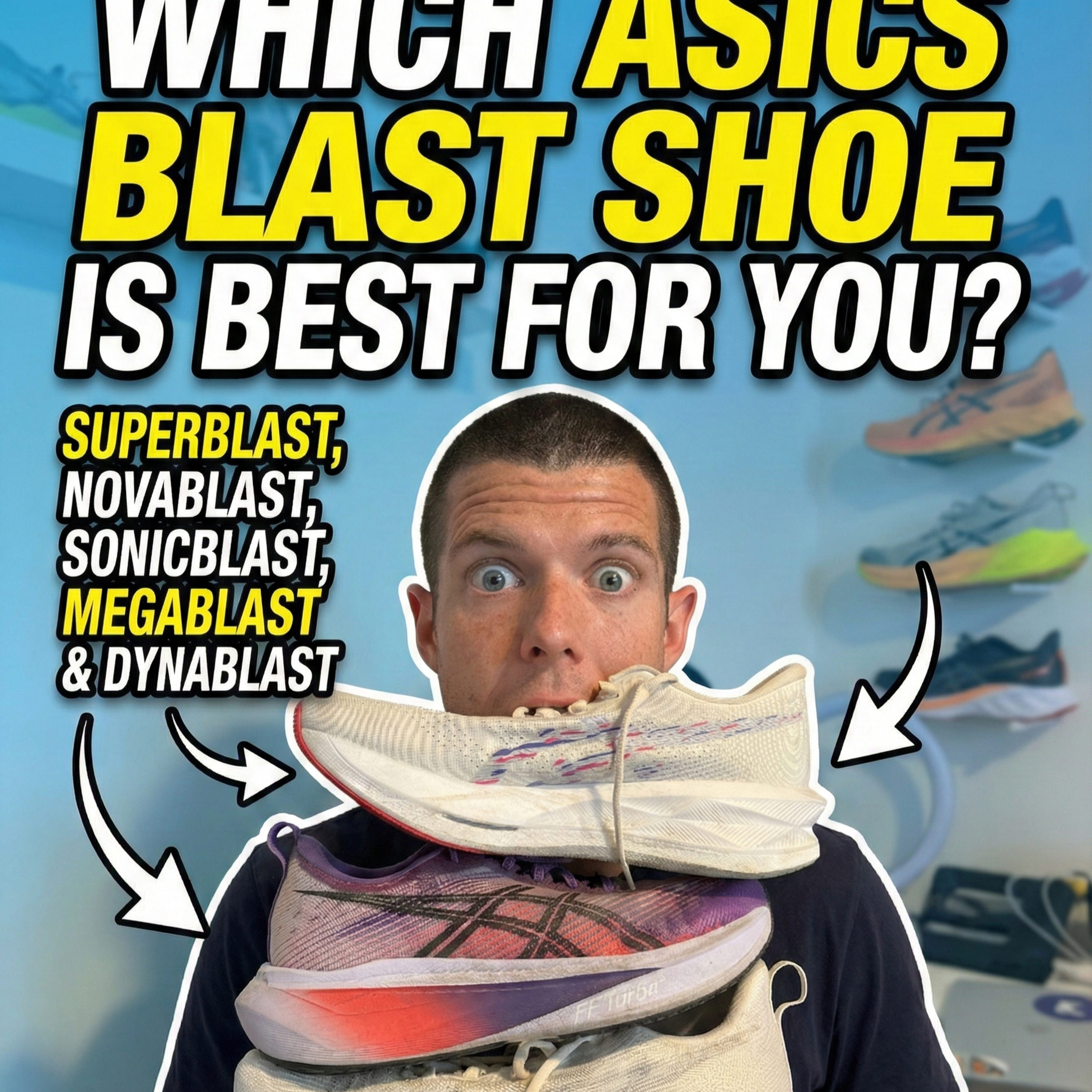 Selecting the Right ASICS Blast Shoe for Your Patient: Superblast, Novablast, Sonicblast, Megablast and Dynablast 07.12.2025 11minConfused by all the ASICS “Blast” shoes? In this video I break down the entire Blast family and help you match the right shoe to your running.Megablast – max stack, FF TURBO SQUARED, ultra-bouncy long run and easy day optionSonicblast – dual-foam midsole with Pebax plate, built for tempo and faster long runs Superblast 2 – the super trainer sweet spot for daily training, long runs and some workouts Novablast 5 – the classic bouncy daily trainer, 8 mm drop, big stack without feeling unstable  Dynablast – more affordable, lower stack, flexible Blast option that still feels fun underfoot Which models suit higher weekly mileage and long runsWhen I might lean towards Megablast or Superblast?Where Dynablast and Novablast fit for newer runners or those not used to very high stack shoes?
 -
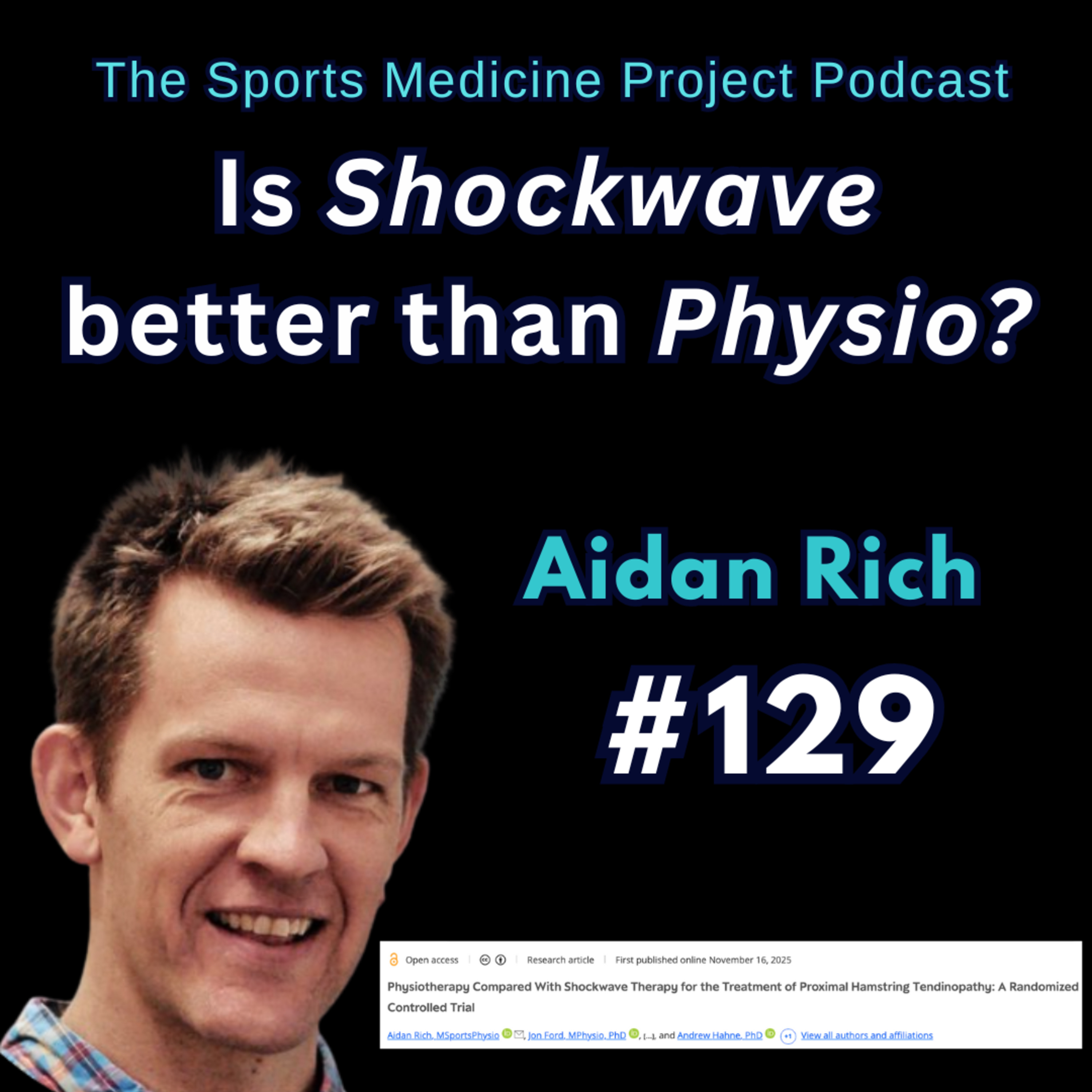 Shockwave Therapy vs. Exercise: What Works Best for the Hamstring? 30.11.2025 54minSummaryIn this conversation, Blake Withers interviews Aidan Rich, a sports and exercise physiotherapist, about his research on proximal hamstring tendinopathy and the recent randomized control trial comparing physiotherapy and shockwave therapy. Aidan shares his journey into the field, the challenges of designing the study, and the importance of education in treatment. They discuss the nuances of exercise rehabilitation, patient experiences, and the surprising results of the trial, which showed no significant difference between the two treatment methods. Aidan emphasizes the need for individualized care and the potential for future research in this area.Paper links: Main RCT: https://journals.sagepub.com/doi/10.1177/03635465251391134https://pubmed.ncbi.nlm.nih.gov/41037932/https://pubmed.ncbi.nlm.nih.gov/40469642/https://www.jsams.org/article/S1440-2440(25)00275-0/pdfAidan Rich:PhD Candidate | APA Titled Sports and Exercise Physiotherapist | State ManagerA dedicated and passionate physiotherapy professional with extensive experience in both academic research and clinical management. Currently pursuing a PhD with the topic of 'Physiotherapy for Proximal Hamstring Tendinopathy,' where he has conducted two randomised trials. In addition to his academic pursuits, he oversee the clinical, financial, and cultural performance of a network of 20 physiotherapy and sports medicine clinics across Victoria. His role involves ensuring the highest standards of patient care, optimising financial performance, and fostering a positive and collaborative work environment.Chapters00:00 Introduction and Background of Aidan Rich03:48 The Evolution of Tendinopathy Treatment08:30 Shockwave Therapy: Insights and Experiences13:13 Designing the RCT: Methodology and Protocols18:20 The Exercise Program: Structure and Rationale23:07 Education in Rehabilitation: Importance and Implementation28:39 The Benefits of Resistance Training29:52 Qualitative Insights from RCT Participants31:36 Surprising Strength Outcomes in Rehabilitation33:42 Effect Modifiers in Treatment Response35:20 Clinical Applications of Shockwave Therapy37:01 Patient Preferences in Treatment Choices38:00 Individualized Treatment Approaches39:04 Evaluating Shockwave Therapy Effectiveness41:22 Challenges in Designing Effective Trials43:22 Comparative Outcomes in Tendinopathy Treatments45:43 Acute Responses to Shockwave Therapy48:36 Key Takeaways for Clinicians50:59 Future Directions in Research
 -
 Foot function & Foot Orthosis w/ Ian Griffiths #128 26.10.2025 1h 45minAudio a little quiet last 54 mins. Ian is a sports podiatrist and educator who helps people stay active and reach their goals through evidence-based pain and injury management. A keen runner himself, he pairs lived experience with top-tier credentials—degrees in Podiatric Medicine and Sports Injury, postgraduate training in Sports Podiatry and Academic Practice, and Fellowships of the Royal College of Podiatry, the Royal College of Physicians & Surgeons of Glasgow, and the Higher Education Academy—while lecturing at Queen Mary University of London and holding adjunct roles at Monash and Ziauddin Universities. He has presented internationally and supported elite teams including the PGA European Tour, England Rugby 7s, Surrey Cricket, GB Men’s Hockey and Arsenal (including London 2012), but takes greatest pride in helping everyday athletes stay healthy, resilient and able to enjoy their sport.
 -
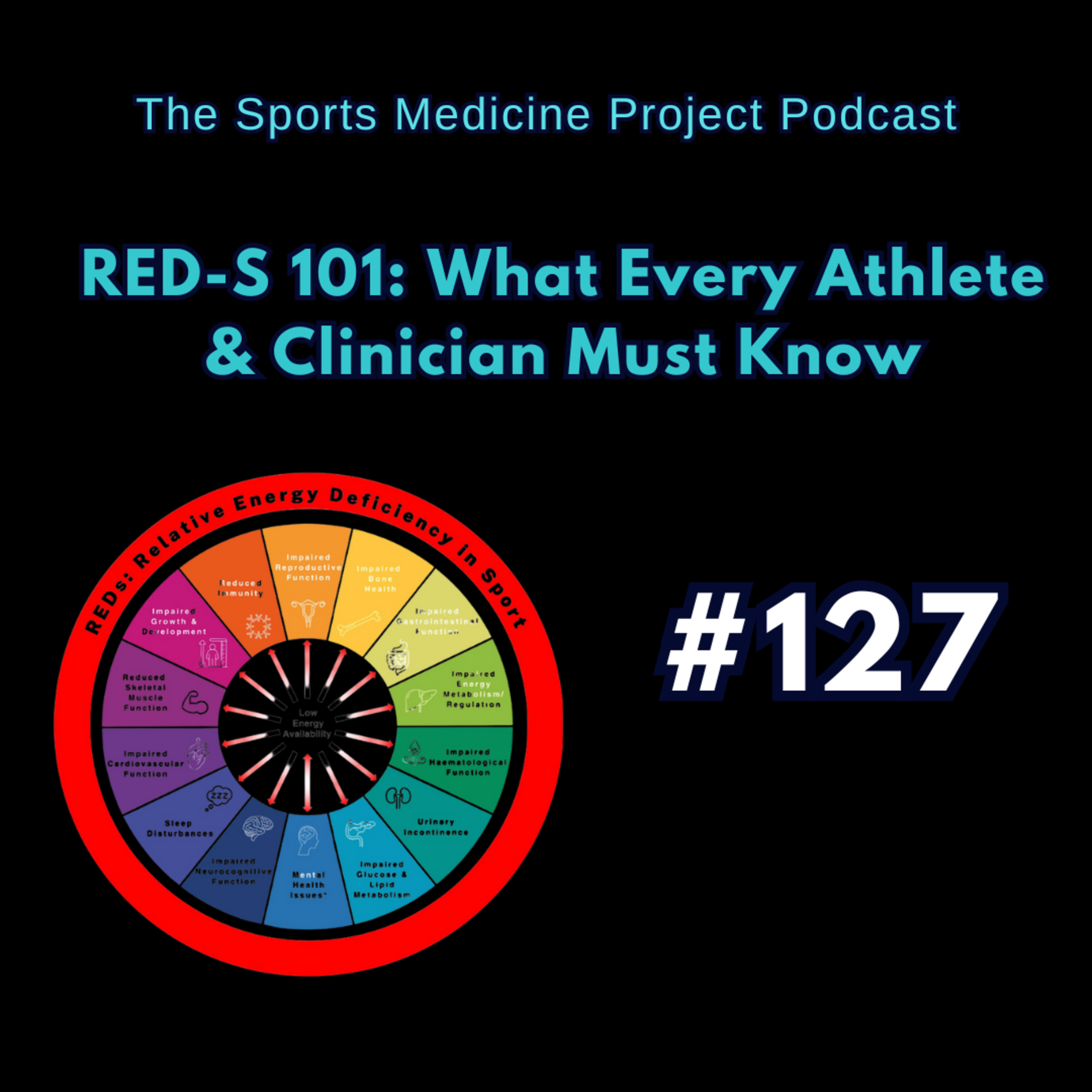 Relative energy deficiency in sport: What Every Athlete & Clinician Must Know #127 19.10.2025 14minBreakdown of Relative Energy Deficiency in Sport (RED-S), what it is, why clinicians and athletes should care, key stats/facts that often get missed, and practical screening you can use tomorrow in clinic or with your squad.What you’ll learnWhat RED-S actually is (beyond “under-fuelling”)Why it matters for health, performance, and injury riskPrevalence, red flags, and common pitfallsHow to screen in real life: which tools, when to use them, and how to interpret resultsWhen to refer and build a multidisciplinary planLEAF-Q (Low Energy Availability in Females Questionnaire) https://bjsm.bmj.com/content/bjsports/suppl/2014/02/21/bjsports-2013-093240.DC1/bjsports-2013-093240supp1.pdfLEAF-Q Scoring Guide:https://bjsm.bmj.com/content/bjsports/suppl/2014/02/21/bjsports-2013-093240.DC1/bjsports-2013-093240supp2.pdf• LEAM-Q (Low Energy Availability in Males Questionnaire) 6https://www.mdpi.com/2072-6643/14/9/1873 (see supplementary material)• RST (RED-S Specific Screening Tool) 7https://assets.cureus.com/uploads/original_article/pdf/30734/1612430181-1612430175-20210204-18268-i9k6n7.pdf(Questionnaire in appendix C, scoring guide in appendix B)• SEAQ-I (Sport-Specific Energy Availability Questionnaire andInterview) 8https://bmjopensem.bmj.com/content/4/1/e000424(see supplementary material)• EDE-Q (Eating Disorder Examination Questionnaire) 9https://socialwork.buffalo.edu/content/dam/socialwork/continuing-education/documents/Eating-Questionairre-EDE-Q.pdf• SCOFF (Sick, Control, One (stone), Fat, and Food Questionnaire) 10https://www.nutritionhealth.com.au/site/assets/files/1064/scoff-questionnaire.pdf• EAI (Exercise Addiction Inventory) 11https://doi.org/10.1080/16066350310001637363 (see appendix 1)• EDS (Exercise Dependence Scale) 12https://www.personal.psu.edu/dsd11/EDS/EDS21Manual.pdf
 -
 Stress Fractures in Runners | What They Are and Why They Matter #126 06.10.2025 10minStress fractures are one of the most common running injuries (up to 20% of them), but what actually are they, why do they happen, and why do some take longer to recover than others?In this video, I explain: • What a stress fracture is and how it develops • Why taking time off running is often essential for healing • Why not all stress fractures are the same (location and severity matter) • What runners should know about recovery and reducing riskI’m a Sports Podiatrist and PhD researcher candidate in running injuries, and my goal is to give runners clear, evidence-based information to help them train smarter and stay injury free.
 -
 Fact Or Myth? Flat Feet & Foot Orthosis w/ Dr Gabriel Moisan #125 28.09.2025 1h 36minFind Gabriel:https://www.researchgate.net/profile/Gabriel-Moisanhttps://www.linkedin.com/in/gabriel-moisan-a382aaa7/In this conversation, Blake Withers interviews Gabriel Moisan, a podiatrist and researcher, about his journey in the field of podiatry, the evolution of foot orthoses, and the ongoing debates surrounding their use. They discuss the challenges of research in podiatry, the mechanisms of foot orthoses, and the differences between custom and prefabricated devices. Moisan shares insights on how to determine the appropriate dosage of foot orthoses for patients and critiques the terminology used in describing conditions like adult acquired flatfoot. The conversation emphasizes the importance of understanding both the mechanical and psychosocial effects of foot orthoses in patient care. In this conversation, Blake Withers and Gabriel Moisan delve into the advancements in podiatry, particularly focusing on foot orthosis, 3D printing technology, and the importance of clinical outcomes. They discuss the role of footwear in treatment, the evolution of materials used in orthotics, and the integration of technology to enhance patient care. The conversation also highlights the significance of teaching and learning in podiatry, the challenges of research, and the future directions of the field, including the potential of AI in predicting treatment outcomes.takeawaysGabriel Moisan's journey in podiatry began with a desire to understand foot orthoses.Research often leads to more questions than answers in podiatry.The traditional view of pronation as 'evil' is being challenged.Alignment theories in podiatry are being replaced by a focus on function.Research needs to control for biases to accurately assess treatment outcomes.Foot orthoses work through mechanical, somatosensory, and psychosocial effects.Comfort in foot orthoses is not always the priority for effective treatment.The debate between custom and prefabricated foot orthoses continues.Determining the appropriate dosage of foot orthoses is crucial for patient outcomes.Terminology in podiatry needs to evolve to better reflect current understanding. 3D printing has revolutionized the manufacturing of orthotics.Clinical outcomes are prioritized over biomechanical outcomes.Footwear plays a crucial role in the effectiveness of orthotic devices.Material science is evolving, but significant changes are still needed.Technology integration in orthotics could improve patient outcomes.Patient feedback is essential for effective treatment.Teaching students about orthotic modifications is vital.Research in podiatry is often limited by funding and resources.The evolution of foot orthosis has been slow but necessary.Future research may focus on AI to predict treatment success.Exploring the World of PodiatryThe Journey of a Podiatrist: Gabriel Moisan"Pronation is evil.""I just want to see it.""We should think outside the box."titlesSound BitesChapters00:00Introduction and Name Pronunciation00:32Gabriel Moisan's Journey in Podiatry04:33The Evolution of Foot Orthosis Understanding10:33Research Challenges in Foot Orthosis16:40The Mechanisms of Foot Orthosis20:15Clinical Applications and Effectiveness of Foot Orthosis32:49Understanding Foot Orthosis for Adult Acquired Flatfoot39:44The Debate on Terminology in Podiatry46:54Long-Term Use of Foot Orthosis: A Patient-Centric Approach51:35Advancements in Foot Orthosis Manufacturing56:15Customizing Foot Orthosis for Specific Conditions01:04:08The Future of Foot Orthosis: Technology and Innovation01:09:29The Role of Technology in Podiatry01:12:25Understanding Foot Orthosis and Patient Outcomes01:15:29Predicting Biomechanical Effects of Orthoses01:18:26The Impact of 3D Printing on Orthotic Modifications01:22:36Future of Foot Orthosis: Research and Innovations01:26:05The Need for Comprehensive Resources in Podiatry01:26:41Influential Figures in Podiatry and Research Aspirations
 -
 Running Injuries w/ Luke Nelson #124 21.09.2025 1h 28minFind Luke: https://www.instagram.com/sportschiroluke/Luke is a titled Sports & Exercise Chiropractor, Running Coach, and Strength Coach with over 20 years of experience in private practice in Melbourne. He has lectured extensively across Australia and internationally on sports injuries, with a focus on running-related topics. As an avid fitness enthusiast, Luke has completed 11 marathons, an ultra-marathon, and two Ironman triathlons. In recognition of his expertise, Luke was awarded Fellowship status by the Australasian Institute of Chiropractic Education in 2019, inducted as a Fellow of the Australian Sports Medicine Federation in 2024, and honoured as the 2022 ACA Chiropractor of the Year for his contributions to the profession.Luke NelsonSports & Exercise ChiropractorDirector Health & High PerformanceB App Sci (Clin Sci.)/B Chiro Sci, ICCSP, Postgrad.Dip.Sport Chiro, M.Sport.Sci, ASCA Lev 1, FAICE, FASMFw. https://www.healthhp.com.au/Chapters00:00 Introduction to Podiatry and Chiropractic Practices00:58 Evolving Perspectives in Healthcare03:36 The Journey of a Chiropractor06:47 The Role of Social Media in Healthcare09:32 Strength Training and Injury Prevention12:37 Plyometrics in Running Training15:24 Individualized Training Approaches18:34 Managing Tendon Injuries21:11 Patient Education and Communication29:06 Effective Communication in Consultations33:14 Understanding Running Programming40:23 Assessment Techniques for Runners47:14 The Importance of Strength Assessment53:47 Managing Bone Stress Injuries01:01:24 Reflecting on Gratitude and Perspective01:01:48 Foot Strike Patterns and Gait Interventions01:04:59 Sustaining Changes in Running Technique01:06:35 Programming for Return to Running01:10:57 Adding Intensity to Training01:11:59 Managing Pain and Progressing Training01:16:52 Mechanical Interventions in Running01:20:03 Favorite Running Shoes and Recommendations01:23:09 Interviewing the Greats and Research Aspirations01:27:06 Future Endeavors and Closing Thoughts TakeawaysThe breakdown of traditional silos in healthcare is beneficial for patient care.Interdisciplinary collaboration leads to better treatment outcomes.Social media can enhance the dissemination of healthcare knowledge.Strength training is crucial for injury prevention in runners.Plyometrics can improve performance and aid in rehabilitation.Patient education is essential for effective treatment.Understanding patient goals helps tailor treatment plans.Assessment techniques are vital for identifying issues in runners.Research translation is important for evidence-based practice.Healthcare professionals should continuously evolve their practices. Strength parameters should be assessed in context, not isolation.The act of doing training is more important than just numbers.Weakness can be a precursor to injuries, but it's not the only factor.Criteria-based rehabilitation is often more effective than time-based.Managing bone stress injuries requires careful progression and monitoring.Runners often need mental support when facing injuries.Foot strike patterns should be assessed but not always changed.Easy running builds the foundation; speed work enhances performance.Individualized programming is crucial for effective rehabilitation.The future of injury prevention research is multifactorial and complex.
 -
 Getting Paid In HealthCare: The Good, the Bad & the Awkward. Can Employee make 200k? #123 14.09.2025 1h 4minGet some help with Jack: https://www.clinicmastery.comFind Jack: https://www.instagram.com/jackdobrien/SummaryIn this episode, Blake Withers and Jack O'Brien discuss the often-overlooked aspects of business and finance in healthcare. They explore the importance of sustainability, negotiation strategies for new graduates, and the realities of income potential in allied health professions. Jack shares his journey from clinician to business owner and emphasizes the need for effective communication and understanding of financial literacy in the healthcare field. The conversation also touches on the challenges of starting a private practice, the significance of KPIs, and the value of patient-centered care.Chapters00:00 Introduction to the Conversation00:29 The Importance of Business in Allied Health01:41 Jack O'Brien's Journey in Healthcare03:36 Sustainability in Healthcare Practices07:42 Negotiating Your First Job10:48 Work-Life Balance vs. Work-Life Tension12:49 Understanding Income Potential in Healthcare16:06 The Reality of Business Expenses19:47 Profit Sharing and Employee Satisfaction20:55 Effective Communication in Negotiations25:00 Increasing Your Income Potential27:51 Ethical Revenue Generation in Healthcare32:55 The Challenges of Starting Your Own Practice33:46 The Reality of Starting a Clinic37:29 Exploring Career Progression in Healthcare41:24 Financial Strategies for Clinicians41:58 Contractor vs Employee: Weighing the Risks45:18 Creating a Reward Structure in Clinics48:20 The Value of Patient Care and Communication58:12 Believing in the Value of Every Patient Interaction
 -
Running for a PhD: Can Changing Your Gait Instantly Reduce Knee Pain? #122 07.09.2025 11minstudy link :https://pmc.ncbi.nlm.nih.gov/articles/PMC9884822/pdf/fspor-04-1048655.pdfKey takeaways: Gait modifications can immediately reduce patellofemoral pain in some runners.The most effective strategies were increasing step rate by 10% and adopting a forefoot strike pattern.Runners with a rearfoot strike benefitted more from forefoot strike and “running softer,” while non-RFS mainly improved with a higher step rate.Reductions in patellofemoral joint force were linked to pain decreases, but not always — suggesting other mechanisms (psychological/central factors) may also contribute.Increasing step rate is likely the safest first option; forefoot strike may work but carries higher Achilles tendon load, so requires caution.
-
Online Running Influencers: Coaches, Con Artists & Evidence Informed? with Issac Heyne #121 24.08.2025 1h 33minIssac instagram: https://www.instagram.com/isaacheyne/Substack: https://substack.com/@isaacheyne?r=jxf68&utm_medium=ios&utm_source=profile&fbclid=PAZXh0bgNhZW0CMTEAAadhAnzfZo7PbmOOABf-9MoarClQRKfYUPEdbOD-PgKY6y7d1bBdYhSKAcUV1A_aem_2VWcJabI4cL4gvFebIjangSkip to 8mins to get started!What way to evaluate information is:Applying the CRAAP testCRAAP frameworkCurrency: Is the information up‑to‑date?Relevance: Does it directly address your question or topic?Authority: Who is the author? What are their credentials and affiliations?Accuracy: Is the content supported by verifiable evidence and citations?Purpose: What is the reason behind the content—informative, persuasive, commercial, or satiricalkeywords: running, influencers, training load, misinformation, social media, sports medicine, physiotherapy, nutrition, community, injury prevention, running culture, injury prevention, running community, evidence-based practice, footwear innovation, personal experience, inclusivity, social media, athlete support, training methodssummaryIn this conversation, Blake Withers and Isaac Hain discuss the influence of running influencers on the sport, the importance of understanding training load, and the challenges of navigating misinformation in the running community. They explore the evolution of running knowledge, the impact of social media, and the necessity of critique in professional development. The discussion also touches on the role of nutrition in injury prevention and the positive aspects of running communities. In this conversation, the speakers explore the evolution of running culture, the impact of increased participation in the sport, and the importance of inclusivity within the running community. They discuss the challenges of traditional running paths and the role of evidence in running practices, emphasizing the need for individualized approaches to running injuries. The conversation also touches on the balance between tradition and innovation in running, the emotional connection to the sport, and the significance of engaging with the running community online. Ultimately, the speakers reflect on their personal experiences and the purpose they find in helping others navigate their running journeys.Chapters00:00 Introduction to Running and Physiotherapy10:18 Isaac's Journey: Runner and Clinician13:34 The Evolution of Running Knowledge16:15 The Impact of Misinformation in Running19:25 Navigating Social Media and Running Advice22:30 The Role of Critique in Professional Growth25:33 Finding Truth in Running Information28:22 The Balance of Sharing Knowledge31:25 Conclusion: The Future of Running and Health Information37:54 Understanding Knowledge Gaps in Physiotherapy41:34 Navigating Scope of Practice and Online Influence43:45 The Role of Nutrition in Physiotherapy46:58 The Impact of Social Media on Running Culture52:34 The Evolution of Running and Its Community58:36 Challenging Traditional Paths in Running01:03:27 Balancing Old and New Practices in Training01:08:25 Understanding Individualized Treatment in Healthcare01:11:28 The Complexity of Physiotherapy and Patient Care01:14:22 The Role of Social Media in Running and Community Engagement01:17:21 Personal Experiences Shaping Professional Passion01:20:36 Navigating Online Presence and Telehealth in Physiotherapy01:22:38 The Evolution of Running Footwear and Personal Preferences
-
Foot Orthoses Explained: What Every Health Professional Should Know #120 18.08.2025 31minFoot orthoses are more than just plastic shells and we need to evaluate them appropriately if we want to better help patients.Here is how I think about foot orthoses—covering assessment, materials, and the clinical reasoning that underpins effective prescription. Whether you’re a podiatrist, physiotherapist, or other allied health professional, this 30-minute discussion will help you understand how to approach orthoses with clarity and confidence in practice.
-
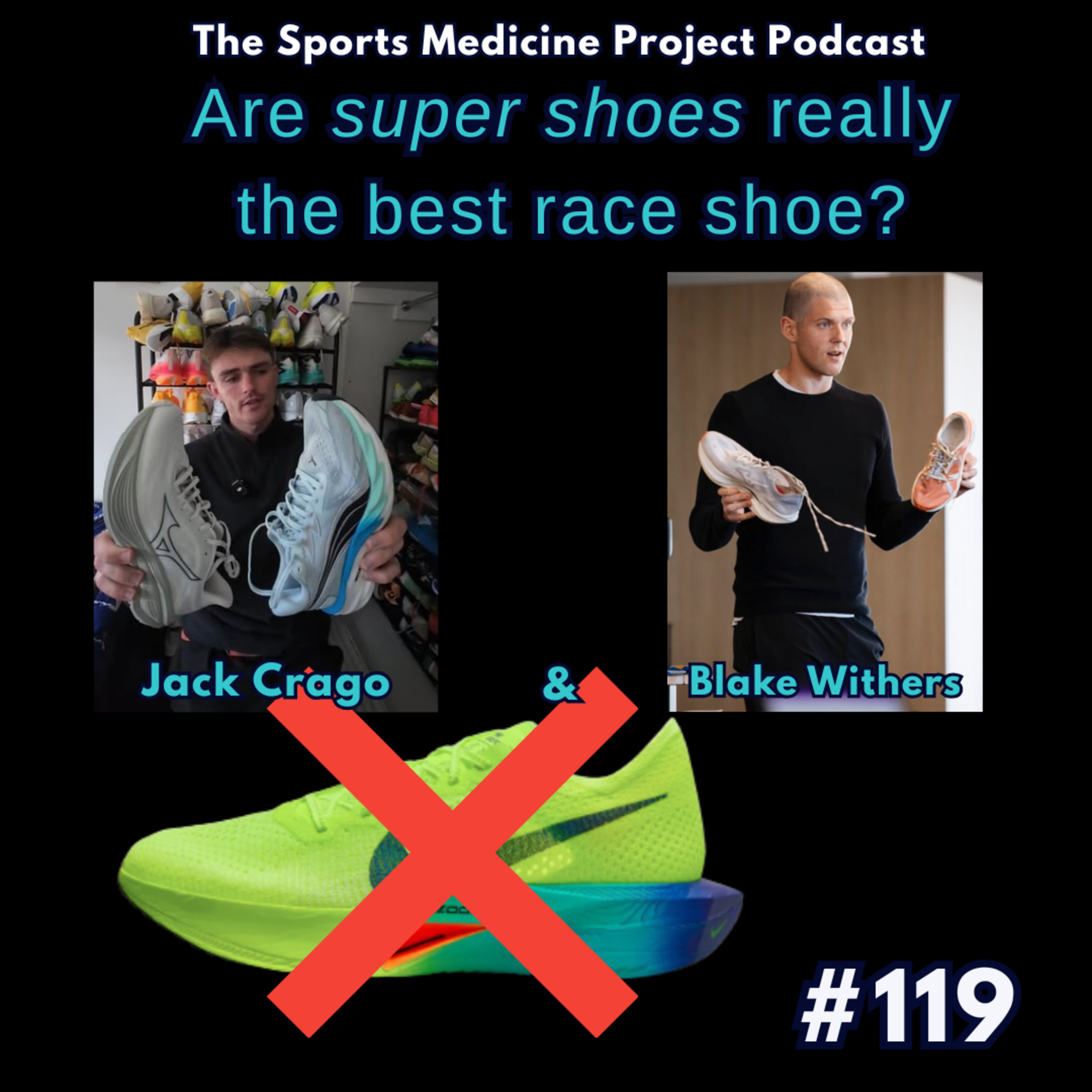 Super Shoes or Super Risk? Are Super Shoes really the best race shoe? Jack Crago #119 03.08.2025 50minBlake Withers and Jack Craigo discuss the nuances of running shoes, particularly focusing on super shoes and their suitability for different runners. They explore the importance of shoe fit, the role of retail in guiding shoe selection, and the potential injury risks associated with performance footwear. The discussion also highlights the significance of comfort and the impact of shoe technology on running performance, concluding with recommendations for runners on choosing the right shoes for their needs.Jack Crago youtube and instagram: @jog.on.cragosuper shoes, running shoes, injury prevention, shoe fit, marathon training, footwear technology, running performance, retail experience, shoe selection, running communitySuper shoes, also known as advanced footwear technology (AFT), are designed to enhance running performance by incorporating features like aggressive rocker geometry, high stack heights (often ≥35–50 mm), lightweight and compliant foams, carbon or composite plates, and minimal weight. These features aim to improve running economy and propulsion. However, their widespread use has prompted questions about whether they are the best option for all runners—especially when it comes to injury risk and biomechanical stability.Running participation continues to grow, with events like marathons selling out rapidly (Barrons et al., 2023). Many runners get their footwear advice from online sources or retail staff. Research suggests that both runners and retailers prioritise comfort, with super shoes often perceived as more comfortable than generic alternatives (Malisoux et al., 2020). While footwear is known to influence both performance and injury risk (Nigg et al., 2023), the assumption that super shoes are universally superior oversimplifies a complex trade-off.One of the major proposed performance benefits of high stack height is an increase in effective leg length, which may lengthen stride and improve running economy (Burns & Tam, 2020). However, these gains may come at the cost of reduced frontal plane ankle stability, particularly at higher speeds (Hoogkamer, 2020; Barrons et al., 2023). This potential drawback becomes even more important in longer races when fatigue sets in and motor control becomes more challenged.Recent studies have begun to test these assumptions more rigorously. Garofolini et al. (2024) and Möhler et al. (2022) hypothesised that high-stack shoes increase instability in the control of the centre of mass (CoM), and that these effects are exacerbated at higher speeds due to the added demands on motor coordination. Their findings suggest that super shoes may impose additional coordination demands that not all runners can accommodate.In one of the most comprehensive studies to date, Kettner et al. (2025) tested runners using shoes with low (27 mm), medium (35 mm), and high (50 mm) stack heights. The high stack shoes caused measurable changes in running style: increased vertical oscillation of the centre of mass (COMosc), lower step frequency, and higher duty factor (i.e., more time spent on the ground). These shoes also altered ankle mechanics, especially increasing time in eversion and eversion angles. Critically, they found lower local dynamic stability at the hip—measured using Maximum Lyapunov Exponent (MLE)—with the high stack shoes, suggesting impaired control of the centre of mass. These changes were largely independent of running speed, appearing consistently at both 10 and 15 km/h.From a clinical perspective, this evidence indicates that super shoes are not one-size-fits-all. Runners with a history of injury, reduced neuromuscular coordination, or poor fatigue resistance may be better served by lower stack, more stable footwear. Coordination and stability may be just as critical as cushioning and propulsion—especially in long races or for less experienced runners.
Podcasts similares


Popular em
Este podcast também aparece nas paradas de podcasts destes países.
