
ICRC Humanitarian Law and Policy Blog
ICRC Law and Policy
0
The ICRC Humanitarian Law and Policy Blog podcast features timely analysis and debate on international humanitarian law (IHL) issues and the policies that shape humanitarian action. Produced by the International Committee of the Red Cross, it offers expert insights into the legal frameworks governing armed conflict and humanitarian response. Episodes cover topics such as the protection of civilians, the conduct of hostilities, and the challenges of implementing IHL in contemporary conflicts. The podcast aims to inform and engage policymakers, practitioners, and the public on critical humanitarian law and policy matters.
Эпизоды
-
 Terrorist, war criminal, or both? Towards dual prosecutions of war crimes and terrorist offences 24.09.2026 18минA leading media figure and foreign fighter of a notorious group designated as terrorist was sentenced to life imprisonment for “conspiracy to provide material support to a foreign terrorist organization, resulting in death”. Although outwardly appearing to quench the thirst of esteemed Lady Justice, the criminal charge reveals only part of the picture: in addition to having provided material support, the defendant was also filmed personally executing two kneeling soldiers, in other words, a foreseeably serious violation of international humanitarian law (IHL). Whilst these factual elements are mentioned with regard to the aggravated circumstances of the conduct and resulting consequences for sentencing considerations, the defendant was only charged with one single criminal count – the terrorist offence. Such is characteristic of the issues this post seeks to address, namely, the tensions that arise when such serious violations of IHL are apparently overlooked, and victims’ calls for justice left unanswered. In this post and as part of the Emerging Voices series, Natasha Floodgate, PhD candidate and teaching assistant at the University of Geneva, analyses current trends surrounding prosecutions of terrorist offences and war crimes before examining why such practice occurs. In a bid to reconcile the latitude afforded by the international counter-terrorism framework with existing state obligations under IHL and international criminal law (ICL), the author calls for a dualistic approach in order to achieve comprehensive prosecutorial outcomes.
 -
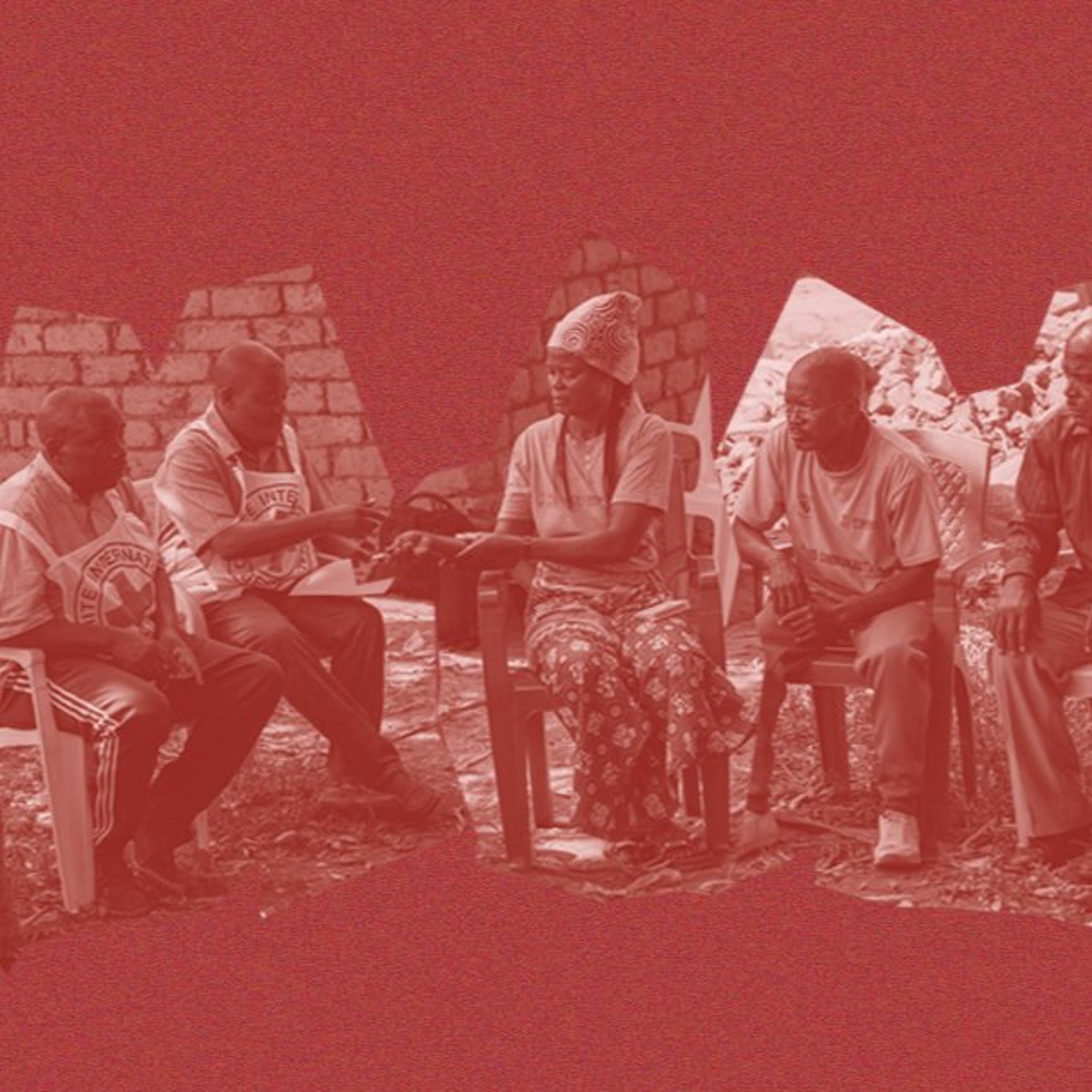 “Aid must be sustainable”: communities affected by conflict share what they want from humanitarians 17.09.2026 14минThe humanitarian landscape is being reshaped by converging trends, including the rapid adoption of new technologies in warfare, growing restrictions on how and where humanitarians can operate, impacts of the climate crisis and steep reductions in funding. How are these trends shaping the needs of communities? What should communities realistically expect from humanitarians making difficult trade-offs in the face of an increasingly fraught operational space and precipitous funding declines? These are some of the key questions the ICRC's new policy report seeks to answer, based on focus group discussions with communities in the Democratic Republic of Congo, South Sudan and Ukraine, alongside interviews with humanitarian practitioners and policymakers in and beyond these contexts. In this post, part of our series “Delivering for people in an evolving humanitarian landscape”, ICRC Senior Policy Advisers Arjun Claire and Avigail Shai focus on what communities said they are experiencing in this changing environment and identify four priorities to meet these community needs and expectations.
 -
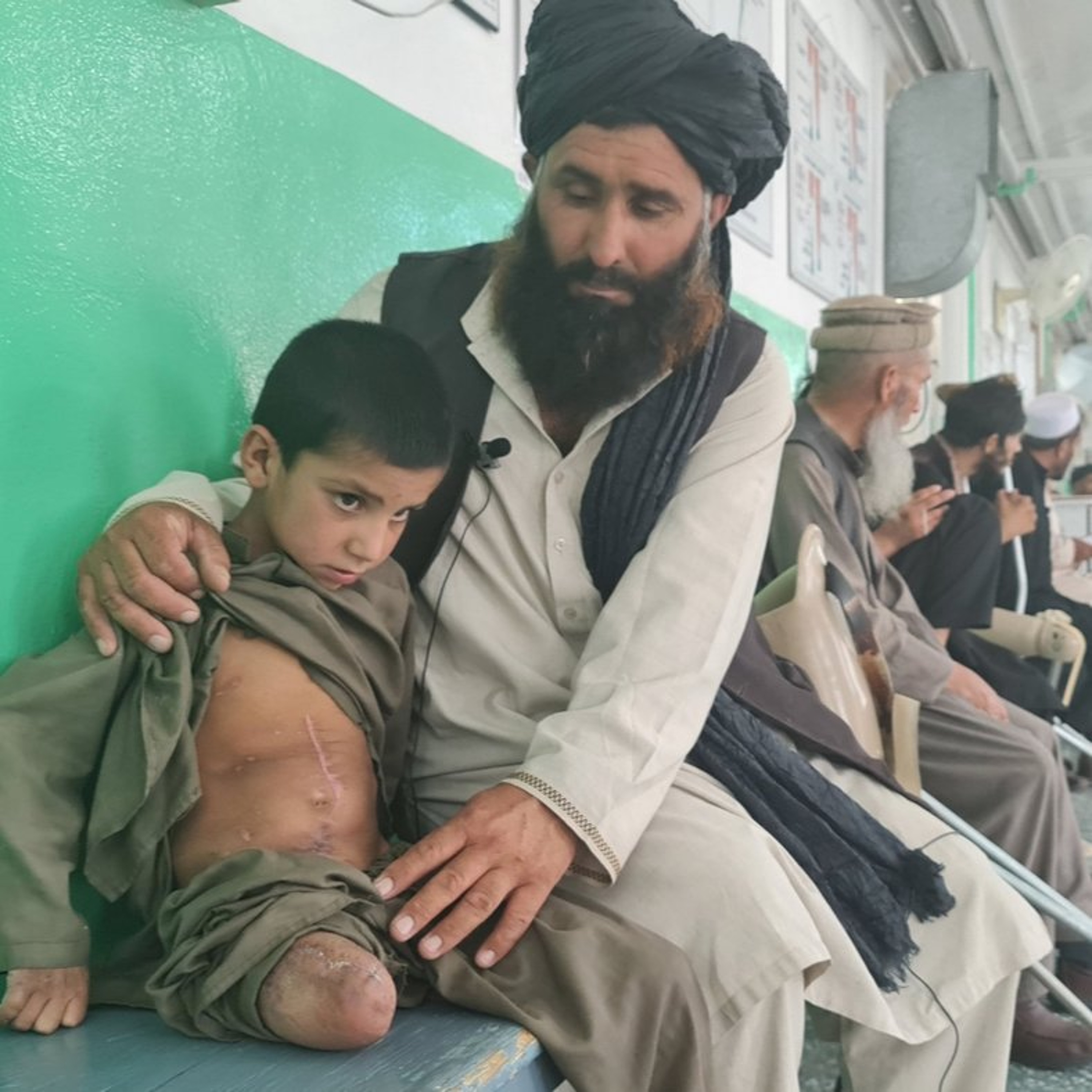 The humanitarian case for universalizing the Convention on Cluster Munitions 03.09.2026 23минCluster munitions cause harm both at the moment of attack and long after fighting has ended. By scattering submunitions across wide areas, often with high failure rates, they expose civilians to immediate danger while leaving behind unexploded ordnance that can kill and injure for decades. For survivors, the consequences can last a lifetime, extending beyond the initial injury to affect physical and mental health, education, livelihoods and participation in community life. The Convention on Cluster Munitions was created in response to these documented and enduring humanitarian consequences, combining prohibition of the weapon with obligations to clear contaminated areas and assist victims. In this post, ICRC Legal Adviser Fahad Ahmed and ICRC Physical Rehabilitation Program Coordinator Maarten Abeel examine the humanitarian case for strengthening the implementation and universalizing the Convention ahead of its Third Review Conference in Laos in September 2026. Drawing on the experience of survivors and the role of physical rehabilitation in preventing injury from becoming lifelong exclusion, they argue that the Convention has demonstrated the value of humanitarian disarmament in both preventing future harm and addressing its consequences. They call on states to reject any normalization of cluster munition use, strengthen victim assistance and rehabilitation, and accelerate universalization of the Convention.
 -
 Before the fighting begins: IHL and the location of military objectives 27.08.2026 11минInternational humanitarian law (IHL) is primarily associated with the conduct of hostilities and the protection of people during armed conflict. Yet some of the decisions that determine civilian risk in a future conflict are made long before fighting begins, including where states choose to locate military infrastructure. This raises an important question: what role does IHL play in peacetime decisions that may shape the humanitarian consequences of a future war? In this post, Gabija Grigaitė examines whether IHL requires states to consider civilian protection when deciding where to locate new military objectives. Using Lithuania’s planned brigade-level military training area as a case study, she argues that the principle of precaution can require measures to be taken in peacetime to reduce the risk of disproportionate civilian harm in a future conflict. The post considers what this preventive dimension of IHL means for decisions about locating military objectives near densely populated areas and critical civilian infrastructure.
 -
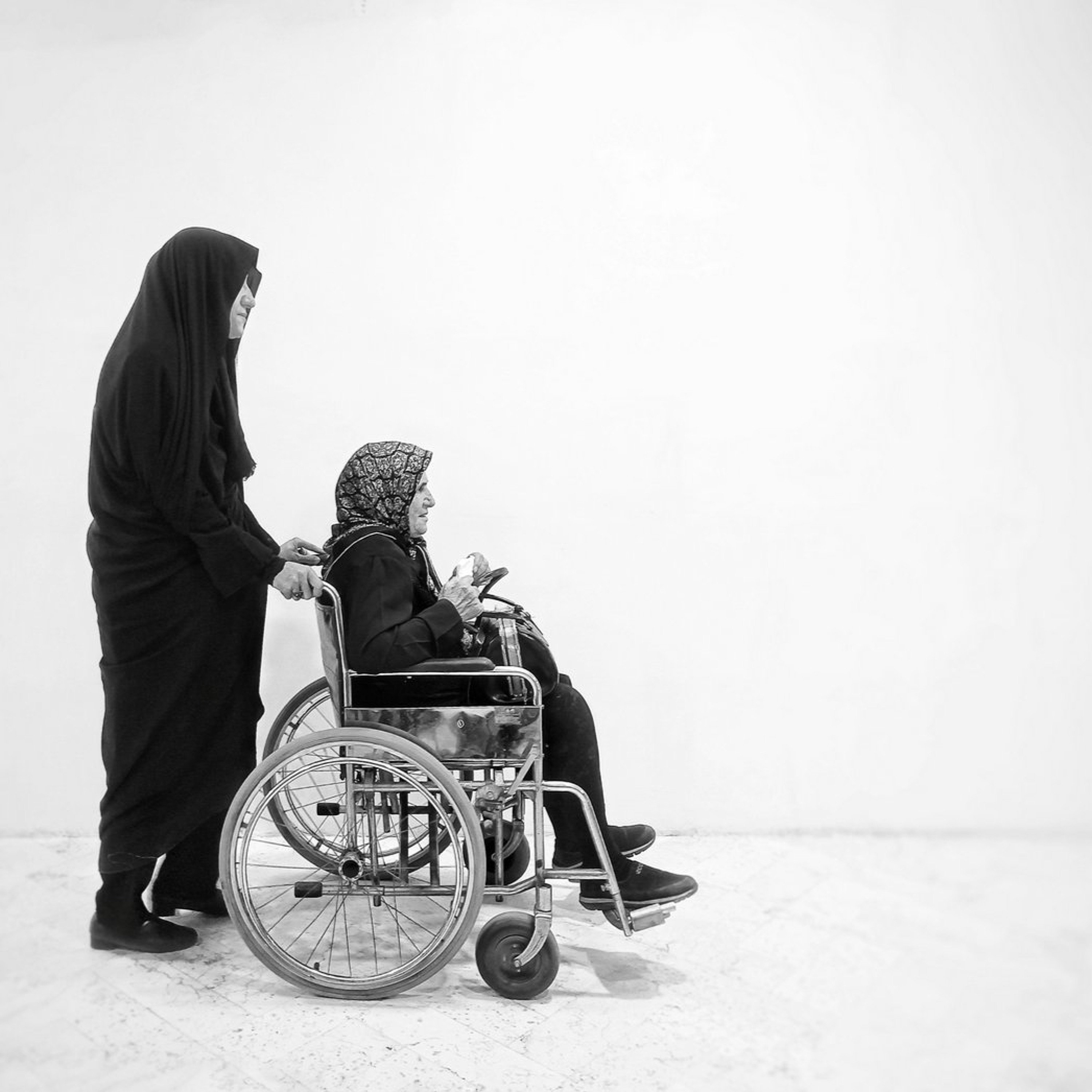 Civilian protection has a dependency-chain problem 20.08.2026 21минCivilian protection is often assessed by whether a person has been warned, evacuated, registered, sheltered or reached with relief. For many persons with disabilities, each measure depends on a wider chain: support persons, assistive devices, accessible communication, transport, medication, electricity, rehabilitation and local services. This post introduces the dependency-chain test and links it to existing international humanitarian law (IHL) rules on proportionality, precautions, warnings, evacuation, displacement, non-discrimination and relief. Lassi Murto is a Finnish disability-rights advocate, Chair of SMA Finland and Programme and Thematic Advisor at Abilis Foundation. He lives with spinal muscular atrophy and uses personal assistance in daily life. Writing in a personal capacity, he argues that IHL does not need a new legal category for every support relationship. Disability-inclusive interpretation, informed by the Convention on the Rights of Persons with Disabilities (CRPD), can instead help reveal what existing rules require when civilian safety depends on relationships, devices, services and infrastructure around the person.
 -
 The machines must not choose who dies: a humanitarian case for disarming AI 13.08.2026 18минAs states race to develop autonomous weapons systems, the effort to agree binding international rules on machine decisions over life and death has reached a critical moment. In this post, Eberechukwu Owuamanam, Jesuit scholastic and humanitarian practitioner, argues that Pope Leo XIV's call to “disarm” artificial intelligence should be taken literally when it comes to such weapons. Writing from a humanitarian perspective shaped by work in the Global South, he contends that no autonomous system should ever select and attack a human being without meaningful human control, warns that automated force will fall hardest on those least able to build or resist it, and calls on states to conclude a binding treaty prohibiting autonomous weapons designed to target people and strictly limiting the rest.
 -
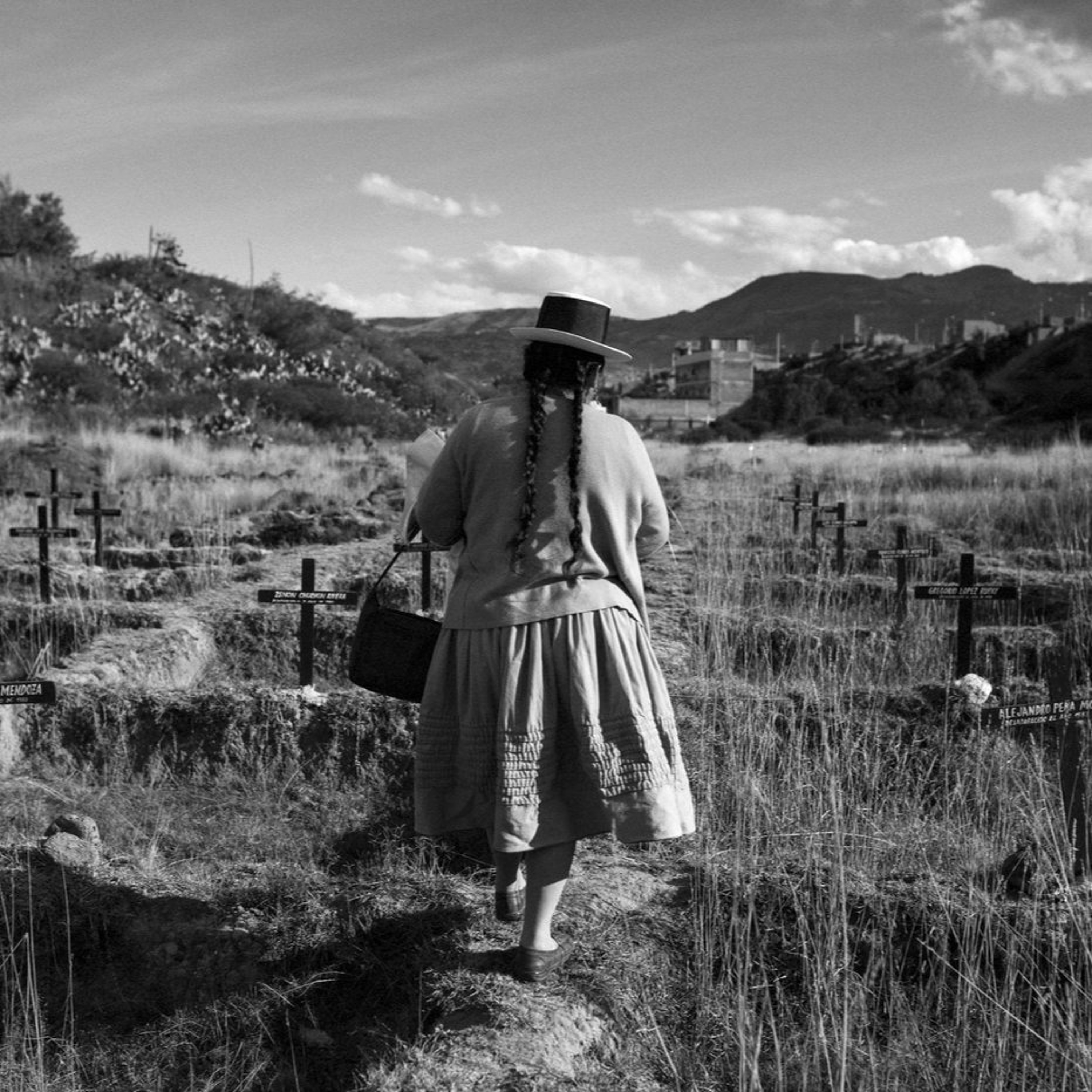 Memorializing IHL violations in the age of AI: opportunities and risks for transitional justice 23.07.2026 17минMemorialization, one of the five pillars of transitional justice, plays a vital role in preserving the memory of international humanitarian law (IHL) violations and gross human rights violations, supporting accountability, and preventing recurrence. Building an accurate and inclusive collective memory of past atrocities is a resource-intensive process, fraught with challenges ranging from limited access to archives and conflict zones to the risk that dominant narratives overshadow marginalized voices. Artificial intelligence (AI) and data-driven technologies are increasingly used to ease these burdens, from cross-referencing dispersed records to expanding public access to memorialization projects. In this post, Paola Forgione and Megah Bintang Mahadinah examine the opportunities and risks that AI presents for memorialization processes. The authors argue that while AI can accelerate documentation and broaden the reach of memorialization efforts, it cannot substitute for the human judgement, empathy, and contextual understanding that transitional justice ultimately depends on.
 -
 “A number that learned how not to scream”: the case for community-led metrics on protection 07.07.2026 15минThe international humanitarian system has built a sophisticated architecture for the protection of civilians, namely political resolutions, cluster coordination mechanisms, reporting frameworks, and accountability tools. Yet when conflict-affected people are asked directly whether they feel protected, or whether they trust the actors claiming to protect them, the answer is frequently at odds with the system’s own assessments. Despite commitments under the Grand Bargain to center local actors and affected communities, research consistently reveals a persistent gap between how humanitarian actors evaluate their own performance and how affected communities experience it. In this post, part of our ongoing series “Delivering for people in an evolving humanitarian landscape,” Imane Karimou argues that humanitarian protection faces a trust and legitimacy crisis that cannot be resolved through better coordination or increased funding alone. Drawing on community perception research and the experience of community-centered protection frameworks, she makes the case for reorienting how the system evaluates success, measuring protection through community-reported experiences of safety, trust, and dignity, rather than through system-generated indicators and outputs.
 -
 Amplifying Pacific voices: the region’s crucial role in advancing IHL 02.07.2026 15минPacific Island states have long demonstrated leadership in promoting peace, disarmament, and humanitarian values. From traditional customs that reflect principles contained in contemporary international humanitarian law (IHL), to global advocacy for nuclear disarmament and environmental protections during armed conflict, the region is uniquely equipped to contribute to discussions on advancing IHL. This is particularly important in the context of contemporary challenges, including climate change, the illicit trade of small arms, cyber operations, and the vulnerability of submarine data cables that affect Pacific livelihoods. In this post, ICRC Legal Advisers Hannah Crothers and Catherine Thornton explore the importance of amplifying Pacific voices in the conversation on IHL, including through the Global Initiative to Galvanize Political Commitment to IHL, which provides a platform for states to contribute to the global discussion through sharing their experiences and insights.
 -
 The shelter that shone in the distance | Written and Performed by Mamuch Bey 18.06.2026 4минFor the world's more than 120 million forcibly displaced people, the idea of refuge is not an abstraction – it is a horizon, an act of imagination, and sometimes the only thing that keeps hope alive. Yet as displacement becomes more protracted, more politicized, and more invisible to public attention, the language of solidarity risks being hollowed out. World Refugee Day, marked each year on 20 June, is a moment to resist that hollowing – to insist that the dignity and rights of displaced people are not seasonal concerns, and that solidarity is not a sentiment but a practice, one with concrete legal and humanitarian frameworks. In this post, the fourth in our ongoing series "Delivering for people in an evolving humanitarian landscape," we depart from our usual analytical format to share a poem. Written and performed by Mamuch Bey, "the shelter that shone in the distance" offers what legal and policy language often cannot: an interior account of displacement, the longing for protection, and what it means to reach – or fail to reach – safety. Timed to this year's World Refugee Day theme of solidarity with refugees, and its call to uphold dignity and stand up for the rights of displaced people, the poem is a reminder that behind every case, every crossing, and every camp is a person who once looked toward a shelter they hoped would hold them. Listen to more of Mamuch Bey's work on Spotify: https://open.spotify.com/user/31bnjlzbyocnaelbup5zdmgxmqey
 -
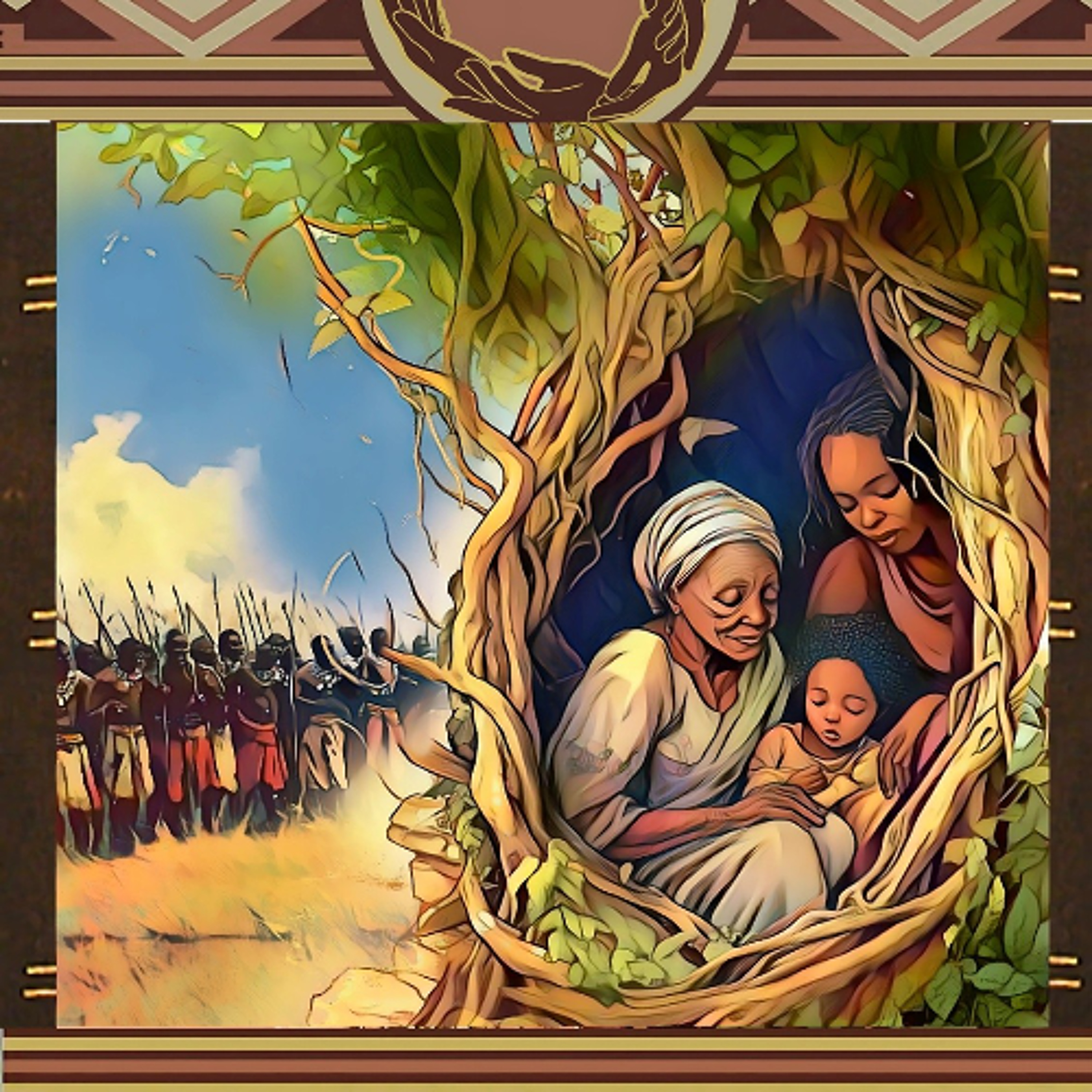 African traditions and the protection of children in armed conflict 16.06.2026 12минAcross Africa, norms regulating the conduct of hostilities long predate the codification of modern international humanitarian law (IHL). The ICRC Tool on African traditions and the preservation of humanity in warfare highlights how many African societies developed rules limiting violence, protecting civilians, and preserving human dignity during conflict. These traditions resonate strongly with contemporary IHL principles and offer important insights for current efforts to protect children affected by armed conflict. At a time when children continue to face killing and maiming, attacks on schools and hospitals, recruitment, displacement, and profound psychological harm, grounding humanitarian protection in both legal obligations and culturally rooted values can strengthen efforts to uphold humanity during war. In this post, Professor Robert Doya Nanima, Member of the African Committee of Experts on the Rights and Welfare of the Child, and Special Rapporteur on Children Affected by Armed Conflict, reflects on the relevance of the ICRC Tool through the lens of the African Charter on the Rights and Welfare of the Child. Drawing connections between African traditions, IHL, and African Union frameworks such as Agenda 2040 and Agenda 2063, he argues that the protection of children in conflict requires breaking down institutional silos and placing children at the center of humanitarian action.
 -
 We helped individuals while harming persons: what conflict-affected communities deserve beyond beneficiary status 11.06.2026 14минConflict and displacement do more than destroy homes, livelihoods, and infrastructure. They also fracture the social relationships through which people sustain dignity, identity, and collective life. Yet humanitarian responses often focus primarily on individuals as beneficiaries, measured through categories of vulnerability, targeting, and service delivery. In many conflict settings, this approach can actively erode the communal bonds, local agency, and relational structures that communities themselves rely on to survive and recover. In this post, part of our new series “Delivering for people in an evolving humanitarian landscape”, Eberechukwu Owuamanam, Jesuit scholastic and humanitarian practitioner, draws on experiences from conflict-affected and disaster-affected communities in Nigeria, as well as African relational ontology, to argue that humanitarian action should move beyond models centered primarily on intervention and delivery. Drawing on concepts including Ubuntu, Igwebuike, and the Ijeluwa framework, he argues for approaches grounded in accompaniment, practice that strengthens, rather than replaces, the relational networks through which dignity and recovery become possible.
 -
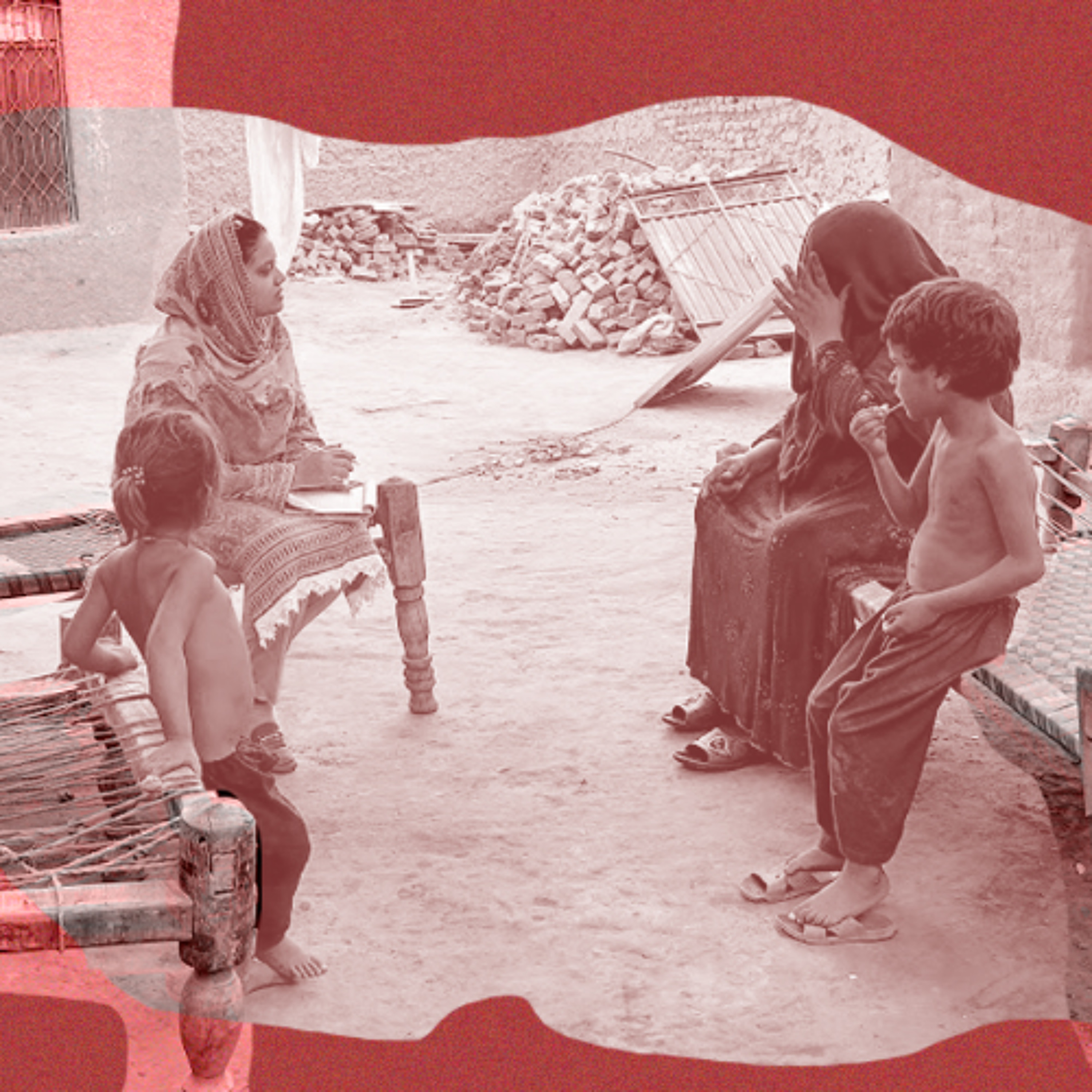 Climate resilience is not optional: what people in fragile, urban settings should expect from WASH 09.06.2026 18минClimate change is intensifying water insecurity in fragile urban settings, where ageing infrastructure, rapid urbanization, and inequality already strain access to essential services. In Peshawar, Pakistan, a city hosting generations of Afghan refugees and facing growing water scarcity, climate pressures have reduced river flow, damaged infrastructure for water, sanitation and hygiene (WASH), and increased waterborne disease. These impacts fall most heavily on refugees, informal settlement residents, and other marginalized communities with limited access to safe and reliable water and sanitation services. In this post, part of our new series “Delivering for people in an evolving humanitarian landscape”, Sundus Tehreem Shahzad Khattak draws on qualitative research with government officials, residents and humanitarian practitioners in Pakistan to argue that effective, climate-resilient WASH projects do more than deliver services; they safeguard a spectrum of human rights, including dignity, safety from violence, and economic opportunity. She contends that meeting legitimate community expectations requires moving beyond siloed, short-term interventions toward formalized, multi-stakeholder collaboration that places local knowledge, gender responsiveness, and long-term sustainability at the centre of humanitarian action in an era of climate uncertainty and urban fragility.
 -
 Life teaches before school does: the invisible curriculum of the super child 04.06.2026 12минRefugee education is often framed in terms of access, infrastructure, and policy – but for children who grow up inside camps, meaningful learning begins long before they enter a classroom. It unfolds in everyday camp life: in caregiving roles, improvised survival strategies, and the small responsibilities that accelerate emotional maturity and practical skill. Imagination, resilience, and daily contribution form an “invisible curriculum” that shapes identity, agency, and social belonging, strengths that formal schooling in many crisis contexts can fail to acknowledge. In this post, the first in our new series “Delivering for people in an evolving humanitarian landscape”, education specialist Sara Aleisseh draws on personal experience and years of professional work in humanitarian education to illustrate that the “invisible curriculum” carried by children in conflict settings is not a deficit to be corrected but a form of knowledge that demands recognition. She calls for education systems that listen to children’s realities, link learning content to those realities, protect their dignity, and build learning models rooted in healing, identity, and belonging.
 -
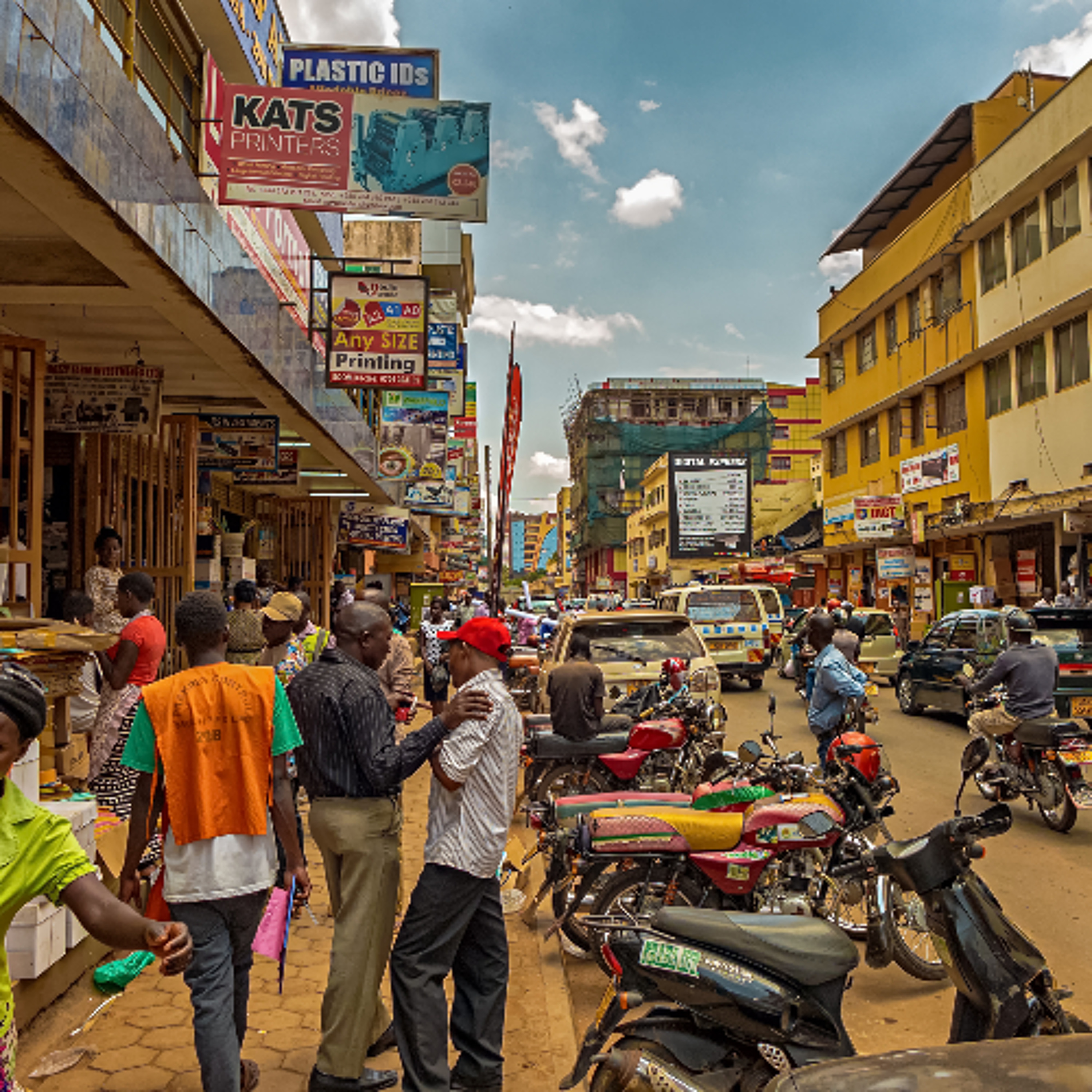 Why Africa should act now on explosive weapons in populated areas: Malawi’s case for action 28.05.2026 13минAcross contemporary armed conflicts, the use of explosive weapons in populated areas (EWIPA) has emerged as one of the gravest threats to civilians. Urban centres are increasingly sites of hostilities, where the use of explosive weapons with wide-area effects causes devastating and often predictable harm. In Africa, where rapid urbanization intersects with persistent insecurity in several regions, the humanitarian consequences are particularly acute. Civilians, essential infrastructure, and long-term development prospects are all at risk, raising urgent questions about how international humanitarian law (IHL) can be better implemented in practice. In this post, Brigadier General (Professor) Dan Kuwali, Chief Strategist, Commandant-Emeritus of the National Defence College-Malawi and Chairperson of the Malawi National International Humanitarian Law Committee, argues that African states should urgently endorse and implement the Political Declaration on EWIPA. He argues that this approach is not only a humanitarian imperative, but also a strategic decision that strengthens civilian protection, enhances military credibility, and reinforces Africa’s collective voice in advancing responsible conduct in contemporary warfare.
 -
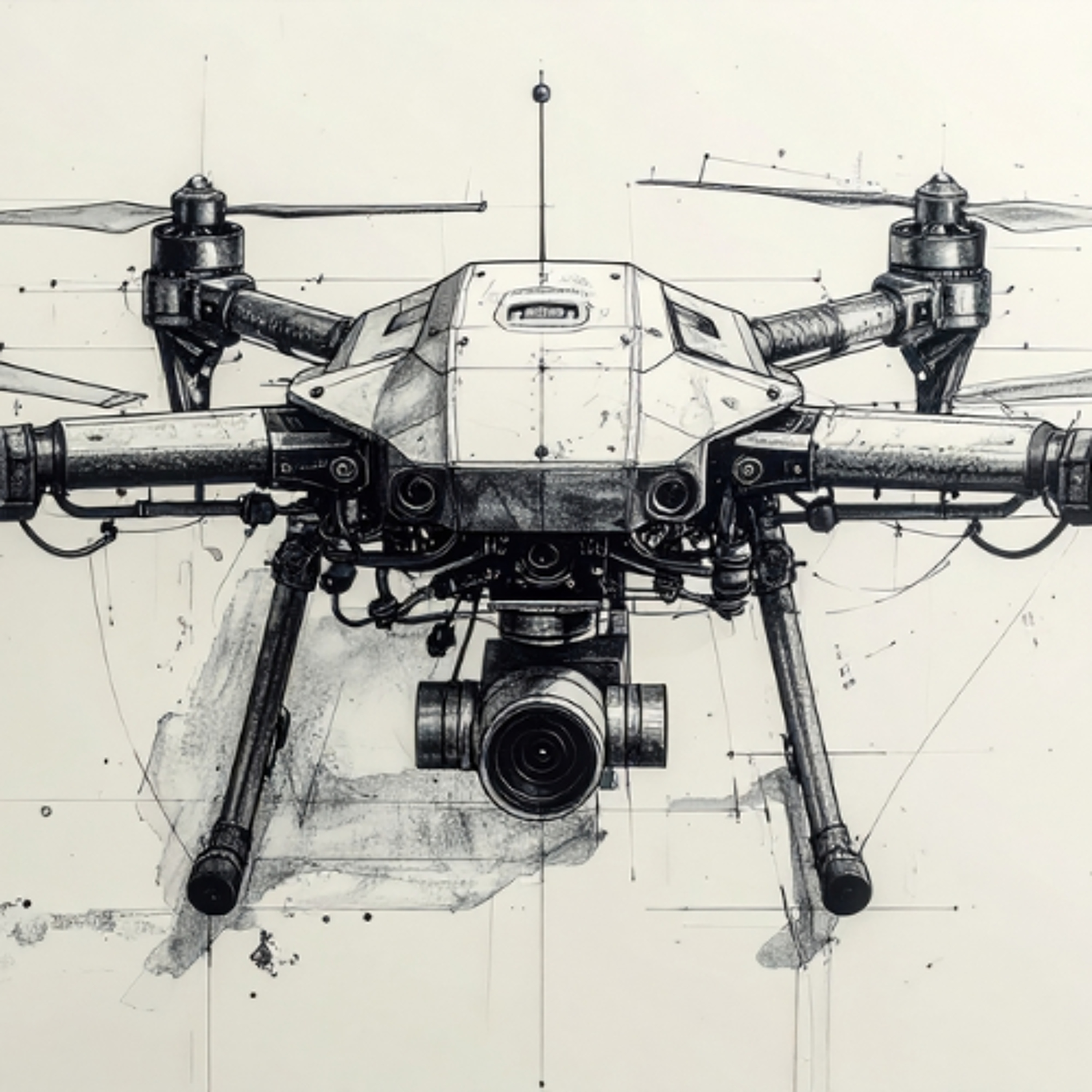 Collaboration without over-reliance: the role of industry in making military AI "lawful by design" 26.05.2026 11минIn the policy debate on artificial intelligence (AI) in the military domain, there is a growing consensus that international humanitarian law (IHL) must be a central consideration in the design of military AI systems. The imperative to make military AI systems “lawful by design” has, naturally, led to a sharper focus on the role of industry. But what this means in practical terms for AI suppliers – and how states can and should collaborate with industry to strengthen IHL compliance – remains an open question. In this post, Laura Bruun and Netta Goussac from the Stockholm International Peace Research Institute (SIPRI) argue that while focusing on IHL at the design stage makes sense, it carries the risk that states over-rely on industry to make military “lawful by design”. Efforts to elaborate what it means to make military AI “lawful by design” must be grounded in realistic expectations and limits, as well as clear legal responsibilities.
 -
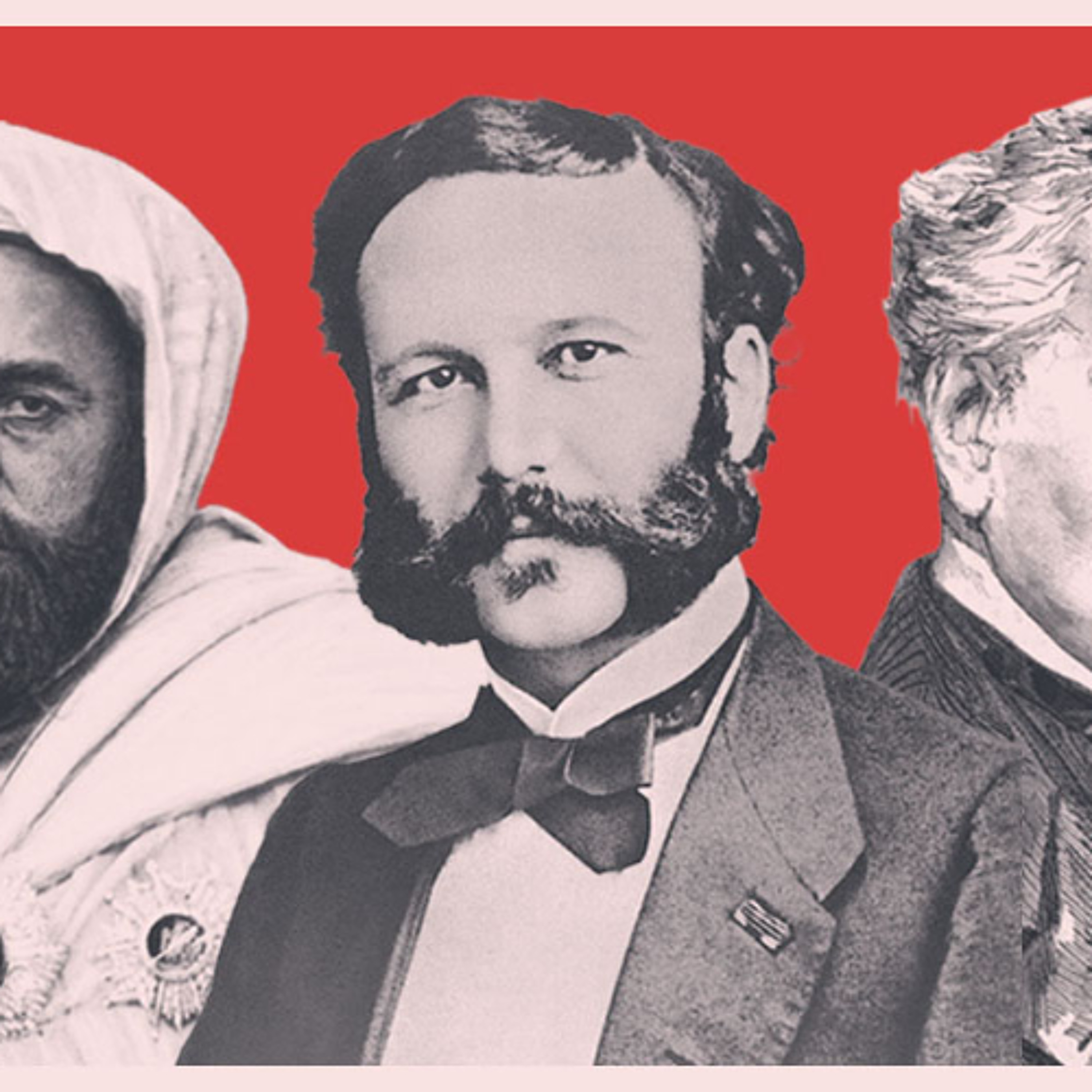 Three lives, one vision: how Dunant, Demidoff and Abdelkader shaped modern humanitarianism 21.05.2026 17минThe brutal effects of war have long prompted efforts to limit suffering and preserve humanity in times of conflict. Across cultures, religions, and legal traditions, people have sought to restrain violence and preserve a measure of humanity in conflict. Yet the emergence of modern humanitarianism in the nineteenth century marked a turning point: compassion became increasingly organized, codified, and institutionalized. Against the backdrop of industrialized warfare, technological change, and growing public awareness of battlefield suffering, new forms of humanitarian action began to take shape. In this post, ICRC experts Anastasia Kushleyko, Cédric Cotter, and Ahmed Al-Dawoody revisit the contributions of Swiss businessman Henry Dunant, Russian philanthropist Anatole Demidoff, and Algerian scholar and leader Emir Abdelkader. Through their efforts to protect prisoners of war, care for the wounded, and uphold humane treatment during conflict, these three figures demonstrated that humanitarian principles were neither confined to one region nor rooted in a single tradition. The authors argue that modern humanitarianism emerged through converging ideas, networks, and practices across different societies, and that revisiting these histories can help reaffirm the universal character of humanitarian principles today.
 -
 Enforced disappearances: universal responses to a worldwide phenomenon 12.05.2026 13минEnforced disappearances remain an issue of profound seriousness, with lasting consequences for the families of those affected. These realities continue to raise complex legal and practical questions in criminal and human rights law at national, regional, and international levels. This issue remains a priority for UN treaty bodies, Special Procedures, and the International Committee of the Red Cross. In this post, Milica Kolaković-Bojović, PhD, a Former Vice President of the UN Committee on Enforced Disappearances and Prof. Grażyna Baranowska, the Vice-chair of the UN Working Group on Enforced and Involuntary Disappearances, analyse a multidimensional approach to the phenomenon of enforced disappearance, its causes and roots, phenomenology, contexts of occurrence, and approaches to its eradication as being addressed in the edited volume Enforced Disappearances: On Universal Responses to a Worldwide Phenomenon, recently published by Cambridge University Press.
 -
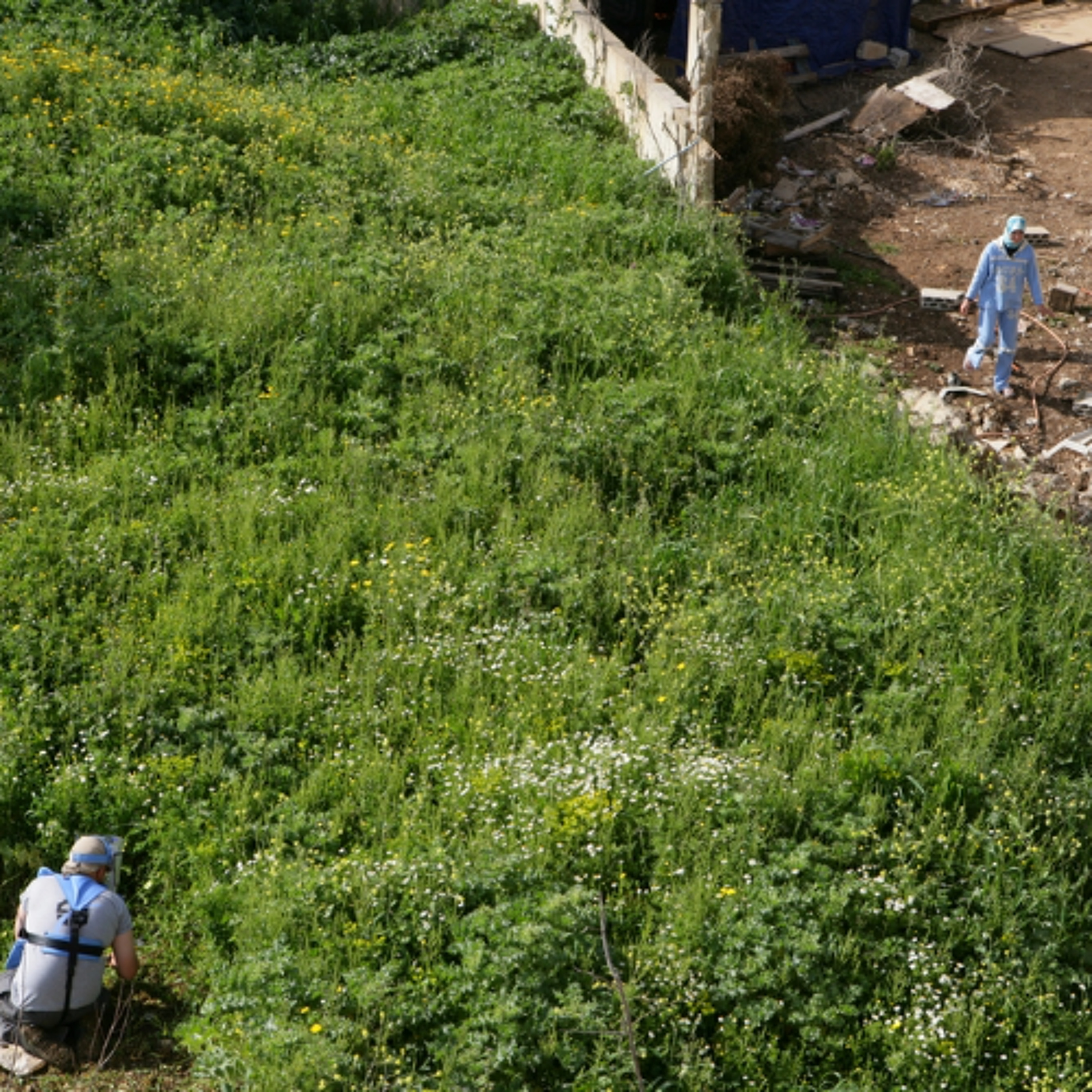 Lebanon's wartime decision to ban anti-personnel mines 07.05.2026 11минLebanon’s accession last week to the Anti-Personnel Mine Ban Convention (APMBC) comes not in a time of peace, but amid ongoing conflict – precisely when the consequences of inaction are most visible. In communities across the country, particularly in the south, anti-personnel mines are not relics of past wars, but active threats shaping daily life, obstructing return, and undermining recovery. Lebanon’s decision reflects a stark reality: weapons that continue to harm long after their use cannot be reconciled with the protection of civilians. In this post, Brigadier General Ziad Rizkallah of the Lebanese Army traces how Lebanon’s lived experience with contamination, clearance, and community recovery informed its choice to formalize long-standing practice into legal commitment. He underscores that drawing limits in conflict is neither theoretical nor deferred; it is grounded in operational reality, where the effects of certain weapons cannot be contained in time, space, or intent.
 -
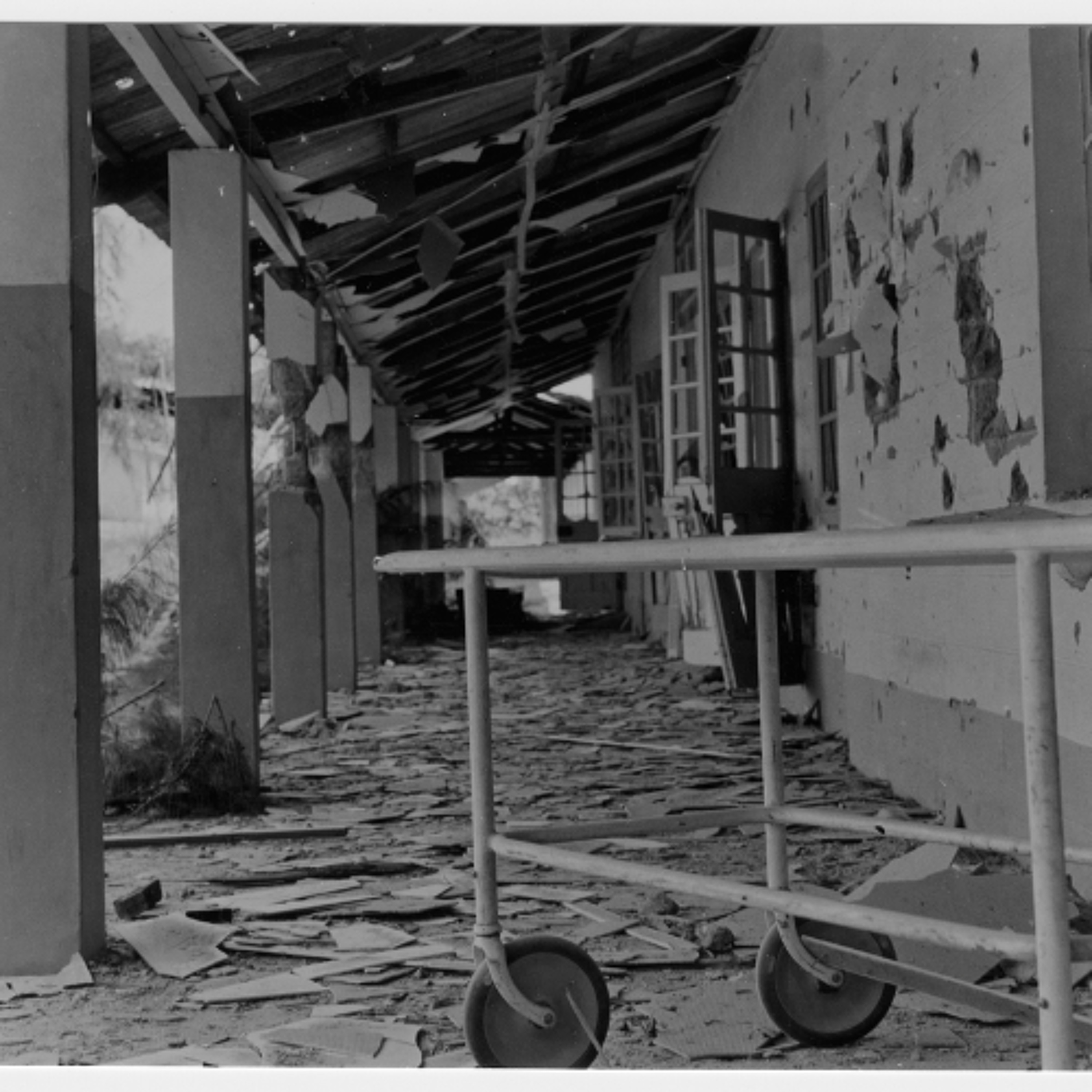 Attacks on the medical mission: identification of issues and good practices 06.05.2026 15минDuring the last decade, attacks against hospitals have been a hallmark of almost every conflict. What humanitarian medical practitioners have witnessed and denounced for years has become alarmingly routine. International humanitarian law (IHL) is sometimes criticized for failing to protect the very purpose that justified its own existence, particularly when the states responsible for its enforcement remain incapable or unwilling to stand up for the protection of medical facilities in armed conflicts. In this post, Claude Maon, Legal Director for Médecins Sans Frontières (MSF), highlights the need to build consensus around the specific protection of the medical mission under IHL. She calls for good faith interpretation in applying these rules to ensure the effective protection of hospitals by all actors in real situations of attack. In doing so, she underscores that attacks on hospitals are not inevitable and argues that this persistent trend of violations can only be reversed if states respect the law by adopting good operational practices to protect the medical mission, alongside ensuring accountability for attacks affecting medical facilities in armed conflict.
Похожие подкасты


Популярен в
Этот подкаст также попадал в подкаст-чарты этих стран.


