
Tomorrow's Bites with Andrés and Sjacco
Andrés and Sjacco
0
Food is a problem and this podcast is full of solutions. The food entrepreneurs fixing it are building the most interesting companies in the world. Tomorrow's Bites, hosted by Andrés and Sjacco, gets inside the playbooks of the founders, farmers, investors and operators scaling food businesses that actually matter, and shaping what ends up on tomorrow's plate. If you're building a food startup, working in the food industry, or just hungry to learn from the people reshaping it, this podcast is for you.
Эпизоды
-
 How a 21-Year-Old Is Building the Gut-Friendly Chocolate Brand Targeting a $93B Market - Daniel Berlin Founder of DIRTY GUT 16.09.2026 52минWhat does it take to challenge a $93 billion industry — when you're 21 years old, studying entrepreneurship by day, and sourcing cacao from Africa by night?In this episode of Tomorrow's Bites, we sit down with Daniel Berlin, founder of DIRTY GUT — a gut-friendly chocolate brand built on a simple but radical premise: chocolate is actually healthy. It's just what a century of big food companies have done to it that isn't. Armed with four probiotic strains, three prebiotic fibers, coconut sugar, and a name so uncomfortable it's impossible to forget, Daniel is coming for the legacy brands — the ones making "milk chocolate" with 11% cacao and calling it food.He started this at 21. He's 22 now. He already has paying customers, a co-manufacturer, direct relationships with ethically sourced cacao farms in Africa, and an investor meeting scheduled for right after this conversation.We explore:Why a Hershey bar is legally allowed to contain only 11% cacao — and what that says about a century of consumer deception in the chocolate aisleHow Daniel built his first advisor network entirely through cold emails sent from a college student address — and why most of them said yesThe name nobody wanted: why "DIRTY GUT" was rejected, ignored, and then impossible to get out of his head — just like Liquid DeathWhy chocolate is actually one of the best delivery mechanisms for live probiotics — and why most probiotic supplements on the market barely workWhat the Olipop and Poppi playbook looks like applied to chocolate — and whether the category is ready for the same shift that happened to sodaWhy he's managing a multi-continent ingredient supply chain from an Excel sheet — and what he's building to replace it this summerAnd much more...🙏 LEAVE A REVIEW If you like our podcast please leave us a review on your favourite platform – even one sentence helps! Thank you for your support; it helps the show a lot and it helps others to discover the show! 👋 GET IN TOUCH WITH US👥 Linkedin📸 Instagram🌎 Website😊 The Guest: Daniel BerlinLook into the company Dirty Gut
 -
 The Part That Listeners Didn't Skip: Why This Tea Founder Refuses to Buy Anything He Hasn't Tasted at the Farm - from our conversation with Sergey Shevelev, Founder Moychay International 09.09.2026 12минSergey Shevelev learned Chinese so he could skip the middleman. Before smartphones, he communicated with his first tea supplier through broken English and clunky translation software. Then he went further. He left the markets behind and went straight to the farms, the fields, the forests. His rule is simple: he only buys tea he has tasted himself at the factory. Today he works with 25 to 30 farmers growing wild tea from plantations left unfertilized for decades, some from trees over a thousand years old. With Sergey, founder of Moychay International, we cover what quality really means, why clean soil comes first, and why the right technologist makes or breaks a product. In 13 min you learn how sourcing at origin builds a tea brand worth trusting.Listen to the full conversation here.
 -
 The Secret Retail Tactics This Ex-Category Manager is Using To Sell Healthy Cocoa Spreads in Every Supermarket - with Co-Founder of Orthonia, Olivier Laporta 02.09.2026 56минFor years, Olivier sat in the comfortable chair. As a category manager at Delhaize, he was the one giving suppliers a thumbs up or thumbs down, deciding what made it onto the shelf. Now he's on the other side of the table, sending emails that go unanswered for three weeks, waiting on a single order that his cash flow depends on.In this episode of Tomorrow's Bites, we sit down with Olivier Laporta, co-founder of Orthonia, to unpack what it actually takes to put a healthier cacao spread on a shelf already owned by one of the most beloved brands in the world. In this conversation, Olivier reveals what the two sides of the shelf taught him:The four P framework a category manager uses to decide your fate, and why your margin can kill you before your product ever gets tastedWhy the same power he once held now feels horrible from the supplier's seatHow he and Katharina bought machines, drove a small truck to a factory, and started producing themselves, then spent a 30-degree summer day under a broken machine to save a single orderWhy keeping production in-house is a pain that's also their protection against copycatsThe uncomfortable Nutri-Score A line they refuse to cross, even when a B would be easierThe rebrand and the investor warning about calling something chocolate when there's no cocoa butter insideWhy organic ingredients here cost three times conventional, not the usual 15%, and the split-range decision that tension is forcingThis is a conversation about power, margins, shelf life, and the unglamorous mechanics of getting a better product into someone's hands.If you're building a food brand and trying to crack retail, this is the episode to hear before your first buyer meeting.Share it with a founder about to pitch a category manager.🙏 LEAVE A REVIEWIf you like our podcast please leave us a review on your favourite platform – even one sentence helps! Thank you for your support; it helps the show a lot and it helps others to discover the show!👋 GET IN TOUCH WITH US👥 Linkedin📸 Instagram🌎 Website😊 The Guest: Olivier Laporta🍫What he does: Orthonia
 -
 Building in Public #10: How To Negotiate Contracts On Your Terms With Investors (Without Killing Your Company) with Andres Jara Co-Founder of Favamole 26.08.2026 33минThe clause looked harmless. Sign here, get the money, keep building. But with a twist: sign it, and the company starts bleeding out before anyone notices.In this Build in Public episode of Tomorrow's Bites, Andres Jara is back after what he calls a crazy month, one spent buried in term sheets, convertible loans, and the small print that can quietly kill a startup. This isn't the polished version. It's the one where his confidence dropped through the floor, he stopped posting on LinkedIn, and a single clause held up his entire runway.The lesson underneath it all: before you negotiate with anyone, write a contract with yourself.In this conversation, Andres breaks down what that actually means in practice:Why knowing your non-negotiables before the first meeting makes investors respect you more, not lessThe "most favorable terms" clause that pitted his two investors against each other, and how he got them in a room instead of playing ping pong between themWhy investors love to negotiate when you're under time pressure, and how planting a seed months earlier saved himThe condition that trapped him: show 80% of the budget, but once the money lands, you can't borrow to cover the gapWhere AI actually helped, and the one thing he'd never outsource to it before calling a real advisorWhy an investor who wants a say in every decision is the moment you stop owning your companyThe difference between a scarcity yes and an abundance no when the runway is shrinkingAnd the conversation with his mother, at nearly midnight on the worst day, that reframed the whole thing🙏 LEAVE A REVIEW If you like our podcast please leave us a review on your favourite platform – even one sentence helps! Thank you for your support; it helps the show a lot and it helps others to discover the show! 👋 GET IN TOUCH WITH US👥 Linkedin📸 Instagram🌎 Website
 -
 He Said "NO" To Retail… Now His Food Brand is Growing To €2M/Year - With Renco Schipper Co-Founder Snack with Benefits 19.08.2026 1ч 17минWhat does the journey look like of a €2M+ Snack Brand ?In this episode of Tomorrow's Bites, we sit down with Renco Schipper, co-founder of Snack with Benefits — a Dutch vegetable snack brand that built its way to €2 million in revenue without ever relying on retail. Starting with a dinner for a plant-based friend, a borrowed kitchen at Kitchen Republic, and his father driving cauliflowers from the field to Amsterdam every weekend, Renco built a brand that now supplies restaurants, wholesalers, and catering companies across the Netherlands — and is eyeing Germany next.The secret? He said no to the supermarket when the moment wasn't right — and doubled down on the food service channel that was already working.We explore:Why Renco walked away from a listing in 400 Albert Heijn stores — and why he'd make the same call againHow a bag of potato crisp waste from a Frisian factory became Snack with Benefits' signature crunch — and saved over 300,000 packages from the binThe "IKEA recipe method" that protects your formula when you hand production to a manufacturerWhy getting into a wholesaler is only the start of the game — and what actually drives orders once you're listedHow Snack with Benefits went from producing cauliflower bites by hand on weekends to hitting 40% quarterly growth with a brand new sales teamWhy the snackification trend is bigger than the microwave revolution — and what that means for everyone working in foodRenco also shares what it's like to build a company with your life partner, why co-founders who share the same deadline sleep better than most, and what it took to turn a €15 student investment into a 250-euro return — back when he was 17.🙏 LEAVE A REVIEW If you like our podcast please leave us a review on your favourite platform – even one sentence helps! Thank you for your support; it helps the show a lot and it helps others to discover the show! 👋 GET IN TOUCH WITH US👥 Linkedin📸 Instagram🌎 Website😊 The Guest: Renco Schipper
 -
The Part Listeners Didn't Skip: Why This Food Founder Said No To Scaling Fast Her Beverage Brand - from our conversation with Kamogelo Thumankwe, Co-Founder of Tsarona 12.08.2026 6минAn investor called Tsarona the next Oatly, the next Matcha. For most founders that's the dream. Kamogelo Thumankwe said no. Scaling fast that way meant betraying the mission the beverage brand was built on. Her business partner wasn't happy. A mentor told her to just do the milk and scale it. She turned it down anyway. With Kamogelo, co-founder of Tsarona, we talk through the real cost of choosing mission over fast money, why fitting in wasted her time, and what listening to actual customers taught her. In 7 min you learn how a mission-driven food founder decides when growth is worth it and when it isn't.Listen to the full conversation here.
-
 How Food Scanning Apps Are NOW Reshaping Retail and What This Means to Your Food Brand - with co-founder of FLTRD, Anke Kuik 05.08.2026 58минHalf of all Dutch citizens live with a chronic disease. Anke Kuik looked at that number, then looked at the supermarket, where more than 70% of the products are ultra processed, and asked the question nobody was acting on: if we know this is making us sick, why is it still the easy choice?In this episode of Tomorrow's Bites, we sit down with Anke Kuik, co-founder of FLTRD, to unpack what it takes to build a food app that scores products on how processed they are, and to challenge the way we've all been taught to read food labels.Anke didn't come from food. She built and sold a data and privacy company one year before GDPR went live, then combined that background in data and technology with a new obsession: why healthy choices are so hard to make. Her first version tried to do everything. Recipes, education, shopping lists, all outsourced to an external tech company, all too expensive to change. She stripped it down to one thing that actually worked.The result is the Pure Score, a zero to 100 system validated by the University of Applied Sciences in Amsterdam, built on more than 5,000 individually scored ingredients.In this conversation, Anke reveals:The three mechanisms that actually make ultra processed food bad for you, and why "more than five ingredients" is the wrong way to think about itWhy a fresh vegetable and a frozen one score exactly the same in her systemHow the same additive can score green in a tin of tomatoes and cost you points in a soft drinkWhy she won't give plus points for probiotics, even when the label brags about themWhat the Nutri-Score gets wrong, and why a red salmon score confuses everyoneWhy she's now licensing the score to the same supermarkets she started by scraping data fromThe uncomfortable trust problem waiting for her the day a supermarket becomes a partnerWhy 7,000 monthly users and a French app called Yuka convinced her the timing is finally rightThis is a conversation about focus, food literacy, and the messy reality of turning a health mission into a business people will pay for.If you build, brand, or sell anything people put in their mouths, this episode will change how you read the back of the packet.Share it with someone who scans labels and still isn't sure what they're looking at.🙏 LEAVE A REVIEW If you like our podcast please leave us a review on your favourite platform – even one sentence helps! Thank you for your support; it helps the show a lot and it helps others to discover the show! 👋 GET IN TOUCH WITH US👥 Linkedin📸 Instagram🌎 Website The Guest: Anke Kuik🌱 Look into the company: FLTRD
 -
The Part Listener's Didn't Skip: How Your Starting Food Business Can Beat Multinationals (Just like Oatly) - from our conversation with Assistant Professor Wageningen University Caspar Krampe 29.07.2026 8минOatly was oats mixed with water and oil. No patent. No breakthrough technology. It still took share from a dairy industry a hundred times its size. Caspar Krampe, food researcher at Wageningen University and co-founder of VGreens, explains why that happened. Big food companies rarely innovate. They defend, using standards and lobbying to keep smaller brands out. Startups have two ways through. One is co-evolution, trading knowledge for resources with an incumbent. The other is what Oatly did: start with a niche that has no alternative, then build the brand fast enough that the giants can't respond. With Caspar, we cover why this works in food and almost never works the way it does in tech. In 11 min you learn which of the two paths fits your food business.Listen to the full episode here
-
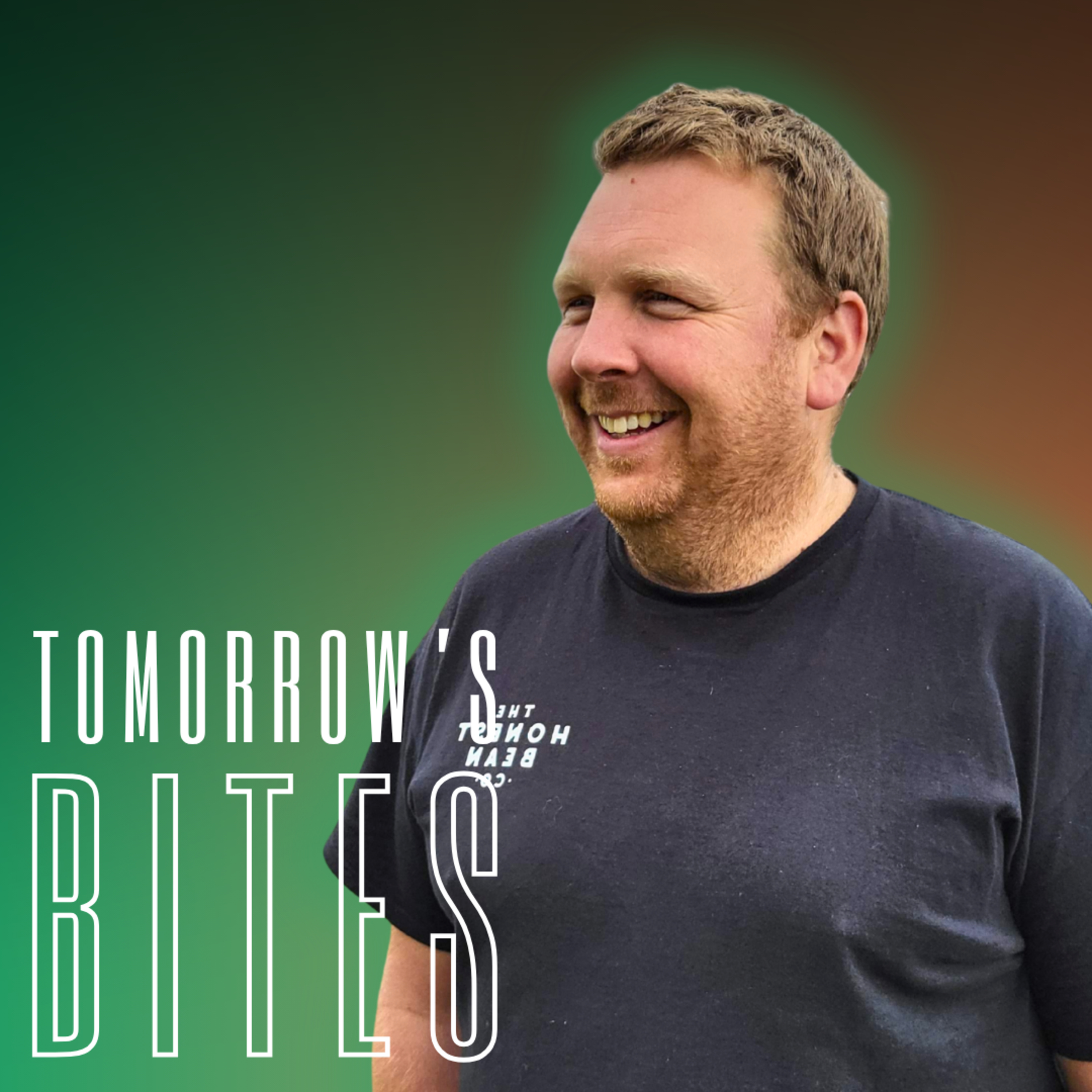 Adam: How One Farmer Built 100 Products From One Crop, Without a Business Degree - With Adam Palmer Regenerative Farmer & Entrepreneur of the Honest Bean & more 22.07.2026 1ч 13минWhat do you do when you realise at 19 years old that farming alone will never pay the bills and you have no business degree, no brand experience, and one crop to work with?In this episode of Tomorrow's Bites, we sit down with Adam Palmer, regenerative farmer and founder of Littleseed, Charlie & Ivy's, and The Honest Bean Company a man who built over 100 products from a single farm on the hills of the Yorkshire Wolds, entirely through trial, error, and the fearlessness of not knowing what he didn't know.Adam went fully regenerative in 2019, no pilot, no small trials, straight in. He stopped ploughing overnight, rebuilt his soil from scratch, and quietly became one of the last cold-press rapeseed oil producers standing in the UK after a market of 60 or 70 brands rose and collapsed around him. Along the way, he learned branding the hard way, watched a product fail because the label was dark blue, relaunched it and saw a 60% sales uplift without changing a single ingredient, and then turned a bucket of stolen fava beans from a neighbor's shed into a snack brand consumers genuinely love.We explore:Why Adam went fully regenerative overnight — no trials, no safety net — and what happened to his soil, his yields, and his billsHow farming taught him that soil is an asset, not a surface — and why most farmers around him still haven't made that shiftThe 66-bottle farmer's market moment that convinced him to build a food brand from scratchWhat a brand consultant standing in a Scottish farm shop aisle taught him about why good products failHow raw fava beans sent to locked-down strangers on the internet became the research behind The Honest Bean CompanyThis is a story about what happens when a farmer refuses to just be a commodity supplier and builds an entire ecosystem of value from a single piece of land.🙏 LEAVE A REVIEW If you like our podcast please leave us a review on your favourite platform – even one sentence helps! Thank you for your support; it helps the show a lot and it helps others to discover the show! 👋 GET IN TOUCH WITH US👥 Linkedin📸 Instagram🌎 Website😊 The Guest: Adam PalmerLook into Honest beans
 -
 Building in Public #9: How To Win Essential Partnerships With Retailers, Wholesalers and Farmers with Andres Jara Co-Founder of Favamole 15.07.2026 35минWhat if the real reason your retail partnerships aren't converting has nothing to do with your product and everything to do with how you think about the word "sales"?In this episode of Building in public, we check back in with Andres Jara, founder of Favamole, for another building-in-public update, and this one goes deep on the thing that nobody in food business school teaches you: how to actually build relationships across an entire supply chain, without ever reducing people to the role they play in your revenue model.From farmers to wholesalers to restaurant chefs, Andres has been learning — often the hard way — that every link in the food supply chain runs on the same currency: trust. And trust, it turns out, follows seasons, requires patience, and has almost nothing to do with a cold email.We explore:Why the "valley of death" for food startups isn't about cash flow — it's about whether partners believe you'll still be there next yearHow Andres thinks about wholesalers not as logistics partners but as ecosystem players — and why that changes everything about how you show up in a meetingThe dinner that changed how he thinks about stakeholder relationships: inviting chefs, farmers, investors, and caterers to celebrate the supply chain itselfWhy the word "cold" in cold outreach is the real problem — and how reframing it shifts the energy of every message you sendHow timing within natural seasons should dictate when you talk to farmers, restaurants, and retailers — and why ignoring that rhythm costs you relationshipsWhat's coming after summer: a new retailer listing, a product rebrand, and a flavor born from subtraction, not addition🙏 LEAVE A REVIEW If you like our podcast please leave us a review on your favourite platform – even one sentence helps! Thank you for your support; it helps the show a lot and it helps others to discover the show! 👋 GET IN TOUCH WITH US👥 Linkedin📸 Instagram🌎 Website
 -
 Vincent: How to Build a Winning Food Brand in 2026: An Investor's Honest Take - with Founding Partner of Gota Ventures, Vincent Kuiper 08.07.2026 1ч 5минIn this episode of Tomorrow's Bites, we sit down with Vincent Kuiper, founding partner of Gota Ventures, to build what might be the most honest roadmap for launching a food brand in 2026. Vincent has now covered over a dozen case studies of breakout CPG brands. Graza, Chomps, Upfront, Good Girl Snacks... What he found across all of them isn't what most founders expect to hear.Vincent started investing at 16. His father gave him a brokerage account with 50 euros as a birthday present and said: just play with it. Fifteen years later, he co-founded an international angel syndicate of 55 investors from 15 countries, many of them former insiders at Cargill, Unilever, and major beverage companies, built specifically to open a food industry he calls a closed ecosystem.What he learned from the inside is this: most food startups don't fail because the product is bad. They fail because they try to change how people behave.In this conversation, Vincent breaks down the full journey from idea to shelf:Why the most overlooked categories in the supermarket are the most interesting ones to build in right nowThe one metric he checks before anything else when a food brand lands in his inboxWhy he would not invest in an electrolyte brand today, and what that says about copycat risk across the whole CPG spaceHow Chomps reached 900 million in revenue with two or three SKUs, and what most founders do insteadThe manufacturing decision that founders always get wrong in the first yearWhen D2C is a testing lab and when it becomes a crutchWhy retail velocity matters more than follower count when he's doing due diligenceWhat he thinks about Upfront's move into supermarkets, and why he's watching it closelyThis is a conversation about commercial reality, category timing, and the discipline it takes to build something that lasts beyond a trend cycle.If you are building a food brand or thinking about it, this is the episode to listen to before you make your next move.Share it with a founder who is about to scale before they are ready.GOT SOMEONE IN MIND? TELL US WHO WE SHOULD BRING NEXT.🙏 LEAVE A REVIEW If you like our podcast please leave us a review on your favourite platform – even one sentence helps! Thank you for your support; it helps the show a lot and it helps others to discover the show! 👋 GET IN TOUCH WITH US👥 Linkedin📸 Instagram🌎 Website😊 The Guest: Vincent KuiperLook into: Gota Ventures
 -
The Part Listener's Didn't Skip: How This Regenerative Farmer Built A Brand That Is Selling Better Than Conventional - from our conversation with Farmer and Founder of Squeeze Citrus, Herb Young 01.07.2026 9минCan a tiny farm out-earn a commodity grower? Herb Young proves it can. His neighbors thought he'd gone crazy: an organic hippie with 1,350 citrus trees. Then they saw his website: sold out, sold out, sold out. Now those same conventional farmers are calling him for advice. Herb built Squeeze Citrus as a commercial brand from day one, with professional branding, direct-to-consumer marketing, and a story rooted in nutrient density and regenerative farming. He found his customers in a health-conscious niche, not the supermarket next door. With Herb, we unpack how a food brand built on soil health and premium positioning can beat the commodity game. In 12 min you learn how regenerative agriculture, smart branding, and a clear market can turn a small farm into a sold-out food business.Listen to the full episode here
-
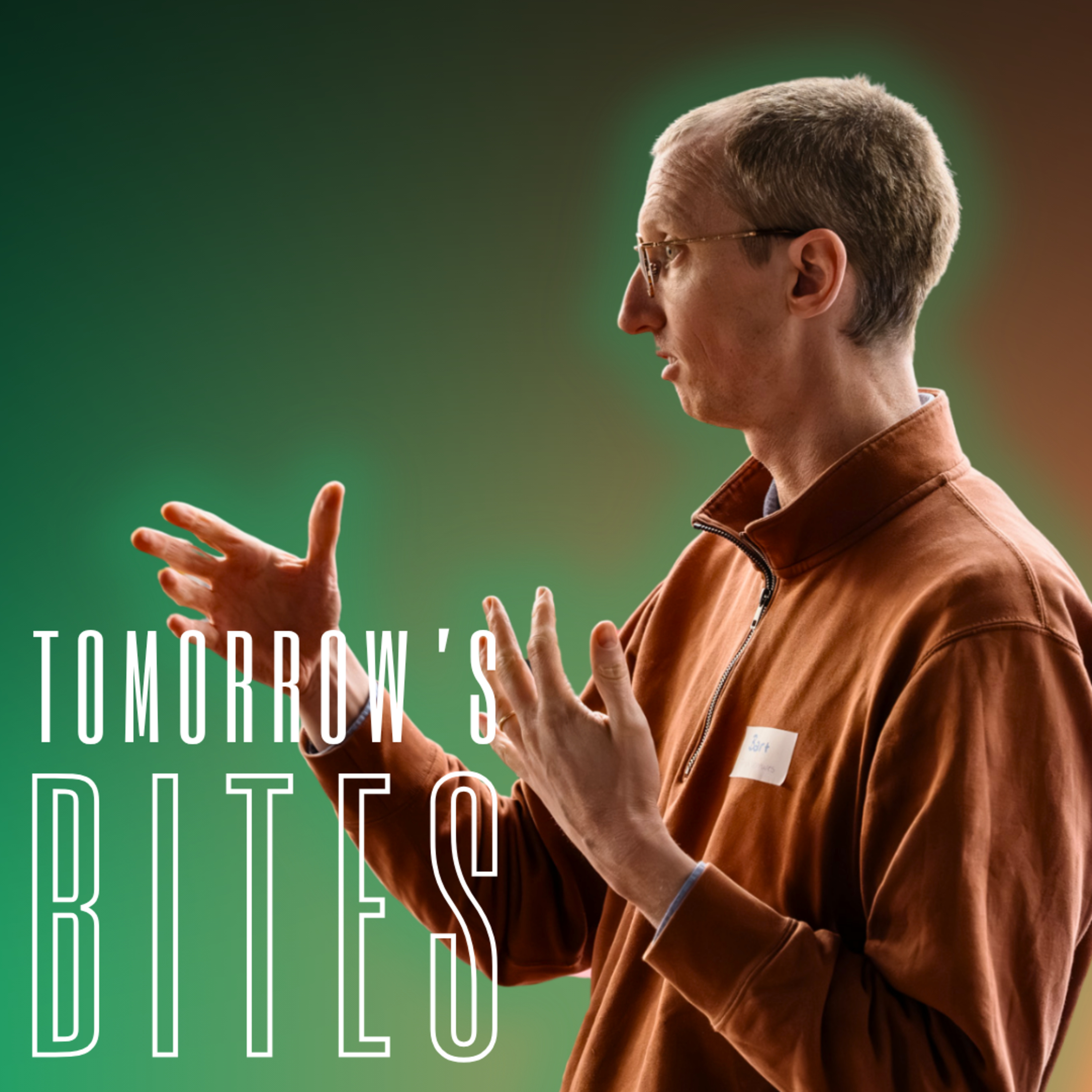 Bart: Inside the Venture Studio Turning 300 Applicants Into Food System Changers - With Bart van der Zande Director Fresh Ventures Studio 24.06.2026 1ч 11минWhat if the missing ingredient in the food system isn't a better product, but a better way to build the people who build the products?In this episode of Tomorrow's Bites, we sit down with Bart van der Zande, Director of Fresh Ventures, a venture studio on a mission to transform the food system by doing something that accelerators and VCs largely don't: building companies from scratch, before the idea even exists, with founders who are selected not just for their skills but for their relationship with a problem.From 3,000 people reached to 300 applications to 25 carefully chosen founders per cohort, Fresh Ventures runs one of the most intentional company-building processes in the agri-food space. Bart has seen what separates the founders who break through from the ones who don’t, and it has very little to do with the technology they build.We explore:Why venture studios are fundamentally different from accelerators and VCs and why the food system specifically needs all threeHow Fresh Ventures selects founders before the solution exists and why "problem-founder fit" matters more than the pitchWhy deep domain experts are often the hardest people to get unstuck and how to coach them back to the problem they're actually best placed to solveThe red flags Bart watches for in founders: fixed mindsets, burning relationships, and falling in love with a solution instead of a problemHow the same venture building model is now being replicated in Uganda and Tanzania and why the approach has to be completely different And much more…This is a conversation about what it actually takes to build companies that don't just grow but change the system they operate in.GOT SOMEONE IN MIND? TELL US WHO WE SHOULD BRING NEXT.🙏 LEAVE A REVIEW If you like our podcast please leave us a review on your favourite platform – even one sentence helps! Thank you for your support; it helps the show a lot and it helps others to discover the show! 👋 GET IN TOUCH WITH US👥 Linkedin📸 Instagram🌎 Website😊 The Guest: Bart van der ZandeLook into: Fresh ventures Venturing Into Regenerative Food Systems for everyone that do not know where to start.
 -
The Part Listeners Didn't Skip: How Food Startups Can Leverage Their Branding To Get Listed in Wholesalers - with Steve D. Sailopal, co-founder of Curry Smugglers 17.06.2026 8минHow can you position yourself when you don't have a distribution network or the necessary industry connections?Maybe everything you need to catch people attention is identity.Curry Smugglers didn't knock on wholesaler doors, the wholesaler called them. Steve D. Sailopal built a brand distinctive enough that Selfridges stocked it, Fortnum & Mason gave them a full window display on Piccadilly, and buyers came looking. The product started in focus groups in Margate, and from there the brand took it to London's most iconic shops. With Steve, we unpack how branding does the selling before your sales team exists. In 9 min you learn why standing out is the only distribution strategy that matters early on.
-
 Neil: Why Blockchain Is Going To Change Agriculture and Food Businesses Forever - with Neil Smith, Co-Founder of Grow 10.06.2026 55минThe farmer knows more about your food than anyone. But he doesn't own a single byte of data about it. Someone else does and they're not sharing the value back.In this episode of Tomorrow's Bites, we sit down with Neil Smith, co-founder of Grow, to unpack one of the most counterintuitive arguments in food right now: that blockchain, the technology most people associate with crypto speculation, might be the most powerful tool farmers have ever been handed.Neil didn't come from tech. He grew up farming in Canada, barely scratching two pennies together in bad years, watching a market system that rewarded yield over nutrition and stripped farmers of any real voice. His youngest sister has stage four cancer, brought on by what he describes as the failures of our food system. That's not theory for him. It's personal.What he built with Grow isn't a crypto play. It's a ledger that nobody can manipulate, and the first blockchain built specifically around the utility of feeding people, not the speculation of trading tokens.In this conversation, Neil reveals:Why farmers are the most data-rich people in the food chain, and the least compensated for itHow Grow's first validation case was tracing regenerative food from a single farm to Amazon's Climate Pledge Arena, and why that changed everythingWhy the biggest obstacle to fixing the food system isn't consumer behavior, it's yield, and the entire economic model built around itHow a convertible blockchain token creates real utility without ever needing to flip back to fiat currencyWhy it's older farmers, not younger ones, who are the first to adopt what Grow is building, and what that says about the future of the family farmThe assumption that almost derailed the whole project: that change has to come from the ground upAnd why 20,000 community members in two years, 60% of them farmers, convinced him that the timing might finally be rightThis is a conversation about trust, data sovereignty, and what it actually takes to build technology that serves the people growing our food, not the companies selling it.If you work in food, agriculture, or impact investment and you've ever wondered whether blockchain is real or just noise, this episode will change how you think about it.GOT SOMEONE IN MIND? TELL US WHO WE SHOULD BRING NEXT.🙏 LEAVE A REVIEW If you like our podcast please leave us a review on your favourite platform – even one sentence helps! Thank you for your support; it helps the show a lot and it helps others to discover the show! 👋 GET IN TOUCH WITH US👥 Linkedin📸 Instagram🌎 Website😊 The Guest: Neil SmithThe company: GrowThe community: Grow Skool
 -
 Building in Public #8: How To Secure Funding As A Food Startup In Your First Year - With Andres Jara Co-Founder Of Favamole 03.06.2026 33минMost food startups run out of money before they run out of ideas. The ones that don't share one thing in common: they started planting before they were hungry.In this Build in Public episode of Tomorrow's Bites, Andres Jara is back with a month that took him from securing funding in the Netherlands to speaking on stage at a regenerative agriculture summit in Colombia, and seeing his father for the first time in seventeen years.This episode goes deep on something most founders avoid talking about in public: the actual mechanics of funding a food startup without giving away equity, without accumulating debt you can't repay, and without signing something that ends your journey before it begins. Andres breaks down the exact funding construction Favamole used, combining a grant from Stichting DOEN, a co-financed arrangement with the Rabo Foundation, and a convertible grant structure most founders have never even heard of.But the real lesson isn't financial. It's about timing.In this conversation, Andres reveals:Why the biggest funding mistake founders make is starting to look when they're desperate, and what to do insteadHow a convertible grant works: you only pay it back if you succeed, and why that changes everything psychologicallyWhy Favamole split its funding plan across two organizations on purpose and what transparency had to do with itWhat Colombia's 53-year civil war accidentally protected, and why it makes it one of the most exciting food systems on the planet right nowWhy he went to a Latin American summit and refused to ask for anythingAnd what meeting his father after 17 years taught him about how to show up in a negotiation🙏 LEAVE A REVIEW If you like our podcast please leave us a review on your favourite platform – even one sentence helps! Thank you for your support; it helps the show a lot and it helps others to discover the show! 👋 GET IN TOUCH WITH US👥 Linkedin📸 Instagram🌎 Website
 -
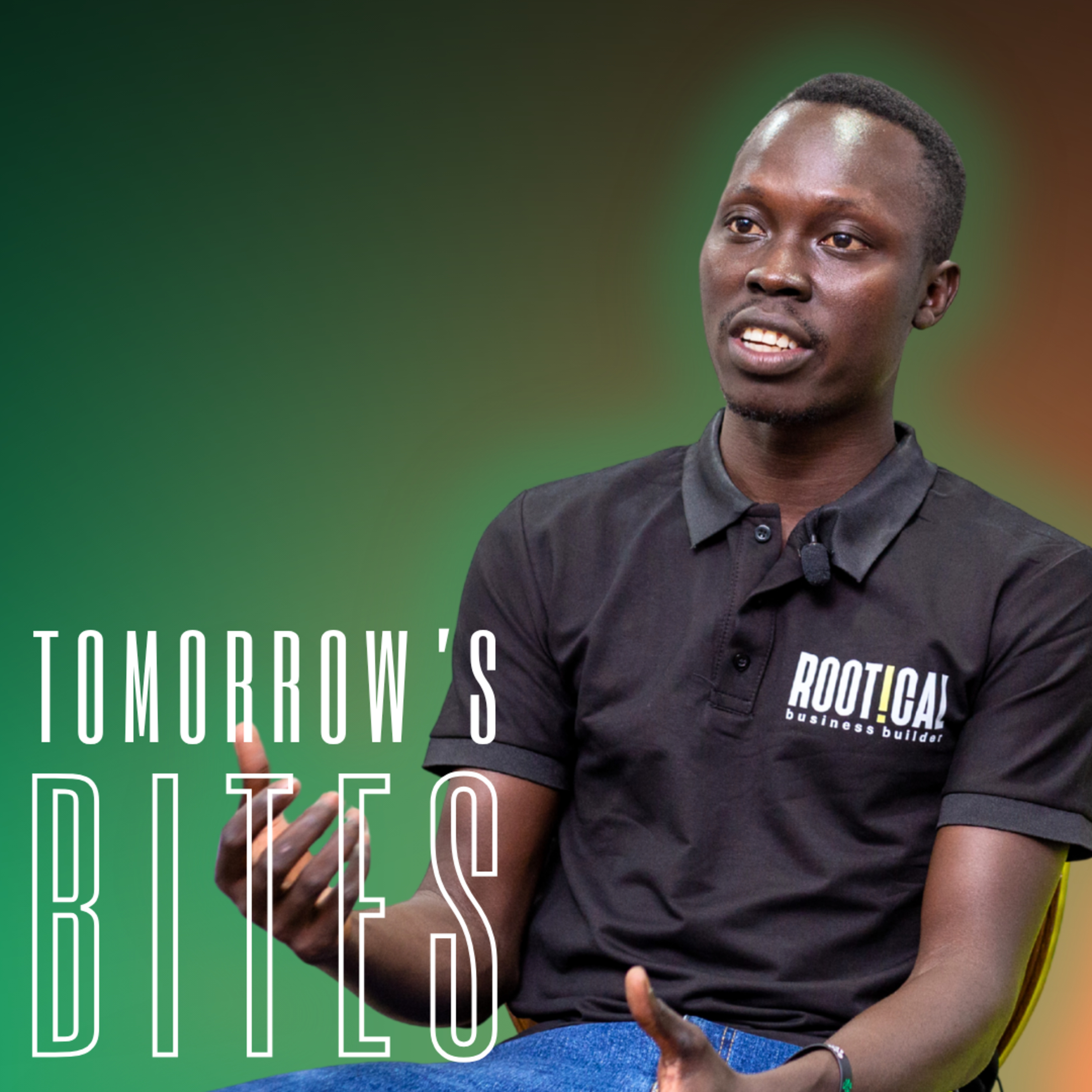 Innocent: He Went to Uganda's Villages And 500 Conversations Later, He Built a Business Farmers Actually Want with Innocent (Olur) Ociti founder Kicente EcoLogic 27.05.2026 1ч 4минWhat if the only way to build a business farmers actually want is to shut up, sit down, and have 500 conversations first?In this episode of Tomorrow's Bites, we sit down with Innocent Ociti, founder of Kicente EcoLogic in Uganda a former humanitarian worker who left the offices of UNDP to go village by village, garden by garden, learning what smallholder farmers actually need. Not what they say in groups. Not what shows up in reports. What they reveal over a local brew when their guard finally comes down.What Innocent built is not a typical agri-input business. It's a farmer-led distribution network where communities appoint their own trusted experts, organic inputs are tested in demo gardens before they ever reach a field, and credit is extended so farmers can pay after harvest. It took counterfeit seeds wiping out two sub-counties' worth of maize to show him where to begin and 500 individual conversations to show him how.We explore:Why talking to farmer groups taught Innocent almost nothing and what changed the moment he walked into their gardensHow two entire seasons were lost selling the right inputs the wrong wayWhy farmers don't buy because of health benefits and what they actually care aboutHow communities, not founders, should choose who leads a farmer networkWhat it costs to build trust in a place where agriculture is still seen as the last resortWhy 500 one-on-one conversations is the bare minimum before you think you understand a marketThis is a story about deep listening as a business strategy and what happens when someone from the outside earns the right to belong.GOT SOMEONE IN MIND? TELL US WHO WE SHOULD BRING NEXT.🙏 LEAVE A REVIEW If you like our podcast please leave us a review on your favourite platform – even one sentence helps! Thank you for your support; it helps the show a lot and it helps others to discover the show! 👋 GET IN TOUCH WITH US👥 Linkedin📸 Instagram🌎 Website😊 The Guest: Innocent (Olur) Ociti
 -
The Part Listeners Didn't Skip: The Food Content Strategy that got Wendy The Food Scientist +600K Followers - from our conversation with Wendy Luong 20.05.2026 10минSeven months of daily posting lead her to a burnout for only 5,000 followers. Most people would quit. Wendy Luong didn't; she just stopped copying others and started being herself: A food scientist with a Chinese mom and a lab full of ideas. That shift changed everything. One video about boiling tofu, combining science and her mother's wisdom, brought her 100,000 followers overnight. With Wendy, we unpack the exact content strategy behind her growth, and why your expertise is already your biggest asset. In 12 min you learn how to stop guessing and start building a content strategy that actually works.
-
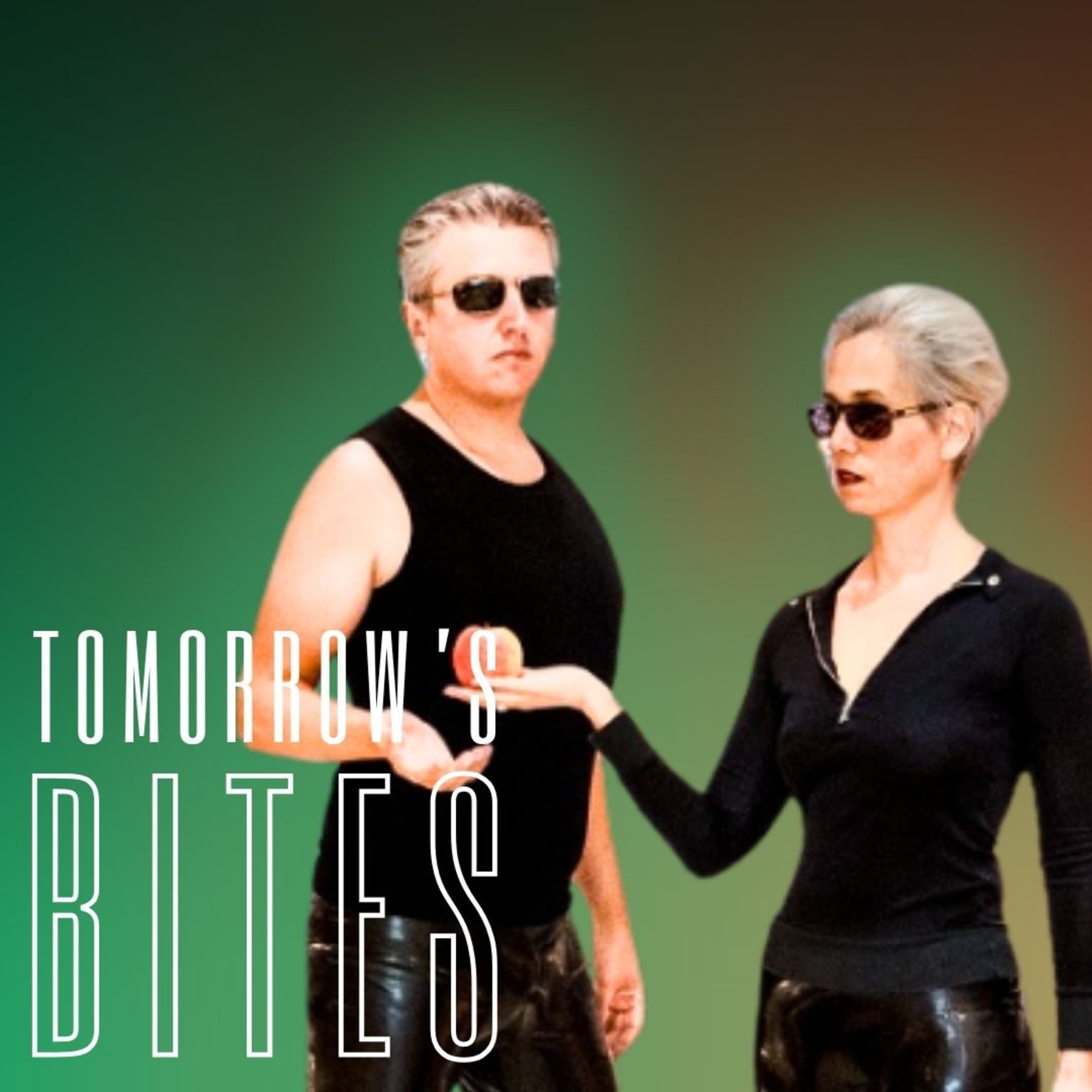 Honey and Bunny: How Food Designers Help Food Founders To Think Beyond The Ordinary— with Martin Hablesreiter and Sonja Stummerer, Food Designers. 13.05.2026 1ч 8минMost food founders obsess over ingredients and market fit. But they barely wonder about why food looks the way it looks.In this episode of Tomorrow's Bites, we sit down with Martin Hablesreiter and Sonja Stummerer, the Austrian duo behind Honey and Bunny, to challenge everything food founders think they know about why people actually eat what they eat. They are architects turned food designers turned performance artists, and their work has been quietly dismantling the most rational assumptions in the food industry for over two decades.Martin and Sonja are specialists in provoking. They've hidden scientists in dinner audiences, made people dig food out of soil with their bare hands, filmed inside Queen Victoria's private toilet for a sandwich performance, and smashed a plate of leftovers onto the floor of a Milan department store to make food waste visible in a way no conference ever could.But behind the theater is a serious argument: food founders are thinking too rationally about a completely irrational world.In this conversation, they reveal:Why 200 shapes of pasta exist and what that exposes about the myth that design follows functionWhy lab-grown meat will never replace meat, but might succeed as something entirely newHow a room of 15 EU food scientists all agreed on the "most sustainable sandwich", and why that moment exposed the absurdity of one-size-fits-all food policyWhy is food the only material on earth that can make the most stressed person on the street stop and listenThe iron triangle of science, politics, and economy that quietly engineered today's industrial food system and why that also means we can change itAnd why the biggest barrier to sustainable eating isn't knowledge or willpower, it's that people think they're aloneIf you build, brand, or communicate anything in food, this episode will make you rethink where innovation actually starts.🙏 LEAVE A REVIEW If you like our podcast please leave us a review on your favourite platform – even one sentence helps! Thank you for your support; it helps the show a lot and it helps others to discover the show! 👋 GET IN TOUCH WITH US👥 Linkedin📸 Instagram😊 The guest: Martin Hablesreiter & Sonja Stummerer🌎 Website
 -
The Part Listeners Didn't Skip: Why Your First Product Should Look Cheap and Ugly - from our conversation with the Co-Founder of Collie, Daniel Reisman 06.05.2026 13минWhat if the ugliest product in the room turned out to be the most revolutionary? Most founders wait until things look polished before showing them to the world. Daniel Reisman did the opposite: he strapped a phone to a cow's neck, turned on vibration mode, and started a farming revolution. His co-founder Chris built a black box full of spaghetti wires, handed it to a skeptical farmer, and pushed a button. The cows stood up and walked to the barn. That was enough. With Daniel, co-founder of Collie, we explore why done and ugly beats perfect and invisible every time. In 14 min you learn why your first product just needs to work.Listen to the full episode here
Похожие подкасты


Популярен в
Этот подкаст также попадал в подкаст-чарты этих стран.

