
Secret Life of Books
Sophie Gee and Jonty Claypole
0
Every book has two stories: the one it tells, and the one it hides. The Secret Life of Books is a weekly podcast starring Sophie Gee, an English professor at Princeton University, and Jonty Claypole, formerly director of arts at the BBC. Each week they take an iconic book and reveal the hidden story behind the story: who made it, their clandestine motives, the undeclared stakes, the scandalous backstory, and the secret, mysterious meanings of books we thought we knew.
Эпизоды
-
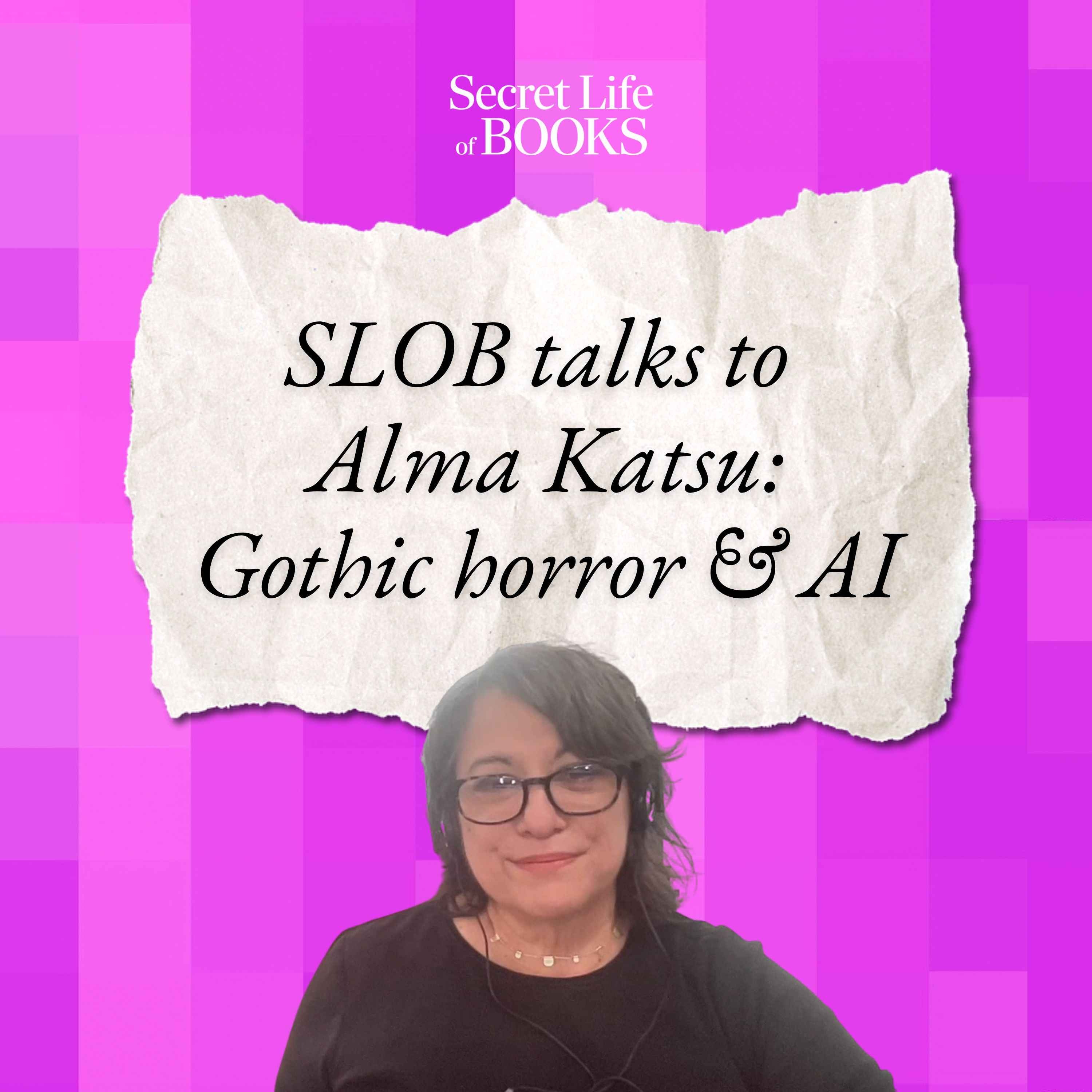 Gothic horror in the age of AI: Alma Katsu on her new novel Incarnate 02.10.2026 31минWhat do you get when you cross an NSA and CIA analyst with a bestselling horror writer? You get Alma Katsu, who talks to Sophie and Jonty about publishing her new novel Incarnate at the exact moment when the threats and unregulated dangers of A.I become horrifyingly real.In this special bonus episode, we talk about about horror and its contemporary manifestations in fiction and real life. What makes horror such an important and enduring literary form, one that tells urgent stories about our present as well as looking backwards into the literary past? Frankenstein and The Picture of Dorian Gray, two SLOB stalwarts, are major influences on Alma’s Incarnate. It's pretty weird that long before the advent of today’s technology, fears of deep fakes and artificial humans were already keeping novelists up at night. Why our some of our most iconic literary myths about tech that was only imaginary when these classics were first written? And how can Mary Shelley and Oscar Wilde’s visions — especially as they're transformed by Katsu’s brilliant modern horror — help us navigate A.I. with deeper understanding? And there's a gripping few minutes in which Alma reflects on how and why 20 years ago, working in the CIA as an analyst, she and her team “failed to warn” about the threats and imminent dangers of social media. She talks about why that was, and how we might guard against repeated mistakes. Hosted on Acast. See acast.com/privacy for more information.
 -
 Trashing Up Troy: Shakespeare's Troilus and Cressida 29.09.2026 1ч 13минLast month we left listeners with the tantalizing question: what happened next in literary history after Chaucer wrote Troilus and Criseyde? This was a serious cliffhanger, and it’s unforgivable that instead of returning the following week with answers, Sophie and Jonty took off on a literary jaunt to the UK. But now we’re back. Shakespeare’s Troilus and Cressida, written sometime around 1602, might be the Bard’s most underrated play. He takes Chacuer’s Troilus and Criseyde story and smashes it together with the Iliad, recently translated into English by George Chapman. Then he adds his own special sauce to hold it all together. Outcome: Shakespeare trashes the two biggest literary movements in 2000 years of European writing, Homeric epic and medieval Courtly Love. In Shakespeare’s telling, Troilus and Cressida’s tryst becomes a random(ish) hook up, while Achilles and Hector - the two great heroes of the Trojan war - are vain and cowardly. The play ends in a series of squalid skirmishes and an overpowering sense that, contrary to what Homer and the courtly poets tell us, there is nothing noble about war. Or, for that matter, love. Hosted on Acast. See acast.com/privacy for more information.
 -
 Secret Life of Planes 25.09.2026 34минEvery aircraft is different. That's why we're asking you to listen to the following romp through some of our favorite flight-scenes in literature.Recorded from Heathrow Terminal 3, and then in the air, shortly after takeoff on QF2 from London to Sydney at the end of SLOB's Tour Through the Whole Island of Great Britain (as Daniel Defoe would say). Many of the least appealing sounds in the world are in this episode, from the clanging of the in-flight kitchen to the sucking of the toilet flush to the announcement of the inevitable chicken or beef for dinner. If you're going to travel vicariously, travel in discomfort. Join Sophie and Jonty down the back of the Airbus A380 for a last hurrah before they claim their baggage and get back to the lush sonic surrounds of the Sydney studios. Hosted on Acast. See acast.com/privacy for more information.
 -
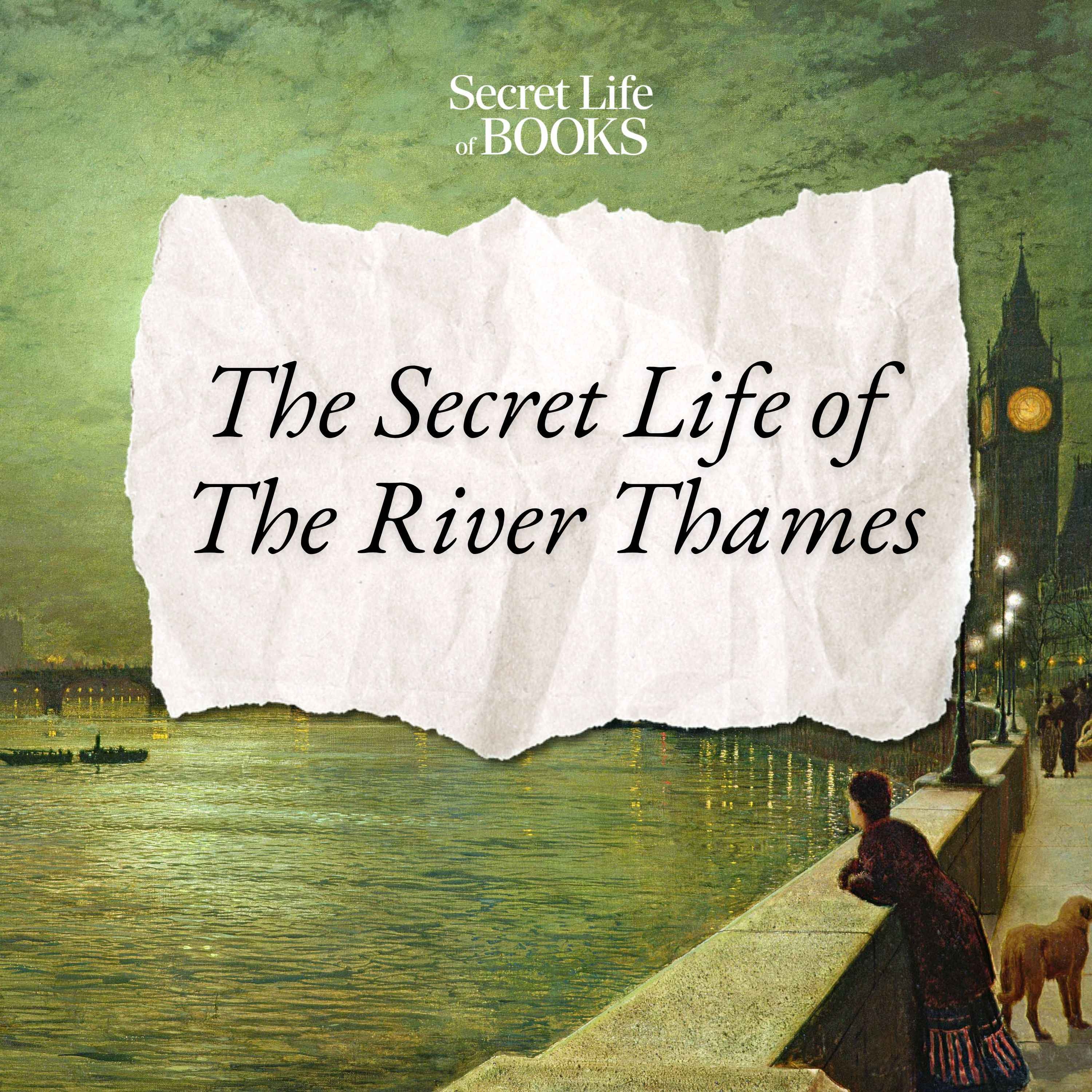 Secret Life of the River Thames 22.09.2026 1ч 7минSophie and Jonty, coming to you live from London, on the front lines of classic literature. They’re sitting on some steps leading down to the River Thames, right next to the Globe Theatre, on Southbank. True, they stop short of plunging headlong into that mighty stream, as many London writers have done before them. But this is London literature ground zero, the river that Chaucer, Shakespeare, Pepys, Swift, Wordsworth, Dickens, Conrad, Woolf and literally countless others described as the main artery of literary London. Join Sophie and Jonty on a journey through the high and low (tides) of England’s #1 cultural thoroughfare.With thanks to the Ponder & See Foundation for their support.Become a subscriber by signing up at Apple: http://apple.co/slobOr join our Patreon community here: https://www.patreon.com/c/secretlifeofbookspodcastHosted on Acast. See acast.com/privacy for more information Hosted on Acast. See acast.com/privacy for more information.
 -
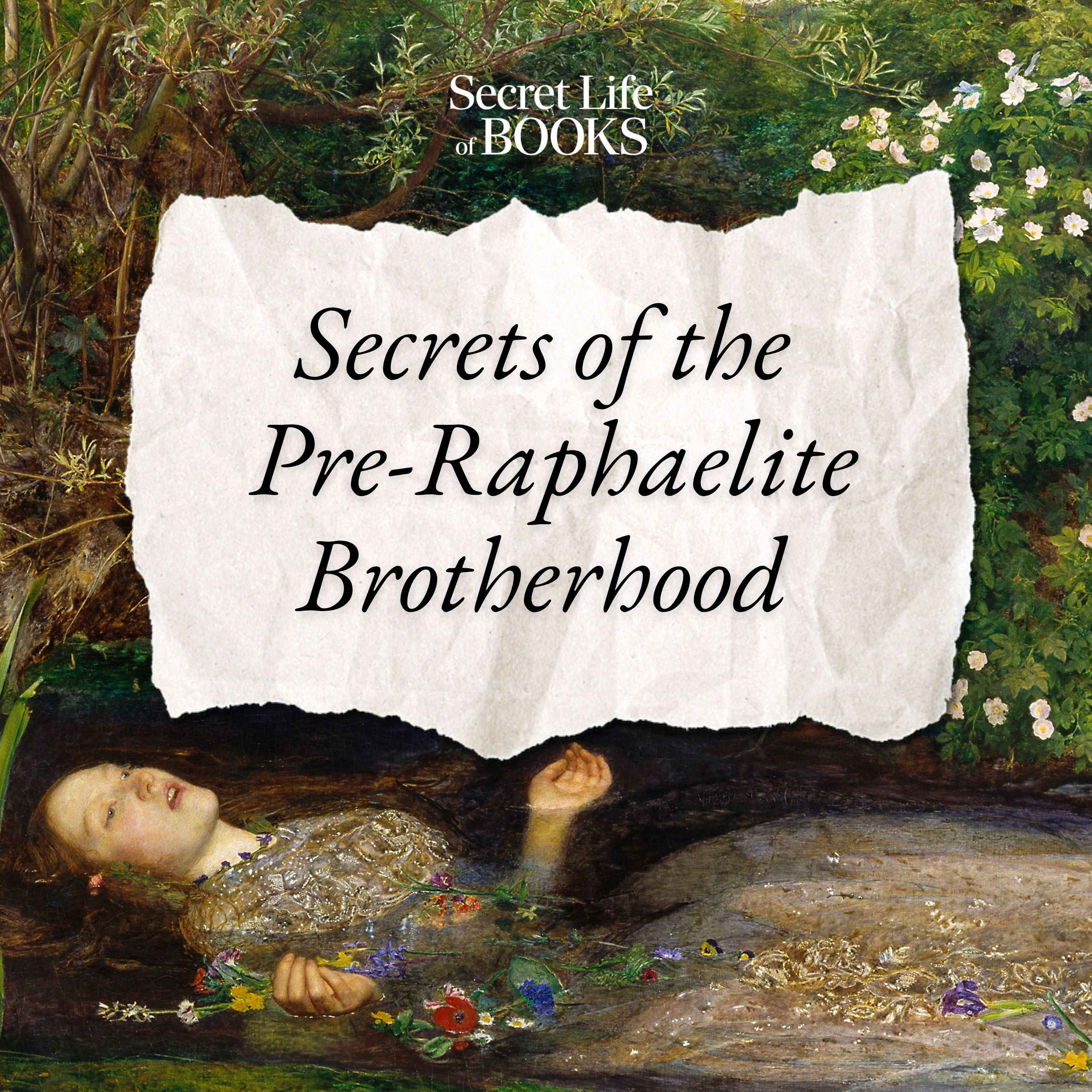 Secret Life of the Pre-Raphaelite Brotherhood 18.09.2026 30минSLOB goes off-script! While in London a couple of weeks ago, Sophie and Jonty got so excited in the Pre-Raphaelite room of Tate Britain that they whipped out their recording equipment and dashed off an impromptu episode.The Pre-Raphaelite Brotherhood was the artistic movement of mid-Victorian Britain, a small group of bohemian young men who were convinced that the last decent painting was done back in the fifteenth century, before Raphael came along and spoiled things with his proto-modern realism.So they started painting for the people, about the people, but with quite a lot of ethereal pale women looking uncomfortable. Their pictures have bright, slightly garish colors and a distinctly gothic vibe, but this medieval fantasia is overlaid with close attention to everyday detail - that blew the doublets and hose off London art world.SLOB's eagle eye was arrested by the overlap between the PRB paintings and classic books. Almost all the Pre-Raphaelites hanging at the Tate are riffing on literary history, from Chaucer to Shakespeare, to the Romantic poets, and the Victorian novelists. Find out how literary classics provide the stories, characters and big emotional ideas for what's maybe the most impactful artistic movement in Britain’s history.With thanks to the Ponder & See Foundation for their support.Become a subscriber by signing up at Apple: http://apple.co/slobOr join our Patreon community here: https://www.patreon.com/c/secretlifeofbookspodcastHosted on Acast. See acast.com/privacy for more information Hosted on Acast. See acast.com/privacy for more information.
 -
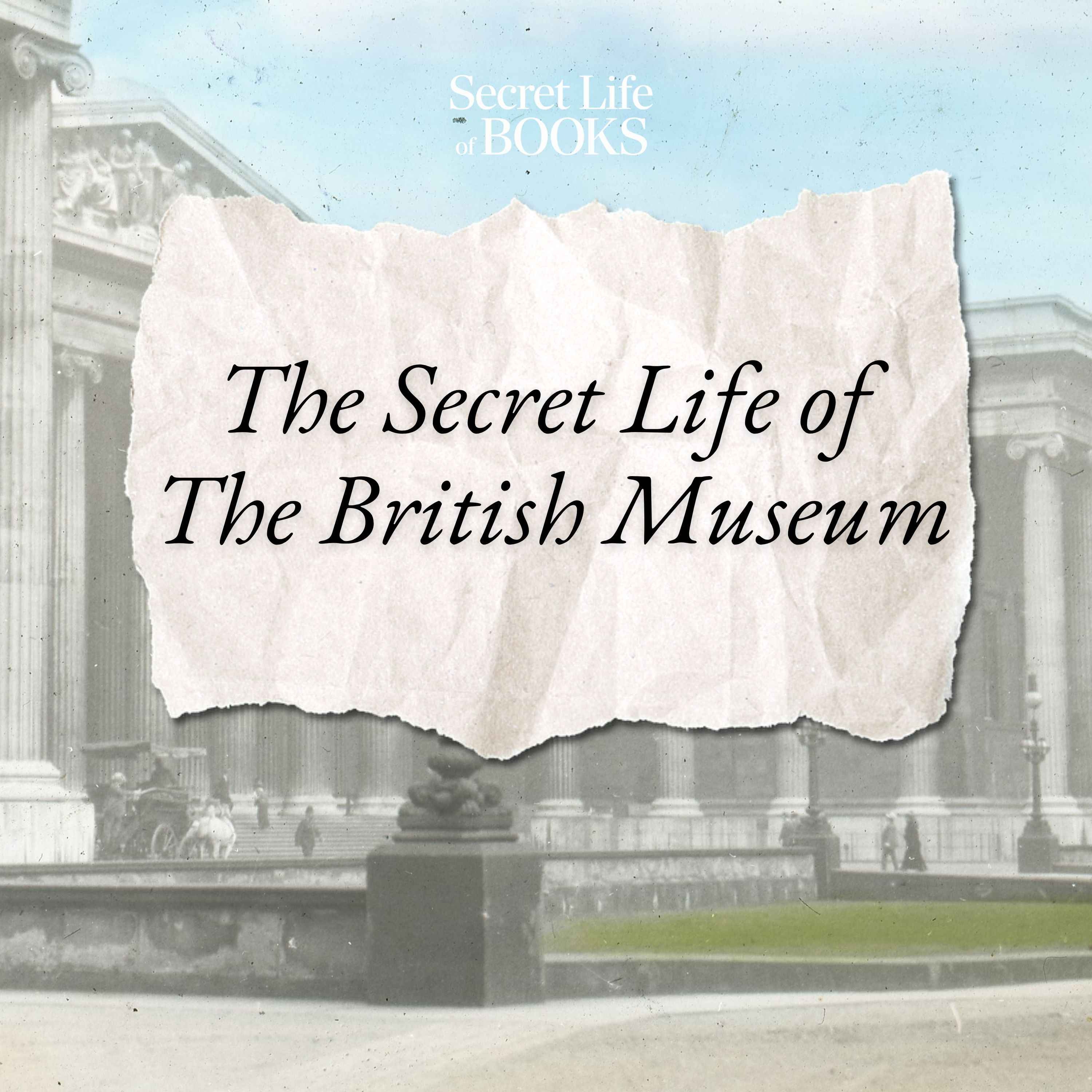 Secret Life of the British Museum 15.09.2026 1чViriginia Woolf hated it and Karl Marx loved it. Woolf starts her iconic A Room of One’s Own by skewering it as a monument to British patriarchy and toxic masculinity.The inevitable sequel to lunching and dining at Oxbridge seemed, unfortunately, to be a visit to the British Museum, she wrote.Friend of the show George Eliot, author of Middlemarch, wholeheartedly agreed, and usually sent her husband to do her research for her, in order to avoid the British Museum's oppressive vibes. These women were describing their allergic reaction to the Reading Room, which is now the British Library building near Kings Cross. But the vast collection of global antiquities, including the Rosetta Stone, the Elgin Marbles and the Sutton Hoo treasure, have always been, like the Reading Room itself, matters of divided opinion, polarizing controversy and simmering international tensions.Is the British Museum a treasure hoard stolen almost entirely from other nations’ riches (Lord Byron thought so)? Or in bringing these objects together, in a self-conscious display of the power and fallibility of human empires, does the British Museum show something truly profound and sobering about the nature of human endeavor (its founder, Hans Sloane, took this view). Almost every London writer had opinions on the matter, and in this episode Sophie and Jonty retrace their steps and visit a handful of the most controversial treasures in the collection. Love it or hate it, the British Museum has catalyzed some of English iiterature’s greatest moments.With thanks to the Ponder & See Foundation for their support.Become a subscriber by signing up at Apple: http://apple.co/slobOr join our Patreon community here: https://www.patreon.com/c/secretlifeofbookspodcastHosted on Acast. See acast.com/privacy for more information Hosted on Acast. See acast.com/privacy for more information.
 -
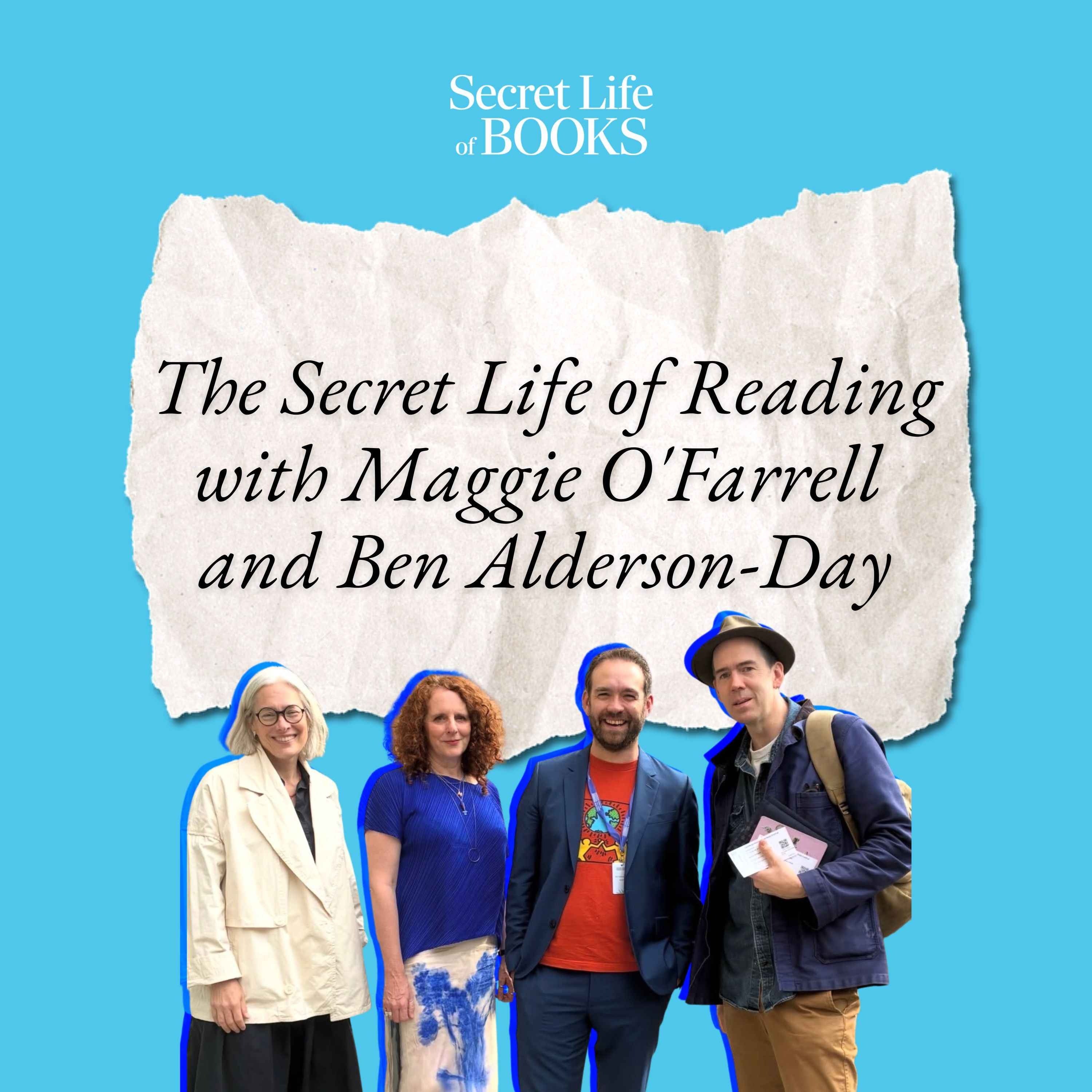 Secret Life of Reading (with Maggie O'Farrell and Ben Alderson-Day) 08.09.2026 54минThis episode was recorded at the Edinburgh International Book Festival, with literary superstar Maggie O'Farrell and one of Britain's leading psychologists, Ben Alderson-Day.On the Secret Life of Books, we talk about classic books and the life and times of the people who wrote them. In this conversation we talk about you - the readers. What happens when we read a book? What is going on our minds? Why can the experience of staring at words on a page be so intense, life-changing even? Is it just a case of impressions and ideas transferring from an author’s words into our imagination, or is there something more mystical, nay uncanny, at work too? Maggie and Ben reflect on the experience of being readers, and how that can transform being a writer. Maggie is the author of 10 novels, including the acclaimed and recently adapted Hamnet, and her newest book, Land. Ben is a Professor of Psychology at Durham University, author of Presence: The Strange Science of the Unseen Other, and Director of the Readerbank project - a collaborative research project with the Edinburgh Book Festival into how we read, imagine and understand stories. With thanks to the Ponder & See Foundation for their support.Become a subscriber by signing up at Apple: http://apple.co/slobOr join our Patreon community here: https://www.patreon.com/c/secretlifeofbookspodcastHosted on Acast. See acast.com/privacy for more information Hosted on Acast. See acast.com/privacy for more information.
 -
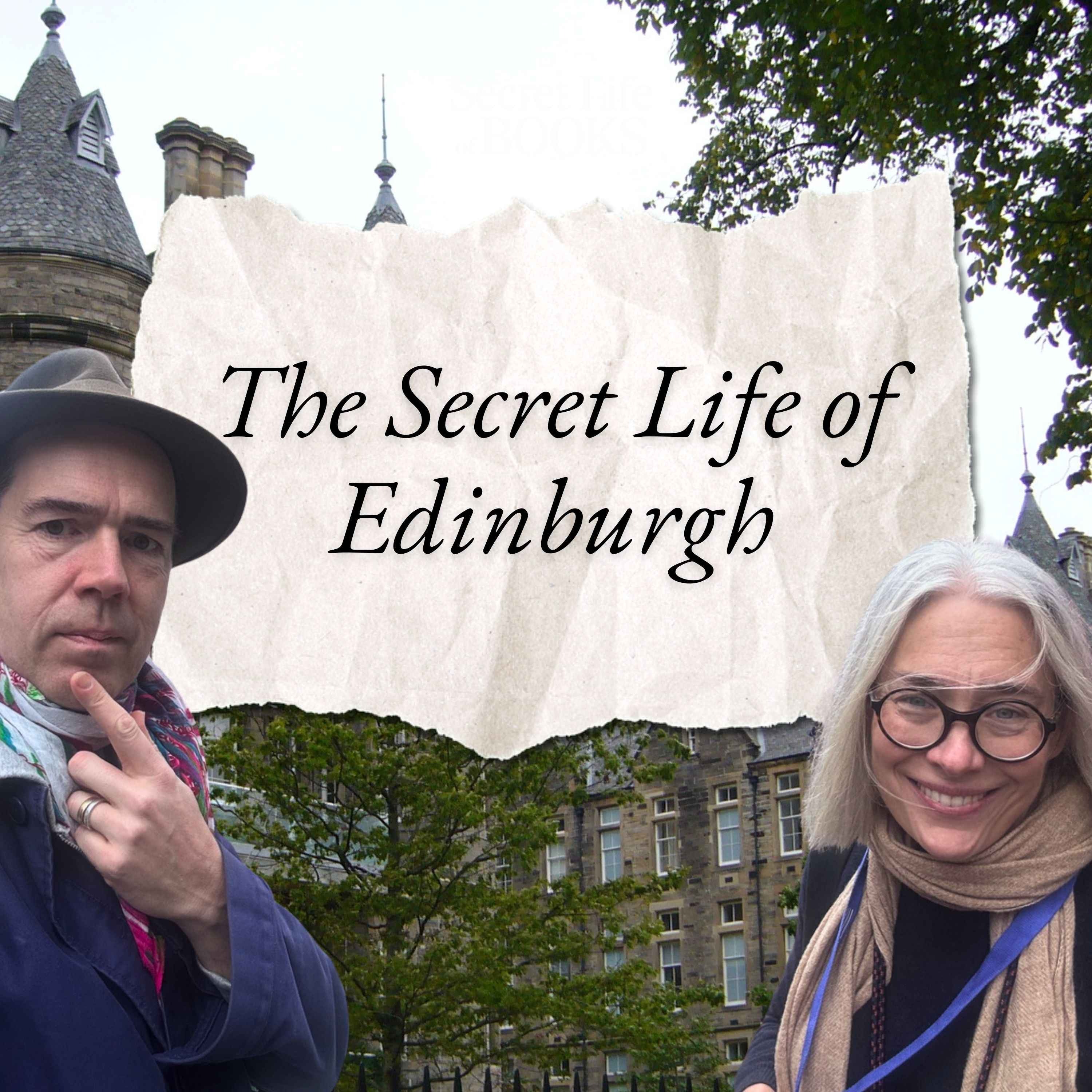 Secret Life of Edinburgh 01.09.2026 59минSLOB is in Edinburgh for the International Book Festival. Join us on a walking tour of literary Edinburgh. From Mary Queen of Scots and James VI of Scotland, obsessed with witch hunts and an early anti-tobacco campaigner, to Muriel Spark and slum tourism in The Prime of Miss Jean Brodie. We walk from the gentrified streets of Marchmont and Bruntsfield, across the Meadows, and into the rough and tumble of the Old Town, a maze of cobbled streets and old buildings crowded on the hillside below the Edinburgh Castle. Cameos from Ian Rankin and Kate Atkinson, William Shakespeare, Samuel Johnson and James Boswell, and of course, Sir Walter Scott. Come through Edinburgh with SLOB and relish its very pungent history in a world before modern sanitation.Mr. Johnson and I walked arm-in-arm up the High-street, to my house in James’s court: it was a dusky night: I could not prevent his being assailed by the evening effluvia of Edinburgh. … As we marched slowly along, he grumbled in my ear, ‘I smell you in the dark!’ But he acknowledged that the breadth of the street, and the loftiness of the buildings on each side, made a noble appearance.With thanks to the Ponder & See Foundation for their support.Become a subscriber by signing up at Apple: http://apple.co/slobOr join our Patreon community here: https://www.patreon.com/c/secretlifeofbookspodcastHosted on Acast. See acast.com/privacy for more information Hosted on Acast. See acast.com/privacy for more information.
 -
 Secret Life of Trains 2 (Choo choo!) 31.08.2026 37минThis week SLOB went full steam ahead from London to Edinburgh, to appear live at the Edinburgh International Book Festival. We love classic books, and we love trains, so what better way to while away the 6 hour slow-train to Edinburgh than to record our second episode about literary railway journeys. Join Sophie and Jonty as they choose sandwiches at Euston Station, board the 12:40 to Scotland via Wigan and Penrith, and talk about their favorite train lit. Savor the authenticity of the train-talk, while wedged in the gangway between the toilets and the trash bin, periodically interrupted by skeptical passengers en route to the snacks carriage. Choo choo!!A fun bonus - just because.Become a subscriber by signing up at Apple: http://apple.co/slobOr join our Patreon community here: https://www.patreon.com/c/secretlifeofbookspodcastHosted on Acast. See acast.com/privacy for more information Hosted on Acast. See acast.com/privacy for more information.
 -
 Chaucer's Troilus and Criseyde 25.08.2026 1ч 23минWe’re aware that Chaucer’s epic poem Troilus and Criseyde written in the 1380s might be a tough sell to even the most devoted SLoB listener, but bear with us. Troilus and Criseyde is not a novel, but it bears a lot of features that we associate with novels and reading this novel-length poem takes you into the world and minds of medieval England - albeit transposed to Ancient Troy - by someone who was living there. It has action, betrayal and a racy sex scene. It gives us a new kind of access to characters' inner lives, and it reveals that inwardly people are wildly different from the way they appear. This is a love story that doesn't conform to any of our expectations about medieval love, and a war story that doesn't comply with our expectations of war. There are so many firsts here. We see the invention of the famous British sense of humour captured in real-time by Chaucer, the very guy who invented it. It features the first reconstructed male concerned with consent in literary history and the first dumping by text message - although obviously there’s no phone involved. Become a subscriber by signing up at Apple: http://apple.co/slobOr join our Patreon community here: https://www.patreon.com/c/secretlifeofbookspodcastHosted on Acast. See acast.com/privacy for more information Hosted on Acast. See acast.com/privacy for more information.
 -
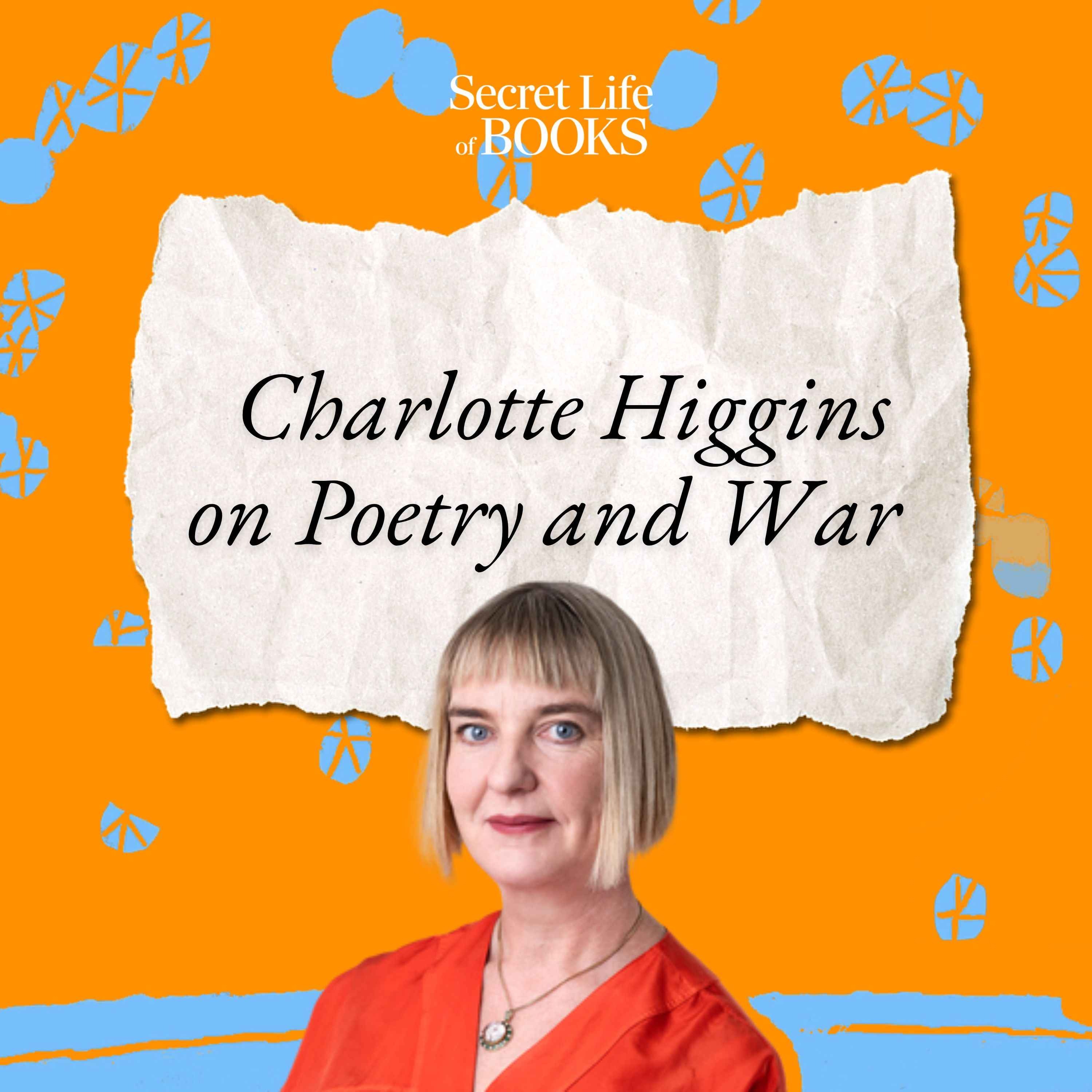 Charlotte Higgins on Ukrainian Lessons: Art in a Time of War 21.08.2026 50минCharlotte Higgins talks to Jonty about her new book, Ukrainian Lessons, which recounts her experiences the last four years reporting on the cultural life of a nation at war. Culture is never far from the front-line in time of conflict, but rarely more so than in Ukraine. Part of Putin’s attempts to legitimise the war lies in an age-old argument that Ukraine is simply an extension, or part of, Russia itself. He has personally written essays explaining his view that Ukrainian language and culture is simply part of a Greater Russia story. Not surprisingly, Ukrainians are proving him wrong with the current flourishing of poetry, writing and art that speaks to the uniqueness and separateness of their culture.Charlotte talks about how she went to Ukraine, what she found and why her belief in the power of poetry and art has never been greater.Charlotte is Chief Culture Writer for The Guardian, a classicist and host of Instant Classics podcast.Content warning: as you might expect from an episode about a contemporary war, some of the stories and experiences that Charlotte recounts are confronting.Become a subscriber by signing up at Apple: http://apple.co/slobOr join our Patreon community here: https://www.patreon.com/c/secretlifeofbookspodcastHosted on Acast. See acast.com/privacy for more information Hosted on Acast. See acast.com/privacy for more information.
 -
 James Joyce 3: Ulysses 18.08.2026 1ч 9минUlysses is a vast novel - over a quarter of a million words. Yet it follows the action of less than 24 hours. To be fair, Joyce packs a lot into that 24 hours. Although our old friend Stephen Daedalus and Leopold Bloom dominate the action, there are over 200 named characters. And, as ever, the most important character is Dublin itself. The story and structure is loosely modelled on The Odyssey with the different chapters named after episodes in Homer’s poem. The first section follows Stephen Daedalus, just as The Odyssey begins with Odysseus’ son Telemachus. Then Leopold Bloom, a 38 year old Jewish advertising canvasser, takes centre stage with Odysseus’ various adventures given modern-day, satirical equivalents. At the climax, Leopold and Stephen are united and return home, where Molly Bloom - the Penelope of the story - has the final word. The word is ‘yes’, although this is one of the rare occasions where one hearkens after a curmudgeonly ‘no’. So… like Odysseus finally reaching Ithaca, we have finally reached Ulysses after referring to it, usually in disparaging terms, over the life of this podcast. And the question is, how are we going to approach it? Are we going to fall to our knees and kiss the shores? Or will we grab bow and arrow and lay waste to the palace? And if you’re concerned we’re sounding just a little too flip, it’s worth remembering that Joyce himself said that Ulysses ‘is fundamentally a humorous work’, filled with word-play, toilet humour and irreverence.Become a subscriber by signing up at Apple: http://apple.co/slobOr join our Patreon community here: https://www.patreon.com/c/secretlifeofbookspodcastHosted on Acast. See acast.com/privacy for more information Hosted on Acast. See acast.com/privacy for more information.
 -
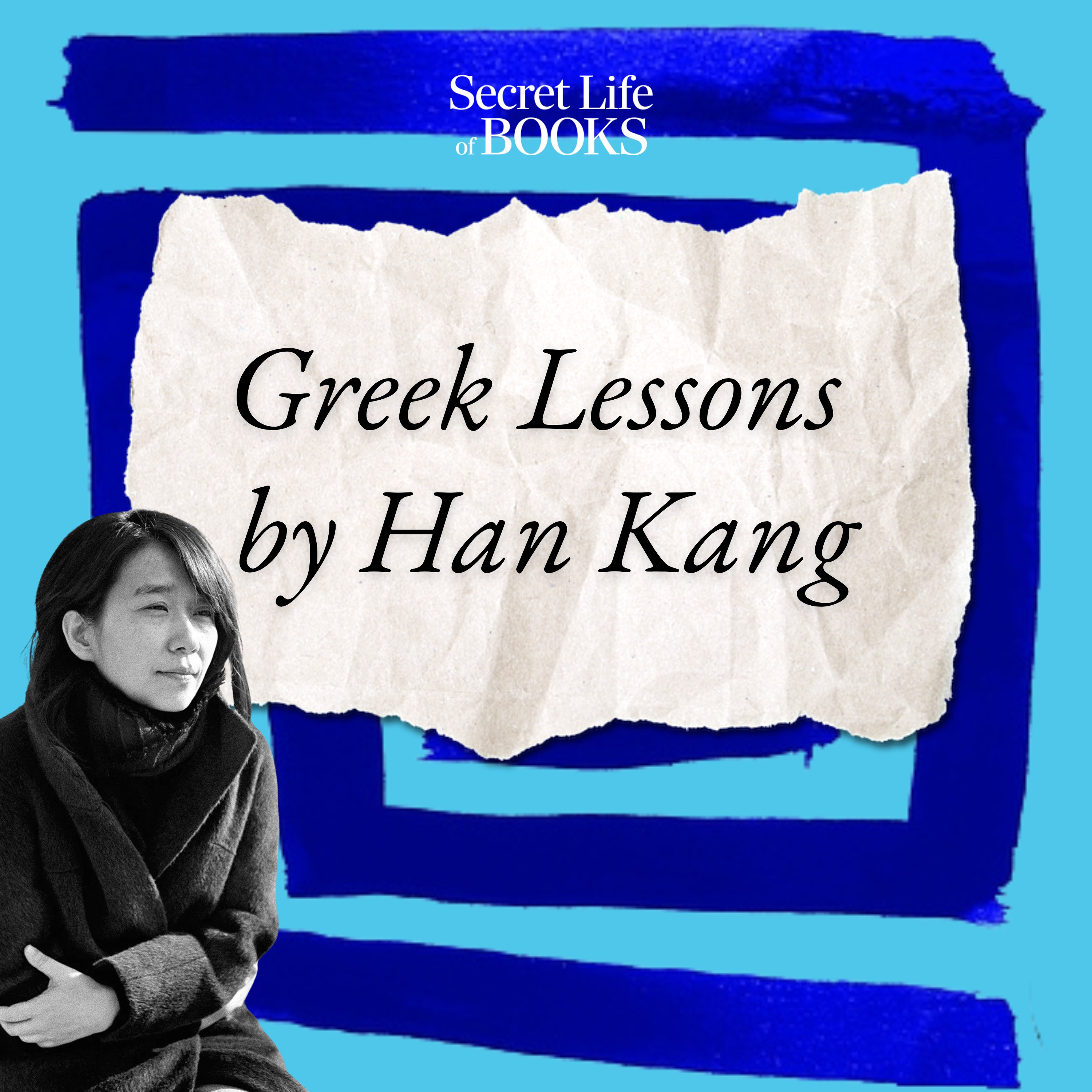 Greek Lessons by Han Kang 11.08.2026 1ч 8минThis week we take a – somewhat unplanned – detour from our James Joyce sequence, which we put on pause while we finished reading the book! We're taking the chance to include in our series on modern Odysseys an episode we recorded a while ago on the 2024 Nobel Prize winner Han Kang’s masterly short novel Greek Lessons.Written in Korean and set in Seoul, Greek Lessons is another moment in which a modern writer takes on the characters and preoccupations of the Odyssey and reinvents them to tell a story about Korea's complex history. Greek Lessons is about an Ancient Greek teacher in Seoul who is losing his sight, and a Korean student who has lost her capacity to speak.The title and opening sentences of Greek Lessons take us directly to big, epic stories about prophecy, blindness and insight, referring among others to the blinded prophet Tiresias, who gives Odysseus predictions about what awaits him in his attempt to return to Ithaca. The novel starts with a reference to the great Argentinian writer Jeorg Luis Borges. As his dying wish, Borges requested the epitaph ‘He took the sword and laid the naked metal between them.’ What Han Kang doesn’t tell us (we’re meant to figure it out) is that Borges went blind in his 50s he became Argentina’s national librarian and learned Old English so he could read Beowulf and other Norse sagas. Across all her novels Kang tells stories of pain, loss and suffering as pathways to unexpected transformation and freedom. She connects her themes directly to the long histories of violence in North and South Korea and she also wants readers to know she’s talking about all suffering and violence over human history, including in the archaic Greek past.Become a subscriber by signing up at Apple: http://apple.co/slobOr join our Patreon community here: https://www.patreon.com/c/secretlifeofbookspodcastHosted on Acast. See acast.com/privacy for more information Hosted on Acast. See acast.com/privacy for more information.
 -
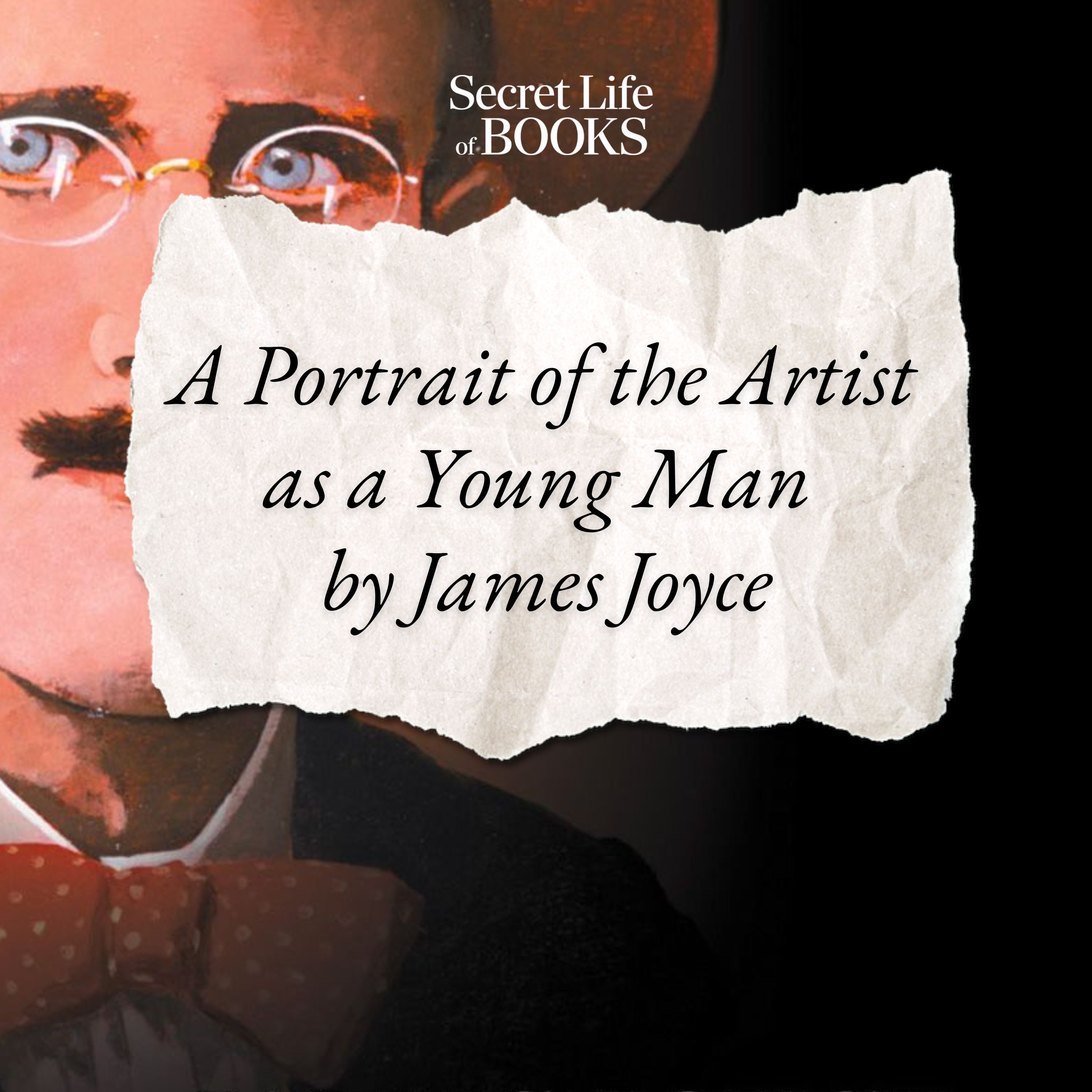 James Joyce 2: Portrait of the Artist as a Young Man 04.08.2026 59минOne evening in 1898, the 16-year-old James Joyce lost his virginity with a sex worker on a canal bank in Dublin. The event would become the main event in his autobiographical novel A Portrait of the Artist as a Young Man, published the same year as Dubliners in 1914.Joyce’s sexual awakening prompted both a spiritual crisis and a renewed determination to be a great writer. Portrait tells the story of Joyce’s avatar, Stephen Daedalus, from childhood to graduation. Ultimately, it is about Daedalus’ hard-won rejection of all the baggage of late 19th Century Irish society - religion, morality, English intellectual colonization, and the social stagnation of Dubliners (discussed last week). Daedalus, of course, was the inventor of Greek myth who made himself wings to escape his prison - and the book ends with Stephen escaping the prison of his childhood by turning to the supposed intellectual freedom of Europe. While being well known for its treatment of sexual awakening, the book is also famous for Joyce’s enthusiastic adoption of the stream-of-consciousness technique emerging in European literature, in which the narrative follows the trajectory of the characters thoughts.In this episode, we look at the intellectual journey Joyce took between 1907 - when he started writing Portrait - and 1914, when Ezra Pound had it published.Become a subscriber by signing up at Apple: http://apple.co/slobOr join our Patreon community here: https://www.patreon.com/c/secretlifeofbookspodcastHosted on Acast. See acast.com/privacy for more information Hosted on Acast. See acast.com/privacy for more information.
 -
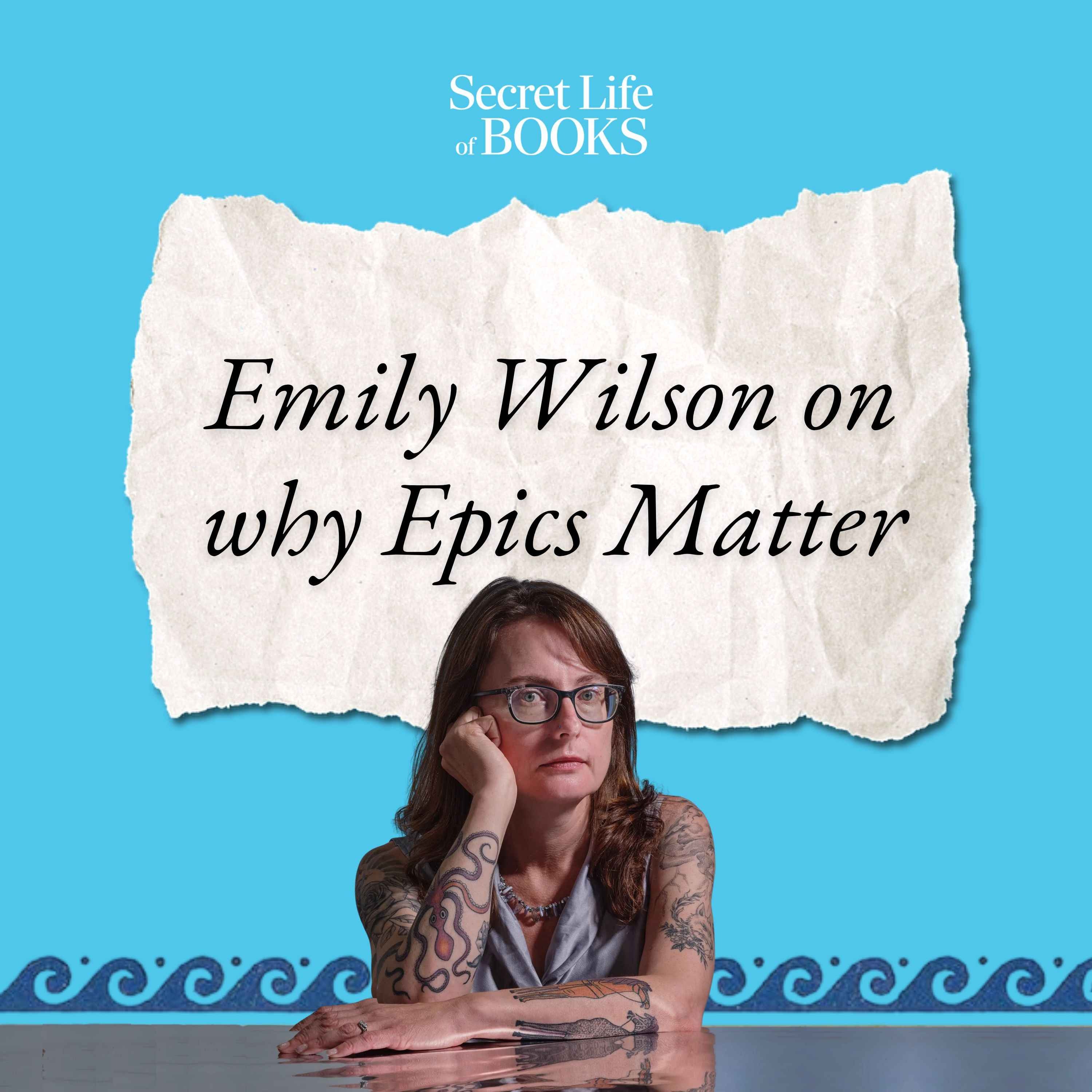 Emily Wilson, the Odyssey and Why Epics Matter 03.08.2026 34минWe’ve been saving this one up for a special occasion – a live conversation with Professor Emily Wilson, the celebrated translator of Homer’s Odyssey and the version on which Christopher Nolan’s film is said to be based. Emily has long been revered in the academic world, and she’s currently the toast of the internet for remarks about the Nolan adaptation not having enough sex or nice food on display (here on SLOB, we agree!)Back in February 2026, Sophie hosted a conversation live in Princeton, with Emily, and the brilliant academic rising star of epic poems, Prof. Pasquale Toscano. In this crackling discussion, the talk turns quickly to why epics matter, what they mean, and how they pass their brilliance across time and place. Emily and Pasquale say lots of surprisingly, trenchant and thought-provoking things about why epics are such an important form, both then and now.Become a subscriber by signing up at Apple: http://apple.co/slobOr join our Patreon community here: https://www.patreon.com/c/secretlifeofbookspodcastHosted on Acast. See acast.com/privacy for more information Hosted on Acast. See acast.com/privacy for more information.
 -
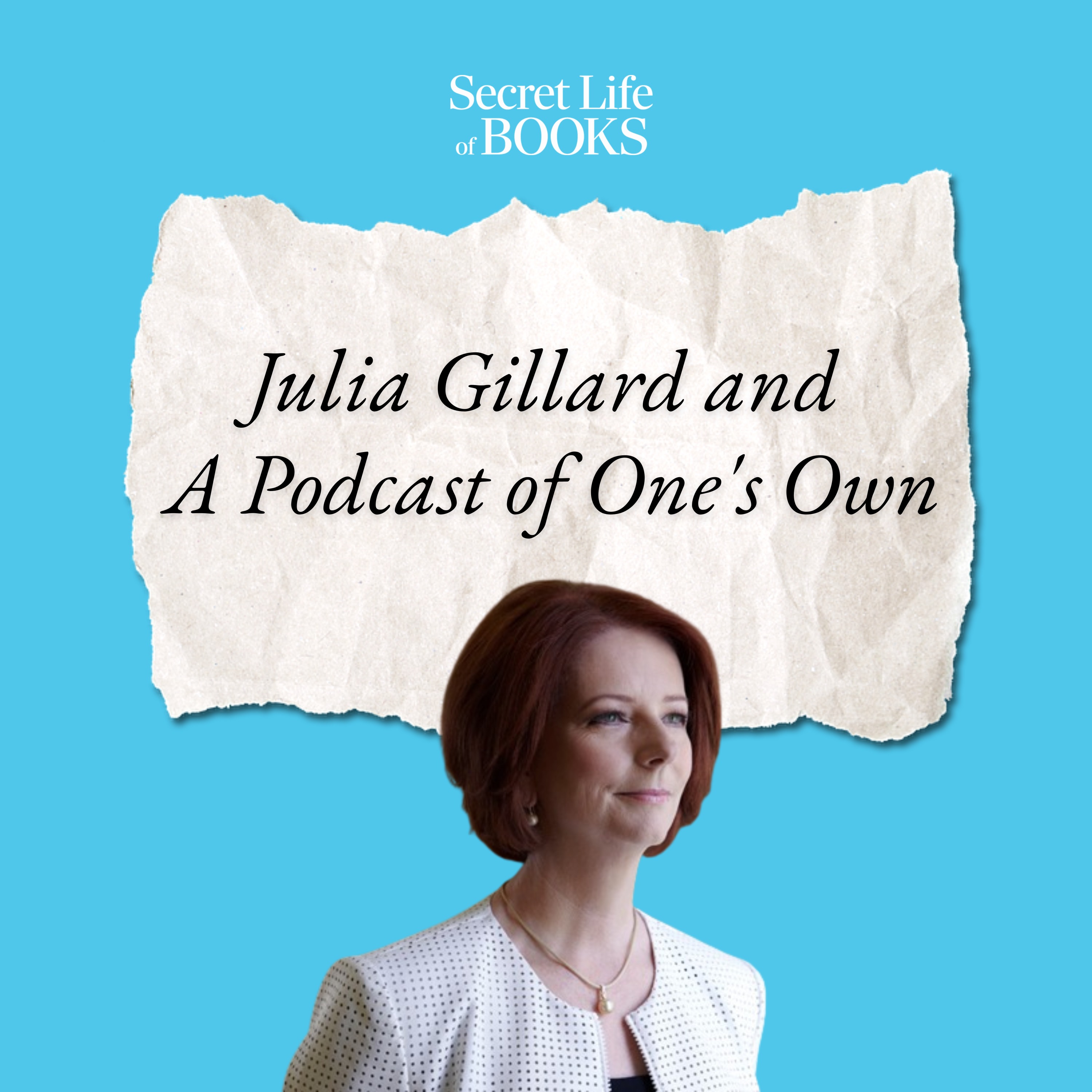 A Podcast of One's Own x SLOB: Special Collaboration 29.07.2026 54минFor this extra special A Podcast of One’s Own × The Secret Life of Books crossover, former Australian Prime Minister Julia Gillard and Sophie Gee sit down to celebrate their shared love of books and reading.Julia and Sophie compare notes on hosting book podcasts, share their lifelong love of literature, and reflect on their experiences chairing two of the world's leading literary prizes for women and non-binary writers – the Women's Prize for Fiction and the Stella Prize.Hosted by Julia Gillard, A Podcast of One's Own brings listeners extraordinary stories from remarkable women shaping the world through their work. Alongside these conversations, Julia's Book Club – co-hosted by Kathy Lette and Sarah Holland-Batt – celebrates brilliant books by women each fortnight.Hosted by Sophie Gee and Jonty Claypole, The Secret Life of Books uncovers the hidden stories behind the world's most iconic books, revealing the scandalous backstories, secret meanings and surprising histories that have shaped the way we read them.We hope you'll enjoy this conversation as much as we enjoyed having it.Become a subscriber by signing up at Apple: http://apple.co/slobOr join our Patreon community here: https://www.patreon.com/c/secretlifeofbookspodcastHosted on Acast. See acast.com/privacy for more information Hosted on Acast. See acast.com/privacy for more information.
 -
 James Joyce 1: Dubliners 28.07.2026 1ч 20минNext in our overview of Odysseys, we embark on an epic journey of our own toward the endless tome masterpiece James Joyce’s Ulysses. No reader comes to Joyce without preconceptions. Was he the greatest literary genius of the 20th century? Or a pretentious drunkard and misogynist? Was he an Irish patriot and torchbearer for Irish cultural revival? Or a Francophile ex-pat who gave Ireland the slip early on?For most of us, though, he’s just a guy in little glasses and a hat who wrote a very long book that is almost impossible to read.So for those who aren’t sure what to make of James Joyce, this is your perfect starter pack.But as befits an Odyssey, we’re not going directly to Ulysses. We’re backing up and looking at Joyce’s two earlier books, also set in Dublin, also deeply indebted to the Odyssey. These are Dubliners, his book of 15 short stories, and A Portrait of the Artist as a Young Man, a novel, both published in 1914, the year in which WWI started.Joyce thought he would publish Dubliners in 1907, but a very fraught, complicated and frankly pretty bratty series of fights between Joyce and his Dublin publisher – along with a lot of other messy life circumstances – meant that it wouldn’t be published for another seven years. As Sophie and Jonty guide listeners through the long and winding — often whining — road to Dubliners, we ask how it’s a version of Homer’s Odyssey, how it lays out Joyce’s creative vision, and what it tells us about the kind of man James Joyce really was.Become a subscriber by signing up at Apple: http://apple.co/slobOr join our Patreon community here: https://www.patreon.com/c/secretlifeofbookspodcastHosted on Acast. See acast.com/privacy for more information Hosted on Acast. See acast.com/privacy for more information.
 -
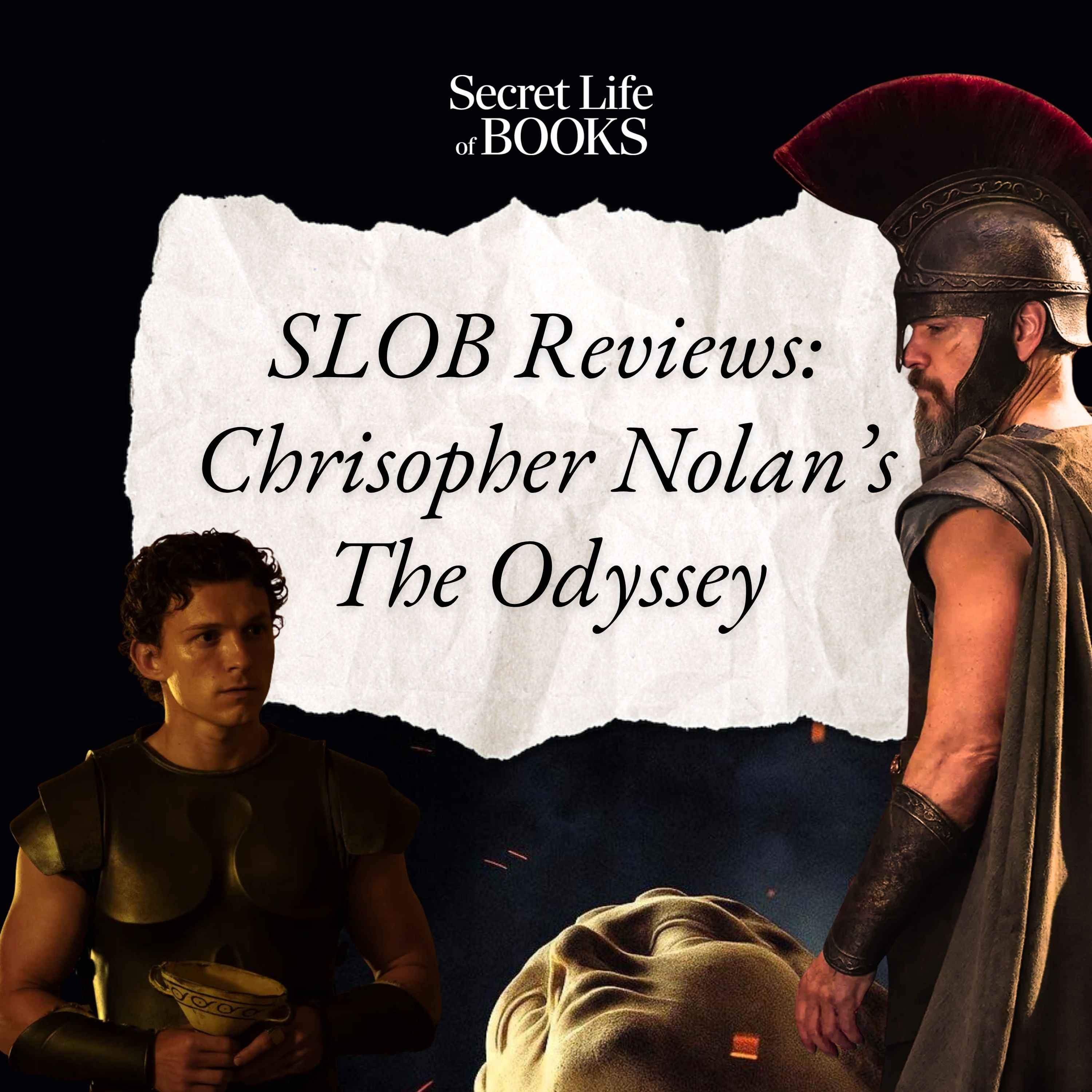 The Odyssey 4: Christopher Nolan's Odyssey review 21.07.2026 58минWe've been limbering up for 3 weeks now, readying ourselves to take on Christopher Nolan's Odyssey, the cinematic event of the year (if you don't count Wuthering Heights or the Devil Wears Prada 2). In this episode, Sophie and Jonty weigh in with their acerbic but playful critical take on Nolan's version of Homer's epic, recorded just hours after they watched the film on opposite sides of the world.The positives come first. How does Nolan's interpretation give us a powerful epic for our times? What does Matt Damon show us about Odysseus that's fresh, new and timely? In the second half of the episode SLOB goes darker: what gets lost in this 21st Century remaking of the ultimate homecoming epic? What is fundamental to this incomparable masterpiece that the film doesn't manage to capture? Hosted on Acast. See acast.com/privacy for more information.
 -
 The Odyssey 3: Tennyson's Ulysses 14.07.2026 1ч 21минTennyson’s poem “Ulysses” might just be the greatest Odyssey re-write of all time, even though it starts several years after Homer’s mighty epic ends. “Ulysses” is a dramatic monologue in blank verse in which the aging Ulysses prepares to leave Ithaca for one last voyage into the unknown. Its famous last line - to strive, to seek, to find and not to yield - inspired Victorians - and continues to inspire us too. It wasn’t published until later in his writing life, but it was written early on after the unexpected death of his greatest friend, Arthur Hallam. Part of the young Tennyson’s brilliance was the way he reinvented ancient myths and stories to encompass modern ideas as well as his own violently fluctuating mood state. Over the course of his life, he produced a long Arthurian epic, re-popularizing the legends of King Arthur. He also wrote several poems set in the Homeric world of The Odyssey. These include Tiresias - a friend of the show; The Lotus-Eaters and - the subject of this episode - Ulysses. Here in the SLOB studios we were high-fiving and doing victory laps in celebration of Tennyson’s achievement before we even started recording. We might enjoy this version of the Odyssey more than we’re going to enjoy Matt Damon’s version, though obviously we can’t wait to see it. In short, SLOB stands with Prime Minister Robert Peel, who when he first heard the poem said that he recognized a ‘good speech’ when he heard one and awarded Tennyson a much-needed government pension on the spot. Become a subscriber by signing up at Apple: http://apple.co/slobOr join our Patreon community here: https://www.patreon.com/c/secretlifeofbookspodcastHosted on Acast. See acast.com/privacy for more information. Hosted on Acast. See acast.com/privacy for more information.
 -
 The Odyssey 2: How the Odyssey conquered the world 07.07.2026 1ч 7минWe’re in another SLoB code red. Only months after Wuthering Heights smashed onto our screens, Christopher Nolan is here for the blockbuster event of the season, taking the one of the oldest and still greatest epics of all time - Homer’s Odyssey - and giving it what it always lacked. That is to say: Matt Damon. And not just Matt Damon, but Zendaya, Tom Holland, Anne Hathaway, Travis Scott, Robert Pattinson, Charlize Theron, Lupita Nyong’o, Samantha Morton - and the list goes on. Basically, if you’re an actor and NOT in this film, it’s like discovering you’re the only one in class not invited to a party. If you’re feeling daunted by the scale and import of both this film and the source material - don’t worry. SLoB is here to help you. We’ve donned our scrubs once again. We’ve got our critical defibrillators, suction devices and valve masks and we’re going to deliver you to the cinema ready to take on Homer and Nolan’s Odyssey. We’ve republished the episode we did early in SloB on the Odyssey with Mary Beard. In this episode, we’re going to look at how the Odyssey shaped English literature in a portmanteau episode that will encompass everyone from Shakespeare to Keats, Toni Morrison to Margaret Atwood. In coming episodes, we’re going to take deep dives into Tennyson’s Ulysses and review Nolan’s film. And then, as the dust settles, or the waters meet, we’re going to embark on arguably the greatest Odyssey re-write of all - James Joyce’s Ulysses - in a three part series that will take on each of the works in Joyce’s trilogy of Dubliners, Portrait of an Artist as a Young Man and Ulysses itself. Become a subscriber by signing up at Apple: http://apple.co/slobOr join our Patreon community here: https://www.patreon.com/c/secretlifeofbookspodcastHosted on Acast. See acast.com/privacy for more information. Hosted on Acast. See acast.com/privacy for more information.
Похожие подкасты


Популярен в
Этот подкаст также попадал в подкаст-чарты этих стран.


