
Talking Speech Apraxia
RuthRowntree
0
The Talking Speech Apraxia Podcast, hosted by Ruth Rowntree, Speech Apraxia International, is a heartfelt and empowering show dedicated to illuminating the challenges and triumphs that come with speech apraxia (verbal dyspraxia) through interviews with experts and inspiring personal accounts. We cover childhood apraxia of speech, acquired apraxia of speech and primary progressive apraxia of speech. With each episode, we connect families, speech and language therapists, researchers, and other professionals, sharing stories, wisdom, and evidence-based strategies that truly make a difference.
Эпизоды
-
 Apraxiasol: Intensive Therapy for Childhood Apraxia of Speech in Argentina-Gabriela Drozina 01.09.2026 10минis episode, Gabriela Drozina, speech and language therapist and specialist in Childhood Apraxia of Speech in Buenos Aires, Argentina, talks about the development of Apraxiasol®, her intensive intervention programme for children with Childhood Apraxia of Speech (CAS) and severe speech sound disorders.Gabriela discusses how the programme brings children together for intensive, highly focused speech intervention, while maintaining a playful and motivating environment. She explains how Apraxiasol combines principles of motor learning and DTTC (Dynamic Temporal and Tactile Cueing) with active parent involvement, elements of the Hanen approach and a child-centred environment influenced by Montessori principles.The conversation explores why therapy intensity and repeated opportunities to practise speech movements can be particularly important for children with CAS, and how intensive programmes can be made engaging and enjoyable rather than feeling like continuous therapy.
 -
 All children should have access to literacy with Chantal Bryan OBE 30.07.2026 24минChantal Bryan OBE, is the co-founder of the UK charity Teach Us Too. In this thought provoking podcast she describes how she advocates for the right of every child, including those who are non-verbal or have complex disabilities, to learn to read and write. She campaigns to end educational labels and unlock children's voices. Chantal's work is inspired by her son, Jonathan. When Jonathan was a child, a special school did not teach him literacy. Chantal took matters into her own hands and taught him herself. He learned to spell, communicate, and went on to study creative writing at university.
 -
 Childhood apraxia of speech and minimally verbal autistic children with SLT Ruth Jones 14.07.2026 30минHow do you give a voice to children who have childhood apraxia of speech and are minimally speaking with autism. Ruth Jones, Speech and Language Therapist has years of experience working with this client group and offers a fascinating insight into best practice when there are so many areas of need. She has spent her time since qualifying supporting children and young people with complex additional learning needs. She works primarily with neurodivergent children and young people, and those who require additional support to access meaningful opportunities and their education. She believes in child led and neurodiversity informed practice and her core values are around acceptance, curiosity and connection.
 -
 Development of the Nuffield Dyspraxia Program- Dr Pamela Williams 29.06.2026 45минDr Pam Williams -Lecturer and lead author of the Nuffield Dyspraxia Programme (NDP- 3rd edition) talks about her amazing career working with children who have childhood apraxia of speech. She discusses how the NDP came about and how she and her team went onto develop this amazing work into this resource that is widely used today.Pam was Consultant SLT and lead clinician for the dyspraxia service at the Nuffield Hearing and Speech Centre, (now known as the Paediatric Speech Clinic at UCLH), for many years. She was involved in the creation of the original Nuffield Dyspraxia Programme, and is first author of the current 3rd edition www.ndp3.org. Pam has lectured widely in the UK, Ireland, Europe and Australia. She continues to run training workshops on the subject of NDP3 and Childhood apraxia of speech (CAS).Pam was a member of the Royal College of Speech & Language Therapists’ project team that produced the (2011) Policy Statement on Developmental Verbal Dyspraxia and more recently the (2024) Position Paper on Childhood Apraxia of Speech
 -
 Communication, Choice and Voice: What It Means for People with Speech Apraxia-Mark Jayes 08.06.2026 26минThis podcast explores the work of Mark Jayes, whose research focuses on how people with communication disabilities access information, participate in decision-making, and have their voices heard in research and everyday life. The discussion is particularly relevant for individuals with Childhood Apraxia of Speech (CAS) and other speech disorders, highlighting the importance of supported decision-making, informed consent, and ensuring that communication difficulties do not become barriers to participation, independence, and self-advocacy.
 -
 Rethinking childhood apraxia of speech with Dr Aravind Namasivayam 12.05.2026 29минDr. Aravind Namasivayam explores pediatric speech sound disorder assessment and intervention from a speech motor and motor-synergy perspective. The discussion challenges traditional IPA transcription-based interpretations of children’s speech errors and examines research suggesting that many errors commonly labelled as “phonological” may instead reflect underlying speech motor constraints. The podcast also explores how speech synergies develop and break down over time, how these patterns may present clinically, and what this means for differential diagnosis and intervention planning in children with SSDAravind Namasivayam is a licensed Speech-Language Pathologist in Canada. He has a dual clinical degree in Speech-Language Pathology and Audiology, and a Doctoral/Post-Doctoral level specialization in neuroscience/neuroplasticity.
 -
 Mapping vowels in Speech Apraxia 17.04.2026 32минSpeech Apraxia can effect vowels, but how and why. This fascinating podcast win which we interview Dr Nicole Whitworth, a vowel expert explains all.Dr Nicole Whitworth's research focuses on speech acquisition, vowel production, multilingual speech development, and the pedagogy of phonetics and clinical linguistics.Here are some references that may be useful to accompany this podcast and a video that explains what waveforms, spectra and spectrograms are in briefhttps://youtu.be/M-ko3D9nEog. Ball, M. J. and Gibbon, F. E. eds. (2013) Handbook of vowels and vowel disorders. Language and speech disorders book series. New York & London: Psychology.Bates, S. and Titterington, J. (2021) Good practice guidelines for the analysis of child speech.Bowen, C. (2023) Children's speech sound disorders. Third edition ed.: Wiley-Blackwell.Jacks, A., Marquardt, T. P. and Davis, B. L. (2013) Vowel production in childhood and acquired apraxia of speech. In: Handbook of Vowels and Vowel Disorders. Psychology Press, pp. 326–346.Kent, R. D. and Rountrey, C. (2020) What Acoustic Studies Tell Us About Vowels in Developing and Disordered Speech. American Journal of Speech-Language Pathology, 29(3), pp. 1749–1778. <doi: https://doi.org/10.1044/2020_AJSLP-19-00178>.Knežević, D. and Maassen, B. (2025) Phonological and speech motor abilities in children with childhood apraxia of speech. Clinical Linguistics & Phonetics, 39(4-5) 2025/05/04, pp. 311–329. <doi: 10.1080/02699206.2024.2446825>.Lenoci, G., Celata, C., Ricci, I., Chilosi, A. and Barone, V. (2021) Vowel variability and contrast in Childhood Apraxia of Speech: acoustics and articulation. Clinical Linguistics and Phonetics, 35(11) Nov 2, pp. 1011–1035. <doi: 10.1080/02699206.2020.1853811>.Pollock, K. and Stoel‐Gammon, C. (2024) Vowel Development and Disorders. The Handbook of Clinical Linguistics, Second Edition, pp. 391–406.Swartz, M. T. (2022) Exploring vowel space metrics and quality of life measures in adolescents with typical speech, residual speech sound disorder, and childhood apraxia of speech. Montclair State University.Terband, H. and Bhat, B. (2025) Intrinsic Fundamental Frequency of Vowels in Children with Childhood Apraxia of Speech. Folia Phoniatrica et Logopaedica. <doi: 10.1159/000545595>.
 -
 Growing up with Speech Apraxia- Mikey Akers 03.04.2026 35минListen to this inspiring podcast where I interview Mikey Akers. In his own words, Mikey describes his journey- I was diagnosed with verbal dyspraxia (now known as childhood apraxia of speech) when I was 2 and a half, the worst case my speech therapist had ever come across. I never met anyone who shared the same diagnosis, so at 13 I started a Facebook page to raise awareness. For the last 10 years I have actively been raising awareness through sharing my story. I noticed the struggle families like mine had to access the speech and language therapy that they so desperately need. The therapy that will ensure they have a voice. I wanted to help and through the work I have been doing, I’ve made great connections around the world.
 -
 Navigating the highs and lows of a Childhood Apraxia of Speech Diagnosis with Gill Tudur 20.03.2026 35минI’m Gill, mum to two boys, Tomos (8) and Macsen (5). We live on Anglesey, and the boys are educated through the medium of Welsh, while hearing both Welsh and English at home.When Macsen was five years and four months old, he was diagnosed with Childhood Apraxia of Speech and Phonological Awareness Disorder. Childhood Apraxia of Speech can be an isolating experience, especially when so few people understand what it is or how it affects everyday family life, which is why I’m so glad I found Speech Apraxia UK.This podcast shares our family’s journey, navigating diagnosis, bilingualism, advocacy, and the small but meaningful wins along the way and I hope it helps others feel less alone
 -
 Childhood Apraxia of speech, authoring the RCSLT position paper with Helen Stringer 06.03.2026 29минIn this episode, Ruth is joined by Helen to explore childhood apraxia of speech through an evidence-based lens. Helen Stringer was the lead author on the RCSLT Position paper on Childhood Apraxia Of Speech (2024). The discussion focuses on why accurate terminology matters, how childhood apraxia differs from both “speech delay” and acquired apraxia, and why mislabelling can lead to inappropriate or ineffective intervention.Helen reflects on her work as lead author on a position paper on childhood apraxia of speech, explaining the need for cautious, research-led practice and the risks of adapting adult treatments for children without sufficient evidence. She also discusses the historical controversy around the diagnosis, the impact of the 2007 ASHA diagnostic markers, and how emerging genetic research is reshaping understanding of the condition.Together, Ruth and Helen consider the real-world consequences for children, including long-term effects on language, literacy, and confidence, and why early, targeted intervention is critical. The conversation highlights the importance of clinicians staying up to date with evolving research and being confident in using the diagnosis when appropriate, while remaining critical of unproven approaches.
 -
 Why Speech Apraxia Is Still Overlooked: Training Gaps, Bias, and Breaking Into the Profession-Ruth Rowntree 29.01.2026 26минIn this episode, Ruth Rowntree interviewed by Libby Hall, takes a clear-eyed look at why speech apraxia remains so poorly understood within speech and language therapy. She examines the persistent gaps in university training, the limited exposure many clinicians have to apraxia in practice, and the consequences this has for diagnosis, confidence, and care.Ruth also speaks candidly about the often unspoken barriers faced by people entering the SLT profession with a speech difference. Drawing on lived experience and professional insight, she challenges assumptions about competence, communication, and credibility, and makes the case for a profession that better reflects the diversity of the people it serves.This is a thoughtful, uncompromising conversation about education, bias, and what needs to change if speech and language therapy is to truly understand and include speech apraxia.
 -
 Neurodiversity in Speech and Language Therapy: Lived Experience, Identity, and Inclusion with Jodee Simpson 15.01.2026 30минIn this episode, Jodie Simpson, an autistic speech and language therapist, talks openly about her journey into the profession and her research on neurodiversity within speech and language therapy. Jodie explores the realities faced by neurodivergent therapists, including discrimination, ableism, and barriers within training and clinical practice. She challenges deficit-based thinking and makes a clear case for recognising and valuing neurodivergent differences rather than framing them as disorders.Jodie also discusses her research into professional identity and highlights the distinct strengths and perspectives neurodivergent therapists bring to their work with clients, families, and colleagues. We underline the urgent need for more inclusive education, workplaces, and professional cultures. The episode ends with a clear message: embracing difference strengthens the profession, and neurodivergent therapists deserve recognition, support, and equal opportunity to thrive.
 -
 Acquired Apraxia of Speech-How to treat and assess with Kimberley Williams of Nova Speech Therapy 01.01.2026 21минKimberley Williams explores the realities of working with acquired apraxia of speech, a rare motor speech disorder that most often presents alongside aphasia following stroke. Drawing on extensive clinical experience, Kimberley explains the specialist skills required, the challenges clinicians face, and what effective support looks like in practice. She also reflects on the personal and professional motivations that led her into this field, offering a grounded, honest perspective on why this work matters and what continues to drive her commitment to people living with acquired apraxia of speech.
 -
 Speech Apraxia, Care and Context in India with Appas Saha 19.12.2025 35минDistinguished Assistant Professor Appas Saha joins us from India to discuss speech apraxia awareness, care, and diagnosis in his country. He explores how families navigate assessment and therapy for children with childhood apraxia of speech, highlighting both the challenges they face and the progress being made. He also shares his hopes for the future of support and understanding in this important field.
 -
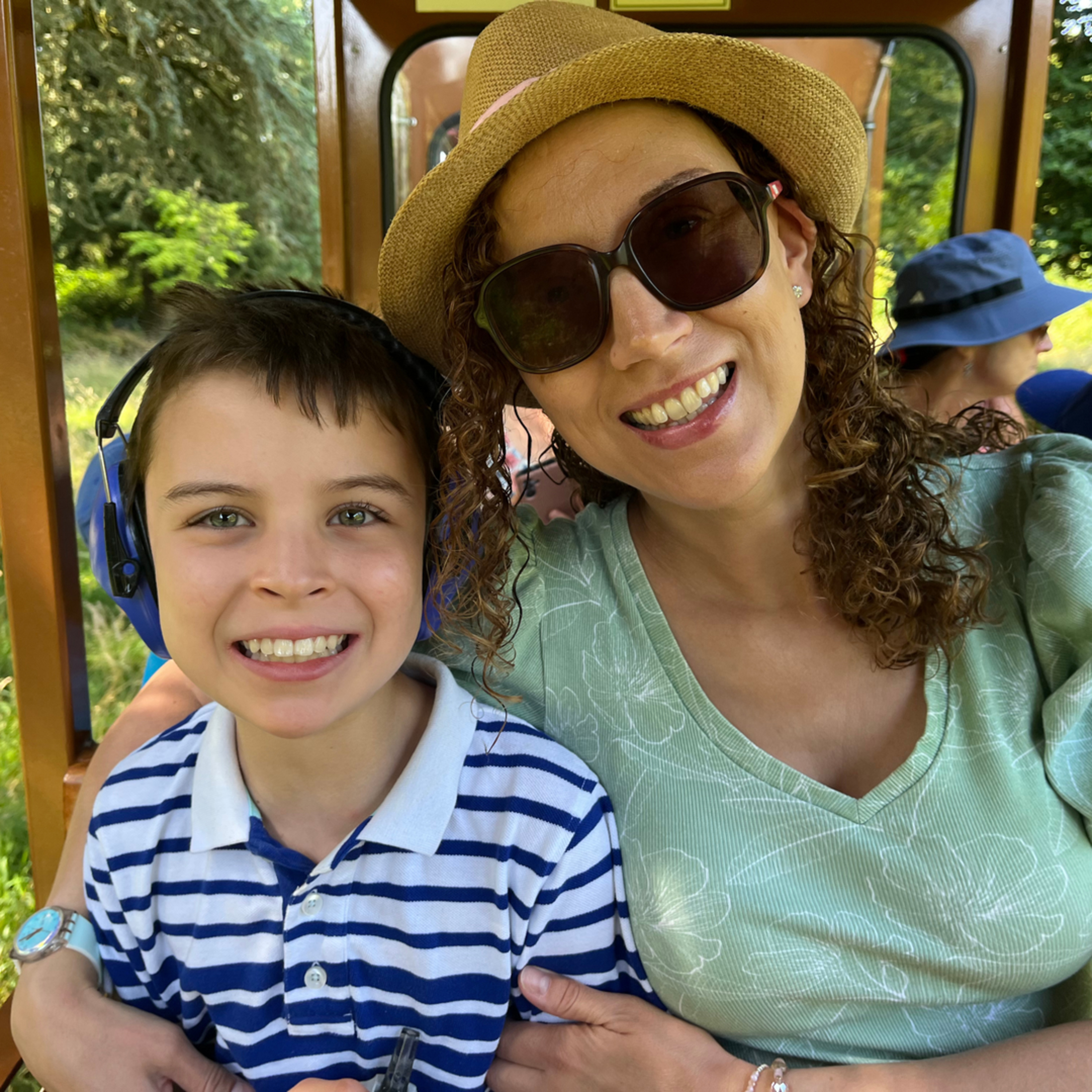 Why isn’t he talking? It can’t just be autism 05.12.2025 26минWhen Lottie Berry’s non-speaking autistic son Joshua didn’t follow the normal pathway for speech progression, she started to question why.Yes, he was autistic, but that didn’t explain why he couldn’t talk. Lottie talks about how she bravely pushed for a diagnosis for his speech disorder on the NHS and secured an adapted speech assessment, which resulted in a diagnosis of Suspected Childhood Apraxia of Speech (CAS).Josh now has intensive speech therapy sessions for CAS on the NHS that have helped unlock his voice alongside his trusty speech device Monty (Proloquo2Go).Lottie says, “I had given up hope that he was ever going to talk with his mouth - I just didn’t think it was ever going to happen…the fact he can now say mummy (and other words) with his mouth is the best thing ever for him and me.”Lottie Berry is the Founder of Tap Type Talk, an autism, apraxia, and AAC advocacy platform.
 -
 Picking targets and working with childhood apraxia of speech 21.11.2025 55минOlga Komadina talks about why she chose to work in speech apraxia and her route into the field. What are the challenges and how do you make decisions about children? Olga has years of experience working with childhood apraxia of speech.
 -
 Acquired apraxia of speech- Jon Hunt, founder of Cuespeak 14.11.2025 21минIn this episode, Jon Hunt discusses how apraxia affects people after a stroke and shares insights from his work supporting individuals with acquired apraxia of speech and aphasia. He explores the challenges of diagnosis, common misconceptions about treatment, and how these conditions often overlap more than many realise.Jon also talks about designing the Cuespeak therapy app, created to help people practice speech and communication more effectively. He explains how apraxia therapy tends to focus on the mechanics of speech, while aphasia therapy targets language processing—but in reality, speech and language are deeply connected, and both approaches can complement each other in therapy.
 -
 Acquired apraxia of speech after a stroke- Stroke Survivors Speech & Language Support Group 05.11.2025 16минLiz Bedson runs the Stroke Survivors Speech and Language Support group. She explains the effects of stroke on speech and language, how her organisation supports individuals with apraxia of speech and is looking to also train their volunteers. The organisation supports Stroke Survivors in Cheshire, UK and surrounding areas with speech, language and communication difficulties with fun activities in a safe, person centered way.They empower stroke survivors to recover, reclaim and rebuild their lives after stroke through fun and engaging activities. Helping them become more motivated, they become more resilient and feel less isolated.
 -
 Childhood apraxia of speech and selective mutism, diagnosis, awareness and effective therapy- Libby Hill Consultant Speech and Language Therapist Small Talk SLT Ltd 29.10.2025 28минLibby hall discusses both childhood apraxia of speech and selective mutism. She answers questions around diagnosis, common misconceptions, and raising awareness. This unique podcast focuses on an area of speech and language that is often misunderstood and underrepresented, Libby sheds light on the challenges families face and the importance of early intervention. Whether you're a person living with one or both of these or a parent, educator, or speech-language professional, this episode offers valuable perspectives and practical advice to support children navigating these complex communication disorders.Libby is in her 40th year of being a speech and language therapist and remains as passionate about what she does as ever. Libby worked for the NHS in Aylesbury, Dudley and Sandwell before moving to the independent sector. She leads an independent team of therapists at Small Talk Speech & Language Therapy, working mainly with children with complex autism and selective mutism.
 -
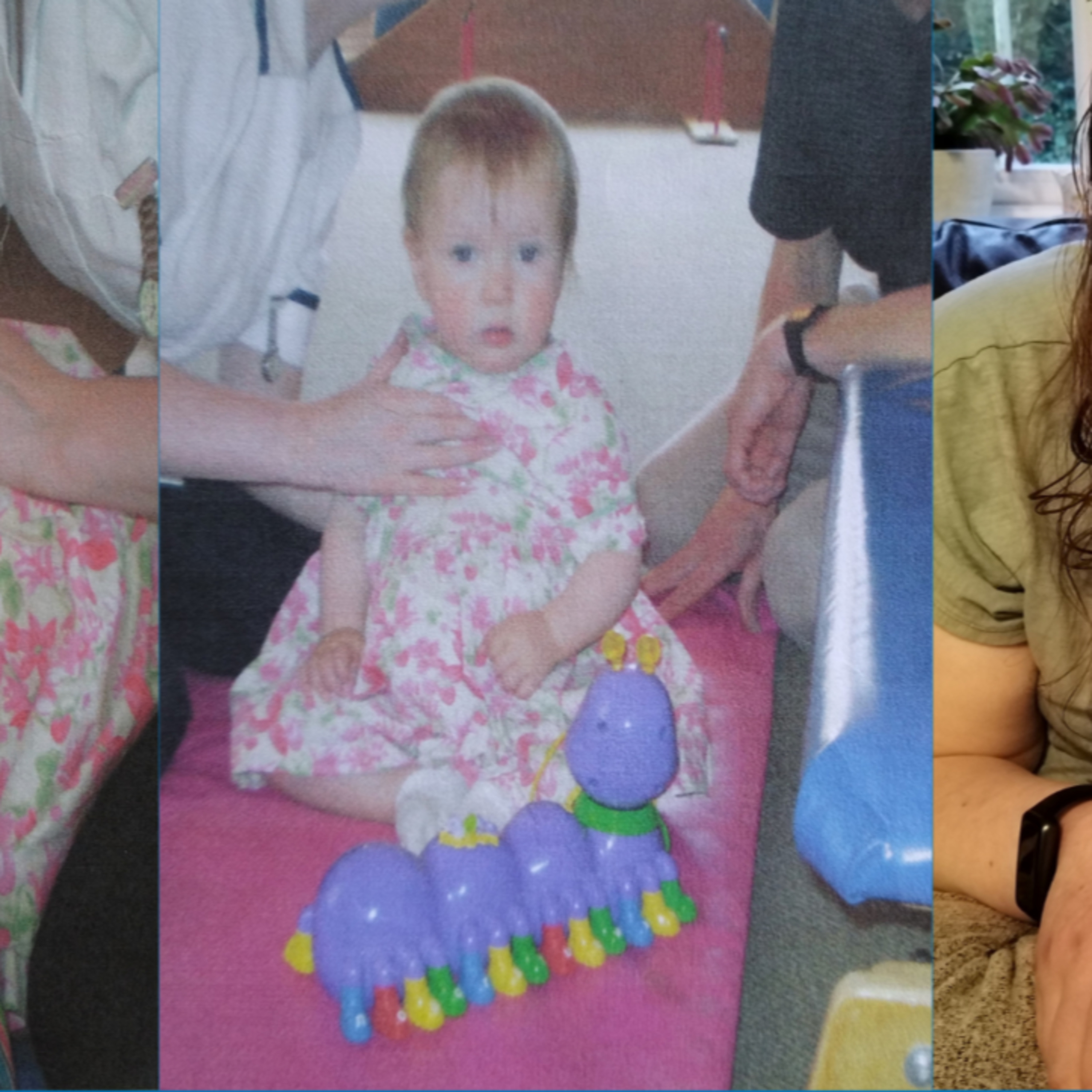 Piecing Together the Puzzle: Pam’s Journey with FOXP2 and Childhood Apraxia of Speech 24.09.2025 14минIn this episode, I’m joined by Pam Slater, whose daughter was diagnosed with a FOXP2-related speech and language disorder in 2017. She shares her story with www.speechapraxia.co.uk That diagnosis helped piece together years of unanswered questions—hypotonia, poor eye contact, and unclear speech that even family struggled to understand. Pam shares her daughter’s remarkable journey, from early physiotherapy and years of intensive speech therapy for Childhood Apraxia of Speech, to finding ways to communicate through Makaton, communication books, and AAC. We also talk about the mental health impact, the determination her daughter shows every day, and how international research collaborations have supported her progress. This is a powerful story of resilience, advocacy, and hope for families navigating rare genetic speech conditions. #FOXP2 #FOXP2RelatedDisorder #ChildhoodApraxiaOfSpeech #CAS #ApraxiaOfSpeech #SpeechDisorder #GeneticSpeechDisorder #AAC #AugmentativeAndAlternativeCommunication #Makaton #SpeechTherapy #SLT #SpeechAndLanguageTherapy #RareDisease #RareDisorder #Hypotonia #NeurodevelopmentalDisorder #CommunicationDisorder #ApraxiaAwareness #ParentAdvocacy #FamilyAdvocacy #Resilience #Hope #MentalHealth #ResearchCollaboration #GeneticsAndSpeech #RareDiseaseCommunity #ApraxiaSupport #SpeechTherapyJourney #InclusiveCommunication
Похожие подкасты


Популярен в
Этот подкаст также попадал в подкаст-чарты этих стран.

