
Changing Academic Life
Geraldine Fitzpatrick
0
This podcast explores how to make academic life more sustainable, collaborative, and effective. It features long-form conversations with academics and thought leaders sharing stories and insights, along with bite-size musings on specific topics. The host draws on literature and personal experience to discuss changes that can be made individually and collectively.
Эпизоды
-
 Celebrating 10 Years & Season End (CAL147, S8E12) 01.07.2026 27минCelebrating 10 Years & Season Reflections on Meaning, Identity, Care, and LeadershipThis is a special episode because it’s not only marks the end of the current season, it also celebrates 10 years of the Changing Academic Life podcast, The first podcast episode went out on 3 July 2016 and it has now reached 156 episodes by late June 2026. In this episode I start off reflecting on the podcast as a service contribution towards trying to create a better academia and the reminder that small actions can have big impacts. A big thank you to my guests and listeners, and for your feedback as exemplified in a supportive email I just received from Eleanor, among others. And I ask listeners to share the podcast and consider informal discussion groups. I then go on to reflect across the 11 season episodes, highlighting themes of meaning and joyful effort, evolving identity, navigating academic “games,” bureaucracy and corporatization, better leadership grounded in trust, deep listening, and care and wellbeing. My last invitation is for you to make one small intentional change towards your better academic life and creating better cultures.00:00 Welcome to the Podcast00:32 Ten Year Milestone02:21 Why Keep Going03:58 Listener Messages Matter05:59 Share the Podcast06:38 Season Episodes Recap12:30 Meaning and Joy14:37 Identity and Agency17:01 Bureaucracy and Leadership19:47 Listening and Care24:48 Intentional Next Steps26:36 Closing ThanksPrevious CAL100 episode from Feb 2024: Celebrating 100!
 -
 Cultivating Deep Listening: Showing Up, Staying Curious, and Resisting Advice (CAL146, S8E11) 17.06.2026 48минDeep listening is a foundational yet undervalued skill across all our supervision, leadership, and collaboration relationships. My motivation for this episode came from some recent workshops experiences, conversations with colleagues, and posts from others that have all highlighted the importance of listening in different ways. This is a multi-voice episode, weaving together insights from past conversations with Christian van Nieuwerburgh, Oscar Trimboli, and Michael Bungay Stanier. Together we explore how we can cultivate better listening.Good listening starts with how we show up—our wellbeing, intention, and undivided attention—and practical preparation such as reducing notifications, hydrating, and breathing. Good listening then is a way of being, staying curious longer with open “what” questions, checking what support is wanted, and resisting “advice monsters” that push premature solutions. We also discuss the relational, developmental and productivity costs of poor listening, and I close with Oscar’s five levels of listening and Michael’s exhortation to stay curious a little longer. The invitation to you is to consider how you might practice deeper curiosity and presence for better listening where you are.00:29 Why the Focus on Listening05:36 Listening Starts with Listening to Ourselves13:27 When the Content isn't the Real Content - Curiosity and Questions18:05 Christian on Optimal Matching20:58 Michael on our Advice Monsters26:39 Michael on the Problem with Rushing to Advice29:59 How We Ask a Question Matters33:44 Relationship Costs of Poor Listening42:52 Oscar's Five Levels of Listening44:23 Wrapping UpThe Full Podcast Episodes:Michael Bungay Stanier on the power of curiosity and taming your advice monsterRW8 Asking good questions, empowering good peopleOscar Trimboli (Part 1) on being better listeners (CAL61)Oscar Trimboli (Part 2) on how to listen deeply (CAL62)Christian van Nieuwerburgh on Bringing Back the Joy (CAL142, S8E7)Related Links:Uni of Glasgow Outstanding Catalyst Mentors – Padlet with testimonials (Kay Guccione)Narelle Lemon, Deep Listening: Are You Being Helped, Hugged or Heard? Jun 9 2026The Thriving PI Summit – free online event June 29-Jul 2 2026 – organized by Ana Pineda. Free registration.
 -
 Mike Levin on navigating academia as a disruptive interdisciplinary researcher (CAL145, S8,E10) 03.06.2026 52минMike Levin is a Professor of Biology at Tufts University in the US and leads the Levin Lab and pursues research across cancer, birth defects, regenerative medicine, AI, synthetic morphology, and philosophy, unified by a central aim: understanding how minds become embodied and scale across biological and synthetic systems. Mike explains his early inspirations and his practice of looking for what is “not in the textbook,” challenging dominant paradigms and treating scientific frameworks as metaphors that both reveal and hide phenomena. He describes navigating academia by separating creative exploration from pragmatic communication, strategically and slowly rolling out disruptive ideas as data accumulate, and connecting new ideas to what others value. He discusses building and managing an interdisciplinary lab, sustaining high publication output through intensive work, persisting through rejection, and advising students to envision long-term outcomes and not give up. This conversation will inspire you to also ask new questions.00:29 Episode Introduction04:24 Introducing Mike, the Levin Lab and the Embodied Minds Research Agenda06:30 Early Curiosity Origins - TVs and Bugs09:45 Fresh Eyes Method11:48 Hidden Capacties of Algorithms13:21 Beyond Disciplines15:07 Navigating Academia Your Way17:08 Curating Radical Ideas20:21 Two Minds Strategy and Being Realistic24:45 Understanding Communities, Building Your Own Community26:09 Slow Curated Rollout Dial29:32 Imposter Syndrome Reality29:58 Data Over Opinions32:11 Interdisciplinary Metaphors34:44 Rethinking Scientific Categories36:23 Hiring For Discomfort, Building a MultiDisciplinary Team39:14 From Crazy To Obvious41:07 Seeding Lab Communication43:51 Partnering With Model Systems45:06 Sharing Science45:51 Productivity And Sacrifice47:22 Stress And Best Job49:19 Speaking to Young Researchers50:55 Never Give UpRelated links:The Levin Lab website and Starter pack: Introductory materials to the lab's academic workTufts Allen Discovery CenterMike's personal Blog: Forms of life, forms of mind and Google Scholar pagePodcast Exploring the origin and nature of minds in the physical universe and YouTube channelTED conversation about "The electrical blueprints that orchestrate life"Advice he gives to his students
 -
 Raffael Himmelsbach on Courage, Discomfort, and Leadership in Ambiguous Academic Roles (CAL144, S8E9) 20.05.2026 1ч 4минDr Raffael Himmelsbach and I discuss his unorthodox path from a political science PhD at the University of Lausanne into science policy and research-adjacent leadership roles across multiple countries, including work with the Center for Digital Life Norway and co-directing a Vienna Ludwig Boltzmann Research Group on wound healing. He describes moving away from a publication-driven track toward designing programs, coordinating networks, and working with people, and reflects on the discomfort and courage required in ambiguous roles where goals and success criteria can be unclear. Drawing on large-scale, multi-institution collaborations, he discusses stakeholder management, the risks of equating success with spending and visible activity, and the importance of creating safety and “attractiveness” for collaboration. He shares practical tools such as participatory lab manuals, structured check-ins, and “parking lot” rituals, and reflects on leadership beyond positional authority, the tension between expert and leader identities, and the value of coaching and self-leadership as he now transitions to leadership coaching and organisation development consulting.00:29 Introducing Raffael03:38 From Political Science to Science Policy and Responsibility10:03 Finding his Happy Place in a Research Adjacent Role17:53 Becoming more Professional, Accepting Being Uncomfortable22:03 Coordinating Multidisciplinary Multisite Projects28:14 Key Learning About Courage32:10 Knowing your Stakeholders, Defining Success Beyond Activity35:18 Bootstrapping Collaboration Through Safety and Attractiveness41:23 Lab Manual As Social Contract44:14 Participation and Shared Responsibility46:28 Leadership Without Command Control50:50 Rituals That Make People Seen53:39 Leader Identity vs Expert Identity59:01 Drawing on Experience to Help Others01:01:27 Third Space Roles and Future AcademiaRelated Links:Raffael Himmesbach Consulting and LinkedIn profileRaffael's report on The Centre for Digital Life Norway at Nine Years: Insights from the Legacy WorkshopLudwig Boltzmann Research Group Senescence and Healing of WoundsRaffael Himmelsbach, We need to talk about leadership transitions in science, LinkedIn blog post Jan 2026.Richard Van Noorden, Some hard numbers on science’s leadership problems, Nature 557, 294-296 (2018) doi: https://doi.org/10.1038/d41586-018-05143-8
 -
 On Identity, Meaning, and Joyful Effort (CAL143, S8E8) 06.05.2026 34минConnecting to Christian van Nieuwerburgh’s idea of “joyful effort” and discussions at the University of Graz Research Culture Campus Fest about supportive, inclusive research cultures and prioritizing meaningful work over productivity, this episode revisits an episode from January 2025 on research identity, meaningful work, and funding. I explore the tensions between our autonomy to pursue intrinsically motivating, value-driven research and systemic constraints such as funding calls, promotion criteria, shifting national priorities, and restrictive deliverables that can conflict with participatory principles. Using examples from Katta Spiel on focusing on what you want to do not what is strategic, Mark Reed’s impact principle about purpose, and Stuart Reeves on low-cost research styles, I talk about our choices to play or not play the funding “game,” including reframing proposals, and the risks of taking on less-meaningful projects. I close with reflective questions (summarized in nine steps by Rachel Ratz-Lubashevsky) to identify what “lights you up” and guide decisions.00:34 Motivating the Relevance of Revisiting this Episode04:56 Rachel's Summary of the 9 Simple Steps to What Lights You Up08:28 Introduction and Reflection on Academic Freedom09:56 Replay from Katta Spiel Part 110:40 Mark Reed's principle for engagement and impact13:23 The Tension Between Personal Values, Identity and Systemic Expectations15:07 The Reality of Funding Proposals and Strategic Game16:40 The Impact of Funding Conditions on Research18:27 The Dilemma of Playing the Funding Game21:07 Choices for How to Play the Game27:52 Choosing Not to Play the Game29:42 Reframing Research Identity and ConclusionRelated Links:Uni Graz Research Culture Campus Fest report and LinkedIn post about itRachel Ratz-Lubashevsky’s LinkedIn post summarising the 9 stepsCAL Podcast episodes I mention:Christian van Nieuwerburgh, Johanna Stadlbauer, Katta Spiel part 1, Mark Reed and Stuart Reeves part 1
 -
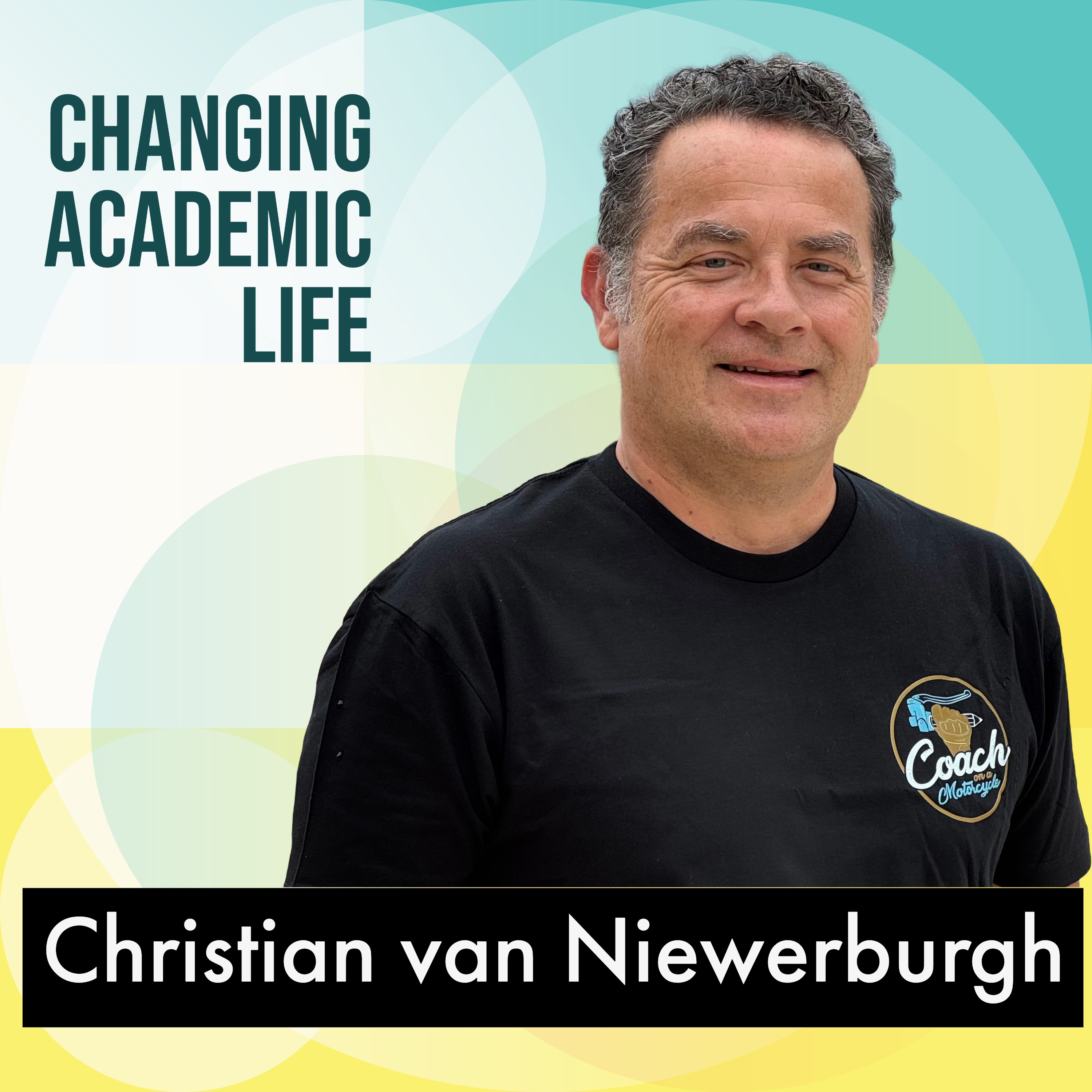 Christian van Nieuwerburgh on Bringing Back the Joy (CAL142, S8E7) 22.04.2026 1чChristian van Nieuwerburgh is Professor of Coaching and Positive Psychology at the Centre for Positive Health Sciences at the Royal College of Surgeons Ireland University of Medicine and Health Sciences, and a practitioner providing coach training and consultancy for the education sector, among other roles. His ‘coach on a motorcycle’ identity is about aligning all parts of his work and life as a “pracademic”.Universities, he argues, should be joyful, safe, inclusive places where students and staff flourish despite constraints like performance metrics and burnout. He talks about wellbeing as foundational for us to be able to do good work, about how a coaching approach is ideal for setting up learning environments that build autonomy, self-efficacy, and connection, and about the importance of intention. Intention, he says, is central to how we show up because “intention directs attention,” helping others feel seen, valued, and heard. Throughout, he provides lots of practical suggestions for how to check in with our own intentions and choices. We discuss supervision and learning conversations, shifting stances from directive to facilitative and dialogical, optimal matching of support, asking what help is needed, cultivating presence, and using small reflective choices (purpose, calendar/energy audits, recharging activities) to bring joy back to academic work.00:29 Episode Introduction03:33 Christian's Student Dream to Academic Reality05:51 Embracing the Pracademic Coach on a Motorcycle07:25 Bringing Joy Back to Universities12:40 Joyful Effort Meaning and Energy19:29 Wellbeing Beyond the Business Case23:58 Intention Directs Attention29:54 Coaching Supervision and a Caring Professor34:16 Undivided Attention Matters36:00 Supervisor as Coach38:34 Beyond the Expert Hat41:04 Dialogical Career Conversations48:32 Matching Support to Needs50:54 From Surviving to Adding Value53:36 Practicing Presence Daily57:23 Joyful Effort Closing58:17 OutroRelated Links:About Christian:The ‘Coach on a Motorcycle’. You can also find him via his RCSI web page, Google Scholar page, and on LinkedIn and Instagram.People Christian mentions:Prof. Cathia Jenainati, Uni of GloucestershireProf. George Khairallah, American University of BeirutDr Paige Williams, Uni of MelbourneChristian's books and articles:See https://coachonamotorcycle.com/books/ for all his booksvan Nieuwerburgh, Christian and Biswas-Diener, Robert, Radical Listening: The Art of True Connection, Berrett-Koehler Publishers, 2025.van Nieuwerburgh, Christian, Radical listening: two big ideas and six core skills that could help you connect more deeply with others, The Conversation, June 2025https://theconversation.com/radical-listening-two-big-ideas-and-six-core-skills-that-could-help-you-connect-more-deeply-with-others-256289van Nieuwerburgh, Christian and Williams, Paige (Eds), From Surviving to Thriving: A student’s guide to feeling and doing well at university, Sage Publications, 2022.van Nieuwerburgh, Christian, An Introduction to Coaching Skills: A Practical Guide, Sage Publications, 2013 (2025 4th Ed).Lynden J, Gallaghan G, van Nieuwerburgh CJ (2024), "Bringing joy back into higher education: the potential contribution of coaching". International Journal of Mentoring and Coaching in Education, Vol. 13 No. 3 pp. 378–393. (PDF available here)Other articles:Buckingham, Markus and Goodall, Ashley, Work-Life Balance is a Myth. Do This Instead. Time Magazine, June 6 2019.
 -
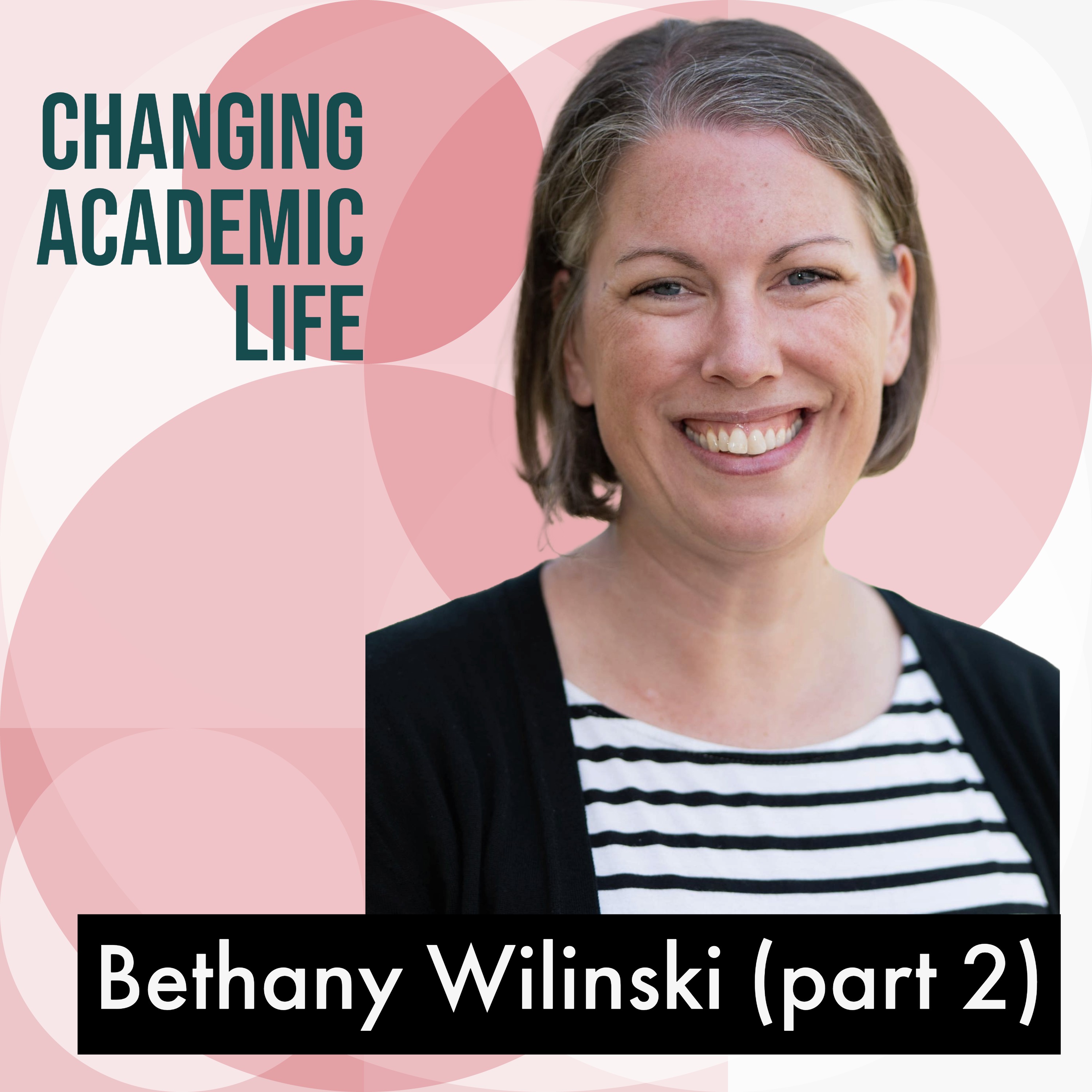 Bethany Wilinski (Part 2) on Designing Your Intentional Sabbatical (CAL141, S8E6) 08.04.2026 42минDesigning Your Intentional Sabbatical: Purpose, boundaries and career sustainability.This is Part 2 of my conversation with Bethany Wilinski, an associate professor of teacher education at Michigan State University. Building from Part 1, where Bethany described her own sabbatical experience, here the the focus is on how to more intentionally design your sabbatical (also relevant for any leave) by starting with purpose, priorities, and desired feelings rather than a to-do list. Bethany outlines practical boundary management strategies to protect your time amid ongoing responsibilities while on sabbatical. These include clarifying expectations in advance, shifting cognitive load to students, and batching meetings into limited windows. She makes a great case for how we can use sabbaticals as a chance to test systems and carry changes forward: balancing structure versus unscheduled time, normalizing rest and reading as productive, and using sabbatical (and other types of leave) to reset habits around health, work rhythms, and scarcity-driven opportunity-taking. Bethany also also reflects more generally on academia’s lack of positive reinforcement, her sabbatical-planning coaching business, and the need for sustainable career choices and incremental culture change.0:29 Introduction03:55 Starting With Purpose and Priorities Before Tasks07:34 Mapping Obligations And Boundaries, Setting Boundaries12:31 Reducing Cognitive Load, Taking Control of Scheduling14:51 Structure Rest And Reading18:25 Mid Career Reset And Scarcity22:01 Career Choices In Uncertain Times24:12 Lessons From Parental Leave26:22 The To Do List Never Ends29:35 Validation And Sustainable Culture35:58 Starting A Coaching Business39:21 Changing Academia From Within41:18 OutroRelated Links:Bethany’s Michigan State Uni webpageBethany Wilinski Sabbatical CoachingBethany on LinkedIn
 -
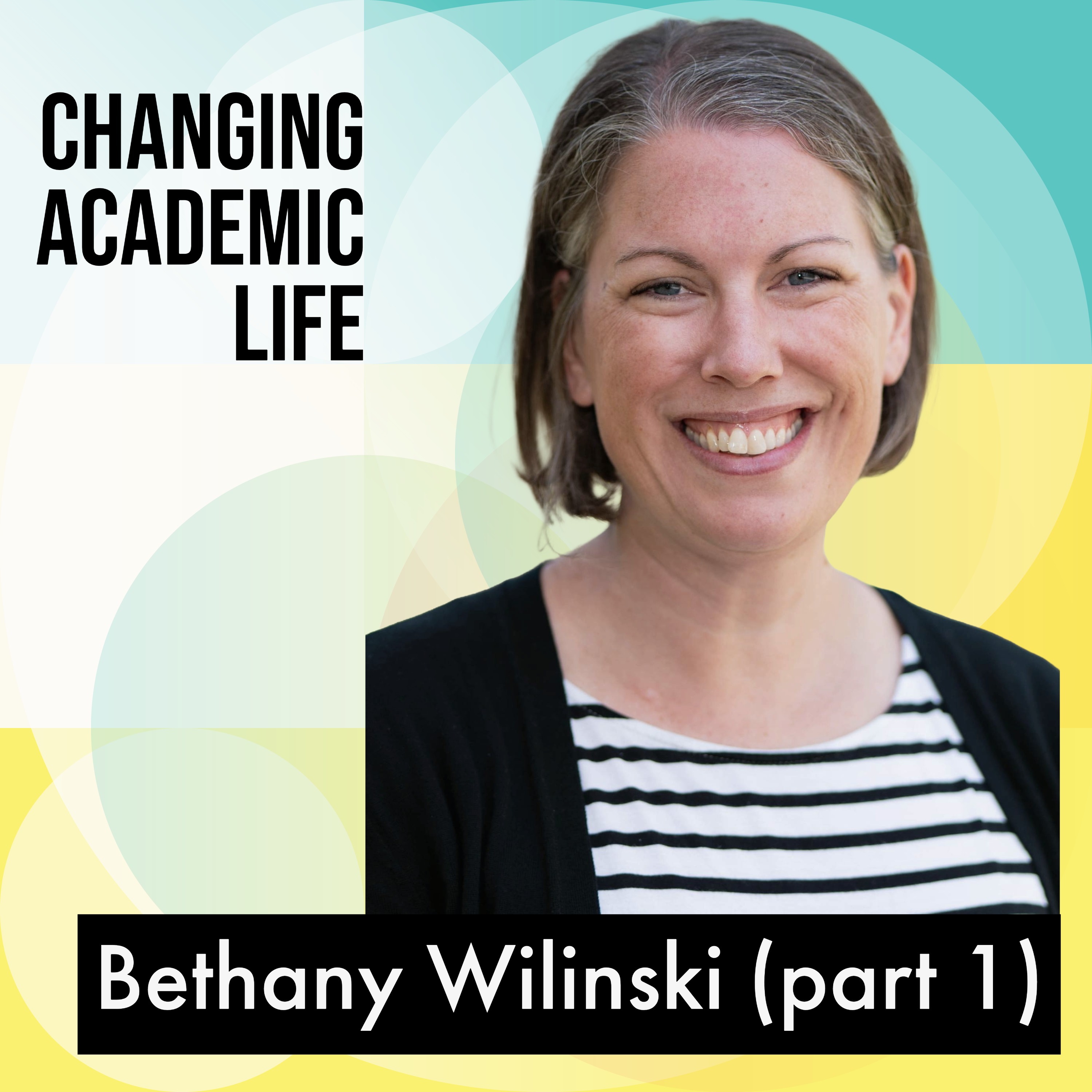 Bethany Wilinski (Part 1) on sabbatical, burnout and choosing rest (CAL140, S8E5) 25.03.2026 53минBethany Wilinski is an associate professor of teacher education at Michigan State University and a sabbatical coach. In Part 1 of our conversation, she describes her own sabbatical experience. She talks about how earning tenure in 2022 after the pandemic, young children, and family losses left her burned out and questioning her work’s impact. Initially she planned an “expected” research sabbatical in Tanzania and applied for a competitive yearlong Fulbright, but soon felt unease about starting a major new project and disrupting family life. After seeing a colleague’s Florence sabbatical report, she reframed sabbatical as restoration and family reconnection, chose Bordeaux France for one semester, and returned reenergized and eager to reengage without resuming frenetic pace. She discusses shifting identity beyond career, setting boundaries, pausing before saying yes, focusing on finishing work, and unlearning academia’s hidden curriculum of constant striving.00:29 Introduction04:09 Burnout After Tenure and Initial Sabbatical Plans09:14 Navigating Doubts After Submitting and Expectations14:03 Post Tenure Pressure18:18 Slowing Down For Family24:19 A Different Sabbatical Vision30:14 Restoration Mindset Shift and Choosing Bordeaux France33:16 Returning Reenergized35:59 Identity Beyond Academia37:52 Boundaries and Saying No41:26 Essentialism and Finishing43:19 Hidden Curriculum Unlearning48:37 Support Systems and Guardrails52:09 Designing Your Sabbatical52:33 OutroRelated Links:Bethany’s Michigan State Uni webpageBethany Wilinski Sabbatical CoachingBethany on LinkedIn[Book] Greg McKeown, Essentialism: The Disciplined Pursuit of Less, Crown Currency 2014.
 -
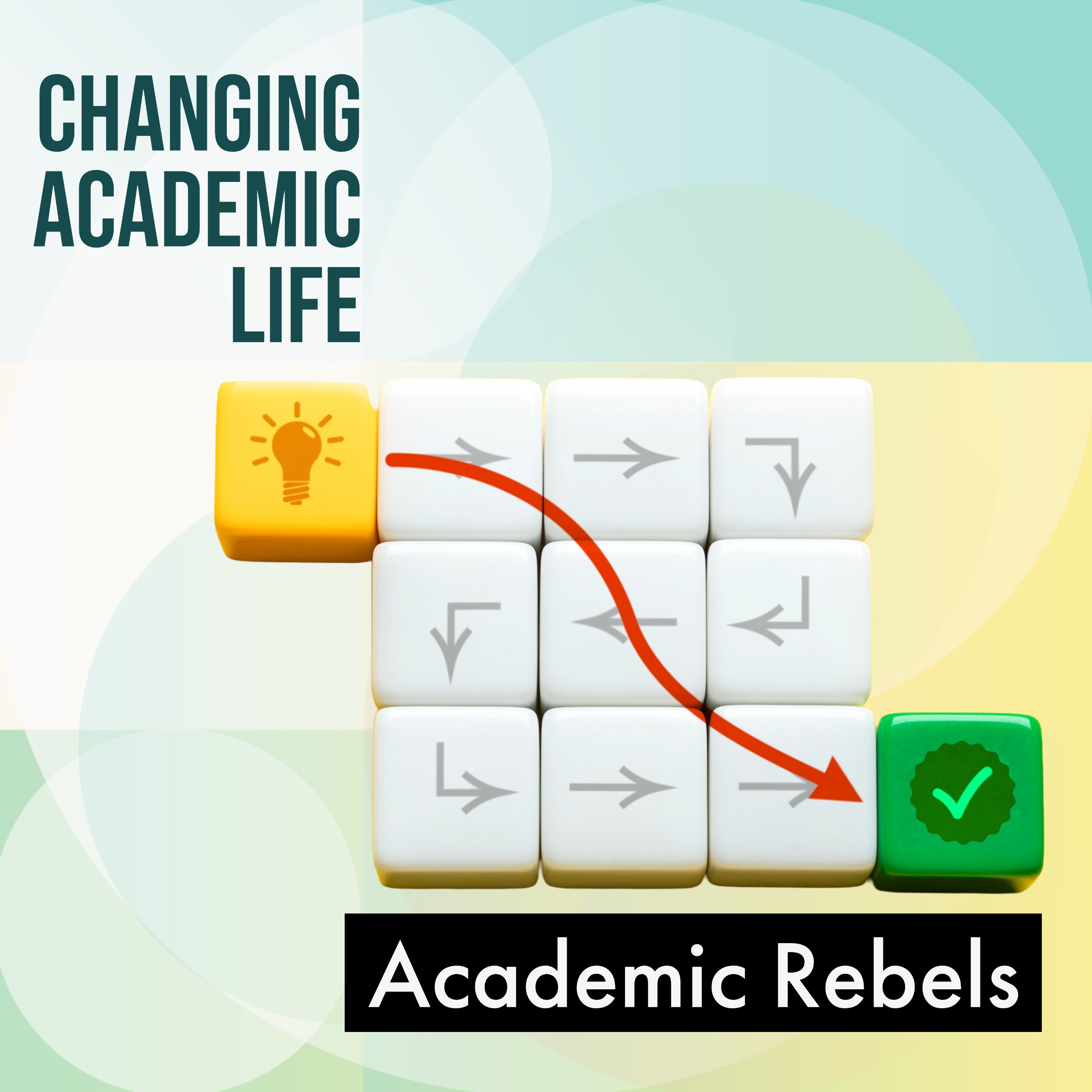 Academic Rebels: From Bureaucracy to Trust, Teams, and New Leadership (CAL139, S8E4) 11.03.2026 40минWhat if a corporatisation approach could actually make academic life better? Looking across the episodes so far this year I see three themes: shifting from “I” to “we” by treating research as a team sport; developing a new kind of leadership focused on enabling others through self-awareness, humility, authenticity, kindness, and clear roles; and adopting new ways of working that reduce bureaucratic hierarchies. These point to new ways of working. Drawing on Masud Husain’s 2025 editorial on corporatization and “bullshit jobs”, and Jayne Price’s discussion of holacracy and Corporate Rebels, I remind us, as if we need reminding, of how our current arbitrary and onerous bureaucratic processes take us away from our core work. I then explore what we could learn from holocratic approaches that move from bureaucracy and control to trust and self organised teams, as captured in Corporate Rebels’ eight trends (purpose over metrics, networks of teams, supportive leadership, adaptation, freedom with accountable trust, distributed decisions, transparency, and talents/mastery). I invite us to experiment with being academic rebels exploring new ways of working with new forms of leadership. There might actually be forms of corporatisation that could be useful for our sector.00:29 Reflecting on Conversations so Far in 202602:08 Theme 1: Mindset shift from I to We02:55 Theme 2: Critical Role of Leadership05:09 Theme 3: Needing New Ways of Working07:19 The Rise of Corporatisation and 'Bullshit Jobs' in the Academic Sector10:17 Learning from New Approaches in the Corporate Sector?13:31 Exploring the Arbitrariness and Impact of Bureaucracy and Heirarchies14:13 Example: Different Approaches to Bureaucracy around Teaching16:39 Example: Different Approaches to Booking Holidays17:48 Example: Booking Work Related Travel20:05 Example: Bureaucracy and Control of Funding Bodies22:39 Example: Bureaucracy, Micromanagement in Professional Organizations25:15 Better Ways from Holocracy and Coporate Rebels?29:33 Requires New Forms of Leadership34:09 Eight Trends in This New Coporate Way39:16 What Can You Imagine for Your Situation?Related Links:Sarah McLusky on diverse careers, purposeful events and effective communication (CAL135, S8E1)Jayne Price on making work work better (CAL137, S8E2)Jen Heemstra on Accidental Leadership (CAL 138, S8E3)Strengths as Superpowers - Replay (CAL123, S6 E17) Masud Husain, On the responsibilities of intellectuals and the rise of bullshit jobs in universities, Brain, Volume 148, Issue 3, March 2025, Pages 687–688.Brian Robertson, HolocracyCorporate RebelsDiederick Janse & Marco Bogers, Getting Started With Holacracy: Upgrading Your Team's Productivity, 2020, AbeBooks
 -
 Jen Heemstra on Accidental Leadership (CAL 138, S8E3) 11.02.2026 59минProf. Jen Heemstra from Washington University in St. Louis in the US shares her journey from a research-focused bimolecular engineer to accidental leader and now author of the insightful book 'Lab Work to Leadership.' Jen speaks about the challenges faced by academics moving into leadership, recognisning that we are often untrained and unprepared for these roles. She shares insights from her book focusing on self-leadership, leading others, and coaching future leaders. Jen talks about the importance of building trust, creating a positive lab culture, giving and seeking feedback, and the significance of modeling behavior for emerging leaders. Jen also reflects on her personal experiences, including her struggles to get tenure and maintaining a work-life balance.00:29 Introduction and Welcome03:09 The Birth of 'Lab Work to Leadership'05:43 Navigating Academic Challenges08:29 The Worst Day: Tenure Rejection12:14 People Showing Up and Getting Tenure15:49 Embracing Leadership in Academia That We Are Not Trained For21:26 Building a Collaborative Lab Culture30:35 The Importance of Self-Leadership and Self-Awareness33:27 The Role of Coaches and Mentors35:02 The Importance of Feedback37:01 Challenges in Giving and Receiving Feedback38:46 Understanding Individual Needs in a Lab Environment43:59 Building Trust and Psychological Safety49:37 Coaching Future Leaders56:50 Balancing Professional and Personal Life58:11 Conclusion and Final Thoughts58:56 OutroRelated Links:About Jen: Heemstra Lab at Washington Univ in St. LouisJen’s webpage and LinkedIn ProfileBook:Jen Heemstra, Labwork to leadership: a concise guide to thriving in the science job you weren’t trained for, 2025, Harvard University PressPeople:Troy ChampResources: Edwin Catmull and Amy Wallace, Creativity, Inc.: Overcoming the Unseen Forces That Stand in the Way of True Inspiration, 2014, Penguin.Liz Wiseman and Greg McKeown, Multipliers: How the Best Leaders Make Everyone Smarter, 2010, Harper Collins.Birkman Personality Inventory
 -
 Jayne Price on making work work better (CAL137, S8E2) 28.01.2026 1ч 13минJayne Price is all about making work work better. She is the Transformation Director and Head of Continuous Improvement at the Science and Technology Facilities Council (STFC). Jayne discusses her journey to her current role in UK Research and Innovation (UKRI), and the strategies she employs to foster human-centered, purpose-led change in the organization. She emphasizes the importance of leadership that is grounded in trust, accountability, and psychological safety, and the role of experimental and agile approaches in driving systemic transformation. Jayne also shares practical examples, including the implementation of Holacracy and continuous improvement initiatives. The conversation highlights the challenges and successes in transforming our traditionally bureaucratic research culture into a more effective and innovative environment. Jayne offers valuable insights for leaders at all levels and showcases the value of empowering teams to do their best work.00:29 Introduction to the Episode03:41 Introducing Jayne and her Career Journey06:52 Understanding Project versus Program Management07:59 From Change to Transformation12:14 Implementing Experiments and Measuring Change14:10 Challenges in the Academic and Research Sector19:54 Innovative Approaches to Leadership and Management27:21 Designing Alternative Promotion Routes29:21 Challenges to Identity and Developing Leaders35:50 Moving from 'I' to 'We' as a Leader37:53 The Mindset to Move to 'We'40:13 Humility, Vulnerability and Authenticity in Leadership43:26 Shadow Sides, Blind Spots and Experimenting with Different Approaches47:31 Starting to See the Benefits50:53 Creating Workplaces For People to Flourish53:04 The Holacracy Experiment - Creating Clarity55:42 Doing Meetings Differently59:22 Empowerment and Autonomy with Accountability01:01:47 Corporate Rebels and Other Inspirational Resources01:06:31 The Critical Importance of Leadership Buy-In01:08:01 Everyone Can Choose Leadership Behaviours at Any Level01:09:51 Encouragement for Change Agents01:11:39 OutroAbout Jayne:Jayne Price https://www.linkedin.com/in/jayne-price71/UKRI https://www.ukri.orgSTFC https://www.ukri.org/councils/stfc/Related links:Cynefin framework for making sense of complexityCorporate RebelsDiederick Janse and Marc-Peter Pijper from Corporate Rebels supported the Holocracy TrialsGlassFrog: “the cutting-edge self-management platform that empowers teams with clarity and autonomy”Tuff Leadership TrainingBooks:Aaron Dignan, Brave New Work, Portfolio, 2019Daniel Pink, Drive: The surprising truth about what motivates us, Riverhead Books, 2011Joost Minnaar and Pim de Morree, Corporate Rebels: Make Work More Fun, 2020Jon Alexander, Citizens: Why the Key to Fixing Everything is All of Us, Simon and Schuster, 2023Diederick Janse & Marco Bogers, Getting Started With Holacracy: Upgrading Your Team's Productivity, 2020, AbeBooksRobin Sharma, The Leader Who Had No Title, Free Press, 2010.Harvard Business ReviewRelated CAL Podcasts:Fostering psychological safety in research environments 30 Oct 24Elizabeth Churchill on creating culture, leading teams, loving challenges - she talks about Cynefin Framework ~6:30 mins
 -
 Sarah McLusky on diverse careers, purposeful events and effective communication (CAL136, S8E1) 14.01.2026 52минDr. Sarah McLusky, is an advocate and role model for research-adjacent careers. As an advocate Sarah hosts the 'Research Adjacent' podcast, which showcases career opportunities beyond traditional academic and industry roles. She talks about why started the podcast and also talks about her four main categories of research adjacent roles, emphasising the importance of recognising the many contributors to successful research. As a role model, Sarah shares her own experiences moving into a research adjacent role post-PhD, now working as a freelancer who supports research organisations through events and communications. Some of her key insights are around how to prepare participants for meaningful engagement at events and the value of effective research communication. She encourages us to rethink career possibilities and the significance of culture in research environments.00:29 Intro to the Episode02:49 Introducing Sarah McLusky04:33 The Concept of Research Adjacent08:00 Research As a Team Sport12:02 Career Paths Beyond Academia20:10 Four Main Categories of Research Adjacent Roles24:22 Sarah McLusky's Journey to a Research Adjacent Role29:36 Balancing Passion and Pragmatism33:17 Navigating Freelance Work34:51 The Importance of Gathering with Purpose45:54 Supporting the Communication of Great Research48:49 Final Thoughts and Resources51:25 OutroRelated Links:About Sarah and her workWebsite https://sarahmclusky.com/Newsletter https://sarahmclusky.com/gathering-with-purposeLinkedIn https://www.linkedin.com/in/sarahmclusky/Research Adjacent Podcasthttps://researchadjacent.com/podcast/https://pod.link/1663857550
 -
 LP Replay - Reflect, Celebrate, Dream (CAL135, S7E8) 17.12.2025 21минFor this last episode of the year I revisit the Long Play (LP) template, inspired by vinyl records, as a way to intentionally reflect on and celebrate this past year and to be more intentional about how we move into our new year. The Ps of the template are personal, people, play, and projects and we use the Ls to reflect across there: what did you land, love, labor on, and learn this past year review, and what do you want to look forward to, let go, let grow, and let be for the next year. You can download a template to create your own personalised reflections and plans, individually or within groups, to help you shape your good academic life.Overview:00:29 Setting up the LP03:34 LP Replay05:05 Introducing the LP Table Template08:59 Taking Time to Savour and Celebrate12:06 Looking forward to the 2026 LP16:12 Wrapping Up and Summary19:09 Final Pointers19:49 OutroYou can download your LP template here. Feel free to tailor it to what works best for you! And I'd love to hear back how you used it and evolved it.
 -
 Infertility, Career Choices, and Compassion (CAL 134, S7E7) 03.12.2025 38минIn this very personal solo episode, I share my journey through infertility and the impact it had on my academic and personal life. Inspired by Susan Dray's story, I decided to share our challenges of trying to start a family while managing a career in academia. I discusses the physical and emotional toll of infertility treatments, the loneliness of not sharing my struggles with colleagues, and the moral dilemmas we faced. Mine is just one story, and we can be sure that many of the people we work with are dealing with their own challenges or carrying their own sadnesses so this is a call for more empathy, kindness, and support in academic environments, emphasizing the importance of recognizing the human side of our lives. I conclude with a message of support for those facing similar challenges and a reflection on how my career path, though unintended, brought its own form of fulfillment.00:29 Introduction: A Personal Journey01:05 The Inspiration Behind This Episode03:58 Opening Up About Women's Health Issues07:23 The Struggles of Infertility12:15 Navigating the Moral Dilemmas14:51 Navigating Our Journey17:43 Navigating Career and Personal Life22:44 Moving On and Finding New Paths26:48 Things Coming Together in the Move to London30:13 Reflecting on an Academic Career Without Children33:53 Final ReflectionsRelated LinkCHI Stories @CHI2017: Midwifery, Babies, HCI: “Doktormutter”hood and Sustainable Academic Life
 -
 Susan Dray (Part 2) on listening, mentoring, and adversity (CAL133, S7E6) 12.11.2025 38минIn Part 2 of our conversation, Susan Dray continues to share deep insights about the importance of self-awareness and authenticity, empathy and listening with heart, and dealing with professional discomfort and personal adversity. She discusses her mentoring style, centred around being empathetic and supportive. And she talks about the importance of service and community, as well as the current challenges faced by early career researchers. Susan also shares deeply personal challenges and losses, and the accompanying emotional journey of accepting and learning from setbacks, the value of honouring people's experiences, and the importance of collaborative support. She reminds us, paraphrased here, that few people understand how special they are, and that what really matters is who you are. Because this is going to mean that what you do is important and makes a difference. Susan has certainly made a difference. Overview:00:29 Introduction to Part Two with Susan Dray02:18 Navigating Discomfort and Deep Learning05:47 Mentoring and Community Support08:51 HCI in Africa and Global Recognition13:28 Supporting Early Career Researchers19:12 Mentoring and the Joy of Service22:11 Reflections on Mentoring and Authenticity26:08 Evolving Roles, Willingness to be a Beginner29:40 Postscript - Personal Reflections and Adversities30:55 Lessons from Sailing32:21 Coping with Loss and Finding Positivity35:08 Final Reflections on Life and Legacy36:50 Wrap up38:27 EndRelated Links:Susan Dray's webpage and LinkedIn profile
 -
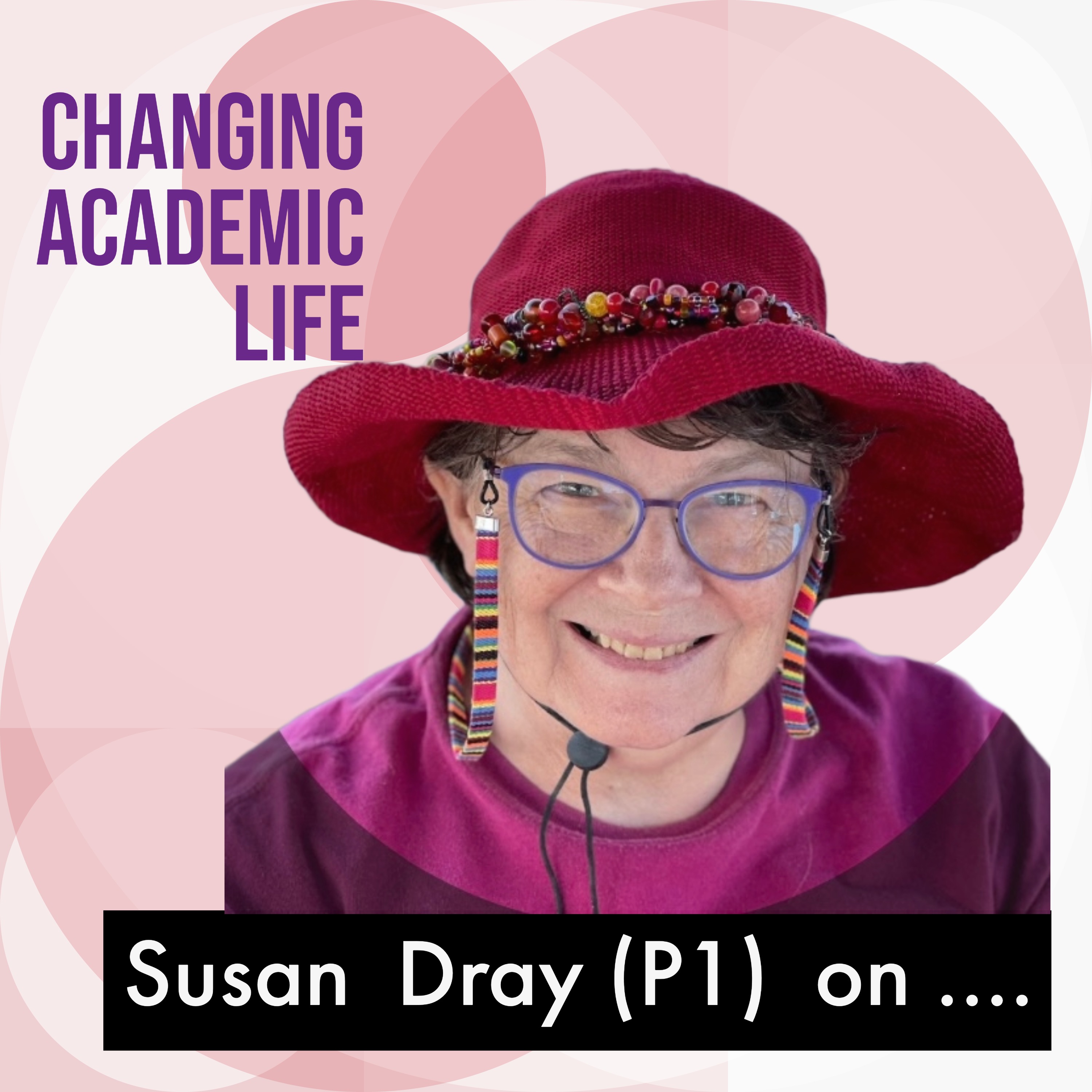 Susan Dray (Part 1) on navigating interstices: academia, industry and global consulting (CAL132, S7E5) 29.10.2025 53минThe wonderful Dr Susan Dray shares her journey from obtaining a PhD in experimental and physiological psychology at UCLA to becoming a pivotal figure in the field of Human-Computer Interaction (HCI). Susan recounts her transition from academia to industry, including roles at Honeywell and American Express, and her eventual shift to independent consulting. She discusses the evolution of HCI and human factors, the significance of ethnographic studies, and the importance of listening with one's heart in diverse cultural contexts. Susan also reflects on the birth of SIGCHI, organizational challenges, and her expansive international work. Her insights provide a rich, historical perspective on the ongoing interplay between technology, human behavior, and organizational dynamics, and on the contextual and cultural nuances in technology adoption. She also demonstrates the power of curiosity, self reflection and a service mindset. Overview00:29 Episode Introduction02:49 Susan's Background03:52 Transition from Academia to Industry05:37 Early Challenges at Honeywell06:56 Gaithersburg Conference and SIGCHI Formation10:15 Human Factors and Computing Systems13:34 Human Technology Impacts at Honeywell16:40 The Mindset of a Scientist22:59 Mentorship and Career Advice26:30 Career Transitions and Reflections28:06 Early Challenges in Consulting30:12 Setting Up a Consulting Business31:59 International Projects and Usability Studies38:22 Navigating Cultural Differences and Lessons in Challenges45:24 Innovative Research in Korea and South Africa49:26 Embracing Discomfort Curiousity and Self Reflection52:17 Wrap upRelated LinksSusan Dray webpage and LinkedInACM SIGCHI Special Interest Group On Computer-Human Interaction
 -
 On the art, heart and science of 1-1 meetings (CAL131, S7E4) 16.10.2025 24минBuilding on the last episode’s topic of meetings, the focus here is on our one-on-one meetings. In his book, 'Glad We Met: The Art and Science of One-to-One Meetings,' Steven Rogelberg discusses how these meetings can be practical, personal, and developmental. We can also think of these as the four Ps of care—process, progress, product, and person. Drawing on insights from Rogelberg’s book, along with some timely recent posts, I draw attention to the role of empathy, authentic communication, and regular, intentional meetings in supporting PhD students, postdocs, and research assistants. Practical tips include setting regular meeting cadences, being attentive and present, and ensuring a respectful and effective meeting environment. These are all skills we can work on to better support the practical, personal and developmental in our 1-1 meetings.Overview:00:29 Introduction to Effective Meetings01:55 The Importance of One-on-One Meetings03:25 The Four Ps of Care in Meetings04:14 Practical Aspects of Supervisory Meetings05:06 Caring for the Person in Meetings05:35 Skills for Effective Meetings09:12 Student Contributions to Meetings11:01 Preparation and Presence in Meetings12:18 Time Management and Respect in Meetings13:23 Listening and Asking Good Questions14:25 The Cadence of Meetings17:55 Practical Suggestions for Meeting Environments19:14 Career Conversations and Resources20:20 Conclusion: The Art, Heart, and Science of Meetings24:02 EndRelated links:Steven Rogelberg's webpage, LinkedIn profile, and Meeting resources and previous CAL episode on Transforming Academic MeetingsBook: Rogelberg, S. G. (2024). Glad We Met: The Art and Science of 1: 1 Meetings. Oxford University Press.Recent posts mentioned:#116 - 6 Communication Strategies to Get What You Need From Your PhD Advisor (Without Being Annoying), Emmanuel Tsekleves , PhDtoProf Newsletter 1 Oct 2025A toolkit to foster great career conversations, Rachel Chin and Rachel Herries, Auditorium Blog, 7 Oct 2025Related Changing Academic Life episodes:Oscar Trimboli (Part 1) on being better listeners Oscar Trimboli (Part 2) on how to listen deeply Michael Bungay Stanier on the power of curiosity and taming the advice monster RW (solo) Asking good questions, empowering good people
 -
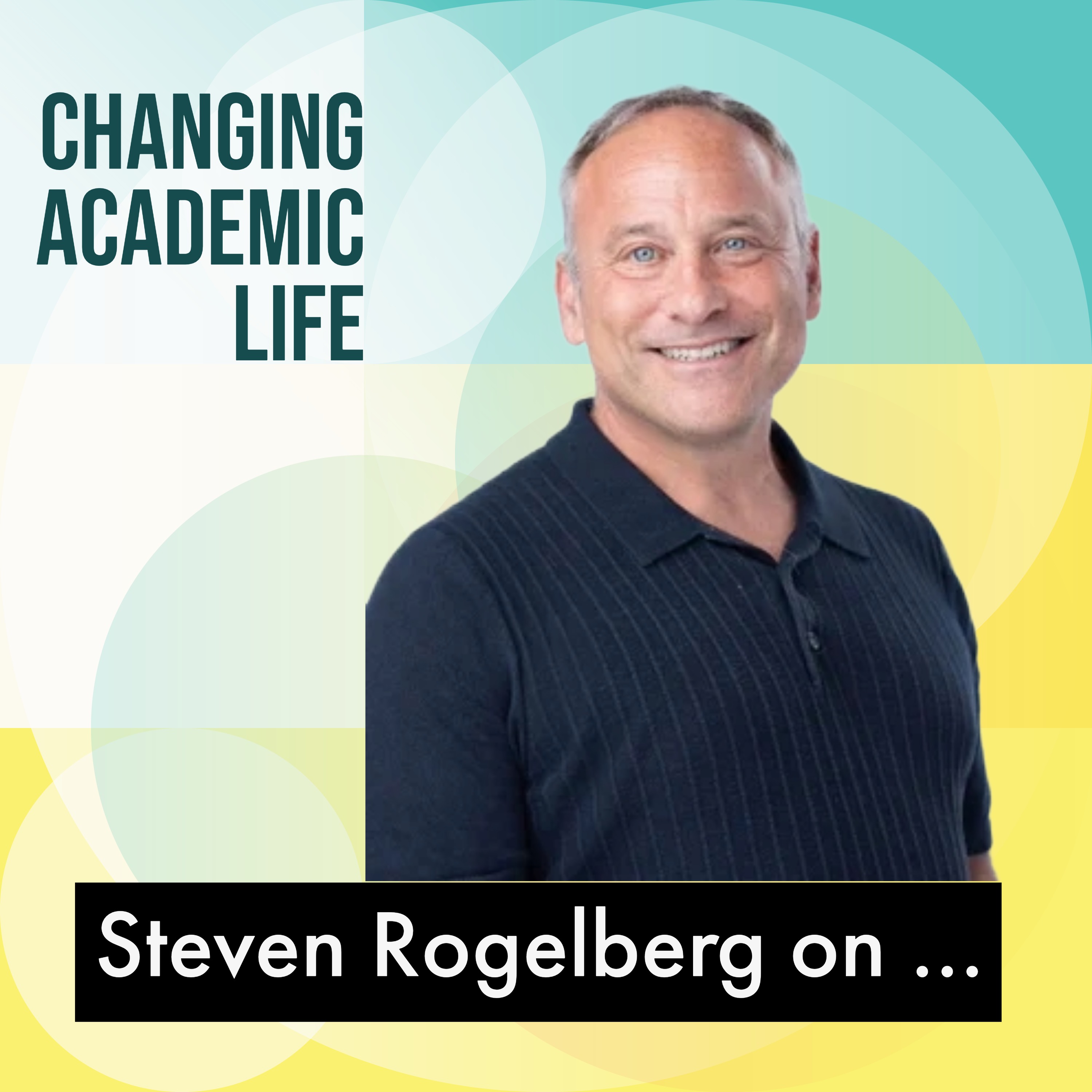 Steven Rogelberg on Transforming Academic Meetings (CAL130, S7E3) 01.10.2025 30минDr. Steven Rogelberg, an organisational psychologist from the University of North Carolina, Charlotte, draws on his extensive research on workplace meetings to share how we might make acadmic meetings better. We discuss the inefficiencies of academic meetings, with Steven suggesting academics suffer from particularly ineffective meeting practices. He offers practical advice on improving meeting productivity, particularly for Faculty meetings, such as using targeted agendas and smaller group discussions, and stresses the value of bringing scientific rigour to meeting management. He also critiques the hybrid meeting format, advocating instead for fully virtual or in-person meetings. If you are looking for more insights about evidence-based meeting practices, I can highly recommend his books 'The Surprising Science of Meetings' and 'Glad We Met: The Art and Science of One-to-One Meetings' . Overview:00:29 Introduction: The Meeting Dilemma01:42 Introducing Dr. Steven Rogelberg03:56 The Academic Meeting Problem09:23 Common Mistakes in Leading Meetings11:06 Strategies for Effective Meetings13:12 Having a Meeting About Meetings14:34 The Importance of Feedback and Audits15:55 The Faculty Meeting18:15 Challenges of Large and Hybrid Meetings19:21 More Inclusive Alternatives to Large Meetings22:20 Hybrid Meetings and Virtual Meetings23:54 Final Takeaways and Resources25:46 Postscript30:16 EndRelated links:Steven's web page, LinkedIn page and online meeting resourceshttps://www.stevenrogelberg.comSteven's books:Rogelberg, S. G. (2019). The surprising science of meetings: How you can lead your team to peak performance. Oxford University Press.Rogelberg, S. G. (2024). Glad We Met: The Art and Science of 1: 1 Meetings. Oxford University Press.And his academic publications, for example the two we mentioned:Rogelberg, S., Kreamer, L. M., & Gray, J. (2025). Thirty Years of Meeting Science: Lessons Learned and the Road Ahead. Annual Review of Organizational Psychology and Organizational Behavior, 13.Rogelberg, S. G., King, E. B., & Alonso, A. (2022). How we can bring IO psychology science and evidence-based practices to the public. Industrial and Organizational Psychology, 15(2), 259-272.And here is a template to help you reflect on your meetings.
 -
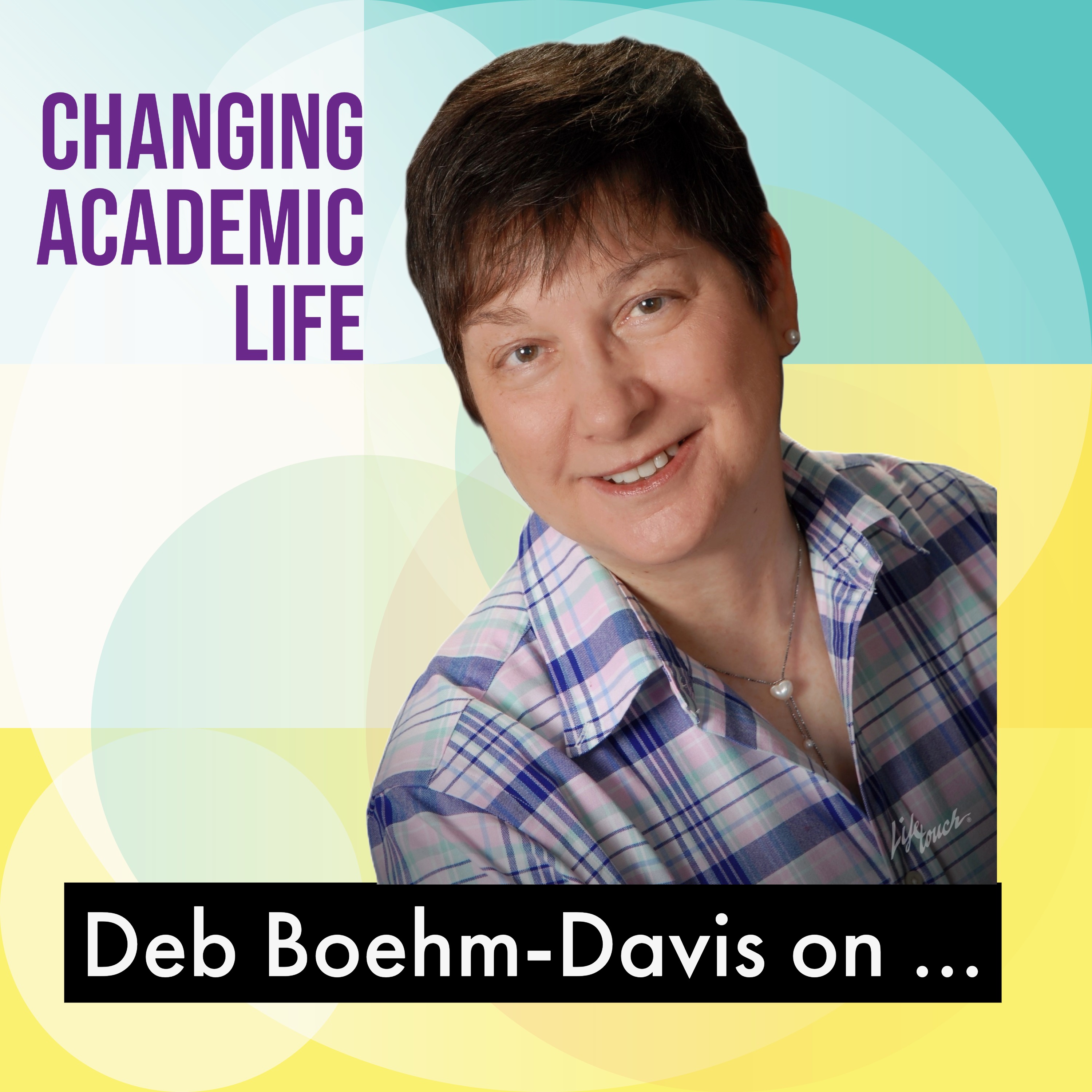 Deborah Boehm-Davis on career paths, leadership, and change (CAL129, S7E2) 17.09.2025 1чProfessor Emeritus Deborah Boehm Davis, George Mason University in the US, is one of the pioneers of the CHI conference. Deborah discusses her varied career building from her psychology background and spanning roles in human factors at Bell Labs, NASA, and General Electric. She then talks about her extensive tenure at George Mason University in both faculty and administrative/leadership roles, eventually becoming the dean of a college. Deborah shares reflections on career transitions, the importance of making a difference, effective leadership, the significance of collaborative work, and the challenges and strategies for navigating academic leadership, as well as managing academic responsibilities alongside family life. She also talks about her last industry role at Oculus Research and offers insights into the skills and approaches necessary for effective academic and industry leadership. The conversation also touches on the importance of interdisciplinary work and mentorship in academia.Overview:00:00 Introduction 00:29 Deborah Boehm-Davis: Career Overview03:24 Early Career and Human Factors04:54 Transition to Academia, Balancing Faculty and Administration Roles09:38 Reflections on Career and Impact17:39 Navigating Academic Leadership25:14 Collaborations, Interdisciplinary Work and Collegiality28:18 Interdisciplinarity and Being Strategic32:57 Transitioning to Leadership Roles, Developing Leadership Skills33:53 Handling Difficult Conversations36:39 Balancing Decisions and Stakeholder Concerns40:29 Engaging Faculty and Effective Communication44:51 Leadership in Industry vs. Academia46:54 Mentorship and Support Systems50:24 Proudest Achievements and Work Skills Course56:28 Reflections on Women in Academia59:37 Conclusion and Final Thoughts01:00:46 EndRelated links:Video of a 2024 talk to the Uni of Virginia HFES Student Chapter: “A Career in Human Factors: A Lifetime of Change” [40:51 mins]LinkedIn: https://www.linkedin.com/in/deborah-boehm-davis-05b50Website: https://psychology.gmu.edu/people/dbdavis
 -
 Season 7 Kickoff: Fresh Starts and Being Intentional (CAL128 S7E1) 03.09.2025 20минIn the first episode of season seven, the 10th year the Changing Academic Life podcast, I invite us to reflect on the theme of being intentional about what we want for ourselves at the beginning of this new academic year for many of us in the northern hemisphere, or for any temporal landmark that is relevant for you. As example and inspiration, Anna Cox from UCL shortly shares her strategies for setting clear priorities, maintaining work-life balance, and managing her remaining 'available time to promise', recognising every yes entails a no to something else. This is a great example of the 'fresh start effect', using the temporal landmark of a new academic year, as talked about by Katy Milkman and colleagues, and reminds us of the importance of creating pauses for reflection. So how will you be more intentional about your fresh start?00:34 Introduction01:27 Starting With Intention05:28 Anna's Fresh Start 07:05 Thinking About Priorities09:01 Available Time to Promise10:56 Creating Pauses to Think12:20 Re-iterating Anna's Key Questions16:29 Wrapping Up 17:57 Pointers to Other Related Episodes19:24 Wrapping up20:31 EndRelated links:eWorkResearch group at UCL and Anna’s webpage and WLB definition Dai, H., Milkman, K. L., & Riis, J. (2014). The fresh start effect: Temporal landmarks motivate aspirational behavior. Management Science, 60(10), 2563-2582.Loleen Berdahl, How to quit promising time and energy you don’t haveSee www.changingacademiclife.com for an easy search for the related podcasts: Anna Cox, Marta Cecchinato, Johanna Stadlbauer, Amy Ko, Carmen Neustaedter, Katherine Isbister, Vikki Wright
Похожие подкасты


Популярен в
Этот подкаст также попадал в подкаст-чарты этих стран.
