
The British Food History Podcast
Neil Buttery
0
Welcome to 'The British Food History Podcast': British food in all its (sometimes gory) glory with Dr. Neil Buttery. He'll be looking in depth at all aspects of food with interviews with special guests, recipes, re-enactments, foraging, trying his hand at traditional techniques, and tracking down forgotten recipes and hyper-regional specialities. He'll also be trying to answer the big question: What makes British food, so...British?
Эпизоды
-
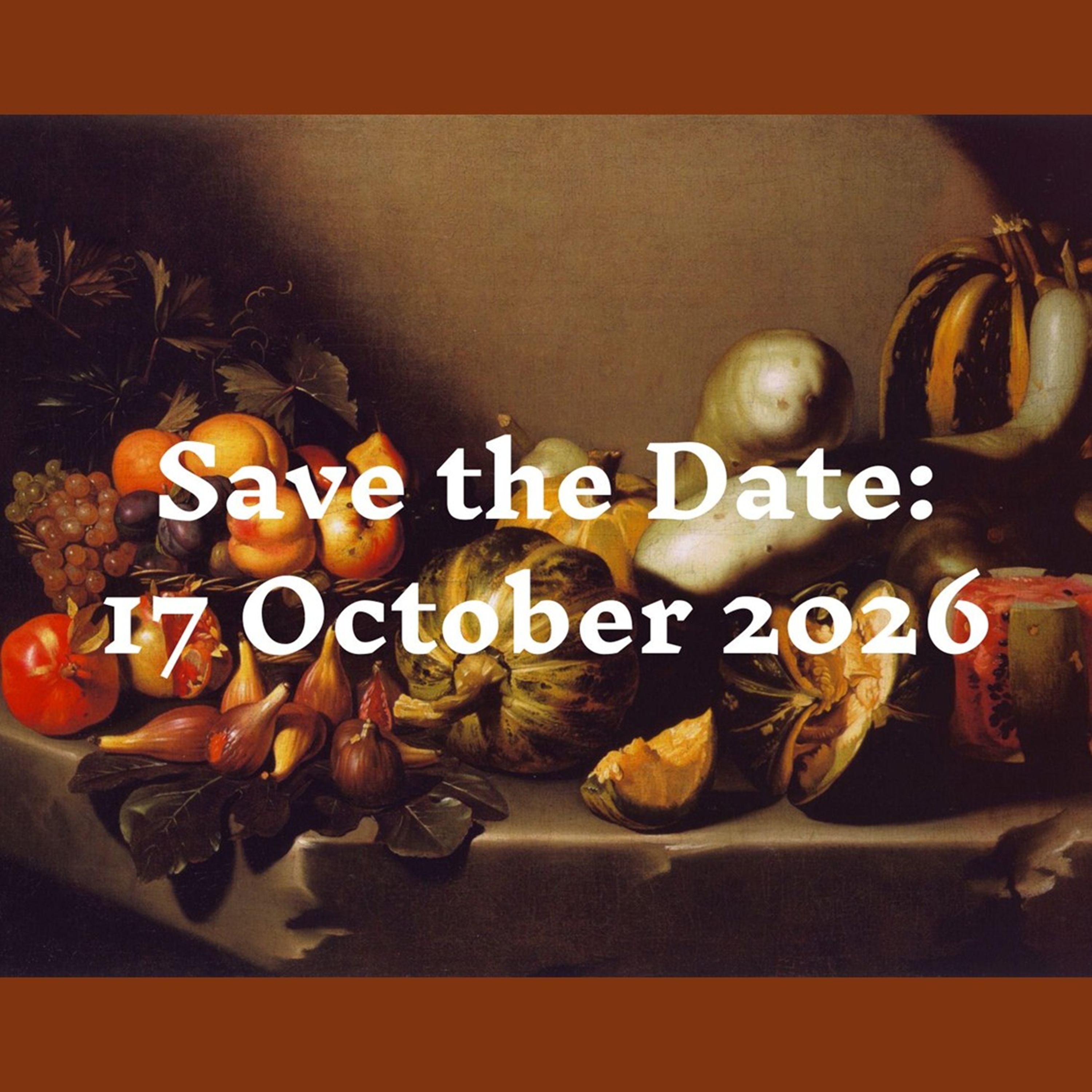 Bonus minisode: Serve it Forth Food History Festival 2026 14.09.2026 22минHello and welcome to a little bonus minisode all about this year’s Serve it Forth Food History Festival 2026, which is online and on Saturday 17 October 2026.The team, made up of Sam Bilton, Thomas Ntinas, Alessandra Pino and me go through the day’s sessions to whet your appetite before the big day.This episode also includes an interview by Sam Bilton with Kevin Booth of English Heritage ahead of her session on the Bayeux Tapestry, all about the skeleton and facial reconstruction of Conquest Man.We can’t wait to see you there!Serve it Forth website: https://serveitforthfest.wixsite.com/info The Bill of Fare: https://serveitforthfest.wixsite.com/info/bill-of-fare Serve it Forth Tickets (£12 + booking fee): https://www.eventbrite.com/e/serve-it-forth-food-history-festival-2026-tickets-1992224789976?aff=oddtdtcreator More on Conquest Man: https://www.english-heritage.org.uk/about/search-news/310826-conquest-man/ This podcast uses the following third-party services for analysis: Podtrac - https://analytics.podtrac.com/privacy-policy-gdrp
 -
 Special Postbag Edition #7 01.08.2026 51минIt’s time for the now traditional end-of-season postbag episode of The British Food History Podcast, where I (attempt to) answer your questions, read out your comments and mull over your queries. Several photos and illustrations are mentioned in this episode: to see them, visit the accompanying blog post on British Food: A History: www.britishfoodhistory.com I’ll be disappearing for a few months, unless of course, you are a monthly subscriber, where there will be a bonus episode coming up for you to listen to via the secret podcast.Season 10 of the podcast is sponsored by Netherton Foundry, makers of high-quality kitchen and outdoor cookware. Netherton Foundry ships to several countries outside of the UK, including the USA and Canada. Visit www.netherton-foundry.co.uk to find out more about their wonderful products – approved not just by me but by folk such as Tom Parker-Bowles, Diana Henry and Nigella Lawson.If you can, support the podcast and blogs by becoming a £3 monthly subscriber, and unlock lots of premium content, including bonus blog posts and recipes, access to the easter eggs and the secret podcast, or treat me to a one-off virtual pint or coffee: click here. Things mentioned in today’s episodeLudlow Food Festival 2026Serve it Forth mailing listServe it Forth Eventbrite pageBrecon Agricultural ShowMamgu Welsh cakesEnglish Food by Jane GrigsonCafé ErolIvor Cutler’s Life in a Scotch Sitting Room Vol.2 ep.6Ivor’s obituaryThe Feasts of Autolycus, by Elizabeth Robins PennellComfortably Hungry: Bleeding Cows & Black PuddingsThe Great Cream Tea Debate on my YouTube channelThe English Housewife by Gervase MarkhamDelia Smith's famous rallying cryPrevious pertinent blog postsTo Make Welsh Cakes (Pice ar y maen)Singin’ HinniesBlood ice creamScones: A brief historyFour Scone RecipesCornish SplitsPease BreadSyllabubsPrevious pertinent podcast episodesGriddle & Bakestone Cookery with Peter Gilchrist & Ross ClarkeEating Out in Georgian London with Peter RossRetro Foods with Briony May Williams Hogmanay & Hamely Kitchen with Paula McIntyreBritish Fish & Seafood with CJ JacksonThe History of Food Waste & Preservation with Eleanor BarnettBlack & White Pudding with Matthew Cockin & Grant HarperA History of Baking with Sam Bilton & Neil ButterySpices with Ian AndersonHistorical Cookery with Jay Reifel50 years of ‘English Food’ by Jane Grigson with Sam Bilton, Ivan Day, Annie Gray & Jill NormanBreakfast with Felicity CloakeSpecial Postbag Edition #618th Century Dining with Ivan DayEel Special 1: Elvers with ‘Elver’ DaveMedieval Meals & Manners with Danielle CybulskieShakespearean Food & Drink with Sam BiltonLent episode 1: Preparing for LentC is for Caudle, Cider & Cappuccino Neil’s blogs and YouTube channel:‘British Food: a History’ The British Food History Channel‘Neil Cooks Grigson’ Neil’s books:Before Mrs Beeton: Elizabeth Raffald, England’s Most Influential HousekeeperA Dark History of Sugar...
 -
 Griddle & Bakestone Cookery with Peter Gilchrist & Ross Clarke 20.07.2026 46минToday I am speaking with food historian Peter Gilchrist and food writer Ross Clarke, who specialise in writing about and rediscovering the traditional foods of Scotland and Wales, respectively.Peter is a returning guest who goes under the name Tenement Kitchen and is the co-host of The Scottish Food History Podcast. Ross is a food and travel writer and author of The Welsh Kitchen on Substack.They both use a bakestone or griddle (or whatever you call yours – there are quite a few names for the usually round, usually iron piece of iron we bake our crumpets, drop scones, muffins and Welsh cakes upon) and I thought we should discuss using them and some of the best of British bakestone bakes.We talk about the place of bakestones and griddles in British food culture, Welsh cakes, bannocks and pikelets, classic writers such as Bobby Freeman and F. Marion McNeill and the applied uses of bacon fat, amongst many other things.Those listening to the secret podcast get plenty of bonus material where we discuss adapting traditional recipes to keep them relevant, how annoyed I get when classic recipes get messed around with, what we get out of recreating historical recipes and buttermilk – plus more.Follow Peter on social media: @TenementKitchen on Facebook, Insta, Bluesky, X and TikTokFollow Ross on Social Media: @theguiri on Insta, @rosswclarke on X and FacebookTenement Kitchen websiteThe Welsh Kitchen on SubstackSeason 10 of the podcast is sponsored by Netherton Foundry, makers of high-quality kitchen and outdoor cookware. Netherton Foundry ships to several countries outside of the UK, including the USA and Canada. Visit www.netherton-foundry.co.uk to find out more about their wonderful products – approved not just by me but by folk such as Tom Parker-Bowles, Diana Henry and Nigella Lawson.If you can, support the podcast and blogs by becoming a £3 monthly subscriber, and unlock lots of premium content, including bonus blog posts and recipes, access to the easter eggs and the secret podcast, or treat me to a one-off virtual pint or coffee: click here. Things mentioned in today’s episodeA Book of Welsh Bakestone Cookery by Bobby FreemanFirst Catch Your Peacock by Bobby FreemanFirst Principles of Good Cookery by Lady LlanoverThe Scots Kitchen by F. Marion McNeillEnglish Food by Jane GrigsonKnead to Know: A History of Baking by Neil ButteryWorld Bannock DayRoss’s article about Welsh cakesRoss’s article The Joy of the Bakestone (with bara planc recipe)The Scottish Food History Podcast episode about F. Marion McNeill – part 1 with Jeremy LeePeter’s morning rolls UNSECO bidServe it Forth Food History Festival EARLY BIRD TICKETS AVAILABLE NOW!Previous pertinent blog postsThe Griddle Cakes & Pancakes section on Neil Cooks GrigsonPancake DayTo Make MuffinsTo Make CrumpetsThe Muffin-Crumpet ContinuumSingin’ HinniesPrevious pertinent podcast episodesA History of Baking with Sam Bilton & Neil ButteryThe Philosophy of Puddings with Neil Buttery, Peter Gilchrist & Lindsay MiddletonDerbyshire Oatcakes with Mark DawsonLent episode 1: Preparing for LentB is for Bakestone, Bechamel & BarbecueC is for Custard, Chancellor’s Buttocks & CrumpetsNeil’s blogs and YouTube channel:‘British Food: a History’The British Food History Channel‘Neil Cooks Grigson’ Neil’s books:Before Mrs Beeton: Elizabeth Raffald, England’s Most Influential HousekeeperA Dark History of SugarKnead to Know: a History of BakingThe Philosophy of PuddingsDon’t forget, there will be postbag episodes in the future, so if you have any questions or queries about today’s episode, or indeed any episode, or have a question about the history of British food please email me at [email protected], or on twitter and BlueSky @neilbuttery, or Instagram and Threads dr_neil_buttery. My DMs are open.You can also join the British Food: a History Facebook discussion page: https://www.facebook.com/groups/britishfoodhistoryThis podcast uses the following third-party services for analysis: Podtrac - https://analytics.podtrac.com/privacy-policy-gdrp
 -
 Tea, Cake & the American Revolution with Nancy Siegel 04.07.2026 44минHappy 4th of July to my listeners in the USA…and all of those around the world who also celebrate the day!It’s a big one because the US is celebrating 250 years of independence this year. And to mark this special day, I have a special guest, Professor Nancy Siegel, and we are going to talk about the roles food and drink – especially tea and cake – played.Nancy Siegal is Professor of Art History and Culinary History at Towson University, Maryland. She specialises in American landscape studies, underrepresented women artists of the 19th century, print culture, and culinary history of the 18th and 19th centuries. Lucky for me, Nancy was in London, visiting the British Library at the same time I was in London, so we got to record this conversation in person in the breakfast room of Nancy’s hotel, the Harlingford Hotel – a big thank you to them.Nancy has an excellent book that isn’t out until the autumn, but I was lucky enough to get a sneak peek at it, called Political Appetites: The Power of Food in Revolutionary America, published by Johns Hopkins University Press. In that book, Nancy documents the roles food and drinks, especially tea (and its trappings) played in the colonists of North America wanting to sever their ties with Britain, and how food was used to help distance themselves culturally from the British – at first the colonists very much identified as British.We talk about the tax on tea and the Boston Tea Party, tea alternatives, culinary activists such as the women of Edenton, giant independence cakes, Amelia Simmons, and how the people of the new USA used food and drink to culturally distance themselves from the British – amongst many other things.Those listening to the secret podcast get LOADS of bonus material where we discuss George III’s botanist, pride in abundance, the value of hunting out original documents, baking fails, the all-American apple pie, and the function of satire – plus more.Nancy’s page on the Towson University websitePolitical Appetites: The Power of Food in Revolutionary AmericaSeason 10 of the podcast is sponsored by Netherton Foundry, makers of high-quality kitchen and outdoor cookware. Netherton Foundry ships to several countries outside of the UK, including the USA and Canada. Visit www.netherton-foundry.co.uk to find out more about their wonderful products – approved not just by me but by folk such as Tom Parker-Bowles, Diana Henry and Nigella Lawson.The mixing and sound engineering were done by Thomas Ntinas of The Delicious Legacy podcastIf you can, support the podcast and blogs by becoming a £3 monthly subscriber, and unlock lots of premium content, including bonus blog posts and recipes, access to the easter eggs and the secret podcast, or treat me to a one-off virtual pint or coffee: click here. Things mentioned in today’s episodeThe Edenton Tea RebellionA political teapotAmerican Cookery by Amelia Simmons (1796)The Hasty Pudding by Joel Barloe (1793)Serve it Forth Food History Festival EARLY BIRD TICKETS AVAILABLE NOW!Previous pertinent podcast episodesFeeding the Georgian Kings with Adam Crymble and Rachel RichWorcester Porcelain with Paul CraneNeil’s blogs and YouTube channel:‘British Food: a History’The British Food History Channel‘Neil Cooks Grigson’ Neil’s books:Before Mrs Beeton: Elizabeth Raffald, England’s Most Influential HousekeeperA Dark History of SugarKnead to Know: a History of BakingThe Philosophy of PuddingsDon’t forget, there will be postbag episodes in the future, so if you have any questions or queries about today’s episode, or indeed any episode, or have a question about the history of British food please email me at [email protected], or on twitter and BlueSky @neilbuttery, or Instagram and Threads dr_neil_buttery. My DMs are open.You can also join the British Food: a History Facebook discussion page: https://www.facebook.com/groups/britishfoodhistoryThis podcast uses the following third-party services for analysis: Podtrac - https://analytics.podtrac.com/privacy-policy-gdrp
 -
 Food & Agriculture in Prehistoric & Medieval Scotland with Maureen Kilpatrick 27.06.2026 38минToday I am speaking with Maureen Kilpatrick of Guard Archaeology, a Scottish archaeology firm that has dug sites all over Scotland, but today we are focusing on one site called Guardbridge, in Fife, where the timespan the finds ranged from is astounding: from the Stone Age to the 13th century. Several finds were food-related.The site is amazing – there’s an Iron Age fort, there are field demarcations, evidence of food and how it was processed and cooked, as well as lots of evidence of the community moving from a nomadic hunter-gatherer lifestyle to a settled farming one.We talk about the material objects found on site, such as saddle querns, axes and ploughing tools, food remains like emmer wheat, barley, cockles and the indestructible hazelnut, non-slip pottery and the surprisingly late appearance of oats, amongst many other things.Those listening to the secret podcast get some bonus material where we discuss whether modern agriculture with its mechanised ploughs is a help or a hindrance to archaeologists these days.Read the full report: ARO61: Guardbridge, Fife: A multi-period settlement with a multi-vallate fortFollow Guard Archaeology in X/Twitter @GUARD_ArchaeolSeason 10 of the podcast is sponsored by Netherton Foundry, makers of high-quality kitchen and outdoor cookware. Netherton Foundry ships to several countries outside of the UK, including the USA and Canada. Visit www.netherton-foundry.co.uk to find out more about their wonderful products – approved not just by me but by folk such as Tom Parker-Bowles, Diana Henry and Nigella Lawson.The mixing and sound engineering were done by Thomas Ndinas of The Delicious Legacy podcastIf you can, support the podcast and blogs by becoming a £3 monthly subscriber, and unlock lots of premium content, including bonus blog posts and recipes, access to the easter eggs and the secret podcast, or treat me to a one-off virtual pint or coffee: click here. Things mentioned in today’s episodeARO55: Excavations at the site of Bell’s Pottery, Stafford Street/Kyle Street, GlasgowBBC News Article: 'Whole prehistory of Fife' found in one field, experts sayServe it Forth Food History Festival EARLY BIRD TICKETS AVAILABLE NOW!Ludlow Food Festival 2026My appearance on the Offscript podcast as part of their Albion seasonPrevious pertinent podcast episodesBronze Age Food & Foodways with Chris Wakefield & Rachel BallantyneNeil’s blogs and YouTube channel:‘British Food: a History’The British Food History Channel‘Neil Cooks Grigson’ Neil’s books:Before Mrs Beeton: Elizabeth Raffald, England’s Most Influential HousekeeperA Dark History of SugarKnead to Know: a History of BakingThe Philosophy of PuddingsDon’t forget, there will be postbag episodes in the future, so if you have any questions or queries about today’s episode, or indeed any episode, or have a question about the history of British food please email me at [email protected], or on twitter and BlueSky @neilbuttery, or Instagram and Threads dr_neil_buttery. My DMs are open.You can also join the British Food: a History Facebook discussion page: https://www.facebook.com/groups/britishfoodhistoryThis podcast uses the following third-party services for analysis: Podtrac - https://analytics.podtrac.com/privacy-policy-gdrp
 -
 Feeding the Georgian Kings with Adam Crymble and Rachel Rich 18.06.2026 43минIn this week’s episode I am speaking with Adam Crymble and Rachel Rich about a really exciting piece of research looking at the complexities of feeding the households of King George III and his eldest son George who was Prince Regent whilst George III suffered from his “madness”, and eventually succeeded him as George IV. The focus of the research is the ledgers that still exist, listing the ingredients ordered, foods that were prepared and the people who ate them. Over 40,000 dishes were counted.They have analysed the ledgers from two royal palaces – George III’s Kew Palace and the Prince Regent’s Carlton House – with two other food historians Sarah Fox and Lisa Smith, and assimilated them to produce a book called The King’s Dinner: Family, nation, and identity on the British table, 1760-1820, which was published by UCL Press on 11 June 2026. The book is available from wherever you buy your books, but it is also available open access as a free PDF. So is the data they used in their analysis.We talk about the differing characters of the two Georges and how these were expressed in the foods they ate, Georgian food identity, the concept of oeconomy, the exotic food cultures NOT appearing on royal dinner tables, French cuisine and famous French chef Careme’s tenure in the Prince Regent’s kitchens, as well as their fruit and veg suppliers, one of whom was called Savage Bear, amongst many other thingsThose listening to the secret podcast get some bonus material where we discuss the upper servant’s fancy foods, the huge amounts of meat consumed, and the politics of wine.The King’s Dinner: Family, nation, and identity on the British table, 1760-1820(open access)3000 dishes on a Georgian tableAdam’s bio on the UCL websiteFollow Adam on social media: @adamcrymble.bsky.social (Bluesky); @dradamcrymble (Insta)Rachel’s bio on Leeds Beckett University websiteFollow Rachel Rich on social media: @drrachelrich (Insta)Season 10 of the podcast is sponsored by Netherton Foundry, makers of high-quality kitchen and outdoor cookware. Netherton Foundry ships to several countries outside of the UK, including the USA and Canada. Visit www.netherton-foundry.co.uk to find out more about their wonderful products – approved not just by me but by folk such as Tom Parker-Bowles, Diana Henry and Nigella Lawson.The mixing and sound engineering were done by Thomas Ntinas of The Delicious Legacy podcastIf you can, support the podcast and blogs by becoming a £3 monthly subscriber, and unlock lots of premium content, including bonus blog posts and recipes, access to the easter eggs and the secret podcast, or treat me to a one-off virtual pint or coffee: click here. Things mentioned in today’s episodeRachel’s articles on The Recipes ProjectHugh Laurie playing the Prince Regent on Blackadder the Third Previous pertinent podcast episodesEating Out in Georgian London with Peter Ross18th Century Tavern Cookery with Marc Meltonville18th Century Dining with Ivan DayThe Philosophy of Curry with Sejal Sukhadwala Neil’s blogs and YouTube channel:‘British Food: a History’The British Food History Channel‘Neil Cooks Grigson’ Neil’s books:Before Mrs Beeton: Elizabeth Raffald, England’s Most Influential HousekeeperA Dark History of SugarKnead to Know: a History of BakingThe Philosophy of PuddingsDon’t forget, there will be postbag episodes in the future, so if you have any questions or queries about today’s episode, or indeed any episode, or have a question about the history of British food please email me at [email protected], or on twitter and BlueSky @neilbuttery, or Instagram and Threads dr_neil_buttery. My DMs are open.You can also join the British Food: a History Facebook discussion page: https://www.facebook.com/groups/britishfoodhistoryThis podcast uses the following third-party services for analysis: Podtrac - https://analytics.podtrac.com/privacy-policy-gdrp
 -
 Food History Treasures of the Guildhall Library with Peter Ross 07.06.2026 42минToday I am talking with returning guest Peter Ross who was, until recently, the Principal Librarian at the City of London's Guildhall Library. His fantastic book called Insatiable Appetites, Eating Out in Georgian London, published by the Bodleian Library was published last month, May 2026. Today we are talking about the collections in the Guildhall Library, which is a staggering 600 years old.We mention quite a few books and collections, but there are links in the shownotes, and there will be images on the accompanying blog post, so do check that out too.We talk about the history of the library and how it got some of its collections such as the Elizabeth David collection, but also some of the lesser known ones such as the Robert Miller collection, the splendiferous feast put on for James I by the Merchant Tailors, the importance of the author’s voice when it comes to writing popular cookery books, Hannah Glasse’s sauerkraut, and Elizabeth David’s Fanny Cradock avoidance techniques, amongst many other things.Those listening to the secret podcast get some bonus material where we discuss the Hannah Glasse recipes that don’t work, the Worshipful Company of Brewers, poisonous pears in pewter pots and more.The Guildhall LibraryInsatiable Appetites, Eating Out in Georgian London by Peter RossPeter will be at the Chalke History Festival on 27 June 2024 talking about Georgian FeastingAccompanying blog post on British Food: A HistorySeason 10 of the podcast is sponsored by Netherton Foundry, makers of high-quality kitchen and outdoor cookware. Netherton Foundry ships to several countries outside of the UK, including the USA and Canada. Visit www.netherton-foundry.co.uk to find out more about their wonderful products – approved not just by me but by folk such as Tom Parker-Bowles, Diana Henry and Nigella Lawson.The mixing and sound engineering were done by Thomas Ndinas of The Delicious Legacy podcastIf you can, support the podcast and blogs by becoming a £3 monthly subscriber, and unlock lots of premium content, including bonus blog posts and recipes, access to the easter eggs and the secret podcast, or treat me to a one-off virtual pint or coffee: click here. Things mentioned in today’s episodeThe Guildhall Library CollectionsThe Art of Cookery Made Plain and Easy by Hannah GlasseThe Closet of the Eminently Learned Sir Kenelme Digby kt. OpenedChoice and experimented receipts in physick and chirurgery by Kenelm DigbyLi tre trattati on Abebooks for a mere £12,500A Creative List of Meat Carving Terms from the Middle AgesPrevious pertinent podcast episodesEating Out in Georgian London with Peter RossFanny Cradock with Kevin GeddesEarly Television Cookbooks and Tie-ins with Kevin GeddesThe English Table with Jill Norman50 Years of 'English Food' by Jane Grigson with Sam Bilton, Annie Gray, Ivan Day & Jill Norman18th Century Female Cookery Writers with the Delicious Legacy PodcastPrevious pertinent blog postsCharles Darwin and the OwlNeil’s blogs and YouTube channel:‘British Food: a History’The British Food History Channel‘Neil Cooks Grigson’ Neil’s books:Before Mrs Beeton: Elizabeth Raffald, England’s Most Influential HousekeeperA Dark History of SugarKnead to Know: a History of BakingThe Philosophy of PuddingsDon’t forget, there will be postbag episodes in the future, so if you have any questions or queries about today’s episode, or indeed any episode, or have a question about the history of British food please email me at [email protected], or on twitter and BlueSky @neilbuttery, or Instagram and Threads dr_neil_buttery. My DMs are open.You can also join the British Food: a History Facebook discussion page: https://www.facebook.com/groups/britishfoodhistoryThis podcast uses the following third-party services for analysis: Podtrac - https://analytics.podtrac.com/privacy-policy-gdrp
 -
 Children's Food with Deborah Albon & Amy Palmer 29.05.2026 41минWelcome back to The British Food History Podcast. Today I am talking with Deborah Albon and Amy Palmer about the history of children’s food. Deborah Albon is a former early years professional and Amy Palmer is a former infant teacher, and both are lecturers at the University of Roehampton, London. They have written a book called First Helpings: A History of Children’s Food. It’s comprehensive, well-researched and an entertaining read. I recommend it.We talk about the early years: the changing ideas about breastfeeding and wet nurses, the Victorian moralistic ideas surrounding withholding food, weaning the kids on wine and turtle doves, and children’s birthday parties, amongst many other things.Those listening to the secret podcast get 20 minutes of bonus material where we discuss in more depth Deborah and Amy’s approach to writing the book, breastmilk alternatives, including the changing advice with respect to formula milk, creepy feeding schedules plus more.First Helpings: A History of Children’s FoodFollow Deborah and Amy on Instagram @albonandpalmerDeborah & Amy’s websiteSeason 10 of the podcast is sponsored by Netherton Foundry, makers of high-quality kitchen and outdoor cookware. Netherton Foundry ships to several countries outside of the UK, including the USA and Canada. Visit www.netherton-foundry.co.uk to find out more about their wonderful products – approved not just by me but by folk such as Tom Parker-Bowles, Diana Henry and Nigella Lawson.The mixing and sound engineering are by Thomas Ntinas of The Delicious Legacy podcastIf you can, support the podcast and blogs by becoming a £3 monthly subscriber, and unlock lots of premium content, including bonus blog posts and recipes, access to the easter eggs and the secret podcast, or treat me to a one-off virtual pint or coffee: click here. Things mentioned in today’s episodeYork Festival of Ideas 2026 Previous pertinent podcast episodesRetro Foods with Briony May WilliamsThe School Meals Service with Heather EllisFood in Gothic Literature with Alessandra Pino Previous pertinent blog postsSago & Tapioca PuddingColostrum (Beestings)NegusNeil’s blogs and YouTube channel:‘British Food: a History’The British Food History Channel‘Neil Cooks Grigson’ Neil’s books:Before Mrs Beeton: Elizabeth Raffald, England’s Most Influential HousekeeperA Dark History of SugarKnead to Know: a History of BakingThe Philosophy of PuddingsDon’t forget, there will be postbag episodes in the future, so if you have any questions or queries about today’s episode, or indeed any episode, or have a question about the history of British food please email me at [email protected], or on twitter and BlueSky @neilbuttery, or Instagram and Threads dr_neil_buttery. My DMs are open.You can also join the British Food: a History Facebook discussion page: https://www.facebook.com/groups/britishfoodhistoryThis podcast uses the following third-party services for analysis: Podtrac - https://analytics.podtrac.com/privacy-policy-gdrp
 -
 Eating Out in Georgian London with Peter Ross 15.05.2026 45минWelcome back to The British Food History Podcast. In this episode, I am speaking with Peter Ross. Peter was, until recently, the Principal Librarian at the City of London's Guildhall Library. He is an historian of both food and crime in Georgian London, an Arts Society lecturer, and a Fellow of the Society of Antiquaries.He has also written a fantastic book called Insatiable Appetites, Eating Out in Georgian London, published by the Bodleian Library. Published 14 May 2026. We talk about the migrating mealtimes of the Georgian period, chophouses, the importance of satirical cartoons when studying food history in this period, turtle soup, and why you wouldn’t want to be seen hanging around the saloop stand – amongst many other things.Those listening to the secret podcast get some top drawer bonus material where we discuss what Georgian chocolate was really like, and the beautiful and amazing Vauxhall gardens + more. Insatiable Appetites, Eating Out in Georgian London by Peter RossPeter will be at the Chalke History Festival on 27 June 2024 talking about Georgian FeastingSeason 10 of the podcast is sponsored by Netherton Foundry, makers of high-quality kitchen and outdoor cookware. Netherton Foundry ships to several countries outside of the UK, including the USA and Canada. Visit www.netherton-foundry.co.uk to find out more about their wonderful products – approved not just by me but by folk such as Tom Parker-Bowles, Diana Henry and Nigella Lawson.If you can, support the podcast and blogs by becoming a £3 monthly subscriber, and unlock lots of premium content, including bonus blog posts and recipes, access to the easter eggs and the secret podcast, or treat me to a one-off virtual pint or coffee: click here. Things mentioned in today’s episodeAccompanying blog post showing the Gilray cartoon + moreThe Guildhall LibraryPeter’s London street food exhibitionThe British Housewife by Gilly LehmannThe London Art of Cookery by John FarleyThe English Art of Cookery by Richard BriggsBefore Mrs Beeton: Elizabeth Raffald, England’s Most Influential Housekeeper by Neil Buttery Previous pertinent podcast episodes18th Century Tavern Cooking with Marc Meltonville (& Richard Briggs)London's Street Food Sellers with Charlie Taverner18th Century Dining with Ivan DayElizabeth Raffald with Alessandra Pino & Neil Buttery Previous pertinent blog postsMock Turtle SoupNeil’s blogs and YouTube channel:‘British Food: a History’ The British Food History Channel‘Neil Cooks Grigson’ Neil’s books:Before Mrs Beeton: Elizabeth Raffald, England’s Most Influential HousekeeperA Dark History of Sugar Knead to Know: a History of BakingThe Philosophy of PuddingsDon’t forget, there will be postbag episodes in the future, so if you have any questions or queries about today’s episode, or indeed any episode, or have a question about the history of British food please email me at [email protected], or on twitter and BlueSky @neilbuttery, or Instagram and Threads dr_neil_buttery. My DMs are open.You can also join the British Food: a History Facebook discussion page: https://www.facebook.com/groups/britishfoodhistory This podcast uses the following third-party services for analysis: Podtrac - https://analytics.podtrac.com/privacy-policy-gdrp
 -
 British Fish & Seafood with CJ Jackson 06.05.2026 38минWelcome back to the British Food History Podcast. In this episode of the podcast, I am speaking with fish and seafood cookery expert CJ Jackson, author of The Great British Seafood Revival, published by Merlin Unwin We talk about cod alternatives like coley and hake; the loss of the street fishmonger; sustainability; fish farms, and whether they are a good thing; the future of Billingsgate Market; and my old fear of bivalves, amongst many other things.Those listening to the secret podcast get to hear about the popularity of seaweed and disco scallops!Great British Seafood Revival by CJ JacksonCJ’s websiteFollow CJ on Instagram @cjkentseafoodSeason 10 of the podcast is sponsored by Netherton Foundry, makers of high-quality kitchen and outdoor cookware. Netherton Foundry ships to several countries outside of the UK, including the USA and Canada. Visit www.netherton-foundry.co.uk to find out more about their wonderful products – approved not just by me but by folk such as Tom Parker-Bowles, Diana Henry and Nigella Lawson.If you can, support the podcast and blogs by becoming a £3 monthly subscriber, and unlock lots of premium content, including bonus blog posts and recipes, access to the easter eggs and the secret podcast, or treat me to a one-off virtual pint or coffee: click here. Things mentioned in today’s episodeFollow Billingsgate Seafood School on Instagram @theseafoodschoolLeith’s Fish BibleThe Ration Book DietBillingsgate MarketPrevious pertinent podcast episodesC is for Cod, Cockles and Caviar Previous pertinent blog postsTo make KedgereeNeil’s blogs and YouTube channel:‘British Food: a History’ The British Food History Channel‘Neil Cooks Grigson’ Neil’s books:Before Mrs Beeton: Elizabeth Raffald, England’s Most Influential HousekeeperA Dark History of Sugar Knead to Know: a History of BakingThe Philosophy of PuddingsDon’t forget, there will be postbag episodes in the future, so if you have any questions or queries about today’s episode, or indeed any episode, or have a question about the history of British food please email me at [email protected], or on twitter and BlueSky @neilbuttery, or Instagram and Threads dr_neil_buttery. My DMs are open.You can also join the British Food: a History Facebook discussion page: https://www.facebook.com/groups/britishfoodhistory This podcast uses the following third-party services for analysis: Podtrac - https://analytics.podtrac.com/privacy-policy-gdrp
 -
 Special Episode in Memory of Joanna Crosby: Apples & Orchards 03.05.2026 40минI received the sad news of the death Joanna Crosby when I was at the Leeds Symposium of Food History and Traditions in April.Joanna was a talented food historian specialising in the history of apples and orchards, and she came on the podcast in 2024 to talk about her research and excellent book Apples and Orchards since the Eighteenth Century.I thought I would put out the episode we recorded together, published in January 2024 as a special episode in her memory.This podcast uses the following third-party services for analysis: Podtrac - https://analytics.podtrac.com/privacy-policy-gdrp
 -
 Retro Foods with Briony May Williams 27.04.2026 43минWelcome back to the British Food History Podcast. In today’s episode, I am speaking with Great British Bake Off alumnus Briony May Williams about retro foods. She’s on a mission to bring back some of the foods of the 21st century that are maybe not being enjoyed as much as they should be in the 21st. I am very much in agreement with this – obvs.We talk about how Briony became interested in retro foods and historical cooking (we all have an origin story, don’t we?), memories of Bake Off, puddings as comfort food, Waldorf salads, our shared appreciation of frozen peas and Kitchen Aids, plus the infamous banana candle salad.The Retro Food Society by Briony May Williams is out nowFollow Briony on Instagram, TikTok and YouTube @brionymaybakesBriony’s SubstackSeason 10 of the podcast is sponsored by Netherton Foundry, makers of high-quality kitchen and outdoor cookware. Netherton Foundry ships to several countries outside of the UK, including the USA and Canada. Visit www.netherton-foundry.co.uk to find out more about their wonderful products – approved not just by me but by folk such as Tom Parker-Bowles, Diana Henry and Nigella Lawson.If you can, support the podcast and blogs by becoming a £3 monthly subscriber, and unlock lots of premium content, including bonus blog posts and recipes, access to the easter eggs and the secret podcast, or treat me to a one-off virtual pint or coffee: click here.Things mentioned in today’s episodeThe BBC Travel Show episode featuring both Briony and meGreat British Bake Off New Year specialDelia Smith boils an eggSam Bilton’s banana candle saladCar Fest 2026Southport Flower Show 2026My kedgeree blog postPrevious pertinent podcast episodesNeil's accompanying blog postB is for Banana, Banting & BerriesPrevious pertinent blog postsToad-in-the-holeNeil’s blogs and YouTube channel:‘British Food: a History’The British Food History Channel‘Neil Cooks Grigson’Neil’s books:Before Mrs Beeton: Elizabeth Raffald, England’s Most Influential HousekeeperA Dark History of SugarKnead to Know: a History of BakingThe Philosophy of PuddingsDon’t forget, there will be postbag episodes in the future, so if you have any questions or queries about today’s episode, or indeed any episode, or have a question about the history of British food please email me at [email protected], or on twitter and BlueSky @neilbuttery, or Instagram and Threads dr_neil_buttery. My DMs are open.You can also join the British Food: a History Facebook discussion page: https://www.facebook.com/groups/britishfoodhistoryThis podcast uses the following third-party services for analysis: Podtrac - https://analytics.podtrac.com/privacy-policy-gdrp
 -
 Spun Iron Cookware with Netherton Foundry 20.04.2026 46минToday, we are going on an excursion to the Netherton Foundry workshop, nestled in the Shropshire countryside, to find out about spun iron cookware – something that was essentially extinct in this country until owners Neil and Sue Currie brought it back.Neil and Sue are very kindly sponsoring season 10 of The British Food History Podcast makers of high-quality kitchen and outdoor cookware. Netherton Foundry ships to several countries outside of the UK, including the USA and Canada. Visit www.netherton-foundry.co.uk to find out more about their wonderful products – approved not just by me but by folk such as Tom Parker-Bowles, Diana Henry and Nigella Lawson.We talk about designing the original range (and how the range increased), celebrity requests, why spun iron cookware lost out to aluminium cookware, croustade irons, and how Netherton Foundry cookware brings some extra authenticity to historical foods cooked at home, amongst many other things.Those listening to the secret podcast will hear about the pros and cons of working with copper, how Netherton Foundry go about seeking out their vintage machinery, how their stockpots came to be, their outdoor range, plus more.Netherton Foundry websiteFollow Netherton Foundry on social media: Insta/threads @nethertonfoundry; BlueSky @nethertonfoundry.bsky.social; Facebook https://www.facebook.com/NethertonFoundryIf you can, support the podcast and blogs by becoming a £3 monthly subscriber, and unlock lots of premium content, including bonus blog posts and recipes, access to the easter eggs and the secret podcast, or treat me to a one-off virtual pint or coffee: click here.This episode was mixed and engineered by Thomas Ntinas of the Delicious Legacy podcast.Things mentioned in today’s episodeNF Bread Pan with ClocheNF Prospector PansNF Chef’s PansVal Stones’ Baking SheetNF Croustade IronsNF FlambadouNF Outdoor Cookery RangeVideo: spinning ironVideo: Sue using the croustade ironMana RestaurantFrom the Oven to the Table by Diana HenryRepast and the tiffin tin Jenny LinfordPrevious pertinent blog postsToad-in-the-holeYorkshire Curd TartFour Scone RecipesNeil’s blogs and YouTube channel:‘British Food: a History’The British Food History Channel‘Neil Cooks Grigson’Neil’s books:Before Mrs Beeton: Elizabeth Raffald, England’s Most Influential HousekeeperA Dark History of SugarKnead to Know: a History of BakingThe Philosophy of PuddingsDon’t forget, there will be postbag episodes in the future, so if you have any questions or queries about today’s episode, or indeed any episode, or have a question about the history of British food please email me at [email protected], or on twitter and BlueSky @neilbuttery, or Instagram and Threads dr_neil_buttery. My DMs are open.You can also join the British Food: a History Facebook discussion page: https://www.facebook.com/groups/britishfoodhistoryThis podcast uses the following third-party services for analysis: Podtrac - https://analytics.podtrac.com/privacy-policy-gdrp
 -
 Traditional Food of Derbyshire with Mark Dawson 13.04.2026 50минMy guest on The British Food History Podcast today is Mark Dawson, a food historian specialising in the food and social history of the early modern period, but also on the regional food of the Midlands. Today we are talking about the traditional food and drink of his home county of Derbyshire.You may remember he was on last season talking about Derbyshire Oatcakes, well, since then he has written a fantastic book called Lumpy Tums: Derbyshire’s Food & Drink published by Amberley and out in the wild from the 15th April 2026.We talk about oat-based foods like thar cakes, which were traditionally eaten on All Souls Day, thin pudding and savoury pudding, the origins of the Bakewell pudding and Derbyshire’s very high proportion of drinking establishments per head, amongst many other things.Those listening to the secret podcast get more than a quarter of an hour of bonus material where we talk about Derbyshire cheeses, the return of small-scale breweries to the county, wakes cakes and Ashbourne gingerbread.Lumpy Tums: Derbyshire’s Food & Drink by Mark Dawson and published by AmberleyMark’s websiteMark’s Speakernet profileFollow Mark on Instagram @lumpytumsSeason 10 of the podcast is sponsored by Netherton Foundry, who make high-quality kitchen and outdoor cookware. Netherton Foundry ships to several countries outside of the UK, including the USA and Canada. Visit www.netherton-foundry.co.uk to find out more about their wonderful products – approved not just by me but by folk such as Tom Parker-Bowles, Diana Henry and Nigella Lawson.If you can, support the podcast and blogs by becoming a £3 monthly subscriber, and unlock lots of premium content, including bonus blog posts and recipes, access to the easter eggs and the secret podcast, or treat me to a one-off virtual pint or coffee: click here.This episode was mixed and engineered by Thomas Ntinas of the Delicious Legacy podcast.Things mentioned in today’s episodeCounty Recipes of Old England by Helen Edden (2008)Good Things in England by Florence White (1932)Tindall’s of Tideswell – purveyors of Thar CakesThe English Alehouse by Peter Clarke (1983)Bakewell Pudding ShopKnead to Know: A History of Baking by Neil Buttery (2024)The Rutland ArmsIvan Day’s blog post about the Bakewell puddingVegetable Cookery by Martha Brotherton (1833): the page with the potato Bakewell pudding!Anne Lister of Shibden HallBetty’s Vintage Tea RoomsPrevious pertinent blog postsTo Make a Bakewell PuddingTo Make a Bakewell TartYorkshire ParkinDock Pudding#321 Sweetmeat CakePrevious pertinent podcast episodesDerbyshire Oatcakes with Mark DawsonTraditional Food of Lincolnshire with Rachel GreenGingerbread with Sam BiltonOrmskirk Gingerbread with Anouska LewisNeil’s blogs and YouTube channel:‘British Food: a History’The British Food History Channel‘Neil Cooks Grigson’Neil’s books:Before Mrs Beeton: Elizabeth Raffald, England’s Most Influential HousekeeperA Dark History of SugarKnead to Know: a History of BakingThe Philosophy of PuddingsDon’t forget, there will be postbag episodes in the future, so if you have any questions or queries about today’s episode, or indeed any episode, or have a question about the history of British food please email me at [email protected], or on twitter and BlueSky @neilbuttery, or Instagram and Threads dr_neil_buttery. My DMs are open.You can also join the British Food: a History Facebook discussion page: https://www.facebook.com/groups/britishfoodhistoryThis podcast uses the following third-party services for analysis: Podtrac - https://analytics.podtrac.com/privacy-policy-gdrp
 -
 Healthy Eating in the Middle Ages with Katherine Harvey 02.04.2026 37минWelcome to a brand new season of The British Food History Podcast!On the podcast today is medieval scholar Katherine Harvey, a scholar specialising in medieval and early modern history.Kathryn’s new book The Medieval Guide to Healthy Living is out now, published by Reaktion Books.We talk about humoral theory and health, the dangers of eating fresh fruit and fish, the importance of sauces, drinking and drunkenness, how obesity was viewed by medieval society and the importance of cleanliness amongst many other things.Those listening to the secret podcast get bonus material where we talk about the importance of mealtimes when thinking about health, and the poorer members of society who don’t necessarily have much of a choice when it comes to healthy eating.The Medieval Guide to Healthy Living by Katherine HarveyThe Fires of Lust: Sex in the Middle Ages by Katherine HarveyKatherine’s websiteFollow Katherine on social media: Instagram @katherinee.harvey; X @keharvey2013; Bluesky @katherineharvey.bsky.socialSeason 10 of the podcast is sponsored by Netherton Foundry, who make high-quality kitchen and outdoor cookware. Netherton Foundry ships to several countries outside of the UK, including the USA and Canada. Visit www.netherton-foundry.co.uk to find out more about their wonderful products – approved not just by me but by folk such as Tom Parker-Bowles, Diana Henry and Nigella Lawson.If you can, support the podcast and blogs by becoming a £3 monthly subscriber, and unlock lots of premium content, including bonus blog posts and recipes, access to the easter eggs and the secret podcast, or treat me to a one-off virtual pint or coffee: click here. This episode was mixed and engineered by Thomas Ntinas of the Delicious Legacy podcast. Things mentioned in today’s episodeYork Festival of IdeasGerald of WalesThe filthy peasants in Monty Python and the Holy GrailMy recent toad-in-the-hole recipeMy cabinet pudding recipeA is for Apple Season C, Episode 1My recent appearance on BBC BreakfastPrevious pertinent blog postsMediæval DiningMedieval Blanc MangeTo Make Frumenty/Furmenty Previous pertinent podcast episodesSubversive Feasting in Medieval King & Commoner Tales with Mark TruesdaleMedieval Meals & Manners with Danièle CybulskieEel special: 2. Silver Eels with John Wyatt GreenleeForme of Cury with Christopher Monk Neil’s blogs and YouTube channel:‘British Food: a History’The British Food History Channel‘Neil Cooks Grigson’ Neil’s books:Before Mrs Beeton: Elizabeth Raffald, England’s Most Influential HousekeeperA Dark History of SugarKnead to Know: a History of BakingThe Philosophy of PuddingsDon’t forget, there will be postbag episodes in the future, so if you have any questions or queries about today’s episode, or indeed any episode, or have a question about the history of British food please email me at [email protected], or on twitter and BlueSky @neilbuttery, or Instagram and Threads dr_neil_buttery. My DMs are open.You can also join the British Food: a History Facebook discussion page: https://www.facebook.com/groups/britishfoodhistoryThis podcast uses the following third-party services for analysis: Podtrac - https://analytics.podtrac.com/privacy-policy-gdrp
 -
 Robert Burns, The Globe Inn & the Annandale Distillery with Jane Brown, Teresa Church & David Thomson 24.01.2026 49минWelcome to the second of a two-part special all about Burns Night.Burns Night, celebrated on Robert Burns’ birthday, 25th January, is a worldwide phenomenon and I wanted to make a couple of episodes focussing upon the night, the haggis, but also the other foods links regarding Scotland’s national poet, Robert Burns.So, if you’re readying yourself for a Burns supper, I hope this episode gets you even more into the celebratory spirit. If you’re not marking Burns Night – well, hopefully after listening to this, you will be inspired to get yourself some haggis, neeps, tatties and a dram of whisky. Hopefully, a Man O'Words single malt from the excellent Annandale Distillery – why, well, you will find out very soon.Today’s episode is a jam-packed one where I speak with three guests all about Robert Burns and his links with Dumfriesshire, Southwest Scotland. First of all I speak with Jane Brown, Honorary President of the Robert Burns World Federation, and ex-manager of The Globe, Robert Burns’s favourite haunt when he lived in Dumfries during the last eight years of his life. Jane has attended and spoken at many Burns Nights all over the world, so there's no one better to talk about with Burns’s life which had several links with food and drink: there’s Burns Night and the Address to a Haggis, his time as an exciseman and as a farmer, and his time at the Globe. Then there’s the Globe itself and all of the precious artefacts contained within it that have been painstakingly conserved by owners Teresa Church and David Thomson.David and Teresa also own the Annandale Distillery, which produces a delicious and unique single malt whisky. It’s available unpeated and called Man O’Words, after Robert Burns, and the other is peated and called Man O’Sword, after the other local historical figure associated with Dumfries, Robert the Bruce. Like the Globe, the old distillery was saved, beautifully conserved and brought back to life by David and Teresa.In today’s episode we talk about Burns’s before and after graces, Burns’s penchant for scratching poetry on windows, the importance of cask size on the flavour of whisky, and just what exactly possessed David and Teresa to buy the Globe and a falling-down distillery – amongst many other things.The Globe Inn websiteAnnandale Distillery websiteThe Robert Burns World FederationFollow 1610 at the Globe on social media: Instagram @theglobeinn1610; Facebook https://www.facebook.com/theglobeinn/?locale=en_GB; X @The GlobeInn1610Follow Annandale Distillery on social media: Instagram: @annandale_distillery; Facebook: https://www.facebook.com/annandaledistillery/?locale=en_GB; X: @AnnandaleDstlryIf you can, support the podcast and blogs by becoming a £3 monthly subscriber, and unlock lots of premium content, including bonus blog posts and recipes, access to the easter eggs and the secret podcast, or treat me to a one-off virtual pint or coffee: click here. This episode was mixed and engineered by Thomas Ntinas of the Delicious Legacy podcast. Things mentioned in today’s episodeArticle: Local whisky maker hailed for its 'world class' and 'immaculate' malt at top awards. From in-CumbriaAnnandale Distillery on Visit Scotland websiteMMR website (David and Teresa’s day job!)The Burns House MuseumDavid’s article about the importance of cask size when maturing whiskyMy ‘Taste of Britain’ series in Countrylife MagazineRobert the BruceMy upcoming online talk with Paul Crane as part of the Museum of Royal Worcester’s Winter Talk series on 4 March at 6pm Previous pertinent blog postsChicken BalmoralPrevious pertinent podcast episodesHaggis and the First Burns Suppers with Jennie HoodNeil’s blogs and YouTube channel:‘British Food: a History’The British Food History Channel‘Neil Cooks Grigson’ Neil’s books:Before Mrs Beeton: Elizabeth Raffald, England’s Most Influential HousekeeperA Dark History of SugarKnead to Know: a History of BakingThe Philosophy of PuddingsDon’t forget, there will be postbag episodes in the future, so if you have any questions or queries about today’s episode, or indeed any episode, or have a question about the history of British food please email me at [email protected], or on twitter and BlueSky @neilbuttery, or Instagram and Threads dr_neil_buttery. My DMs are open.You can also join the British Food: a History Facebook discussion page: https://www.facebook.com/groups/britishfoodhistoryMentioned in this episode:The British Food History podcast is currently sponored by Netherton FoundrySeason 10 of The British Food History Podcast is sponsored by Netherton Foundry, producers of top-quality, British-made cookery equipment. Nestled in rural South Shropshire, Netherton Foundry is a family-run business, headed by husband and wife team Neil and Sue Currie, which takes inspiration from the local iron masters of the 18th and 19th centuries to craft traditional cookware from iron, oak and copper using non-toxic materials. Their cookware is built to last, whether it be their famous prospector pans (of which I am a proud owner), crumpet rings or their impressive range of outdoor cookware. Netherton Foundry ships to several countries outside of the UK, including the USA and Canada. Visit netherton-foundry.co.uk to find out more about their wonderful products – approved not just by me but by folk such as Tom Parker-Bowles, Diana Henry and Nigella Lawson. This podcast uses the following third-party services for analysis: Podtrac - https://analytics.podtrac.com/privacy-policy-gdrp
 -
 Haggis & the First Burns Suppers with Jennie Hood 16.01.2026 41минWelcome to the first of a two-part special all about Burns Night.Burns Night, celebrated on Robert Burns’ birthday, 25th January, is a worldwide phenomenon and I wanted to make a couple of episodes focussing upon the night, the haggis, but also the other foods links regarding Scotland’s national poet, Robert Burns.Burns was born in Alloway, Ayrshire on 25 January 1759 and he died in Dumfries on 21 July 1796 at just 37 years old.My guest today is food historian Jennie Hood, who has written an excellent article for the most recent edition of food history journal Petit Propos Culinares, entitled ‘A History of Haggis and the Burns Night Tradition’, so she is the perfect person to speak with on this topic.Jennie Hood hails from Ayrshire, just like Robert Burns, and we talk about the origin of Burns Night, but we also talk about the medieval origins of the most important food item on the Burns supper plate – the haggis.Things covered include the first English recipes for haggis, what makes a haggis a haggis (not as easy a thing as you might expect), Burns’s poem Address to a Haggis and what it tells us about haggises in Burns’s day and how the first Burns suppers started and gained such popularity, amongst many other things.Follow Jennie on social media: Threads/Instagram @medievalfoodwithjennie; Bluesky @medievalfoodjennie.bsky.social; Facebook https://www.facebook.com/medievalfoodwithjennieCompany of St Margaret, Jennie’s late medieval and renaissance re-enactment groupIssue 133 of Petits Propos CulinairesIf you can, support the podcast and blogs by becoming a £3 monthly subscriber, and unlock lots of premium content, including bonus blog posts and recipes, access to the easter eggs and the secret podcast, or treat me to a one-off virtual pint or coffee: click here.This episode was mixed and engineered by Thomas Ntinas of the Delicious Legacy podcast.Things mentioned in today’s episodeHarlean MS 279Liber Cure CocorumThe Good Housewife’s Jewel by Thomas DawsonThe Art of Cookery Made Plain and Easy by Hannah Glasse (‘Haggas’ recipe p.291)The Robert Burns World FederationAddress to a Haggis by Robert BurnsSuzanne MacIver’s recipe for haggisIvan Day’s recipe for hack puddingThe Philosophy of Puddings by Neil ButteryBBC Countryfile January 2026 editionRoyal Births, Marriages & Deaths website (Channel 5)Previous pertinent blog postsLamb’s Head with Brain Sauce (from Neil Cooks Grigson)My review of the year postNesselrode PuddingTurkey & Hazelnut SoupLambswoolPrevious pertinent podcast episodesThe Philosophy of Puddings with Neil Buttery, Peter Gilchrist & Lindsay MiddletonNeil’s blogs and YouTube channel:‘British Food: a History’The British Food History Channel‘Neil Cooks Grigson’Neil’s books:Before Mrs Beeton: Elizabeth Raffald, England’s Most Influential HousekeeperA Dark History of SugarKnead to Know: a History of BakingThe Philosophy of PuddingsDon’t forget, there will be postbag episodes in the future, so if you have any questions or queries about today’s episode, or indeed any episode, or have a question about the history of British food please email me at [email protected], or on twitter and BlueSky @neilbuttery, or Instagram and Threads dr_neil_buttery. My DMs are open.You can also join the British Food: a History Facebook discussion page: https://www.facebook.com/groups/britishfoodhistoryMentioned in this episode:The British Food History podcast is currently sponored by Netherton FoundrySeason 10 of The British Food History Podcast is sponsored by Netherton Foundry, producers of top-quality, British-made cookery equipment. Nestled in rural South Shropshire, Netherton Foundry is a family-run business, headed by husband and wife team Neil and Sue Currie, which takes inspiration from the local iron masters of the 18th and 19th centuries to craft traditional cookware from iron, oak and copper using non-toxic materials. Their cookware is built to last, whether it be their famous prospector pans (of which I am a proud owner), crumpet rings or their impressive range of outdoor cookware. Netherton Foundry ships to several countries outside of the UK, including the USA and Canada. Visit netherton-foundry.co.uk to find out more about their wonderful products – approved not just by me but by folk such as Tom Parker-Bowles, Diana Henry and Nigella Lawson. This podcast uses the following third-party services for analysis: Podtrac - https://analytics.podtrac.com/privacy-policy-gdrp
 -
 Special Postbag Edition #6 18.11.2025 48минIt’s time for the now traditional end-of-season postbag episode of The British Food History Podcast, where I (attempt to) answer your questions, read out your comments and mull over your queries. Several photos and illustrations are mentioned in this episode: to see them, visit the accompanying blog post on British Food: A History: www.britishfoodhistory.comI’ll be disappearing for a couple of months, unless of course, you are a monthly subscriber, where there will be a bonus episode coming up for you to listen to via the website: Keeping Food Traditions Alive with Tom Parker Bowles, which was recorded live at the Serve it Forth Food History Festival on 18 October.Remember: Fruit Pig are sponsoring the 9th season of the podcast. Visit their website www.fruitpig.co.uk to learn more about them, their journey, to find your local stockist and access their online shop.If you can, support the podcast and blogs by becoming a £3 monthly subscriber, and unlock lots of premium content, including bonus blog posts and recipes, access to the easter eggs and the secret podcast, or treat me to a one-off virtual pint or coffee: click here.This episode was mixed and engineered by Thomas Ntinas of the Delicious Legacy podcast.The accompanying blog post with imagesThings mentioned in today’s episodeBook your place at the Serve it Forth Spooky Christmas Special on 11th of DecemberBBC article World black pudding championship throwers take aimLinny’s Kitchen Facebook pageThe Ginger PigBillingsgate MarketBBC article about the Denby Dale pie playThe seaside town of MorecombeBooks discussed or mentioned in today’s episodeBilton, S. Fool’s Gold: A History of British Saffron. (Prospect Books, 2022).Thomas, J. & Schultz, C. How to Mix Drinks, Or, The Bon-Vivant’s Companion. (Dick & Fitzgerald, 1862).Bilton, S. Much Ado About Cooking: Delicious Shakespearean Feasts for Every Occasion. (Headline, 2025)Buttery, N. Knead to Know: A History of Baking. (Icon Books, 2024).Previous pertinent podcast episodesBlack & White Pudding with Matthew Cockin & Grant Harper Derbyshire Oatcakes with Mark DawsonWelsh Sheep & Cattle with Carwyn GravesHousekeepers & Butlers with Peter Brears Subversive Feasting in Medieval King & Common Tales with Mark TruesdaleShakespearean Food & Drink with Sam BiltonCooking English Food with Nicola Aldren, Simone Blogg and Anthea CraigSam Bilton & Neil Buttery Talk TripePrevious pertinent blog postsBlood Ice CreamCheese and Leek (or Onion) PieNeil’s blogs and YouTube channel:‘British Food: a History’ The British Food History Channel‘Neil Cooks Grigson’ Neil’s books:Before Mrs Beeton: Elizabeth Raffald, England’s Most Influential HousekeeperA Dark History of Sugar Knead to Know: a History of BakingThe Philosophy of PuddingsDon’t forget, there will be postbag episodes in the future, so if you have any questions or queries about today’s episode, or indeed any episode, or have a question about the history of British food please email me at [email protected], or on twitter and BlueSky @neilbuttery, or Instagram and Threads dr_neil_buttery. My DMs are open.You can also join the British Food: a History Facebook discussion page: https://www.facebook.com/groups/britishfoodhistoryMentioned in this episode:The British Food History podcast is currently sponored by Netherton FoundrySeason 10 of The British Food History Podcast is sponsored by Netherton Foundry, producers of top-quality, British-made cookery equipment. Nestled in rural South Shropshire, Netherton Foundry is a family-run business, headed by husband and wife team Neil and Sue Currie, which takes inspiration from the local iron masters of the 18th and 19th centuries to craft traditional cookware from iron, oak and copper using non-toxic materials. Their cookware is built to last, whether it be their famous prospector pans (of which I am a proud owner), crumpet rings or their impressive range of outdoor cookware. Netherton Foundry ships to several countries outside of the UK, including the USA and Canada. Visit netherton-foundry.co.uk to find out more about their wonderful products – approved not just by me but by folk such as Tom Parker-Bowles, Diana Henry and Nigella Lawson. This podcast uses the following third-party services for analysis: Podtrac - https://analytics.podtrac.com/privacy-policy-gdrp
 -
 Shakespearean Food & Drink with Sam Bilton 05.11.2025 42минMy guest on The British Food History Podcast today food historian and friend of the show Sam Bilton, podcaster and author of Much Ado About Cooking Delicious Shakespearean Feasts for Every Occasion, published by Headline and commissioned by Shakespeare’s Globe. It was, of course, a great opportunity to talk about the food of Shakespearean England as well as the food and drink references in Shakespeare’s plays, and what they meant to those watching the plays at the time they were first performed.We talked about lots of cookery manuscripts, the importance of keeping historical recipes relevant, capons, Early Modern bread and greedy Falstaff’s sack, amongst many other things.Those listening to the secret podcast can hear about horrible, sweet spinach tarts, Early Modern cakes, possets and more!Much Ado About Cooking by Sam BiltonSam’s websiteFollow Sam on BlueSky, Insta and Threads @mrssbiltonComfortably HungryAis for Apple: An Encyclopaedia of Food & DrinkRemember: Fruit Pig are sponsoring the 9th season of the podcast. Visit their website www.fruitpig.co.uk to learn more about them, their journey, to find your local stockist and access their online shop.If you can, support the podcast and blogs by becoming a £3 monthly subscriber, and unlock lots of premium content, including bonus blog posts and recipes, access to the easter eggs and the secret podcast, or treat me to a one-off virtual pint or coffee: click here.This episode was mixed and engineered by Thomas Ntinas of the Delicious Legacy podcast.Things mentioned in today’s episodeThe Globe TheatreWho is Falstaff?Books discussed or mentioned and further readingFirst Catch Your Gingerbread by Sam BiltonKnead to Know: A History of Baking by Neil ButteryA Dark History of Sugar by Neil ButteryEnglish Bread & Yeast Cookery by Elizabeth DavidThe Good Housewife’s Jewel by Thomas DawsonThe English Housewife by Gervase MarkhamThe Scot’s Kitchen by F. Marion McNeillDelightes for ladies by Sir High PlattElinor Fettiplace's Receipt Book by Hilary SpurlingPrevious pertinent blog postsBoiled Capon with Sugar PeasTudor Salmon en CrouteManchets and Payndemayn Previous pertinent podcast episodesA Rare Early Modern Cheese Manuscript with Alex BamjiA Tudor Christmas with Brigitte WebsterTudor Cooking & Cuisine with Brigitte Webster Neil’s blogs and YouTube channel:‘British Food: a History’ The British Food History Channel‘Neil Cooks Grigson’ Neil’s books:Before Mrs Beeton: Elizabeth Raffald, England’s Most Influential HousekeeperA Dark History of Sugar Knead to Know: a History of BakingThe Philosophy of PuddingsDon’t forget, there will be postbag episodes in the future, so if you have any questions or queries about today’s episode, or indeed any episode, or have a question about the history of British food please email me at [email protected], or on twitter and BlueSky @neilbuttery, or Instagram and Threads dr_neil_buttery. My DMs are open.You can also join the British Food: a History Facebook discussion page: https://www.facebook.com/groups/britishfoodhistoryMentioned in this episode:The British Food History podcast is currently sponored by Netherton FoundrySeason 10 of The British Food History Podcast is sponsored by Netherton Foundry, producers of top-quality, British-made cookery equipment. Nestled in rural South Shropshire, Netherton Foundry is a family-run business, headed by husband and wife team Neil and Sue Currie, which takes inspiration from the local iron masters of the 18th and 19th centuries to craft traditional cookware from iron, oak and copper using non-toxic materials. Their cookware is built to last, whether it be their famous prospector pans (of which I am a proud owner), crumpet rings or their impressive range of outdoor cookware. Netherton Foundry ships to several countries outside of the UK, including the USA and Canada. Visit netherton-foundry.co.uk to find out more about their wonderful products – approved not just by me but by folk such as Tom Parker-Bowles, Diana Henry and Nigella Lawson. This podcast uses the following third-party services for analysis: Podtrac - https://analytics.podtrac.com/privacy-policy-gdrp
 -
 Welsh Sheep & Cattle with Carwyn Graves 29.10.2025 44минMy guest today is food historian Carwyn Graves, a specialist in the foodways and traditions of Wales, and we are talking about Welsh Sheep and Cattle – and their products. Carwyn has written a wonderful book called Welsh Food Stories, published in 2022 by Calon, which explores more than two thousand years of history to discover the rich but forgotten heritage of Welsh foods – from oysters to cider, salted butter to salt-marsh lamb. Despite centuries of industry, ancient traditions have survived in pockets across the country among farmers, bakers, fisherfolk, brewers and growers who are taking Welsh food back to its roots, and trailblazing truly sustainable foods as they do so. We talk about the importance of sheep and cattle in Wales’s physical and cultural landscape, salt marsh lamb, cawl, colostrum puddings, the Welsh and their love of roasted cheese and sheep fancying Cistercian monks – amongst many other things.Those listening to the secret podcast can hear 15 minutes of extra material including flummery, mutton, laverbread sauce, the traditional skills in the collective cultural memory of the Welsh, the etymology of rarebit/rabbit plus more!Welsh Food Stories by Carwyn GravesCarwyn’s websiteFollow Carwyn on Instagram @carwyngravesRemember: Fruit Pig are sponsoring the 9th season of the podcast, and Grant and Matthew are very kindly giving listeners to the podcast a unique special offer 10% off your order until the end of October 2025 – use the offer code Foodhis in the checkout at their online shop, www.fruitpig.co.uk.If you can, support the podcast and blogs by becoming a £3 monthly subscriber, and unlock lots of premium content, including bonus blog posts and recipes, access to the easter eggs and the secret podcast, or treat me to a one-off virtual pint or coffee: click here.This episode was mixed and engineered by Thomas Ntinas of the Delicious Legacy podcast.Things mentioned in today’s episodeThe Art of Cookery Made Plain & Easy by Hannah GlasseThe First Boke of the Introduction of Knowledge Made by Andrew BoordeWikipedia page of Welsh sheep breedsRare Breeds Survival Trust page on Welsh cattle breedsPrevious pertinent blog postsColostrum (Beestings) with pudding recipeWelsh Rarebit (and Locket’s Savoury)#98 Cawl#155 Welsh Rabbit#183 Scotch Rabbit (1747)#230 English Rabbit (1747)Previous pertinent podcast episodesA Regional Food Tour with Jenny LinfordNeil’s blogs and YouTube channel:‘British Food: a History’ The British Food History Channel‘Neil Cooks Grigson’ Neil’s books:Before Mrs Beeton: Elizabeth Raffald, England’s Most Influential HousekeeperA Dark History of Sugar Knead to Know: a History of BakingThe Philosophy of PuddingsDon’t forget, there will be postbag episodes in the future, so if you have any questions or queries about today’s episode, or indeed any episode, or have a question about the history of British food please email me at [email protected], or on twitter and BlueSky @neilbuttery, or Instagram and Threads dr_neil_buttery. My DMs are open.You can also join the British Food: a History Facebook discussion page: https://www.facebook.com/groups/britishfoodhistoryMentioned in this episode:The British Food History podcast is currently sponored by Netherton FoundrySeason 10 of The British Food History Podcast is sponsored by Netherton Foundry, producers of top-quality, British-made cookery equipment. Nestled in rural South Shropshire, Netherton Foundry is a family-run business, headed by husband and wife team Neil and Sue Currie, which takes inspiration from the local iron masters of the 18th and 19th centuries to craft traditional cookware from iron, oak and copper using non-toxic materials. Their cookware is built to last, whether it be their famous prospector pans (of which I am a proud owner), crumpet rings or their impressive range of outdoor cookware. Netherton Foundry ships to several countries outside of the UK, including the USA and Canada. Visit netherton-foundry.co.uk to find out more about their wonderful products – approved not just by me but by folk such as Tom Parker-Bowles, Diana Henry and Nigella Lawson. This podcast uses the following third-party services for analysis: Podtrac - https://analytics.podtrac.com/privacy-policy-gdrp
Похожие подкасты


Популярен в
Этот подкаст также попадал в подкаст-чарты этих стран.
