
Philosophy Overdose
Philosophy Overdose
0
Philosophy Overdose is a collection of public and academic philosophy lectures and interviews, focusing mainly on analytic philosophy with occasional continental philosophy. The channel seeks out thought-provoking material that is often rare and features famous philosophers, sometimes offering translations from German and French. It is entirely non-commercial and intended for educational purposes, aiming to spread good philosophy content. Topics span epistemology, ethics, metaphysics, philosophy of mind, and many other branches of philosophy.
Эпизоды
-
 Foundations of Liberal Equality 2 - Ronald Dworkin (1988) 21.09.2026 1ч 45минAudio recording of a lecture by Ronald M. Dworkin as part of his 1988 Tanner lectures on human values at Stanford University on the foundations of liberalism. This was the second of his Tanner lectures. Note, this is a re-upload. 00:00 Lecture 1:07:14 Q&A #philosophy #ethics #politicalphilosophy #moralphilosophy #politicaltheory #liberalism Learn more about your ad choices. Visit megaphone.fm/adchoices
 -
 Susanne Langer on Man and Animal: The City and the Hive (1957) 21.09.2026 54минAudio recording of a 1957 lecture by Susanne K. Langer at the Cooper Union Forum under the title "Man and Animal: The City and the Hive". #philosophy #langer #historyofphilosophy #language Learn more about your ad choices. Visit megaphone.fm/adchoices
 -
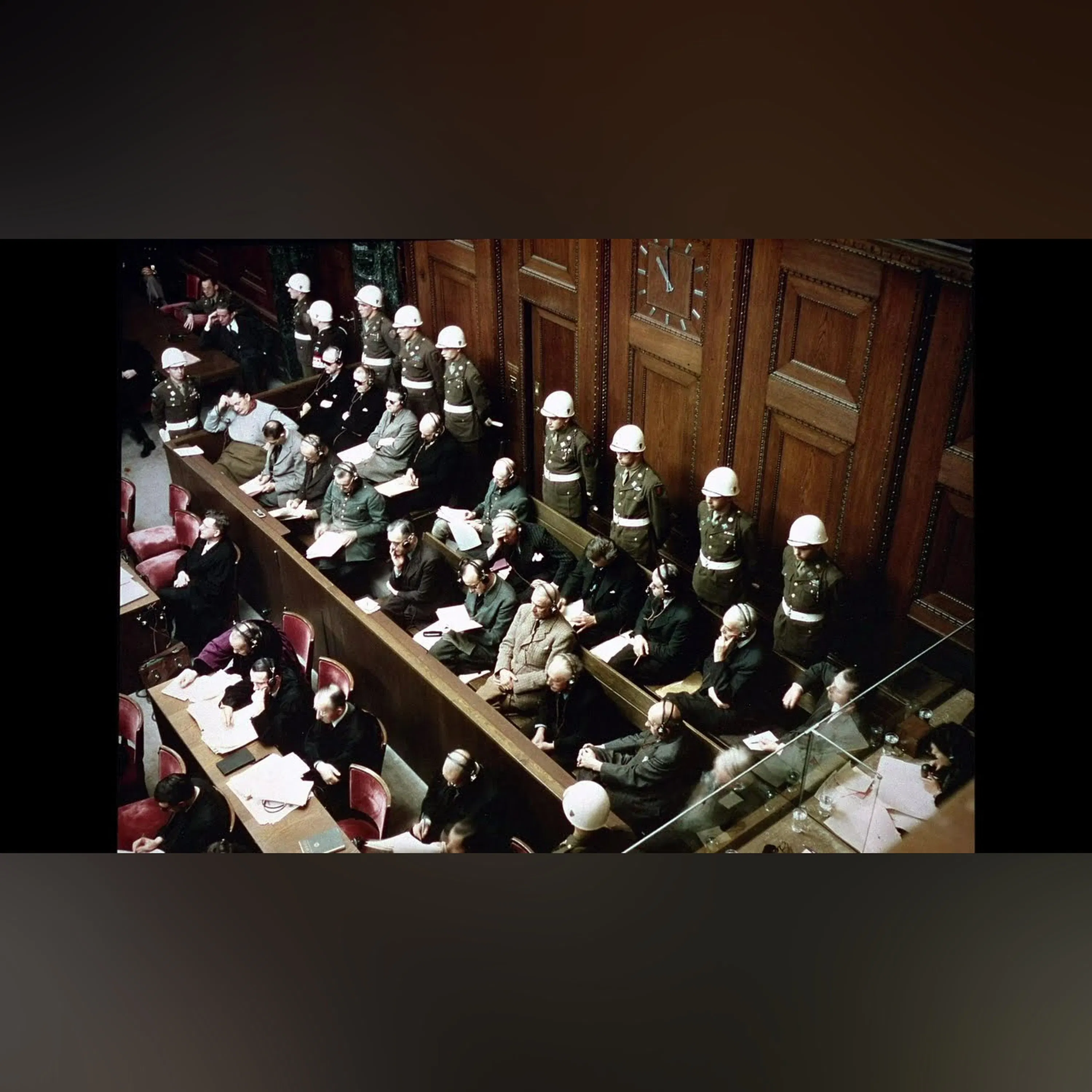 Examining the Ethics of the Unthinkable: The Holocaust and Bioethics - Arthur Caplan (1989) 21.09.2026 1ч 28минAudio recording of a keynote speech by Professor Arthur L. Caplan at a 1989 conference on the meaning of the Holocaust for bioethics at the University of Minnesota. 00:00 Lecture 52:17 Q&A #philosophy #ethics #bioethics #history #moralphilosophy #utilitarianism #medicalethics #totalitarianism #authoritarianism Learn more about your ad choices. Visit megaphone.fm/adchoices
 -
 Identity and the Mind - Raymond Tallis (2007) 21.09.2026 56минRaymond Tallis discusses the nature of the self or personal identity in a 2007 talk at the University of Cambridge as part of a series of public lectures on the notion of identity. More on personal identity: https://plato.stanford.edu/entries/identity-personal/ #philosophy #mind #metaphysics #personalidentity Learn more about your ad choices. Visit megaphone.fm/adchoices
 -
 Levinas on the Face 21.09.2026 3минThis short clip comes from the beginning of a 2014 documentary on Emmanuel Levinas by Yoram Ron called "Le Dieu absent - Emmanuel Lévinas et l'humanisme de l'autre" ("Absent God - Emmanuel Levinas and the Humanism of the Other"). I thought it was interesting, so I translated it into English and added subtitles. The full documentary (with English subtitles) can be found on YouTube here: https://www.youtube.com/watch?v=qbGaXEqxSvU#philosophy #levinas #phenomenology Learn more about your ad choices. Visit megaphone.fm/adchoices
 -
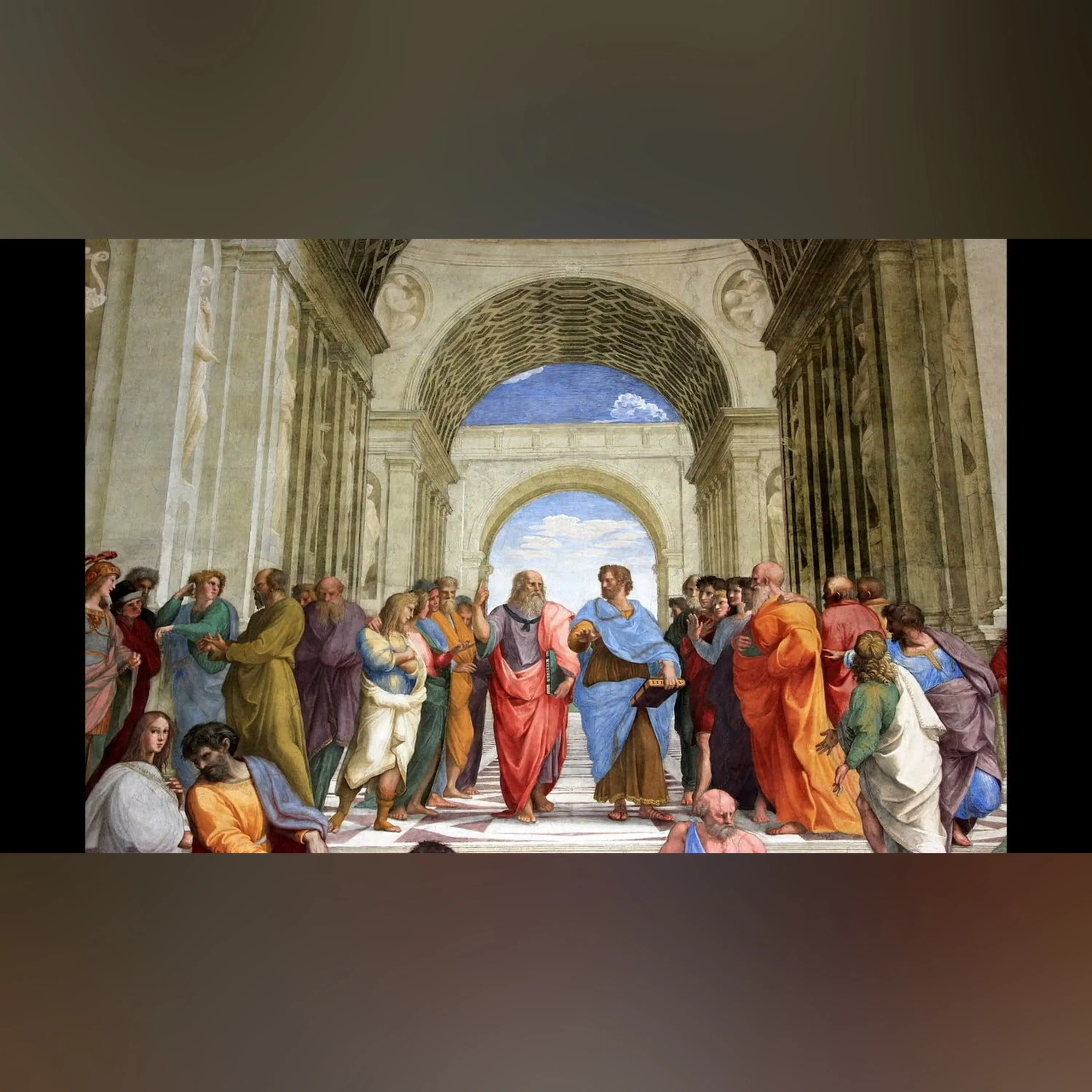 Western Culture - Kwame Anthony Appiah (2016) 21.09.2026 1ч 2минAudio recording of a 2016 lecture by the philosopher and cultural theorist Kwame Anthony Appiah on culture as part of his Reith Lectures on Mistaken Identities. He says the idea of "Western civilization" or "Western culture" is a mistaken one and that we should abandon it. He uncovers the history of the idea from its roots at the time of the Crusades to its modern incarnation in the second half of the 20th century. However, we have very little culturally in common with our forebears in say the England of Chaucer's time. And indeed, much of the knowledge supposedly at the heart of Western civilisation was actually transmitted via Islamic scholarship. No one, he argues, can claim exclusive ownership of culture. This lecture was given by Kwame Anthony Appiah at New York University in 2016 as part of his Reith Lectures on Mistaken Identities. 00:00 Talk 29:45 Q&A #philosophy #politicaltheory #socialphilosophy #culturalcritique Learn more about your ad choices. Visit megaphone.fm/adchoices
 -
 Wittgenstein vs Socrates on Definitions and Explanations (James Klagge) 21.09.2026 55минWittgenstein described some of his views as being the opposite of Socrates'. Socrates famously sought essential definitions for concepts such as Truth, Justice, Knowledge, Goodness, Beauty, etc. This search for the definition or essential nature of things (i.e. the necessary and sufficient conditions for a given concept) is the very paradigm of philosophical or conceptual analysis. But according to Wittgenstein, such abstract terms do not have or do not need to have an underlying essence which all the particular instances have in common. We understand the meaning of such terms enough to be able to use them, even if we cannot spell out their precise conditions. Indeed, things of the same kind need not share any underlying universal or common nature, but only a variety of overlapping similarities, which Wittgenstein famously called "family resemblances". In this way, Wittgenstein was something of a nominalist, rejecting essentialism. So too, while Socrates was always looking for deeper explanations, Wittgenstein was quite skeptical of this sort of intellectualism. For although the unexamined life is not worth living, the endlessly examined life is something that isn't even livable. This talk was given by James Klagge at the Wittgenstein Archive at Bergen, University of Bergen, Norway, March 6, 2012. It is a re-upload. #philosophy #wittgenstein #socrates #plato #historyofphilosophy #epistemology Learn more about your ad choices. Visit megaphone.fm/adchoices
 -
 The Absurdity of Moral Relativism and Subjectivism - A Polemic 21.09.2026 14минSkeletons will dance, positions will be refuted. This is a re-upload from the previous channel. It was made in 2016. You may also like the following: https://youtu.be/DFHPH3m-KR8#philosophy #relativism #ethics #postmodernism #historyofphilosophy Learn more about your ad choices. Visit megaphone.fm/adchoices
 -
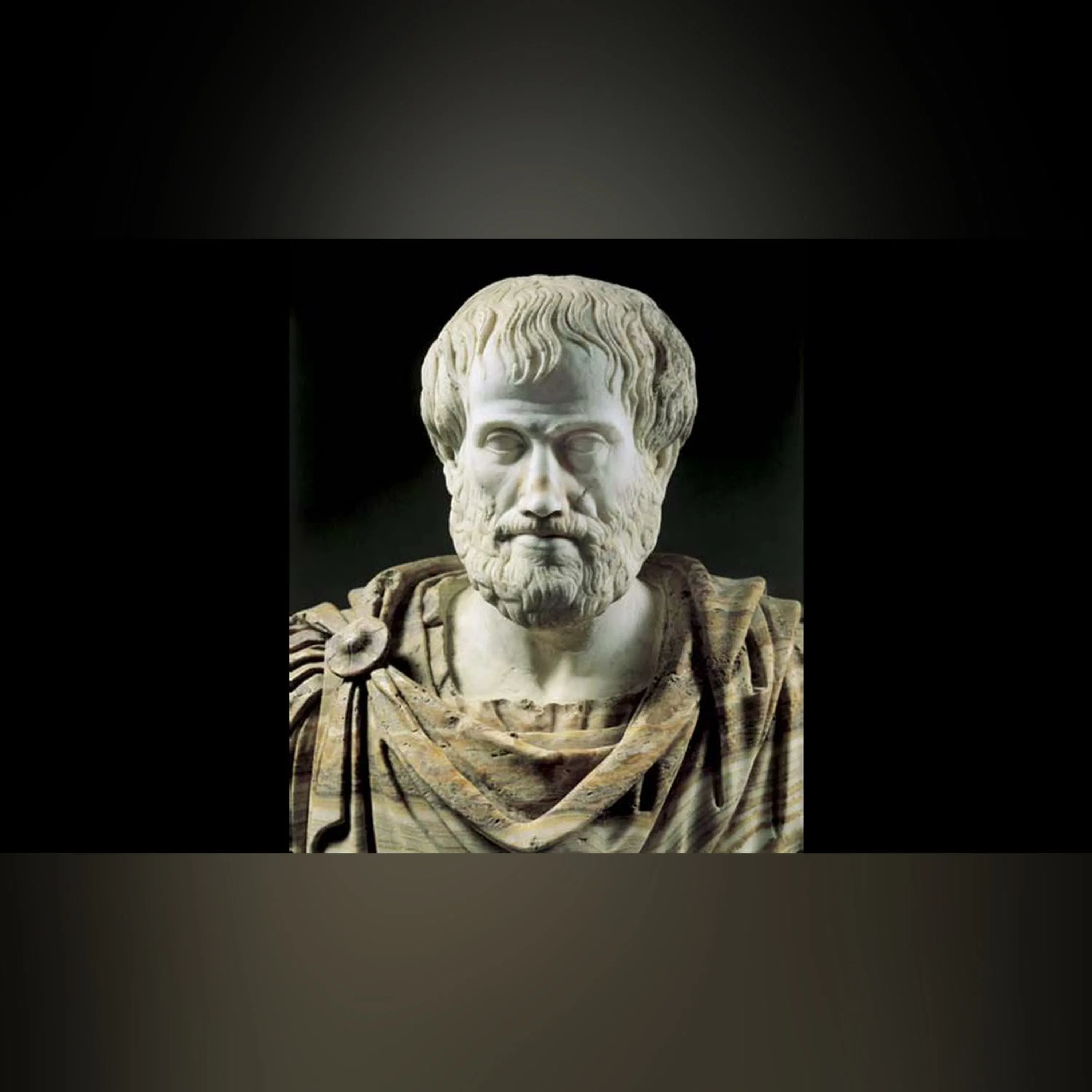 Aristotle's Ethics - Happiness, Pleasure, and Friendship (History of Philosophy) 21.09.2026 46минPeter Adamson discusses Aristotle's ethics, focusing on the Nicomachean Ethics. Among other things, he discusses Aristotle's ideas about happiness, virtue, the function argument, weakness of will, as well as the role of pleasure and friendship in the good life.This is from two episodes of Peter Adamson's podcast, the History of Philosophy without any Gaps, back in 2011. I thought it provided a good introduction to Aristotle's ethics. The podcast can be found here: https://historyofphilosophy.net00:00 Aristotle's Ethics 20:13 Pleasure & Friendship #philosophy #aristotle #ethics #moralphilosophy #historyofphilosophy #metaphysics #philosopher Learn more about your ad choices. Visit megaphone.fm/adchoices
 -
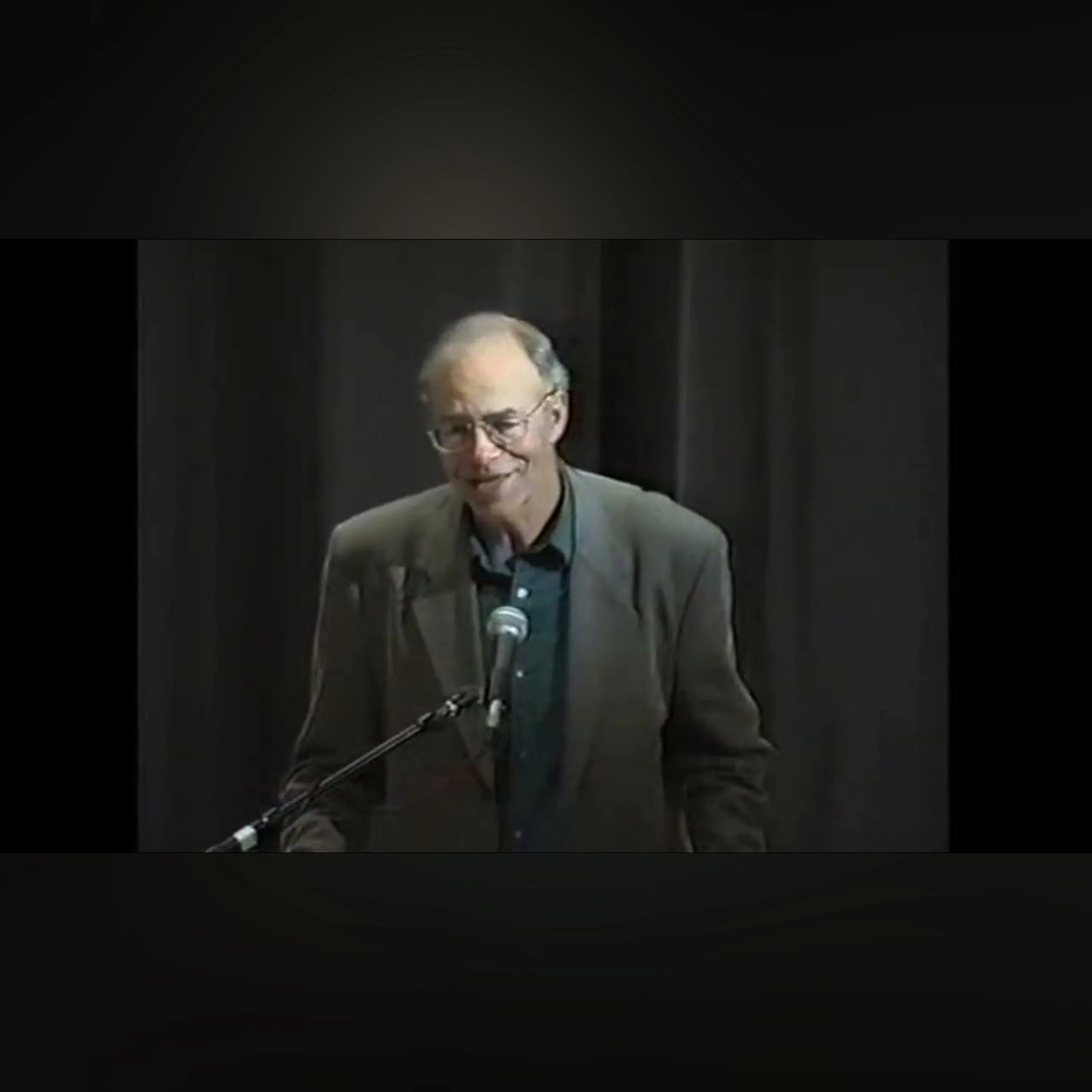 Debate of the Century: What it Means to be Human (2002) 21.09.2026 1ч 47минDr. Peter Singer and Dr. Nigel M. de S. Cameron discuss what it means to be human in a 2002 debate moderated by Michael krasny and hosted by the Center for Bioethics and Culture. They consider various ethical issues surrounding life and death, including that of euthanasia, among various other things. 00:00 Introduction 07:20 Cameron's Opening 17:06 Singer's Opening 28:18 Back-and-Forth 1:01:57 Audience Questions 1:26:04 Singer's Closing 1:32:40 Cameron's Closing #philosophy #ethics #petersinger #medicalethics #bioethics #moralphilosophy #debate Learn more about your ad choices. Visit megaphone.fm/adchoices
 -
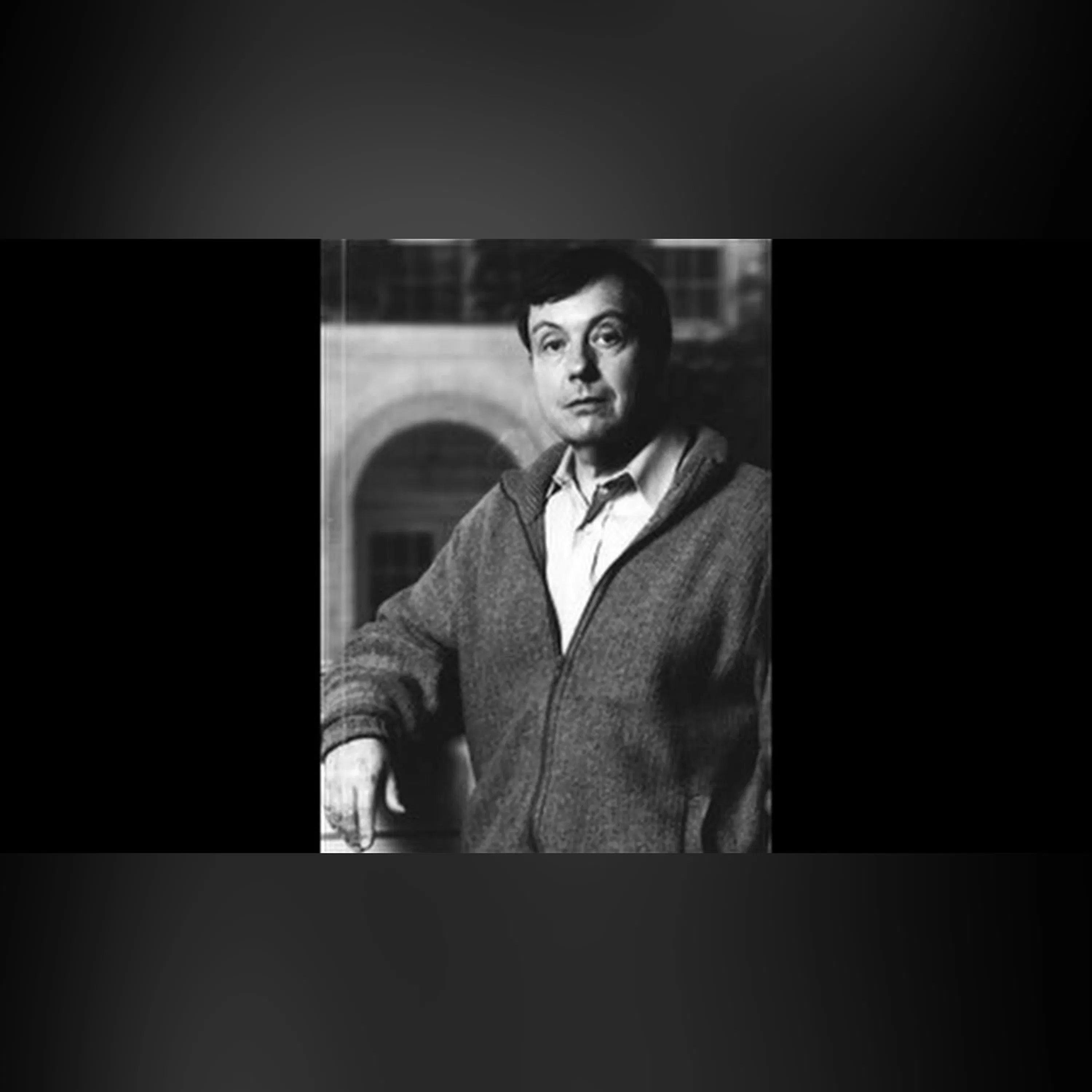 Is God an Unnecessary Hypothesis? 21.09.2026 54минAudio recording of a lecture by Peter van Inwagen on whether God is an unnecessary hypothesis at Calvin College back in 2004. This was the first of his Jellema lectures. His second lecture can be found here: https://youtu.be/izD-w3CCN98 #philosophy #philosophyofreligion #agnosticism #atheism #theism #epistemology Learn more about your ad choices. Visit megaphone.fm/adchoices
 -
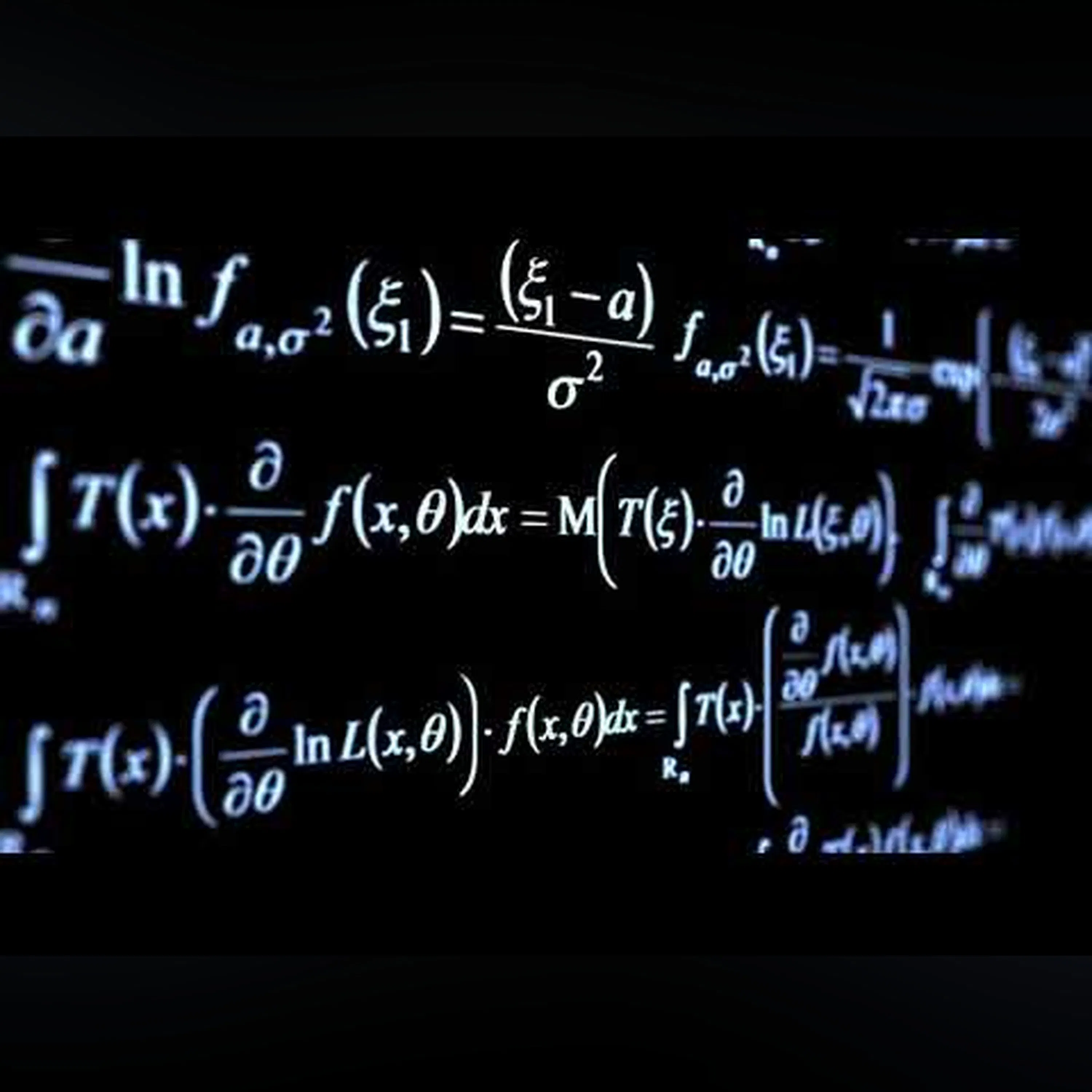 Intro to the Philosophy of Mathematics (Ray Monk) 21.09.2026 41минA good introduction to the philosophy of mathematics by Ray Monk. He considers the issue of the nature of mathematical truth - what mathematics is actually about - and discusses the views of Plato, Aristotle, Kant, Frege and Russell. What is mathematics about? Is mathematics something discovered or is it something invented or constructed by us? If numbers and mathematical objects are mere mental constructs, something invented by us, then why does mathematics work so well and seem to describe the world? On the other hand, if mathematical entities are "out there" in some sense waiting to be discovered, then what is their status and how do we get knowledge of them? After all, you can't see or touch numbers and other mathematical objects. And unlike ordinary empirical truths, mathematical truths seem to have a quite different and special status: they are a priori, necessary, eternal, universal, and absolutely certain. And this is why from the time of Plato onward, people have regarded mathematical truths as an ideal. In this talk, some of the ways in which philosophers have tried to account for the special nature of mathematical truth. (My Summary)Another good introduction to the philosophy of mathematics: https://www.youtube.com/watch?v=XyXWnGFKTkgMore advanced talk on philosophy of mathematics: https://www.youtube.com/watch?v=ucPhfzCvKnE#philosophy #epistemology #mathematics #kant #historyofphilosophy #metaphysics #philosopher #wittgenstein Learn more about your ad choices. Visit megaphone.fm/adchoices
 -
 What is Distinctive of Human Thought? 21.09.2026 46минDescartes famously argued that animals were mere machines, without thought or consciousness. Few would now share this view. But if other animals have conscious lives, what are they like, how do they differ from ours, and how would we ever know anything about them? In this lecture, Tim Crane addresses this question by looking at the kinds of thoughts we might share with animals, and looking at philosophical and empirical arguments for how our thoughts might differ from theirs. This talk was given by professor Tim Crane as part of his inaugural lecture as Knightbridge Professor of Philosophy at the University of Cambridge back in 2010. #philosophy #philosophyofmind #epistemology #psychology #intentionality #mind #language Learn more about your ad choices. Visit megaphone.fm/adchoices
 -
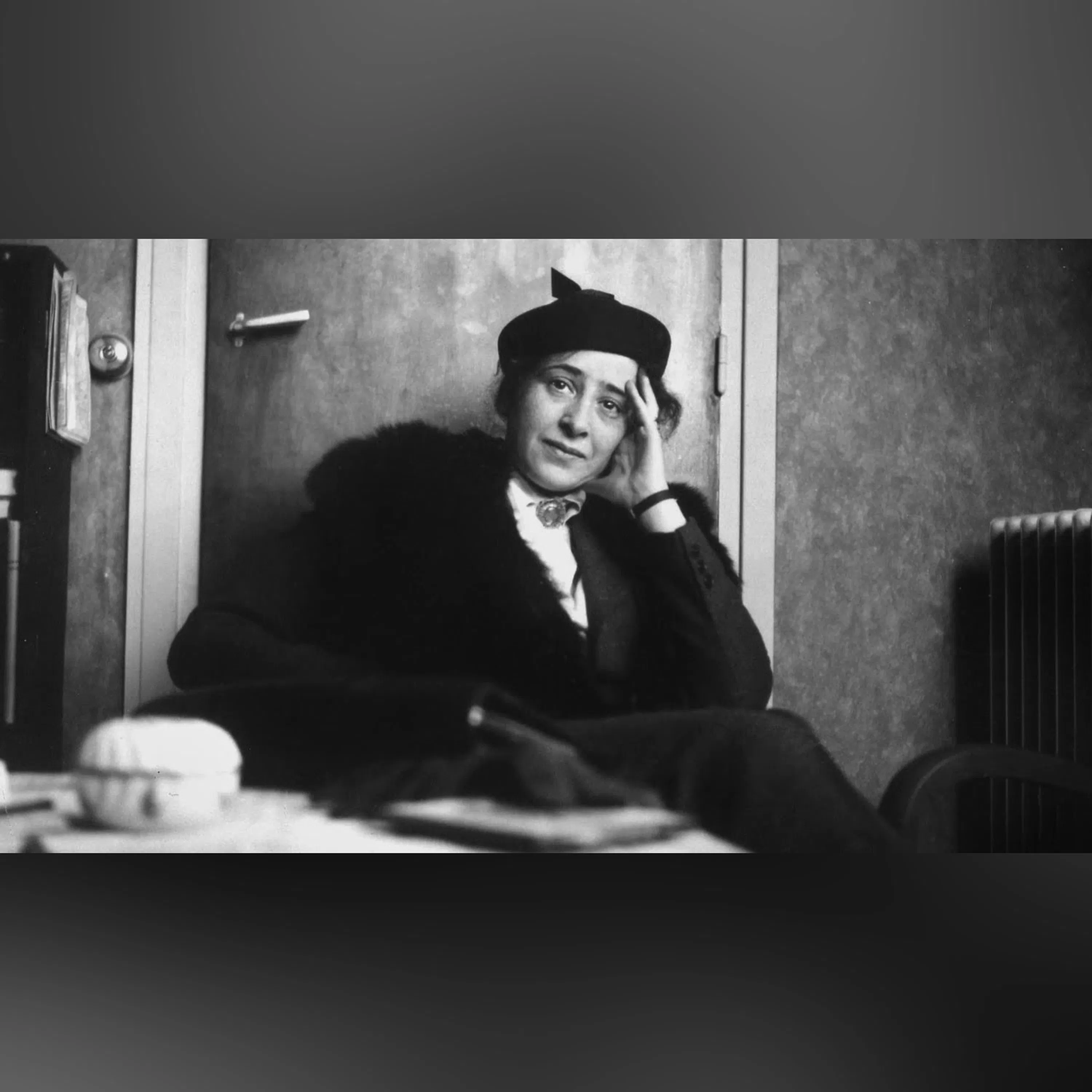 Hannah Arendt on Power and Violence (1968) 21.09.2026 1ч 2минAudio recording of part of 1968 lecture by Hannah Arendt at Bard College on power and violence. Note, the beginning of the lecture is missing. 00:00 Talk 18:46 Q&A You can find more Arendt here: https://www.youtube.com/playlist?list=PLhP9EhPApKE-07vAVTFEuiDvqli1y8f0U#philosophy #hannaharendt #politicaltheory #politicalphilosophy Learn more about your ad choices. Visit megaphone.fm/adchoices
 -
 Prerequisites of Language Acquisition - Noam Chomsky (1964) 21.09.2026 1ч 49минNoam Chomsky discusses language and the innate structures of the mind in a 1964 lecture at UC Berkeley and sponsored by the Philosophy Colloquium. 00:00 Lecture 1:10:24 Q&A Source: https://cla.berkeley.edu/item/?bndlid=26712#philosophy #chomsky #epistemology #language #linguistics #psychology #mind Learn more about your ad choices. Visit megaphone.fm/adchoices
 -
 Death by Thomas Nagel 21.09.2026 25минA reading of Thomas Nagel's 1970 article on death. The voice is AI, but modeled on Bryan Magee. #philosophy #death #ethics Learn more about your ad choices. Visit megaphone.fm/adchoices
 -
 Hilary Putnam on Science and Non-Science (1977) 21.09.2026 6минA short clip of Hilary Putnam discussing science and the demarcation project in a 1977 interview with Bryan Magee on the philosophy of science. This is version of an upload from the other channel. The full interview can be found here: https://www.youtube.com/watch?v=JJB2q8ufAgk #philosophy #epistemology #bryanmagee #philosophyofscience #science Learn more about your ad choices. Visit megaphone.fm/adchoices
 -
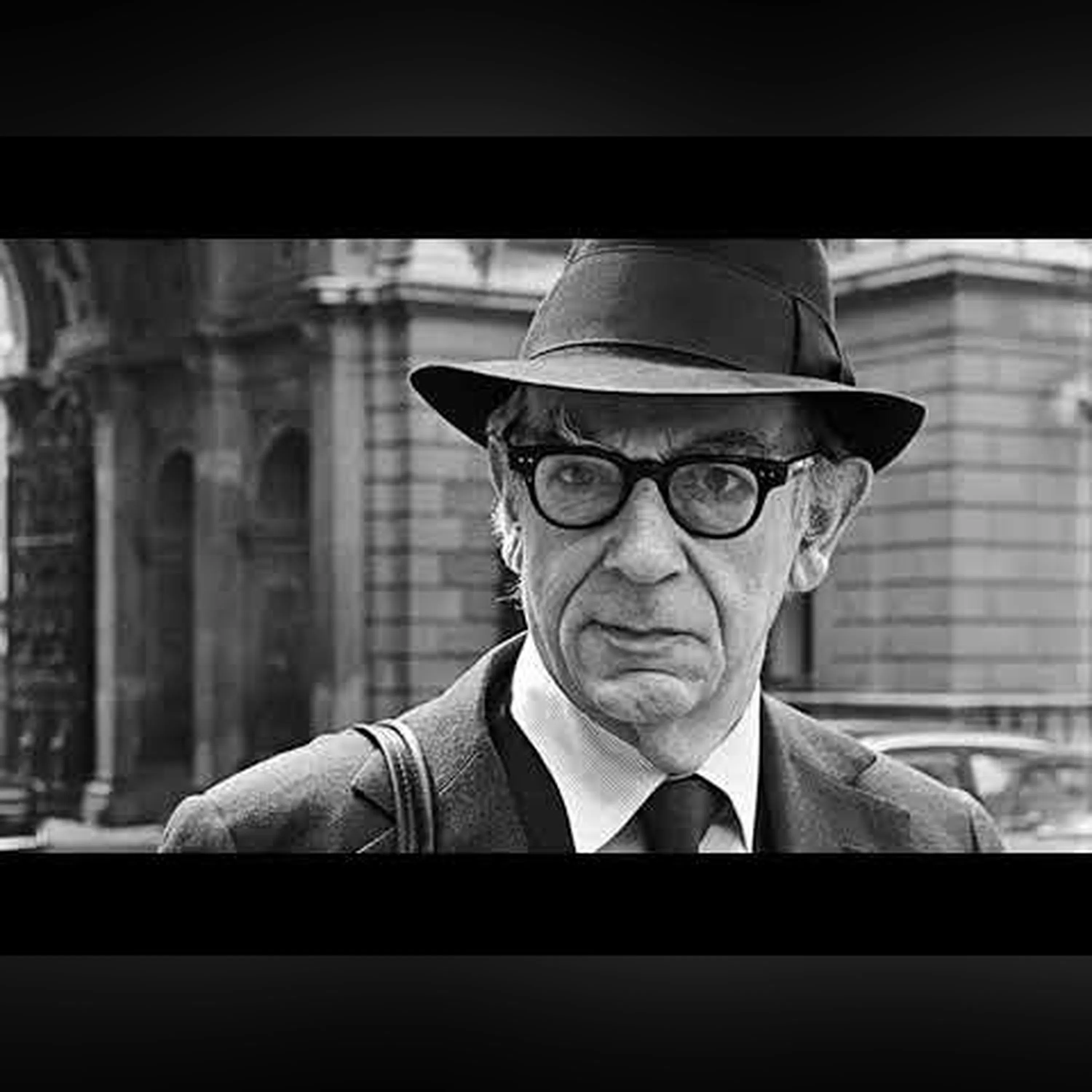 1 Romanticism - In Search of a Definition (Isaiah Berlin 1965) 21.09.2026 57минIsaiah Berlin gives the 1st lecture in a series of 6 on Romanticism and its roots.All 6 lectures: https://www.youtube.com/playlist?list=PLhP9EhPApKE_9uxkmfSIt2JJK6oKbXmd-For Berlin, the Romantics set in motion a vast, unparalleled revolution in humanity’s view of itself. They destroyed the traditional notions of objective truth and validity in ethics with incalculable, all-pervasive results. As he said of the Romantics elsewhere: “The world has never been the same since, and our politics and morals have been deeply transformed by them. Certainly this has been the most radical, and indeed dramatic, not to say terrifying, change in men’s outlook in modern times.”In these brilliant lectures Berlin surveys the myriad attempts to define Romanticism, distills its essence, traces its developments from its first stirrings to its apotheosis, and shows how its lasting legacy permeates our own outlook. Combining the freshness and immediacy of the spoken word with Berlin’s inimitable eloquence and wit, the lectures range over a cast of the greatest thinkers and artists of the eighteenth and nineteenth centuries, including Kant, Rousseau, Diderot, Schiller, Schlegel, Novalis, Goethe, Blake, Byron, and Beethoven. Berlin argues that the ideas and attitudes held by these and other figures helped to shape twentieth-century nationalism, existentialism, democracy, totalitarianism, and our ideas about heroic individuals, individual self-fulfillment, and the exalted place of art. This is the record of an intellectual bravura performance–of one of the century’s most influential philosophers dissecting and assessing a movement that changed the course of history. These Mellon lectures were delivered in Washington in 1965.#philosophy #romanticcism #isaiahberlin Learn more about your ad choices. Visit megaphone.fm/adchoices
 -
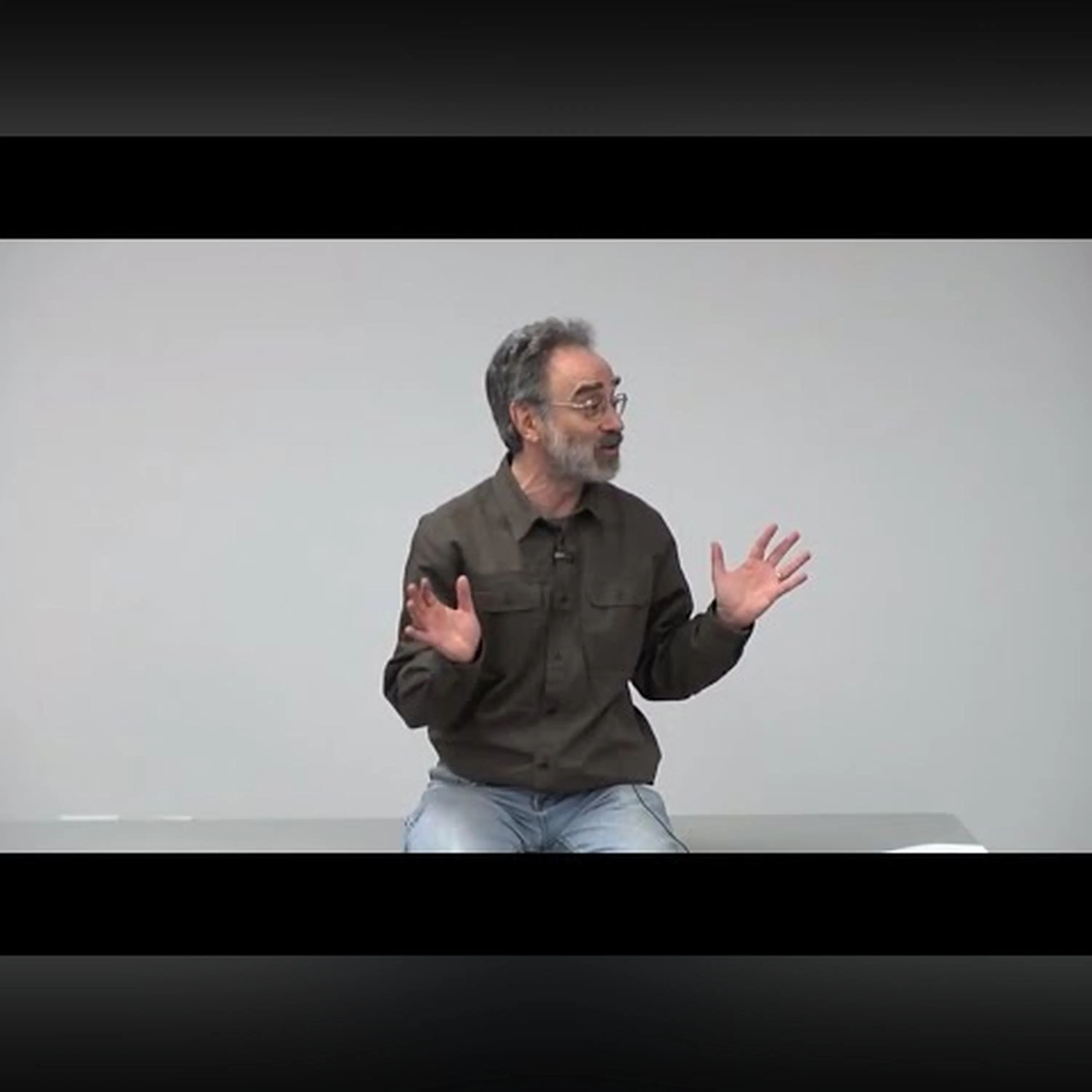 The Experience Machine 21.09.2026 6минA clip of professor Shelly Kagan discussing the famous thought experiment of the experience machine which comes from Robert Nozick and which serves as an argument against hedonism about well-being. This comes from a lecture on death given at the Southern Methodist University back in 2013. More on the nature of well-being: https://plato.stanford.edu/entries/well-being/#philosophy #hedonism #ethics #nozick #moralphilosophy Learn more about your ad choices. Visit megaphone.fm/adchoices
 -
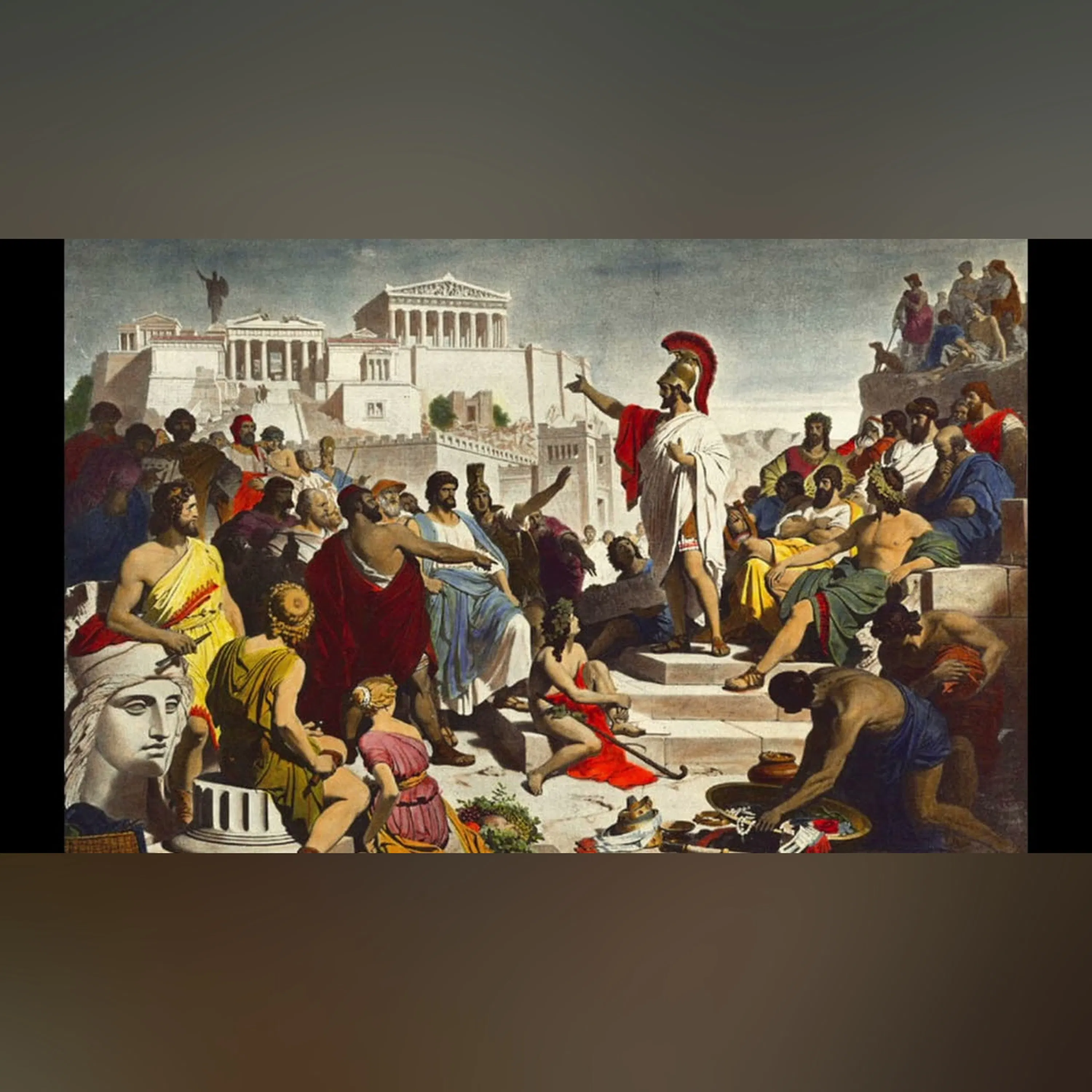 Political Equality 21.09.2026 11минA clip of Ronald Dworkin discussing the notion of political equality which comes from a longer talk on the paradoxes of equality at Queen's University as part of the 1982 Chancellor Dunning Trust Lecture series. Read more on this topic: https://plato.stanford.edu/entries/equality/#philosophy #politicalphilosophy #politicaltheory #ethics Learn more about your ad choices. Visit megaphone.fm/adchoices
Похожие подкасты


Популярен в
Этот подкаст также попадал в подкаст-чарты этих стран.
