
The Steve Pocock Podcast
Steve Pocock
0
The Steve Pocock Podcast is a series-based show in which the host, Steve Pocock, delves into subjects he is passionate about, offering stories, lessons, and practical insights from his firsthand experiences. The first season consists of six episodes examining the future of farming in Zimbabwe. An upcoming series will focus on doing business in Timor-Leste. The podcast aims to share on-the-ground perspectives and real-world knowledge.
Эпизоды
-
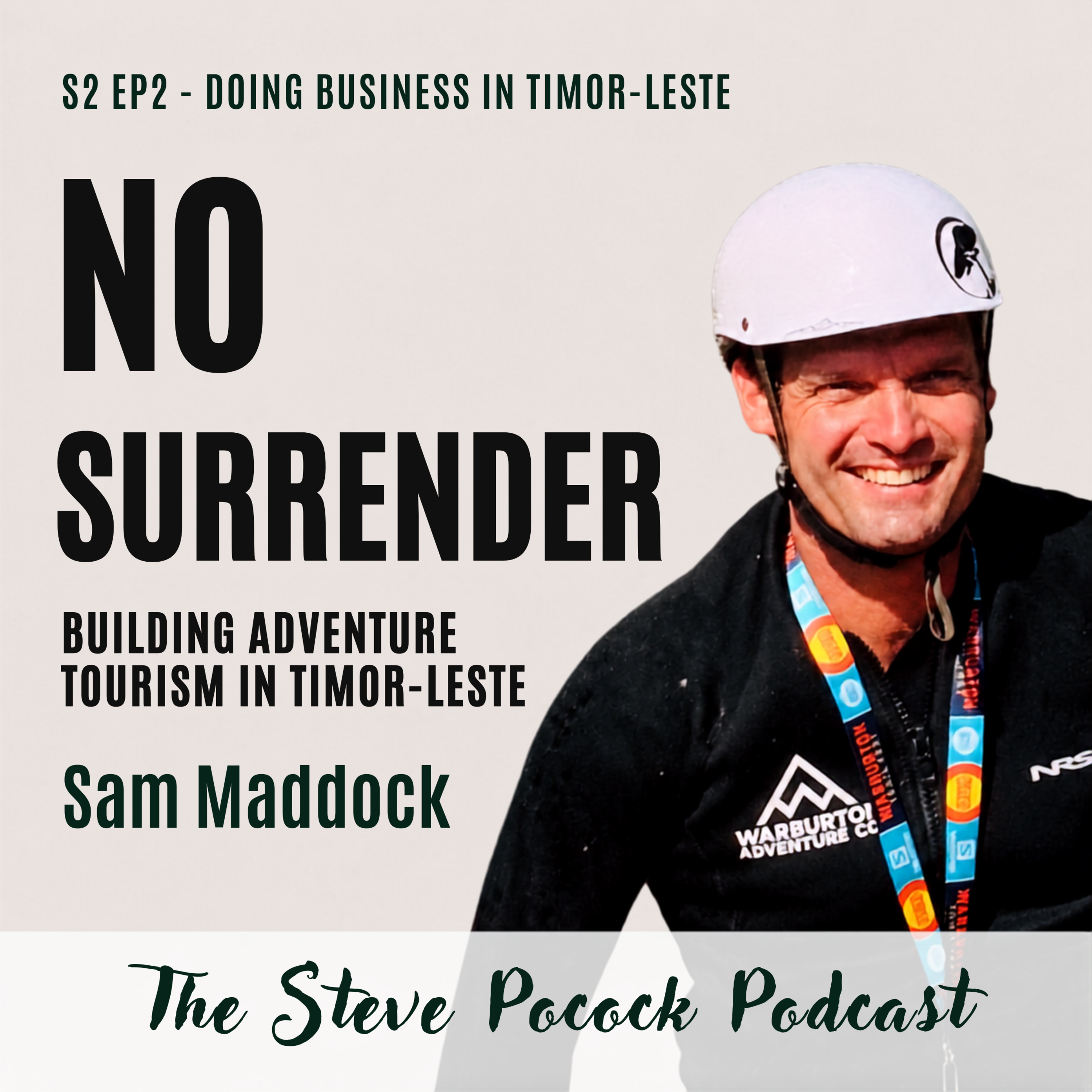 No Surrender: Building Adventure Tourism in Timor-Leste - Sam Maddock 12.08.2026 47минDisclaimer: this podcast is a personal project. It makes no money, and I produce it in my own time, because I believe Timor-Leste is full of stories that deserve to be told. The views expressed by my guests are their own, and I don't necessarily endorse them. Any views I express are mine alone, and don't represent my employer or any organisation I work with in Timor-Leste.From the series Doing Business in Timor-Leste. In December 2020, at the worst possible moment in history to launch a tourism company, Sam Maddock's Maddog Adventures became fully licensed and fully insured in Timor-Leste. Five years on, the business he founded with his wife Liesel runs canyoning first descents, coffee origin tours and the La Rende! Trek, Timor-Leste's answer to Kokoda, a 96 kilometre trail tracing the footsteps of the Australian commandos and the Timorese who stood with them in 1942.In this conversation, Sam tells the whole story: falling in love with Timor-Leste as a teacher leading school trips through the Friends of Ermera friendship network, the decision to start his own adventure tourism company, and sitting with communities to seek permission before dropping ropes into canyons no one had ever descended. We cover how the La Rende! Trek was developed, and the plan to extend it coast to coast, 130 kilometres, in 2027. We finish on the state of tourism in Timor-Leste: destination marketing, workforce and training, and how the country grows its visitor numbers without losing what makes it special.Full ep transcript: https://stevepocock.com.au/s2-ep-2-doing-business-in-timor-leste-sam-maddock In this episode:Australia's friendship network with Timor-Leste, and how 13 years of school trips with Beaconhills College led to a businessWhy Maddog registered as a for-profit company, and building a hybrid Australian-Timorese guiding modelCommunity consultation, lulik and the first descents of Timor-Leste's canyonsGetting an adventure tourism startup insured in the middle of COVIDThe story of the La Rende! Trek, from the 1942 Commando Trail to Timor's KokodaWhat Timor-Leste needs to do on destination marketing, and whether the country is ready for more touristsBuilding a skilled Timorese guide workforce through training, good pay and good rewardGrowing tourism sustainably without the big burst of thousandsAbout Sam MaddockSam Maddock is an educator, adventurer and entrepreneur. A trained teacher with more than 20 years in outdoor education and adventure tourism, he led school trips to Timor-Leste for over a decade with Beaconhills College before co-founding Maddog Adventures with his wife Liesel. Maddog runs treks, canyoning routes and coffee origin tours across Timor-Leste, with the La Rende! Trek as its flagship. Sam and Liesel also run the Warburton Adventure Company in Victoria's Yarra Valley.Links:Maddog Adventures: https://maddogadventures.com.auLa Rende! Trek: https://maddogadventures.com.au/adventures/la-rende-trek/Wild magazine feature on La Rende!: https://wild.com.au/features/timor-leste-la-rende-198/We Are Explorers on La Rende!: https://weareexplorers.co/la-rende-trek-timor-leste/
 -
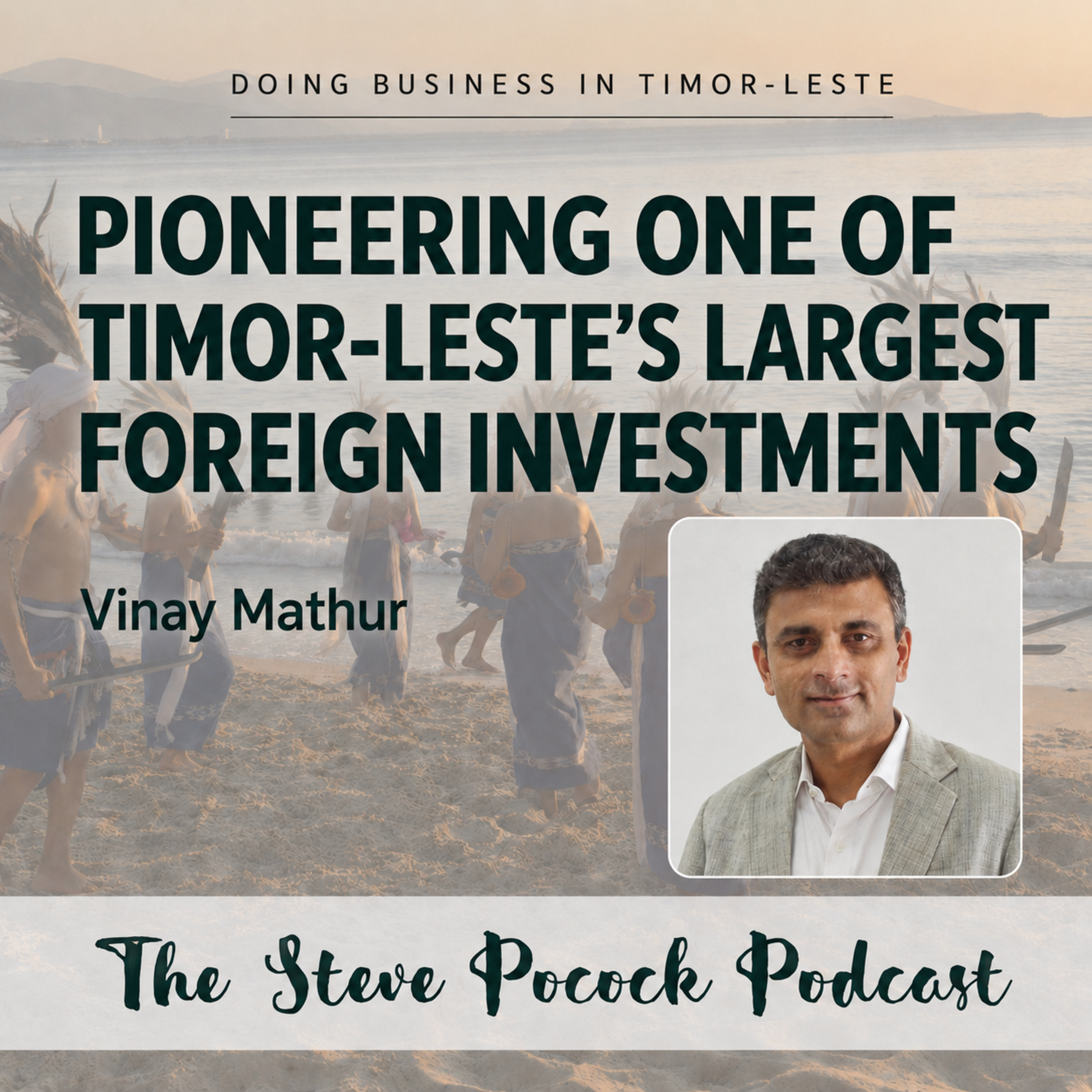 Pioneering One of Timor-Leste's Largest Foreign Investments - Vinay Mathur 05.07.2026 1ч 21минDisclaimer: this podcast is a personal project. It makes no money, and I produce it in my own time, because I believe Timor-Leste is full of stories that deserve to be told. The views expressed by my guests are their own, and I don't necessarily endorse them. Any views I express are mine alone, and don't represent my employer or any organisation I work with in Timor-Leste.From the series Doing Business in Timor-Leste.Vinay Mathur is a chartered accountant who started out as an external auditor, then moved into prominent roles with PepsiCo and Heineken. He moved to Timor-Leste to set up Heineken's operations, built a greenfield brewery from the ground up, and has since gone on to co-found Halodili, Timor-Leste's largest e-commerce platform, and Think Forward Consulting. He's also co-founder of coaxis.aiIn this episode:The accidental $15 million Solomon Islands deal that changed how Vinay saw small marketsWhy the Petroleum Fund convinced Heineken to make one of Timor-Leste's largest foreign investmentsNegotiating the special investment agreement: how 40 cents and 20 years came out of an Excel modelSecuring land in Hera and compensating the families on it the right wayDigging up a factory floor built without rebarBuilding trust with government through proactive engagement and letter-writingHalodili, and why cash payments are the biggest limiter on e-commerceThink Forward Consulting: Big Four standards, built in Timorcoaxis.ai and what AI can do for SMEs in markets without formal dataA failure Vinay is grateful for, and his five-year outlookLinks:Halodili: https://www.facebook.com/halodili/ Think Forward Consulting: https://thinkforward-tl.com/ coaxis.ai: https://coaxis.ai/contact/Vinay on LinkedIn: https://www.linkedin.com/in/vinay-mathur-72660017/Full transcript: https://stevepocock.com.au/s2-ep-1-business-in-timor-leste-vinay-mathur
 -
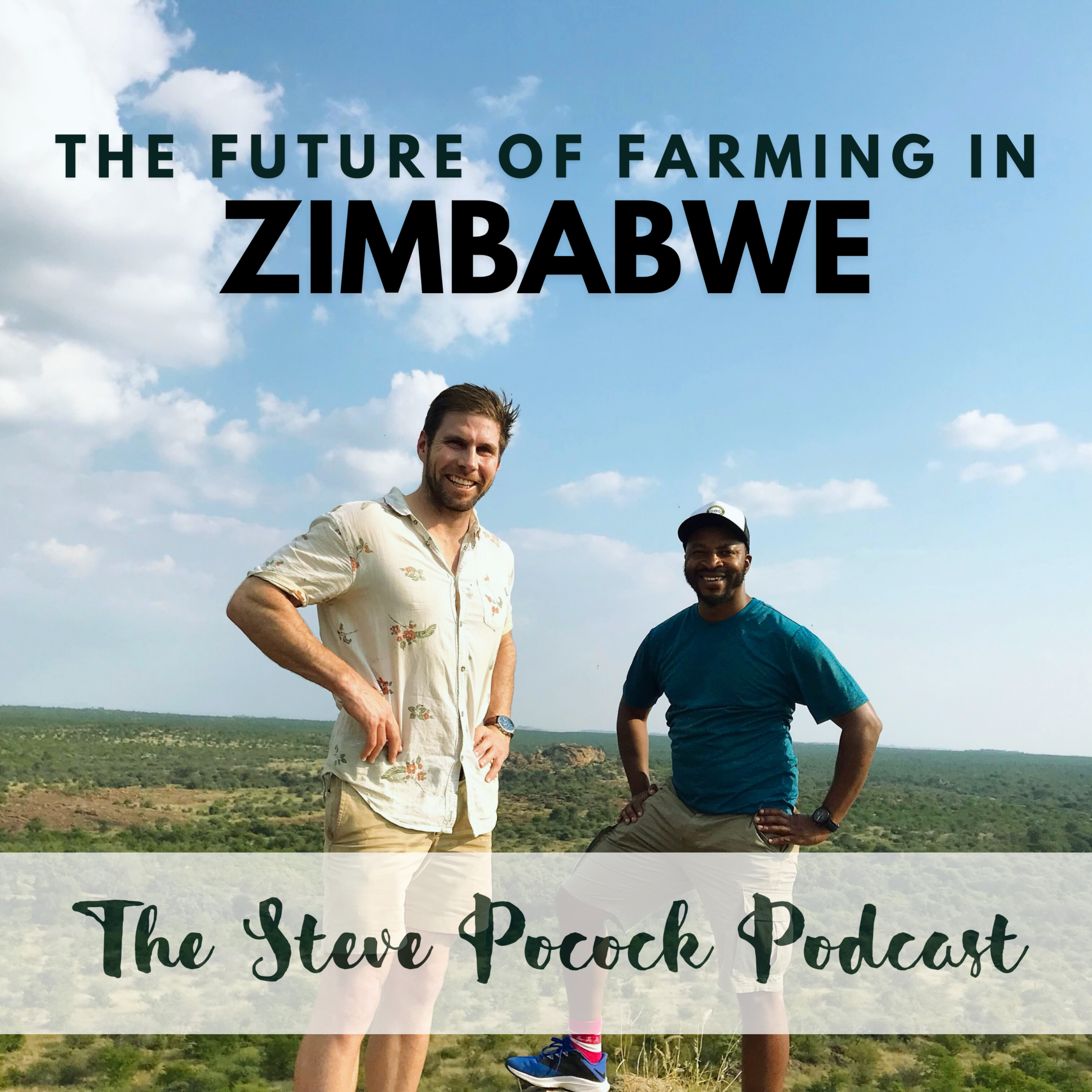 The Future of Farming in Zimbabwe — Ep. 6: From Rhetoric to Reality 25.03.2026 7минIn Episode 6, the final episode of this series, I bring everything together and keep it practical by focusing on the role we all play in realising the potential of agriculture in Zimbabwe.I talk through what government needs to prioritise, what investors and the private sector need in order to back the sector, what large commercial operators can do to drive growth and build value chains, and what support smallholders need to become more productive and resilient. The goal is simple: move from good ideas and big talk to coordinated action.Full episode transcript, photos, and more background info here: https://stevepocock.com.au/podcastCheck out my Nuffield report here: https://www.nuffieldscholar.org/reports/zw/2024/future-farming-zimbabwe-realising-resilient-inclusive-and-sustainable-agricultural
 -
The Future of Farming in Zimbabwe — Ep. 5: The Two Pillars of Productivity 25.03.2026 9минIn Episode 5, I shift from context to solutions and focus on practical steps to lift agricultural productivity in Zimbabwe.I break it into two big priorities. First, how to back the commercial farming sector as an economic engine that drives exports, jobs, innovation, and investment across the value chain. Second, how to lift millions of smallholders out of low yield subsistence farming through a more targeted approach to support, and through market linkages that help small scale commercial farmers become viable businesses.I also talk about how these two pillars connect, and why Zimbabwe needs both working at the same time if we want a more productive, resilient, and opportunity rich agricultural economy.Full episode transcript, photos, and more background info here: https://stevepocock.com.au/podcastCheck out my Nuffield report here: https://www.nuffieldscholar.org/reports/zw/2024/future-farming-zimbabwe-realising-resilient-inclusive-and-sustainable-agricultural
-
The Future of Farming in Zimbabwe — Ep. 4: Global Lessons, Zimbabwean Solutions 25.03.2026 21минIn Episode 4, I zoom out and share some of the most useful lessons I picked up during my Nuffield travels, and translate them into what could actually work in Zimbabwe.I focus on two big, practical dilemmas. 1. Labour: when cheap labour is an advantage, when it becomes a trap, and how Zimbabwe can shift people into better jobs across processing and value chains as productivity rises. 2. Climate change: how it’s already reshaping agriculture across the world, and what Zimbabwe can do about it, from getting serious about irrigation and resilience, to putting the right crops in the right places.Full episode transcript, photos, and more background info here: https://stevepocock.com.au/podcastCheck out my Nuffield report here: https://www.nuffieldscholar.org/reports/zw/2024/future-farming-zimbabwe-realising-resilient-inclusive-and-sustainable-agricultural
-
The Future of Farming in Zimbabwe — Ep. 3: Three Farmers, One Future 25.03.2026 12минIn Episode 3, I get out of the policy world and onto the farms themselves. To understand where Zimbabwean agriculture is today, you need to see it through the eyes of the people working the land.I walk through three different realities: a subsistence farmer in a drought-prone communal area, a young small scale commercial farmer trying to build a business on an A2 farm, and a large scale commercial producer competing in export markets. Their situations are very different, but they’re tied together by the same system and many of the same constraints.The point of the episode is simple: when you understand these three perspectives, you can start to see what needs to change, and where the real opportunities are.Full episode transcript, photos, and more background info here: https://stevepocock.com.au/podcastCheck out my Nuffield report here: https://www.nuffieldscholar.org/reports/zw/2024/future-farming-zimbabwe-realising-resilient-inclusive-and-sustainable-agricultural
-
The Future of Farming in Zimbabwe — Ep. 2: The Early 2000s Land Redistribution and the Current State of Zimbabwean Agriculture 14.03.2026 14минIn Episode 2, we get into the early 2000s land redistribution, and the current state of Zimbabwean agriculture.I walk through what triggered the Fast Track Land Reform Programme, how it unfolded, and the big on-the-ground impacts it had on farming: the loss of skills and systems, the collapse of investment when land stopped being bankable collateral, and how those changes fed into a broader national economic crisis.Then we fast-forward to today. What does agriculture actually look like now? I unpack the reality for smallholders and commercial producers, and the main policies and programmes shaping the rebuild - what’s working, what isn’t, and where the real opportunities are.Full episode transcript, photos, and more background info here: https://stevepocock.com.au/podcastCheck out my Nuffield report here: https://www.nuffieldscholar.org/reports/zw/2024/future-farming-zimbabwe-realising-resilient-inclusive-and-sustainable-agricultural
-
The Future of Farming in Zimbabwe — Ep. 1: A Story of Two Farms 14.03.2026 11минIn Episode 1, I set the foundation for this six-part series on the future of farming in Zimbabwe.I share my own story - growing up on a farm near Gweru, losing it during the Fast Track Land Reform period, and later returning to Zimbabwe to work on rural development. Then we zoom out and go back to the beginning: how Zimbabwe’s colonial land policies created “two farms” - a well-resourced commercial sector built for export, and overcrowded communal areas locked out of capital, research, and opportunity.This history is the backdrop to everything that follows - and it sets up Episode 2, where we tackle the Fast Track Land Reform Programme and the economic shockwaves that reshaped Zimbabwean agriculture.Full episode transcript, photos, and more background info here: https://stevepocock.com.au/podcast Check out my Nuffield report here: https://www.nuffieldscholar.org/reports/zw/2024/future-farming-zimbabwe-realising-resilient-inclusive-and-sustainable-agricultural
Похожие подкасты


Популярен в
Этот подкаст также попадал в подкаст-чарты этих стран.
